

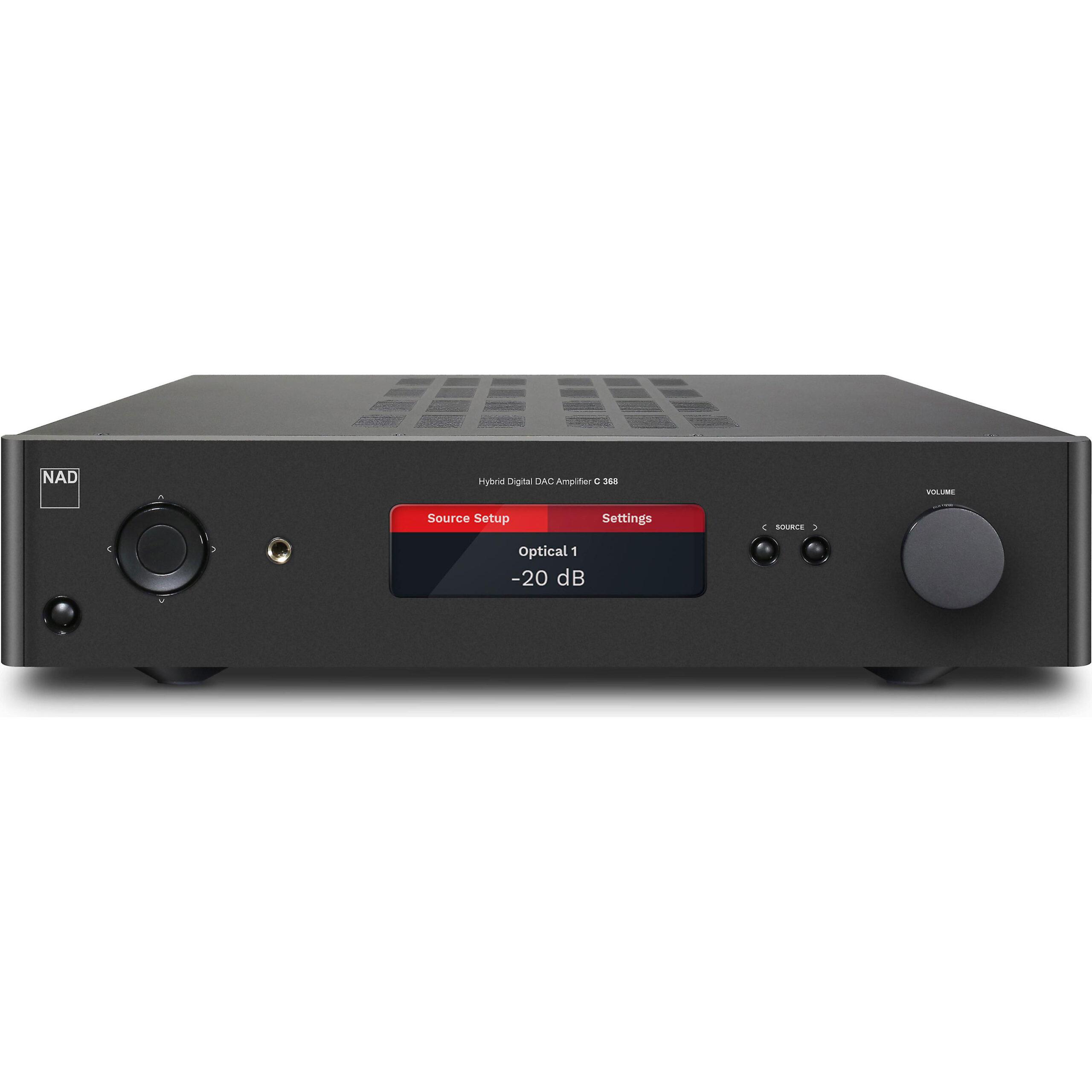
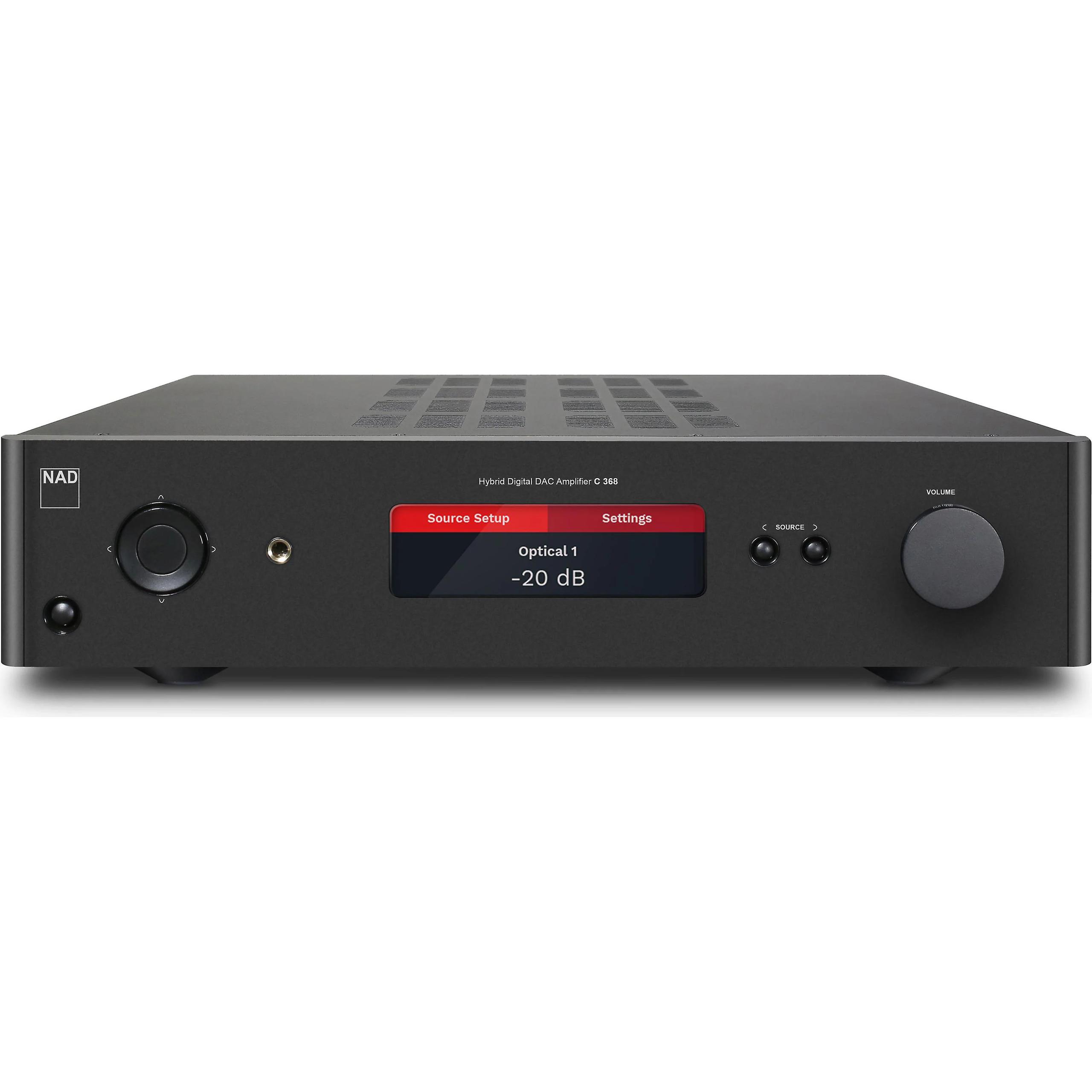
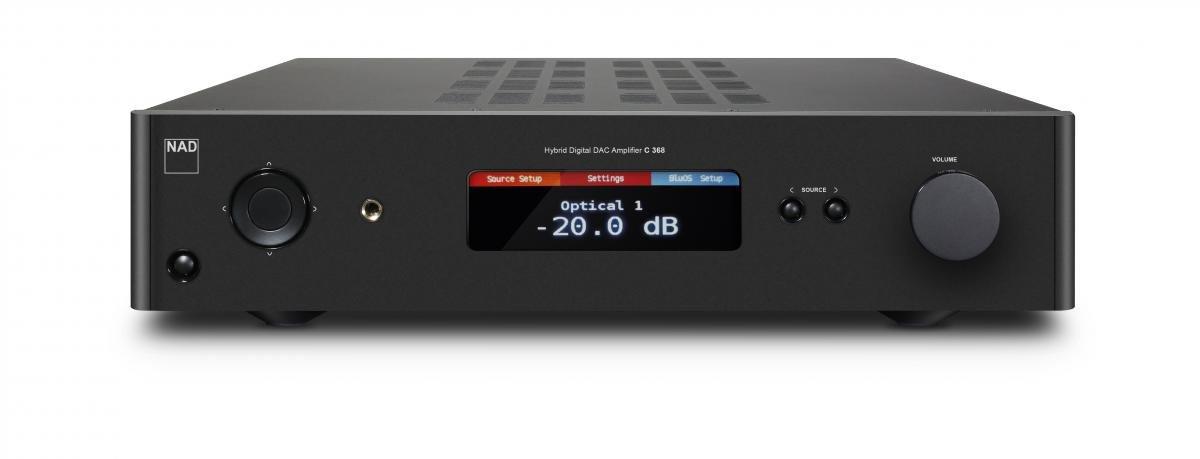
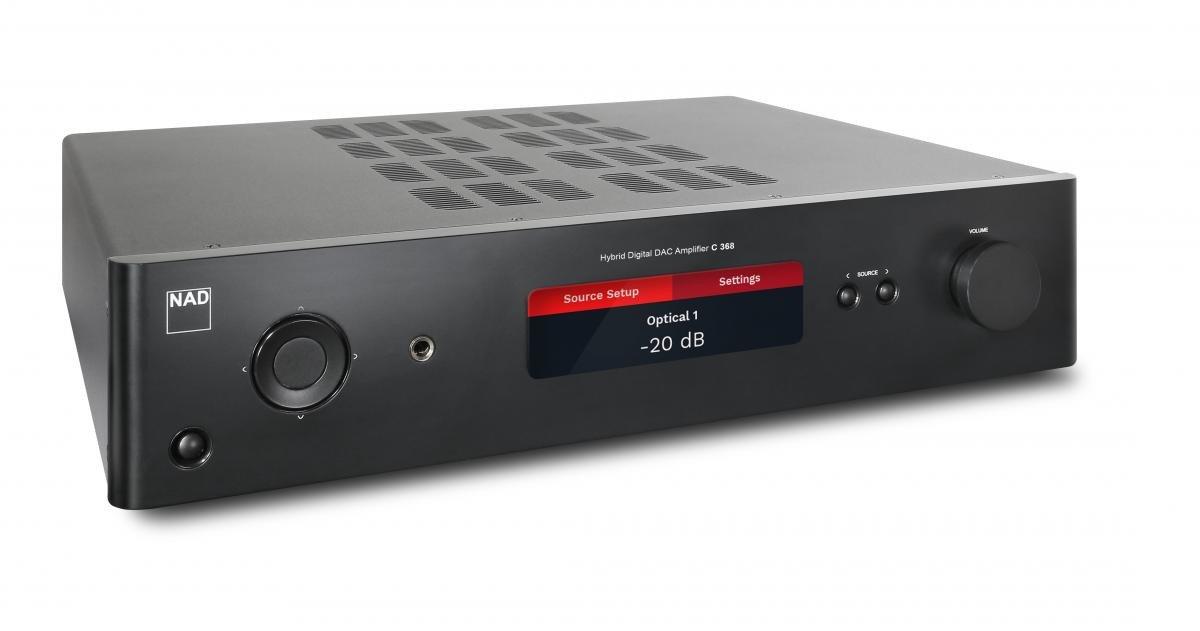
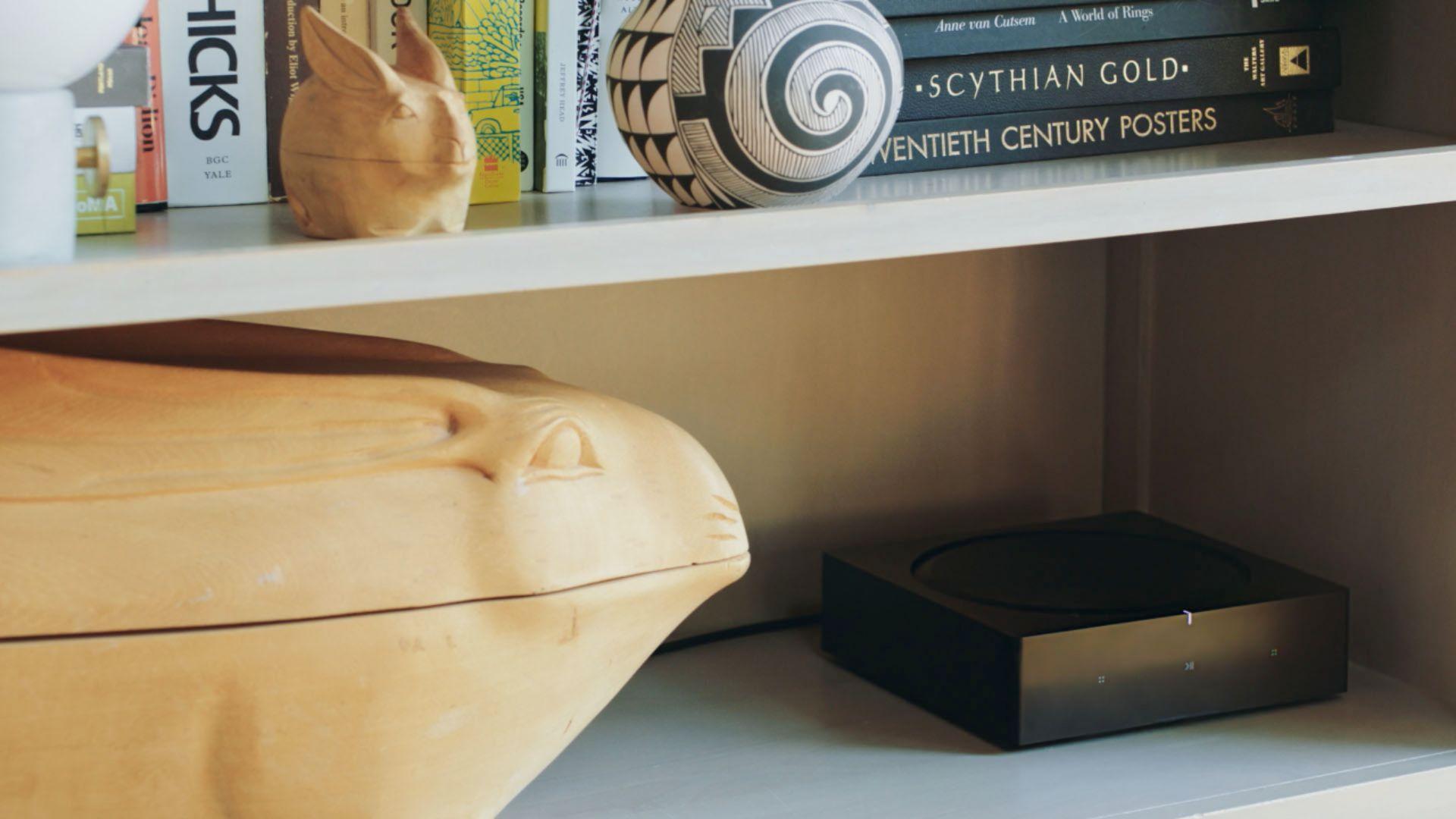
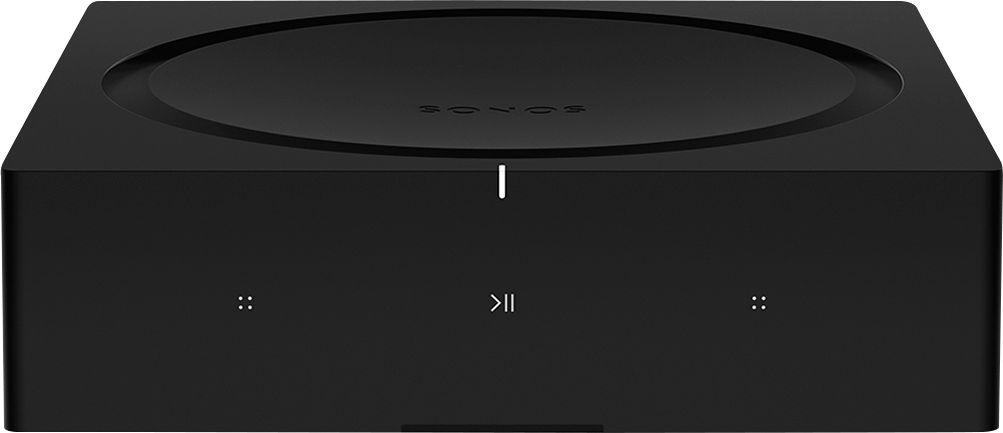
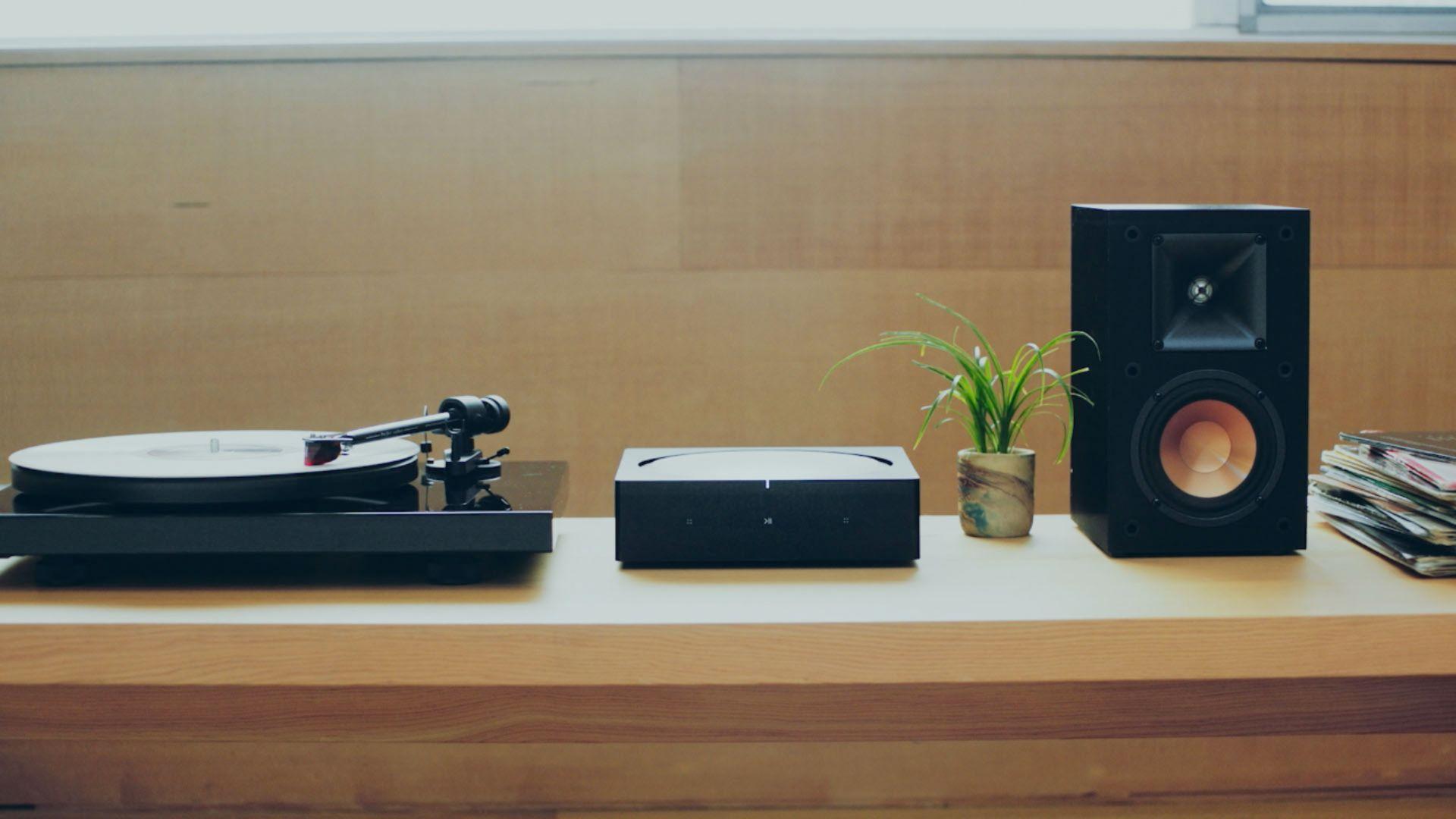
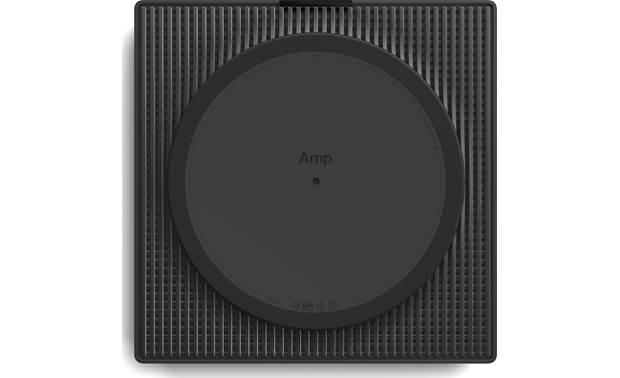
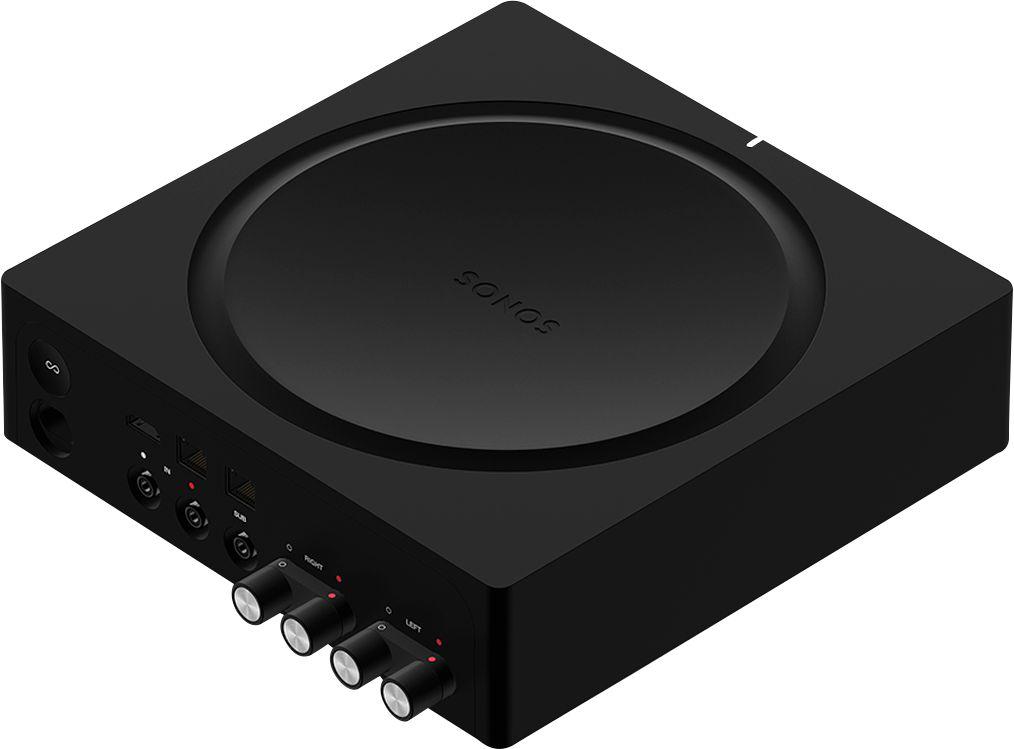
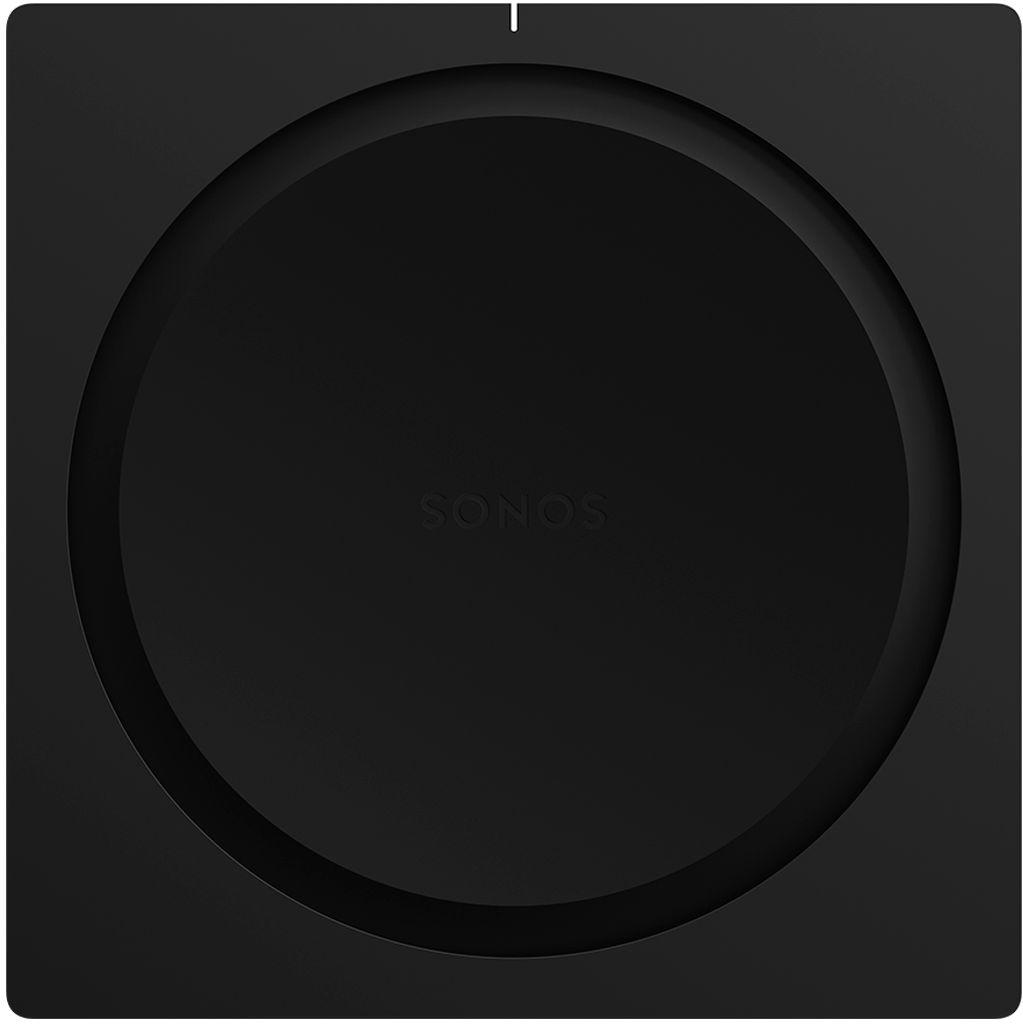
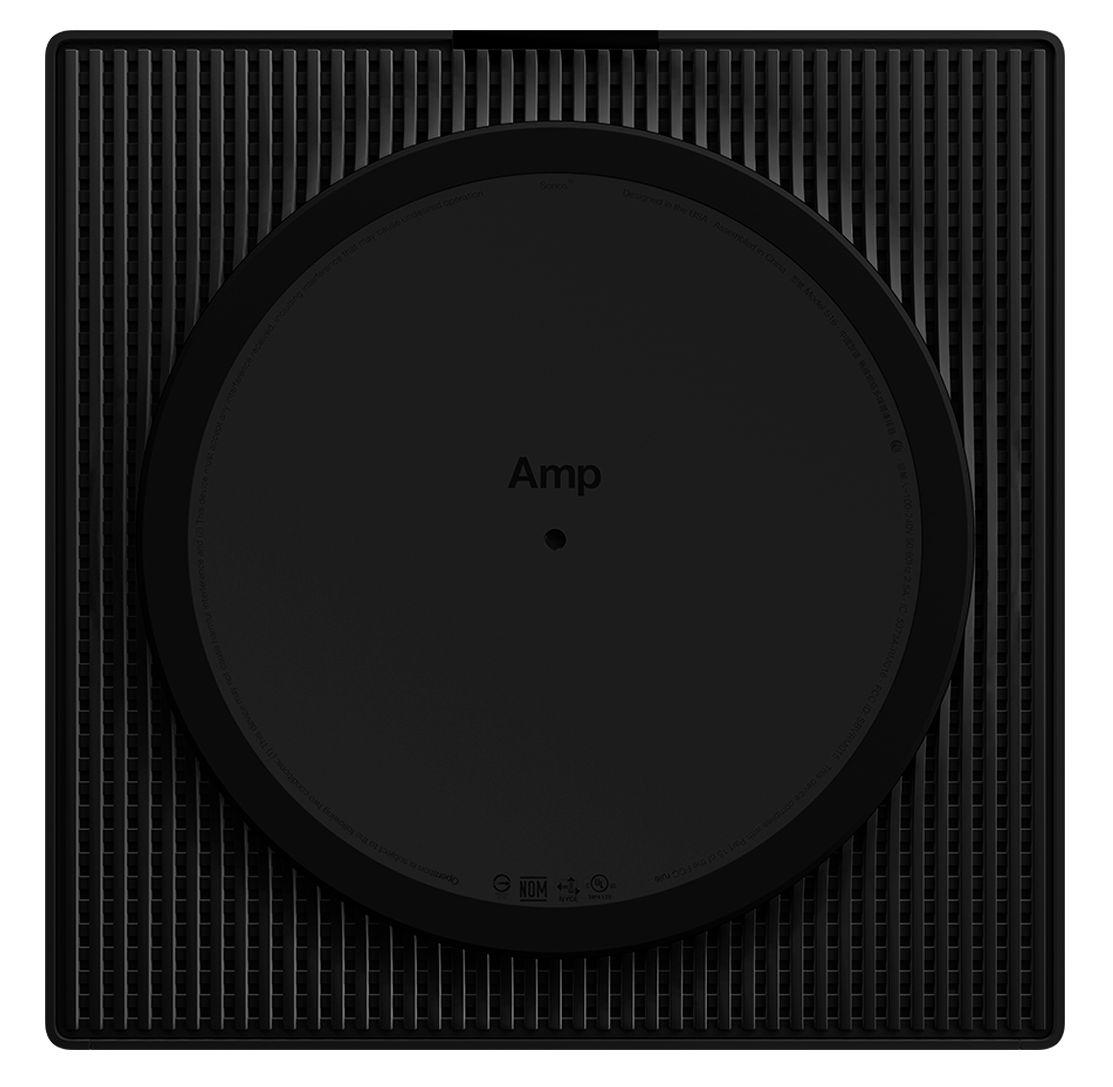

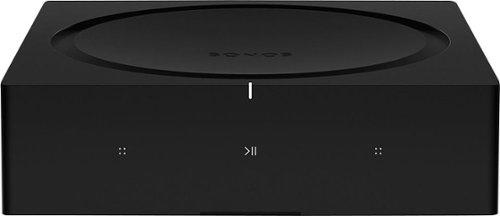
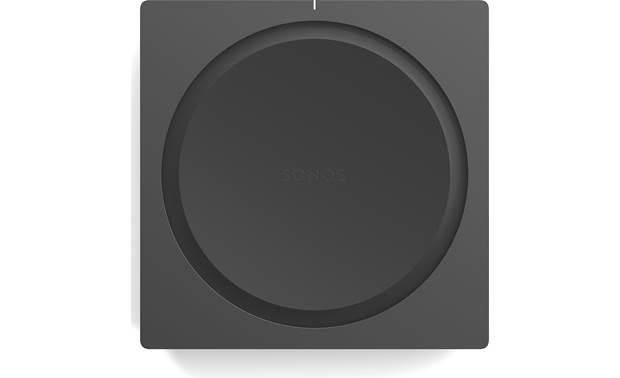
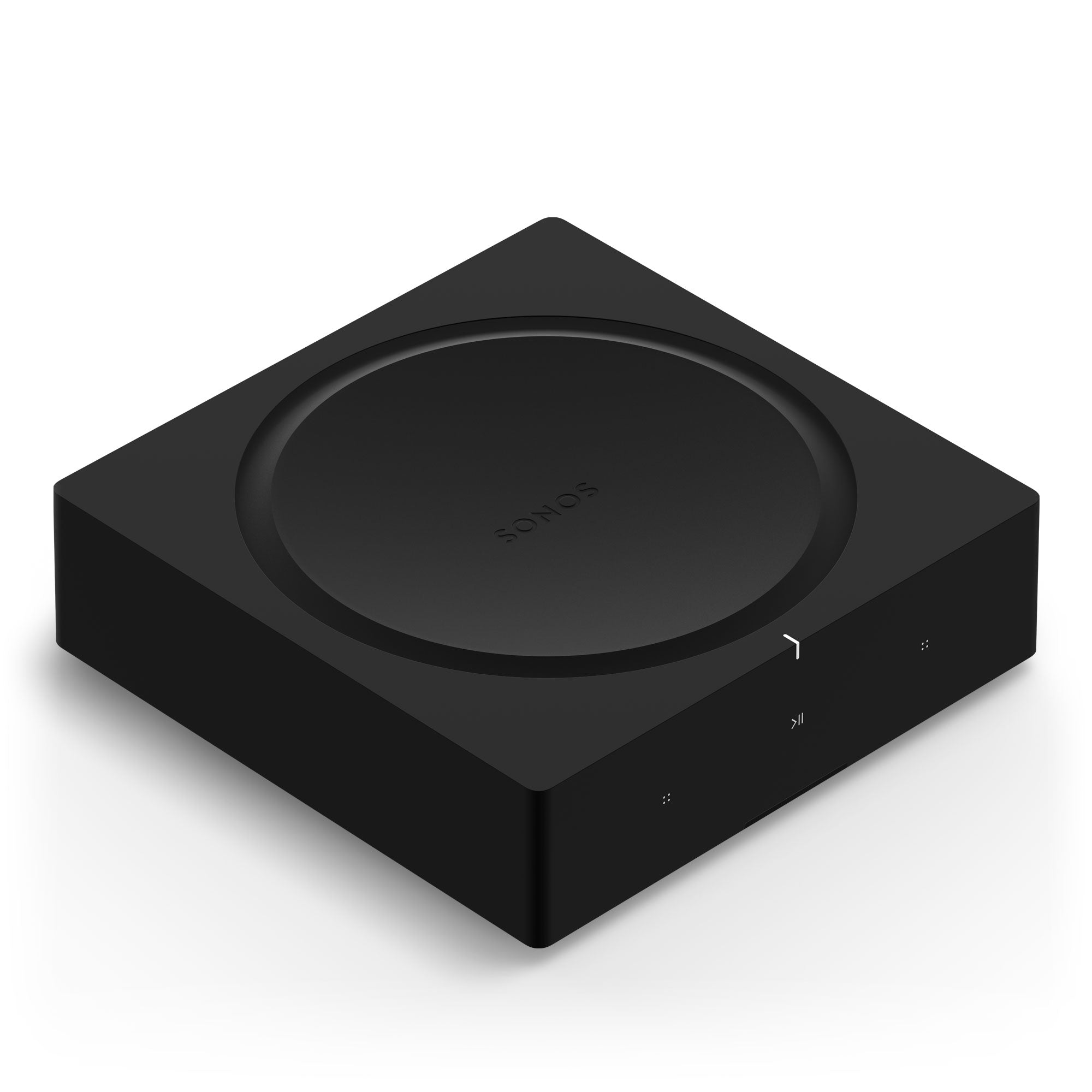
When you're looking to power passive speakers in your home, you're essentially choosing between two different philosophies of audio. The NAD C 368 represents the traditional integrated amplifier approach—a single box that combines a preamplifier (which handles source selection and volume control) with a power amplifier, plus modern digital features. The Sonos Amp, on the other hand, is a streaming amplifier designed primarily for wireless multiroom audio systems.
Both will make your speakers sing, but they take fundamentally different approaches to how you'll interact with your music and what kind of experience you'll get. Understanding these differences is crucial because your choice will shape how you listen to music for years to come.
Before diving into specifics, it's worth understanding what makes these categories different. An integrated amplifier like the NAD C 368 is designed for people who want to connect various sources—turntables, CD players, streaming devices, or digital music players—and switch between them while maintaining high audio quality. Think of it as a traditional hi-fi component that happens to have some modern conveniences.
A streaming amplifier like the Sonos Amp flips this equation. It's primarily designed to stream music wirelessly from your phone, computer, or music services, with the ability to accept a few additional sources as a secondary feature. The focus is on convenience and multi-room integration rather than accommodating lots of different audio sources.
The key considerations when choosing between these approaches include your primary use case (critical listening vs. convenient background music), how many different sources you plan to connect, whether you want multi-room audio, and how much you prioritize ultimate sound quality versus ease of use.
When comparing amplifiers, power output gets the most attention, but it's not the whole story. The Sonos Amp produces 125 watts per channel, while the NAD C 368 delivers 80 watts per channel. At first glance, the Sonos seems more powerful, but this comparison is misleading.
The NAD C 368 uses a sophisticated Hypex UcD Class D output stage—a type of amplifier circuit that's extremely efficient and linear (meaning it reproduces the input signal very accurately without adding distortion). NAD customized this design to operate in a fully balanced bridge configuration, which is engineering speak for a setup that maximizes power delivery while minimizing noise and distortion.
More importantly, the NAD's switch-mode power supply can deliver 200 watts continuously and over 600 watts instantaneously for musical peaks. This "dynamic power" capability is crucial because music isn't a steady-state signal—it has sudden transients like drum hits or orchestral crescendos that require short bursts of much higher power than the continuous rating suggests.
The Sonos Amp uses a more conventional Class D design optimized for efficiency and consistent operation rather than ultimate performance. While its 125-watt rating is honest, it doesn't have the same dynamic headroom as the NAD. This translates to less authority during complex musical passages, though it's still plenty powerful for most home applications.
In practical terms, both amplifiers can drive the vast majority of home speakers to satisfying levels. The difference becomes apparent when you're pushing harder-to-drive speakers or when you want that effortless, unstrained sound during loud passages. The NAD C 368 will maintain its composure better under these conditions.
This is where things get really interesting, because both amplifiers include digital-to-analog converters (DACs)—circuits that convert digital music files into the analog signals your speakers need. However, their implementations are vastly different.
The NAD C 368 uses a Texas Instruments PCM1795 32-bit DAC chip, which is a high-end converter typically found in much more expensive equipment. It's paired with a TI SRC4382 sample-rate converter (which ensures all digital signals are processed at the optimal rate) and a BurrBrown buffer stage. This combination can handle high-resolution audio files up to 24-bit/192kHz—much higher quality than CD (16-bit/44.1kHz).
The Sonos Amp, in contrast, is limited to 24-bit/48kHz processing. This is still better than CD quality, but it can't take full advantage of high-resolution music files that audiophiles increasingly prefer. Sonos made this trade-off because their focus is on streaming convenience rather than ultimate fidelity, and most streaming services don't offer ultra-high-resolution files anyway.
Based on expert measurements and reviews, the NAD C 368's DAC implementation produces a notably lower noise floor (the background hiss when no music is playing) and better channel separation (how well it keeps left and right channels distinct). This translates to a cleaner, more precise sound, especially at lower volumes or during quiet musical passages.
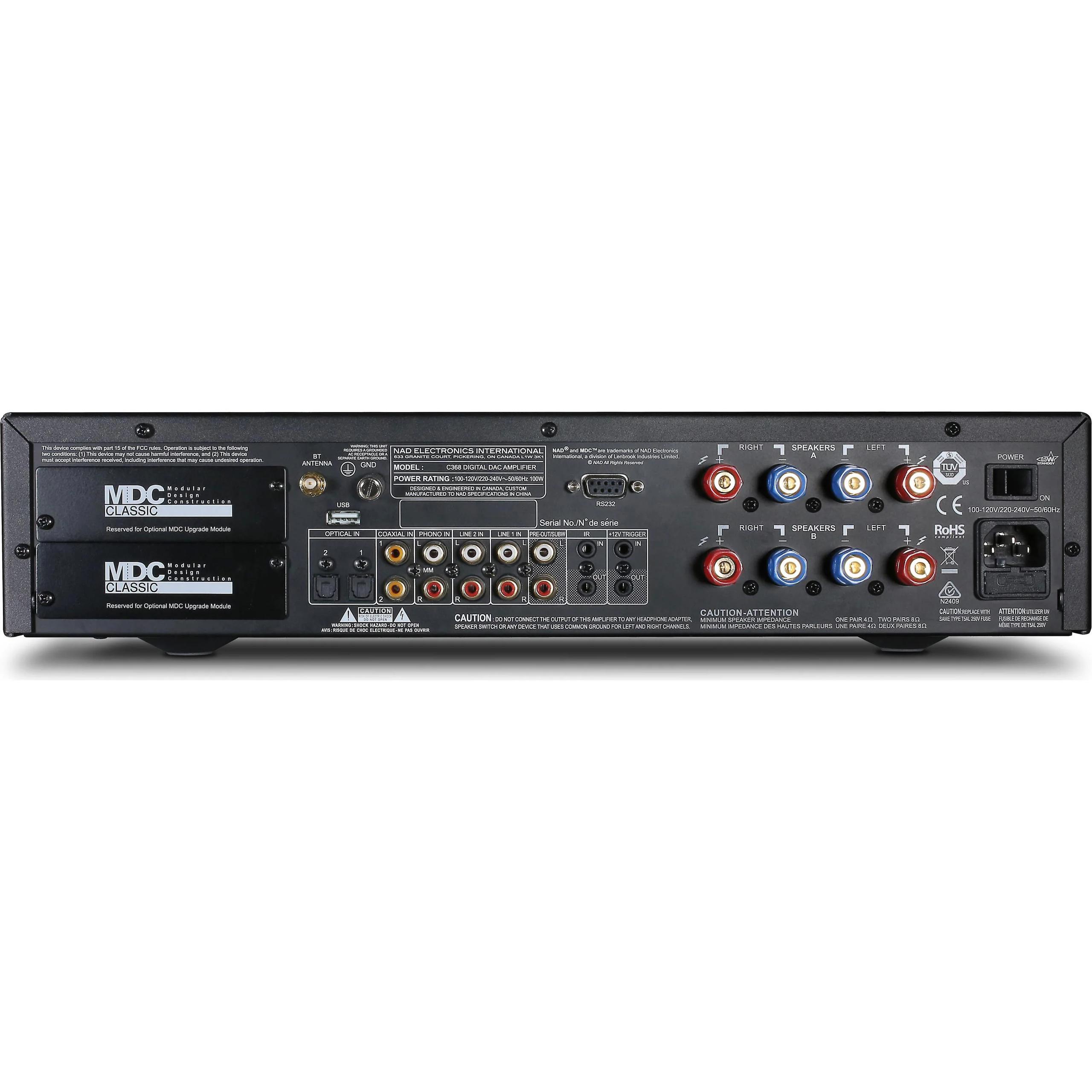
Here's where the philosophical differences between these amplifiers become crystal clear. The NAD C 368 offers extensive traditional connectivity: two analog RCA inputs, a moving magnet phono input for turntables (complete with RIAA equalization—the specific frequency response curve needed for vinyl playback), four digital inputs (two optical, two coaxial), and Bluetooth with aptX codec for higher-quality wireless streaming.
This connectivity suite makes the NAD incredibly flexible. You can connect a turntable, CD player, streaming device, TV, and still have inputs left over. The phono stage is particularly noteworthy because it eliminates the need for a separate phono preamp, saving money and reducing complexity for vinyl enthusiasts.
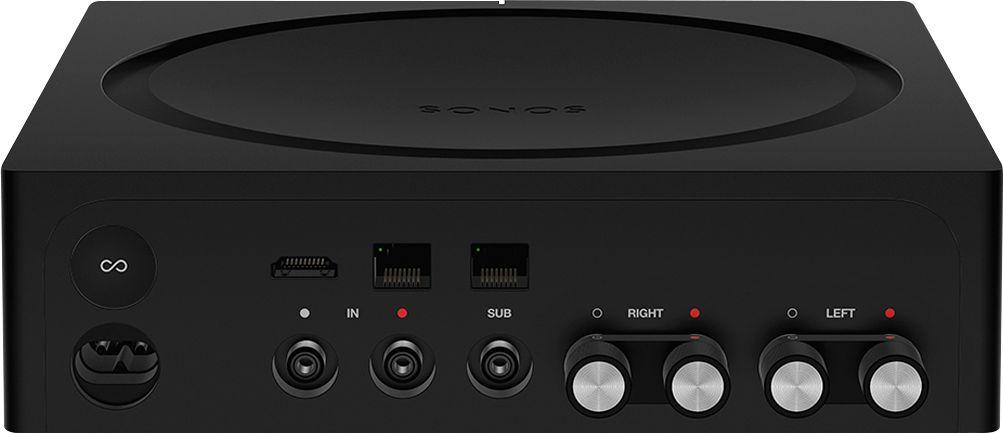
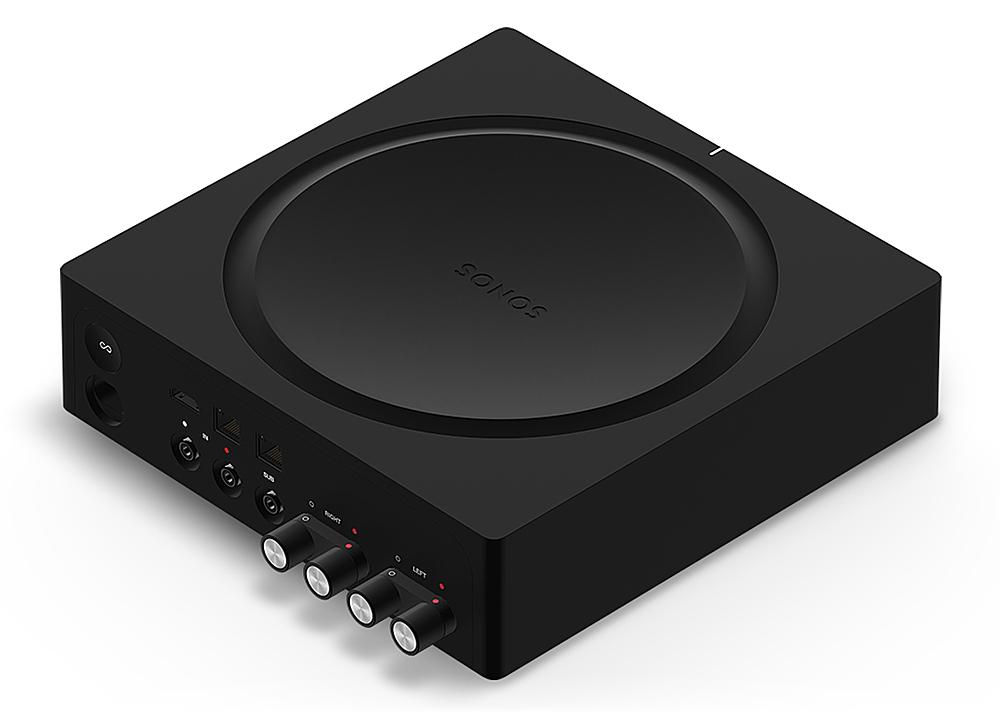
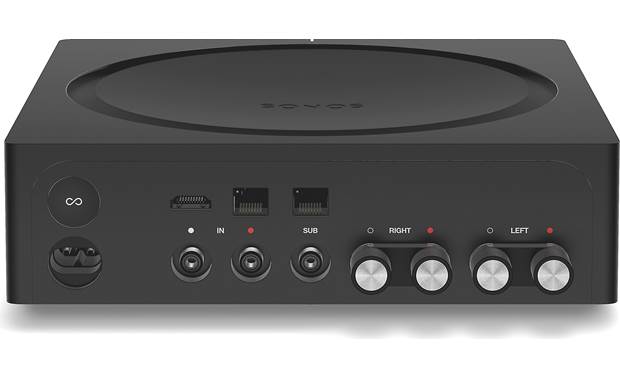
The Sonos Amp takes a minimalist approach: one analog RCA input, HDMI ARC for TV connection, and built-in Wi-Fi streaming. That's it. But this simplicity is intentional—Sonos designed this amplifier assuming most of your music will come from streaming services accessed through their app.
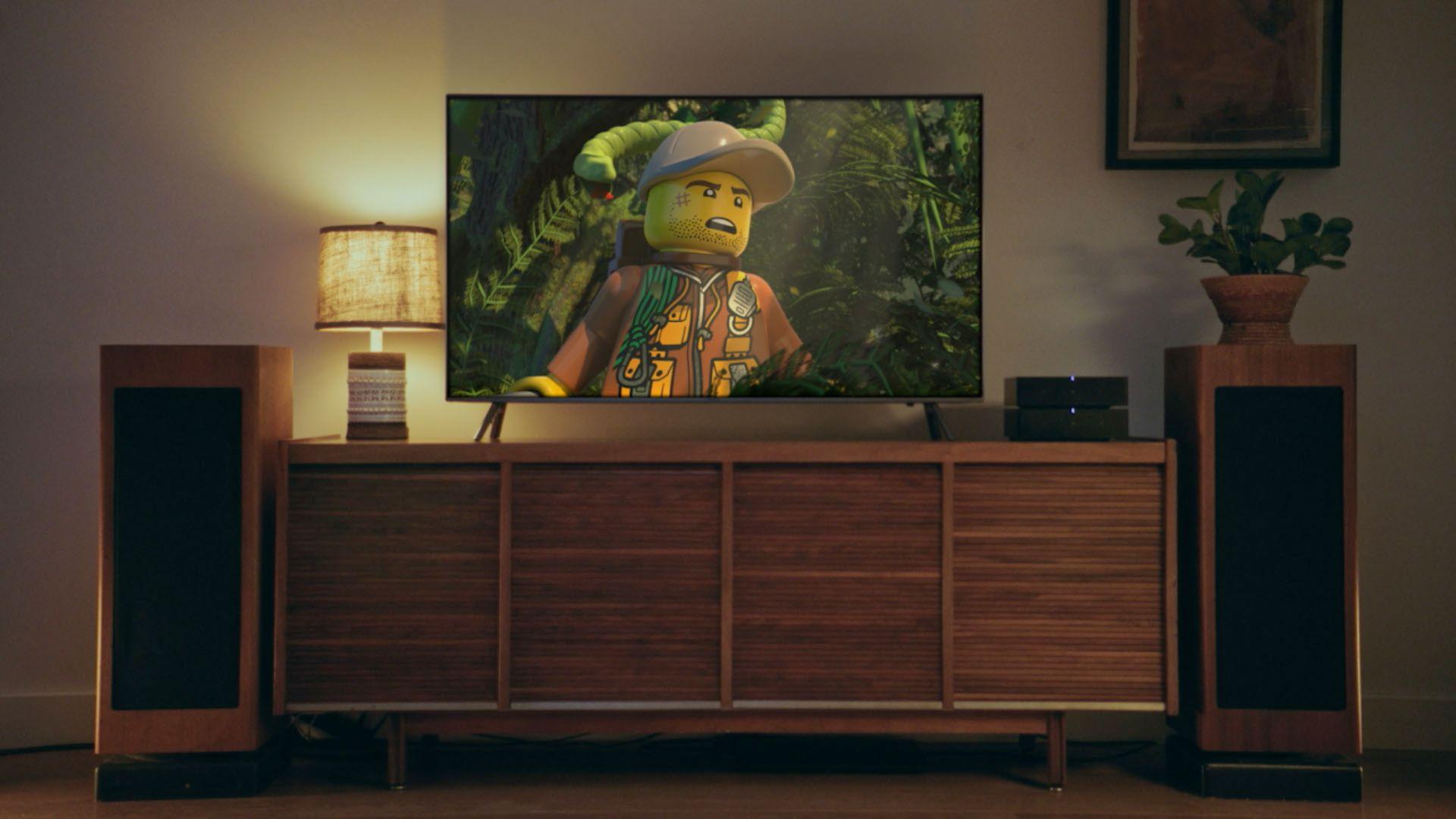
The HDMI ARC (Audio Return Channel) connection is actually quite clever. It lets you connect the Sonos directly to your TV, and the TV will send audio back through the same HDMI cable. This eliminates the digital-to-analog-to-digital conversion that happens with traditional analog connections, potentially improving sound quality for TV and movie content.
The Sonos Amp also includes dual Ethernet ports, allowing you to wire it into your network and then connect another device (like another Sonos component) through the second port. This "daisy-chaining" capability is useful in installations where running multiple network cables isn't practical.
Based on extensive research into professional reviews and user feedback, these amplifiers have distinctly different sonic signatures. The NAD C 368 consistently receives praise for its smooth, balanced sound with excellent dynamics. Reviewers frequently describe it as having a "realistic" and "inviting" presentation, particularly excelling with jazz, classical, and vocal music.
The NAD's Hypex amplifier stage and high-quality DAC implementation contribute to what experts describe as exceptional soundstaging—the ability to create a convincing sense of space and instrument placement. This matters because it's the difference between music sounding like it's coming "from the speakers" versus sounding like you're listening to musicians performing in a real space.
The Sonos Amp, while the best-sounding product in Sonos's lineup, takes a different approach. User and professional reviews describe its sound as "punchy" and "engaging," with good dynamics and the ability to fill rooms effectively. However, it lacks some of the subtlety and refinement that dedicated hi-fi equipment provides.
This isn't necessarily a criticism—the Sonos is optimized for a different use case. It's designed to provide satisfying sound quality while prioritizing convenience and multi-room functionality. For background music, casual listening, or whole-home audio systems, this approach works very well.
One of the NAD C 368's most distinctive features is its Modular Design Construction (MDC) system. The amplifier includes two slots where you can install upgrade modules as your needs change or as new technologies emerge. Currently available modules include BluOS for advanced streaming capabilities and HDMI modules for additional digital inputs.
This modular approach is genuinely future-proof in a way that most audio equipment isn't. When the C 368 was released in 2017, high-resolution streaming wasn't as prevalent as it is today. Users who added the BluOS module later gained access to services like Tidal and Qobuz that offer CD-quality and high-resolution streaming, plus integration with Roon (a premium music management system popular with audiophiles).
The Sonos Amp, released in 2018, takes a different expandability approach. Rather than hardware modules, expansion happens through the Sonos ecosystem. You can wirelessly add more Sonos speakers throughout your home, create surround sound systems by adding Sonos surrounds and subwoofers, and control everything through a single app.
Both approaches have merit, but they serve different philosophies. The NAD's modularity lets you customize a single, high-performance system. Sonos's ecosystem approach makes it easy to scale up to a whole-home solution with synchronized music in every room.
If multi-room audio is important to you, the Sonos Amp has a significant advantage. It's designed from the ground up for this application, with rock-solid wireless connectivity and the ability to synchronize playback across dozens of zones. The Sonos app makes it simple to play different music in different rooms or the same music everywhere.
The NAD C 368 can achieve similar functionality with the optional BluOS module, but it requires additional investment and setup. However, the audio quality advantage of the NAD might be worth this complexity if you're building a high-performance multi-room system.
For home theater applications, both amplifiers offer interesting possibilities. The Sonos Amp's HDMI ARC connection makes TV integration straightforward, and you can wirelessly add Sonos surrounds for a complete home theater system. However, you're limited to the sonic characteristics of the Sonos ecosystem.
The NAD C 368 can serve as the front channel amplifier in a home theater system, potentially offering better sound quality for music and movies. With the right modules, it can integrate into sophisticated home automation systems from companies like Control4 or Crestron.
At the time of writing, these amplifiers occupy different price tiers, with the NAD C 368 positioned as a premium integrated amplifier and the Sonos Amp priced more accessibly as a streaming solution.
The NAD C 368 offers exceptional value for audiophiles when you consider what you're getting: a high-quality integrated amplifier, audiophile-grade DAC, phono stage, and upgrade flexibility all in one box. If you were to buy these components separately from quality manufacturers, you'd easily spend significantly more.
However, to match the Sonos Amp's streaming capabilities, you'd need to add the BluOS module, which increases the total investment considerably. This additional cost might be justified if you prioritize sound quality and flexibility over convenience.
The Sonos Amp provides excellent value for users who prioritize streaming convenience and multi-room capability. You get streaming functionality, app control, and decent sound quality at a lower entry price. The ecosystem approach means you can start with one Sonos Amp and expand over time without needing to replace your initial investment.
The NAD C 368 is the clear choice for audio enthusiasts who prioritize sound quality and flexibility. If you have a collection of vinyl records, high-resolution digital music files, or various source components, the NAD's extensive connectivity and superior audio processing will serve you well. It's also ideal if you want a single, high-performance system that you can upgrade over time rather than replacing entirely.
The modular design makes the NAD C 368 particularly appealing for people who like to tinker and optimize their systems. The ability to add capabilities as your needs change or as new technologies emerge provides genuine future-proofing.
Choose the Sonos Amp if convenience and ease of use are your primary concerns. It's perfect for people who primarily stream music from services like Spotify or Apple Music and want simple, reliable operation that family members can easily understand. The multi-room capabilities make it excellent for whole-home audio installations.
The Sonos Amp is also the better choice if you're planning to integrate with a TV and want a straightforward setup. The HDMI ARC connection and ability to wirelessly add surrounds make home theater integration much simpler than with traditional hi-fi components.
Ultimately, your choice between the NAD C 368 and Sonos Amp comes down to your priorities and how you actually listen to music. If you're someone who sits down for dedicated listening sessions, values audio quality above convenience, and enjoys the process of building and optimizing a hi-fi system, the NAD is worth its higher investment.
If you want music to be effortlessly available throughout your home, prioritize ease of use, and are satisfied with good (rather than exceptional) sound quality, the Sonos will likely make you happier day-to-day.
Both amplifiers excel in their intended applications—the key is honestly assessing which approach better matches your lifestyle and listening habits. Consider your long-term needs too: the NAD C 368 offers superior audio performance and flexibility but requires more engagement and potentially higher total investment. The Sonos Amp provides immediate gratification and excellent user experience, but with less audiophile refinement and some ecosystem lock-in.
There's no wrong choice here, just different philosophies about how audio equipment should work in your life.
| NAD C 368 Integrated Amplifier | Sonos Amp Amplifier |
|---|---|
| Power Output - Determines how loud and dynamic your speakers will sound | |
| 80W per channel (8Ω), 200W dynamic power into 4Ω | 125W per channel (8Ω), can power up to 4 speakers |
| Amplifier Type - Affects sound quality and efficiency | |
| Hypex UcD Class D with custom implementation for audiophile performance | Standard Class D optimized for reliability and efficiency |
| Digital Audio Processing - Critical for streaming and digital source quality | |
| Texas Instruments PCM1795 32-bit DAC, supports up to 24-bit/192kHz | Built-in DAC limited to 24-bit/48kHz maximum |
| Analog Inputs - Important for connecting turntables, CD players, and other sources | |
| 2 RCA line inputs plus dedicated MM phono stage with RIAA equalization | Single RCA line input only |
| Digital Inputs - For connecting streaming devices, TVs, and digital sources | |
| 4 digital inputs (2 optical, 2 coaxial) plus Bluetooth with aptX | HDMI ARC for TV, built-in Wi-Fi streaming, Apple AirPlay 2 |
| Streaming Capabilities - Determines ease of accessing music services | |
| Bluetooth standard, requires optional BluOS module ($500+) for advanced streaming | Built-in streaming for all major services, Sonos app control |
| Expandability - Future-proofing and upgrade potential | |
| 2 MDC slots for hardware modules (BluOS, HDMI, future tech) | Ecosystem expansion through additional Sonos speakers |
| Multi-Room Audio - For playing music throughout your home | |
| Requires optional BluOS module for full multi-room functionality | Native multi-room with seamless zone synchronization |
| Headphone Output - For private listening quality | |
| Dedicated headphone amplifier with high output capability | No headphone output |
| Subwoofer Integration - For adding bass extension | |
| Preamp output configurable as subwoofer out with 150Hz crossover | Dedicated mono subwoofer output with adjustable 50-110Hz crossover |
| Build Quality and Design - Affects longevity and aesthetics | |
| Traditional hi-fi chassis, modular construction, TFT display | Compact streaming-focused design, rack-mountable, touch controls |
| Target Use Case - Who each product serves best | |
| Audiophiles wanting flexibility, upgradability, and ultimate sound quality | Users prioritizing convenience, multi-room audio, and streaming simplicity |
The Sonos Amp is much better for beginners due to its simple setup and user-friendly app control. You just connect your speakers, download the Sonos app, and start streaming music wirelessly. The NAD C 368 requires more knowledge about connecting different audio sources and understanding amplifier settings, making it better suited for those with some audio experience.
The NAD C 368 is a traditional integrated amplifier focused on high-quality sound and connecting multiple sources like turntables and CD players. The Sonos Amp is primarily a streaming amplifier designed for wireless music throughout your home. The NAD prioritizes audio quality while the Sonos emphasizes convenience and multi-room functionality.
The NAD C 368 delivers superior sound quality for critical music listening, with better dynamics, clearer detail, and more accurate sound reproduction. It uses higher-quality components including an audiophile-grade DAC and Hypex amplifier design. The Sonos Amp sounds good but focuses more on room-filling, convenient listening rather than audiophile performance.
Yes, but they work differently. The Sonos Amp connects directly to your TV via HDMI ARC, making it very simple to get better TV sound through your speakers. The NAD C 368 can connect to TVs through its digital inputs, but requires additional cables and setup. For TV use, the Sonos is much more convenient.
The NAD C 368 is far better for vinyl, featuring a built-in moving magnet phono stage with proper RIAA equalization. You can connect a turntable directly without needing additional equipment. The Sonos Amp has no phono input, so you'd need a separate phono preamp to use it with turntables, adding cost and complexity.
The Sonos Amp excels at multi-room audio with seamless wireless connectivity and synchronized playback across unlimited zones. The Sonos app makes it simple to control music in different rooms. The NAD C 368 can do multi-room with the optional BluOS module, but it's more complex and expensive to implement properly.
The Sonos Amp is better for simple home theater setups, connecting easily to TVs via HDMI and allowing you to wirelessly add surround speakers. The NAD C 368 can work in home theater systems but requires more planning and additional components. For straightforward TV audio improvement, choose the Sonos.
Choose the NAD C 368 if you prioritize sound quality, have multiple audio sources, or want a traditional hi-fi experience with upgrade flexibility. Pick the Sonos Amp if you mainly stream music, want simple multi-room audio, need easy TV integration, or prefer convenience over ultimate audio performance.
We've done our best to create useful and informative comparisons to help you decide what product to buy. Our research uses advanced automated methods to create this comparison and perfection is not possible - please contact us for corrections or questions. These are the sites we've researched in the creation of this article: avnirvana.com - crutchfield.com - hometheaterhifi.com - hifiheaven.net - crutchfield.com - projectorscreen.com - theabsolutesound.com - dedicatedaudio.com - soundstagesimplifi.com - nadelectronics.com - musicdirect.com - crutchfield.com - safeandsoundhq.com - audioadvice.com - crutchfield.com - adiglobaldistribution.pr - themasterswitch.com - astralsecurite.ca - wassersfurniture.com - whathifi.com - sonos.com - audiosciencereview.com - bestbuy.com - videoandaudiocenter.com - en.community.sonos.com

Privacy Policy
Terms and Conditions - Affiliate Policy
Home Security
© Copyright 2008-2026.
11816 Inwood Rd #1211, Dallas, TX 75244