

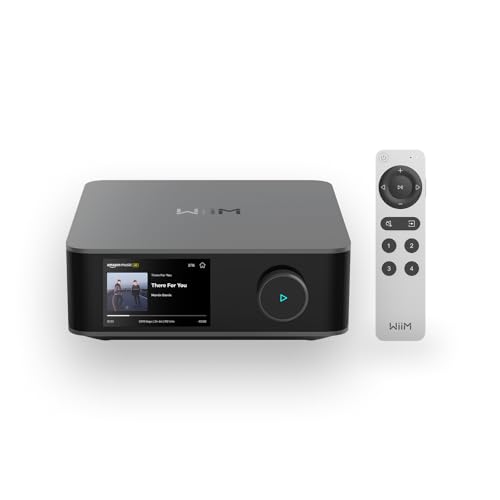


The streaming amplifier market has transformed dramatically over the past few years. What started as simple network players have evolved into sophisticated all-in-one systems that combine powerful amplification with cutting-edge digital processing. Two products exemplify this evolution: the upcoming WiiM Amp Ultra and the established Sonos Amp. These represent fundamentally different philosophies about what a modern streaming amplifier should be.
Think of streaming amplifiers as the Swiss Army knives of audio equipment. They eliminate the traditional chain of separate components—network streamer, DAC (digital-to-analog converter), preamp, and power amp—by combining everything into one box. This approach appeals to people who want high-quality sound without the complexity of multiple components and cables.
The key considerations when choosing a streaming amplifier center around power output, digital audio quality, streaming ecosystem compatibility, and user interface design. Power determines what speakers you can drive effectively, while digital processing quality affects how good your music sounds. The streaming ecosystem determines which services you can access and how easily, and the interface affects your daily experience with the product.
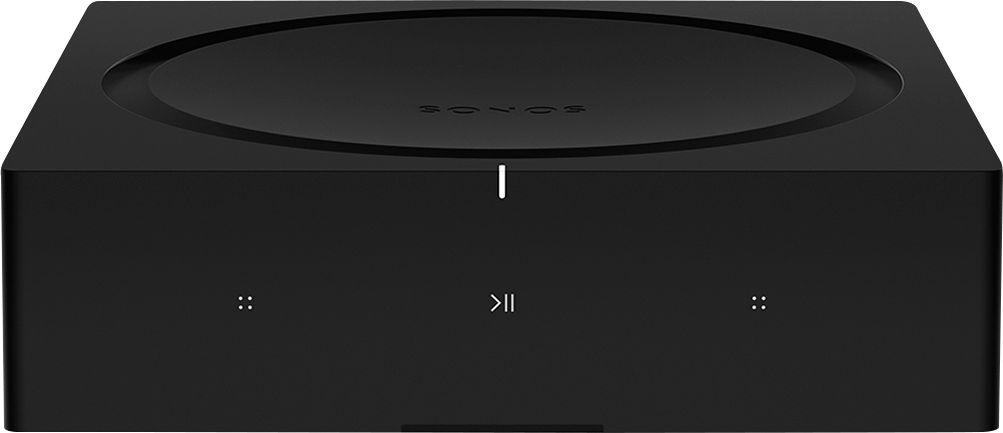
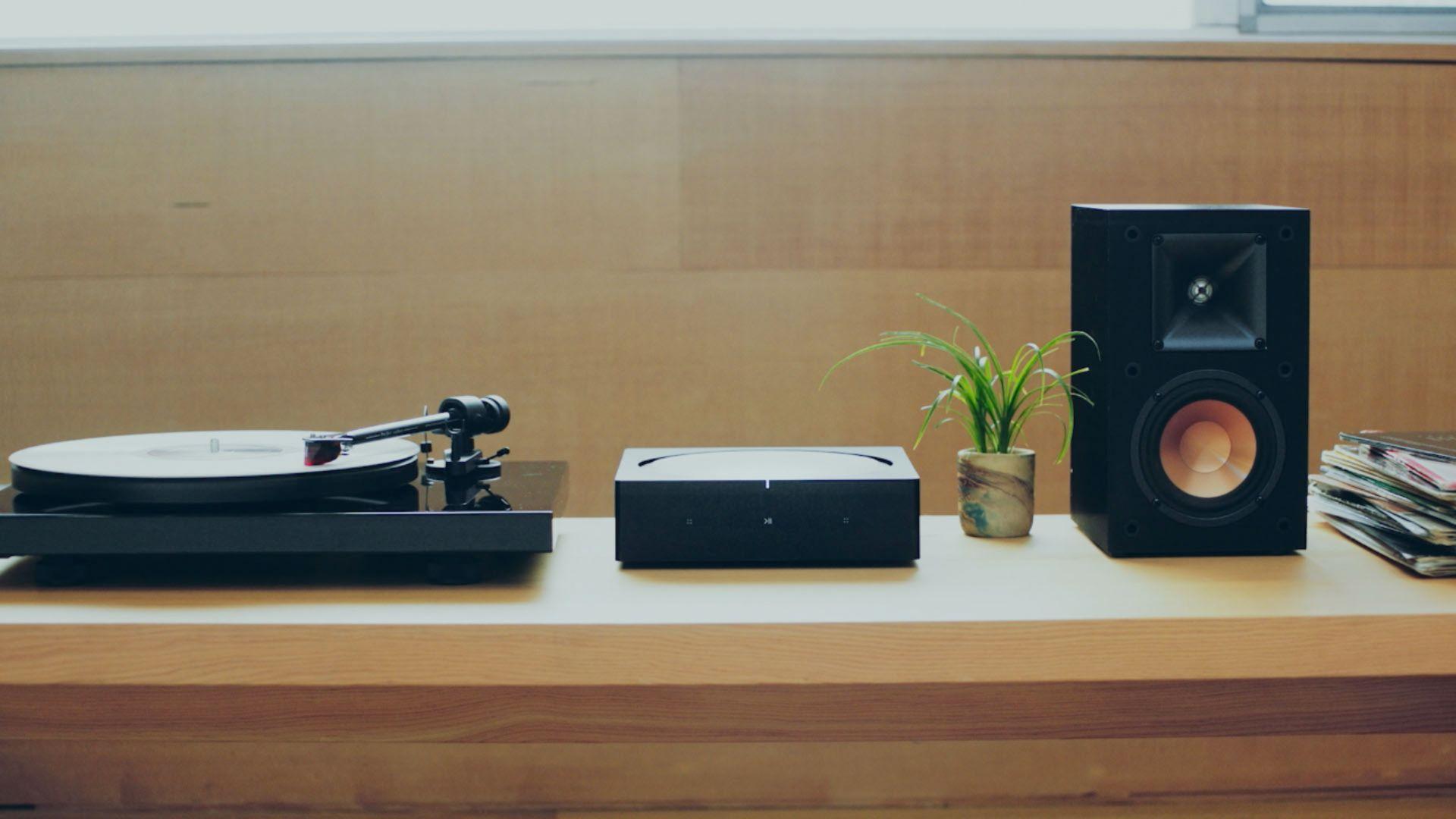
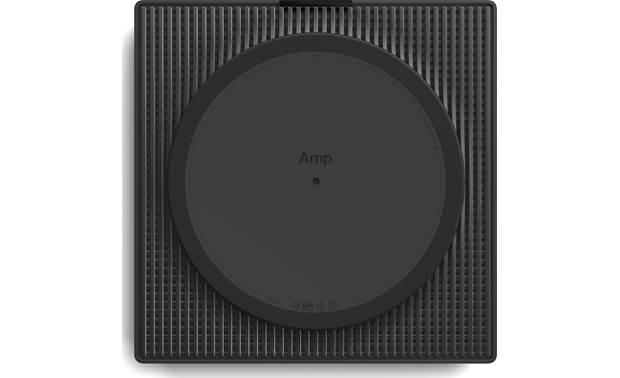
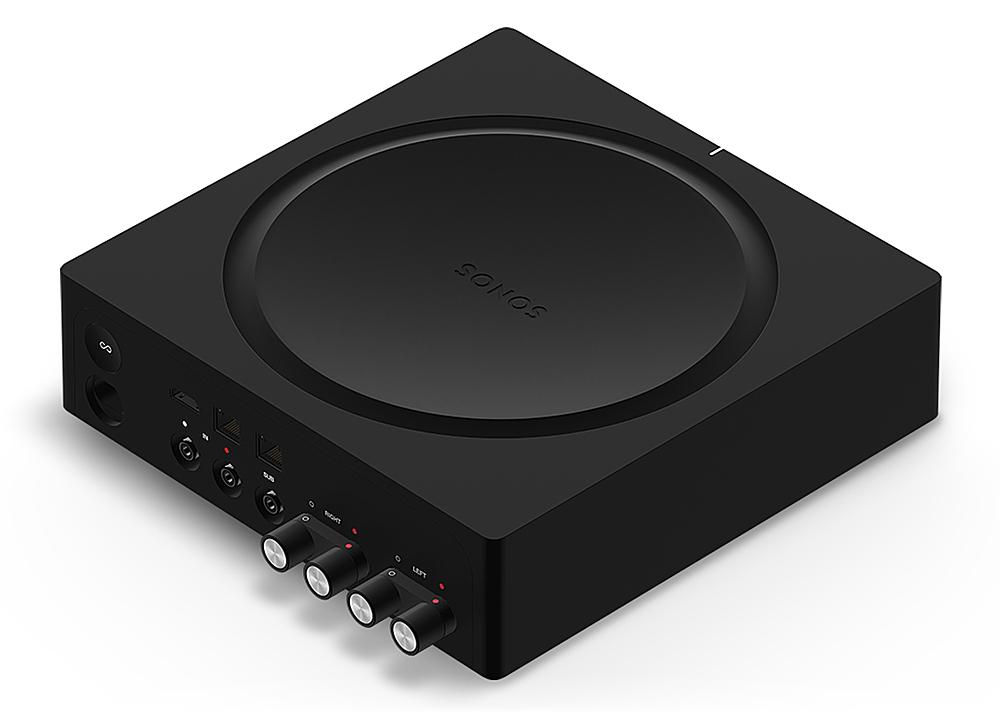
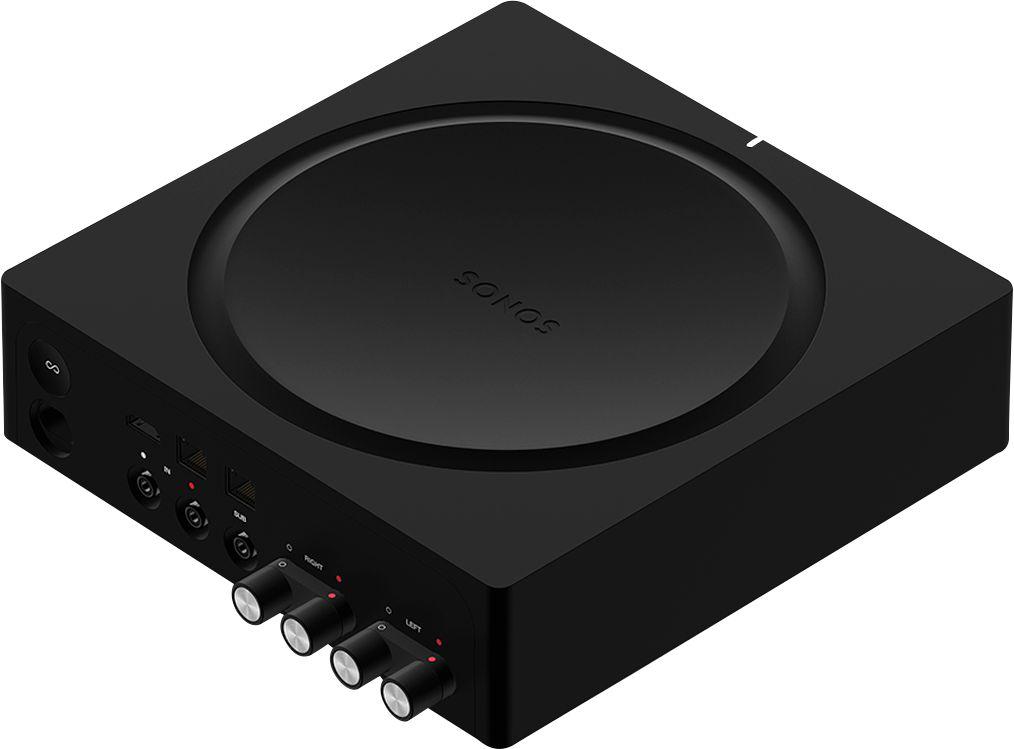
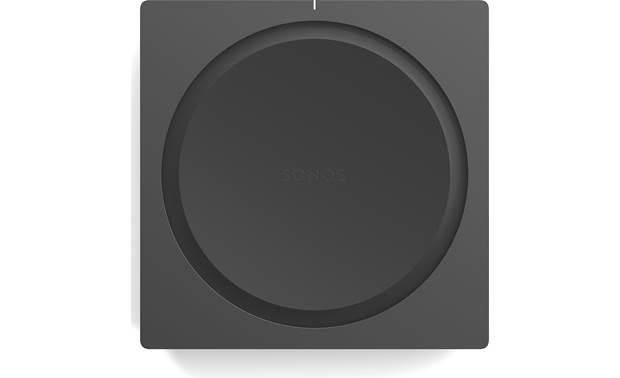
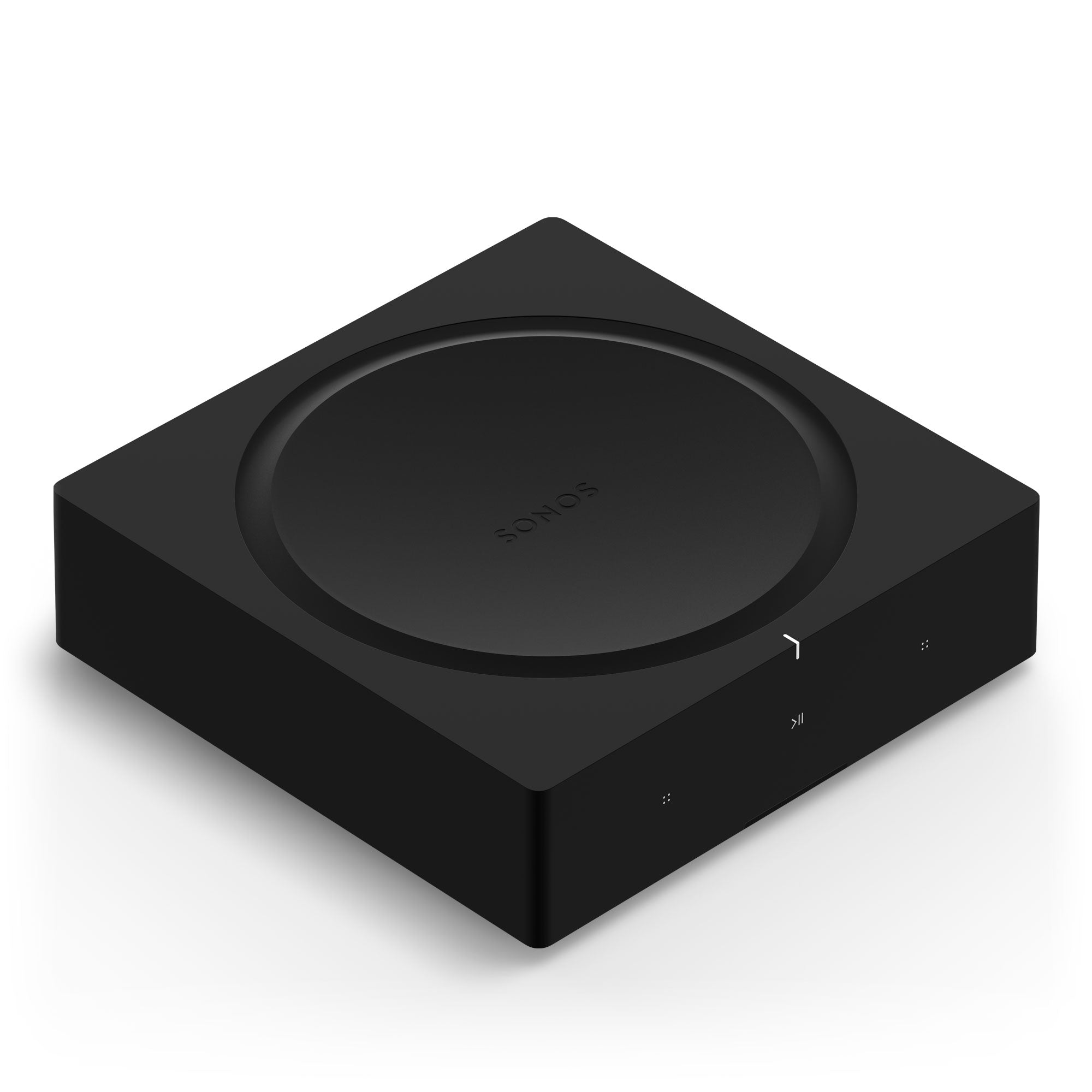
The Sonos Amp launched in 2018 and represents Sonos's mature approach to streaming amplification. It's built around ecosystem integration and reliability, prioritizing seamless operation within Sonos's closed system. Since its release, Sonos has refined the software experience and expanded service compatibility, but the hardware remains largely unchanged.
The WiiM Amp Ultra, scheduled for release in 2025, represents a newer generation of streaming amplifiers. WiiM has taken a different approach, prioritizing cutting-edge audio processing and open ecosystem compatibility. Where Sonos focuses on simplicity and ecosystem lock-in, WiiM emphasizes technical performance and flexibility.
This generational difference matters significantly. The WiiM Amp Ultra benefits from seven years of technological advancement, incorporating components and features that weren't available or affordable when the Sonos Amp was designed.
Both amplifiers use Class D topology, which is highly efficient and generates minimal heat compared to older Class A/B designs. However, their power delivery characteristics differ substantially.
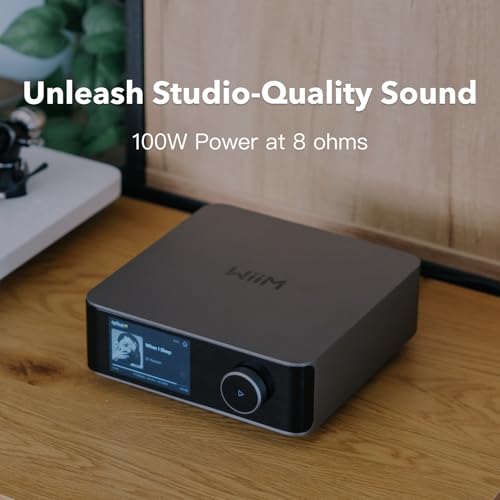
The WiiM Amp Ultra delivers 100 watts per channel into 8-ohm speakers and doubles to 200 watts into 4-ohm loads. This doubling behavior indicates a robust power supply that can handle demanding speakers. More importantly, it remains stable down to 2-ohm impedances, meaning it can handle complex speaker loads that might challenge other amplifiers. The Post-Filter Feedback (PFFB) technology actively monitors and compensates for speaker impedance variations, ensuring consistent performance regardless of what speakers you connect.
The Sonos Amp provides 125 watts per channel into 8-ohm speakers—slightly higher than the WiiM's 8-ohm rating. However, real-world listening experiences reveal interesting differences. Users consistently report needing higher volume settings on standard WiiM amps compared to the Sonos to achieve the same loudness levels, suggesting the Sonos delivers its power more efficiently or with different dynamic characteristics.
For most home applications, both amplifiers provide adequate power. The difference becomes apparent with demanding speakers—large floorstanders, low-efficiency models, or complex multi-driver designs. The WiiM Amp Ultra's impedance stability and PFFB technology give it advantages with challenging loads, while the Sonos Amp's proven power delivery works reliably with mainstream speakers.
This is where the seven-year technology gap becomes most apparent. The WiiM Amp Ultra incorporates an ESS ES9039Q2M SABRE DAC, a reference-grade digital-to-analog converter capable of processing 32-bit audio signals at sample rates up to 384kHz. This DAC chip appears in products costing several times more and represents current state-of-the-art digital conversion technology.
Supporting this DAC are six Texas Instruments OPA1612 operational amplifiers, specialized chips designed for ultra-low noise and distortion in audio applications. The combination achieves remarkable specifications: total harmonic distortion plus noise (THD+N) of just 0.005% and a signal-to-noise ratio exceeding 120 decibels. These numbers put the WiiM Amp Ultra in the same performance class as dedicated high-end DACs.
The Sonos Amp doesn't publish detailed DAC specifications, but Sonos products are limited to 24-bit/48kHz maximum resolution. This limitation affects high-resolution music playback—while both amplifiers can play music from services like Tidal, the WiiM Amp Ultra can access Tidal's hi-res catalog up to 24-bit/192kHz through Tidal Connect, while the Sonos Amp remains limited to CD-quality streams even for Tidal subscribers who pay for higher resolution.
For most listeners, this difference might seem academic—CD quality (16-bit/44.1kHz) sounds excellent. However, the superior DAC implementation in the WiiM Amp Ultra affects more than just high-resolution compatibility. Better digital processing reduces noise and distortion at all resolutions, creating a cleaner, more detailed sound even with standard-resolution sources.
Room acoustics dramatically affect sound quality, often more than equipment differences. The WiiM Amp Ultra includes sophisticated room correction capabilities that would have required expensive professional equipment just a few years ago.
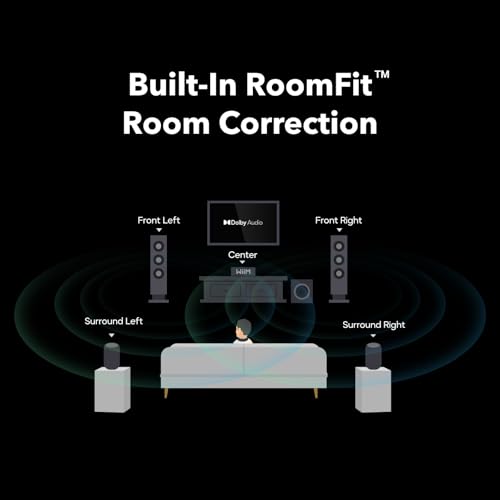
The RoomFit EQ system uses your smartphone's microphone to measure room acoustics from multiple listening positions. It then applies parametric equalization—precise frequency adjustments—to compensate for room effects, speaker placement issues, and integration problems with subwoofers. The system includes time alignment for subwoofers, ensuring bass frequencies arrive at your ears simultaneously with midrange and treble from the main speakers.
This isn't just basic tone control. The WiiM Amp Ultra offers 10-band parametric EQ with separate profiles for each input, plus 24 preset profiles for different music genres or listening preferences. You can fine-tune the sound for different sources—perhaps emphasizing dialogue clarity for TV input while maintaining full-range response for music streaming.
The Sonos Amp provides basic bass and treble controls through the app, along with a loudness compensation feature. Trueplay room correction exists but only works with specific Sonos Architectural speakers and requires an iOS device for setup. For most speakers and rooms, you're limited to manual EQ adjustments.
From our research into user experiences, the room correction capabilities represent one of the most significant practical differences between these amplifiers. Proper room correction can transform a mediocre-sounding system into something impressive, making speakers sound more expensive than they are and rooms sound better than their acoustics would suggest.
This represents perhaps the most crucial decision point for buyers. The Sonos Amp operates within Sonos's closed ecosystem, while the WiiM Amp Ultra embraces open standards and multiple streaming protocols.
Sonos's approach has advantages. Every Sonos product works seamlessly with every other Sonos product. Setup is typically straightforward, software updates are coordinated across the entire system, and the user experience remains consistent. AirPlay 2 support means iPhone and iPad users can stream from any app directly to the amplifier. The multi-room synchronization is rock-solid, with imperceptible delays between zones.
However, this ecosystem comes with limitations. Android users find streaming more difficult since Google Cast isn't supported. Services like Tidal and Qobuz can't use their Connect features, which provide better integration and often higher quality than going through the Sonos app. You're locked into Sonos's update schedule and service additions.
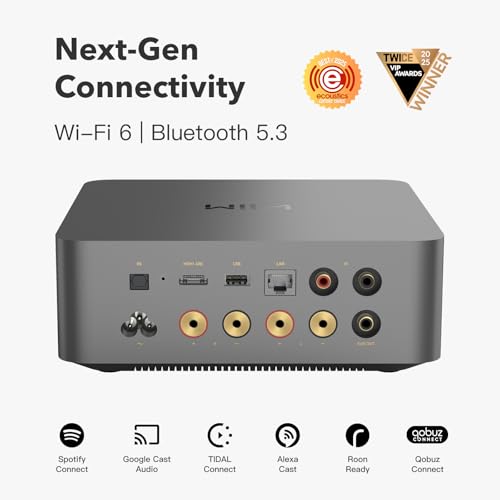
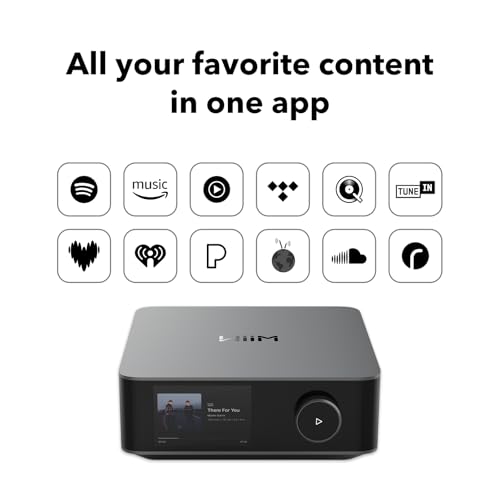
The WiiM Amp Ultra supports multiple streaming protocols: Google Cast for Android devices, Spotify Connect, Tidal Connect, Qobuz Connect, DLNA for local network streaming, and both Alexa Cast and traditional Bluetooth. This flexibility means you can stream directly from service apps, often with better quality than app-mediated streaming.
The trade-off? No AirPlay support, which significantly limits iOS integration. iPhone users would need to rely on the WiiM app or Bluetooth, neither providing the seamless experience that AirPlay offers.
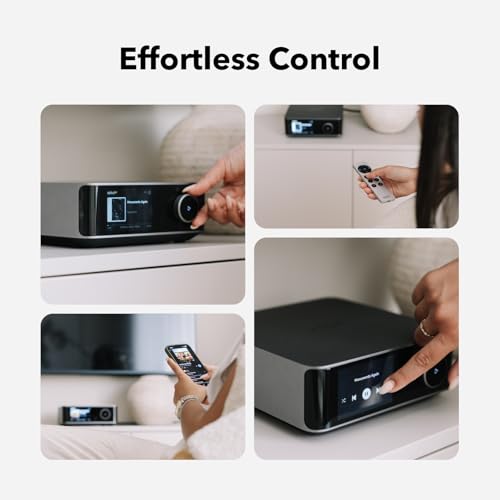
The WiiM Amp Ultra features a 3.5-inch color touchscreen that displays album artwork, audio format information, VU meters showing signal levels, and provides direct access to inputs, EQ settings, and playback controls. This eliminates the phone-dependency that characterizes most modern streaming products.
The screen isn't just decorative—it provides useful information about the audio signal, shows queue information, and lets you adjust settings without opening an app. For people who prefer physical controls or want to see what's playing from across the room, this represents a significant usability advantage.
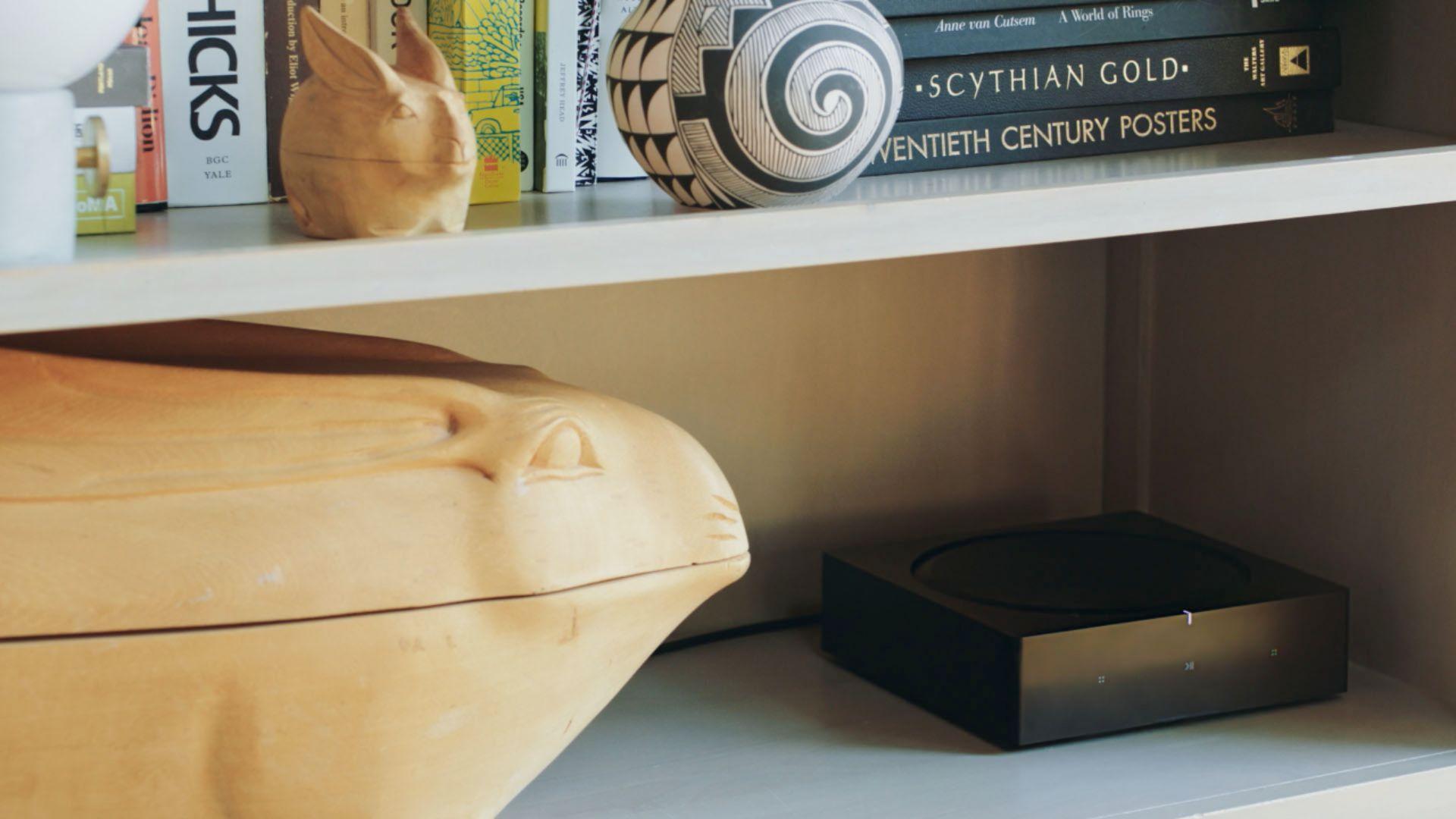
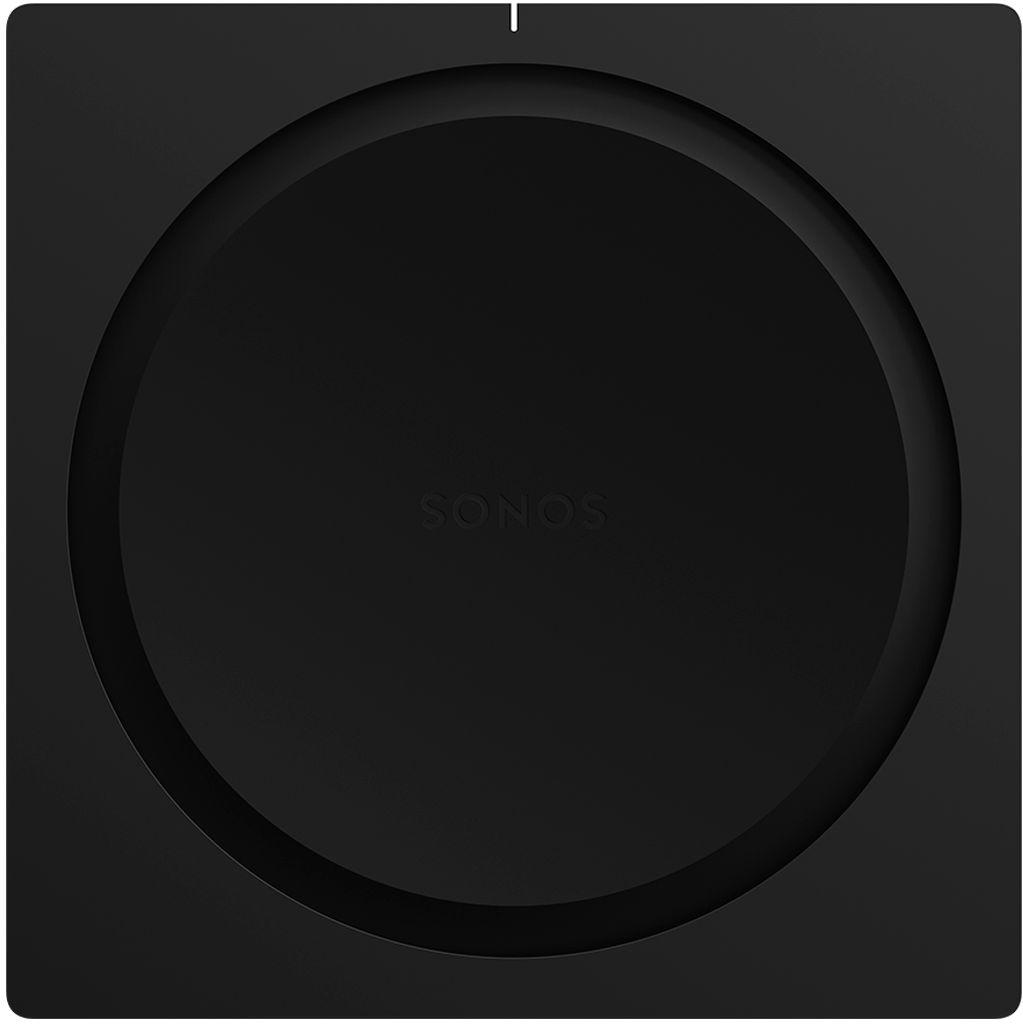
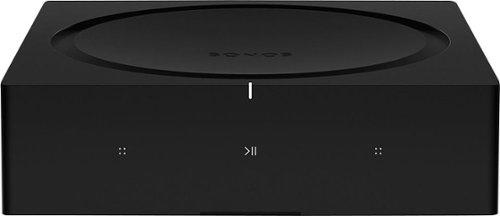
The Sonos Amp relies primarily on the Sonos app for control, with basic capacitive touch controls on the unit itself for play/pause and volume. The app has evolved significantly since 2018, with most of the controversial changes from a few years ago resolved. It provides comprehensive control over all Sonos products and integrates well with supported streaming services.
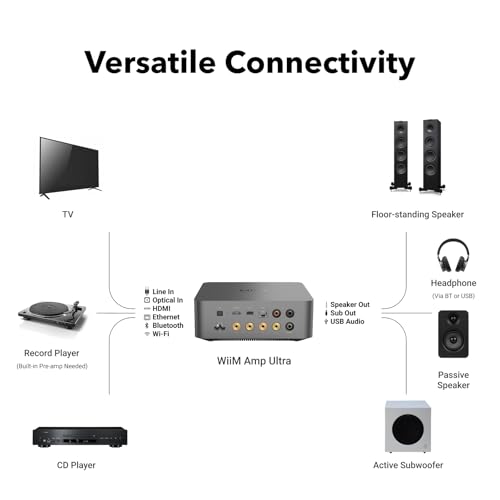
Both amplifiers include HDMI ARC (Audio Return Channel) inputs for connecting to TVs, but their approaches differ. The WiiM Amp Ultra supports audio formats up to 24-bit/192kHz through HDMI and can decode Dolby Digital 5.1 for stereo playback. The dedicated subwoofer output with sophisticated management makes creating a 2.1 TV system straightforward.
The Sonos Amp also supports HDMI ARC with Dolby Digital processing, but its strength lies in expandability within the Sonos ecosystem. You can wirelessly add Sonos surrounds and subwoofers to create a complete home theater system, all managed through the single Sonos app.
For simple 2.1 TV systems, both work well. For expandable home theater, the Sonos Amp offers easier growth paths, while the WiiM Amp Ultra provides better audio processing and room optimization for the TV audio itself.
At the time of writing, the Sonos Amp carries a premium price reflecting its established market position and ecosystem value. The WiiM Amp Ultra's pricing hasn't been announced, but WiiM's track record suggests positioning below Sonos while delivering superior technical specifications.
The WiiM Amp Ultra appears to offer significantly better value from a pure performance perspective. The DAC alone would cost hundreds of dollars as a separate component, and the room correction capabilities match those found in much more expensive systems. WiFi 6E and Bluetooth 5.3 provide future-proofing that the older Sonos Amp lacks.
However, value extends beyond specifications. The Sonos Amp offers immediate availability, proven reliability, established customer support, and strong resale value. If you're building around existing Sonos products or prioritize ecosystem integration over cutting-edge features, the premium might be justified.
Choose the WiiM Amp Ultra if you want the best possible audio quality, sophisticated room correction, and flexibility in streaming sources. It's ideal for technically-minded users who enjoy optimizing their systems and don't mind waiting for the 2025 release. The open ecosystem approach and superior digital processing make it particularly appealing for Android users or anyone with high-resolution music libraries.
The Sonos Amp remains the better choice for users prioritizing simplicity, immediate availability, and iOS ecosystem integration. If you already own Sonos products or value the mature, refined software experience over cutting-edge features, it continues to offer compelling advantages.
For home theater use, both work well, but the Sonos Amp offers easier expandability while the WiiM Amp Ultra provides better audio processing for TV sources.
The WiiM Amp Ultra represents the new generation of streaming amplifiers—more powerful, more sophisticated, and more flexible than what came before. It challenges established players like Sonos by delivering reference-quality performance at accessible prices. However, the Sonos Amp demonstrates that technical superiority isn't everything—ecosystem maturity, reliability, and user experience remain critically important for many buyers.
Your choice ultimately depends on whether you prioritize cutting-edge performance and flexibility or proven ecosystem integration and immediate availability. Both approaches have merit, but they serve different user priorities and preferences.
| WiiM Amp Ultra | Sonos Amp |
|---|---|
| Power Output - Determines what speakers you can drive effectively | |
| 100W @ 8Ω, 200W @ 4Ω per channel (stable to 2Ω) | 125W @ 8Ω per channel (standard Class D) |
| Digital Audio Quality - Higher specs mean better sound from streaming | |
| ESS ES9039Q2M SABRE DAC, 32-bit/384kHz capable | 24-bit/48kHz maximum, DAC unspecified |
| Room Correction - Automatic sound optimization saves manual tuning | |
| Built-in RoomFit EQ with smartphone measurement | Basic EQ controls, Trueplay only with Sonos speakers |
| Streaming Ecosystem - Determines which services work best | |
| Google Cast, Spotify/Tidal/Qobuz Connect, no AirPlay | AirPlay 2, Sonos ecosystem, no Google Cast |
| User Interface - Daily control experience | |
| 3.5" color touchscreen with album art and VU meters | App-based control with basic touch buttons |
| Connectivity Options - Flexibility for different setups | |
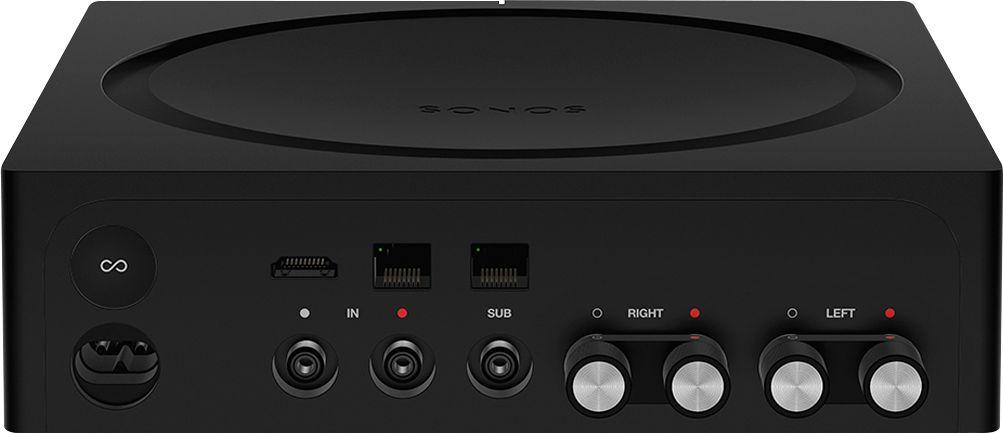
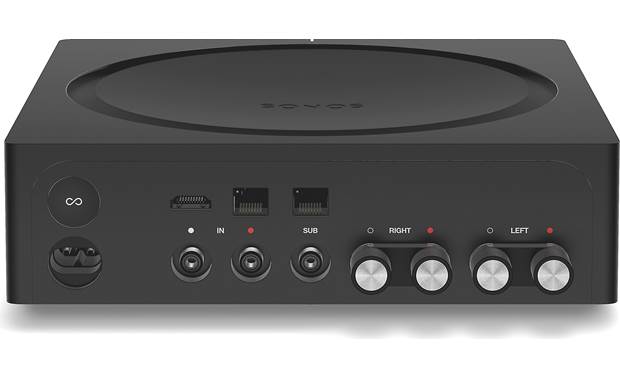
| HDMI ARC, optical, RCA, USB-A, subwoofer out | HDMI ARC, RCA, dual Ethernet, subwoofer out |
| Wireless Standards - Future-proofing and connection quality | |
| WiFi 6E, Bluetooth 5.3 with LE Audio | WiFi 802.11n (2.4GHz), no Bluetooth |
| Multi-room Audio - Expanding to other rooms | |
| WiiM ecosystem, cross-brand compatibility | Mature Sonos ecosystem, proprietary only |
| Availability - When you can actually buy it | |
| Q3 2025 release (upcoming) | Available now (since 2018) |
| Best For - Target user type | |
| Tech enthusiasts wanting cutting-edge audio processing | iOS users prioritizing ecosystem simplicity |
The Sonos Amp delivers 125 watts per channel into 8-ohm speakers, while the WiiM Amp Ultra provides 100 watts at 8 ohms but doubles to 200 watts at 4 ohms. The WiiM Amp Ultra also remains stable down to 2-ohm loads, making it better for demanding speakers despite the lower 8-ohm rating.
The WiiM Amp Ultra offers superior digital audio processing with its ESS SABRE DAC supporting up to 32-bit/384kHz, compared to the Sonos Amp's 24-bit/48kHz limitation. The WiiM Amp Ultra also includes advanced room correction that automatically optimizes sound for your space, while the Sonos Amp has basic EQ controls only.
The Sonos Amp is clearly better for iOS users, featuring full AirPlay 2 support that lets you stream from any iPhone or iPad app directly. The WiiM Amp Ultra doesn't support AirPlay, requiring you to use the WiiM app or Bluetooth for iOS streaming, which isn't as seamless.
Both the WiiM Amp Ultra and Sonos Amp include HDMI ARC inputs for TV connection. The Sonos Amp excels at expandable home theater since you can wirelessly add Sonos surrounds and subwoofers. The WiiM Amp Ultra offers better TV audio processing and room correction but focuses on 2.1 stereo setups rather than full surround sound.
The WiiM Amp Ultra supports more direct streaming options including Spotify Connect, Tidal Connect, Qobuz Connect, and Google Cast. The Sonos Amp works with major services through the Sonos app but lacks these direct "Connect" features, meaning Android users have limited streaming options compared to the WiiM Amp Ultra.
The Sonos Amp requires the Sonos app for most functions, though it has basic touch controls on the unit. The WiiM Amp Ultra features a 3.5-inch touchscreen for direct control of playback, inputs, and settings, plus the WiiM Home app for full functionality. This makes the WiiM Amp Ultra less phone-dependent for daily use.
The WiiM Amp Ultra is significantly better for Android users, supporting Google Cast for direct streaming from apps like YouTube Music, plus native integration with Spotify, Tidal, and Qobuz. The Sonos Amp has limited Android streaming options since it doesn't support Google Cast, making the WiiM Amp Ultra the clear choice for Android ecosystems.
The WiiM Amp Ultra fully supports high-resolution audio up to 24-bit/192kHz from streaming services and can process up to 32-bit/384kHz files. The Sonos Amp is limited to 24-bit/48kHz maximum, so even Tidal subscribers can't access the service's hi-res catalog through the Sonos Amp.
The WiiM Amp Ultra includes sophisticated room correction that uses your smartphone to measure acoustics and automatically applies parametric EQ adjustments. It also handles subwoofer integration with time alignment. The Sonos Amp only offers basic tone controls and Trueplay (which works only with specific Sonos speakers), making the WiiM Amp Ultra far superior for room optimization.
The Sonos Amp is available now and has been since 2018, offering immediate purchase and proven reliability. The WiiM Amp Ultra is scheduled for release in Q3 2025, so you'll need to wait if you want the newer technology and features it offers.
The Sonos Amp excels in multi-room audio with its mature ecosystem that synchronizes perfectly across all Sonos products. The WiiM Amp Ultra supports multi-room through the WiiM ecosystem and can work with other brands, but Sonos has the more established and reliable multi-room experience for whole-home audio.
Choose the WiiM Amp Ultra if you want cutting-edge audio quality, room correction, Android compatibility, and don't mind waiting until 2025. Pick the Sonos Amp if you use iOS devices, already own Sonos products, prioritize immediate availability, or want the most reliable multi-room ecosystem. The WiiM Amp Ultra offers better technical performance while the Sonos Amp provides proven ecosystem integration.
We've done our best to create useful and informative comparisons to help you decide what product to buy. Our research uses advanced automated methods to create this comparison and perfection is not possible - please contact us for corrections or questions. These are the sites we've researched in the creation of this article: ecoustics.com - audacityaustralia.com.au - forum.wiimhome.com - erinsaudiocorner.com - forum.wiimhome.com - stevehuffphoto.com - darko.audio - bryanruby.com - youtube.com - audiosciencereview.com - ecoustics.com - smarthomesounds.co.uk - socpub.com - audio-2g.com - hifihut.ie - audioadvice.com - crutchfield.com - adiglobaldistribution.pr - themasterswitch.com - astralsecurite.ca - wassersfurniture.com - whathifi.com - sonos.com - audiosciencereview.com - bestbuy.com - videoandaudiocenter.com - en.community.sonos.com

Privacy Policy
Terms and Conditions - Affiliate Policy
Home Security
© Copyright 2008-2026.
11816 Inwood Rd #1211, Dallas, TX 75244