

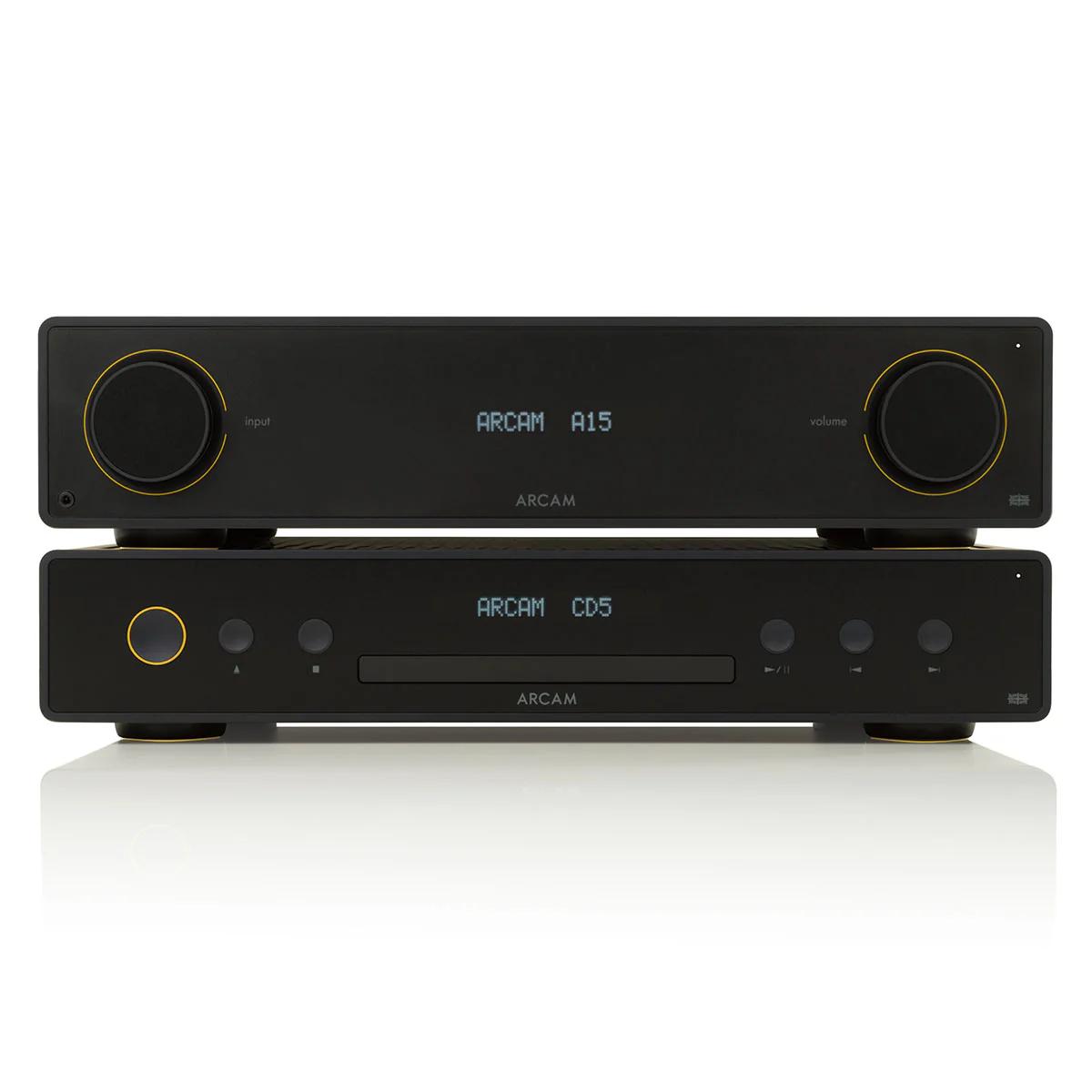
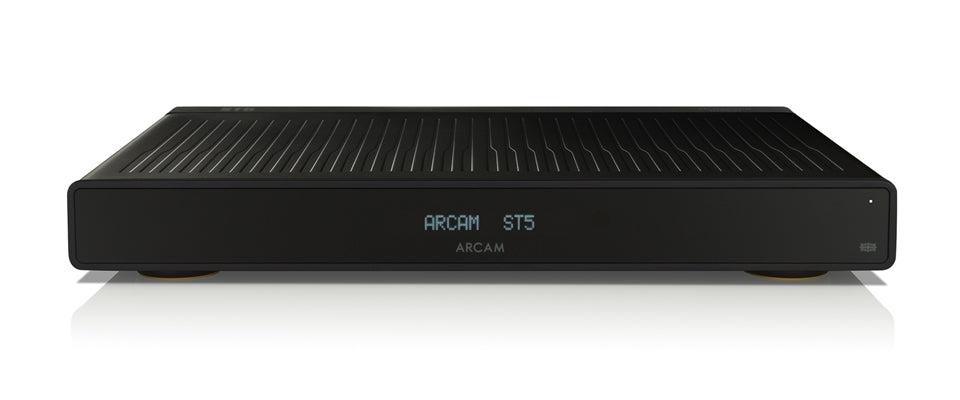
Integrated amplifiers sit at the heart of any serious stereo system, combining a preamplifier (which controls volume and switches between sources) and a power amplifier (which drives your speakers) in a single chassis. Think of them as the conductor of your audio orchestra, taking signals from your turntable, CD player, or streaming device and turning them into the music that fills your room.
The integrated amplifier market has evolved dramatically over the past decade. What used to be simple analog boxes with a few inputs and a volume knob have transformed into sophisticated digital hubs that can stream music wirelessly, convert digital files to analog signals, and even send audio to wireless headphones. This evolution has created an interesting divide between traditional audiophile approaches and modern digital-first designs.
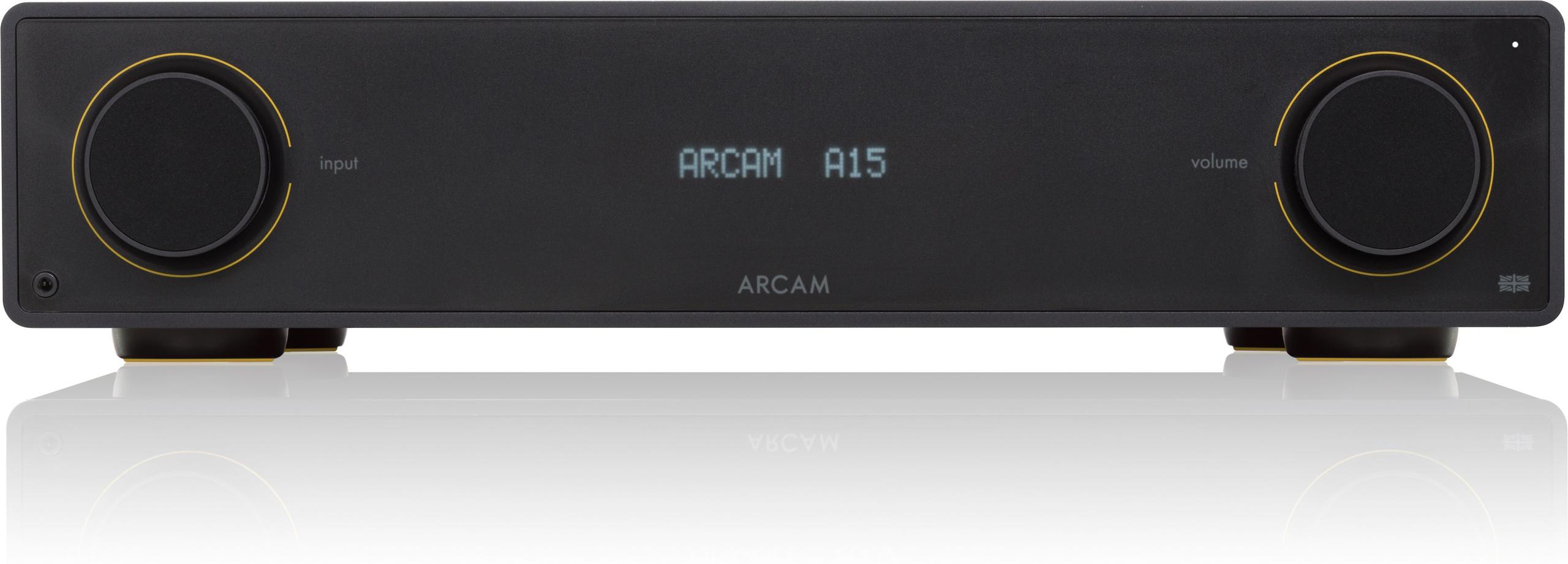
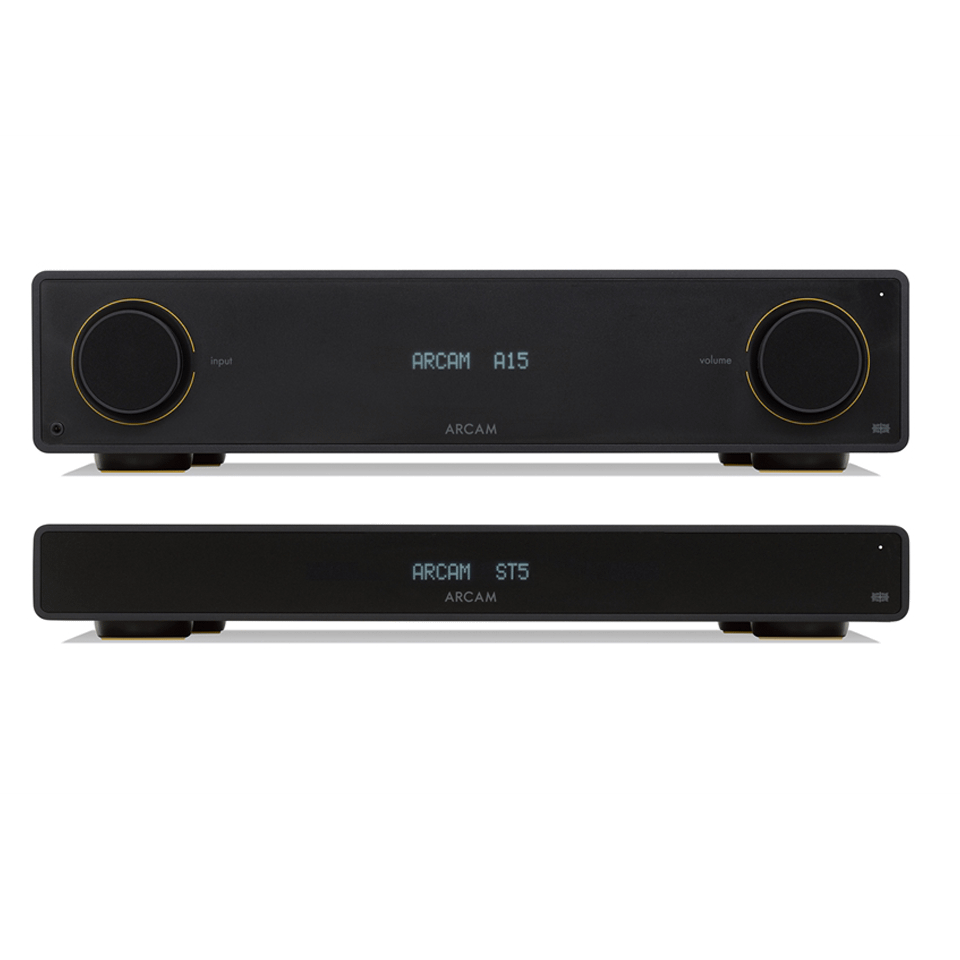
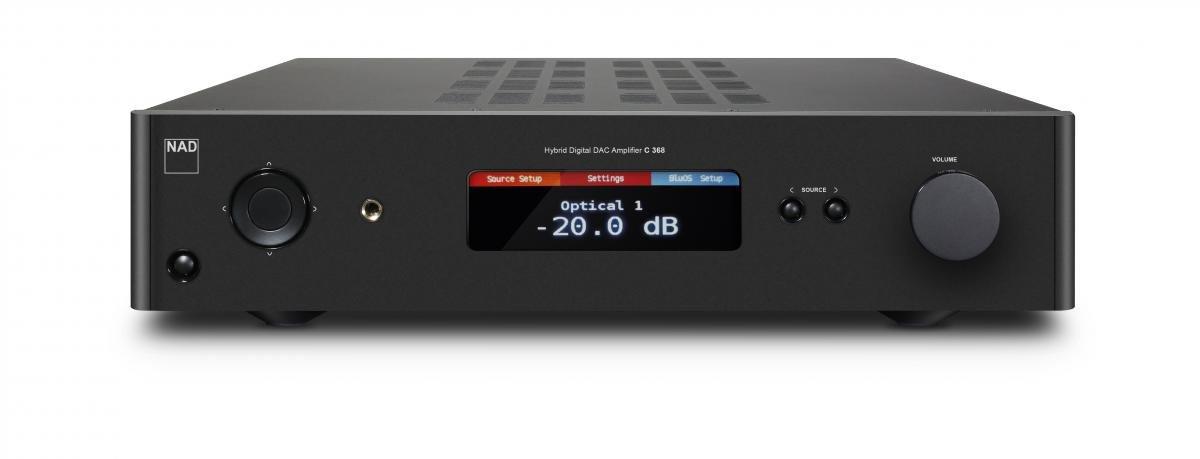
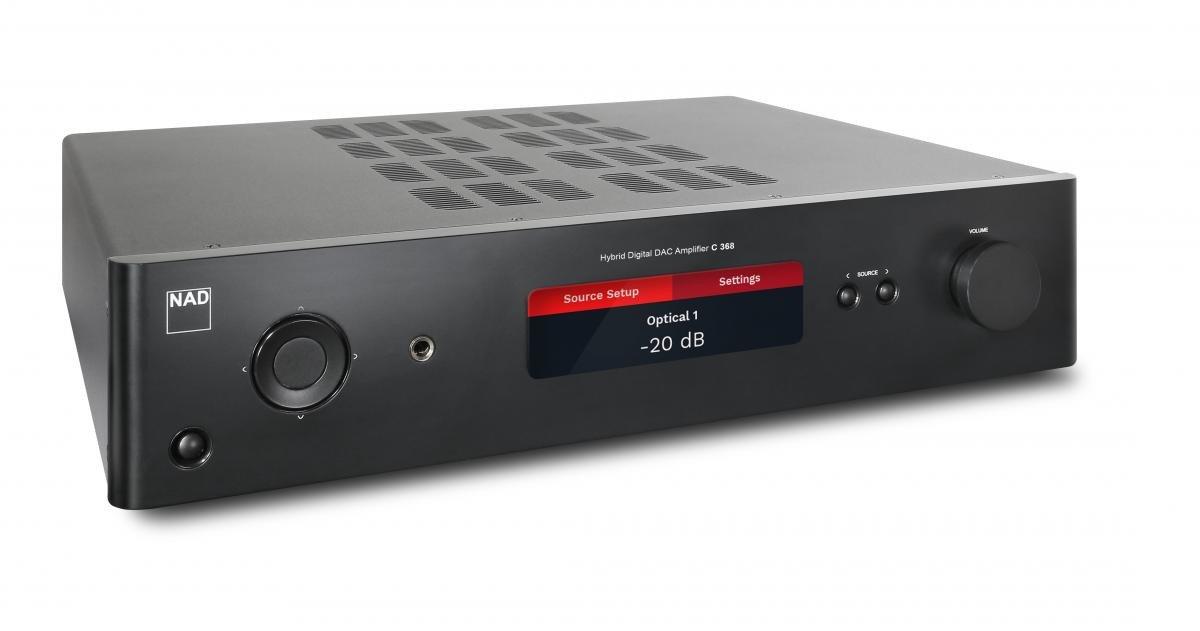
Today, we're comparing two amplifiers that represent these different philosophies: the Arcam A15, released in 2023 as part of Arcam's new Radia series, and the NAD C 368, which debuted in 2019 and has since become a benchmark for digitally-integrated amplification. Both deliver 80 watts per channel, but their approaches to achieving great sound couldn't be more different.
Before diving into these specific models, it's worth understanding what separates good integrated amplifiers from great ones. The most critical factors include power delivery (how well it drives your speakers), signal processing (how cleanly it handles audio signals), connectivity options (what sources you can connect), and build quality (how long it will last and perform consistently).
Power ratings, measured in watts, tell only part of the story. More important is how stable that power remains when driving difficult speaker loads – some speakers present challenging electrical characteristics that can make amplifiers struggle. The best amplifiers maintain their composure regardless of what speakers you connect.
Digital-to-analog conversion (DAC) quality has become increasingly important as more people stream music from phones, computers, and dedicated streaming services. A high-quality DAC chip takes the digital 1s and 0s and converts them into the analog signals that ultimately become sound waves. This process significantly affects how detailed and natural your digital music sounds.
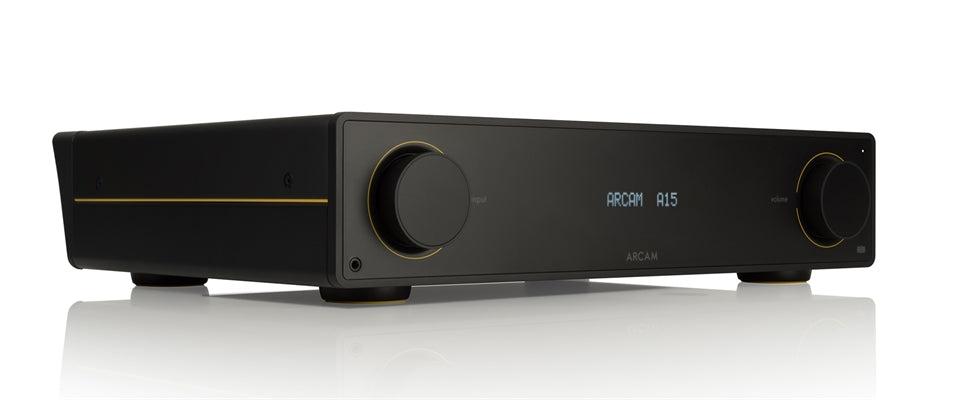
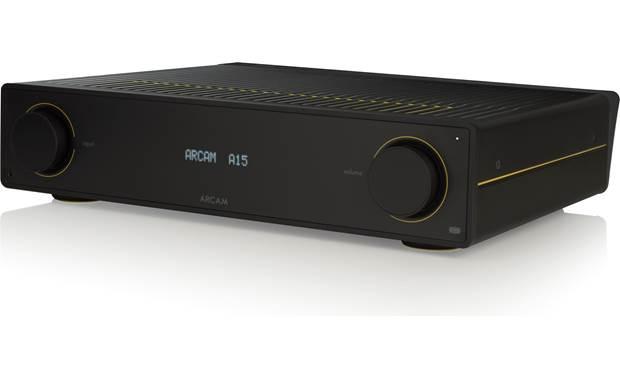
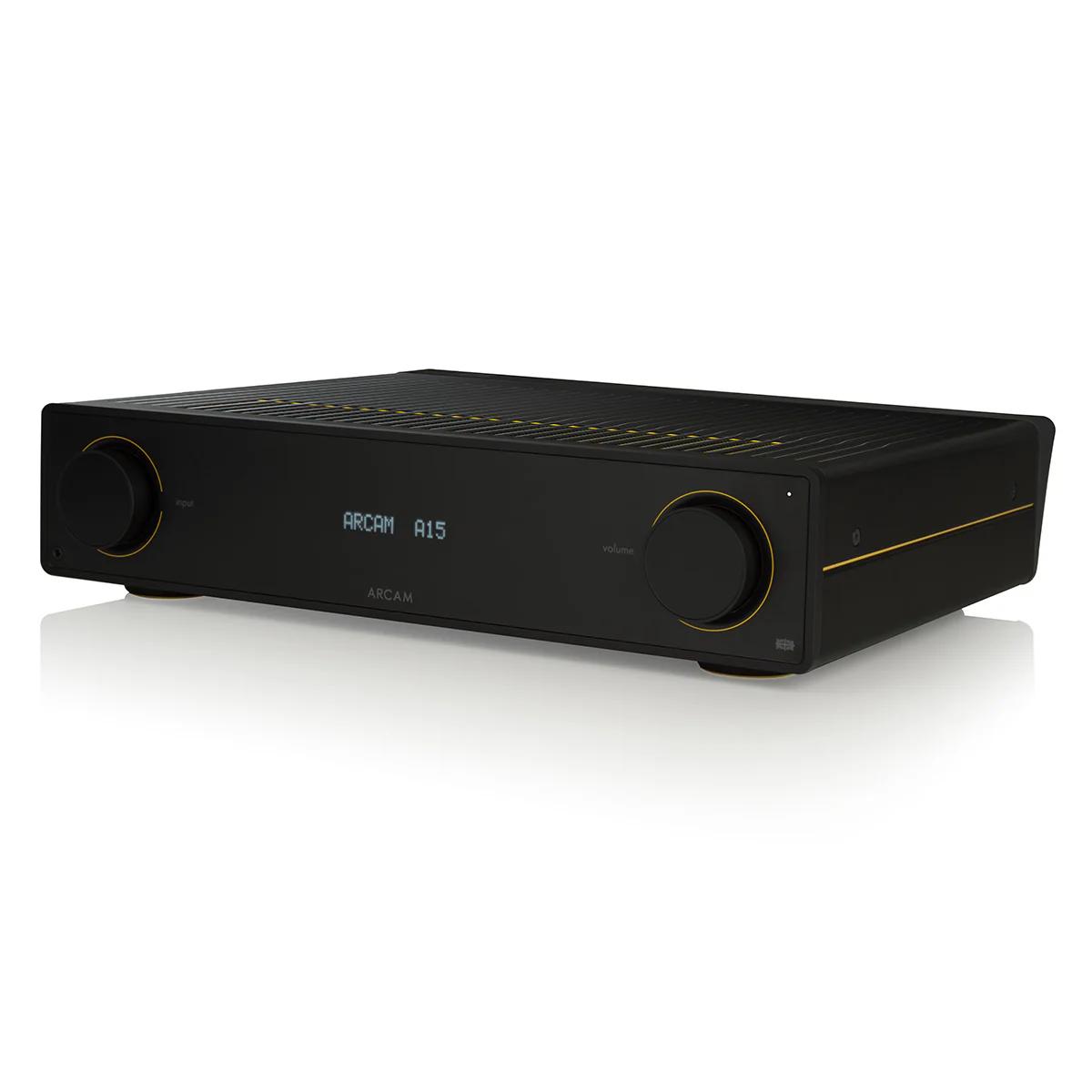
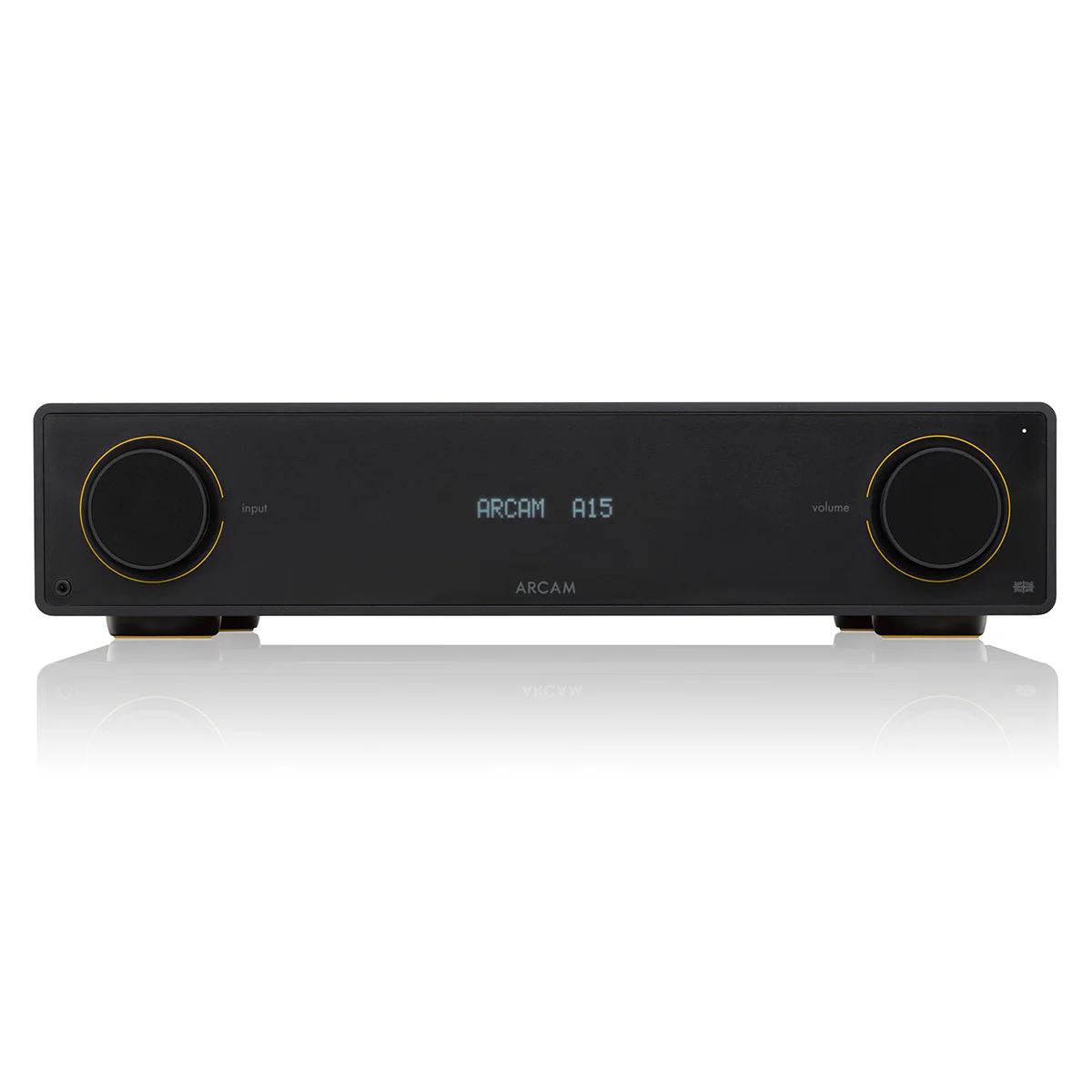
The Arcam A15 represents what you might call the "refined traditionalist" approach. Arcam, a British company with over four decades of high-end audio experience, has built the A15 around a Class AB amplifier topology – a tried-and-true design that's been the gold standard for audiophile equipment for decades. Class AB amplifiers use analog transistors that partially conduct electricity at all times, providing smooth, natural sound reproduction that many listeners prefer for its musicality.
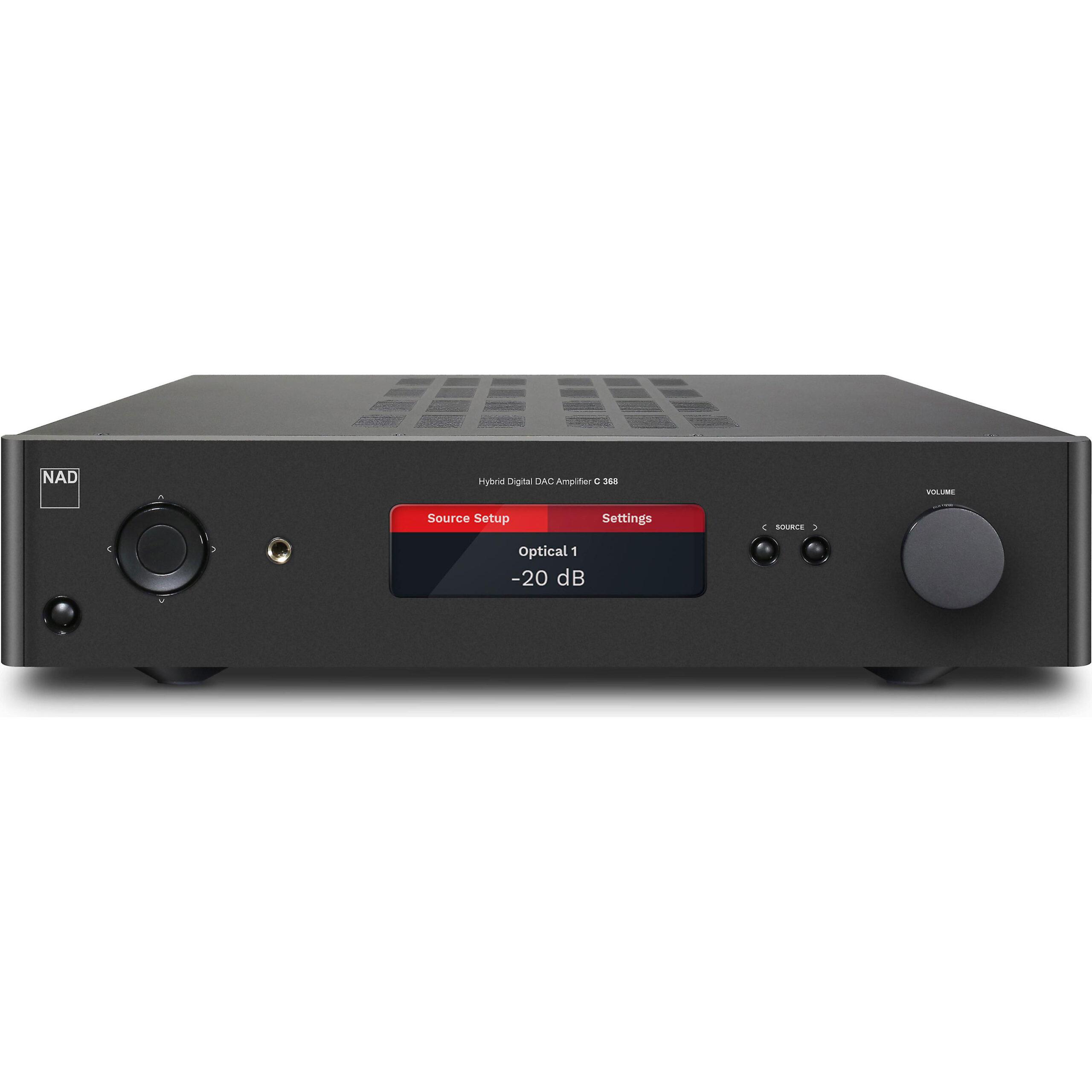
The NAD C 368, on the other hand, embraces what we call the "digital native" philosophy. NAD, despite being a Canadian company with similar heritage to Arcam, has aggressively pursued Class D amplification technology. Class D amplifiers work more like digital switches, turning on and off thousands of times per second to recreate audio waveforms. This approach is highly efficient (generating less heat) and can provide excellent performance, though it was historically associated with harsh or sterile sound – a reputation that modern implementations like the one in the C 368 have largely overcome.
Both amplifiers claim 80 watts per channel into 8-ohm speakers, but their delivery of that power differs substantially. The Arcam A15 uses a traditional Class AB design with what appears to be a robust linear power supply. Linear power supplies use large transformers and filter capacitors to provide clean, stable power – they're heavier and less efficient, but they typically provide better performance during demanding musical passages.
The NAD C 368 employs a Hypex UcD Class D output stage paired with a switch-mode power supply. Switch-mode supplies are lighter and more efficient, and modern designs can provide excellent performance. NAD's implementation appears particularly well-executed, with users reporting that the C 368 maintains its composure even when driving notoriously difficult speakers.
In practical terms, the Arcam tends to deliver what reviewers describe as more "organic" and "musical" sound, with the kind of tonal warmth that makes long listening sessions enjoyable. The NAD provides what many describe as more "accurate" and "controlled" sound, with excellent bass definition and the ability to handle complex musical passages without strain.
For most speakers commonly found in living rooms – think bookshelf speakers from KEF, B&W, or similar manufacturers – both amplifiers provide more than enough power. Where differences emerge is in how they handle dynamic peaks (sudden loud passages in music) and how they sound when pushed to higher volumes. The Arcam's Class AB design typically provides more headroom for these peaks, while the NAD's Class D implementation maintains tighter control at all volume levels.
Here's where these two amplifiers reveal their fundamental differences most clearly. The Arcam A15 includes a high-quality ESS Sabre ES9018 DAC chip – the same type found in some dedicated DAC units costing more than entire integrated amplifiers. This chip supports high-resolution audio up to 24-bit/192kHz, which means it can handle files with far more detail than standard CDs (which are 16-bit/44.1kHz).
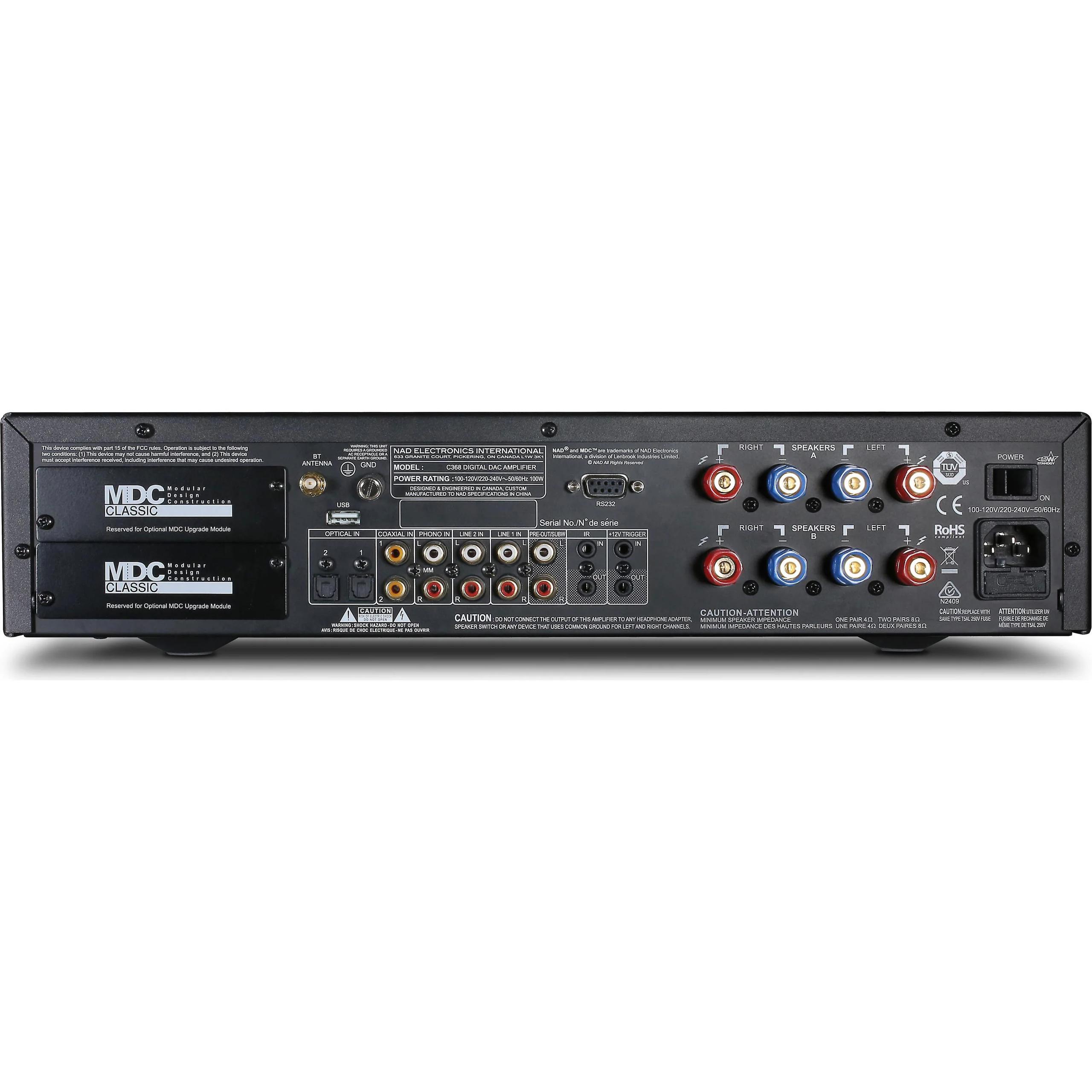
However, Arcam's approach to digital inputs is relatively conservative. You get two coaxial and one optical digital input, plus Bluetooth 5.2 with aptX Adaptive – a high-quality wireless codec that can stream CD-quality audio from your phone or tablet. Notably absent is USB input, which would allow direct connection to a computer for high-resolution file playback.
The NAD C 368 takes a more comprehensive approach to digital integration. Its Texas Instruments DAC setup, while perhaps not quite as prestigious as the Arcam's ESS chip, includes something called asynchronous sample rate conversion. This technology essentially "re-clocks" incoming digital signals to reduce jitter (timing errors that can affect sound quality), potentially making all your digital sources sound better.
More importantly, the NAD includes USB input for direct computer connection, plus more digital inputs overall. But where it really shines is in streaming capability. The base unit includes Bluetooth with aptX, but NAD offers an optional BluOS module that transforms the C 368 into a full network streamer. BluOS supports Wi-Fi connection, integration with streaming services like Tidal and Spotify, multi-room audio distribution, and smartphone app control.
This modular approach represents one of NAD's most clever design decisions. You can buy the C 368 as a straightforward integrated amplifier, then add streaming capability later when your needs or budget allow. At the time of writing, the BluOS module adds several hundred dollars to the overall cost, but it provides functionality that would typically require a separate streaming device.
Both amplifiers include moving magnet (MM) phono stages for connecting turntables – a feature that's become increasingly important as vinyl has experienced a remarkable renaissance. However, their implementations reflect their overall design philosophies.
The Arcam A15 treats its phono stage as a critical audiophile component, focusing on preserving the warmth and character that make vinyl appealing. Arcam has carefully tuned the RIAA equalization curve (the standard frequency response correction applied to vinyl playback) and minimized noise and distortion. Users consistently report that the A15's phono stage captures the "magic" of vinyl – that indefinable quality that makes records sound different from digital files.
The NAD C 368 takes a more technical approach to phono reproduction, emphasizing precision and accuracy. NAD engineers have implemented what they call "infrasonic noise suppression" – a circuit that filters out ultra-low frequencies that can cause turntable rumble or warp-related distortion. This results in cleaner sound, though some vinyl enthusiasts prefer the slight coloration that more traditional phono stages provide.
For line-level sources (like CD players or other components), the Arcam generally receives praise for its natural tonality and excellent soundstaging – the ability to create a convincing three-dimensional sound image. The NAD tends to sound slightly more forward and detailed, which some listeners prefer for complex music with lots of instruments.
This is perhaps the most significant area of differentiation between these two amplifiers. The Arcam A15 includes what might be the most advanced Bluetooth implementation we've seen in an integrated amplifier. Its Bluetooth 5.2 with aptX Adaptive not only receives high-quality audio from your devices but can also transmit audio to compatible Bluetooth headphones – essentially turning the amplifier into a wireless headphone hub.
This two-way Bluetooth capability is genuinely useful. You can listen to your turntable through wireless headphones late at night, or send the output of any connected source to Bluetooth speakers elsewhere in your home. It's the kind of thoughtful feature that shows Arcam understands how people actually use audio equipment today.
The NAD C 368, with its optional BluOS module, goes much further into streaming territory. BluOS essentially turns the amplifier into a network audio player capable of accessing local music libraries, internet radio, and major streaming services. The smartphone app provides sophisticated control, including the ability to browse album artwork, create playlists, and manage multiple rooms of audio.
For users building modern audio systems around streaming services, the NAD's approach makes tremendous sense. You get high-quality amplification plus the ability to access virtually any music ever recorded, all controlled from your phone. However, this flexibility comes with complexity – and additional cost.
Both manufacturers have reputations for building reliable, long-lasting equipment, though their approaches differ. The Arcam A15 follows traditional high-end audio construction principles, with a solid aluminum chassis, high-quality internal components, and careful attention to vibration damping. The front panel controls have the precise, damped feel that audiophiles associate with premium equipment.
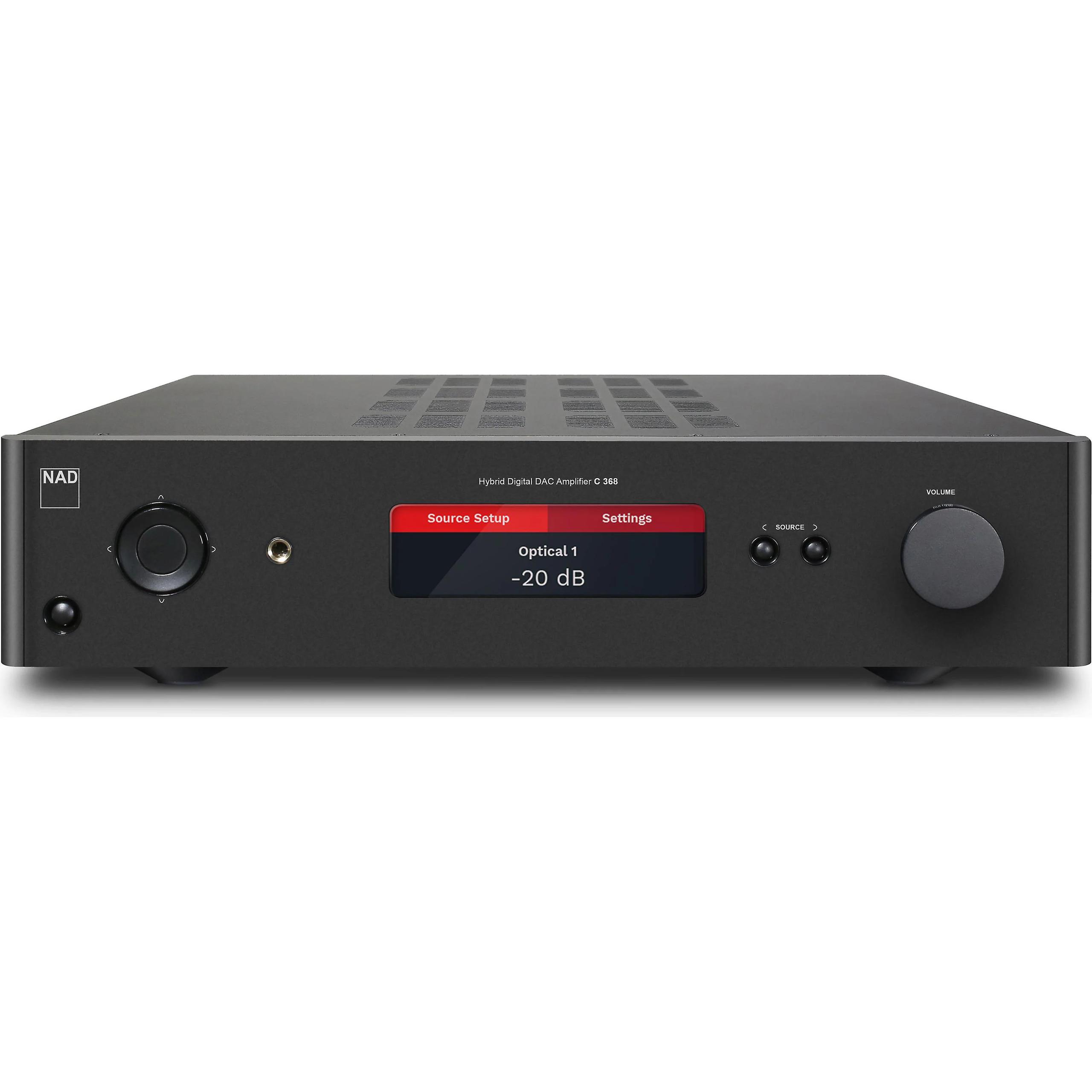
The NAD C 368 prioritizes functionality and value. Its chassis is robust but utilitarian, and the front panel reflects NAD's philosophy of minimal physical controls supplemented by app-based operation. The full-color LCD display provides detailed information about sources and settings, making it easier to navigate the amplifier's various functions.
From a long-term reliability perspective, both companies offer solid warranties, though some service technicians report that Arcam products tend to require less maintenance over time. However, NAD's modular design philosophy means that individual components can potentially be upgraded or replaced without replacing the entire amplifier.
While both amplifiers are designed primarily for stereo music listening, they can play roles in home theater systems. The Arcam A15 includes a stereo RCA preamp output that allows easy integration with an AV receiver or separate home theater processor. You could use the Arcam for high-quality stereo music listening while routing movie soundtracks through your surround sound system.
The NAD C 368 offers similar integration options but adds the possibility of wireless streaming throughout your home theater setup (with the BluOS module). You could stream music to the main system while simultaneously sending different music to other rooms – a capability that's increasingly valuable in modern homes.
Neither amplifier is designed to be the center of a surround sound system, but both work well as high-quality stereo components within larger home theater setups.
After extensive research into user experiences and professional reviews, clear patterns emerge in terms of who should choose which amplifier.
The Arcam A15 excels for listeners who prioritize sound quality above all else. If you're the type of person who notices subtle differences in how different recordings sound, who enjoys long listening sessions with complex music, and who values the kind of musical engagement that makes you forget about the equipment and focus on the performance, the Arcam is likely your better choice. Its Class AB design, premium DAC implementation, and careful analog engineering deliver the kind of refined sound that keeps you coming back to your music collection.
The A15 also makes sense for users who prefer simplicity. Everything you need is built in – no additional modules to buy, no complex setup procedures, no smartphone apps to master. You connect your sources, adjust the volume, and enjoy excellent sound.
The NAD C 368 serves users who want their integrated amplifier to be the hub of a modern digital audio system. If you stream most of your music, want the flexibility to add new capabilities over time, and value features like multi-room audio and smartphone control, the NAD's approach makes more sense. Its Class D amplification provides excellent performance with high efficiency, while its digital integration capabilities position it well for future audio trends.
The NAD also offers better value for users who will actually use its digital capabilities. At the time of writing, even with the streaming module, the total cost often remains competitive with the Arcam while providing significantly more functionality.
Ultimately, your choice between these two excellent integrated amplifiers should align with your listening habits and system goals. The Arcam A15 represents the refined, traditional approach to high-quality audio reproduction – it does fewer things, but it does them exceptionally well. The NAD C 368 embraces the future of audio, providing excellent sound quality while serving as a comprehensive digital hub.
Both amplifiers will serve their owners well for many years. The Arcam will likely provide more consistent long-term satisfaction for pure music listening, while the NAD offers more flexibility and growth potential as streaming technology continues to evolve. Consider your current sources, your future plans, and most importantly, what kind of listening experience brings you the most joy. Either choice will represent a significant step forward in audio quality – they just take different paths to get there.
| Arcam A15 Integrated Amplifier | NAD C 368 Integrated Amplifier |
|---|---|
| Power Output - Both deliver identical power for most speakers | |
| 80W per channel (8Ω), 120W per channel (4Ω) | 80W per channel (8Ω), 120W per channel (4Ω) |
| Amplifier Technology - Affects sound character and efficiency | |
| Class AB (traditional audiophile topology, warmer sound) | Class D with Hypex UcD (modern efficiency, accurate sound) |
| DAC Chip - Critical for digital source sound quality | |
| ESS Sabre ES9018 (premium chip, excellent detail) | TI PCM1795 32-bit with sample rate converter |
| Digital Inputs - Determines what digital sources you can connect | |
| 2 coaxial, 1 optical (no USB limits computer connection) | 2 coaxial, 2 optical, USB (more versatile connectivity) |
| Streaming Capabilities - Modern convenience and functionality | |
| Bluetooth 5.2 with aptX Adaptive (two-way capable) | Bluetooth with aptX + optional BluOS module for full streaming |
| Phono Stage - Essential for turntable users | |
| Moving Magnet with focus on vinyl warmth | Moving Magnet with precision RIAA and noise suppression |
| Headphone Output - Important for private listening | |
| 3.5mm jack, up to 5V output (better for high-impedance) | 1/4" jack, 700mW (adequate for most headphones) |
| Build Philosophy - Affects long-term satisfaction | |
| Traditional audiophile construction, premium materials | Functional design with modular upgrade capability |
| Expandability - Future-proofing your investment | |
| Fixed feature set, no upgrade options | MDC slots allow hardware modules and upgrades |
| Best For - Target user and primary strengths | |
| Pure music lovers wanting refined analog performance | Digital-focused users wanting streaming hub functionality |
The Arcam A15 typically delivers more musical and warm sound thanks to its Class AB design, making it ideal for long listening sessions. The NAD C 368 provides more accurate and controlled sound with its Class D technology. For pure music enjoyment, most audiophiles prefer the Arcam's natural tonality, while the NAD excels at handling complex passages cleanly.
Both the Arcam A15 and NAD C 368 deliver identical power ratings of 80 watts per channel into 8 ohms and 120 watts per channel into 4 ohms. The difference lies in power delivery - the Arcam's Class AB design provides better dynamic headroom for musical peaks, while the NAD maintains consistent control at all volume levels.
The NAD C 368 significantly outperforms the Arcam A15 in streaming features. The NAD offers an optional BluOS module that provides Wi-Fi streaming, multi-room audio, and app control. The Arcam A15 includes advanced Bluetooth 5.2 with two-way capability but lacks comprehensive network streaming without additional equipment.
Both amplifiers work well in home theater setups as high-quality stereo components. The Arcam A15 and NAD C 368 both offer preamp outputs for integration with AV receivers. The NAD C 368 with BluOS module adds multi-room streaming capability, making it more versatile for whole-home audio integration.
The NAD C 368 typically offers more features for less money at the base level, including superior digital connectivity and upgrade options. However, the Arcam A15 provides better value for pure analog performance and build quality. The NAD's full streaming capability requires an additional module purchase.
Both amplifiers handle challenging speaker loads well, but differently. The NAD C 368 maintains consistent performance regardless of speaker impedance thanks to its Class D design. The Arcam A15 provides better dynamic response with its Class AB topology, making it slightly more suitable for speakers with complex impedance curves.
Choose the Arcam A15 if sound quality and simplicity are your priorities - it delivers audiophile performance without complexity. Select the NAD C 368 if you want modern streaming features and room to grow - its modular design and digital capabilities make it more versatile for evolving needs and integration with smart home systems.
We've done our best to create useful and informative comparisons to help you decide what product to buy. Our research uses advanced automated methods to create this comparison and perfection is not possible - please contact us for corrections or questions. These are the sites we've researched in the creation of this article: theaudiotailor.com.au - skybygramophone.com - crutchfield.com - arcam.co.uk - youtube.com - listenup.com - upscaleaudio.com - arcam.co.uk - whathifi.com - sweetwater.com - musicdirect.com - device.report - hifidaydreaming.com - listenup.com - avnirvana.com - crutchfield.com - hometheaterhifi.com - hifiheaven.net - crutchfield.com - projectorscreen.com - theabsolutesound.com - dedicatedaudio.com - soundstagesimplifi.com - nadelectronics.com - musicdirect.com - crutchfield.com - safeandsoundhq.com

Privacy Policy
Terms and Conditions - Affiliate Policy
Home Security
© Copyright 2008-2026.
11816 Inwood Rd #1211, Dallas, TX 75244