

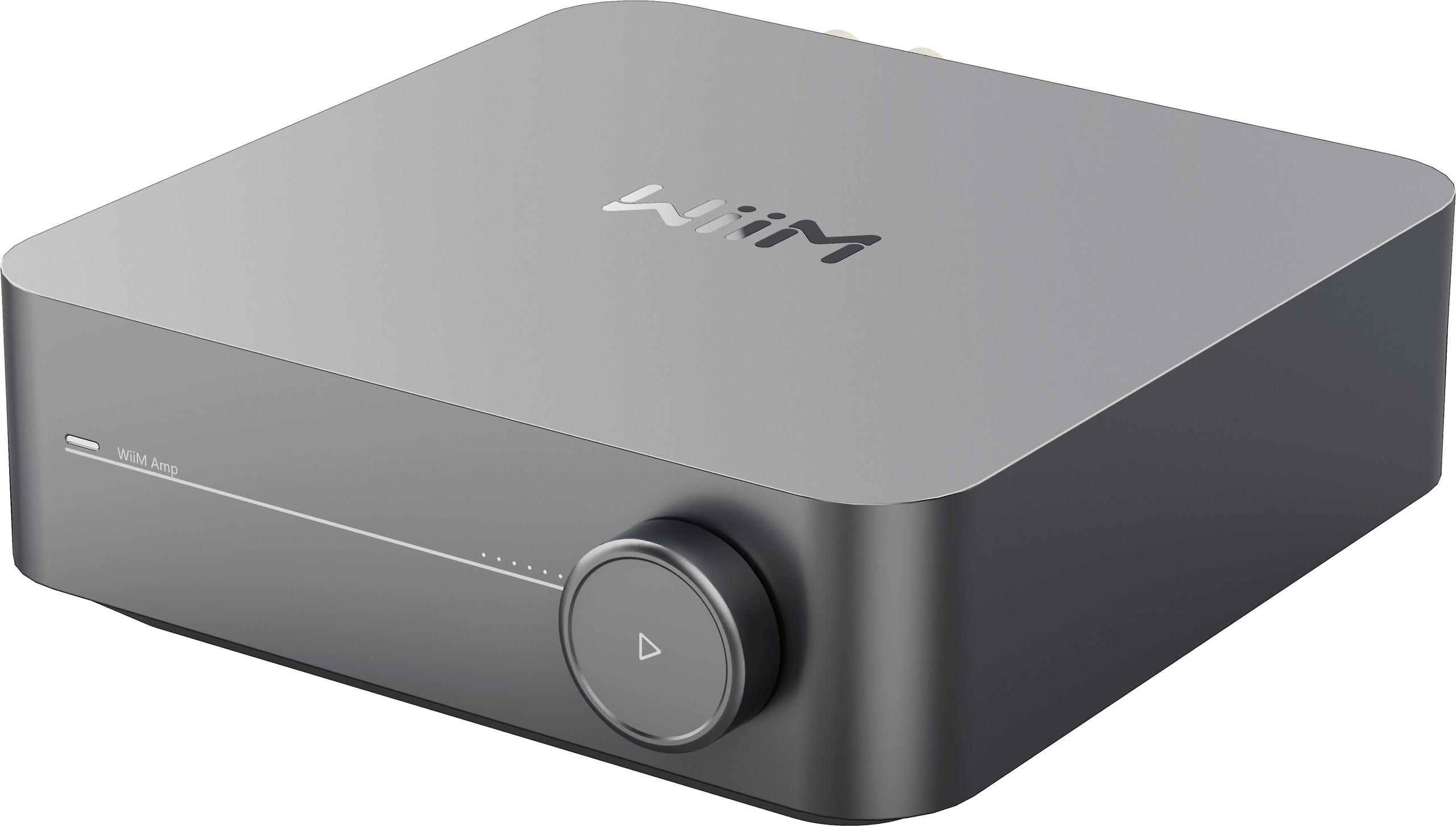
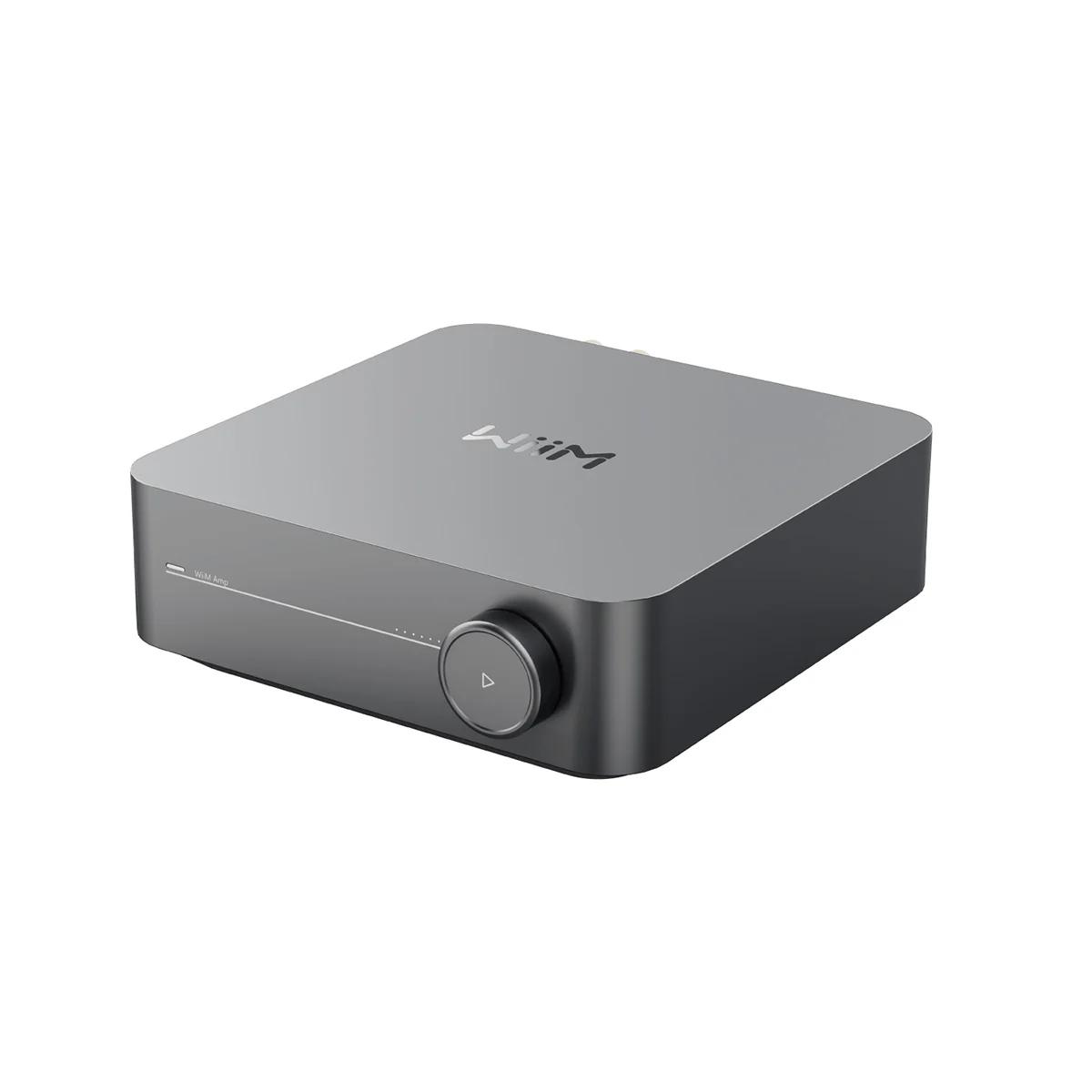

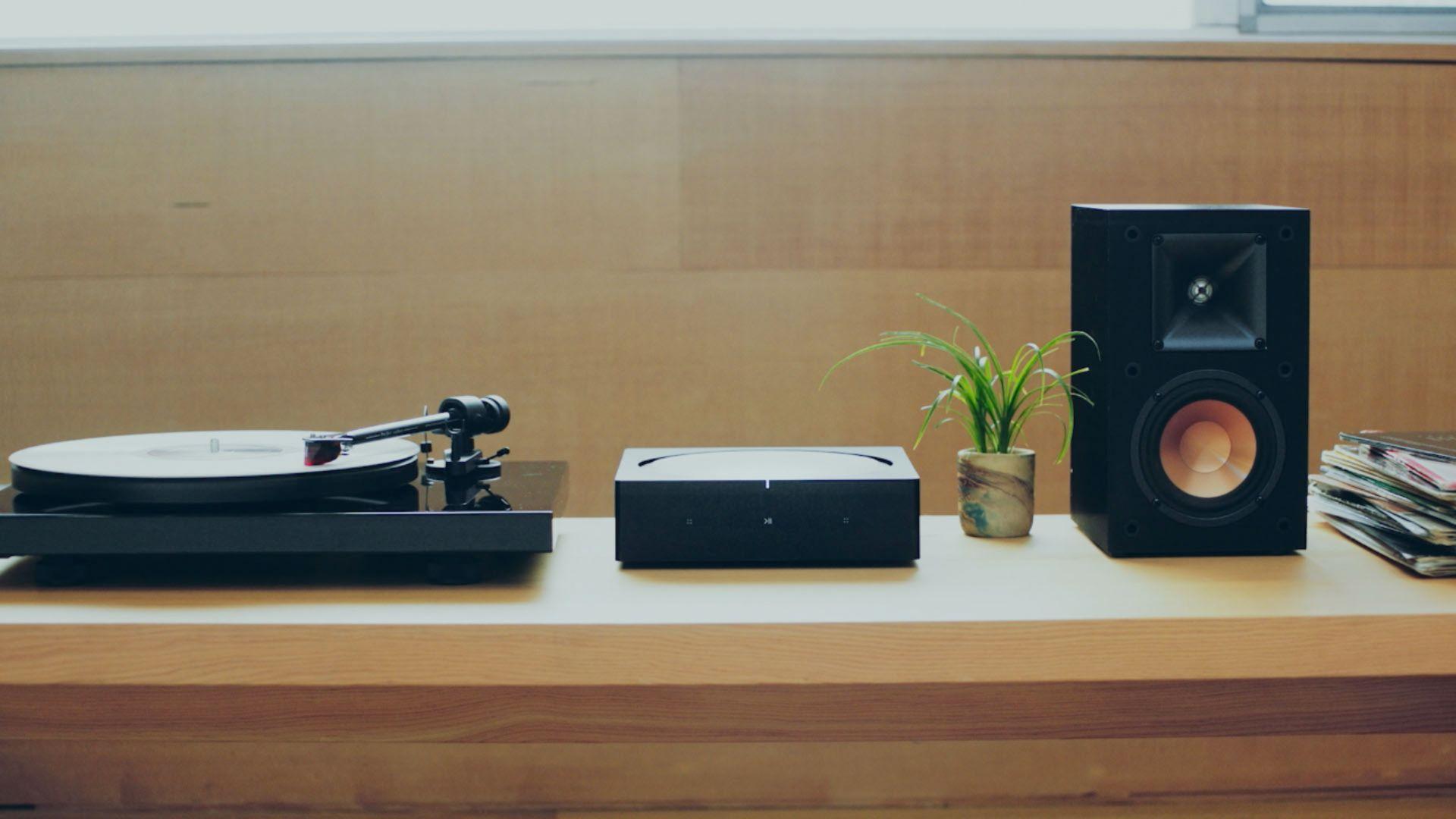
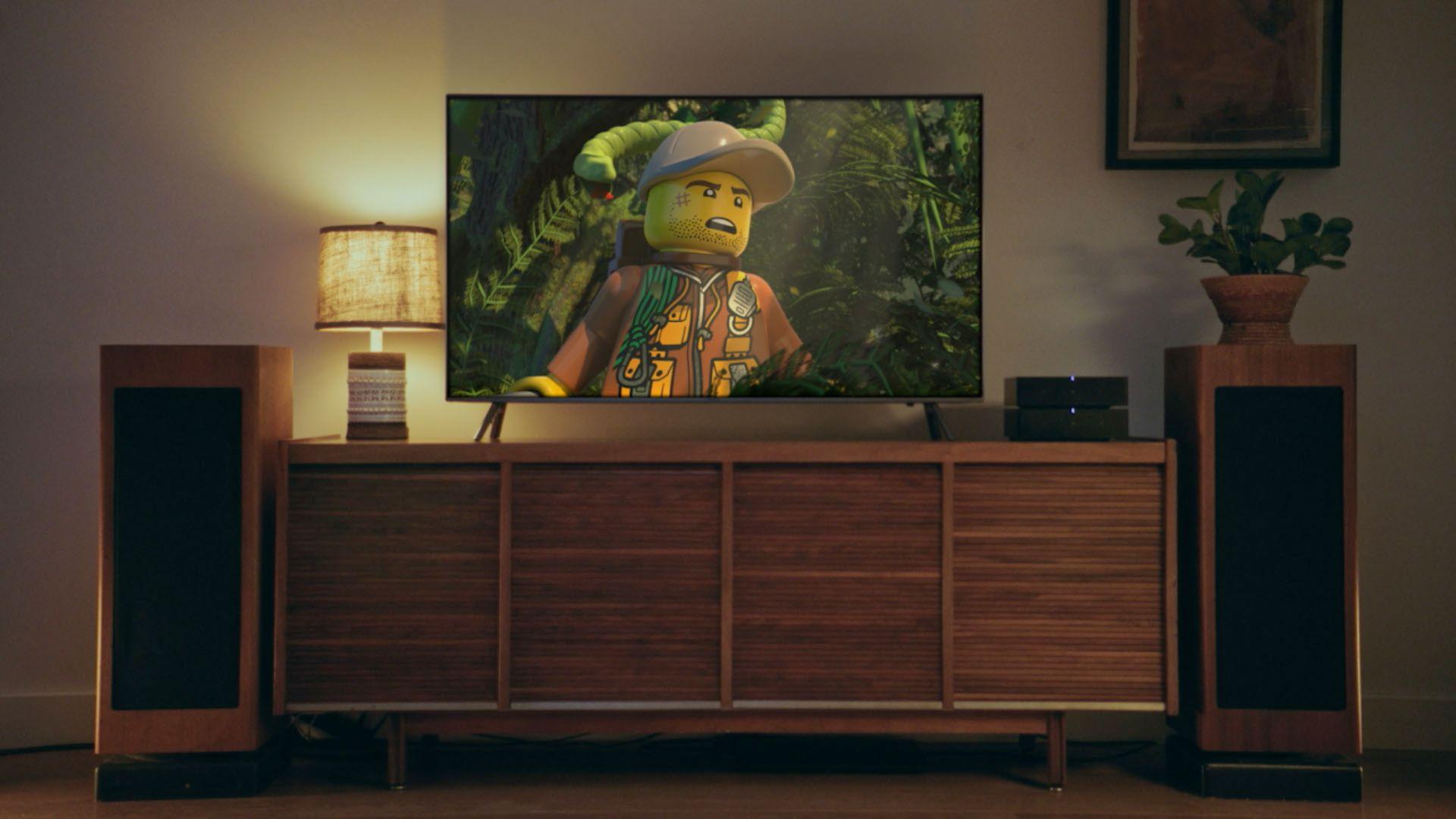
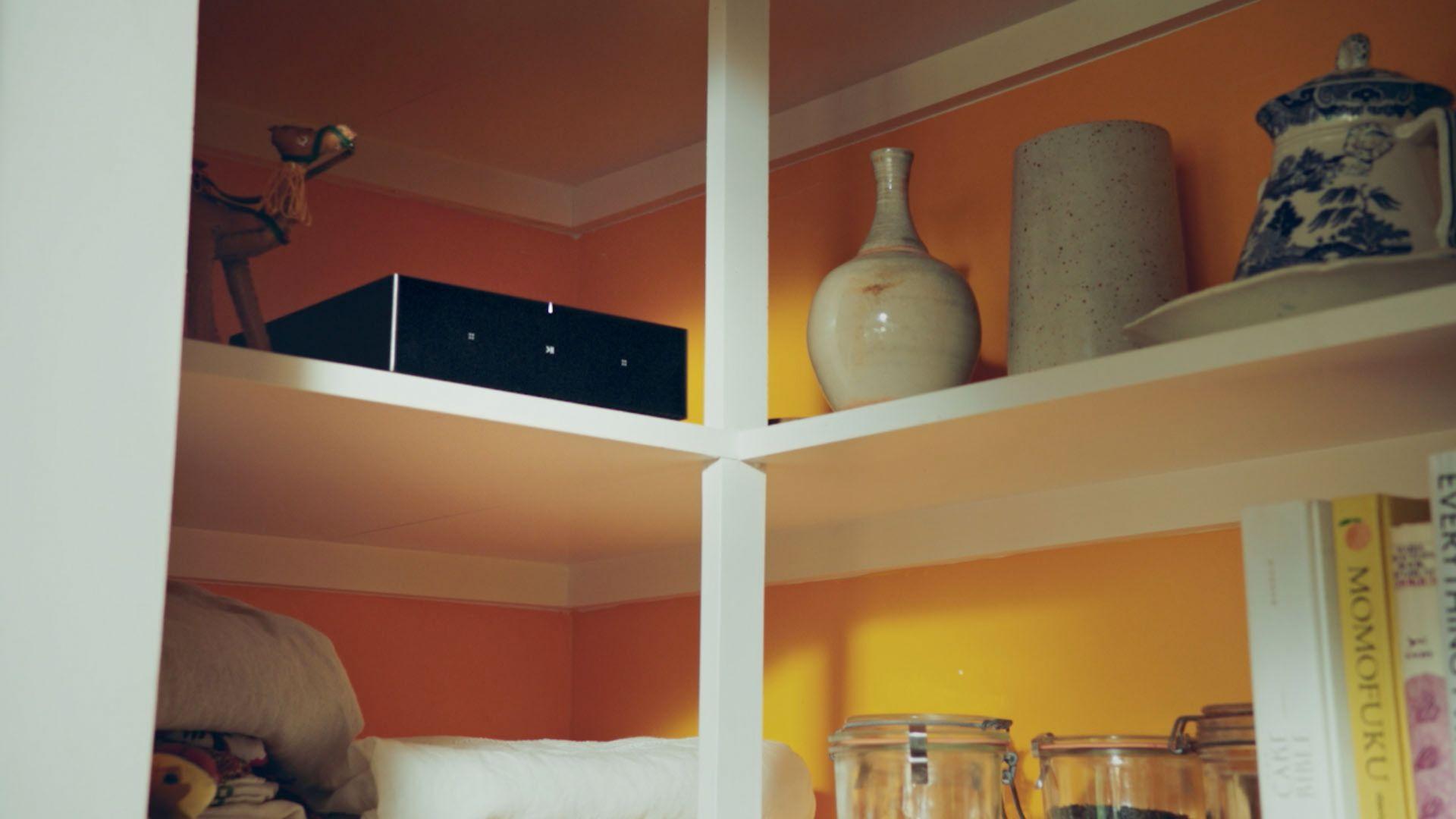
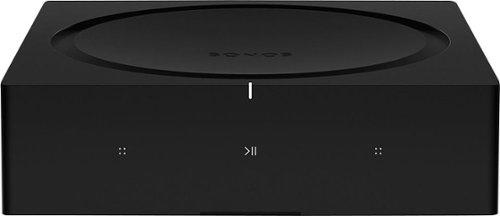
If you've ever wanted to transform your traditional bookshelf or floor-standing speakers into a wireless streaming powerhouse, you're looking at the world of streaming amplifiers. These clever devices combine the muscle of a traditional amplifier with the brains of modern wireless streaming, letting you pump high-quality audio from Spotify, Apple Music, or your vinyl collection through any passive speakers you choose.
The streaming amplifier category has exploded in recent years as more people realize they don't need to replace perfectly good speakers just to get wireless capabilities. Instead of buying entirely new active speakers, you can breathe new life into existing speakers while gaining access to every streaming service imaginable.
When evaluating streaming amplifiers, the core considerations boil down to power output (how loud and controlled your music sounds), audio quality (how detailed and accurate the reproduction is), streaming ecosystem compatibility (which services and devices play nicely together), connectivity options (what you can plug in), and overall value (what you get for your money). These factors determine whether you'll be thrilled with your purchase or frustrated by limitations down the road.
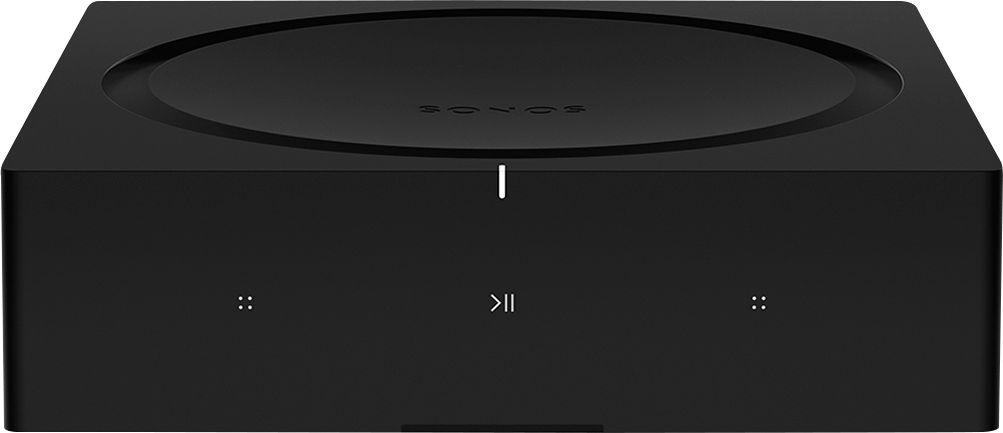
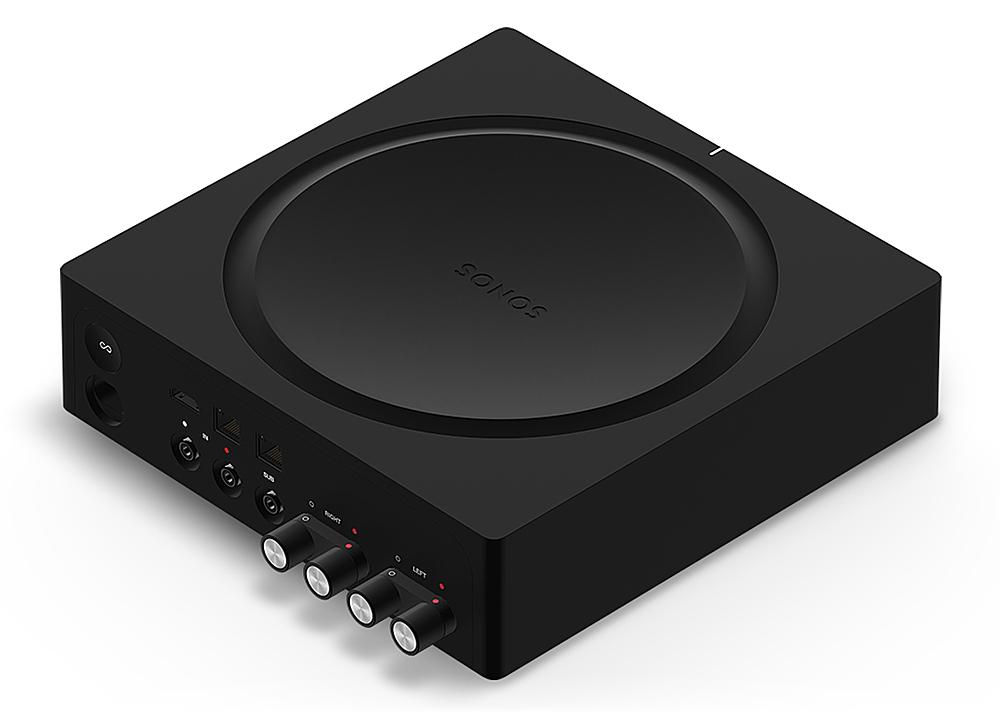
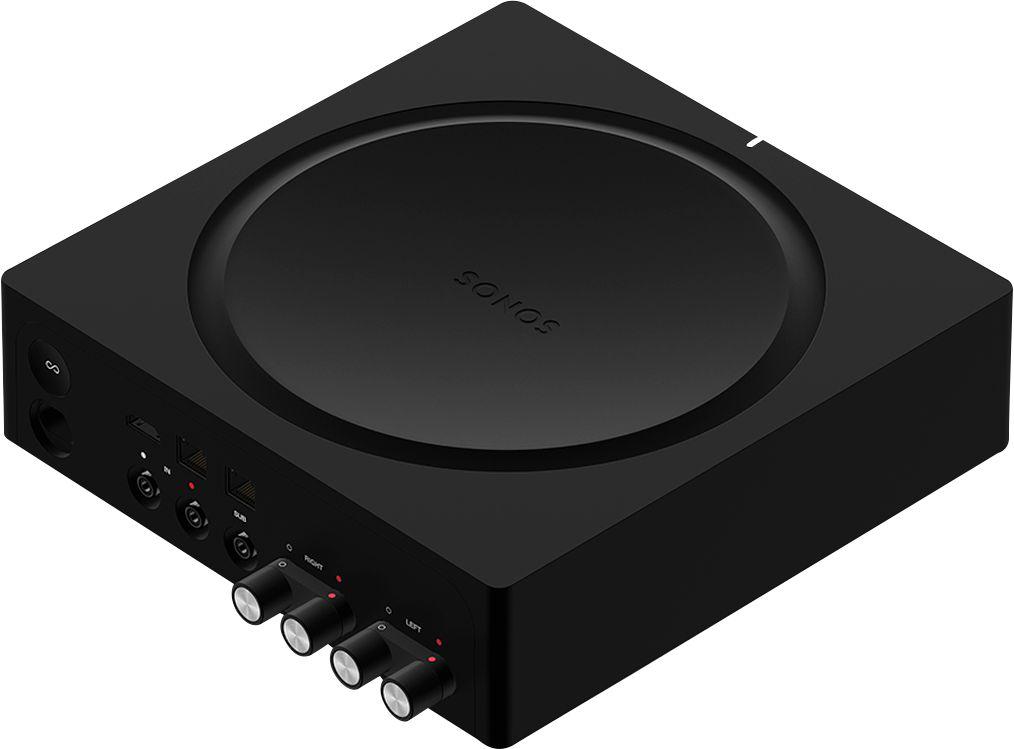
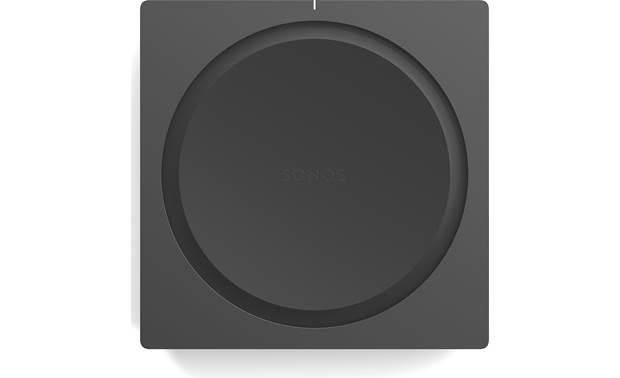
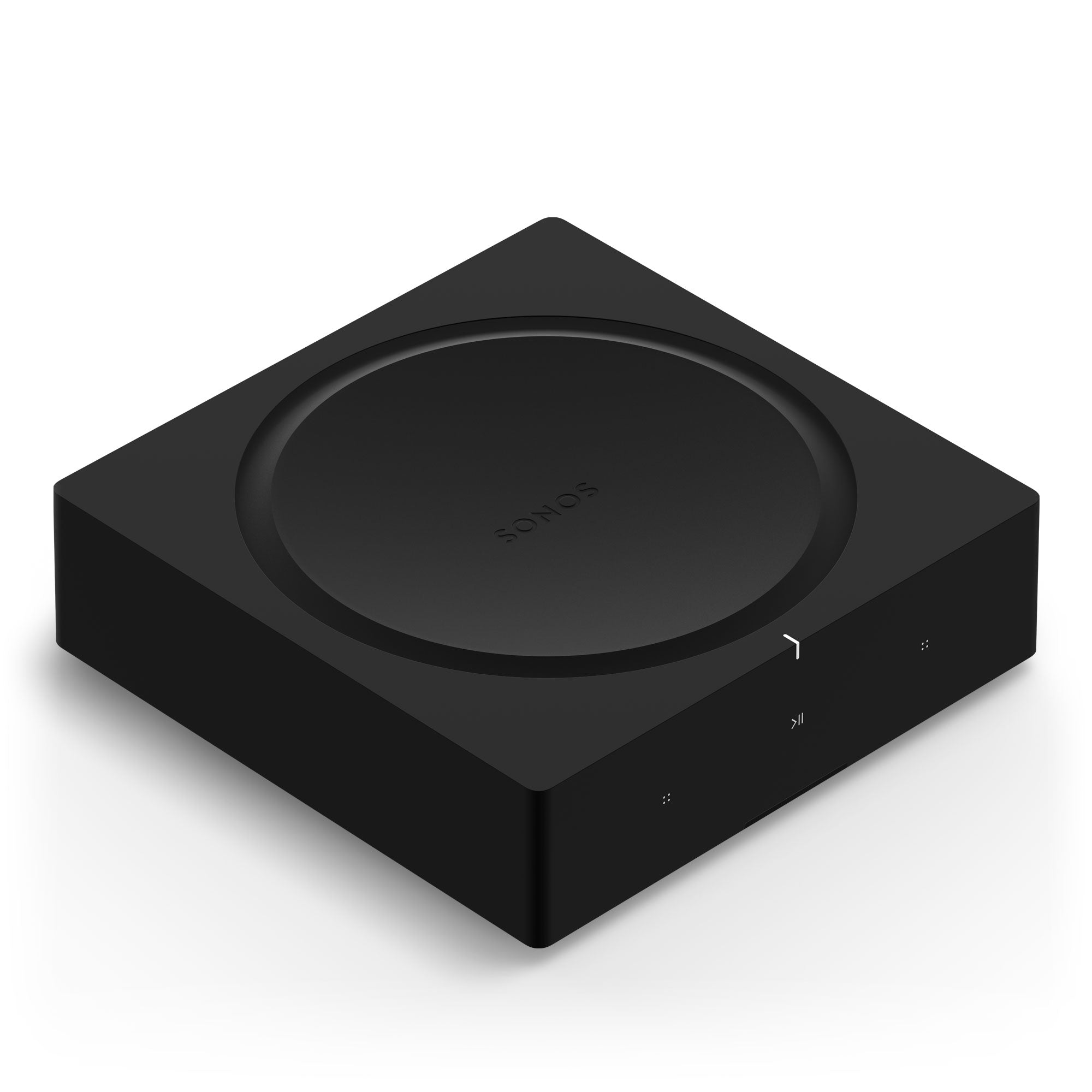
The WiiM Amp and Sonos Amp represent two dramatically different philosophies in streaming amplifier design. The WiiM Amp, released in 2024, takes an open, value-focused approach that prioritizes compatibility and hi-res audio capabilities at an accessible price point. Meanwhile, the Sonos Amp, which launched in 2018, embodies the premium, ecosystem-centric approach that Sonos is known for, focusing on seamless integration and robust power output.
Since their respective launches, both products have evolved through firmware updates and app improvements. The WiiM Amp has benefited from WiiM's rapid development cycle, gaining new streaming service integrations and enhanced room correction features. The Sonos Amp has matured through Sonos's extensive app updates and expanded service compatibility, though it remains more restrictive than its newer competitor.
The most fundamental difference between these amplifiers lies in their power output, and this difference has real-world implications you'll hear immediately. The Sonos Amp delivers 125 watts per channel into 8-ohm speakers, while the WiiM Amp provides 60 watts per channel. This isn't just a numbers game – it translates directly to how loud your music can get and how well the amplifier maintains control over your speakers.
In practical terms, based on our research of user experiences, the Sonos Amp reaches comfortable listening levels with the volume slider at 50-75%, while the WiiM Amp typically requires 75-100% to achieve the same loudness. This difference becomes crucial if you're powering inefficient speakers, filling a large room, or love your music loud during parties.
The power disparity also affects dynamic range – the difference between quiet and loud passages in music. The Sonos Amp maintains better control during sudden bass drops or orchestral crescendos, keeping everything tight and controlled where the WiiM Amp might start to strain with demanding speakers.
However, power isn't everything. The WiiM Amp uses a high-quality Texas Instruments TPA3255 Class-D amplifier chip paired with an ESS Sabre ES9018 DAC (Digital-to-Analog Converter – the component that converts digital music files into analog signals your speakers can use). This combination delivers exceptionally clean, detailed sound that punches well above its power rating. User reviews consistently praise its clarity and detail retrieval, especially with well-recorded material.
Here's where things get interesting. While the Sonos Amp has more power, the WiiM Amp supports significantly higher resolution audio files. The WiiM Amp can handle audio up to 24-bit/192kHz, which represents studio-master quality that exceeds what you'll find on most CDs. The Sonos Amp, by contrast, maxes out at 24-bit/48kHz.
This resolution difference matters most if you stream high-resolution audio from services like Tidal, Qobuz, or Amazon Music HD, or if you play local files ripped from vinyl or high-resolution downloads. The WiiM Amp can take full advantage of these sources, while the Sonos Amp downsamples them to lower quality.
The WiiM Amp's ESS Sabre DAC is particularly noteworthy. ESS Sabre chips are found in high-end audio equipment costing thousands more, and they're known for exceptional detail retrieval and low distortion. User reports suggest the WiiM Amp delivers a "clean and lean" sound signature that gets out of the way of the music, letting you hear subtle details in familiar recordings.
The Sonos Amp takes a different approach, prioritizing a more robust, room-filling sound that many find immediately satisfying. It includes Trueplay room correction technology, which uses your iPhone's microphone to measure your room's acoustics and automatically adjust the sound to compensate for reflections and resonances. This can make a significant difference in challenging rooms with lots of hard surfaces or unusual shapes.
The philosophical divide between these products becomes most apparent in their streaming capabilities. The WiiM Amp embraces an open ecosystem approach, supporting virtually every streaming protocol you might encounter: AirPlay 2 for Apple devices, Chromecast for Google services, Spotify Connect for direct Spotify streaming, TIDAL Connect for hi-res Tidal streaming, Alexa Cast, DLNA for local network streaming, and Roon Ready certification for serious audiophiles.
This extensive compatibility means the WiiM Amp can integrate into almost any existing setup. If you have a mix of Apple and Android devices in your household, use multiple streaming services, or like to stream from different apps depending on your mood, the WiiM Amp accommodates all these scenarios seamlessly.
The Sonos Amp, meanwhile, operates within Sonos's carefully curated ecosystem. While this limits flexibility, it delivers unmatched reliability and ease of use within that ecosystem. Sonos has spent years perfecting multi-room synchronization, and if you're building or expanding a Sonos system throughout your home, the integration is flawless. You can group the Sonos Amp with other Sonos speakers, create stereo pairs, or add surrounds for home theater setups with perfect timing across all zones.
The WiiM Amp also supports multi-room functionality, but it's more like speaking multiple languages versus being native in one. It can group with Google Nest speakers, Amazon Echo devices, or other WiiM products, but the experience isn't quite as seamless as Sonos's proprietary approach.
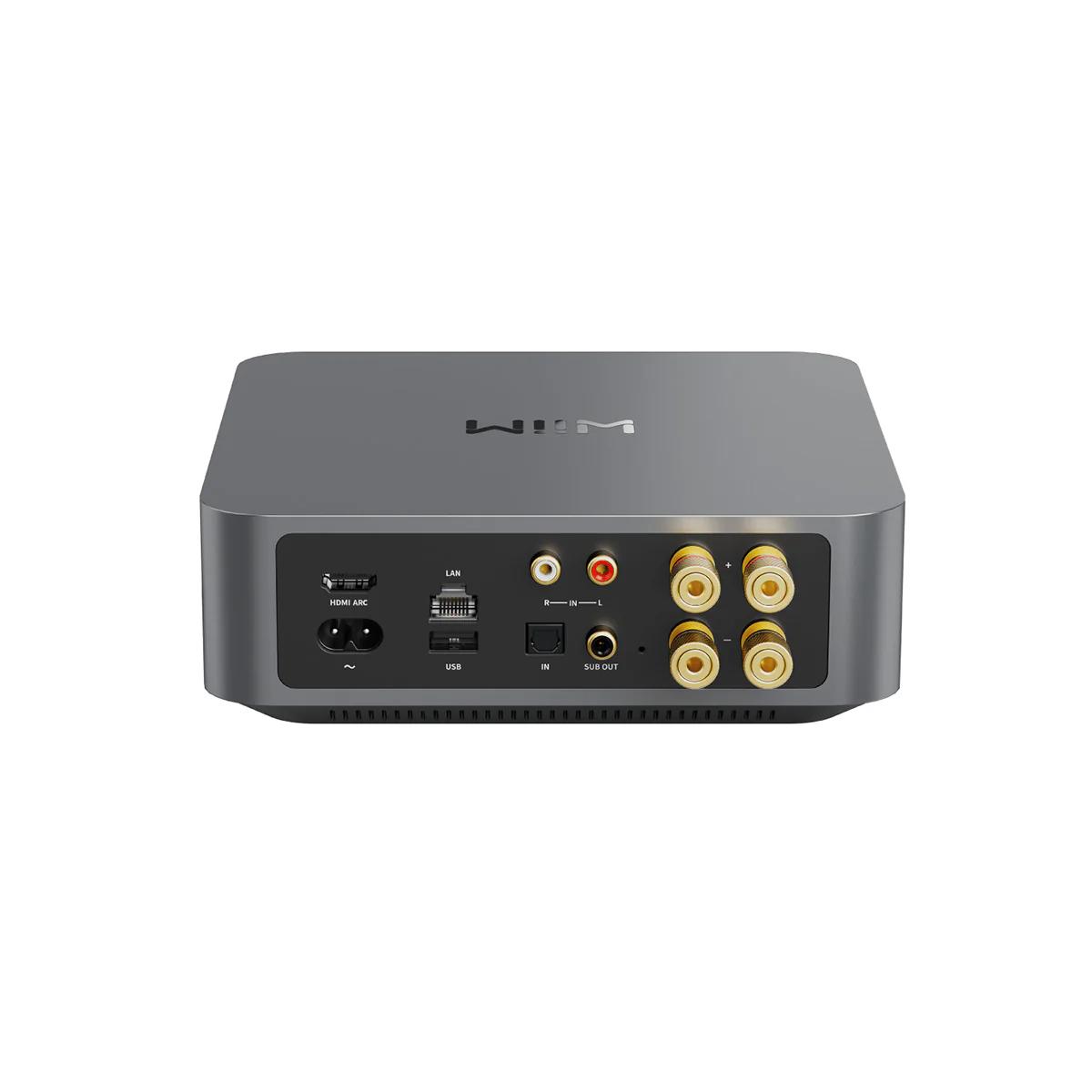
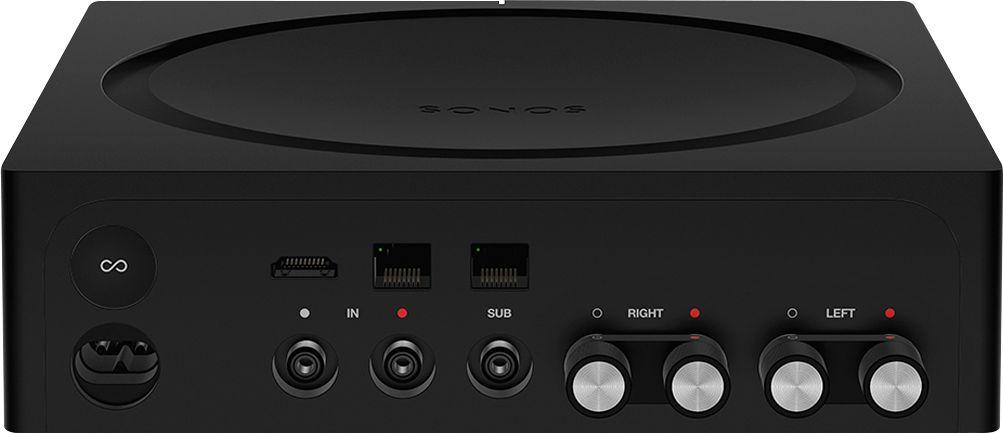
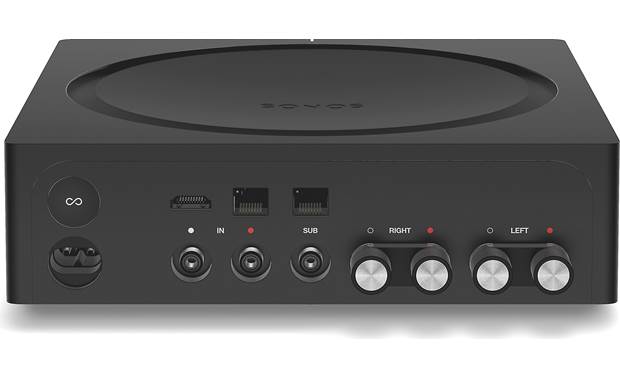
Both amplifiers offer solid connectivity options, but with different strengths. The WiiM Amp provides HDMI ARC for TV connection, optical and analog RCA inputs, USB for local file playback, and a subwoofer output with adjustable crossover from 30-200Hz. This flexibility means you can connect virtually any source, from turntables to CD players to streaming boxes.
The Sonos Amp matches most of these connections but takes a more premium approach to implementation. Its HDMI ARC input supports Dolby Digital and DTS audio from your TV, making it excellent for home theater duty. The analog inputs feel more robust, and the binding posts for speaker connections accept banana plugs for a cleaner installation.
Both products include subwoofer outputs, but they handle this differently. The WiiM Amp offers more granular crossover control, while the Sonos Amp provides auto-detection and simpler setup that works well for most situations.
One unique advantage of the WiiM Amp is its two-way Bluetooth capability. Not only can you stream to it via Bluetooth, but you can also stream from it to Bluetooth headphones – perfect for late-night listening sessions without disturbing others.
For home theater use, both amplifiers bring different strengths to the table. The Sonos Amp excels here due to its higher power output and seamless integration with other Sonos products. You can use it to power front left/right speakers, then wirelessly add Sonos surrounds and a Sonos subwoofer for a complete surround system. The HDMI ARC connection handles audio from your TV automatically, and lip-sync is consistently excellent.
The WiiM Amp can certainly drive home theater speakers, but its lower power output means you'll want to choose efficient speakers or keep expectations reasonable for very large rooms. However, its superior audio processing capabilities shine with high-quality movie soundtracks, and its extensive streaming support means you can easily switch between Netflix audio and hi-res music streaming without changing inputs.
For most home theater setups, the Sonos Amp's extra power provides noticeably better dynamics during action scenes, and its ability to wirelessly expand into a full surround system makes it the stronger choice for dedicated home theater rooms.
At the time of writing, the WiiM Amp represents exceptional value in the streaming amplifier category, typically priced at roughly half the cost of the Sonos Amp. This price difference isn't just about saving money – it reflects fundamentally different product strategies.
The WiiM Amp maximizes performance per dollar by focusing on audio quality, hi-res support, and broad compatibility while accepting some limitations in power output and premium build materials. For many users, especially those with efficient speakers or moderate volume requirements, this represents outstanding value.
The Sonos Amp justifies its premium pricing through superior build quality, higher power output, and the extensive ecosystem benefits that come with the Sonos platform. If you're investing in a multi-room system or need maximum power for demanding speakers, the extra cost delivers tangible benefits.
Based on our research and analysis of expert reviews and user feedback, here's how to decide between these two capable amplifiers:
Choose the WiiM Amp if you value flexibility, hi-res audio quality, and exceptional price-to-performance ratio. It's ideal for music-focused listeners with quality bookshelf speakers who want to add streaming capabilities without breaking the bank. The broad ecosystem support makes it perfect for households with mixed device preferences, and the hi-res audio capabilities future-proof your investment as streaming services continue improving quality.
The WiiM Amp particularly shines for apartment dwellers, moderate listeners, and anyone who prizes the ability to use any streaming service or device type. Its clean, detailed sound signature works beautifully with well-recorded music, making it an audiophile's gateway to wireless streaming.
Choose the Sonos Amp if you need maximum power output, plan to build a multi-room system, or prioritize plug-and-play simplicity over configuration flexibility. It's the clear winner for large rooms, outdoor installations, power-hungry speakers, or dedicated home theater systems where its 125-watt output and seamless surround expansion capabilities justify the premium price.
The Sonos Amp excels in scenarios where reliability and ease of use matter more than ultimate flexibility – think family rooms where multiple family members need simple operation, or whole-home audio systems where consistent performance across many zones is crucial.
Both amplifiers represent solid engineering and thoughtful design, but they serve different users and priorities. The WiiM Amp democratizes high-quality streaming amplification, while the Sonos Amp delivers premium power and ecosystem integration for users willing to pay for those benefits. Your choice ultimately depends on whether you value flexibility and audio quality (WiiM Amp) or power and ecosystem integration (Sonos Amp) more highly in your specific listening environment.
| WiiM Amp Streaming Amplifier | Sonos Amp Amplifier |
|---|---|
| Power Output - Determines maximum volume and speaker compatibility | |
| 60W per channel at 8Ω (adequate for most bookshelf speakers) | 125W per channel at 8Ω (drives demanding speakers and larger rooms) |
| Audio Resolution Support - Higher resolution preserves more detail from streaming | |
| Up to 24-bit/192kHz (studio master quality) | Up to 24-bit/48kHz (limited hi-res capability) |
| DAC Quality - The chip that converts digital music to analog sound | |
| ESS Sabre ES9018 (audiophile-grade component) | Proprietary DAC (undisclosed specifications) |
| Streaming Protocol Support - Which services and devices work directly | |
| AirPlay 2, Chromecast, Spotify Connect, TIDAL Connect, Roon Ready, DLNA | Sonos ecosystem only, AirPlay 2 (limited third-party protocol support) |
| High-Resolution Streaming - Access to premium audio quality | |
| Full TIDAL Connect, Qobuz, Amazon Music HD support | TIDAL limited to CD quality, restricted hi-res access |
| Multi-Room Capabilities - Synchronizing music across your home | |
| Groups with Google Nest, Amazon Echo, other WiiM devices | Seamless integration with all Sonos speakers and components |
| Room Correction Technology - Automatically optimizes sound for your space | |
| Manual 10-band EQ and room correction | Trueplay automatic tuning (requires iOS device) |
| Home Theater Integration - Connecting to your TV setup | |
| HDMI ARC with stereo TV audio | HDMI ARC with Dolby Digital/DTS, wireless surround expansion |
| Bluetooth Functionality - Wireless audio versatility | |
| Two-way (stream to amp AND from amp to headphones) | Receive only (cannot stream to wireless headphones) |
| Physical Connectivity - What you can plug in | |
| HDMI ARC, Optical, RCA, USB, Sub out with 30-200Hz crossover | HDMI ARC, RCA, Ethernet (dual), Sub out with 50-110Hz crossover |
| Build Quality and Design - Durability and premium feel | |
| Compact aluminum chassis (good for the price point) | Premium matte black finish with advanced cooling |
| Ecosystem Lock-in - Flexibility to change components later | |
| Works with any passive speakers and streaming services | Requires commitment to Sonos ecosystem for full benefits |
The Sonos Amp is significantly more powerful, delivering 125 watts per channel compared to the WiiM Amp's 60 watts per channel. This means the Sonos Amp can drive larger speakers, fill bigger rooms, and play louder without distortion. If you have power-hungry speakers or a large listening space, the Sonos Amp is the better choice.
The Sonos Amp is generally better for home theater use due to its higher power output and ability to wirelessly expand into a full surround sound system with other Sonos speakers. Both have HDMI ARC connections for TV audio, but the Sonos Amp handles movie soundtracks with more dynamic range and impact.
The WiiM Amp typically costs about half the price of the Sonos Amp while offering superior audio resolution support and broader streaming compatibility. However, the Sonos Amp justifies its higher price with more power, premium build quality, and seamless multi-room integration if you're building a Sonos system.
Both support multi-room audio but in different ways. The Sonos Amp integrates seamlessly with other Sonos speakers for perfectly synchronized whole-home audio. The WiiM Amp can group with Google Nest speakers, Amazon Echo devices, and other WiiM products, offering more flexibility but potentially less seamless operation.
The WiiM Amp is ideal for small apartments due to its lower cost, compact size, and adequate power for smaller spaces. Its superior audio resolution support and broad streaming compatibility make it perfect for music-focused listening in smaller rooms where maximum volume isn't necessary.
We've done our best to create useful and informative comparisons to help you decide what product to buy. Our research uses advanced automated methods to create this comparison and perfection is not possible - please contact us for corrections or questions. These are the sites we've researched in the creation of this article: audiosciencereview.com - faq.wiimhome.com - av-export.com - sound-advice.online - av.com - whathifi.com - youtube.com - forum.wiimhome.com - erinsaudiocorner.com - audacityaustralia.com.au - stereophile.com - audiosciencereview.com - audioadvice.com - smarthomesounds.co.uk - audioadvice.com - crutchfield.com - adiglobaldistribution.pr - themasterswitch.com - astralsecurite.ca - wassersfurniture.com - whathifi.com - sonos.com - audiosciencereview.com - bestbuy.com - videoandaudiocenter.com - en.community.sonos.com

Privacy Policy
Terms and Conditions - Affiliate Policy
Home Security
© Copyright 2008-2026.
11816 Inwood Rd #1211, Dallas, TX 75244