


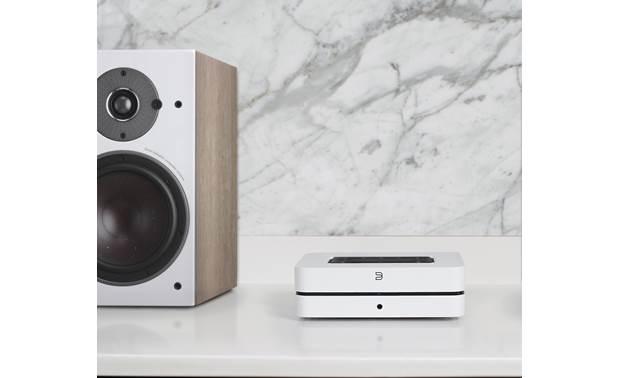
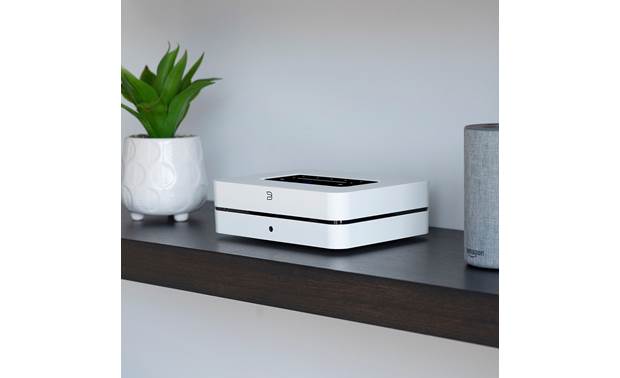
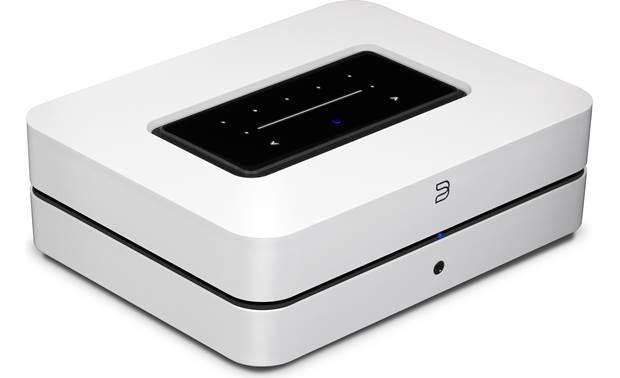

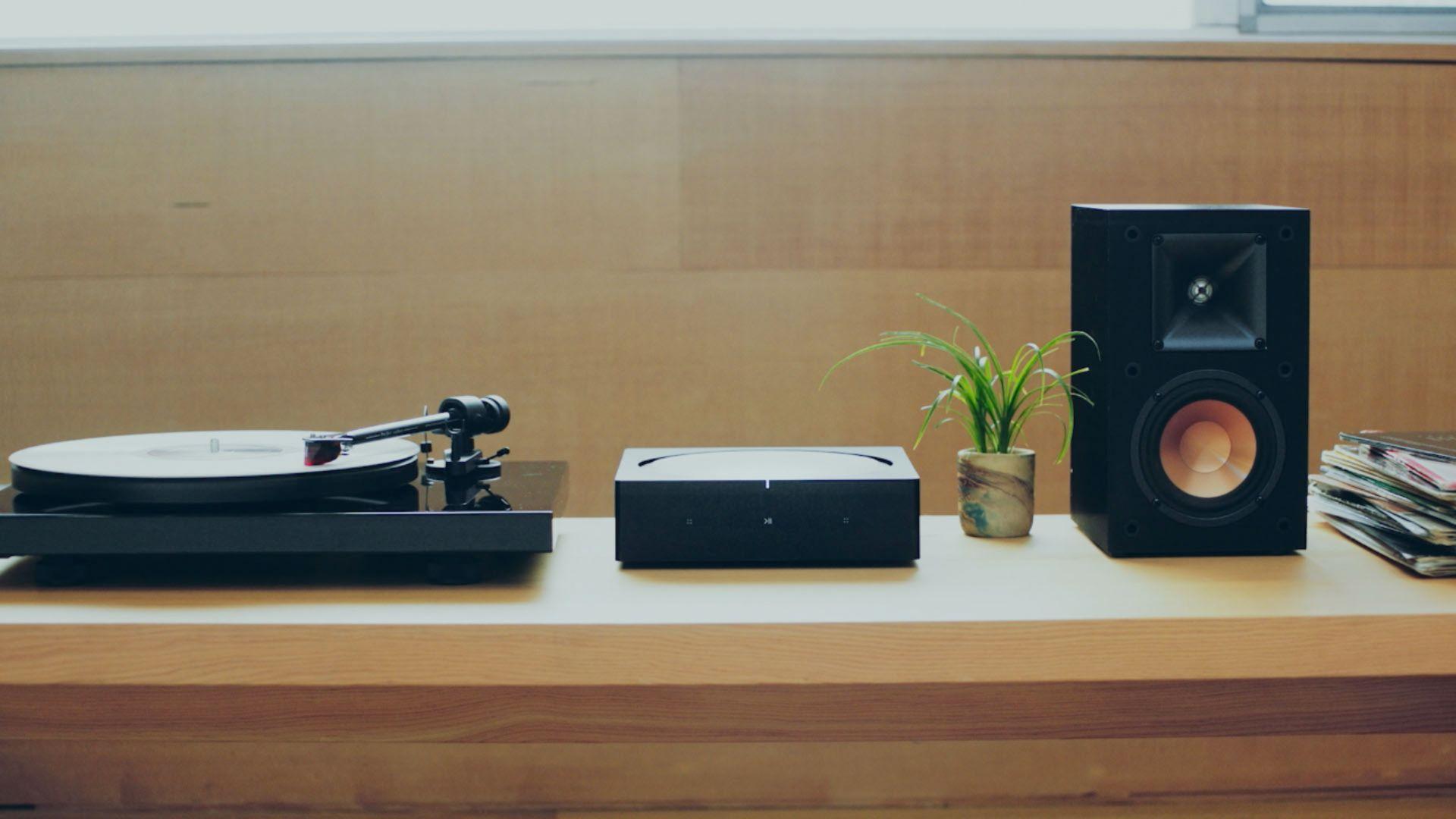


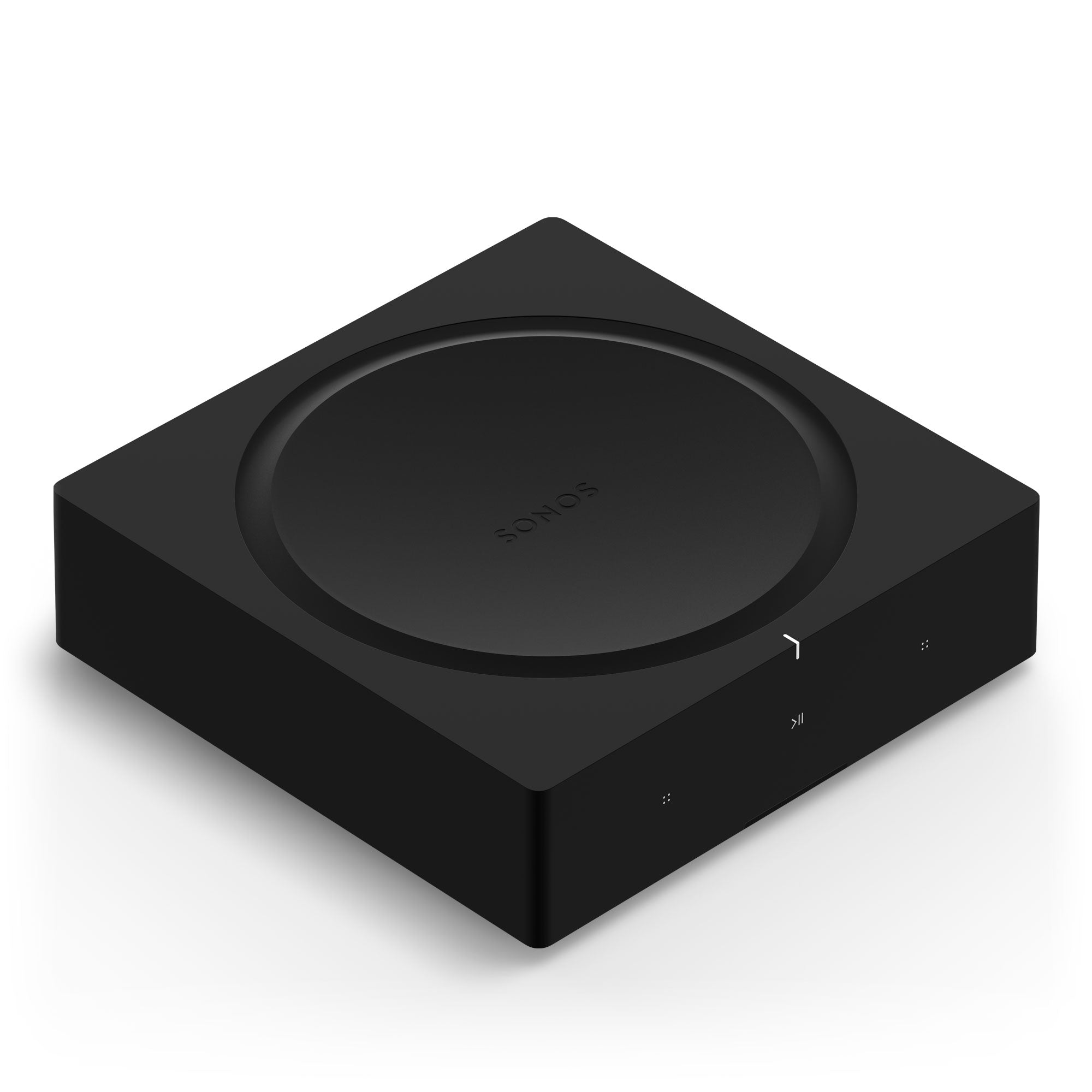
When I started researching streaming amplifiers a few years back, I was amazed at how these devices could transform a simple pair of passive speakers into a complete wireless music system. Today's streaming amplifiers eliminate the need for separate streamers, DACs (digital-to-analog converters that convert digital music files into analog signals your speakers can use), and power amplifiers by combining everything into one compact box.
The streaming amplifier category has exploded in recent years as more people want high-quality audio without the complexity of traditional hi-fi separates. These "just add speakers" solutions appeal to everyone from casual listeners wanting background music to serious audiophiles building dedicated listening rooms.
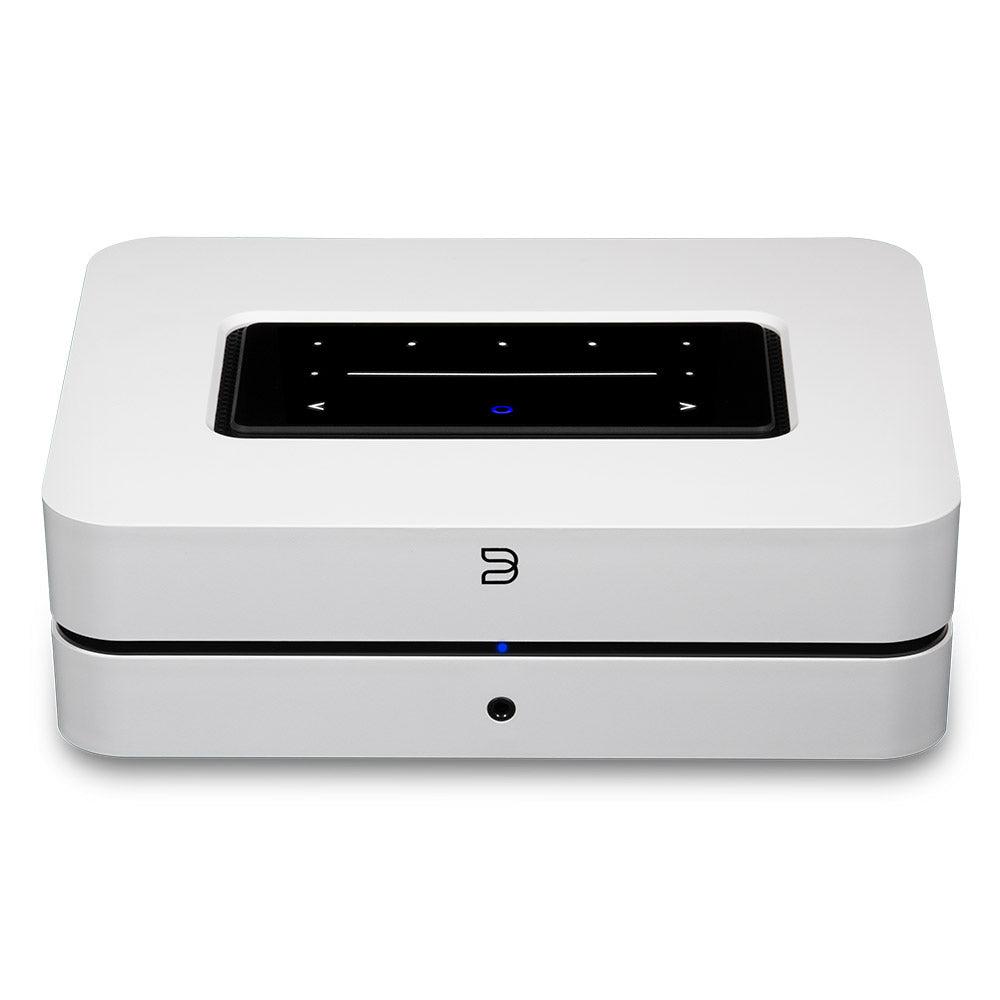
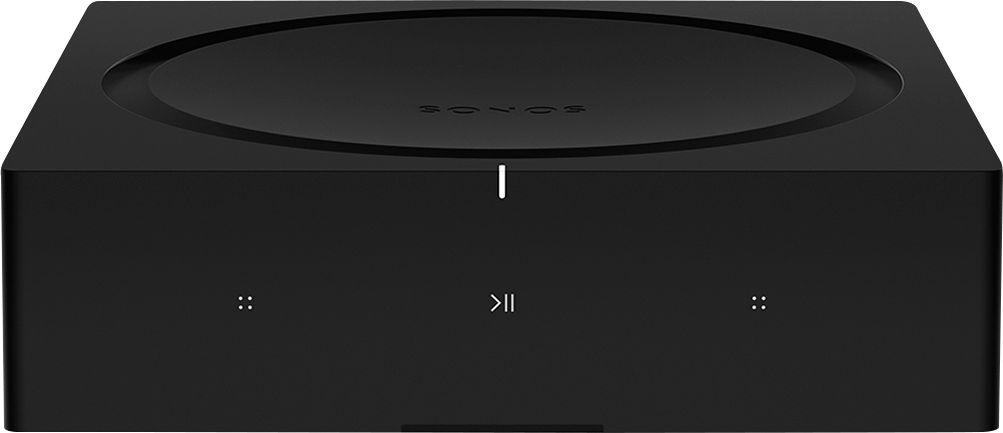
Two products that consistently surface in discussions are the Bluesound PowerNode and the Sonos Amp. While both serve the same basic function, they represent fundamentally different approaches to streaming audio. Understanding these differences is crucial for making the right choice for your specific needs and budget.
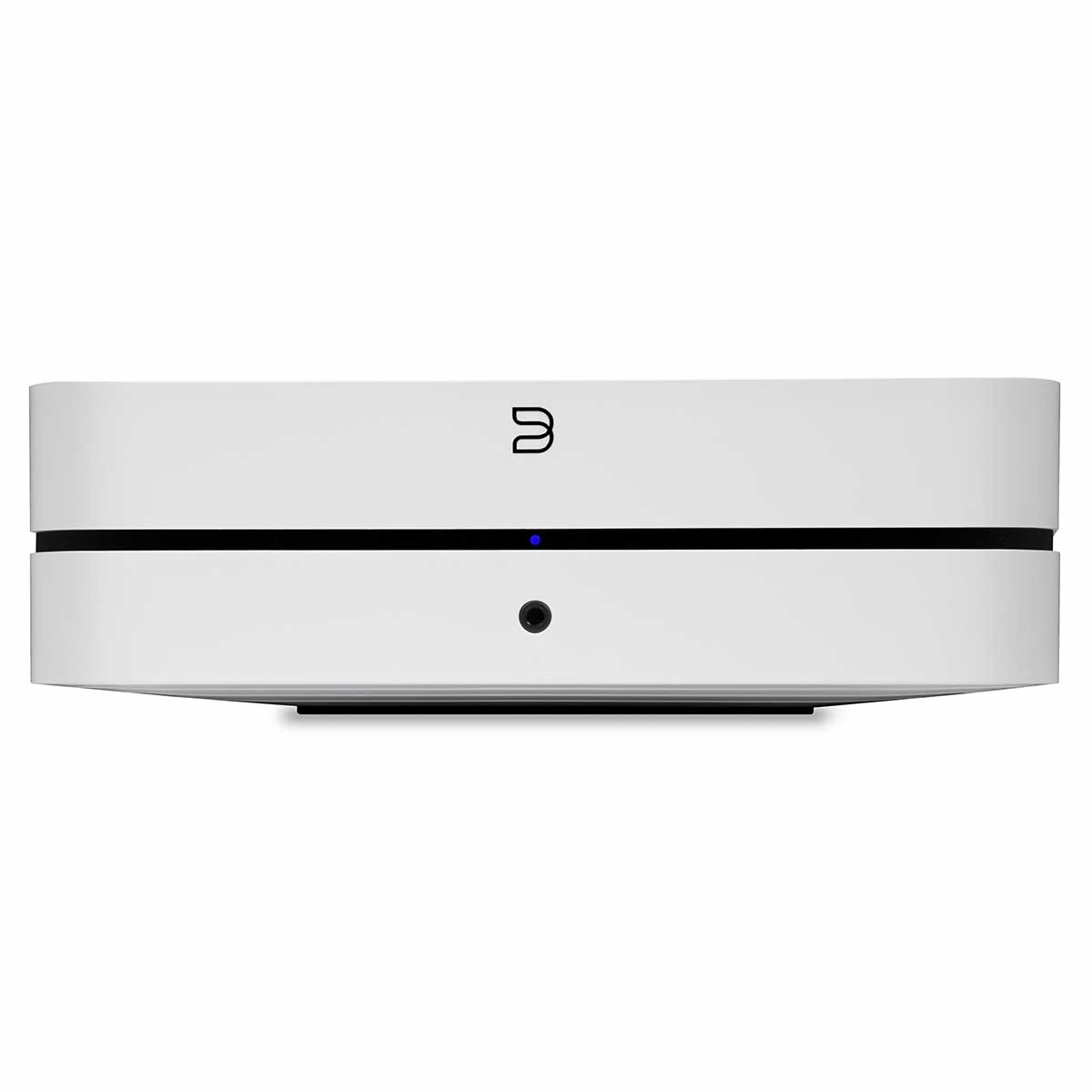
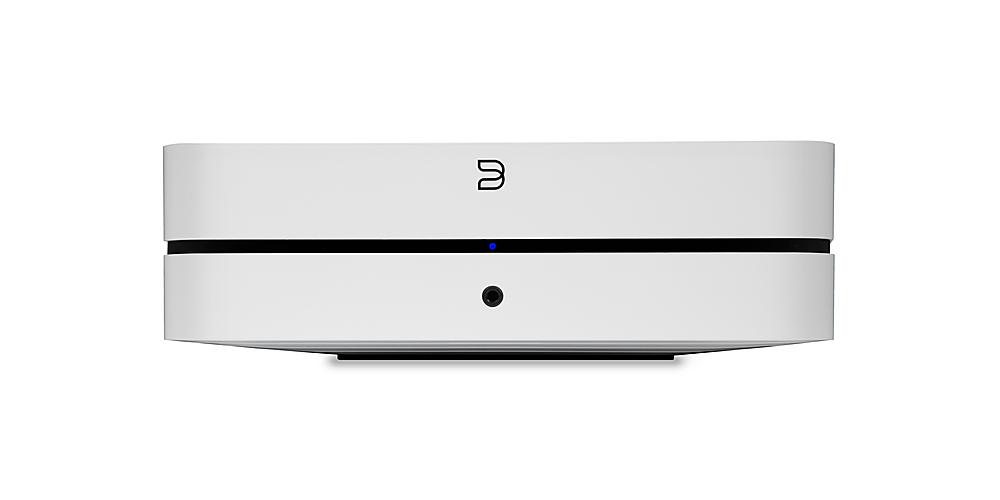
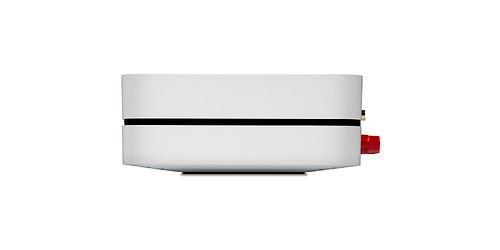
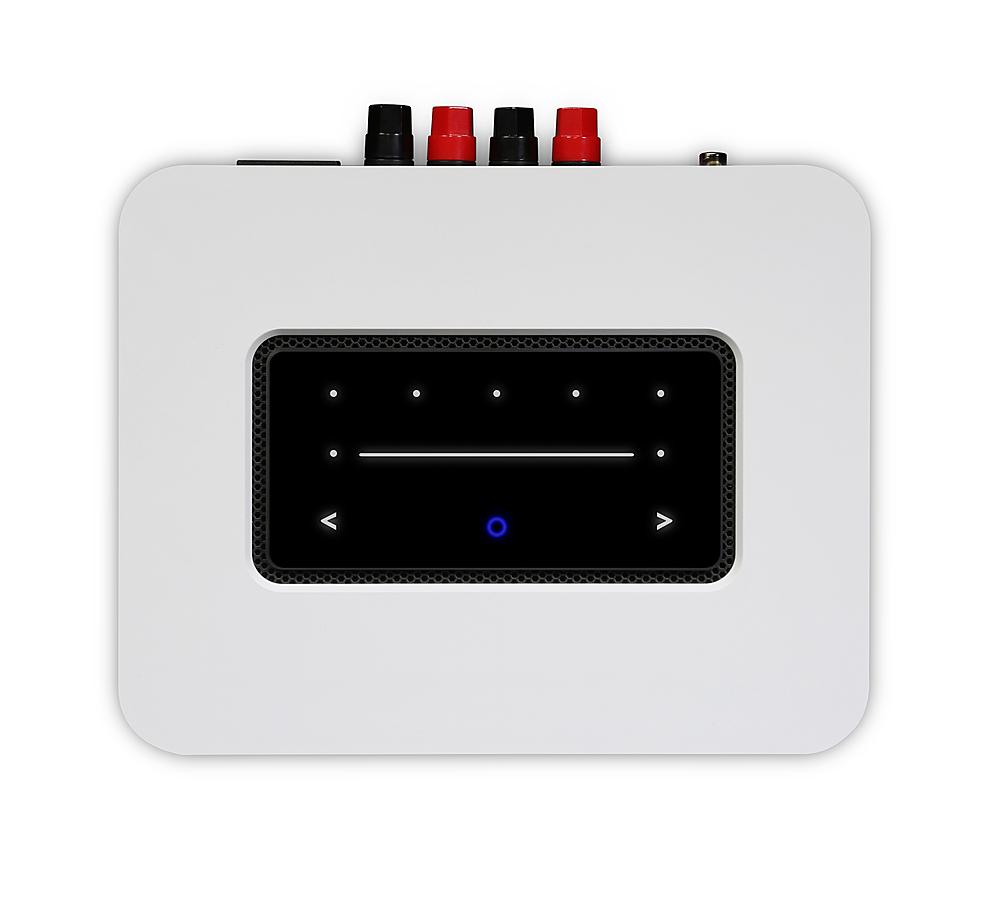
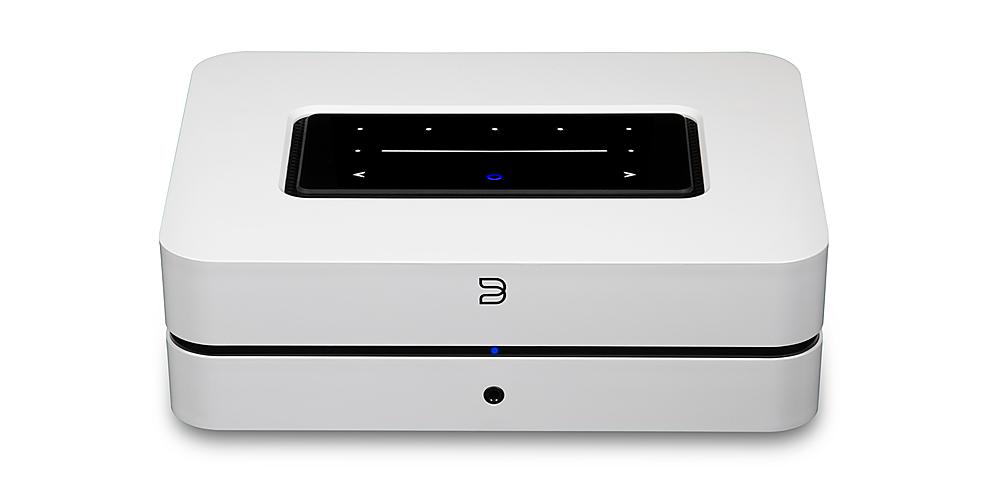
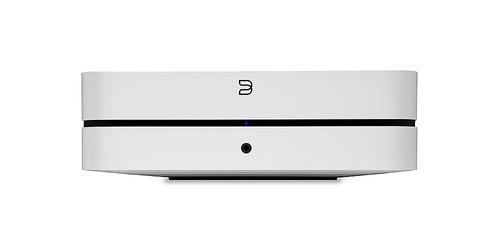
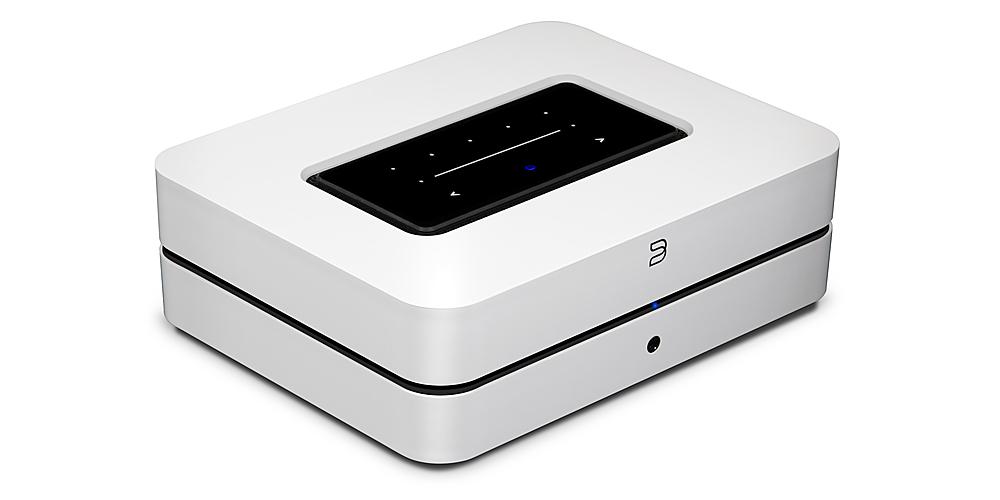
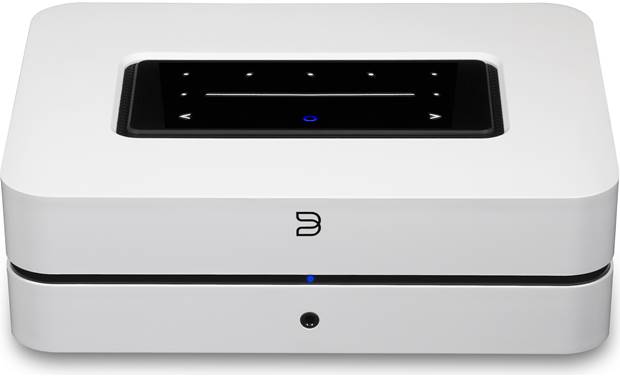
The Bluesound PowerNode launched in its current generation around 2021, representing a significant evolution from earlier versions. Bluesound positioned this device squarely in the audiophile streaming market, emphasizing high-resolution audio support and sound quality above all else. At the time of writing, it carries a premium price that reflects its focus on audio performance and advanced features.
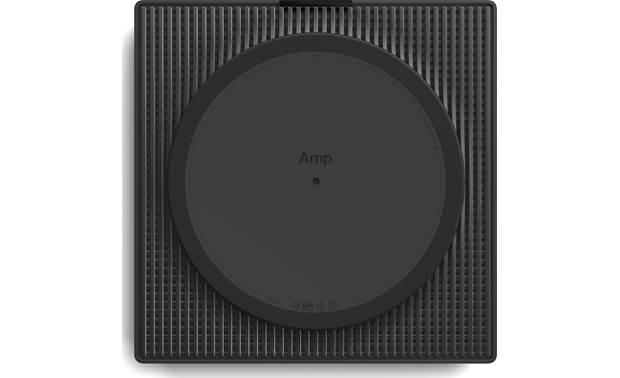
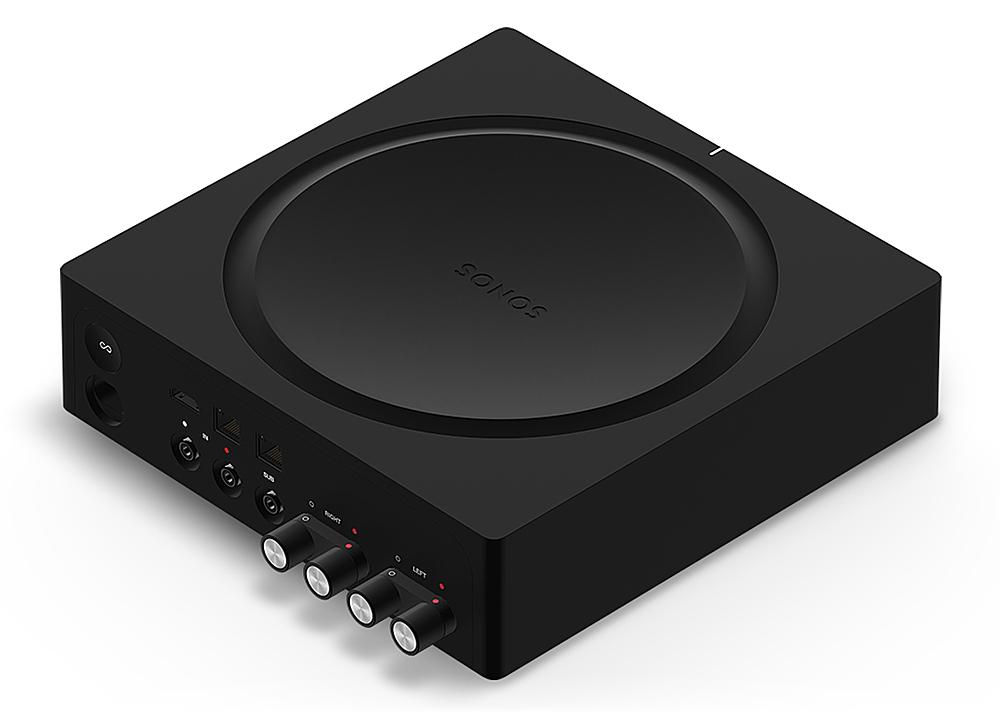
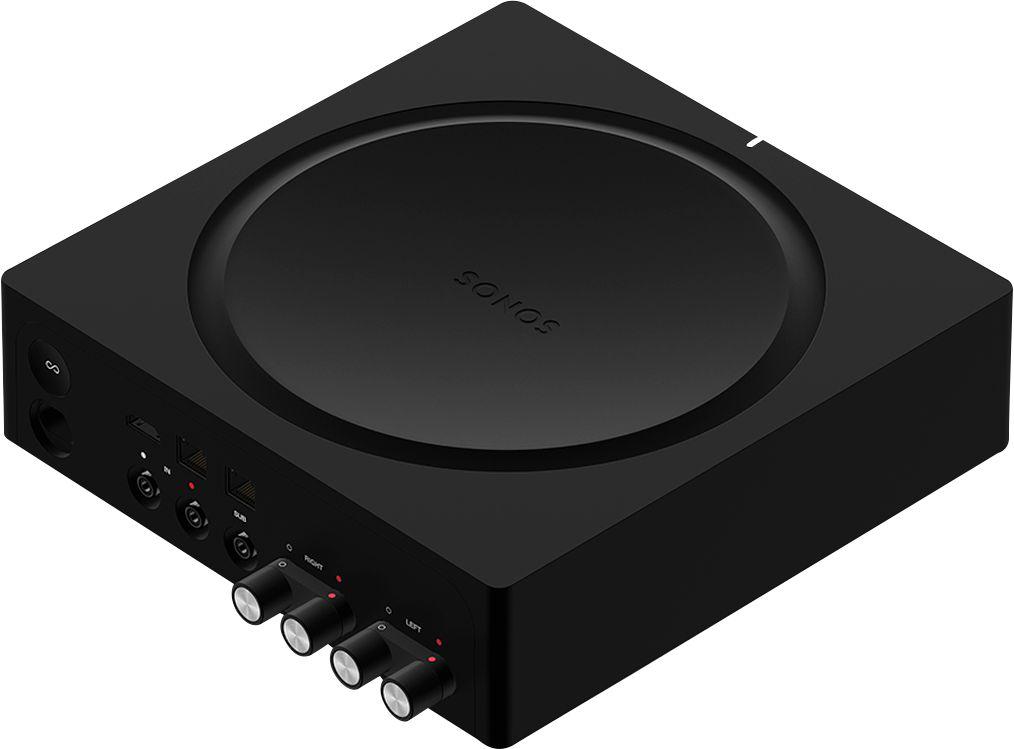
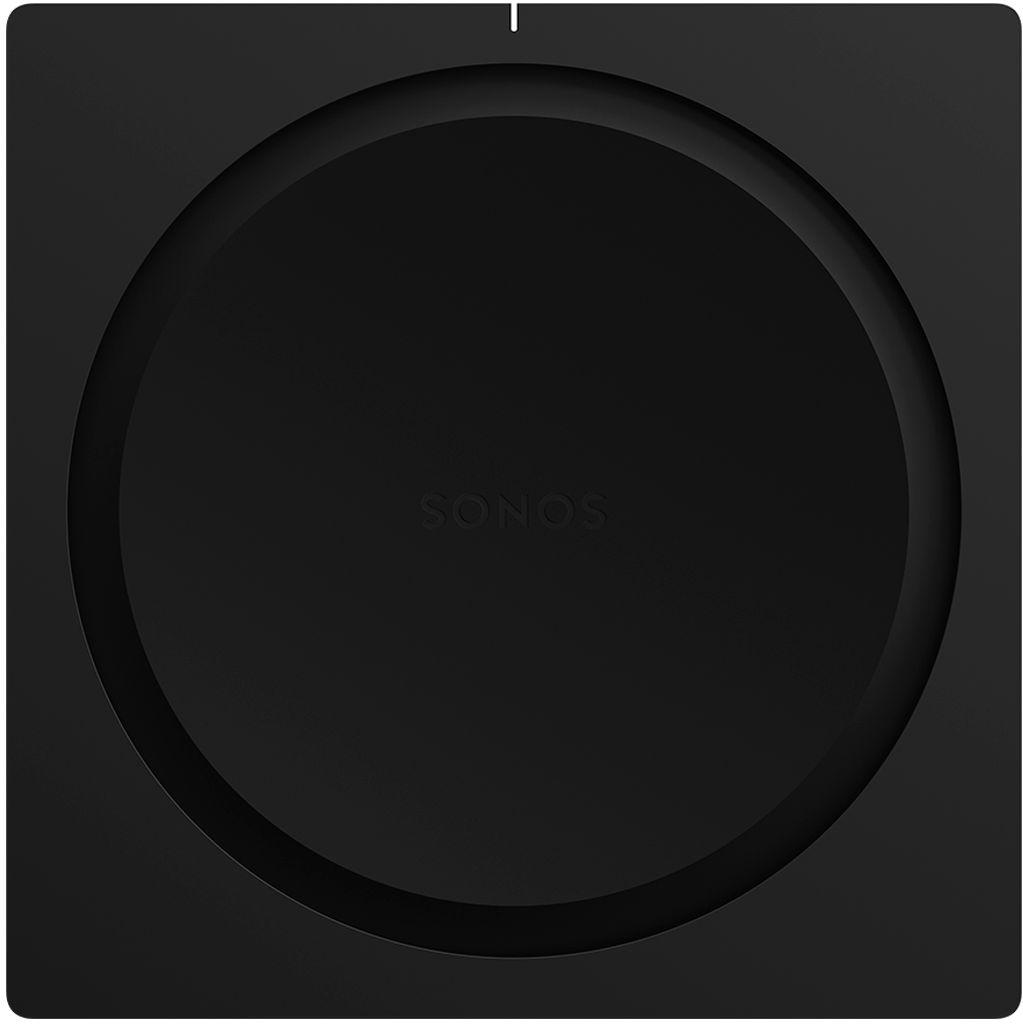
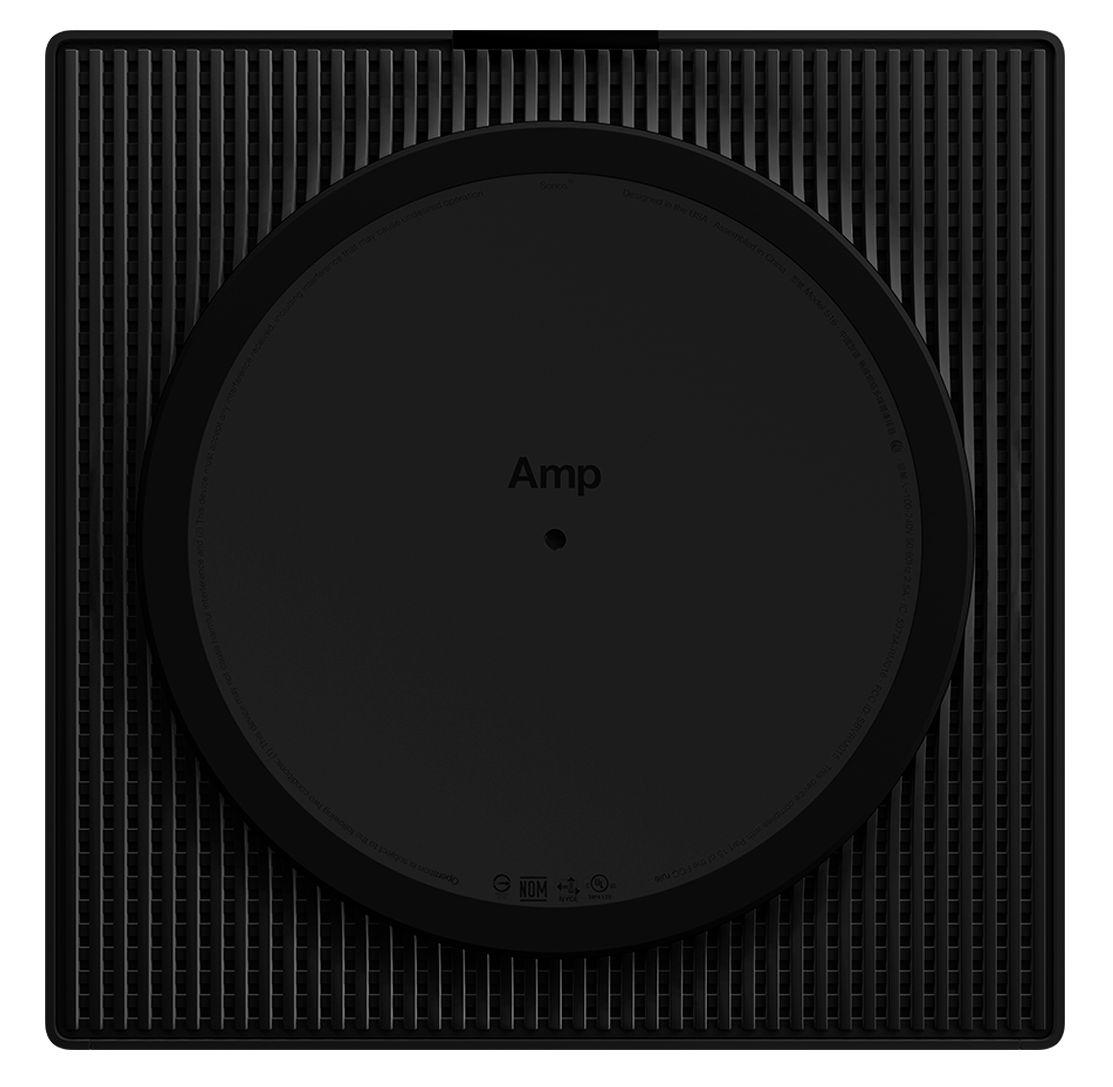
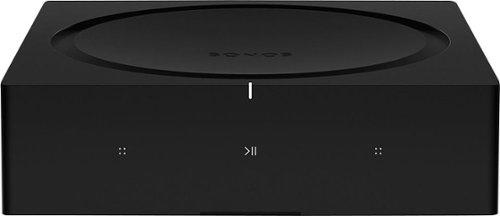
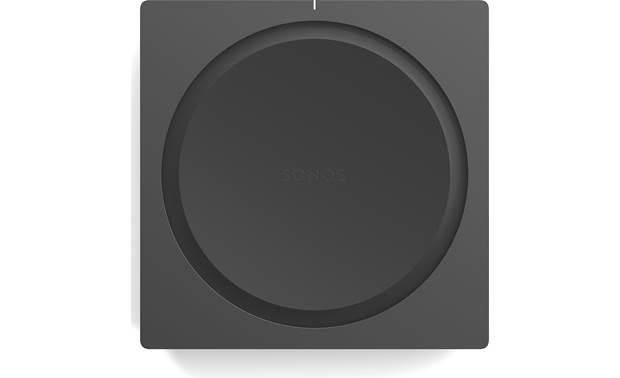
The Sonos Amp, available since 2018, takes a different approach. Sonos designed it as the powerful backbone for their multi-room ecosystem, prioritizing ease of use, robust power output, and seamless integration with other Sonos products. It typically costs significantly less than the PowerNode, making it an attractive option for those wanting serious power without premium pricing.
These products target different priorities, which becomes clear when you examine their specifications and real-world performance.
The most immediately obvious difference is power output, and it's substantial. The Sonos Amp delivers 125 watts per channel into 8-ohm speakers, while the Bluesound PowerNode provides 80 watts per channel. That 45-watt difference represents about 56% more power from the Sonos unit.
This power difference matters more in some situations than others. If you're driving efficient bookshelf speakers in a medium-sized room, 80 watts is typically plenty. However, larger rooms, less efficient speakers (those with sensitivity ratings below 88dB), or situations where you want to play music loudly without distortion benefit significantly from the Sonos Amp's extra headroom.
From my research into user experiences, the power difference becomes most apparent when pushing volume levels or driving demanding speakers like large tower speakers or outdoor models. The Sonos Amp maintains composure and clarity at high volumes where the PowerNode might start to compress or strain.
Interestingly, both use Class D amplification, a modern approach that's highly efficient and runs cool. Class D amps switch the power on and off thousands of times per second, creating the output waveform through pulse-width modulation rather than linear amplification. This efficiency means both units stay relatively cool even when pushed hard, unlike traditional Class A or AB amplifiers that can get quite hot.
Here's where these products diverge most dramatically, and it comes down to philosophy. The Bluesound PowerNode supports high-resolution audio up to 24-bit/192kHz, while the Sonos Amp tops out at 24-bit/48kHz.
To understand why this matters, think of audio resolution like image resolution. Standard CD quality is 16-bit/44.1kHz, which is perfectly adequate for most listening. High-resolution audio uses more bits (24 instead of 16) and higher sample rates (up to 192kHz instead of 44.1kHz) to capture more detail and nuance in the original recording.
The PowerNode also supports MQA (Master Quality Authenticated), a controversial but popular format that claims to deliver studio-quality sound in smaller file sizes. Whether you can hear the difference is debatable and depends on your speakers, room, and ears, but having the option is valuable for serious listeners with high-resolution music collections.
Beyond specifications, the sound character differs noticeably. Based on extensive review analysis, the PowerNode delivers a more transparent, uncolored presentation that lets the music speak for itself. Users consistently praise its ability to create precise soundstaging – you can pinpoint exactly where instruments and vocals sit in the stereo image.
The Sonos Amp produces what most would call excellent sound, but it's tuned more for consistency across various room types and speaker combinations rather than ultimate transparency. It's designed to sound good in any situation rather than exceptional in ideal conditions.
The streaming platform differences run deeper than you might expect. The Bluesound PowerNode runs on BluOS, an open platform that works with components from multiple manufacturers including NAD, PSB Speakers, and DALI. This means you can mix and match components while maintaining multi-room functionality.
The Sonos Amp operates within Sonos's closed ecosystem. While this limits flexibility, it provides incredibly seamless integration if you're building a Sonos-based system. Features like TruePlay room correction (which uses your iPhone's microphone to measure room acoustics and automatically adjust the sound) only work with Sonos speakers, but when they do work, the results can be impressive.
Both platforms support major streaming services like Spotify, Apple Music, Tidal, and Amazon Music. However, the PowerNode can take advantage of high-resolution tiers from services like Tidal and Qobuz, while the Sonos system processes everything at standard resolution regardless of the source quality.
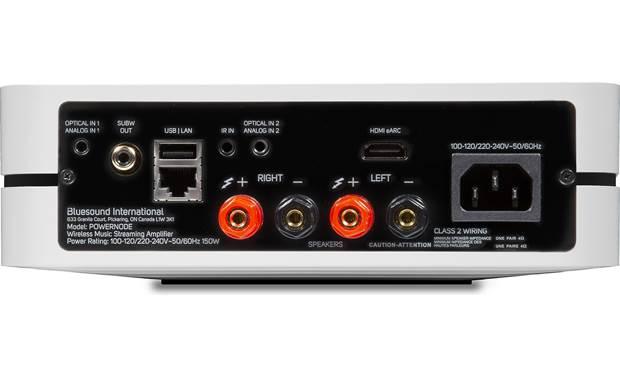
The connection options reveal each product's intended use cases. The PowerNode includes Bluetooth with aptX Adaptive codec support, allowing high-quality wireless streaming from phones and tablets. This bidirectional Bluetooth also lets you send audio from the PowerNode to wireless headphones – a handy feature for late-night listening.
The Sonos Amp notably lacks Bluetooth entirely, focusing exclusively on Wi-Fi streaming. This might seem like a limitation, but Sonos's reasoning is that Wi-Fi provides more stable, higher-quality connections for serious audio use. They're not wrong, but it does mean you can't easily play music directly from a visitor's phone without them downloading the Sonos app.
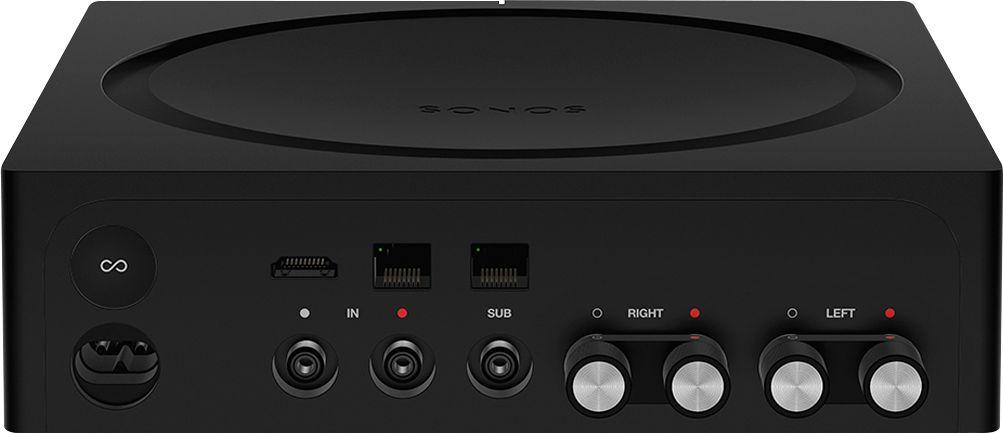
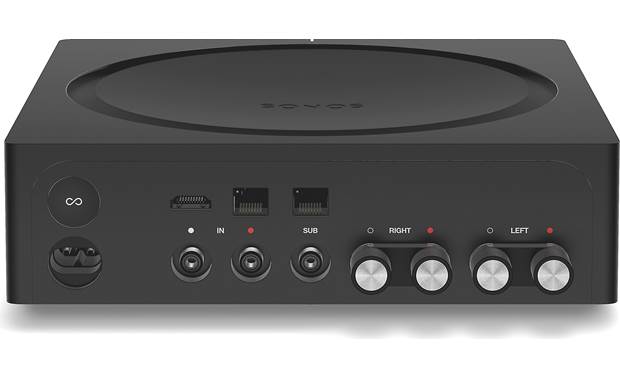
For home theater use, the Sonos Amp includes HDMI ARC (Audio Return Channel) connectivity, making it easy to connect to your TV and use your main speakers for movies and shows. The PowerNode offers basic TV connectivity through analog inputs but isn't optimized for home theater use.
Both provide subwoofer outputs, but the Sonos Amp's implementation is more sophisticated with automatic detection and adjustable crossover settings. This makes integrating a subwoofer nearly plug-and-play.
If you're planning a whole-home audio system, the approaches differ significantly. The Sonos Amp excels at multi-room audio with dead-simple setup and rock-solid synchronization. Adding rooms means buying more Sonos products, but everything works together seamlessly.
The PowerNode's BluOS platform offers multi-room functionality with more flexibility in component choice. You can combine the PowerNode in one room with a different BluOS-compatible streamer and separate amplifier in another room, giving you more options as your system grows.
From user feedback analysis, Sonos edges out BluOS slightly in terms of app reliability and ease of use, though both platforms have improved significantly over the years. The BluOS app tends to be more feature-rich but occasionally more complex, while the Sonos app prioritizes simplicity sometimes at the expense of advanced features.
For home theater use, the Sonos Amp is clearly the better choice. The HDMI ARC connection provides seamless TV integration, and you can wirelessly add Sonos surrounds and a subwoofer to create a complete home theater system. The amp automatically switches inputs when the TV turns on and handles volume control through your TV remote.
The PowerNode can work in home theater setups but requires more manual input switching and doesn't integrate as elegantly with TV controls. If home theater is a priority, the Sonos solution is more user-friendly.
At the time of writing, these products occupy different price tiers, with the PowerNode commanding a premium over the Sonos Amp. The price difference reflects their different target markets and priorities.
The Sonos Amp offers exceptional value for users who prioritize power output, multi-room simplicity, and home theater integration. You get 125 watts per channel, excellent build quality, and access to one of the most mature streaming ecosystems available.
The PowerNode asks you to pay more for audiophile-focused features like high-resolution audio support, superior DAC implementation, and more flexible ecosystem compatibility. Whether these features justify the price premium depends entirely on your priorities and listening habits.
After analyzing extensive user feedback and professional reviews, clear use cases emerge for each product.
Choose the Sonos Amp if you need maximum power output for large rooms or demanding speakers, want the simplest possible multi-room setup, plan to integrate with TV viewing, or are already invested in the Sonos ecosystem. Its combination of power, features, and competitive pricing makes it an excellent choice for most users.
The Bluesound PowerNode makes sense if you have a collection of high-resolution music files, prioritize sound quality above all else, want flexibility to mix components from different brands, or need Bluetooth connectivity for mobile devices. It's the choice for listeners who consider themselves audiophiles and are willing to pay extra for superior sound quality and format support.
When evaluating streaming amplifiers, focus on these key specifications:
Signal-to-noise ratio measures how quiet the background noise is relative to the music signal. Higher numbers are better, with anything above 100dB being excellent. Both products achieve this benchmark.
Total harmonic distortion (THD) indicates how much the amplifier alters the original signal. Lower percentages are better, with anything below 0.1% being inaudible. Both amplifiers perform well here.
Frequency response shows how evenly the amplifier reproduces different frequencies. Look for flat response across the audible spectrum (20Hz-20kHz). Both products achieve this.
Dynamic range measures the difference between the loudest and quietest sounds the system can reproduce simultaneously. This is crucial for music with wide dynamic range like classical or jazz.
Based on my research and analysis of user experiences, both products excel in their intended roles. The Sonos Amp succeeds as a powerful, user-friendly solution for multi-room audio and home theater integration. The Bluesound PowerNode delivers superior sound quality and flexibility for serious listening applications.
Your choice should align with your priorities. If you value simplicity, power, and integration above all else, the Sonos solution will serve you well. If sound quality, high-resolution support, and system flexibility matter more than ease of use, the PowerNode justifies its premium pricing.
Neither choice is wrong – they're simply optimized for different users and applications. Consider your specific needs, room size, speaker requirements, and listening habits to determine which approach better matches your audio goals.
| Bluesound PowerNode | Sonos Amp |
|---|---|
| Power Output - Critical for driving demanding speakers and filling large rooms | |
| 80W per channel (adequate for most bookshelf speakers) | 125W per channel (56% more power for demanding speakers) |
| High-Resolution Audio Support - Essential for audiophiles with premium music collections | |
| Up to 24-bit/192kHz + MQA decoding | Limited to 24-bit/48kHz (no hi-res streaming) |
| Amplifier Technology - Affects sound quality and efficiency | |
| HybridDigital Class D with premium DAC implementation | Class D optimized for multi-room consistency |
| Bluetooth Connectivity - Important for mobile device streaming | |
| aptX Adaptive bidirectional (high-quality wireless) | No Bluetooth support (Wi-Fi streaming only) |
| Home Theater Integration - Key for TV and movie audio | |
| Basic analog/digital inputs | HDMI ARC with seamless TV integration |
| Multi-Room Platform - Determines ecosystem flexibility | |
| BluOS (open platform, works with multiple brands) | Sonos (closed ecosystem, optimized integration) |
| Streaming Service Quality - Affects music fidelity | |
| Full hi-res support from Tidal, Qobuz, local files | Standard quality only (no hi-res streaming) |
| Physical Connections - Determines source compatibility | |
| Optical, analog, USB, subwoofer out, headphone jack | HDMI ARC, analog RCA, dual ethernet, subwoofer out |
| Room Correction Technology - Optimizes sound for your space | |
| Manual EQ adjustments only | TruePlay automatic tuning (with Sonos speakers only) |
| Subwoofer Integration - Important for full-range sound | |
| Basic subwoofer output with crossover control | Auto-detecting sub output with advanced crossover |
| App Control Experience - Daily usability factor | |
| BluOS app (feature-rich but more complex) | Sonos app (simpler, more intuitive interface) |
| Voice Control Support - Convenience for smart homes | |
| Amazon Alexa, Apple AirPlay 2 | Amazon Alexa, Google Assistant, Apple AirPlay 2 |
The Sonos Amp delivers significantly more power at 125 watts per channel compared to the Bluesound PowerNode's 80 watts per channel. This 56% power advantage makes the Sonos Amp better suited for large rooms, outdoor speakers, and less efficient speakers that need more power to reach adequate volume levels.
Yes, the Bluesound PowerNode supports high-resolution audio up to 24-bit/192kHz and includes MQA decoding for studio-quality streaming. In contrast, the Sonos Amp is limited to 24-bit/48kHz and doesn't support high-resolution formats, making the PowerNode the clear choice for audiophiles with hi-res music collections.
The Sonos Amp is significantly better for home theater applications thanks to its HDMI ARC connection, which provides seamless TV integration and automatic input switching. The Bluesound PowerNode only offers basic analog inputs for TV connection, making the Sonos Amp the preferred choice for home theater setups.
No, only the Bluesound PowerNode includes Bluetooth with aptX Adaptive codec support for high-quality wireless streaming from phones and tablets. The Sonos Amp lacks Bluetooth entirely, focusing exclusively on Wi-Fi streaming, which means you can't easily connect mobile devices without using the Sonos app.
The Sonos Amp offers simpler multi-room setup and more intuitive app control, making it easier for beginners to create whole-home audio systems. The Bluesound PowerNode uses the BluOS platform which is more feature-rich but slightly more complex, offering greater flexibility at the cost of some simplicity.
The Bluesound PowerNode works with any passive speakers and can integrate with components from multiple manufacturers through the open BluOS platform. The Sonos Amp also powers any passive speakers but works best within the closed Sonos ecosystem, with features like TruePlay room correction only available when using Sonos speakers.
The Bluesound PowerNode generally offers superior sound quality for critical music listening, with a more transparent presentation, better DAC implementation, and support for high-resolution audio formats. The Sonos Amp produces excellent sound but is tuned more for consistency across different room types rather than ultimate audio fidelity.
Both amplifiers support voice control, but with different options. The Bluesound PowerNode works with Amazon Alexa and Apple AirPlay 2, while the Sonos Amp supports Amazon Alexa, Google Assistant, and Apple AirPlay 2, giving it slightly broader voice control compatibility.
The Sonos Amp typically offers better value for most users, providing more power output and excellent multi-room features at a lower price point. The Bluesound PowerNode commands a premium but justifies it with superior audio quality, high-resolution support, and greater ecosystem flexibility for serious audiophiles.
Yes, both the Bluesound PowerNode and Sonos Amp include dedicated subwoofer outputs. However, the Sonos Amp offers more advanced subwoofer integration with auto-detection and sophisticated crossover controls, while the PowerNode provides basic subwoofer connectivity with manual adjustments.
The Sonos Amp's higher power output (125W vs 80W) makes it better suited for outdoor installations where you need to overcome ambient noise and cover larger areas. The extra power headroom ensures clean, undistorted sound even at higher volumes typically required for outdoor listening spaces.
Both the Bluesound PowerNode and Sonos Amp support all major streaming services like Spotify, Apple Music, Tidal, and Amazon Music. However, the PowerNode can take full advantage of high-resolution tiers from services like Tidal and Qobuz, while the Sonos Amp processes all streaming at standard resolution regardless of the source quality.
We've done our best to create useful and informative comparisons to help you decide what product to buy. Our research uses advanced automated methods to create this comparison and perfection is not possible - please contact us for corrections or questions. These are the sites we've researched in the creation of this article: crutchfield.com - upscaleaudio.com - bluesound.com - bluesound.com - stereophile.com - theaudiofactory.com - audioadvisor.com - musicdirect.com - twitteringmachines.com - futureaudiophile.com - bluesound.com - bluesound.com - moon-audio.com - audioadvisor.com - ecoustics.com - audioadvice.com - crutchfield.com - adiglobaldistribution.pr - themasterswitch.com - astralsecurite.ca - wassersfurniture.com - whathifi.com - sonos.com - audiosciencereview.com - bestbuy.com - videoandaudiocenter.com - en.community.sonos.com

Privacy Policy
Terms and Conditions - Affiliate Policy
Home Security
© Copyright 2008-2026.
11816 Inwood Rd #1211, Dallas, TX 75244