

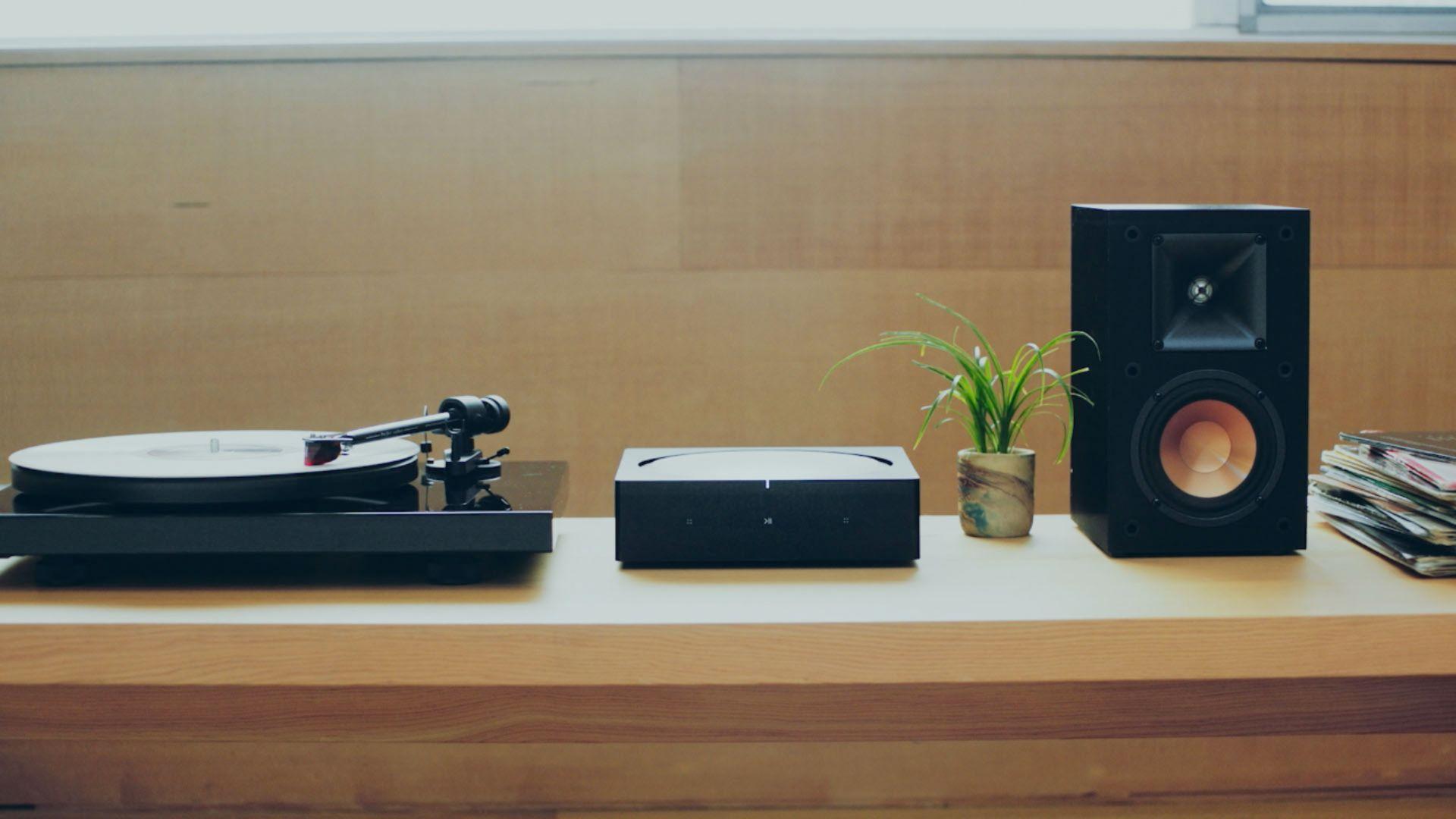
When you want to upgrade from basic bookshelf speakers or breathe new life into those high-quality speakers you've had sitting around, wireless streaming amplifiers offer the perfect bridge between old-school hi-fi and modern convenience. These clever devices combine traditional amplification—the power that drives your speakers—with built-in streaming capabilities, eliminating the need for separate components while opening up access to virtually unlimited music libraries.
The two products that consistently rise to the top of streaming amplifier discussions are the Yamaha MusicCast WXA-50 and the Sonos Amp. Both have carved out devoted followings, but they take distinctly different approaches to solving the same fundamental problem: how to make great-sounding, easy-to-use streaming audio that works throughout your home.
Before diving into specifics, it's worth understanding what sets streaming amplifiers apart from traditional stereo equipment. Unlike passive streaming devices that require separate amplification, these units integrate everything you need to power passive speakers directly from your Wi-Fi network. They're essentially mini stereo receivers optimized for streaming, with enough built-in amplification to drive most home speakers effectively.
The key considerations when choosing between products in this category revolve around power output (how loud and dynamic your music can be), audio quality (how accurately they reproduce the original recording), streaming capabilities (which services work and how well), connectivity options (what devices you can plug in), and ecosystem integration (how well they work with other components in your home).
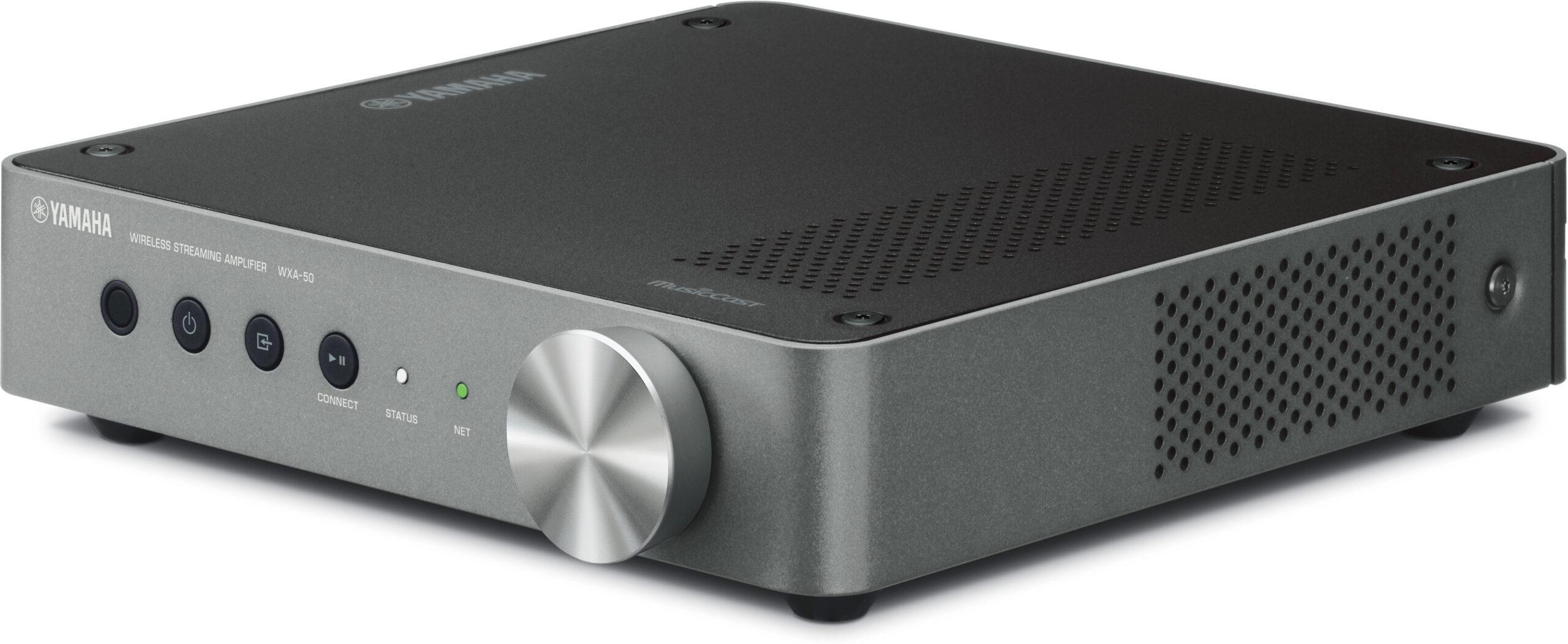
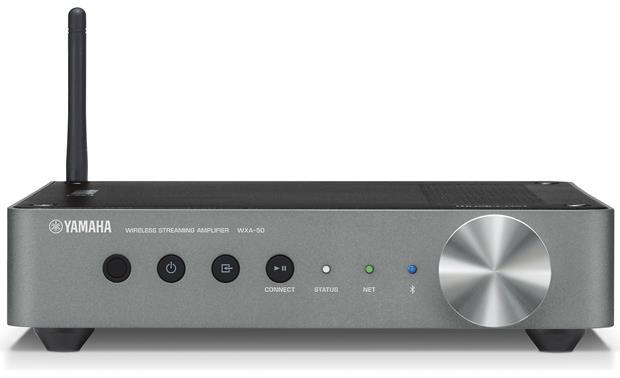
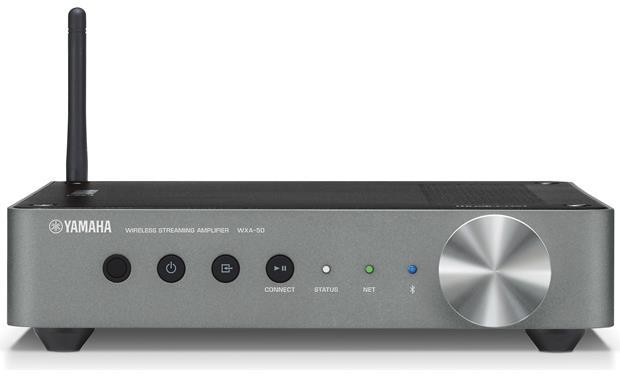
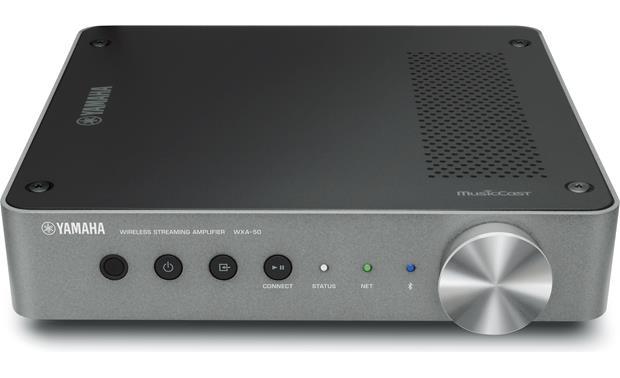
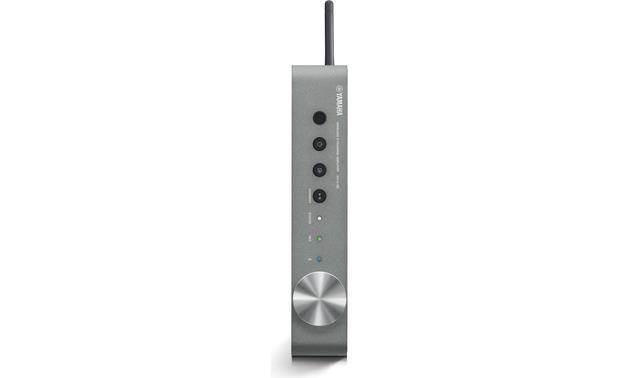
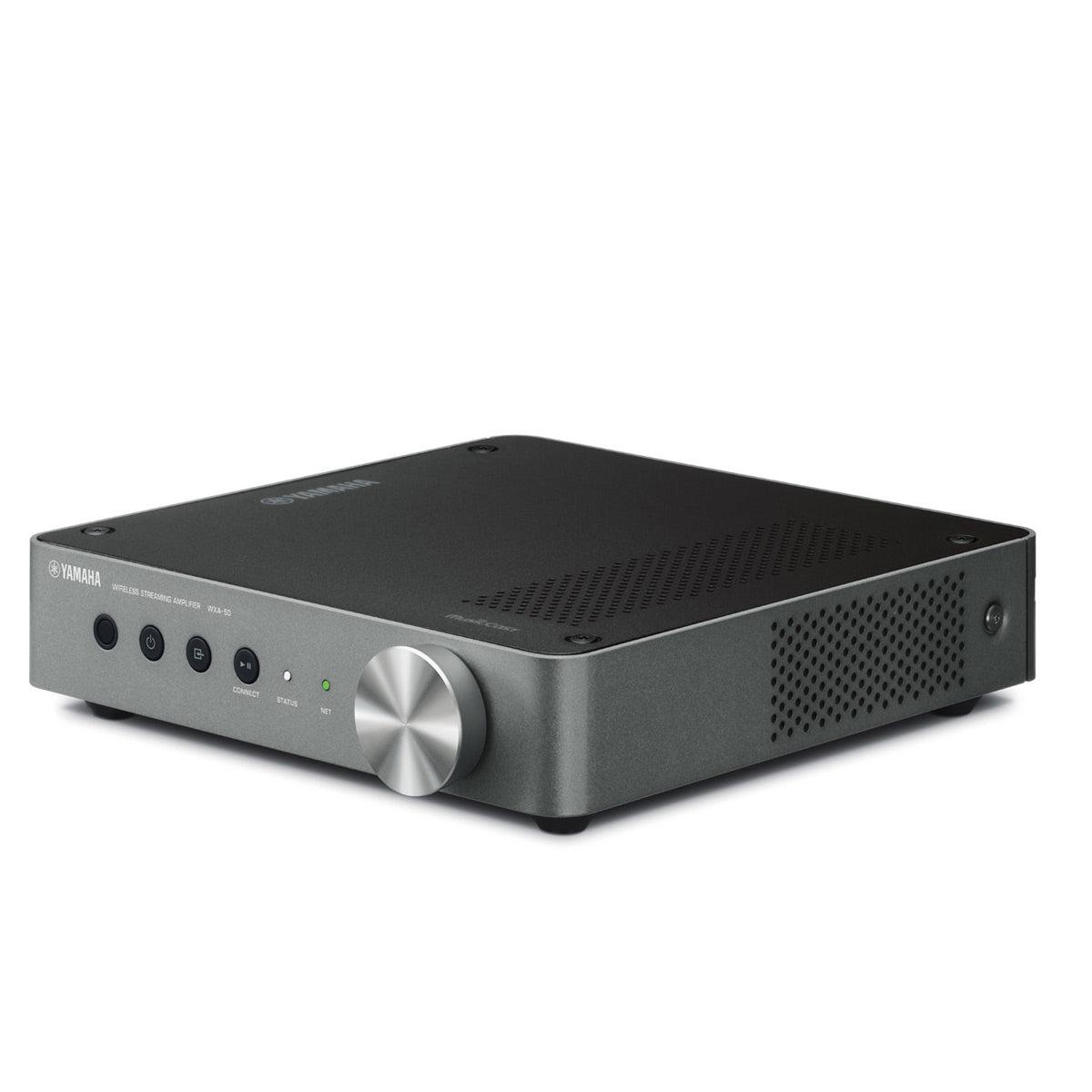
The Yamaha MusicCast WXA-50, released in 2016, represents Yamaha's approach to bridging traditional hi-fi sensibilities with modern streaming convenience. At the time of writing, it's typically priced lower than its main competitor, making it an attractive entry point for audiophile-minded users who want high-resolution audio support without breaking the bank.
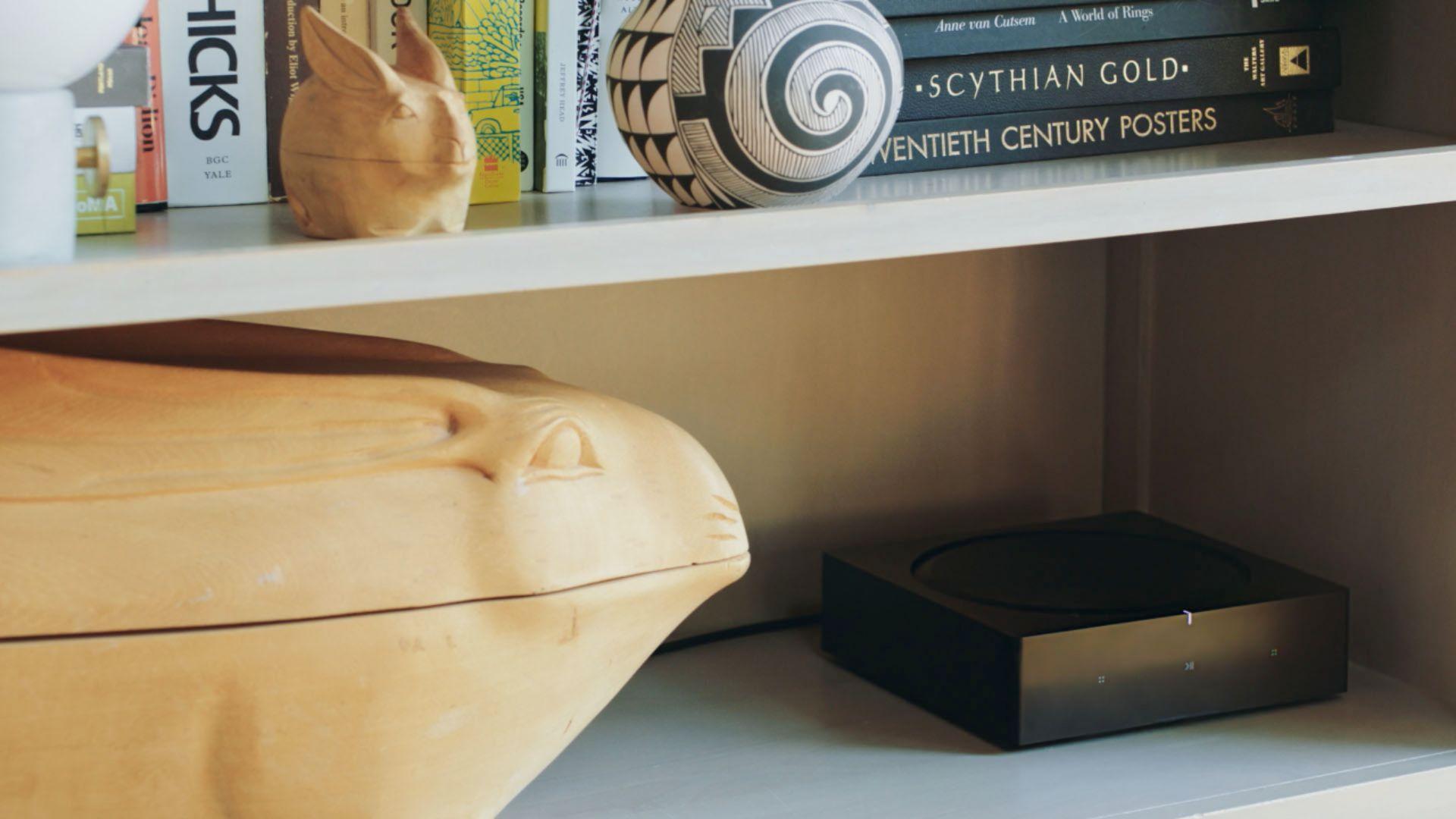
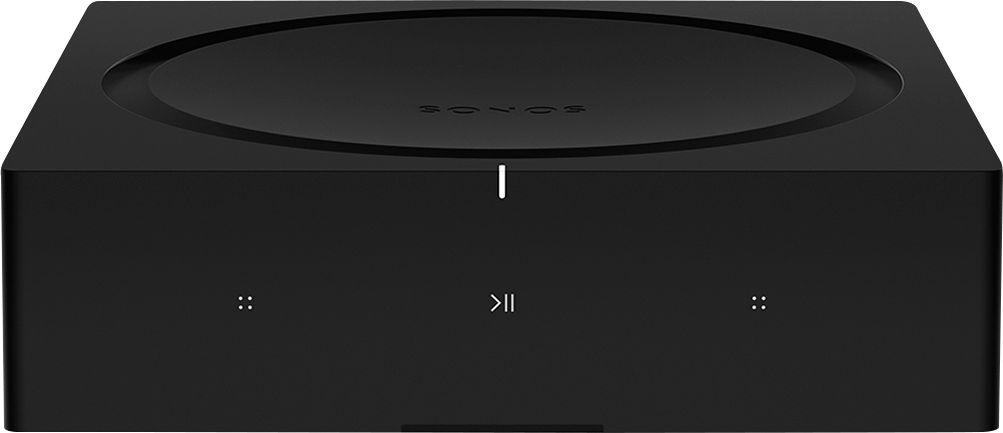
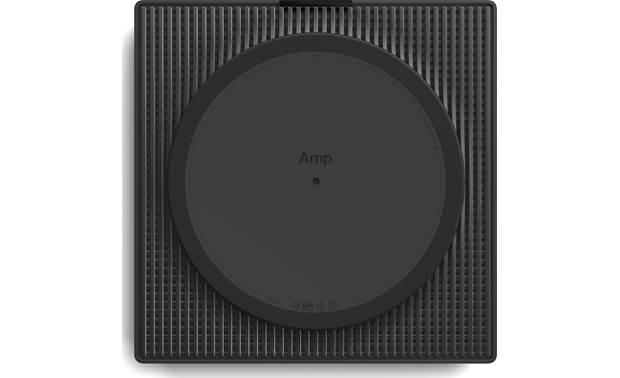
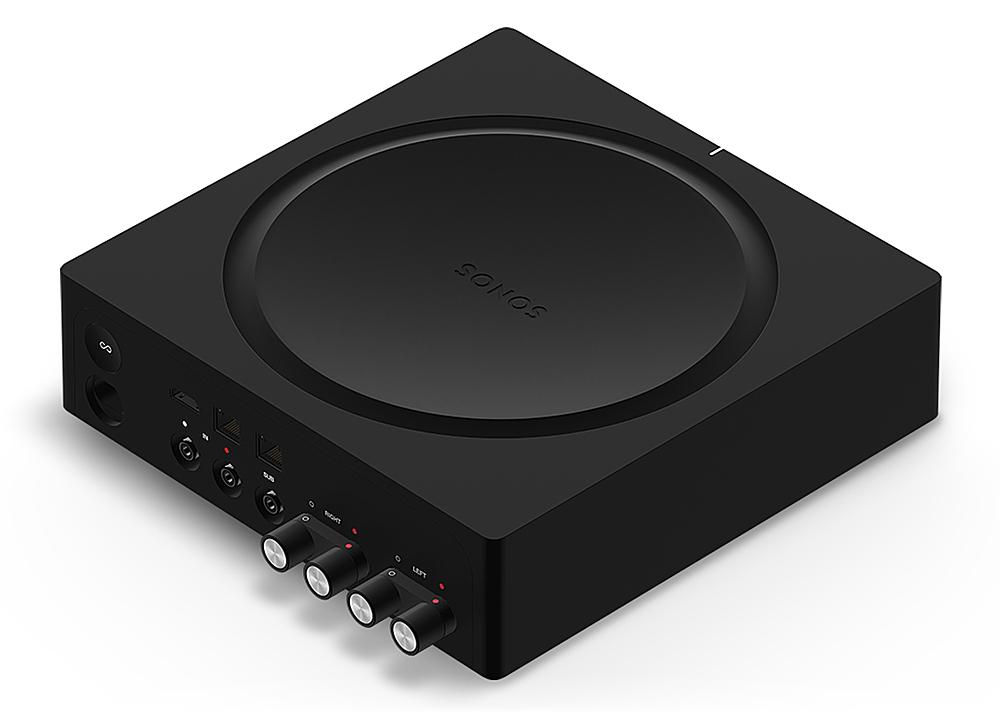
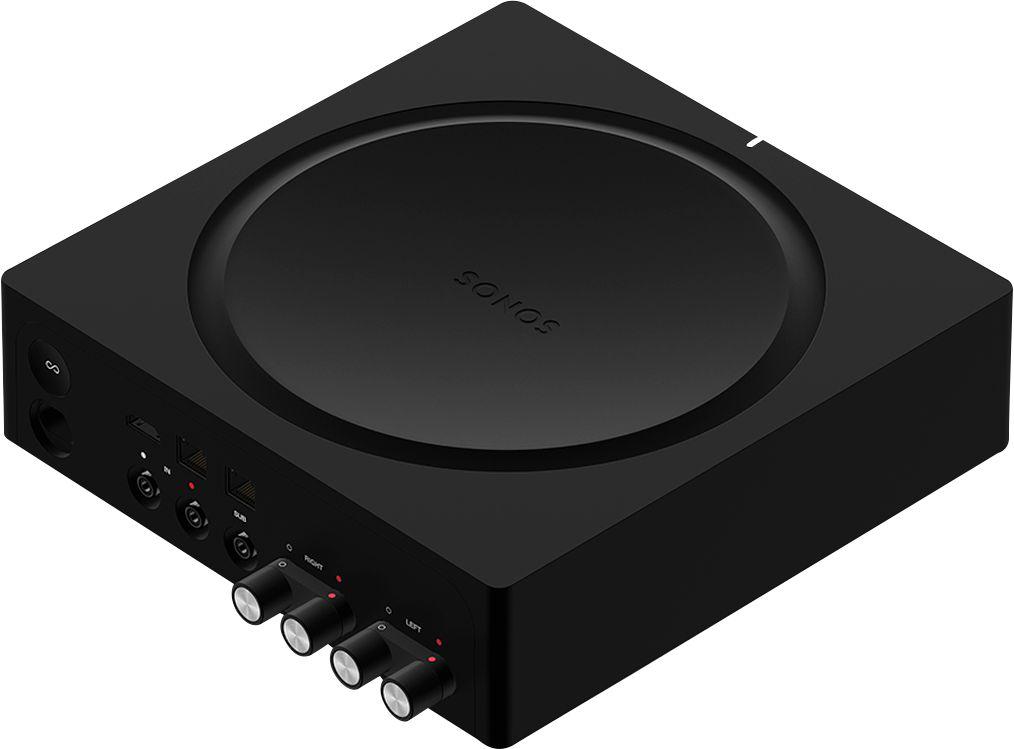
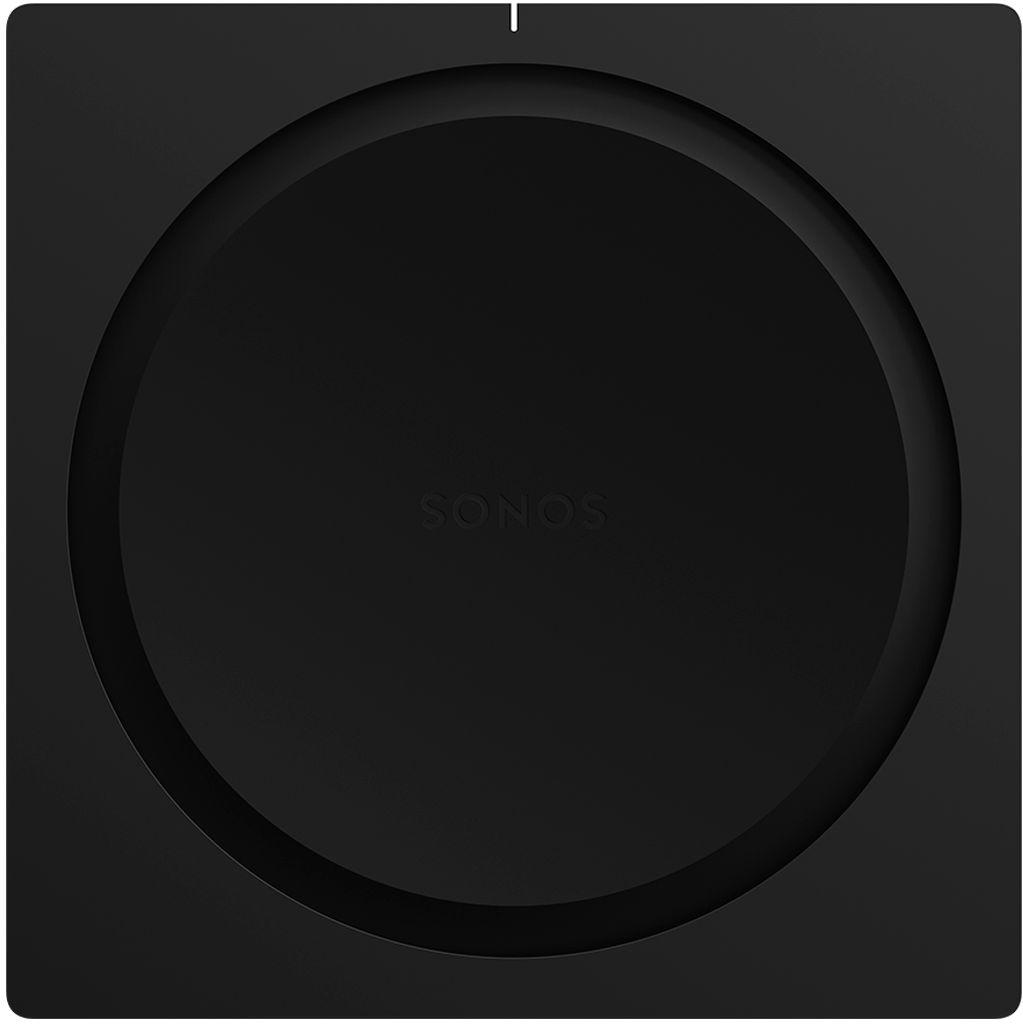
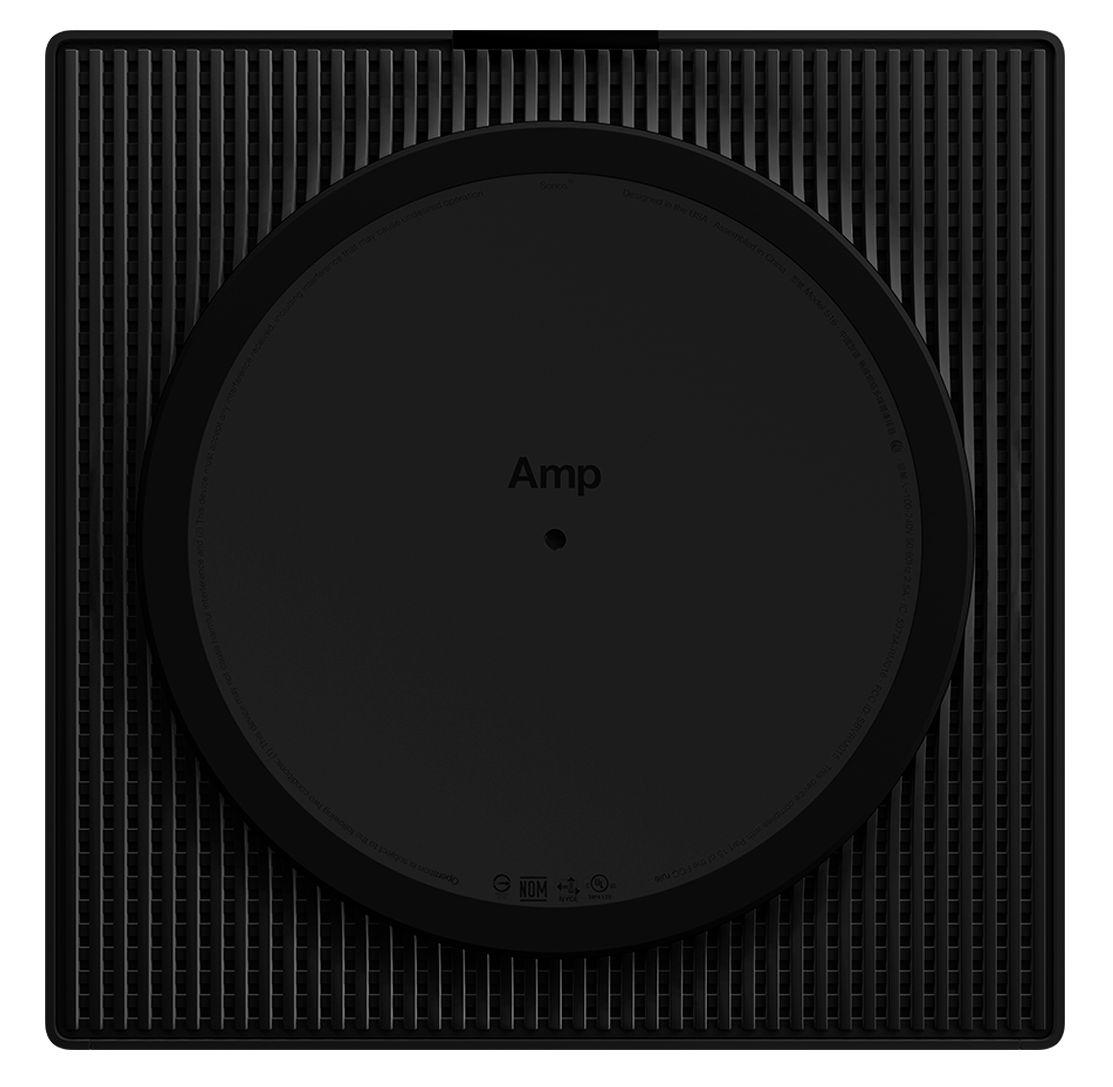
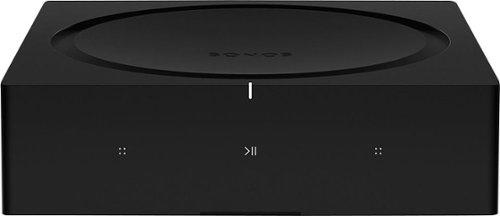
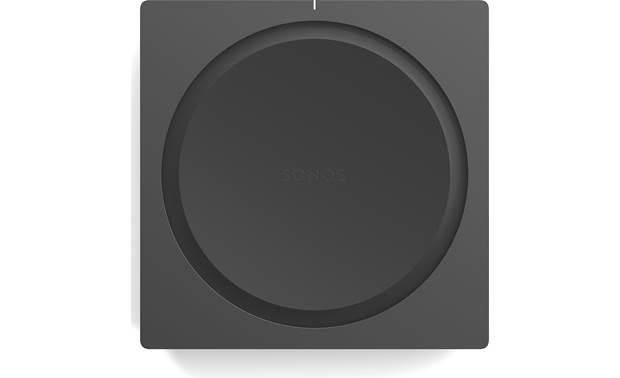
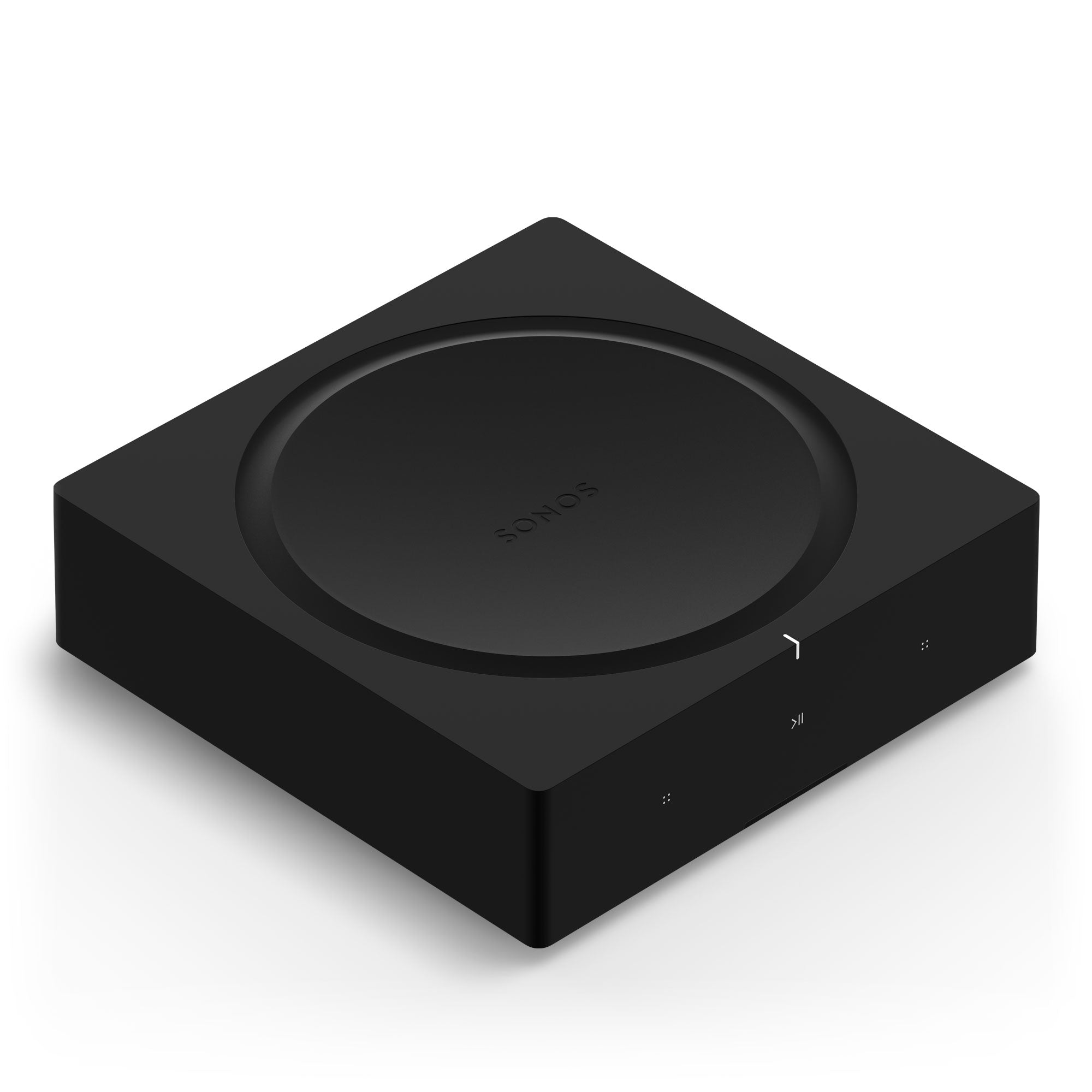
The Sonos Amp, launched in 2018 as a major upgrade to the previous Connect:Amp, embodies Sonos's philosophy of prioritizing user experience and reliability above all else. While generally commanding a premium price, it delivers significantly more power and integrates seamlessly into what many consider the gold standard of multi-room audio ecosystems.
These different launch timelines matter because they reflect evolving priorities in streaming audio. The Yamaha WXA-50 arrived when high-resolution audio support was becoming a key differentiator, while the Sonos Amp launched during a period when raw power output and home theater integration were driving purchase decisions.
The most immediately noticeable difference between these amplifiers lies in their power output capabilities, and this difference is substantial enough to influence your speaker choices significantly.
The Sonos Amp delivers 125 watts per channel into 8-ohm speakers—the standard impedance rating for most home speakers. This power output puts it in serious amplifier territory, capable of driving demanding floorstanding speakers, inefficient vintage models, or multiple speaker pairs simultaneously. More importantly, it can deliver over 200 watts per channel into 4-ohm loads, which means it won't strain when driving speakers that present challenging impedance curves.
In contrast, the Yamaha WXA-50 provides 55 watts per channel into 8-ohm speakers, scaling up to 70 watts into 6-ohm loads and 105 watts into 4-ohm speakers. While these numbers might seem modest compared to the Sonos, they're actually quite respectable for most listening scenarios. The key is understanding what this power difference means in real-world use.
Power and Volume Reality Check: The difference between 55 watts and 125 watts isn't as dramatic as it might appear. Since perceived volume follows a logarithmic scale, you'd need roughly ten times the power to achieve twice the perceived volume. The Sonos Amp will play noticeably louder than the Yamaha, but the real advantage lies in dynamic headroom—the ability to reproduce sudden peaks in music without strain or distortion.
This power difference becomes crucial when you're driving inefficient speakers (those rated below 85dB sensitivity), using speakers in large rooms, or planning to drive multiple speaker pairs. The Sonos Amp excels in these demanding scenarios, while the Yamaha WXA-50 performs best with efficient bookshelf speakers or smaller listening environments.
While power output grabs attention, audio quality differences often prove more significant in daily listening. Here, the Yamaha WXA-50 takes a commanding lead through its superior digital-to-analog conversion and audio processing capabilities.
The Yamaha incorporates an ESS Sabre DAC—the same high-performance digital-to-analog converter found in Yamaha's premium AV receivers. This component is responsible for converting digital music files into the analog signals that drive your speakers, and the Sabre series is renowned for its exceptional signal-to-noise ratio (110dB for digital inputs) and ultra-low distortion characteristics (0.02% THD).
More importantly for future-proofing, the Yamaha WXA-50 supports high-resolution audio formats that exceed CD quality. It handles DSD files up to 5.6MHz—a format originally developed for Super Audio CDs—and PCM formats up to 192kHz/24-bit. In practical terms, this means you can play master-quality recordings from services like Tidal Masters or high-resolution downloads with full fidelity.
The Sonos Amp takes a different approach, limiting audio to 48kHz/24-bit—slightly better than CD quality but nowhere near the Yamaha's capabilities. Sonos's philosophy prioritizes streaming convenience and reliability over audiophile formats, betting that most users won't notice the difference in typical listening scenarios.
What This Means for Your Music: If you're streaming from Spotify or Apple Music at standard quality levels, both amplifiers will sound excellent. The difference becomes apparent when you start exploring high-resolution music sources or have trained ears that can distinguish subtle improvements in soundstage depth, instrument separation, and dynamic range.
The Yamaha also includes several proprietary audio processing features that can improve playback quality. Its Compressed Music Enhancer attempts to restore harmonic content lost during MP3 compression, while Advanced Bass Extension Processing helps smaller speakers produce fuller low-end response. The Pure Direct mode bypasses all processing for purist listening with high-resolution sources.
Here's where the Sonos Amp pulls ahead decisively. Sonos has spent over two decades perfecting their streaming experience, and it shows in every aspect of system operation.
The Sonos app consistently receives praise for its responsiveness, intuitive interface, and rock-solid reliability. Setting up multi-room audio is genuinely plug-and-play, with automatic device discovery and seamless synchronization across zones. Voice control integration with Amazon Alexa and Google Assistant works flawlessly, and the system handles network interruptions gracefully without losing sync.
The Yamaha MusicCast app, while functional and well-designed, simply doesn't match Sonos's polish. User reviews consistently mention occasional connectivity hiccups, slower response times, and less intuitive navigation. More significantly, certain streaming services—particularly Apple Music—don't integrate as seamlessly for multi-room playback, sometimes requiring workarounds that break the seamless experience.
Service Support: Both platforms support major streaming services including Spotify, Tidal, Pandora, and internet radio. However, Sonos typically receives faster updates when services change their APIs or add new features. The Yamaha supports more audiophile-focused services and local network streaming via DLNA, making it better suited for users with extensive local music libraries.
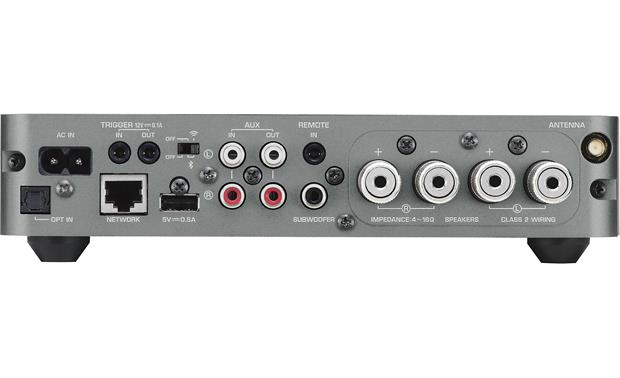
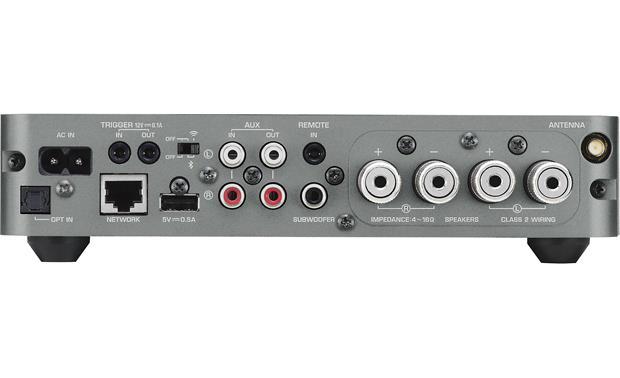
The connectivity story reveals each manufacturer's target audience clearly. The Yamaha WXA-50 provides significantly more input options, reflecting its appeal to users who want to integrate existing audio equipment.
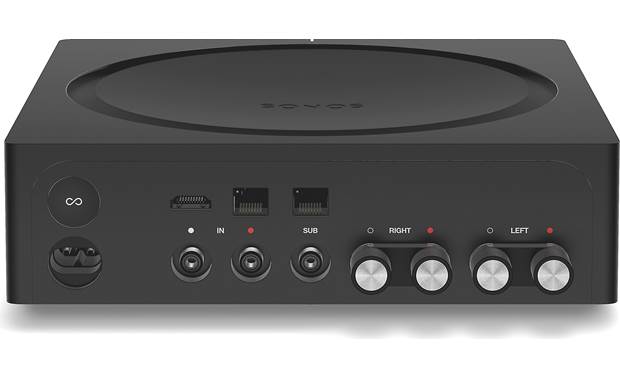
Beyond standard analog RCA inputs, the Yamaha includes optical digital input for connecting CD players or TV audio, USB input for direct connection to computers or storage drives, and both wired Ethernet and Wi-Fi networking. This flexibility makes it excellent for transitioning from traditional hi-fi setups while maintaining compatibility with existing sources.
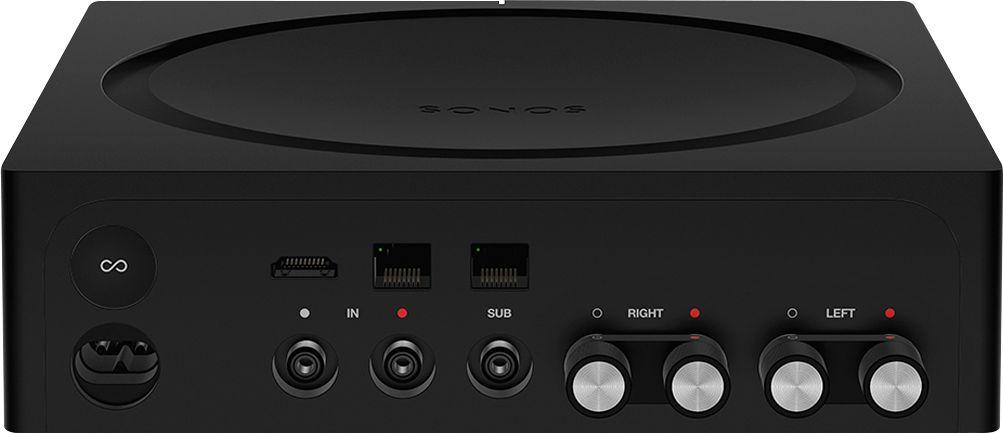
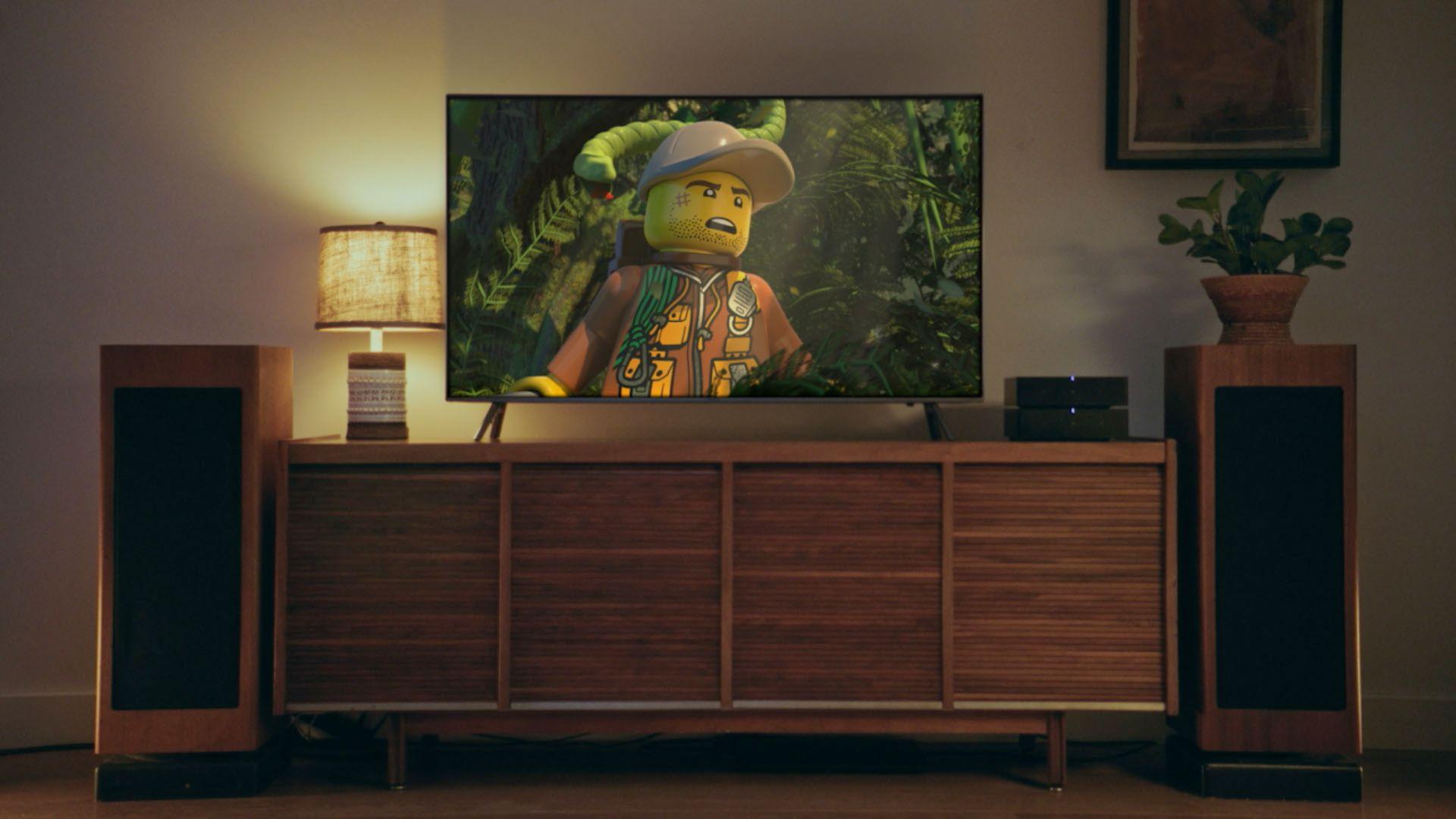
The Sonos Amp takes a more streamlined approach but includes one crucial feature the Yamaha lacks: HDMI ARC (Audio Return Channel) connectivity. This single connection can extract audio from your TV and send it to your speakers while maintaining full control through your TV remote. For home theater applications, this is genuinely transformative, eliminating the cable mess typically associated with TV audio systems.
The Sonos also includes a dedicated subwoofer output with adjustable crossover settings (50-110Hz), making it easier to integrate a powered subwoofer for fuller low-end response.
Both systems excel at multi-room audio but take different approaches that affect long-term satisfaction and expandability.
Sonos built its reputation on multi-room audio, and the Amp integrates seamlessly with the broader Sonos ecosystem. Adding wireless surround speakers for home theater, incorporating other Sonos speakers throughout your home, or expanding to outdoor areas works without technical complexity. The system handles multiple audio streams simultaneously, allowing different music in each room without performance degradation.
The Yamaha MusicCast system offers broader compatibility with Yamaha's extensive product range, including AV receivers, soundbars, and traditional stereo components. This flexibility appeals to users who might want to integrate streaming into an existing Yamaha-based system or who appreciate having upgrade paths that don't lock them into a single product ecosystem.
Real-World Performance: Based on extensive user feedback and professional reviews, Sonos systems demonstrate superior reliability in challenging Wi-Fi environments and recover more gracefully from network interruptions. The Yamaha can experience occasional sync issues in multi-room scenarios, particularly when mixing different MusicCast device types.
For users considering these amplifiers as part of a home theater system, the Sonos Amp offers compelling advantages that extend beyond simple TV audio connection.
The HDMI ARC connection handles stereo PCM, Dolby Digital, and DTS Digital Surround formats, providing significantly better audio quality than analog TV connections. More importantly, you can wirelessly add Sonos surround speakers to create a true home theater system without running speaker cables or dealing with separate surround sound processors.
The Yamaha WXA-50 can certainly handle TV audio through its analog or digital inputs, but it requires additional cables and doesn't offer the seamless integration experience that makes the Sonos solution attractive for less technically-inclined users.
At the time of writing, the Yamaha WXA-50 typically commands a lower price than the Sonos Amp, making the value calculation interesting rather than straightforward.
The Yamaha delivers exceptional value for audiophile-focused users who prioritize audio quality and format support. You're getting high-resolution audio capability, superior digital-to-analog conversion, and extensive connectivity options at a compelling price point. For users with efficient speakers and smaller listening rooms, the power output limitation rarely becomes an issue.
The Sonos Amp justifies its premium pricing through superior power output, unmatched ecosystem integration, and the most reliable streaming experience available. The additional cost translates directly into capabilities—driving demanding speakers, powering multiple zones, and providing truly seamless home theater integration.
Since their respective launches, both products have benefited from software updates that have expanded functionality and improved reliability. The Yamaha WXA-50, despite being the older design, has maintained relevance through its high-resolution audio support, which has become increasingly important as streaming services expand their lossless offerings.
The Sonos Amp, launching two years later, incorporated lessons learned from the streaming audio market's evolution, particularly the importance of raw power output and home theater integration. Its newer platform provides better long-term update support and more modern wireless networking capabilities.
Future Considerations: High-resolution audio streaming is becoming mainstream, with services like Apple Music Lossless, Amazon Music HD, and Tidal expanding their catalogs. This trend favors the Yamaha's superior format support, though most users won't immediately notice differences in typical listening scenarios.
After evaluating both amplifiers extensively through professional reviews and user feedback, clear usage scenarios emerge where each product excels.
Choose the Yamaha MusicCast WXA-50 if you:
Choose the Sonos Amp if you:
Both amplifiers represent excellent value in their respective niches, but they serve fundamentally different user priorities. The Yamaha WXA-50 appeals to audio enthusiasts who want high-quality sound reproduction with the convenience of modern streaming, while the Sonos Amp targets users who prioritize simplicity, reliability, and raw capability above audiophile specifications.
In my evaluation, the Sonos Amp emerges as the better choice for most users due to its superior power output, unmatched streaming reliability, and excellent home theater integration. However, the Yamaha WXA-50 remains compelling for budget-conscious audiophiles who have appropriate speakers and prioritize audio quality over convenience features.
The decision ultimately comes down to whether you value audiophile features and connectivity flexibility (Yamaha) or prefer maximum power output and the industry's best streaming ecosystem (Sonos). Both represent solid investments that will serve their intended audiences well for years to come.
| Yamaha MusicCast WXA-50 | Sonos Amp |
|---|---|
| Power Output - Determines how loud and which speakers you can drive | |
| 55W per channel (8Ω), adequate for efficient speakers | 125W per channel (8Ω), drives demanding speakers and multiple pairs |
| High-Resolution Audio Support - Future-proofs your music collection | |
| Up to 192kHz/24-bit, DSD 5.6MHz (audiophile formats) | Limited to 48kHz/24-bit (slightly above CD quality) |
| Digital-to-Analog Converter - Affects overall sound quality | |
| ESS Sabre DAC with 110dB SNR (high-end component) | Standard Class D conversion (good but not audiophile-grade) |
| Home Theater Integration - Simplifies TV audio connection | |
| Analog/optical inputs only (requires separate cables) | HDMI ARC with wireless surround expansion capability |
| Connectivity Options - Flexibility for existing equipment | |
| Optical, USB, analog, Ethernet (extensive traditional inputs) | HDMI ARC, analog, subwoofer out (streamlined for modern use) |
| Streaming App Experience - Daily usability factor | |
| Functional MusicCast app (occasional connectivity issues) | Industry-leading Sonos app (consistently reliable and responsive) |
| Multi-Room Reliability - Critical for whole-home audio | |
| Good with some sync challenges in complex setups | Exceptional with seamless synchronization and recovery |
| Audio Processing Features - Enhances different music types | |
| Compressed Music Enhancer, Pure Direct mode, bass extension | Basic EQ controls through app (minimal processing options) |
| Physical Size - Installation flexibility | |
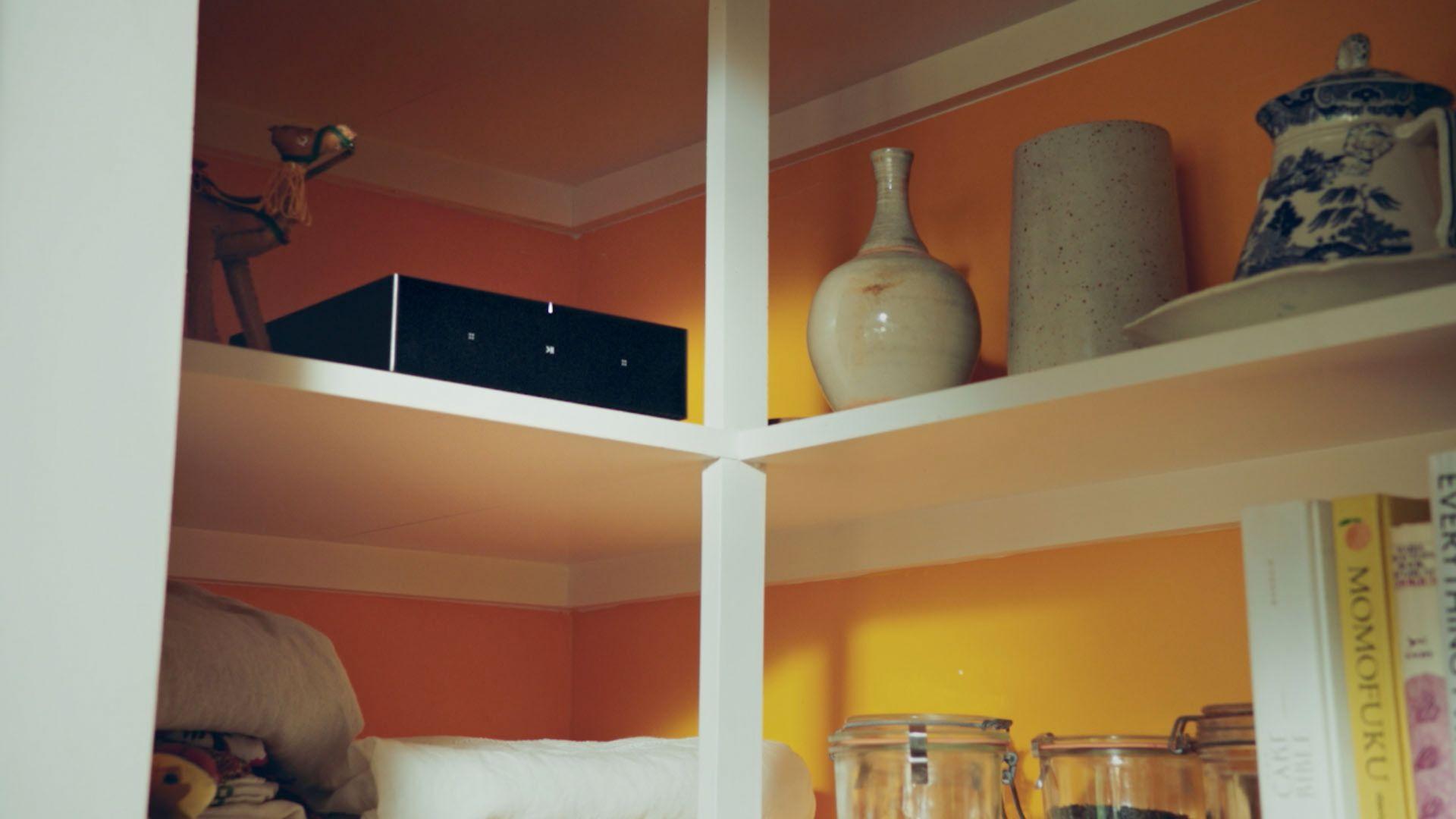
| Compact 8.3" x 2" x 9.6" (horizontal or vertical mounting) | Compact 8.5" x 2.5" x 8.5" (rack-mountable design) |
| Ecosystem Compatibility - Long-term expansion options | |
| Works with Yamaha AV receivers and stereo components | Integrates with extensive Sonos speaker lineup |
The Sonos Amp delivers significantly more power at 125 watts per channel compared to the Yamaha MusicCast WXA-50's 55 watts per channel. This means the Sonos Amp can drive larger, less efficient speakers and fill bigger rooms with sound, while the Yamaha WXA-50 works best with efficient bookshelf speakers in smaller spaces.
The Yamaha MusicCast WXA-50 excels in high-resolution audio support, handling formats up to 192kHz/24-bit and DSD files up to 5.6MHz. The Sonos Amp is limited to 48kHz/24-bit, which is slightly better than CD quality but doesn't support true audiophile formats. If high-res audio matters to you, the Yamaha is the clear winner.
The Sonos Amp is superior for home theater applications thanks to its HDMI ARC connection, which allows direct TV audio connection and wireless surround speaker expansion. The Yamaha WXA-50 requires separate cables for TV audio and doesn't offer the seamless home theater integration that makes the Sonos Amp attractive for entertainment systems.
The Sonos Amp features the industry-leading Sonos app, known for its reliability, responsiveness, and intuitive interface. The Yamaha MusicCast app is functional but less polished, with some users reporting occasional connectivity issues and slower response times. For daily streaming convenience, the Sonos provides a superior experience.
Yes, but with different capabilities. The Sonos Amp can drive up to four speakers (two pairs of 8-ohm speakers) thanks to its high power output. The Yamaha WXA-50 can technically power multiple speakers but may struggle with the power demands, making it better suited for single-pair installations.
The Sonos Amp excels in multi-room audio with seamless synchronization and exceptional reliability across zones. While the Yamaha MusicCast WXA-50 supports multi-room functionality, users report occasional sync issues in complex setups. The Sonos system handles network interruptions more gracefully and maintains better room-to-room coordination.
The Yamaha MusicCast WXA-50 offers more connectivity options for traditional hi-fi integration, including optical digital input, USB input, and analog RCA connections. The Sonos Amp takes a more streamlined approach with fewer input options but includes features like subwoofer output. The Yamaha is better for integrating with existing audio components.
The Yamaha MusicCast WXA-50 delivers superior sound quality through its ESS Sabre DAC and support for high-resolution formats. It offers more detailed audio reproduction and better dynamic range. The Sonos Amp sounds good but prioritizes convenience over audiophile-grade performance. For critical listening, the Yamaha has the edge.
The Sonos Amp is renowned for its rock-solid reliability, with consistent performance and automatic recovery from network issues. The Yamaha WXA-50 is generally reliable but may experience occasional streaming hiccups. For users who prioritize "set it and forget it" operation, the Sonos is more dependable.
The Yamaha MusicCast WXA-50 typically costs less and offers exceptional value for audiophiles seeking high-resolution audio support and flexible connectivity. The Sonos Amp commands a premium but delivers more power and superior ecosystem integration. Value depends on whether you prioritize audio quality (Yamaha) or power and convenience (Sonos).
Both can connect to TVs, but the Sonos Amp makes it much easier with its HDMI ARC connection that provides better audio quality and simpler setup. The Yamaha WXA-50 requires analog or optical connections to your TV. For TV audio improvement, the Sonos is the more user-friendly choice with superior integration.
Both the Yamaha MusicCast WXA-50 and Sonos Amp support major streaming services like Spotify, Pandora, and TIDAL. However, the Sonos typically receives faster service updates and has more seamless integration with popular platforms. The Yamaha offers better support for local music libraries and DLNA streaming from network storage devices.
We've done our best to create useful and informative comparisons to help you decide what product to buy. Our research uses advanced automated methods to create this comparison and perfection is not possible - please contact us for corrections or questions. These are the sites we've researched in the creation of this article: crutchfield.ca - usa.yamaha.com - avluxurygroup.com - crutchfield.com - crutchfield.com - teamiu.com - audiosciencereview.com - snapav.com - avsforum.com - youtube.com - hifiheaven.net - usa.yamaha.com - usa.yamaha.com - audiokarma.org - usa.yamaha.com - bestbuy.com - usa.yamaha.com - ooberpad.com - dugoutnorthbrook.com - parts-express.com - audioadvice.com - crutchfield.com - adiglobaldistribution.pr - themasterswitch.com - astralsecurite.ca - wassersfurniture.com - whathifi.com - sonos.com - audiosciencereview.com - bestbuy.com - videoandaudiocenter.com - en.community.sonos.com

Privacy Policy
Terms and Conditions - Affiliate Policy
Home Security
© Copyright 2008-2026.
11816 Inwood Rd #1211, Dallas, TX 75244