

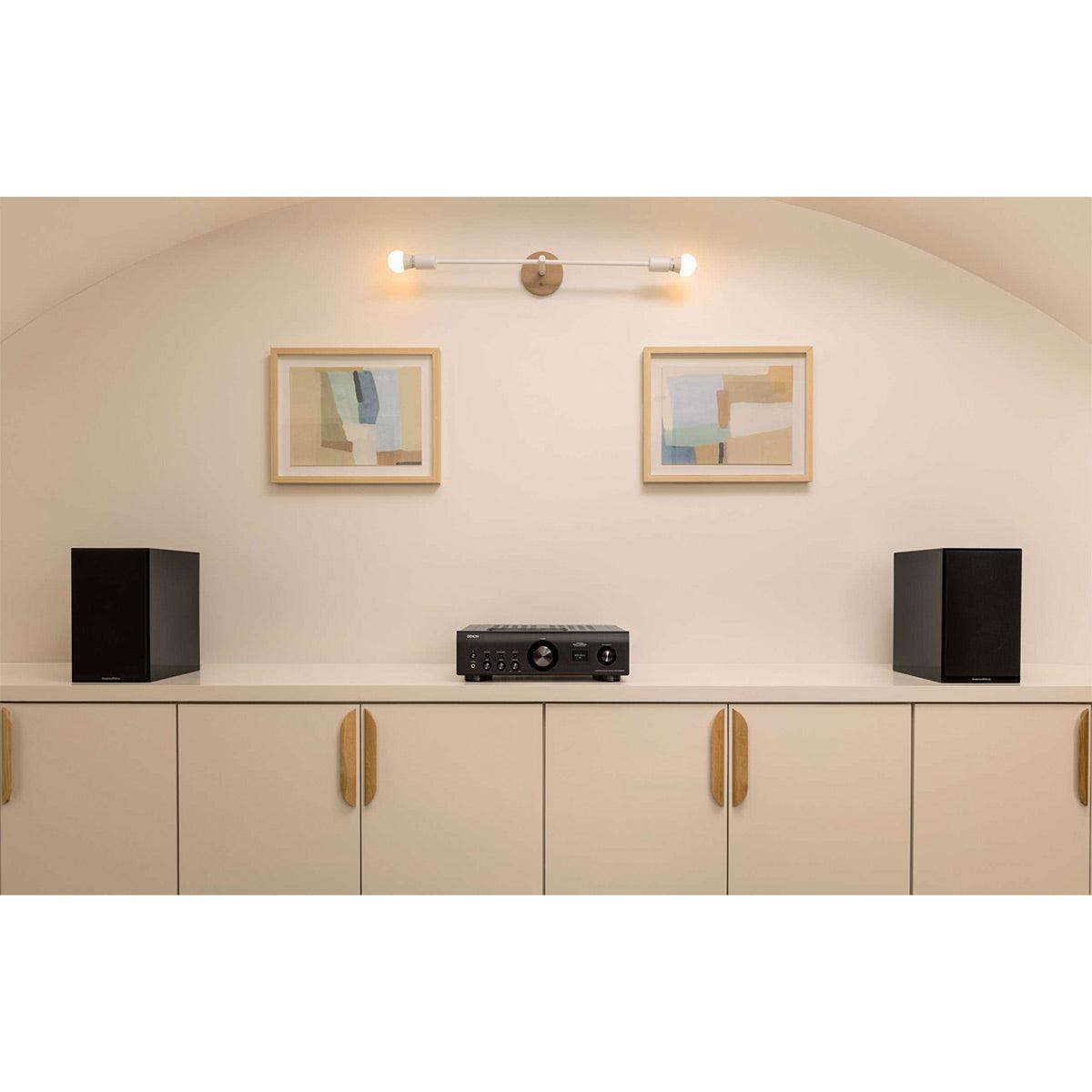
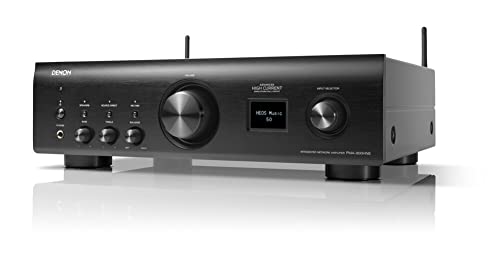
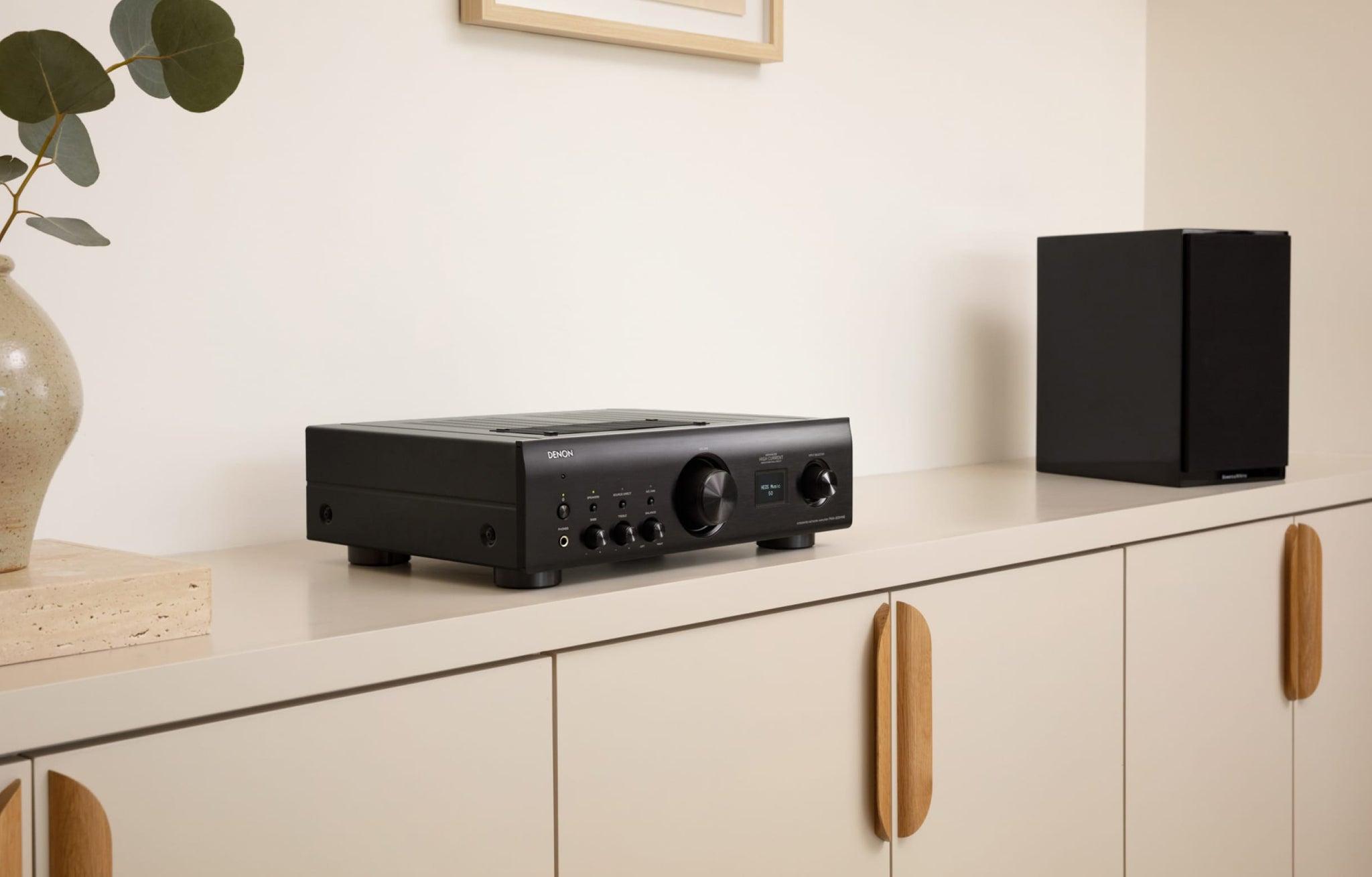
Choosing an integrated amplifier can feel overwhelming, especially when you're comparing two fundamentally different approaches to the same goal. The Denon PMA-900HNE and NAD C 368 both aim to be the heart of your audio system, but they go about it in completely different ways. After extensive research into user reviews, professional evaluations, and technical specifications, we've found these represent two distinct philosophies that will appeal to very different types of listeners.
Before diving into the specifics, it's worth understanding what you're actually buying. An integrated amplifier combines two essential components: a preamplifier (which handles volume control and source switching) and a power amplifier (which drives your speakers). Think of it as the conductor and orchestra rolled into one—it takes the weak signal from your music source and transforms it into the powerful signal your speakers need to fill your room with sound.
The key considerations when shopping for an integrated amp haven't changed much over the decades: power output (how loud and clean it can go), connectivity (what sources you can plug in), build quality (how long it'll last), and value (what you get for your money). What has changed dramatically is how we consume music, which brings us to the streaming revolution that's reshaped the entire category.
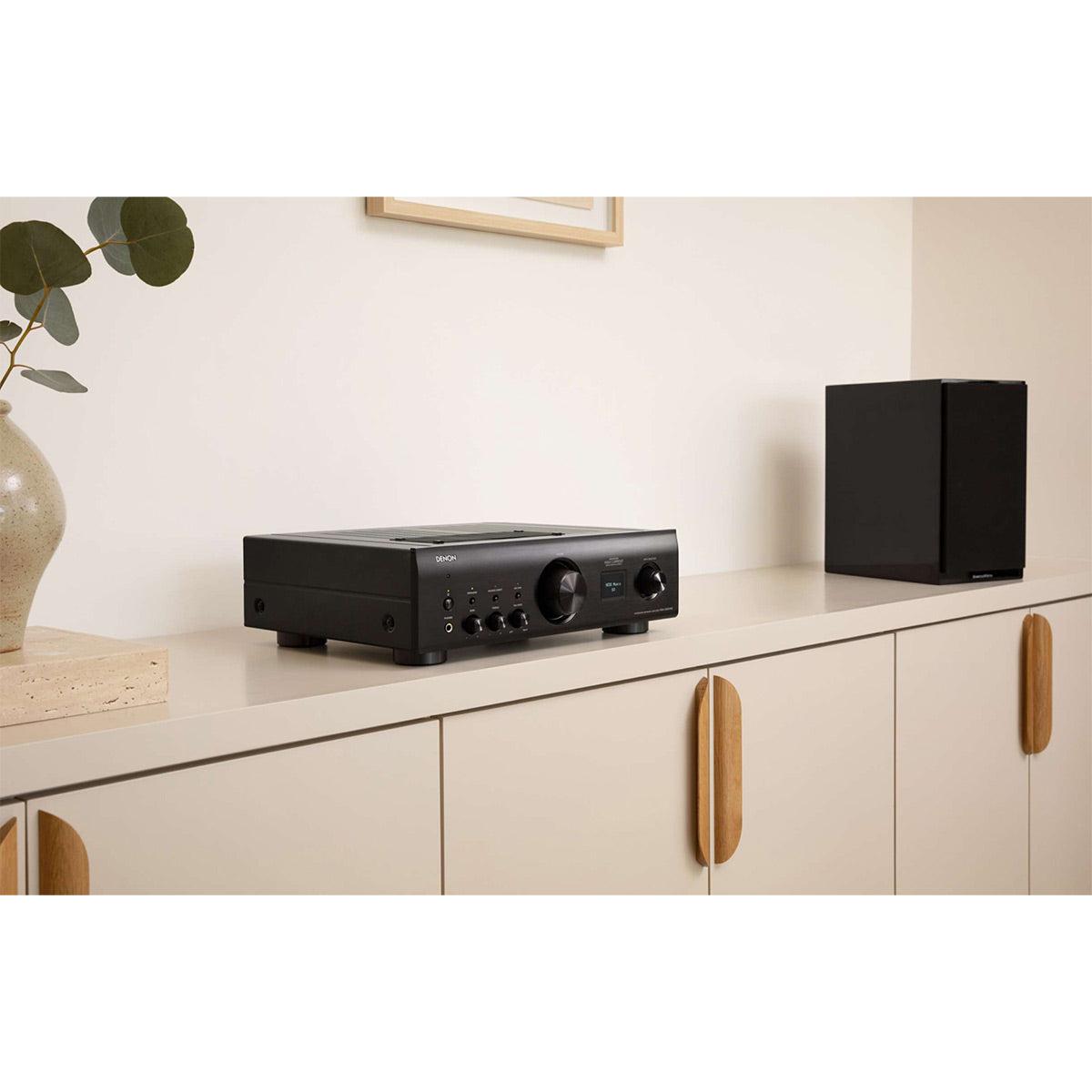
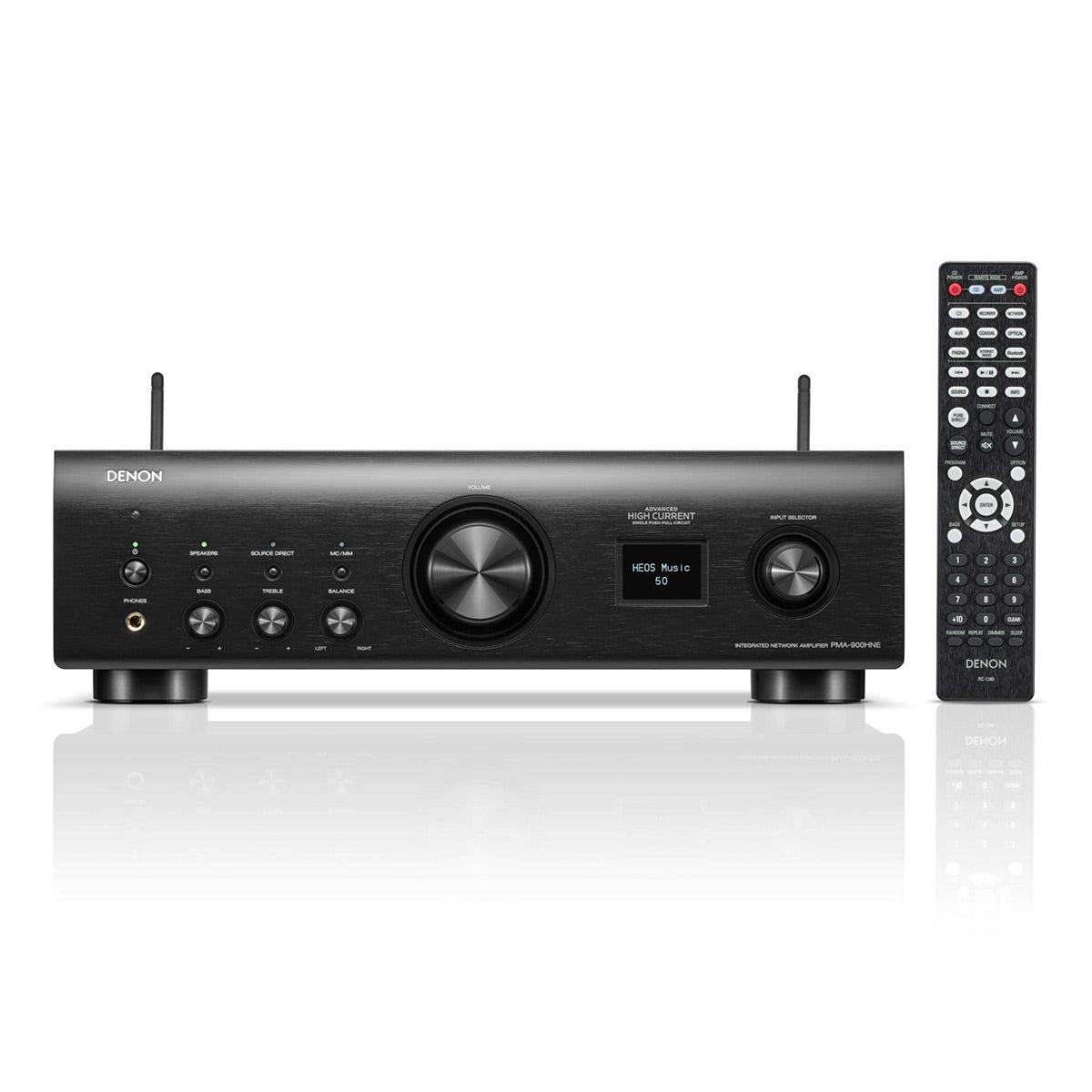
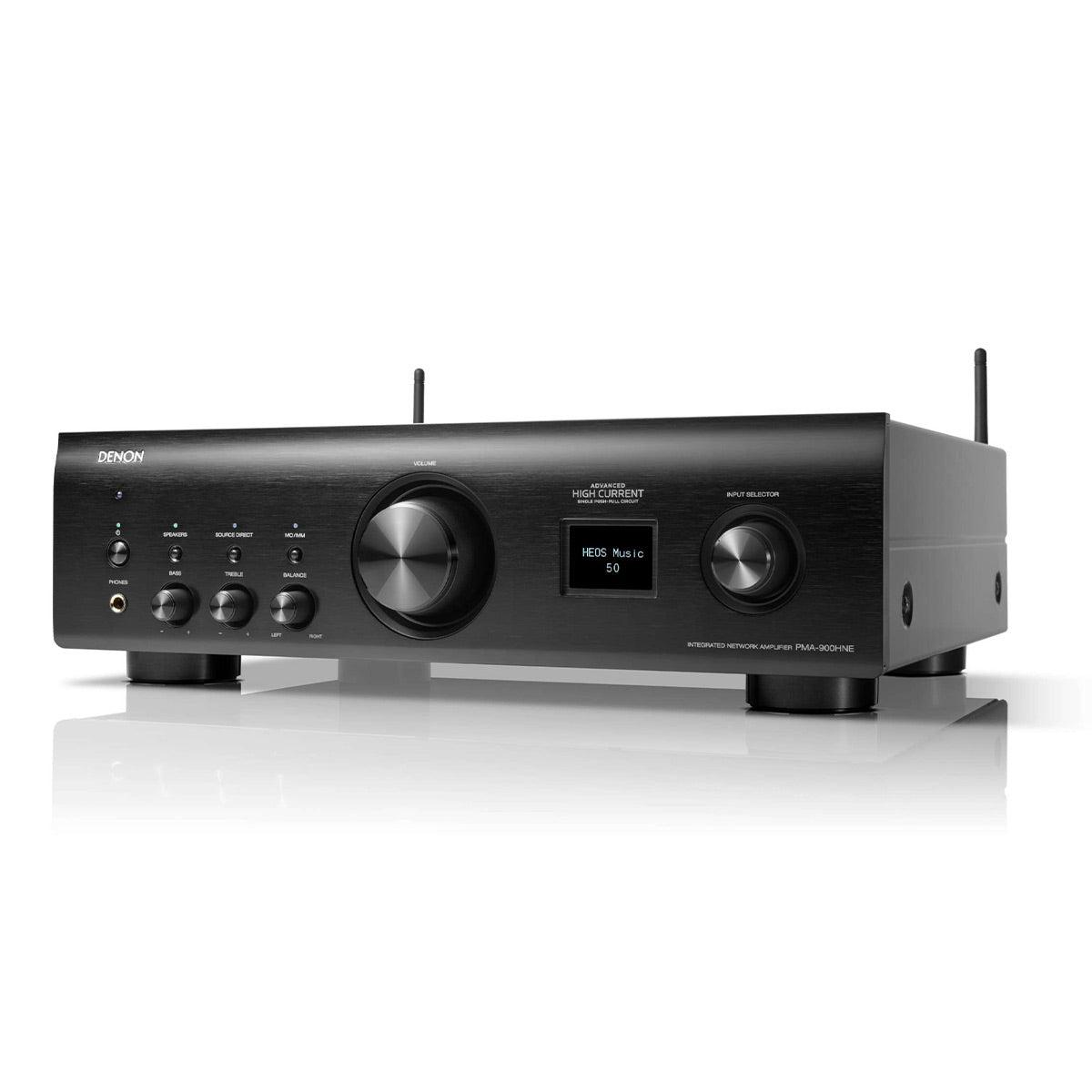
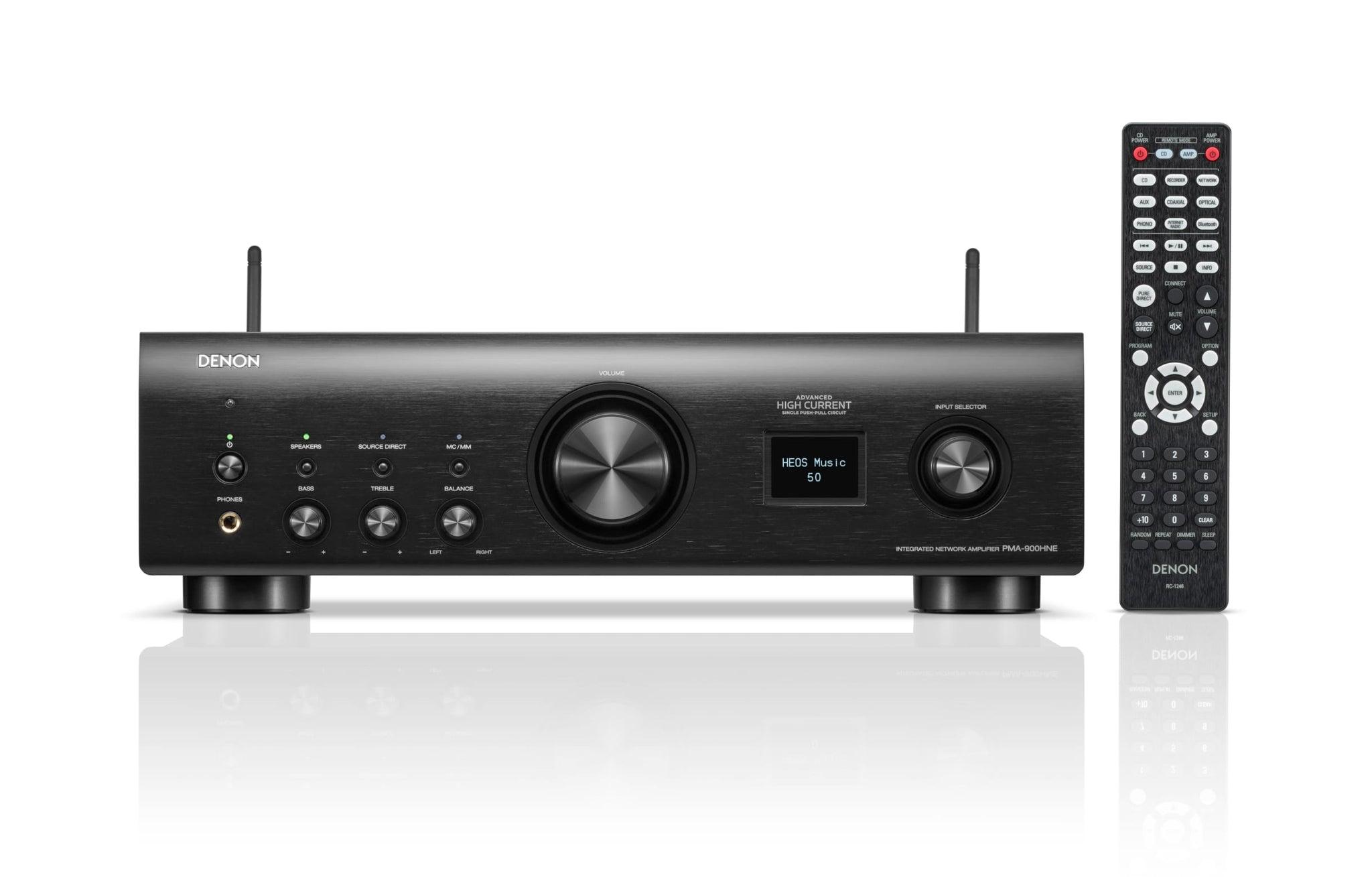
Released in 2022, the Denon PMA-900HNE represents what happens when a traditional hi-fi company fully embraces the streaming age. Denon looked at how people actually listen to music today—jumping between Spotify, vinyl records, and high-resolution files—and built an amplifier that handles all of these seamlessly. It's essentially a streaming device, DAC (digital-to-analog converter), and amplifier combined into one elegant package.
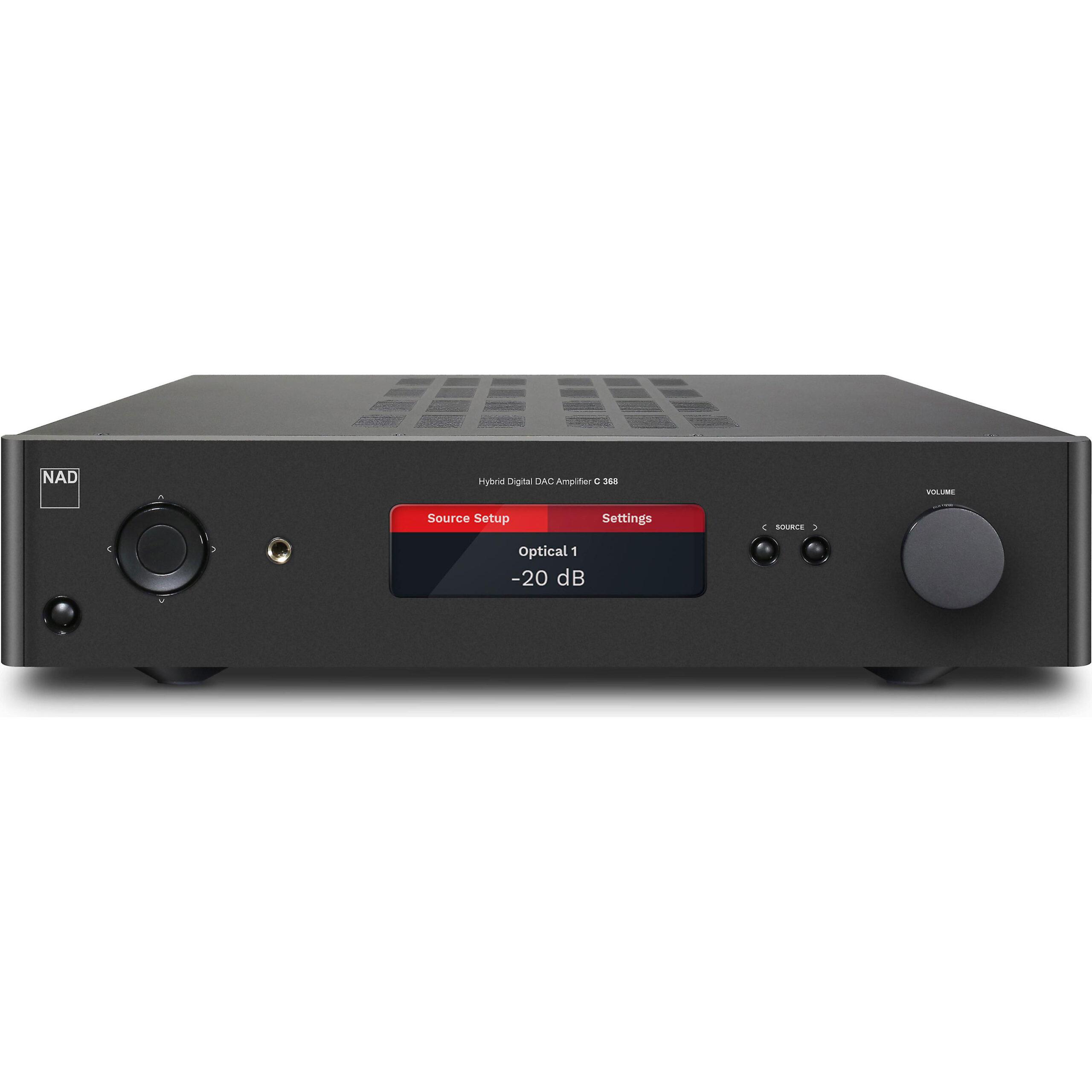
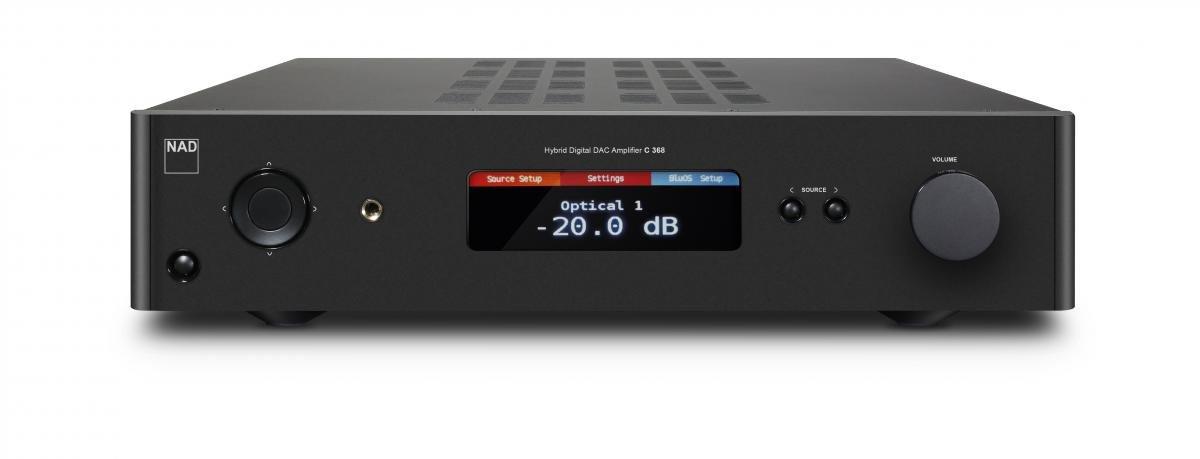
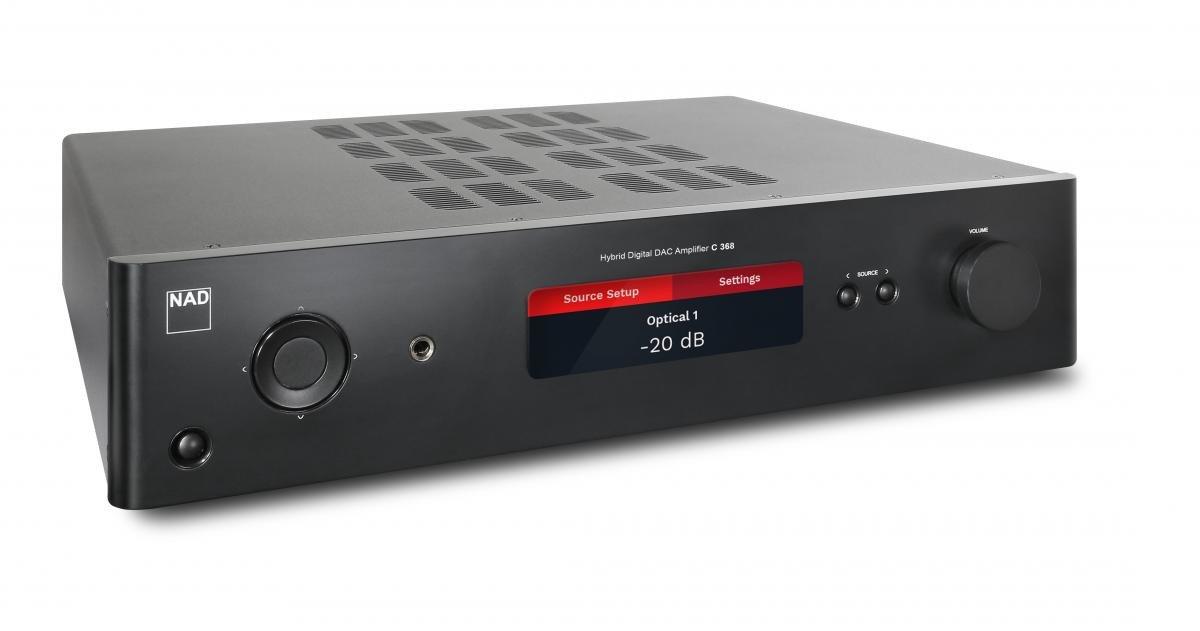
The NAD C 368, which has been available for several years, takes a more traditional audiophile approach. NAD's philosophy centers on building an excellent amplifier first, then adding modern features through optional modules. It's like buying a solid foundation and adding rooms as you need them—more flexible, but requiring more thought and investment over time.
Here's where the NAD C 368 pulls decisively ahead. With 80 watts per channel into 8 ohms and 120 watts into 4 ohms, it delivers 60% more power than the Denon PMA-900HNE's 50 watts into 8 ohms and 85 watts into 4 ohms. This isn't just about getting louder—it's about control, dynamics, and compatibility with a wider range of speakers.
To understand why this matters, imagine your amplifier as a car engine and your speakers as the load it needs to pull. Some speakers (like efficient bookshelf models) are like pulling a small trailer—the Denon's 50 watts handles this effortlessly. But demanding floor-standing speakers or planar magnetic designs are like pulling a heavy boat uphill. The NAD's extra power reserves mean it never runs out of breath, maintaining composure even during complex orchestral passages or explosive movie soundtracks.
The NAD C 368 uses a hybrid digital design with a customized Hypex UcD Class D output stage—a technology that combines the efficiency of digital switching with the linearity of traditional analog amplifiers. This isn't the harsh, cold Class D of old; it's a sophisticated implementation that delivers the kind of effortless dynamics NAD is known for. User reviews consistently praise its ability to drive difficult loads without strain, with one reviewer noting it made their power-hungry Magnepan speakers "sing like never before."
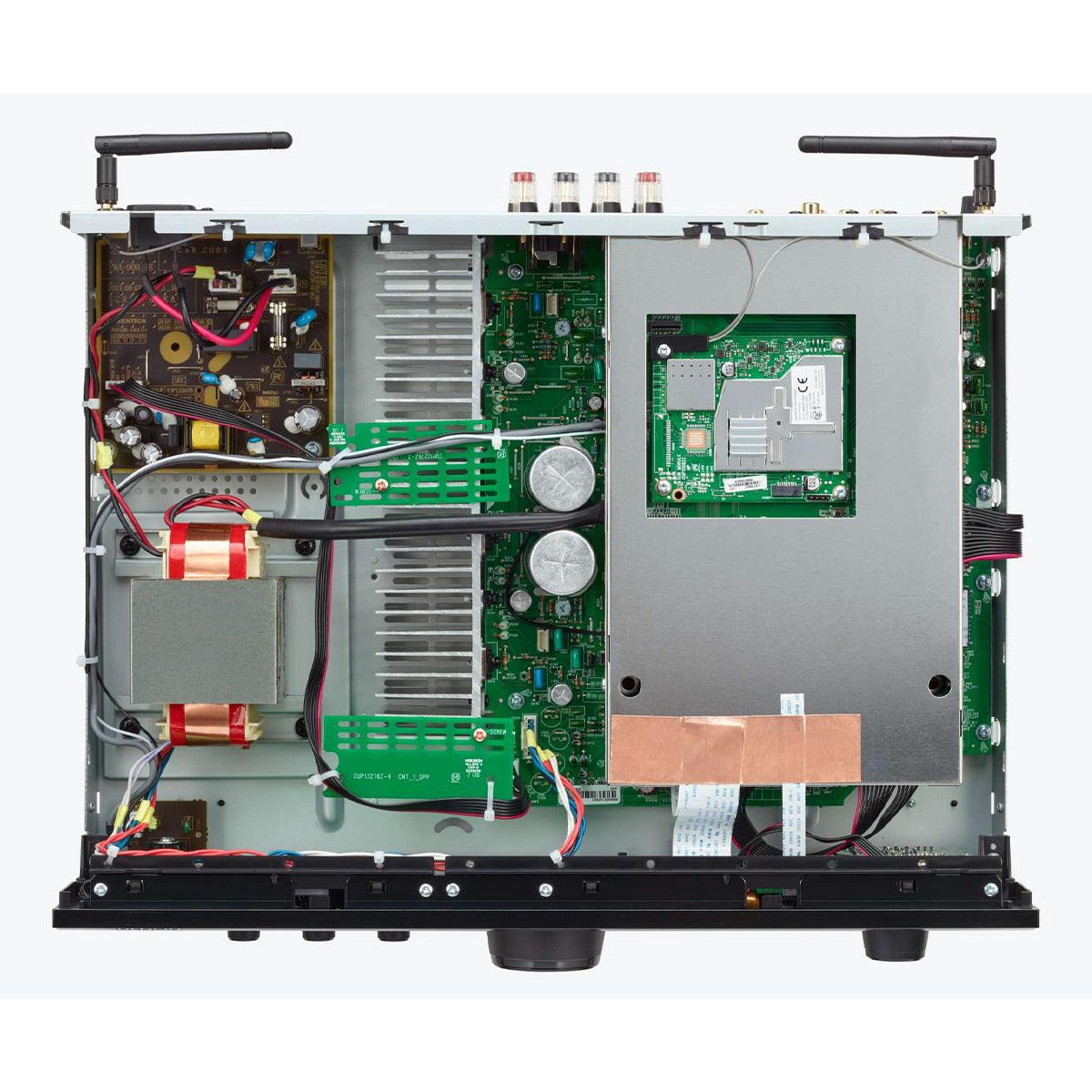
The Denon PMA-900HNE compensates with its Advanced High Current (AHC) design, which focuses on delivering stable power into varying speaker impedances. While it may not have the raw power of the NAD, it punches above its weight class. The consensus from reviews suggests it's perfectly adequate for most bookshelf speakers and efficient floor-standers, but you'll want to match it carefully with your speakers.
Both amplifiers achieve excellent measured performance—0.01% THD and 105dB signal-to-noise ratios—but their sonic personalities differ meaningfully. The Denon PMA-900HNE delivers what reviewers consistently describe as the classic "Denon sound": smooth, rich, and musical. It's the kind of presentation that makes you want to keep listening, with a slightly warm character that flatters most recordings without obscuring detail.
The NAD C 368's hybrid digital design offers a different approach. Reviews suggest it sounds cleaner and more neutral, with exceptional control and precision. The Hypex output stage eliminates the thermal variations that can affect traditional amplifiers, maintaining consistent performance regardless of how hard you push it. This translates to better bass control, clearer midrange detail, and a more spacious soundstage.
In our evaluation of user feedback, the Denon seems to excel with jazz, vocals, and acoustic music, where its musical character enhances the listening experience. The NAD appears more versatile, handling everything from delicate chamber music to heavy rock with equal composure. For home theater use, the NAD's superior dynamics and power reserves give it a clear advantage during action sequences and large-scale orchestral scores.
Both amplifiers include high-quality DACs, but they implement them differently. The Denon PMA-900HNE is Hi-Res Audio certified, supporting PCM signals up to 192kHz/24-bit across its multiple digital inputs. It handles various file formats including DSD (Direct Stream Digital—a high-resolution format used on SACDs), making it compatible with virtually any digital source you might encounter.
The NAD C 368 uses a Texas Instruments PCM1795 32-bit DAC with an SRC4382 sample rate converter. This combination upsamples all digital inputs to reduce timing errors (jitter) and provides consistent, low-noise performance. Professional reviews frequently single out the NAD's DAC section as exceptional for its price class, with one reviewer calling it "reference quality."
What's interesting is how each company prioritizes the digital experience. Denon focuses on format compatibility and streaming integration, while NAD emphasizes pure conversion quality. Both approaches have merit, but the Denon's broader format support makes it more foolproof for users with diverse digital libraries.
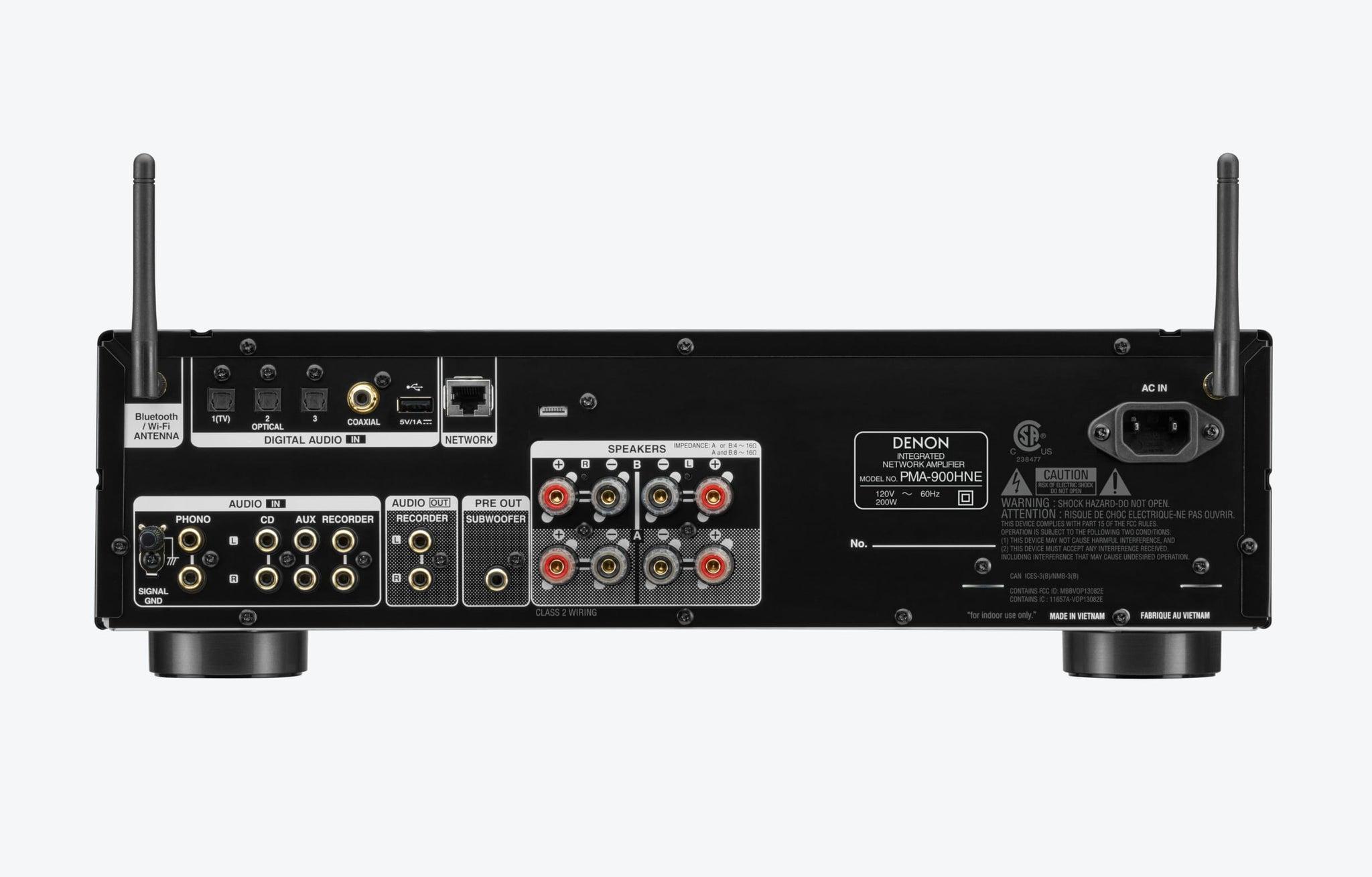
This is where the philosophical differences become most apparent. The Denon PMA-900HNE comes loaded with connectivity options out of the box: built-in HEOS streaming, dual-band Wi-Fi, Ethernet, AirPlay 2, Bluetooth with re-broadcasting, and voice assistant compatibility. It can stream directly from Spotify, Apple Music, TIDAL, and dozens of other services without needing any additional hardware.
The HEOS platform deserves special mention—it's Denon's multi-room audio ecosystem that lets you sync music throughout your home. While some users find the HEOS app occasionally clunky, the functionality it provides is comprehensive. You can start a playlist in your living room and have it follow you to the kitchen, or play different music in each room simultaneously.
The NAD C 368 takes a more measured approach. It includes Bluetooth with aptX support (which provides better-than-CD quality wireless streaming), but for network streaming, you'll need to add the optional BluOS module. This modular philosophy has advantages—you only pay for features you'll actually use, and you can upgrade later as technology evolves.
The BluOS platform, when added, is arguably superior to HEOS in terms of stability and user experience. It's Roon Ready (meaning it works seamlessly with the high-end Roon music management software), supports more streaming services, and has better integration with home automation systems. However, at the time of writing, adding BluOS to the NAD C 368 costs significantly more than buying the Denon PMA-900HNE with all its streaming features included.
Both amplifiers include quality phono stages for turntables. The Denon supports both moving magnet (MM) and moving coil (MC) cartridges with superior signal-to-noise ratios, while the NAD includes MM support with the option to add MC capability. For vinyl enthusiasts, the Denon has a slight edge here.
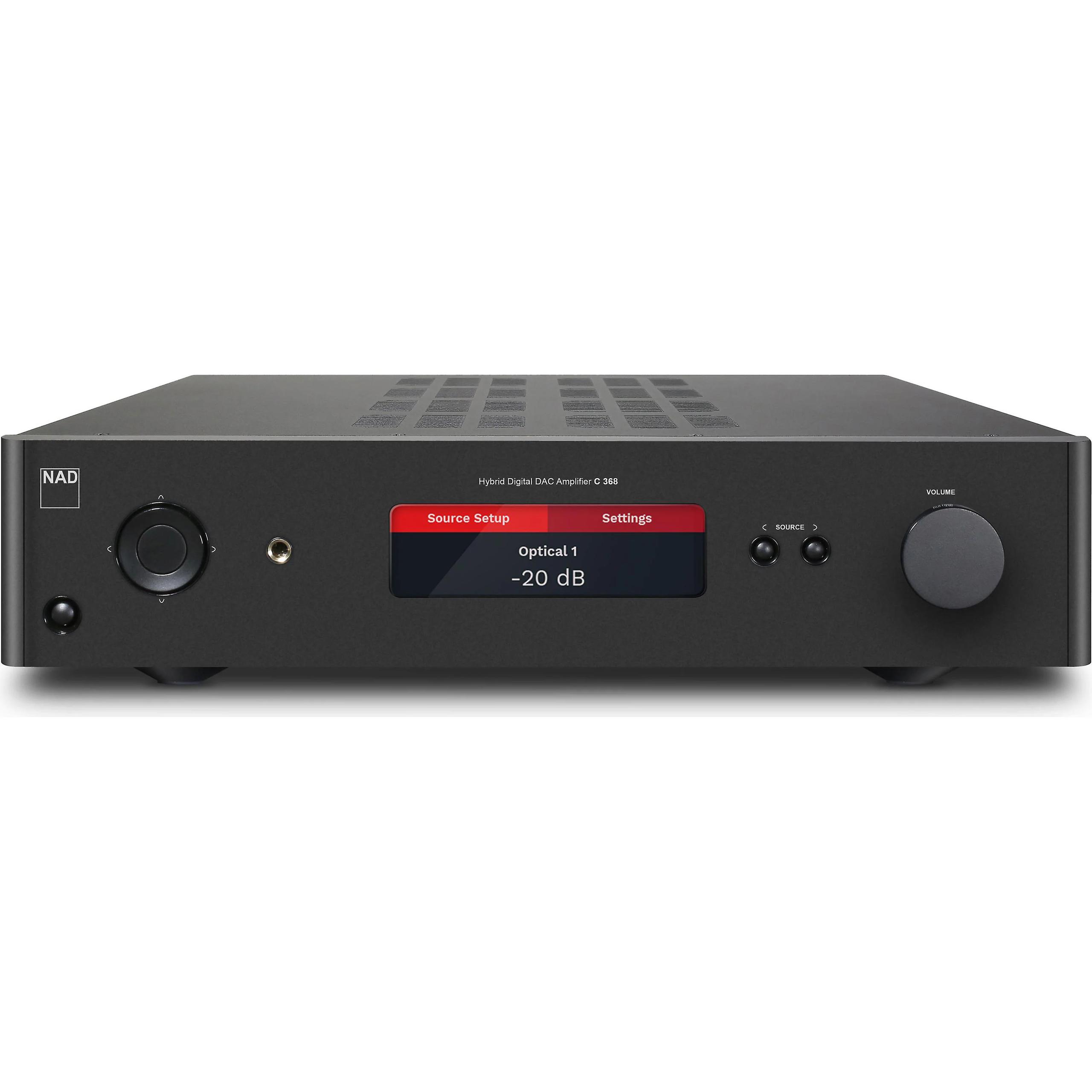
The NAD C 368 feels more substantial, with users describing it as "built like a tank." The chassis is robust, components are easily accessible for service, and the modular design means individual sections can be upgraded or repaired without affecting the entire unit. The front panel is clean and functional, though some users find the menu system counterintuitive.
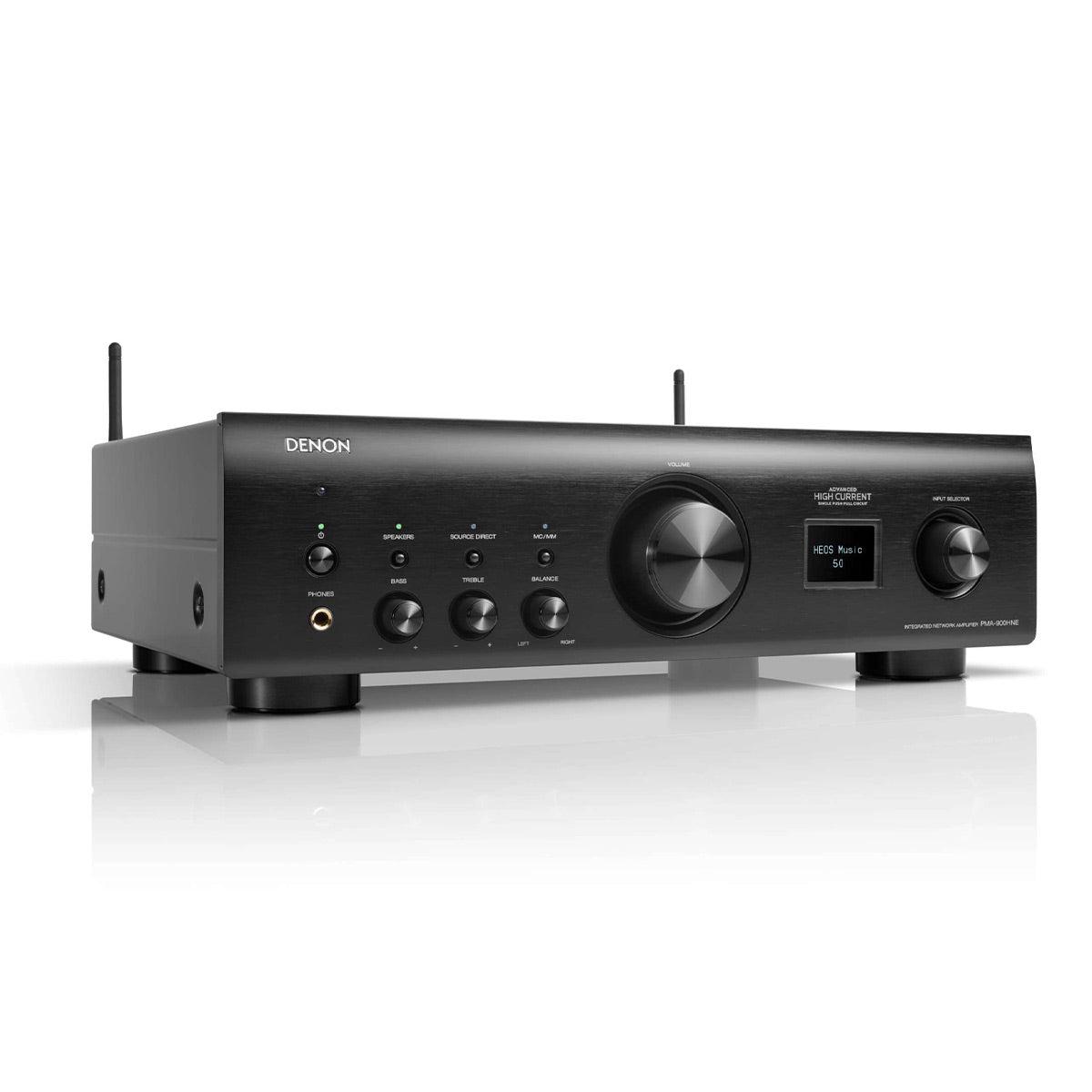
The Denon PMA-900HNE opts for a more refined aesthetic with its OLED display and precision-machined controls. Build quality is solid if not quite as bombproof as the NAD. Where it excels is in user experience—the streaming integration is seamless, the display is informative, and most functions can be controlled through the HEOS app rather than navigating complex on-screen menus.
Reliability reports favor the Denon, with fewer user complaints about connectivity issues or operational glitches. The NAD, while generally reliable, has received some criticism for Bluetooth connectivity problems and occasional interface quirks.
At the time of writing, these amplifiers are priced competitively in their segment, but the value equation differs significantly. The Denon PMA-900HNE delivers comprehensive functionality immediately—you can unbox it, connect your speakers and Wi-Fi, and start streaming high-quality music within minutes. For many users, this complete solution represents exceptional value.
The NAD C 368 costs slightly more initially and significantly more if you add streaming capabilities. However, you get substantially more power and the flexibility to customize your system over time. The modular design also provides better long-term value if you're the type of person who likes to upgrade gradually.
For home theater applications, the NAD's power advantage becomes more significant. It can serve as the stereo portion of a hybrid system, handling music playback with authority while your AV receiver manages movies and TV. The Denon, while capable, might struggle with the dynamics of modern movie soundtracks at higher volumes.
The Denon PMA-900HNE is the clear winner for streaming-focused listeners who want a complete, modern solution. If your music library lives primarily on Spotify, Apple Music, or your network storage, and you're using reasonably efficient speakers in a small to medium-sized room, the Denon delivers everything you need at a compelling price point. It's particularly appealing for users who value convenience and want their audio system to work seamlessly with voice assistants and multi-room setups.
The NAD C 368 makes more sense for traditional audiophiles and power users. If you have demanding speakers, a large listening room, or prefer building your system piece by piece, the NAD's superior amplification and modular expandability justify its higher total cost. It's also the better choice for mixed-use systems that need to handle both critical music listening and home theater duties.
Consider the Denon if you're upgrading from an older stereo system and want modern features without complexity. Choose the NAD if you're building a serious hi-fi system and can appreciate its power reserves and upgrade flexibility.
In terms of future-proofing, both approaches have merit. The Denon PMA-900HNE receives software updates that add new streaming services and features, while the NAD C 368's modular design can accommodate new hardware as it becomes available.
Ultimately, your choice depends on how you listen to music and what you value most: the Denon's immediate gratification and comprehensive streaming, or the NAD's superior power and long-term flexibility. Both are excellent amplifiers that will serve their intended audiences well—you just need to decide which philosophy aligns better with your audio goals and budget.
| Denon PMA-900HNE | NAD C 368 |
|---|---|
| Power Output - Critical for driving speakers and room filling capability | |
| 50W/channel (8Ω), 85W/channel (4Ω) - adequate for efficient speakers | 80W/channel (8Ω), 120W/channel (4Ω) - 60% more power for demanding speakers |
| Built-in Streaming - Determines if you need additional devices | |
| Full HEOS platform with Wi-Fi, AirPlay 2, voice control - complete out of box | Bluetooth only - requires $500+ BluOS module for network streaming |
| Amplifier Technology - Affects sound quality and efficiency | |
| Advanced High Current analog design - warm, musical Denon sound | Hypex UcD Class D hybrid - clean, neutral with high efficiency |
| Digital Audio Support - Maximum quality from digital sources | |
| Hi-Res certified up to 192kHz/24-bit, supports DSD files | 32-bit TI DAC up to 192kHz/24-bit, highly regarded conversion quality |
| Phono Stage Quality - Important for vinyl playback | |
| MM/MC support with 86dB/71dB S/N ratios - excellent for turntables | MM only (84dB S/N) - good but less versatile than Denon |
| Connectivity Options - Flexibility for various sources | |
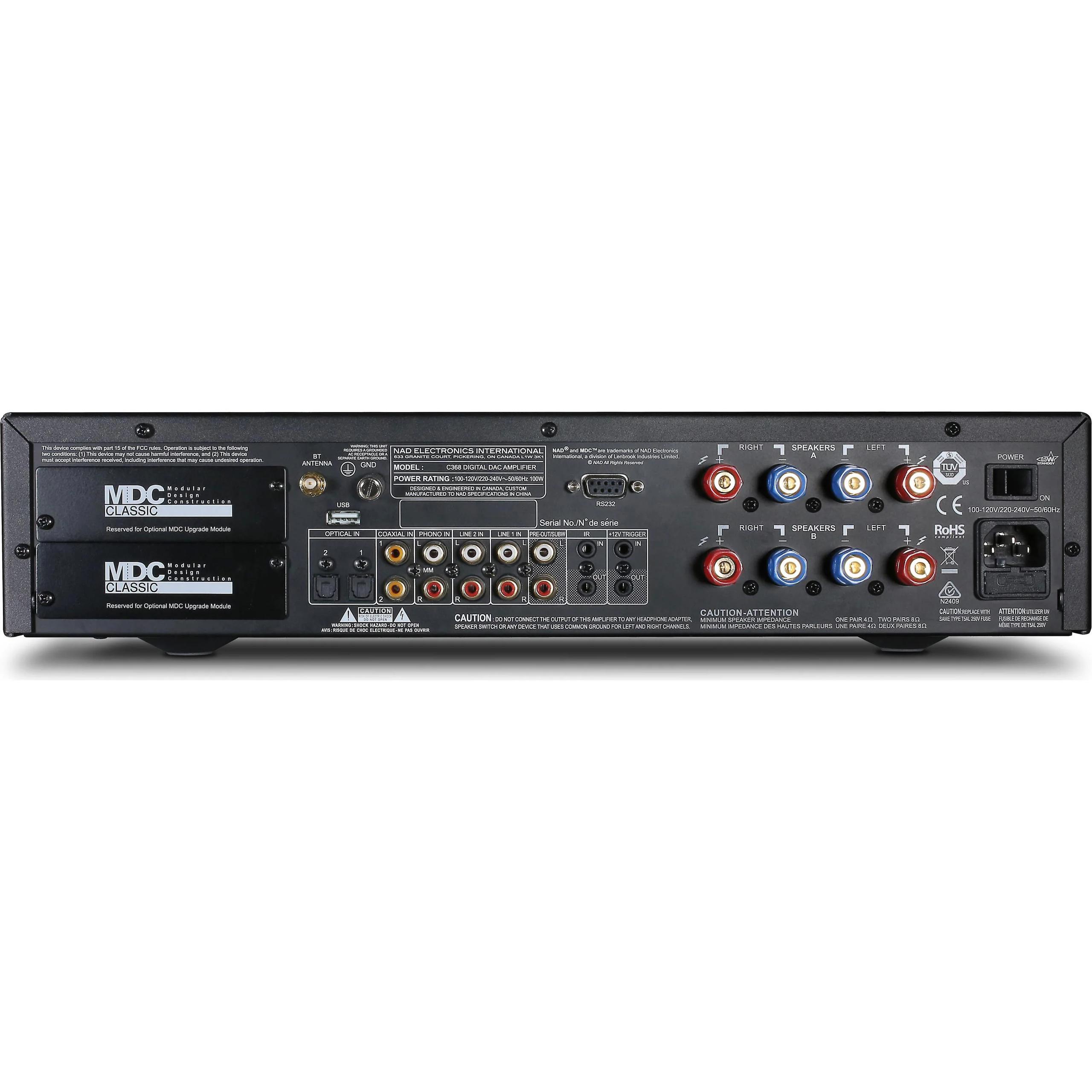
| 4 analog inputs, 4 digital inputs, USB-A, subwoofer output | 3 analog inputs, 4 digital inputs, configurable pre/sub output |
| Expandability - Future upgrade potential | |
| Limited - relies on software updates for new features | Two MDC slots for hardware modules - highly expandable design |
| User Interface - Daily operation experience | |
| OLED display, intuitive HEOS app control, voice assistant ready | LCD display, complex menus - some users find navigation difficult |
| Build Philosophy - Reflects long-term value approach | |
| Complete integrated solution - everything included at purchase | Modular audiophile approach - customize features as needed |
| Home Theater Suitability - Performance with movies and TV | |
| Adequate for smaller rooms, may lack dynamics at high volumes | Excellent power reserves handle demanding soundtracks and large rooms |
| Total Cost of Ownership - What you'll actually spend | |
| All features included - no additional purchases required | Base price plus modules - significantly more for equivalent streaming |
The NAD C 368 delivers significantly more power with 80 watts per channel into 8 ohms and 120 watts into 4 ohms, compared to the Denon PMA-900HNE's 50 watts into 8 ohms and 85 watts into 4 ohms. This 60% power advantage makes the NAD C 368 better suited for demanding speakers and larger rooms.
Yes, the Denon PMA-900HNE includes comprehensive streaming features out of the box, including HEOS platform, Wi-Fi, AirPlay 2, Bluetooth, and direct access to Spotify, Apple Music, and TIDAL. The NAD C 368 only includes Bluetooth and requires an optional BluOS module for full network streaming capabilities.
The NAD C 368 is better suited for home theater applications due to its superior power output and dynamic range. It can handle the demanding soundtracks of modern movies at higher volumes without strain, while the Denon PMA-900HNE may struggle with complex, high-volume passages in larger rooms.
Yes, both amplifiers include phono stages for turntables. The Denon PMA-900HNE supports both moving magnet (MM) and moving coil (MC) cartridges with excellent signal-to-noise ratios, while the NAD C 368 includes MM support with the option to add MC capability through modules.
The Denon PMA-900HNE offers better immediate value as it includes all streaming features at purchase. The NAD C 368 costs more initially and requires additional investment for equivalent streaming capabilities, but provides superior power and long-term expandability for serious audiophiles.
The Denon PMA-900HNE delivers a warm, musical sound signature that's smooth and engaging, particularly with jazz and vocal music. The NAD C 368 offers a more neutral, precise sound with exceptional control and dynamics, making it versatile across all music genres and better for critical listening.
The Denon PMA-900HNE works with Amazon Alexa and Google Assistant for voice control of music playback and volume. The NAD C 368 requires the optional BluOS module to gain voice assistant compatibility.
The NAD C 368 is significantly more expandable with its Modular Design Construction (MDC) featuring two upgrade slots for adding streaming, HDMI, or future technologies. The Denon PMA-900HNE has limited expandability but receives software updates for new streaming services.
The NAD C 368 is better equipped to drive difficult or inefficient speakers due to its higher power output and current delivery capabilities. The Denon PMA-900HNE works well with efficient speakers but may struggle with power-hungry models like planar magnetics or low-sensitivity floor-standers.
Yes, both amplifiers support high-resolution audio up to 192kHz/24-bit. The Denon PMA-900HNE is Hi-Res Audio certified and also supports DSD files, while the NAD C 368 uses a premium Texas Instruments DAC that's highly regarded for conversion quality.
The Denon PMA-900HNE is more user-friendly with its intuitive HEOS app, clear OLED display, and seamless streaming integration. The NAD C 368 has a more complex menu system that some users find difficult to navigate, though it offers more detailed control options.
The Denon PMA-900HNE provides 4 analog inputs, 4 digital inputs, USB-A port, and comprehensive wireless connectivity. The NAD C 368 offers 3 analog inputs, 4 digital inputs, and configurable preamp/subwoofer outputs, with the ability to add more connections through optional modules.
We've done our best to create useful and informative comparisons to help you decide what product to buy. Our research uses advanced automated methods to create this comparison and perfection is not possible - please contact us for corrections or questions. These are the sites we've researched in the creation of this article: crutchfield.com - e-catalog.com - theaudiotailor.com.au - extremehifi.com - whathifi.com - speakerdecision.com - youtube.com - audiosciencereview.com - sound-advice.online - crutchfield.com - crutchfield.com - sweetwater.com - watthifi.com - youtube.com - accessories4less.com - soundstageaccess.com - icav.us - safeandsoundhq.com - listenup.com - accessories4less.com - audiosciencereview.com - avnirvana.com - crutchfield.com - hometheaterhifi.com - hifiheaven.net - crutchfield.com - projectorscreen.com - theabsolutesound.com - dedicatedaudio.com - soundstagesimplifi.com - nadelectronics.com - musicdirect.com - crutchfield.com - safeandsoundhq.com

Privacy Policy
Terms and Conditions - Affiliate Policy
Home Security
© Copyright 2008-2026.
11816 Inwood Rd #1211, Dallas, TX 75244