


The integrated amplifier world has split into two camps, and choosing between them says a lot about how you listen to music. On one side, you have streaming amplifiers like the Eversolo Play that treat digital connectivity as the main event. On the other, traditional integrated amplifiers like the NAD C 368 stick to proven amplification principles while offering digital features as optional add-ons.
This isn't just about old versus new – it's about two fundamentally different approaches to building your stereo system. Understanding which philosophy matches your listening habits will save you from buyer's remorse and help you build a system you'll actually enjoy using.
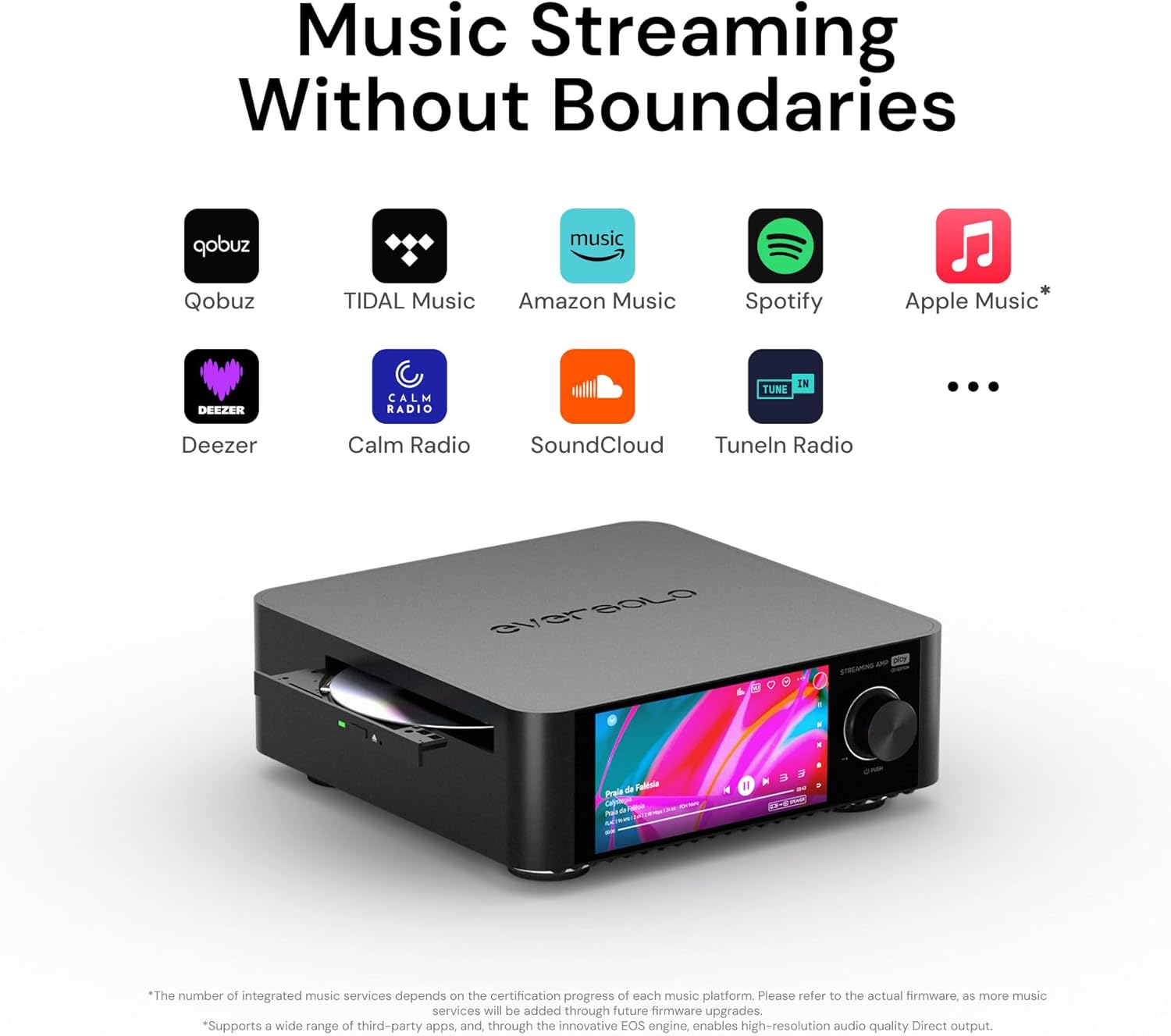
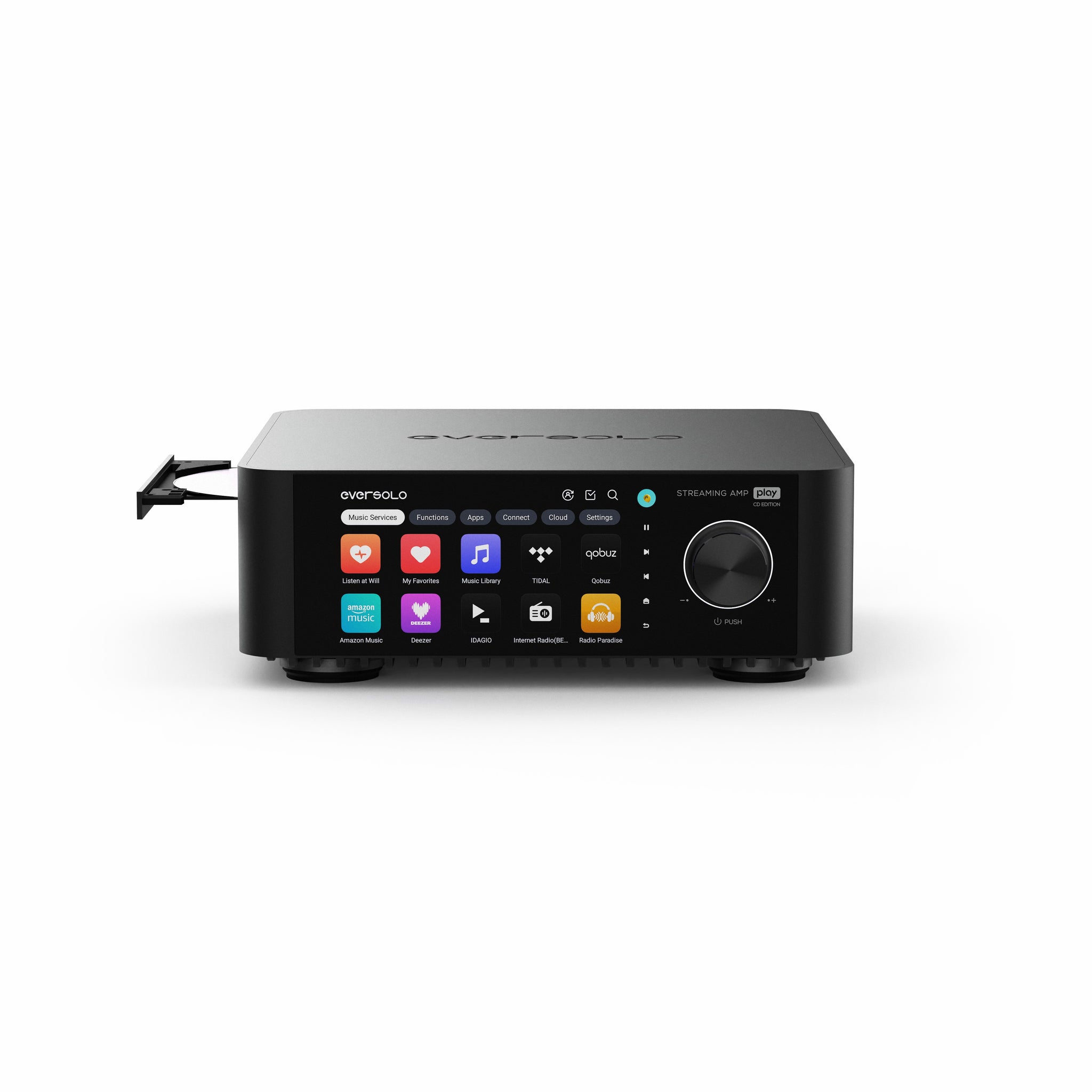
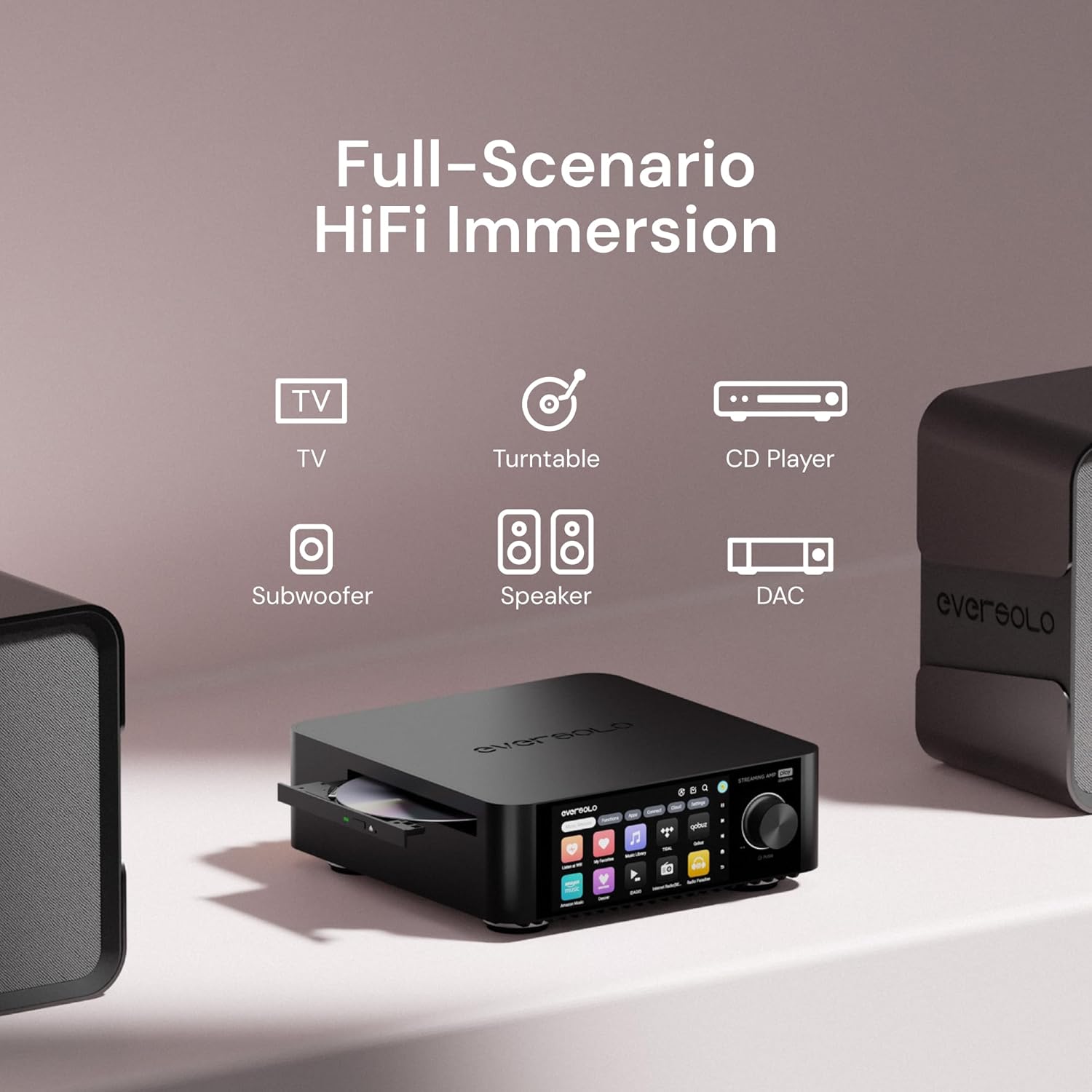
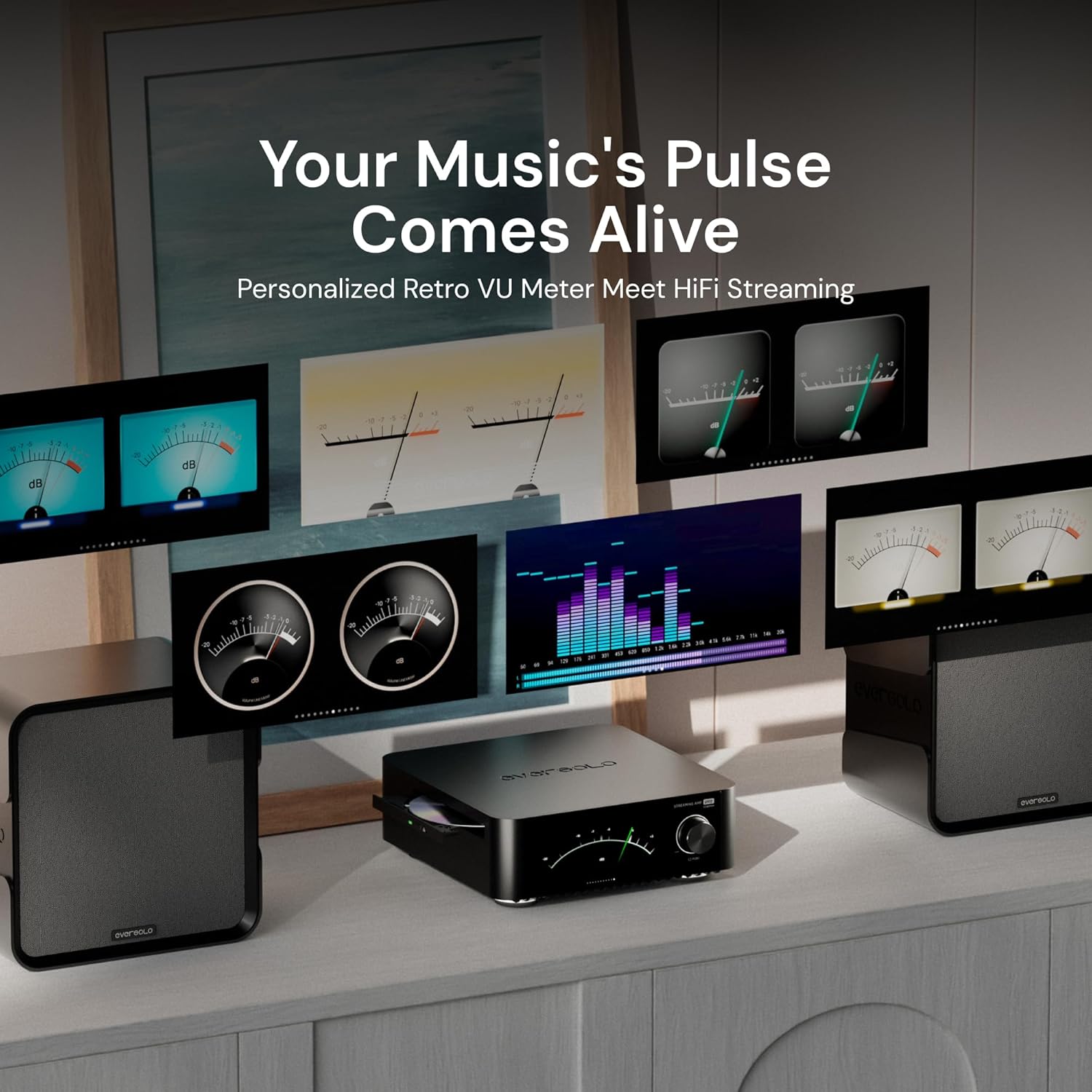
The Eversolo Play represents the streaming-first approach. Released in 2025, it's designed for people who primarily stream music from services like TIDAL, Spotify, and Qobuz. Everything else – CD players, turntables, TV audio – gets treated as secondary sources that plug into what's essentially a very capable streaming device with built-in amplification.
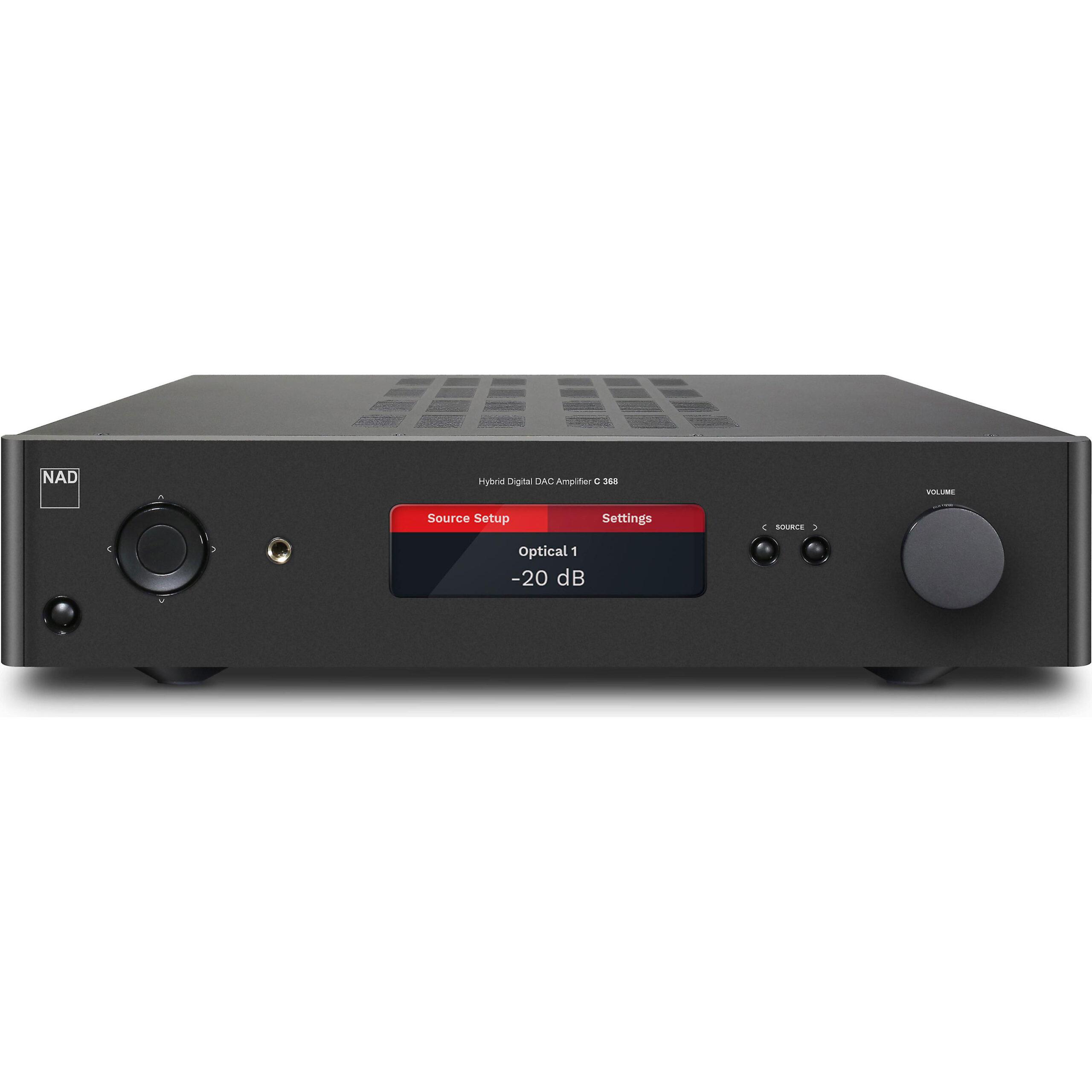
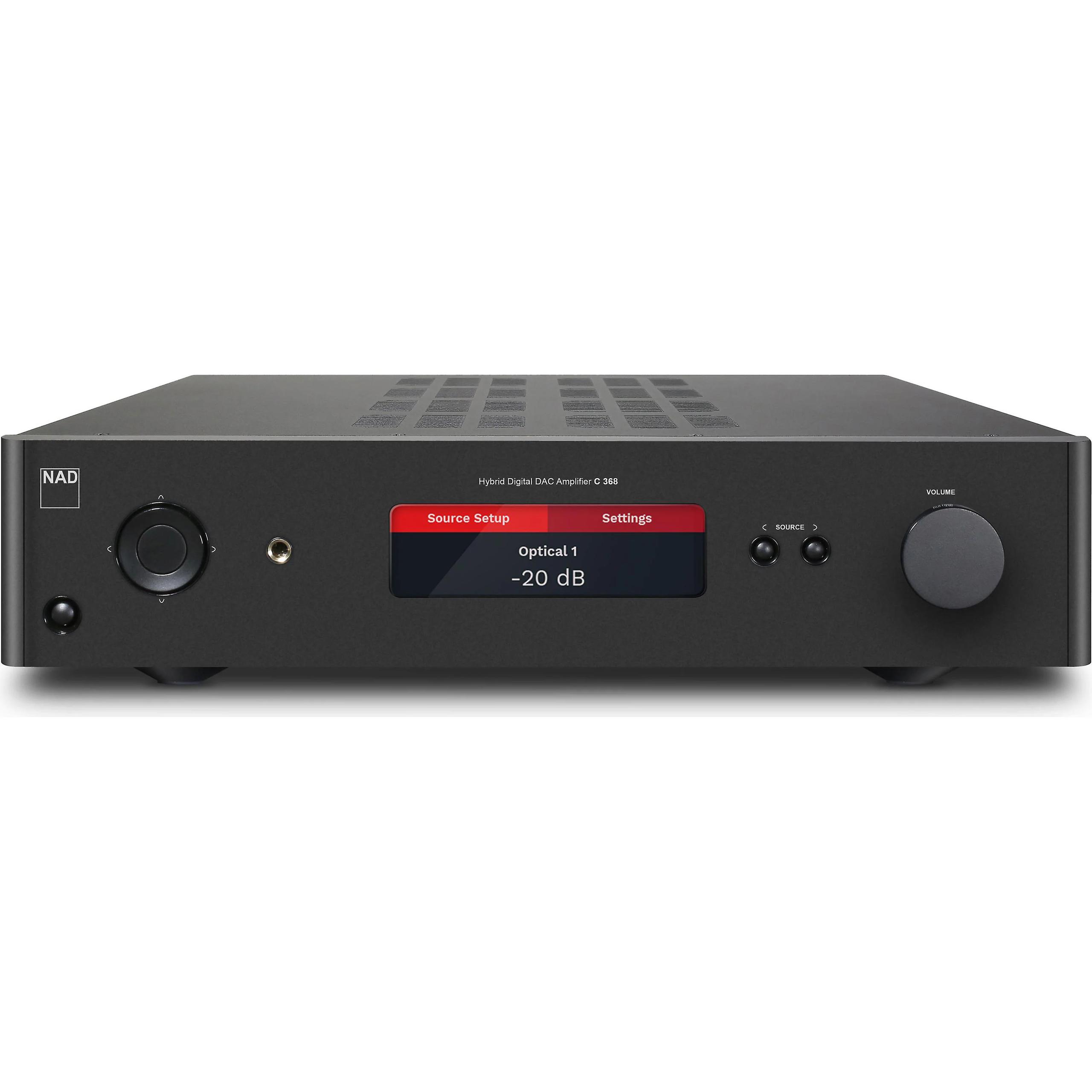
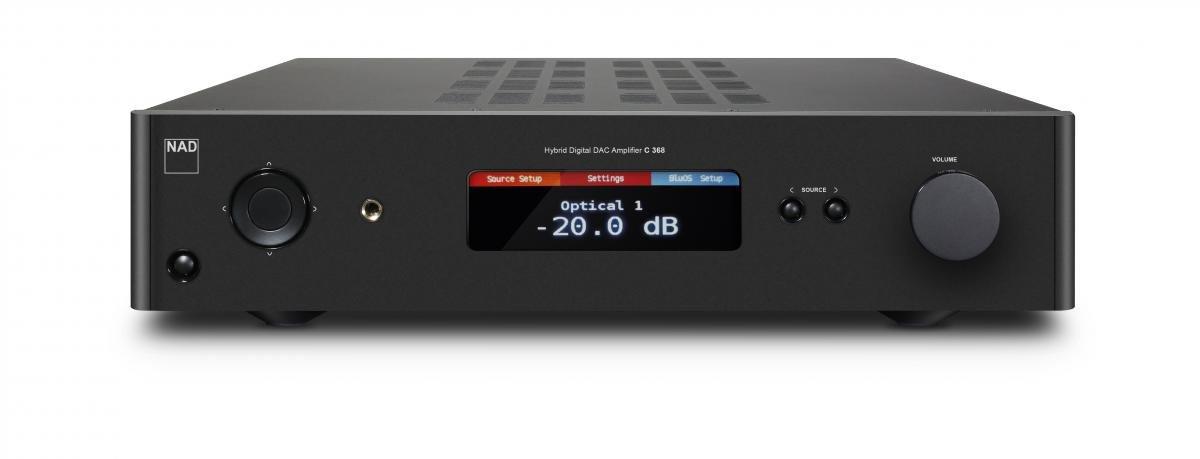
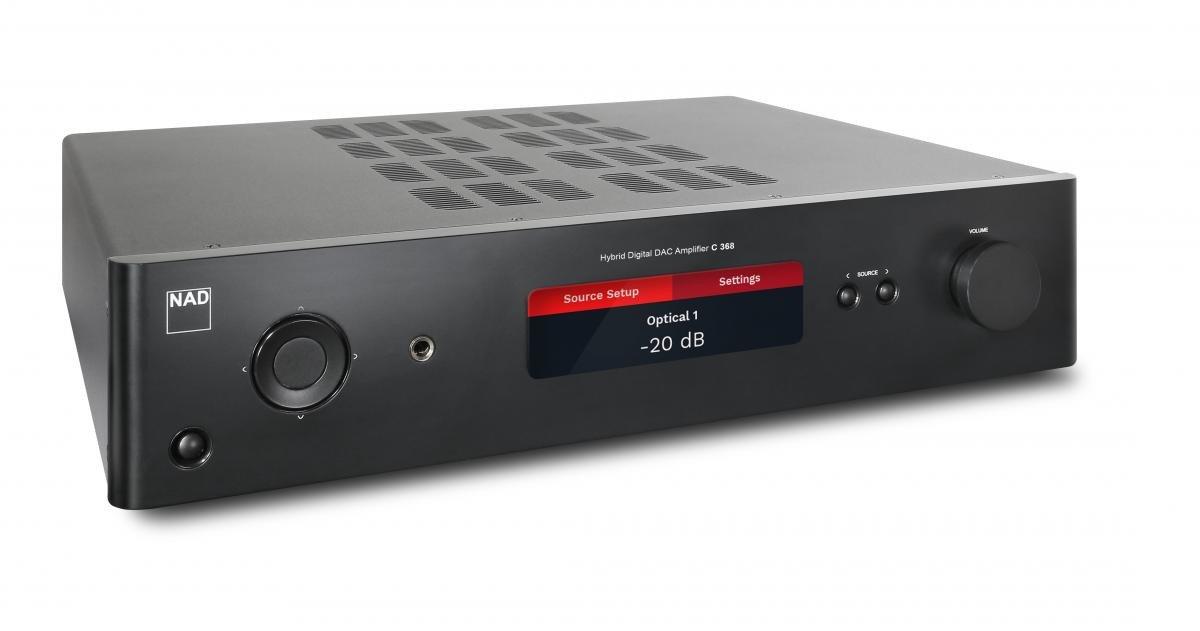
The NAD C 368, released several years earlier, follows the amplifier-first philosophy. It's fundamentally a traditional integrated amplifier (a device that combines a preamplifier and power amplifier in one box) that happens to have excellent digital capabilities. You can add streaming later through optional modules, but the core focus remains on pure amplification performance.
Both approaches have merit, but they serve different types of listeners. The streaming-first camp prioritizes convenience, modern features, and immediate gratification. The amplifier-first crowd values long-term flexibility, proven reliability, and the ability to evolve their system over time.
Here's where things get really interesting. The Eversolo Play absolutely dominates on paper specifications, and those specs translate into real-world advantages for digital music lovers.
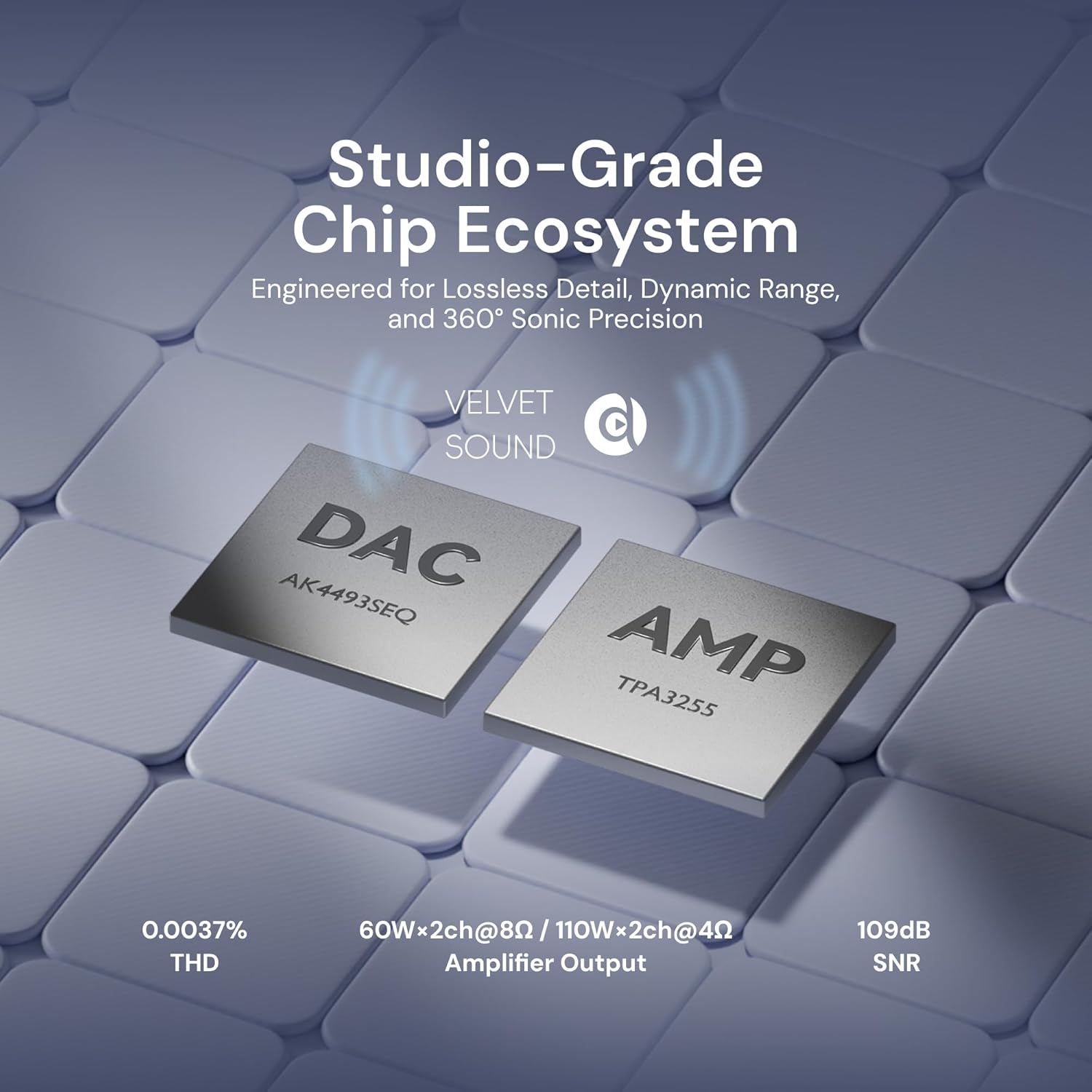
The Eversolo uses an AKM AK4493SEQ DAC (digital-to-analog converter – the chip that turns digital files into analog music signals). This DAC can handle native DSD512 files and PCM audio up to 32-bit/768kHz. To put that in perspective, most CDs are 16-bit/44.1kHz, and even high-resolution downloads rarely exceed 24-bit/192kHz. The Eversolo can handle audio files with resolution that barely exists in the real world – it's genuinely future-proof.
More importantly for everyday listening, the Eversolo achieves measured total harmonic distortion (unwanted frequencies added during processing) of just 0.0037% and a signal-to-noise ratio (the difference between the music and background noise) of 109dB. These aren't just impressive numbers – they translate into a blacker background, better low-level detail, and more natural sound reproduction.
The NAD C 368 uses a capable but less ambitious approach. Its built-in DAC tops out at 24-bit/192kHz, which handles all commercially available music formats but lacks the Eversolo's future-proofing. The measured specs – 0.03% THD and 98dB signal-to-noise ratio – are perfectly respectable but clearly outclassed by the newer design.
However, measurements don't tell the whole story. NAD has years of experience optimizing their digital processing, and the C 368 benefits from sophisticated analog output stages and power supply design that can make measured specifications less relevant in real listening. Many reviewers note that NAD's implementation sounds more refined and musical than the raw specifications might suggest.
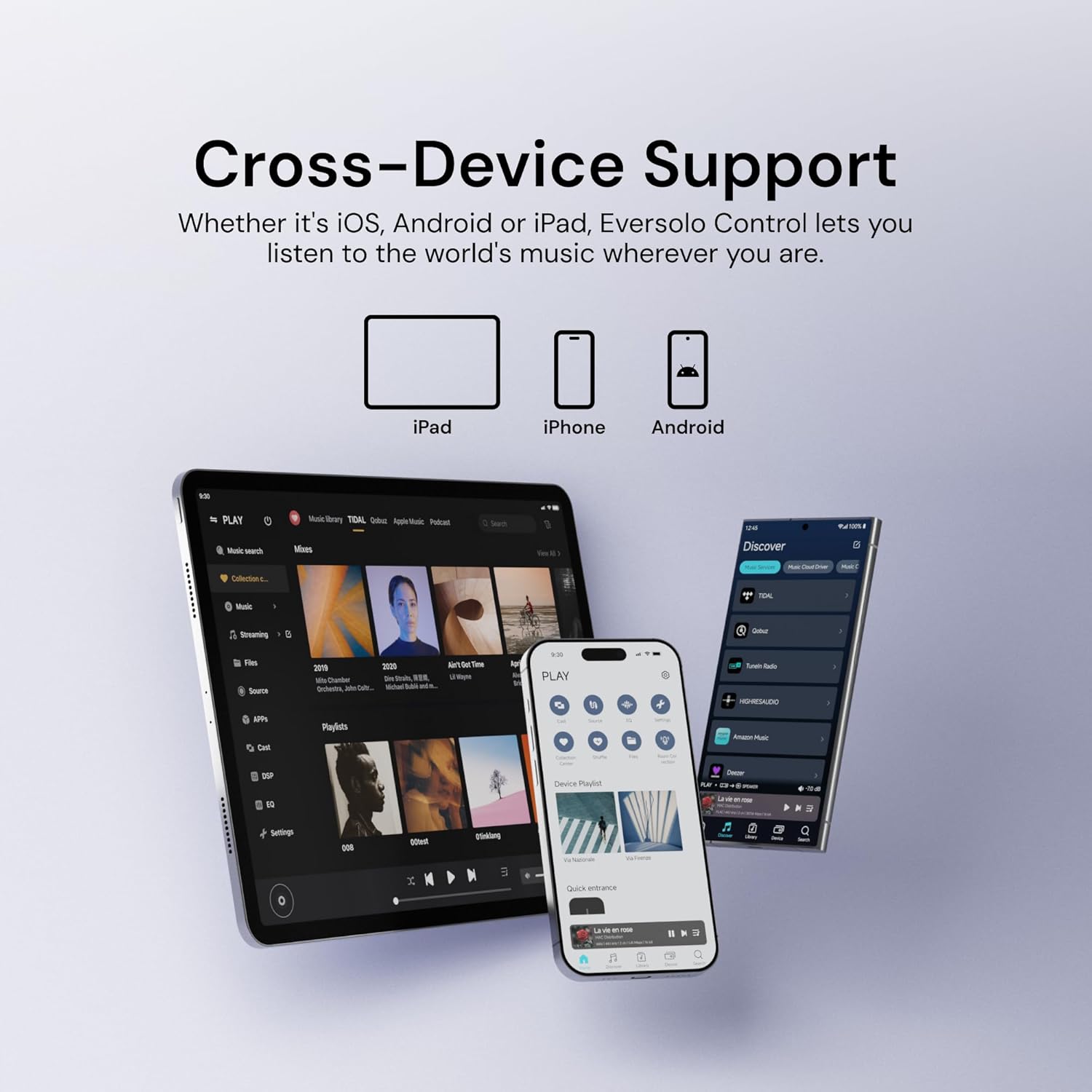
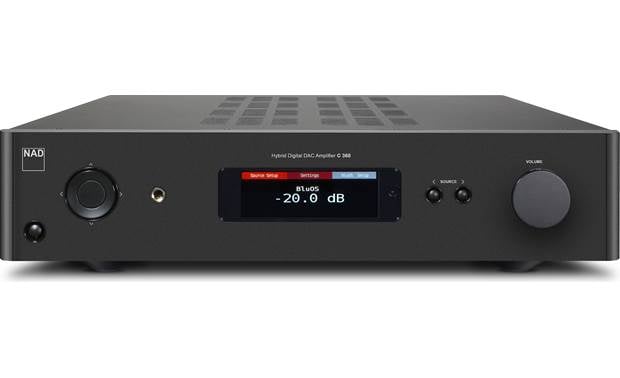
For streaming services, the Eversolo Play offers native integration with all major platforms. This means when you play a TIDAL Master or Qobuz Hi-Res file, the signal stays bit-perfect (unchanged) from the service's servers to your speakers. The NAD C 368 requires an optional BluOS module (an add-on streaming board) to achieve similar functionality, which increases the total investment but provides access to NAD's mature multi-room ecosystem.
Both amplifiers use Class D technology, but they implement it very differently. Class D amplifiers switch on and off rapidly to recreate the music signal, offering high efficiency and lower heat generation compared to traditional Class AB designs. However, the implementation details matter enormously.
The Eversolo Play delivers 60 watts into 8-ohm speakers and 110 watts into 4-ohm speakers. This doubling behavior is exactly what you want to see – it indicates the amplifier can maintain consistent voltage as speaker impedance drops, which is crucial for speakers with complex impedance curves. The power supply prioritizes efficiency and compact size, making it ideal for desktop systems or space-constrained setups.
The NAD C 368 takes a different approach with 80 watts into both 8-ohm and 4-ohm loads. This suggests current limiting rather than voltage limiting, which isn't necessarily bad – it indicates the amplifier will remain stable into difficult loads rather than shutting down. More importantly, NAD's power supply can deliver 200 watts continuously and over 600 watts instantaneously for musical transients (sudden loud passages). This massive headroom means the amplifier never strains during orchestral crescendos or electronic music drops.
In practical terms, the Eversolo Play will drive most bookshelf speakers and moderate floorstanding models without breaking a sweat. Its compact size makes it perfect for near-field listening or smaller rooms. The NAD C 368 can handle more demanding speakers, including power-hungry planar magnetic designs or low-efficiency speakers that need serious current delivery.
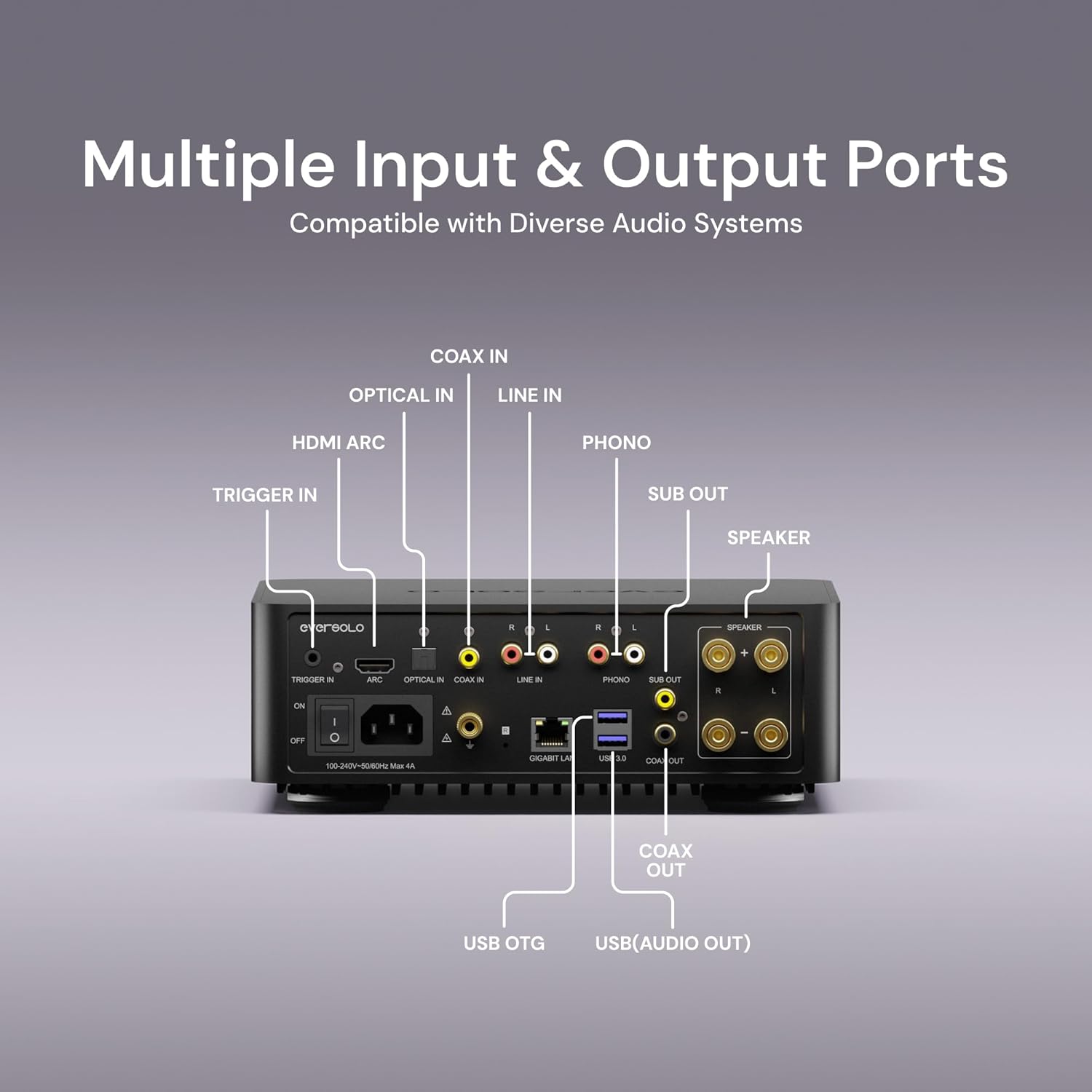
For home theater integration, both amplifiers offer advantages. The Eversolo Play includes HDMI ARC connectivity, allowing it to receive audio directly from your TV without additional cables or setup complexity. This makes it excellent for two-channel music listening that occasionally handles TV audio. The NAD C 368 can add HDMI capability through optional modules, providing more flexibility but requiring additional investment.
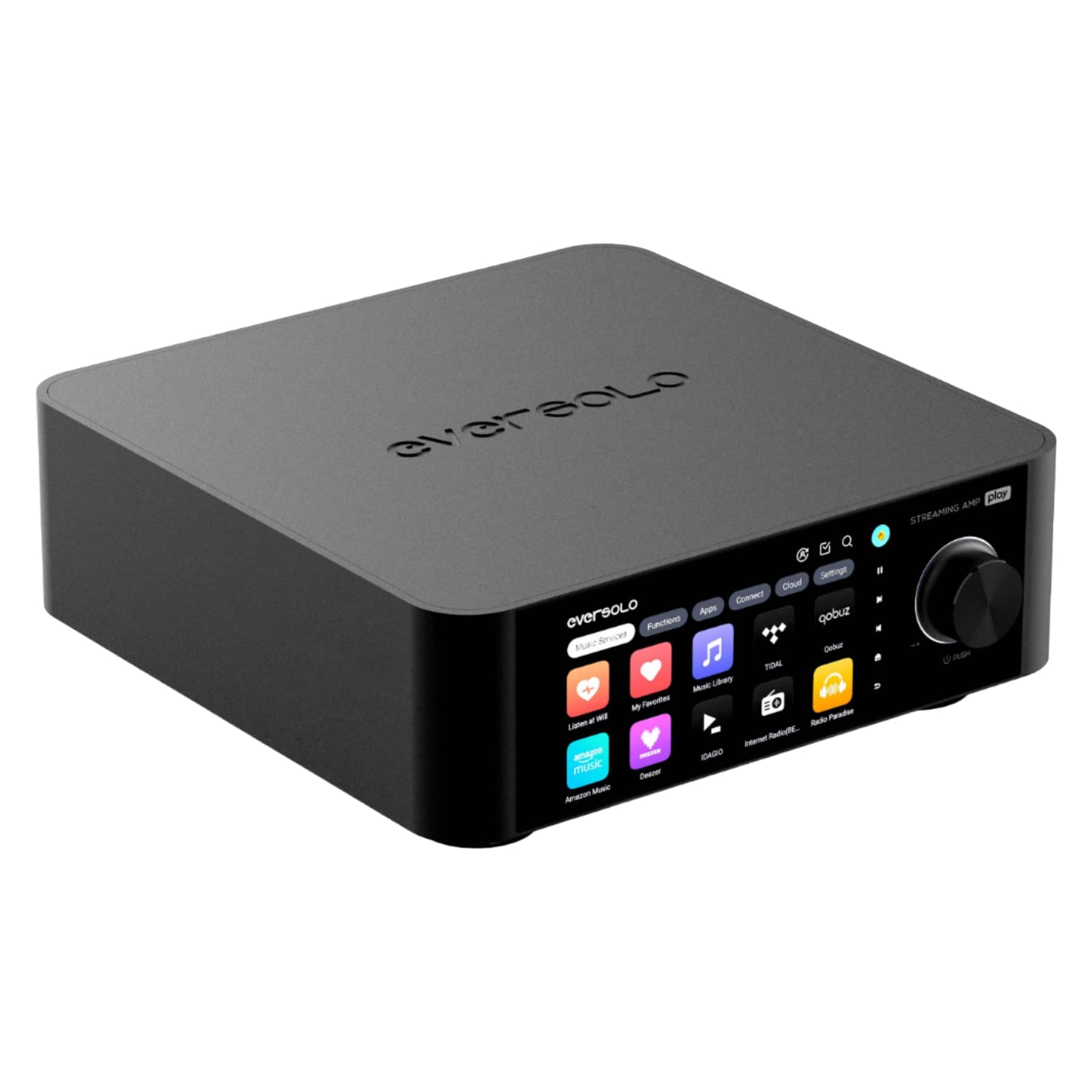
This is where the philosophical differences become most apparent. The Eversolo Play arrives with everything built-in: streaming services, high-resolution DAC, multiple digital and analog inputs, and even MM/MC phono inputs for both moving magnet and moving coil turntable cartridges. The 5.5-inch touchscreen provides direct control without needing your phone or tablet – you can browse music, adjust settings, and control playback just like using a smartphone.
The analog connectivity deserves special mention. Many streaming amplifiers skip phono inputs entirely or offer only basic moving magnet support. The Eversolo Play includes a proper phono preamp that handles both MM and MC cartridges, meaning it works with everything from entry-level turntables to high-end models with exotic cartridges. This makes it genuinely capable of bridging the analog and digital worlds in one compact package.
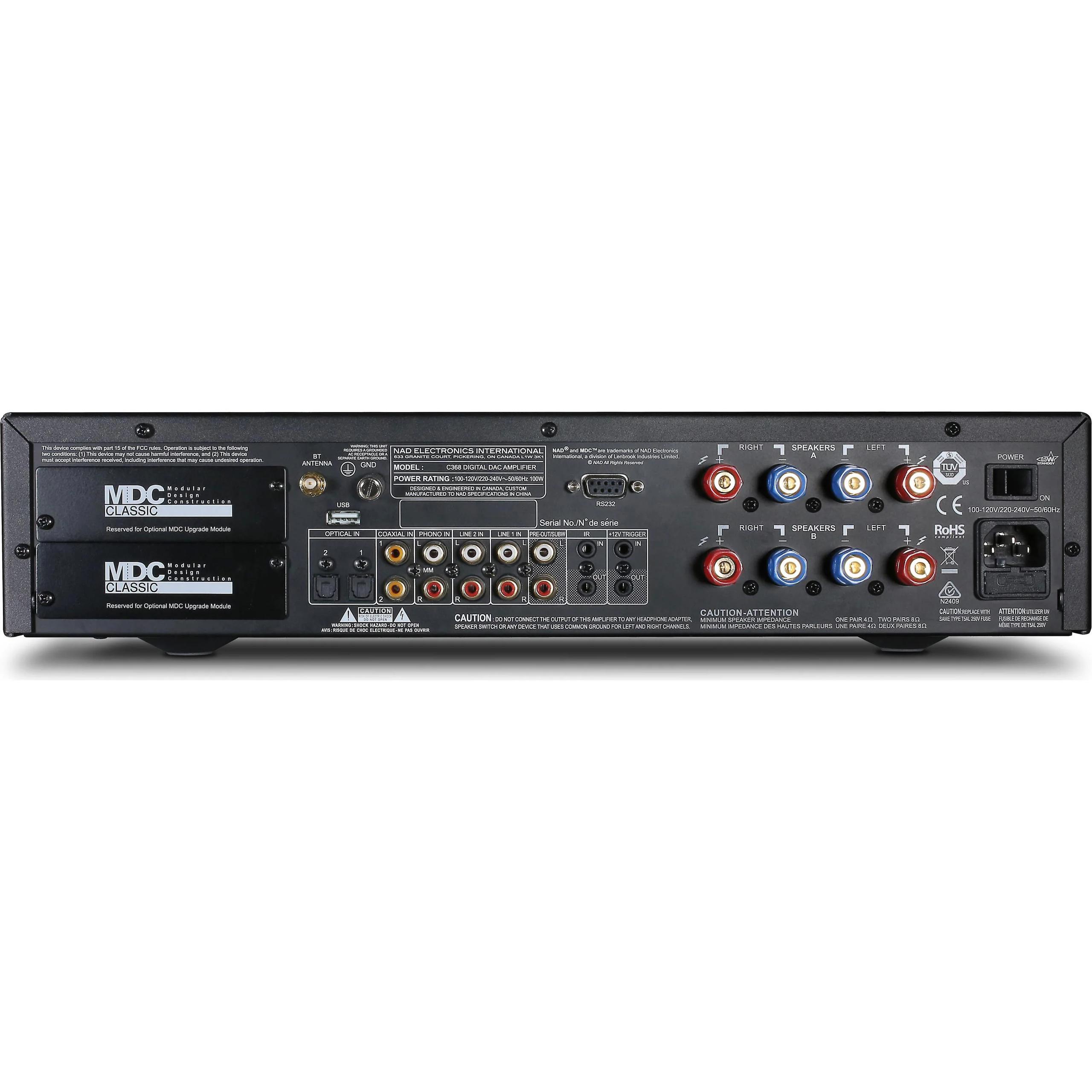
The NAD C 368 follows a modular approach through its MDC (Modular Design Construction) slots. These are physical spaces inside the amplifier where you can install upgrade cards as your needs change or technology evolves. Want streaming? Add the BluOS module. Need HDMI connectivity? Install the HDMI module. This approach spreads costs over time and ensures the amplifier can adapt to future standards.
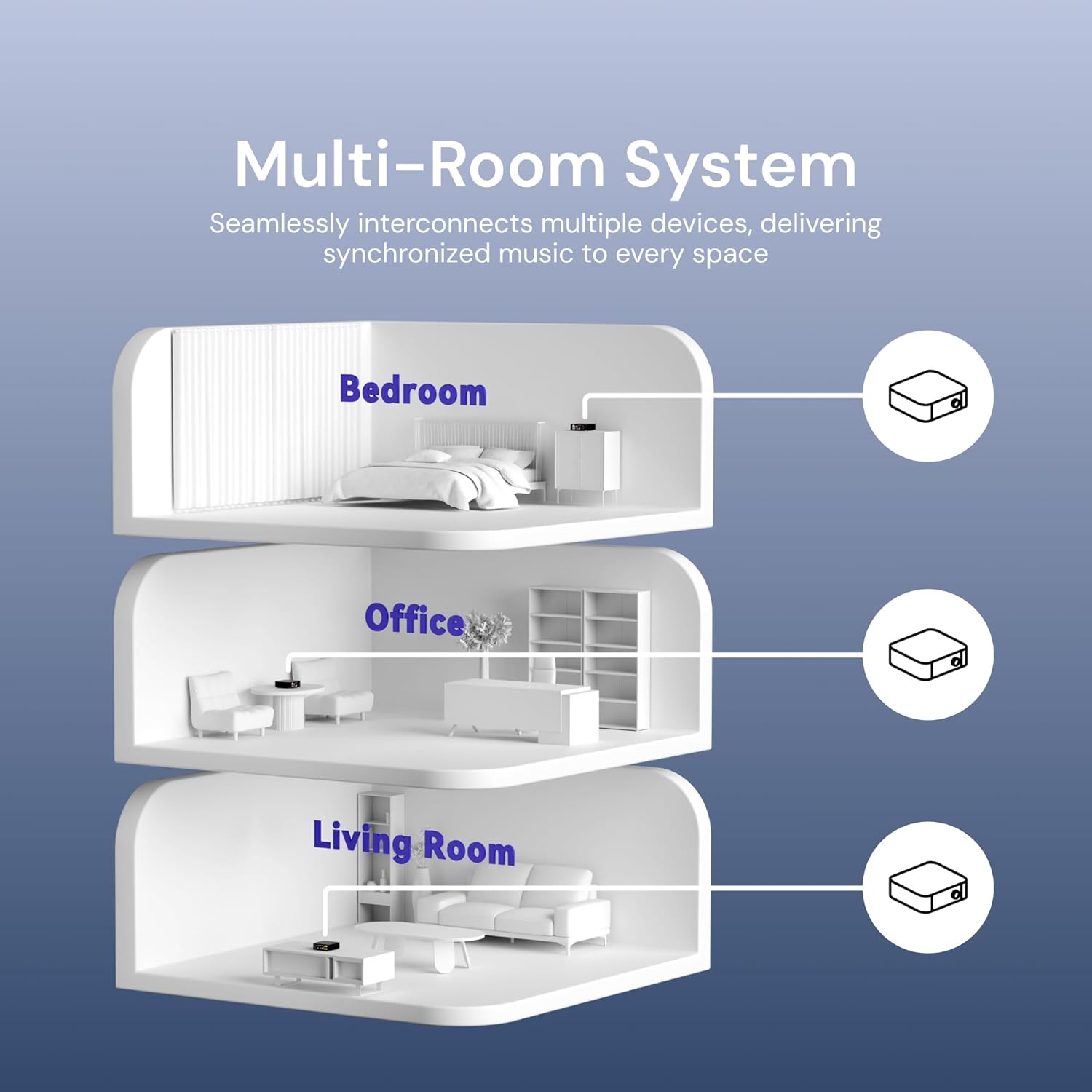
The BluOS ecosystem, in particular, offers sophisticated multi-room capabilities that the Eversolo Play can't match. You can synchronize multiple BluOS devices throughout your home, control everything through a single app, and access features like room correction and advanced EQ. It's a mature platform with regular software updates and broad device compatibility.
However, modularity comes at a cost. At the time of writing, the base NAD C 368 costs significantly more than the Eversolo Play, and adding the BluOS module pushes the total investment substantially higher. You're paying for future flexibility rather than immediate functionality.
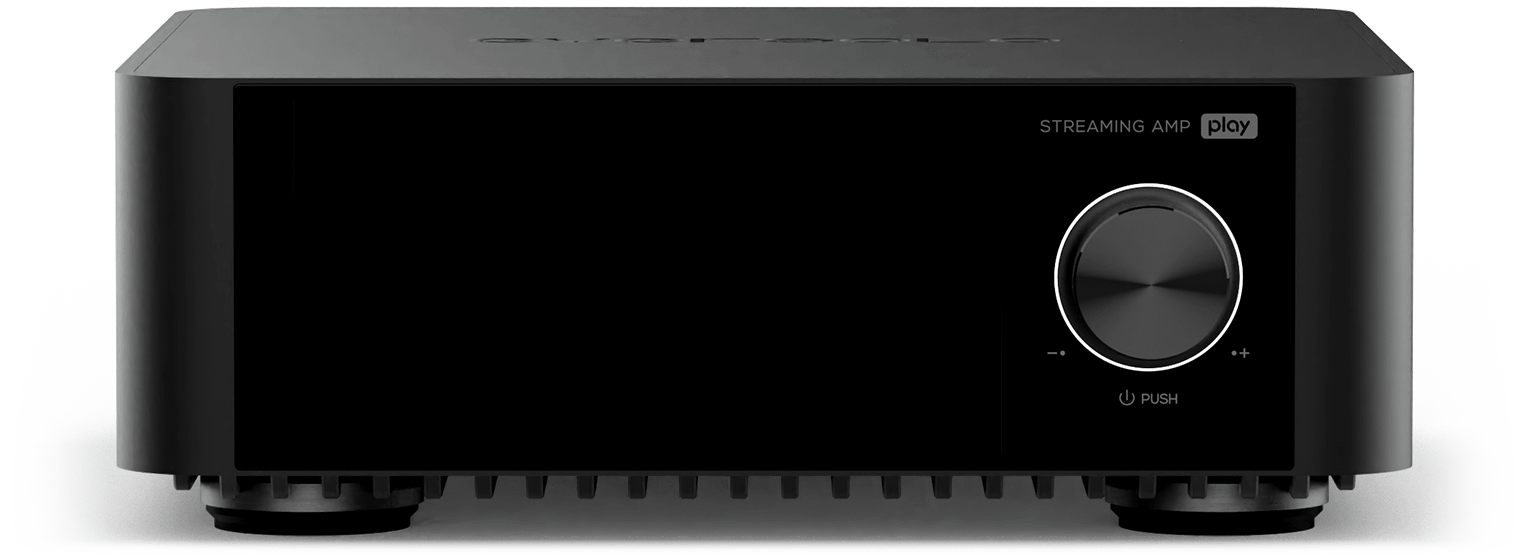
The Eversolo Play represents cutting-edge engineering packed into a remarkably compact chassis. The build quality feels solid, with an aluminum construction and thoughtful internal layout that manages heat efficiently despite the small footprint. However, it's essentially a 2025 product with limited long-term reliability data. The shorter warranty period reflects this newer status.
The NAD C 368 benefits from years of refinement and real-world testing. NAD's reputation for reliability isn't accidental – they've been building amplifiers for decades and understand the importance of robust power supplies, proper thermal management, and component selection. The larger chassis allows for better heat dissipation and more substantial internal components.
From a support perspective, the NAD C 368 offers advantages. NAD has an established dealer network, longer warranty coverage, and a track record of supporting products for many years. The Eversolo Play comes from a newer company that's still building its support infrastructure, though early signs are promising.
Based on extensive research into professional and user reviews, both amplifiers deliver excellent sound quality but with different strengths. The Eversolo Play impresses with its clean, detailed presentation and exceptional quietness. The high-quality DAC and efficient amplification create a sound that's precise and engaging without being harsh or fatiguing. It particularly excels with well-recorded jazz, acoustic music, and vocals where its low-noise floor allows subtle details to emerge.
The NAD C 368 offers a more traditionally "audiophile" presentation with slightly more body and warmth. The larger power supply provides effortless dynamics, making it particularly compelling with orchestral music, rock, and any genre that benefits from powerful bass and unrestricted dynamics. The sound has more weight and authority, especially in larger rooms or with demanding speakers.
Neither amplifier exhibits the harshness or sterility sometimes associated with budget Class D designs. Both represent mature implementations of switching amplifier technology with careful attention to output filtering and power supply design.
For home theater integration, the Eversolo Play offers more immediate utility. The HDMI ARC input means you can connect it directly to your TV and use it for both music and movie audio. This creates a simple two-channel setup that handles both needs without additional components or complicated switching.
The NAD C 368 can achieve similar functionality through optional modules, but this requires additional investment and setup complexity. However, if you're building a more sophisticated home theater system, the NAD's modular approach might offer better long-term flexibility.
Both amplifiers work well in systems where two-channel music listening is the priority, with occasional movie or TV audio as a secondary consideration. Neither is designed to compete with dedicated home theater receivers, but both can anchor excellent music-focused systems that occasionally handle video sources.
The Eversolo Play makes the most sense for listeners who primarily stream music and want everything to work immediately without additional purchases. It's perfect for desktop systems, small to medium rooms, and anyone who values modern convenience over ultimate flexibility. The superior digital specifications make it genuinely future-proof for high-resolution audio, and the comprehensive analog connectivity handles turntables without compromise.
Choose the Eversolo Play if you stream 80% or more of your music, have limited space, want the latest digital specifications, or simply prefer systems that work perfectly out of the box. It's also the better choice for budget-conscious buyers who want maximum functionality for their investment.
The NAD C 368 appeals to more traditional audiophiles who value proven engineering, long-term flexibility, and the ability to evolve their systems over time. The modular design means you can start with just the amplifier and add capabilities as your needs or budget allow. The more substantial build and proven reliability make it a better choice for long-term ownership.
Choose the NAD C 368 if you have demanding speakers, prefer to upgrade incrementally, value established brand support, or want maximum flexibility for future system evolution. It's also the better choice for larger rooms or if you frequently listen at high volumes where the superior power supply will shine.
Both amplifiers represent excellent value in their respective approaches. The Eversolo Play maximizes features and specifications for the investment, while the NAD C 368 prioritizes long-term flexibility and proven reliability. Your choice should align with your listening habits, space constraints, and philosophy about system building.
The streaming revolution has created these two viable paths to high-quality audio. Neither approach is inherently superior – they serve different needs and preferences. Understanding which philosophy matches your priorities will lead you to the right choice and years of listening satisfaction.
| Eversolo Play Streaming Amplifier | NAD C 368 Integrated Amplifier |
|---|---|
| Power Output - Determines which speakers you can drive effectively | |
| 60W @ 8Ω, 110W @ 4Ω (proper impedance doubling shows good voltage regulation) | 80W @ both 8Ω and 4Ω (current-limited but stable into difficult loads) |
| DAC Resolution - Higher numbers mean better future-proofing for hi-res audio | |
| 32-bit/768kHz, DSD512 native (handles any current or future audio format) | 24-bit/192kHz (handles all commercial formats but less future-proof) |
| Measured Audio Performance - Lower distortion and higher SNR mean cleaner sound | |
| 0.0037% THD, 109dB SNR (exceptional specifications for the price range) | 0.03% THD, 98dB SNR (good performance, though measurably behind) |
| Built-in Streaming Services - Affects whether you need additional devices | |
| Native TIDAL, Qobuz, Amazon Music, Spotify, Roon Ready (no additional purchases needed) | Bluetooth only (requires $399 BluOS module for comparable streaming) |
| Physical Size - Important for desktop setups and smaller rooms | |
| 9" x 9" x 3", 5.7 lbs (compact desktop-friendly design) | 17" x 4" x 16", 17.2 lbs (traditional component size with better heat dissipation) |
| User Interface - How you control the device daily | |
| 5.5" touchscreen with direct control (no phone/tablet required) | Physical controls + remote (requires app with BluOS module) |
| Phono Input Flexibility - Determines turntable compatibility | |
| MM/MC support (works with any cartridge type from budget to high-end) | MM only (limits turntable cartridge options) |
| Expandability - How the device adapts to future needs | |
| Fixed configuration (what you buy is what you get) | 2 MDC slots for modules (add streaming, HDMI, or future technologies) |
| TV Integration - Simplifies home theater setup | |
| HDMI ARC built-in (direct TV connection for audio) | Optional HDMI module available (requires additional purchase) |
| Power Supply Reserves - Affects dynamic performance with demanding music | |
| Compact switch-mode design (efficient but limited peak power) | 200W continuous, 600W peak reserves (exceptional headroom for transients) |
| Product Maturity - Affects reliability confidence and support | |
| New 2025 product with 1-year warranty (cutting-edge but unproven long-term) | Established design with 2-year warranty and dealer network (proven reliability) |
| Value Proposition - What you get for your investment | |
| Complete streaming solution out-of-box (maximum immediate functionality) | Base amplifier with upgrade path (pay-as-you-go modularity) |
The Eversolo Play Streaming Amplifier is specifically designed for streaming with built-in support for TIDAL, Qobuz, Amazon Music, Spotify, and Roon Ready capability. It works immediately without additional purchases. The NAD C 368 Integrated Amplifier requires an optional BluOS module to achieve similar streaming functionality, but once added, it offers sophisticated multi-room capabilities that the Eversolo Play cannot match.
The Eversolo Play Streaming Amplifier delivers 60W into 8-ohm speakers and 110W into 4-ohm speakers, showing proper impedance doubling. The NAD C 368 Integrated Amplifier provides 80W into both 8-ohm and 4-ohm loads with substantial power supply reserves (200W continuous, 600W peak). The NAD C 368 handles more demanding speakers better due to its robust power supply design.
Both amplifiers deliver excellent sound quality but with different strengths. The Eversolo Play Streaming Amplifier offers superior measured specifications (0.0037% THD, 109dB SNR) and exceptionally clean, detailed sound. The NAD C 368 Integrated Amplifier provides more traditional audiophile warmth and authority, especially with dynamic music, thanks to its substantial power supply and proven engineering.
Yes, but the Eversolo Play Streaming Amplifier offers more flexibility with both MM (moving magnet) and MC (moving coil) phono inputs, supporting any turntable cartridge type. The NAD C 368 Integrated Amplifier includes only MM phono input, limiting your cartridge choices to moving magnet types unless you add an external phono preamp.
The Eversolo Play Streaming Amplifier is ideal for small spaces at just 9" x 9" x 3" and weighing 5.7 pounds. It's perfect for desktop setups or compact listening rooms. The NAD C 368 Integrated Amplifier requires more space at 17" x 4" x 16" and 17.2 pounds, but the larger size allows better heat dissipation and more substantial internal components.
The Eversolo Play Streaming Amplifier includes built-in HDMI ARC connectivity, making it easy to connect directly to your TV for both music and movie audio. The NAD C 368 Integrated Amplifier can add HDMI capability through an optional module. Both work well for music-focused systems that occasionally handle TV audio, but neither replaces a dedicated home theater receiver.
The Eversolo Play Streaming Amplifier provides exceptional out-of-the-box value with complete streaming functionality, high-resolution DAC, and comprehensive connectivity included. The NAD C 368 Integrated Amplifier offers better long-term value through its modular design, allowing you to add capabilities over time and adapt to future technologies.
The Eversolo Play Streaming Amplifier excels with its AKM AK4493SEQ DAC supporting up to 32-bit/768kHz and native DSD512, making it genuinely future-proof for high-resolution audio. The NAD C 368 Integrated Amplifier handles all current commercial formats up to 24-bit/192kHz, which is perfectly adequate but less future-proof than the Eversolo Play.
The NAD C 368 Integrated Amplifier features two MDC (Modular Design Construction) slots for adding capabilities like streaming, HDMI, or future technologies as they become available. The Eversolo Play Streaming Amplifier has a fixed configuration – what you buy is what you get, though it includes everything most users need from day one.
The NAD C 368 Integrated Amplifier has an established track record with years of real-world testing, longer warranty coverage, and extensive dealer support network. The Eversolo Play Streaming Amplifier represents newer technology with impressive specifications but limited long-term reliability data as a 2025 product release.
The Eversolo Play Streaming Amplifier features a 5.5-inch touchscreen for direct control without needing external devices, making it feel like a large smartphone for audio. The NAD C 368 Integrated Amplifier uses traditional physical controls and remote, with app control available when the BluOS module is added. The Eversolo Play offers more immediate, intuitive operation.
Choose the Eversolo Play Streaming Amplifier if you primarily stream music, have limited space, want everything to work immediately, and prefer modern convenience. Choose the NAD C 368 Integrated Amplifier if you have larger speakers, prefer proven reliability, want to upgrade gradually over time, or value traditional audiophile engineering over cutting-edge features.
We've done our best to create useful and informative comparisons to help you decide what product to buy. Our research uses advanced automated methods to create this comparison and perfection is not possible - please contact us for corrections or questions. These are the sites we've researched in the creation of this article: blog.son-video.com - audio46.com - upscaleaudio.com - audioadvice.com - musicdirect.com - audio46.com - whathifi.com - whathifi.com - bloomaudio.com - youtube.com - the-ear.net - whathifi.com - soundstagesimplifi.com - youtube.com - stevehuffphoto.com - darko.audio - youtube.com - eversolo.com - avnirvana.com - crutchfield.com - hometheaterhifi.com - hifiheaven.net - crutchfield.com - projectorscreen.com - theabsolutesound.com - dedicatedaudio.com - soundstagesimplifi.com - nadelectronics.com - musicdirect.com - crutchfield.com - safeandsoundhq.com

Privacy Policy
Terms and Conditions - Affiliate Policy
Home Security
© Copyright 2008-2026.
11816 Inwood Rd #1211, Dallas, TX 75244