


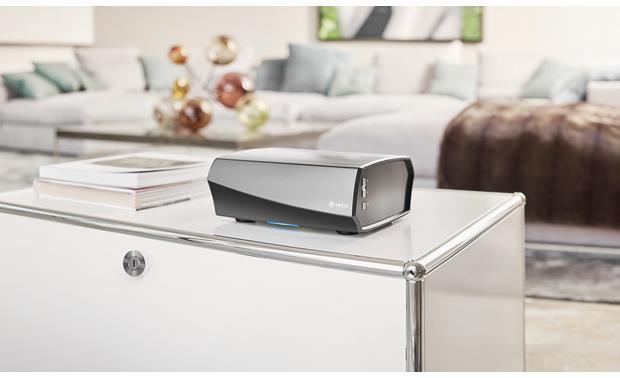
If you've got a pair of great bookshelf speakers sitting silent in your living room, or you're tired of the mediocre sound from your TV, a wireless stereo amplifier might be exactly what you need. These clever devices take traditional passive speakers—the kind that need external power to work—and transform them into smart, connected audio systems that can stream music from your phone, integrate with your smart home, and even create whole-house audio systems.
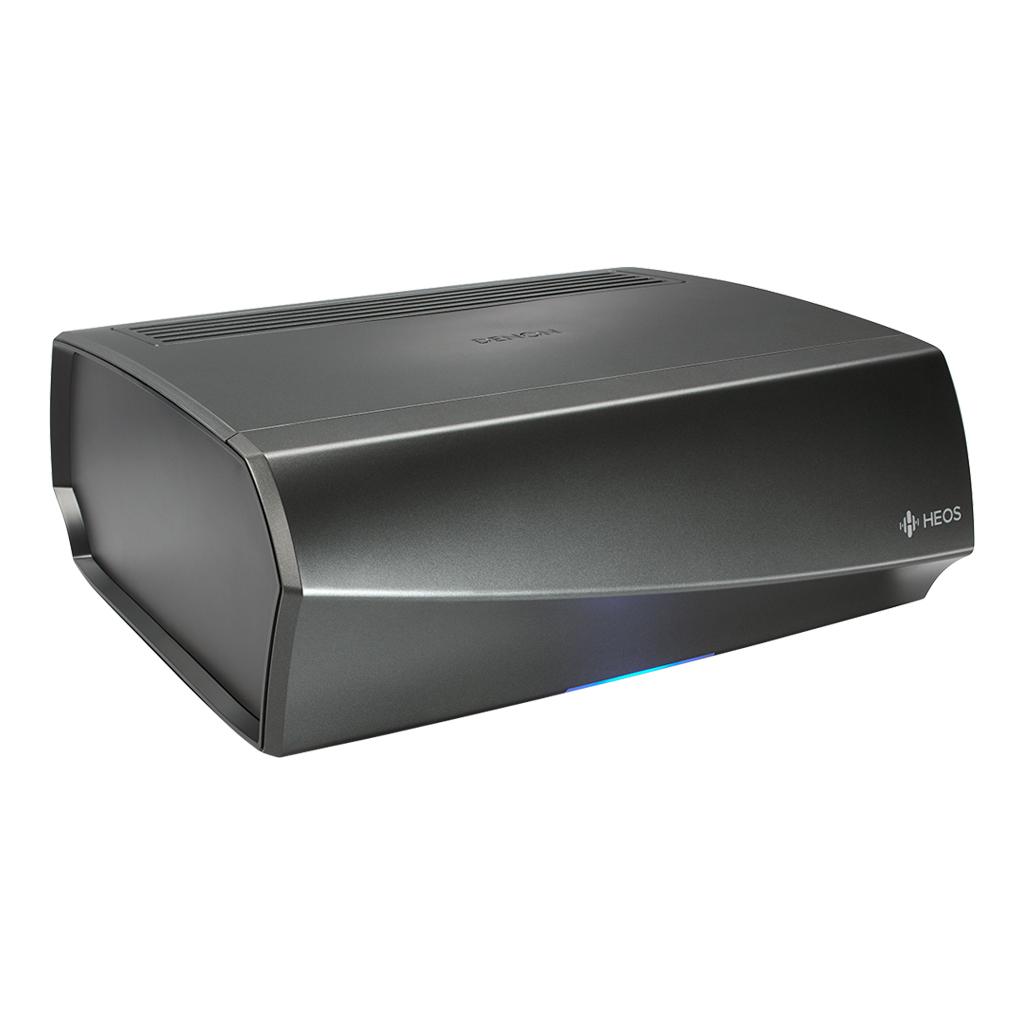
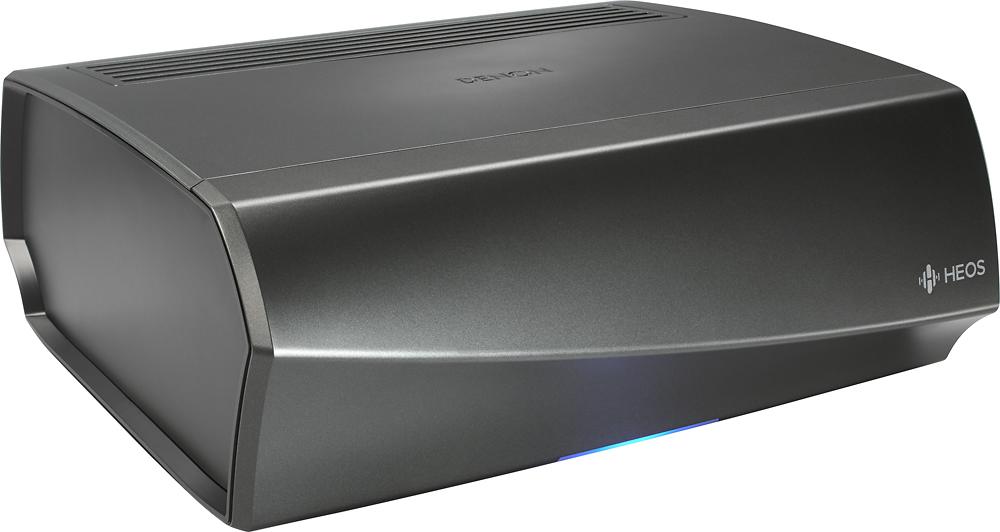
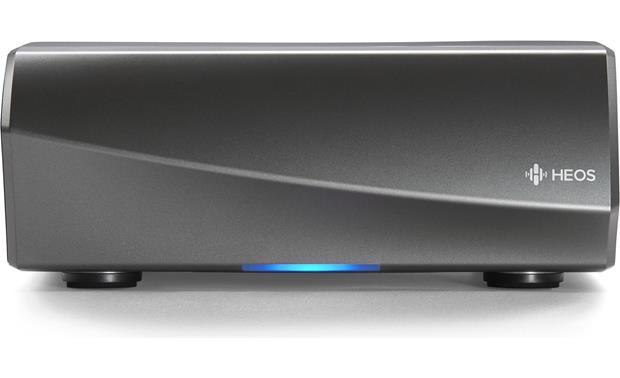
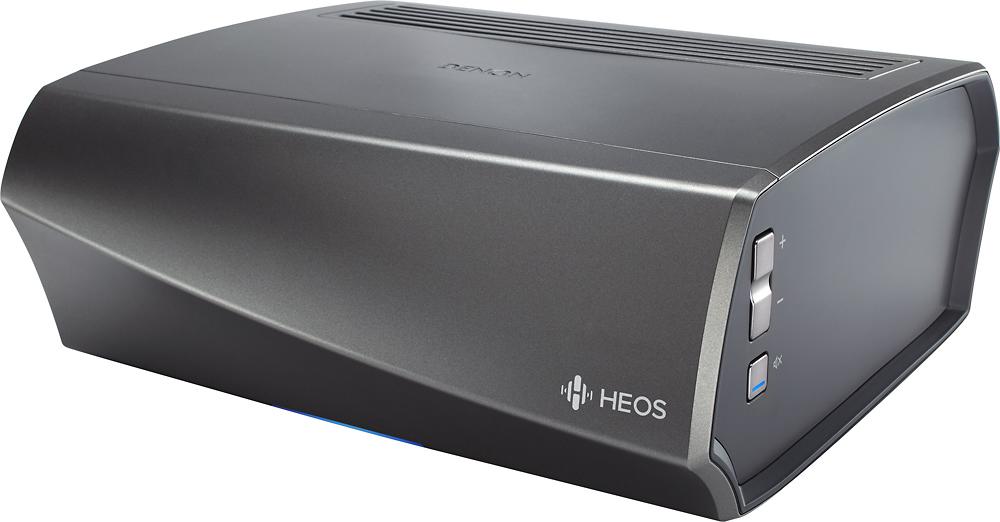
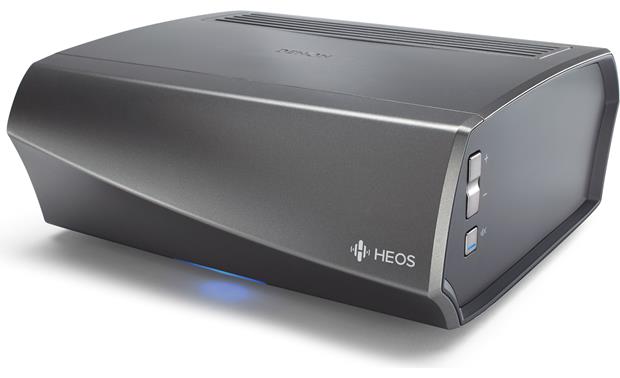
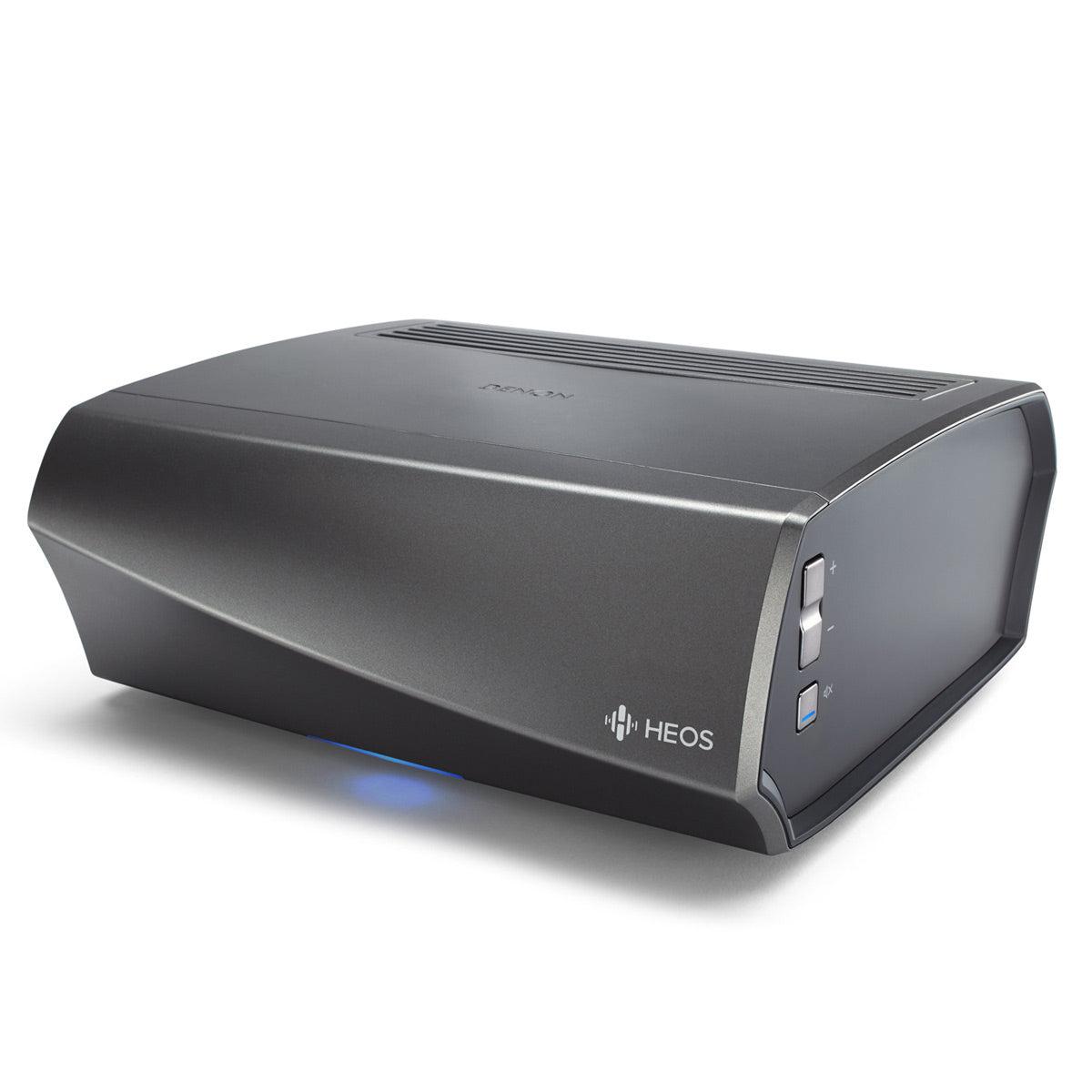
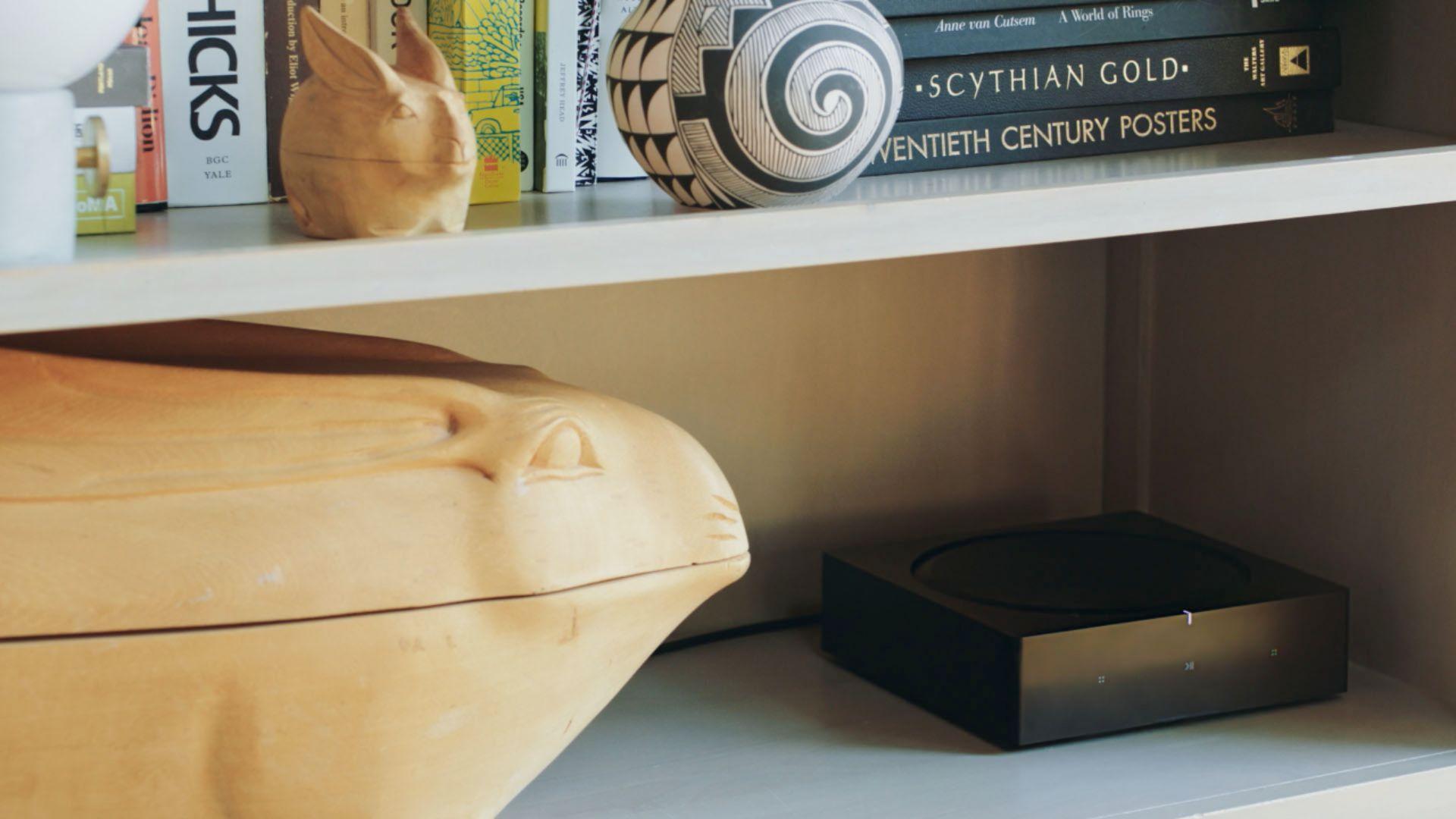
Two of the most popular options are the Denon HEOS Amp HS2 and the Sonos Amp. Both promise to breathe new life into your existing speakers, but they take very different approaches to get there. After diving deep into user reviews, expert opinions, and technical specifications, here's what you need to know to make the right choice.
Before we dive into the comparison, let's clarify what we're dealing with. A wireless stereo amplifier combines three key components: an amplifier (which provides power to drive speakers), a digital-to-analog converter or DAC (which turns digital music files into analog signals speakers can use), and wireless connectivity (so you can stream music without running cables everywhere).
The main considerations when choosing between these devices come down to power output, ecosystem compatibility, multi-room reliability, connectivity options, and overall user experience. Think of it like choosing between two different smart home platforms—they both accomplish similar goals but with different strengths, limitations, and philosophies.
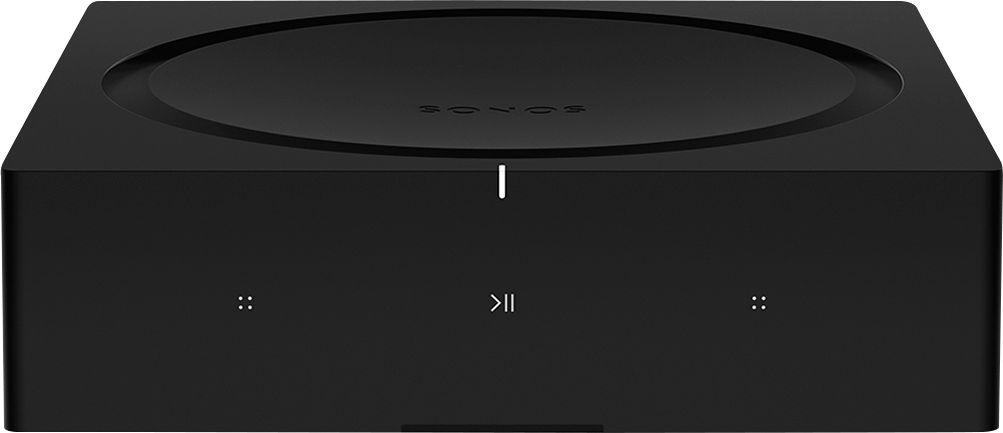
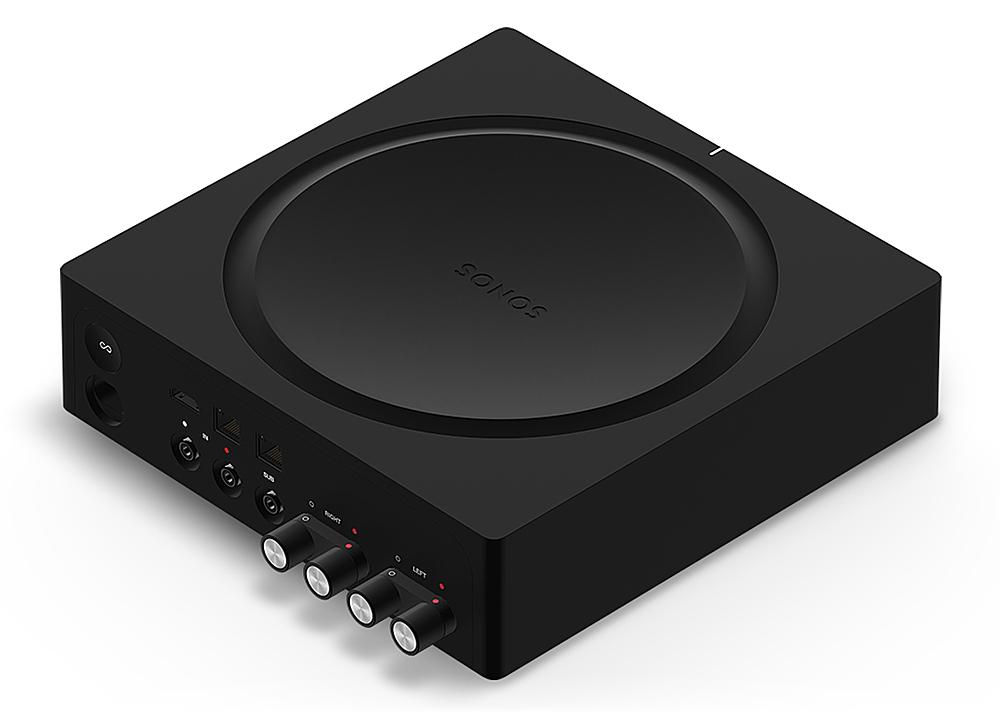
Let's start with the numbers that get the most attention: power output. The Sonos Amp delivers 125 watts per channel into 8-ohm speakers, while the Denon HEOS Amp HS2 provides 100 watts per channel. But here's where it gets interesting—the Sonos can actually deliver up to 250 watts per channel into 4-ohm speakers, showing its ability to adapt to different speaker impedances.
Speaker impedance, measured in ohms, is essentially the electrical resistance your speakers present to the amplifier. Lower impedance speakers (like 4-ohm models) draw more current and can be harder for amplifiers to drive properly. The Sonos Amp's ability to double its power output into 4-ohm loads suggests a more robust power supply design.
What does this mean in real-world use? The Sonos Amp can drive more demanding speakers and handle dynamic musical passages—those sudden loud drumbeats or orchestral crescendos—with better control and less distortion. It can also power up to four 8-ohm speakers simultaneously, making it more versatile for larger installations.
The Denon HEOS Amp HS2, with its 100 watts per channel, provides sufficient power for most bookshelf speakers and smaller floor-standing models. User reports consistently praise its "punchy bass response" and "spacious soundstage," suggesting the amplifier section is well-designed despite the lower power rating.
However, power output alone doesn't determine sound quality. Both amplifiers use Class D topology, which is highly efficient and generates minimal heat—important for reliability and allowing compact designs. The real differences come down to implementation and the supporting circuitry.
Based on extensive user feedback and professional reviews, both amplifiers deliver impressive audio performance, but with distinct characteristics that reflect their different design priorities.
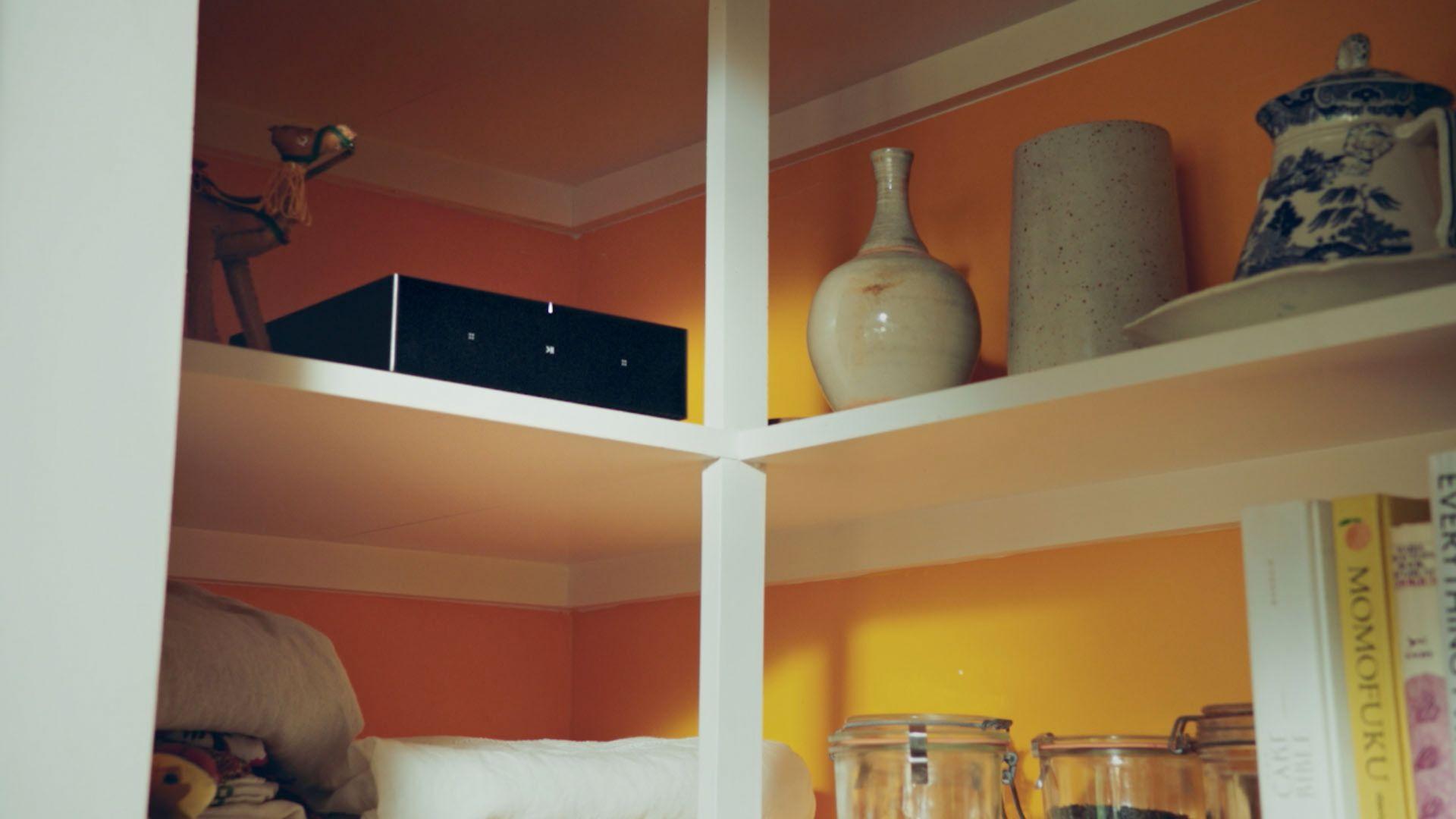
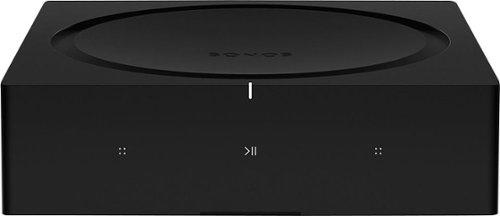
The Sonos Amp, released in 2018 as a significant upgrade from the earlier Connect:Amp, emphasizes dynamic range and engaging sound reproduction. Users consistently describe it as delivering "robust, room-filling sound" with excellent bass response and a wide soundstage. The amplifier seems optimized for the kind of listening most people do—streaming music at moderate to high volumes while moving around the house.
The Denon HEOS Amp HS2, which debuted in 2016, takes a more traditional hi-fi approach with what users describe as "refined tonal balance" and "clear vocal reproduction." The HEOS supports high-resolution audio files up to 24-bit/192kHz, compared to the Sonos's 24-bit/48kHz limitation. For audiophiles with large collections of high-res files, this could matter.
But here's the nuance that matters more than specifications: professional reviewers note that while both amplifiers sound very good, neither quite reaches the level of dedicated hi-fi amplifiers from brands like NAD or Cambridge Audio. The Sonos Amp gets closer to that audiophile standard, with reviewers noting it has the best sound quality of any Sonos product, even if it falls slightly short of the very best dedicated stereo amplifiers.
The Denon HEOS Amp HS2 receives praise for its clear, detailed sound but some criticism for lacking the "rhythmic precision and dynamic subtlety" found in higher-end systems. This suggests it's better suited for casual listening than critical music enjoyment.
This is where the biggest differences emerge between these two systems, and where the Sonos Amp's extra years of development really show.
The Sonos ecosystem, built over nearly two decades, has become the gold standard for multi-room audio reliability. Users report "rock-solid synchronization" even across large installations with multiple zones. The ability to group and ungroup rooms happens instantly, and the system maintains tight synchronization even when streaming different sources to different rooms simultaneously.
The Denon HEOS Amp HS2, being part of a newer and less mature ecosystem, shows more growing pains. Users report occasional delays when managing multiple zones and some connectivity issues in larger systems. While it works well for single-room applications or simple two-room setups, it becomes less reliable as system complexity increases.
This reliability difference becomes crucial when you consider that many people start with one amplifier but plan to expand over time. Starting with a Sonos Amp provides a more future-proof foundation for growth.
The approach to smart home integration reveals fundamental differences between these products. The Sonos Amp embraces comprehensive integration with major smart home platforms—Amazon Alexa, Google Assistant, and Apple HomeKit all work seamlessly. You can ask Alexa to play music in the living room, use Siri to control volume, or integrate the system into complex home automation routines.
Apple AirPlay 2 support is particularly valuable for iPhone users, allowing direct streaming from any app with essentially no setup required. This means you can play anything from your phone—YouTube videos, Netflix audio, phone calls on speaker—through your high-quality speakers.
The Denon HEOS Amp HS2 takes a more limited approach, with basic Amazon Echo and Google Home compatibility but no Apple integration. This reflects Denon's more traditional audio-focused approach versus Sonos's smart home vision.
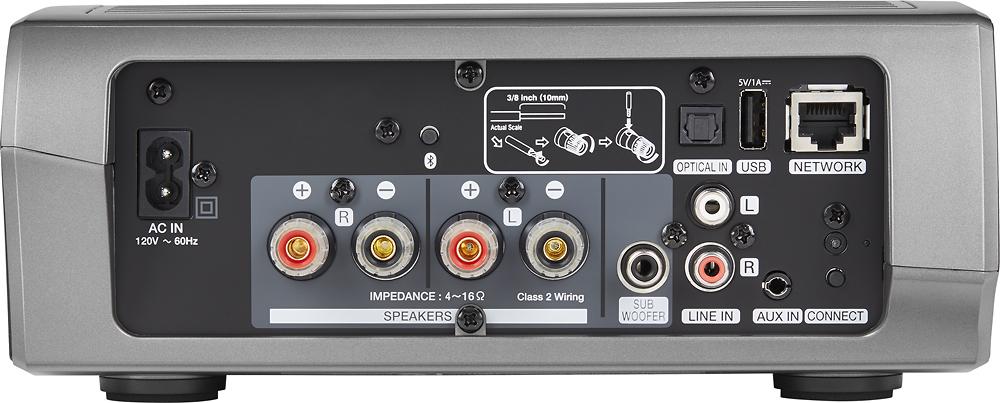
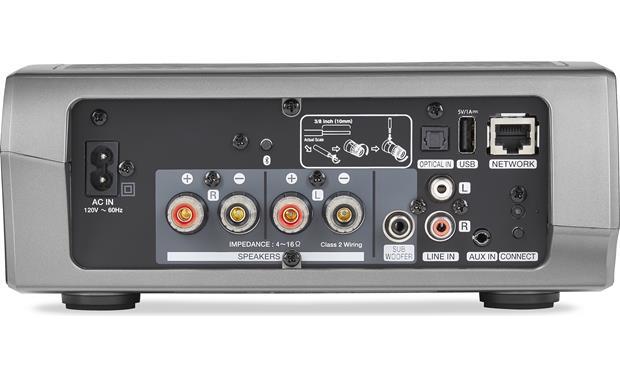
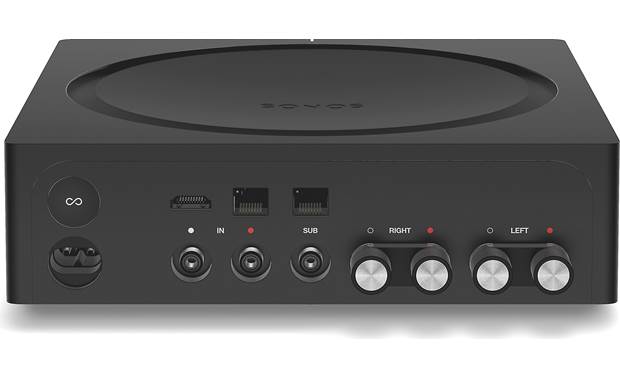
Here's where the Denon HEOS Amp HS2 fights back with more traditional audio connectivity options. It includes USB inputs for direct file playback, optical digital inputs for CD players or TVs, analog RCA inputs, and even a 3.5mm auxiliary input. It also includes Bluetooth connectivity, which many users find convenient for quick phone connections.
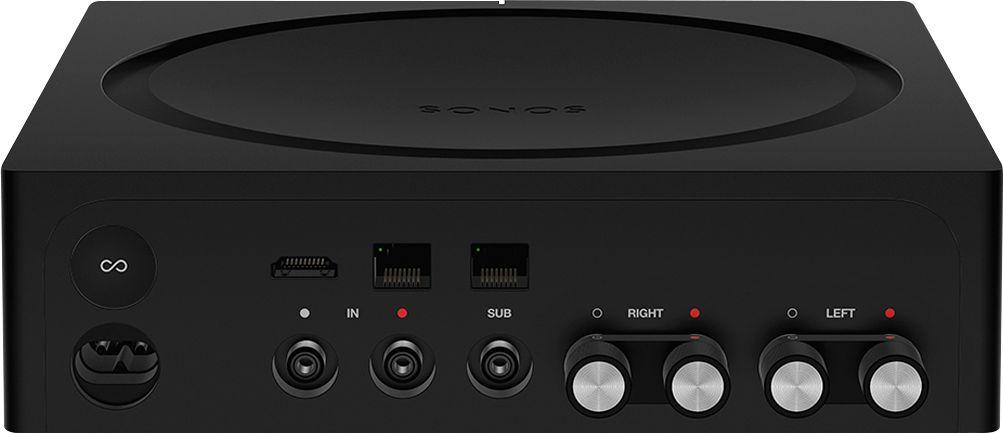
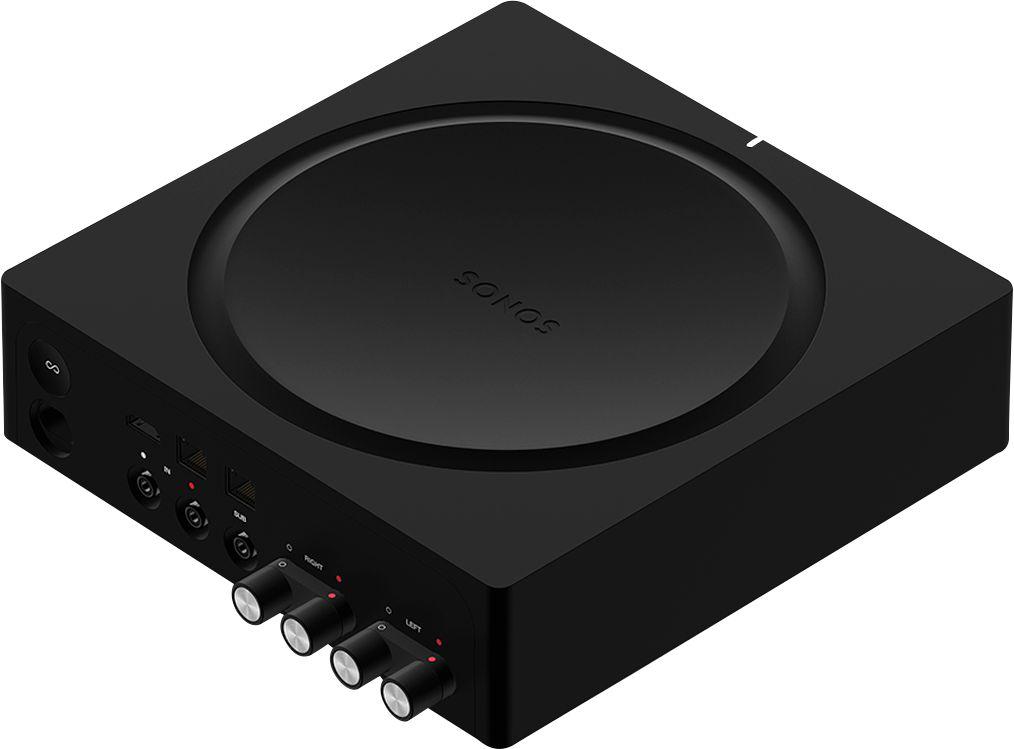
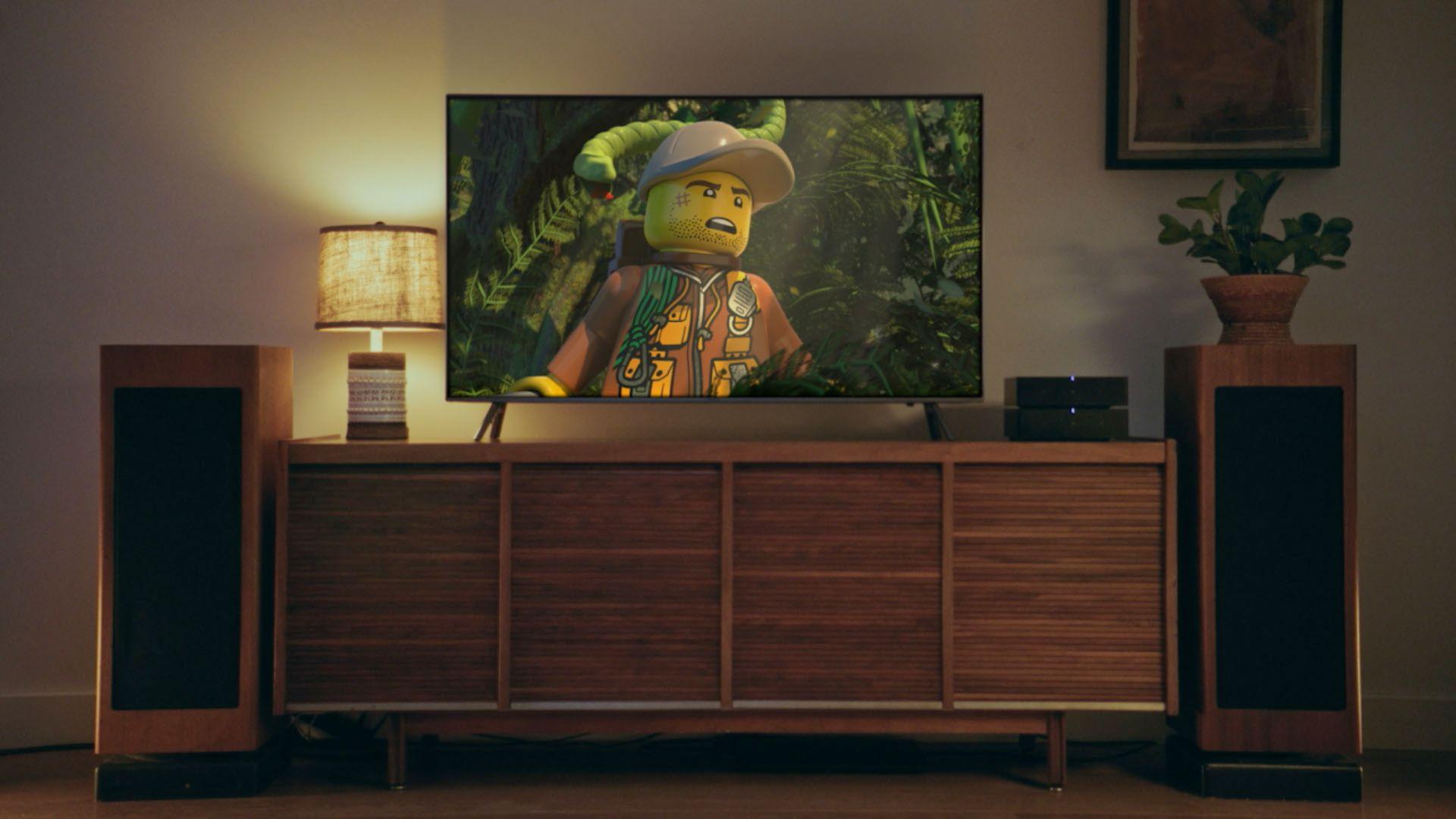
The Sonos Amp takes a more focused approach with fewer inputs but more thoughtful implementation. Its HDMI ARC connection is particularly valuable—this allows direct connection to your TV's HDMI ARC port, enabling high-quality audio playback for movies and shows without the digital-to-analog conversion steps that can degrade sound quality.
The Sonos Amp's lack of Bluetooth might seem like a limitation, but Sonos argues that their Wi-Fi-based streaming provides better sound quality and more reliable connections than Bluetooth. AirPlay 2 essentially replaces Bluetooth functionality for iPhone users, while Android users can use the Sonos app for streaming.
If you're considering using either amplifier for TV audio, the Sonos Amp has a significant advantage. Its HDMI ARC input supports Dolby Digital and DTS audio formats, providing much better sound quality than the analog or optical connections typically used with the Denon HEOS Amp HS2.
More importantly, the Sonos Amp can serve as the foundation for a wireless surround sound system. You can add Sonos surround speakers wirelessly, creating a 5.1 or 7.1 system without running speaker wires throughout your room. The Denon HEOS Amp HS2 is primarily designed for stereo music listening and doesn't offer comparable home theater expansion options.
However, if your primary use is music listening with only occasional TV audio, the Denon HEOS Amp HS2's optical input will handle basic TV audio adequately.
The difference in user experience reflects the maturity gap between these ecosystems. The Sonos Amp consistently receives praise for being "a total breeze to set up and use." The app interface is intuitive, setup processes are well-documented, and the system generally works as expected.
The Denon HEOS Amp HS2 requires more patience during setup, particularly when configuring multi-room systems. Users report more complex configuration processes and occasional need for troubleshooting. The HEOS app is functional but less polished than Sonos's offering.
This user experience difference extends to ongoing use. The Sonos system tends to "just work"—music starts playing quickly, switching between sources is seamless, and the system rarely needs attention. The HEOS system requires more hands-on management and is more prone to occasional hiccups.
At the time of writing, the Denon HEOS Amp HS2 costs significantly less than the Sonos Amp—we're talking about savings that could buy you a nice pair of bookshelf speakers. For budget-conscious buyers or single-room applications, this price difference is compelling.
However, the value equation shifts when you consider long-term use and expansion. The Sonos Amp's superior reliability, easier setup, broader smart home integration, and more mature ecosystem often justify the premium pricing. If you plan to build a multi-room system, the reliability advantages become even more valuable.
The Denon HEOS Amp HS2 represents excellent value for users who primarily need a single-room solution, don't require extensive smart home integration, and are comfortable with more hands-on setup and management.
Both products have evolved since their initial releases, but in different ways. The Sonos Amp, released in 2018, represented a major leap forward from Sonos's earlier Connect:Amp with more than double the power output and HDMI ARC connectivity. Since then, Sonos has continued adding features through software updates, including new streaming services and enhanced smart home integrations.
The Denon HEOS Amp HS2, dating from 2016, has received fewer major updates, reflecting the different update philosophies between companies. Sonos treats their products more like software platforms that gain features over time, while Denon follows a more traditional audio company approach with less frequent updates.
After evaluating user experiences, expert reviews, and technical capabilities, here's my recommendation framework:
Choose the Sonos Amp if you value reliability and ease of use over upfront cost savings. If you're planning any kind of multi-room system, the Sonos Amp's superior synchronization and ecosystem maturity make it worth the premium. The comprehensive smart home integration and Apple AirPlay 2 support are particularly valuable for users invested in those ecosystems.
The Sonos Amp is also the clear choice for home theater integration, thanks to its HDMI ARC connectivity and ability to expand into wireless surround sound systems. If you want one device that handles both serious music listening and TV audio exceptionally well, this is your answer.
Choose the Denon HEOS Amp HS2 if budget is your primary concern and you need to maximize power per dollar spent. It's particularly suitable for single-room applications where you won't stress its multi-room limitations. The broader connectivity options make it better for users with diverse source equipment or specific input requirements.
The HEOS Amp also makes sense if you primarily listen to high-resolution audio files and want to take advantage of its superior file format support.
While the Denon HEOS Amp HS2 offers compelling value for budget-conscious buyers, our research suggests that the Sonos Amp typically provides better long-term satisfaction despite its higher upfront cost. The reliability advantages, superior user experience, and more mature ecosystem usually justify the premium pricing for most users.
For single-room applications where budget is paramount, the HEOS Amp can be a sensible choice that delivers good performance at a lower price point. But for multi-room systems, smart home integration, or users who prioritize simplicity and reliability, the Sonos Amp represents a better investment that will serve you well for years to come.
The choice ultimately comes down to whether you prioritize upfront savings or long-term convenience and reliability. Both will make your speakers sound significantly better than basic options, but they'll take you down different paths for future expansion and daily use.
| Denon HEOS Amp HS2 | Sonos Amp |
|---|---|
| Power Output - Determines how loud your speakers can play and which speakers you can use | |
| 100W per channel at 8 ohms (adequate for most bookshelf speakers) | 125W per channel at 8 ohms, 250W at 4 ohms (drives demanding speakers better) |
| Multi-Room Audio - Critical for whole-home systems | |
| HEOS ecosystem with occasional sync delays in complex setups | Rock-solid Sonos ecosystem with instant room grouping |
| Smart Home Integration - Affects daily convenience and voice control | |
| Basic Amazon Echo and Google Home support | Comprehensive Alexa, Google, HomeKit, and AirPlay 2 support |
| TV Integration - Important if you want better TV sound | |
| Optical input only (standard TV connection) | HDMI ARC with Dolby Digital support (premium TV audio) |
| High-Resolution Audio - Matters if you have audiophile files | |
| Up to 24-bit/192kHz (supports all hi-res formats) | Limited to 24-bit/48kHz (handles most streaming services fine) |
| Connectivity Options - Affects what devices you can connect | |
| USB, optical, RCA, 3.5mm aux, Bluetooth, Ethernet, Wi-Fi | HDMI ARC, RCA line-in, dual Ethernet, Wi-Fi, AirPlay 2 (no Bluetooth) |
| Speaker Configuration - Determines installation flexibility | |
| Powers 2 speakers with subwoofer output | Powers up to 4 speakers or wireless surround sound system |
| Setup Difficulty - Impacts your initial experience | |
| More complex setup, especially for multi-room | Consistently praised as "extremely easy" to set up |
| App Experience - Affects daily usability | |
| Functional but less polished HEOS app | Highly-rated Sonos app with intuitive interface |
| Ecosystem Maturity - Influences long-term reliability and features | |
| Newer platform with growing pains (launched 2016) | Mature platform with 20+ years development (current model 2018) |
| Value Proposition - Cost vs. features trade-off | |
| Significantly lower cost, good power-per-dollar | Premium pricing justified by reliability and ecosystem |
The Sonos Amp delivers more power with 125 watts per channel at 8 ohms, compared to the Denon HEOS Amp HS2's 100 watts per channel. The Sonos Amp can also double its power to 250 watts per channel when driving 4-ohm speakers, making it better for demanding speakers and larger rooms.
Yes, both the Denon HEOS Amp HS2 and Sonos Amp work with passive speakers that have binding post connections. The Sonos Amp can drive up to four 8-ohm speakers simultaneously, while the Denon HEOS Amp HS2 is designed primarily for two-speaker setups with an optional subwoofer.
The Sonos Amp is consistently rated as much easier to set up, with users describing it as "extremely simple" compared to the Denon HEOS Amp HS2. The Sonos app is more intuitive and the system requires less technical knowledge to configure properly.
The Sonos Amp is significantly better for home theater use, featuring HDMI ARC connectivity that supports Dolby Digital audio from your TV. It can also expand into a wireless surround sound system. The Denon HEOS Amp HS2 only offers optical audio input and is primarily designed for music listening.
The Sonos Amp offers comprehensive smart home support including Amazon Alexa, Google Assistant, Apple HomeKit, and AirPlay 2. The Denon HEOS Amp HS2 provides only basic Amazon Echo and Google Home compatibility with no Apple integration.
Both support multi-room audio, but the Sonos Amp is much more reliable for multi-room setups with instant synchronization between rooms. The Denon HEOS Amp HS2 can experience delays and connectivity issues in complex multi-room installations.
The Denon HEOS Amp HS2 supports high-resolution audio up to 24-bit/192kHz, while the Sonos Amp is limited to 24-bit/48kHz. However, the Sonos Amp handles all major streaming services and most music files without issues.
The Denon HEOS Amp HS2 includes Bluetooth for direct phone connections, while the Sonos Amp does not have Bluetooth. Instead, the Sonos Amp uses Wi-Fi streaming and AirPlay 2 for iPhone users, which typically provides better audio quality than Bluetooth.
The Denon HEOS Amp HS2 costs significantly less and offers good power-per-dollar value for single-room setups. The Sonos Amp costs more but provides better long-term value through superior reliability, easier use, and more comprehensive features.
The Denon HEOS Amp HS2 offers more traditional inputs including USB, optical, RCA, and 3.5mm auxiliary connections. The Sonos Amp focuses on modern connectivity with HDMI ARC, RCA line-in, and network streaming, plus dual Ethernet ports.
The Sonos Amp supports more streaming services including Apple Music, Spotify, and Tidal with seamless integration. The Denon HEOS Amp HS2 supports major services but notably lacks Apple Music and has fewer total supported platforms.
Choose the Denon HEOS Amp HS2 if budget is your main concern and you need a single-room music system with traditional connectivity options. Choose the Sonos Amp if you want reliable multi-room audio, smart home integration, TV connectivity, or plan to expand your system over time.
We've done our best to create useful and informative comparisons to help you decide what product to buy. Our research uses advanced automated methods to create this comparison and perfection is not possible - please contact us for corrections or questions. These are the sites we've researched in the creation of this article: bestbuy.com - consumerreports.org - audiosciencereview.com - youtube.com - crutchfield.com - avsforum.com - whathifi.com - audiosciencereview.com - youtube.com - versus.com - easylounge.com - snapav.com - crutchfield.com - accessories4less.com - richersounds.com - wave-electronics.com - bestbuy.com - safeandsoundhq.com - theaudiotailor.com.au - retailspecs.com - audioadvice.com - crutchfield.com - adiglobaldistribution.pr - themasterswitch.com - astralsecurite.ca - wassersfurniture.com - whathifi.com - sonos.com - audiosciencereview.com - bestbuy.com - videoandaudiocenter.com - en.community.sonos.com

Privacy Policy
Terms and Conditions - Affiliate Policy
Home Security
© Copyright 2008-2026.
11816 Inwood Rd #1211, Dallas, TX 75244