


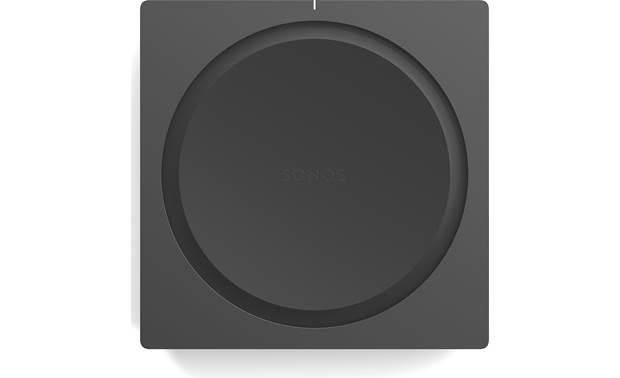
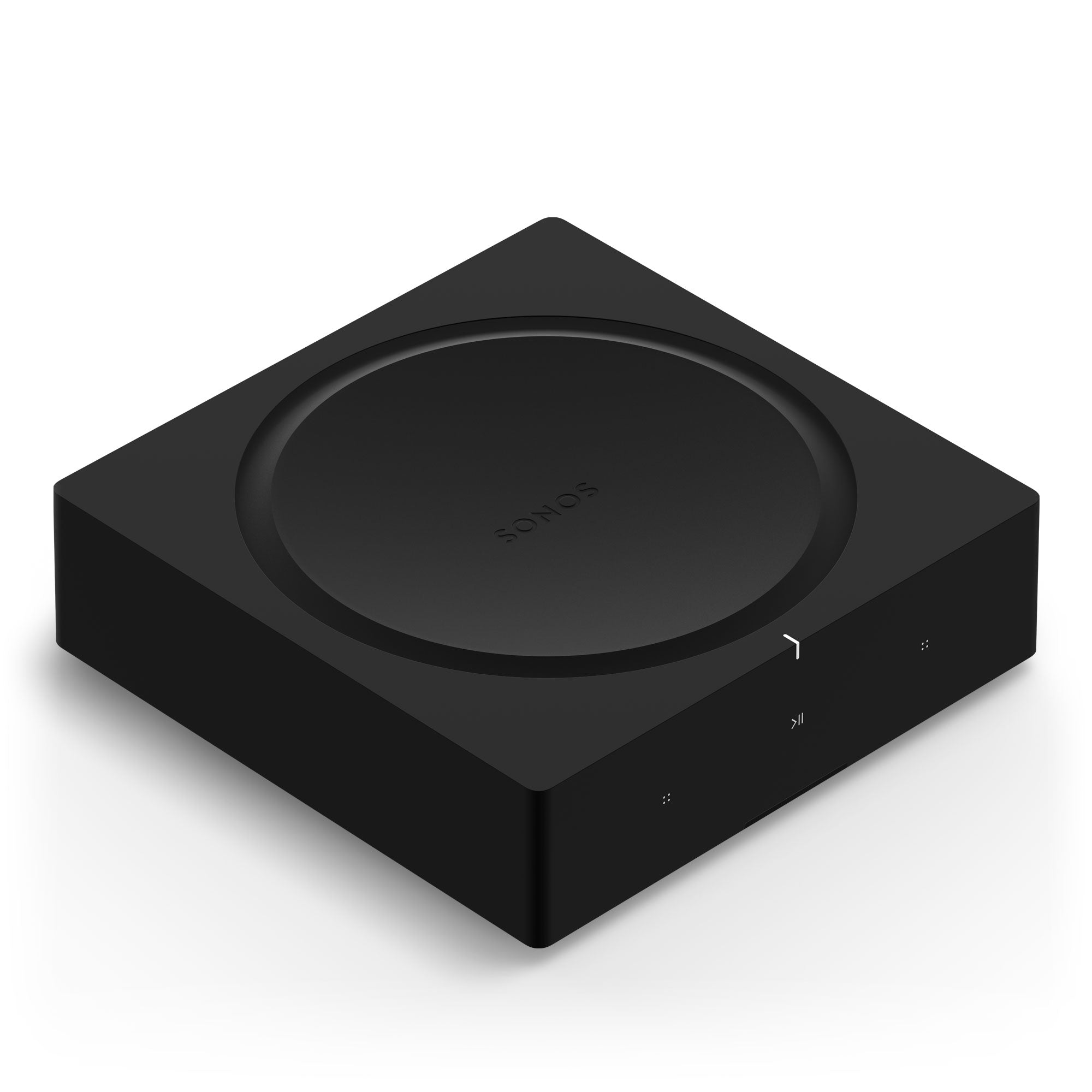
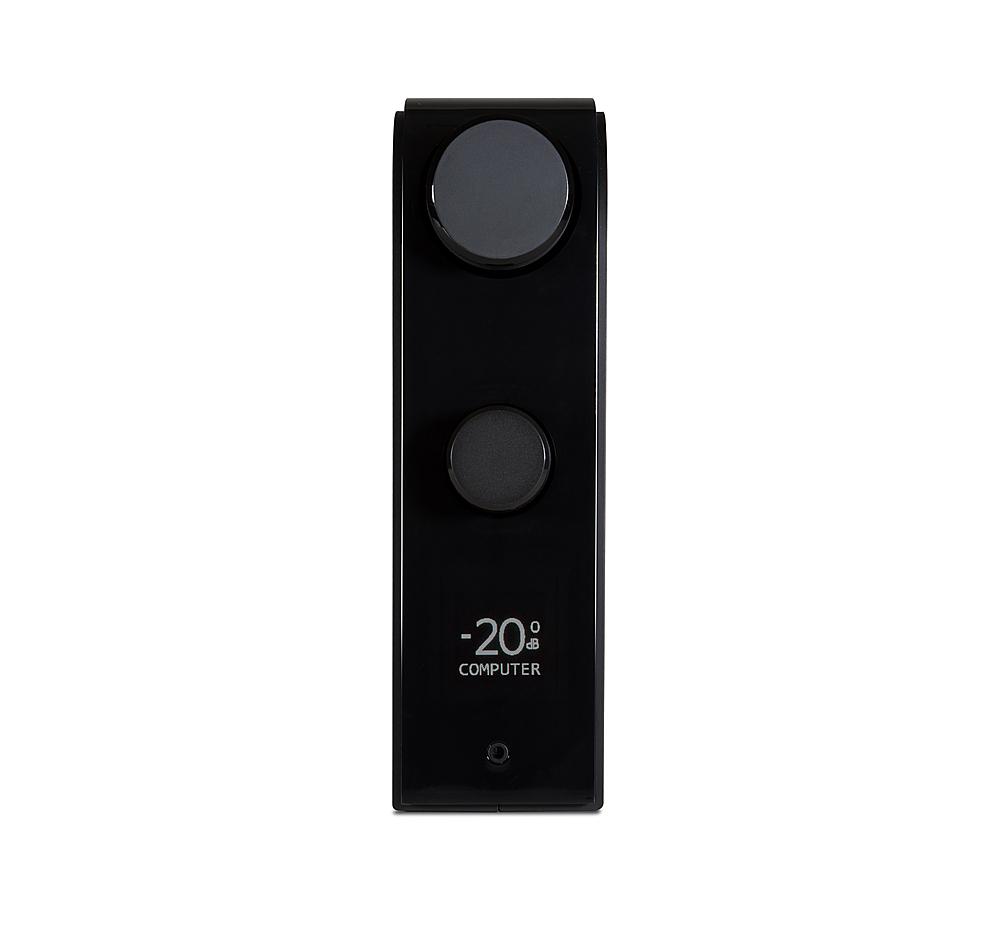
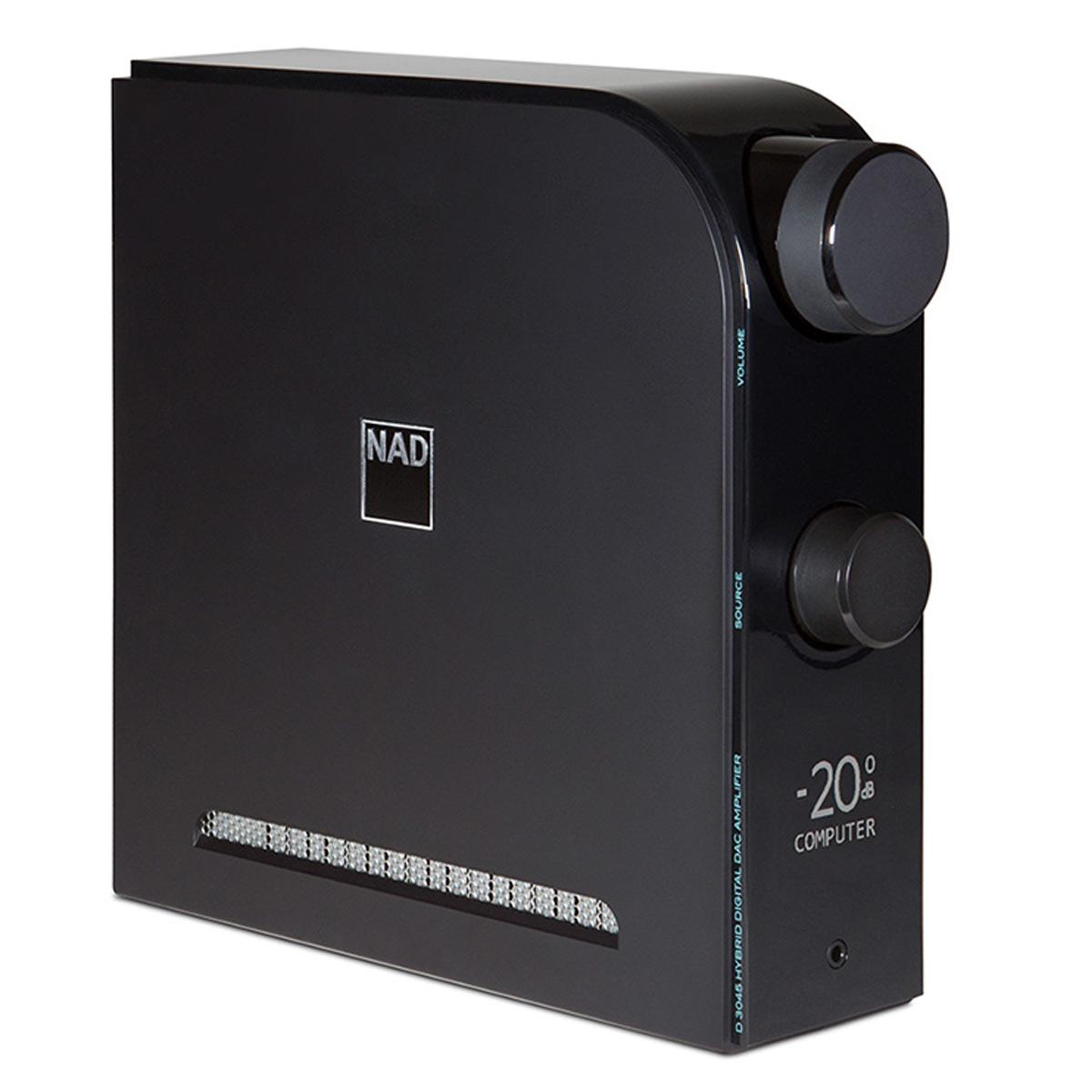
If you're looking to upgrade your audio setup with a modern amplifier that can handle both streaming and traditional sources, you've probably come across two very different but compelling options: the Sonos Amp and the NAD D 3045. While both serve as the heart of a modern audio system, they take remarkably different approaches to solving the same basic problem—how to get great sound from your speakers while accommodating today's digital world.
The streaming amplifier category has evolved dramatically since the mid-2010s, when manufacturers realized that people wanted their traditional hi-fi systems to work seamlessly with Spotify, Apple Music, and other digital sources. These devices combine several functions that used to require separate components: power amplification (to drive your speakers), digital-to-analog conversion (DAC—the circuit that turns digital music files into analog signals your speakers can use), and streaming capabilities.
When evaluating streaming amplifiers, the most important considerations are power output (how loud and cleanly they can drive your speakers), sound quality (how accurately they reproduce music), connectivity options (what sources you can plug into them), and ecosystem integration (how well they work with your other devices and services).
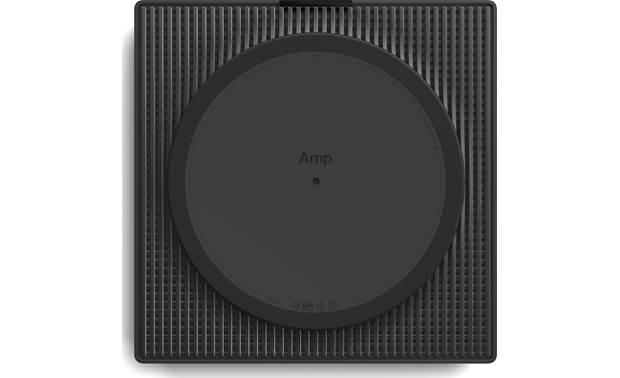
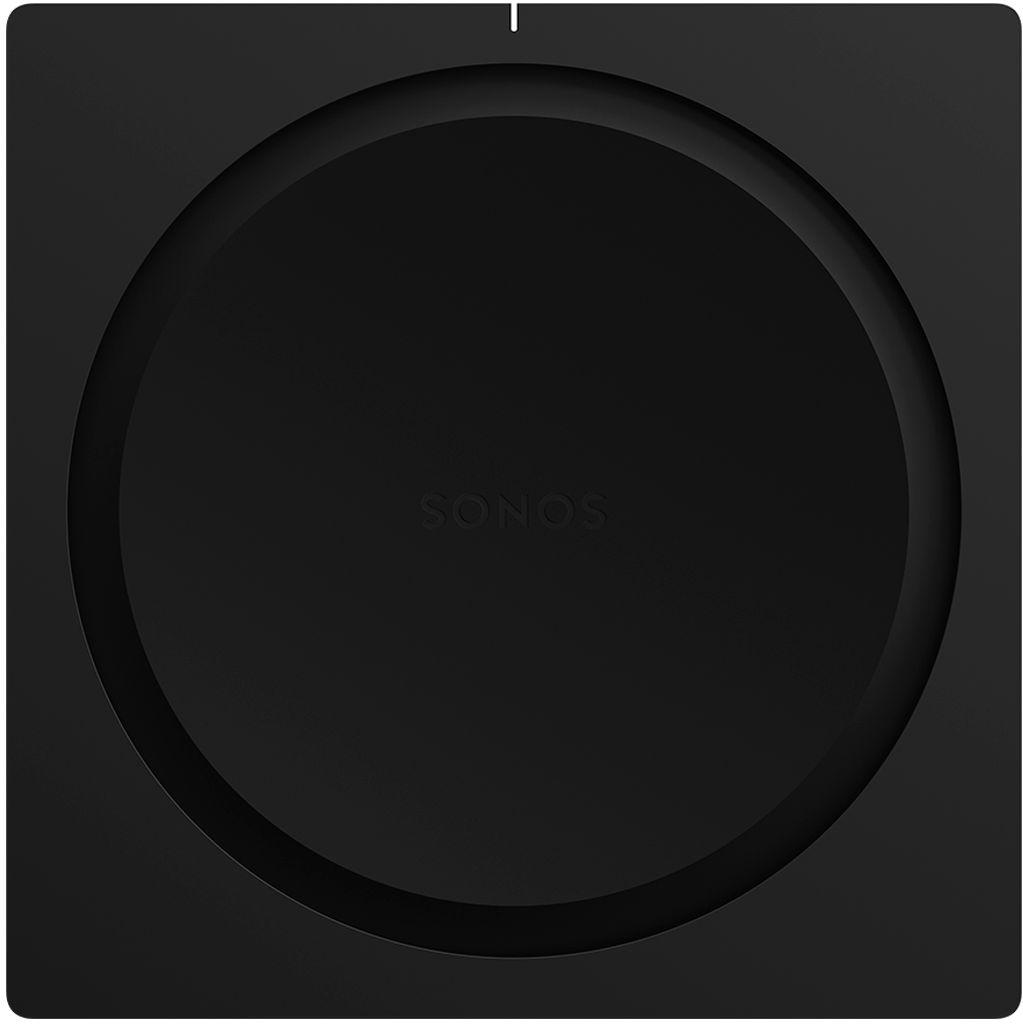
The Sonos Amp, released in 2018, represents the "ecosystem first" approach—it's designed primarily as a wireless streaming device that happens to be a very capable amplifier. The NAD D 3045, also from around 2018, takes the opposite approach: it's fundamentally a high-quality amplifier that's been enhanced with comprehensive digital capabilities.
The most obvious difference between these amplifiers is their power output. The Sonos Amp delivers 125 watts per channel into 8-ohm speakers (the standard impedance for most home speakers) and can push 250 watts per channel into 4-ohm speakers. The NAD D 3045 provides 60 watts per channel into both 8-ohm and 4-ohm loads.
But here's where raw numbers can be misleading. Power output specifications only tell part of the story—what matters more is how well an amplifier can deliver that power consistently and how it handles demanding musical passages. The NAD D 3045 uses something called PowerDrive technology, which essentially means it can deliver high current to your speakers when needed, even if the steady-state power rating seems modest.
In practical terms, both amplifiers can drive most bookshelf and tower speakers effectively. The Sonos Amp's higher power output makes it particularly well-suited for demanding installations like outdoor speakers, in-wall speakers, or situations where you're powering multiple speaker pairs simultaneously. NAD's PowerDrive approach means the D 3045 can handle speakers that dip below 4 ohms (which can stress some amplifiers) without breaking a sweat.
The Sonos Amp uses Class D amplification—a highly efficient design that generates minimal heat and allows for the compact chassis. The NAD D 3045 uses what NAD calls "Hybrid Digital" amplification, which is also Class D but incorporates NAD's specific optimizations for reduced distortion and improved dynamics.
Both amplifiers stay remarkably cool during operation, which is important for reliability and longevity. However, our research suggests the NAD D 3045 has a slight edge in terms of dynamic performance—its ability to handle sudden, demanding musical passages without compression or distortion.
This is where the fundamental differences between these amplifiers become most apparent. The Sonos Amp delivers what most users describe as engaging, room-filling sound with good clarity and punchy dynamics. It presents music in a way that's immediately appealing and works well for casual listening, background music, and even moderately critical listening sessions.
The NAD D 3045 takes a different approach entirely. It's designed to be as transparent as possible—meaning it adds very little coloration or character to the music. This results in what audiophiles call a "neutral" sound signature, where you hear more of the original recording and less of the amplifier's own sonic signature.
In practical terms, this means the NAD D 3045 will reveal more detail in your music, particularly in complex passages with multiple instruments. It also tends to have a quieter background—that subtle but important characteristic where music seems to emerge from complete silence rather than a faint electronic haze.
The Sonos Amp, while very good for its intended purpose, doesn't quite reach the same level of sonic refinement. User reports consistently note that while it sounds engaging and dynamic, it lacks some of the subtlety and nuanced detail retrieval that serious music listeners prize.
Both amplifiers incorporate advanced DAC (digital-to-analog converter) circuits, but the NAD D 3045 uses a more sophisticated AKM AK4490 chip that supports high-resolution audio formats including MQA (Master Quality Authenticated—a format that claims to deliver studio-master quality in smaller file sizes) and DSD (Direct Stream Digital—the format used for Super Audio CDs).
Here's where the philosophical differences become most stark. The Sonos Amp is built around Wi-Fi connectivity and integration with Sonos's proprietary ecosystem. Once connected to your network, it can access over 100 streaming services directly, synchronize with other Sonos devices throughout your home, and be controlled via the Sonos app on your phone or tablet.
This approach has significant advantages: you can start playing music on your phone and seamlessly transfer it to the Sonos Amp, create whole-house audio systems, and access services like Spotify Connect directly without your phone being involved. The multiroom capabilities are particularly impressive—you can have perfectly synchronized music playing in multiple rooms, or different music in each room, all controlled from a single app.
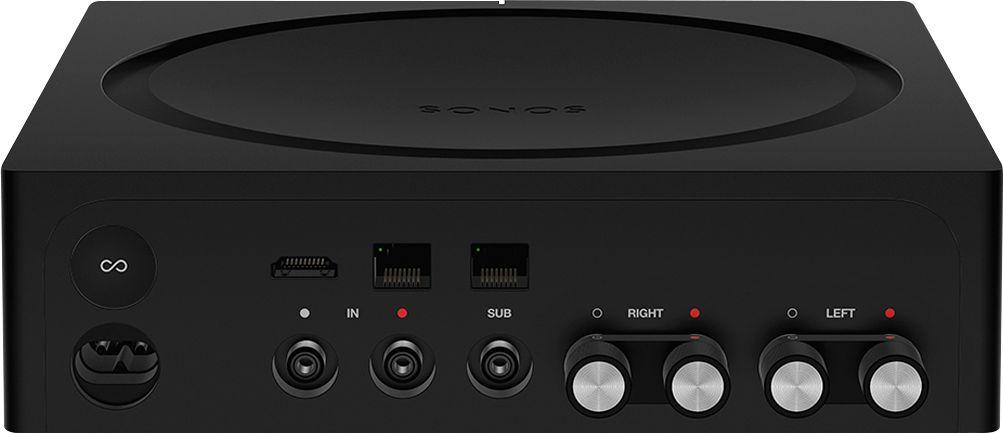
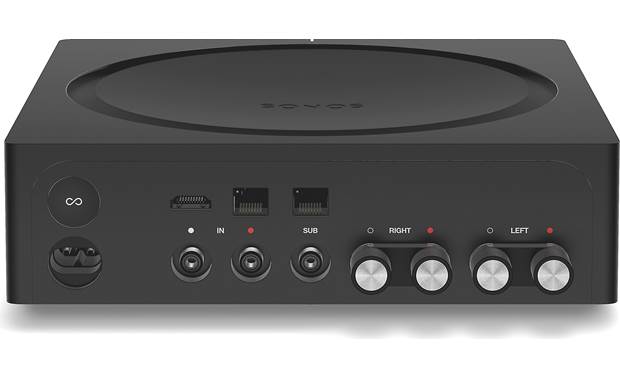
However, the Sonos Amp has some notable limitations. It lacks optical digital inputs, which means connecting devices like CD players, Apple TVs, or gaming consoles requires workarounds. It also doesn't support high-resolution audio formats beyond what streaming services provide.
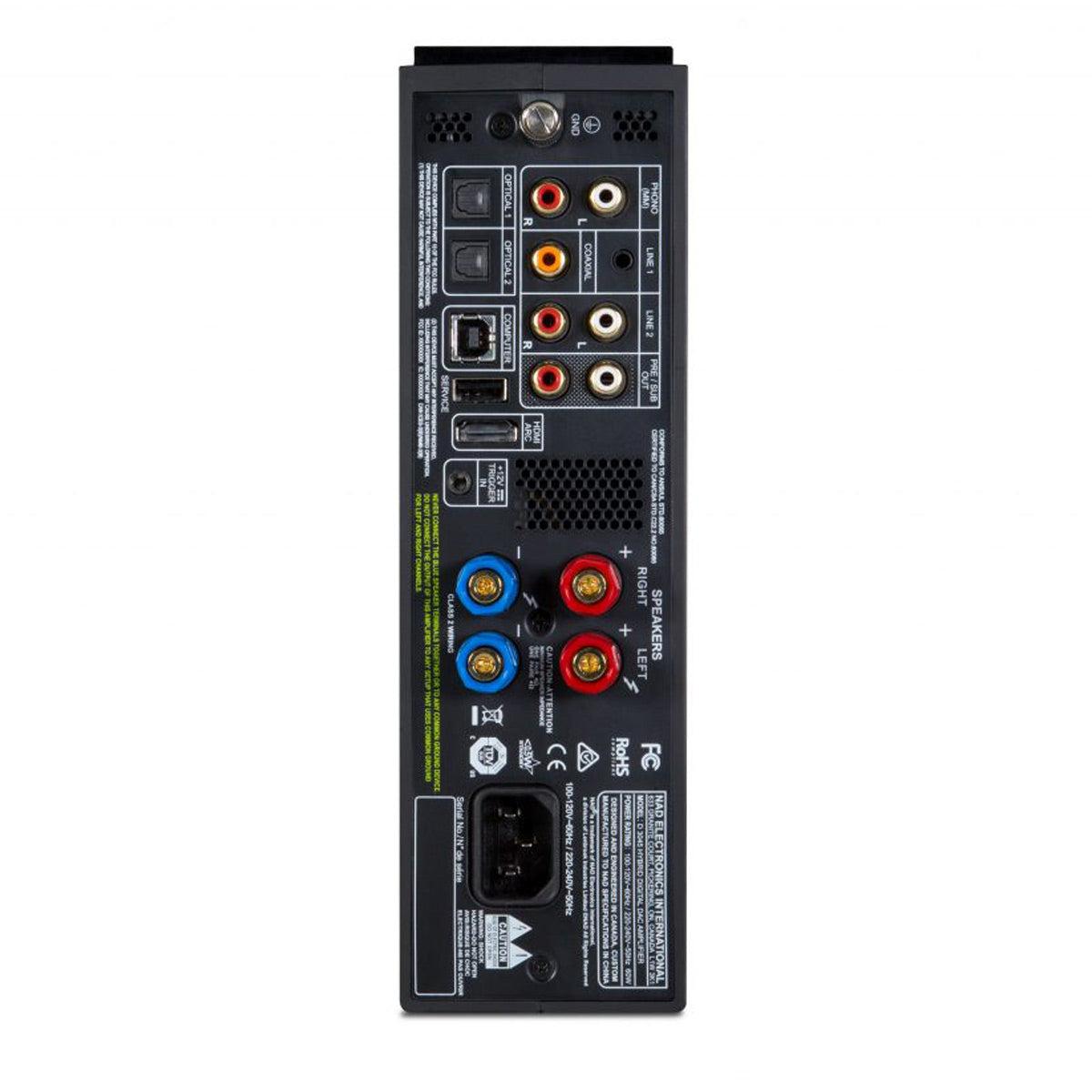
The NAD D 3045 takes the opposite approach with comprehensive wired digital connectivity. It includes two optical (TosLink) inputs, one coaxial digital input, and a USB input that supports high-resolution audio up to 24-bit/384kHz. The USB connection is particularly sophisticated—it's asynchronous, meaning the D 3045 controls the timing of data transfer rather than your computer, which reduces digital noise (jitter) that can affect sound quality.
For wireless connectivity, the NAD D 3045 includes bidirectional Bluetooth with aptX HD support. This high-quality Bluetooth codec can deliver near-CD quality audio wirelessly, and the bidirectional capability means you can use the D 3045 as a Bluetooth transmitter to wireless headphones as well as a receiver.
Both amplifiers include HDMI ARC (Audio Return Channel) inputs for TV connection, but they handle this differently. The Sonos Amp integrates TV audio into its multiroom system, while the NAD D 3045 treats it as another high-quality digital source.
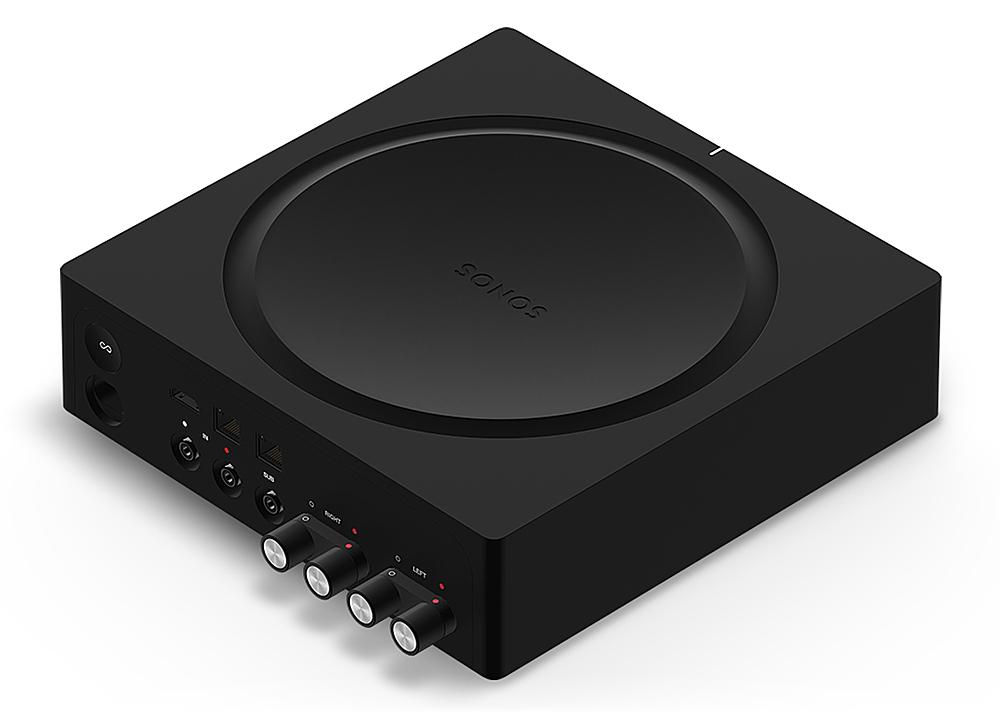
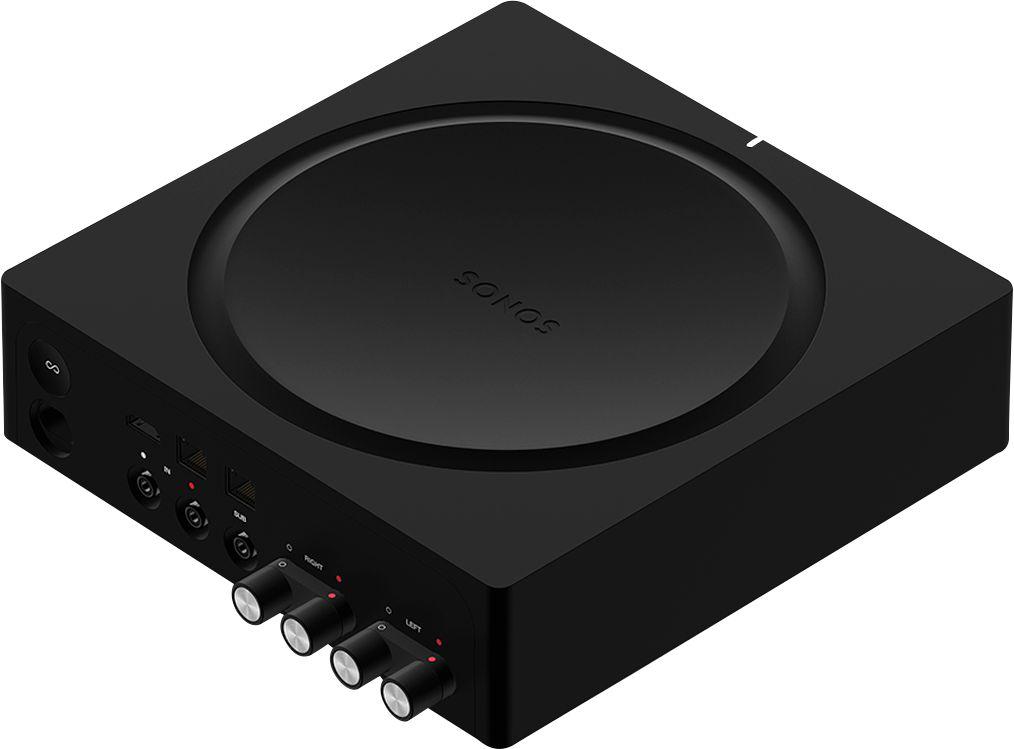
This is perhaps the most significant differentiator between these amplifiers. The Sonos Amp provides basic analog connectivity with a single RCA line input and a subwoofer output with adjustable crossover frequency.
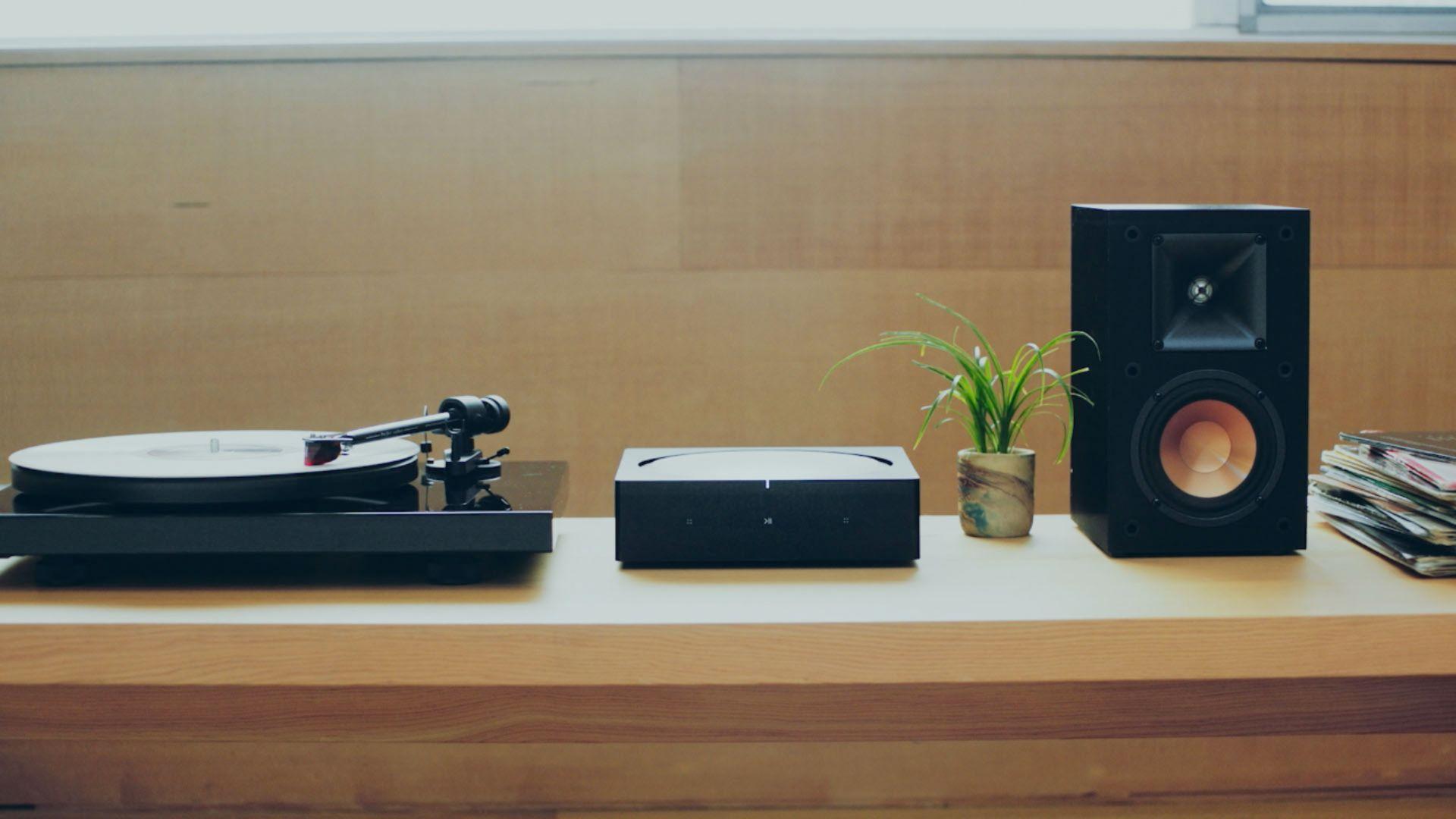
The NAD D 3045 includes a full moving-magnet phono stage for turntables—and by all accounts, it's an exceptionally good one. This built-in phono preamp eliminates the need for a separate component and has earned praise for its accurate RIAA equalization (the standardized frequency response correction needed for vinyl playback) and low noise performance.
The NAD D 3045 also includes a powerful headphone amplifier accessible via a front-panel jack. Unlike the token headphone outputs found on many amplifiers, this is a serious implementation capable of driving demanding headphones effectively. There's also a 3.5mm auxiliary input for portable devices and full preamp outputs for system expansion.
The analog section quality matters more than you might think. Even in our digital age, many people are rediscovering vinyl, and having a high-quality phono stage built into your amplifier represents significant value and convenience.
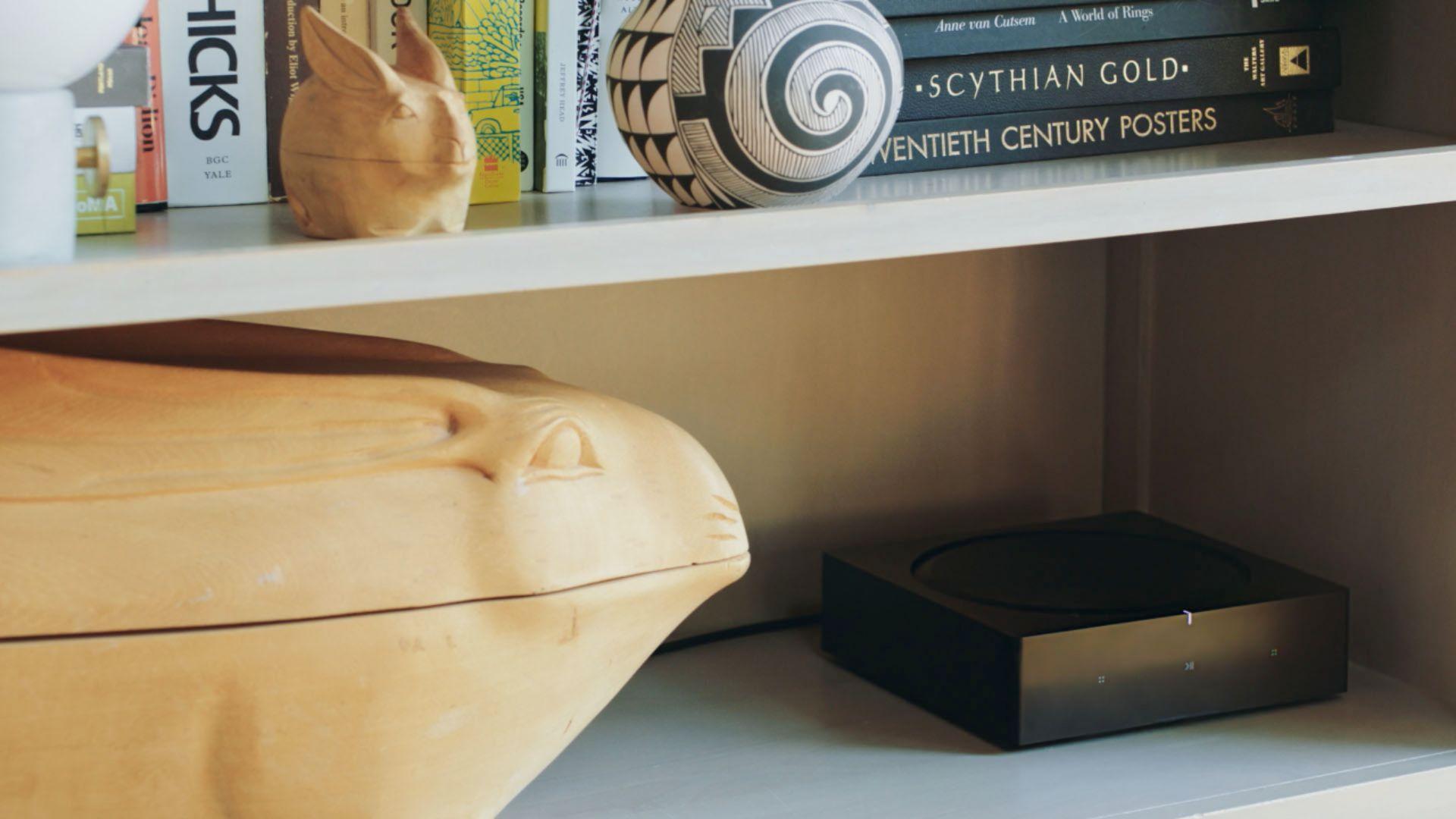
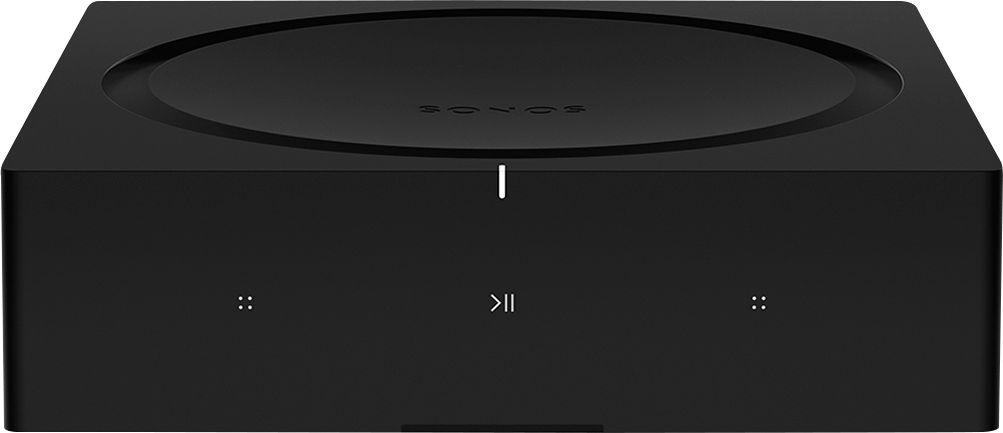
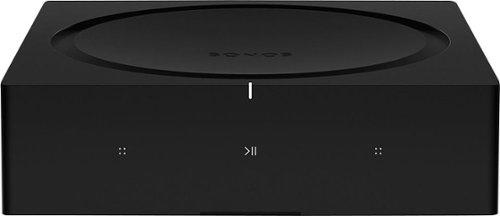
The Sonos Amp prioritizes simplicity and integration. Setup involves scanning a QR code with the Sonos app, and from there, everything is controlled through your phone or tablet. The app provides access to streaming services, basic EQ adjustments (bass, treble, loudness), and multiroom grouping controls. Physical controls on the unit itself are minimal—just capacitive touch buttons for basic playback control.
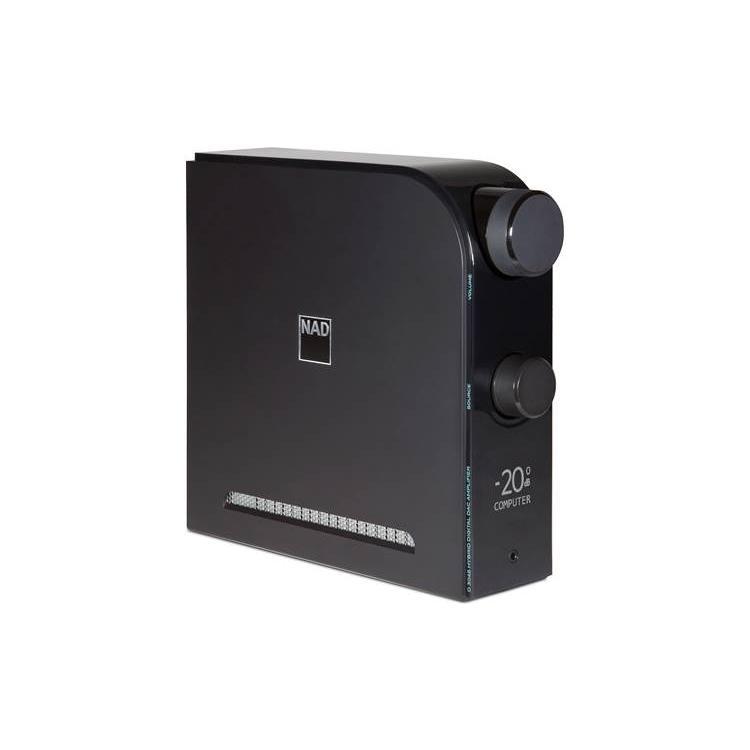
The NAD D 3045 takes a more traditional hi-fi approach with physical controls and a remote. The volume control uses a precision stepped attenuator (adjustable in 0.5dB increments) that's controlled digitally but maintains an analog signal path. The display automatically rotates depending on whether you position the unit horizontally or vertically—a clever touch that shows attention to user experience.
For streaming services, the NAD D 3045 relies on external sources—your phone via Bluetooth, a computer via USB, or a streaming device connected to one of its digital inputs. This approach requires more setup complexity but offers more flexibility and future-proofing.
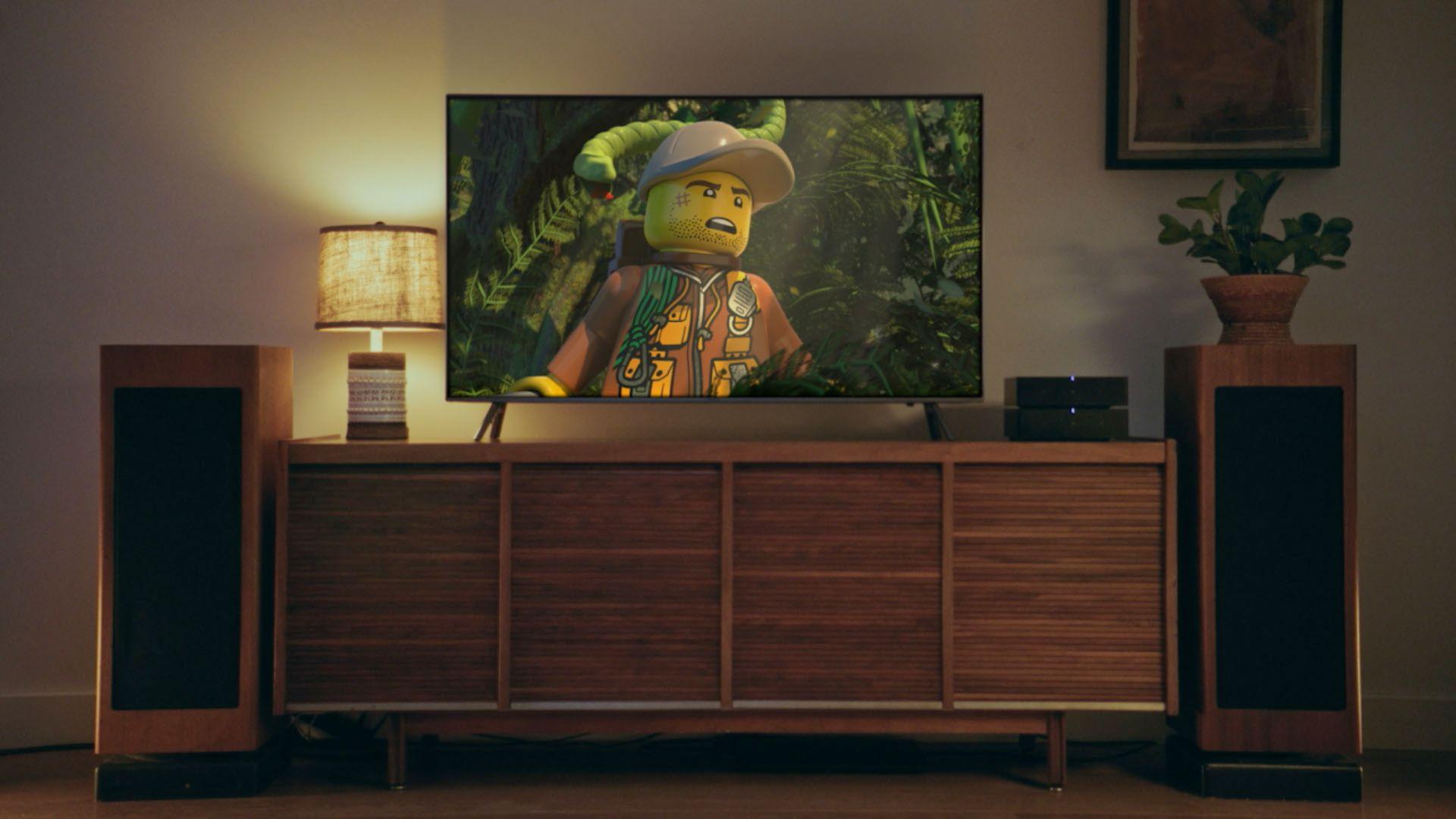
Both amplifiers can serve in home theater applications, but with different strengths and limitations. The Sonos Amp excels at providing high-quality stereo sound for TV viewing and can be expanded with wireless Sonos surround speakers to create a full surround system. The HDMI ARC connection allows your TV remote to control volume, and the integration with other Sonos components makes whole-house audio seamless.
However, the Sonos Amp can't function as the center channel in a traditional surround setup, which limits its home theater flexibility somewhat.
The NAD D 3045 provides excellent stereo reproduction for TV viewing via its HDMI ARC input and supports various surround formats including Dolby Digital and DTS. Its superior analog performance makes it particularly good for music-focused home theater setups, but it requires separate components for true multichannel surround sound.
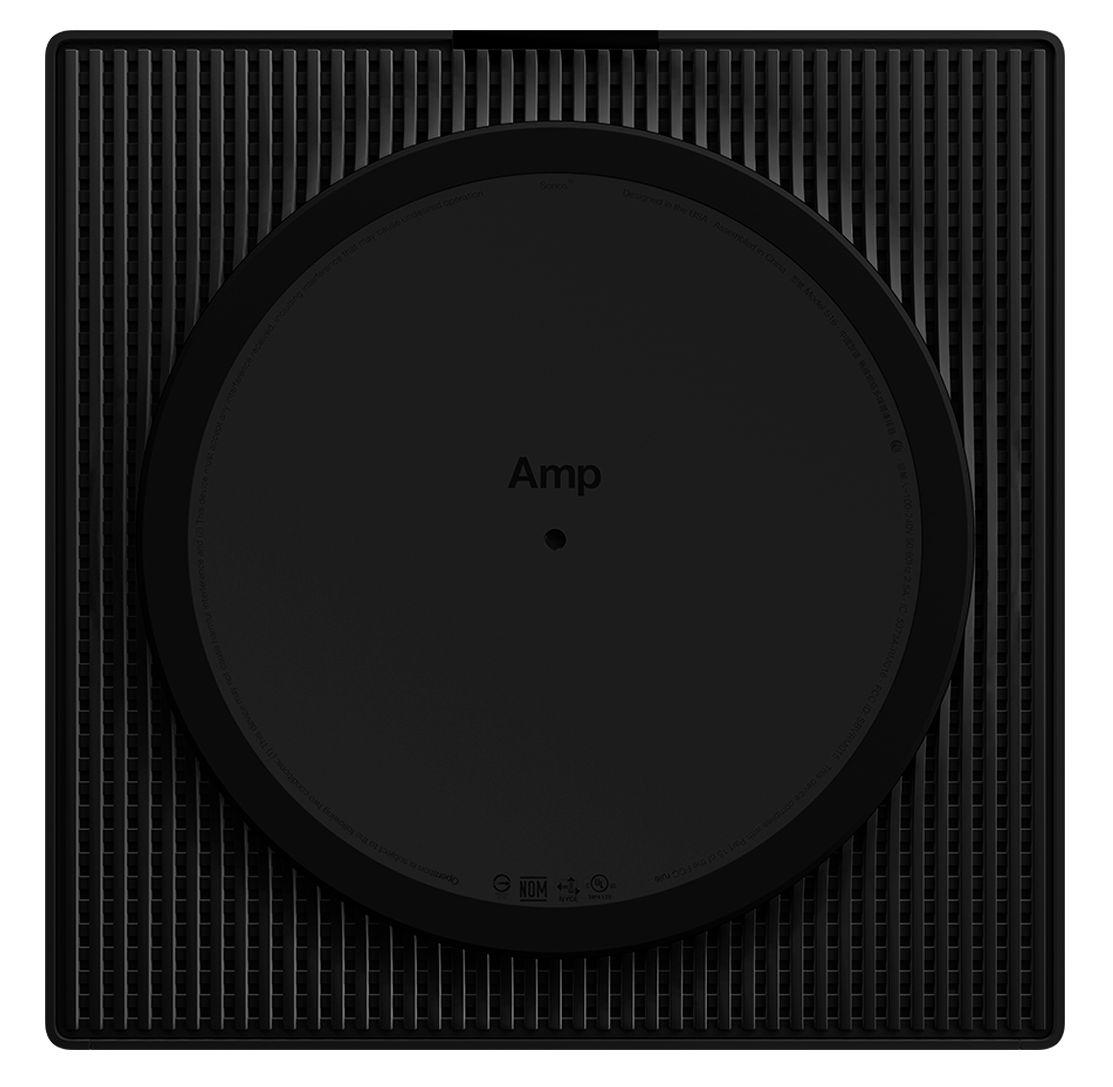
The Sonos Amp is built for integration and reliability with a compact, rack-mountable chassis that stays cool during operation. Its advanced thermal management and efficient Class D design suggest good long-term reliability. The one-year warranty is standard for consumer electronics.
The NAD D 3045 offers more premium construction with better materials and a two-year warranty that reflects confidence in build quality. NAD has been building amplifiers since 1972, and that experience shows in the engineering details and component selection.
At the time of writing, both amplifiers occupy similar price segments in the mid-range streaming amplifier market, though the NAD D 3045 typically commands a modest premium reflecting its more comprehensive feature set and superior audio performance.
The Sonos Amp offers excellent value if you prioritize convenience, wireless integration, and high power output. The ecosystem integration effectively replaces what might otherwise require multiple components (streamer, amplifier, multiroom controller), making it a good value for users who want simplicity without sacrificing performance.
The NAD D 3045 represents better value for serious music listeners when you consider what you'd need to spend separately for comparable performance. The built-in phono stage alone might save you $200-400 on a separate component, and the headphone amplifier and high-resolution DAC add further value.
Choose the Sonos Amp if you want the simplest path to high-quality wireless audio throughout your home. It's ideal for users who primarily stream music, want room-filling power for larger spaces or outdoor areas, and value convenience over ultimate sound quality. It's also the clear choice if you're already invested in the Sonos ecosystem or planning to build a multiroom system.
The Sonos Amp makes particular sense for people who want to upgrade their audio system without dealing with multiple components, cables, and complex setup procedures. If your primary sources are streaming services and you occasionally connect a TV or other digital device, the Sonos approach eliminates much complexity while delivering genuinely good sound.
Choose the NAD D 3045 if sound quality is your primary concern and you want maximum flexibility for future upgrades. It's the better choice for vinyl enthusiasts, serious music listeners who care about high-resolution audio formats, and anyone who wants traditional hi-fi component performance with modern digital convenience.
The NAD D 3045 also makes sense for people building systems gradually—you can start with just the amplifier and add sources over time, confident that the analog and digital inputs will accommodate future additions.
Both the Sonos Amp and NAD D 3045 are excellent products that serve different needs exceptionally well. The Sonos Amp prioritizes user experience and ecosystem integration, making high-quality audio accessible and convenient for a broad audience. The NAD D 3045 prioritizes audio performance and connectivity flexibility, serving users who want the best possible sound quality and maximum upgrade flexibility.
Your choice ultimately depends on whether you value convenience and integration more than ultimate sound quality, and whether you want a complete ecosystem solution or prefer building a system with individual components. Both approaches have merit, and both amplifiers execute their respective visions very well.
For most people, the Sonos Amp will provide years of satisfying listening with minimal fuss, while the NAD D 3045 offers a more traditional hi-fi experience with room for growth and refinement over time. Neither choice is wrong—they're just different paths to the same goal of better sound at home.
| Sonos Amp | NAD D 3045 |
|---|---|
| Power Output - Determines how loud your speakers can play and what speakers you can drive | |
| 125W per channel (8Ω), 250W (4Ω) - High power for demanding speakers | 60W per channel (8Ω and 4Ω) - Moderate power but exceptional current delivery |
| Sound Quality - Most important factor for music enjoyment | |
| Good dynamics, engaging sound but lacks audiophile refinement | Exceptional transparency, low noise floor, audiophile-grade performance |
| Wireless Streaming - Convenience for modern music listening | |
| Built-in Wi-Fi, 100+ services, multiroom sync, AirPlay 2 | Bluetooth aptX HD only - requires external streaming sources |
| Digital Inputs - Connecting modern sources like TVs, computers, CD players | |
| HDMI ARC, USB (basic), no optical inputs | HDMI ARC, 2x optical, coaxial, high-res USB (24-bit/384kHz), MQA/DSD support |
| Analog Inputs - Connecting turntables and other traditional sources | |
| Single RCA line input only | Moving-magnet phono stage, RCA line, 3.5mm - excellent for vinyl enthusiasts |
| Headphone Output - For private listening | |
| None | Dedicated powerful headphone amplifier with front-panel jack |
| Multi-Speaker Capability - Powering multiple speakers or rooms | |
| Can power up to 4 speakers, seamless multiroom with other Sonos devices | Stereo only, requires separate components for multiroom |
| Setup Complexity - How easy to get started | |
| Simple app-based setup, minimal technical knowledge required | Traditional hi-fi setup, more complex but offers greater flexibility |
| Home Theater Integration - Using with TV and movies | |
| HDMI ARC with Sonos wireless surrounds possible | HDMI ARC, excellent stereo TV sound, requires separate components for surround |
| Physical Design - Size and placement flexibility | |
| Compact rack-mount (8.5" x 8.5" x 2.5"), 4.6 lbs | Flexible horizontal/vertical placement (9.3" x 2.75" x 10.4"), 7.9 lbs |
| Warranty Coverage - Protection for your investment | |
| 1 year parts and labor | 2 years parts and labor - reflects higher build confidence |
The Sonos Amp delivers significantly more power at 125 watts per channel (8 ohms) compared to the NAD D 3045's 60 watts per channel. However, the NAD D 3045 uses advanced PowerDrive technology that provides excellent current delivery, making it capable of driving demanding speakers despite the lower wattage rating.
The NAD D 3045 generally provides superior sound quality with exceptional transparency, low noise floor, and audiophile-grade performance. The Sonos Amp delivers engaging, room-filling sound that's very good for casual listening, but the NAD D 3045 offers more detail and refinement for serious music enjoyment.
Only the NAD D 3045 includes a built-in moving-magnet phono stage for direct turntable connection, and it's considered exceptionally good quality. The Sonos Amp requires a separate phono preamp to connect a turntable to its line input.
The Sonos Amp is much easier to set up with simple app-based configuration and automatic device discovery. The NAD D 3045 requires more traditional hi-fi setup knowledge but offers greater flexibility once configured.
The Sonos Amp excels at wireless streaming with built-in Wi-Fi, access to 100+ streaming services, and seamless multiroom capabilities. The NAD D 3045 only offers Bluetooth aptX HD for wireless streaming and requires external sources for services like Spotify.
Both work well for TV audio via HDMI ARC, but they serve different needs. The Sonos Amp can expand with wireless Sonos surround speakers for full home theater systems. The NAD D 3045 provides superior stereo TV sound quality but requires separate components for true surround sound.
The NAD D 3045 offers comprehensive digital connectivity with two optical inputs, coaxial input, USB, and HDMI ARC. The Sonos Amp has more limited digital inputs with only HDMI ARC and basic USB, lacking optical inputs entirely.
The NAD D 3045 supports high-resolution audio up to 24-bit/384kHz via USB, plus MQA and DSD formats. The Sonos Amp is limited to standard streaming quality audio and doesn't support high-resolution formats.
Only the NAD D 3045 includes a dedicated headphone amplifier with a front-panel jack that can drive demanding headphones effectively. The Sonos Amp has no headphone output.
The Sonos Amp can power up to four speakers (two pairs) simultaneously and integrates with other Sonos devices for whole-house audio. The NAD D 3045 is designed for stereo speaker pairs only.
The Sonos Amp is particularly well-suited for outdoor installations with its high power output and weather-resistant design optimized for architectural speakers. The NAD D 3045 can power outdoor speakers but is better suited for indoor hi-fi applications.
The NAD D 3045 typically offers better long-term value for serious listeners with its superior build quality, comprehensive connectivity, built-in phono stage, and two-year warranty. The Sonos Amp provides excellent value for users prioritizing convenience and wireless multiroom capabilities over ultimate audio performance.
We've done our best to create useful and informative comparisons to help you decide what product to buy. Our research uses advanced automated methods to create this comparison and perfection is not possible - please contact us for corrections or questions. These are the sites we've researched in the creation of this article: audioadvice.com - crutchfield.com - adiglobaldistribution.pr - themasterswitch.com - astralsecurite.ca - wassersfurniture.com - whathifi.com - sonos.com - audiosciencereview.com - bestbuy.com - videoandaudiocenter.com - en.community.sonos.com - crutchfield.com - crutchfield.com - audio-head.com - safeandsoundhq.com - hifiplus.com - nadelectronics.com - whathifi.com - hometheaterhifi.com - audiosciencereview.com - soundstageaccess.com - soundandvision.com - youtube.com - turntablelab.com - audiosciencereview.com

Privacy Policy
Terms and Conditions - Affiliate Policy
Home Security
© Copyright 2008-2026.
11816 Inwood Rd #1211, Dallas, TX 75244