

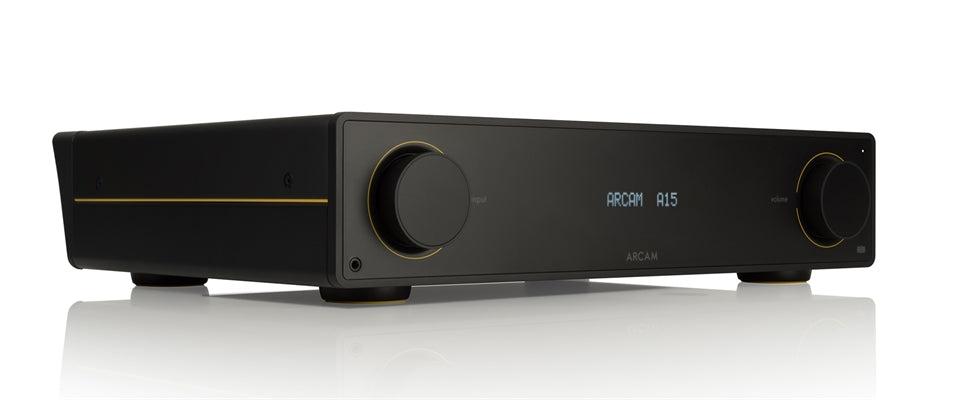
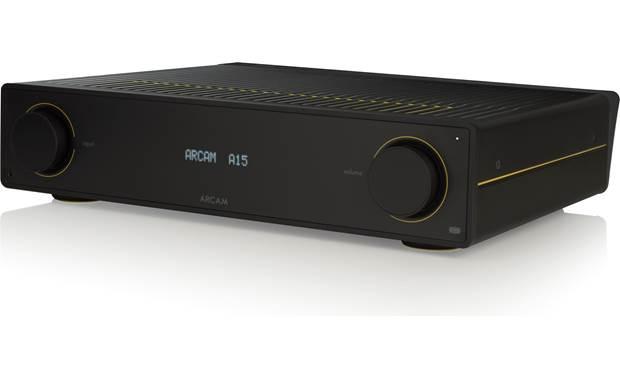
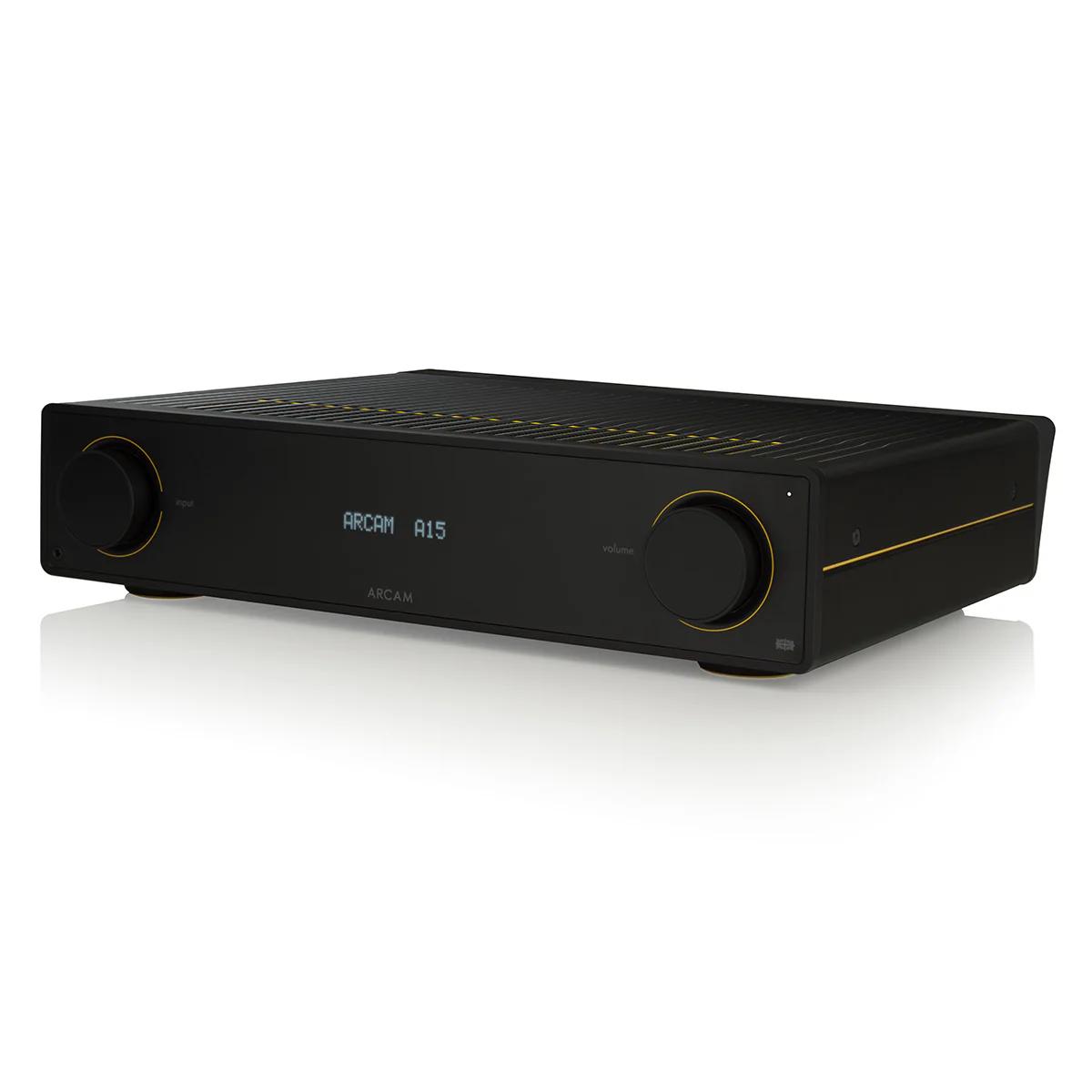
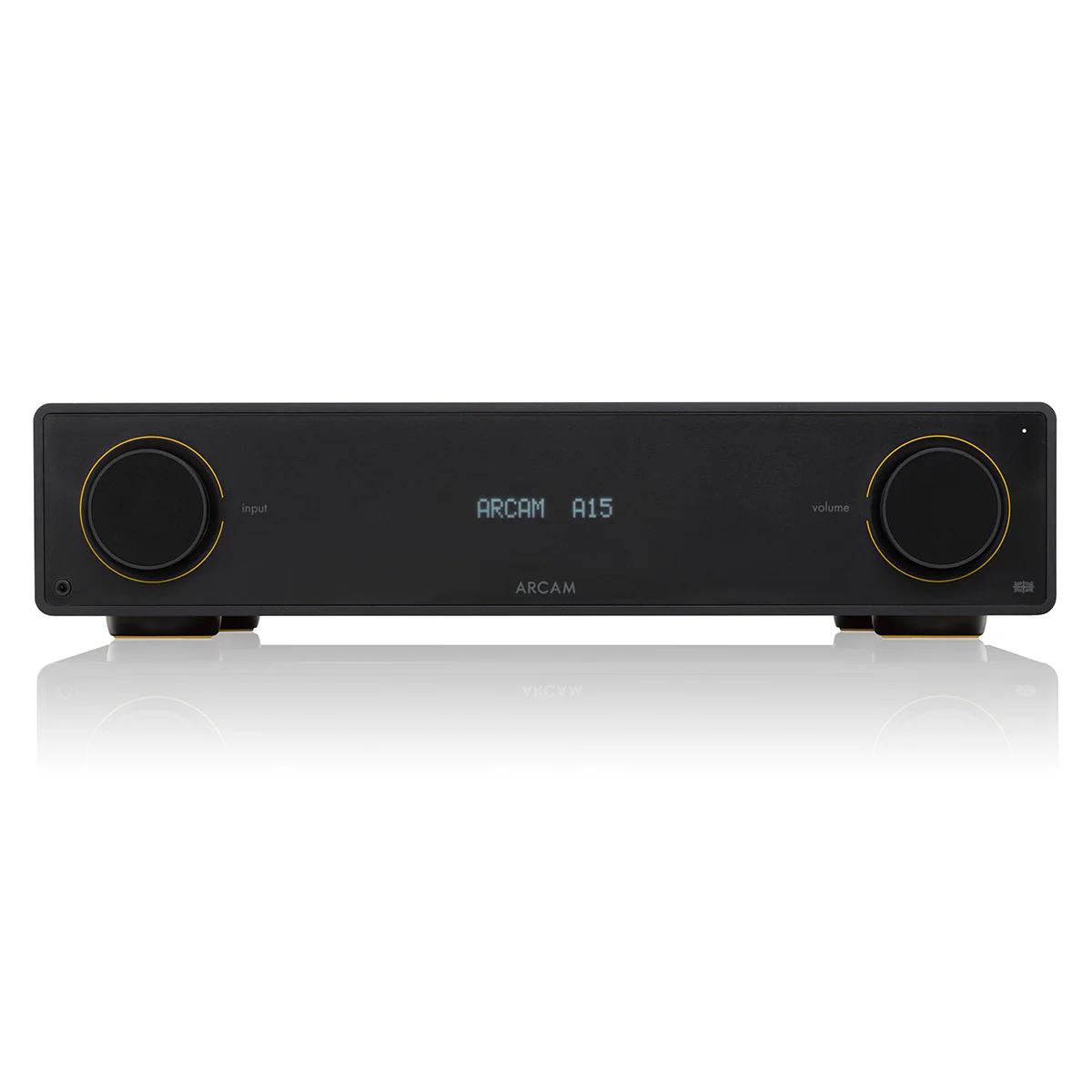
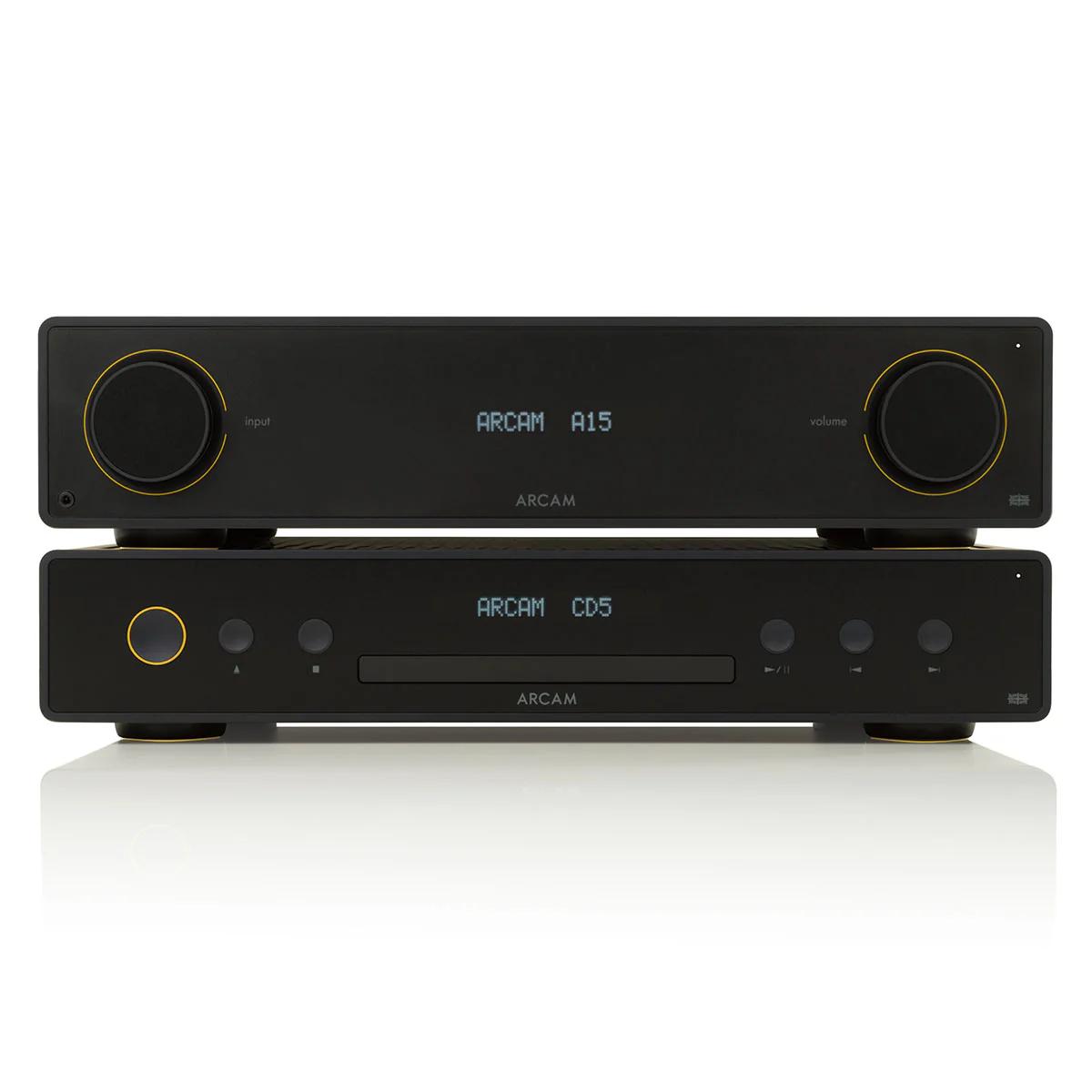
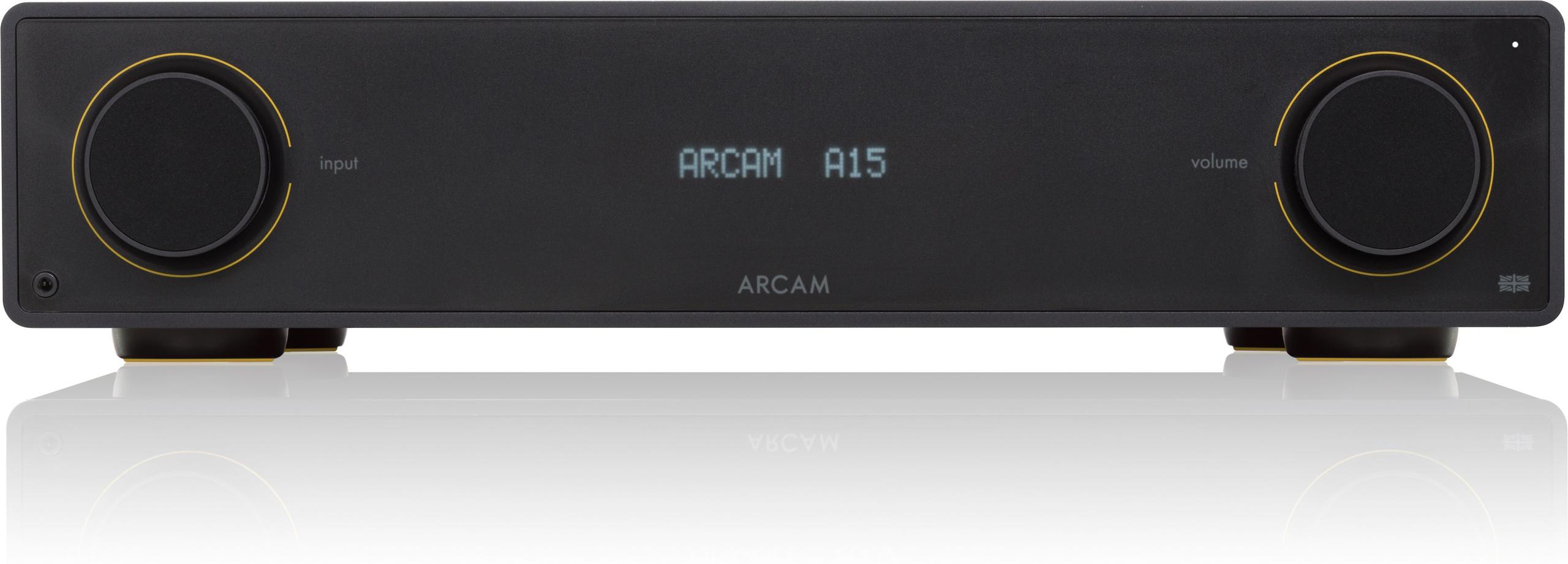
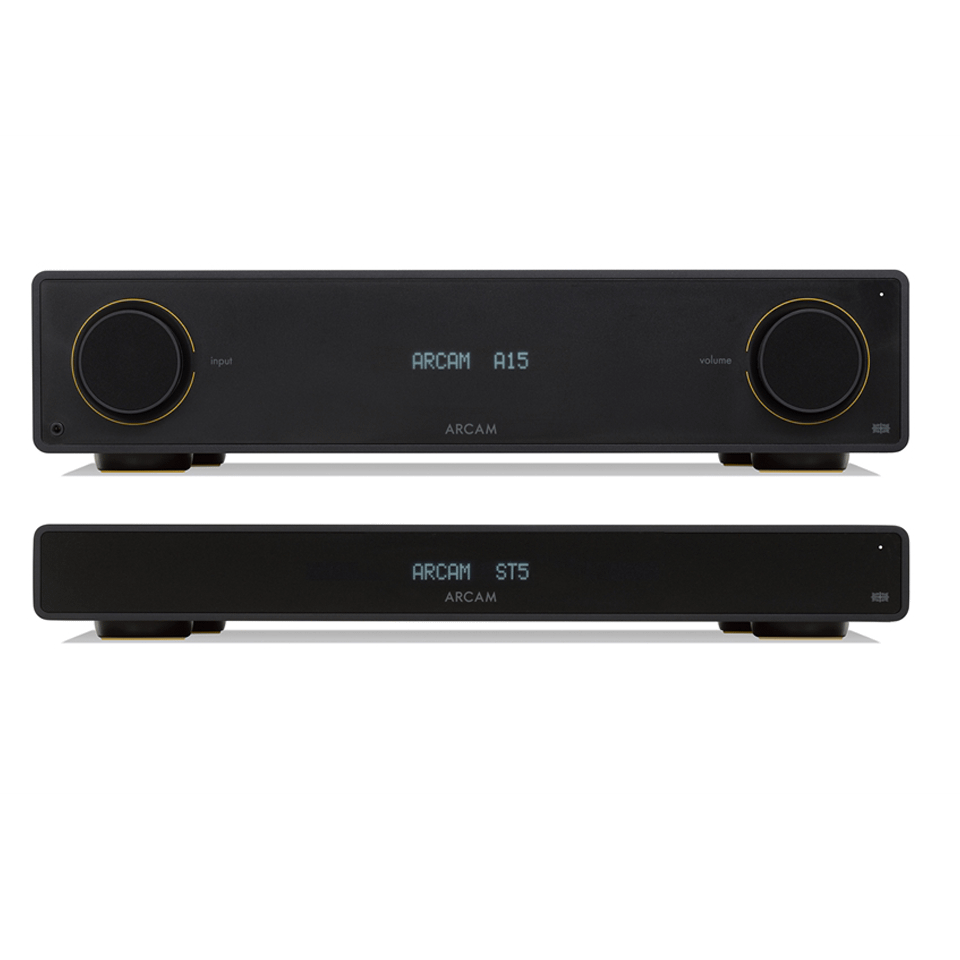
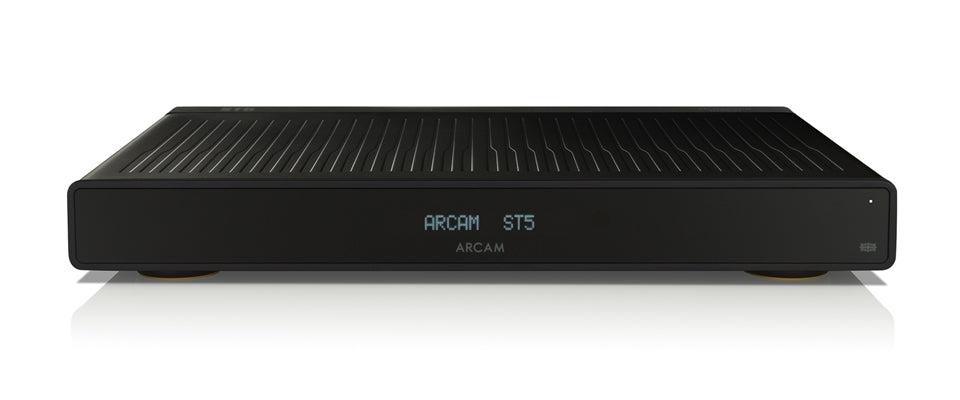

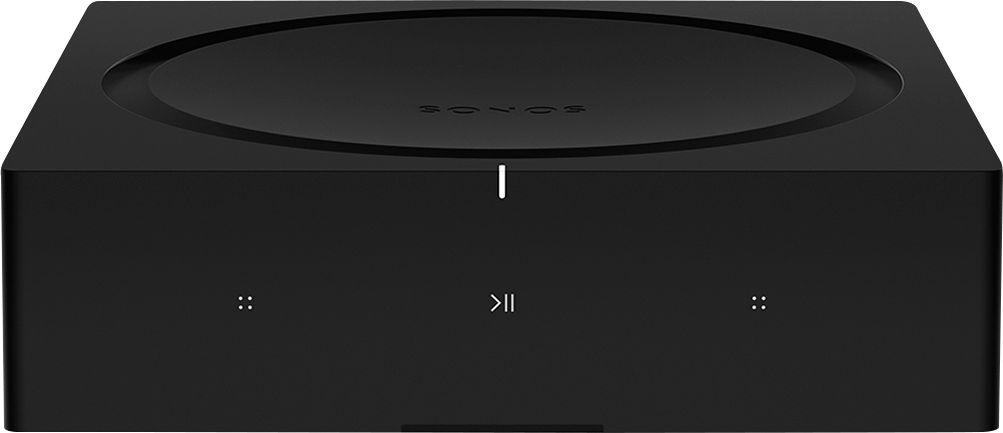

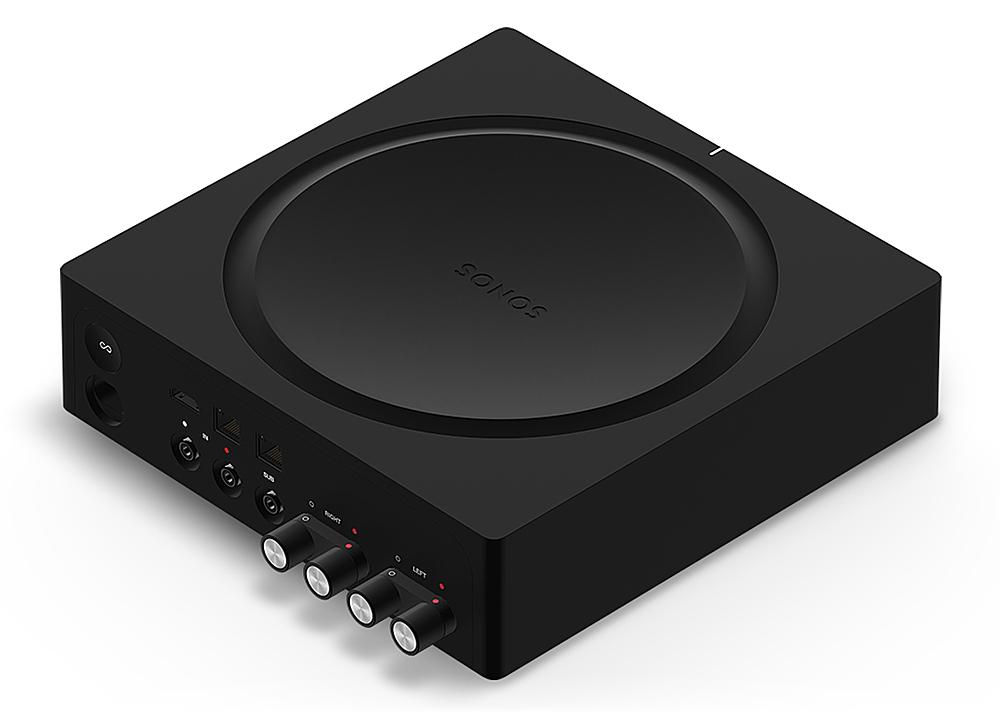
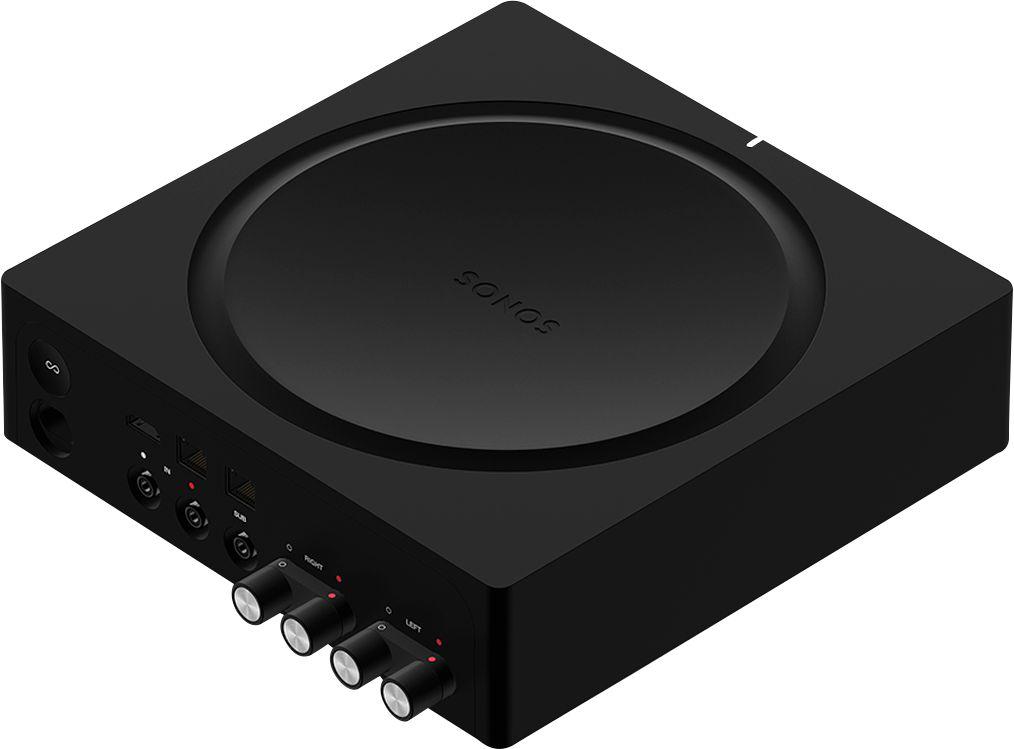
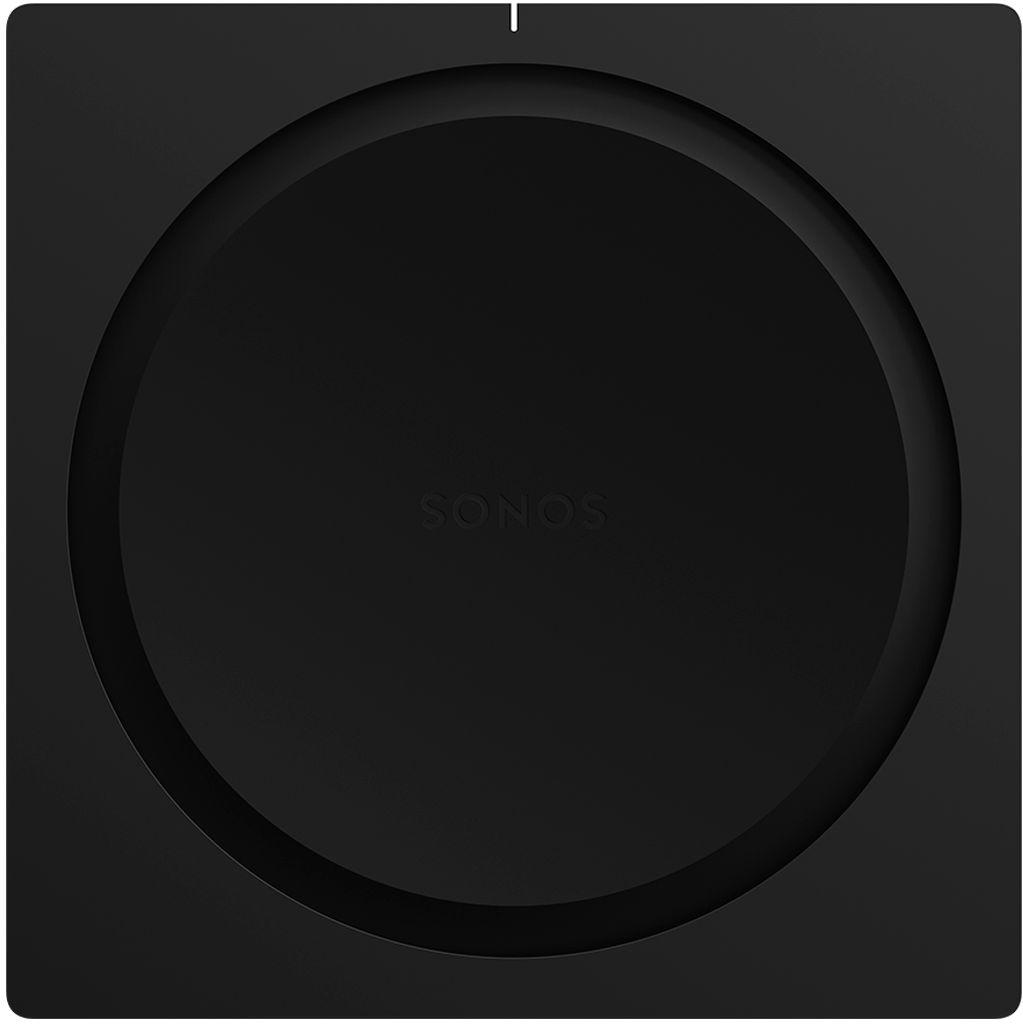
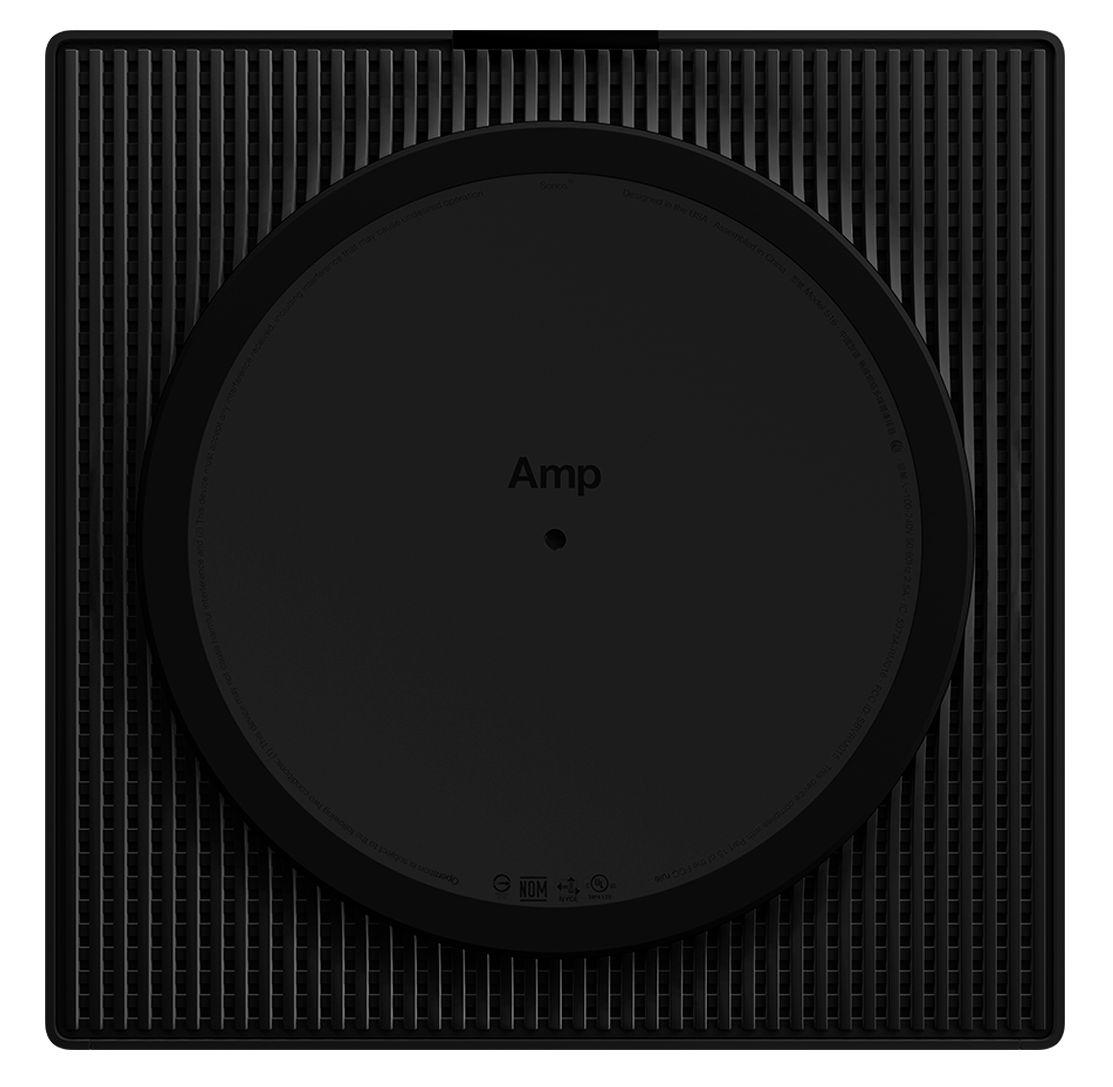


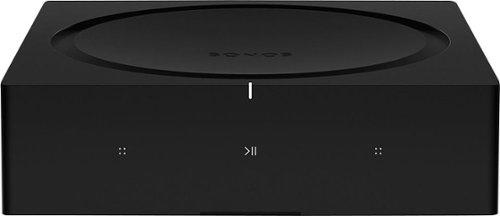
When you're shopping for an integrated amplifier today, you're essentially choosing between two different philosophies of home audio. The Arcam A15 represents the traditional audiophile approach—premium components, multiple inputs, and a focus on pure sound quality. The Sonos Amp, on the other hand, embodies the modern smart home philosophy where streaming convenience and multiroom integration take center stage.
Both amplifiers will drive your passive speakers and deliver great sound, but they're designed for fundamentally different users and listening habits. Understanding these differences is crucial to picking the right one for your home and budget.
An integrated amplifier combines two essential components: a preamplifier (which controls volume and switches between sources) and a power amplifier (which actually drives your speakers). Think of it as the central command station for your stereo system—everything connects to it, and it controls what you hear.
The key considerations when choosing any integrated amp are straightforward: How good does it sound? How much power does it deliver? What can you connect to it? And increasingly important in 2024: How does it handle streaming and smart home integration?
Power output, measured in watts per channel, tells you how loud your system can play and what speakers it can drive effectively. Sound quality involves factors like distortion levels, frequency response (how evenly it reproduces different pitches), and the overall character of the amplification. Connectivity determines what sources you can use, while integration features affect how the amp fits into your daily life.
The Arcam A15 and Sonos Amp represent completely different approaches to these core requirements. Released in 2023 as part of Arcam's refreshed Radia series, the A15 follows decades of British hi-fi tradition, emphasizing analog circuitry, multiple input options, and audiophile-grade components. It's designed for people who want to sit down, focus on music, and hear every detail their recordings can offer.
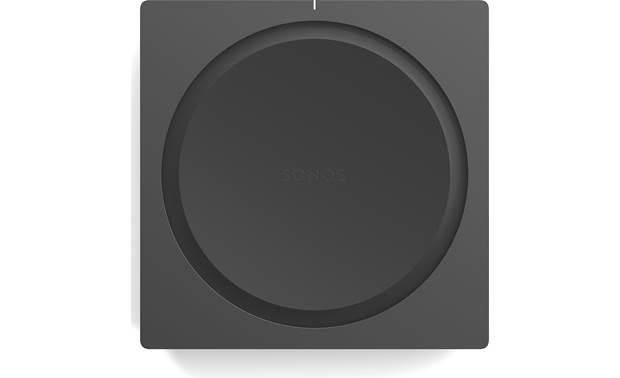
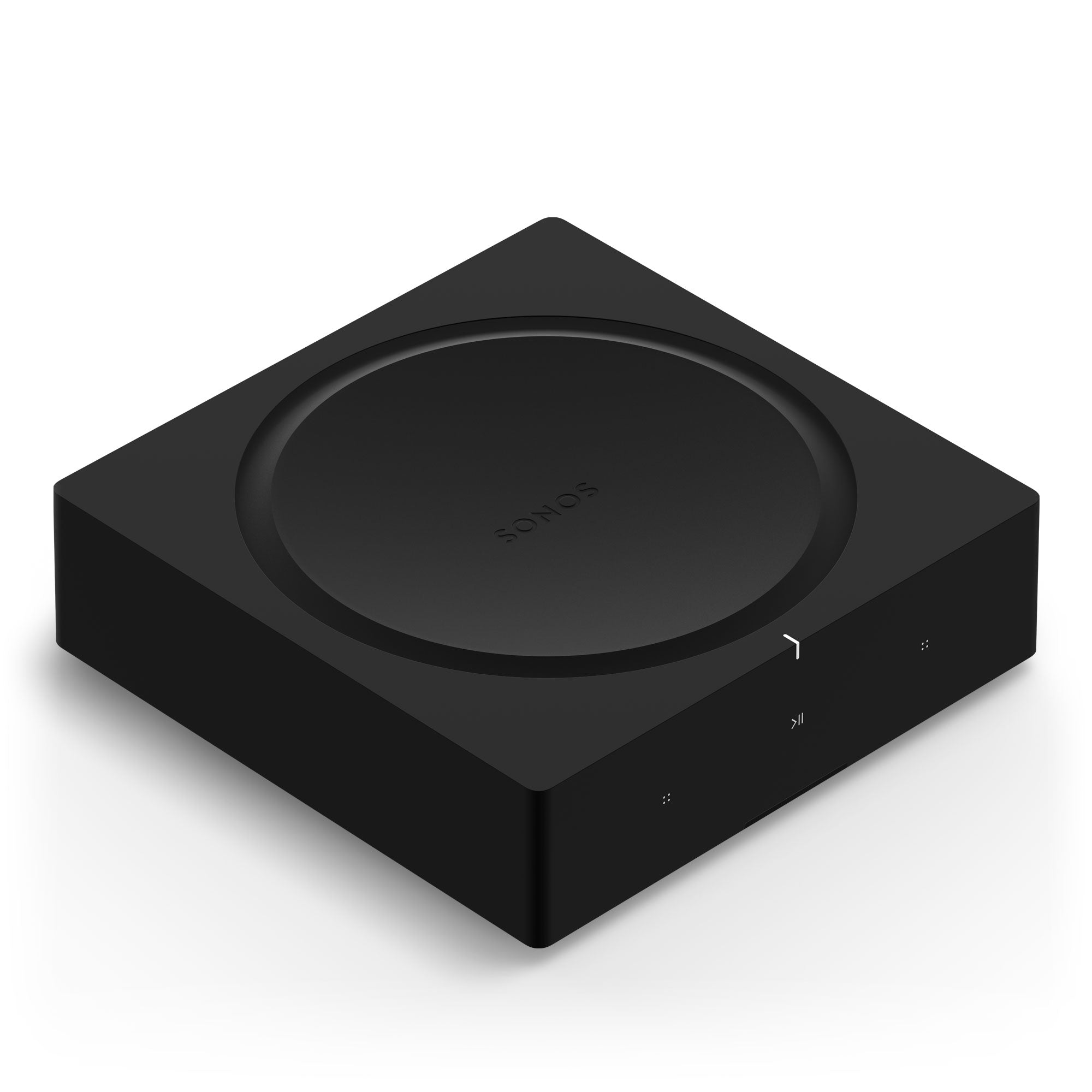
The Sonos Amp, launched in 2018 and continuously updated through software, takes the opposite approach. It's a streaming-first device designed to disappear into your daily routine, delivering room-filling sound from your favorite streaming services without fuss. While it can certainly handle traditional sources, its real strength lies in wireless convenience and ecosystem integration.
This philosophical difference shapes everything about how these amplifiers work and who should buy them.
At first glance, the power specifications seem to favor the Sonos Amp—125 watts per channel versus the Arcam A15's 80 watts. But amplifier power is more nuanced than a simple numbers game, and the type of amplification circuit makes a huge difference.
The Arcam A15 uses Class AB amplification, a time-tested approach that runs transistors in a way that balances efficiency with sound quality. Class AB amps typically sound more natural and detailed than their digital counterparts, with better handling of complex musical passages. The trade-off is that they generate more heat and are less efficient, which is why the A15 needs that substantial aluminum chassis for cooling.
Meanwhile, the Sonos Amp employs Class D amplification—essentially a digital switching design that's extremely efficient and generates minimal heat. This allows Sonos to pack more power into a smaller, cooler-running package. Class D has improved dramatically over the past decade, and modern implementations like the one in the Sonos can sound quite good, though they often lack the subtle refinement that audiophiles prefer.
In practical terms, both amplifiers will drive most bookshelf and tower speakers to satisfying volumes. The Sonos Amp's extra power gives it an advantage with demanding speakers or in larger rooms, while the Arcam A15's superior analog circuitry delivers more nuanced sound quality at moderate listening levels.
This is where the fundamental differences between these amplifiers become most apparent. The Arcam A15 is engineered for critical listening, with a signal path designed to preserve every detail in your music. Its ESS ES9018 DAC (digital-to-analog converter) handles high-resolution files up to 24-bit/192kHz, which means it can decode studio-quality recordings with exceptional precision.
The A15's analog sections are equally impressive. With harmonic distortion of just 0.002% and signal-to-noise ratios exceeding 106dB, it maintains a very clean signal path. In listening terms, this translates to precise imaging (you can pinpoint where instruments are positioned), excellent dynamics (the difference between quiet and loud passages), and a natural tonal balance that doesn't emphasize any particular frequency range.
The Sonos Amp approaches sound quality differently. While its measurements are respectable, its strength lies in delivering consistently good sound across various conditions and speaker loads. The Class D amplification provides excellent control over speaker drivers, particularly in the bass region, making it especially effective with in-wall, in-ceiling, or outdoor speakers that might challenge other amplifiers.
From our research into user and expert reviews, the consensus is clear: the Arcam A15 wins on pure fidelity and critical listening, while the Sonos Amp excels at delivering room-filling, engaging sound that works well for background listening and larger gatherings.
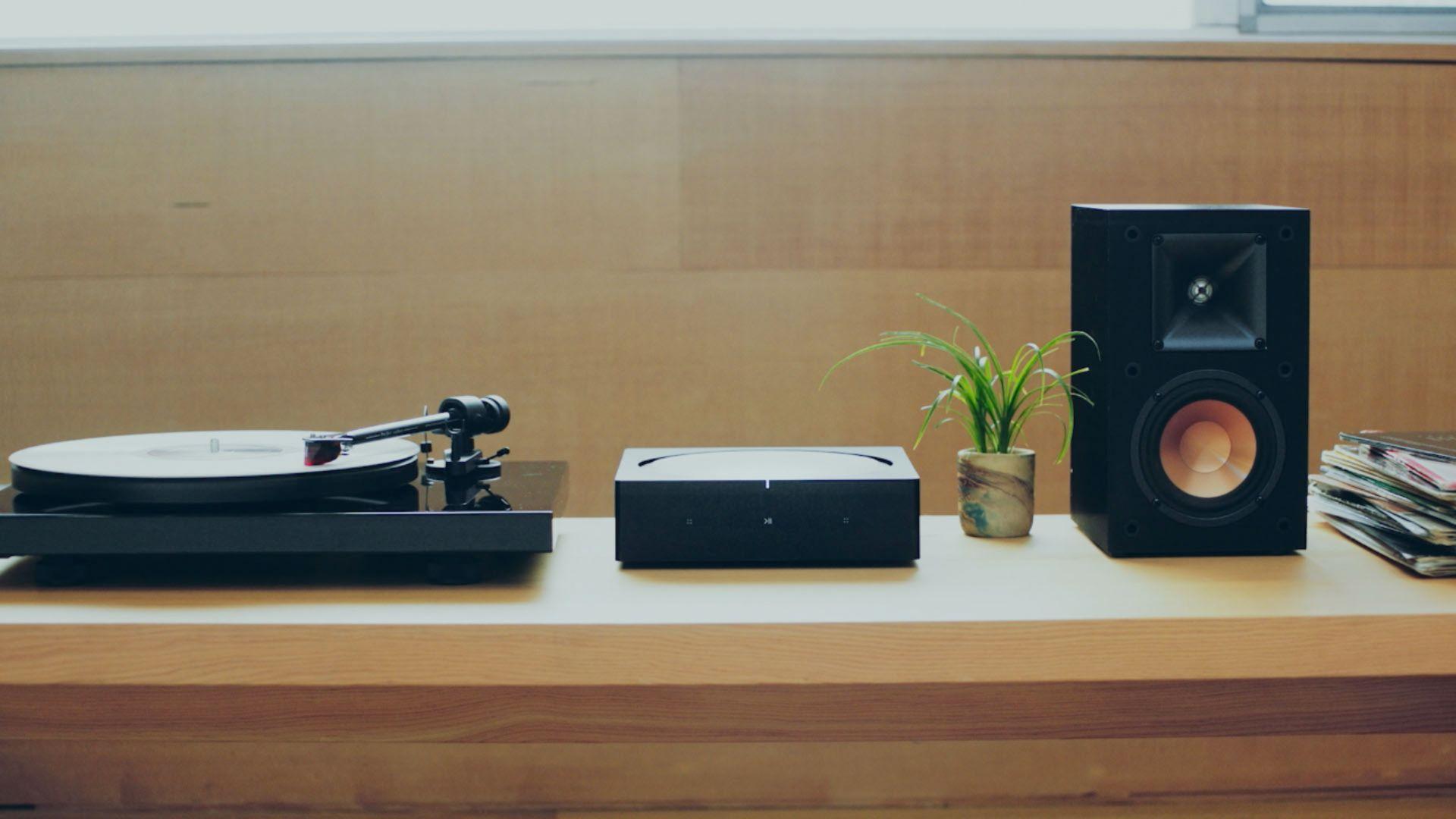
The Arcam A15 offers what serious music listeners expect: three analog RCA inputs for traditional sources, two coaxial and one optical digital input for CD players or streaming devices, and—crucially for vinyl enthusiasts—a dedicated moving magnet phono input. This built-in phono stage eliminates the need for a separate component, saving money and reducing complexity for turntable users.
The A15's Bluetooth implementation is particularly noteworthy. It uses Bluetooth 5.2 with aptX Adaptive, which provides near-CD quality wireless streaming. Even more interesting, it's bidirectional—you can stream music to the amplifier from your phone, or stream from the amplifier to Bluetooth headphones. This flexibility is rare and genuinely useful.
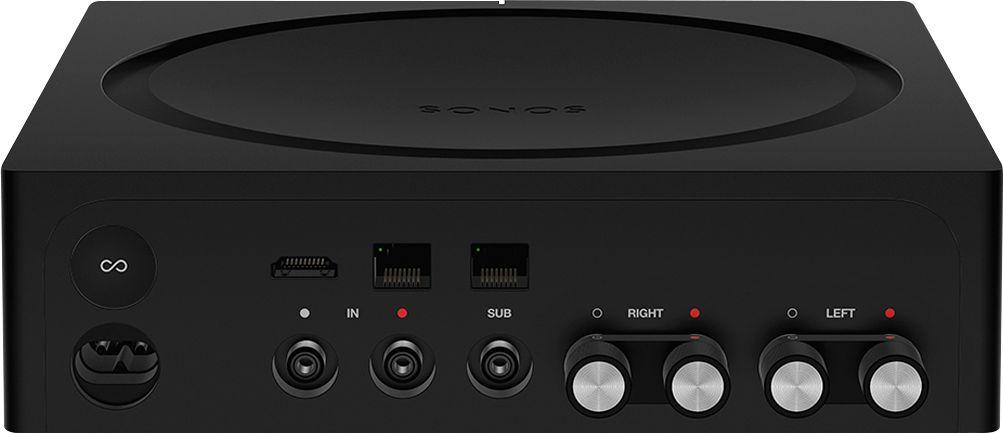
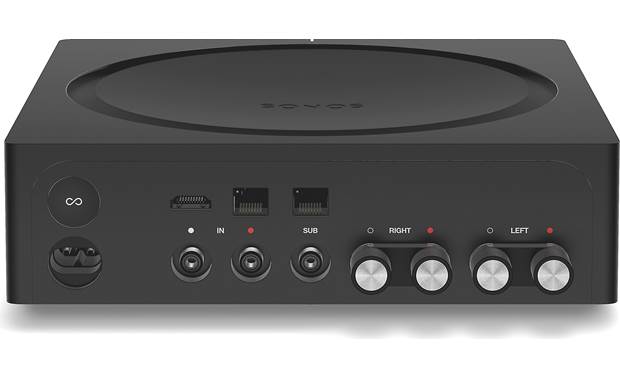
The Sonos Amp takes a completely different approach. Its analog inputs are limited—just one RCA stereo pair—but it adds capabilities the Arcam lacks entirely. The HDMI ARC (Audio Return Channel) input connects directly to your TV, allowing the Sonos to handle all your TV audio through your main speakers. This is enormously convenient for home theater setups and eliminates the need for additional components.
Where the Sonos Amp truly shines is wireless connectivity. It connects to your home network via WiFi or Ethernet and can access hundreds of streaming services directly—no additional devices required. Apple AirPlay 2 support means seamless integration with Apple devices, while the Sonos app provides a polished interface for managing your entire audio system.
For home theater use, the Sonos Amp is significantly more versatile. The HDMI ARC connection means your TV remote can control volume through the Sonos, and you'll get proper digital audio from all your TV's sources—streaming apps, cable boxes, game consoles, and Blu-ray players.
The Sonos Amp can also serve as the foundation for a wireless surround sound system. Add Sonos rear speakers and a Sonos subwoofer, and you have a full 5.1 system with no additional wiring. This expandability is genuinely useful for people who want to start with stereo and grow their system over time.
The Arcam A15 can certainly handle TV audio through its analog or digital inputs, but you'll need additional components to extract audio from your TV, and you won't get the seamless integration that makes the system easy for everyone in the household to use.
If you want music in multiple rooms, the Sonos Amp is in a different league entirely. The Sonos ecosystem allows you to group rooms, play different music in each zone, or sync everything for whole-house audio. The smartphone app is intuitive, and the system stays connected and ready to play music instantly.
The Arcam A15 is fundamentally a single-room solution. While its Bluetooth can reach other rooms, you lose the seamless control and synchronization that makes multiroom audio genuinely convenient.
Both amplifiers are well-built, but they approach durability differently. The Arcam A15 features a substantial aluminum chassis with precision-machined controls that should last decades. The discrete analog circuitry is serviceable, and the company has a long history of supporting products well beyond their initial sales period.
The Sonos Amp is more compact and lighter, but its longevity depends heavily on software support. Sonos has an excellent track record of updating older products—some devices from 2005 still receive updates—but the company did controversially end support for some very old devices in 2020. For most users, this shouldn't be a concern for many years, but it's worth considering for long-term ownership.
The Arcam A15 is ideal for dedicated music listeners who prioritize sound quality above convenience. If you have a collection of vinyl records, high-resolution digital files, or simply enjoy sitting down to focus on music, the A15's superior analog performance and comprehensive connectivity make it the better choice. It's also perfect for people who prefer physical controls and don't need wireless multiroom features.
At the time of writing, the A15 commands a premium price that reflects its audiophile positioning, but for serious music listeners, the superior sound quality and build materials justify the investment.
The Sonos Amp makes more sense for most modern households. If you primarily stream music, want easy home theater integration, or need multiroom capabilities, it's significantly more practical. The combination of higher power output, HDMI ARC, and seamless streaming integration creates a system that family members actually want to use.
The Sonos typically costs notably less than the Arcam at launch, making it an excellent value for users who don't need audiophile-grade analog performance.
Choose the Arcam A15 if you're building a dedicated listening system, have analog sources like turntables, or simply want the best possible sound quality from a single integrated amplifier. It's a traditional hi-fi component done exceptionally well, with modern conveniences added thoughtfully.
Choose the Sonos Amp if you want a modern audio system that fits seamlessly into daily life, handles both music and TV audio elegantly, and can grow into a multiroom setup. It prioritizes convenience and integration over ultimate fidelity, which is exactly what most people need.
Neither choice is wrong—they're simply optimized for different priorities and listening habits. The key is honestly assessing how you actually use audio equipment versus how you think you might use it, then choosing accordingly.
| Arcam A15 Integrated Amplifier | Sonos Amp Amplifier |
|---|---|
| Power Output - Determines how loud you can play and what speakers you can drive | |
| 80W per channel (8Ω) Class AB - refined sound quality | 125W per channel (8Ω) Class D - more raw power for demanding speakers |
| Amplifier Type - Affects sound character and efficiency | |
| Class AB discrete - warmer, more natural sound but less efficient | Class D digital - efficient, cool-running, punchy but potentially less refined |
| Digital Audio Quality - Critical for streaming and digital sources | |
| ESS ES9018 DAC, 24-bit/192kHz - audiophile-grade high-res support | 24-bit/48kHz max - good quality but limited to standard streaming rates |
| Analog Inputs - Important for connecting traditional sources | |
| 3x RCA line inputs plus dedicated MM phono stage for turntables | 1x RCA stereo input - minimal analog connectivity |
| Digital Inputs - For CD players, streamers, and other digital sources | |
| 2x coaxial, 1x optical - comprehensive digital connectivity | None - relies on network streaming and HDMI |
| TV Integration - Essential for home theater use | |
| Requires external audio extraction from TV | HDMI ARC - direct TV connection with remote control integration |
| Wireless Streaming - Modern convenience feature | |
| Bluetooth 5.2 with aptX Adaptive (bidirectional) | WiFi streaming with native app, AirPlay 2, hundreds of services |
| Multiroom Capability - For whole-home audio systems | |
| Single room only | Native wireless multiroom with grouping and synchronization |
| Subwoofer Output - For adding bass extension | |
| None (use preamp output) | Dedicated mono output with adjustable 50-110Hz crossover |
| Build Quality and Size - Affects longevity and placement options | |
| Premium aluminum chassis, 22 lbs, traditional hi-fi aesthetic | Compact design, 4.6 lbs, rack-mountable for installations |
| Control Method - Daily usability factor | |
| Physical knobs and remote control - tactile, immediate | Smartphone app and touch controls - modern but device-dependent |
| Speaker Configuration - Flexibility in setup options | |
| Two speakers only (stereo pair) | Can drive up to 4 speakers or add wireless surrounds |
The Sonos Amp is significantly better for home theater use. It features HDMI ARC connectivity that connects directly to your TV, allowing seamless audio playback from all TV sources with remote control integration. The Sonos Amp can also expand wirelessly into a full surround sound system. The Arcam A15 requires additional components to extract TV audio and doesn't offer wireless surround expansion.
The Sonos Amp delivers 125 watts per channel into 8 ohms, while the Arcam A15 provides 80 watts per channel. However, the Arcam A15 uses Class AB amplification which often sounds more refined, while the Sonos Amp uses efficient Class D amplification that provides more raw power for demanding speakers.
The Sonos Amp excels at wireless streaming with built-in WiFi, native access to hundreds of streaming services, and Apple AirPlay 2 support. The Arcam A15 offers Bluetooth 5.2 with aptX Adaptive for high-quality wireless streaming from phones and tablets, but lacks native streaming service integration.
The Arcam A15 generally provides superior sound quality for critical listening, featuring an ESS ES9018 DAC, lower distortion (0.002%), and Class AB amplification that delivers more natural, detailed sound. The Sonos Amp sounds good but prioritizes convenience and room-filling sound over audiophile-grade fidelity.
Value depends on your priorities. The Sonos Amp typically costs less and includes streaming capabilities, home theater integration, and multiroom functionality that would require additional components with other amplifiers. The Arcam A15 costs more but delivers superior build quality and sound fidelity for dedicated music listening.
The Sonos Amp is better suited for outdoor speakers due to its higher power output (125W vs 80W), ability to drive multiple speaker pairs simultaneously, and weather-resistant design considerations. The Arcam A15 can power outdoor speakers but lacks the robust power delivery and multi-speaker capabilities of the Sonos Amp.
We've done our best to create useful and informative comparisons to help you decide what product to buy. Our research uses advanced automated methods to create this comparison and perfection is not possible - please contact us for corrections or questions. These are the sites we've researched in the creation of this article: theaudiotailor.com.au - skybygramophone.com - crutchfield.com - arcam.co.uk - youtube.com - listenup.com - upscaleaudio.com - arcam.co.uk - whathifi.com - sweetwater.com - musicdirect.com - device.report - hifidaydreaming.com - listenup.com - audioadvice.com - crutchfield.com - adiglobaldistribution.pr - themasterswitch.com - astralsecurite.ca - wassersfurniture.com - whathifi.com - sonos.com - audiosciencereview.com - bestbuy.com - videoandaudiocenter.com - en.community.sonos.com

Privacy Policy
Terms and Conditions - Affiliate Policy
Home Security
© Copyright 2008-2026.
11816 Inwood Rd #1211, Dallas, TX 75244