

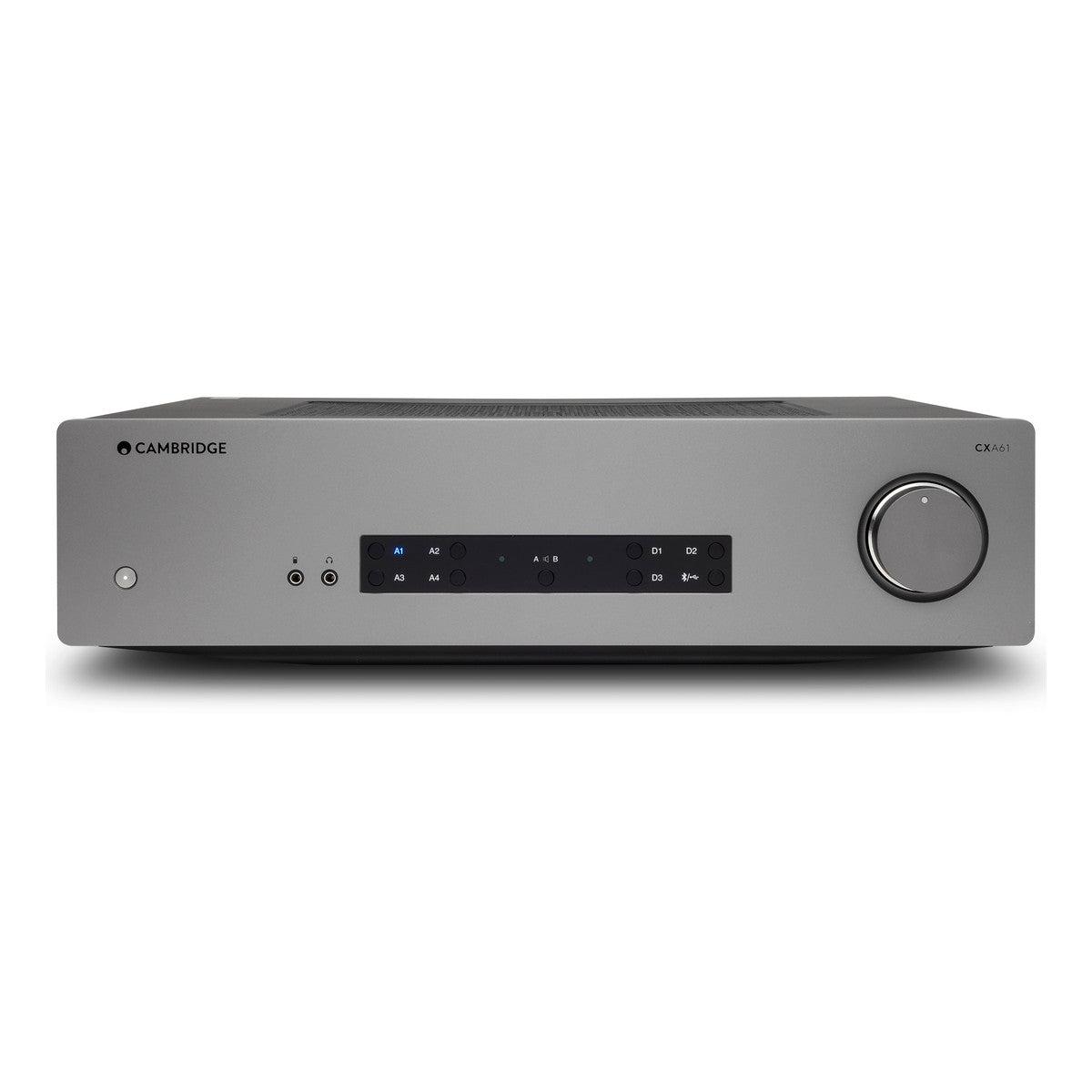
When you're building a serious audio system, the amplifier sits at the heart of everything. It's the component that takes weak signals from your sources and transforms them into powerful, room-filling sound. But with so many different approaches to amplification, choosing the right one can feel overwhelming. Today, we're diving deep into two amplifiers that represent fundamentally different philosophies: the modern, streaming-focused Sonos Amp and the traditional audiophile Cambridge Audio CXA61.
Before we jump into comparing these specific models, let's establish what really matters in an integrated amplifier. An integrated amplifier combines two essential functions: it acts as a preamplifier (controlling volume and switching between sources) and a power amplifier (providing the muscle to drive your speakers). Think of it as the conductor and the orchestra rolled into one.
The most critical considerations when choosing an amplifier include how much power it can deliver to your speakers, how clean and accurate that power is, what sources you can connect to it, and how well it fits into your lifestyle and listening habits. Power output, measured in watts per channel, determines how loud your system can go and how well it can handle demanding speakers. But raw power isn't everything – the quality of that power, measured through specs like total harmonic distortion (THD), tells you how clean and accurate the sound will be.
Modern amplifiers also need to handle the realities of how we listen to music today. Streaming services dominate music consumption, so wireless connectivity and digital inputs have become as important as traditional analog connections. Some amplifiers embrace this digital future, while others focus on perfecting the fundamentals of pure audio reproduction.
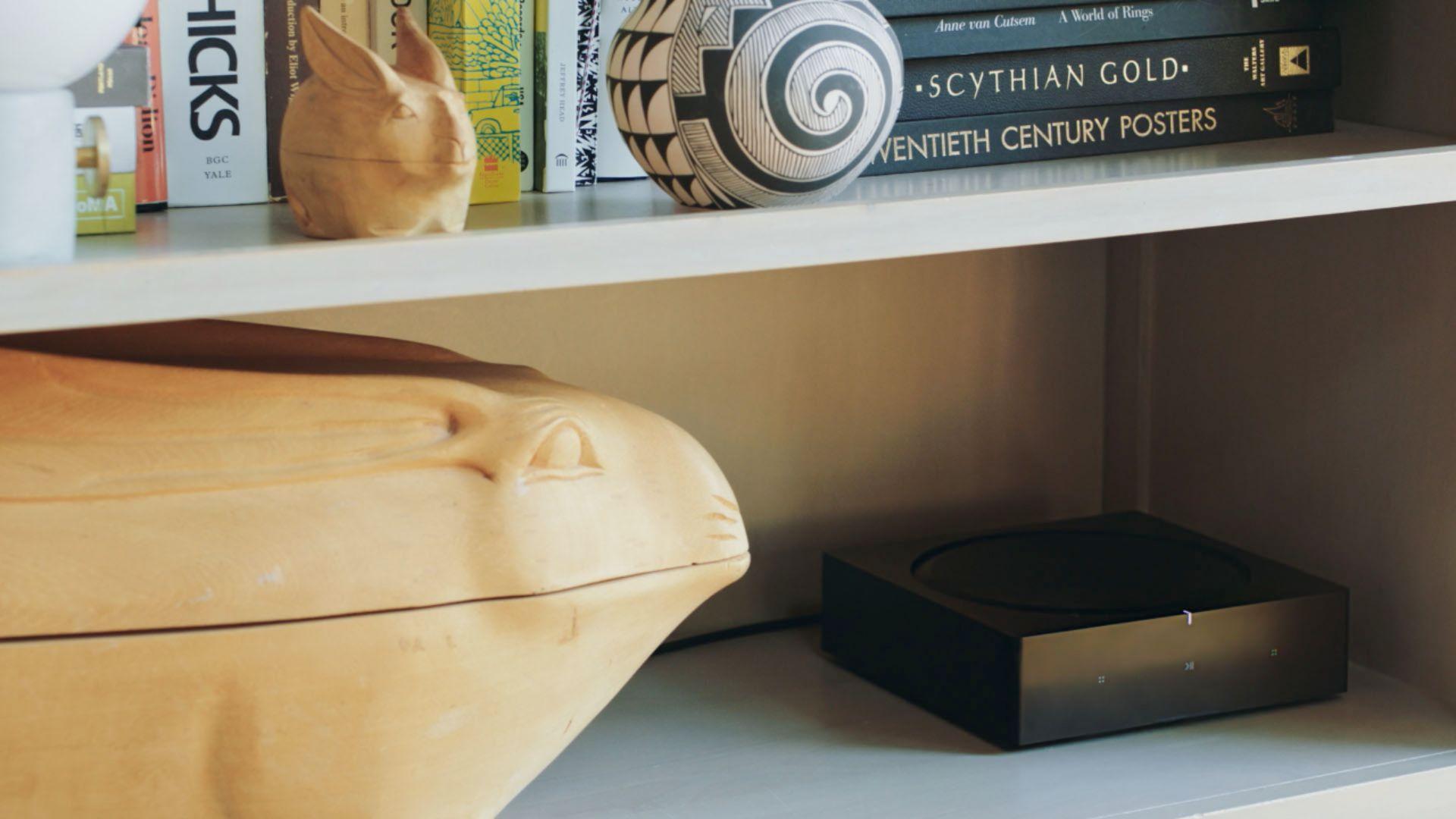
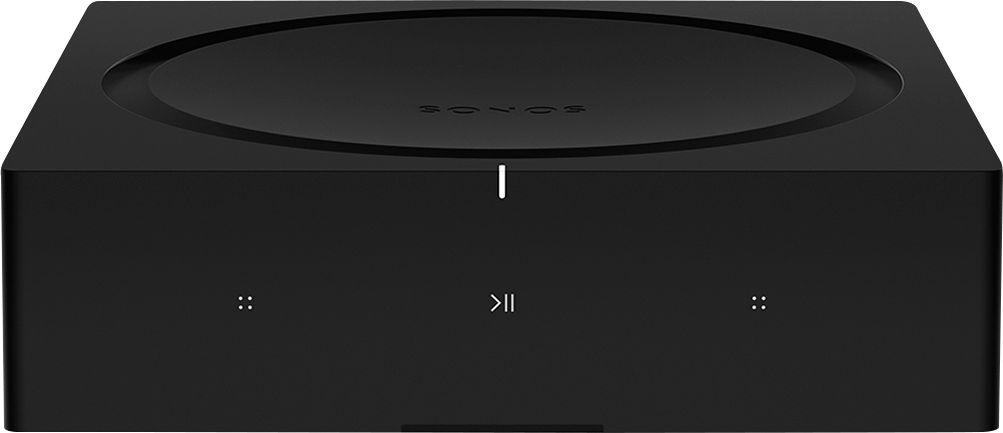
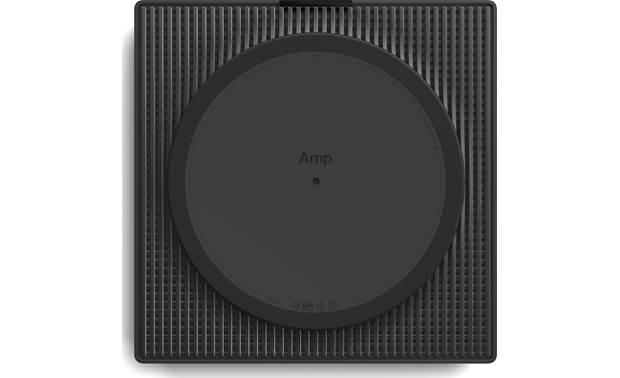
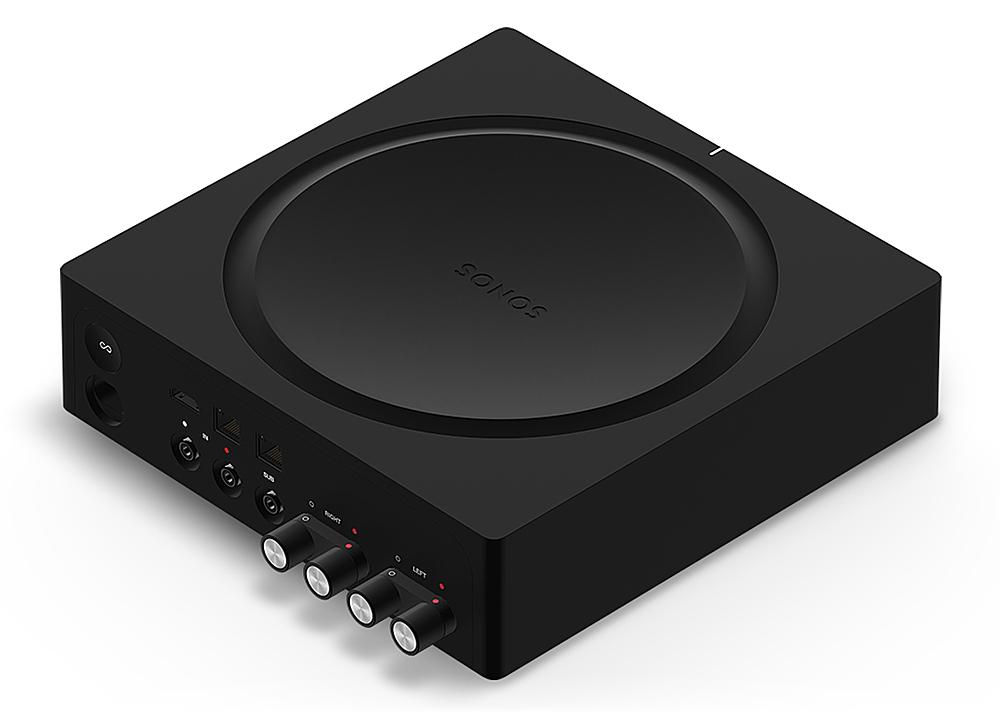
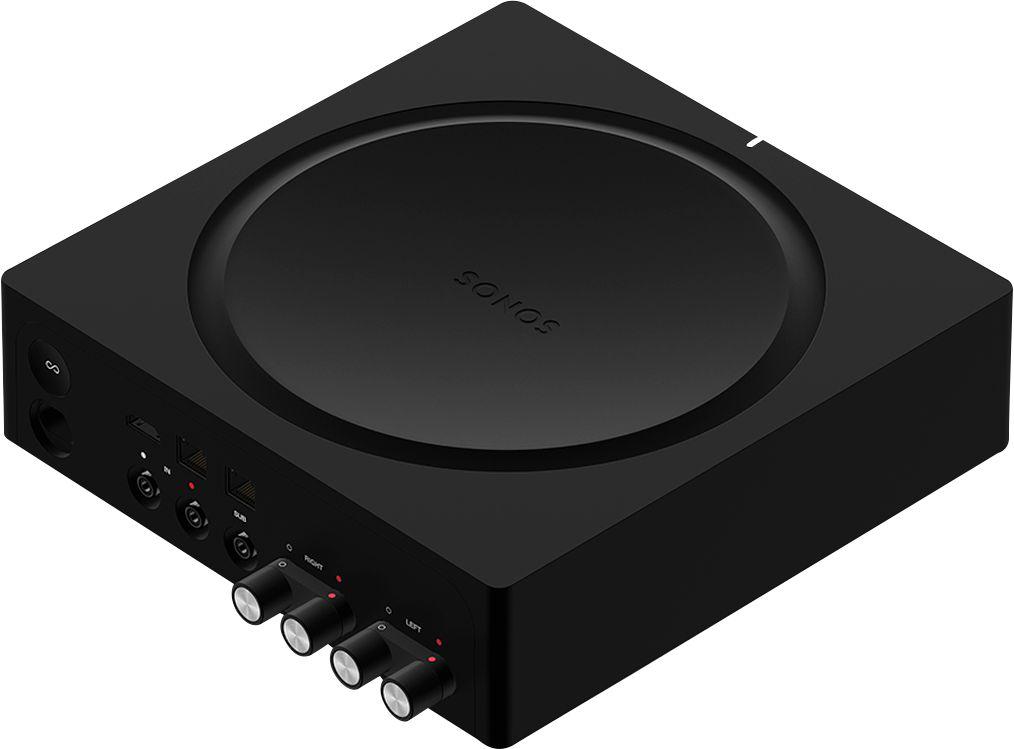
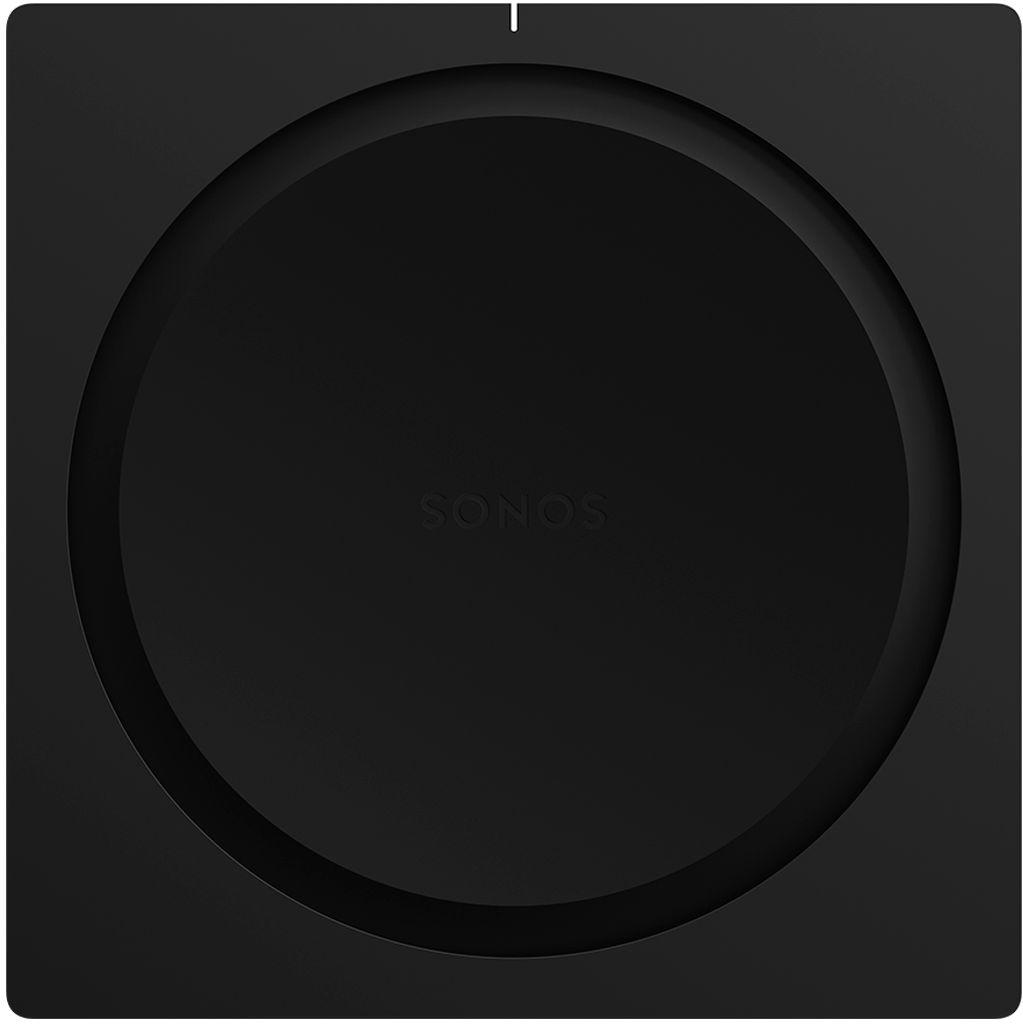
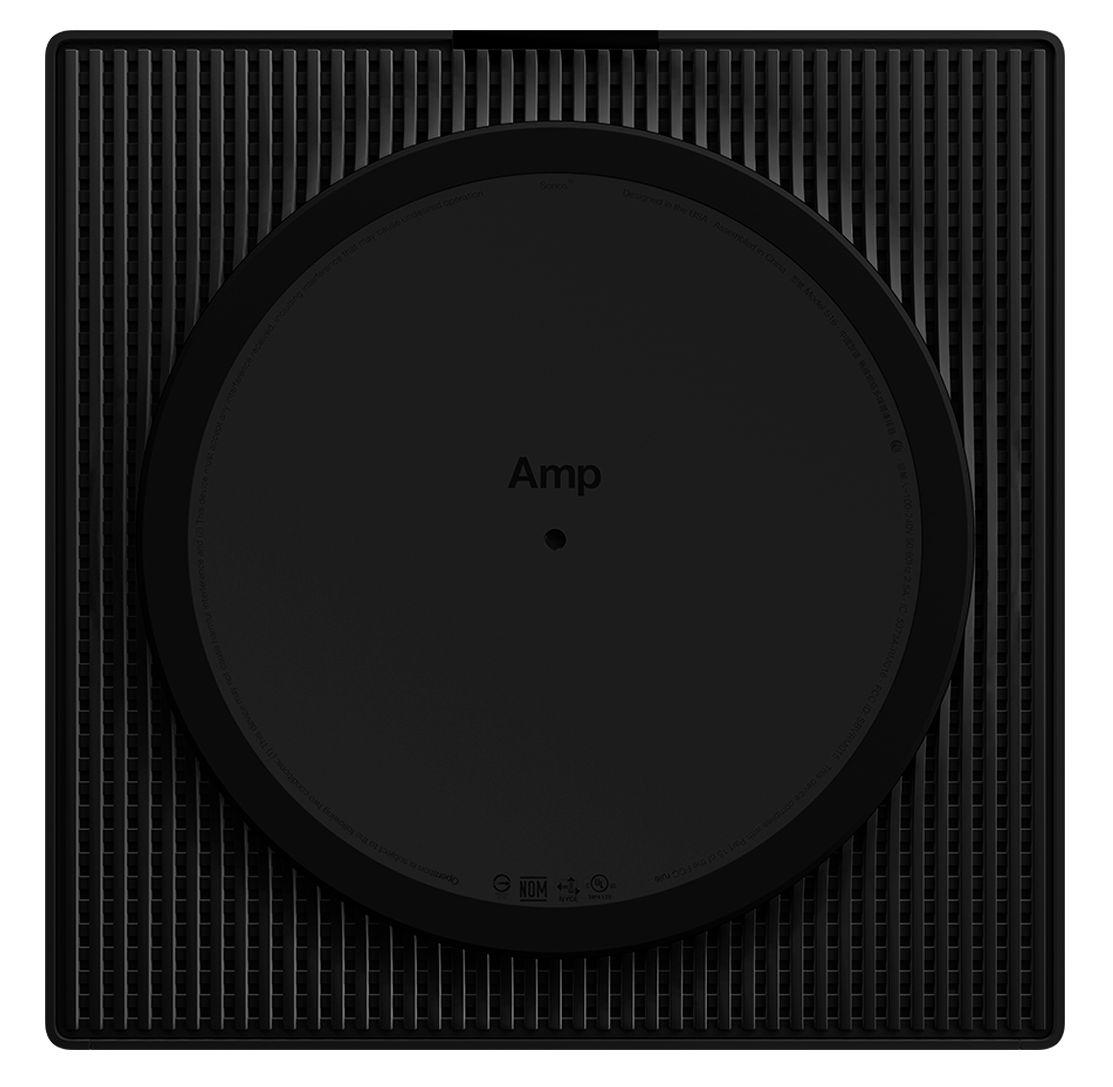
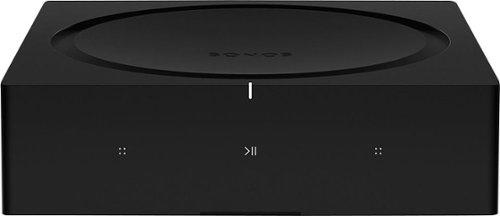
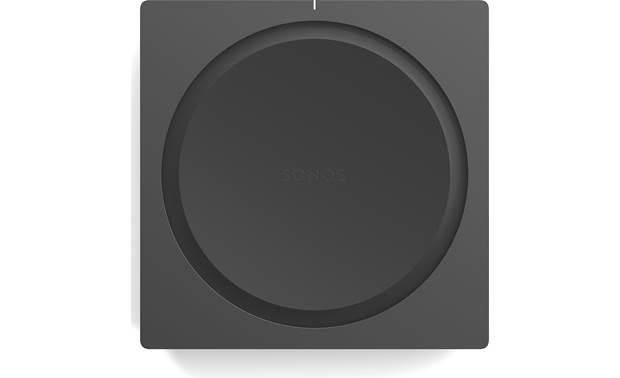
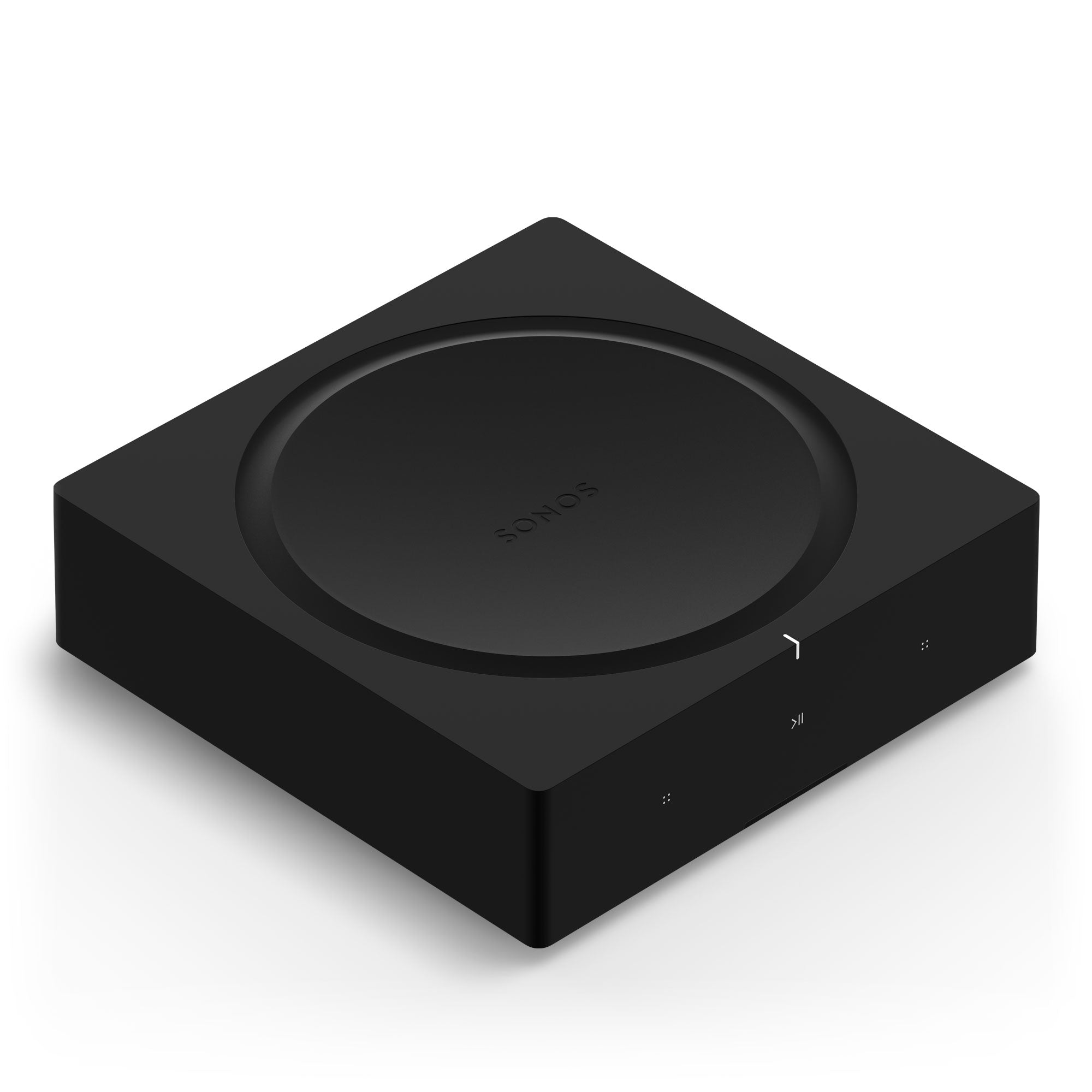
Released in 2018, the Sonos Amp represents the modern approach to amplification. Rather than just amplifying whatever you connect to it, this amplifier actively participates in the streaming ecosystem that defines how most people consume music today. It's built around the idea that your amplifier should be smart, connected, and capable of accessing vast music libraries without additional components.
The Sonos Amp uses Class D amplification, a technology that's become increasingly sophisticated over the past decade. Class D amplifiers work by rapidly switching the power on and off thousands of times per second, creating the audio waveform through precise timing rather than continuous analog amplification. This approach offers significant advantages in efficiency and heat generation – the Sonos Amp stays remarkably cool even when pushing substantial power, and it can deliver 125 watts per channel while remaining compact enough for easy installation.
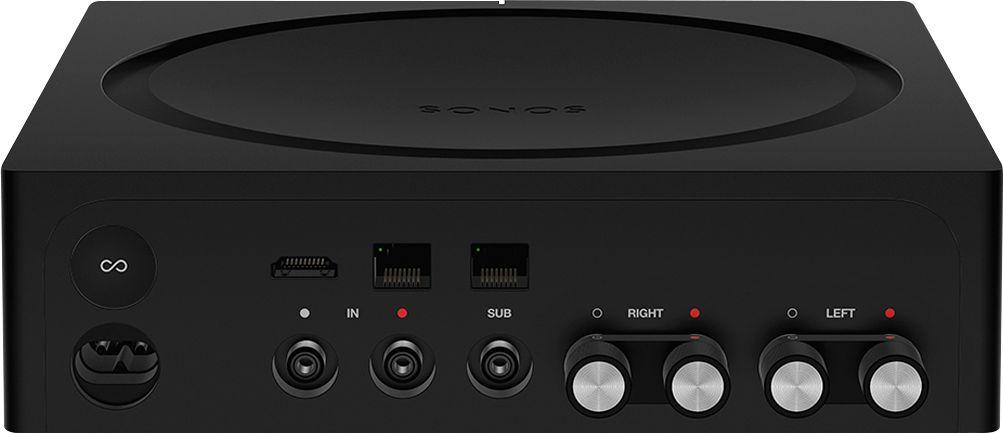
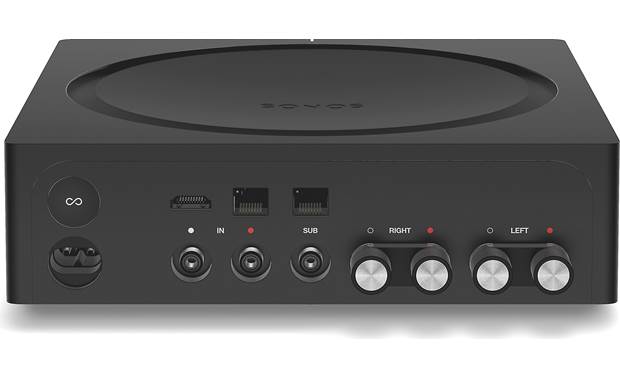
What makes the Sonos Amp unique is its ability to power up to four speakers simultaneously, or even six when using Sonos' architectural speakers. This flexibility opens up possibilities that traditional amplifiers simply can't match, like powering both indoor and outdoor speakers from a single unit, or creating multi-zone audio systems with individual volume control for each pair of speakers.
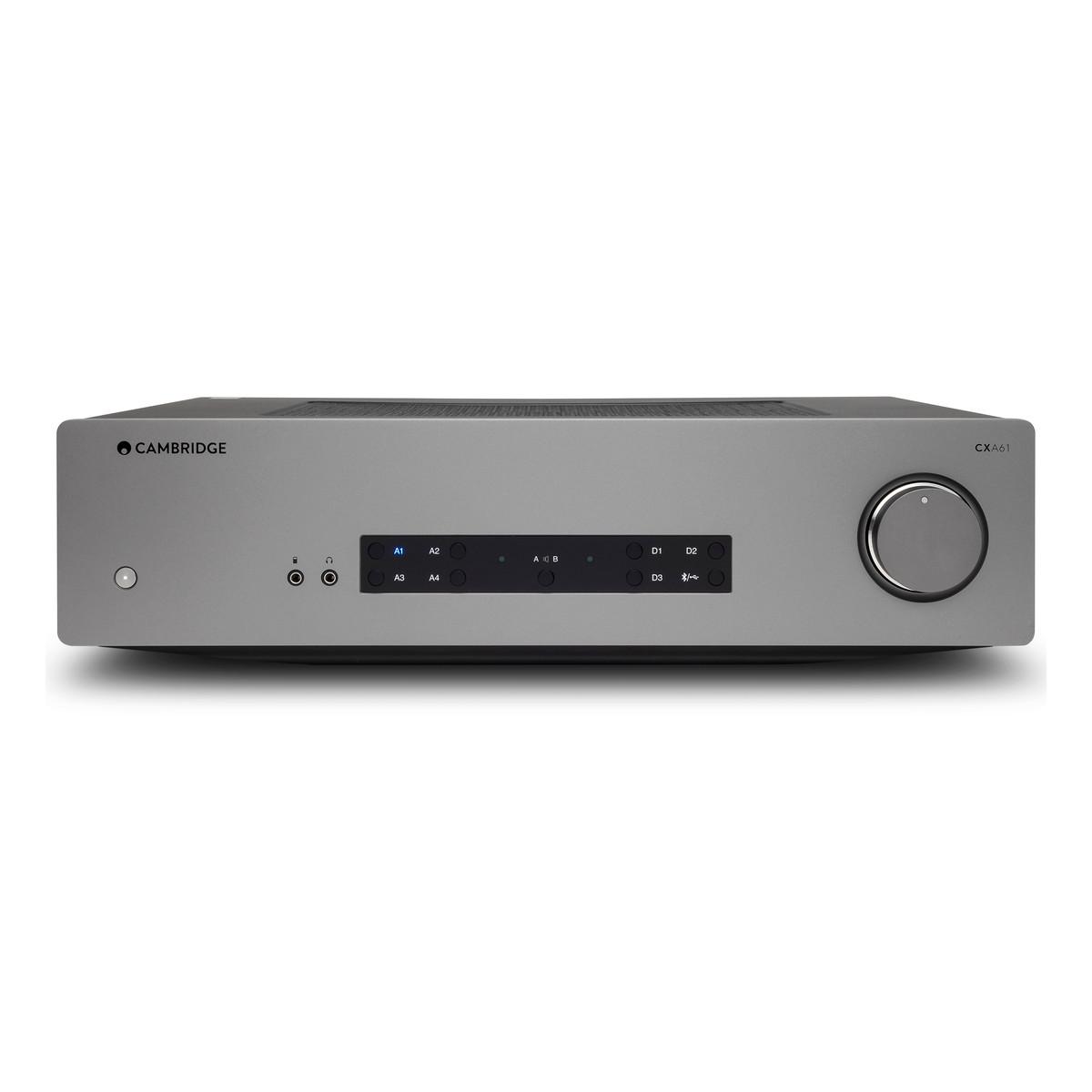
The Cambridge Audio CXA61, released in 2019, takes a decidedly different approach. This amplifier emerged from decades of hi-fi tradition, representing an evolution of Cambridge Audio's philosophy that the best sound comes from focusing intensely on the fundamentals of amplification rather than adding layers of digital processing and connectivity.
The CXA61 uses Class AB amplification, the traditional approach favored by audiophiles for its linear, natural sound characteristics. In Class AB design, the amplifier operates in a more continuous manner, with the output transistors conducting for more than half of each audio cycle. This results in lower switching distortion and what many listeners describe as a more "musical" sound, though it requires larger power supplies and generates more heat.
At 60 watts per channel, the CXA61 produces less power than the Sonos Amp, but our research into user experiences reveals that this difference isn't as significant in real-world use as the numbers might suggest. The high current delivery capability and quality of the CXA61's power supply means it can drive most speakers to satisfying levels, with users consistently reporting that it sounds more powerful than its rating suggests.
The power difference between these amplifiers tells only part of the story. The Sonos Amp's 125 watts per channel versus the CXA61's 60 watts represents more than a doubling of rated power, but amplifier power works logarithmically. To get twice the perceived volume, you need roughly ten times the power, so the Sonos Amp will only sound modestly louder at maximum levels.
Where the power difference becomes more meaningful is in headroom – the ability to handle sudden musical peaks without strain. The Sonos Amp can maintain clean sound at higher average levels, and it excels when driving inefficient speakers or multiple speaker pairs. If you have large bookshelf speakers, planars, or electrostatics that demand significant power, the Sonos Amp's extra muscle becomes genuinely useful.
The CXA61's 60 watts shouldn't be underestimated, though. Our analysis of user feedback consistently shows that this amplifier punches above its weight class. The oversized toroidal transformer and high-quality power supply design mean it can deliver significant current when speakers demand it. For most efficient speakers in typical rooms, the power difference becomes academic.
More important than raw power is how each amplifier delivers that power. The CXA61's Class AB design results in measurements showing extremely low distortion – less than 0.002% at 1kHz – and a damping factor over 110, which means exceptional control over speaker drivers. This translates to tight, controlled bass and precise imaging. The Sonos Amp's Class D design, while not achieving quite the same distortion figures, still delivers clean, dynamic sound with the added benefit of running much cooler and more efficiently.
Here's where these amplifiers truly differentiate themselves, and where personal preference becomes paramount. Based on extensive research into user experiences and professional reviews, the CXA61 consistently receives praise for what listeners describe as an engaging, musical presentation. The sound signature leans toward warmth without sacrificing detail, creating what many describe as an emotional connection to the music.
The CXA61's midrange reproduction particularly stands out in user reports. Vocals have presence and body, instrumental timbres sound natural, and there's an overall sense of musical flow that makes long listening sessions enjoyable rather than fatiguing. This characteristic stems partly from the Class AB topology and partly from Cambridge Audio's careful attention to the analog signal path.
The Sonos Amp takes a different approach to sound reproduction. While it delivers clean, detailed audio, its primary focus is on accuracy and room-filling capability rather than the subtle musical nuances that audiophiles prize. The Class D amplification provides excellent control and dynamics, making it particularly effective for modern genres with strong bass content or complex electronic arrangements.
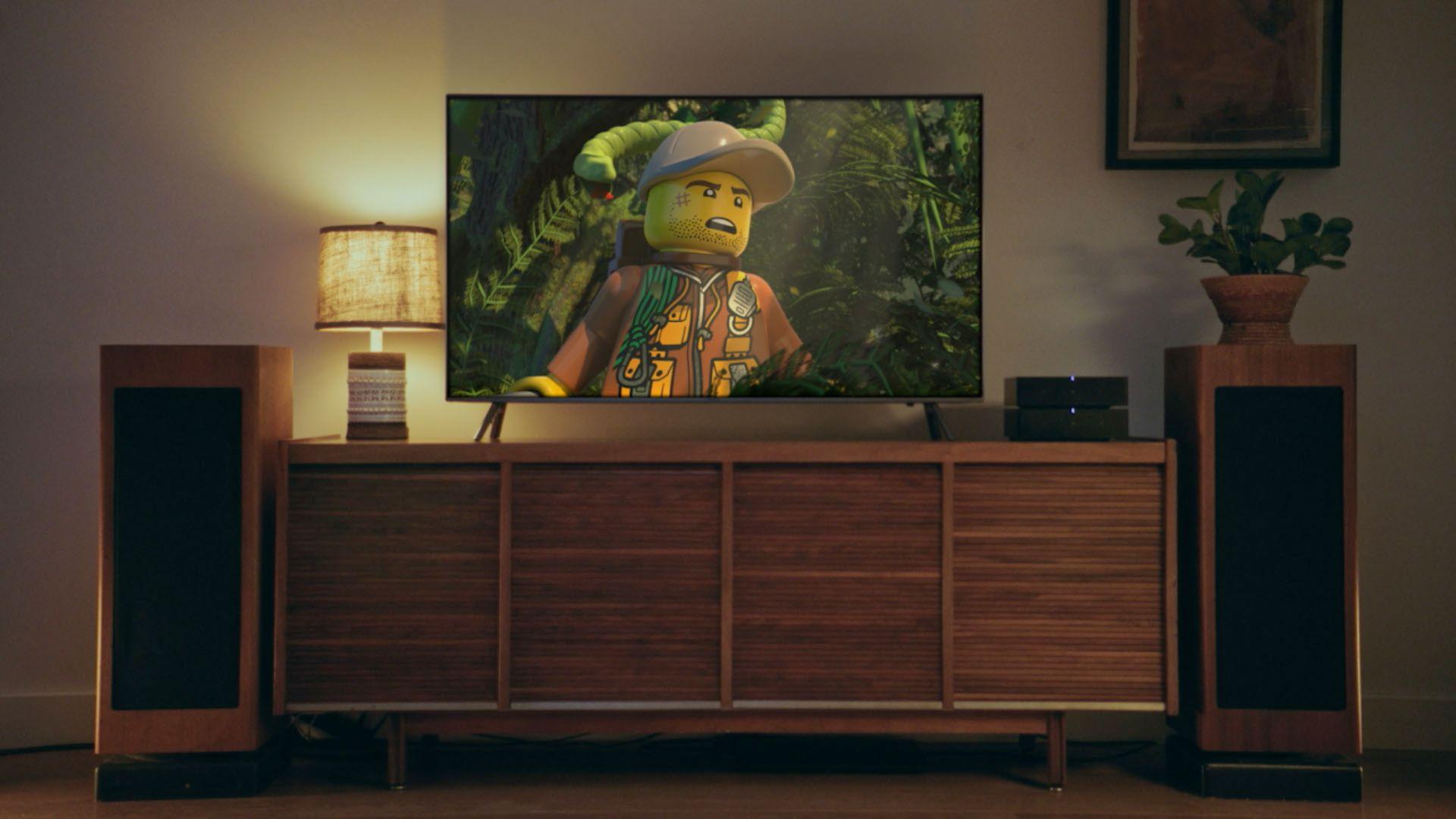
For home theater use, these different sound signatures lead to distinct strengths. The Sonos Amp's HDMI ARC connection and ability to create a phantom center channel using digital signal processing makes it genuinely useful for TV audio. The processing helps dialogue clarity and creates a wider soundstage from just two speakers. The CXA61, lacking any video connections or surround processing, remains purely a stereo component – excellent for music but limited for modern entertainment setups.
The digital divide between these amplifiers couldn't be more stark. The Sonos Amp embraces streaming as the primary source of music, with Wi-Fi connectivity that provides access to virtually every major streaming service. Spotify, Tidal, Apple Music, Amazon Music, and dozens of others connect directly without needing a separate streamer or computer. The multi-room capabilities mean you can synchronize music throughout your home or play different content in each room.
Apple AirPlay 2 support adds another layer of convenience, allowing high-quality wireless streaming from iOS devices. The system's ability to group with other Sonos components creates possibilities for whole-home audio that traditional amplifiers simply can't match. When you add speakers to your backyard or garage, the Sonos Amp can power them while remaining part of your integrated system.
The CXA61 takes a more traditional approach to digital audio, but with some modern concessions. The ESS Sabre DAC (digital-to-analog converter) handles high-resolution files up to 32-bit/384kHz when connected via USB, far exceeding what streaming services provide. This makes it ideal for listeners with large collections of high-resolution downloads or those who want to future-proof their system for eventual streaming quality improvements.
The Bluetooth implementation with aptX HD codec provides decent wireless convenience, though it can't match the Sonos Amp's Wi-Fi streaming quality or reliability. More significantly, the lack of built-in streaming means you'll need a separate network streamer, computer, or smartphone to access online music services.
Both amplifiers offer comprehensive connectivity, but their approaches reflect their different target audiences. The CXA61 provides four analog inputs, multiple digital inputs (optical, coaxial, and USB), and both headphone and preamp outputs. This flexibility supports everything from CD players to computer audio, though notably missing is a built-in phono stage for turntables.
The headphone output deserves special mention – it's a proper implementation that automatically mutes the speakers when headphones are connected, and it provides enough power to drive demanding headphones effectively. This makes the CXA61 genuinely useful as a desktop system for serious listening.
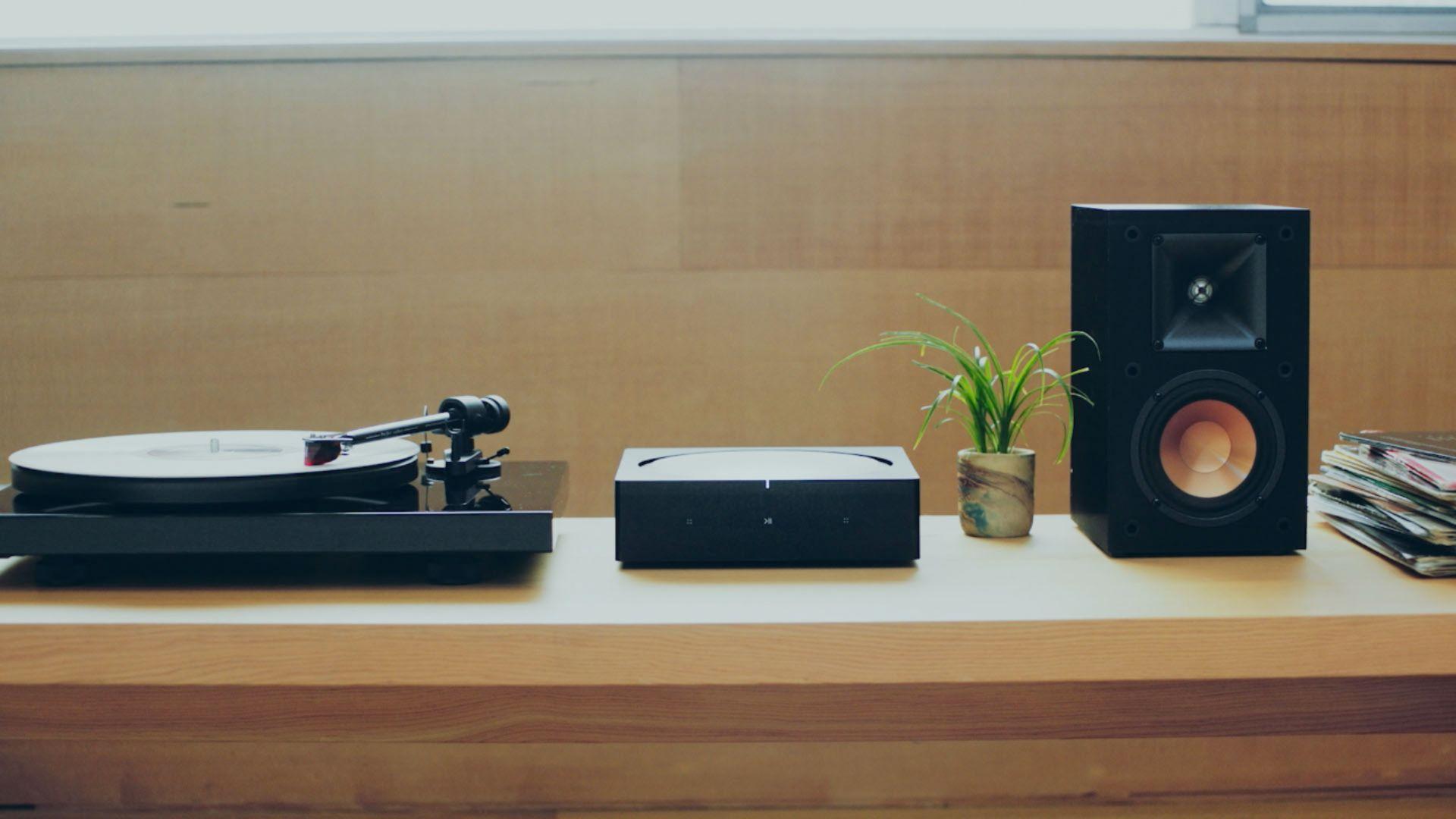
The Sonos Amp's connectivity focuses on integration rather than variety. The analog input accepts any line-level source, including turntables with built-in preamps, while the HDMI ARC connection handles TV audio with automatic switching and volume control through your TV remote. The mono subwoofer output with adjustable crossover (50-110Hz) enables proper bass management when adding a powered subwoofer.
Perhaps most importantly for installation flexibility, the Sonos Amp includes dual Ethernet ports that allow network daisy-chaining. This seemingly minor feature becomes crucial in whole-home installations where running multiple network cables isn't practical.
At the time of writing, these amplifiers compete closely on price, with the CXA61 typically costing somewhat less than the Sonos Amp. However, the value equation extends beyond the initial purchase price to consider what additional components you might need.
The CXA61 excels at its core mission – stereo amplification – but requires additional components for modern convenience features. Want streaming? You'll need a separate network streamer, adding several hundred dollars to the system cost. Have a turntable? You'll need an external phono stage unless your turntable includes one. This modular approach offers flexibility but increases complexity and cost.
The Sonos Amp provides a more complete solution out of the box. The streaming capabilities, multi-room functionality, and TV integration eliminate the need for separate components in many systems. For users who primarily stream music and occasionally watch TV through their audio system, the Sonos Amp represents excellent value despite its higher purchase price.
The practical aspects of ownership often matter more than specifications. The Sonos Amp shines in ease of setup and daily use. The Sonos app, while occasionally criticized for changes and complexity, provides intuitive control over music selection, volume, and multi-room grouping. Voice control through Amazon Alexa or Google Assistant adds convenience for hands-free operation.
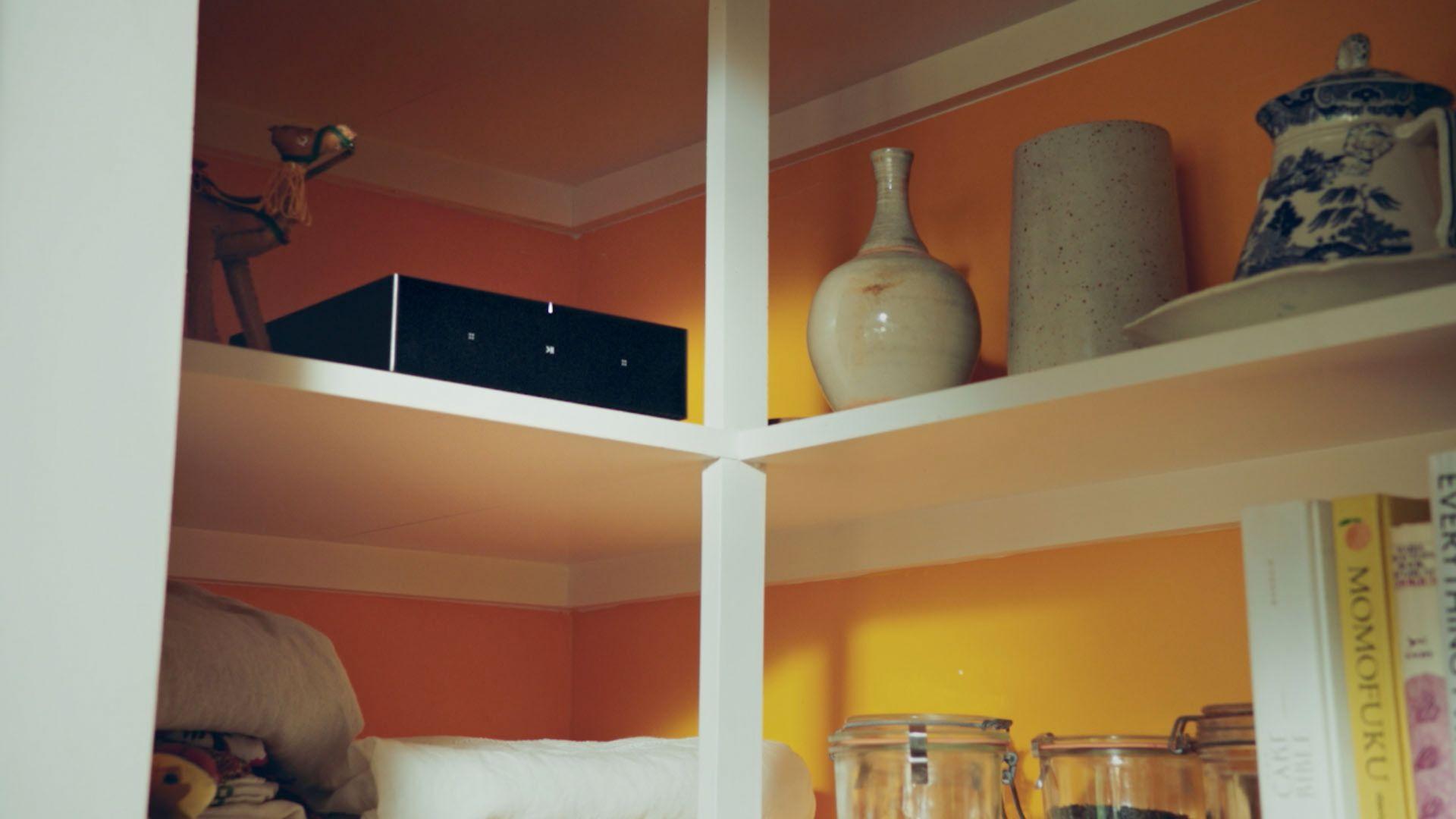
The compact size and cool operation make the Sonos Amp suitable for installation in cabinets or racks without ventilation concerns. The banana plug speaker terminals, while proprietary, provide secure connections that won't work loose over time.
The CXA61 requires more traditional setup but rewards careful placement and system matching. The larger chassis and heat generation mean it needs adequate ventilation, and the traditional binding posts accept various cable terminations but may require occasional retightening.
User feedback consistently criticizes both units' remote controls, though for different reasons. The CXA61's remote receives complaints about complexity and non-linear volume control, while the Sonos Amp relies primarily on the smartphone app rather than providing a comprehensive physical remote.
After extensive research into real-world performance and user experiences, clear recommendations emerge based on specific use cases and priorities.
Choose the Sonos Amp if your primary goal is convenience and modern functionality. It excels when you want seamless access to streaming services, multi-room capability, or integration with TV audio. The extra power makes it ideal for larger rooms, outdoor installations, or driving multiple speaker pairs. Home theater integration through HDMI ARC adds genuine utility for modern entertainment systems.
The Sonos Amp particularly shines in family environments where multiple users need simple access to music throughout the home. The ability to start playing music in the kitchen and seamlessly move it to the patio creates experiences that traditional amplifiers simply can't provide.
Choose the CXA61 if sound quality remains your primary concern and you're willing to accept some inconvenience for better musical reproduction. It delivers the kind of engaging, musical sound that makes familiar recordings reveal new details and emotional connections. The warm, natural presentation works particularly well with acoustic music, vocals, and complex arrangements where subtle dynamics matter.
The CXA61 makes more sense for dedicated listening rooms where you'll primarily focus on music rather than background entertainment. If you have a collection of high-resolution files or plan to build a traditional component-based system, its superior analog performance and high-resolution digital capabilities provide a solid foundation.
For home theater applications, the choice becomes clearer. The Sonos Amp's HDMI ARC connection and processing capabilities make it genuinely useful for TV audio, while the CXA61 offers no video connectivity and remains purely a stereo component.
Budget considerations extend beyond the initial purchase. Factor in the cost of additional components – streamers for the CXA61 or high-quality analog sources for the Sonos Amp. The total system cost often favors whichever amplifier aligns with your primary sources and listening habits.
Ultimately, these amplifiers represent two valid but different approaches to modern audio reproduction. The Sonos Amp embraces the connected, convenient future of audio, while the CXA61 focuses on perfecting the traditional audiophile experience. Your choice depends on which vision better matches your lifestyle, listening preferences, and long-term system goals.
Both amplifiers deliver excellent performance within their intended roles. The key is understanding which role better fits your needs and being honest about how you actually listen to music versus how you think you should listen to music. In my experience, the best amplifier is the one you'll actually use and enjoy, regardless of its technical specifications or audiophile credentials.
| Sonos Amp | Cambridge Audio CXA61 |
|---|---|
| Power Output - Determines how loud your system can go and speaker compatibility | |
| 125W per channel (8Ω), 250W per channel (4Ω) | 60W per channel (8Ω), 90W per channel (4Ω) |
| Amplifier Type - Affects sound character and efficiency | |
| Class D (efficient, runs cool, compact) | Class AB (traditional audiophile choice, warmer sound) |
| Streaming Capabilities - Essential for modern music consumption | |
| Built-in Wi-Fi, all major streaming services, AirPlay 2, multi-room | Bluetooth aptX HD only, requires separate streamer for Wi-Fi |
| Digital Audio Support - Important for high-quality file playback | |
| Standard streaming quality, basic digital processing | Up to 32-bit/384kHz PCM, DSD256, ESS Sabre DAC |
| TV Integration - Crucial for home theater use | |
| HDMI ARC input with automatic switching and phantom center | No video inputs, stereo music only |
| Speaker Flexibility - Affects system expansion options | |
| Can power up to 4 speakers or 6 architectural speakers | Standard 2-channel stereo only |
| Analog Inputs - Important for turntables and traditional sources | |
| Single RCA input (requires external phono stage) | 4x RCA inputs plus front 3.5mm (no built-in phono stage) |
| Multi-Room Capability - For whole-home audio systems | |
| Full Sonos ecosystem integration with zone control | None - single room only |
| Subwoofer Integration - For enhanced bass response | |
| Dedicated mono output with adjustable crossover | Basic subwoofer output |
| Sound Character - Based on user and expert feedback | |
| Clean, dynamic, room-filling but less musical nuance | Warm, engaging, excellent midrange, more audiophile-focused |
The Sonos Amp is significantly better for streaming music. It has built-in Wi-Fi and connects directly to all major streaming services like Spotify, Apple Music, and Tidal without needing additional components. The Cambridge Audio CXA61 only has Bluetooth and requires a separate network streamer to access Wi-Fi streaming services.
The Sonos Amp delivers 125 watts per channel compared to the Cambridge Audio CXA61's 60 watts per channel. While the Sonos has more than double the power on paper, real-world volume differences are less dramatic due to how our ears perceive loudness. Both can drive most speakers to satisfying levels in typical rooms.
The Cambridge Audio CXA61 generally sounds better for dedicated music listening. Users consistently praise its warm, engaging sound quality and excellent midrange reproduction. The Sonos Amp sounds clean and dynamic but focuses more on accuracy and convenience rather than the musical nuances that audiophiles prefer.
Only the Sonos Amp can connect to your TV through its HDMI ARC input, which automatically switches inputs and allows TV remote volume control. The Cambridge Audio CXA61 has no video connections and is designed purely for stereo music listening.
The Sonos Amp works as a complete streaming solution but may need an external phono stage for turntables. The Cambridge Audio CXA61 requires a separate network streamer for Wi-Fi music services and also needs an external phono stage for vinyl playback.
The Sonos Amp can power up to four passive speakers simultaneously or six Sonos architectural speakers, making it ideal for multi-zone installations. The Cambridge Audio CXA61 only powers a standard pair of stereo speakers.
The Cambridge Audio CXA61 excels with high-resolution files, supporting up to 32-bit/384kHz PCM and DSD256 through its USB input and ESS Sabre DAC. The Sonos Amp focuses on streaming quality rather than ultra-high-resolution local files.
Only the Sonos Amp supports true multi-room audio as part of the Sonos ecosystem, allowing synchronized playback across different zones or different music in each room. The Cambridge Audio CXA61 is designed for single-room stereo listening only.
Value depends on your priorities. The Cambridge Audio CXA61 typically costs less initially and delivers exceptional sound quality for pure music listening. The Sonos Amp costs more but includes streaming capabilities and smart features that would require additional components with the CXA61, potentially making it better overall value for modern users.
Choose the Sonos Amp if you prioritize convenience, streaming, multi-room audio, or TV integration. It's ideal for families wanting easy access to music throughout the home. Choose the Cambridge Audio CXA61 if you're an audiophile who values sound quality above convenience and primarily listens to music in a dedicated listening room.
We've done our best to create useful and informative comparisons to help you decide what product to buy. Our research uses advanced automated methods to create this comparison and perfection is not possible - please contact us for corrections or questions. These are the sites we've researched in the creation of this article: audioadvice.com - crutchfield.com - adiglobaldistribution.pr - themasterswitch.com - astralsecurite.ca - wassersfurniture.com - whathifi.com - sonos.com - audiosciencereview.com - bestbuy.com - videoandaudiocenter.com - en.community.sonos.com - themasterswitch.com - theaudiophileman.com - youtube.com - forums.whathifi.com - crutchfield.com - youtube.com - youtube.com - hifihaven.org - crutchfield.com - audioguru.com - listenup.com - forums.whathifi.com - manuals.cambridgeaudio.com - alpha-audio.net - hifichoice.com - cambridgeaudio.com - the-ear.net - speakerdecision.com

Privacy Policy
Terms and Conditions - Affiliate Policy
Home Security
© Copyright 2008-2026.
11816 Inwood Rd #1211, Dallas, TX 75244