

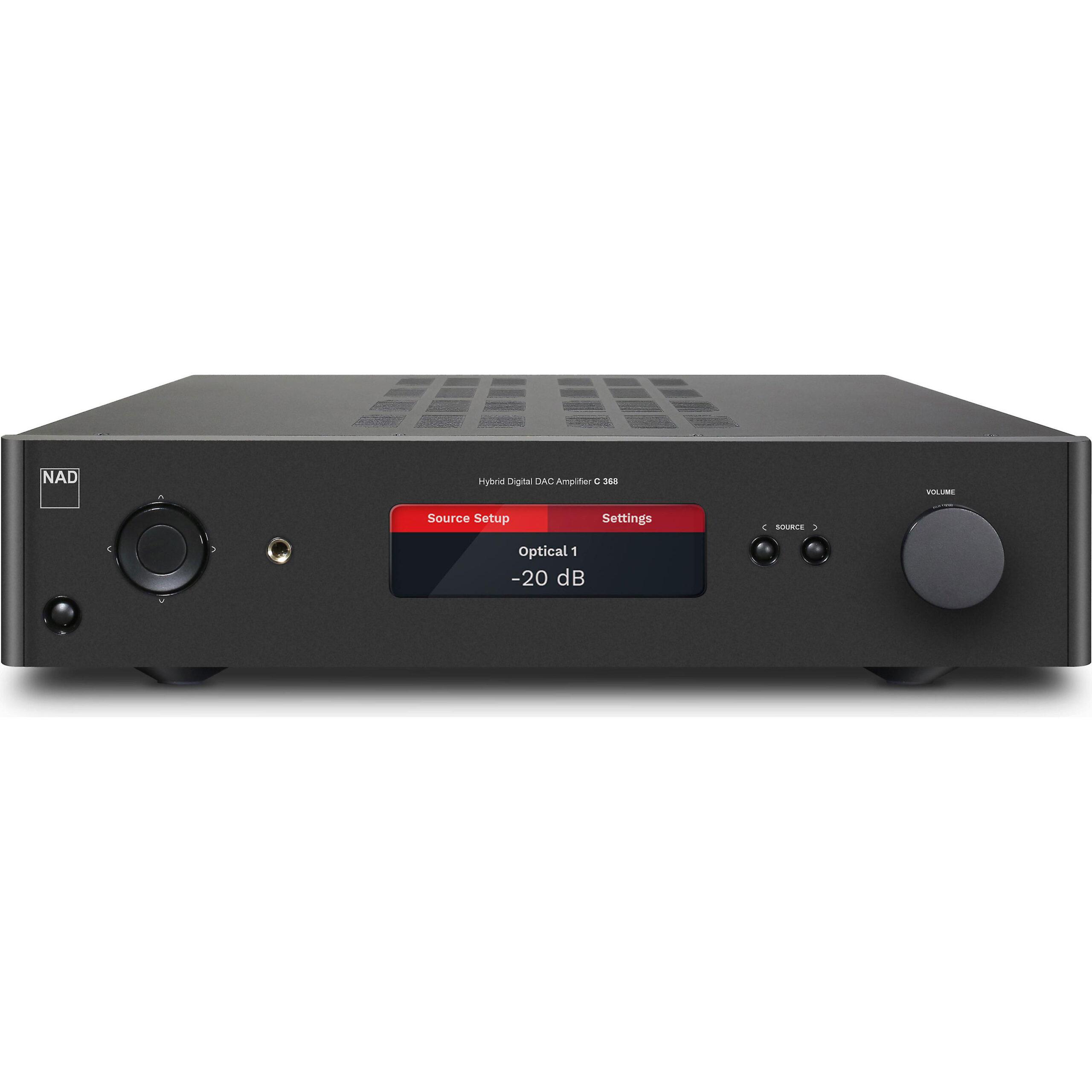
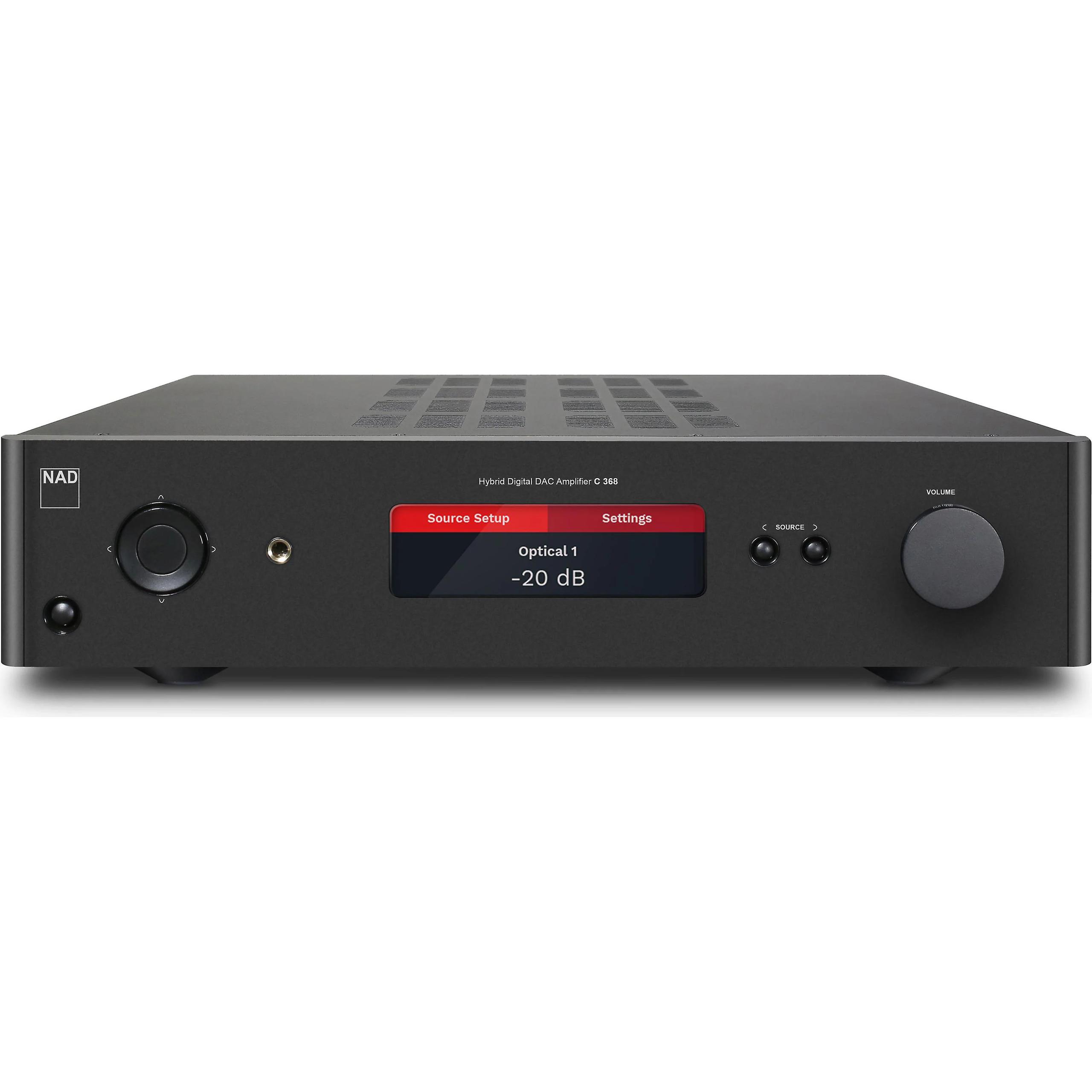
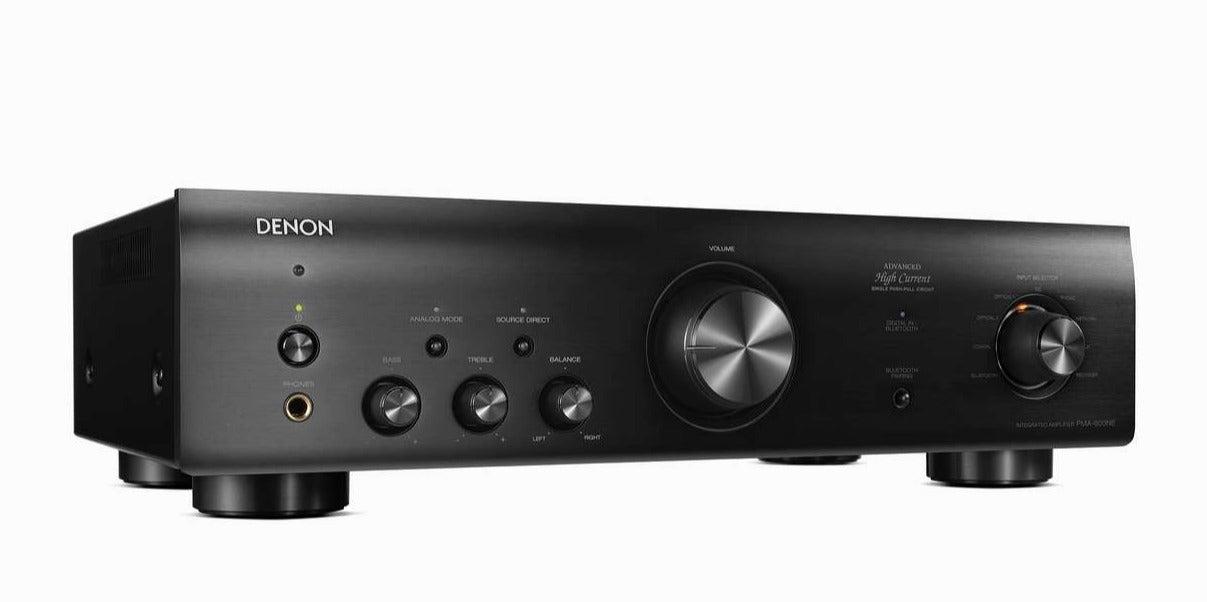
When you're building a stereo system or upgrading from a basic setup, the integrated amplifier often becomes the heart of everything. It's the component that takes the signal from your turntable, CD player, or streaming device and amplifies it to drive your speakers. Think of it as the conductor of your audio orchestra—it needs to manage multiple sources while delivering clean, powerful sound to bring your music to life.
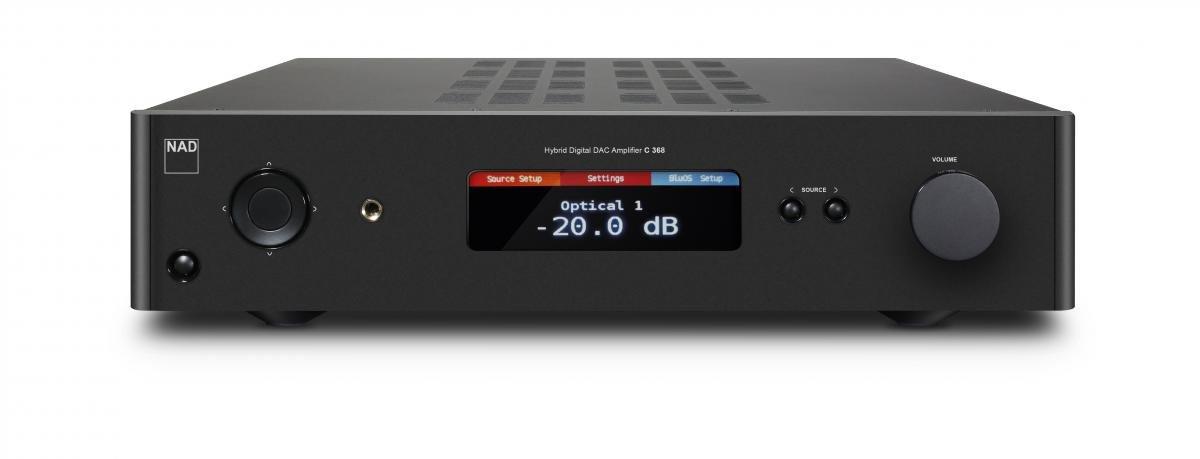
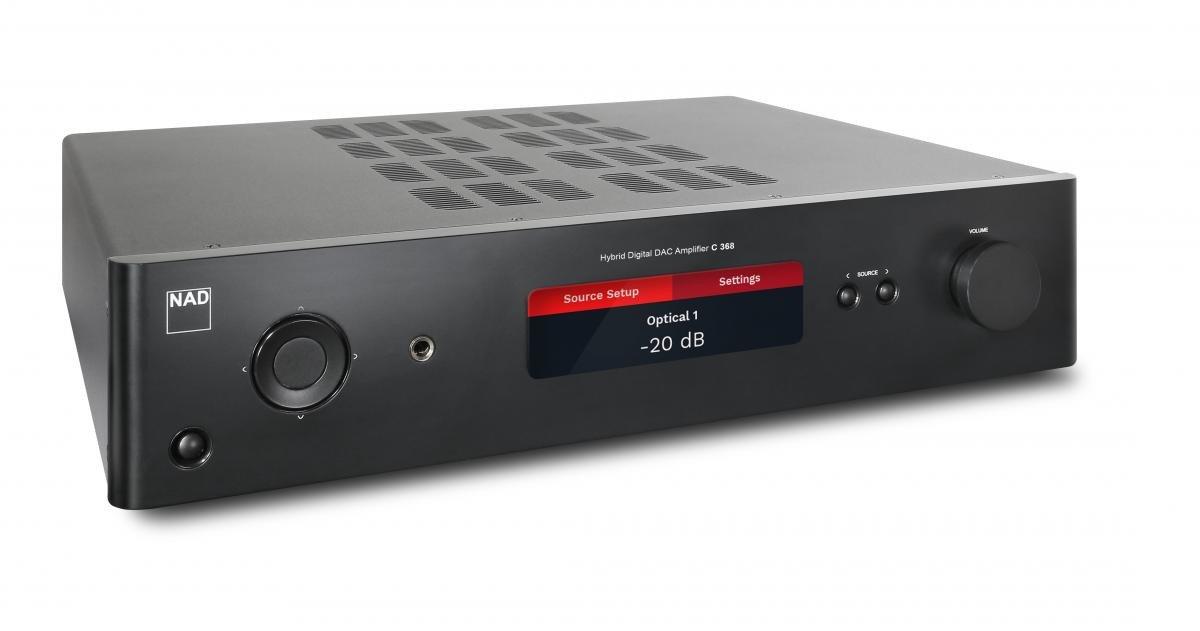
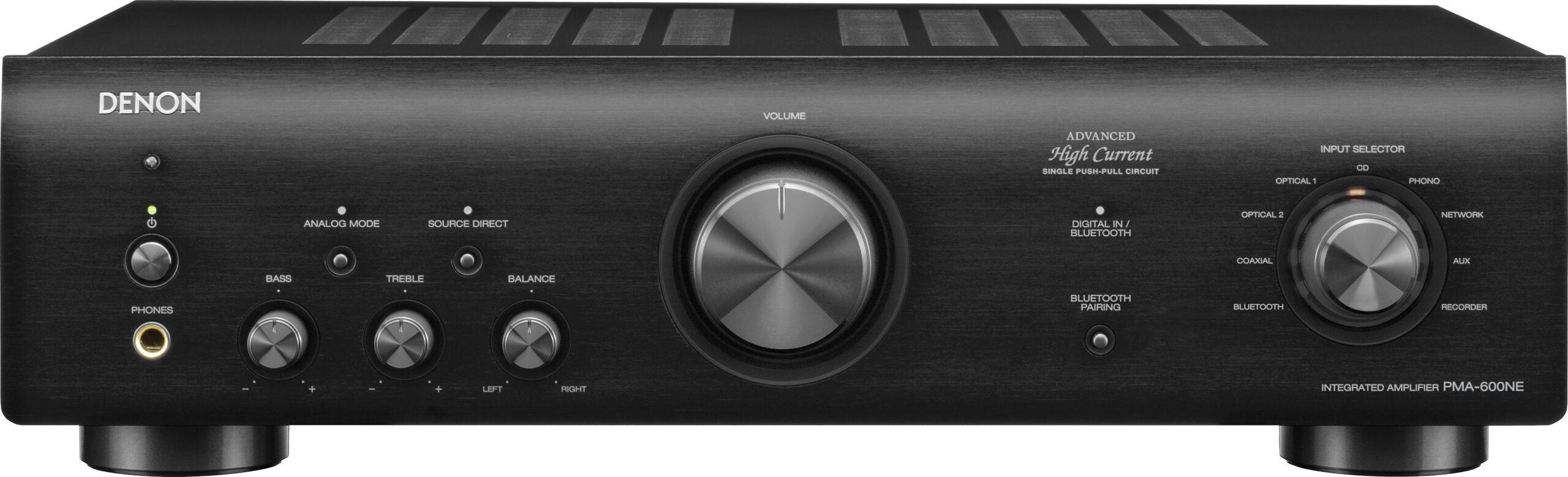
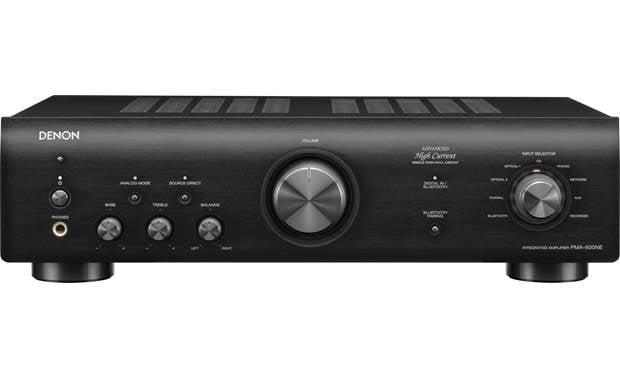
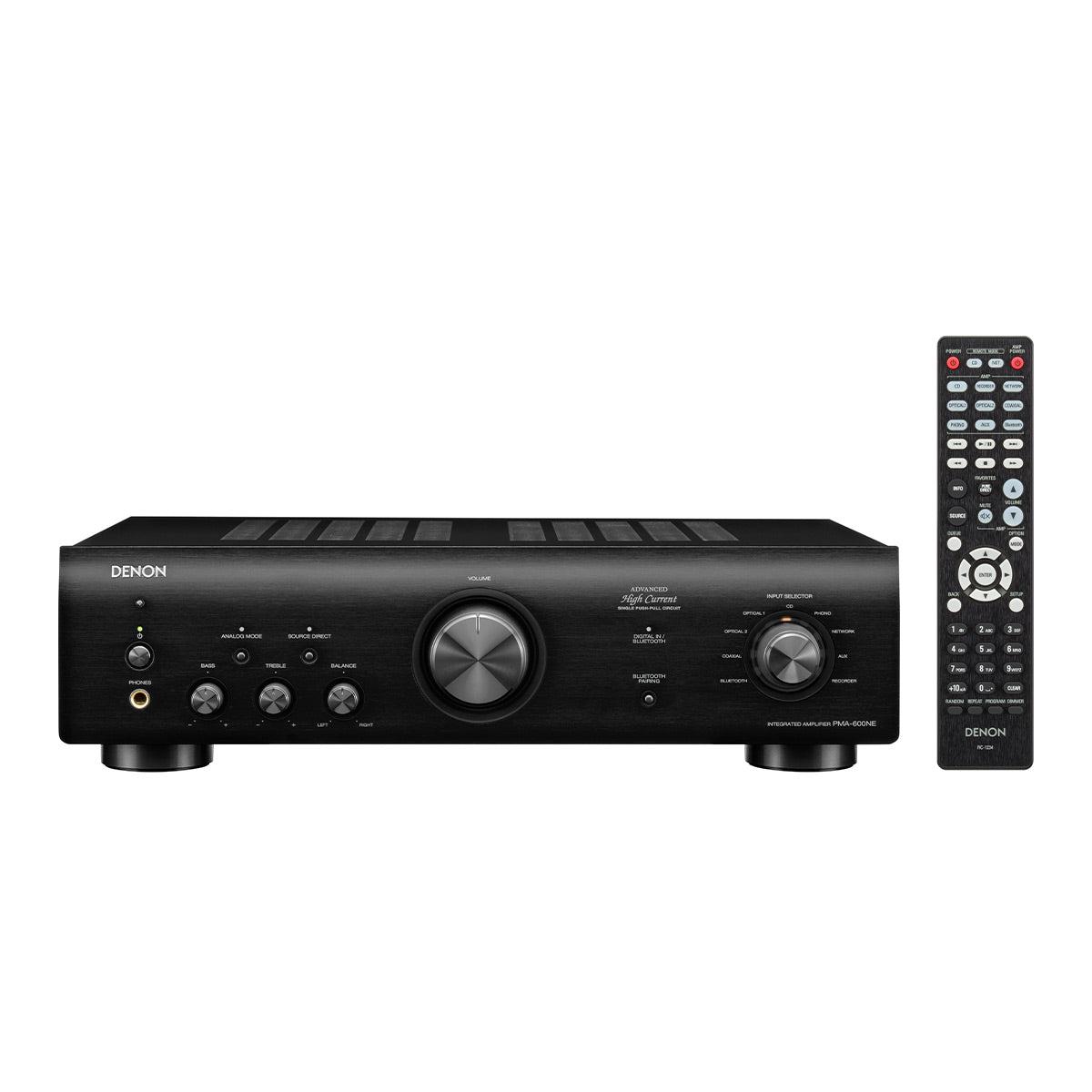
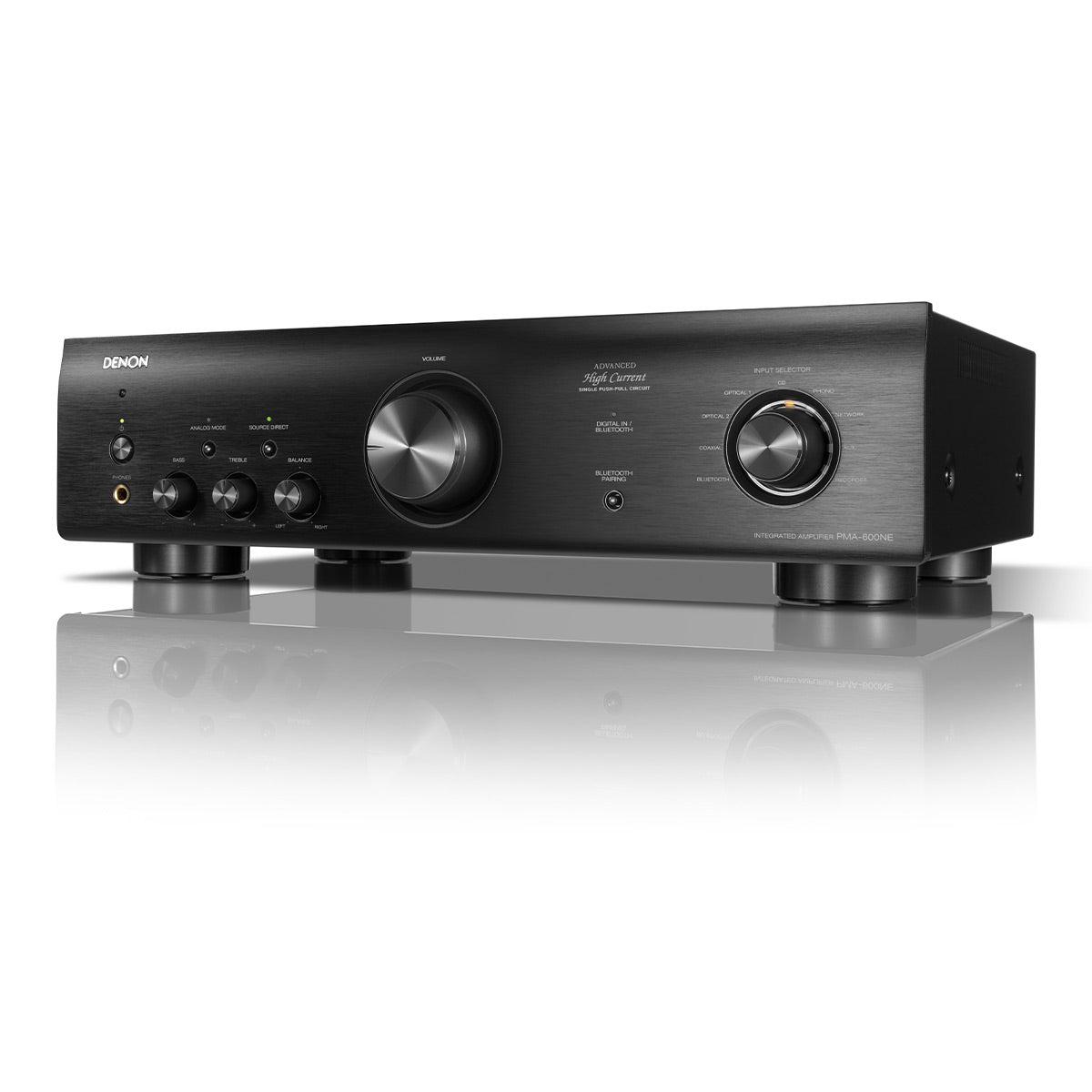
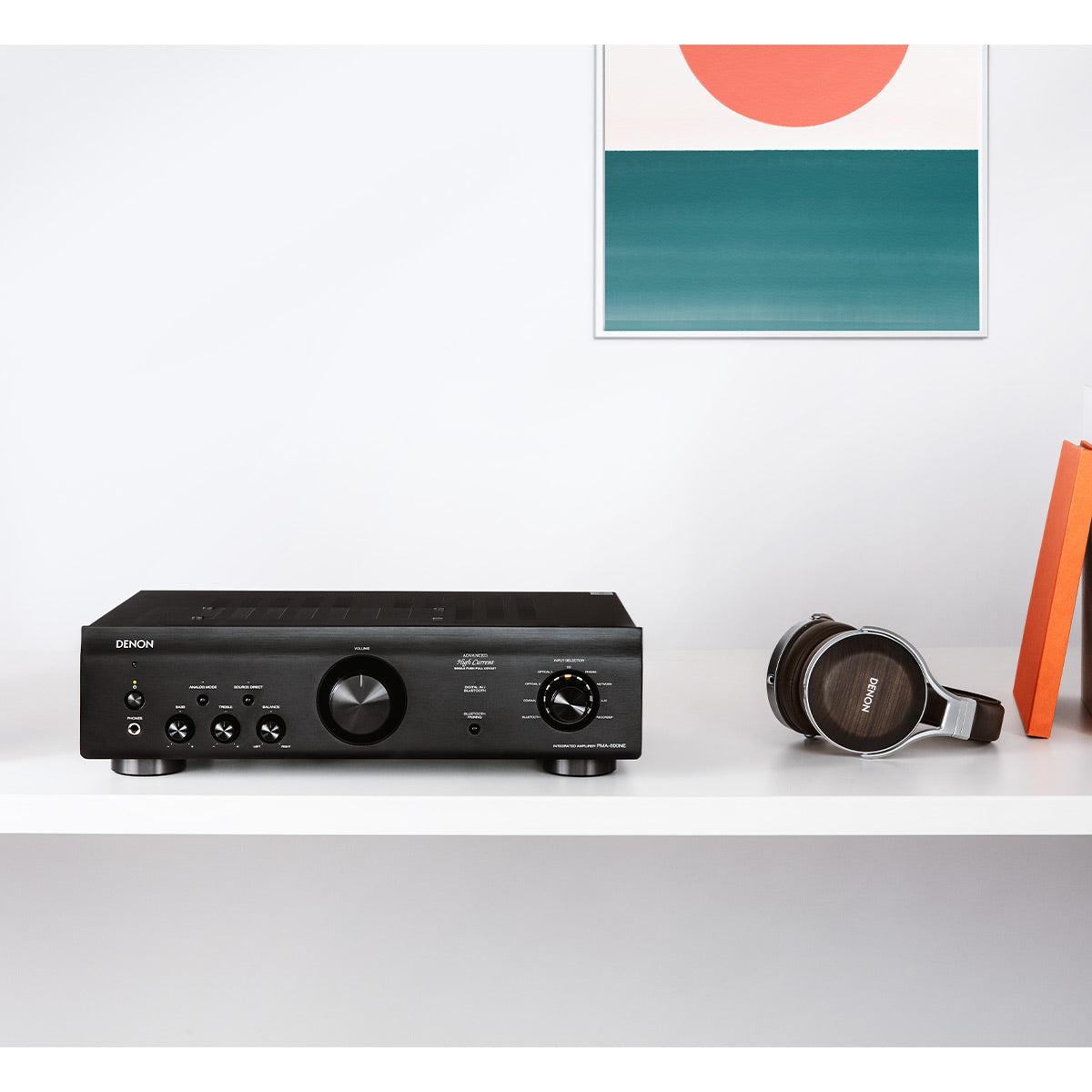
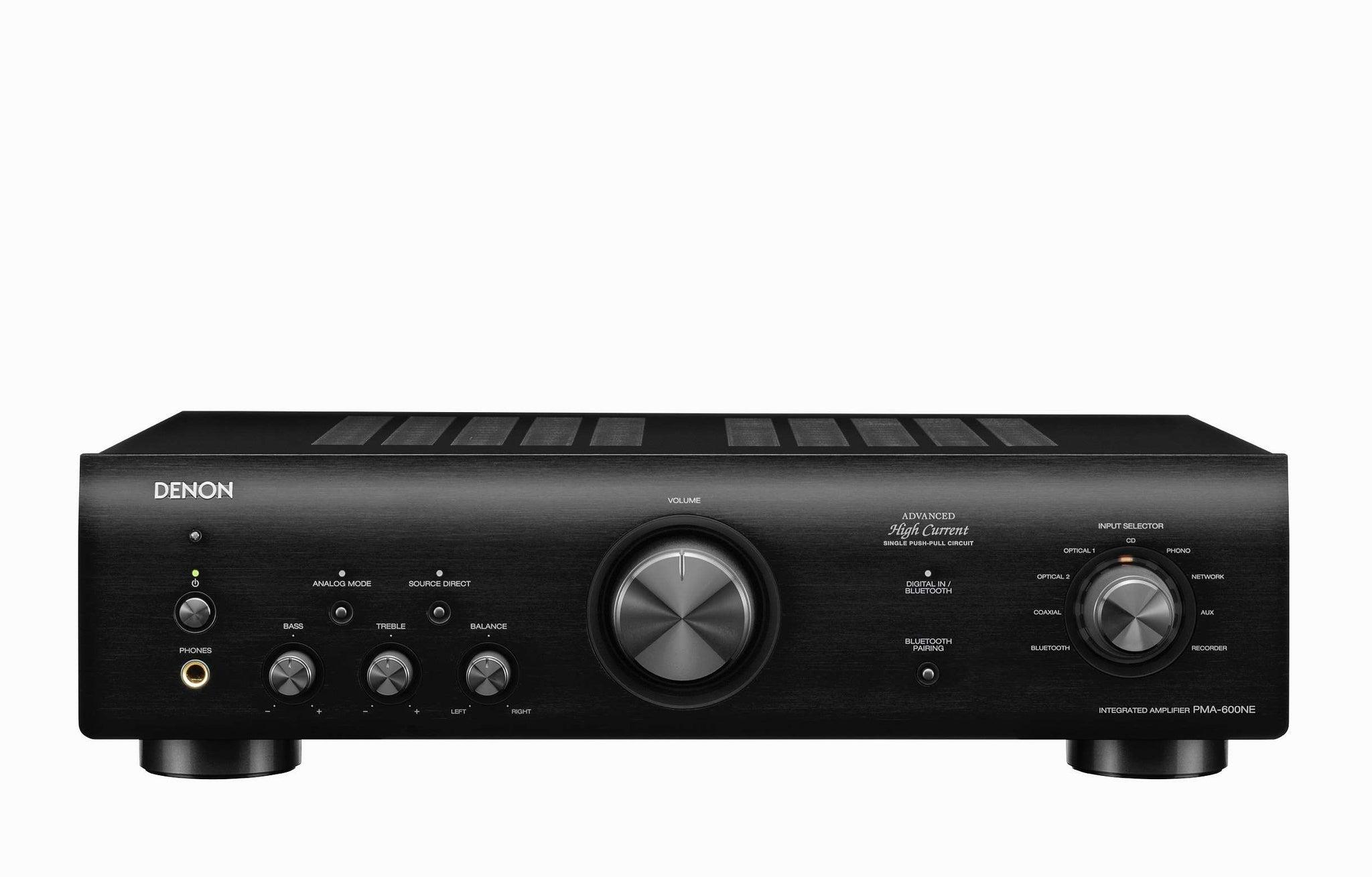
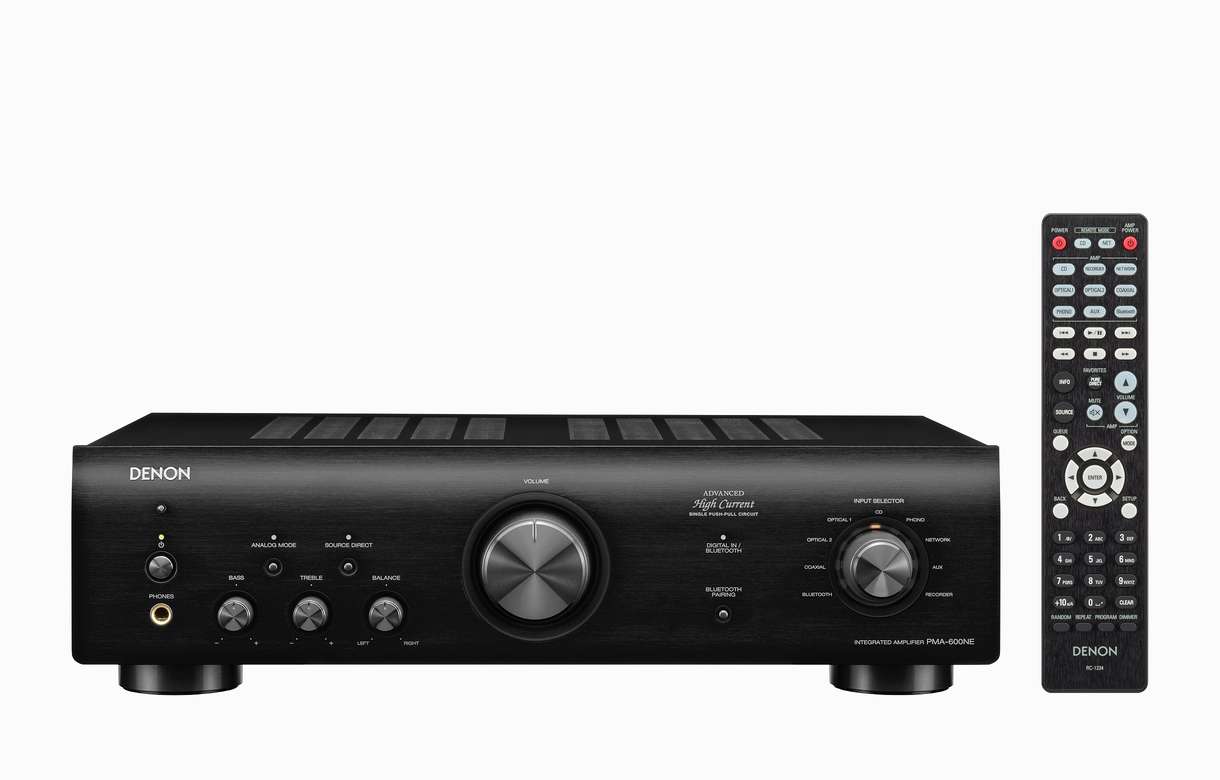
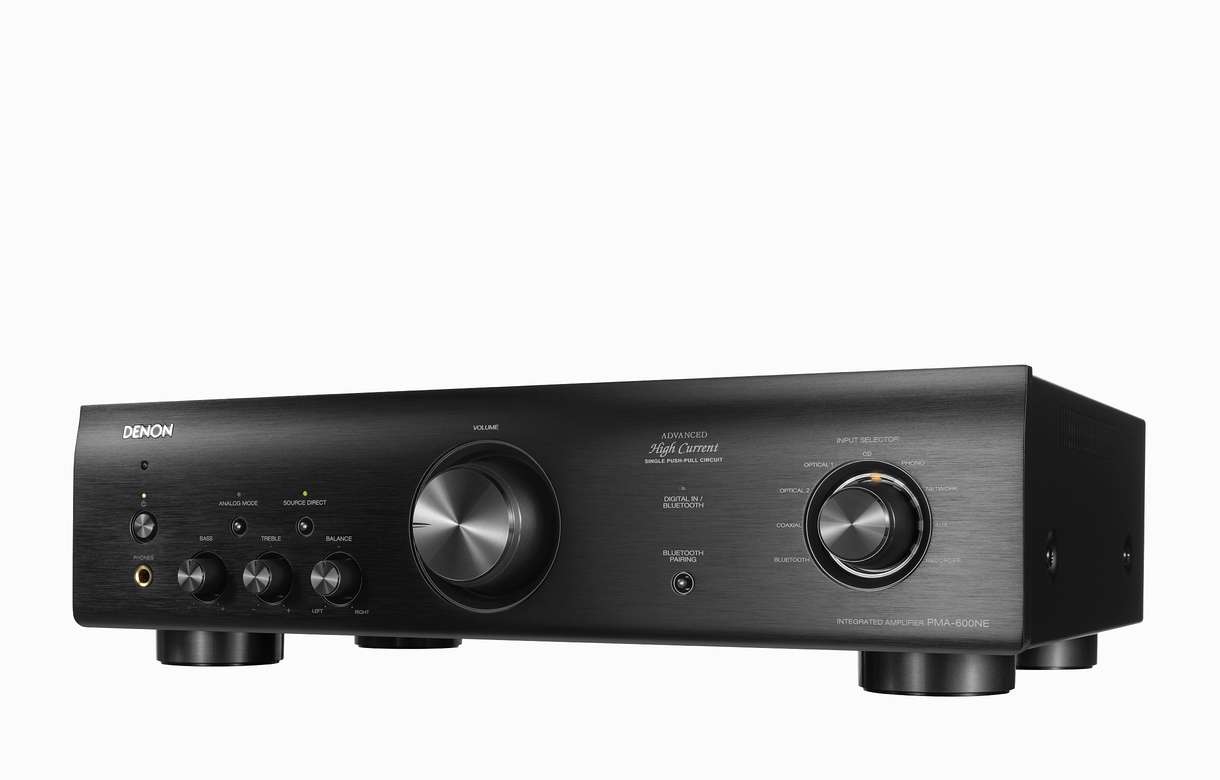
Today we're comparing two popular integrated amplifiers that represent very different approaches to this challenge: the NAD C 368 and the Denon PMA-600NE. At the time of writing, these amplifiers sit in different price tiers, with the NAD commanding roughly twice the investment of the Denon. But that price difference tells only part of the story about which might be right for your system.
The most fundamental difference between the NAD C 368 and Denon PMA-600NE lies in their amplification technology. The NAD uses Class D amplification—a modern, highly efficient design that switches the output transistors on and off thousands of times per second to recreate the audio waveform. This might sound like it would create a choppy signal, but sophisticated filtering ensures the speakers receive smooth, continuous power.
The Denon PMA-600NE, by contrast, uses traditional Class A/B amplification. In this design, the output transistors are always partially conducting, creating a more linear amplification process but generating more heat and consuming more power. Think of Class D as a precisely controlled digital switch, while Class A/B operates more like a smooth analog valve.
Both amplifiers were released in the mid-to-late 2010s, representing mature implementations of their respective technologies. The NAD C 368 launched around 2016, showcasing NAD's commitment to embracing efficient Class D designs while maintaining their reputation for musical sound. The Denon PMA-600NE arrived slightly later, around 2017-2018, as Denon's answer to the growing demand for feature-rich budget amplifiers.
Since their release, the streaming audio landscape has evolved significantly. High-resolution streaming services have become mainstream, and wireless audio quality has improved dramatically. Both amplifiers anticipated these trends with built-in digital-to-analog converters (DACs) and Bluetooth connectivity, though they implemented these features quite differently.
When comparing amplifier power, the NAD C 368 delivers 80 watts per channel into both 8-ohm and 4-ohm speakers, maintaining its full power rating regardless of speaker impedance. This consistent power delivery comes from its sophisticated Class D design and robust switch-mode power supply, which can deliver over 600 watts instantaneously for musical peaks.
The Denon PMA-600NE provides 45 watts into 8-ohm speakers but increases to 70 watts into 4-ohm loads. This power scaling is typical of traditional amplifier designs—they can deliver more current into lower impedance loads, but the power supply has finite limits.
Here's what this means in practical terms: if you're driving moderately efficient bookshelf speakers in a medium-sized room, both amplifiers will provide plenty of volume. However, if you're considering larger floor-standing speakers, planar magnetic speakers like Magnepans, or you simply enjoy listening at higher volumes, the NAD C 368's extra power and current delivery become significant advantages.
The power difference becomes even more pronounced when you consider distortion characteristics. The NAD C 368 maintains its 0.03% total harmonic distortion (THD) across its power range, while the Denon PMA-600NE's distortion rises to 0.7% at full power into 4 ohms. Lower distortion means cleaner sound, especially during complex musical passages or at higher volumes.
Based on extensive user feedback and professional reviews, these amplifiers present distinctly different sonic characters. The NAD C 368 consistently receives praise for its clean, transparent, and balanced presentation. Users describe it as revealing—you'll hear details in familiar recordings that you might have missed before. This transparency comes from the inherently low distortion of its Class D design and the sophisticated Hypex UcD output stage that NAD customized for this amplifier.
The trade-off with this transparency is that poorly recorded material might sound harsh or clinical. If your music collection includes a lot of heavily compressed pop music or older recordings with limited dynamic range, the NAD C 368's revealing nature might highlight these flaws.
The Denon PMA-600NE takes a more forgiving approach. Users consistently describe its sound as warm, smooth, and musical—what audiophiles often call "sweet." This character comes from its traditional Class A/B design and what appears to be a subtle emphasis in the lower midrange frequencies. This warmth adds body to vocals and makes acoustic instruments sound more natural and present.
This sonic difference reflects in the types of music where each amplifier excels. The NAD C 368 shines with well-recorded jazz, classical music, and acoustic recordings where you want to hear every nuance of the performance. The Denon PMA-600NE makes rock, pop, and electronic music more engaging and enjoyable, smoothing over recording imperfections while maintaining musical flow.
Both amplifiers include built-in digital-to-analog converters, but their implementations differ significantly. The NAD C 368 employs a sophisticated 32-bit Texas Instruments PCM1795 DAC chip, paired with a BurrBrown OPA1652 buffer stage and asynchronous sample rate conversion. In simpler terms, this means it can handle high-resolution digital audio (up to 24-bit/192kHz) while minimizing timing errors that can degrade sound quality.
User reviews consistently highlight the NAD C 368's DAC as exceptional for its price class. Many owners report that it sounds as good as standalone DACs costing several hundred dollars. This is particularly valuable if you stream music from services like Tidal, Qobuz, or Apple Music, or if you have high-resolution digital music files.
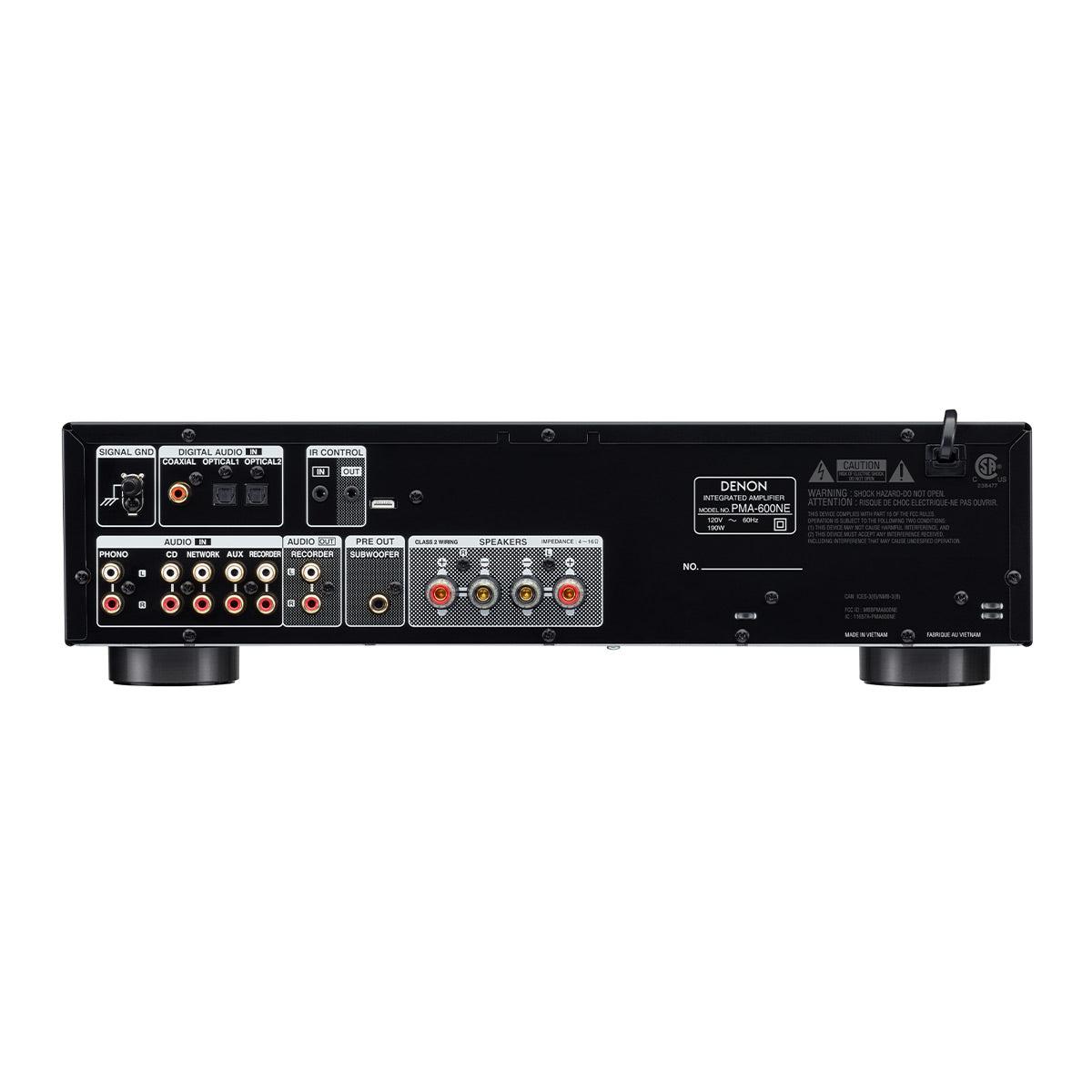
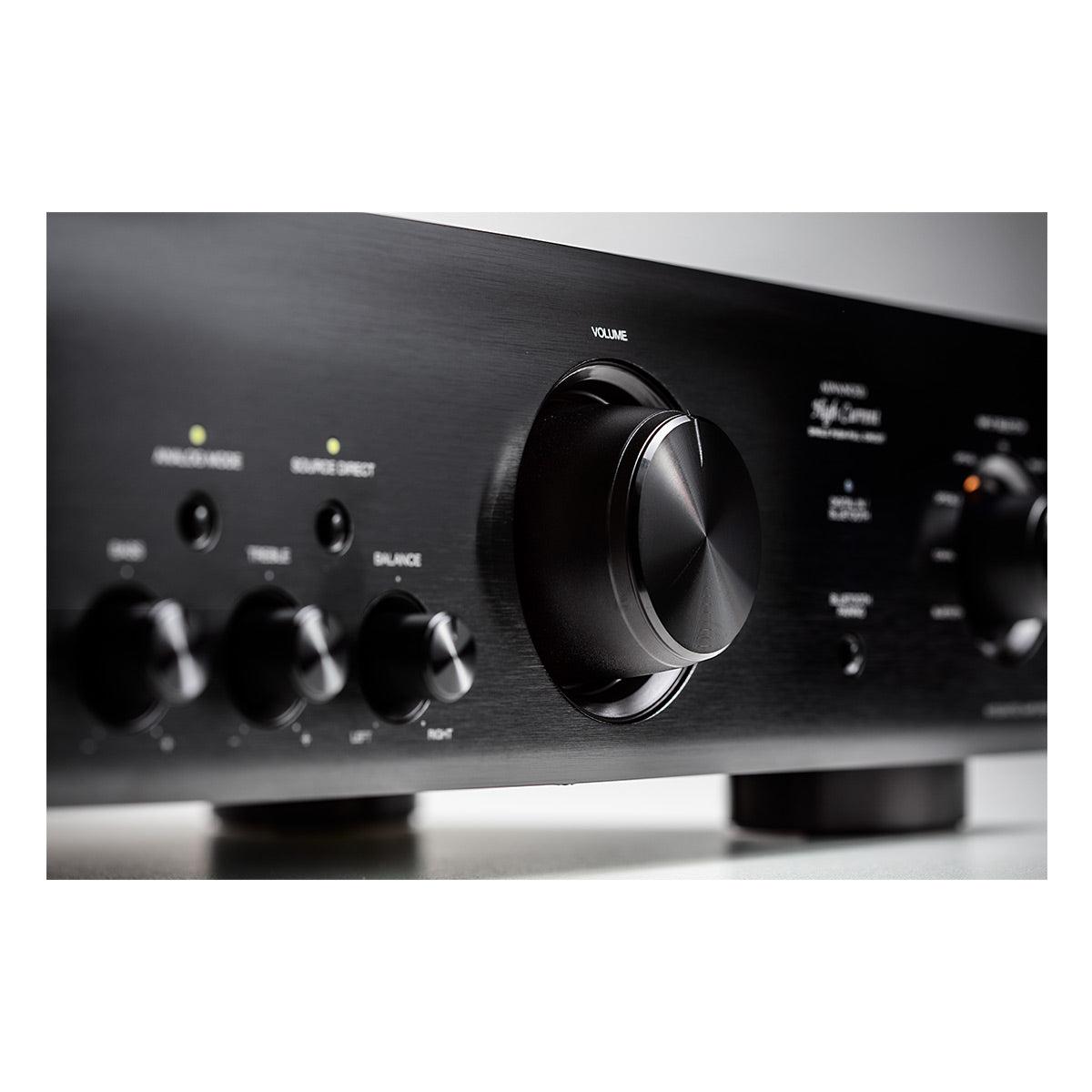
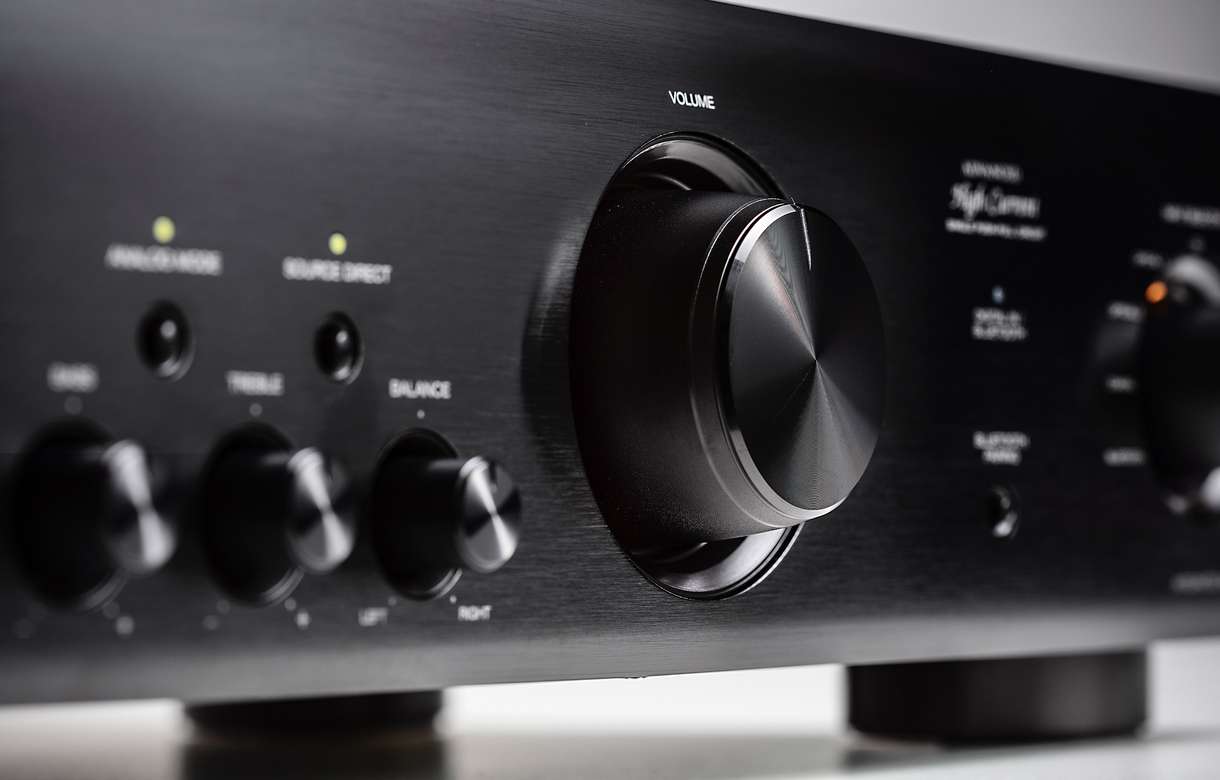
The Denon PMA-600NE uses a PCM5141 DAC chip, which supports the same 24-bit/192kHz resolution but with simpler supporting circuitry. While adequate for most listeners, technical measurements suggest it doesn't match the NAD's performance in terms of noise floor and distortion. However, the Denon includes an interesting "Analog Mode" that completely shuts down all digital circuits, potentially reducing interference when using analog sources like turntables.
For Bluetooth connectivity, the NAD C 368 supports the aptX codec, which provides near-CD quality audio over Bluetooth. The Denon PMA-600NE uses standard Bluetooth codecs, which are perfectly adequate for casual listening but don't achieve the same fidelity. Interestingly, the NAD can also transmit Bluetooth signals, so you could send audio wirelessly to Bluetooth headphones—a unique feature at this price point.
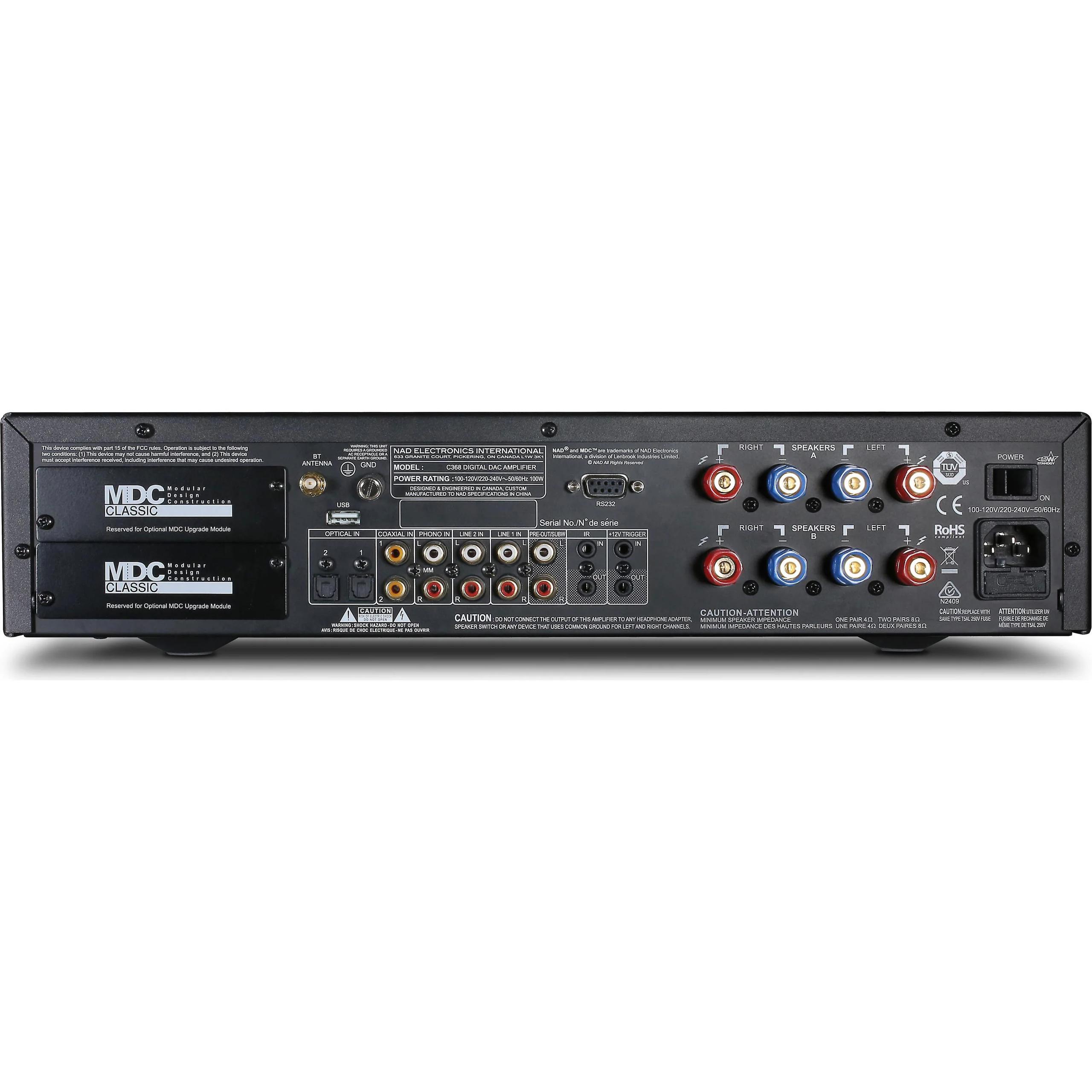
The NAD C 368 offers more comprehensive connectivity with four digital inputs (two optical, two coaxial) compared to the Denon's three (two optical, one coaxial). Both provide multiple analog inputs and dedicated moving magnet (MM) phono stages for turntables.
Where the NAD C 368 really distinguishes itself is in its Modular Design Construction (MDC) slots. These two expansion slots can accommodate upgrade modules like the BluOS streaming module, which adds Wi-Fi connectivity, multi-room audio capabilities, and support for high-resolution streaming services. There's also an HDMI module available for home theater integration.
This modular approach represents genuine future-proofing. Audio technology evolves rapidly, and the ability to add new capabilities without replacing the entire amplifier provides significant long-term value. The Denon PMA-600NE lacks any upgrade path—what you buy is what you'll have for the life of the product.
For custom installation, the NAD C 368 includes RS-232 control, IR input/output, and 12V triggers, making it compatible with professional control systems from companies like Control4 and Crestron. The Denon PMA-600NE offers basic remote control functionality but lacks these professional integration features.
While both amplifiers are designed primarily for stereo music listening, they can integrate into home theater systems through their subwoofer outputs. The NAD C 368 provides a configurable pre/sub output that can function as either a preamp output for adding external power amplifiers or as a crossed-over subwoofer feed.
The Denon PMA-600NE includes a dedicated subwoofer output, making it straightforward to add a powered subwoofer for enhanced low-frequency performance in a 2.1 configuration.
For more serious home theater integration, the NAD C 368's optional HDMI module provides multiple HDMI inputs with 4K video pass-through, essentially turning it into a high-quality stereo receiver. This capability could be valuable if you want exceptional audio quality for stereo music but also need to handle multiple video sources.
The NAD C 368 weighs nearly 19 pounds despite its efficient Class D design, indicating substantial build quality in its chassis and power supply components. Its switch-mode power supply operates at high efficiency while providing excellent regulation across a wide range of AC input voltages—useful for international use or areas with unstable power.
The Denon PMA-600NE weighs about 15 pounds and features Denon's Direct Mechanical Ground Construction, which is designed to minimize vibration and interference. Its traditional linear power supply with a toroidal transformer provides the solid, regulated power that Class A/B amplifiers require.
Both manufacturers have strong reputations for reliability, though NAD's professional background gives them slight edge in long-term durability expectations. The NAD C 368's switch-mode power supply also generates less heat, potentially extending component lifespan.
At the time of writing, the NAD C 368 commands roughly twice the price of the Denon PMA-600NE, but this price difference reflects genuine capability gaps rather than just brand positioning. The NAD provides significantly more power, superior digital processing, modular expandability, and professional features that justify its higher cost for users who value these capabilities.
The Denon PMA-600NE represents exceptional value in the entry-to-intermediate market. It provides quality Class A/B amplification, adequate digital processing, and good connectivity at a price point that makes serious hi-fi accessible to budget-conscious listeners.
Consider the total system cost when evaluating value. If you need to purchase a separate DAC, streamer, or phono stage with the Denon, those additional costs could narrow the effective price gap with the NAD significantly.
The NAD C 368 makes sense for listeners who view their amplifier as a long-term investment and centerpiece of an evolving system. If you're serious about audio quality, plan to upgrade speakers or add sources over time, or need professional integration features, the NAD's capabilities and expandability provide compelling long-term value. Its superior power output also makes it the better choice for demanding speakers or larger listening rooms.
The Denon PMA-600NE excels as an entry point into quality hi-fi or as a secondary system amplifier. Its warm, forgiving sound character makes virtually any recording enjoyable, and its traditional approach appeals to listeners who prefer the "classic" hi-fi sound. If your budget is constrained, your listening room is modest in size, and you primarily use efficient bookshelf speakers, the Denon delivers satisfying performance without the premium cost.
For vinyl enthusiasts specifically, both amplifiers offer quality MM phono stages, but the Denon's Analog Mode and warmer character might edge out the NAD for pure analog playback, while the NAD's superior overall transparency could reveal more detail from well-mastered recordings.
Your choice between these amplifiers ultimately depends on your priorities, budget, and system goals. The NAD C 368 represents a more future-proof, technically sophisticated solution that will grow with your system and provide years of upgrade potential. The Denon PMA-600NE offers immediate satisfaction at a lower price point with proven reliability and musical sound quality.
Both amplifiers will deliver years of listening enjoyment, but they'll take you down different paths in your audio journey. Choose the NAD if you're building a serious, long-term system and value technical excellence. Choose the Denon if you want to enter the world of quality hi-fi without breaking the bank, and you prioritize musical enjoyment over technical perfection.
Either way, you'll have a quality integrated amplifier that will serve as the foundation for countless hours of musical discovery and enjoyment.
| NAD C 368 Integrated Amplifier | Denon PMA-600NE Integrated Amplifier |
|---|---|
| Power Output - Critical for driving speakers and achieving clean sound at volume | |
| 80W per channel (8Ω/4Ω), consistent power delivery | 45W per channel (8Ω), 70W (4Ω), traditional scaling |
| Amplification Technology - Affects efficiency, heat, and sound character | |
| Class D with Hypex UcD output stage (efficient, cool running) | Class A/B Advanced High Current design (traditional, warm sound) |
| Total Harmonic Distortion - Lower numbers mean cleaner sound reproduction | |
| 0.03% THD (exceptionally clean) | 0.07% THD at rated power, 0.7% at full power into 4Ω |
| Built-in DAC Quality - Essential for digital source performance | |
| 32-bit TI PCM1795 with BurrBrown buffer (exceptional quality) | PCM5141 24-bit/192kHz (adequate but not remarkable) |
| Digital Inputs - More inputs provide flexibility for modern sources | |
| 4 digital inputs (2 optical, 2 coaxial) | 3 digital inputs (2 optical, 1 coaxial) |
| Analog Inputs - Important for traditional sources like turntables and CD players | |
| 2 RCA line inputs + MM phono stage | 5 RCA line inputs + MM phono stage |
| Bluetooth Support - Wireless streaming quality and features | |
| Bluetooth with aptX codec, transmit/receive capable | Standard Bluetooth receive only (no aptX) |
| Expandability - Future-proofing and system growth potential | |
| 2 MDC slots for upgrade modules (BluOS, HDMI, etc.) | No upgrade options available |
| Weight and Build - Indicates component quality and power supply robustness | |
| 18.9 lbs with switch-mode power supply | 15 lbs with traditional linear power supply |
| Professional Integration - Important for custom installations | |
| RS-232, IR in/out, 12V triggers, Control4/Crestron compatible | Basic remote control only |
| Sound Character - The subjective listening experience | |
| Clean, transparent, detailed presentation | Warm, smooth, musical with traditional hi-fi sweetness |
| Power Supply Type - Affects efficiency and performance consistency | |
| Switch-mode (efficient, wide voltage range, instant power delivery) | Linear transformer-based (traditional, steady power) |
| Special Features - Unique capabilities that add value | |
| Modular design, configurable pre/sub output, headphone amp | Analog Mode (disables digital circuits), dedicated sub output |
The NAD C 368 delivers significantly more power with 80 watts per channel into both 8-ohm and 4-ohm speakers, while the Denon PMA-600NE provides 45 watts into 8-ohm speakers and 70 watts into 4-ohm loads. The NAD C 368 maintains consistent power delivery regardless of speaker impedance, making it better suited for demanding speakers or larger listening rooms.
The NAD C 368 offers a clean, transparent, and detailed sound signature that reveals nuances in well-recorded music, while the Denon PMA-600NE provides a warmer, more musical presentation with traditional hi-fi sweetness. The Denon PMA-600NE is more forgiving of poor recordings, whereas the NAD C 368 can highlight recording flaws due to its revealing nature.
The NAD C 368 excels with digital sources, featuring a superior 32-bit DAC, Bluetooth with aptX codec support, and four digital inputs compared to the Denon PMA-600NE's three inputs and standard Bluetooth. The NAD C 368 consistently receives praise for its exceptional built-in DAC quality, often compared to standalone DACs costing several hundred dollars.
Both amplifiers can integrate into home theater systems through their subwoofer outputs for 2.1 configurations. The NAD C 368 offers more flexibility with its configurable pre/sub output and optional HDMI module for serious home theater integration. The Denon PMA-600NE provides basic home theater compatibility with its dedicated subwoofer output but lacks advanced video integration options.
The Denon PMA-600NE provides excellent value as an entry point into quality hi-fi, offering traditional Class A/B amplification and good features at a budget-friendly price. The NAD C 368 costs roughly twice as much but delivers significantly more power, superior digital processing, and modular expandability that justifies the higher investment for serious audiophiles.
Yes, both the NAD C 368 and Denon PMA-600NE include dedicated moving magnet (MM) phono stages for direct turntable connection. The Denon PMA-600NE features an "Analog Mode" that completely shuts down digital circuits during vinyl playback, while the NAD C 368 offers superior overall transparency that can reveal more detail from well-mastered records.
The NAD C 368 is significantly more future-proof with its Modular Design Construction featuring two MDC slots for upgrade modules like BluOS streaming, HDMI inputs, or future technologies. The Denon PMA-600NE offers no upgrade path or expandability options beyond its current feature set.
The NAD C 368 can drive a wider range of speakers due to its higher power output and excellent current delivery, making it suitable for demanding speakers like planar magnetics or larger floor-standing models. The Denon PMA-600NE works well with moderately efficient bookshelf speakers and smaller floor-standing speakers in medium-sized rooms.
The Denon PMA-600NE is more beginner-friendly due to its lower cost, forgiving sound signature that makes all recordings enjoyable, and straightforward operation. The NAD C 368 is better suited for serious audiophiles who want long-term system flexibility and don't mind paying more for advanced features and superior technical performance.
The NAD C 368 features a superior 32-bit Texas Instruments DAC with sophisticated supporting circuitry that consistently receives praise from users and reviewers. The Denon PMA-600NE includes an adequate 24-bit DAC that supports high-resolution audio but doesn't match the NAD's performance in terms of noise floor and distortion characteristics.
The NAD C 368 offers more comprehensive connectivity with four digital inputs, professional integration features like RS-232 control and 12V triggers, plus Bluetooth transmit capability. The Denon PMA-600NE provides good basic connectivity with five analog inputs and three digital inputs, but lacks the professional features and advanced connectivity of the NAD C 368.
Choose the Denon PMA-600NE if you're budget-conscious, prefer warm musical sound, and want an excellent entry into quality hi-fi. Select the NAD C 368 if you can invest more upfront, plan to upgrade your system over time, need higher power for demanding speakers, or prioritize technical excellence and future expandability in your audio setup.
We've done our best to create useful and informative comparisons to help you decide what product to buy. Our research uses advanced automated methods to create this comparison and perfection is not possible - please contact us for corrections or questions. These are the sites we've researched in the creation of this article: avnirvana.com - crutchfield.com - hometheaterhifi.com - hifiheaven.net - crutchfield.com - projectorscreen.com - theabsolutesound.com - dedicatedaudio.com - soundstagesimplifi.com - nadelectronics.com - musicdirect.com - crutchfield.com - safeandsoundhq.com - theaudiotailor.com.au - forums.whathifi.com - crutchfield.com - youtube.com - av.com - youtube.com - audiosciencereview.com - emotivalounge.proboards.com - forums.whathifi.com - audiosciencereview.com - crutchfield.com - melbournehifi.com.au - musicdirect.com - avstore.in - polkaudio.com - turntablelab.com

Privacy Policy
Terms and Conditions - Affiliate Policy
Home Security
© Copyright 2008-2026.
11816 Inwood Rd #1211, Dallas, TX 75244