




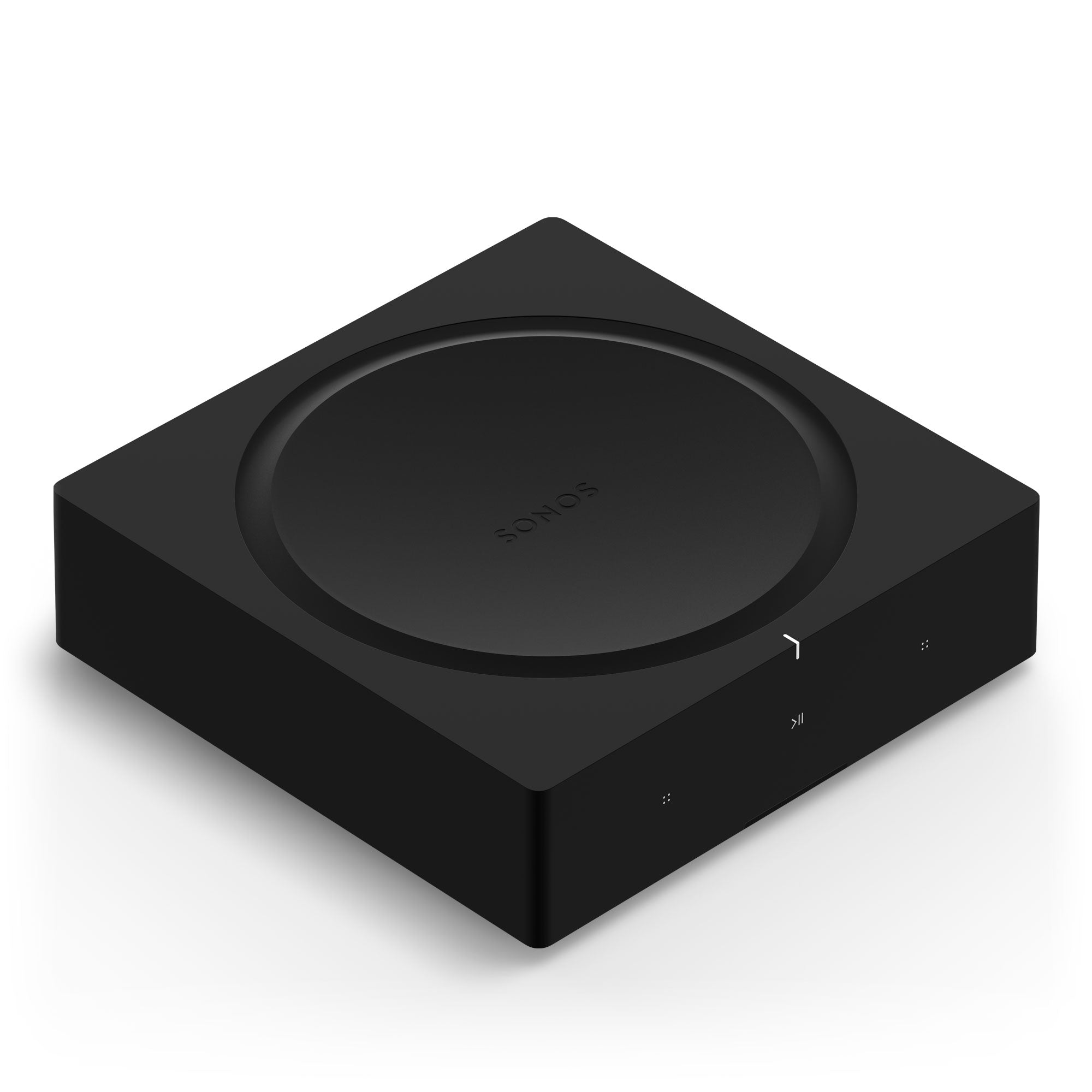
When you're ready to upgrade your audio setup with an amplifier, you'll face a fundamental choice that defines your entire listening experience. Do you want the pure, refined sound quality of a traditional hi-fi amplifier, or the convenience and power of a modern streaming solution? The Arcam Radia A5 and Sonos Amp represent these two distinct philosophies, and understanding their differences will help you make the right choice for your needs.
Both amplifiers can power passive speakers (speakers that need external amplification to work), but they approach this task in completely different ways. Think of it like choosing between a manual sports car and a high-tech electric vehicle – both will get you where you're going, but the experience and capabilities are worlds apart.
Before diving into specifics, let's talk about what actually matters when choosing an amplifier. Power output is often the first thing people look at – measured in watts per channel, this tells you how loud your system can play and what types of speakers it can drive effectively. But power isn't everything. Sound quality depends on factors like distortion levels (lower is better), signal-to-noise ratio (higher is better), and the overall design philosophy.
Connectivity has become increasingly important in recent years. Traditional amplifiers focus on analog inputs (like RCA jacks for CD players) and maybe some digital inputs, while modern streaming amplifiers prioritize wireless connectivity and integration with online music services. Digital-to-analog conversion (DAC) quality matters too – this is the component that converts digital music files into the analog signals your speakers can reproduce.
The total harmonic distortion (THD) specification tells you how much the amplifier changes the original signal – the Arcam A5's 0.003% THD is exceptionally low, meaning it reproduces music very accurately. Signal-to-noise ratio measures how quiet the background is when no music is playing – both amplifiers score well here, but the Arcam edges ahead slightly.
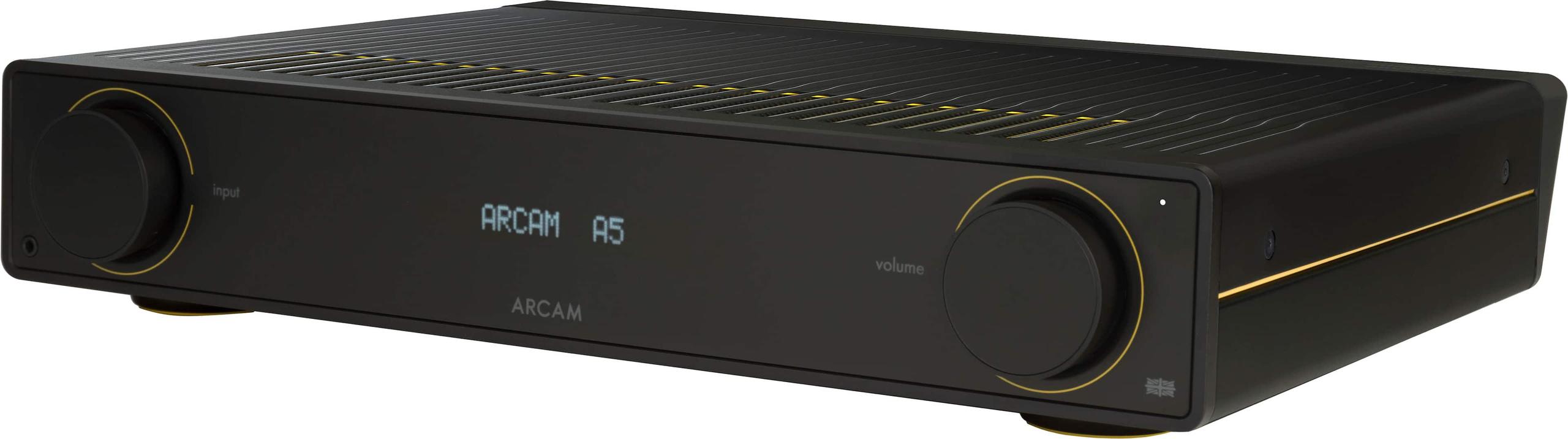
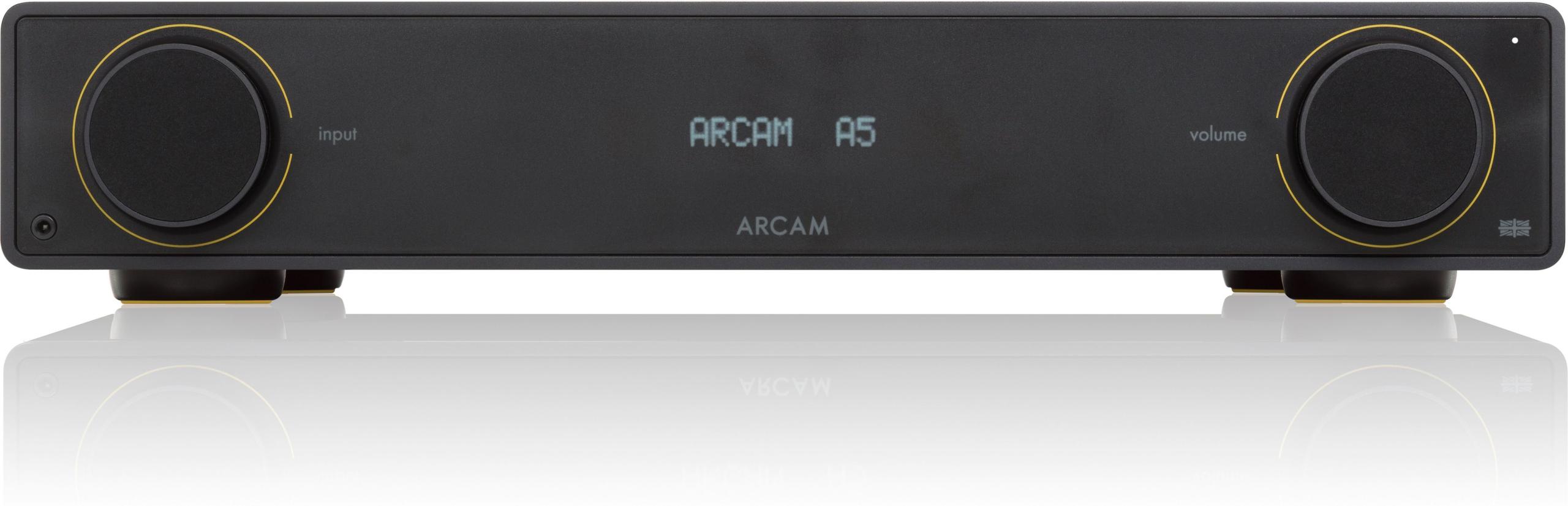
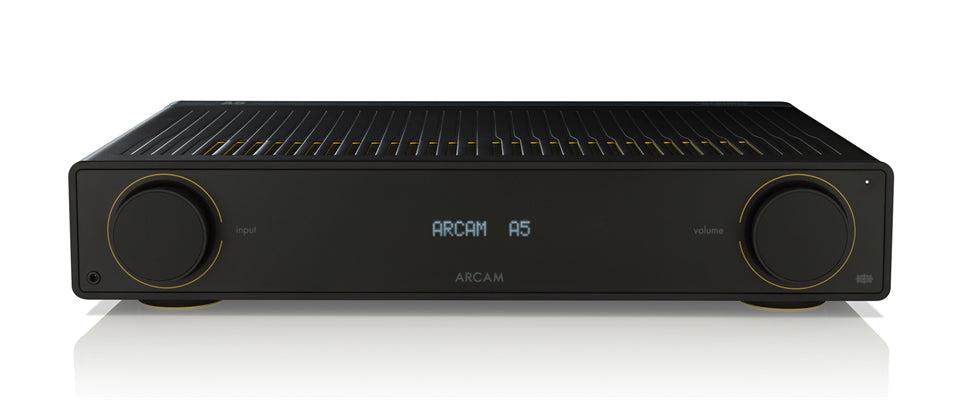
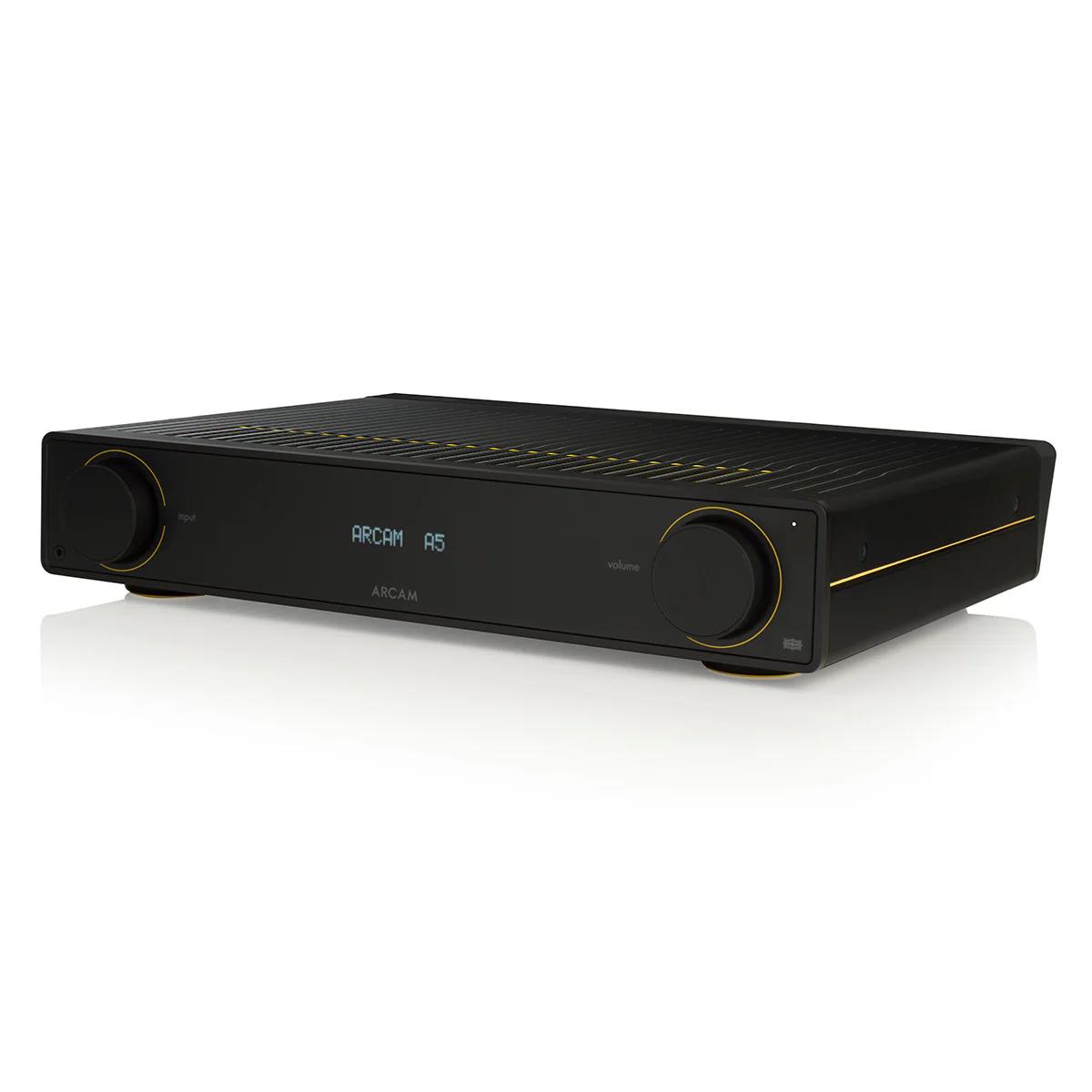
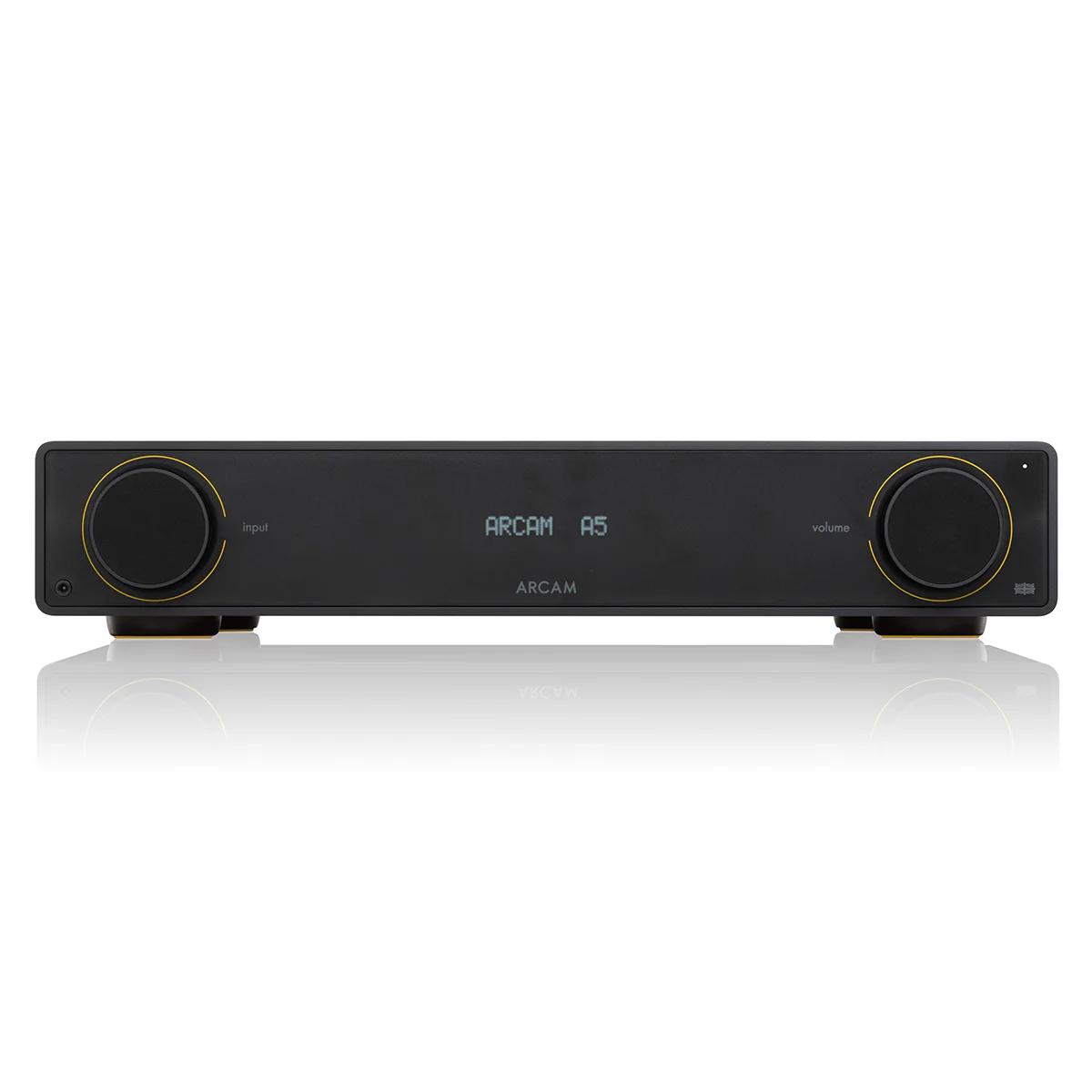
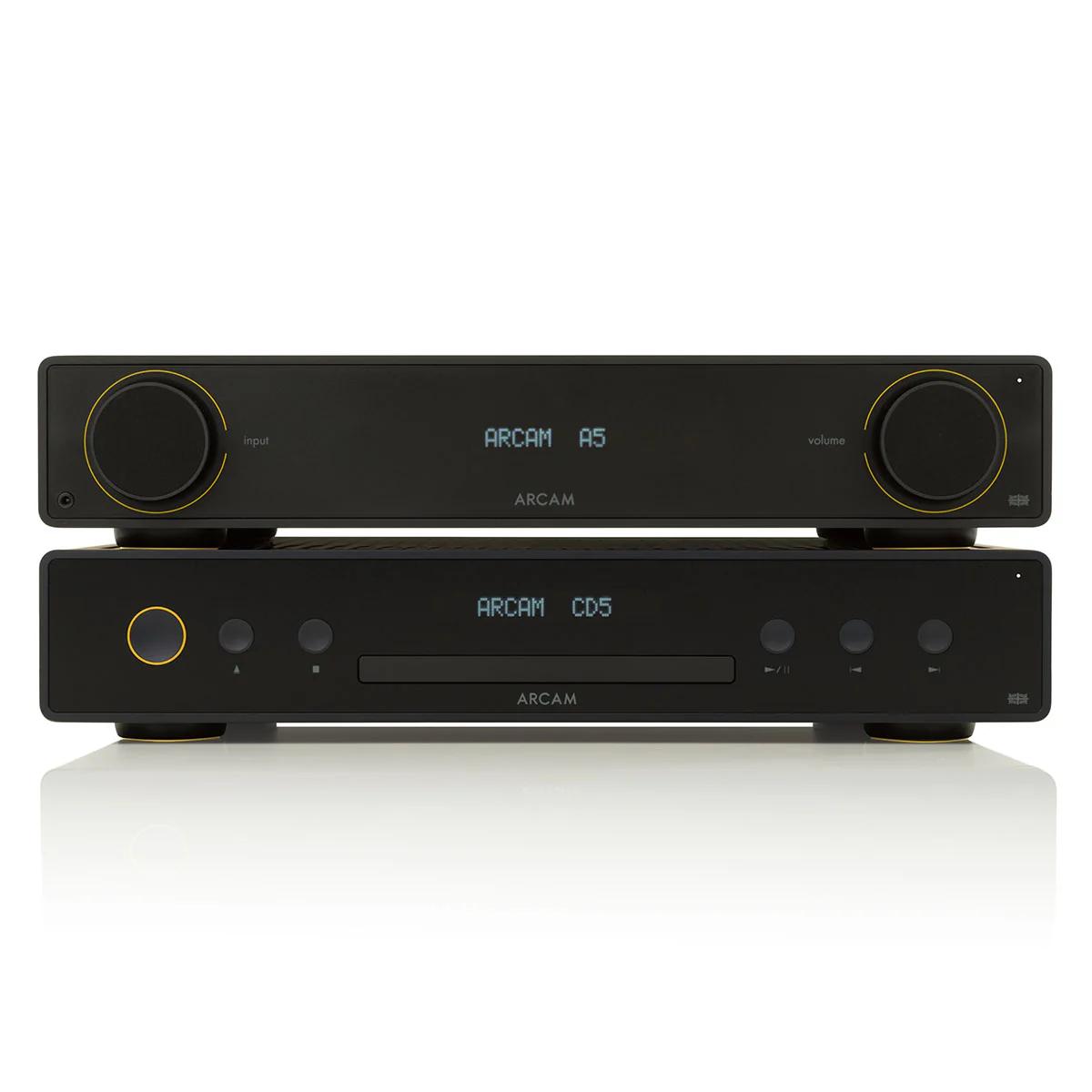
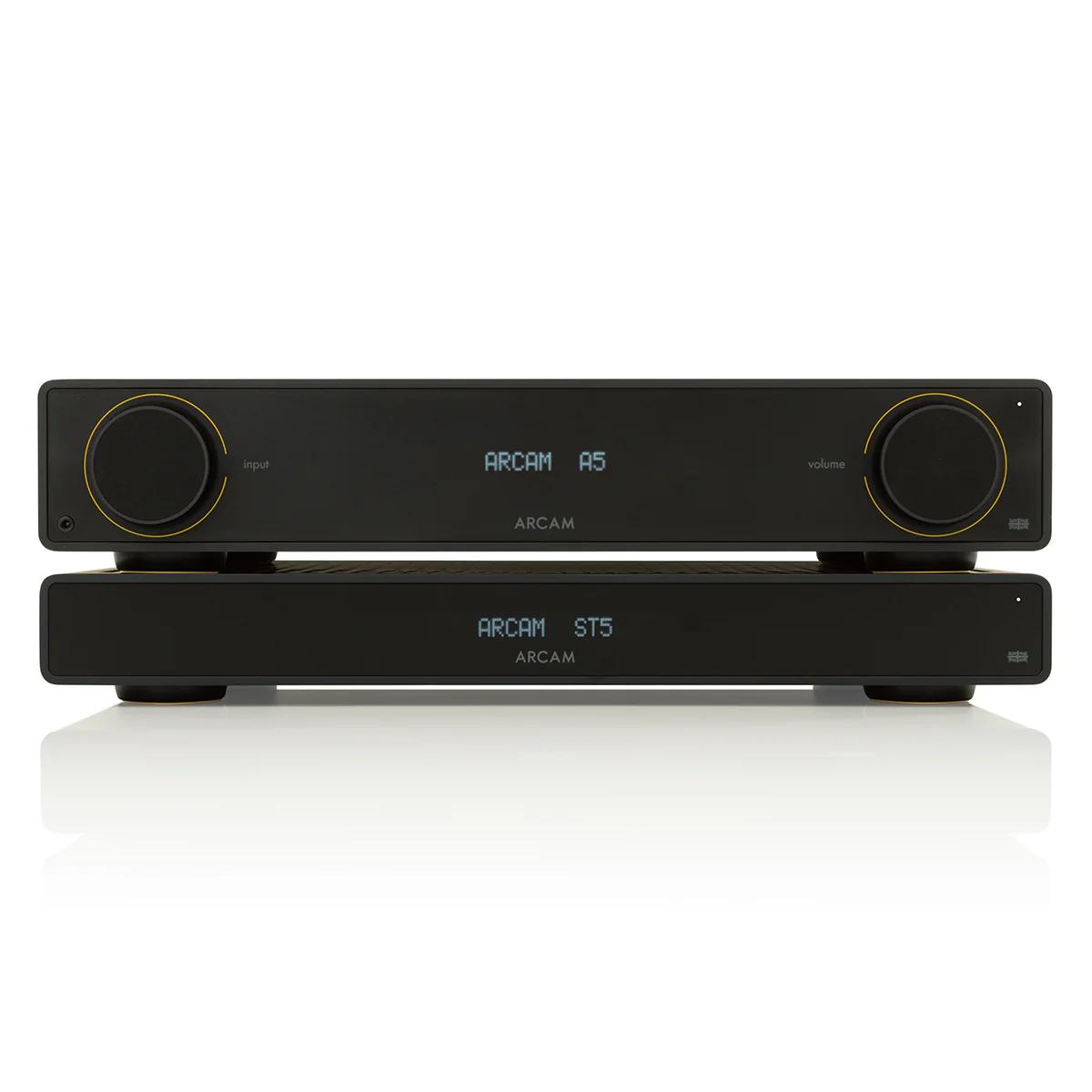
Released in 2023, the Arcam Radia A5 represents the British company's return to affordable stereo amplification after years of focusing on higher-end products. This timing is significant – Arcam used their decades of high-end amplifier experience to create something special at a more accessible price point.
The A5 uses Class AB amplification, a topology (circuit design approach) that's been refined over decades. Class AB amplifiers run slightly warm but deliver the natural, musical sound that audiophiles love. With 50 watts per channel into 8-ohm speakers (75 watts into 4-ohm speakers), it provides enough power for most bookshelf speakers and many floor-standing models in small to medium rooms.
What sets the Arcam apart is its component quality. The ESS Sabre ES9018 DAC is the same chip found in amplifiers costing significantly more. This DAC can handle high-resolution audio up to 24-bit/192kHz – think of it as the difference between standard definition and 4K video, but for audio. Most streaming services don't reach these resolutions yet, but having this capability future-proofs your system.
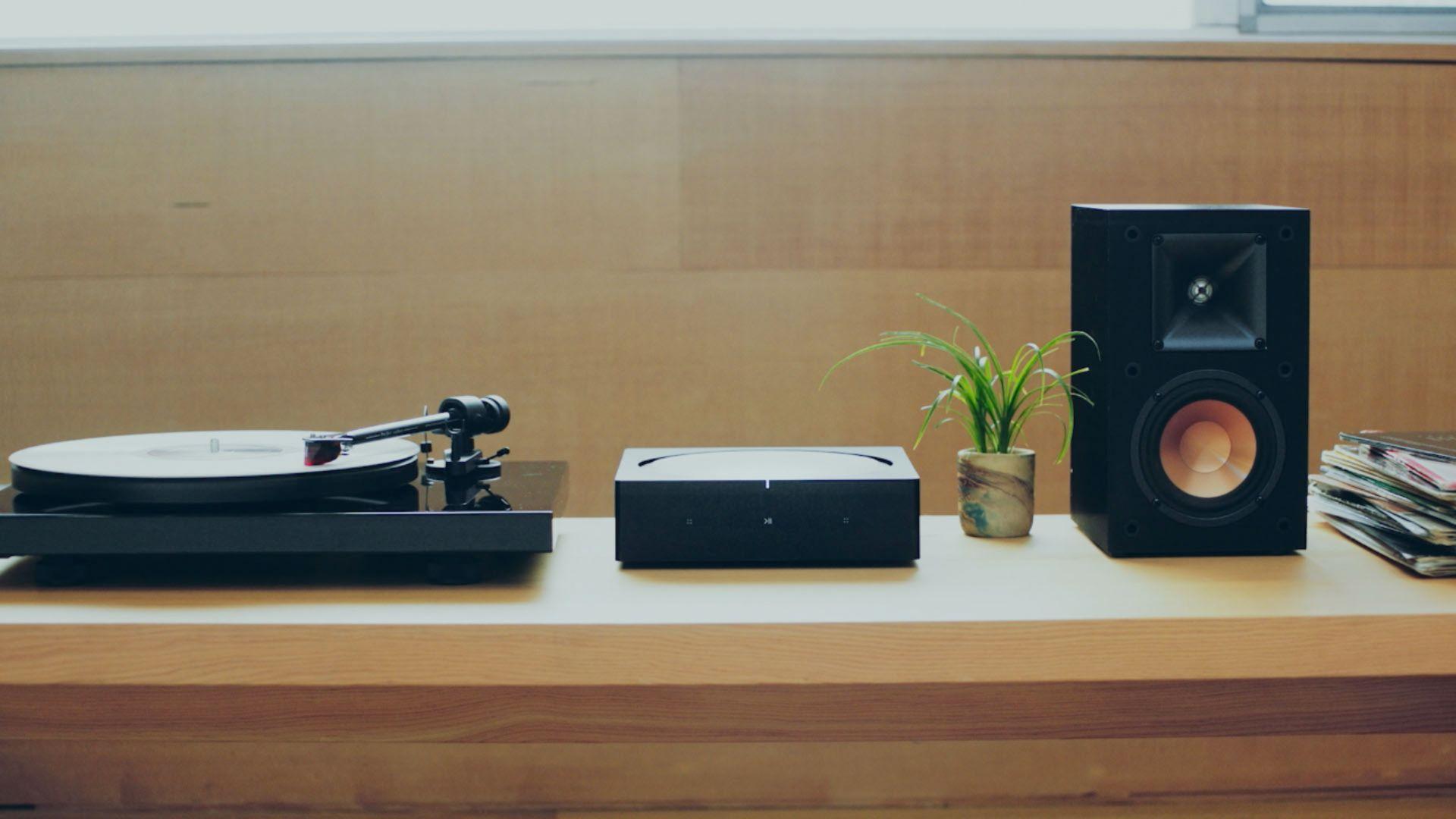
The moving magnet phono stage deserves special attention. Many modern amplifiers skip this feature or treat it as an afterthought, but the A5's phono input is genuinely well-implemented. If you have a turntable or plan to get one, this built-in phono stage (which boosts and equalizes the tiny signal from your cartridge) saves you from buying a separate component and delivers excellent vinyl playback.
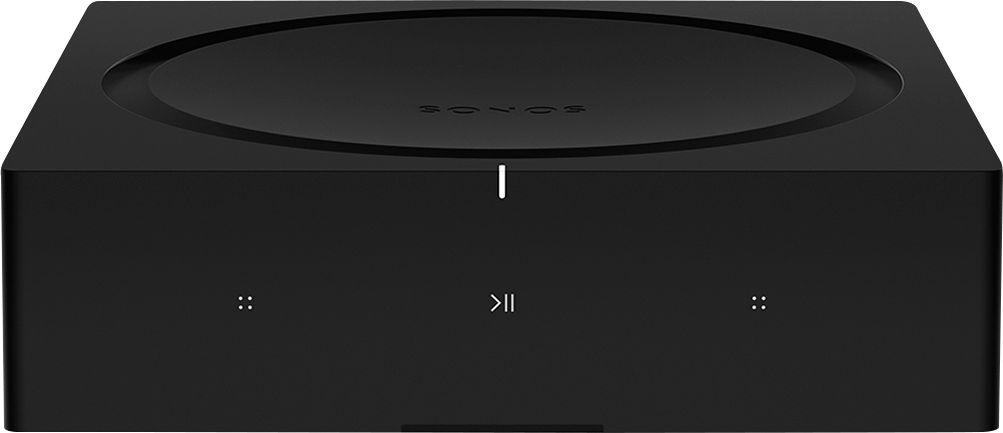
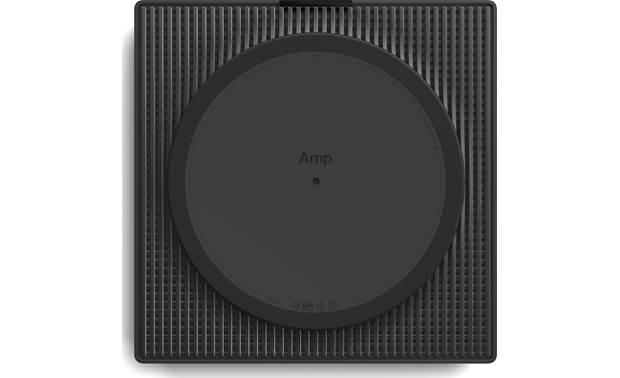
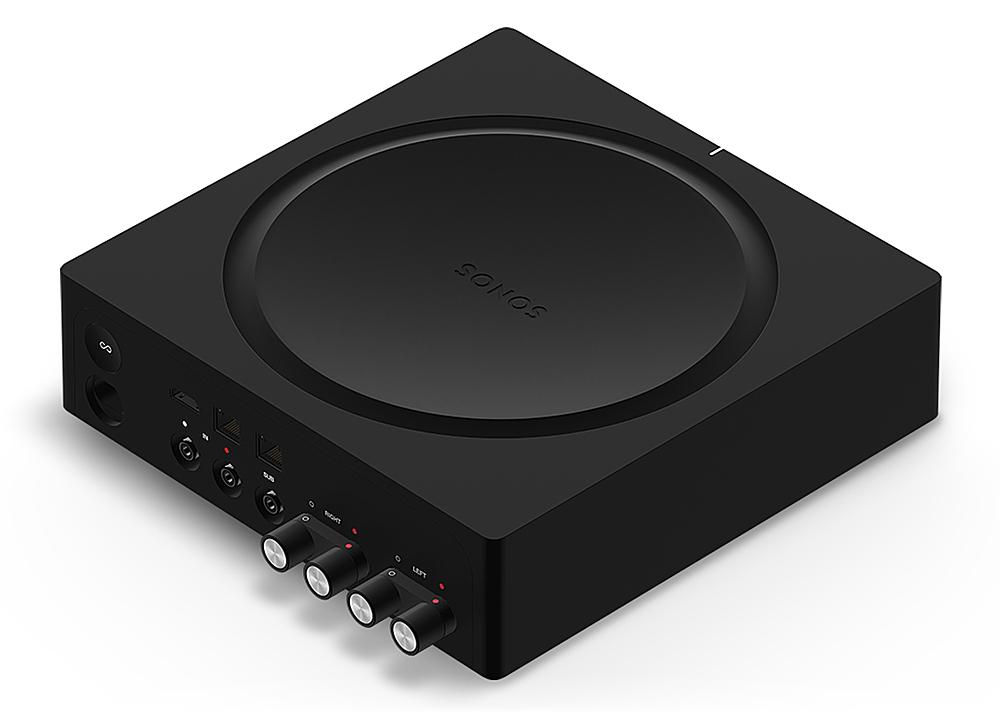
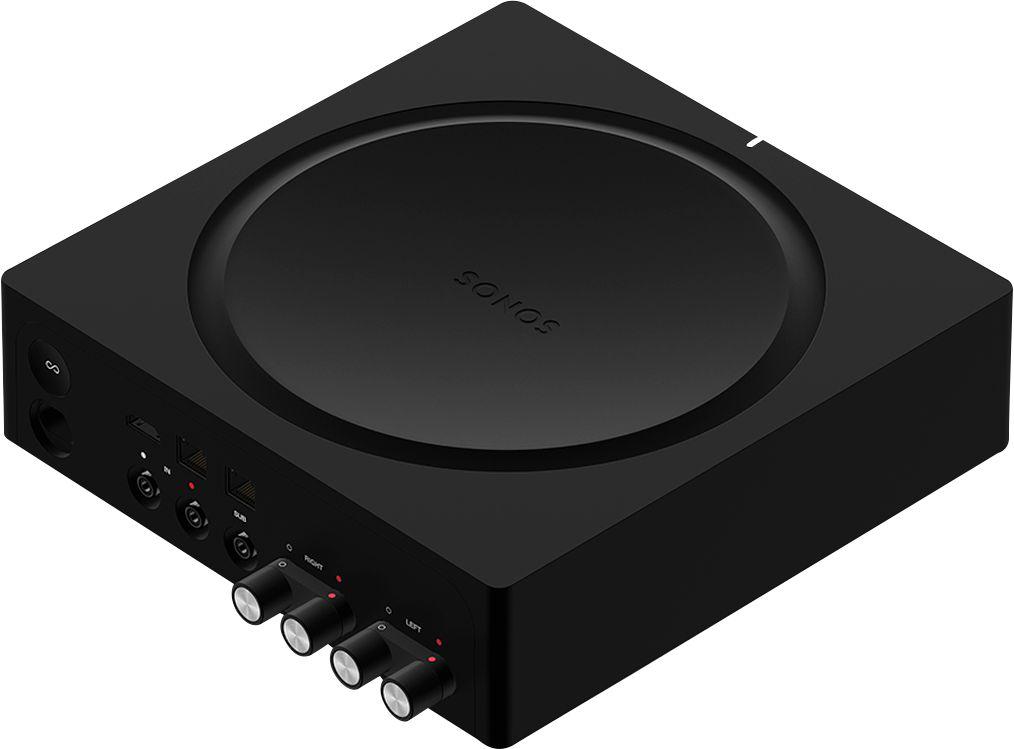
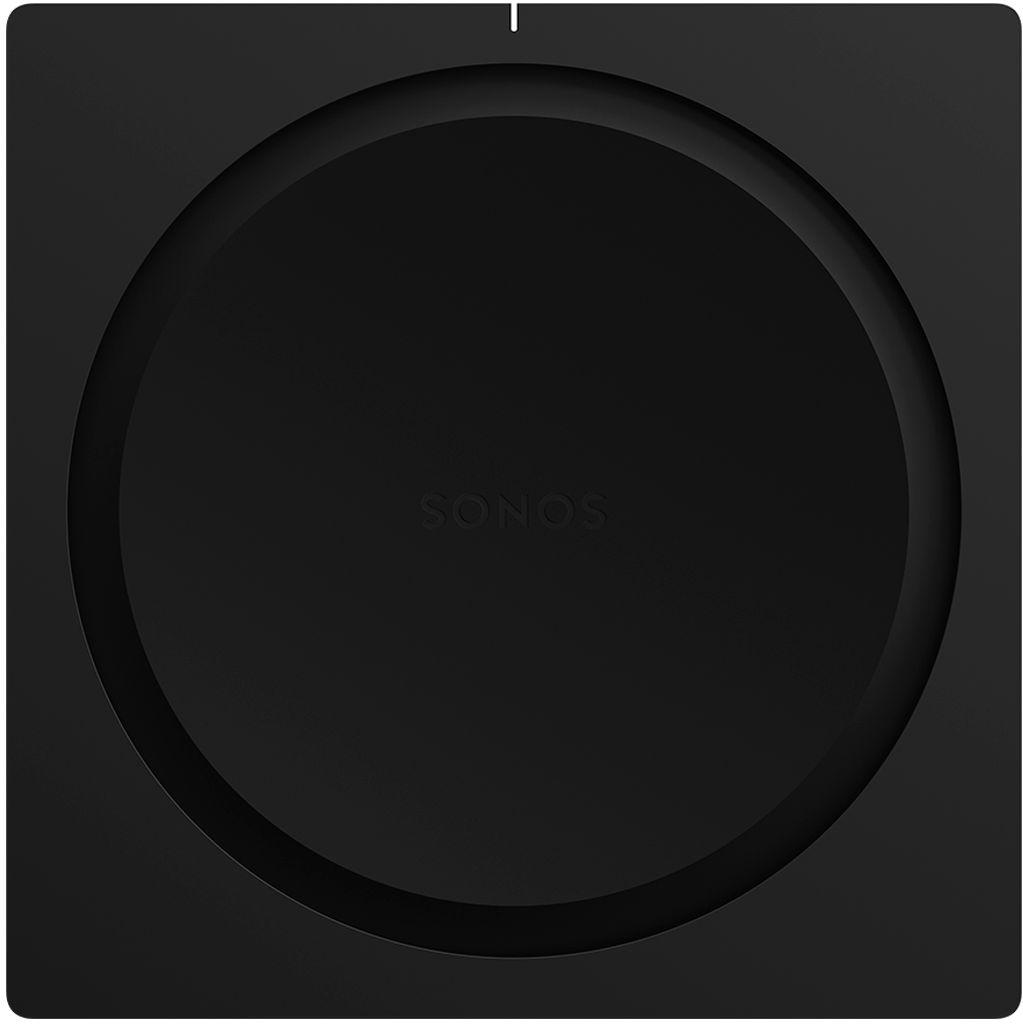
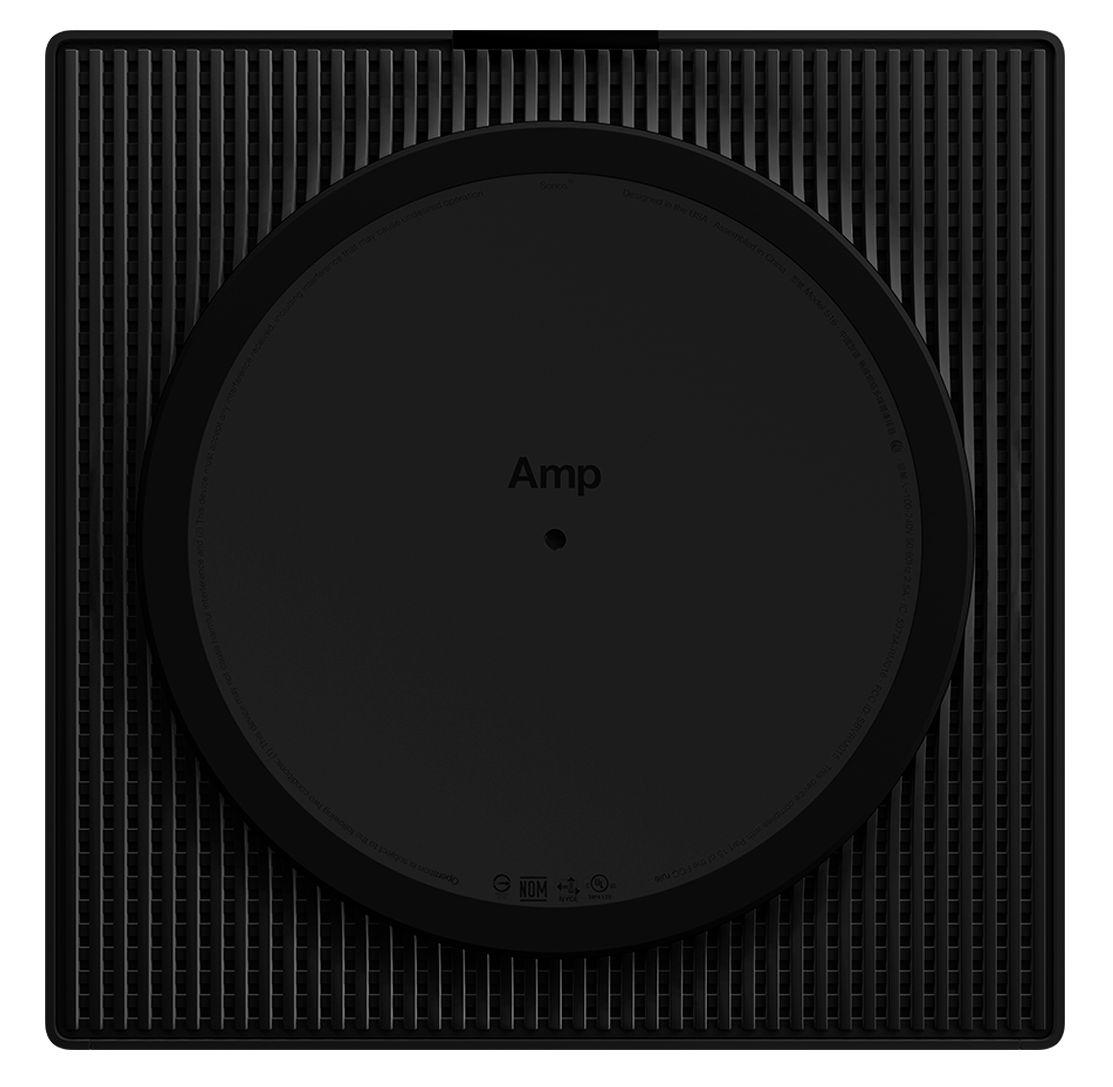
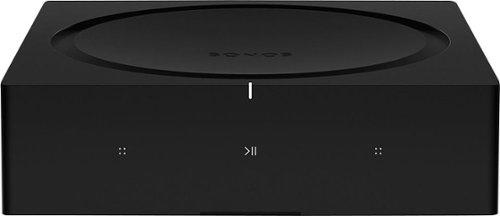
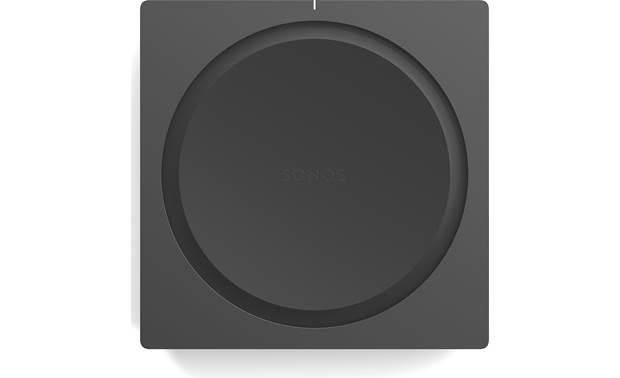
The Sonos Amp, launched in 2018, takes a completely different approach. At 125 watts per channel (250 watts into 4-ohm loads), it's significantly more powerful than the Arcam. This extra power isn't just about volume – it means better control over your speakers, especially in the bass frequencies, and the ability to drive multiple pairs of speakers or very demanding models.
The Sonos uses Class D amplification, a more modern approach that runs cooler and more efficiently than Class AB. While Class D used to have a reputation for sounding cold or clinical, modern implementations like the one in the Sonos Amp have largely overcome these issues. The trade-off is that while it sounds good, it doesn't quite reach the refinement level of the best Class AB designs.
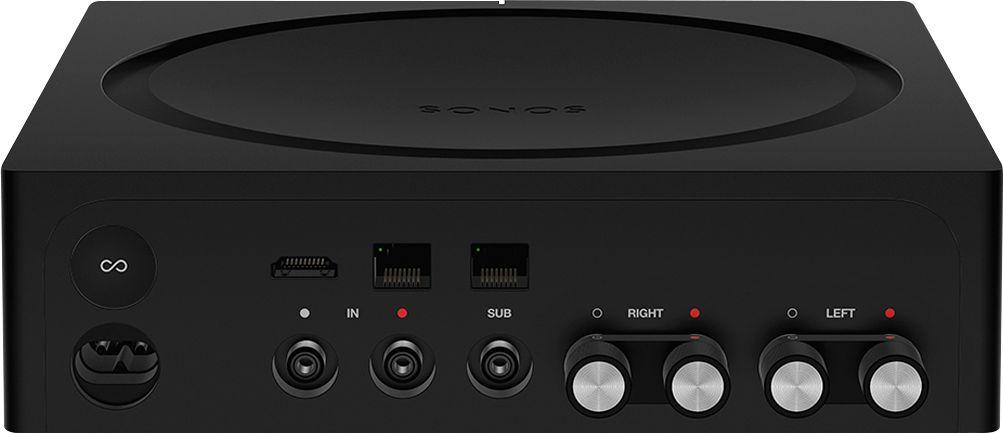
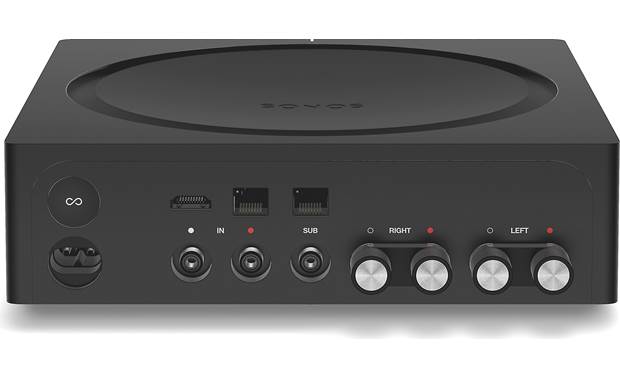
Where the Sonos truly shines is integration. The HDMI ARC input means you can connect it directly to your TV and use your existing TV remote to control volume. This sounds simple, but it eliminates the complexity that often keeps people from upgrading their TV audio. The Sonos Amp can also wirelessly connect to other Sonos speakers to create surround sound, turning a simple stereo setup into a full home theater system.
Based on extensive research into professional reviews and user experiences, the sound quality differences between these amplifiers are significant and consistent. The Arcam A5 consistently earns praise for its musical engagement – that hard-to-define quality that makes you want to keep listening. Reviewers describe vocals as "stunning" and note the amplifier's ability to present a "broad and deep soundstage."
The technical measurements support these subjective impressions. The A5's 0.003% total harmonic distortion at 80% power is exceptionally low, while its 106dB signal-to-noise ratio (109dB for digital inputs) ensures a quiet background that lets subtle details emerge. These aren't just numbers – they translate to cleaner, more natural sound reproduction.
The Sonos Amp, by comparison, delivers what reviewers call "punchy" and "engaging" sound with good dynamics and room-filling presence. It's the best-sounding Sonos product to date, but professional reviews consistently note that it lacks the subtlety and refinement of dedicated hi-fi amplifiers. The difference isn't night and day, but it's noticeable during critical listening sessions.
This is where the Sonos Amp takes a clear lead. Its 125-watt output (more than double the Arcam's 50 watts) means several practical advantages. First, it can drive speakers that the Arcam simply can't handle effectively – large floor-standing speakers, inefficient bookshelf models, or multiple pairs of speakers. Second, even with the same speakers, the extra power provides better bass control and dynamic range.
The power difference becomes especially important in larger rooms or if you like to listen at higher volumes. The Arcam A5 will start to strain and potentially clip (distort) the signal before the Sonos breaks a sweat. However, for smaller rooms and efficient speakers, the A5's 50 watts is often perfectly adequate.
The Arcam A5 supports higher resolution digital audio (up to 24-bit/192kHz) compared to the Sonos Amp's 24-bit/48kHz limitation. In practical terms, this means the Arcam can take full advantage of high-resolution downloads from services like Qobuz or local files ripped from SACDs, while the Sonos will downsample them.
Both amplifiers handle the most common digital formats well, but the Arcam's superior DAC implementation means better sound quality from digital sources. The difference is most noticeable with well-recorded material – jazz vocals, classical music, and acoustic instruments benefit from the A5's more refined digital processing.
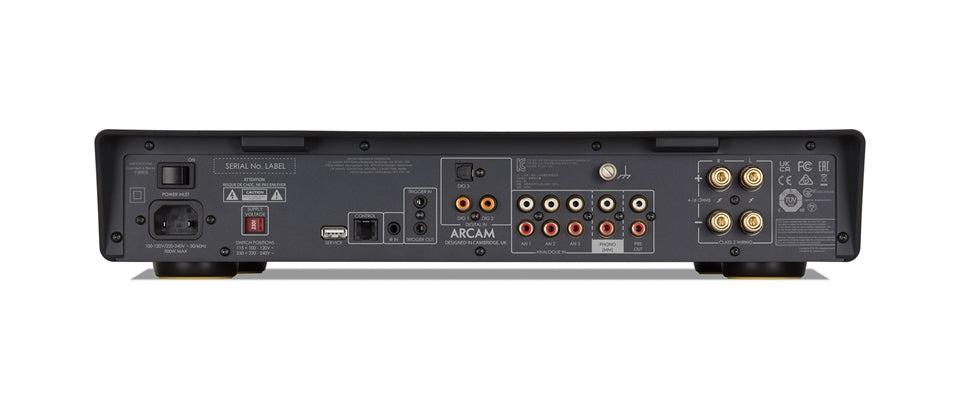
The Arcam A5 excels at traditional hi-fi connectivity. Its three analog inputs plus dedicated phono stage mean you can connect a turntable, CD player, and other analog sources without compromise. The bidirectional Bluetooth 5.2 with aptX Adaptive is particularly clever – you can stream high-quality audio to the amplifier from your phone, or stream from the amplifier to Bluetooth headphones for private listening.
The preamp outputs are a forward-thinking feature that many overlook. They let you add a separate power amplifier later if you want more power, or connect a powered subwoofer for enhanced bass. This flexibility means the A5 can grow with your system over time.
The Sonos Amp transforms your passive speakers into part of a sophisticated whole-home audio system. The integration with streaming services is seamless – you can start playing music on one Sonos device and have it automatically appear on others. The AirPlay 2 support means iPhone and iPad users get high-quality wireless streaming with minimal setup.
The Sonos app has evolved significantly since the amplifier's 2018 launch. While there were some rocky periods with app updates, at the time of writing, most users report stable, intuitive operation. The app provides access to over 100 streaming services and can manage complex multi-room setups with ease.
One unique feature is the Sonos Amp's ability to power multiple speaker configurations. You can run two pairs of 8-ohm speakers (four speakers total) or three pairs of the specially designed Sonos Architectural speakers. This flexibility makes it excellent for whole-house audio installations.
For home theater use, the Sonos Amp is clearly superior. The HDMI ARC connection provides high-quality digital audio from your TV with automatic volume control using your existing TV remote. This eliminates the complexity that often prevents people from upgrading their TV's built-in speakers.
The Sonos supports Dolby Digital and DTS Digital Surround formats (though it's not a licensed decoder), and you can wirelessly add Sonos surround speakers and a subwoofer to create a full 5.1 system. The ability to expand the system without running additional wires is a huge advantage in many living situations.
The Trueplay room correction (available only with Sonos Architectural speakers and iOS devices) automatically adjusts the sound based on your room's acoustics. While limited in scope, this feature can significantly improve performance in challenging acoustic environments.
The Arcam A5 offers no specific home theater features. You'd need to connect it to your TV through a separate DAC or use analog outputs from your TV (if available). While it will play TV audio perfectly well, it lacks the convenience and integration features that make the Sonos shine in this application.
At the time of writing, both amplifiers occupy similar price territories in the mid-tier amplifier market, but they deliver value in completely different ways. The Arcam A5 offers audiophile-level sound quality and build quality at a price that typically delivers much less refined performance. Professional reviewers consistently describe it as punching well above its weight class.
The Sonos Amp provides exceptional power output and smart features at its price point. When you consider the cost of achieving similar functionality with separate components – a traditional amplifier, streaming DAC, room correction, and home theater integration – the Sonos represents solid value for users who need its specific capabilities.
The Arcam A5 represents a more traditional ownership model. Its analog inputs and high-quality components should remain relevant for many years, and the preamp outputs provide upgrade flexibility. Arcam's build quality suggests this amplifier could provide decades of service.
The Sonos Amp ties you into the Sonos ecosystem, which brings both benefits and risks. Software updates have occasionally caused problems, and the company's decision to stop supporting older products has frustrated some users. However, the ecosystem benefits – seamless multi-room audio, regular feature updates, and broad streaming service support – may outweigh these concerns for many users.
You should strongly consider the Arcam A5 if sound quality is your primary concern. This amplifier excels with bookshelf speakers in small to medium rooms where its 50-watt output is adequate. It's ideal for listeners who have or plan to acquire analog sources like turntables, and who appreciate the traditional hi-fi approach of building a system component by component.
The A5 also makes sense if you value long-term ownership and component quality. Its build quality and analog-focused design should remain relevant much longer than streaming-dependent products. If you're the type of person who researches purchases carefully and plans to keep equipment for many years, the Arcam's approach aligns well with this mindset.
The Sonos Amp is the clear choice for convenience-focused users who want powerful, flexible amplification. If you primarily stream music, need to power demanding speakers or multiple rooms, or want seamless home theater integration, the Sonos delivers capabilities the Arcam simply cannot match.
The power advantage makes the Sonos suitable for larger rooms and less efficient speakers. Its smart home integration and multi-room capabilities are unmatched by traditional amplifiers. If you value ease of use, family-friendly operation, and the ability to expand your system wirelessly, the Sonos is the better choice.
The choice between the Arcam Radia A5 and Sonos Amp ultimately comes down to priorities. The Arcam delivers superior sound quality, excellent analog connectivity, and traditional hi-fi flexibility, making it perfect for dedicated listening and acoustic music. The Sonos provides more power, smarter features, and better integration with modern lifestyles, making it ideal for convenience-focused users and home theater applications.
Neither amplifier is objectively better – they're optimized for different users and use cases. Consider your listening habits, room size, speaker requirements, and whether you value sonic refinement or practical flexibility more highly. The right choice will serve you well for years to come.
| Arcam Radia A5 | Sonos Amp |
|---|---|
| Power Output - Determines speaker compatibility and room size | |
| 50W per channel (8Ω), 75W (4Ω) - adequate for bookshelf speakers in small-medium rooms | 125W per channel (8Ω), 250W (4Ω) - drives demanding speakers and multiple pairs |
| Amplifier Type - Affects sound character and efficiency | |
| Class AB - warmer, more musical sound but runs hotter | Class D - efficient, cool-running, good dynamics but less refined |
| Sound Quality - Most important for critical listening | |
| Exceptional audiophile performance with 0.003% THD and refined musicality | Good sound quality but lacks subtlety of dedicated hi-fi amplifiers |
| Digital Audio Support - Future-proofs your music collection | |
| Up to 24-bit/192kHz with premium ESS ES9018 DAC | Limited to 24-bit/48kHz with basic processing |
| Analog Inputs - Essential for turntables and traditional sources | |
| 3 line inputs plus dedicated moving magnet phono stage | Single RCA input with poor noise performance |
| Streaming Integration - Convenience for modern music consumption | |
| Bluetooth 5.2 with aptX Adaptive (bidirectional) | Full Sonos ecosystem with 100+ services and multiroom sync |
| Home Theater Features - TV integration and surround sound | |
| None - traditional stereo amplifier only | HDMI ARC, wireless surround expansion, TV remote control |
| Multi-Room Capability - Whole-house audio systems | |
| Limited to Bluetooth streaming | Native multiroom with seamless synchronization across zones |
| Expandability - System growth potential | |
| Preamp outputs for adding power amps or subwoofers | Can power multiple speaker pairs and integrate with Sonos ecosystem |
| Build Quality - Long-term reliability and component quality | |
| Premium components with traditional hi-fi construction | Solid build optimized for smart features and efficiency |
The Arcam Radia A5 delivers superior sound quality with its premium ESS ES9018 DAC, exceptionally low 0.003% THD, and Class AB amplification that provides refined, musical performance. The Sonos Amp offers good sound quality but lacks the audiophile-level refinement of the Arcam A5. For critical listening and music appreciation, the Arcam is the clear winner.
The Sonos Amp provides significantly more power with 125 watts per channel (8Ω) compared to the Arcam Radia A5's 50 watts per channel. This means the Sonos Amp can drive larger, more demanding speakers and work better in bigger rooms, while the Arcam A5 is best suited for bookshelf speakers in smaller spaces.
The Sonos Amp excels at wireless streaming with full integration into the Sonos ecosystem, supporting over 100 streaming services and seamless multiroom audio. The Arcam Radia A5 offers Bluetooth 5.2 with aptX Adaptive but lacks the comprehensive streaming features of the Sonos. For wireless convenience, the Sonos Amp is superior.
The Arcam Radia A5 includes a high-quality moving magnet phono stage specifically designed for turntables, providing excellent vinyl playback. The Sonos Amp has only a basic RCA input with poor noise performance that's not ideal for turntables. For vinyl enthusiasts, the Arcam A5 is the better choice.
The Sonos Amp is designed for home theater use with HDMI ARC input for direct TV connection, support for surround sound formats, and the ability to wirelessly add surround speakers. The Arcam Radia A5 has no home theater features and works only as a traditional stereo amplifier. For TV integration, choose the Sonos Amp.
The Arcam A5 offers comprehensive traditional connectivity with three analog inputs, digital inputs (coaxial and optical), and preamp outputs for system expansion. The Sonos Amp focuses on modern connectivity with HDMI ARC, wireless streaming, and subwoofer output but limited analog inputs. The Arcam better serves traditional hi-fi setups.
The Sonos Amp can power up to four speakers (two pairs of 8-ohm speakers) or three pairs of Sonos Architectural speakers thanks to its higher power output. The Arcam Radia A5 is designed to power a single pair of speakers optimally. For multi-speaker setups, the Sonos Amp is more capable.
The Arcam A5 supports high-resolution audio up to 24-bit/192kHz through its premium DAC, making it future-ready for high-quality digital files. The Sonos Amp is limited to 24-bit/48kHz resolution. For audiophile-quality digital playback, the Arcam Radia A5 offers superior capabilities.
Both amplifiers offer expansion options but in different ways. The Arcam Radia A5 provides preamp outputs for adding external power amplifiers or subwoofers in a traditional hi-fi approach. The Sonos Amp expands wirelessly within the Sonos ecosystem for multiroom audio and home theater. Choose based on your preferred expansion method.
Value depends on your priorities. The Arcam A5 offers exceptional audiophile performance and build quality that typically costs much more. The Sonos Amp provides powerful amplification, smart features, and home theater integration that would require multiple separate components. The Arcam delivers better pure audio value, while the Sonos offers better feature value.
For traditional hi-fi focused on sound quality and analog sources, choose the Arcam Radia A5. For modern convenience, streaming, and home theater integration, choose the Sonos Amp. Consider your music sources, room size, speaker requirements, and whether you prioritize audio refinement or smart features when deciding between the Arcam A5 and Sonos Amp.
We've done our best to create useful and informative comparisons to help you decide what product to buy. Our research uses advanced automated methods to create this comparison and perfection is not possible - please contact us for corrections or questions. These are the sites we've researched in the creation of this article: whathifi.com - upscaleaudio.com - hifiverse.io - theaudiotailor.com.au - crutchfield.com - musicdirect.com - crutchfield.com - listenup.com - audioadvice.com - houseofstereo.com - skybygramophone.com - arcam.co.uk - fidelity-magazine.com - arcam.co.uk - sweetwater.com - skybygramophone.com - audioadvice.com - crutchfield.com - adiglobaldistribution.pr - themasterswitch.com - astralsecurite.ca - wassersfurniture.com - whathifi.com - sonos.com - audiosciencereview.com - bestbuy.com - videoandaudiocenter.com - en.community.sonos.com

Privacy Policy
Terms and Conditions - Affiliate Policy
Home Security
© Copyright 2008-2026.
11816 Inwood Rd #1211, Dallas, TX 75244