

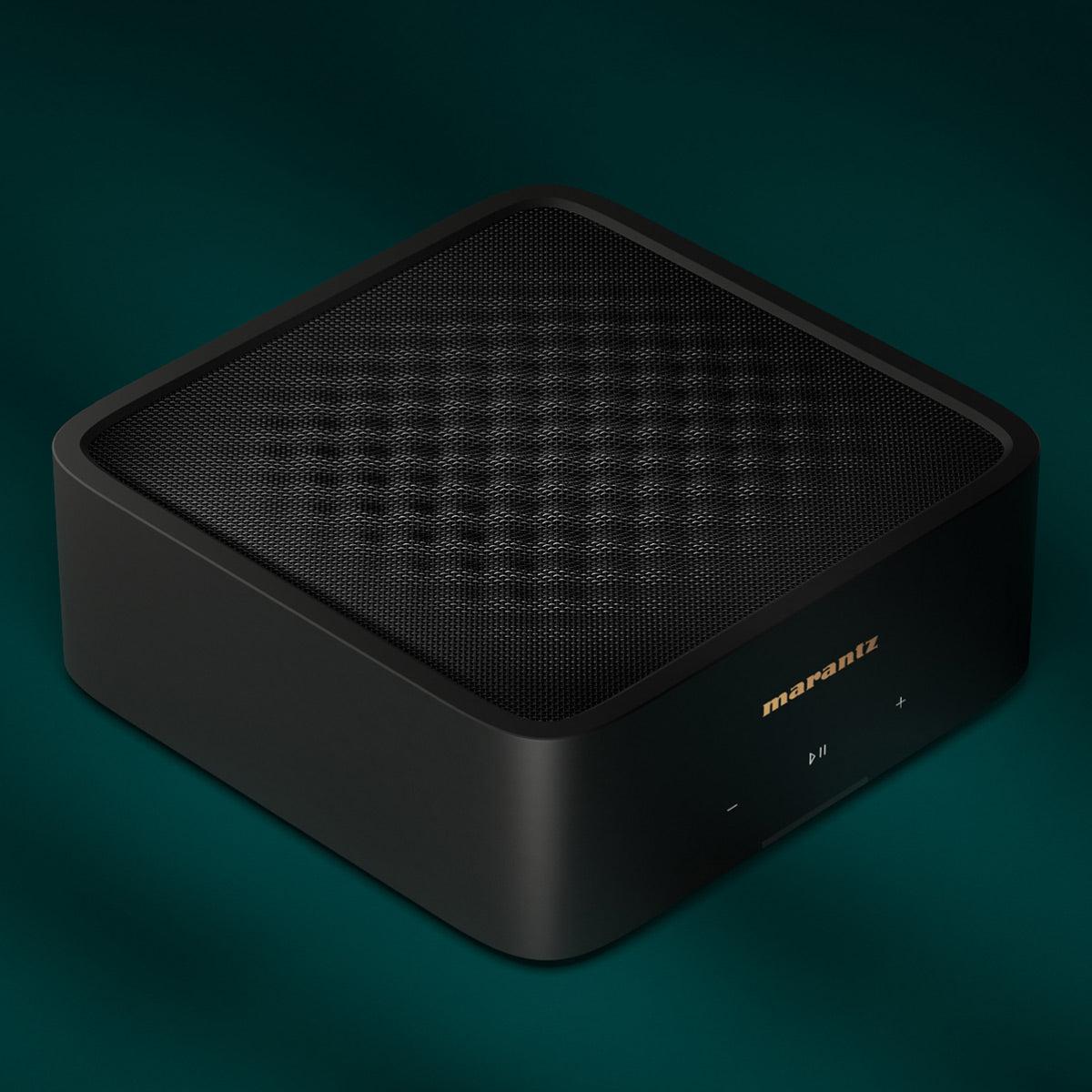
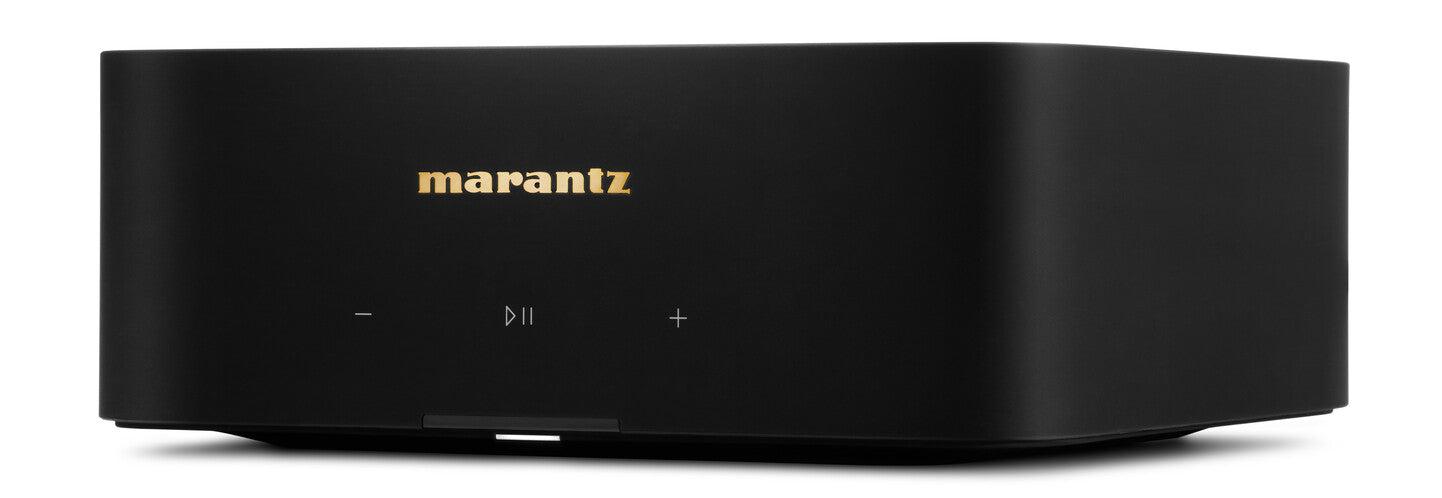
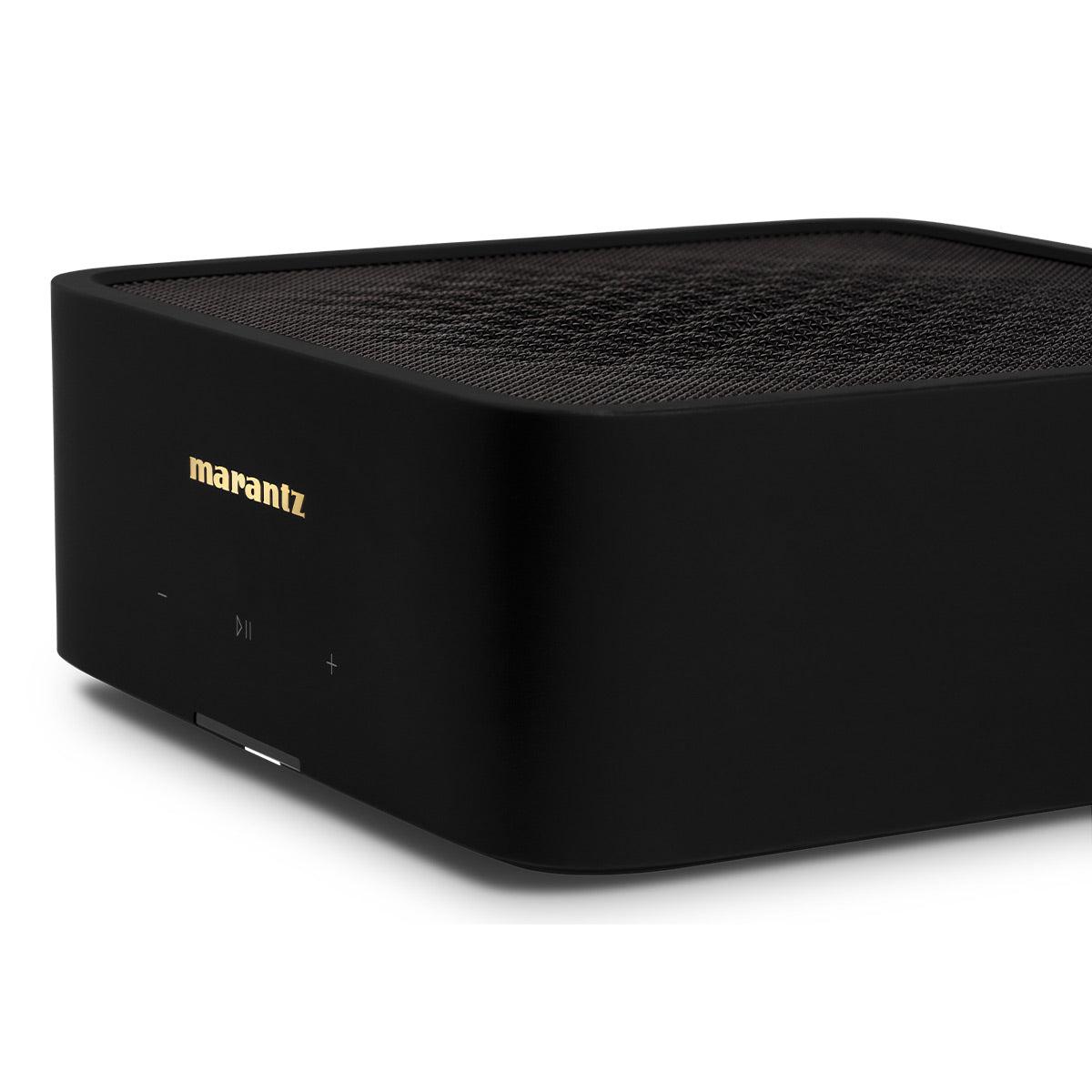




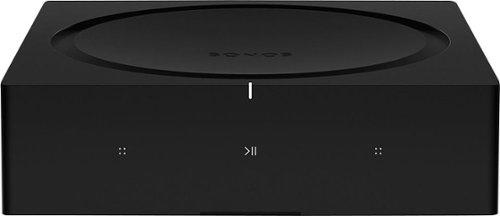
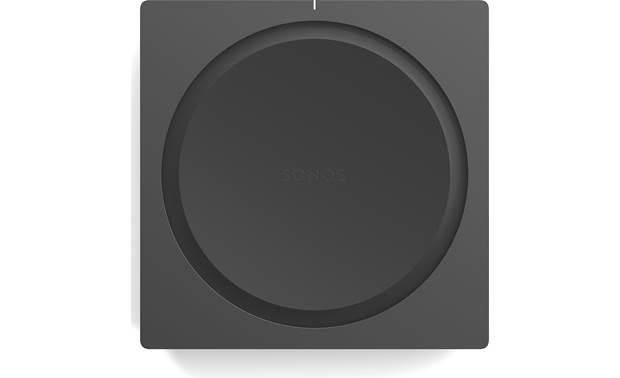
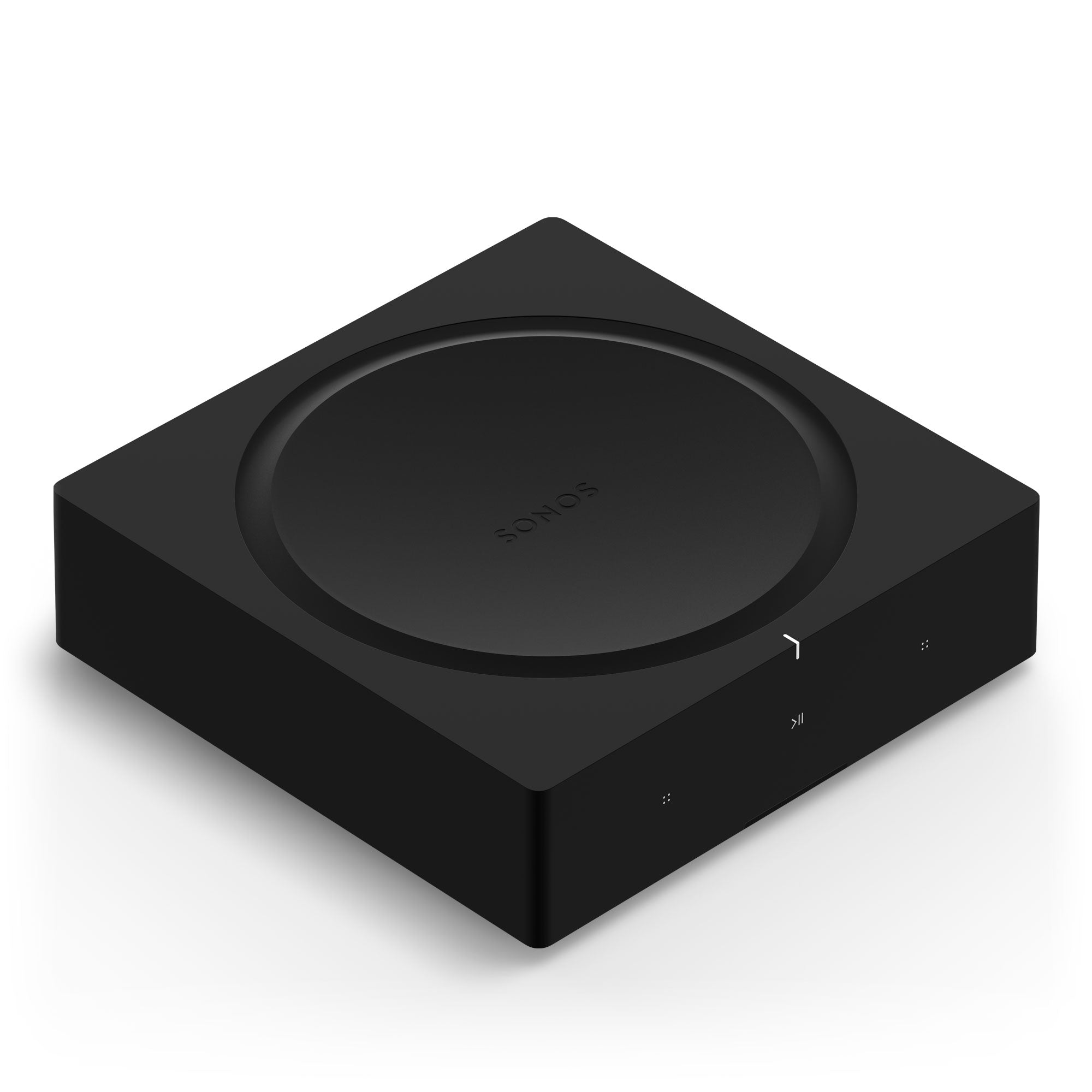
If you're looking to upgrade your audio setup with a streaming amplifier, you've probably come across two standout options: the Marantz Model M1 and the Sonos Amp. Both promise to transform your passive speakers into a modern, connected audio system, but they take dramatically different approaches to get there.
Streaming amplifiers represent one of the smartest ways to modernize your audio system without completely starting over. Instead of buying new powered speakers or a separate amplifier plus streamer, these devices combine power amplification (the muscle that drives your speakers) with wireless connectivity and streaming smarts. Think of them as the Swiss Army knife of modern audio—they handle everything from powering your speakers to connecting to Spotify, all in one compact box.
Before diving into specifics, it's worth understanding what separates good streaming amplifiers from great ones. Power output matters, but it's not everything—you need enough watts to drive your speakers properly, but beyond a certain point, more power doesn't automatically mean better sound. Audio quality depends on factors like the amplifier's design, signal processing, and how well it handles different types of music.
Streaming capabilities have become equally important. The best units support multiple services, handle high-resolution audio files, and integrate smoothly with your existing tech ecosystem. Connectivity options determine how flexible the amplifier will be with different sources, while build quality affects both reliability and long-term performance.
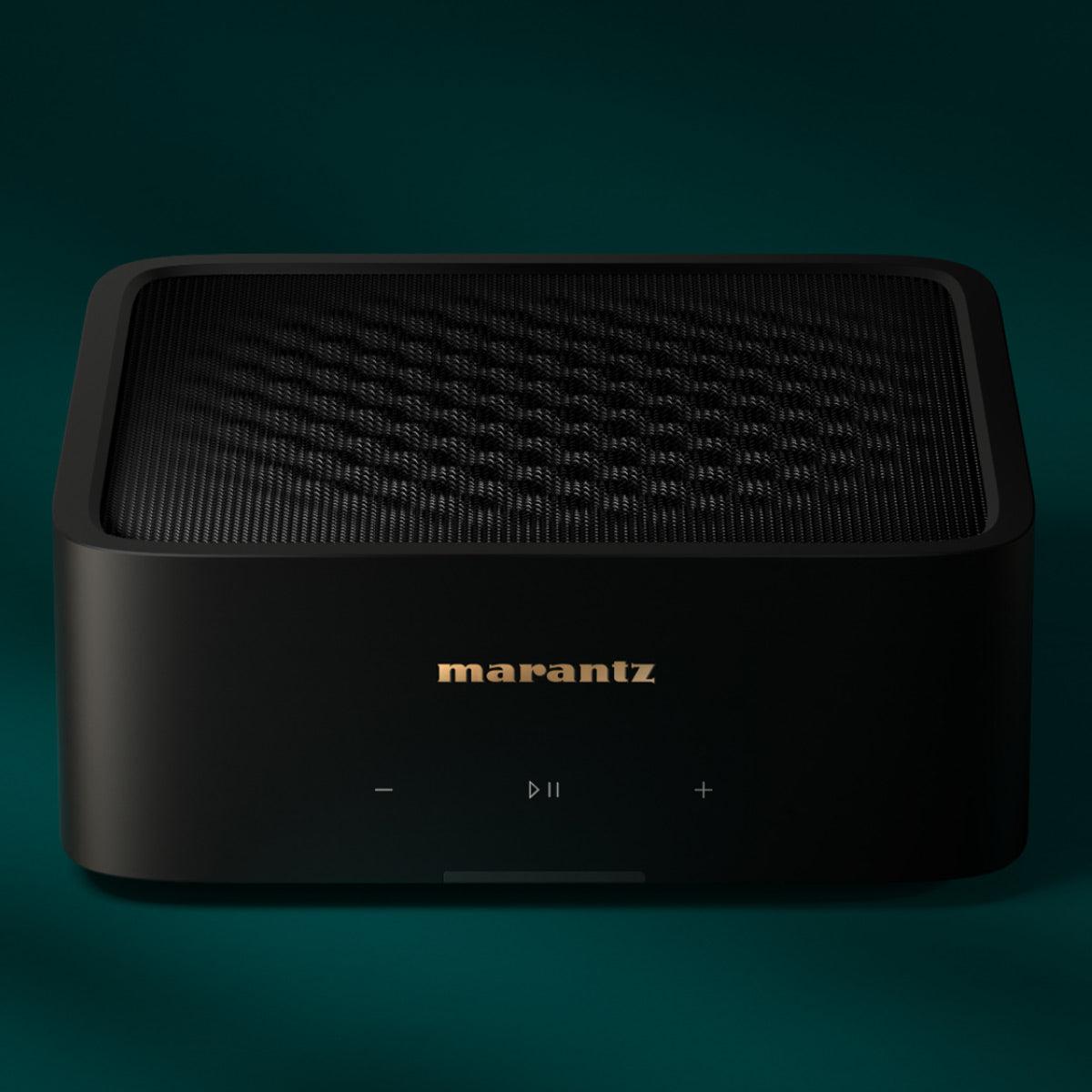
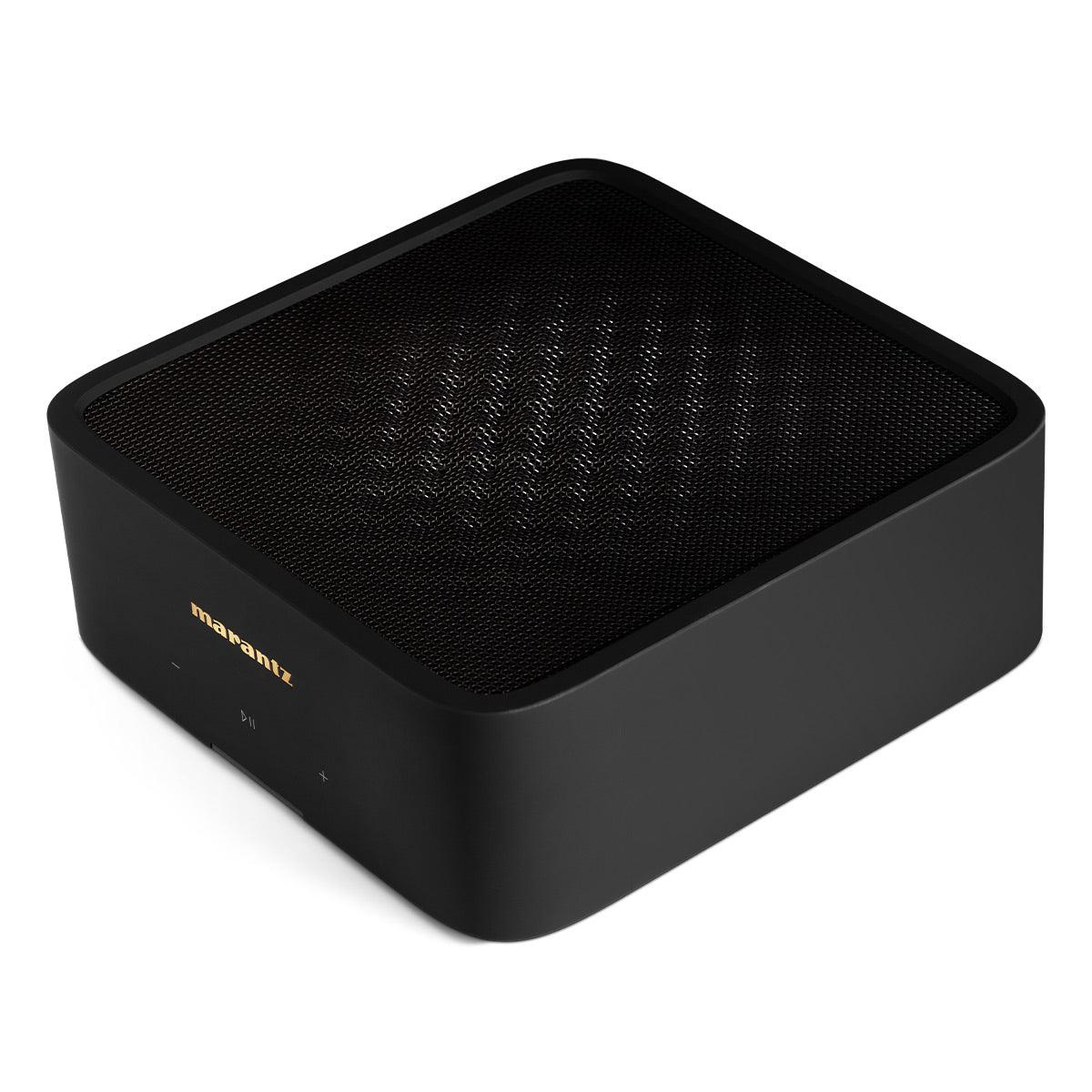
The Marantz Model M1, released in 2024, represents the audiophile approach to streaming amplification. At the time of writing, it sits in the premium tier of compact streaming amps, reflecting Marantz's heritage as a high-end audio brand. This Japanese-engineered unit packs sophisticated audio processing into a surprisingly small package.
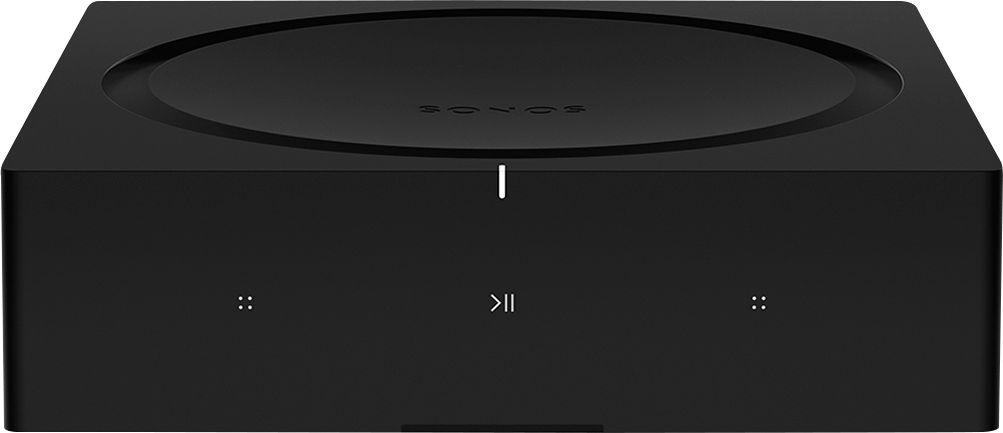
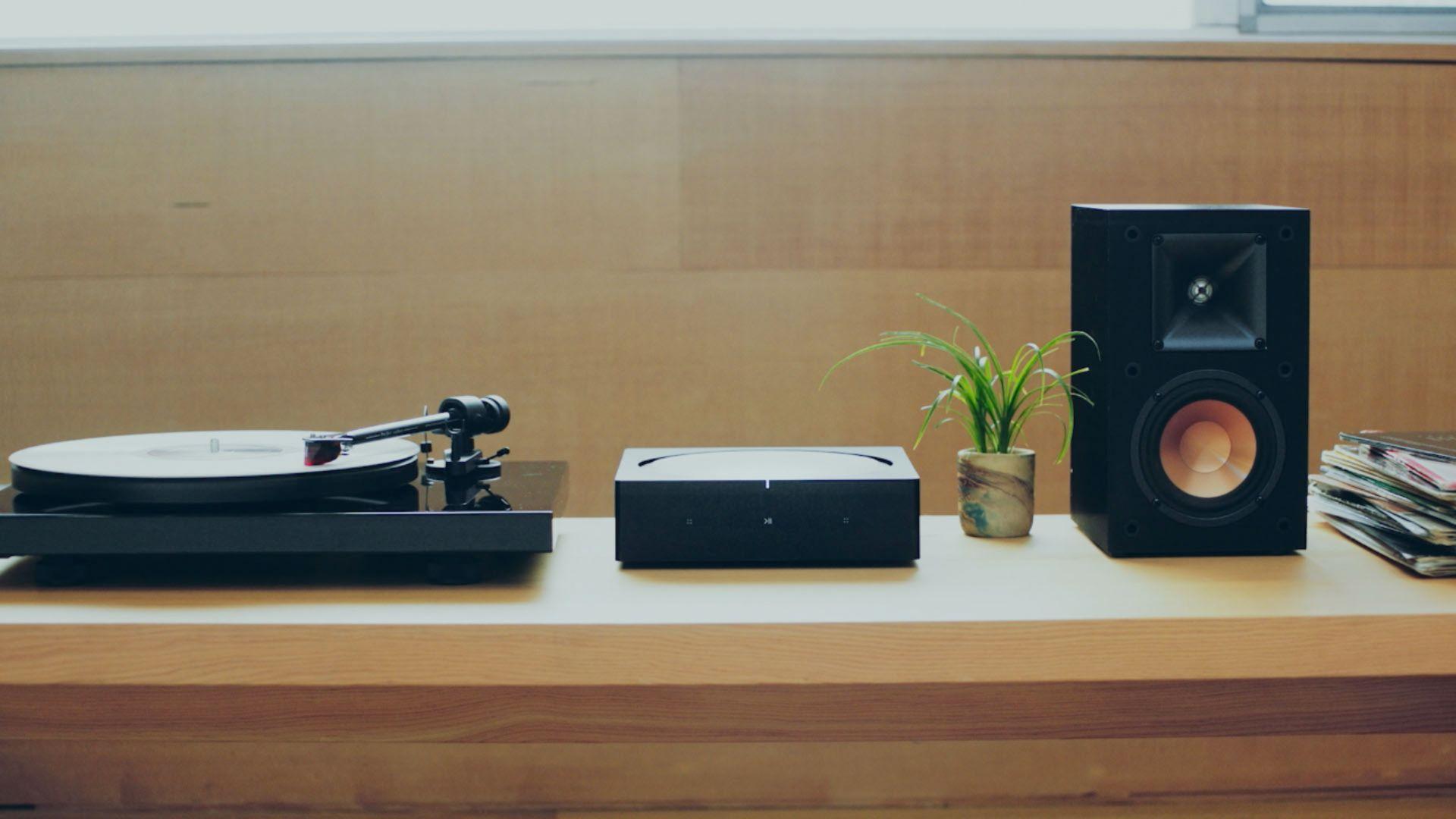
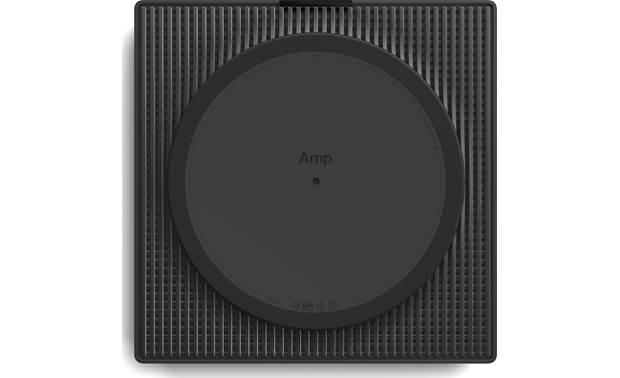
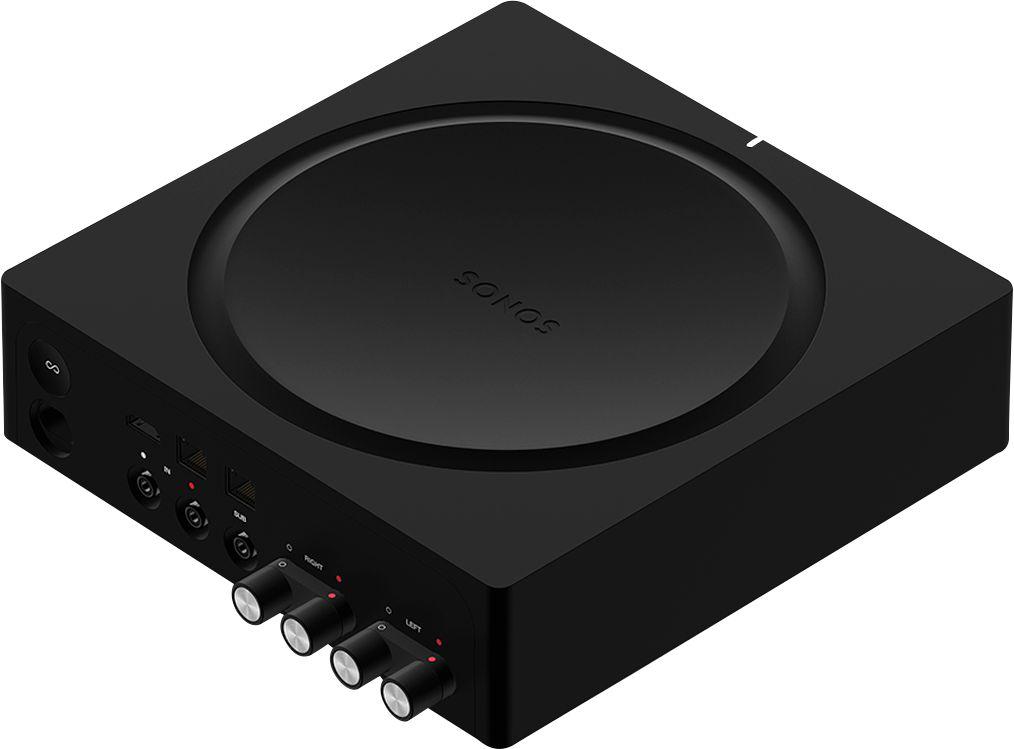
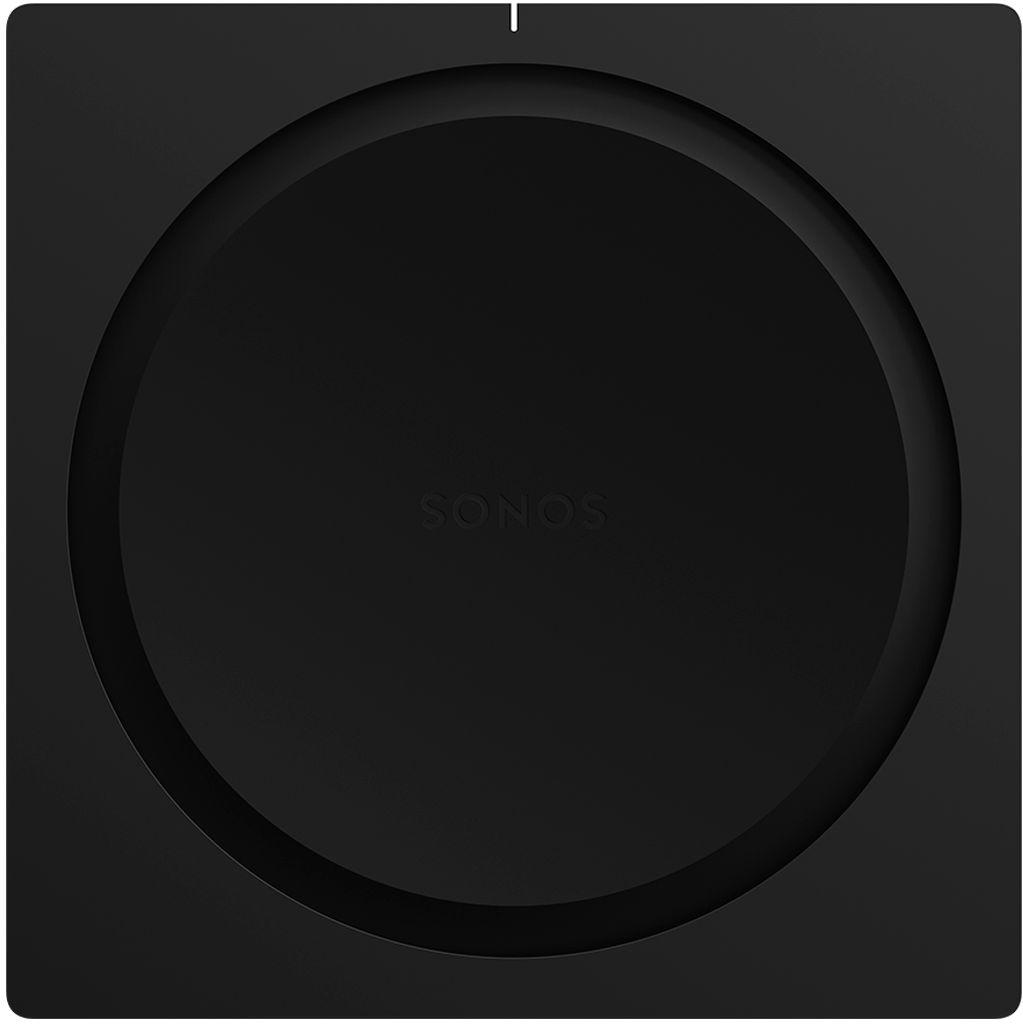
The Sonos Amp, launched in 2018, takes a different path entirely. Sonos has spent years perfecting whole-home audio, and this amplifier reflects that expertise. It's positioned as a versatile workhorse that prioritizes ecosystem integration and multi-room capabilities over pure audiophile refinement.
The power story here is interesting because it's not as straightforward as the numbers suggest. The Sonos Amp delivers 125 watts per channel into 8-ohm speakers (doubling to 250 watts into 4-ohm loads), while the Marantz Model M1 provides 100 watts per channel into 8-ohm speakers and 125 watts into 4-ohm speakers.
But here's where it gets nuanced: power ratings only tell part of the story. Both use Class D amplification, which is highly efficient and runs cool compared to older amplifier designs. Class D amps work by rapidly switching the audio signal on and off thousands of times per second, creating a highly efficient way to amplify sound without generating excessive heat.
The Sonos Amp can handle more demanding setups—it's designed to power up to four speakers simultaneously or three pairs of architectural speakers. This makes it incredibly flexible for whole-home installations or outdoor setups where you need to cover large areas.
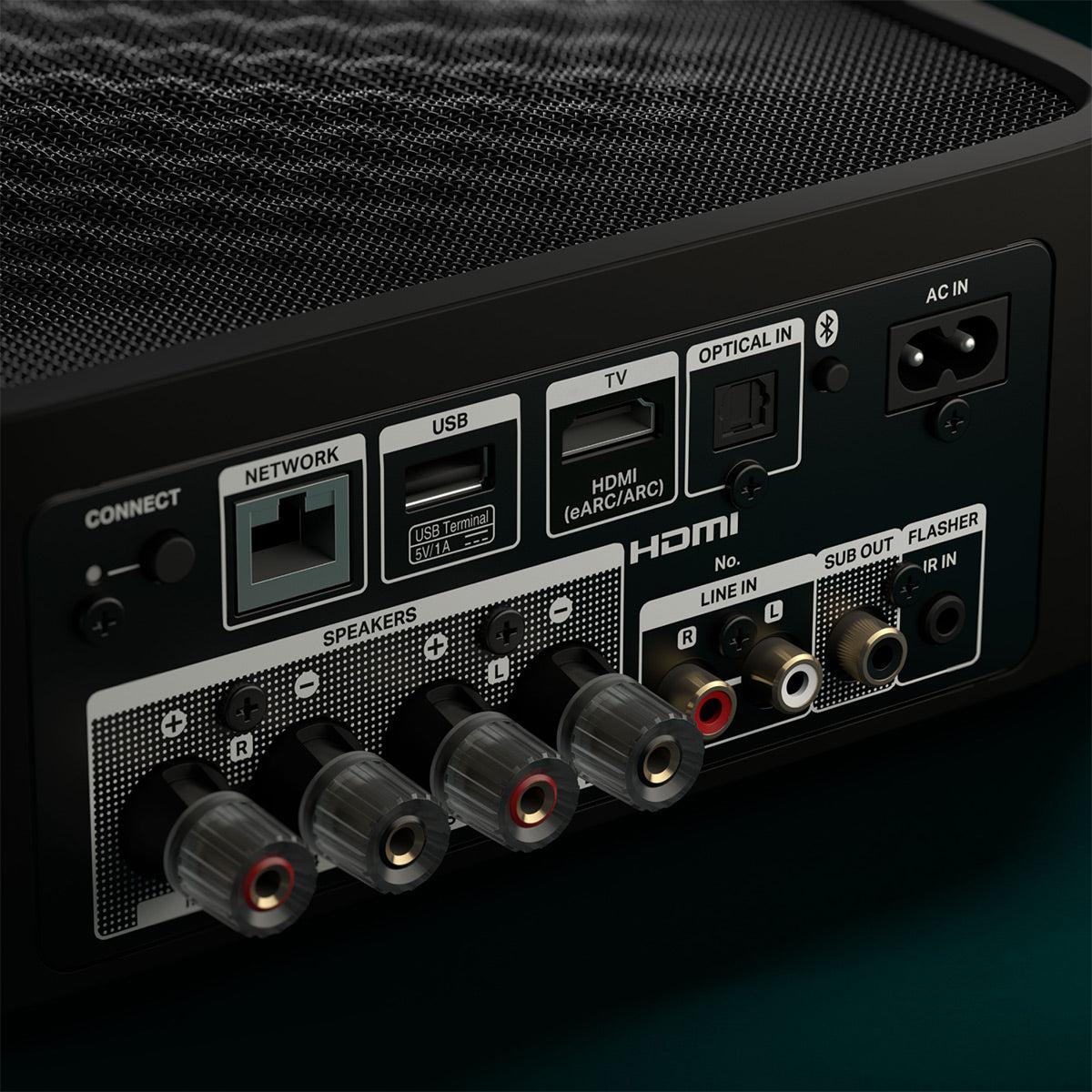
The Marantz Model M1, however, focuses its power more precisely. It's designed as a 2.1 system, meaning it powers two main speakers plus has a dedicated subwoofer output with sophisticated crossover controls. This focused approach often translates to better performance with high-quality bookshelf or floorstanding speakers.
This is where the fundamental differences between these amplifiers become most apparent. The Marantz Model M1 incorporates something called Marantz Musical Digital Filtering (MMDF)—a proprietary signal processing technology that lets you choose between two different digital filter characteristics. Digital filters determine how the amplifier processes the audio signal before sending it to your speakers, affecting everything from timing to frequency response.
What makes MMDF interesting is that it gives you control over the sound signature. Some listeners prefer a more analytical, detailed presentation, while others want something warmer and more musical. The Marantz Model M1 lets you switch between these approaches via the app, which is genuinely useful rather than just a marketing gimmick.
The Sonos Amp takes a more straightforward approach to audio processing. It includes basic EQ controls through the app—bass, treble, and loudness adjustments—but doesn't offer the sophisticated filtering options of the Marantz. However, when paired with Sonos Architectural speakers and an iOS device, it supports Trueplay room calibration, which uses your iPhone's microphone to measure your room's acoustics and automatically adjust the sound accordingly.
Here's where the Marantz Model M1 pulls ahead significantly. It supports high-resolution audio up to 24-bit/192kHz PCM and even DSD files up to 5.6MHz. For context, standard CD quality is 16-bit/44.1kHz, so this amplifier can handle files with much more detail and information.
The Sonos Amp maxes out at 24-bit/48kHz, which covers most streaming services but falls short of supporting the highest-resolution downloads or local files. If you're someone who collects high-res music files or subscribes to services like Amazon Music HD or Tidal's highest quality tiers, the Marantz offers a clear advantage.
Both amplifiers support the major streaming services, but they approach platform integration differently. The Marantz Model M1 uses the HEOS platform, which supports services like Spotify Connect, Tidal, Amazon Music HD, Pandora, and Deezer. It's also Roon Ready, which is significant if you use Roon's music management software—many audiophiles swear by Roon for its superior metadata handling and sound quality.
The Sonos Amp supports hundreds of streaming services through the mature Sonos platform. The Sonos app has been refined over many years and generally provides a smoother, more intuitive user experience than newer platforms. However, it notably lacks Bluetooth support, which the Marantz Model M1 includes via Bluetooth 4.2.
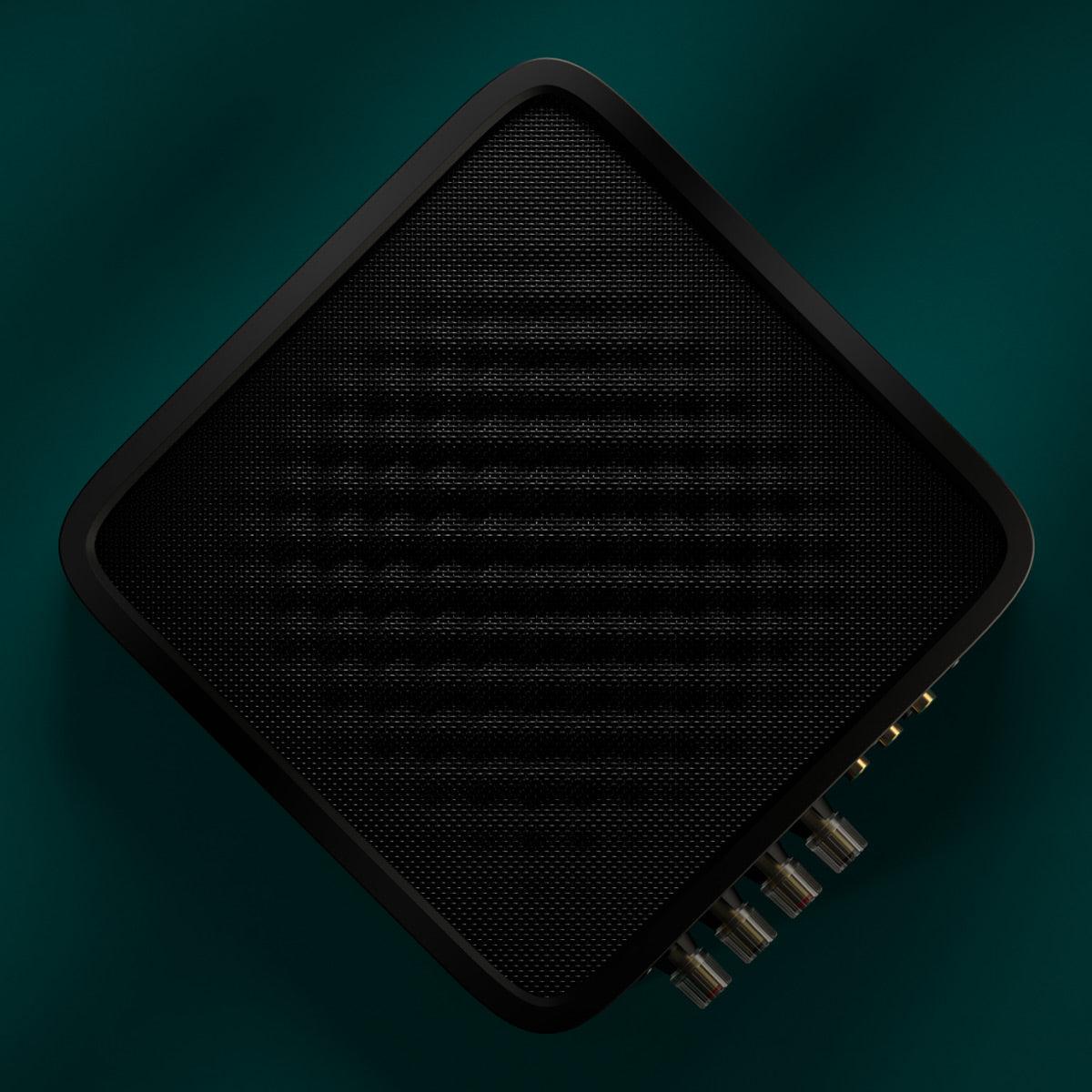
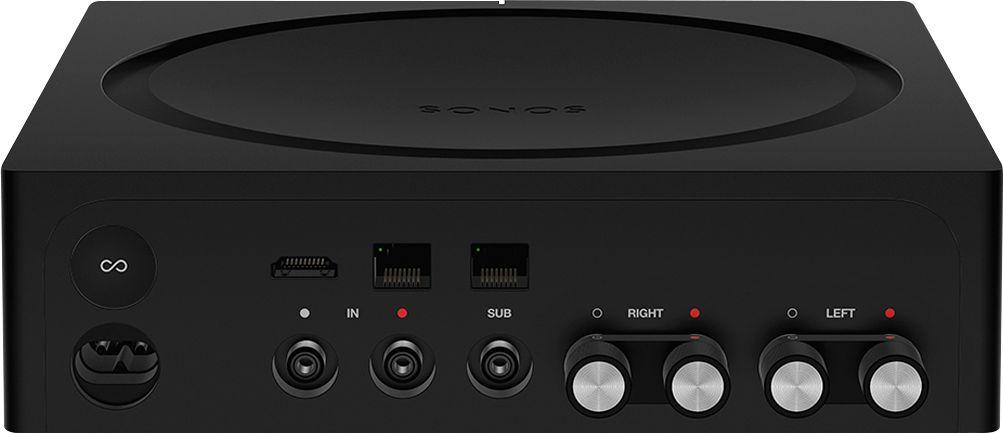
The Marantz Model M1 offers more comprehensive input options. You get HDMI eARC for TV connection, optical digital input, analog RCA inputs with gold-plated terminals, and a front-panel USB port for playing music directly from thumb drives. The HDMI eARC connection supports Dolby Digital+ processing, making it capable of handling surround sound formats from your TV (though it will downmix them to stereo).
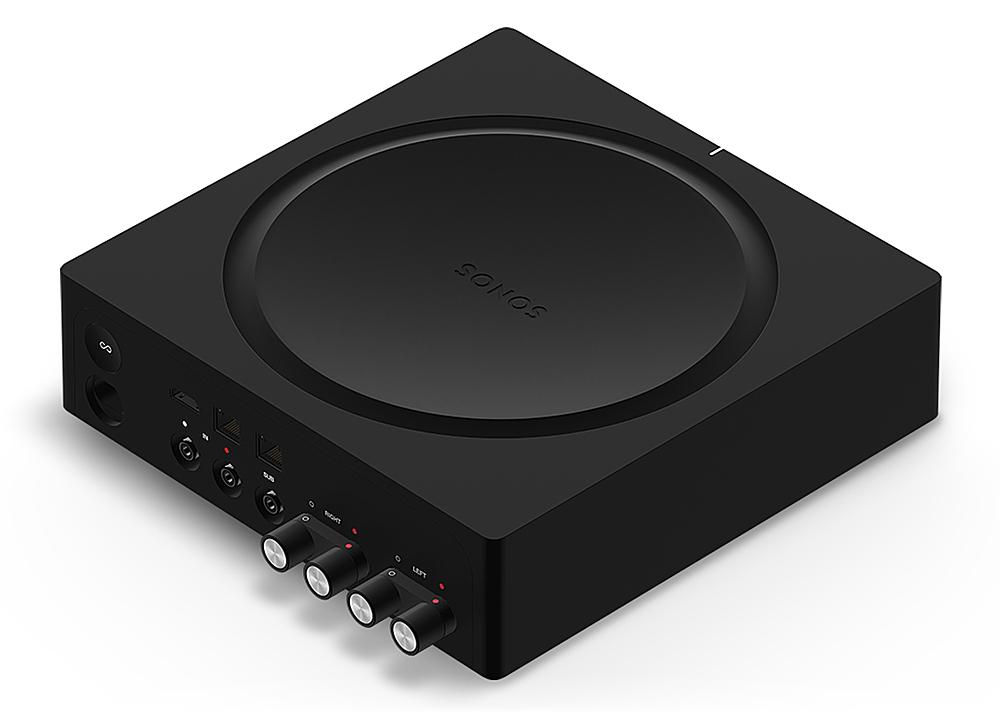
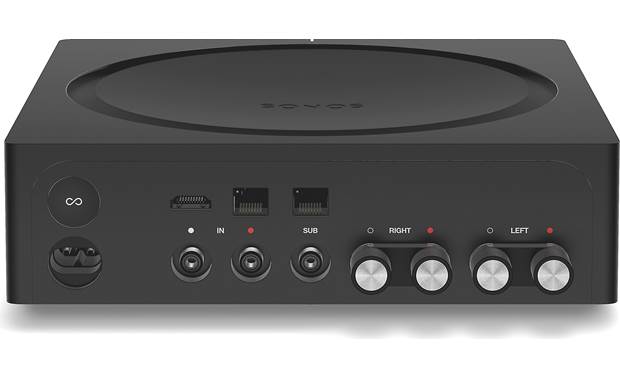
The Sonos Amp provides HDMI ARC (not the newer eARC standard), analog RCA inputs, and dual Ethernet ports. The dual Ethernet setup is particularly clever—you can daisy-chain multiple Sonos devices together, which simplifies installation in multi-room setups.
The Marantz Model M1 includes dual-band Wi-Fi 802.11ac, supporting both 2.4GHz and 5GHz bands. The 5GHz capability is important for high-resolution streaming, as it provides more bandwidth and typically experiences less congestion than the crowded 2.4GHz band.
The Sonos Amp uses older Wi-Fi 802.11n technology limited to 2.4GHz. While this works fine for most streaming applications, it can be a limitation in congested Wi-Fi environments or when streaming very high-bitrate content.
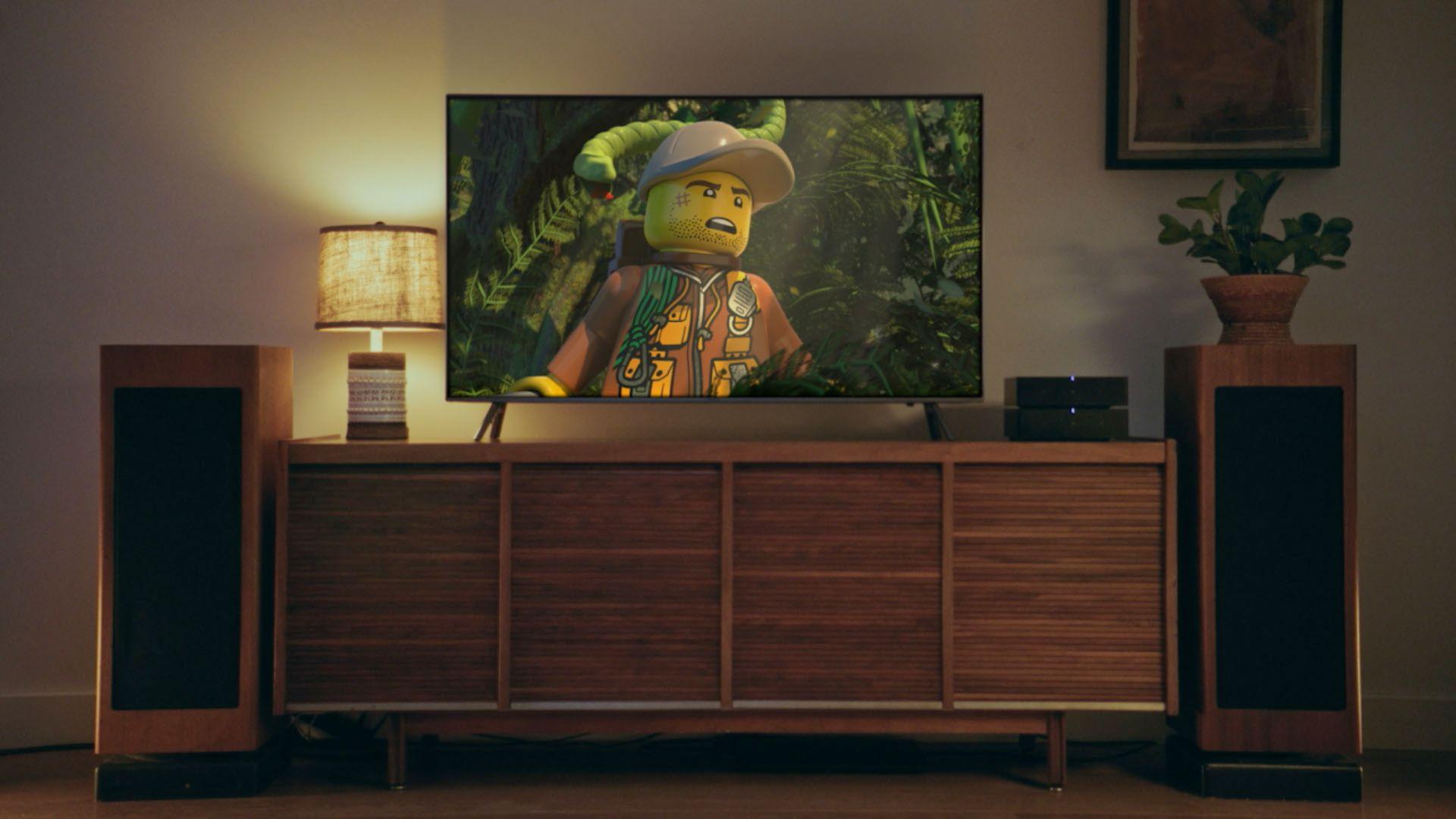
Both amplifiers can enhance your TV viewing experience, but they take different approaches. The Marantz Model M1 excels at delivering high-quality stereo sound from your TV through its HDMI eARC connection. It includes dialog enhancement and night mode features that make late-night viewing more neighbor-friendly.
However, the Sonos Amp offers something unique: the ability to wirelessly add Sonos surround speakers to create a proper surround sound system. Start with the Amp powering your front speakers, then add Sonos One or Five speakers behind you for rear surround effects. This expandability makes it particularly appealing for home theater applications where you might want to start simple and add components over time.
The Sonos Amp also handles more surround sound formats, supporting Dolby Digital and DTS Digital Surround in addition to stereo PCM. While it's not a licensed decoder (meaning it won't display official Dolby or DTS logos on your TV), it can process these formats effectively.
If you're thinking beyond a single room, the approaches differ significantly. The Sonos Amp excels here, as multi-room audio is Sonos's core strength. You can easily synchronize music across multiple Sonos devices throughout your home, with rock-solid reliability that's been refined over many years.
The Marantz Model M1 supports multi-room audio through the HEOS platform, and you can use multiple M1 units to create whole-home systems. However, HEOS is a newer platform that hasn't achieved the same level of maturity and stability as Sonos's system.
For single-room applications, both work excellently. But if multi-room expansion is in your future plans, the Sonos ecosystem provides a more proven path forward.
The Marantz Model M1 reflects traditional hi-fi values in its construction. Built in Japan at Shirakawa Audio Works, it uses high-quality materials and components throughout. The unit runs remarkably cool thanks to its efficient Class D design, and the compact form factor makes it suitable for installations where space is limited.
The Sonos Amp prioritizes functionality and reliability over audiophile aesthetics. It's solidly built and designed for installation flexibility—whether rack-mounted, shelf-mounted, or tucked away in a closet. The advanced heatsink design ensures reliable operation even when driving demanding loads.
Value sound quality above all else. The sophisticated signal processing, high-resolution audio support, and Japanese engineering make this the clear choice for serious listeners. If you're building a dedicated stereo system around high-quality bookshelf or floorstanding speakers, the Marantz Model M1 will reward you with refined, musical performance.
The 2.1 system design works perfectly if you plan to add a quality subwoofer. The adjustable crossover controls let you fine-tune the integration between your main speakers and sub, creating a more cohesive sound than basic systems.
If you're someone who appreciates having control over your audio experience—being able to switch between different filter characteristics or adjust detailed crossover settings—the Marantz provides that level of customization.
Need maximum flexibility and power. The ability to drive four speakers simultaneously makes the Sonos Amp ideal for larger rooms, outdoor installations, or whole-home audio projects. If you're planning to wire speakers throughout your house, this amplifier provides the power and platform to make it happen effectively.
The mature Sonos ecosystem is genuinely superior for multi-room applications. If you already own Sonos speakers or plan to expand your system over time, the Sonos Amp integrates seamlessly with the broader product line.
For home theater applications where you might want to add wireless surrounds later, the Sonos provides an upgrade path that the Marantz simply can't match.
At the time of writing, the Marantz Model M1 commands a significant premium over the Sonos Amp. This price difference reflects the different target markets and engineering approaches. You're paying extra for the Marantz's audiophile-focused engineering, high-resolution audio support, and premium build quality.
The Sonos Amp offers exceptional value for its feature set, particularly considering its power output and ecosystem capabilities. For many users, especially those prioritizing flexibility and multi-room functionality over pure audio quality, it represents the better value proposition.
Both amplifiers excel in their intended roles, but they serve different masters. The Marantz Model M1 is fundamentally about delivering the best possible sound quality in a compact, feature-rich package. If you're building a system where music quality is the primary goal, it's worth the premium.
The Sonos Amp prioritizes versatility, reliability, and ecosystem integration. It's the better choice if you need maximum flexibility, plan to expand your system over time, or want the most proven platform for multi-room audio.
Neither choice is wrong—they're simply optimized for different priorities and use cases. The key is honestly assessing what matters most to you: pure audio performance or comprehensive system flexibility.
| Marantz Model M1 | Sonos Amp |
|---|---|
| Power Output - Determines how loud and how many speakers you can drive | |
| 100W per channel (8Ω), 125W per channel (4Ω) | 125W per channel (8Ω), 250W per channel (4Ω) |
| Speaker Configuration - Affects system flexibility and expansion options | |
| 2.1 system (stereo + subwoofer) with advanced crossover controls | Can power up to 4 speakers or 3 pairs of architectural speakers |
| High-Resolution Audio Support - Important for audiophile-quality streaming | |
| Up to 24-bit/192kHz PCM, DSD 5.6MHz (supports premium streaming tiers) | Up to 24-bit/48kHz (covers most streaming but limits hi-res files) |
| Audio Processing Technology - Affects sound quality and customization | |
| Marantz Musical Digital Filtering (MMDF) with selectable filter characteristics | Standard Class D with app-based EQ controls |
| Wireless Connectivity - Determines streaming quality and reliability | |
| Dual-band Wi-Fi 802.11ac (2.4/5GHz), Bluetooth 4.2, AirPlay 2 | Wi-Fi 802.11n (2.4GHz only), AirPlay 2 (no Bluetooth) |
| Physical Inputs - Affects source compatibility and connection options | |
| HDMI eARC, optical, RCA analog, front USB-A port | HDMI ARC, RCA analog, dual Ethernet ports |
| Multi-Room Ecosystem - Critical for whole-home audio expansion | |
| HEOS platform (newer, less mature ecosystem) | Sonos platform (industry-leading, highly mature ecosystem) |
| Home Theater Integration - Important for TV audio and surround sound | |
| HDMI eARC with Dolby Digital+ processing, stereo focus | HDMI ARC with wireless surround speaker expansion capability |
| Build Quality and Warranty - Reflects long-term value and reliability | |
| Japanese-engineered at Shirakawa Audio Works, 5-year warranty | Proven reliability with advanced thermal management, 1-year warranty |
| Target User - Who each product serves best | |
| Audiophiles prioritizing sound quality and hi-res audio | Users wanting maximum flexibility and proven multi-room audio |
The Sonos Amp delivers more power with 125W per channel into 8-ohm speakers compared to the Marantz Model M1's 100W per channel. The Sonos Amp can also drive up to four speakers simultaneously, making it better for larger rooms or multi-speaker setups.
The Marantz Model M1 focuses on audiophile sound quality with its proprietary Musical Digital Filtering technology and support for high-resolution audio up to 24-bit/192kHz. The Sonos Amp prioritizes reliability and ecosystem integration over pure audio refinement, maxing out at 24-bit/48kHz resolution.
Both excel at streaming, but differently. The Marantz Model M1 supports high-resolution streaming services and includes Bluetooth connectivity. The Sonos Amp offers broader service integration through the mature Sonos platform and superior multi-room synchronization capabilities.
Yes, both work with TVs. The Marantz Model M1 uses HDMI eARC for high-quality stereo TV audio with Dolby Digital+ support. The Sonos Amp connects via HDMI ARC and can wirelessly expand to include Sonos surround speakers for a full home theater system.
The Sonos Amp is superior for multi-room audio, leveraging Sonos's industry-leading whole-home audio platform with rock-solid synchronization. While the Marantz Model M1 supports multi-room via HEOS, the Sonos ecosystem is more mature and reliable.
The Marantz Model M1 excels with high-quality bookshelf or floorstanding speakers in a 2.1 setup with a subwoofer. The Sonos Amp is more flexible, working well with everything from architectural in-wall speakers to outdoor speakers and can power multiple speaker pairs.
The Marantz Model M1 provides more input variety including HDMI eARC, optical, analog RCA, and a front USB port. The Sonos Amp offers HDMI ARC, analog inputs, and dual Ethernet ports, prioritizing network connectivity over input diversity.
No, both are complete streaming solutions. The Marantz Model M1 includes built-in HEOS streaming with Wi-Fi and Bluetooth. The Sonos Amp has integrated Sonos streaming capabilities, eliminating the need for additional streaming devices.
The Sonos Amp is better suited for outdoor applications due to its higher power output and ability to drive multiple speaker pairs simultaneously. It's also optimized for architectural installations including weather-resistant outdoor speakers.
Yes, both include subwoofer outputs. The Marantz Model M1 offers more sophisticated subwoofer integration with adjustable crossover controls (40-250Hz for speakers, 40-120Hz for sub). The Sonos Amp provides a basic subwoofer output with 50-110Hz crossover adjustment.
The Sonos Amp typically offers better value for users prioritizing flexibility and multi-room expansion. The Marantz Model M1 provides better value for audiophiles seeking premium sound quality and high-resolution audio support, though at a higher initial cost.
The Sonos Amp generally offers easier setup and operation through the refined Sonos app and mature ecosystem. The Marantz Model M1 provides more customization options but requires more setup time to optimize its advanced audio processing features.
We've done our best to create useful and informative comparisons to help you decide what product to buy. Our research uses advanced automated methods to create this comparison and perfection is not possible - please contact us for corrections or questions. These are the sites we've researched in the creation of this article: bestbuy.com - crutchfield.com - audioadvisor.com - youtube.com - soundstagesimplifi.com - marantz.com - marantz.com - audioadvice.com - whathifi.com - manuals.marantz.com - audiosciencereview.com - youtube.com - marantz.com - sweetwater.com - audiosciencereview.com - accessories4less.com - audioadvice.com - crutchfield.com - adiglobaldistribution.pr - themasterswitch.com - astralsecurite.ca - wassersfurniture.com - whathifi.com - sonos.com - audiosciencereview.com - bestbuy.com - videoandaudiocenter.com - en.community.sonos.com

Privacy Policy
Terms and Conditions - Affiliate Policy
Home Security
© Copyright 2008-2026.
11816 Inwood Rd #1211, Dallas, TX 75244