

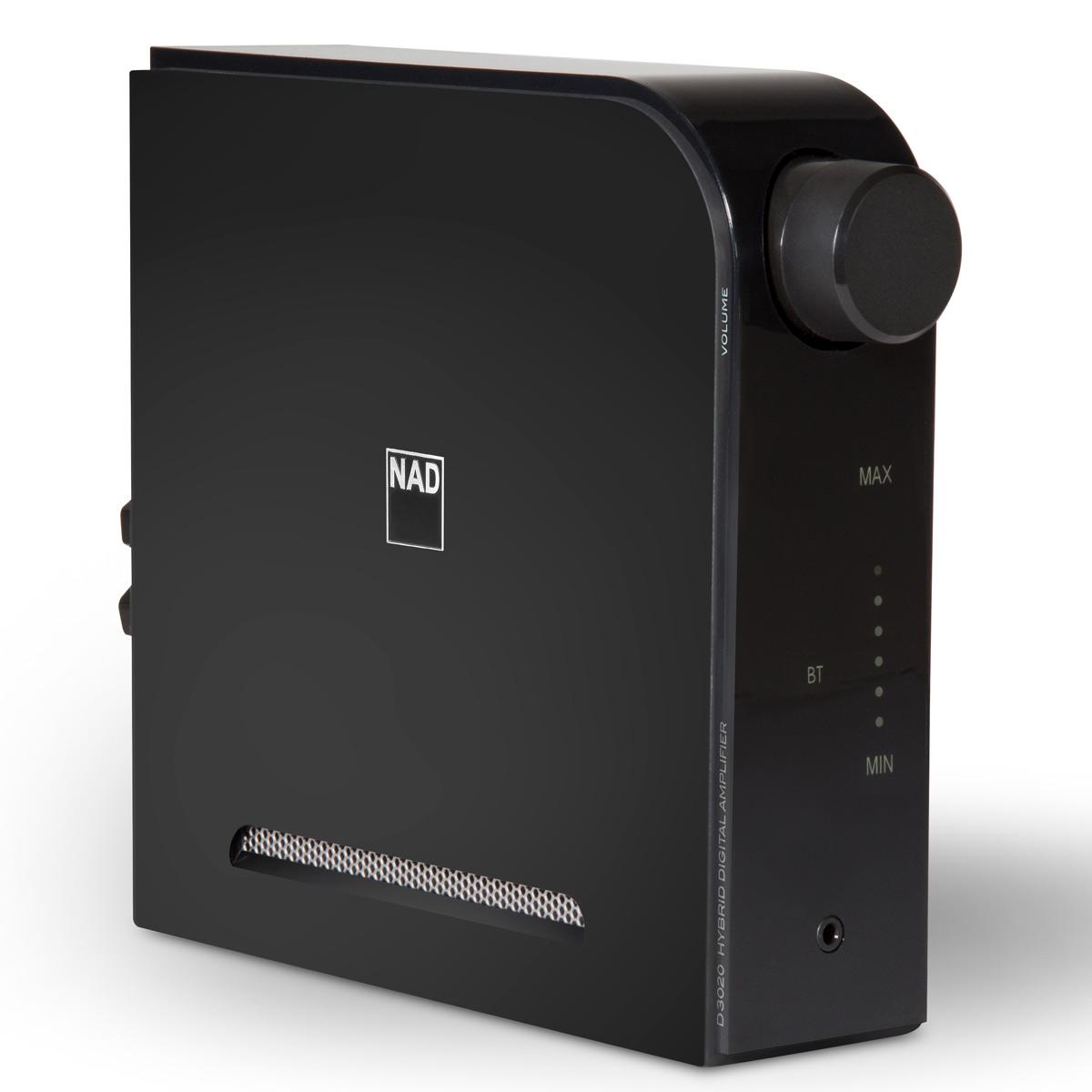
When you're ready to upgrade from basic powered speakers to something more serious, you'll quickly discover that the amplifier world has split into two camps. On one side, you have streaming-focused amplifiers like the Sonos Amp that treat music as part of a connected home ecosystem. On the other, traditional integrated amplifiers like the NAD D 3020 V2 focus on pure audio performance while adding just enough modern features to stay relevant.
Both approaches make sense, but they serve completely different listening philosophies. Understanding which camp you belong in will save you from buyer's remorse and help you build a system that actually matches how you listen to music.
The amplifier market used to be straightforward: you bought a stereo amplifier, connected your CD player and maybe a turntable, and called it done. Today's reality is more complex. Streaming services have fundamentally changed how we consume music, and smart homes have created expectations for seamless wireless audio throughout the house.
This shift has created two distinct product categories. Streaming amplifiers prioritize convenience and integration over everything else. They're designed for people who want their music to follow them around the house, who expect voice control to work, and who see their amplifier as part of their home's digital infrastructure.
Traditional integrated amplifiers, meanwhile, still focus primarily on making your speakers sound as good as possible. They've added select modern features—Bluetooth connectivity, digital inputs, maybe a USB port—but their core mission remains unchanged: take whatever signal you give them and reproduce it with maximum fidelity.
The key considerations when choosing between these philosophies come down to your primary use case, power requirements, connectivity priorities, and whether you value ecosystem integration or universal compatibility more highly.
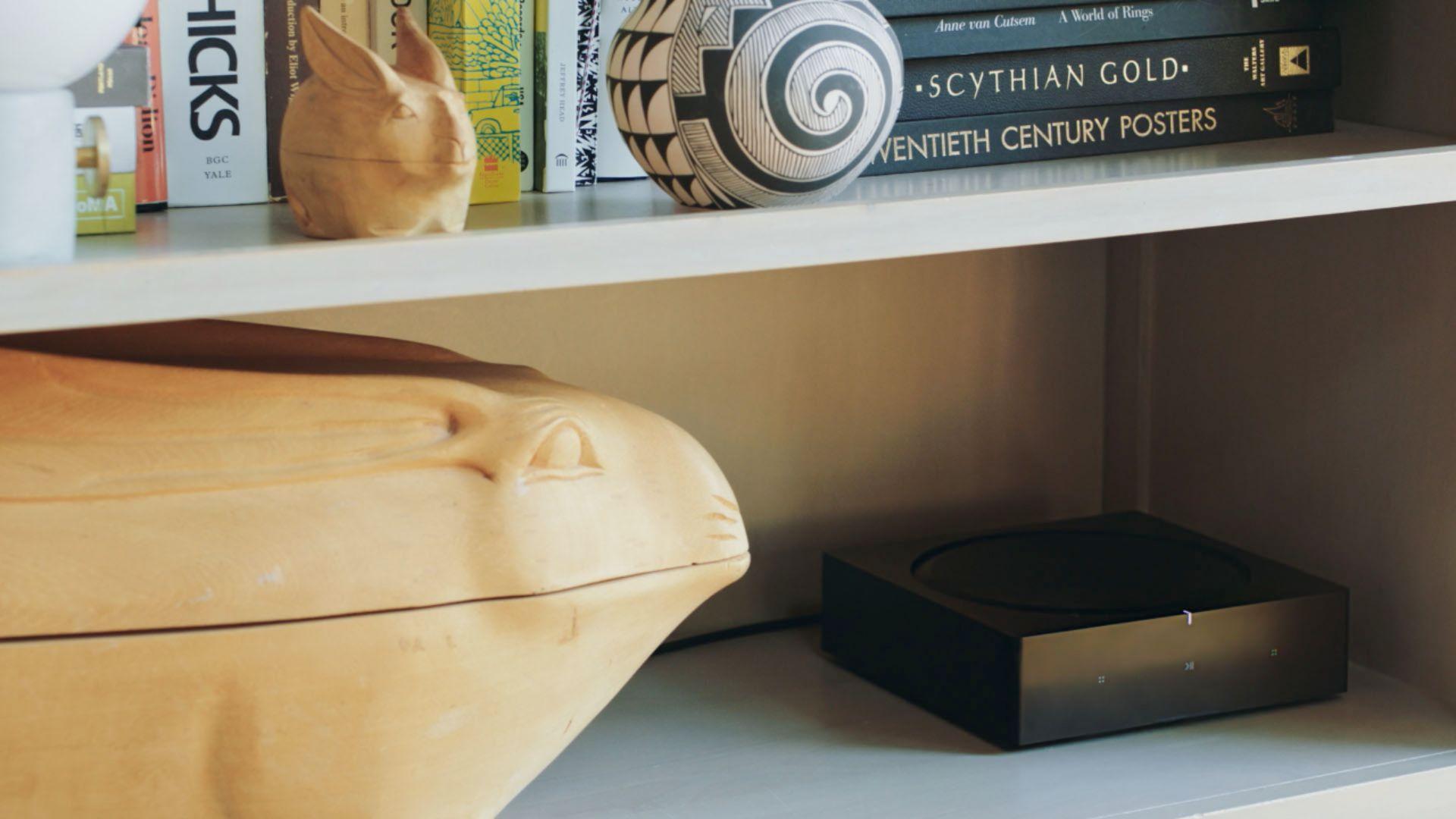
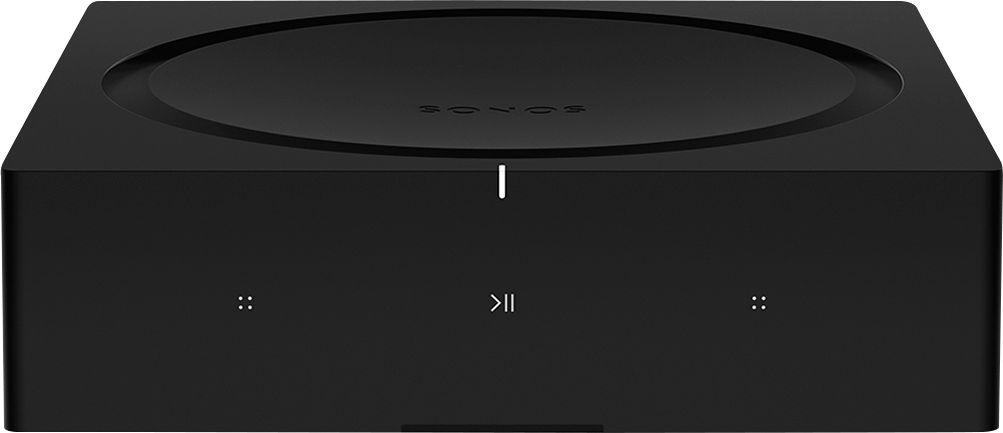
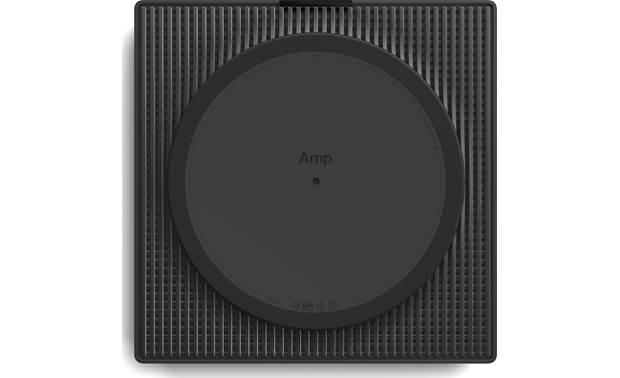
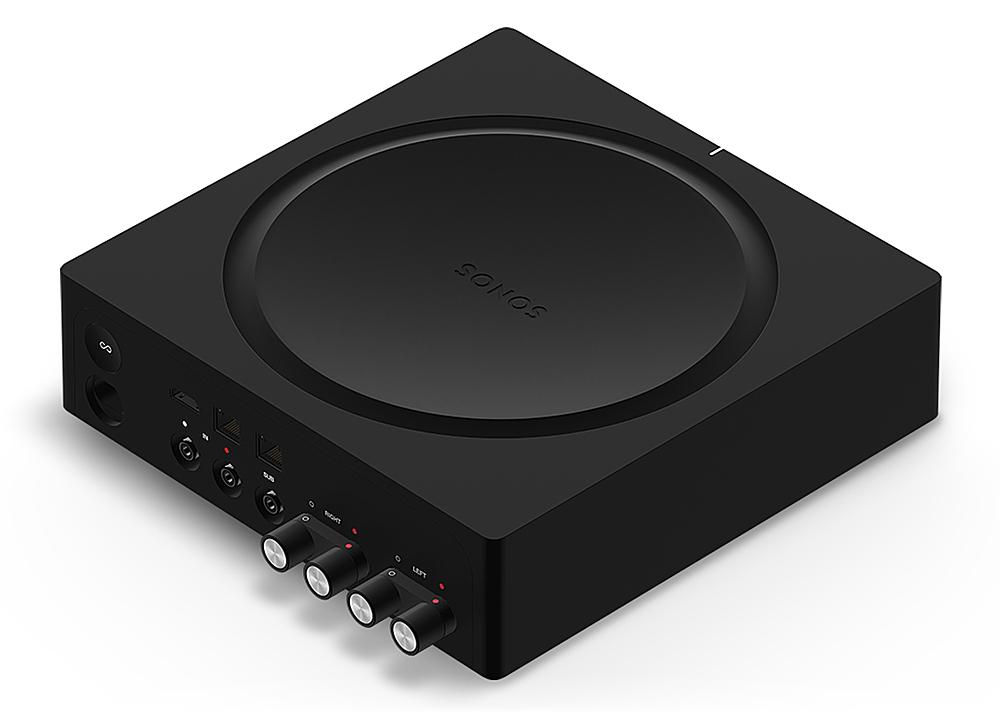
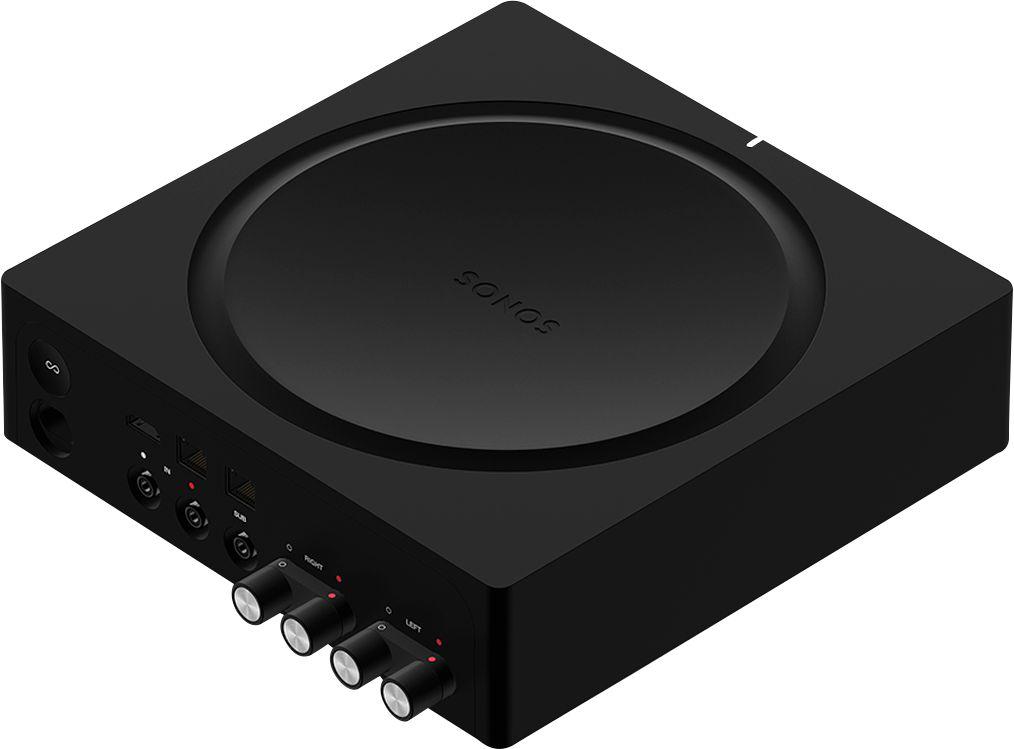
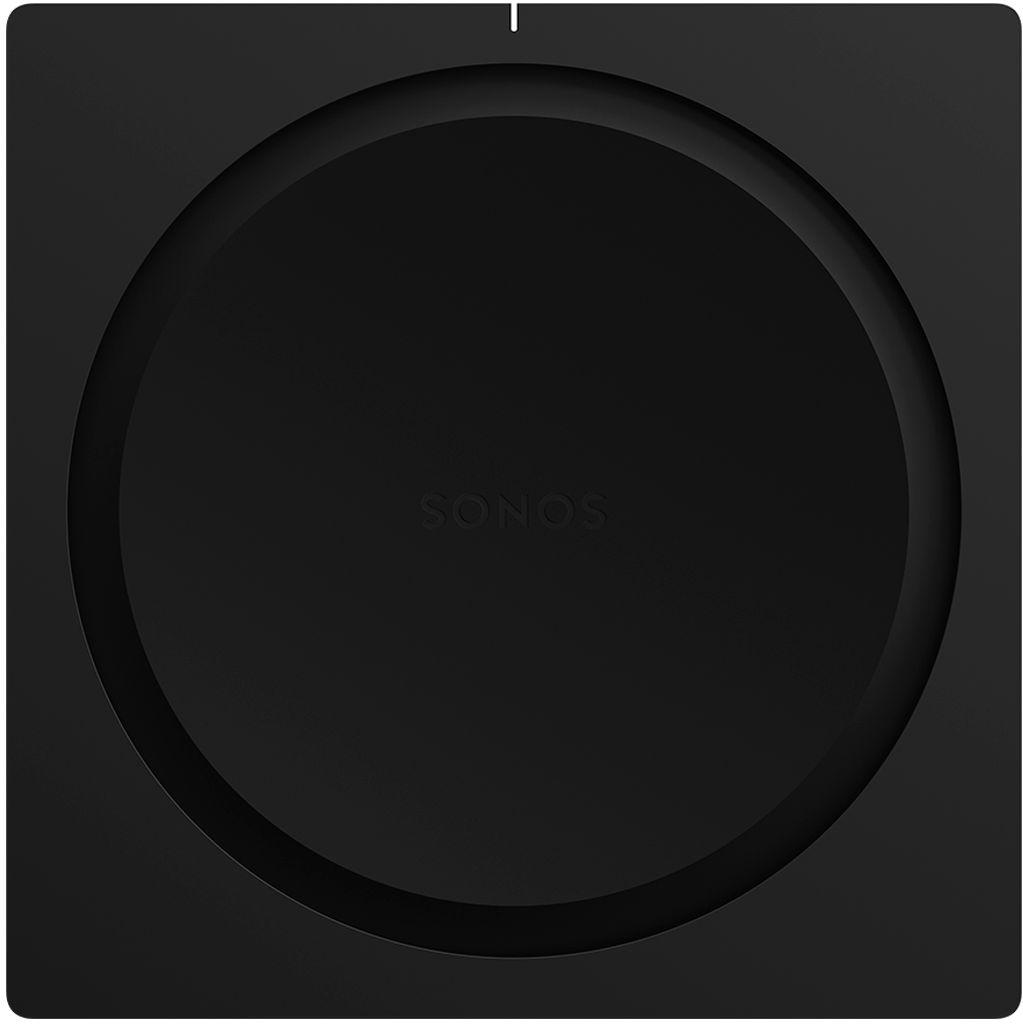
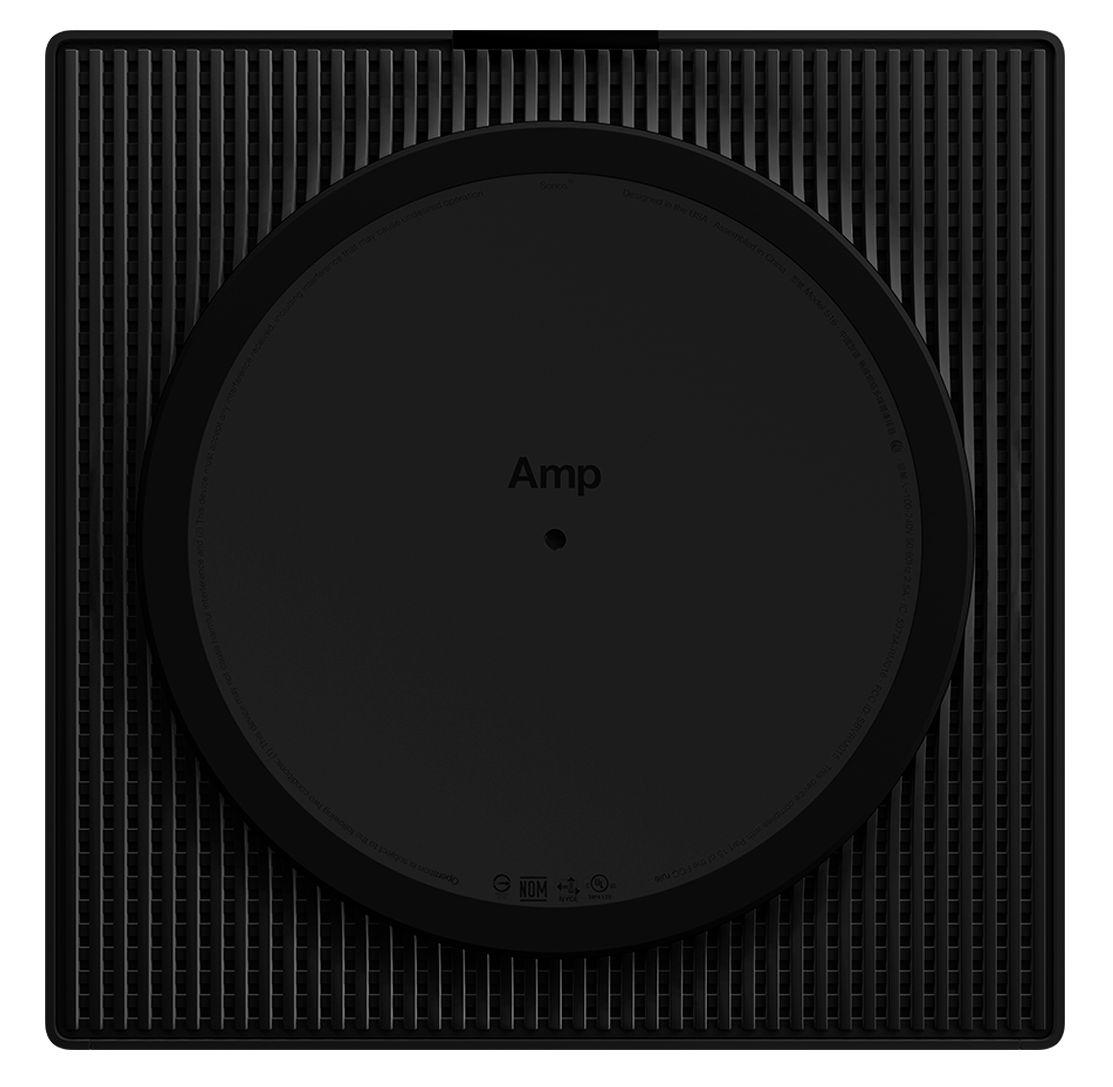
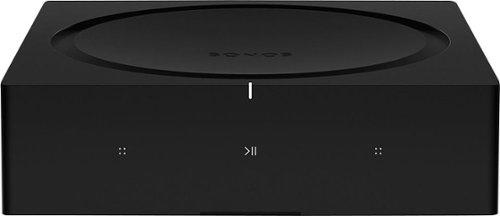
The Sonos Amp, released in 2018, represents the streaming-first approach taken to its logical conclusion. It's a powerful Class D amplifier (a highly efficient digital amplification technology that runs cool and saves energy) that delivers 125 watts per channel—enough to drive demanding speakers in large rooms. But its real strength lies in its seamless integration with the broader Sonos ecosystem and its ability to handle modern home theater duties.
The NAD D 3020 V2, also from 2018, takes the opposite approach. This compact integrated amplifier focuses on audio quality first, adding just enough modern conveniences to stay relevant without compromising its core mission. At 30 watts per channel, it's much less powerful than the Sonos Amp, but it makes up for this limitation with superior audio refinement and surprising versatility in a tiny package.
Both products have matured significantly since their 2018 launches. The Sonos Amp has benefited from regular software updates that have improved its streaming capabilities, added new service integrations, and enhanced its home theater functionality. The NAD D 3020 V2, being more traditional in its approach, has remained largely unchanged, which actually speaks to the timeless nature of its design philosophy.
The most obvious difference between these amplifiers is their power output, and this difference matters more than you might expect. The Sonos Amp delivers 125 watts per channel into 8-ohm speakers (the standard impedance for most home speakers) and can push 250 watts per channel into 4-ohm loads. This isn't just marketing fluff—this level of power opens up possibilities that the NAD D 3020 V2 simply can't match.
With 125 watts on tap, the Sonos Amp can drive large floor-standing speakers, power outdoor installations, and even run multiple pairs of speakers simultaneously. It's designed for architectural installations where you might want to power in-wall or in-ceiling speakers throughout a home, or outdoor speakers on a large patio. The advanced heatsink design and robust power supply mean it can sustain these high power levels without breaking a sweat.
The NAD D 3020 V2, with its 30 watts per channel, operates in a completely different league. However, those 30 watts shouldn't be dismissed too quickly. NAD's PowerDrive technology (a proprietary circuit design that optimizes power delivery) and soft clipping circuitry (which prevents harsh distortion when the amplifier reaches its limits) help it punch above its weight class. In our research of user experiences, we found that the NAD D 3020 V2 can drive surprisingly demanding speakers, including some that theoretically require more power than it can provide.
The practical difference comes down to room size and listening habits. If you're setting up a desktop system, a small bedroom, or even a medium-sized living room with efficient bookshelf speakers, the NAD D 3020 V2 will likely provide all the power you need. But if you want to fill a large space, drive inefficient speakers, or power multiple rooms, the Sonos Amp becomes the only realistic choice.
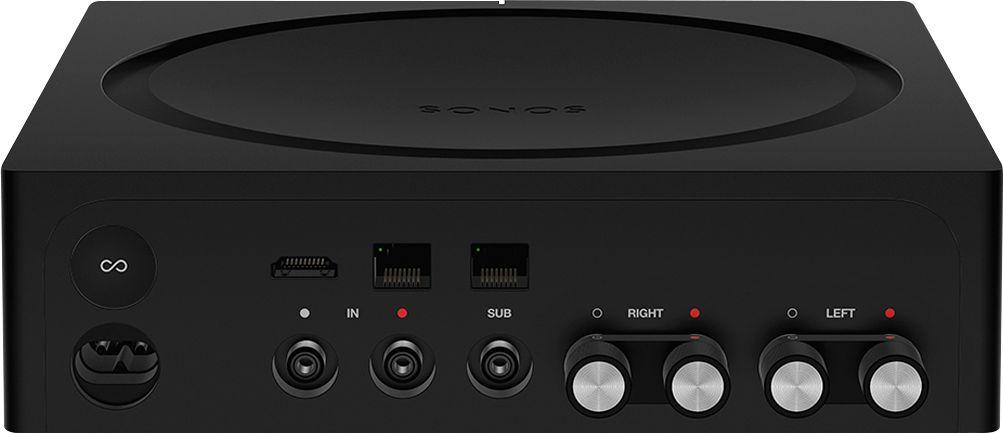
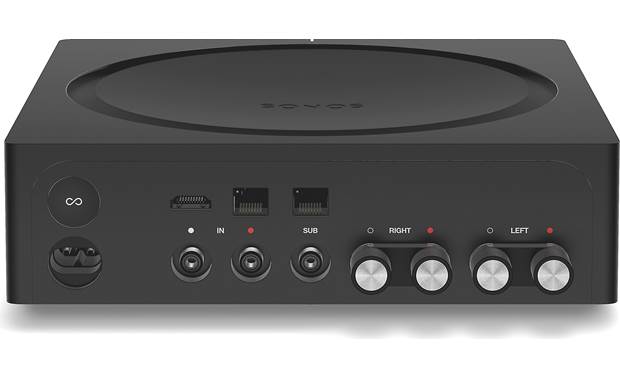
Here's where the philosophical differences between these products become most apparent. The Sonos Amp treats traditional connectivity as an afterthought, offering just a single pair of analog RCA inputs and focusing almost entirely on wireless streaming and HDMI connectivity for TVs.
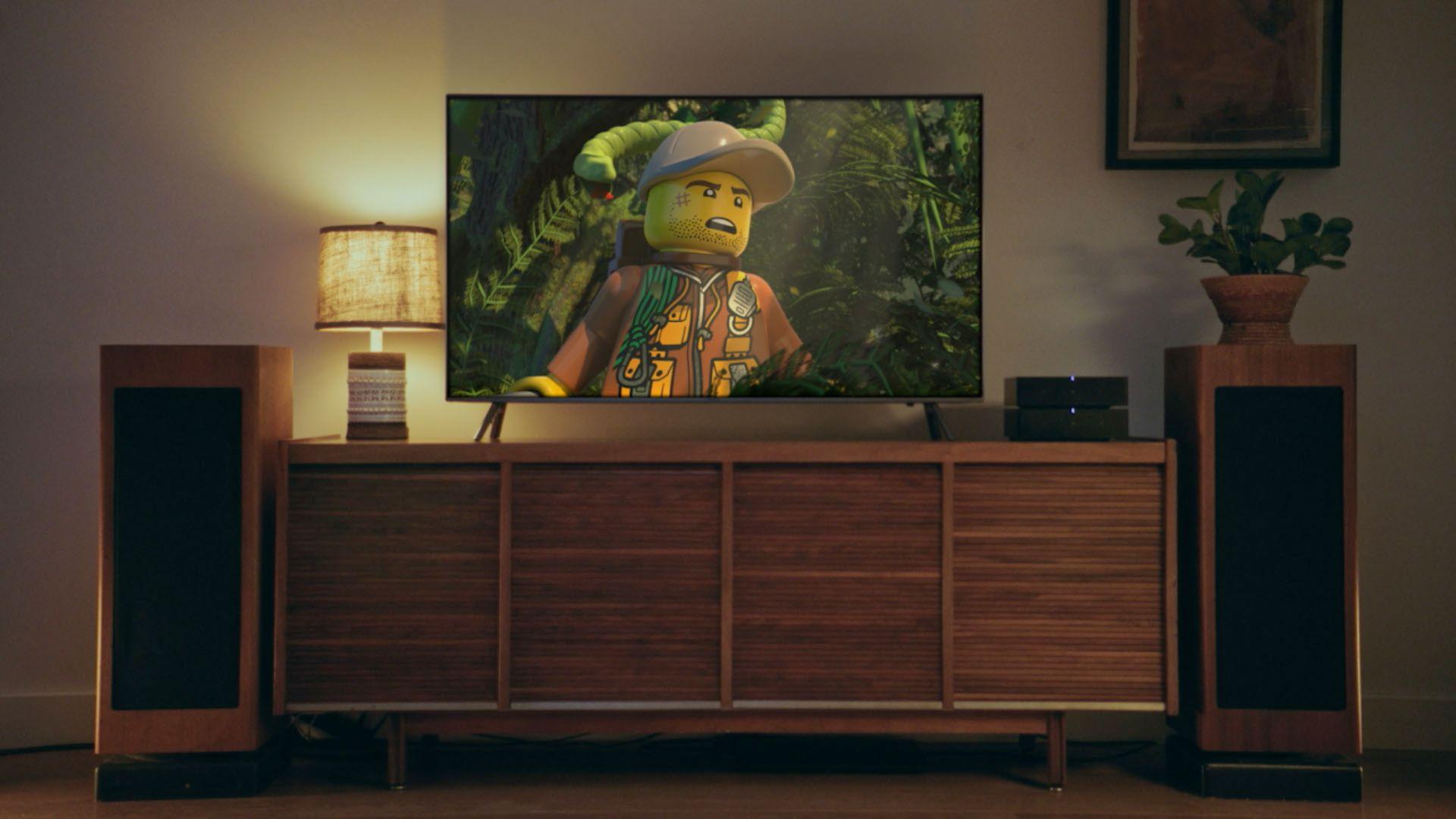
The HDMI ARC (Audio Return Channel) input is actually quite clever—it allows the Sonos Amp to receive audio directly from your TV without any additional cables or setup complexity. This feature alone makes it a compelling choice for home theater use, as it can serve as both your TV's audio system and your music streaming hub.
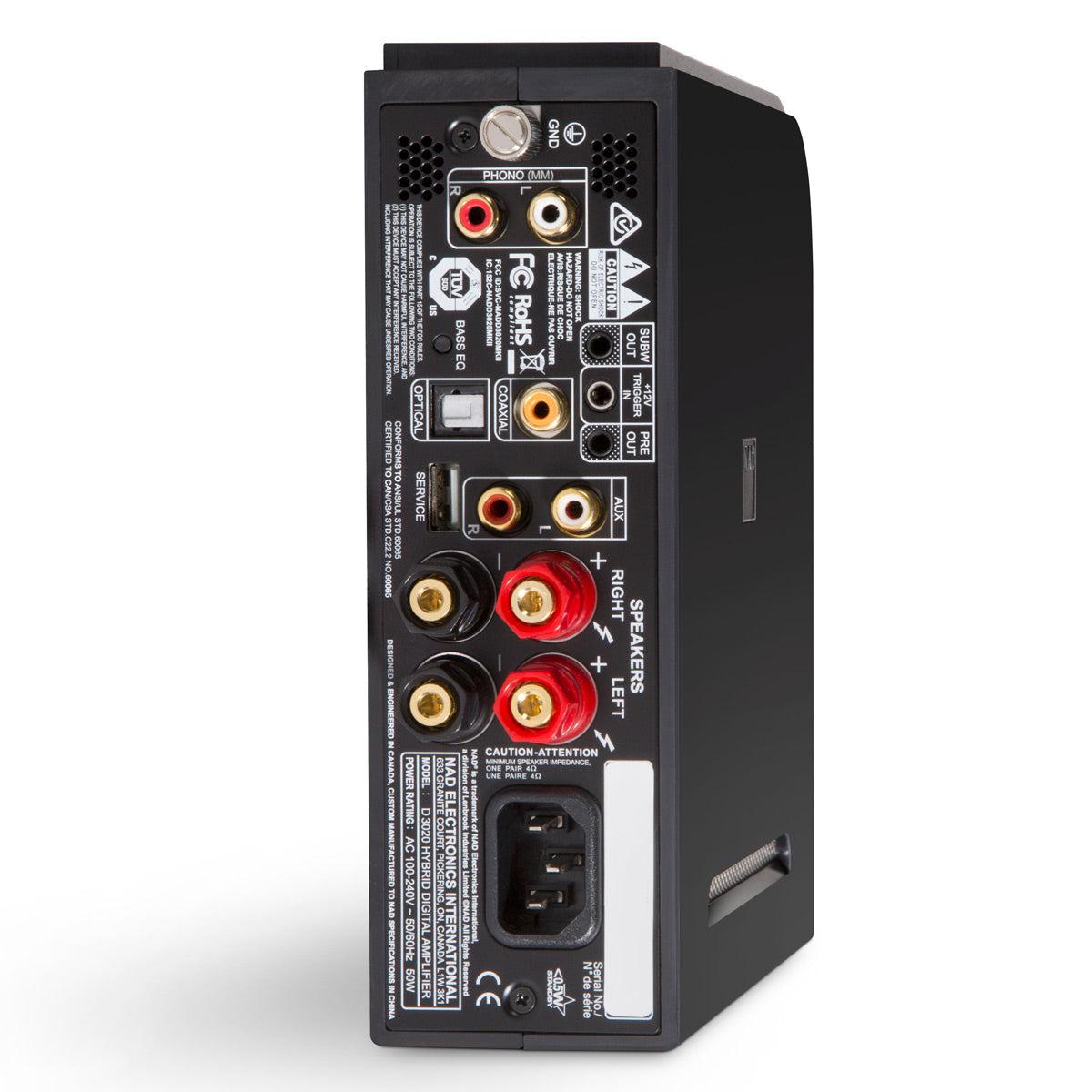
The NAD D 3020 V2 takes the opposite approach, offering extensive traditional connectivity alongside modern conveniences. It includes both optical and coaxial digital inputs that support high-resolution audio up to 192kHz/24-bit (much higher quality than standard CD audio at 44.1kHz/16-bit), a dedicated moving magnet phono input for turntables, and Bluetooth with aptX support (a higher-quality Bluetooth codec that reduces compression artifacts).
The phono stage in the NAD D 3020 V2 deserves special mention. Based on our evaluation of expert reviews, it outperforms many standalone phono preamps that cost as much as the entire amplifier. If you're serious about vinyl, this built-in phono stage could save you hundreds of dollars while delivering superior performance.
For wireless streaming, the approaches couldn't be more different. The Sonos Amp offers comprehensive access to major streaming services like Spotify, Apple Music, and Tidal, plus support for Apple AirPlay 2. The NAD D 3020 V2 limits you to basic Bluetooth connectivity, requiring you to use your phone or tablet as the streaming interface.
This is where things get interesting, because both amplifiers excel in their intended domains while revealing their limitations outside them. The Sonos Amp is optimized for broad appeal and casual listening. It produces a punchy, room-filling sound that works well with a wide variety of music genres and speaker types. It's designed to sound good without requiring any tweaking or critical listening skills.
However, our research into expert reviews consistently shows that while the Sonos Amp is the best-sounding product Sonos has ever made, it lacks the subtlety and refinement that dedicated hi-fi amplifiers can provide. Fine details in recordings might get glossed over, and the soundstage (the perception of width and depth in the music) tends to be more constrained than what you'd get from a traditional audiophile amplifier.
The NAD D 3020 V2 approaches audio quality from a completely different angle. Its sound signature is described consistently as smooth, musical, and engaging, with particular strength in the midrange frequencies where vocals and most instruments live. The built-in DAC (Digital-to-Analog Converter) uses a Cirrus Logic CS42528 chip configured in a dual differential setup—a sophisticated arrangement typically found in much more expensive equipment that reduces noise and improves linearity.
What's particularly impressive about the NAD D 3020 V2 is its ability to make music sound enjoyable even during extended listening sessions. While it might not have the raw power to shake your walls, it has a musical character that keeps you engaged with the performance rather than focusing on the equipment.
The technical specifications support these subjective impressions. The NAD D 3020 V2 achieves total harmonic distortion below 0.01% and a signal-to-noise ratio above 98dB—numbers that indicate very clean, quiet operation. The Sonos Amp, while capable, prioritizes features and power over these ultimate performance metrics.
If you're planning to use your amplifier as part of a home theater system, the Sonos Amp has a clear advantage. Its HDMI ARC connection means you can connect it directly to your TV and get high-quality audio for movies, shows, and games. It supports Dolby Digital and DTS Digital Surround formats (the standard surround sound formats used in most content), and you can wirelessly add Sonos surround speakers and subwoofers to create a full home theater system.
The ability to add wireless surround speakers is genuinely convenient. Traditional home theater setups require running speaker wire to the back of your room, which often means drilling holes or running cables along walls. With the Sonos Amp, you can place surround speakers wherever they work best and power them from any wall outlet.
The NAD D 3020 V2 offers no direct TV integration capabilities. If you want to use it with a TV, you'll need to connect through your TV's analog audio outputs (if it has them) or use an external device to convert digital audio to analog. This isn't necessarily a deal-breaker, but it does add complexity and potential quality compromises.
However, the NAD D 3020 V2 does include a subwoofer output, so you can add a powered subwoofer to extend the low-frequency response of your system. This can be particularly valuable given the amplifier's modest power output, as it allows you to use smaller main speakers while still getting full-range sound.
One of the Sonos Amp's most compelling features is its native multiroom capability. If you've ever tried to play the same music throughout your house using traditional equipment, you know how complicated it can get with multiple amplifiers, complex wiring, and timing issues that cause annoying echo effects.
The Sonos Amp solves this elegantly by networking with other Sonos products to create perfectly synchronized audio throughout your home. You can group rooms together, control volume independently, or play different music in each space—all from a single app interface.
This multiroom capability extends to integration with voice assistants like Amazon Alexa and Google Assistant, allowing you to control your music with simple voice commands. For families or anyone who regularly entertains, this level of integration can be genuinely transformative.
The NAD D 3020 V2 offers no multiroom capabilities whatsoever. It's designed as a single-room solution, and that's perfectly fine if that matches your needs. But if you're dreaming of whole-house audio, you'll need to look elsewhere or build a more complex system using multiple amplifiers.
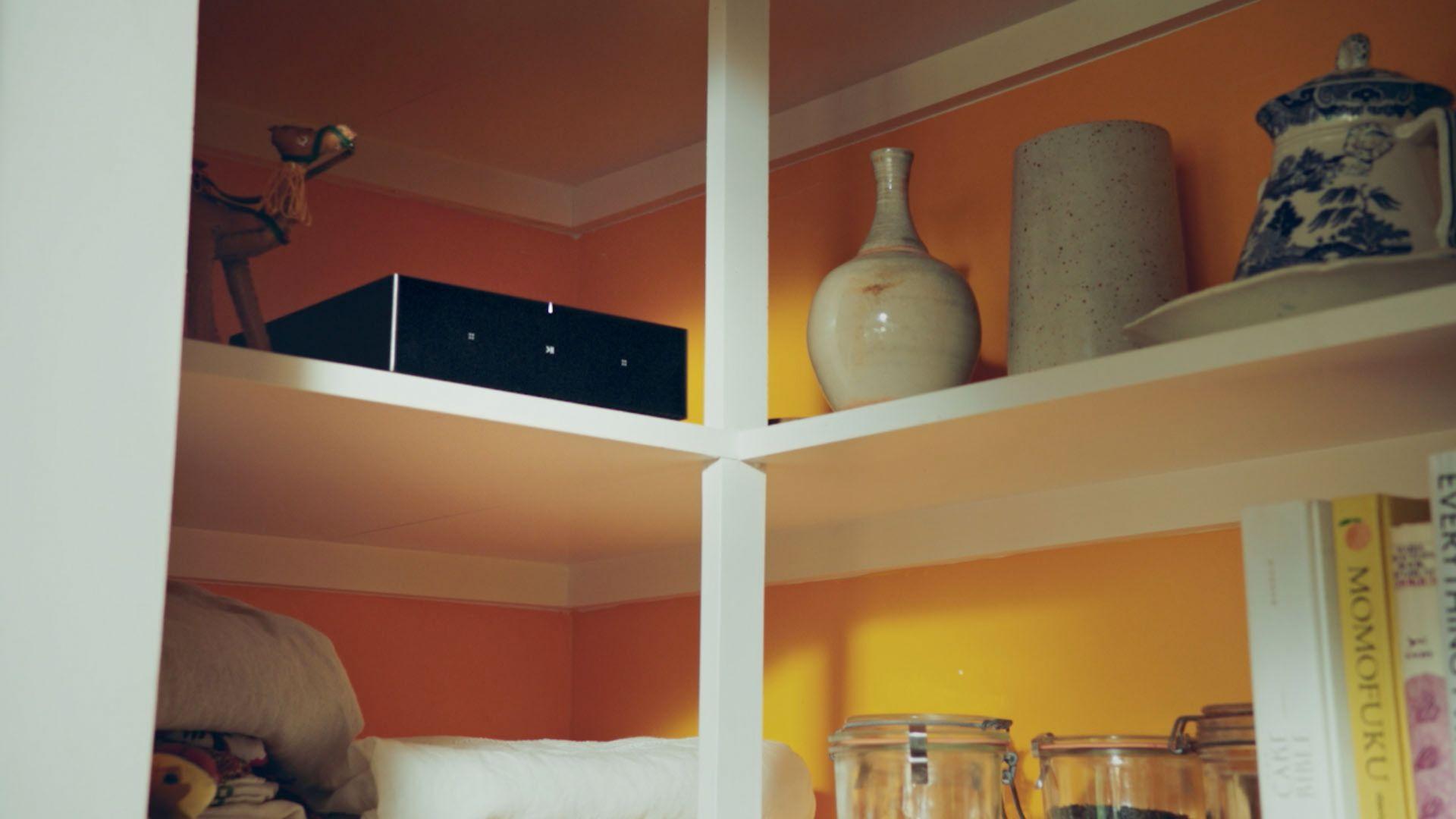
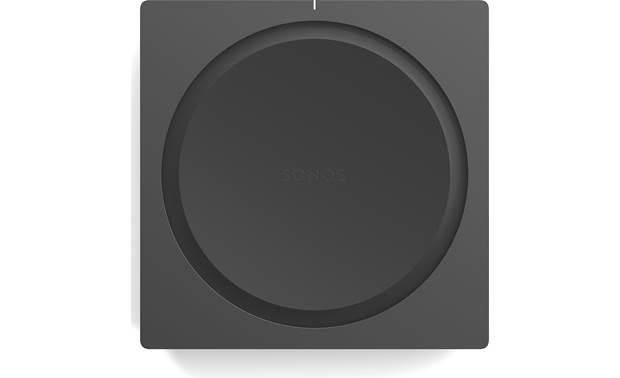
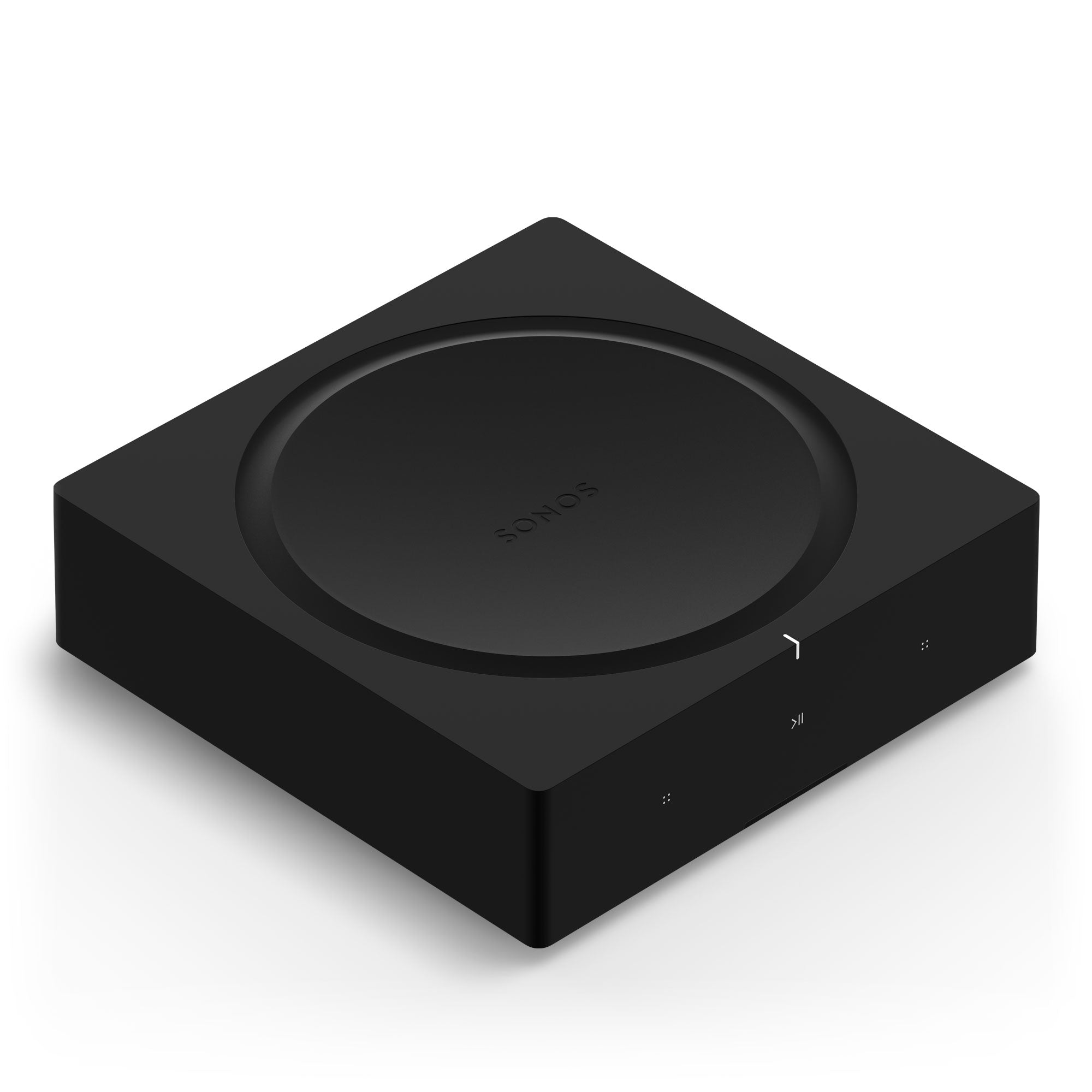
The physical design differences between these amplifiers reflect their different philosophies. The Sonos Amp uses a horizontal, rack-mountable form factor that's designed for installation in equipment cabinets or utility rooms. It's built to disappear into your home's infrastructure rather than sit prominently on a shelf.
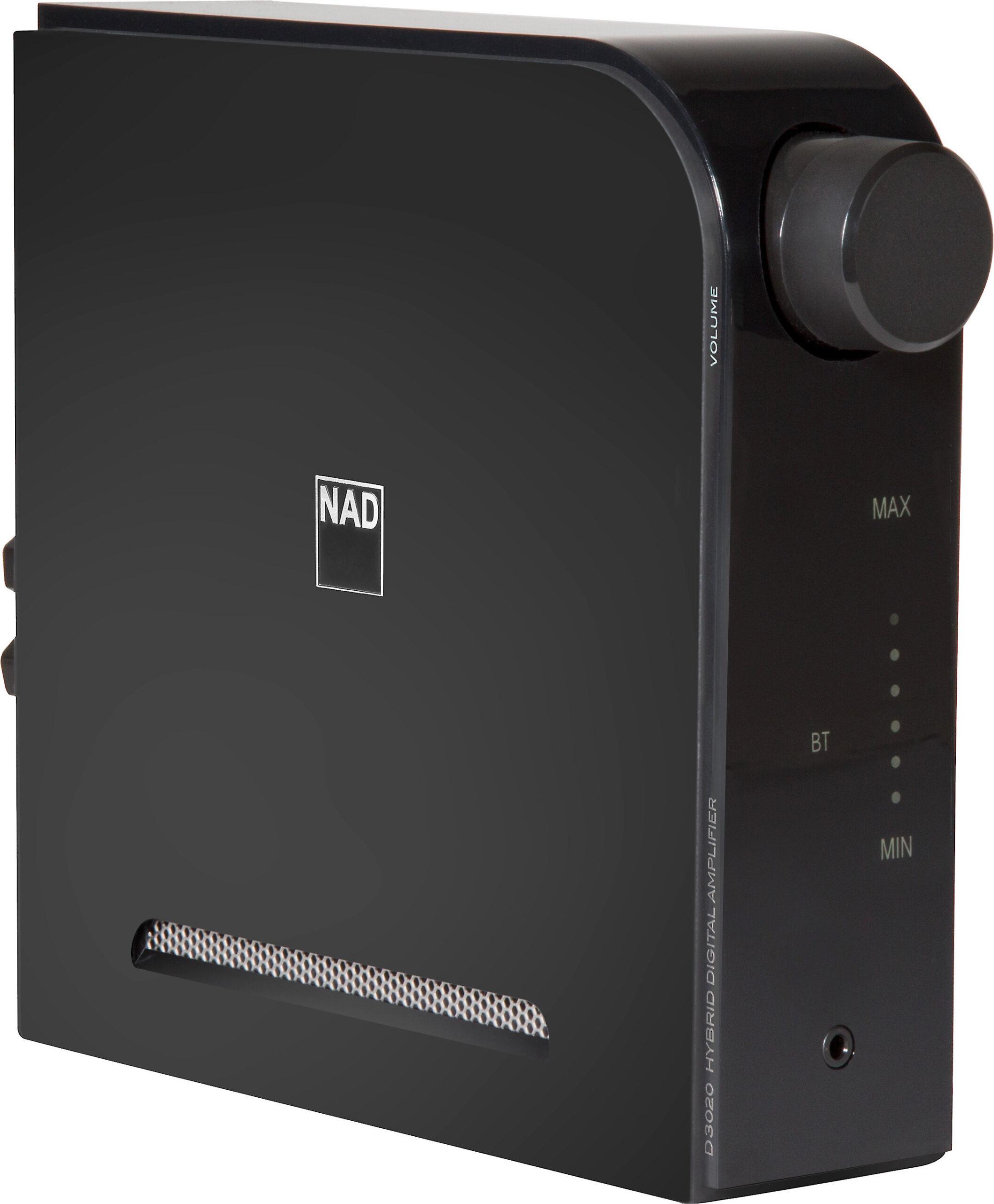
The NAD D 3020 V2 takes the opposite approach with its compact, vertical design that's meant to live on your desk or entertainment center. Its small footprint (about the size of a hardcover book standing upright) makes it ideal for spaces where equipment visibility matters.
Both amplifiers run cool thanks to their Class D designs, but the NAD D 3020 V2 is particularly impressive in this regard, consuming less than 0.5 watts in standby mode. This might seem trivial, but if you're environmentally conscious or pay high electricity rates, these efficiency differences add up over time.
The build quality feels appropriate for each product's intended market. The Sonos Amp has a solid, professional feel that instills confidence for permanent installations. The NAD D 3020 V2 feels more consumer-oriented, with some reviewers noting that the chassis feels somewhat plasticky compared to traditional hi-fi equipment, though this doesn't affect its performance.
At the time of writing, both amplifiers occupy similar price ranges, but they deliver value in completely different ways. The Sonos Amp commands a premium price that reflects its comprehensive feature set, high power output, and integration capabilities. You're essentially buying an entire ecosystem solution, not just an amplifier.
The NAD D 3020 V2 offers exceptional value for anyone prioritizing audio quality over features. At its price point, you'd be hard-pressed to find another amplifier that combines this level of measured performance with such versatile connectivity options and the excellent phono stage.
However, there are long-term considerations to think about. The Sonos Amp ties you into the Sonos ecosystem, which brings both benefits and risks. While Sonos has been good about supporting older products with software updates, you're ultimately dependent on a single company's business decisions and technical direction.
The NAD D 3020 V2 offers universal compatibility that should remain relevant regardless of how technology evolves. Its traditional inputs and outputs will work with equipment made decades ago or years in the future, providing a level of future-proofing that ecosystem-dependent products can't match.
After extensive research into user experiences and expert opinions, the choice between these amplifiers comes down to understanding your own listening habits and priorities.
Choose the Sonos Amp if you're already invested in or attracted to the Sonos ecosystem, need powerful amplification for large spaces or multiple speaker pairs, want integrated home theater functionality, prioritize wireless multiroom audio, or value convenience and app-based control over audiophile refinement. It's also the clear choice if you're planning an architectural audio installation with in-wall, in-ceiling, or outdoor speakers.
The NAD D 3020 V2 makes more sense if you prioritize audio quality and musical refinement over features, have a vinyl collection, need a compact amplifier for desktop or small room use, want flexibility with various digital and analog sources, prefer a traditional hi-fi approach with selective modern conveniences, or are working within a tighter budget while still wanting excellent sound quality.
From a home theater perspective, the Sonos Amp is the obvious choice if TV integration matters to you. But if you primarily listen to music and only occasionally watch movies, the superior audio quality of the NAD D 3020 V2 might be more valuable than convenient TV connectivity.
The core decision ultimately comes down to ecosystem integration versus audio purity. The Sonos Amp excels as a powerful hub for modern, connected homes where convenience and multiroom capability matter most. The NAD D 3020 V2 serves dedicated music listeners who want the best possible sound quality in a compact, efficient package with just the right modern features.
Both products represent mature, well-executed approaches to their respective philosophies. Your choice should align with how you actually live with and listen to music, not just how you think you might want to in an ideal world.
| Sonos Amp | NAD D 3020 V2 |
|---|---|
| Power Output - Determines room size and speaker compatibility | |
| 125W per channel (8Ω), 250W (4Ω) - drives large speakers and multiple rooms | 30W per channel (8Ω), 60W dynamic - ideal for bookshelf speakers and small rooms |
| Amplifier Type - Affects efficiency and sound character | |
| Class D with advanced heatsink - high efficiency, professional installation ready | Hypex Class D with PowerDrive™ - audiophile-focused implementation with soft clipping |
| Streaming Integration - How you'll access your music | |
| Full Sonos ecosystem, major streaming services, AirPlay 2 - comprehensive wireless platform | Basic Bluetooth with aptX - requires phone/tablet for streaming services |
| Digital Audio Inputs - Quality of digital source connections | |
| HDMI ARC only - optimized for TV integration, no traditional digital inputs | Optical & coaxial (24-bit/192kHz) - excellent for CD players and high-res sources |
| Analog Inputs - Support for traditional audio sources | |
| Single RCA line input - minimal analog connectivity | RCA line input + dedicated MM phono stage - excellent for vinyl enthusiasts |
| Multiroom Audio - Whole-house music capability | |
| Native Sonos multiroom with perfect sync across unlimited zones | None - single room solution only |
| Home Theater Integration - TV and movie audio handling | |
| HDMI ARC, Dolby Digital/DTS support, wireless surround capability | No direct TV connection - requires analog/external converter |
| Physical Design - Installation and space considerations | |
| Rack-mountable horizontal (8.5" x 8.5" x 2.5") - professional installation focused | Compact vertical/horizontal (8.6" x 7.4" x 2.3") - desktop and shelf friendly |
| Audio Quality Focus - Sound character and refinement | |
| Punchy, room-filling sound optimized for broad appeal and casual listening | Smooth, musical character with audiophile refinement and detail retrieval |
| High-Resolution Audio Support - Future-proofing for quality content | |
| Limited to 48kHz/24-bit - basic quality sufficient for streaming services | 192kHz/24-bit DAC with Cirrus Logic chip - true high-res audio capability |
| Smart Home Integration - Voice control and automation | |
| Voice assistant support, home automation APIs, comprehensive app control | Basic remote control, 12V trigger - traditional hi-fi approach |
| Value Proposition - What you get for the investment | |
| Premium pricing for ecosystem features, high power, and wireless convenience | Excellent audio quality value with versatile connectivity in compact package |
The Sonos Amp is generally better for beginners because it handles everything through a single app and requires minimal setup. You simply connect your speakers and start streaming music wirelessly. The NAD D 3020 V2 requires more knowledge about connecting different audio sources and understanding amplifier basics, making it better suited for those comfortable with traditional hi-fi equipment.
The primary difference is philosophy: the Sonos Amp is a streaming-focused amplifier designed for wireless multiroom audio and smart home integration, while the NAD D 3020 V2 is a traditional integrated amplifier that prioritizes pure audio quality with select modern features like Bluetooth and digital inputs.
The Sonos Amp delivers significantly more power at 125 watts per channel compared to the NAD D 3020 V2's 30 watts per channel. This makes the Sonos Amp much better suited for large rooms, demanding speakers, and situations where you need substantial volume levels.
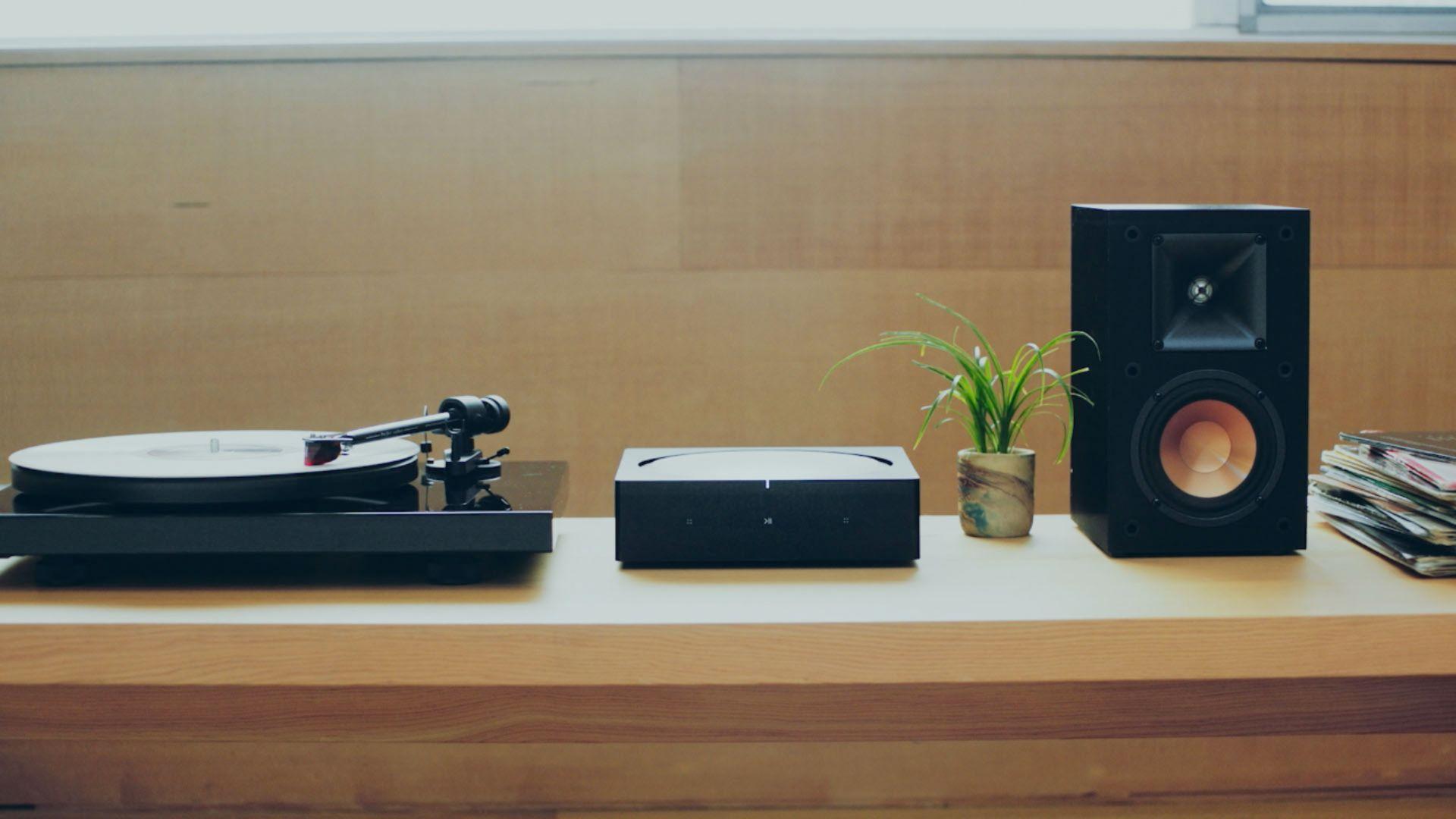
Both amplifiers support turntables, but the NAD D 3020 V2 has a superior dedicated moving magnet phono stage built-in that outperforms many standalone phono preamps. The Sonos Amp requires you to connect through its line input, which means you'll need a turntable with a built-in preamp or a separate phono preamp.
The Sonos Amp excels at streaming with native support for major services like Spotify, Apple Music, and Tidal directly through the Sonos app. The NAD D 3020 V2 only offers basic Bluetooth connectivity, requiring you to stream from your phone or tablet rather than accessing services directly.
The Sonos Amp is specifically designed for home theater with HDMI ARC connectivity for direct TV connection and support for wireless surround speakers. The NAD D 3020 V2 has no direct TV integration and works only as a stereo amplifier, making the Sonos Amp the clear choice for home theater applications.
The NAD D 3020 V2 generally provides superior sound quality for dedicated music listening, with smoother, more refined audio character and better technical specifications. The Sonos Amp produces punchy, room-filling sound that's optimized for casual listening but lacks the audiophile refinement of the NAD D 3020 V2.
Only the Sonos Amp supports true multiroom audio, allowing you to synchronize music across unlimited zones throughout your home. The NAD D 3020 V2 is designed as a single-room solution with no multiroom capabilities.
The NAD D 3020 V2 is significantly more energy efficient, consuming less than 0.5 watts in standby mode and running much cooler due to its lower power output. The Sonos Amp consumes more power due to its higher output and always-on streaming capabilities.
The Sonos Amp requires only passive speakers and a Wi-Fi connection to function fully. The NAD D 3020 V2 may require additional equipment depending on your sources - you might need a separate streaming device, phono preamp (though it has one built-in), or digital-to-analog converter for optimal performance with various sources.
This depends on your priorities. The Sonos Amp offers better value if you want comprehensive streaming and multiroom features but ties you to the Sonos ecosystem. The NAD D 3020 V2 provides excellent long-term value for audio quality and universal compatibility that won't become obsolete as technology changes.
The Sonos Amp can drive virtually any passive speakers, including large floor-standing models, in-wall/ceiling speakers, and outdoor speakers due to its high power output. The NAD D 3020 V2 works best with efficient bookshelf speakers or smaller floor-standing speakers in small to medium rooms, though it can surprise with its ability to drive more demanding speakers than its power rating suggests.
We've done our best to create useful and informative comparisons to help you decide what product to buy. Our research uses advanced automated methods to create this comparison and perfection is not possible - please contact us for corrections or questions. These are the sites we've researched in the creation of this article: audioadvice.com - crutchfield.com - adiglobaldistribution.pr - themasterswitch.com - astralsecurite.ca - wassersfurniture.com - whathifi.com - sonos.com - audiosciencereview.com - bestbuy.com - videoandaudiocenter.com - en.community.sonos.com - hifinews.com - youtube.com - forum.psaudio.com - crutchfield.com - forum.audiogon.com - crutchfield.com - iiwireviews.com - crutchfield.ca - audiosciencereview.com - soundstagesimplifi.com - nadelectronics.com - hifiheaven.net - crutchfield.com - projectorscreen.com - upscaleaudio.com - dedicatedaudio.com - twitteringmachines.com - nadelectronics.com

Privacy Policy
Terms and Conditions - Affiliate Policy
Home Security
© Copyright 2008-2026.
11816 Inwood Rd #1211, Dallas, TX 75244