

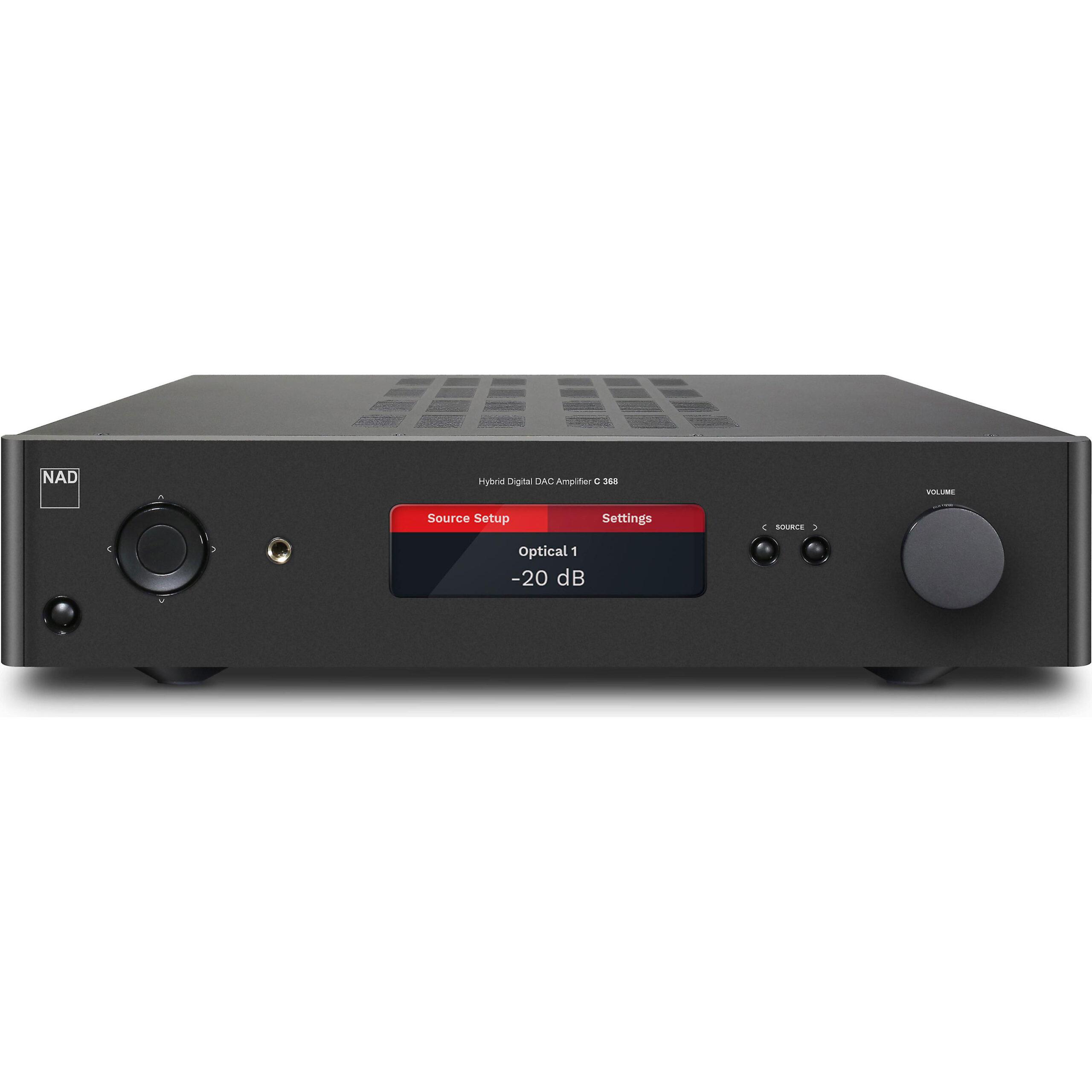
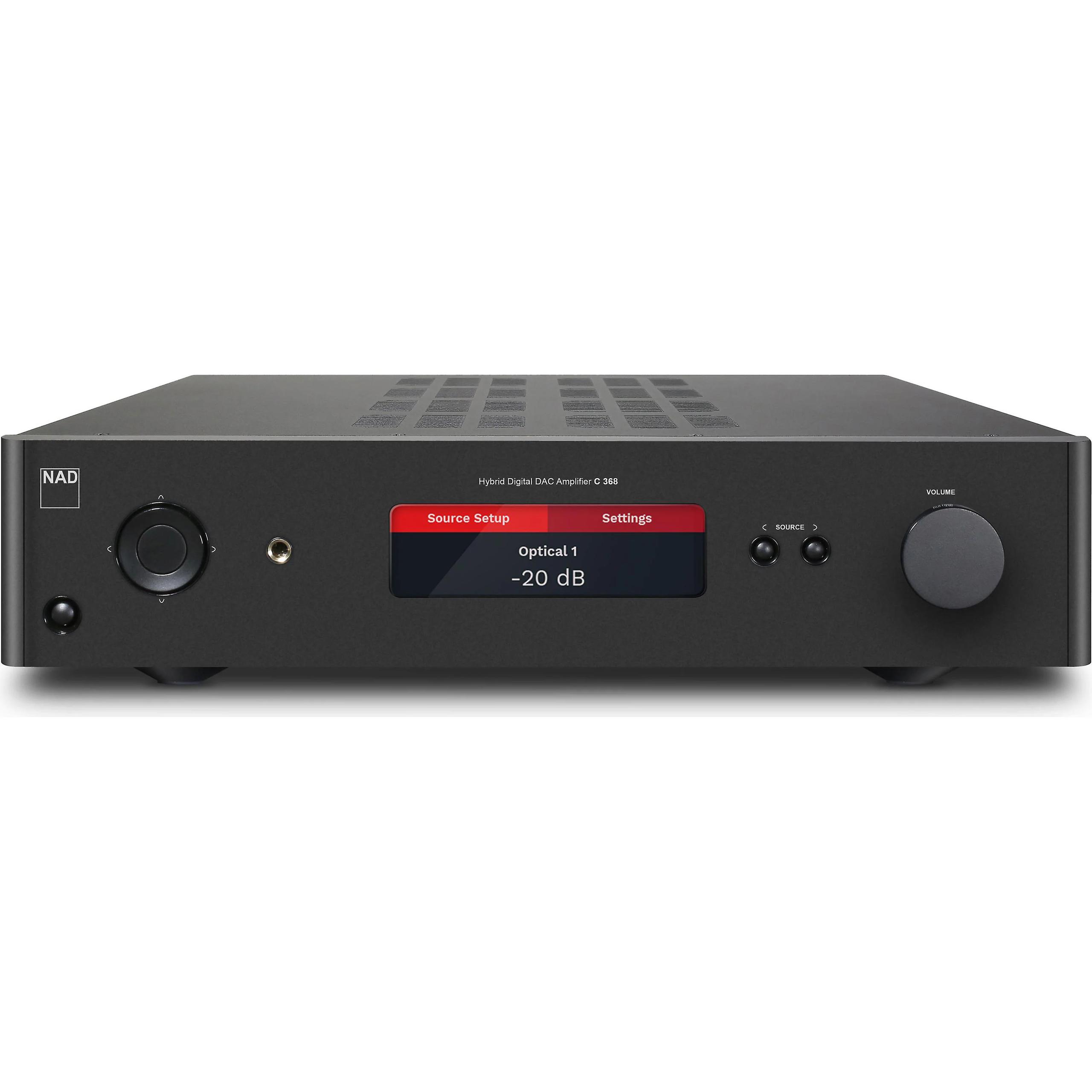
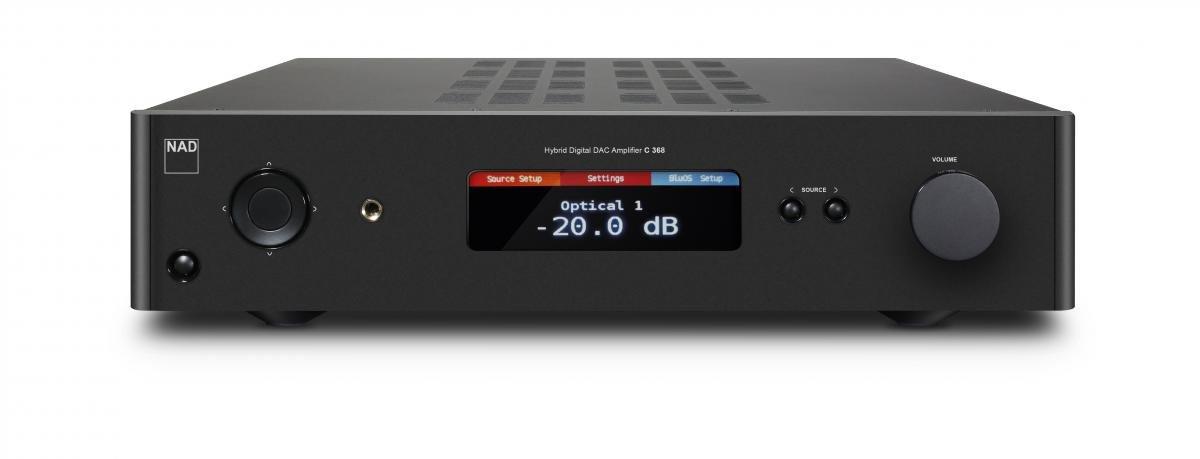
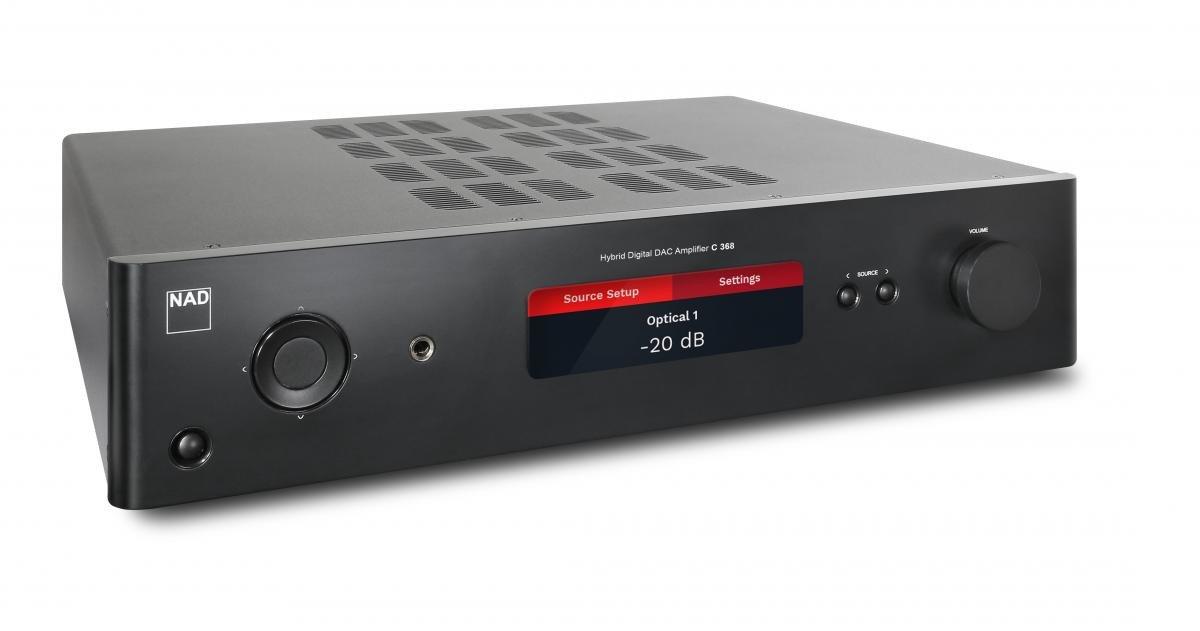
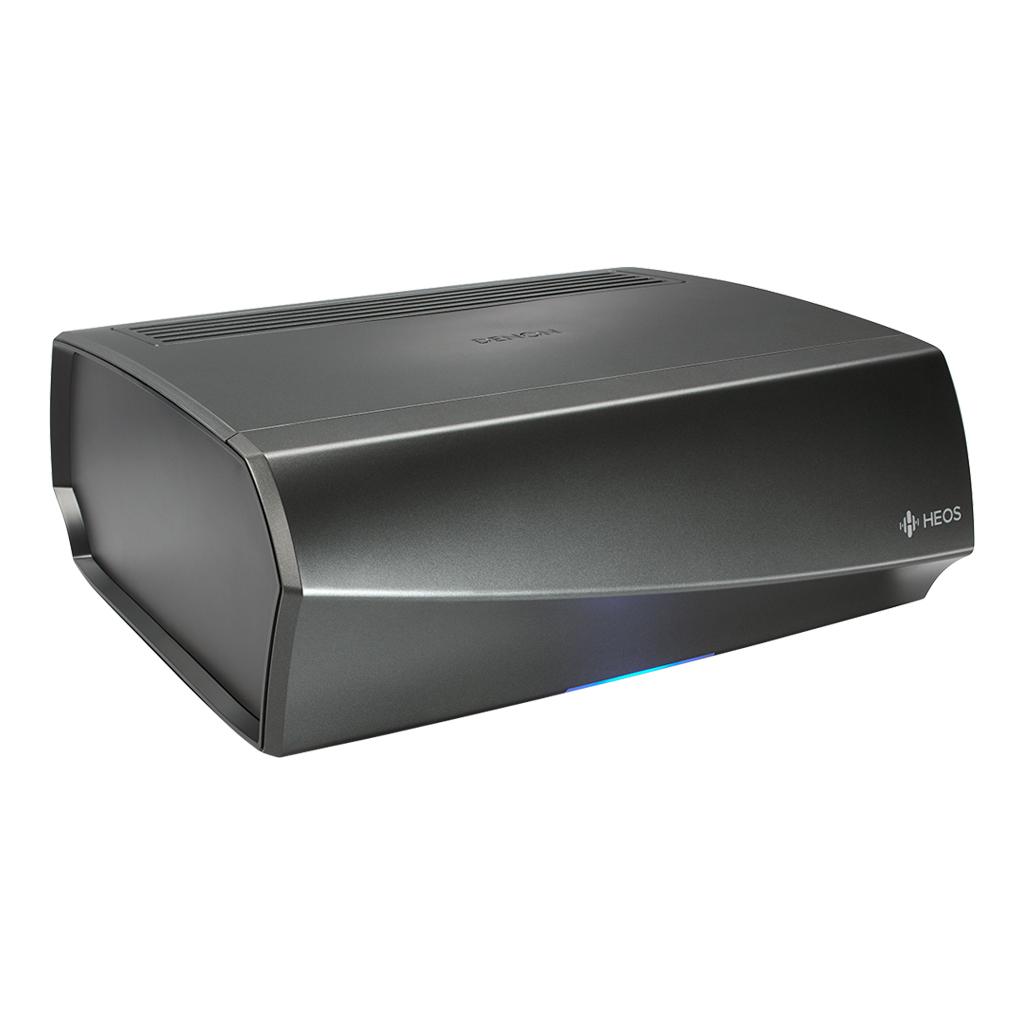
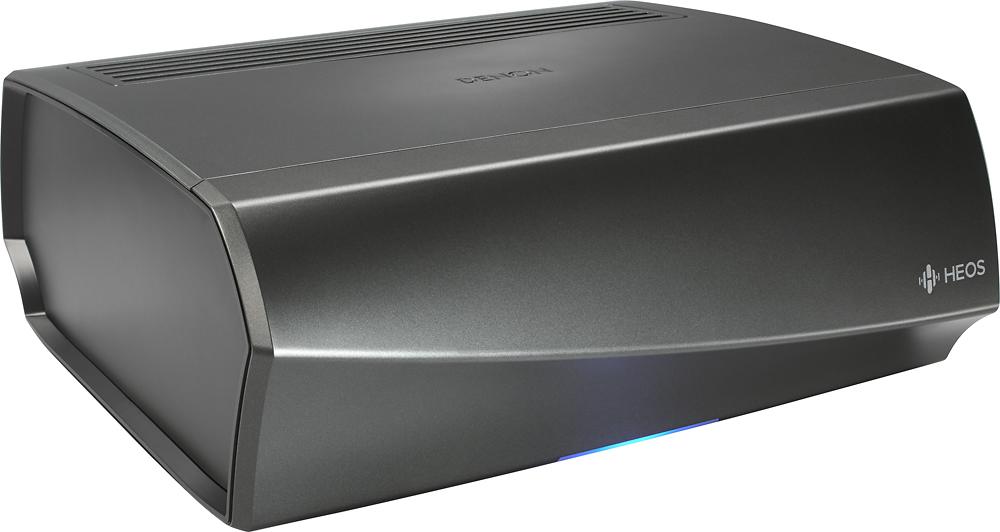
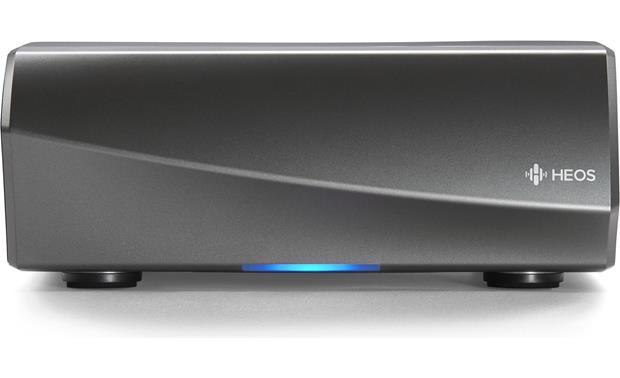
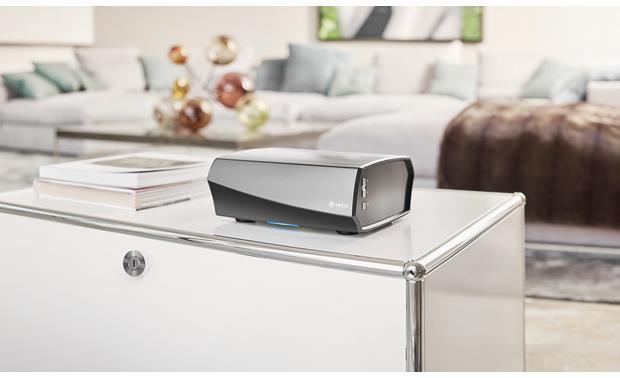
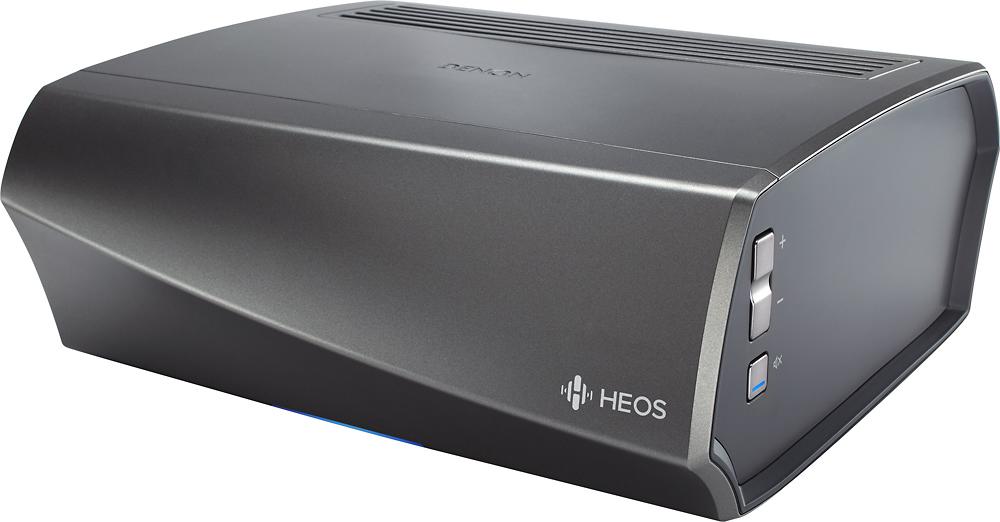
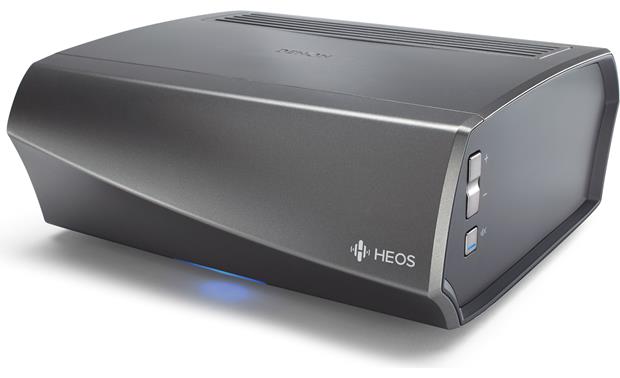
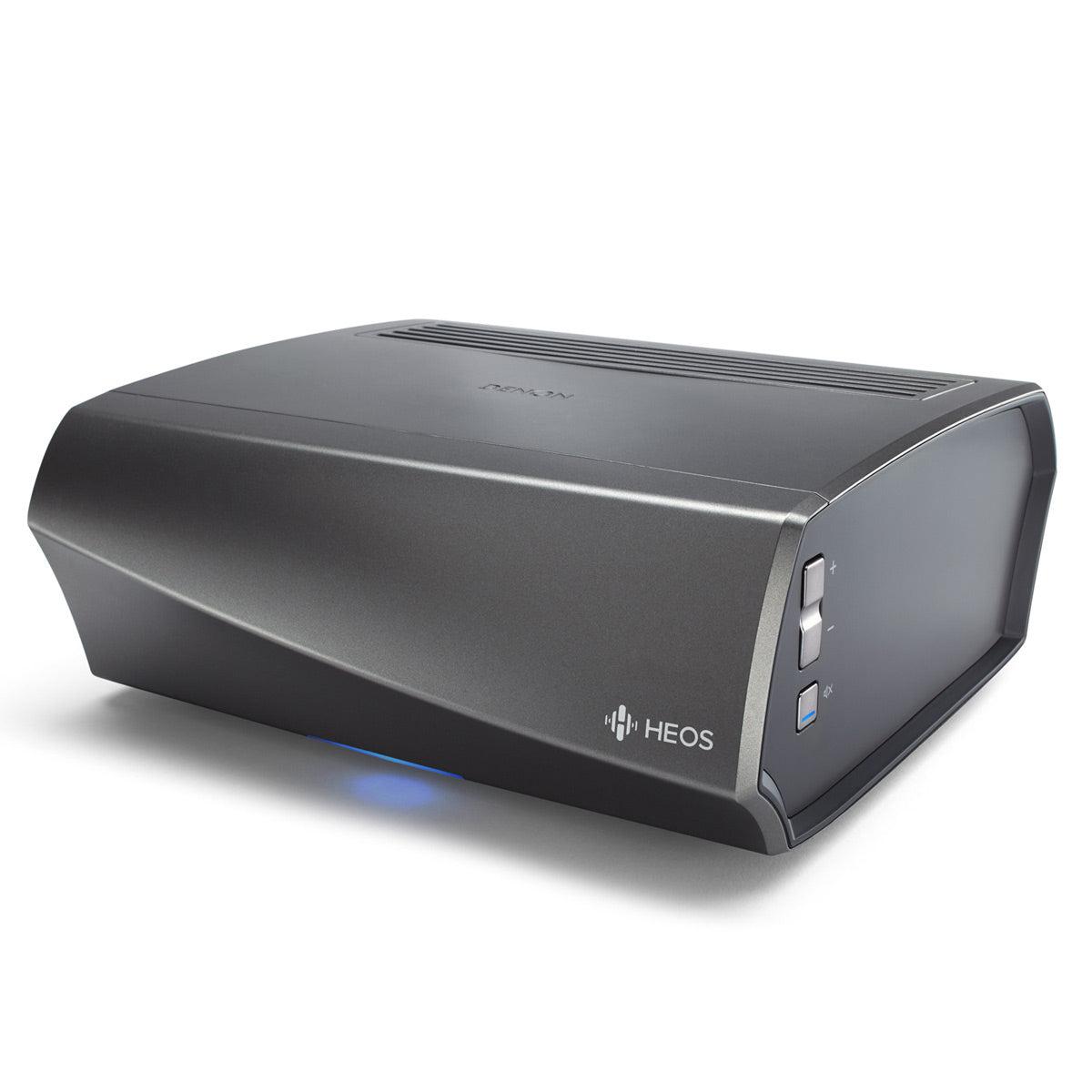
When you're shopping for an amplifier today, you're really choosing between two different philosophies of how music should live in your home. The NAD C 368, released in 2016, represents the traditional audiophile approach enhanced with modern digital features. The Denon HEOS Amp HS2, also from 2016, takes the opposite approach—it's built from the ground up for wireless streaming and multi-room audio, with traditional hi-fi performance as a secondary consideration.
At the time of writing, these amplifiers sit in different price brackets, with the NAD C 368 commanding a premium that's roughly double the cost of the Denon HEOS Amp HS2. That price difference isn't arbitrary—it reflects fundamental differences in build quality, component selection, and design philosophy that affect how they'll perform in your system.
Before diving into the specifics, it's worth understanding what separates integrated amplifiers from wireless streaming amps. An integrated amplifier combines a preamplifier (which handles source selection and volume control) with a power amplifier (which drives your speakers) in one box. The NAD C 368 follows this traditional formula but adds extensive digital processing capabilities.
A wireless streaming amplifier like the Denon HEOS Amp HS2 flips this priority structure. It's primarily a streaming device that happens to include amplification, designed for users who want their music distributed throughout the home with minimal setup complexity.
Both approaches have merit, but they serve different needs. The key is figuring out which philosophy matches your listening habits and home setup.
The most fundamental difference between these amplifiers lies in their approach to power delivery and signal processing. The NAD C 368 uses a custom implementation of Hypex's UcD (Universal Class D) technology, which is a sophisticated Class D amplifier design. Class D amplifiers work by rapidly switching the power output on and off thousands of times per second, creating the audio signal through pulse-width modulation—think of it like a very fast strobe light that creates the illusion of smooth brightness changes.
What makes NAD's implementation special is their fully balanced bridge configuration and switch-mode power supply. This setup can deliver 80 watts per channel into both 8-ohm and 4-ohm speakers with just 0.03% total harmonic distortion (THD). THD measures how much the amplifier changes your music signal—lower numbers mean cleaner, more accurate sound. More importantly, NAD's power supply can deliver up to 200 watts continuously and over 600 watts in short bursts for musical peaks, which means it won't struggle during complex orchestral passages or sudden drum hits.
The Denon HEOS Amp HS2 also uses Class D amplification, but with a more conventional implementation focused on efficiency rather than ultimate performance. It delivers 70 watts per channel into 8 ohms with 0.05% THD—still very good numbers, but not quite reaching the NAD's level of refinement.
In real-world terms, this power difference becomes apparent when driving demanding speakers. The NAD C 368 has earned praise from users driving everything from KEF LS50 bookshelf speakers to large Magnepan planar magnetic speakers without strain. The HEOS Amp works well with typical home speakers but may struggle with very inefficient or difficult loads.
Here's where the differences become stark. The NAD C 368 includes a digital-to-analog converter (DAC) that users consistently describe as exceptional. It uses a Texas Instruments PCM1795 32-bit DAC chip paired with a BurrBrown OPA1652 buffer—components typically found in dedicated DAC units costing several hundred dollars alone.
A DAC's job is converting the digital files on your phone, computer, or streaming service into the analog signals your speakers need. The quality of this conversion dramatically affects what you hear, and NAD has invested heavily in getting it right. The C 368's DAC supports high-resolution audio up to 24-bit/192kHz, meaning it can handle studio-quality files that contain more musical information than standard CDs.
The Denon HEOS Amp HS2's internal DAC tells a different story. Technical measurements reveal performance that's actually worse than 16-bit CD quality, with concerning levels of noise and distortion. This doesn't mean the HEOS Amp sounds terrible—many users report satisfying performance—but it does mean you're not getting audiophile-grade digital conversion.
The good news is that the HEOS Amp accepts external digital sources, so you can bypass its internal DAC by using a separate streamer or DAC. This flexibility helps explain why some users are perfectly happy with the unit despite its internal limitations.
If you own a turntable or plan to buy one, this comparison becomes simple: the NAD C 368 includes a moving magnet (MM) phono stage that users universally praise, while the HEOS Amp has no phono input at all.
A phono stage amplifies the tiny signal from a turntable cartridge and applies RIAA equalization—a specific frequency curve that restores the proper tonal balance to vinyl records. NAD has implemented this with precision, including infrasonic noise suppression that prevents low-frequency rumble from affecting your music.
Vinyl enthusiasts consistently highlight the C 368's phono stage as justifying much of the price difference between these amplifiers. If you're serious about records, you'd need to add a separate phono preamp costing $200-500 to get similar performance from the HEOS Amp.
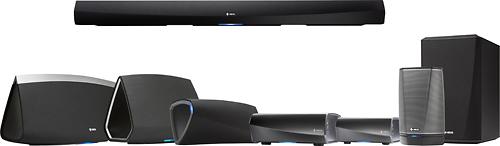
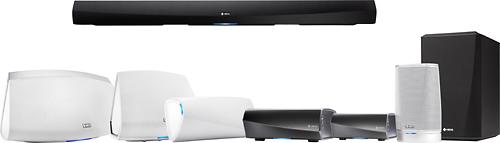
The Denon HEOS Amp HS2 was designed for the streaming era, and it shows. Out of the box, it connects to your Wi-Fi network and provides access to major streaming services through the HEOS app. The multi-room functionality works seamlessly—you can group different HEOS devices throughout your home, playing the same music everywhere or different music in each room.
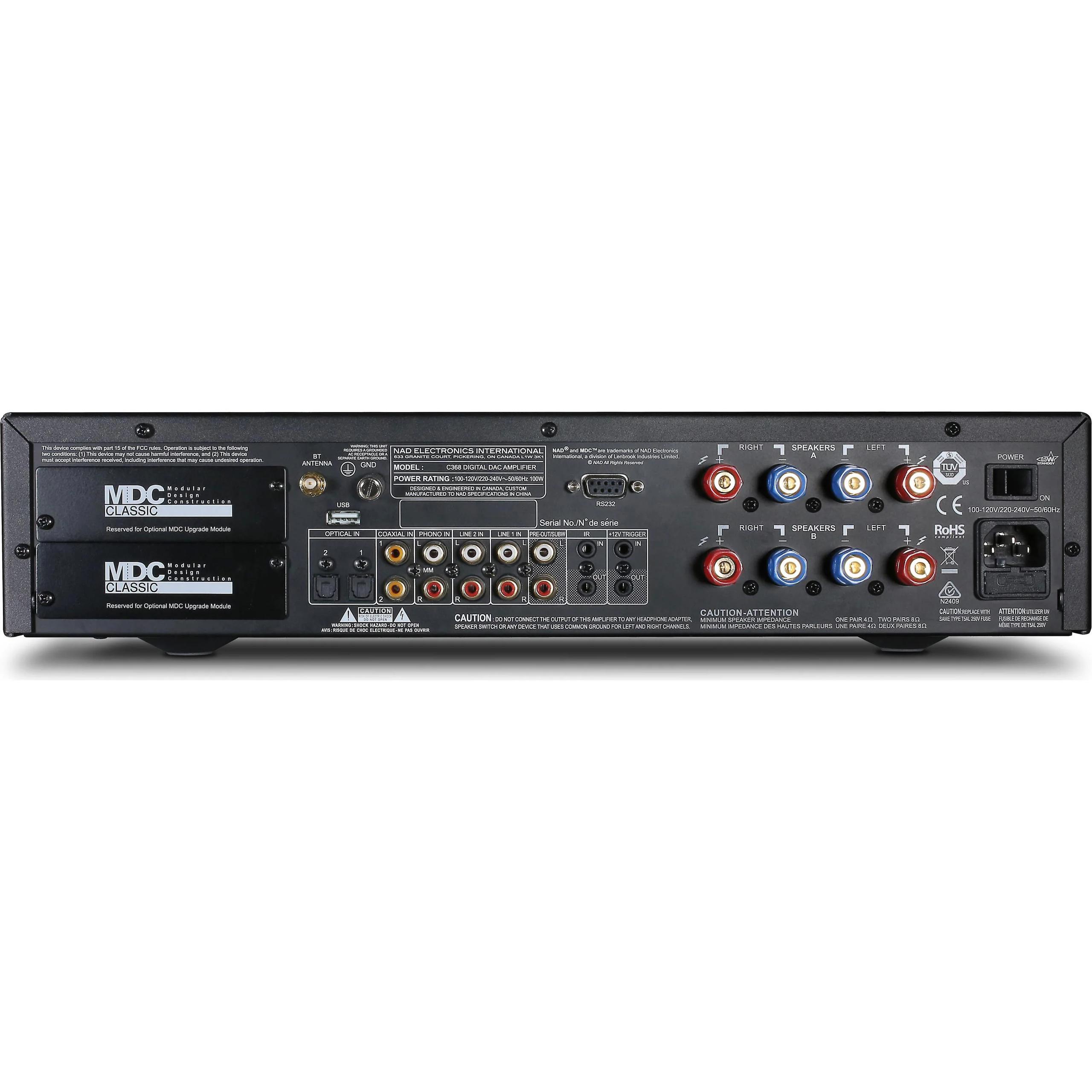
The NAD C 368 takes a different approach through its Modular Design Construction (MDC) system. The amplifier includes two expansion slots that accept upgrade modules. Adding NAD's BluOS module transforms it into a sophisticated network streamer with similar multi-room capabilities, but this requires an additional purchase.
This represents a fundamental philosophical difference. Denon provides streaming functionality immediately but locks you into their ecosystem. NAD provides upgrade flexibility but requires additional investment to match the HEOS Amp's streaming features.
Both amplifiers include Bluetooth, but NAD's implementation supports the aptX codec, which provides near-CD quality over wireless connections. The C 368 can also transmit Bluetooth to wireless headphones—a handy feature for late-night listening.
Neither amplifier is primarily designed for home theater use, but both can integrate into multichannel systems. The NAD C 368 includes configurable preamp outputs that can feed a subwoofer or serve as pre-outs for additional amplification. Its RS-232 control port and 12V triggers make it compatible with professional home theater control systems from companies like Control4 and Crestron.
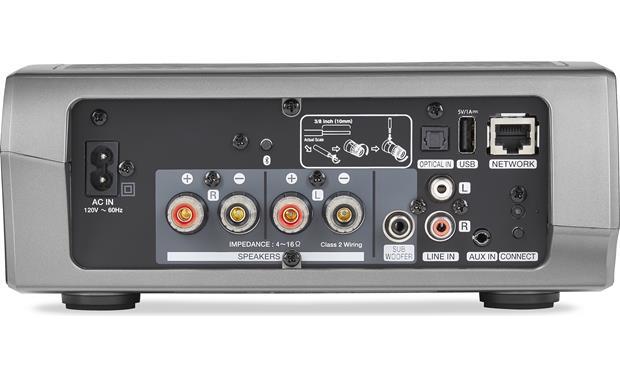
The HEOS Amp offers a simpler subwoofer output but lacks the professional integration features. However, its HEOS ecosystem approach means it can easily become part of a distributed audio system throughout your home.
For serious home theater applications, the NAD's superior power delivery and connectivity make it the better choice for driving your front left and right speakers in a surround system.
The NAD C 368 reflects traditional hi-fi construction values. Its chassis feels substantial, components are easily serviceable, and the modular design means you can upgrade capabilities without replacing the entire unit. NAD has continued developing new MDC modules since 2016, including HDMI and enhanced streaming options.
The HEOS Amp prioritizes compact installation and integration convenience. Its smaller footprint makes it easier to hide in entertainment centers or mount in custom installations. However, there's no upgrade path—when streaming standards evolve or your needs change, you'll likely need to replace the entire unit.
Since 2016, both the streaming landscape and amplifier technology have continued evolving. Wi-Fi 6, improved Bluetooth codecs like LDAC, and new streaming services have emerged. The NAD's modular approach has aged better, with new modules providing access to these technologies. The HEOS Amp's fixed feature set means some newer capabilities aren't available without external additions.
Based on extensive user feedback and professional reviews, the sonic differences are clear. The NAD C 368 consistently receives praise for its refined, balanced presentation. Users describe it as musical and engaging, with particular strength in midrange clarity and dynamic expression. The superior power supply design means it maintains composure during complex musical passages, whether you're listening to intimate jazz or full orchestral works.
The HEOS Amp delivers competent sound quality that satisfies most casual listeners. It's clean and punchy, with adequate power for typical applications. However, critical listeners often note it lacks the refinement and dynamic subtlety of higher-end amplifiers like the NAD.
These differences become more apparent with better speakers and source material. If you're using modest bookshelf speakers with compressed streaming music, both amplifiers will sound quite good. But pair either with high-quality speakers and high-resolution recordings, and the NAD's superior components become clearly audible.
The decision often comes down to priorities and budget. Choose the NAD C 368 if you're building a serious stereo system, own or plan to buy a turntable, want the flexibility to upgrade over time, or simply prioritize sound quality above convenience. It's particularly compelling if you enjoy sitting down for focused listening sessions with high-quality recordings.
The Denon HEOS Amp HS2 makes sense if you primarily stream music, want multi-room audio without additional complexity, prefer immediate functionality over ultimate performance, or need to work within a tighter budget. It's ideal for background music throughout the home rather than critical listening in a dedicated room.
For home theater applications, the NAD offers better integration options and power delivery, making it more suitable for driving the main speakers in a surround system.
At the time of writing, the price difference between these amplifiers reflects genuine performance gaps. The NAD C 368 targets audio enthusiasts willing to invest in superior components and long-term flexibility. Its combination of excellent sound quality, comprehensive connectivity, and upgrade potential makes it compelling for serious music listeners.
The HEOS Amp serves users who prioritize modern convenience and multi-room integration over ultimate sonic performance. While it can't match the NAD's audio quality or flexibility, it delivers wireless streaming and multi-room functionality at a more accessible price point.
Neither choice is wrong—they simply serve different needs and priorities. The key is honestly assessing how you listen to music and what features matter most in your home. If sound quality and system flexibility are paramount, the NAD C 368 justifies its premium pricing. If convenience and multi-room streaming are more important, the HEOS Amp offers excellent value for its intended purpose.
Both amplifiers have aged well since their 2016 introduction, though the NAD's modular design has proven more future-proof as audio technology continues evolving. Whatever you choose, both represent solid engineering approaches to the challenge of bringing music into modern homes.
| NAD C 368 Integrated Amplifier | Denon HEOS Amp HS2 Wireless Stereo Amplifier |
|---|---|
| Power Output - Critical for driving demanding speakers and room-filling sound | |
| 80W per channel (8Ω & 4Ω), 0.03% THD | 70W per channel (8Ω), 100W (4Ω), 0.05% THD |
| Signal-to-Noise Ratio - Higher numbers mean cleaner, quieter background | |
| 98 dB (exceptional for this price range) | 83 dB (adequate but noticeably lower) |
| Internal DAC Quality - Essential for digital music sources | |
| 24-bit/192kHz TI PCM1795 with excellent user reviews | Measured performance below 16-bit quality |
| Phono Stage - Required for turntable users | |
| Built-in MM phono with precise RIAA equalization | None (requires external phono preamp) |
| Streaming Capabilities - Modern convenience features | |
| Bluetooth aptX, optional BluOS module required | Built-in Wi-Fi, Bluetooth, native streaming services |
| Multi-room Audio - Whole-home music distribution | |
| Available with BluOS module upgrade | Native HEOS multi-room system included |
| Expansion/Upgradability - Future-proofing your investment | |
| 2 MDC slots for hardware modules | No upgrade path, fixed features |
| Analog Inputs - Connecting traditional sources | |
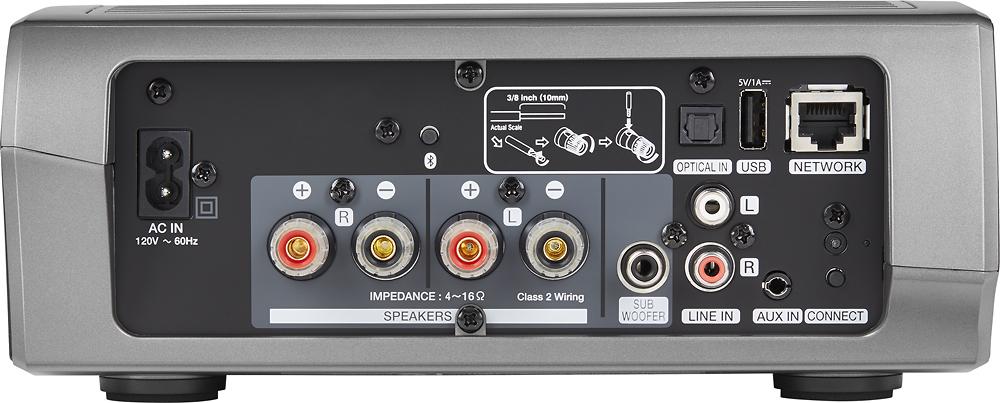
| 2 RCA line inputs plus MM phono | 1 RCA stereo input plus 3.5mm aux |
| Digital Inputs - Modern source connectivity | |
| 2 optical + 2 coaxial SPDIF | 1 optical + USB input |
| Professional Integration - Home automation compatibility | |
| RS-232, IR, 12V triggers for custom installs | Basic app control only |
| Target User - Who each product serves best | |
| Audiophiles prioritizing sound quality and flexibility | Convenience users wanting immediate streaming |
The NAD C 368 delivers superior sound quality with its custom Hypex UcD amplification, high-quality DAC, and 98 dB signal-to-noise ratio. Users consistently praise its refined, musical presentation and dynamic range. The Denon HEOS Amp HS2 offers competent sound quality that satisfies casual listeners, but technical measurements show its internal DAC performs below 16-bit quality. For critical listening, the NAD C 368 is the clear winner.
If you have a turntable, the NAD C 368 is essential. It includes a built-in moving magnet (MM) phono stage with precise RIAA equalization that vinyl enthusiasts consistently praise. The Denon HEOS Amp HS2 has no phono input, requiring you to purchase a separate phono preamp. For vinyl playback, the NAD C 368 is the only viable choice between these two amplifiers.
The Denon HEOS Amp HS2 excels at streaming with built-in Wi-Fi, native streaming service integration, and seamless multi-room audio through the HEOS app. The NAD C 368 requires an optional BluOS module for advanced streaming features, though it includes Bluetooth with aptX codec. For immediate streaming convenience, choose the HEOS Amp HS2; for ultimate streaming quality, the NAD C 368 with BluOS module is superior.
Both amplifiers can integrate into home theater systems, but the NAD C 368 offers better integration options. It includes configurable preamp outputs, RS-232 control, and 12V triggers for professional installation systems. The NAD also delivers more power for demanding front speakers. The Denon HEOS Amp HS2 works for basic home theater integration but lacks professional control features.
The NAD C 368 provides more dynamic power with 80 watts per channel and a robust power supply capable of 200 watts continuously and over 600 watts for musical peaks. This makes it better for large rooms and demanding speakers. The Denon HEOS Amp HS2 offers 70 watts per channel (8 ohms) which works well for moderate-sized rooms but may struggle with inefficient speakers or very large spaces.
Yes, but through different approaches. The Denon HEOS Amp HS2 includes native multi-room functionality through the HEOS ecosystem, allowing seamless music distribution throughout your home. The NAD C 368 requires the optional BluOS module for multi-room capabilities. For immediate multi-room use, the HEOS Amp is ready out of the box, while the NAD needs additional investment.
The Denon HEOS Amp HS2 is more beginner-friendly with its simple app-based control, built-in streaming, and straightforward setup. It works immediately with most speakers and streaming services. The NAD C 368 offers more features and better performance but requires more audio knowledge to fully utilize its capabilities, especially for analog sources and system integration.
The NAD C 368 features Modular Design Construction (MDC) with two expansion slots for future upgrades like streaming modules or additional inputs. This future-proofs your investment. The Denon HEOS Amp HS2 has no upgrade path - its features are fixed at purchase. For long-term flexibility and future upgrades, the NAD C 368 is the clear choice.
The NAD C 368 is better suited for high-end speakers due to its superior power delivery, lower distortion (0.03% vs 0.05%), and higher-quality DAC. Users report excellent results with demanding speakers like KEF LS50s and Magnepan planars. The Denon HEOS Amp HS2 works adequately with most speakers but may not fully reveal the capabilities of premium models.
Yes, both amplifiers include headphone outputs. The NAD C 368 features a 1/4" headphone jack with 700mW output power, though users report mixed results with this feature. The Denon HEOS Amp HS2 also includes headphone capability. Neither is considered exceptional for headphone use - dedicated headphone amplifiers typically provide better performance.
Value depends on your priorities. The Denon HEOS Amp HS2 offers excellent value for streaming-focused users who want immediate multi-room functionality and don't require audiophile-grade performance. The NAD C 368 provides better value for serious listeners who prioritize sound quality, need vinyl playback, and want future upgrade flexibility. Consider your listening habits and budget when deciding.
The fundamental difference is philosophy: the NAD C 368 prioritizes audiophile sound quality and system flexibility with modular upgrades, while the Denon HEOS Amp HS2 emphasizes streaming convenience and multi-room integration. Choose the NAD for superior audio performance and vinyl support, or the HEOS Amp for immediate wireless streaming and multi-room capabilities.
We've done our best to create useful and informative comparisons to help you decide what product to buy. Our research uses advanced automated methods to create this comparison and perfection is not possible - please contact us for corrections or questions. These are the sites we've researched in the creation of this article: avnirvana.com - crutchfield.com - hometheaterhifi.com - hifiheaven.net - crutchfield.com - projectorscreen.com - theabsolutesound.com - dedicatedaudio.com - soundstagesimplifi.com - nadelectronics.com - musicdirect.com - crutchfield.com - safeandsoundhq.com - bestbuy.com - consumerreports.org - audiosciencereview.com - youtube.com - crutchfield.com - avsforum.com - whathifi.com - audiosciencereview.com - youtube.com - versus.com - easylounge.com - snapav.com - crutchfield.com - accessories4less.com - richersounds.com - wave-electronics.com - bestbuy.com - safeandsoundhq.com - theaudiotailor.com.au - retailspecs.com

Privacy Policy
Terms and Conditions - Affiliate Policy
Home Security
© Copyright 2008-2026.
11816 Inwood Rd #1211, Dallas, TX 75244