




When you're building a home audio system, the amplifier sits at the heart of everything. It's the component that takes your music sources and powers your speakers, but not all amplifiers approach this job the same way. Today we're comparing two fundamentally different philosophies: the Dayton Audio HTA200 represents traditional hi-fi values with modern conveniences, while the Sonos Amp embodies the streaming-first approach that's reshaping home audio.
These aren't just different products—they're different visions of what home audio should be in 2024. Understanding their approaches will help you figure out which matches your listening habits and expectations.
An integrated amplifier combines two essential functions in one box: preamplification (controlling volume and switching between sources) and power amplification (actually driving your speakers). Think of it as the conductor and orchestra combined—it decides what you hear and makes it loud enough to fill your room.
The most critical specifications to understand are power output (measured in watts per channel), total harmonic distortion or THD (how much the amplifier changes your music), and signal-to-noise ratio (how quiet the background is when no music plays). Input options determine what sources you can connect, while output flexibility affects speaker compatibility and system expandability.
But here's what specifications don't tell you: how the amplifier sounds and how it fits into your daily routine. This is where the HTA200 and Sonos Amp diverge dramatically.
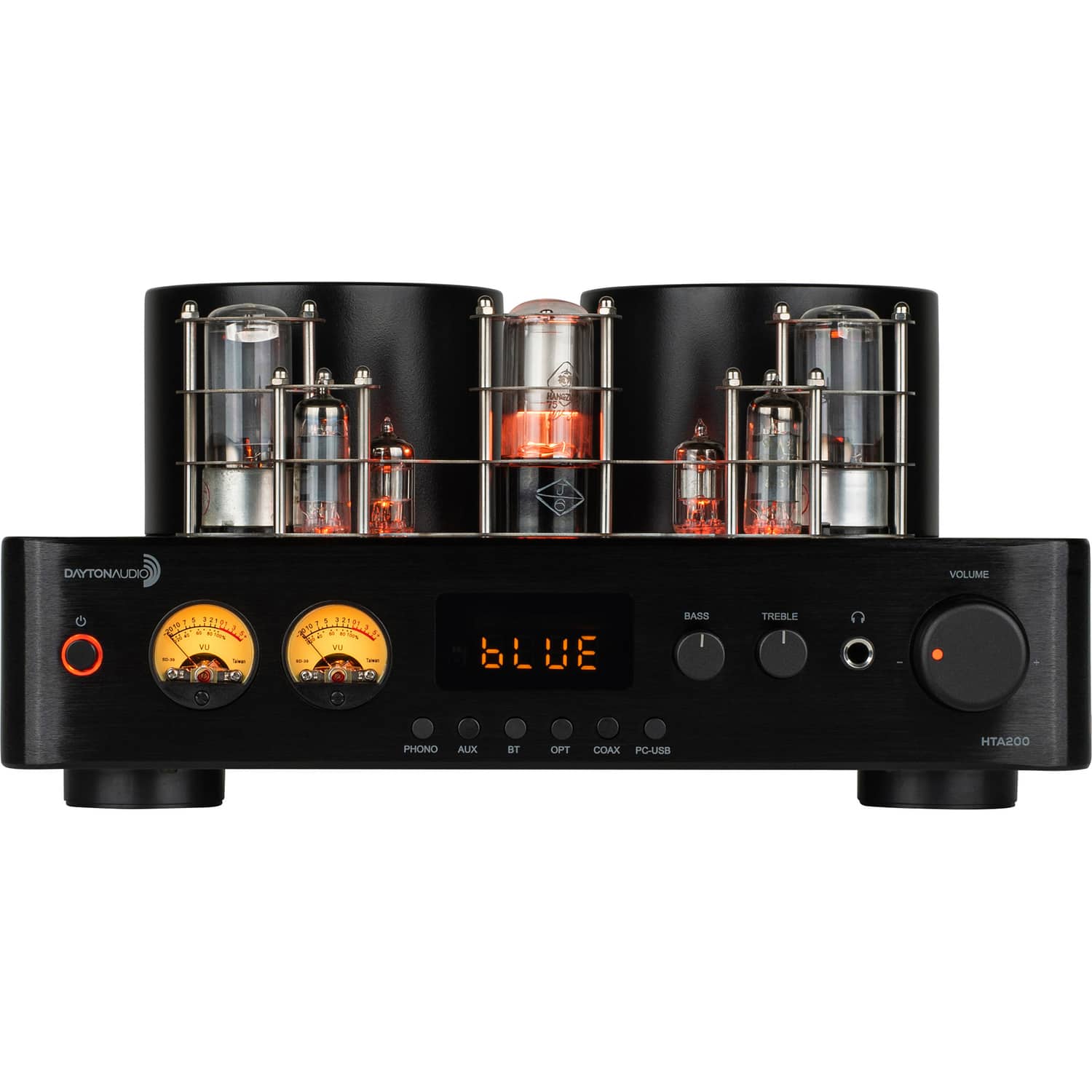
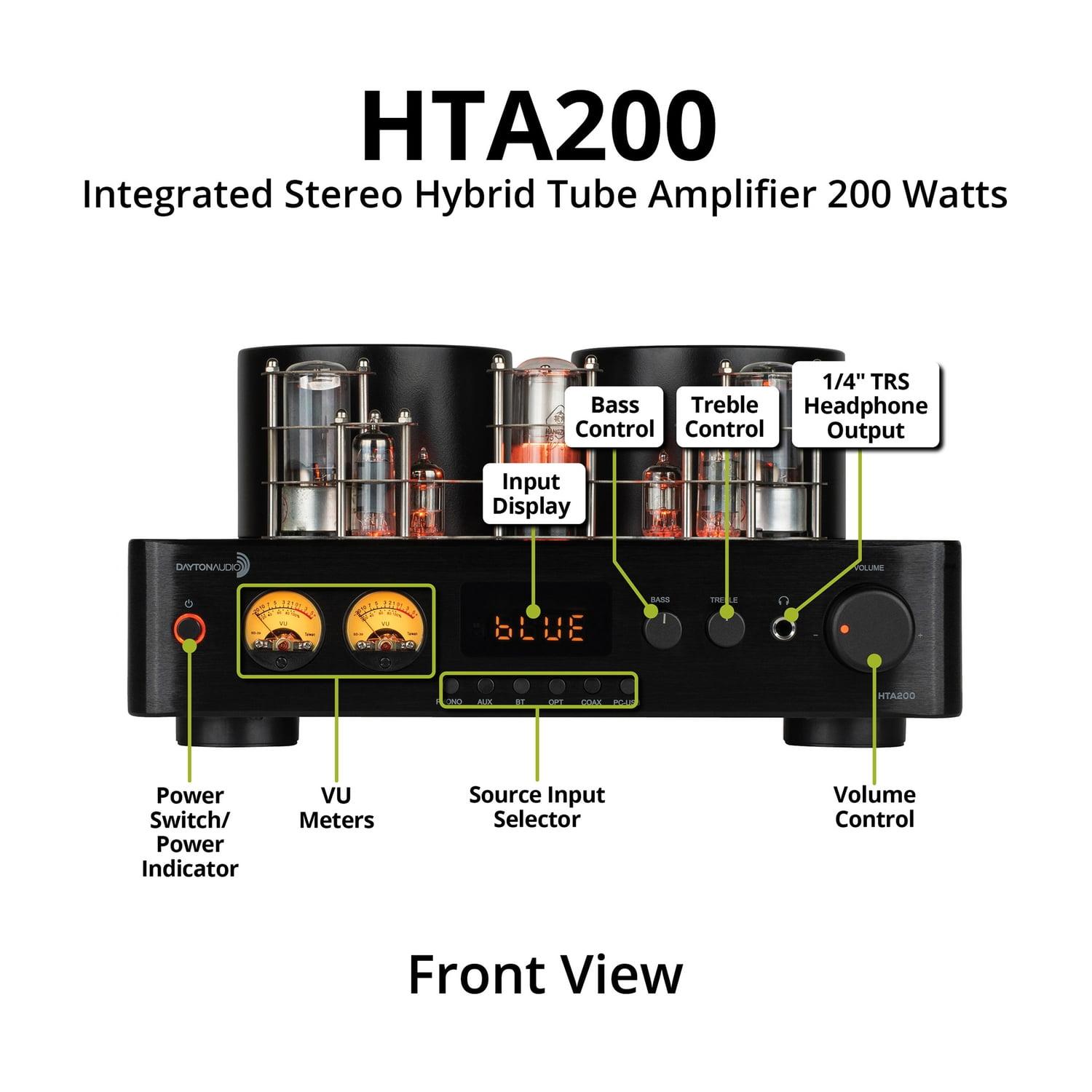
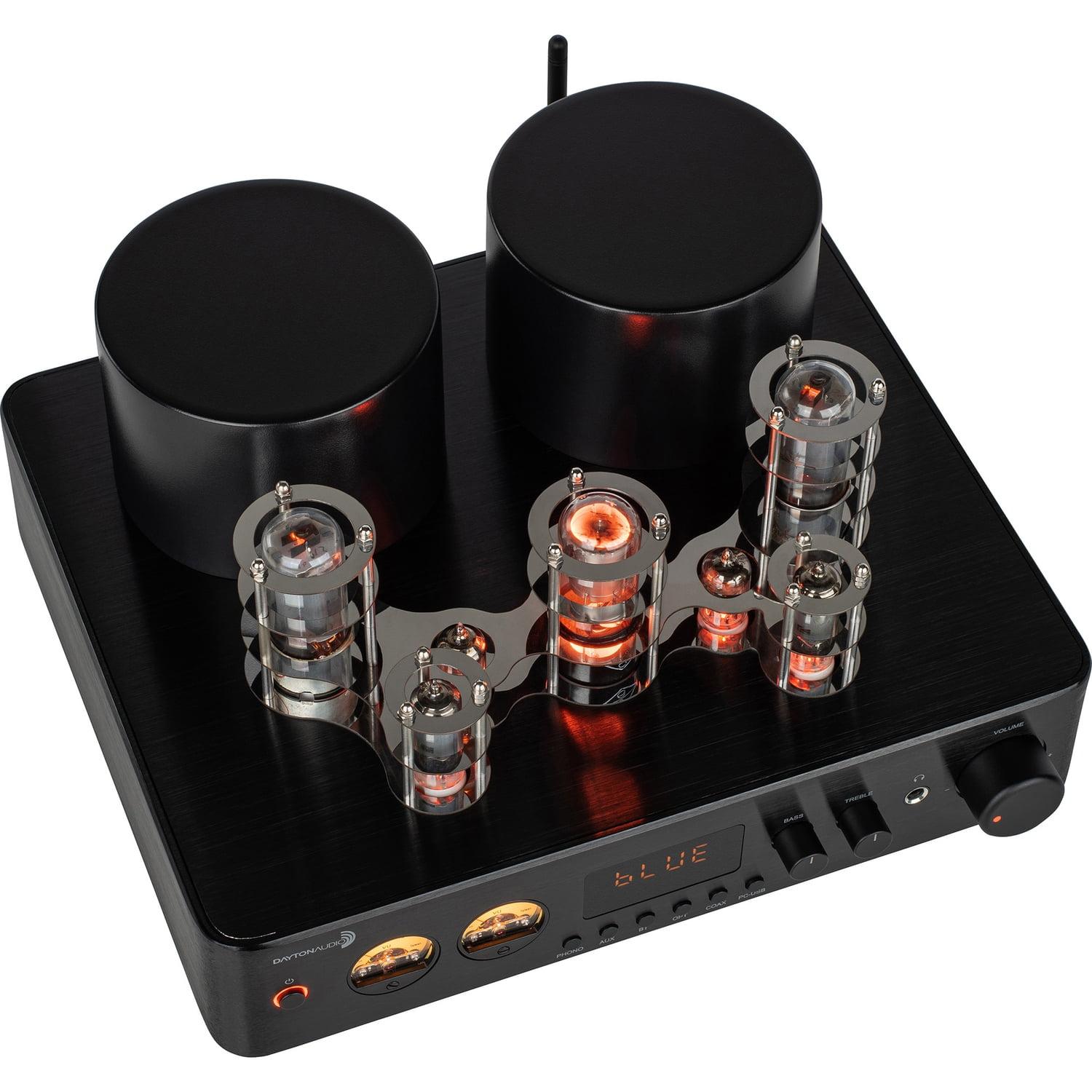
Released in the late 2010s, the HTA200 follows a classic hi-fi formula with a modern twist. It's what's called a hybrid design—combining vacuum tubes in the preamplifier section with solid-state transistors for the power amplifier. This isn't just marketing speak; it's a genuine attempt to capture the best of both worlds.
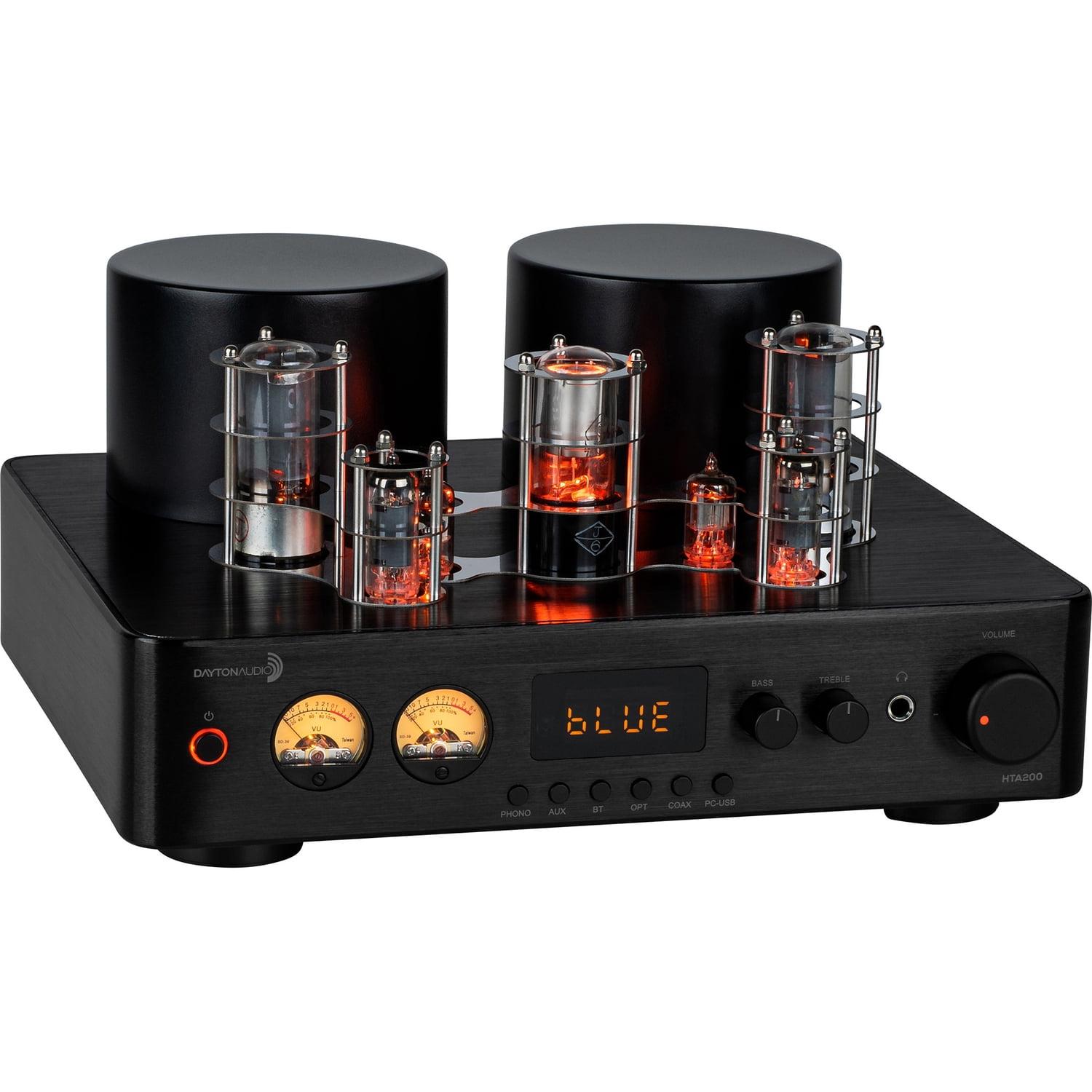
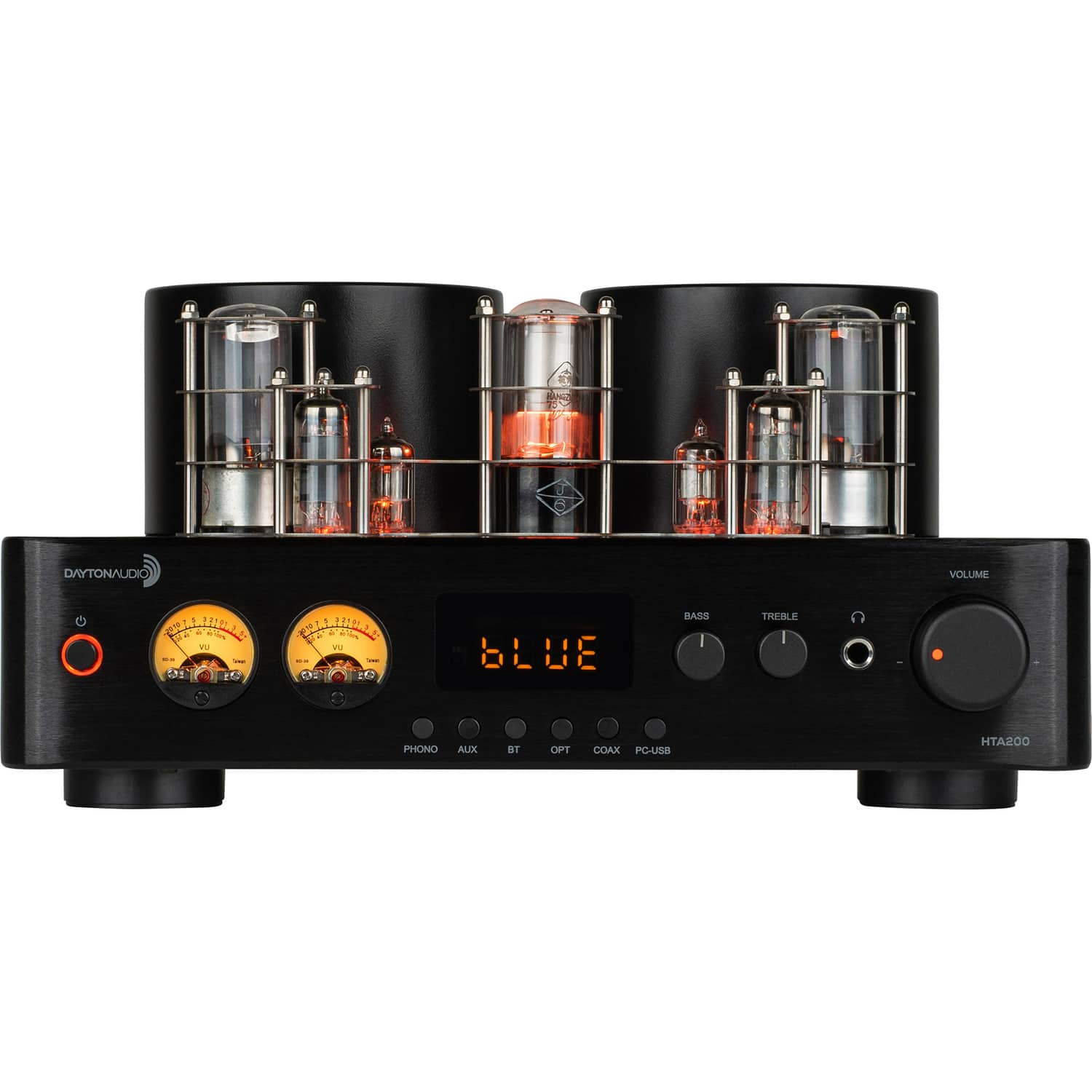
The tube preamp section uses actual vacuum tubes (those glowing amber bulbs you see through the front panel) to add warmth and musicality to your music. Tubes naturally introduce what's called second-order harmonic distortion, which our ears interpret as pleasing warmth rather than harshness. It's like the difference between tungsten and LED lighting—technically, LED is more accurate, but many people prefer the warm glow of tungsten.
The power amplifier section uses modern Class A/B solid-state design, delivering 100 watts into 4-ohm speakers and 50 watts into 8-ohm speakers. This combination gives you tube character without the reliability concerns and heat output of full tube amplification.
What makes the HTA200 special is its comprehensive input selection. You get a proper moving-magnet phono stage for turntables, multiple digital inputs including USB DAC capability, Bluetooth 5.0 for wireless streaming, and traditional analog inputs. There's even a dedicated subwoofer output and headphone jack—essentially everything you need for a complete audio system.
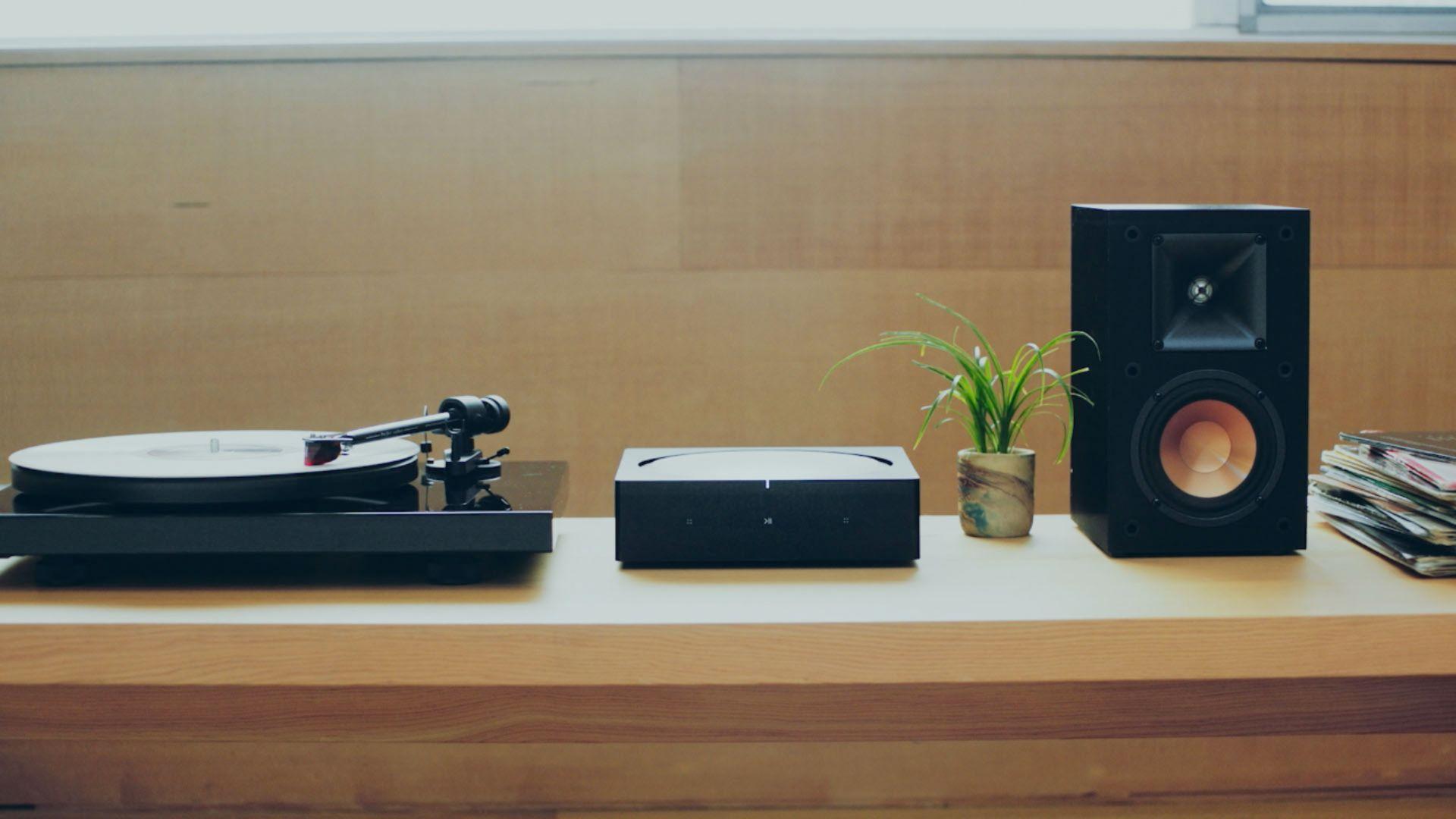
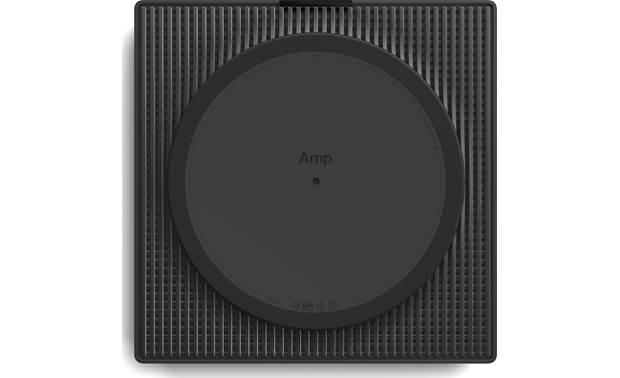
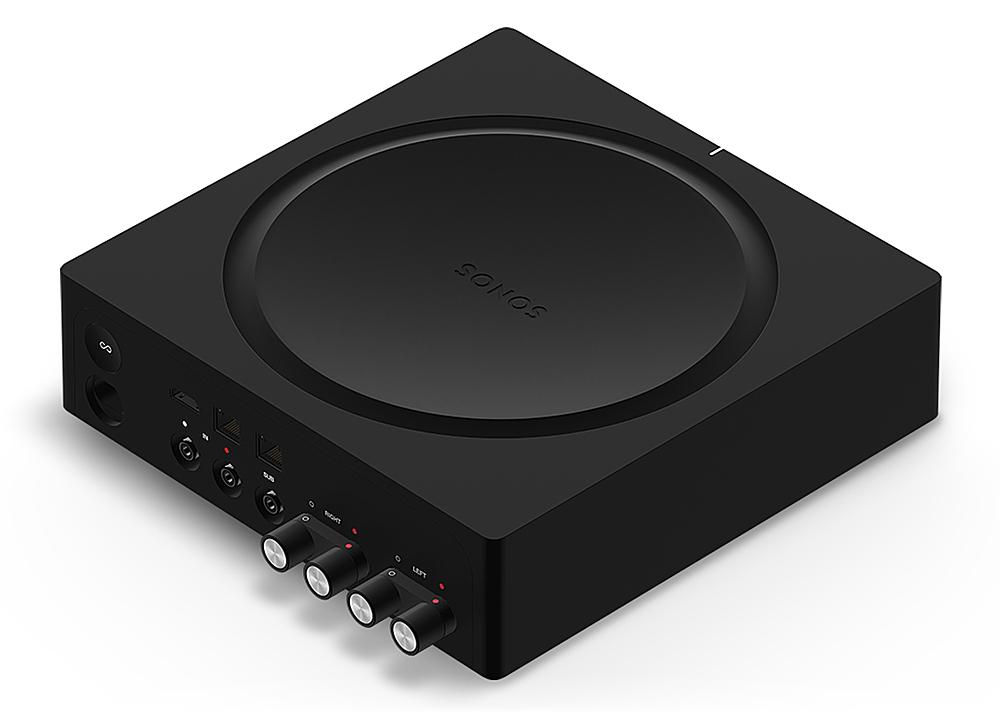
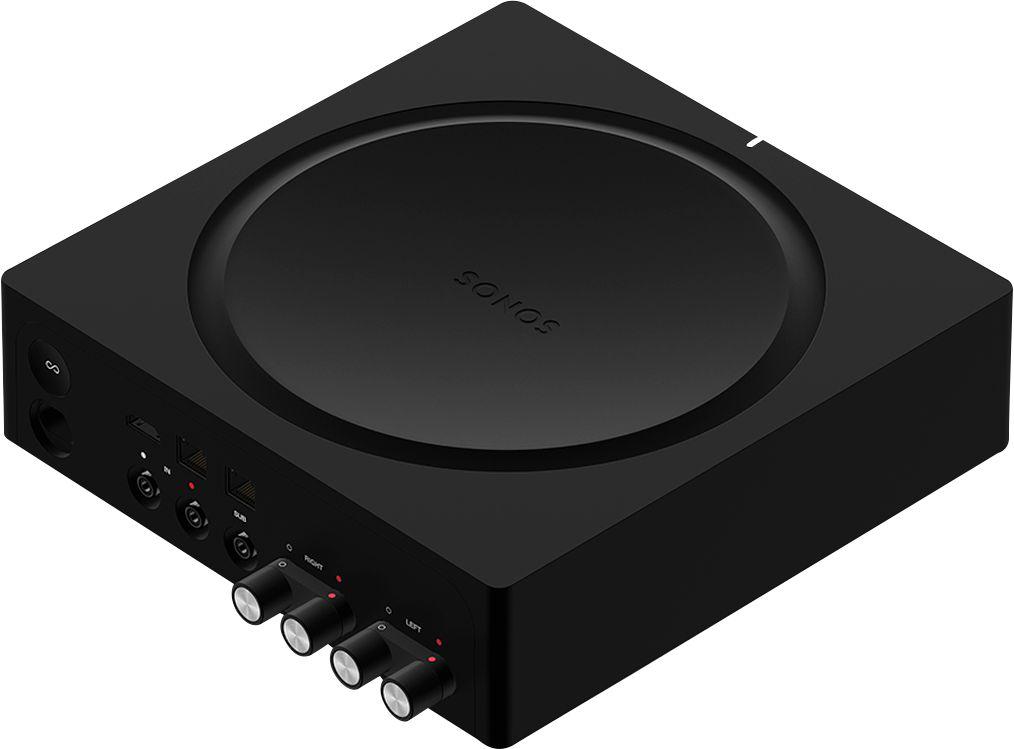
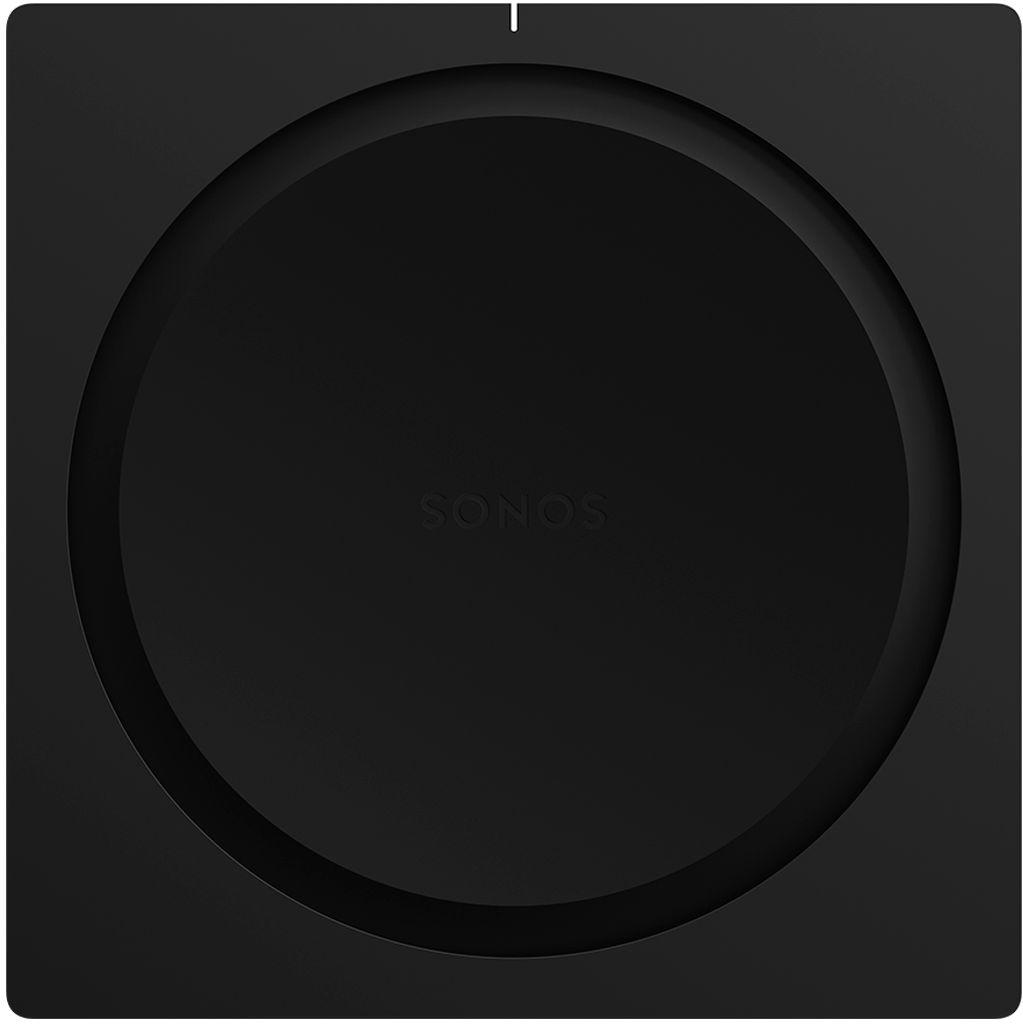
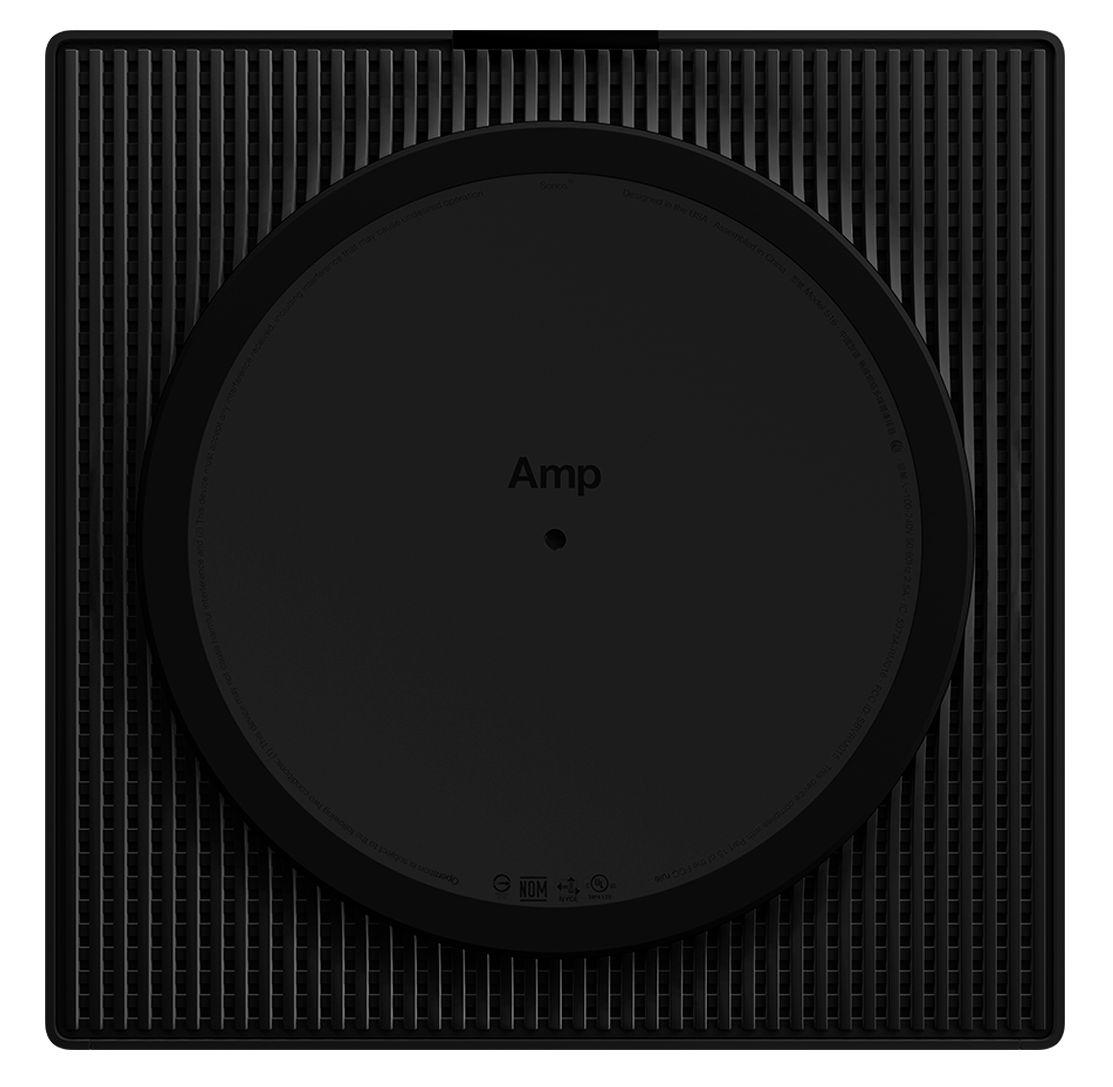
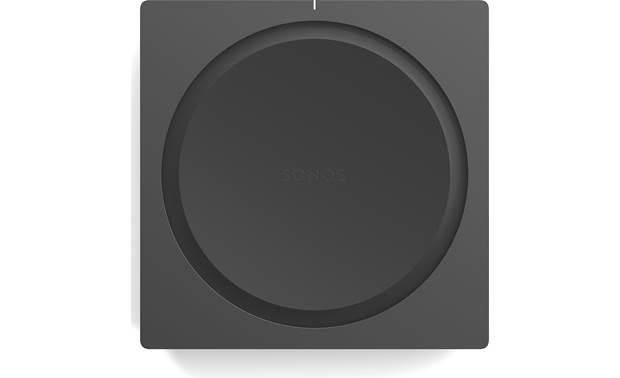
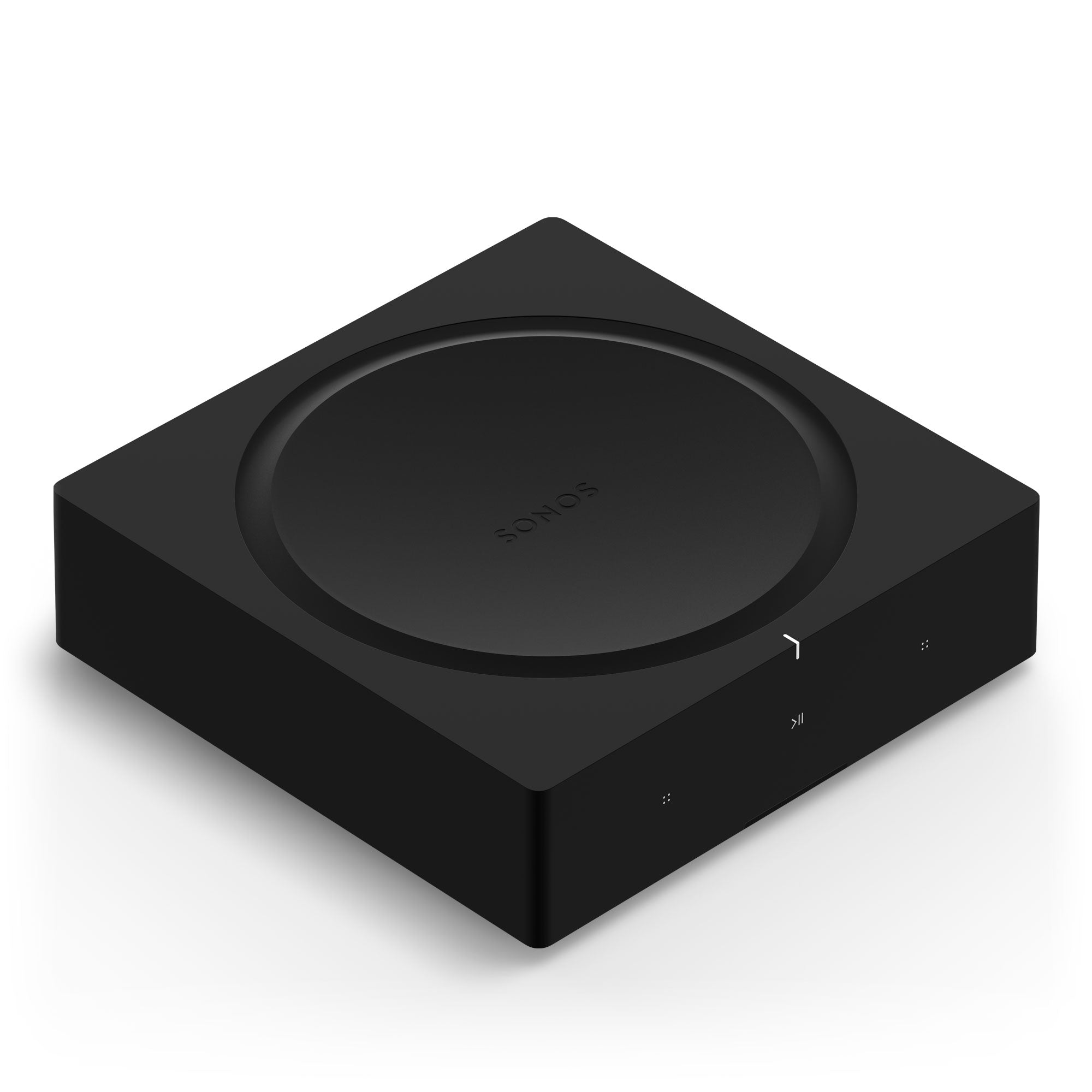
The Sonos Amp, launched in 2018, represents a completely different philosophy. Rather than trying to accommodate every possible source, it focuses on wireless streaming while providing serious power for passive speakers. It's part of Sonos's broader ecosystem strategy—each component works seamlessly with others to create whole-home audio systems.
This amplifier delivers 125 watts per channel into 8-ohm speakers (and can push 250 watts into 4-ohm loads), making it more powerful than the HTA200 on paper. It uses Class D amplification, which is extremely efficient and runs cool—perfect for installations where space and heat are concerns.
But the real magic happens in the wireless realm. The Sonos Amp connects to your home Wi-Fi network and can stream from dozens of music services directly, without needing a separate streaming device. It supports Apple AirPlay 2 for iPhone and iPad users, and integrates with smart home systems for voice control.
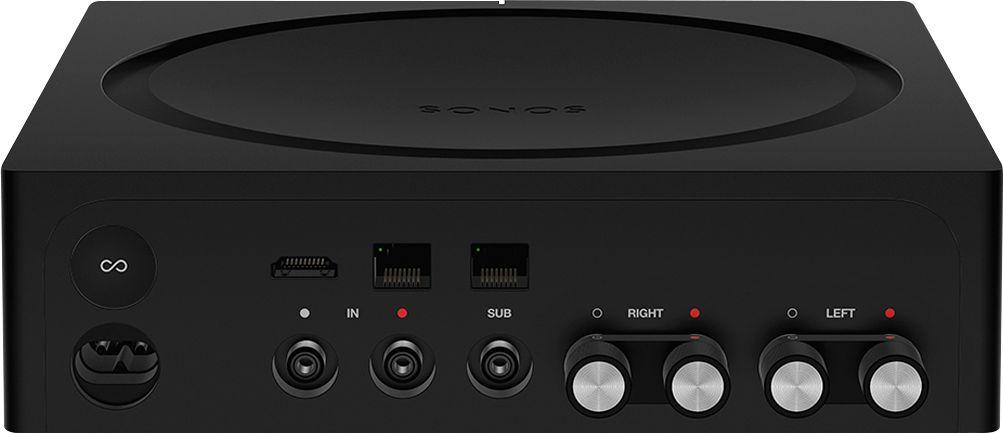
The key insight here is that Sonos designed this amplifier for people whose music lives in the cloud, not on physical media. While it has analog inputs and even HDMI ARC for TV audio, these feel more like accommodations than core features.
Power specifications tell only part of the story, but they're still crucial for matching an amplifier to your speakers and room size. The Sonos Amp has a clear advantage here, delivering 125 watts per channel compared to the HTA200's 50 watts into typical 8-ohm speakers.
More importantly, the Sonos Amp can power up to four speakers simultaneously (two pairs in parallel) or three pairs of Sonos's architectural speakers. This flexibility makes it ideal for larger rooms or multi-zone installations where you want the same music playing in adjacent spaces.
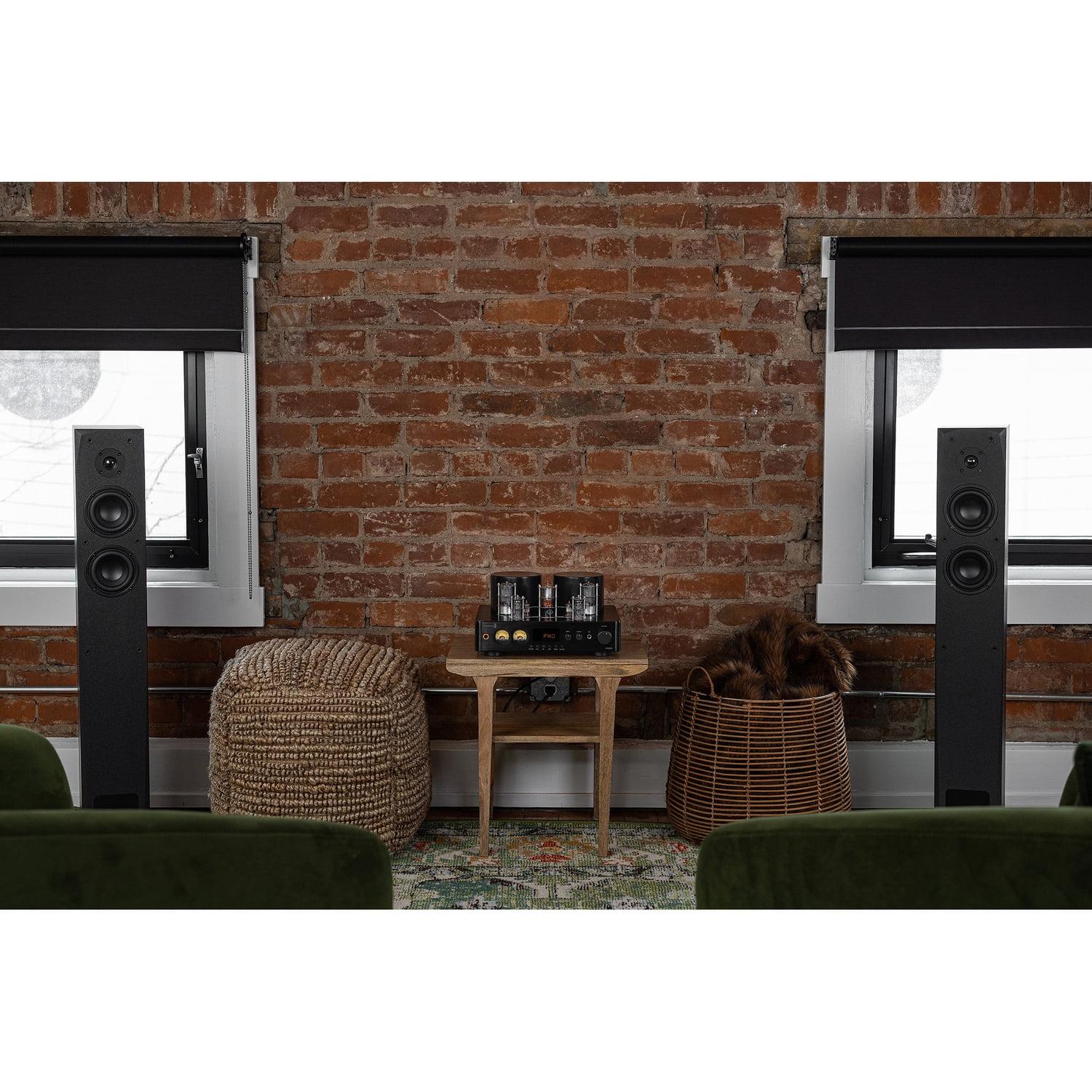
The HTA200, while less powerful, still provides adequate drive for most bookshelf and smaller tower speakers. Its 50 watts will easily fill a medium-sized room, and the tube preamp section adds a sense of fullness that can make music sound more dynamic than the specifications suggest.
Both amplifiers can drive speakers down to 4-ohm impedance, which opens up compatibility with a wide range of modern speakers. However, if you're planning to use difficult-to-drive speakers or want to fill a large space, the Sonos Amp's extra power becomes significant.
This is where things get interesting and subjective. Based on extensive user feedback and professional reviews, these amplifiers have distinctly different sonic signatures.
The HTA200 delivers what many describe as "warm" and "musical" sound. Independent measurements reveal a subtle bass emphasis between 20-500Hz, with a particular bump around 50-60Hz. This isn't a flaw—it's part of the tube-influenced character that many listeners find appealing. The result is music that sounds fuller and more engaging, particularly with genres like jazz, rock, and acoustic music.
The tubes in the preamp section add subtle harmonic richness without becoming overly colored. Vocals take on a pleasing roundness, and instruments have more body and presence. However, this character means the amplifier is editorializing your music rather than reproducing it with clinical accuracy.
The Sonos Amp takes the opposite approach. Its Class D amplification provides clean, accurate reproduction with minimal coloration. Users consistently describe the sound as "punchy," "detailed," and "engaging" without the warmth of the HTA200. If you want to hear exactly what your music sources sound like, the Sonos Amp is the more neutral choice.
Neither approach is inherently better—it depends on your preferences and music collection. The HTA200 tends to make compressed or harsh recordings more listenable, while the Sonos Amp reveals more detail in high-quality recordings.
Here's where the philosophical differences become most apparent. The HTA200 provides comprehensive connectivity for traditional audio sources:
This makes the HTA200 ideal if you have multiple physical sources or want the flexibility to add them later. The phono stage is particularly noteworthy—many amplifiers in this price range either omit it entirely or provide a mediocre implementation.
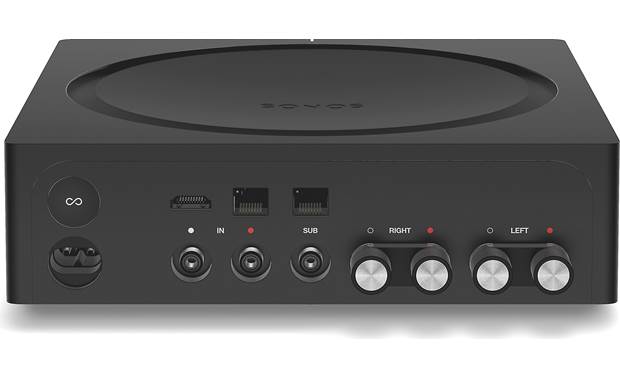
The Sonos Amp is much more focused:
The HDMI ARC connection deserves special mention—it allows the Sonos Amp to receive audio directly from your TV, making it excellent for home theater use. You can even add wireless Sonos surround speakers later for a full surround sound system.
The control experience couldn't be more different between these amplifiers. The HTA200 provides traditional tactile controls: a large motorized volume knob, physical bass and treble controls, input selection switches, and those mesmerizing VU meters dancing to the music. Everything you need is right on the front panel, and the included remote control handles the rest.
This approach appeals to people who enjoy the ritual of operating audio equipment. There's something satisfying about turning physical knobs and watching the tube glow and meter response. It's an experience that connects you to decades of hi-fi tradition.
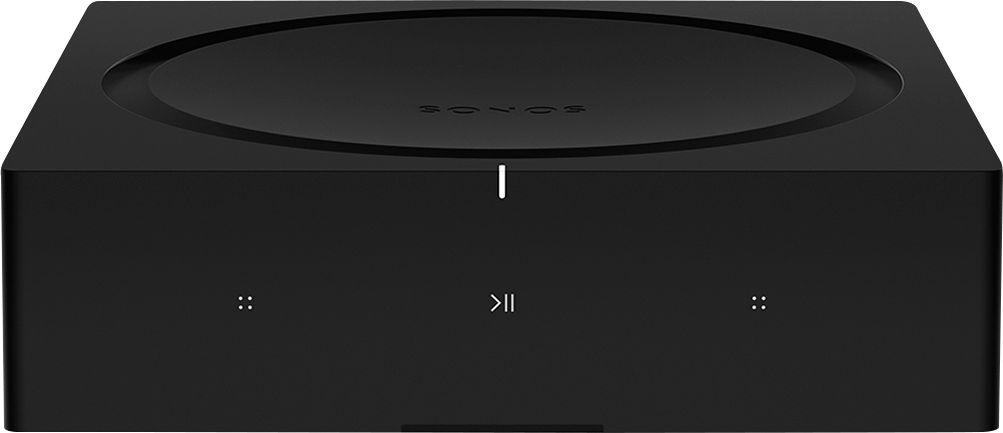
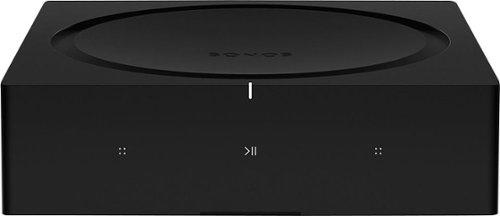
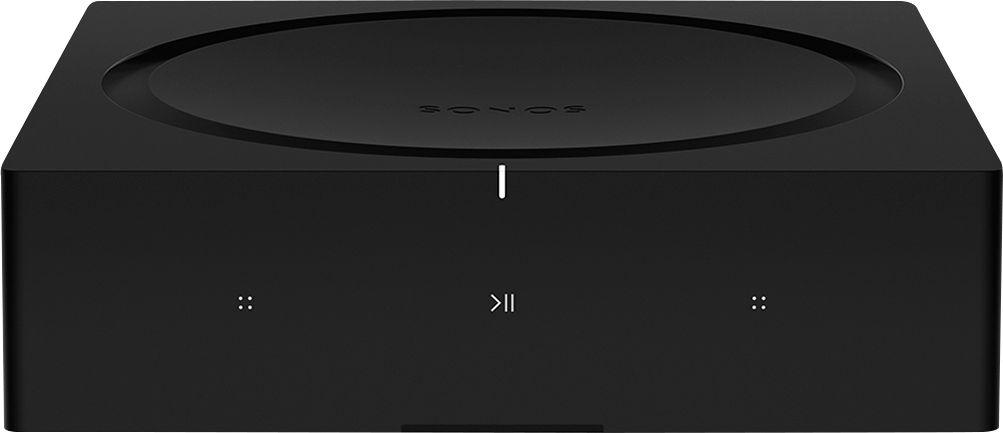
The Sonos Amp puts everything in smartphone apps. The Sonos app controls volume, input selection, EQ settings, and all streaming functions. While the amplifier has basic touch controls on top, you'll primarily interact with it through your phone or tablet.
This app-centric approach enables sophisticated features like multi-room grouping, where you can have the same music playing synchronized across multiple Sonos components throughout your home. The app also provides access to streaming service integration that would be impossible with traditional controls.
Your preference here likely reflects your broader technology comfort level and listening habits. If you enjoy the hands-on aspect of traditional hi-fi, the HTA200 delivers. If you want sophisticated functionality controlled from your couch, the Sonos Amp excels.
For home theater use, the Sonos Amp has significant advantages. Its HDMI ARC connection means you can connect it directly to your TV and receive high-quality digital audio without additional cables or conversion. It supports Dolby Digital and DTS Digital Surround formats, making it genuinely useful for movie and TV audio.
More importantly, you can wirelessly add Sonos surround speakers and a Sonos subwoofer later, creating a complete surround system without running speaker wires throughout your room. The system automatically handles bass management and speaker delays, simplifying setup considerably.
The HTA200 can certainly work in a home theater setup—you'd connect your TV's audio output to one of its analog or digital inputs. However, this requires additional cables and potentially an external switch for multiple video sources. It's functional but less elegant than the Sonos Amp's integrated approach.
At the time of writing, these amplifiers occupy different price tiers, with the HTA200 positioned as a value-oriented option and the Sonos Amp commanding a premium for its ecosystem and convenience features.
The HTA200 delivers exceptional value for traditional hi-fi enthusiasts. You get genuine tube preamp circuitry, comprehensive connectivity, and solid build quality, backed by an impressive five-year warranty. For someone building a system around physical sources like vinyl records and CDs, it's hard to find comparable features and performance at this price point.
The Sonos Amp costs significantly more, but that premium buys you into a complete ecosystem with ongoing software updates, seamless multi-room capabilities, and the convenience of app-based control. If you value streaming integration and smart home compatibility, the additional cost can be justified by reduced complexity and enhanced functionality.
The HTA200 is ideal for:
The Sonos Amp makes more sense for:
These amplifiers represent fundamentally different approaches to home audio, and both execute their visions well. The HTA200 maximizes traditional hi-fi features and sound character at an accessible price, while the Sonos Amp prioritizes modern convenience and ecosystem integration.
Your choice should align with how you actually listen to music. If you spin vinyl records, own CDs, and enjoy the hands-on aspect of traditional audio equipment, the HTA200 will likely provide more satisfaction. If you stream everything, want music throughout your home, and prefer controlling everything from your phone, the Sonos Amp offers compelling advantages despite its higher cost.
Both amplifiers have evolved since their initial releases, with the HTA200 benefiting from improved component sourcing and the Sonos Amp receiving regular software updates that add new streaming services and features. In a rapidly changing audio landscape, both represent thoughtful approaches to very different user needs.
The key is being honest about your priorities: maximum traditional hi-fi value, or maximum modern convenience? Neither choice is wrong, but they lead to very different listening experiences.
| Dayton Audio HTA200 | Sonos Amp |
|---|---|
| Power Output - Determines how loud you can go and what speakers you can drive | |
| 50W @ 8Ω / 100W @ 4Ω per channel (adequate for most bookshelf speakers) | 125W @ 8Ω / 250W @ 4Ω per channel (drives demanding speakers and multiple pairs) |
| Amplifier Technology - Affects sound character and efficiency | |
| Hybrid tube preamp + solid-state Class A/B power (warm, musical sound) | Class D digital amplification (neutral, accurate, runs cool) |
| Input Connectivity - What sources you can connect | |
| Phono, USB DAC, optical, coaxial, Bluetooth 5.0, analog RCA | Wi-Fi streaming, AirPlay 2, HDMI ARC, analog RCA (streaming-focused) |
| Sound Character - How music will sound through each amplifier | |
| Tube-influenced warmth with subtle bass emphasis (editorializes music pleasingly) | Clean, neutral reproduction with punchy dynamics (reveals source accurately) |
| Control Method - How you interact with the amplifier | |
| Physical knobs, motorized volume, remote, VU meters (traditional tactile experience) | Smartphone app with touch controls on device (modern convenience) |
| Multi-Room Capability - Expanding to other rooms | |
| Single room only (traditional stereo amplifier) | Full Sonos ecosystem integration with wireless multi-room sync |
| Home Theater Integration - Connecting to your TV | |
| Analog/digital inputs only (requires additional connections) | HDMI ARC with surround speaker expansion (seamless TV integration) |
| Phono Stage - Essential for turntable users | |
| Built-in moving-magnet phono preamp with ground connection | No phono stage (requires external preamp for turntables) |
| Subwoofer Output - Adding bass extension | |
| Basic subwoofer output (manual subwoofer setup required) | Subwoofer output with adjustable 50-110Hz crossover (automatic integration) |
| Streaming Services - Access to music libraries | |
| Bluetooth only (requires separate streaming device for services) | Direct access to Spotify, Apple Music, Tidal, and 100+ services |
| Speaker Flexibility - How many and what type | |
| Two passive speakers, 4Ω minimum impedance | Up to 4 speakers or 3 pairs of architectural speakers |
| Warranty Coverage - Protection for your investment | |
| 5-year parts and labor (exceptional coverage) | 1-year standard warranty (typical for electronics) |
The Sonos Amp is significantly more powerful, delivering 125 watts per channel into 8-ohm speakers compared to the Dayton Audio HTA200's 50 watts per channel. The Sonos Amp can also power up to four speakers simultaneously, making it better suited for larger rooms or multi-speaker setups.
The Dayton Audio HTA200 is a traditional hi-fi amplifier with tube preamp circuitry that focuses on sound quality and multiple physical inputs, while the Sonos Amp is a modern streaming amplifier designed for wireless music and smart home integration. The HTA200 targets audiophiles, while the Sonos Amp serves convenience-focused users.
The Dayton Audio HTA200 is much better for vinyl, featuring a built-in moving-magnet phono preamp with proper ground connection. The Sonos Amp has no phono stage, requiring you to purchase a separate phono preamp to connect a turntable.
The Sonos Amp excels for home theater with its HDMI ARC connection for direct TV integration and the ability to wirelessly add surround speakers later. The Dayton Audio HTA200 can work with TV audio but requires connecting to your TV's analog or digital audio outputs, making it less convenient for home theater use.
The Sonos Amp has superior streaming with built-in Wi-Fi, direct access to major music services like Spotify and Apple Music, and AirPlay 2 support. The Dayton Audio HTA200 only offers Bluetooth 5.0 for wireless streaming and requires separate devices for accessing streaming services.
The Dayton Audio HTA200 produces warm, musical sound with subtle bass emphasis thanks to its tube preamp section, adding pleasant coloration to music. The Sonos Amp delivers clean, neutral sound that accurately reproduces your source material without adding character or warmth.
The Dayton Audio HTA200 offers exceptional value for traditional hi-fi features, including tube circuitry, comprehensive inputs, and a 5-year warranty at a lower price point. The Sonos Amp costs more but provides value through streaming convenience, multi-room capabilities, and smart home integration.
The Sonos Amp is designed for smartphone control through the Sonos app, managing everything from volume to streaming services. The Dayton Audio HTA200 uses traditional physical controls with knobs and buttons, plus a remote control, but lacks smartphone app integration.
The Sonos Amp is specifically designed for multi-room systems, allowing wireless synchronization with other Sonos speakers throughout your home. The Dayton Audio HTA200 is a single-room amplifier without multi-room capabilities.
The Dayton Audio HTA200 provides comprehensive connectivity including phono input, USB DAC, optical/coaxial digital inputs, Bluetooth, and analog inputs. The Sonos Amp focuses on wireless streaming with Wi-Fi, AirPlay 2, HDMI ARC for TV, and basic analog inputs.
The Sonos Amp handles difficult speakers better due to its higher power output and ability to deliver 250 watts per channel into 4-ohm loads. The Dayton Audio HTA200 works well with efficient speakers but may struggle with power-hungry or low-impedance speakers.
The Dayton Audio HTA200 offers superior warranty coverage with 5 years of parts and labor protection, demonstrating confidence in build quality. The Sonos Amp includes a standard 1-year warranty but benefits from regular software updates and the reliability of the established Sonos ecosystem.
We've done our best to create useful and informative comparisons to help you decide what product to buy. Our research uses advanced automated methods to create this comparison and perfection is not possible - please contact us for corrections or questions. These are the sites we've researched in the creation of this article: daytonaudio.com - audiosciencereview.com - daytonaudio.com - audioholics.com - soundstageaccess.com - youtube.com - avsforum.com - solen.ca - daytonaudio.com - soundstagenetwork.com - parts-express.com - homedepot.com - device.report - soundstagenetwork.com - petra.com - manualslib.com - audiophonics.fr - manualshelf.com - audioadvice.com - crutchfield.com - adiglobaldistribution.pr - themasterswitch.com - astralsecurite.ca - wassersfurniture.com - whathifi.com - sonos.com - audiosciencereview.com - bestbuy.com - videoandaudiocenter.com - en.community.sonos.com

Privacy Policy
Terms and Conditions - Affiliate Policy
Home Security
© Copyright 2008-2026.
11816 Inwood Rd #1211, Dallas, TX 75244