

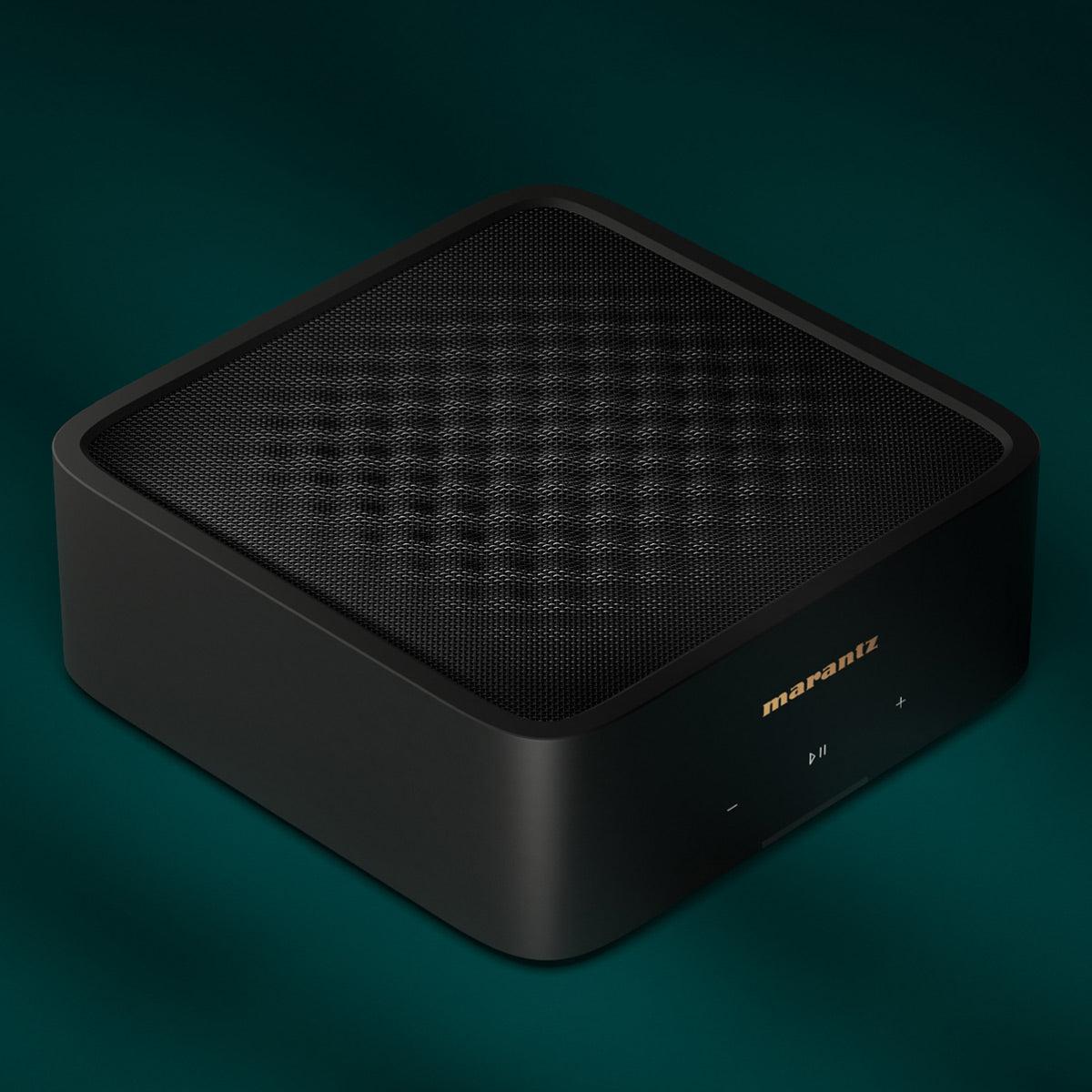
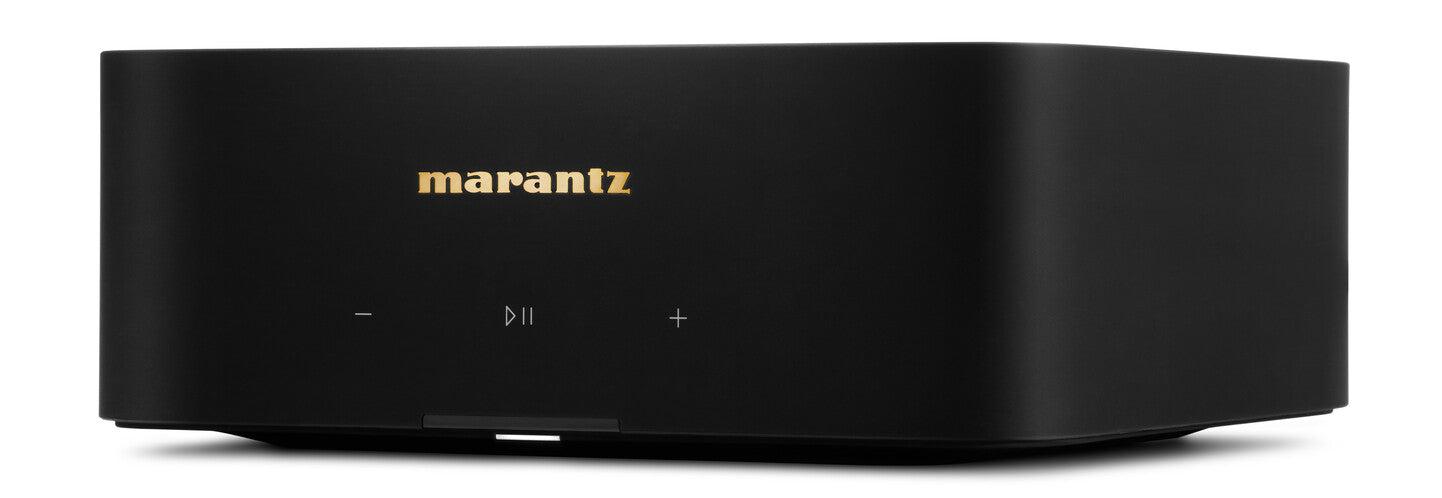
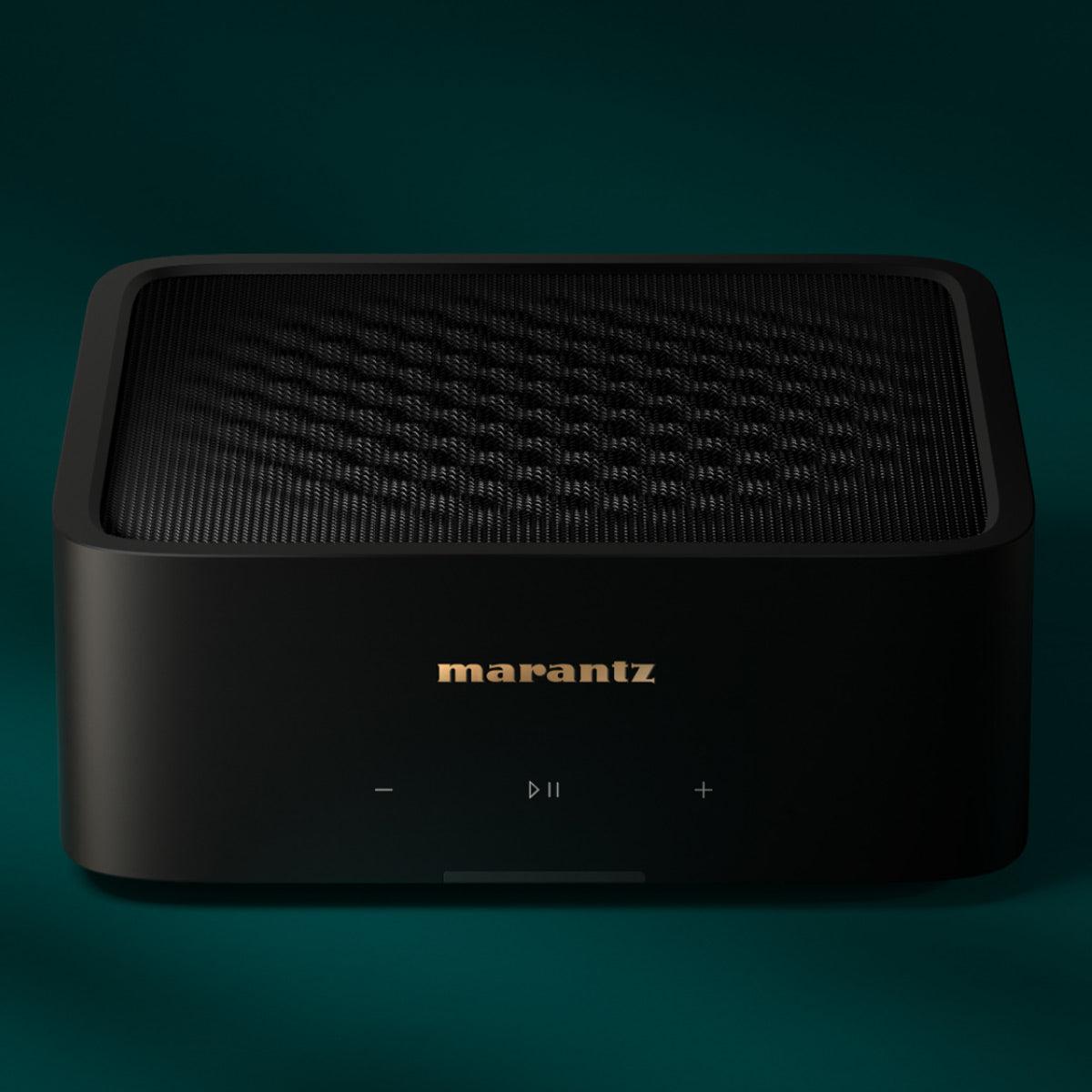
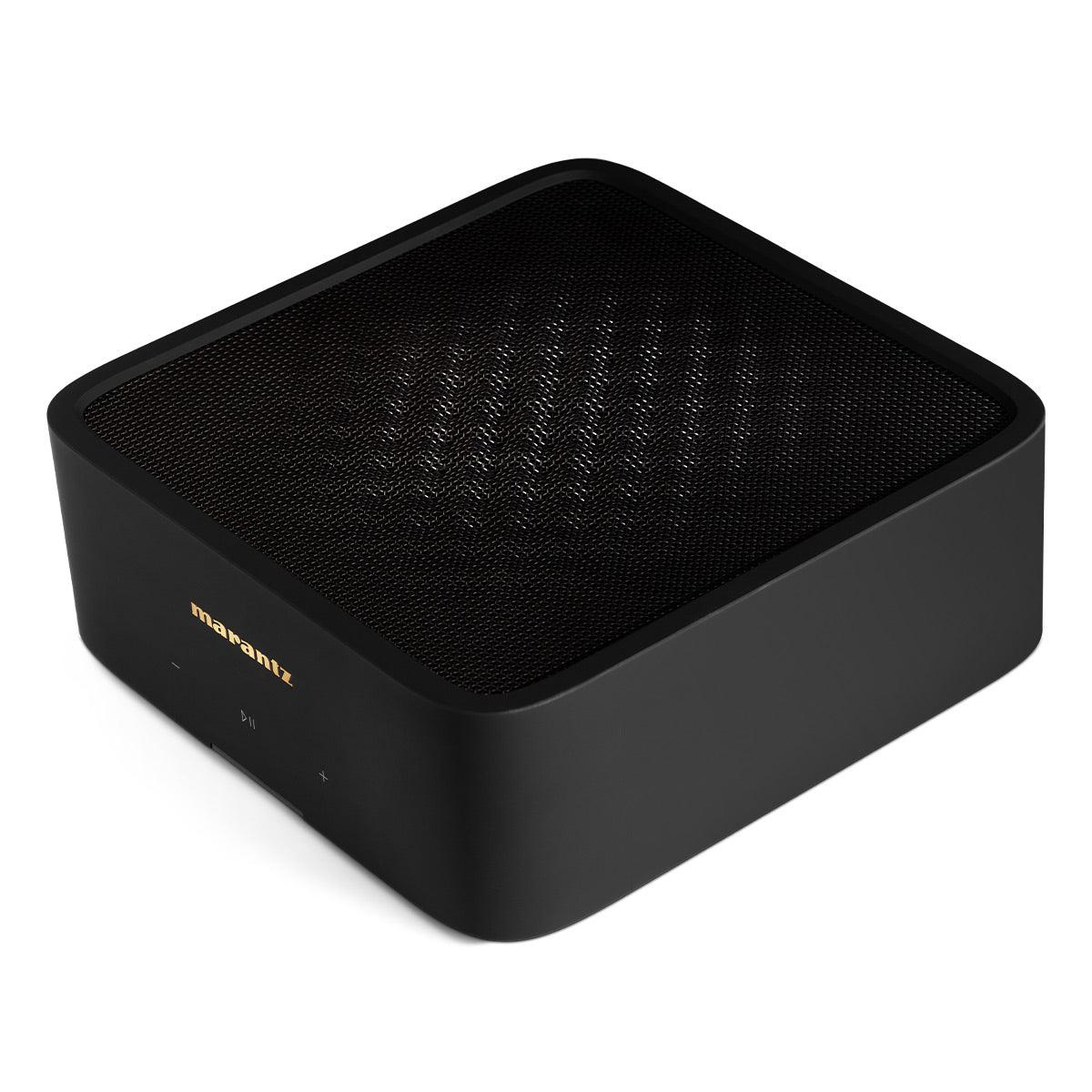
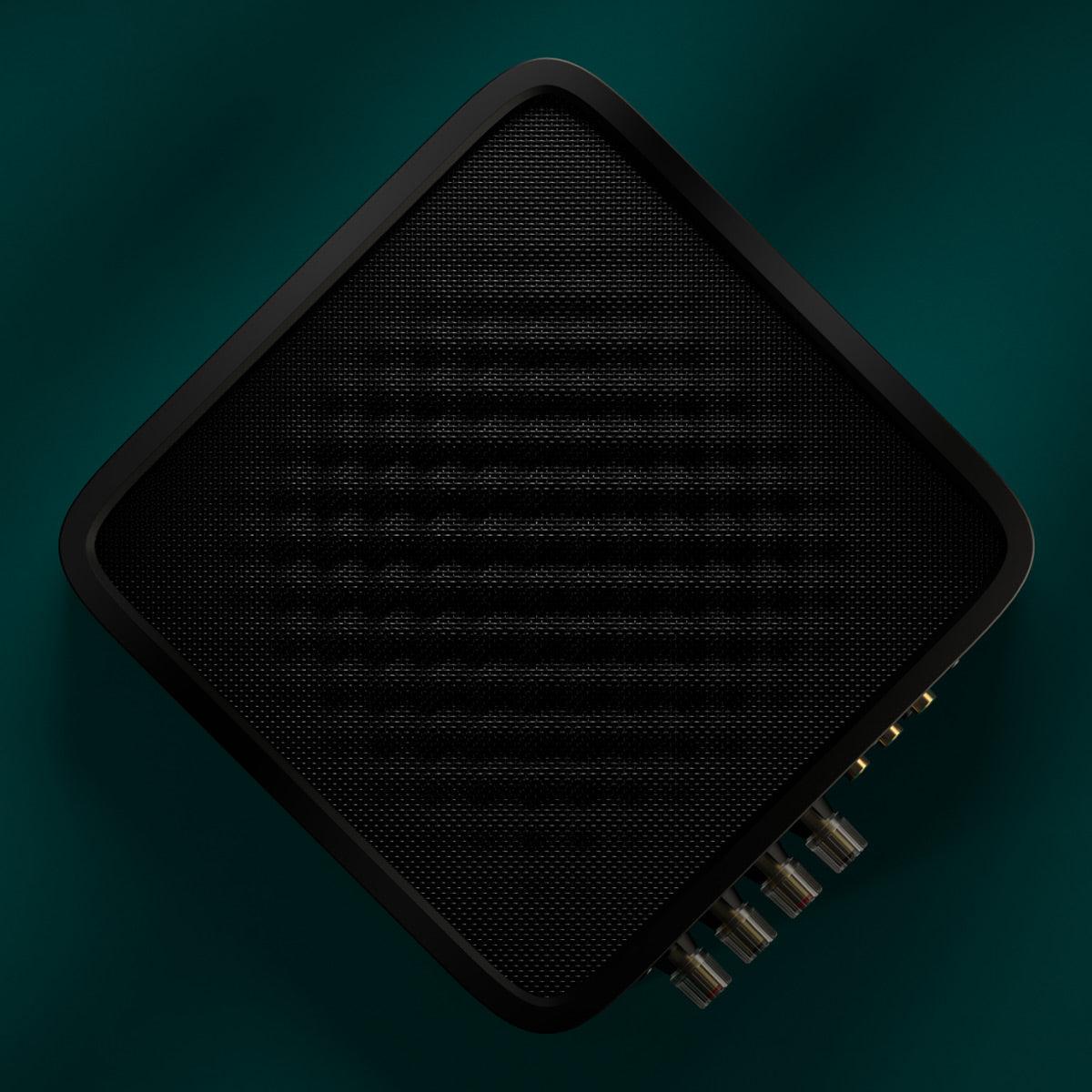


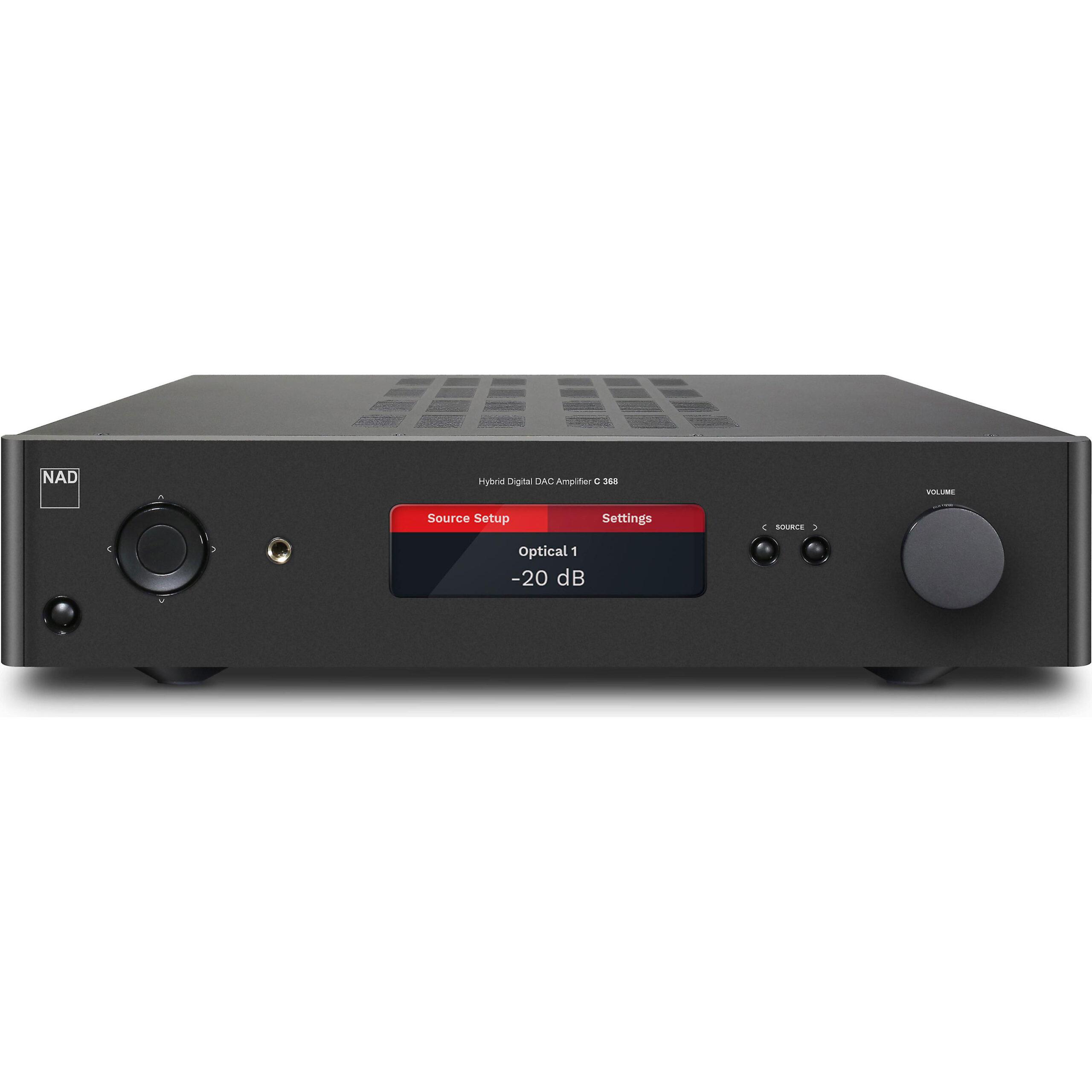
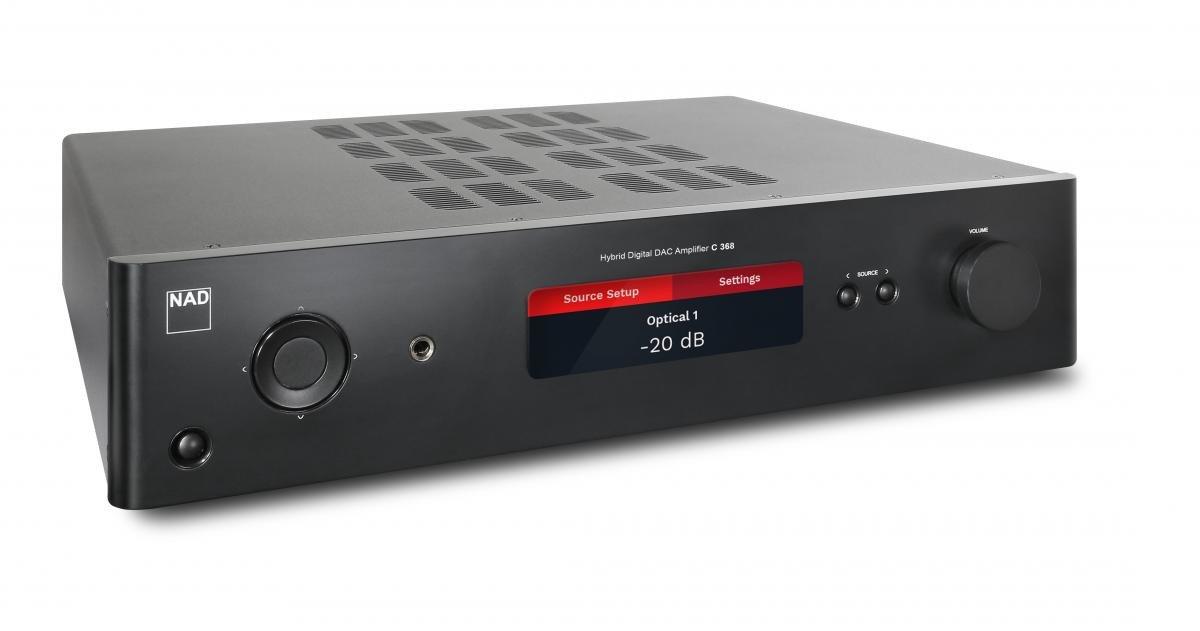
When you're shopping for a new amplifier today, you're not just buying a box that makes your speakers louder. You're choosing between two fundamentally different approaches to home audio. The Marantz Model M1 represents the streaming-first future, while the NAD C 368 bridges traditional hi-fi with modern digital convenience. Both launched around 2024 at similar price points, but they couldn't be more different in their philosophies.
Understanding these differences matters because your choice will shape how you listen to music for years to come. Let's dive deep into what makes each amplifier tick and help you figure out which one belongs in your living room.
Today's hi-fi world is split between two camps. Traditional integrated amplifiers like the NAD C 368 evolved from decades of analog excellence, adding digital inputs and streaming modules as afterthoughts. Wireless streaming amplifiers like the Marantz Model M1 were designed from scratch for our connected world, where most music comes from Spotify, Apple Music, or Tidal rather than physical media.
This isn't just about old versus new – it's about fundamentally different priorities. Do you want an amplifier that excels at everything but requires you to add modules for modern features? Or do you prefer one that nails streaming and multi-room audio out of the box but might limit your analog source options?
The answer depends on how you actually listen to music, what sources you own, and where you see your system heading in the next five to ten years.
The Marantz Model M1 embodies what I call the "iPhone approach" to audio – it does a focused set of things exceptionally well, with an emphasis on simplicity and integration. Marantz designed this amplifier specifically for people who primarily stream music and want everything to just work. The compact chassis houses a Class D amplifier (a highly efficient design that generates less heat) with proprietary Marantz Musical Digital Filtering, or MMDF. This technology lets you choose between different digital filter characteristics, essentially fine-tuning how the amplifier processes digital audio to match your preferences.
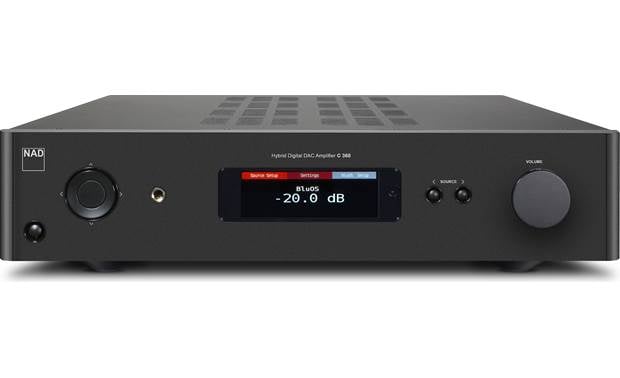
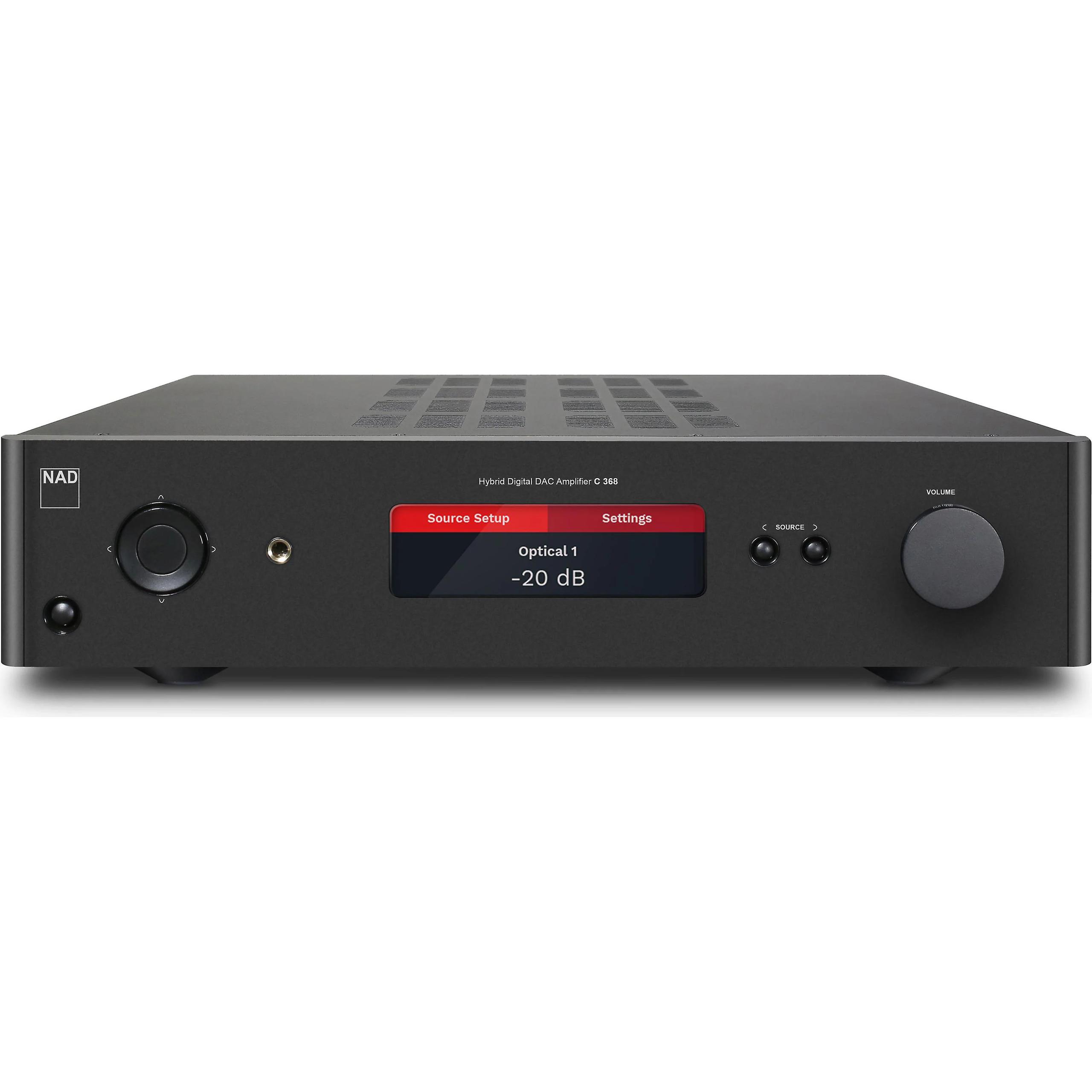
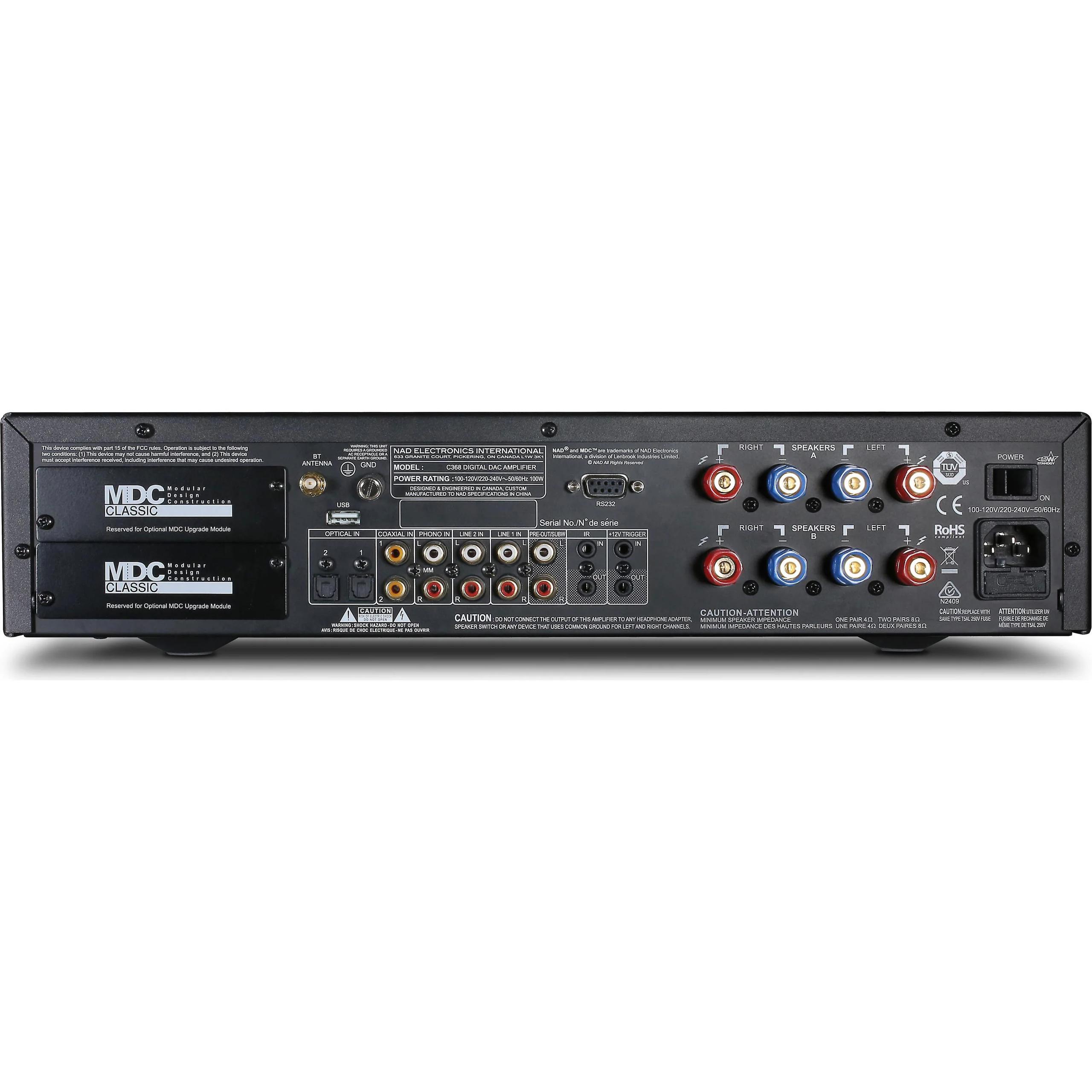
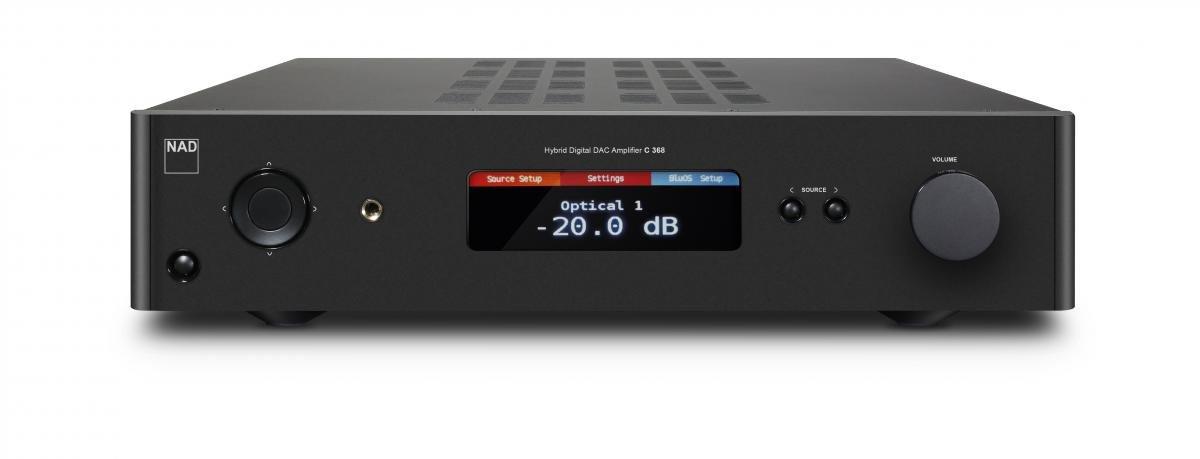
The NAD C 368, on the other hand, takes the "Swiss Army knife" approach. It's fundamentally a traditional integrated amplifier enhanced with modern digital capabilities. NAD built this around their proven Hypex UcD Class D output stage – a highly regarded amplification technology known for its linear response and low distortion. But the real innovation lies in the Modular Design Construction (MDC) slots on the back panel, which accept upgrade modules for streaming, HDMI inputs, or future technologies we haven't even thought of yet.
This philosophical difference shows up everywhere. The Marantz Model M1 has minimal front-panel controls because most functions happen through the HEOS app on your phone. The NAD C 368 maintains traditional volume and input controls because NAD assumes you might want to operate it without reaching for your device.
When evaluating amplifier performance, power output tells only part of the story. The Marantz Model M1 delivers 100 watts per channel into 8-ohm speakers and 125 watts into 4-ohm loads. These are honest, conservative ratings with total harmonic distortion (THD) – essentially unwanted noise – kept to just 0.05% at full power.
The NAD C 368 rates at 80 watts continuous power into both 8-ohm and 4-ohm speakers, but here's where it gets interesting: NAD's dynamic power ratings climb to 120 watts into 8 ohms and 200 watts into 4 ohms. This means the NAD C 368 can deliver much more power for brief musical transients – think sudden drum hits or orchestral crescendos – even though its steady-state power is lower.
From our research into user and expert reviews, both amplifiers punch well above their power ratings. The Marantz Model M1 consistently drives demanding speakers like B&W 704 S3s and Martin Logan electrostatics with surprising authority, while the NAD C 368 has been praised for making even power-hungry Magnepan planar speakers sing.
The key difference lies in their power delivery approach. The Marantz Model M1's switching power supply maintains consistent performance regardless of AC line conditions, making it ideal for challenging electrical environments. The NAD C 368's more traditional approach provides that classic "amplifier grip" that audiophiles associate with high damping factor designs – essentially better control over speaker driver movement.
Both amplifiers excel in digital processing, but they take distinctly different approaches. The Marantz Model M1 features that proprietary MMDF system I mentioned earlier. This isn't just marketing fluff – it's a sophisticated digital signal processor that maintains the audio signal in the digital domain throughout the entire amplification process. You can actually switch between filter settings using the HEOS app, tailoring the sound to your preferences in real time.
The NAD C 368 uses a more traditional approach with a Texas Instruments PCM1795 32-bit DAC (digital-to-analog converter) paired with an SRC4382 asynchronous sample rate converter. This combination handles all digital inputs – optical, coaxial, and USB – with professional-grade precision. The async sample rate converter is particularly important because it eliminates timing errors that can muddy digital audio.
Based on expert reviews and user feedback, the Marantz Model M1 tends to produce a slightly warmer, more musical presentation, while the NAD C 368 leans toward analytical precision. Neither approach is inherently better – it comes down to your listening preferences and the character you want from your system.
This is where the philosophical differences become most apparent. The Marantz Model M1 includes HEOS streaming technology built right in. HEOS supports virtually every major streaming service – Spotify, Tidal, Amazon Music HD, Qobuz, Pandora, and more – plus AirPlay 2 for seamless iPhone integration and Bluetooth with aptX for better wireless audio quality.
More importantly, HEOS excels at multi-room audio. You can buy multiple Marantz Model M1 units and synchronize them throughout your home, creating a whole-house audio system that rivals dedicated multi-room solutions costing thousands more. The HEOS app lets you play different music in each room or synchronize everything for parties.
The NAD C 368 includes basic Bluetooth with aptX, but for serious streaming, you'll need to purchase the optional BluOS module. BluOS is NAD's streaming platform, and it's genuinely excellent – supporting hi-res streaming up to 24-bit/192kHz, Roon Ready integration for audiophile-grade music management, and its own multi-room capabilities. But that module costs extra, and you'll need to install it yourself or have a dealer do it.
The trade-off is flexibility. The NAD C 368's modular approach means you can add exactly the streaming features you want and upgrade them independently as technology evolves. The Marantz Model M1 gives you everything immediately but locks you into Marantz's ecosystem.
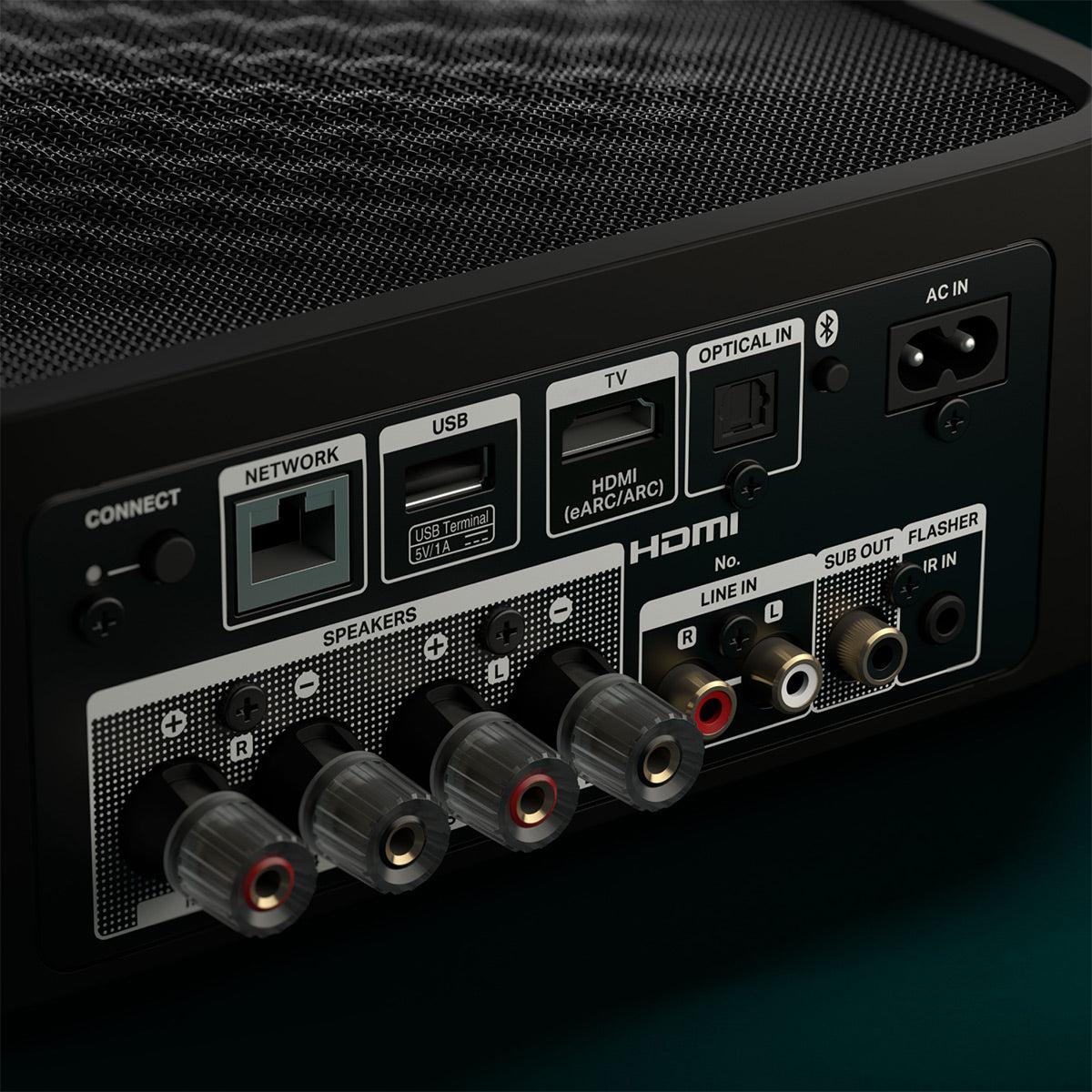
Here's where the products diverge most dramatically. The Marantz Model M1 offers essential modern connectivity: one pair of analog RCA inputs, optical digital input, HDMI eARC for TV integration, and a USB port for thumb drives. There's also a subwoofer output with adjustable crossover filters, making it easy to integrate a powered sub into your system.
The NAD C 368 provides far more comprehensive connectivity. You get two analog RCA inputs including a proper moving magnet phono stage for turntables, four digital inputs (two optical, two coaxial), a dedicated headphone amplifier, and preamp outputs for system expansion. The phono stage is particularly noteworthy – it provides accurate RIAA equalization (the standard correction curve for vinyl records) and proper loading for magnetic cartridges.
For vinyl enthusiasts, this difference is decisive. The NAD C 368 handles turntables directly, while the Marantz Model M1 requires a separate phono preamp. However, for users focused on digital sources and streaming, the Marantz Model M1's streamlined approach eliminates complexity you'll never use.
The Marantz Model M1 shines for home theater integration thanks to its HDMI eARC (enhanced Audio Return Channel) connection. This single cable carries high-quality audio from your TV back to the amplifier, supporting Dolby Digital+ decoding for movie soundtracks and TV shows. The implementation is seamless – your TV remote can control the amplifier's volume, and everything switches automatically when you change inputs.
The NAD C 368 lacks HDMI inputs, requiring you to connect your TV via optical cable. This works fine for stereo TV audio but doesn't provide the same level of integration or support for advanced audio formats.
If you plan to use your amplifier for both music and TV watching, the Marantz Model M1 offers a significantly better experience. The 2.1 channel configuration with subwoofer management also makes it more suitable for home theater applications where you want meaningful bass extension.
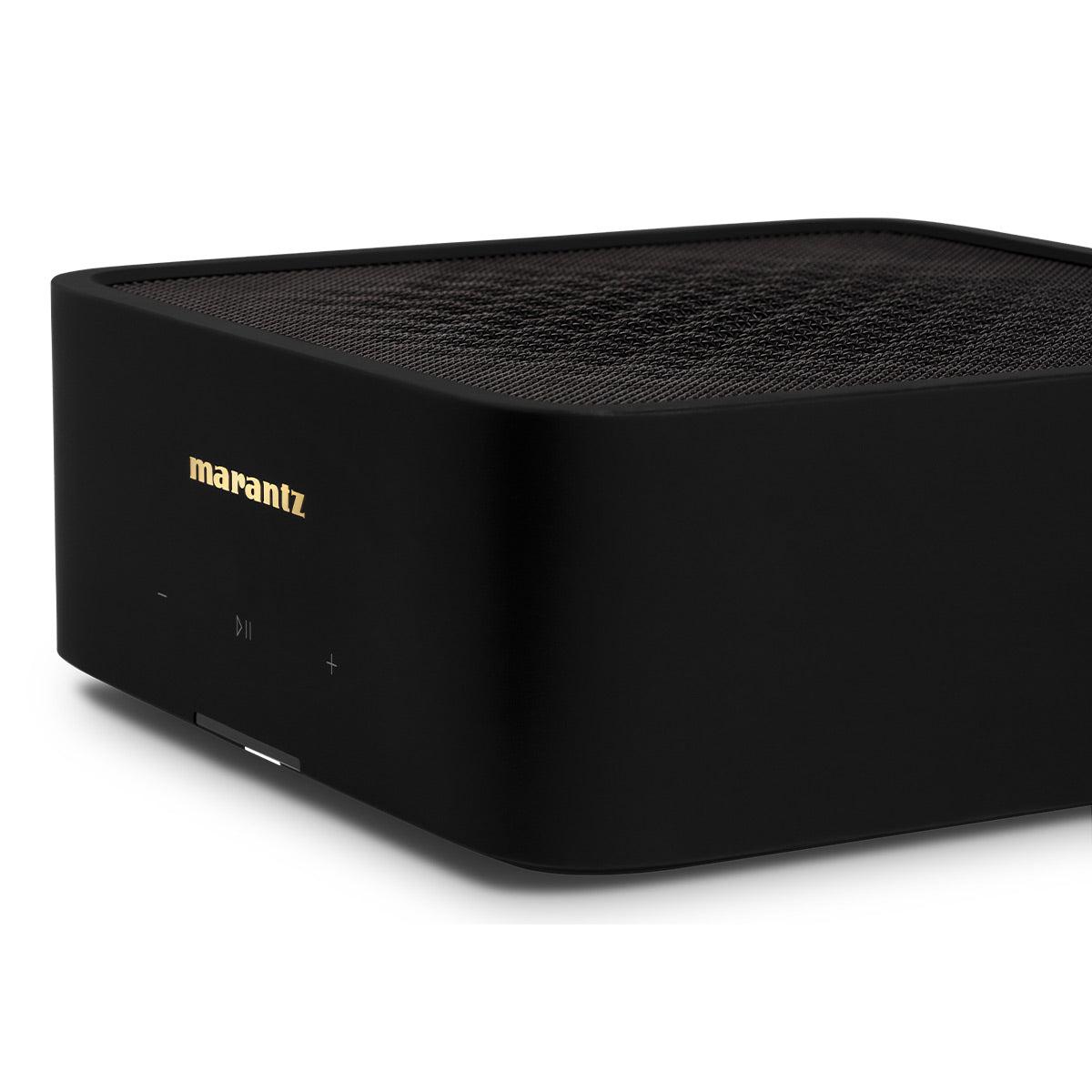
Both amplifiers reflect their manufacturers' design philosophies. The Marantz Model M1 showcases refined Japanese engineering from the Shirakawa Audio Works facility, with premium materials and the understated elegance Marantz is known for. At just under 5 pounds, it's remarkably compact and runs cool enough for enclosed cabinet installation.
The NAD C 368 embodies Canadian practicality with robust construction and straightforward operation. The front panel includes a color TFT display, precise volume control, and all the buttons you need for daily operation. It weighs nearly 19 pounds – a testament to its substantial internal components and power supply.
The user experience differs significantly. The Marantz Model M1 relies heavily on the HEOS app for configuration and daily use. The app is well-designed and responsive, but you're dependent on having a phone or tablet nearby. The NAD C 368 works perfectly with just the included remote, though adding the BluOS module enables smartphone control.
Based on extensive research into user reviews and expert evaluations, both amplifiers deliver exceptional sound quality, but with different strengths. The Marantz Model M1 consistently impresses with its dynamic range and bass control. Users report it drives demanding speakers with surprising authority, maintaining composure even at high volumes. The MMDF filtering system adds a subtle but noticeable improvement to digital source quality.
The NAD C 368 earns praise for its smooth, balanced presentation and exceptional versatility. The headphone output, in particular, receives positive reviews from users of both high-impedance and low-impedance headphones. The phono stage performs admirably with a wide range of turntables and cartridges.
For bass management, the Marantz Model M1 offers more sophisticated integration thanks to its adjustable crossover filters. You can fine-tune the handoff between main speakers and subwoofer precisely, something that's crucial for optimal 2.1 channel performance.
The Marantz Model M1 makes the most sense for users who prioritize streaming convenience and system integration. If you primarily listen to Spotify, Apple Music, or Tidal, want seamless TV audio integration, and may expand to multi-room audio in the future, it's the clear choice. The compact form factor also makes it ideal for smaller spaces or situations where traditional hi-fi components seem too imposing.
I'd specifically recommend the Marantz Model M1 for apartment dwellers, users building their first serious stereo system, and anyone who wants audiophile sound quality without audiophile complexity. The built-in streaming and TV integration eliminate the need for multiple components and cables.
The NAD C 368 suits users with diverse source requirements and long-term flexibility needs. If you own vinyl records, have multiple digital sources, or want the option to add features over time, it's the better investment. The superior analog inputs and headphone amplifier also make it more versatile for different listening scenarios.
Choose the NAD C 368 if you're building a traditional hi-fi system, own turntables or other analog sources, frequently use headphones, or want the security of knowing you can upgrade capabilities as technology evolves. The modular design philosophy means it can adapt to changing needs over many years.
At similar price points during the time of writing, both amplifiers offer compelling value, but they serve different musical lifestyles. The Marantz Model M1 provides superior out-of-box functionality for modern listening habits, while the NAD C 368 offers greater long-term flexibility and broader compatibility.
Neither choice is wrong – they're optimized for different users and use cases. The Marantz Model M1 represents the future of hi-fi: streaming-focused, app-controlled, and designed for seamless integration with modern homes and lifestyles. The NAD C 368 represents the best of traditional hi-fi enhanced for the digital age: versatile, upgradeable, and built to accommodate whatever sources you throw at it.
Your decision ultimately comes down to honest self-assessment: Do you want the simplest path to great streaming audio, or do you need maximum flexibility for diverse sources and future expansion? Both amplifiers will reward you with years of musical enjoyment – they just take different paths to get there.
| Marantz Model M1 | NAD C 368 |
|---|---|
| Power Output - Determines how loud your speakers can play cleanly | |
| 100W × 2 (8Ω) / 125W × 2 (4Ω) continuous | 80W × 2 continuous / 200W × 2 dynamic (4Ω) |
| Amplifier Technology - Affects efficiency and sound character | |
| Class D with proprietary MMDF digital filtering | Hybrid digital with Hypex UcD Class D output stage |
| Streaming Capabilities - Critical for modern music listening | |
| HEOS built-in with all major services, AirPlay 2, Bluetooth aptX | Bluetooth aptX built-in, optional BluOS module required for full streaming |
| Analog Inputs - Essential for turntables and older equipment | |
| 1 RCA line input only | 2 RCA inputs including MM phono stage for turntables |
| Digital Inputs - For connecting CD players, TVs, and streamers | |
| 1 optical, HDMI eARC, USB-A port | 2 optical, 2 coaxial SPDIF inputs |
| TV Integration - Simplifies home theater setup | |
| HDMI eARC with Dolby Digital+ decoding | Optical connection only, no HDMI |
| Multi-Room Audio - For whole-home music systems | |
| Native HEOS synchronization across multiple units | Requires BluOS module for multi-room functionality |
| Headphone Output - Important for private listening | |
| None | Dedicated amplifier with 700mW output |
| Subwoofer Integration - Enhances bass performance | |
| Dedicated output with adjustable crossover (40-250Hz) | Pre-out/sub-out with fixed 150Hz crossover |
| Upgradeability - Future-proofs your investment | |
| Fixed features, no upgrade path | 2 MDC slots for streaming, HDMI, and future modules |
| Physical Size - Affects placement options | |
| Compact: 8.6" × 3.4" × 9.9" (4.84 lbs) | Traditional: 17" × 4" × 16.6" (18.9 lbs) |
| Control Methods - Daily operation convenience | |
| Primarily HEOS app control, minimal physical buttons | Full remote control plus optional app with BluOS module |
| High-Resolution Audio Support - For audiophile-quality files | |
| Up to 24-bit/192kHz PCM, DSD 5.6MHz via USB | Up to 24-bit/192kHz via digital inputs |
| Custom Installation Features - For smart home integration | |
| IR input, 12V trigger, Control4/Crestron compatible | RS-232, IR in/out, 12V trigger, certified control compatibility |
The Marantz Model M1 is significantly better for streaming music services. It includes HEOS built-in, which provides native access to Spotify, Tidal, Amazon Music HD, Pandora, Qobuz, and many other services directly through the amplifier. The NAD C 368 only includes basic Bluetooth and requires purchasing an optional BluOS module for full streaming service integration.
Only the NAD C 368 can connect a turntable directly thanks to its built-in moving magnet phono stage with proper RIAA equalization. The Marantz Model M1 lacks a phono input, so you'd need to purchase a separate phono preamp to use a turntable with it.
The Marantz Model M1 delivers more continuous power at 100 watts per channel (8Ω) compared to the NAD C 368's 80 watts per channel. However, the NAD C 368 provides higher dynamic power output of up to 200 watts into 4-ohm speakers for brief musical peaks.
The Marantz Model M1 offers superior TV connectivity with HDMI eARC, allowing a single cable connection that supports Dolby Digital+ and volume control from your TV remote. The NAD C 368 requires an optical cable connection from your TV and doesn't support advanced audio formats or integrated volume control.
The Marantz Model M1 excels at multi-room audio with native HEOS technology that can synchronize music across multiple units throughout your home. The NAD C 368 can do multi-room audio but requires purchasing the optional BluOS module first.
Only the NAD C 368 includes a dedicated headphone amplifier that delivers 700mW into 32-ohm headphones. The Marantz Model M1 doesn't have a headphone output, so you'd need to use wireless headphones via Bluetooth or connect headphones to another source.
The NAD C 368 provides superior upgradeability with two MDC (Modular Design Construction) slots that accept modules for streaming, HDMI inputs, and future technologies. The Marantz Model M1 has a fixed feature set with no upgrade path beyond firmware updates.
Both amplifiers support subwoofers, but the Marantz Model M1 offers more sophisticated bass management with adjustable crossover filters (40-250Hz for speakers, 40-120Hz for subwoofer). The NAD C 368 provides a pre-out/subwoofer output but with a fixed 150Hz crossover frequency.
The Marantz Model M1 is easier for streaming-focused users, with most functions controlled through the intuitive HEOS smartphone app. The NAD C 368 offers traditional operation with physical controls and a full remote, making it easier for users who prefer not to rely on smartphone apps.
The Marantz Model M1 is much better for small spaces, measuring just 8.6" wide and weighing under 5 pounds. It runs cool enough for enclosed cabinets. The NAD C 368 is a traditional full-size component at 17" wide and nearly 19 pounds, requiring proper ventilation.
For primarily digital music listening, the Marantz Model M1 offers better value since all streaming features are built-in without requiring additional module purchases. The NAD C 368 requires buying the BluOS module to match the Marantz Model M1's streaming capabilities, increasing the total system cost.
The Marantz Model M1 is significantly better for home theater applications thanks to its HDMI eARC connection, Dolby Digital+ decoding, and 2.1 channel configuration with sophisticated subwoofer management. The NAD C 368 is designed primarily for stereo music listening and lacks the TV integration features that make the Marantz Model M1 ideal for dual music and home theater use.
We've done our best to create useful and informative comparisons to help you decide what product to buy. Our research uses advanced automated methods to create this comparison and perfection is not possible - please contact us for corrections or questions. These are the sites we've researched in the creation of this article: bestbuy.com - crutchfield.com - audioadvisor.com - youtube.com - soundstagesimplifi.com - marantz.com - marantz.com - audioadvice.com - whathifi.com - manuals.marantz.com - audiosciencereview.com - youtube.com - marantz.com - sweetwater.com - audiosciencereview.com - accessories4less.com - avnirvana.com - crutchfield.com - hometheaterhifi.com - hifiheaven.net - crutchfield.com - projectorscreen.com - theabsolutesound.com - dedicatedaudio.com - soundstagesimplifi.com - nadelectronics.com - musicdirect.com - crutchfield.com - safeandsoundhq.com

Privacy Policy
Terms and Conditions - Affiliate Policy
Home Security
© Copyright 2008-2026.
11816 Inwood Rd #1211, Dallas, TX 75244