

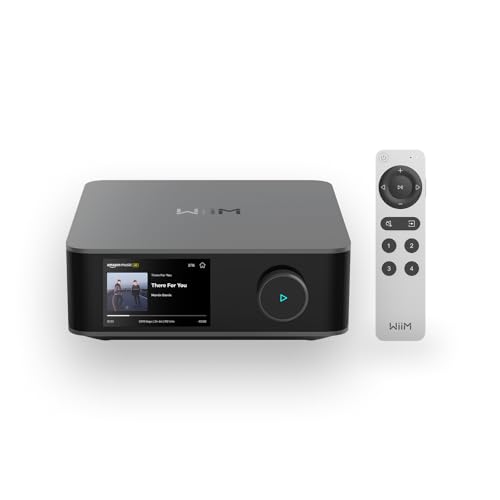



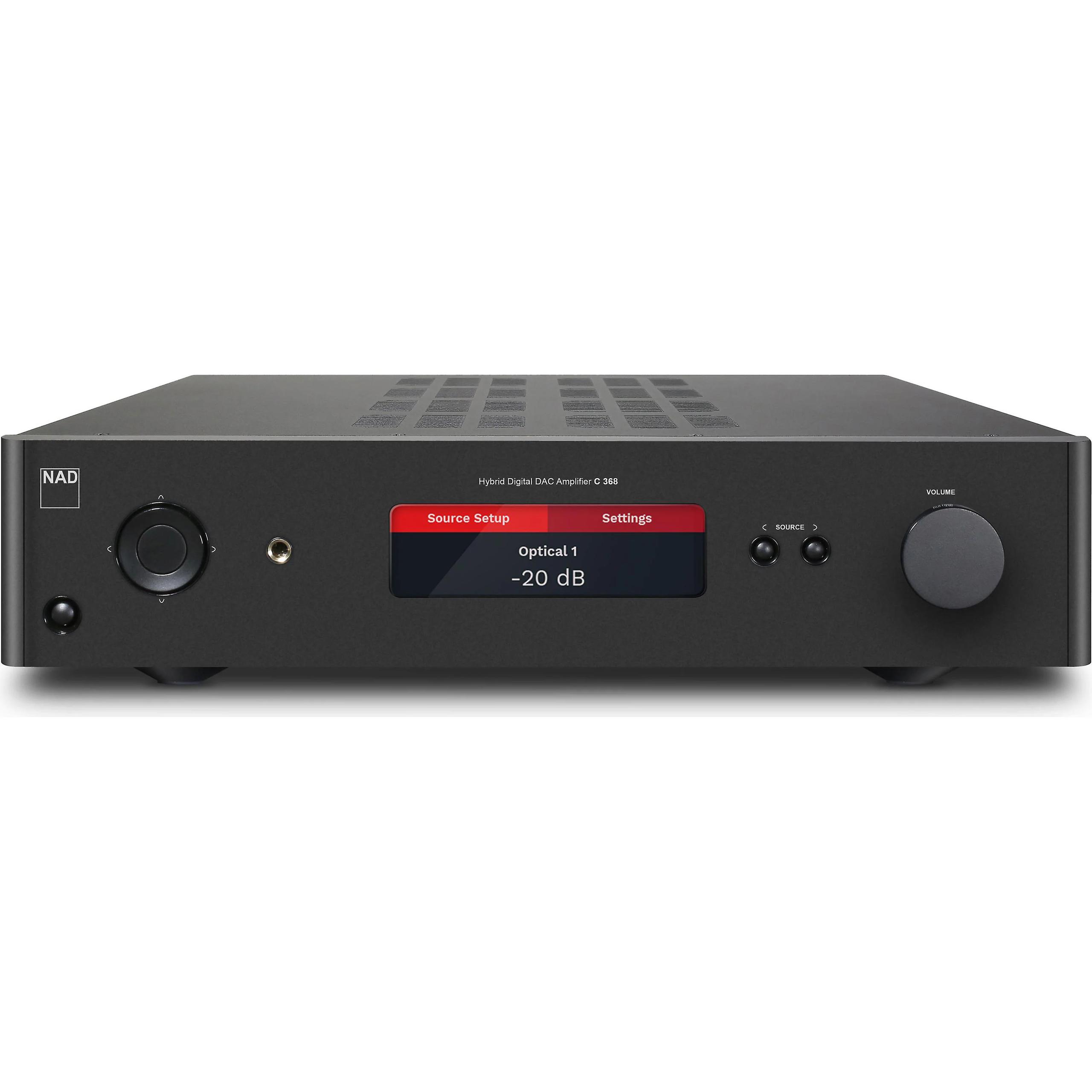
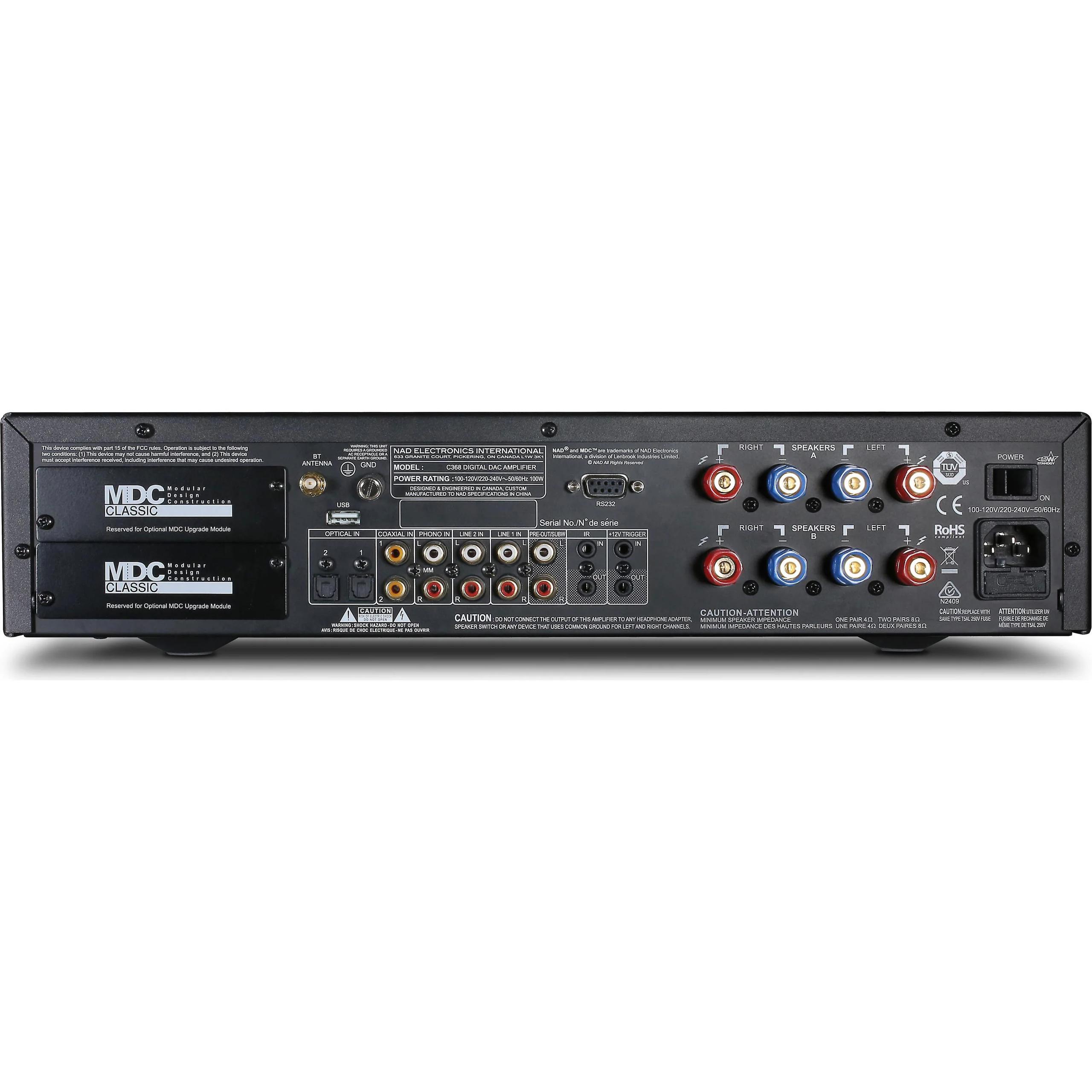
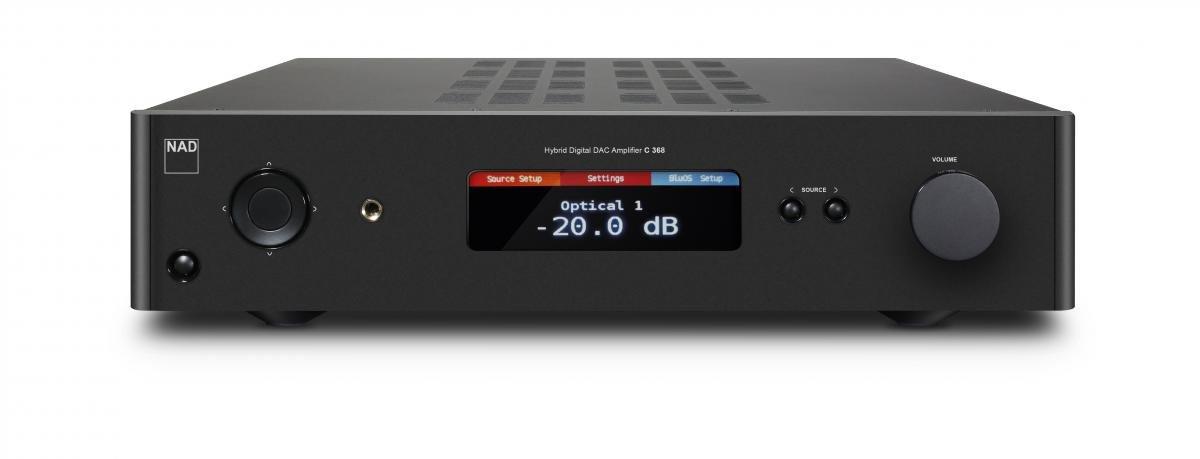
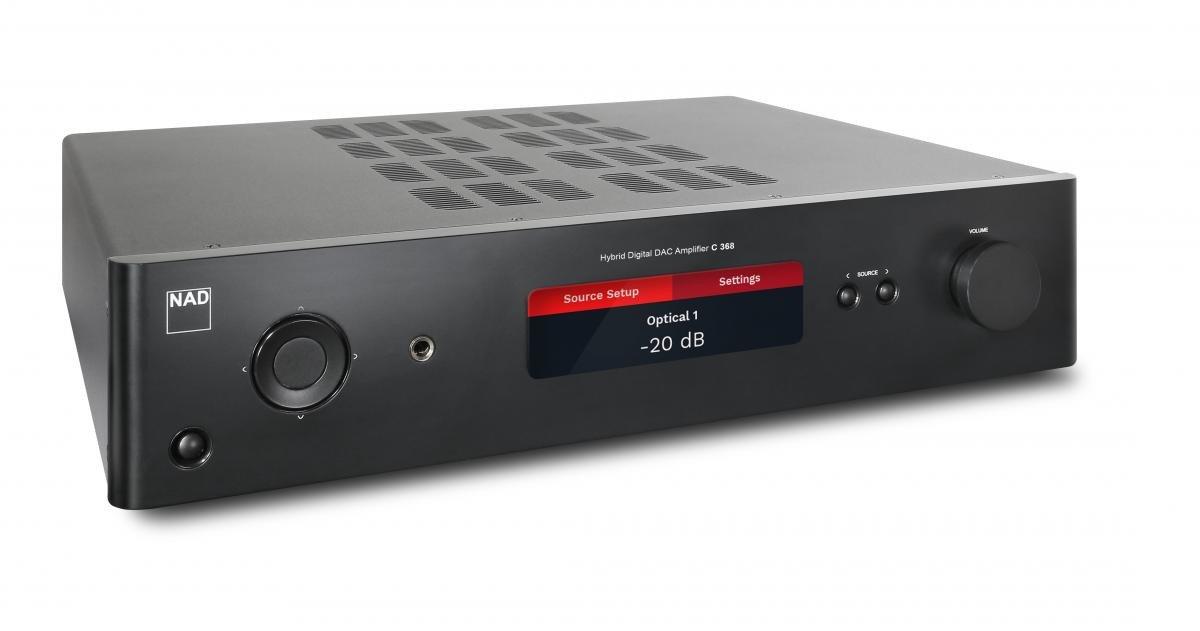
The world of integrated amplifiers has split into two distinct camps over the past few years. On one side, you have traditional manufacturers like NAD continuing to refine their analog-focused designs with optional digital upgrades. On the other, newer companies like WiiM are building amplifiers from the ground up for our streaming-first world. This creates an interesting comparison between the WiiM Amp Ultra (released in 2024) and the NAD C 368 (released in 2016, with ongoing refinements).
Both amplifiers serve the same basic function—they take audio signals from various sources and amplify them to drive your speakers. But their approaches couldn't be more different, and that difference will determine which one fits your listening habits and lifestyle better.
An integrated amplifier combines two essential components: a preamplifier (which handles source switching, volume control, and tone shaping) and a power amplifier (which boosts the signal to drive speakers). This combination eliminates the need for separate components, saving space and often money while reducing complexity.
The key considerations when shopping for an integrated amplifier haven't changed much over the decades: power output, sound quality, connectivity options, and build quality. What has changed dramatically is how we consume music and what we expect from our audio equipment.
Today's listeners primarily stream music from services like Spotify, Apple Music, and Tidal, often directly from their phones or tablets. This shift has pushed manufacturers to rethink their priorities. Some, like WiiM, have embraced this change completely. Others, like NAD, have adapted their traditional designs to accommodate modern sources while maintaining their core philosophy.
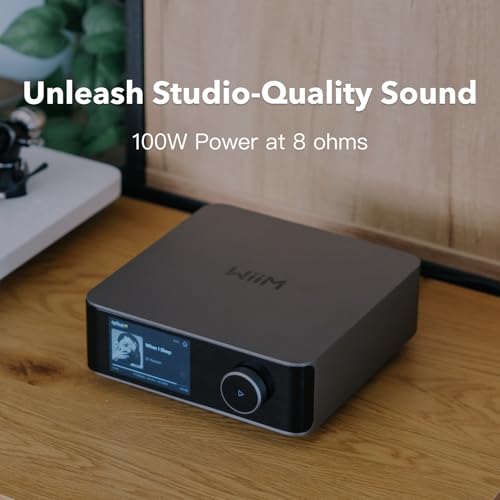
When it comes to driving speakers, the WiiM Amp Ultra delivers impressive specifications. Its dual Texas Instruments TPA3255 Class-D amplifier chips produce 100 watts per channel into 8-ohm speakers and 200 watts into 4-ohm speakers. These are honest, conservative ratings that the amplifier can sustain continuously without distortion.
The Class-D design (often called "digital amplification," though it's technically analog) switches the output transistors on and off rapidly, making the amplifier extremely efficient and generating minimal heat. The WiiM Amp Ultra takes this further with Post-Filter Feedback (PFFB) technology, which monitors the signal after it passes through the output filter and makes real-time corrections. This means the amplifier can better handle speakers that present difficult loads—those that change their electrical resistance dramatically across different frequencies.
The NAD C 368, meanwhile, uses a customized Hypex UcD output stage rated at 80 watts per channel into both 8-ohm and 4-ohm speakers. This consistent rating across different speaker impedances suggests a robust design that won't struggle with demanding speakers. NAD's implementation of the Hypex technology focuses on linearity—maintaining consistent performance across the entire frequency range.
Where the power numbers get interesting is in dynamic performance. The NAD C 368 can deliver over 600 watts instantaneously for musical transients—those sudden loud passages that make orchestral crescendos or rock guitar solos come alive. The WiiM Amp Ultra doesn't publish similar instantaneous power figures, but its higher continuous power rating suggests it won't be left behind.
Both amplifiers are stable down to 4-ohm loads, with the WiiM Amp Ultra going further by supporting 2-ohm operation. This matters if you're planning to use speakers known for their demanding electrical characteristics, such as many electrostatic or planar magnetic designs.
The most revealing specifications often aren't power ratings but signal-to-noise ratio (SNR) and total harmonic distortion (THD). SNR measures how much unwanted noise the amplifier adds to your music—higher numbers mean a quieter background and better detail in quiet passages. The WiiM Amp Ultra achieves an impressive 120dB SNR, while the NAD C 368 reaches 98dB.
That 22dB difference is significant. Every 6dB represents a doubling of dynamic range, so the WiiM Amp Ultra theoretically offers about 16 times better noise performance. In practical terms, this means you'll hear more subtle details in recordings and experience a "blacker" background during quiet passages.
Total harmonic distortion measures how much the amplifier alters the original signal. The WiiM Amp Ultra achieves 0.005% THD, while the NAD C 368 specs at 0.03%. Again, the WiiM shows measurably superior performance—six times lower distortion.
These measurements don't tell the whole story, though. NAD has decades of experience voicing their amplifiers, and the NAD C 368 has earned praise from reviewers and users for its musical presentation. Sometimes the difference between good measurements and good sound comes down to implementation details that don't show up in specifications.
Here's where the fundamental differences between these amplifiers become clear. The WiiM Amp Ultra treats digital audio as the primary input, with streaming services, HDMI ARC for TV integration, and high-resolution file playback all handled natively. Its ESS ES9039Q2M DAC (digital-to-analog converter) supports audio up to 32-bit/384kHz resolution, well beyond what most music sources provide but ensuring no compromise in quality.
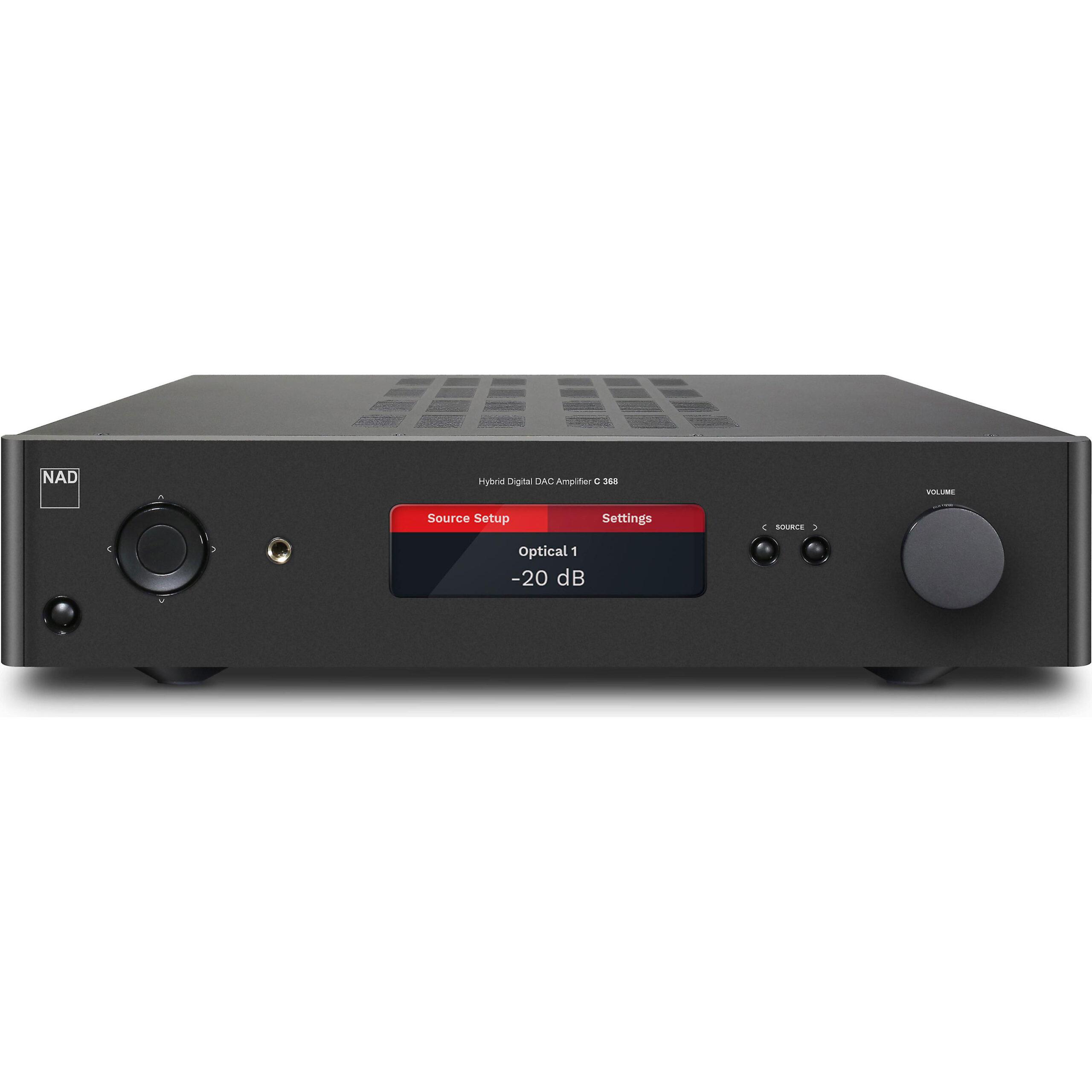
The NAD C 368 takes a more traditional approach with multiple digital inputs—two optical and two coaxial connections—feeding a Texas Instruments PCM1795 DAC. This setup works well if you have multiple digital sources like CD players, streaming devices, or digital TV outputs that you want to connect directly.
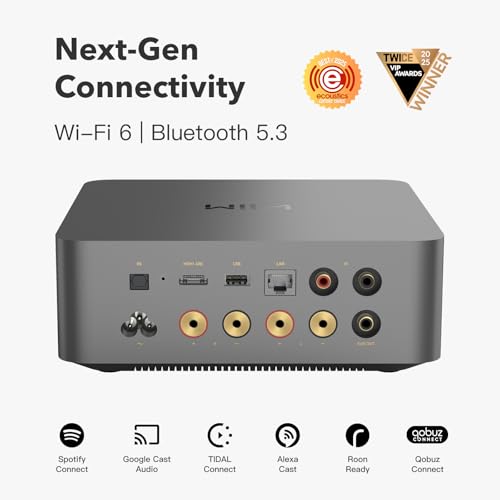
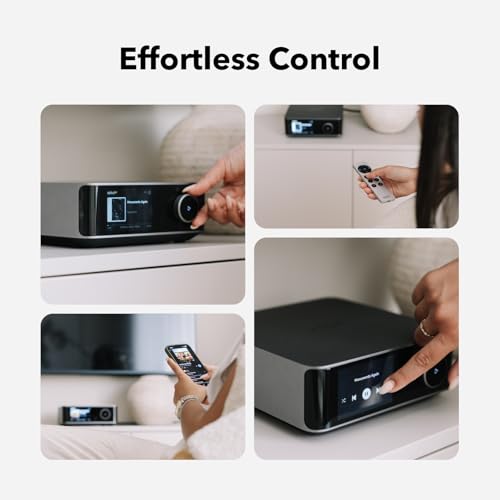
The difference in streaming capabilities is stark. The WiiM Amp Ultra includes Wi-Fi 6E (the latest wireless standard with expanded frequency bands for better performance in crowded environments), Bluetooth 5.3, and native support for major streaming services. You can control everything through the WiiM app, voice commands, or the built-in touchscreen.
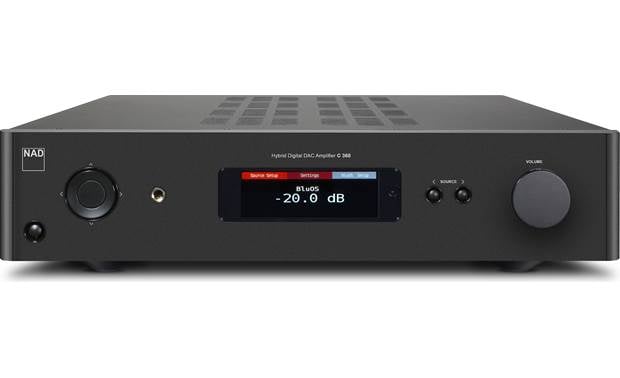
The NAD C 368 includes basic Bluetooth with the aptX codec (which provides better quality than standard Bluetooth), but advanced streaming requires the optional BluOS module. This modular approach has advantages—you only pay for features you'll use—but it also means additional cost and complexity if you want full streaming functionality.
The WiiM Amp Ultra's 3.5-inch color touchscreen represents a significant departure from traditional amplifier interfaces. It displays album artwork, shows real-time signal levels through VU meters, and provides direct access to EQ settings and input selection. For many users, especially those comfortable with smartphones and tablets, this interface feels natural and immediate.
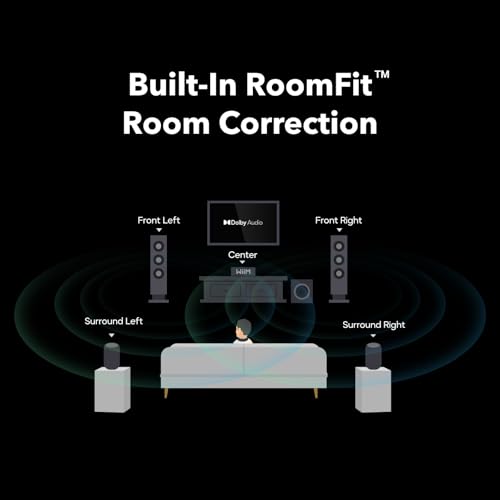
The touchscreen also serves a practical purpose beyond convenience. The WiiM Amp Ultra includes sophisticated room correction that uses your smartphone's microphone to measure your room's acoustic characteristics and automatically adjust the amplifier's equalization. This feature can make a dramatic difference in sound quality, particularly in rooms with challenging acoustics or when using a subwoofer.
The NAD C 368 sticks with traditional controls: a precision volume knob, source selector buttons, and a clear LCD display. This approach appeals to users who prefer physical controls and don't want to reach for a phone or tablet to adjust volume or switch sources. The included remote control provides full functionality from your listening position.
Both approaches have merit, and your preference will likely depend on your comfort level with technology and how you typically interact with audio equipment.
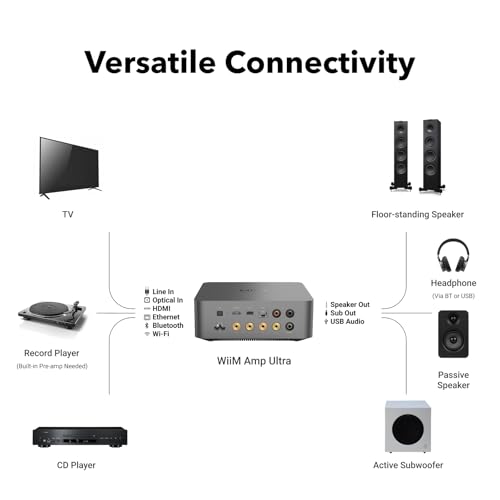
The WiiM Amp Ultra focuses on digital and wireless connectivity. Its single analog RCA input handles traditional sources like CD players or older streaming devices, while HDMI ARC connects directly to your TV for improved sound quality over built-in TV speakers. The subwoofer output includes digital crossover control, making it easy to integrate a powered subwoofer for fuller bass response.
The NAD C 368 offers more comprehensive analog connectivity with three RCA inputs, including a dedicated moving magnet phono input for turntables. This phono stage includes proper RIAA equalization (the standard frequency response curve for vinyl records) and rumble filtering to reduce low-frequency noise from turntables.
For vinyl enthusiasts, this built-in phono stage is significant. Adding a quality external phono preamp to the WiiM Amp Ultra would cost additional money and add complexity. The NAD C 368 handles this requirement internally with components specifically chosen for vinyl playback.
The NAD C 368 also includes features like dual speaker outputs (for main and secondary speaker pairs), a dedicated headphone amplifier, and pre-outputs for adding a separate power amplifier later. These features reflect NAD's focus on system building and future expansion.
For home theater applications, the WiiM Amp Ultra offers significant advantages. Its HDMI ARC connection handles audio from your TV directly, supporting formats like Dolby Digital 5.1 and providing much better sound quality than TV speakers. The built-in room correction can optimize the sound for your specific seating position and room characteristics.
The subwoofer integration is particularly well-executed, with digital crossover controls that let you fine-tune the handoff between your main speakers and subwoofer. This creates a more seamless soundstage and better bass integration than many dedicated AV receivers provide.
The NAD C 368 can work in home theater applications, but it lacks HDMI connectivity and requires additional components or connections to handle TV audio effectively. Its strength lies more in two-channel music reproduction than multichannel home theater integration.
At the time of writing, the WiiM Amp Ultra represents exceptional value in the streaming amplifier category. For significantly less than the NAD C 368, you get higher power output, superior measured performance, comprehensive streaming capabilities, room correction, and modern connectivity. No additional purchases are required for full functionality.
The NAD C 368 requires a different value calculation. The base unit costs more than the WiiM Amp Ultra, and adding the BluOS streaming module brings the total investment to nearly double the WiiM's price. However, this modular approach means you can start with excellent analog performance and add streaming later if needed.
The NAD also offers something less tangible but important to many audiophiles: brand heritage and proven longevity. NAD has been building well-regarded amplifiers for decades, and the NAD C 368 represents evolutionary refinement of established designs. Some users value this continuity and the confidence that comes with proven engineering approaches.
Since the NAD C 368's 2016 introduction, the audio landscape has changed dramatically. Streaming has become the dominant music source, high-resolution audio has become mainstream, and smart home integration has moved from novelty to necessity. The WiiM Amp Ultra, arriving in 2024, was designed specifically for this current environment.
The NAD C 368's modular design philosophy provides some future-proofing through its MDC (Modular Design Construction) slots. New modules can add capabilities as technology evolves. However, this approach requires ongoing investment and may not keep pace with rapidly evolving streaming standards and smart home integration.
The WiiM Amp Ultra receives regular firmware updates that add new features and streaming service support. This over-the-air updating capability means the amplifier can evolve with changing technology without requiring hardware modifications.
Based on our research and evaluation of user feedback, the choice between these amplifiers depends heavily on your primary music sources and listening habits.
Choose the WiiM Amp Ultra if streaming services provide 80% or more of your music listening. Its exceptional measured performance, comprehensive streaming integration, room correction capabilities, and competitive pricing make it an outstanding value. The touchscreen interface and smart home integration will appeal to users comfortable with modern technology, and the higher power output provides better headroom for demanding speakers or higher listening levels.
The WiiM Amp Ultra also excels in home theater applications where you want significantly better TV audio without the complexity of a full surround sound system. Its HDMI ARC connectivity and subwoofer integration make it an ideal foundation for a high-quality 2.1 system.
Choose the NAD C 368 if you have substantial analog sources, particularly vinyl records, or prefer the traditional hi-fi approach of building a system with separate components. Its built-in phono stage, multiple analog inputs, and expansion capabilities make it better suited for users with diverse source components.
The NAD makes sense if you're planning to build your system gradually, starting with excellent amplification and adding streaming capabilities later through the BluOS module. Its established reputation and proven reliability also appeal to users who prefer evolutionary rather than revolutionary approaches to audio equipment.
For most modern listeners, particularly those new to dedicated audio equipment, the WiiM Amp Ultra provides better value and more relevant features. Its superior specifications, comprehensive streaming integration, and significantly lower cost make it an easy recommendation for the majority of use cases.
However, vinyl enthusiasts and traditional hi-fi users will find the NAD C 368 better aligned with their needs and preferences, despite the higher cost and additional complexity. The choice ultimately comes down to how you consume music and what you value most in your audio system.
| WiiM Amp Ultra | NAD C 368 |
|---|---|
| Power Output - Higher wattage drives more speakers and plays louder | |
| 100W @ 8Ω, 200W @ 4Ω (dual TI TPA3255 chips) | 80W @ 8Ω, 80W @ 4Ω (Hypex UcD output stage) |
| Signal-to-Noise Ratio - Higher numbers mean quieter background and better detail | |
| ≥120dB (exceptional for price range) | 98dB (good but 22dB lower than WiiM) |
| Total Harmonic Distortion - Lower distortion preserves audio accuracy | |
| ≤0.005% (reference-grade performance) | 0.03% (6x higher than WiiM) |
| Streaming Capabilities - Built-in vs optional determines convenience and cost | |
| Wi-Fi 6E, native Spotify/Tidal/Qobuz, Roon Ready | Bluetooth only (requires $399 BluOS module for streaming) |
| Digital Inputs - More inputs handle multiple sources without switching | |
| 1 optical, 1 HDMI ARC, 1 USB-A | 2 optical, 2 coaxial (no HDMI) |
| Analog Inputs - Essential for turntables and traditional sources | |
| 1 RCA line input only | 3 RCA inputs including MM phono for turntables |
| Room Correction - Automatic optimization improves sound in any room | |
| Built-in with smartphone measurement | Not available |
| User Interface - Modern touchscreen vs traditional controls | |
| 3.5" color touchscreen with album art and VU meters | LCD display with physical knobs and buttons |
| Home Theater Integration - HDMI simplifies TV audio connection | |
| HDMI ARC with Dolby Digital decoding | No HDMI (requires separate connections for TV) |
| Future Expandability - Modular vs firmware updates | |
| Over-the-air firmware updates | 2 MDC slots for hardware modules |
| Subwoofer Integration - Digital crossover provides better bass management | |
| Digital crossover with configurable frequency | Analog output with 150Hz fixed crossover |
| Headphone Output - Dedicated amp improves headphone listening | |
| Not specified | High-output dedicated headphone amplifier |
| Speaker Impedance Support - Lower ohm ratings handle difficult speakers | |
| Stable down to 2Ω loads | Stable down to 4Ω loads |
The WiiM Amp Ultra delivers more power with 100 watts per channel into 8-ohm speakers and 200 watts into 4-ohm speakers, compared to the NAD C 368's 80 watts per channel into both impedances. This extra power from the WiiM Amp Ultra means it can drive more demanding speakers and play louder without distortion.
The WiiM Amp Ultra excels at streaming with built-in Wi-Fi 6E and native support for Spotify, Tidal, Qobuz, and other major services. The NAD C 368 only includes basic Bluetooth and requires an optional BluOS module for advanced streaming capabilities, making the WiiM Amp Ultra the clear winner for streaming-focused users.
Only the NAD C 368 includes a built-in phono preamp for direct turntable connection with proper RIAA equalization. The WiiM Amp Ultra requires a separate phono preamp to work with turntables, making the NAD C 368 the better choice for vinyl enthusiasts.
The WiiM Amp Ultra is superior for home theater use with its HDMI ARC connection that handles TV audio directly and supports Dolby Digital decoding. The NAD C 368 lacks HDMI connectivity, requiring additional connections and components for TV integration, making the WiiM Amp Ultra the obvious choice for home theater applications.
Yes, the WiiM Amp Ultra includes built-in room correction that uses your smartphone to measure room acoustics and automatically optimize the sound. The NAD C 368 does not offer room correction features, giving the WiiM Amp Ultra a significant advantage for users in challenging acoustic environments.
The WiiM Amp Ultra shows superior measured performance with a 120dB signal-to-noise ratio and 0.005% total harmonic distortion, compared to the NAD C 368's 98dB SNR and 0.03% THD. These measurements indicate the WiiM Amp Ultra should provide quieter operation and less distortion.
The WiiM Amp Ultra offers comprehensive smartphone control through the WiiM Home app, plus it has a built-in touchscreen for direct control. The NAD C 368 includes traditional remote control, with smartphone app control only available when the optional BluOS module is installed.
The NAD C 368 provides more analog connectivity with three RCA inputs plus phono, while the WiiM Amp Ultra focuses on digital sources with one analog input, HDMI ARC, and optical. Choose the NAD C 368 for multiple traditional sources or the WiiM Amp Ultra for primarily digital/streaming sources.
Both amplifiers include subwoofer outputs, but the WiiM Amp Ultra offers superior integration with digital crossover controls and room correction that optimizes subwoofer blending. The NAD C 368 provides a basic subwoofer output with a fixed 150Hz crossover, making the WiiM Amp Ultra better for 2.1 home theater systems.
The WiiM Amp Ultra receives regular over-the-air firmware updates that add new features and streaming services. The NAD C 368 uses a modular approach with upgrade slots for new hardware modules. Both offer future-proofing, but the WiiM Amp Ultra's software updates are more convenient and cost-effective.
The WiiM Amp Ultra supports voice control through Alexa and Google Assistant, plus includes an optional voice remote. The NAD C 368 doesn't offer built-in voice control capabilities, making the WiiM Amp Ultra the better choice for smart home integration.
The WiiM Amp Ultra provides exceptional value with higher power output, comprehensive streaming capabilities, room correction, and modern features at a lower price point. The NAD C 368 costs more and requires additional modules for streaming parity, making the WiiM Amp Ultra the better value for most modern listeners who primarily stream music.
We've done our best to create useful and informative comparisons to help you decide what product to buy. Our research uses advanced automated methods to create this comparison and perfection is not possible - please contact us for corrections or questions. These are the sites we've researched in the creation of this article: ecoustics.com - audacityaustralia.com.au - forum.wiimhome.com - erinsaudiocorner.com - forum.wiimhome.com - stevehuffphoto.com - darko.audio - bryanruby.com - youtube.com - audiosciencereview.com - ecoustics.com - smarthomesounds.co.uk - socpub.com - audio-2g.com - hifihut.ie - avnirvana.com - crutchfield.com - hometheaterhifi.com - hifiheaven.net - crutchfield.com - projectorscreen.com - theabsolutesound.com - dedicatedaudio.com - soundstagesimplifi.com - nadelectronics.com - musicdirect.com - crutchfield.com - safeandsoundhq.com

Privacy Policy
Terms and Conditions - Affiliate Policy
Home Security
© Copyright 2008-2026.
11816 Inwood Rd #1211, Dallas, TX 75244