


Party speakers have evolved far beyond simple Bluetooth connectivity and basic sound output. Today's best models pack features that would make professional DJ equipment jealous—think customizable light shows, multi-speaker wireless linking, and built-in effects processors. When you're choosing between premium options like the Samsung MX-ST40F and Sony SRS-XV500, you're really deciding between two different philosophies of what makes the perfect party experience.
These speakers represent the current peak of portable party audio, but they take distinctly different approaches. The Samsung MX-ST40F, released in 2025, positions itself as the Swiss Army knife of party speakers—packed with every feature imaginable. Meanwhile, the Sony SRS-XV500, launched in 2024, focuses on delivering exceptional fundamentals like marathon battery life and rock-solid performance. Understanding these differences will help you choose the speaker that matches your priorities.
Before diving into specifics, it's worth understanding what separates party speakers from regular portable speakers. These aren't just louder versions of your desktop speaker—they're engineered specifically for social gatherings and entertainment.
The key differentiators include dramatically higher power output (we're talking 100+ watts instead of 20-30), enhanced bass response that can fill outdoor spaces, synchronized lighting systems, and professional-grade inputs for microphones and instruments. Many also feature DJ-style effects processing and the ability to link multiple speakers wirelessly for venue-filling sound.
Most importantly, party speakers prioritize getting loud without losing clarity. This requires sophisticated acoustic engineering—larger drivers, bass reflex ports, and advanced digital signal processing to prevent distortion when you crank the volume for a backyard barbecue or beach party.
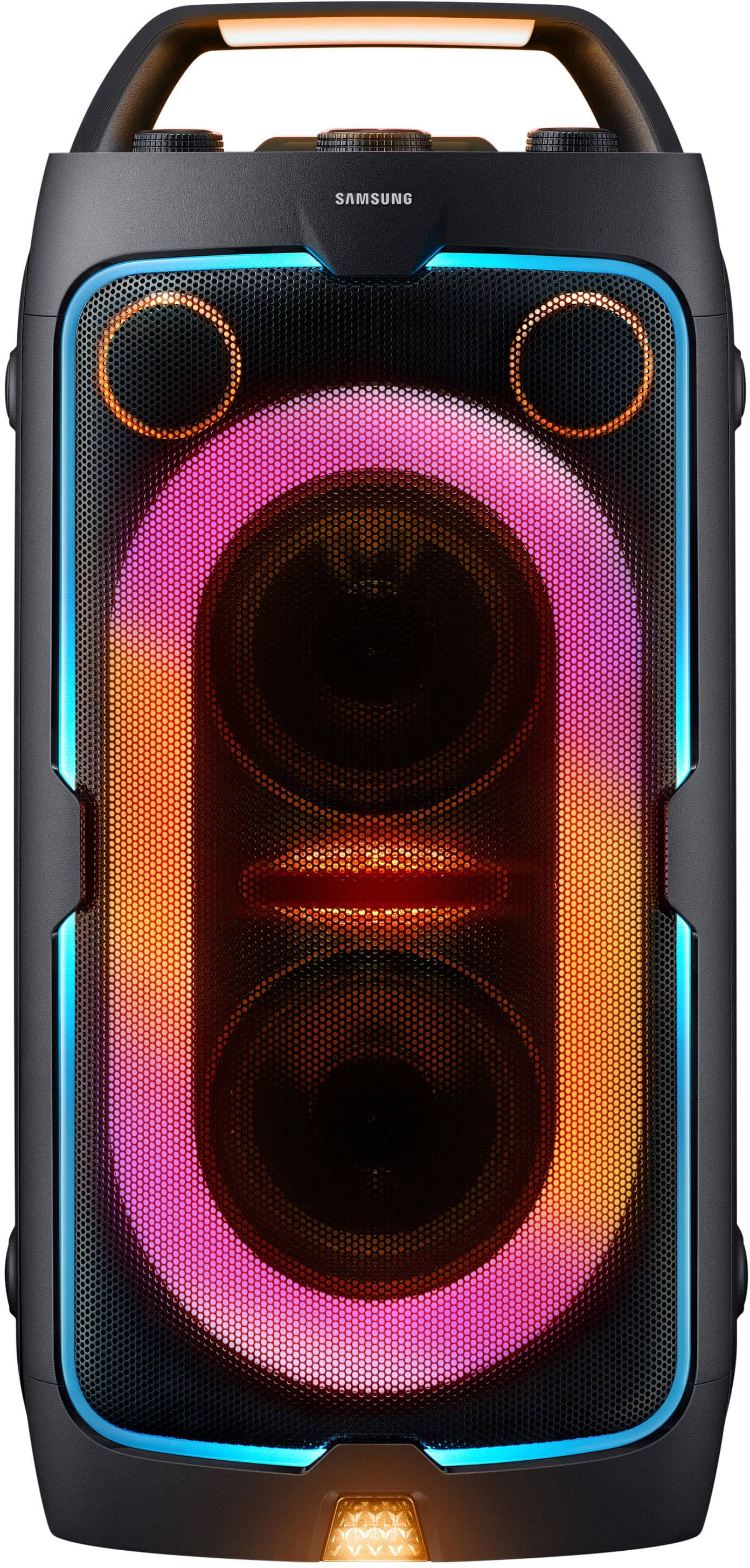
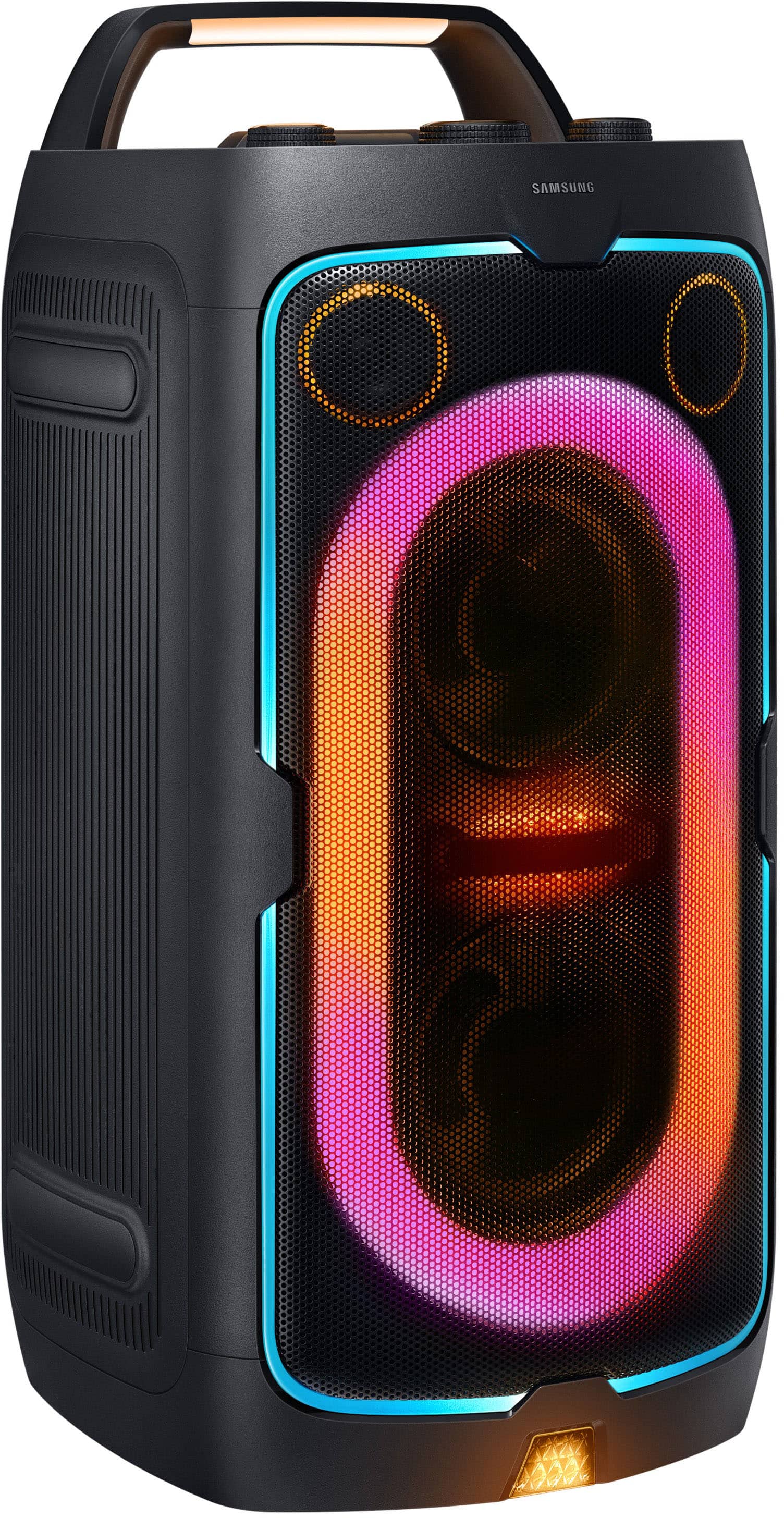
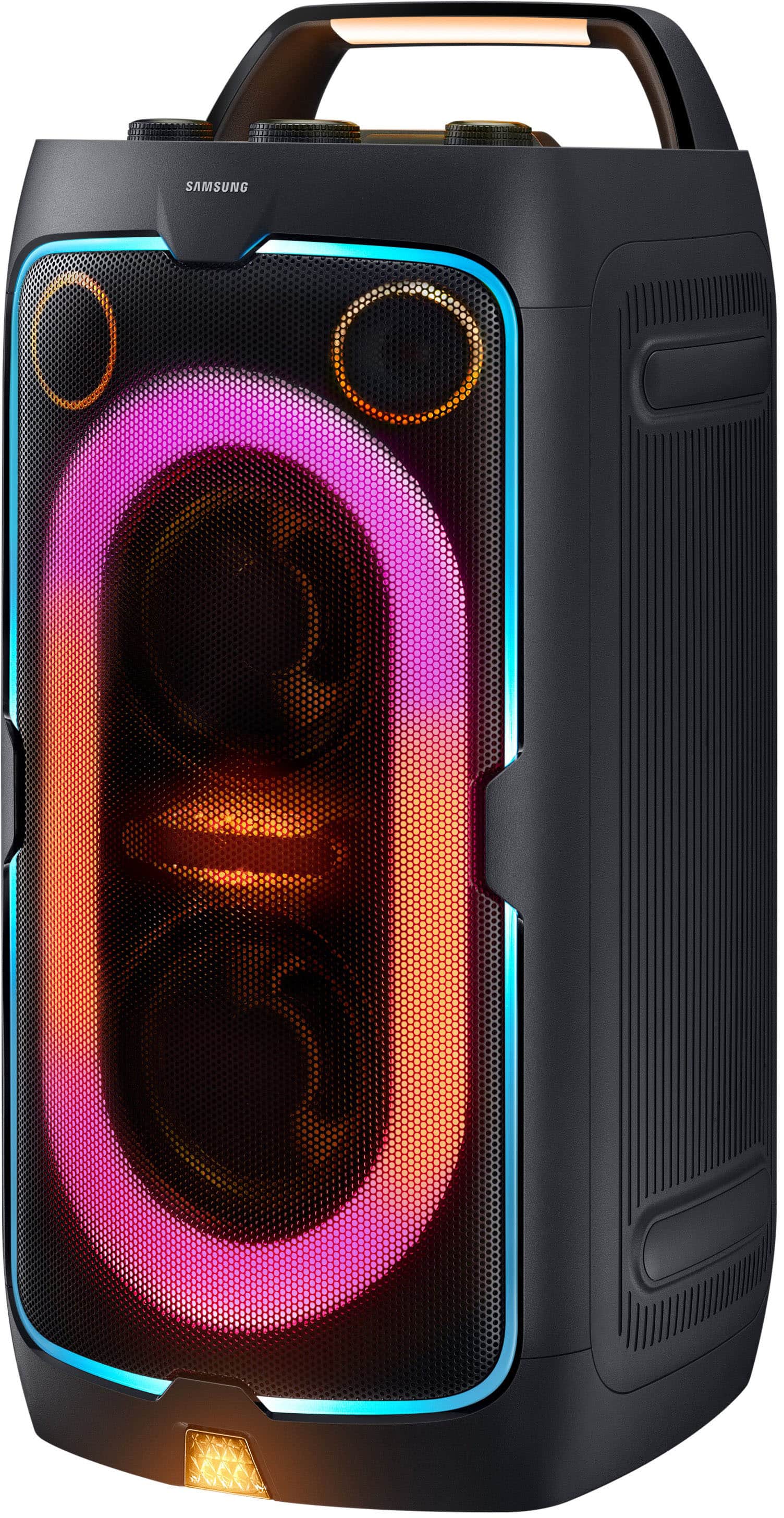
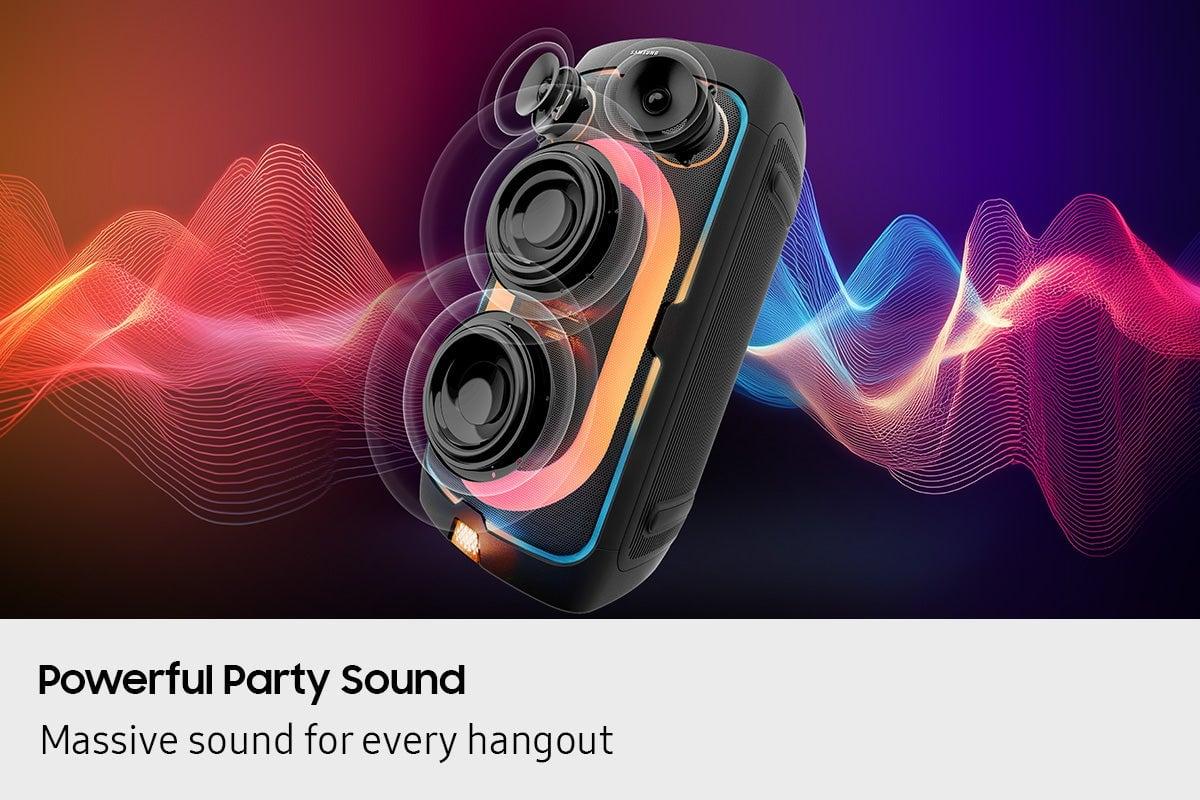
The Samsung MX-ST40F flexes serious muscle with 160 watts of output in AC mode, dropping to 80 watts when running on battery. This represents substantial power for a portable speaker—enough to clearly fill large outdoor spaces or compete with ambient noise at busy gatherings. The dual 5.25-inch woofers handle the low-end punch, while 20mm dome tweeters equipped with waveguide technology ensure high frequencies reach listeners evenly across a wide area.
That waveguide technology deserves explanation—it's essentially a specially-shaped acoustic lens that controls how sound disperses from the tweeter. Instead of high frequencies beaming straight forward (creating "sweet spots" where the sound is perfect but dead zones elsewhere), waveguides spread the sound more evenly. This means whether you're standing directly in front of the Samsung or off to the side, you'll hear consistent, balanced audio.
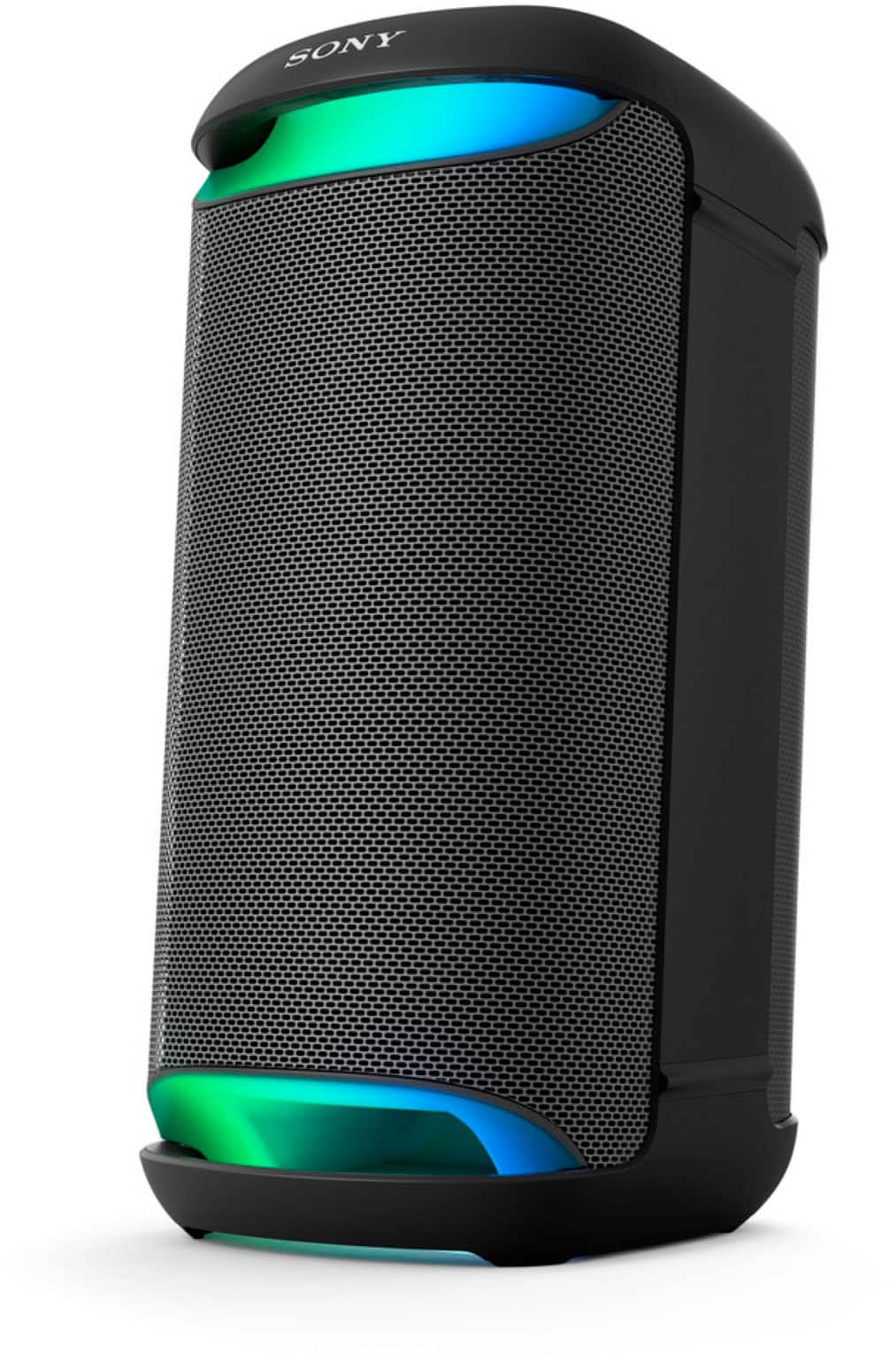
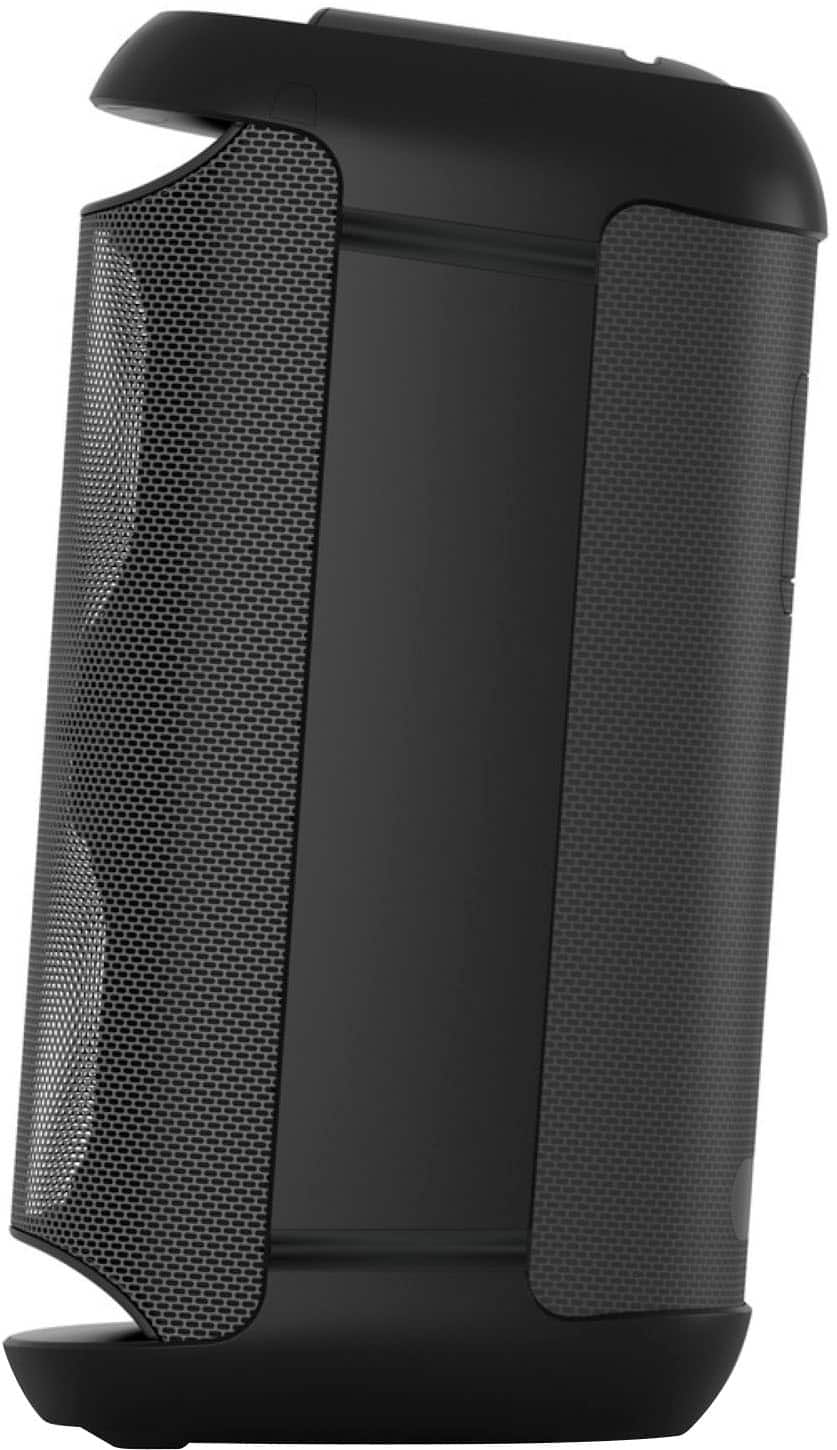
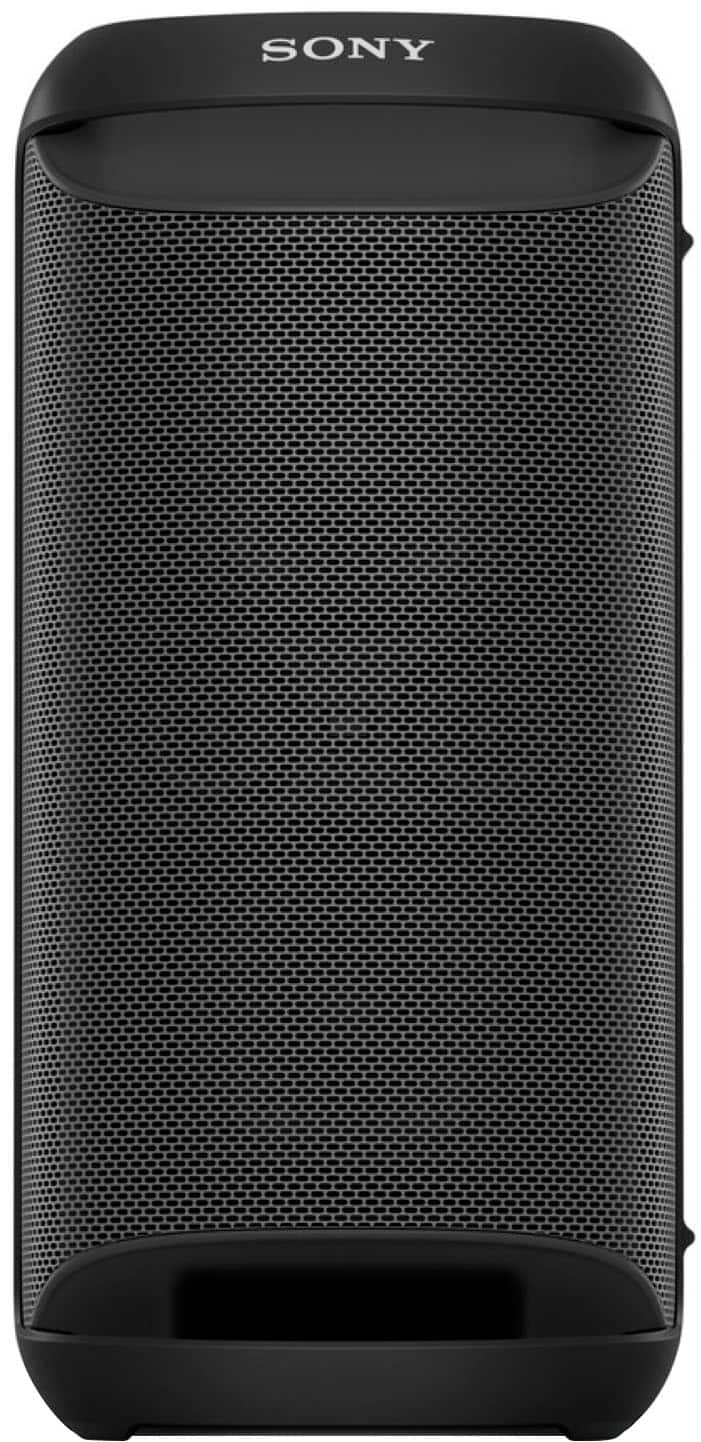
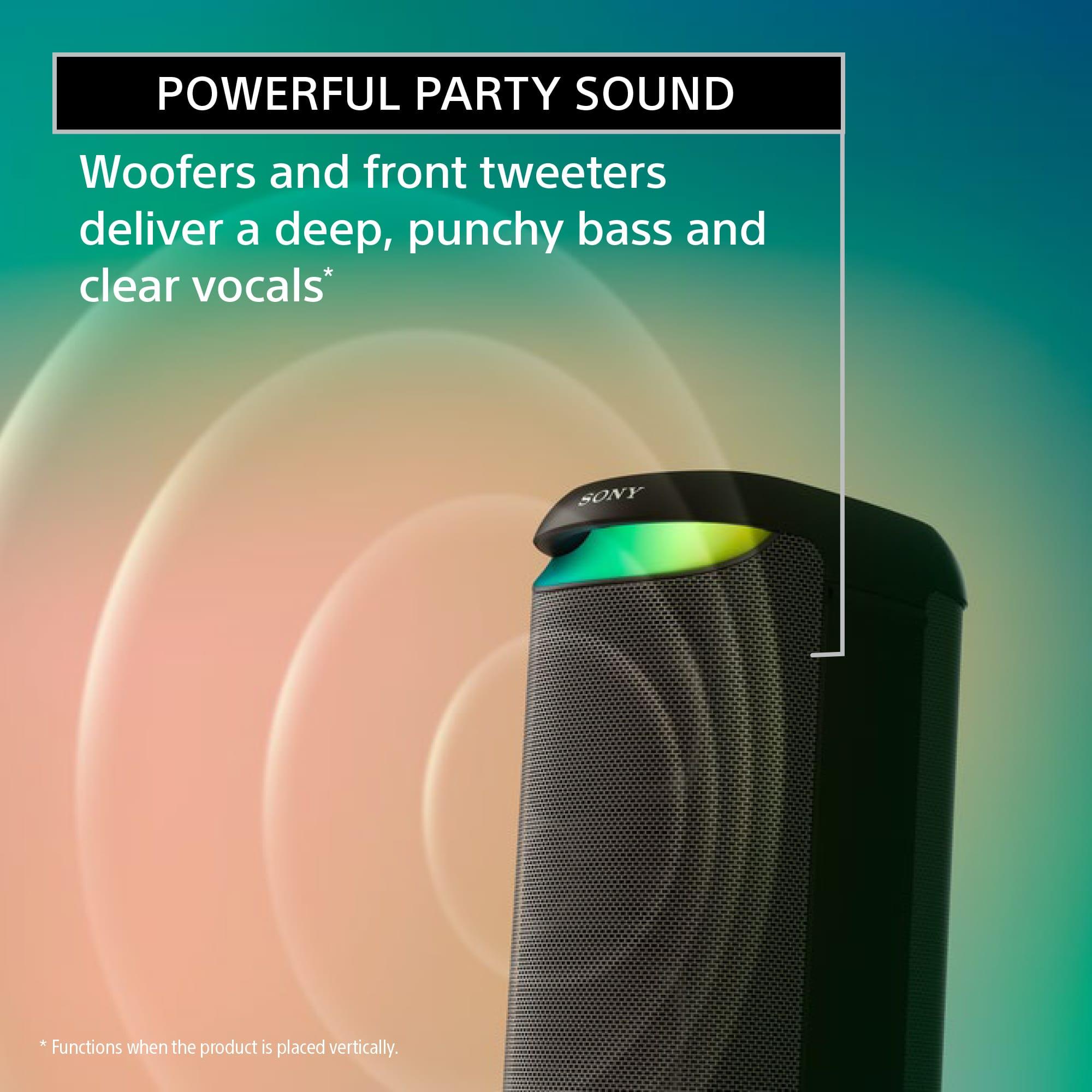
The Sony SRS-XV500 takes a different approach, using what Sony calls X-Balanced Speaker Units. These aren't traditional round drivers—they're rectangular, which allows for larger surface area in the same space while reducing unwanted vibrations that cause distortion. Sony hasn't disclosed exact wattage figures, but based on user reports and our research into similar models, it likely outputs between 80-120 watts—respectable but not matching Samsung's peak power.
However, raw wattage only tells part of the story. Our evaluation of user feedback reveals the Sony delivers impressively clean bass response with its MEGA BASS feature engaged. This isn't just an EQ boost—it's sophisticated digital processing that emphasizes low frequencies while preventing the muddiness that often plagues bass-heavy speakers.
The Samsung counters with three distinct bass modes: Deep (for electronic and hip-hop), Punchy (for rock and pop), and Gentle (for acoustic and vocal-focused music). This level of customization is rare in portable speakers and shows Samsung's commitment to audiophile-level tuning options.
Based on expert consensus and user reports, the Samsung wins on pure power and customization, while the Sony edges ahead on clarity and distortion control at moderate volumes.
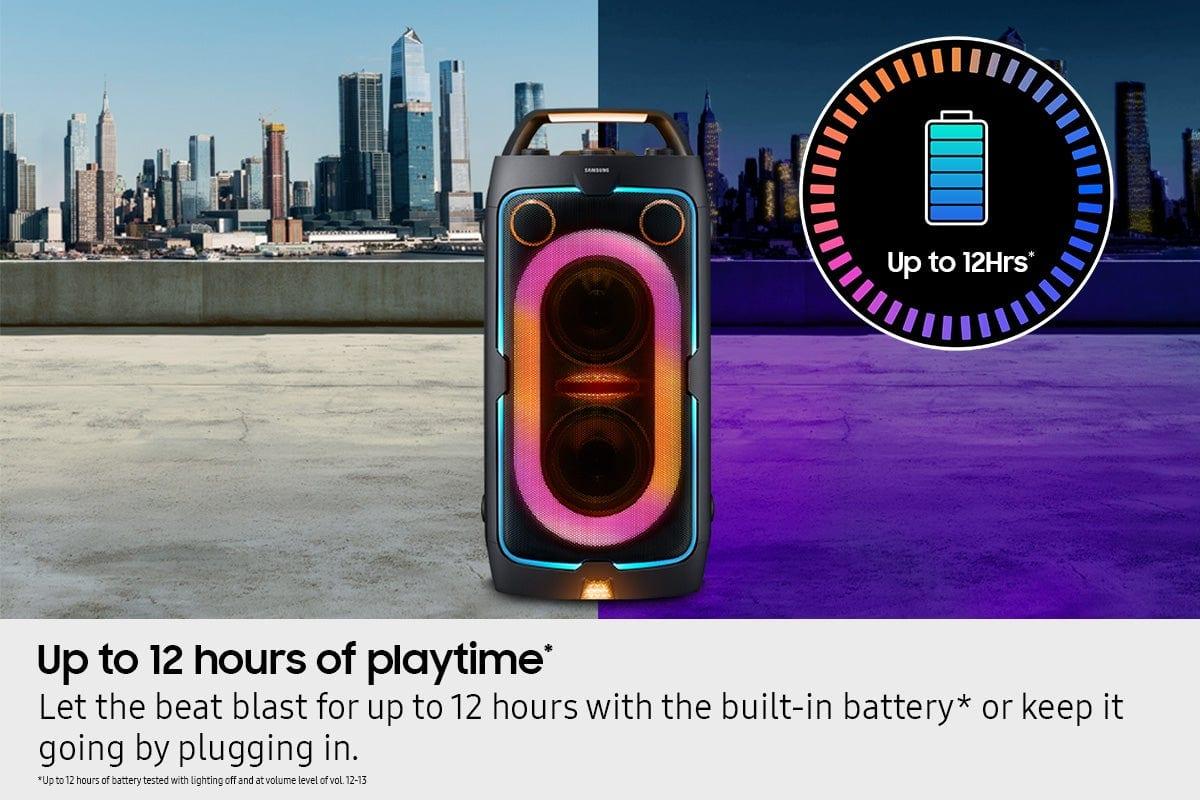
Here's where the Sony SRS-XV500 absolutely dominates—25 hours of continuous playback versus the Samsung's 12 hours. That's more than double the endurance, and for many users, this alone justifies choosing Sony.
Twenty-five hours means multi-day camping trips without recharging, all-day outdoor events, or simply the peace of mind that your speaker won't die during the best part of your party. The Sony achieves this through efficient Class D amplification and sophisticated power management that automatically adjusts performance based on battery level.
The Samsung's 12-hour rating is still respectable for a high-power speaker, but it reflects the energy demands of that 160-watt output and extensive feature set. However, Samsung includes a crucial advantage—the battery is user-replaceable. Pop off the back panel, swap in a fresh battery, and you're back to full power instantly. For professional users or extended outdoor events, this flexibility can be more valuable than Sony's longer single-charge endurance.
Both speakers can function as power banks, charging your phone or tablet via USB ports—a genuinely useful feature when you're away from wall outlets.
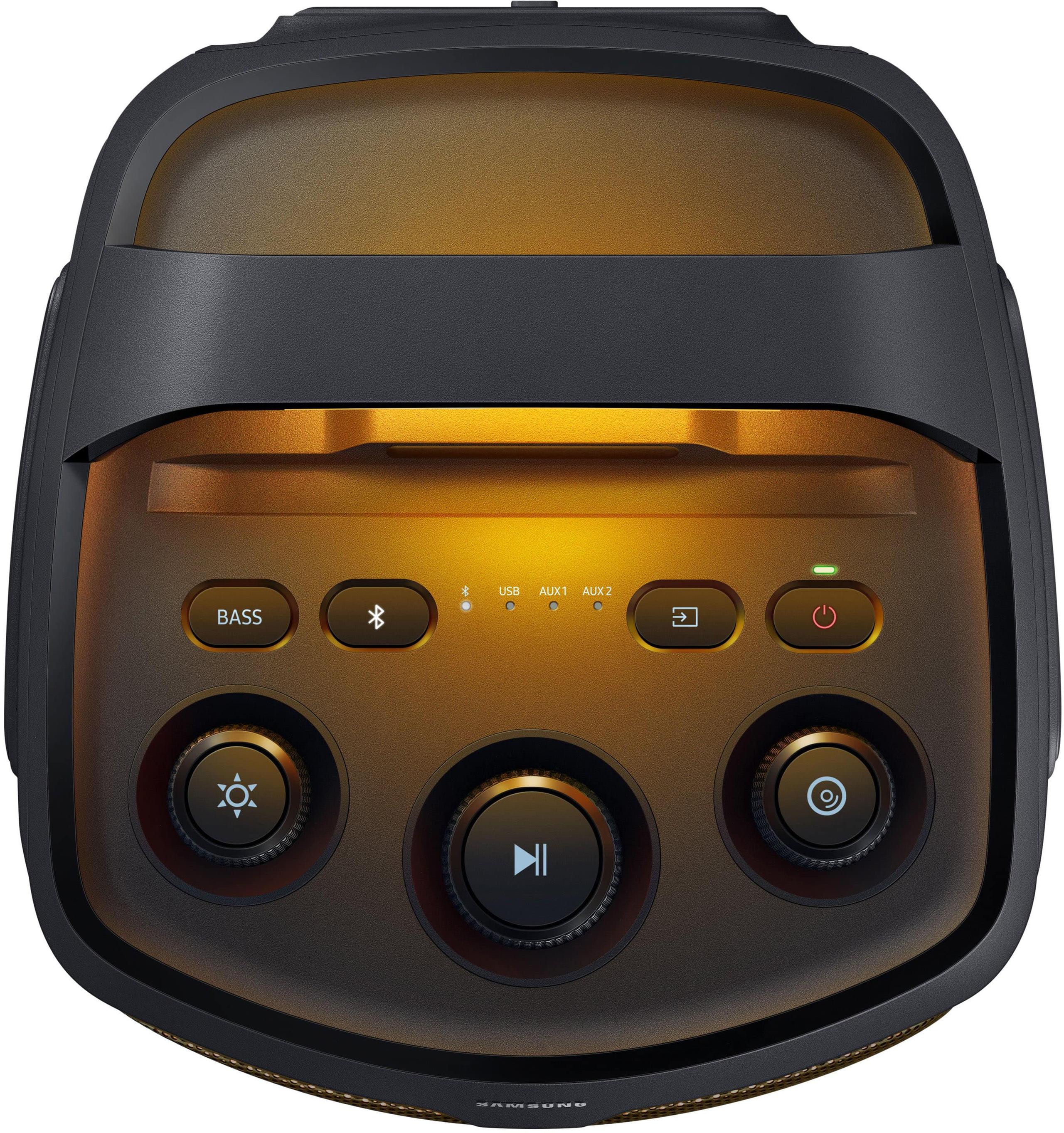
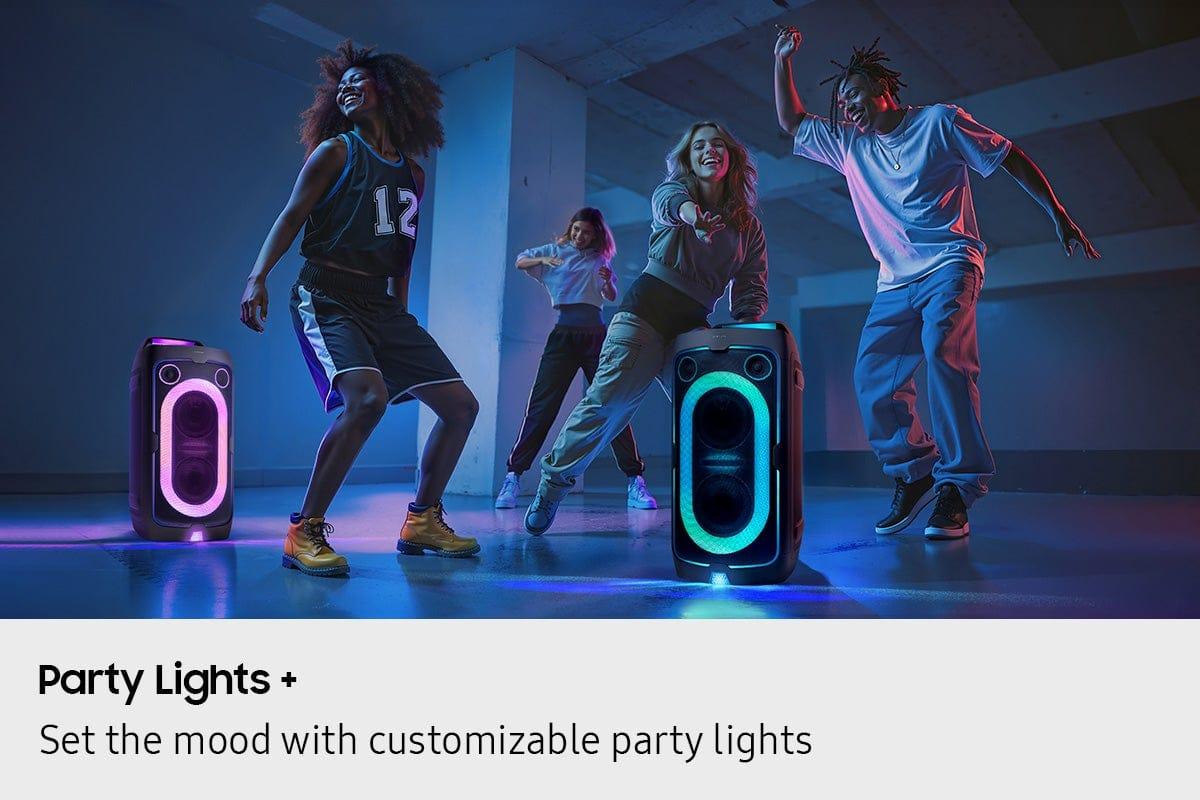
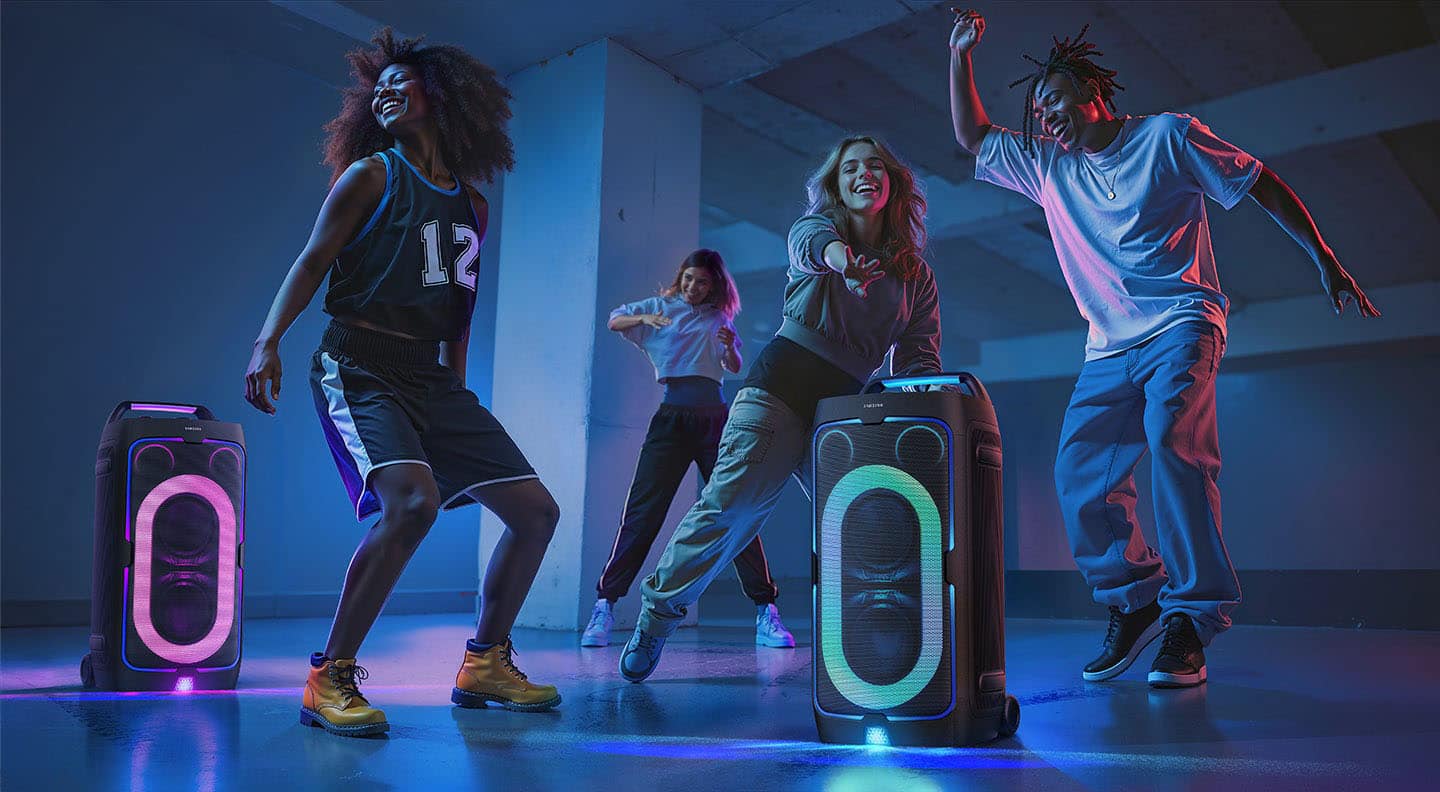
The Samsung MX-ST40F goes all-out with party features. Six customizable LED lighting patterns sync with your music, while the Samsung Sound Tower app lets you adjust colors, strobe patterns, and synchronization sensitivity. Beyond lighting, Samsung packs in five DJ effects (things like echo, reverb, and distortion), plus a 12-sample built-in sampler for adding air horns, crowd cheers, and other party sounds with the tap of a button.
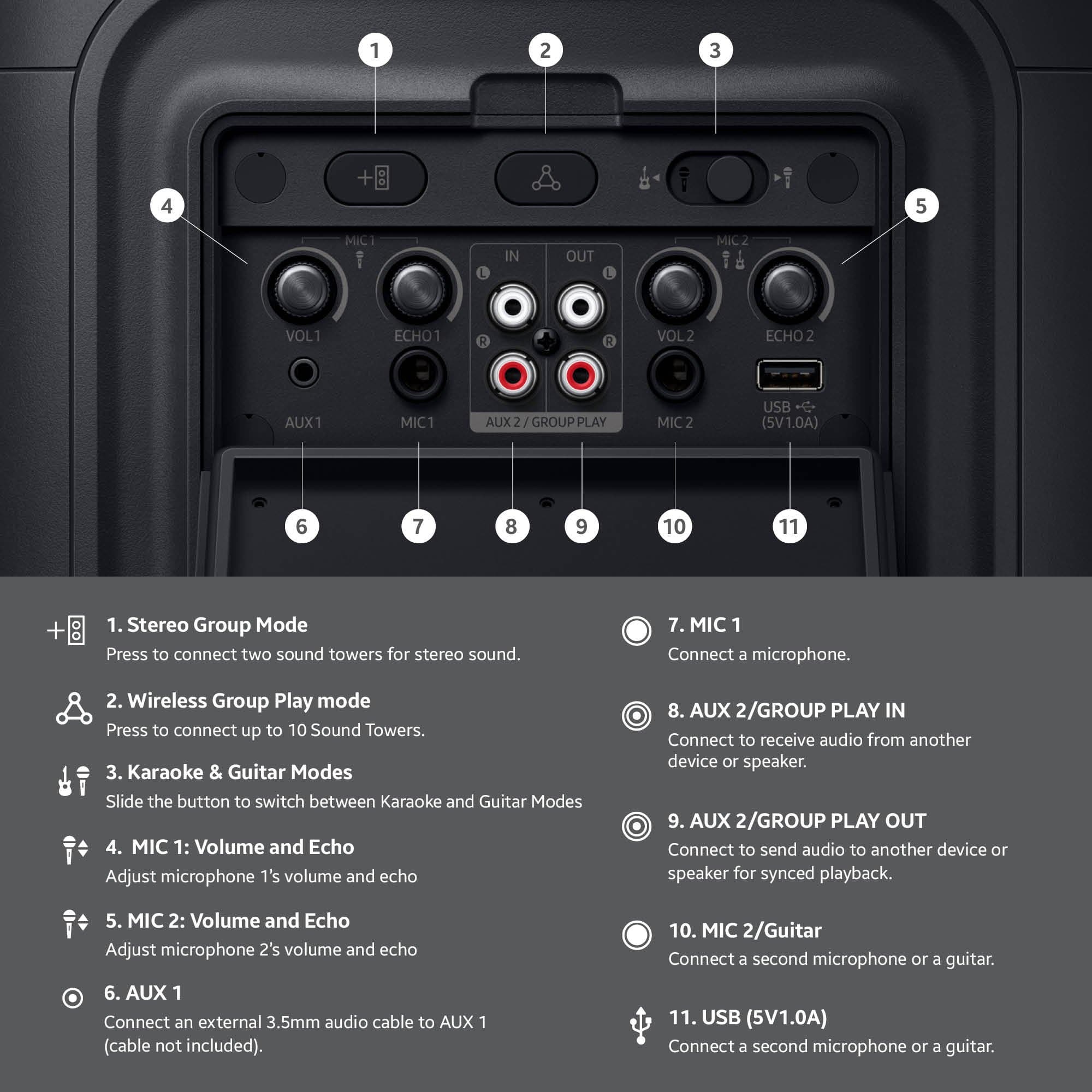
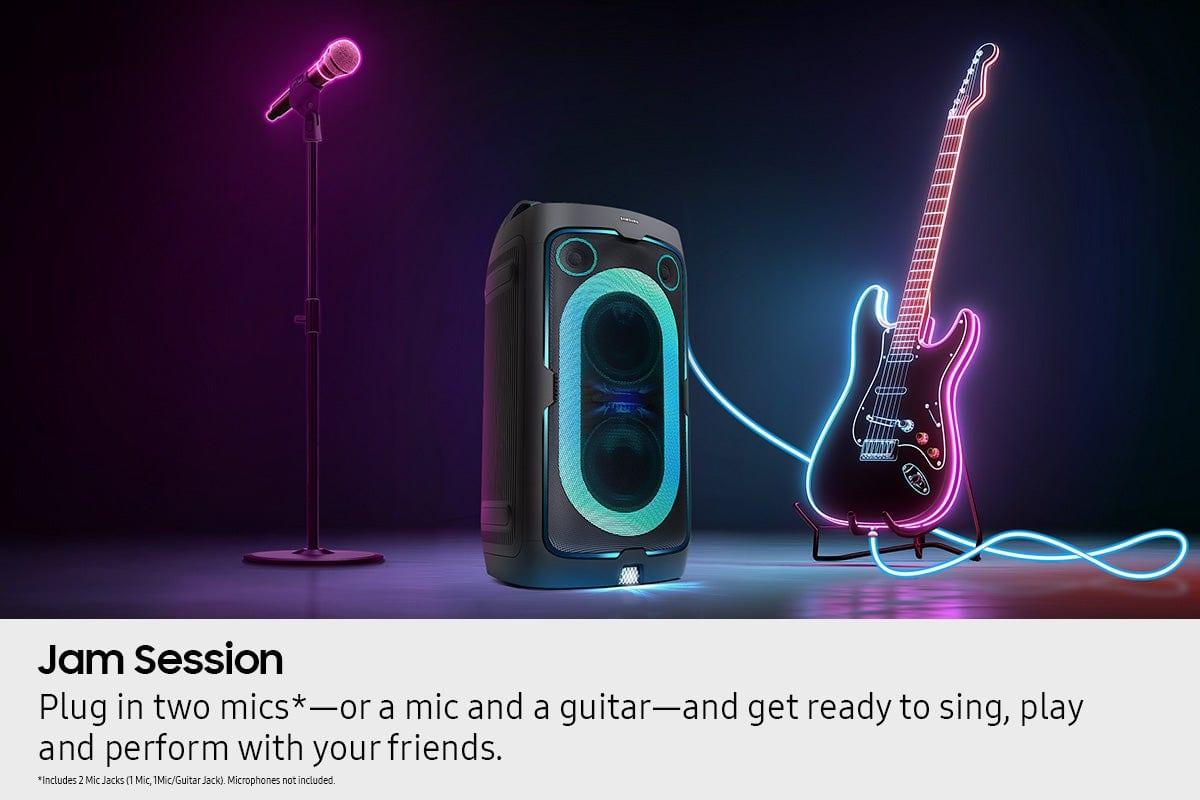
The karaoke implementation is particularly sophisticated—dual microphone inputs with independent volume controls, voice recording capability, and voice removal technology that can strip vocals from existing tracks to create karaoke versions. The DJ Booth function essentially turns the Samsung into a portable entertainment system suitable for amateur DJs and karaoke enthusiasts.
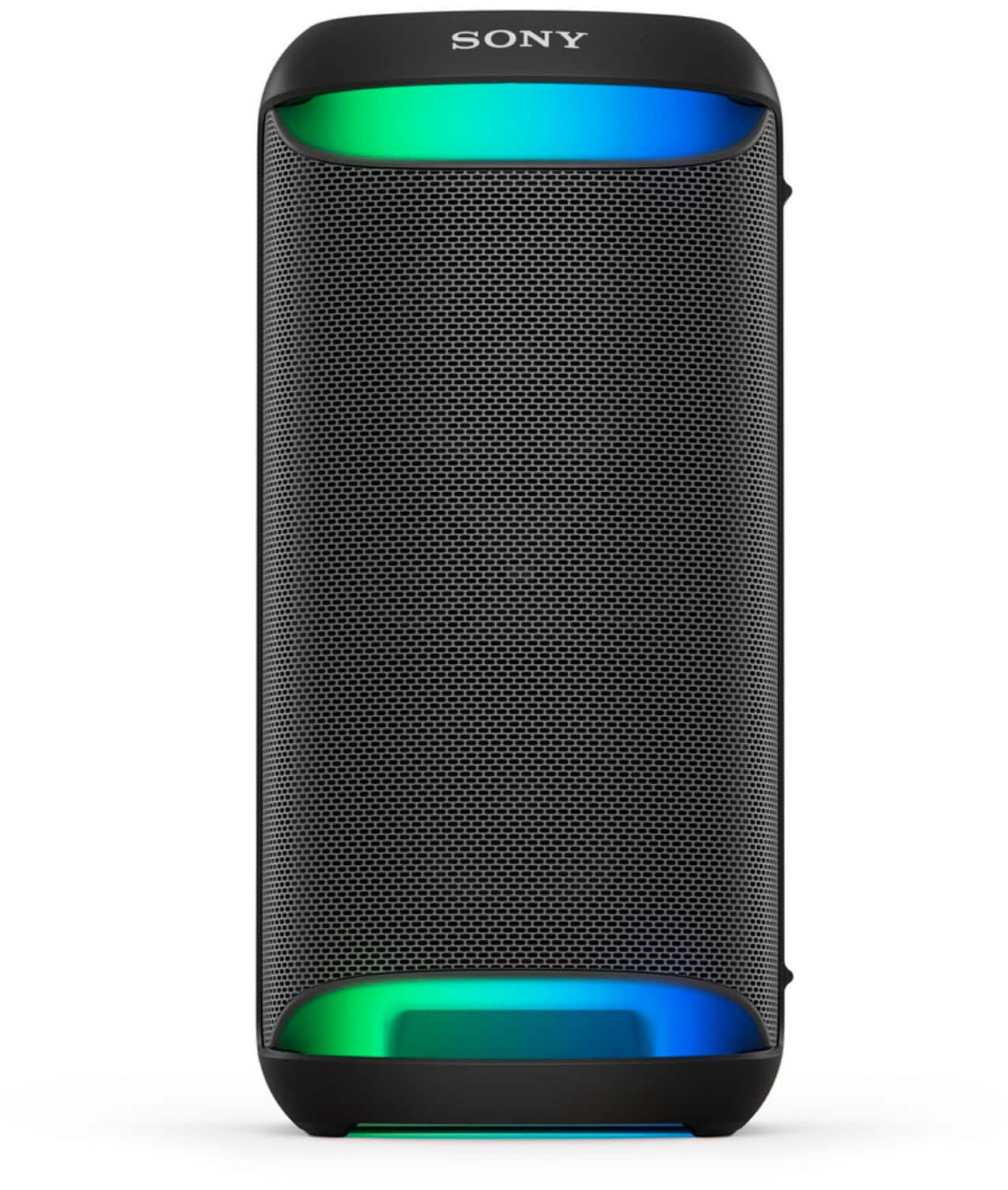
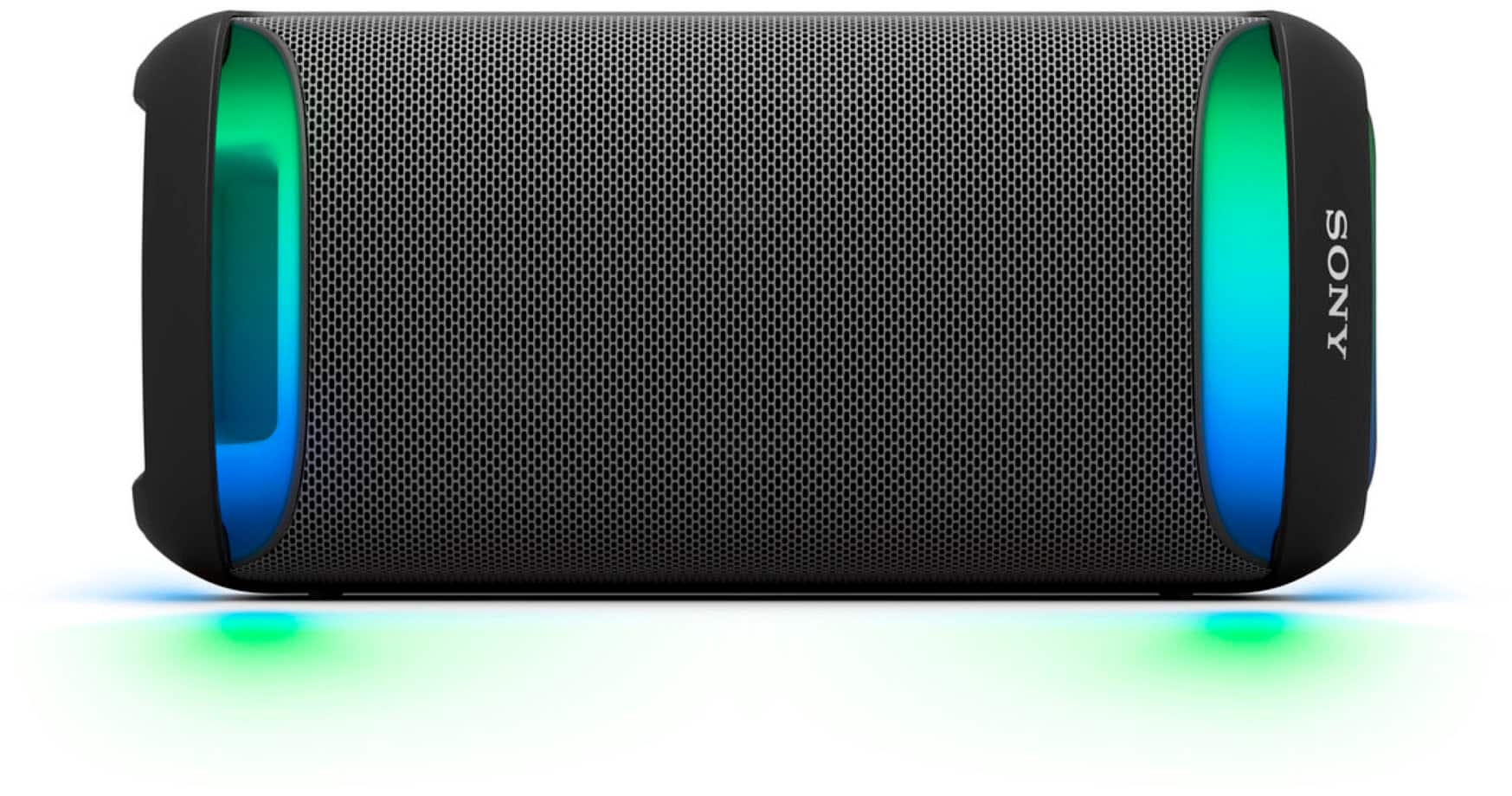
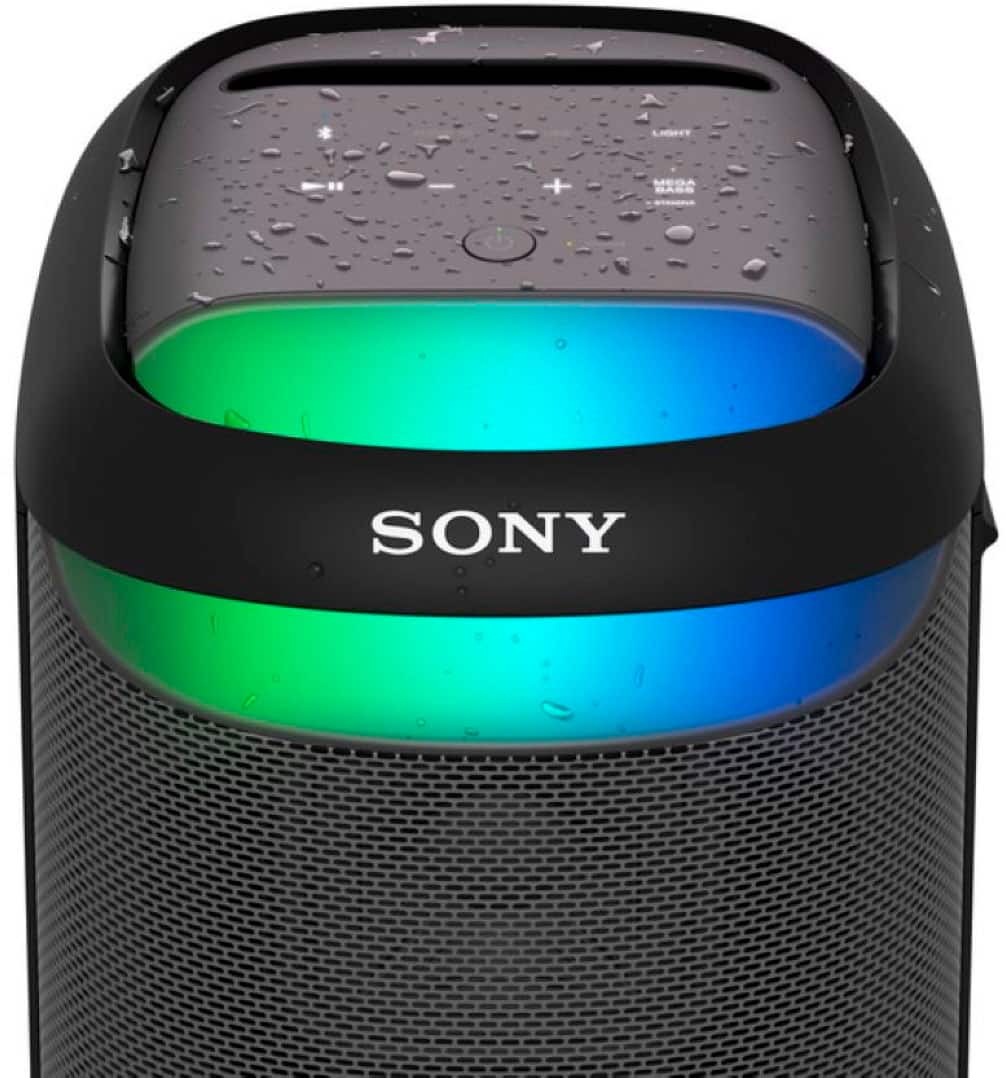
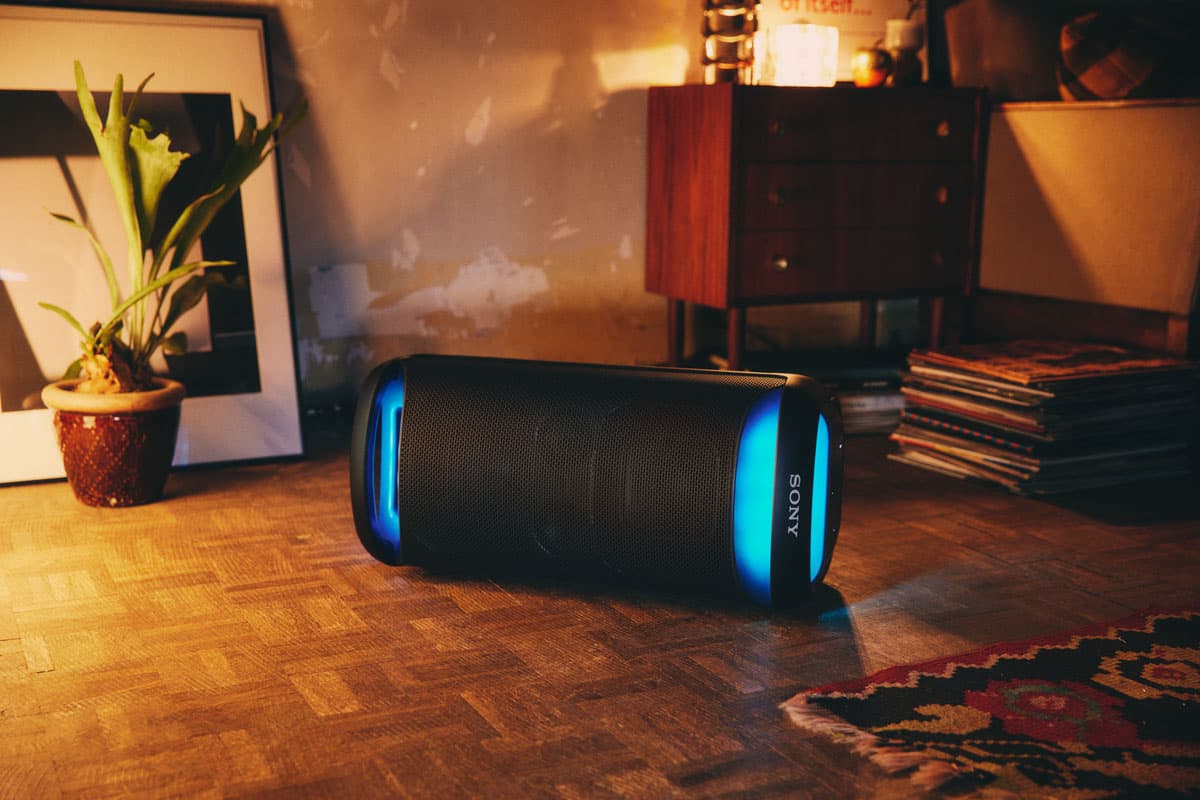
Sony takes a more focused approach with the Sony SRS-XV500. The RGB lighting system is simpler but effective, with colors that pulse and strobe to the music beat. Where Sony excels is in karaoke functionality—dedicated controls for key transposition (pitch shifting) and echo effects are built into the speaker itself, not buried in an app. This makes it much easier to adjust settings on the fly during performances.
The key transposition feature is particularly valuable for singers. If a song is too high or low for your vocal range, you can shift it up or down in real-time without affecting the tempo. This level of vocal support typically requires dedicated karaoke equipment.
For users who want maximum party tricks and effects, the Samsung is clearly superior. For those focused specifically on karaoke and vocal performance, the Sony's dedicated hardware controls offer practical advantages.
Both speakers support connecting multiple units, but through different technologies with distinct advantages. The Samsung MX-ST40F uses Auracast—a cutting-edge wireless standard that can link up to 10 Samsung speakers simultaneously. This creates truly massive sound installations suitable for large events or permanent installations.
Auracast also supports True Wireless Stereo (TWS), where two Samsung speakers pair to create left and right channels for proper stereo imaging. This dramatically improves sound quality for music listening, creating the spatial separation and soundstage that single speakers can't match.
The Sony SRS-XV500 uses Sony's Party Connect technology, which can theoretically link up to 100 compatible Sony speakers. However, this requires other Sony speakers that support the protocol—you can't mix and match with different brands like you can with some wireless standards.
Both speakers support connecting two smartphones simultaneously, letting party guests take turns as DJ without the hassle of disconnecting and reconnecting devices.
For versatility and ease of setup, Samsung's Auracast has advantages. For users already invested in Sony's ecosystem, Party Connect offers impressive scalability.
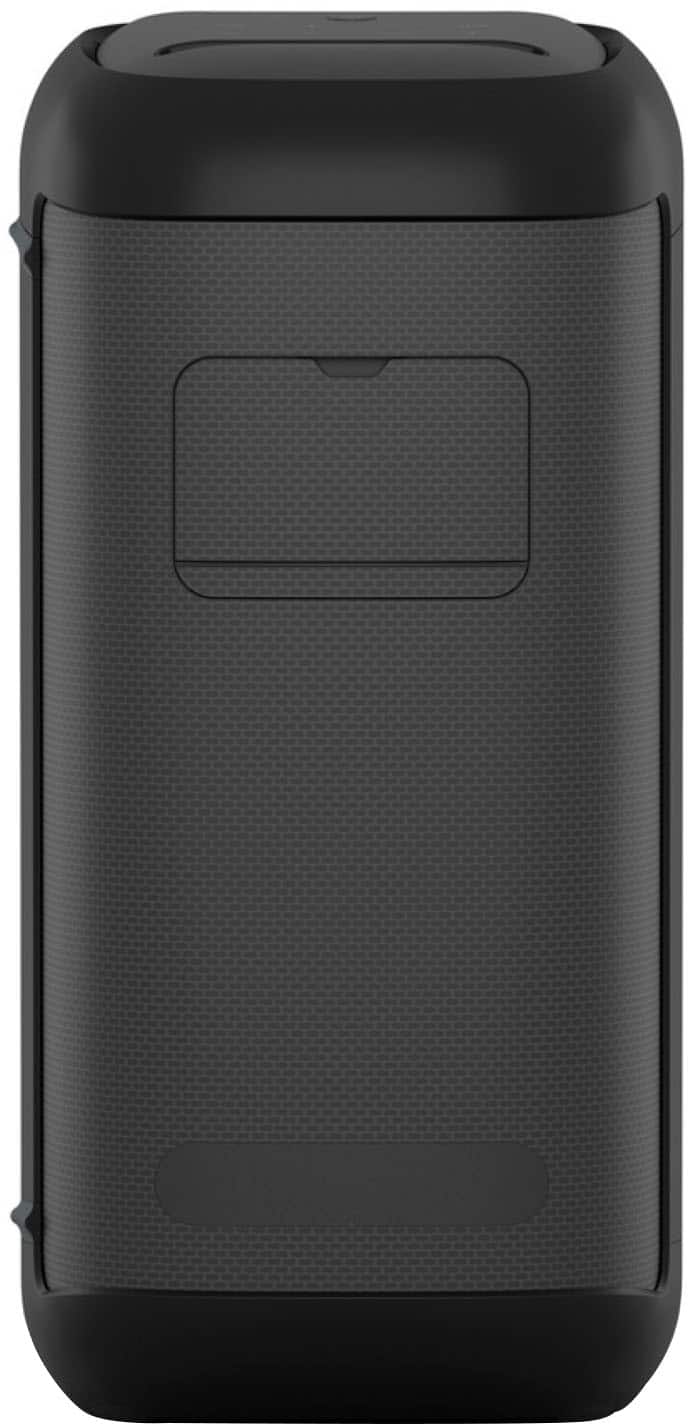
Despite similar weights (around 11-13 kg), the Sony SRS-XV500 feels more portable thanks to its 23% smaller volume and well-positioned carrying handles. The compact design makes it easier to fit in car trunks and carry reasonable distances, though neither speaker is truly lightweight.
Both feature IPX4 water resistance—protection against splashing from any direction but not submersion. This means poolside parties and light rain are fine, but don't drop either speaker in water.
The Samsung lacks wheels, which might disappoint users expecting easy rolling transport. However, its integrated handles provide secure grip points, and the tower design is inherently stable once positioned.
User feedback consistently praises the Sony's build quality and materials, while early reports on the Samsung suggest solid construction befitting its premium positioning.
While primarily designed for parties, both speakers can enhance home entertainment setups. The Sony SRS-XV500 particularly excels here due to its low audio latency with iOS devices, meaning video and audio stay synchronized when watching movies or videos on your phone or tablet.
The Samsung MX-ST40F's stereo pairing capability makes it interesting for home theater use—two speakers can create proper left/right channels for a much more immersive experience than typical single-speaker setups. The waveguide tweeters also help with consistent sound across seating areas.
However, neither speaker is optimized for dialogue clarity—their bass-heavy tuning works better for music than speech. For serious home theater use, dedicated soundbars remain the better choice.
At the time of writing, the Samsung MX-ST40F commands a significant premium over the Sony SRS-XV500—roughly 65% more expensive. This positions Samsung squarely in premium territory, competing with high-end JBL PartyBox models and professional PA speakers.
That premium buys you higher power output, more extensive feature sets, replaceable batteries, and cutting-edge connectivity options. For users who want maximum capability and plan to use advanced features regularly, the additional cost delivers genuine value.
The Sony represents exceptional value in the mid-to-high tier, delivering 25-hour battery life, solid performance, and essential party features at a more accessible price point. It's the smarter choice for users who prioritize fundamentals over bells and whistles.
Choose the Samsung MX-ST40F if you're serious about audio and entertainment. Its 160-watt output handles large gatherings effortlessly, while the extensive DJ effects and customization options appeal to users who want to actively engage with their music system. The replaceable battery design makes it ideal for professional use or extended outdoor events where charging isn't practical.
The waveguide tweeter technology and bass mode selection show Samsung's commitment to audiophile-level performance, making this speaker suitable for critical listening as well as party use. If budget allows and you value maximum capability, the Samsung justifies its premium pricing.
Choose the Sony SRS-XV500 if you prioritize reliability and endurance. That 25-hour battery life is genuinely game-changing for outdoor enthusiasts, camping trips, or any situation where charging opportunities are limited. The more compact size and superior portability make it ideal for users who frequently transport their speaker.
The focus on karaoke functionality with hardware controls appeals to users who regularly sing along to music, while the overall value proposition makes it accessible to more buyers. The Sony delivers the core party speaker experience without premium pricing.
Both speakers represent the current state of the art in portable party audio, but serve different users. The Samsung MX-ST40F is the choice for power users who want maximum capability and don't mind paying for it. The Sony SRS-XV500 succeeds by nailing the fundamentals—exceptional battery life, solid performance, and practical features—at a price that doesn't require serious budget stretching.
Your decision ultimately comes down to priorities: maximum power and features versus exceptional endurance and value. Either choice will dramatically upgrade your party audio experience compared to basic portable speakers, but understanding these differences ensures you pick the right tool for your specific needs.
| Samsung MX-ST40F | Sony SRS-XV500 |
|---|---|
| Power Output - Determines maximum volume and bass impact | |
| 160W (AC mode) / 80W (battery) - Excellent for large gatherings | Undisclosed, estimated 80-120W - Good for most parties |
| Battery Life - Critical for outdoor events and portability | |
| 12 hours (replaceable battery for unlimited runtime) | 25 hours (over double the endurance, fixed battery) |
| Speaker Configuration - Affects sound quality and dispersion | |
| Dual 5.25" woofers + 20mm tweeters with waveguide technology | X-Balanced rectangular woofers + traditional tweeters |
| Bass Customization - Tailors sound to music genres | |
| 3 modes (Deep, Punchy, Gentle) plus custom EQ | MEGA BASS button + 3-band app-controlled EQ |
| Party Lighting - Creates visual atmosphere | |
| 6 customizable LED patterns with app control | RGB lighting with music synchronization |
| DJ/Performance Features - For interactive entertainment | |
| 5 DJ effects, 12-sample sampler, voice recording/removal | Key transposition, echo controls, dedicated karaoke hardware |
| Multi-Speaker Connectivity - Scales up sound system | |
| Auracast (up to 10 Samsung speakers) + TWS stereo pairing | Party Connect (up to 100 compatible Sony speakers) |
| Physical Inputs - Professional connectivity options | |
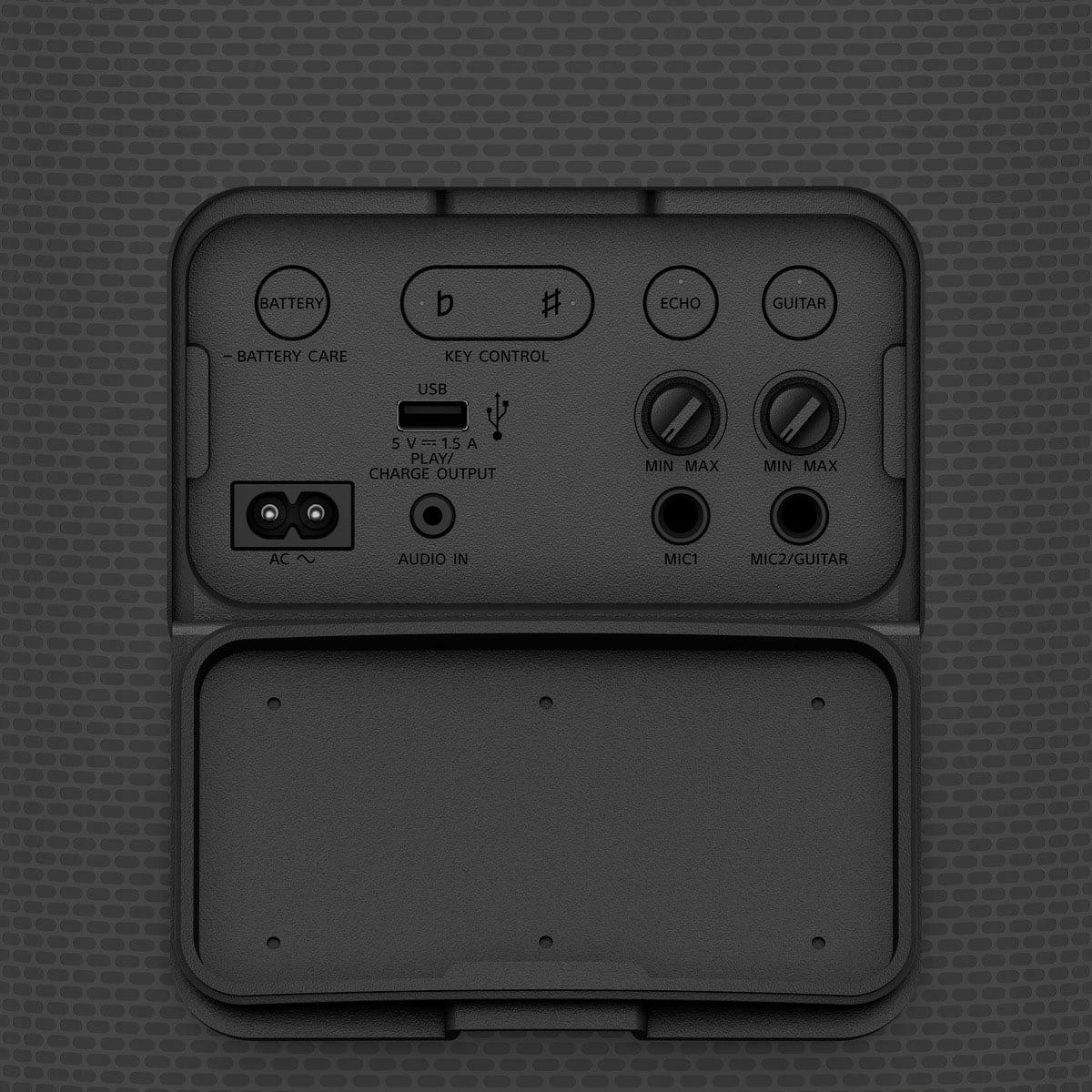
| 2 mic/guitar inputs, USB, no AUX input | 2 mic/guitar inputs, USB, 3.5mm AUX input |
| Size and Weight - Impacts portability | |
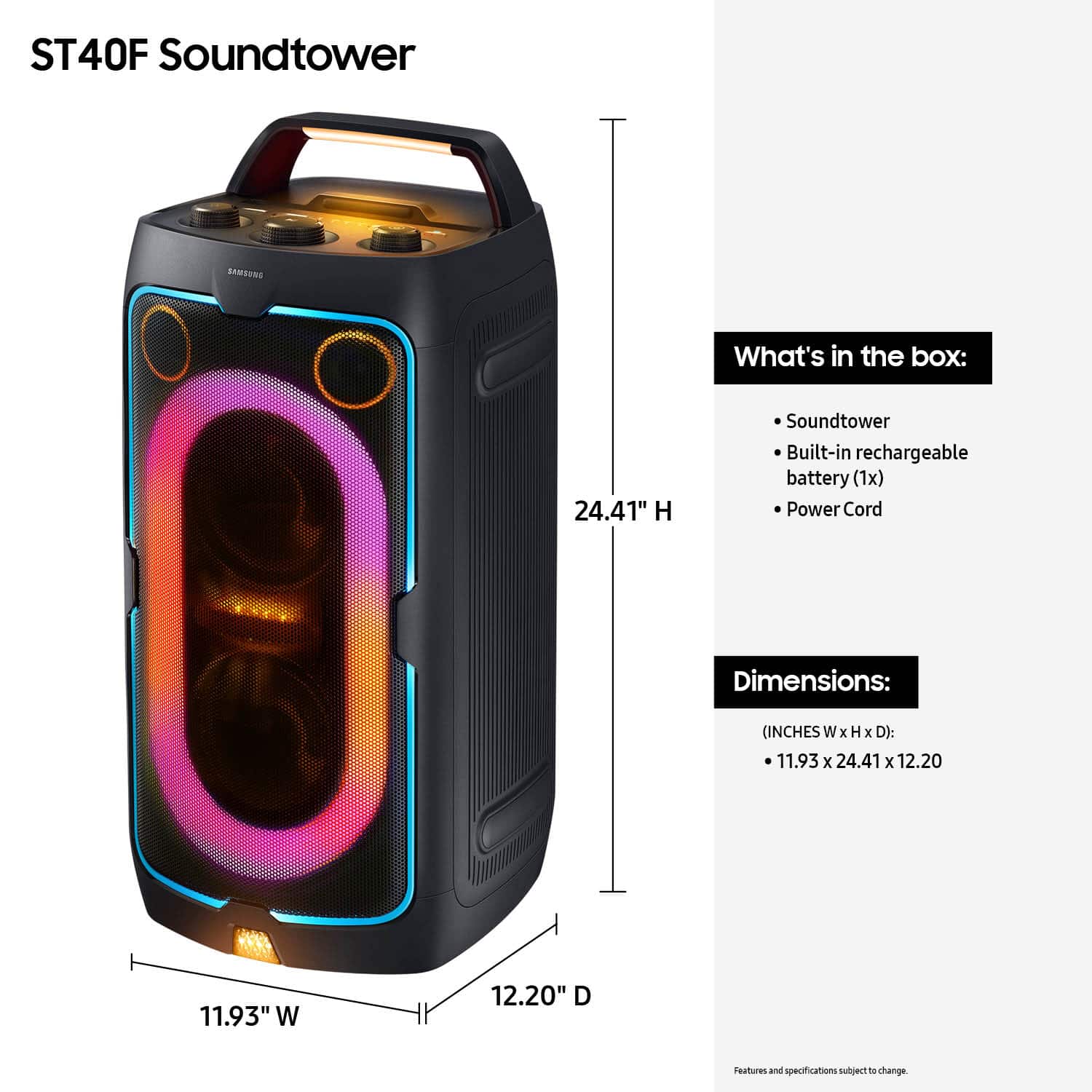
| 303×620×310mm, 12.73kg (larger but more powerful) | 269×564×294mm, 11.2kg (23% smaller volume, easier transport) |
| Water Resistance - Outdoor use protection | |
| IPX4 splashproof | IPX4 splashproof |
| Bluetooth and Codec Support - Wireless audio quality | |
| Bluetooth 5.4, SBC/AAC codecs | Bluetooth 5.2, SBC/AAC/LDAC codecs (LDAC Android only) |
| Value Positioning - Features vs cost consideration | |
| Premium pricing for maximum features and power | Mid-tier pricing with exceptional battery life and core features |
Both the Samsung MX-ST40F and Sony SRS-XV500 are designed for outdoor use with IPX4 water resistance. The Samsung MX-ST40F delivers more power at 160 watts, making it better for large outdoor spaces, while the Sony SRS-XV500 offers 25 hours of battery life, perfect for all-day events without recharging.
The Sony SRS-XV500 provides exceptional 25 hours of continuous playback, more than double the Samsung MX-ST40F's 12 hours. However, the Samsung features a replaceable battery, allowing unlimited runtime with spare batteries, while the Sony has a fixed battery requiring full recharge cycles.
The Samsung MX-ST40F produces higher maximum volume with its 160-watt output compared to the Sony SRS-XV500's estimated 80-120 watts. For large gatherings or competing with ambient noise, the Samsung provides superior loudness and bass impact.
Yes, both speakers support multi-unit connectivity. The Samsung MX-ST40F uses Auracast technology to connect up to 10 speakers wirelessly, while the Sony SRS-XV500 supports Party Connect with up to 100 compatible Sony speakers. The Samsung also offers True Wireless Stereo pairing for proper left/right channel separation.
Both excel at karaoke but differently. The Sony SRS-XV500 features dedicated hardware controls for key transposition and echo effects, making real-time adjustments easier. The Samsung MX-ST40F offers voice recording, voice removal, and more DJ effects, providing broader entertainment options beyond basic karaoke.
The Sony SRS-XV500 is more portable with 23% smaller volume and convenient carrying handles, despite both weighing around 11-13kg. The Samsung MX-ST40F lacks wheels but includes integrated handles. Neither is lightweight, but the Sony is easier to transport frequently.
The Samsung MX-ST40F provides more power and customization with three bass modes and waveguide tweeters for consistent sound dispersion. The Sony SRS-XV500 uses X-Balanced drivers for reduced distortion and clearer audio at moderate volumes. Both deliver excellent sound quality with different strengths.
While primarily party speakers, both can enhance home entertainment. The Sony SRS-XV500 offers better video synchronization with low latency, especially with iOS devices. The Samsung MX-ST40F's stereo pairing capability creates proper left/right channels for more immersive movie watching, though dedicated soundbars remain better for dialogue clarity.
The Samsung MX-ST40F features six customizable LED patterns controlled via smartphone app, with extensive color and synchronization options. The Sony SRS-XV500 offers RGB lighting that pulses and strobes to music beats, providing effective but simpler visual effects compared to the Samsung's advanced customization.
The Sony SRS-XV500 provides exceptional value with 25-hour battery life, solid performance, and essential party features at a more accessible price point. The Samsung MX-ST40F commands a premium but delivers maximum power, extensive features, and professional-grade capabilities that justify the higher cost for power users.
Yes, both speakers include dual microphone and guitar inputs. The Samsung MX-ST40F integrates these into its DJ Booth system with built-in effects and samplers. The Sony SRS-XV500 provides dedicated volume controls and hardware-based effects for each input, making it excellent for live performance and karaoke.
The Samsung MX-ST40F excels at large events with 160-watt power output, ability to connect up to 10 speakers via Auracast, and replaceable batteries for extended runtime. The Sony SRS-XV500 works well for medium-large events with its 25-hour battery life and Party Connect scalability, but the Samsung provides superior power and expansion capabilities for truly large gatherings.
We've done our best to create useful and informative comparisons to help you decide what product to buy. Our research uses advanced automated methods to create this comparison and perfection is not possible - please contact us for corrections or questions. These are the sites we've researched in the creation of this article: samsung.com - samsung.com - youtube.com - samsung.com - youtube.com - thefrogpadappliances.com - bestbuy.com - standardtvandappliance.com - samsung.com - youtube.com - youtube.com - youtube.com - news.samsung.com - videoandaudiocenter.com - arrowassociatedstores.com - shopjetson.com - bestbuy.com - rtings.com - bestbuy.com - youtube.com - rtings.com - versus.com - youtube.com - versus.com - youtube.com - youtube.com - guidingtech.com - crutchfield.com - sony.com - sony.com - bestbuy.com - helpguide.sony.net - smappliance.com - youtube.com - helpguide.sony.net - videoandaudiocenter.com - electronics.sony.com - linqcdn.avbportal.com

Privacy Policy
Terms and Conditions - Affiliate Policy
Home Security
© Copyright 2008-2026.
11816 Inwood Rd #1211, Dallas, TX 75244