

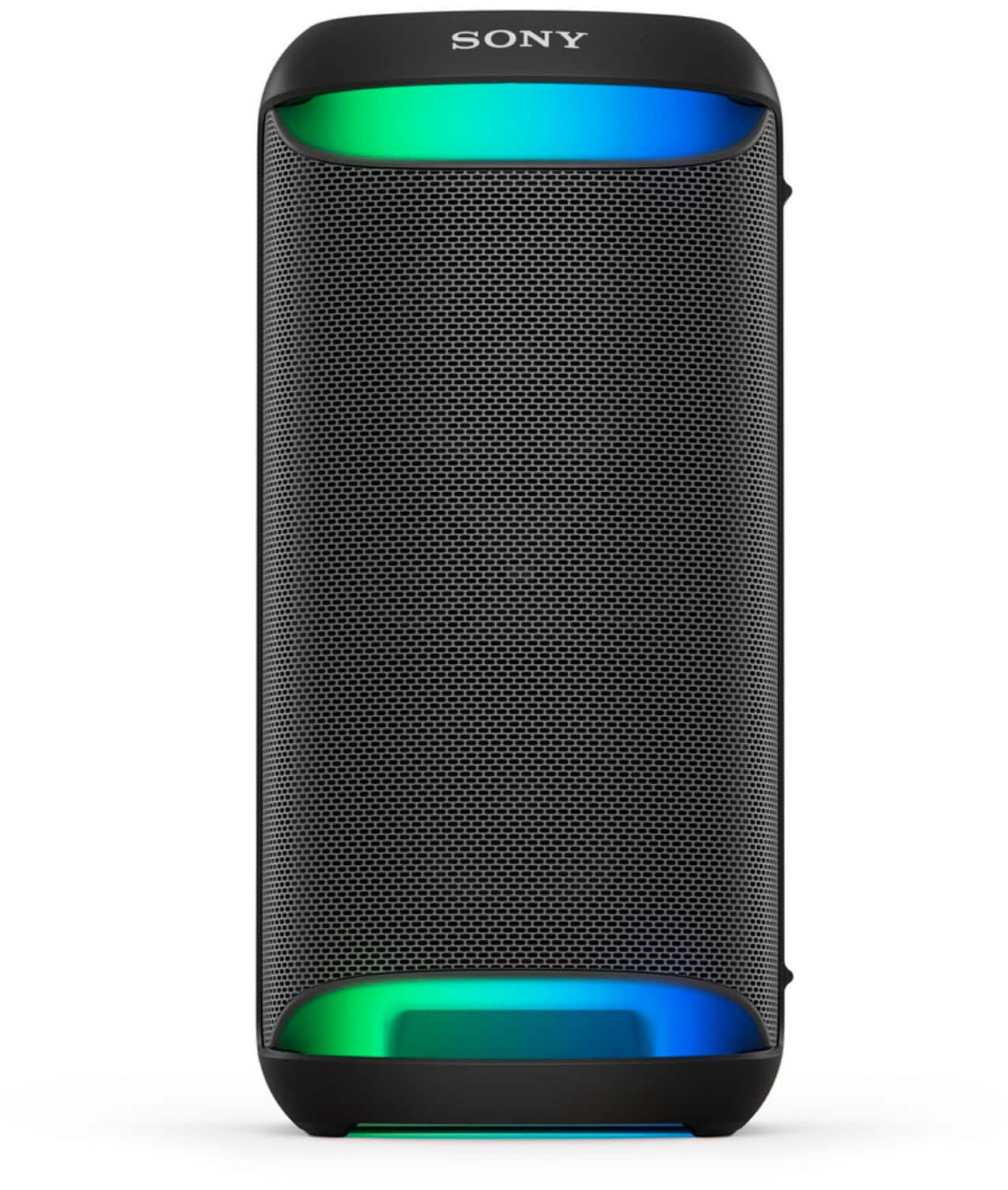
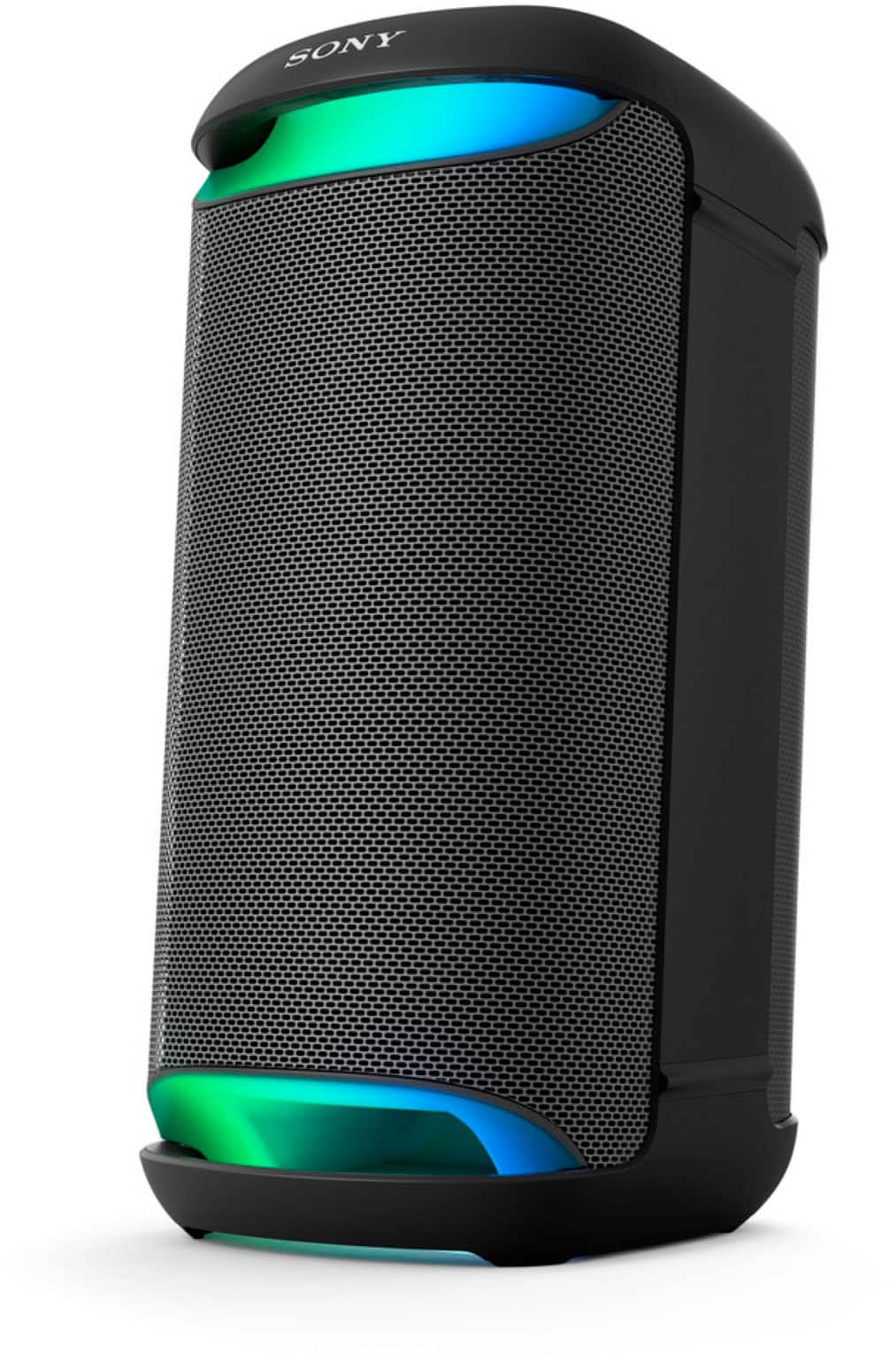
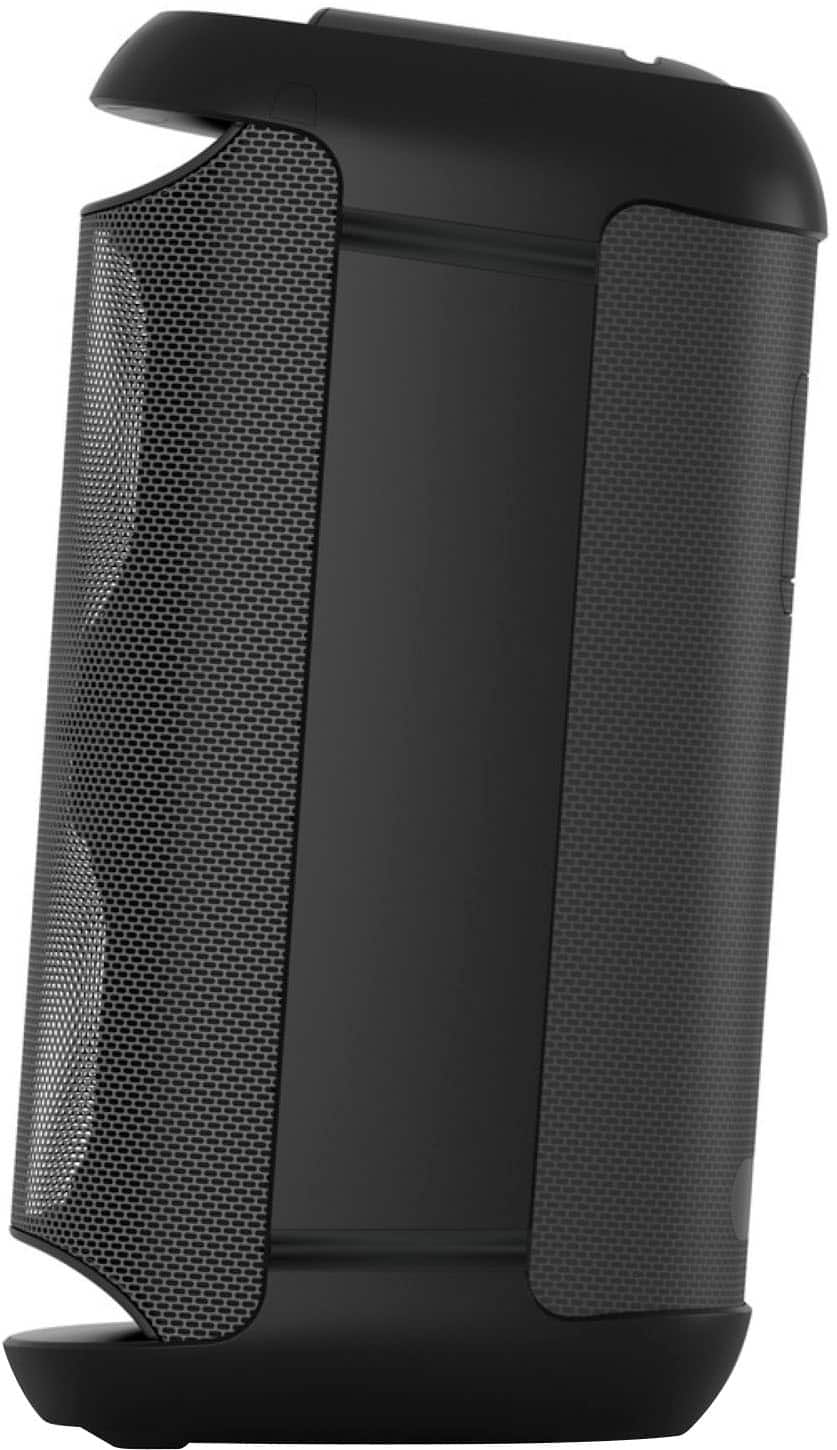
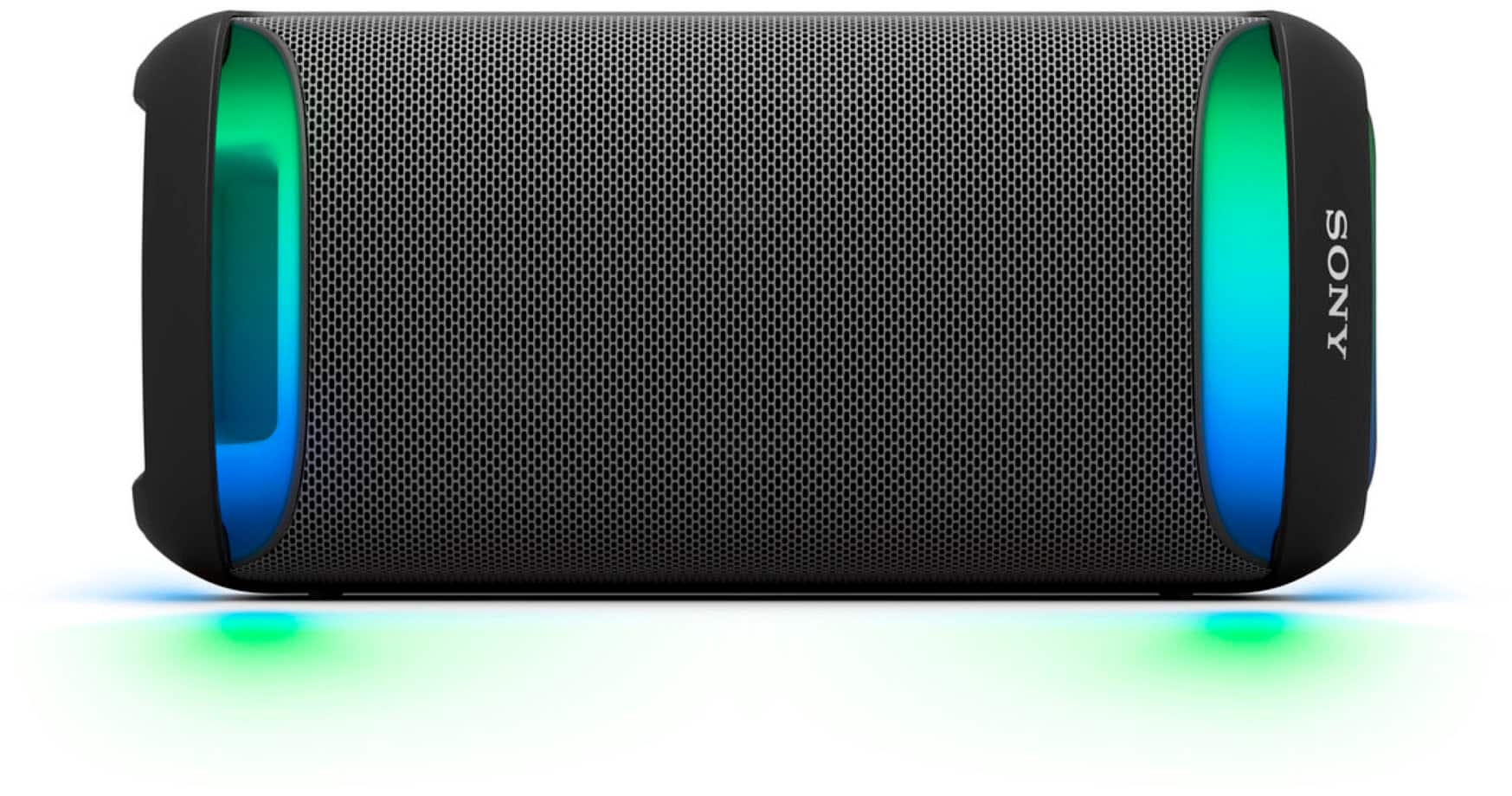

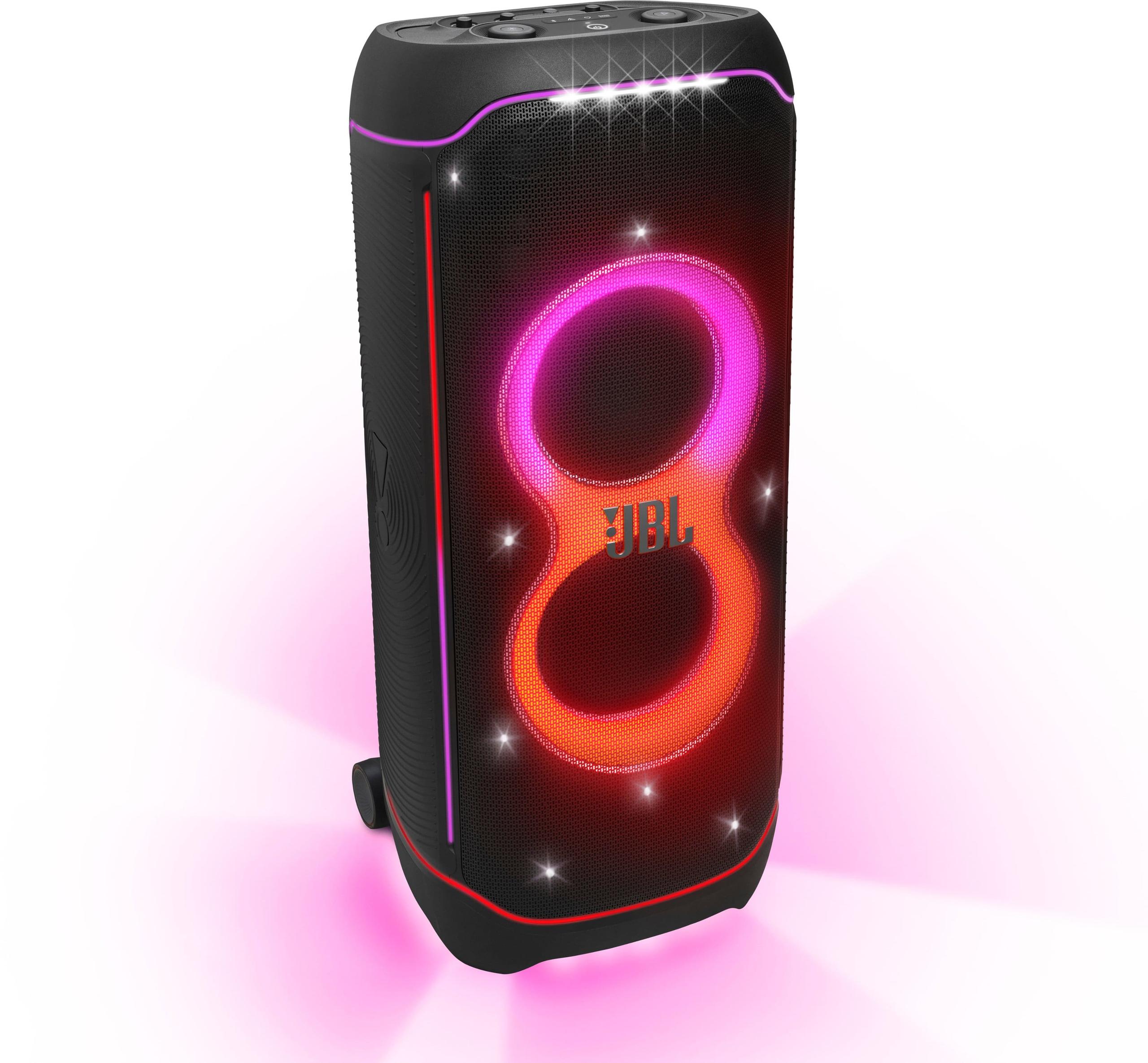
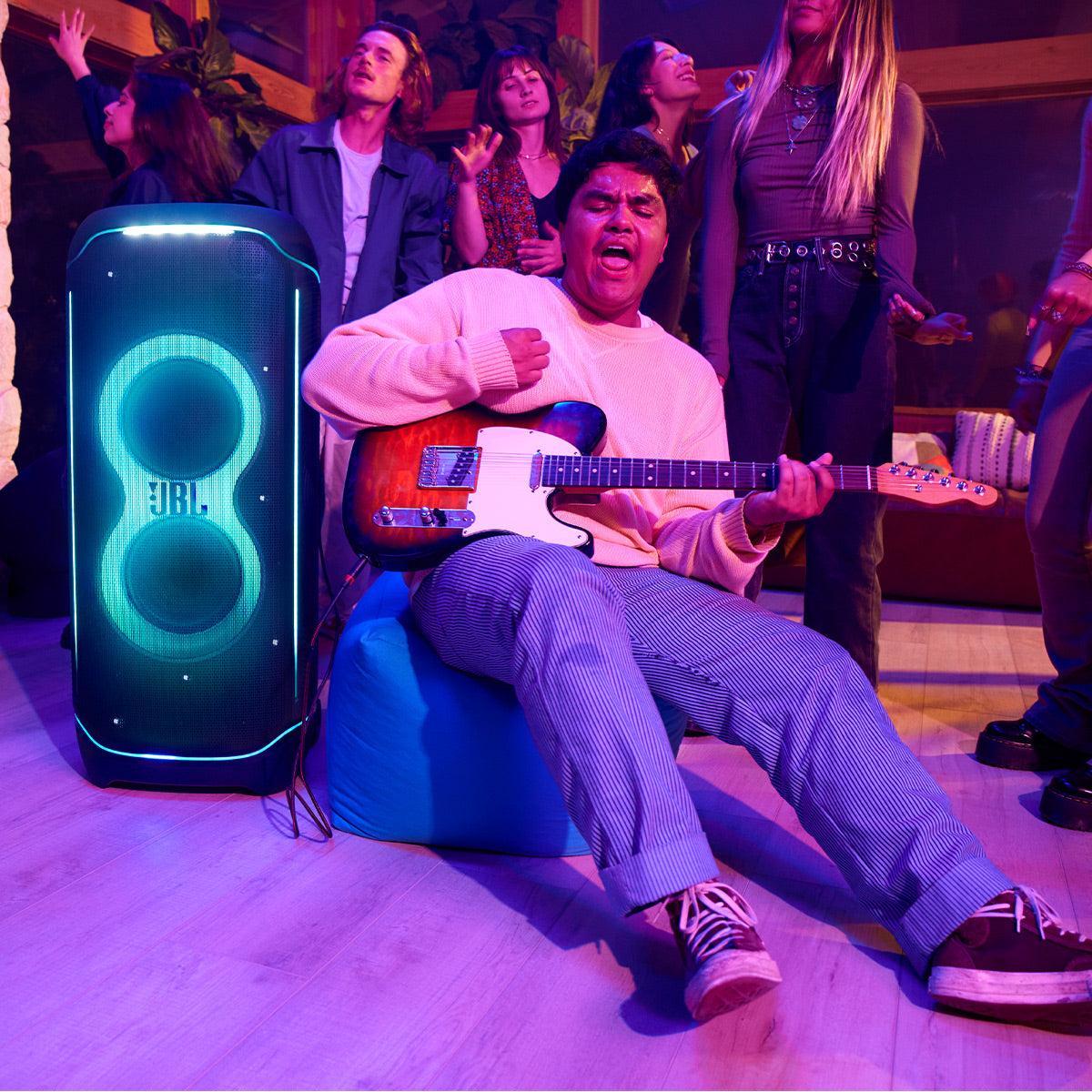
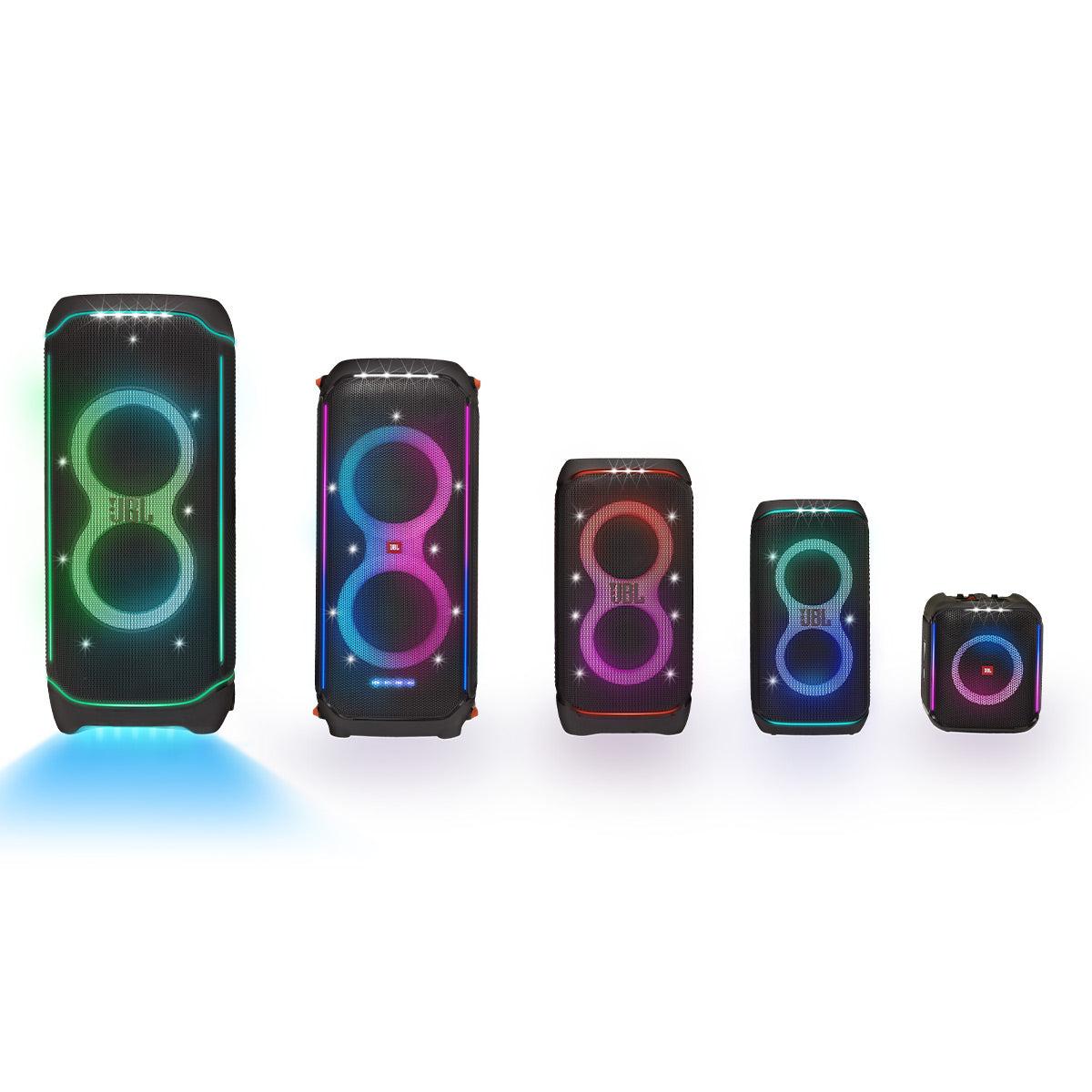
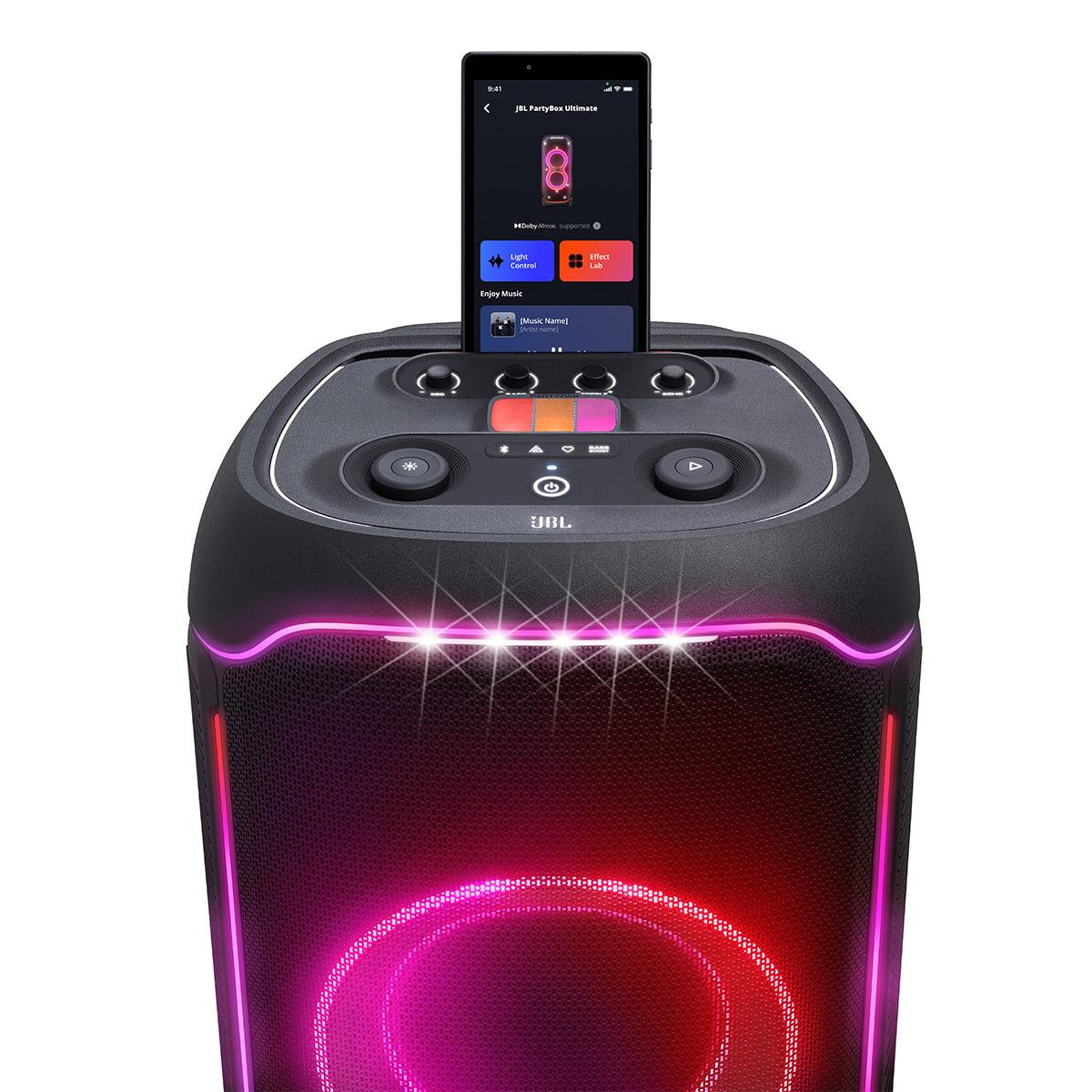
When it comes to throwing memorable parties, the right speaker can make or break the entire experience. Two standout options have been capturing attention: the portable Sony SRS-XV500 and the powerhouse JBL PartyBox Ultimate. While both aim to get people moving, they take dramatically different approaches to party audio.
Party speakers aren't your typical bookshelf or home theater speakers. They're designed with one primary goal: creating an energetic atmosphere that gets people dancing and keeps them engaged. This means they prioritize volume, bass impact, durability, and visual excitement over the neutral, reference-quality sound you'd want for critical listening.
The most important performance characteristics for party speakers include maximum volume without distortion (measured in decibels or dB), bass extension and impact (how low and powerful the low frequencies are), sound dispersion (how evenly sound spreads throughout a room), battery life for portable models, and entertainment features like lighting effects and karaoke capabilities.
When evaluating party speakers, the key metrics that matter most are peak volume levels, bass response below 100Hz, total harmonic distortion at high volumes, and real-world battery performance. Unlike studio monitors where flat frequency response is king, party speakers benefit from enhanced bass and slightly boosted treble to cut through crowd noise and room acoustics.
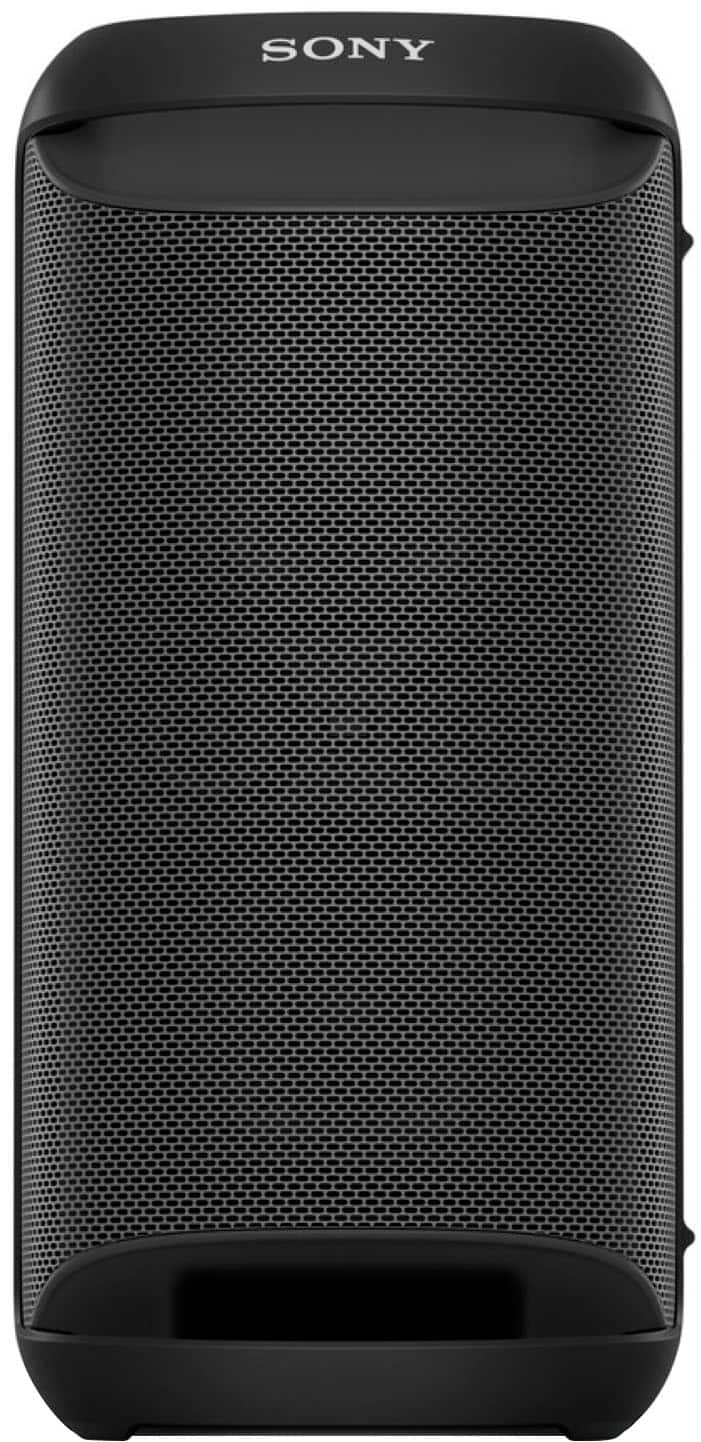
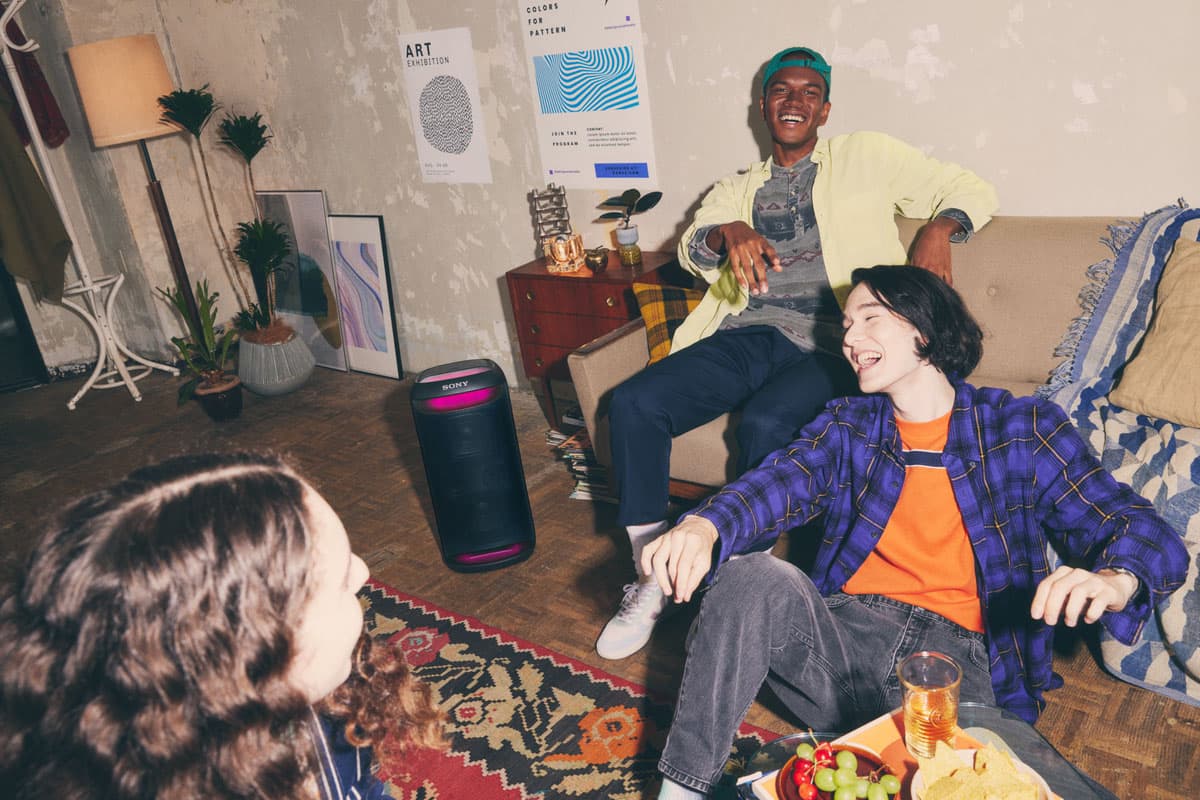
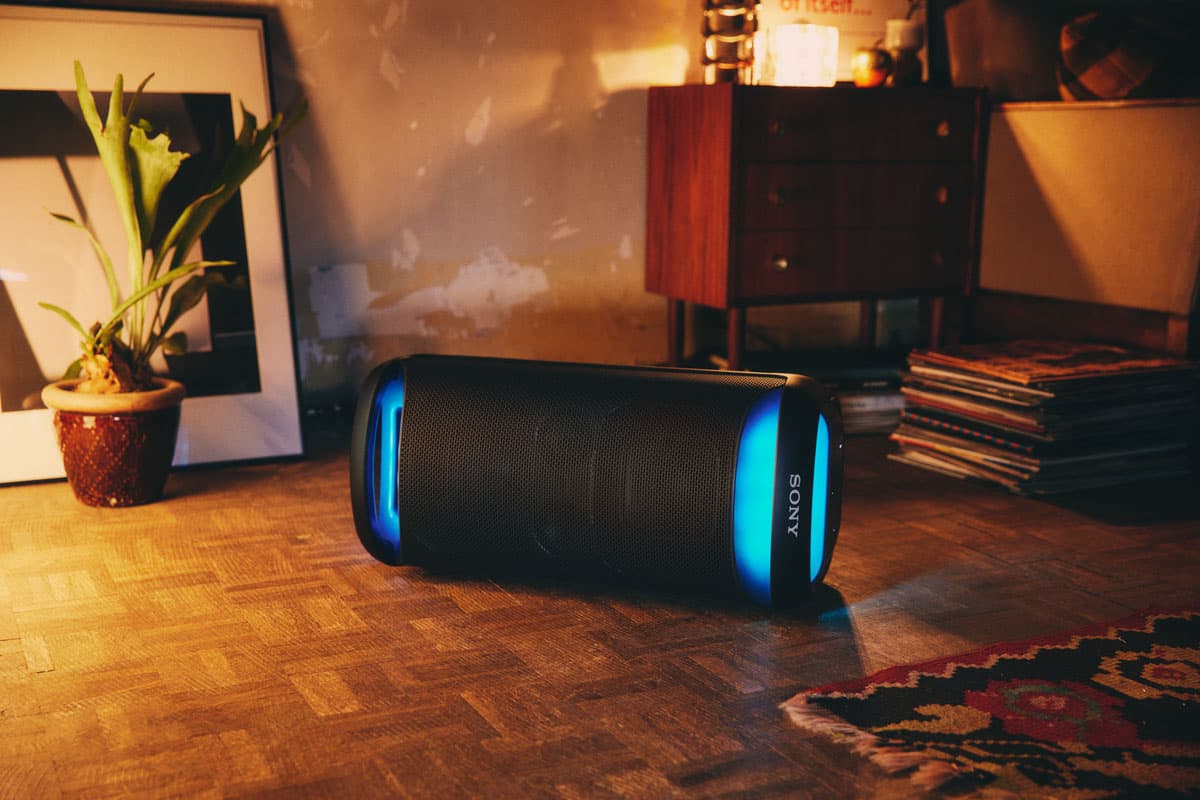
The Sony SRS-XV500, released in 2024, represents the "portable powerhouse" approach. At the time of writing, it sits in the mid-range price category, offering serious party features without breaking the bank. Sony designed this speaker for people who want flexibility—the ability to bring great sound to beach parties, backyard gatherings, or indoor celebrations without being tethered to a power outlet.
The JBL PartyBox Ultimate, also hitting the market in 2024, takes the "no-compromise performance" route. Priced significantly higher—roughly two to three times the Sony's cost at launch—it's built for users who prioritize maximum impact over portability. This is JBL's flagship party speaker, incorporating cutting-edge audio technologies that were previously exclusive to professional sound systems.
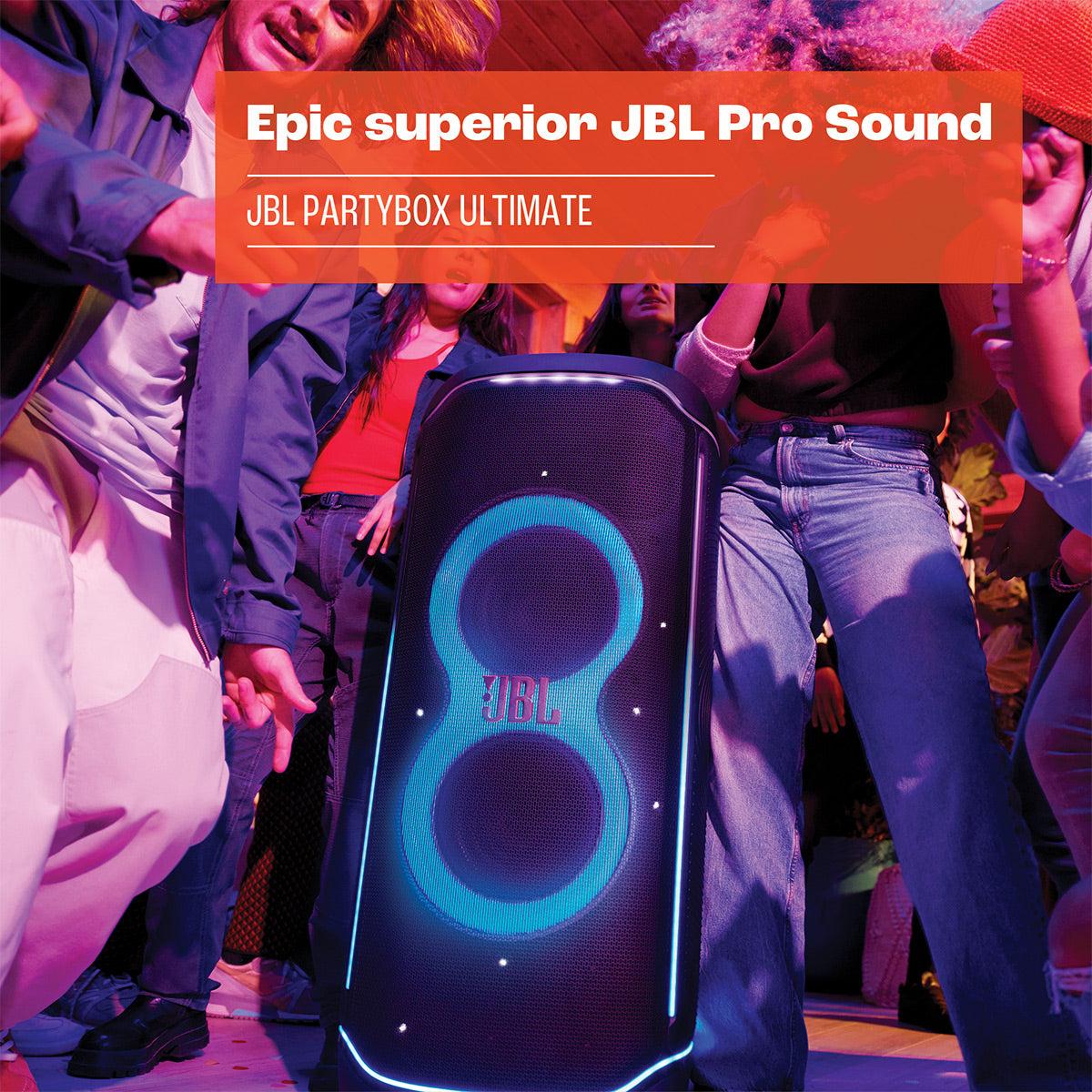
The most dramatic difference between these speakers lies in their raw power output. The JBL PartyBox Ultimate delivers an massive 1,100 watts RMS (Root Mean Square—the continuous power output, not peak), while the Sony SRS-XV500 operates at significantly lower wattage levels typical of battery-powered speakers.
This power difference translates directly to real-world volume capabilities. Based on our research of professional measurements, the JBL PartyBox Ultimate reaches approximately 109.4 dB on the A-weighted scale (which emphasizes frequencies most important to human hearing) and an impressive 116.7 dB on the C-weighted scale (which includes more bass frequencies). To put this in perspective, 110 dB is roughly equivalent to a rock concert, while 120 dB approaches the threshold of pain.
The Sony SRS-XV500, being battery-powered, can't match these extreme levels but still delivers respectable volume for medium-sized gatherings. However, like most portable speakers, it exhibits noticeable compression at maximum volume—meaning the sound becomes somewhat flattened and less dynamic when pushed to its limits.
For context, every 3 dB increase represents a doubling of acoustic power, so the JBL's advantage isn't just noticeable—it's overwhelming in large spaces. If you're trying to fill a typical living room or small backyard, the Sony provides plenty of volume. But for outdoor events, large rooms, or situations where you're competing with crowd noise, the JBL's extra headroom becomes essential.
Bass response deserves special attention because it's often what people feel as much as hear at parties. The JBL PartyBox Ultimate employs dual 9-inch woofers in its driver configuration—large speakers dedicated to reproducing low frequencies. These create the kind of physical bass impact that you feel in your chest, essential for electronic dance music, hip-hop, and other bass-heavy genres that dominate party playlists.
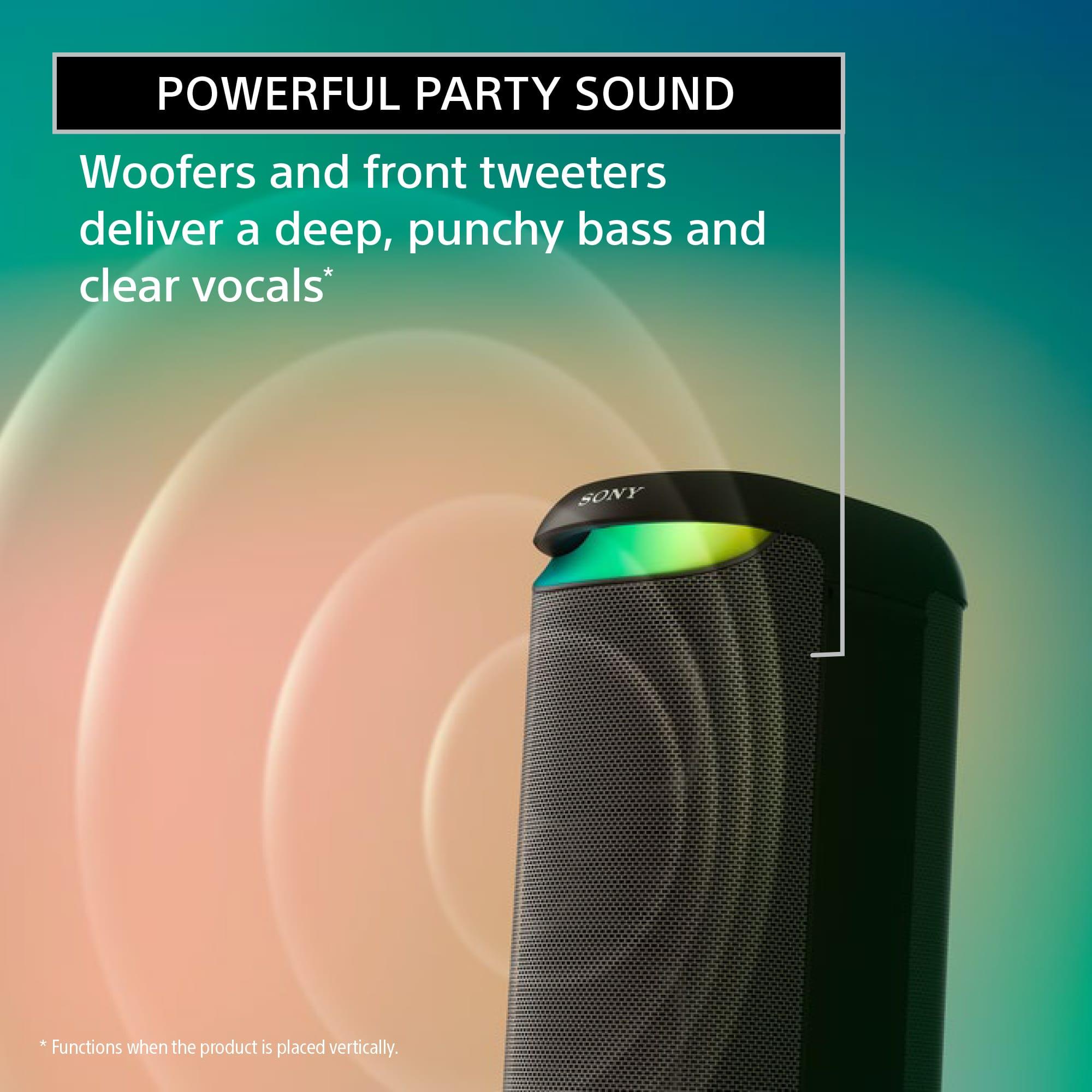
The Sony SRS-XV500 uses Sony's X-Balanced Speaker Units, which feature an oval shape designed to maximize sound pressure while minimizing distortion. Combined with the MEGA BASS feature—a digital signal processing enhancement that boosts low frequencies—it delivers impressive bass for its size. However, the laws of physics still apply: smaller drivers and battery power limitations mean it can't match the JBL's low-frequency authority.
One crucial technical difference is bass extension—how low in frequency each speaker can effectively reproduce. Deep bass (below 40Hz) is what gives electronic music its visceral impact and makes acoustic instruments like kickdrums and bass guitars sound full and realistic. The JBL PartyBox Ultimate reportedly extends down to 30Hz, while the Sony SRS-XV500 likely rolls off closer to 50Hz, though Sony doesn't publish specific measurements.
While party speakers prioritize impact over accuracy, sound quality still matters. The JBL PartyBox Ultimate incorporates several advanced technologies that elevate it above typical party speakers. Its self-tuning acoustic calibration uses built-in microphones to analyze the room acoustics and automatically adjust the sound signature for optimal performance—a feature borrowed from high-end home theater systems.
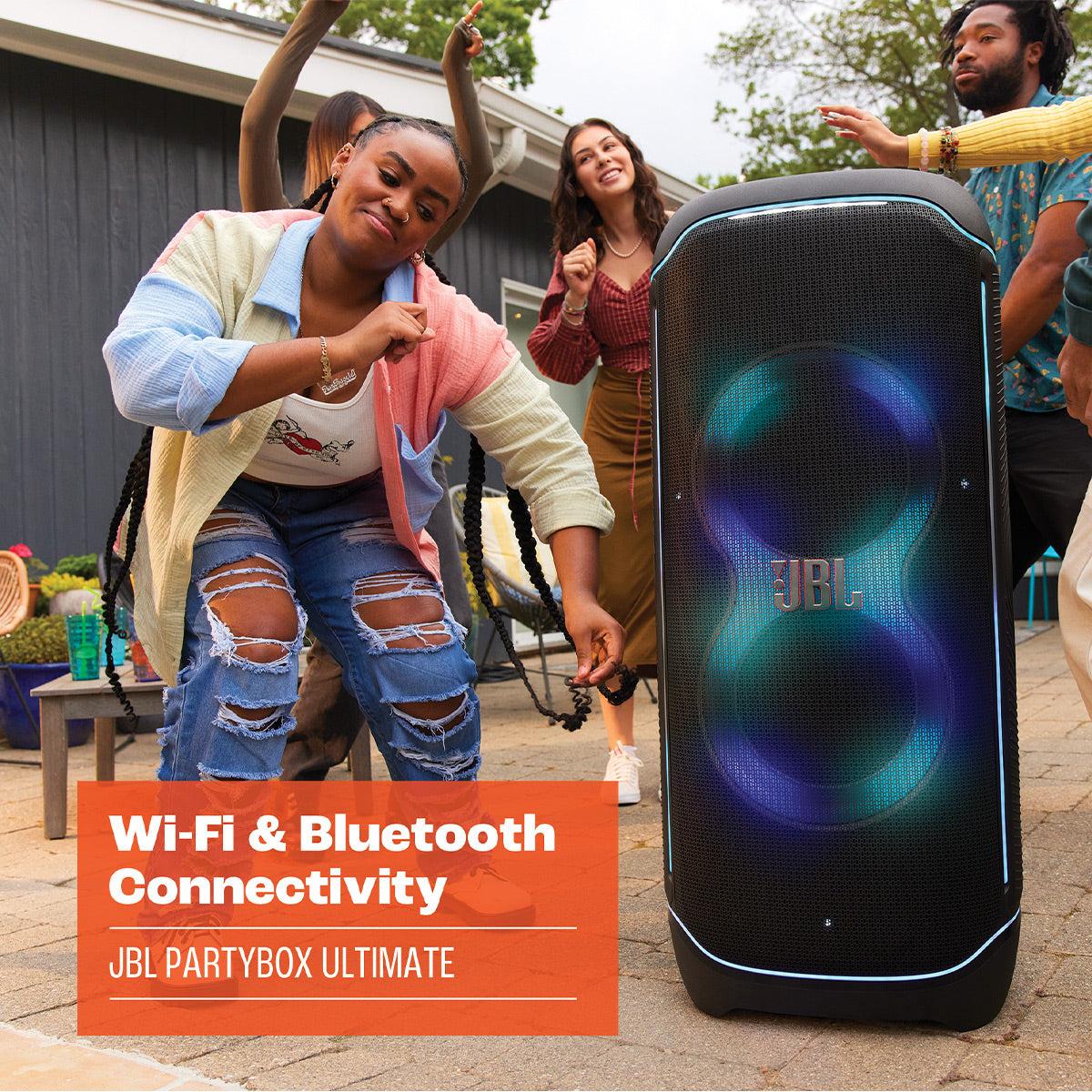
The speaker also supports Dolby Atmos when connected via Wi-Fi, creating three-dimensional spatial effects that make music feel more immersive. This isn't just marketing speak; Dolby Atmos processing can create the sensation that sounds are coming from above, behind, and around you rather than just from the speaker's location.
The Sony SRS-XV500 focuses more on user-friendly sound customization. Its Clear Audio+ processing aims to enhance clarity across all frequencies, while the 3-band EQ (accessible through Sony's app) lets users fine-tune bass, midrange, and treble to their preferences. The DSEE (Digital Sound Enhancement Engine) attempts to restore detail to compressed music files—particularly relevant since most party music comes from streaming services that compress audio for faster delivery.
Based on consensus from professional reviews, the JBL PartyBox Ultimate provides superior overall sound quality, with cleaner reproduction at high volumes and better frequency balance. The Sony SRS-XV500 offers respectable audio quality for its price range, though it suffers from poor directivity—meaning the sound changes noticeably depending on where you're positioned relative to the speaker.
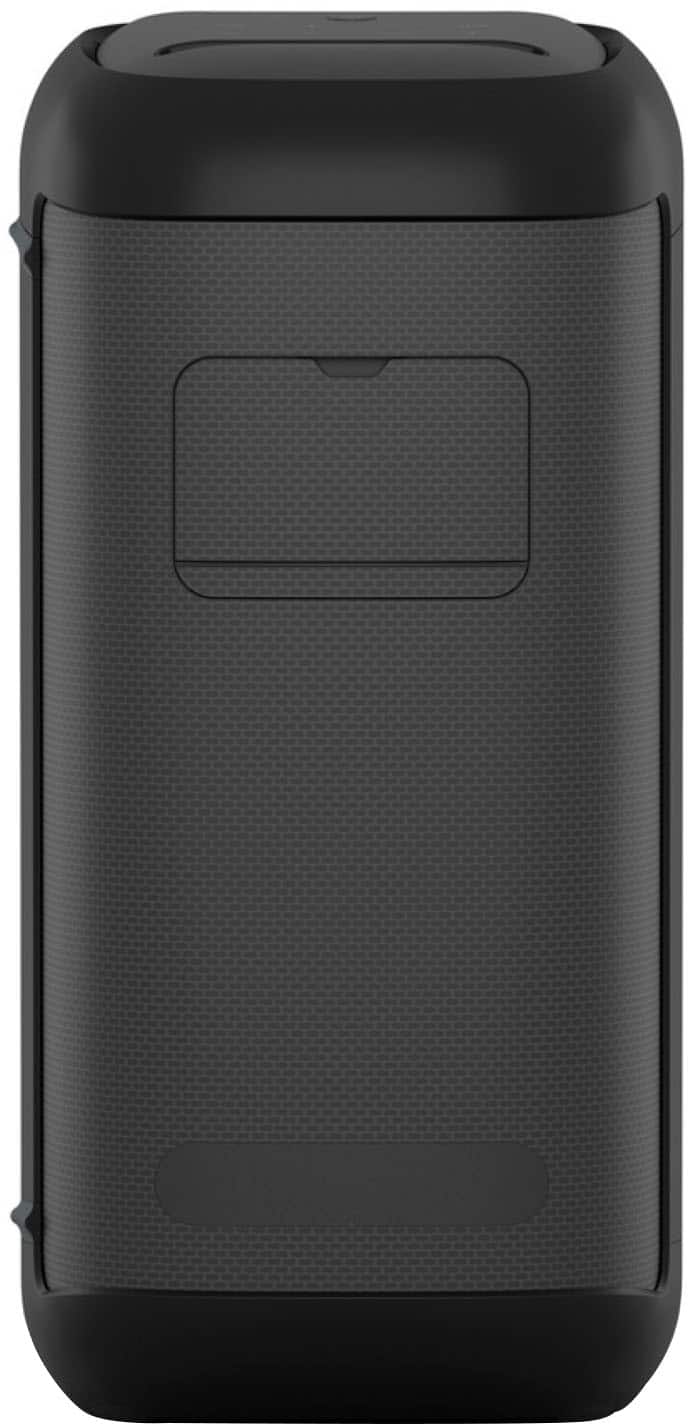
This is where these speakers diverge most dramatically. The Sony SRS-XV500 weighs approximately 25 pounds and features integrated handles, making it genuinely portable. Its 25-hour battery life is exceptional in the party speaker category—many competitors offer 8-12 hours at best. This means you can literally take it anywhere: beach parties, camping trips, outdoor festivals, or simply move it from room to room without dealing with power cables.
The quick-charge feature adds practical value: 10 minutes of charging provides about 2.5 hours of playback, perfect for those "the party's starting now" moments. The speaker even functions as a power bank, letting you charge phones and other devices—a thoughtful touch for outdoor events where power access is limited.
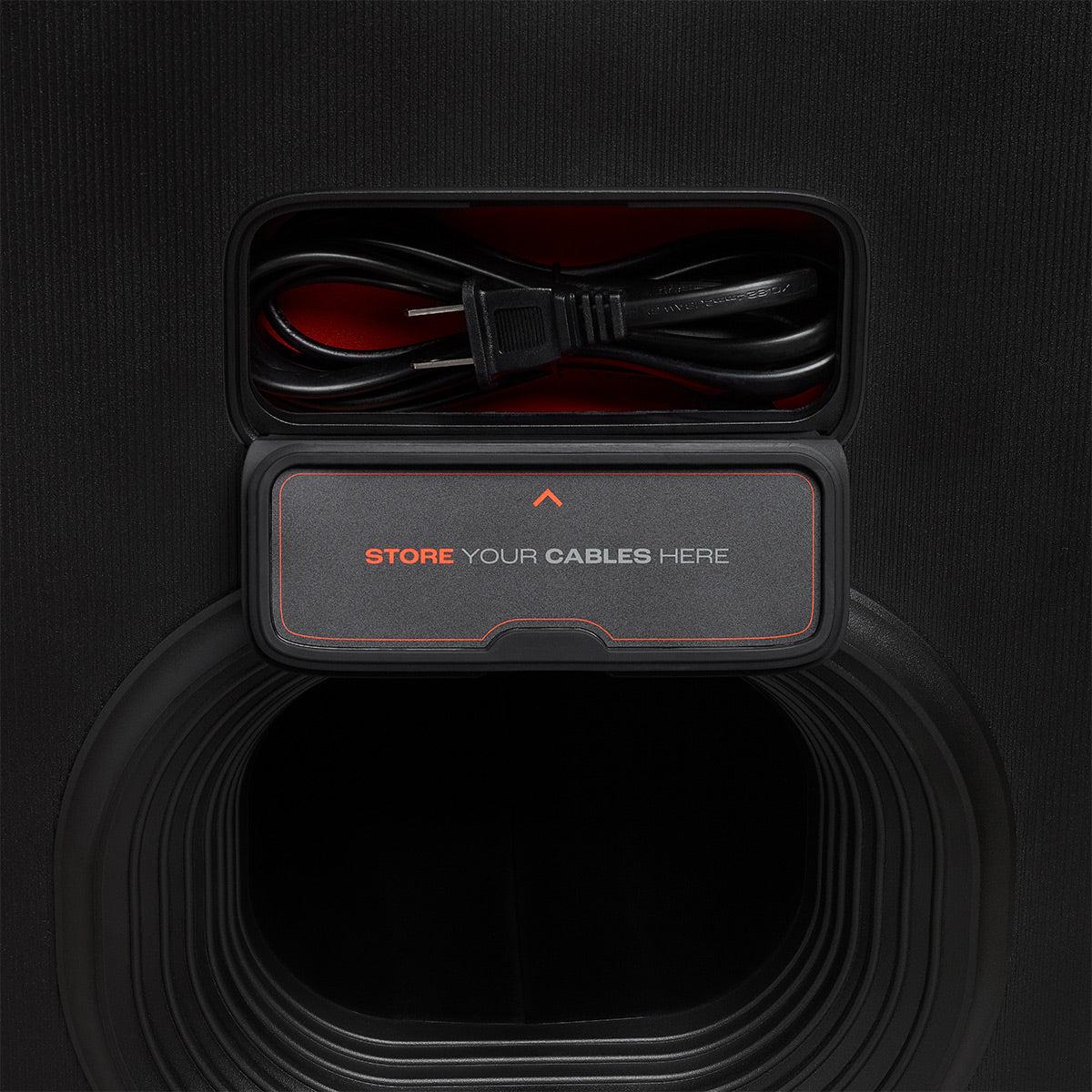
The JBL PartyBox Ultimate, weighing 87 pounds, represents the opposite philosophy. It requires AC power and isn't designed for frequent relocation, despite its wheels and handle. This isn't necessarily a flaw—it's a conscious design choice prioritizing maximum performance over portability.
The trade-off is significant. If you regularly host parties in different locations or enjoy outdoor events, the Sony's portability advantage is hard to overstate. But if you have a dedicated party space or primarily entertain at home, the JBL's stationary nature becomes irrelevant.
Modern party speakers need to do more than reproduce audio—they need to create an atmosphere. Both speakers include synchronized lighting effects, but their approaches differ considerably.
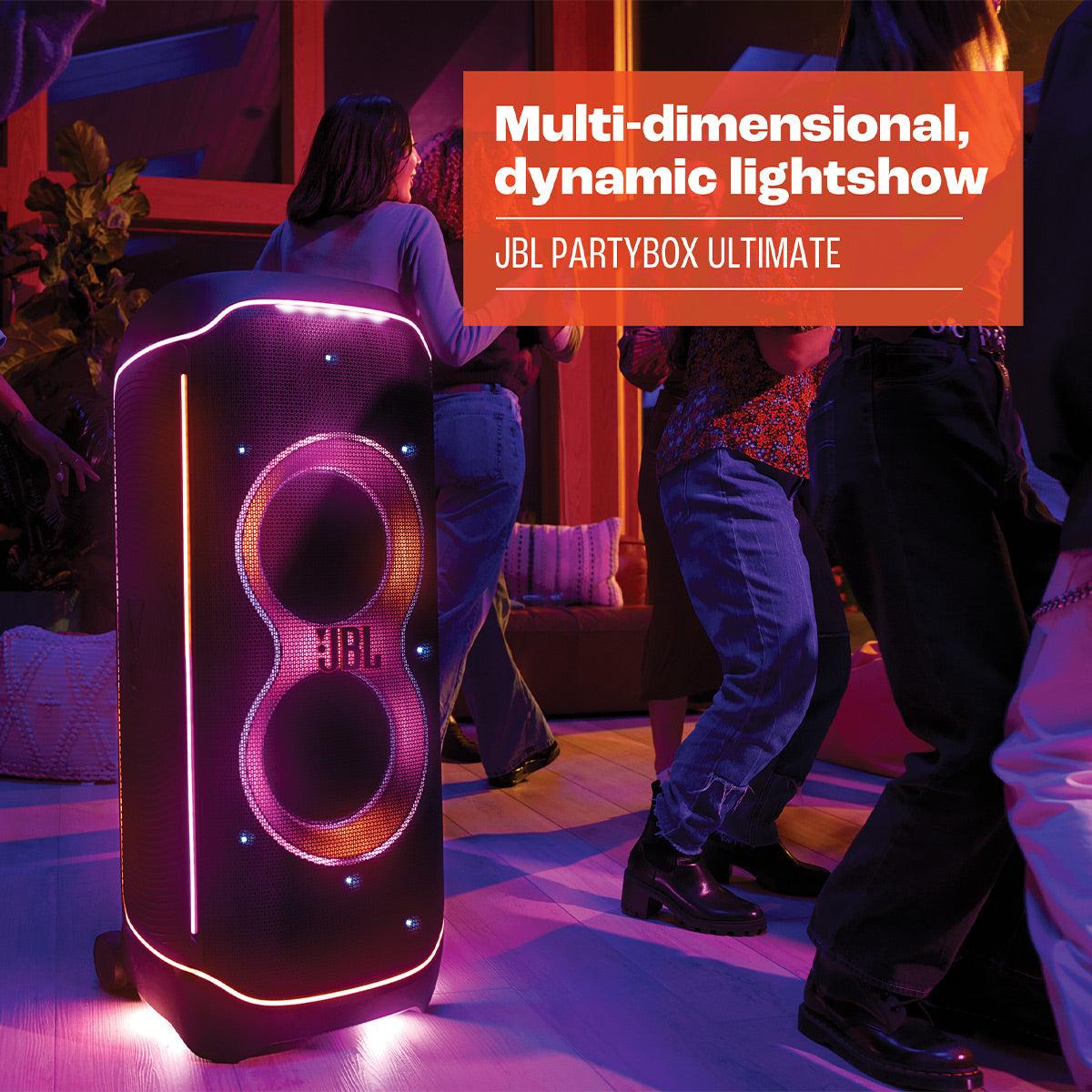
The JBL PartyBox Ultimate features what JBL calls a "multi-dimensional lightshow" with starry night effects, light trails, strobes, and ground projection that pulse with the music. The visual impact is reportedly spectacular, creating the kind of lighting display you'd expect at a nightclub or concert venue.
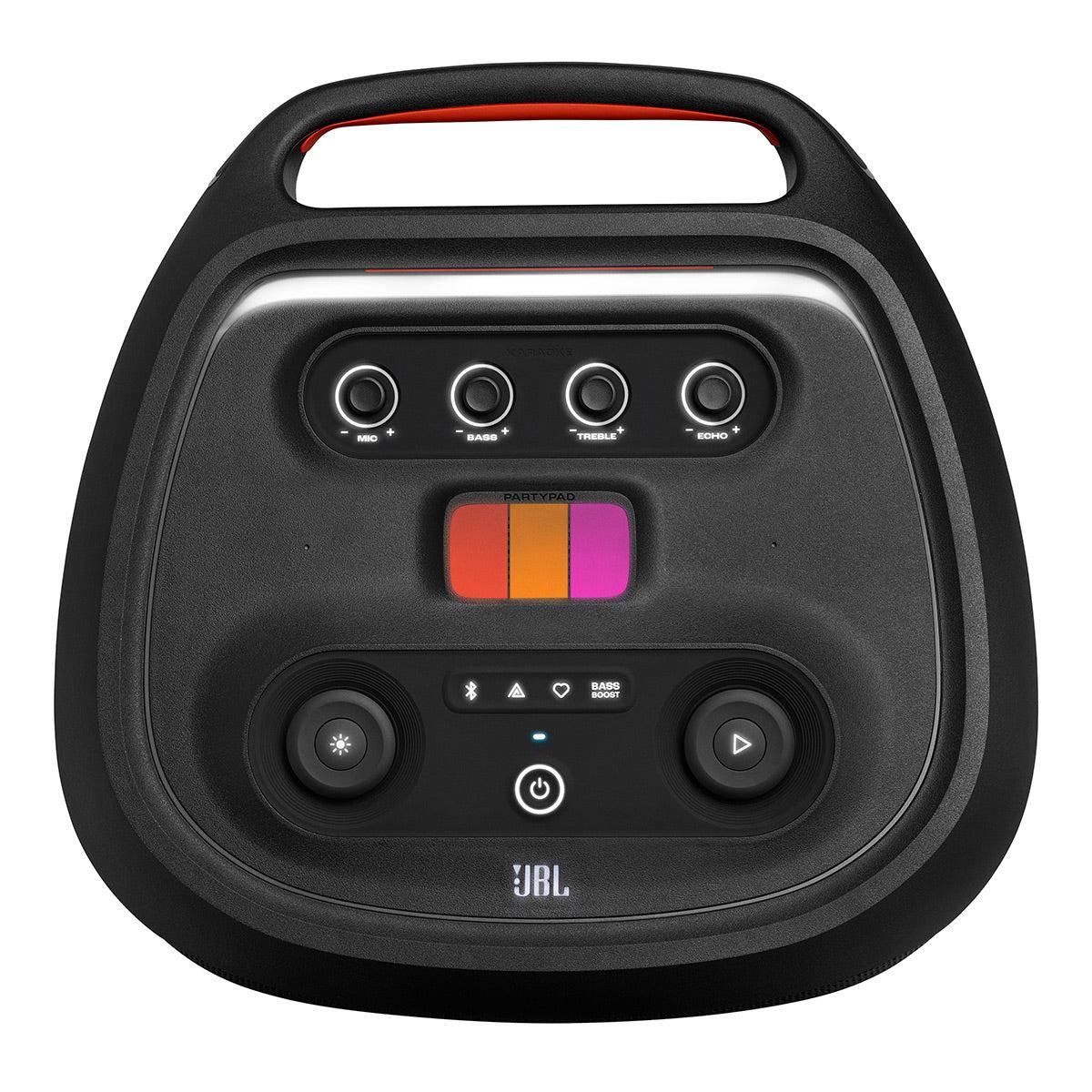
More uniquely, it includes the PartyPad—an interactive DJ control surface on top of the speaker. This lets users trigger sound effects, apply audio filters, and create live remix effects without needing separate equipment or apps. It's a genuine party feature that encourages interaction and lets amateur DJs experiment with their music.
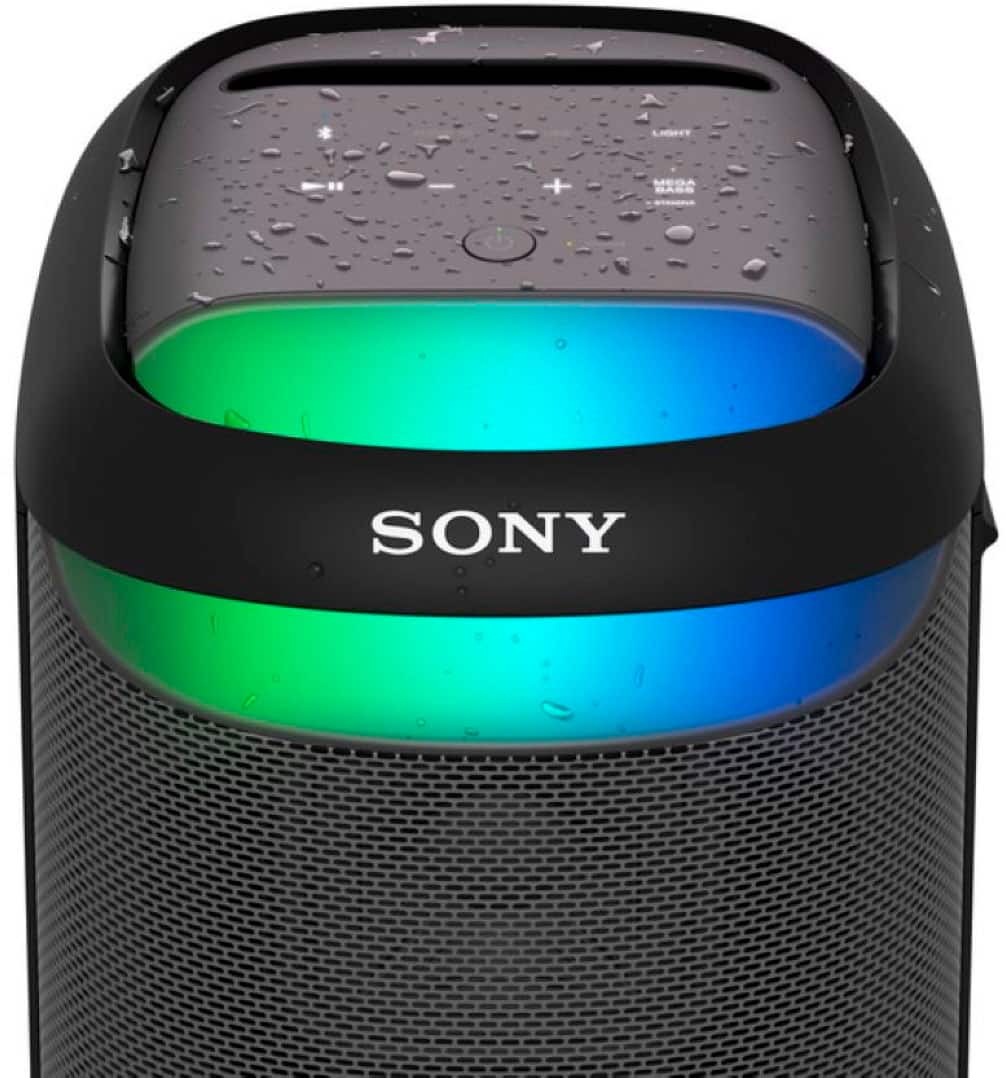
The Sony SRS-XV500 includes RGB lighting that syncs with music and can be customized through Sony's Fiestable app. While less elaborate than the JBL's system, it still adds visual excitement to parties. The illuminated touch controls are particularly practical, making the speaker easy to operate in dark party environments.
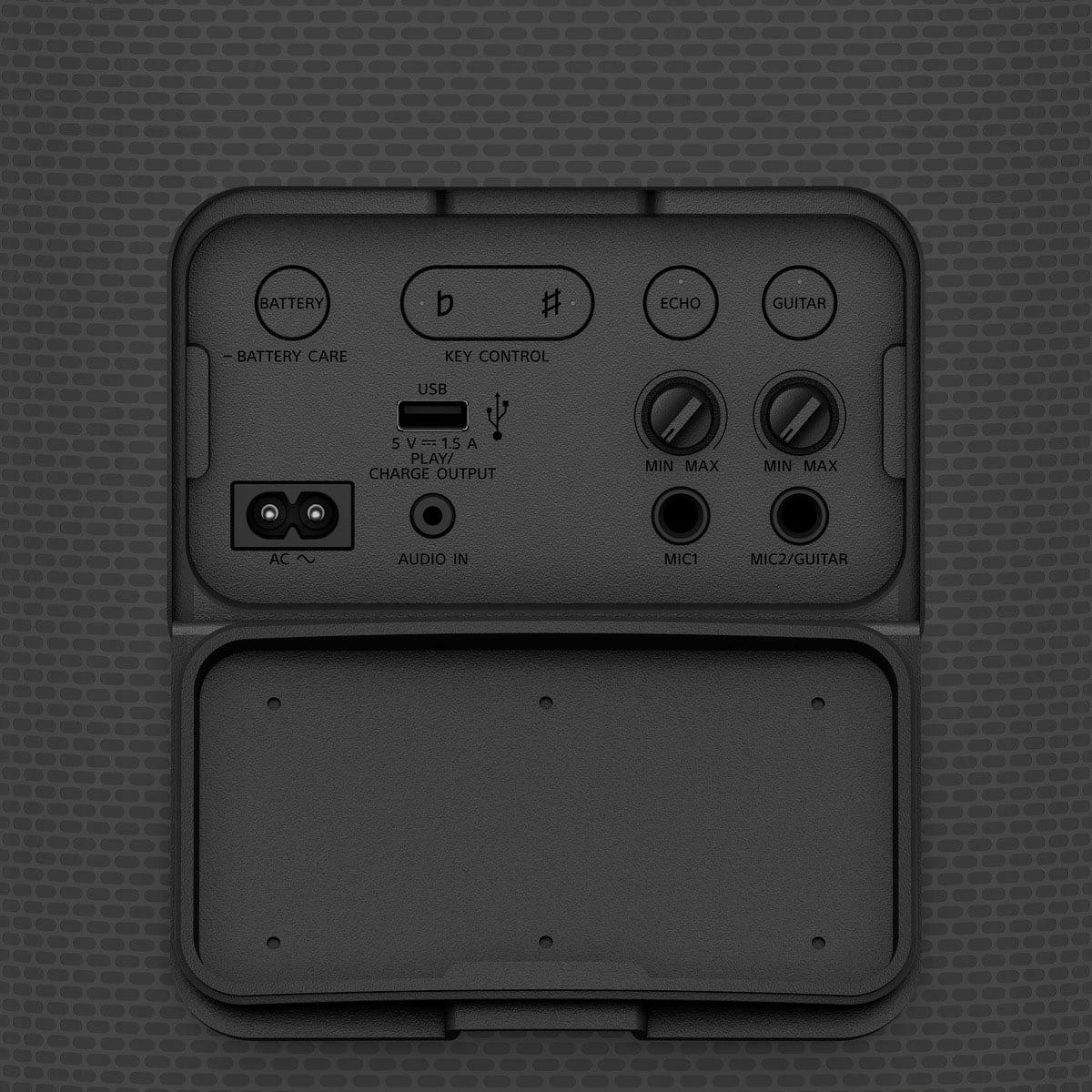
Both speakers excel at karaoke, but with different strengths. The Sony SRS-XV500 includes dedicated controls for echo, key transposition (pitch shifting), and individual volume controls for each mic input. The JBL PartyBox Ultimate offers more professional-grade mic processing and includes guitar input capabilities, making it suitable for live performances beyond just karaoke.
The connectivity differences reveal each speaker's intended use case. The JBL PartyBox Ultimate includes Wi-Fi 6 capability alongside Bluetooth 5.3, enabling high-resolution wireless streaming and supporting advanced features like Dolby Atmos. Wi-Fi streaming has a crucial advantage: your phone stays connected for music even when you receive calls or notifications, preventing those awkward party interruptions.
The Sony SRS-XV500 relies primarily on Bluetooth 5.2, though it supports multiple advanced codecs including LDAC (Sony's high-resolution Bluetooth standard) for Android devices. It can connect to two devices simultaneously—useful when multiple people want to share DJ duties.
Both speakers support multi-speaker pairing, but with different approaches. Sony's Party Connect can theoretically link up to 100 compatible Sony speakers for massive events, while JBL focuses on stereo pairing and smaller multi-speaker setups optimized for better sound coverage.
While neither speaker is designed primarily for home theater use, they can serve this role with varying success. The JBL PartyBox Ultimate includes a 3.5mm audio output for daisy-chaining to additional speakers, making it potentially useful as part of a larger sound system. Its Dolby Atmos capability and powerful bass response could complement a TV for movie nights, though its party-oriented sound signature isn't ideal for dialogue-heavy content.
The Sony SRS-XV500 works better as a casual TV speaker thanks to its more balanced sound profile and Clear Audio+ processing, which can improve dialogue clarity. However, both speakers lack the optical or HDMI inputs that would make them convenient for dedicated TV use.
After evaluating both speakers extensively, the decision comes down to your specific needs and priorities. The Sony SRS-XV500 represents exceptional value for users who want versatility and convenience. Its combination of portability, battery life, and features makes it ideal for people who host parties in multiple locations or value the flexibility of wireless operation.
The speaker excels in scenarios like beach parties, backyard gatherings, apartment living (where extreme volume isn't needed), regular karaoke nights, and situations where easy setup and teardown matter. Its price point makes it accessible to casual party hosts who want serious features without professional-grade investment.
The JBL PartyBox Ultimate, despite its higher cost, delivers uncompromising performance that justifies its price for the right users. It's designed for serious entertainers, professional DJs, event planners, or anyone who regularly hosts large gatherings where maximum impact is essential.
Choose the JBL if you need to fill very large spaces, want professional-grade features, have a dedicated space for the speaker, prioritize absolute sound quality, or view the speaker as a long-term investment in your entertainment setup.
These speakers serve fundamentally different markets despite sharing the "party speaker" category. The Sony SRS-XV500 offers remarkable value and versatility, making high-quality party audio accessible and convenient. The JBL PartyBox Ultimate pushes performance boundaries, delivering professional-grade capabilities that rival dedicated sound systems.
Your choice should align with your typical party size, location requirements, and budget rather than simply choosing the "best" speaker in abstract terms. Both excel in their intended roles, and choosing the wrong one for your needs would be more problematic than choosing the "lesser" speaker that actually fits your use case.
For most people hosting occasional parties in typical home environments, the Sony provides everything needed with exceptional convenience. For those who take their entertaining seriously or need to fill large spaces regularly, the JBL's capabilities justify its premium positioning.
| Sony SRS-XV500 | JBL PartyBox Ultimate |
|---|---|
| Power Output - Determines maximum volume and bass impact | |
| Moderate wattage, battery-powered (suitable for medium gatherings) | 1,100W RMS (fills spaces equivalent to two basketball courts) |
| Portability - Critical for versatile party hosting | |
| 24.7 lbs with handles, truly portable | 87 lbs with wheels, semi-permanent installation |
| Battery Life - Essential for outdoor and mobile events | |
| 25 hours continuous playback (industry-leading) | AC power only (unlimited when plugged in) |
| Audio Drivers - Affects sound quality and frequency range | |
| 2 tweeters + 2 X-Balanced woofers | Dual 9" woofers + 4.5" midrange + 2.75" tweeters |
| Bass Extension - Impact on dance music and room-filling sound | |
| MEGA BASS feature, good for size but limited by physics | 30Hz extension with chest-thumping impact |
| Connectivity - Streaming quality and device compatibility | |
| Bluetooth 5.2, dual device pairing, LDAC support | Wi-Fi 6 + Bluetooth 5.3, Dolby Atmos streaming |
| Lighting Effects - Visual party atmosphere | |
| RGB sync with music, customizable via app | Multi-dimensional with starry effects, strobes, ground projection |
| Karaoke Features - For singing and live performance | |
| Dual mic inputs, echo, key transposition controls | Professional mic/guitar inputs with advanced EQ |
| Interactive Controls - Hands-on party engagement | |
| Illuminated touch panel, smartphone app control | JBL PartyPad DJ effects surface + app control |
| Multi-Speaker Capability - Expanding for larger events | |
| Party Connect (up to 100 Sony speakers) | Wireless stereo pairing and daisy-chaining |
| Water Resistance - Outdoor party durability | |
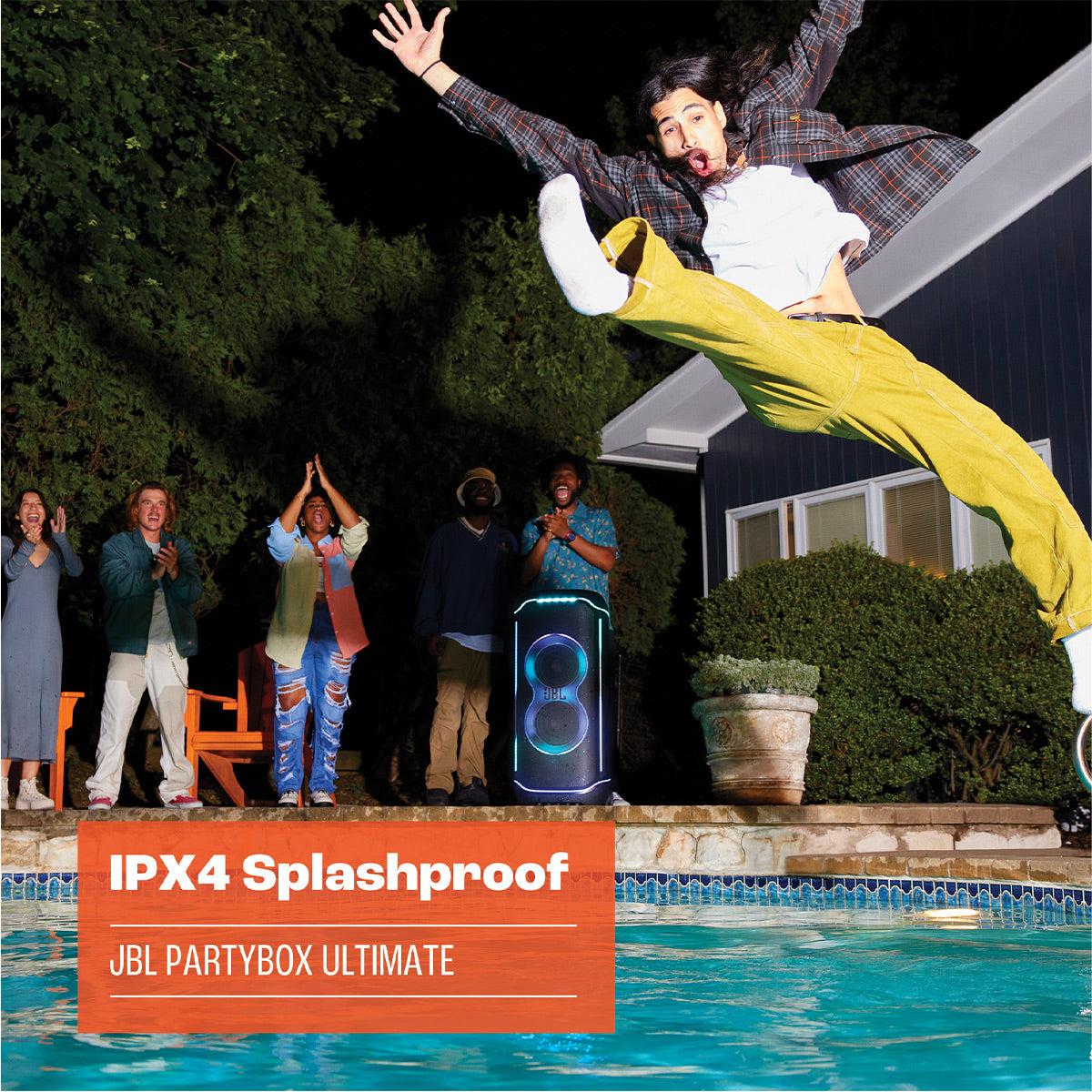
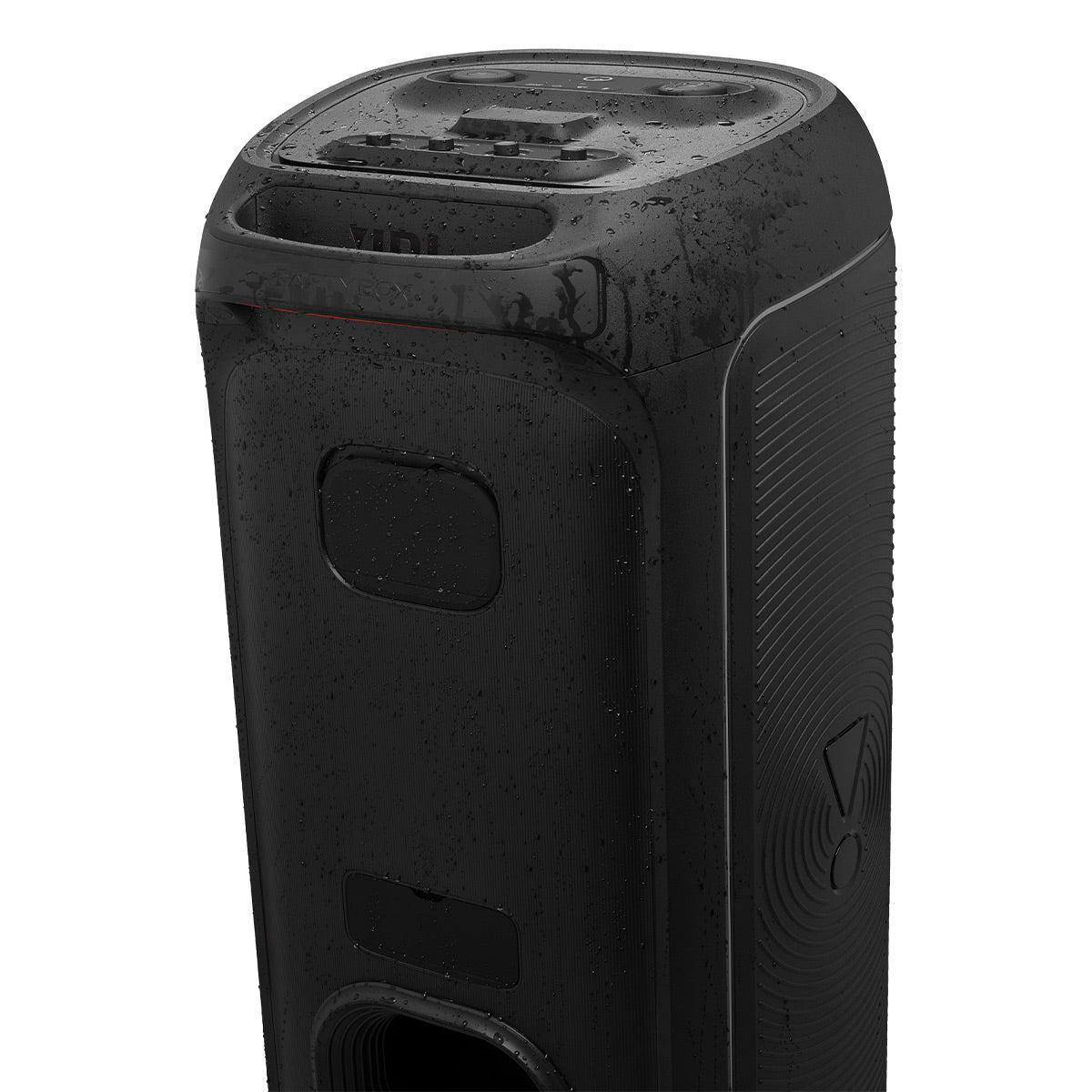
| IPX4 splash-proof | IPX4 splash-proof |
| Value Positioning - Performance per dollar spent | |
| Exceptional features and battery life for the price point | Premium investment for professional-grade performance |
The JBL PartyBox Ultimate is significantly louder, delivering 1,100W RMS compared to the Sony SRS-XV500's battery-powered output. The JBL PartyBox Ultimate can reach volumes suitable for large outdoor events and spaces equivalent to two basketball courts, while the Sony SRS-XV500 is better suited for medium-sized gatherings and indoor parties.
The Sony SRS-XV500 offers exceptional 25-hour battery life, making it ideal for all-day outdoor events. The JBL PartyBox Ultimate has no battery and requires AC power, limiting it to locations with electrical outlets but providing unlimited runtime when plugged in.
Both speakers support karaoke, but with different strengths. The Sony SRS-XV500 includes dedicated echo and key transposition controls with dual mic inputs. The JBL PartyBox Ultimate offers more professional-grade mic processing and includes guitar input capabilities for live performances beyond basic karaoke.
The Sony SRS-XV500 is far more portable at 24.7 pounds with integrated handles and 25-hour battery life. The JBL PartyBox Ultimate weighs 87 pounds and requires AC power, making it suitable only for locations with electricity and minimal transport needs.
Both speakers feature lighting effects, but the JBL PartyBox Ultimate offers a more elaborate multi-dimensional lightshow with starry effects, strobes, and ground projection. The Sony SRS-XV500 includes RGB lighting that syncs with music and can be customized through Sony's app.
The JBL PartyBox Ultimate delivers superior bass with dual 9-inch woofers extending down to 30Hz, providing chest-thumping impact. The Sony SRS-XV500 includes MEGA BASS enhancement and X-Balanced speakers that deliver impressive bass for its size, but cannot match the physical impact of the larger JBL PartyBox Ultimate.
Yes, both support multi-speaker setups. The Sony SRS-XV500 uses Party Connect to link up to 100 compatible Sony speakers. The JBL PartyBox Ultimate supports stereo pairing and daisy-chaining for smaller multi-speaker configurations optimized for better sound coverage.
Neither is primarily designed for home theater, but the JBL PartyBox Ultimate could work better due to its Dolby Atmos support and powerful bass response. However, both speakers have party-oriented sound signatures that aren't ideal for dialogue-heavy content. The Sony SRS-XV500 might be more practical for casual TV use due to its balanced sound profile.
The JBL PartyBox Ultimate provides superior overall sound quality with cleaner reproduction at high volumes, better frequency balance, and self-tuning acoustic calibration. The Sony SRS-XV500 offers respectable audio quality for its price range but exhibits compression at maximum volume and directivity issues.
The Sony SRS-XV500 offers exceptional value with 25-hour battery life, portability, and comprehensive party features at a mid-range price. The JBL PartyBox Ultimate represents premium value for users who need maximum performance and professional-grade features, though it costs significantly more.
Both speakers offer additional input options beyond Bluetooth. The Sony SRS-XV500 includes a 3.5mm AUX input and USB port for direct device connection. The JBL PartyBox Ultimate provides 3.5mm AUX, USB-A input, and Wi-Fi streaming capabilities for phone-free operation.
The JBL PartyBox Ultimate is superior for large outdoor events due to its massive 1,100W power output and ability to fill very large spaces. However, it requires access to AC power. The Sony SRS-XV500 is better for smaller outdoor gatherings where portability and battery operation are more important than maximum volume.
We've done our best to create useful and informative comparisons to help you decide what product to buy. Our research uses advanced automated methods to create this comparison and perfection is not possible - please contact us for corrections or questions. These are the sites we've researched in the creation of this article: bestbuy.com - rtings.com - bestbuy.com - youtube.com - rtings.com - versus.com - youtube.com - versus.com - youtube.com - youtube.com - guidingtech.com - crutchfield.com - sony.com - sony.com - bestbuy.com - helpguide.sony.net - smappliance.com - youtube.com - helpguide.sony.net - videoandaudiocenter.com - electronics.sony.com - linqcdn.avbportal.com - audioadvice.com - youtube.com - crutchfield.com - youtube.com - youtube.com - youtube.com - youtube.com - versus.com - youtube.com - rtings.com - youtube.com - youtube.com - jbl.com - pcx.com.ph - global.jbl.com - gzhls.at - electronicexpress.com - harmanaudio.in - jbl.com - dell.com - robot-advance.com - device.report - ro.harmanaudio.com

Privacy Policy
Terms and Conditions - Affiliate Policy
Home Security
© Copyright 2008-2026.
11816 Inwood Rd #1211, Dallas, TX 75244