

When you're shopping for a party speaker that can truly fill a space with sound, you'll quickly discover that not all "portable" speakers are created equal. The JBL PartyBox 720 and Sony ULT FIELD 7 represent two completely different philosophies in the world of high-powered Bluetooth speakers—and understanding these differences is crucial to making the right choice for your specific needs.
At the time of writing, these speakers sit in dramatically different price ranges, with the JBL PartyBox 720 commanding more than double the cost of the Sony ULT FIELD 7. That price gap isn't arbitrary—it reflects fundamental differences in power output, build quality, and intended use cases that we'll explore throughout this comparison.
Before diving into specifics, it's worth understanding what separates party speakers from regular Bluetooth speakers. These aren't designed for critical listening or audiophile accuracy. Instead, they prioritize raw volume output, deep bass response, and the ability to energize a crowd. The technical term you'll often see is "dynamic range"—this refers to the difference between the quietest and loudest sounds a speaker can produce without distortion.
Party speakers also emphasize what audio engineers call "sound pressure level" (SPL), measured in decibels. To put this in perspective, normal conversation happens around 60 dB, while a rock concert reaches about 115 dB. Quality party speakers need to hit at least 90-100 dB to effectively fill outdoor spaces and compete with ambient noise.
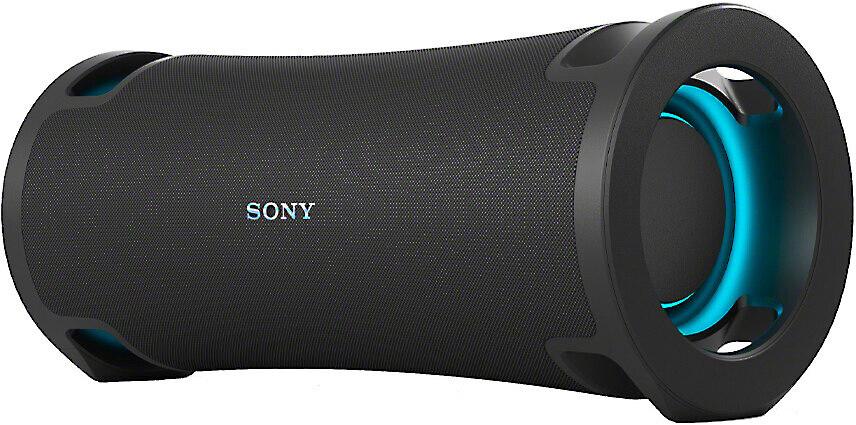
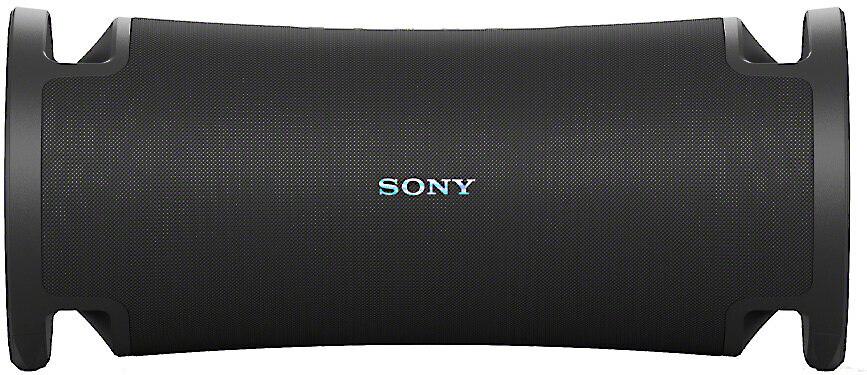
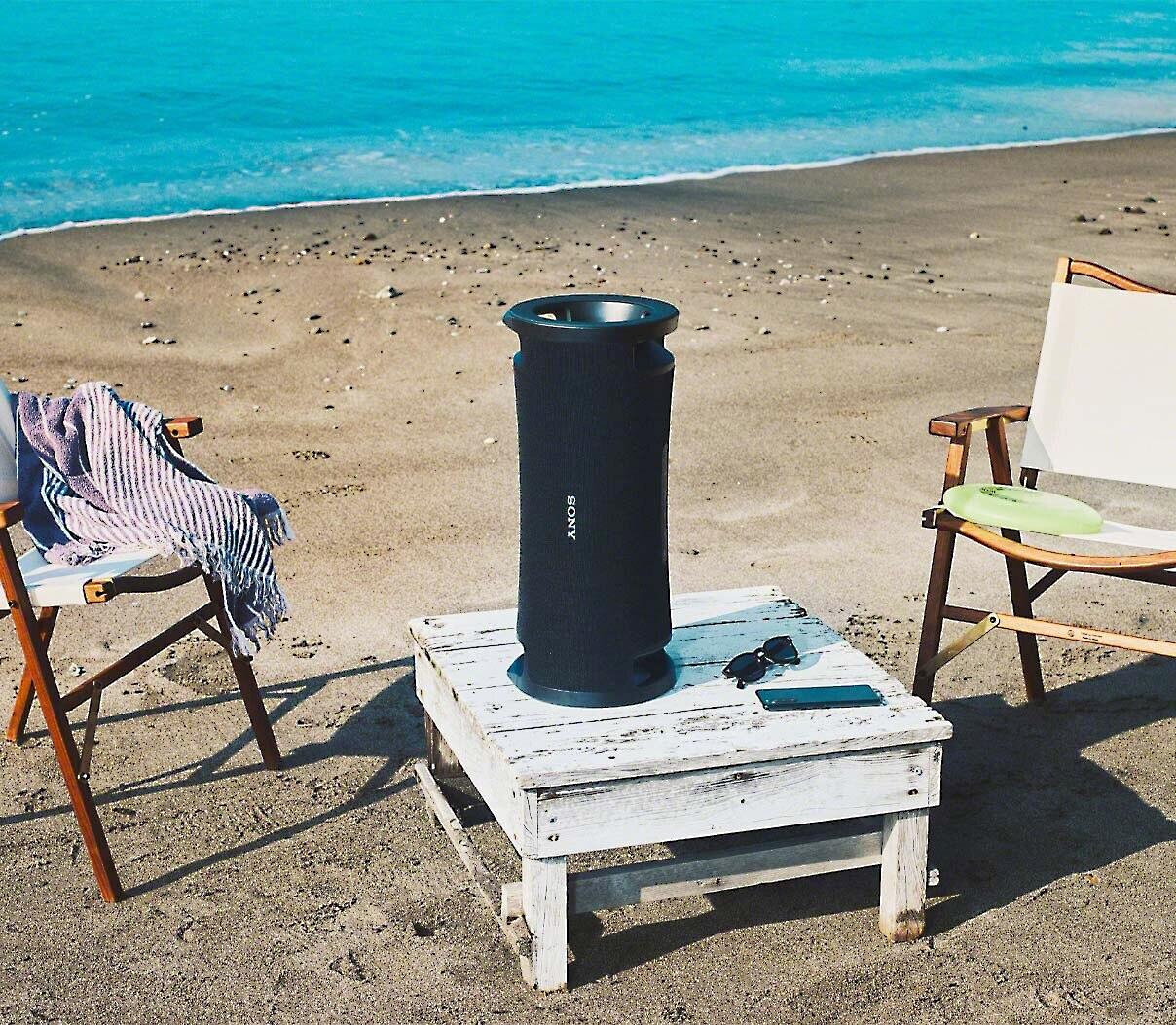
The most striking difference between these speakers becomes apparent the moment you see them side by side. The Sony ULT FIELD 7, weighing in at under 14 pounds, represents true portability. You can genuinely carry this speaker on a shoulder strap to the beach, hiking, or between party locations without breaking a sweat.
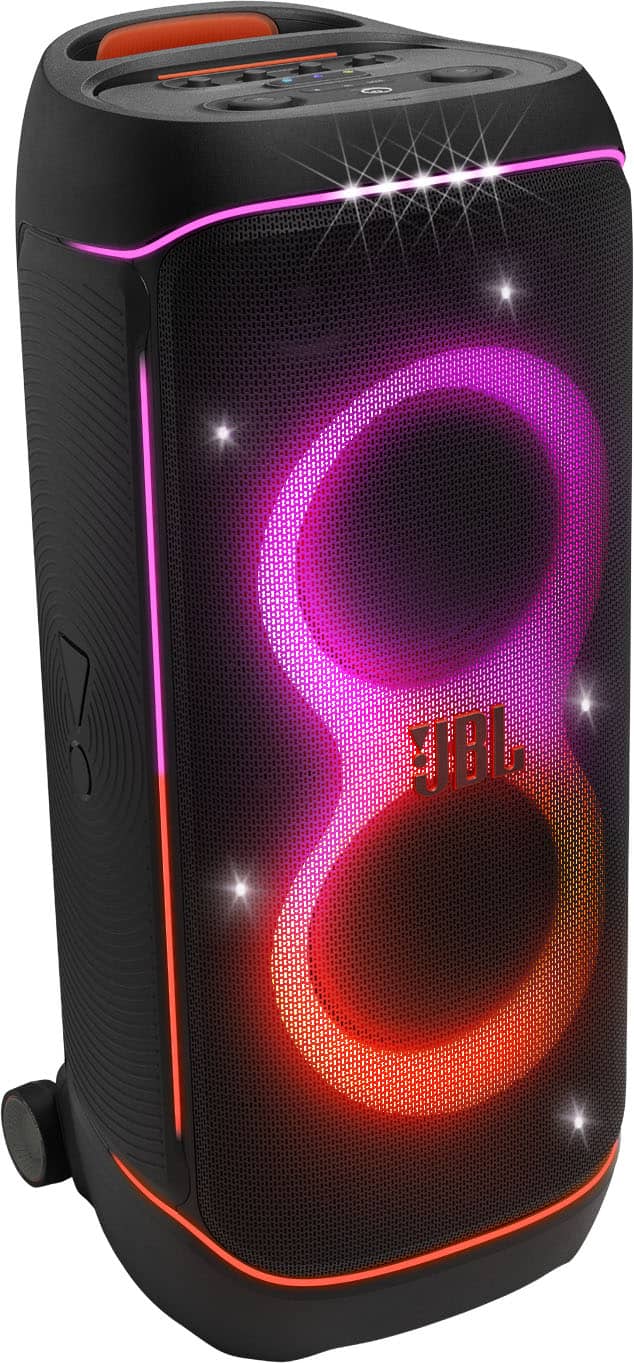
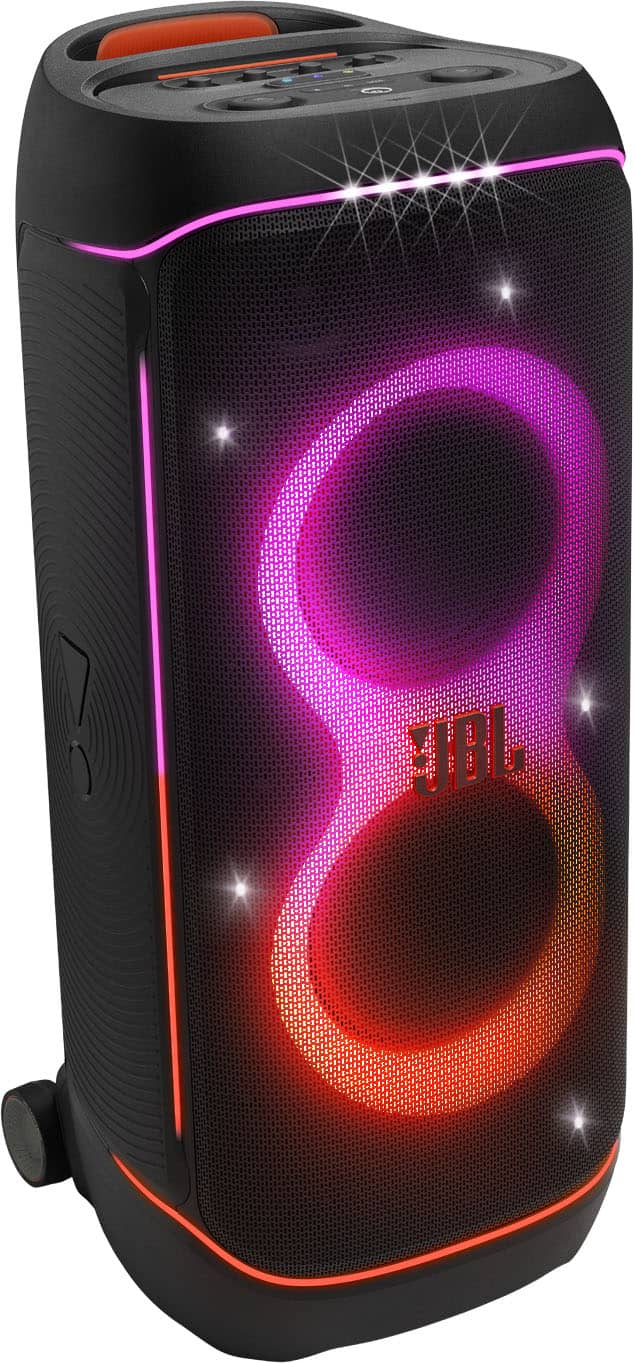
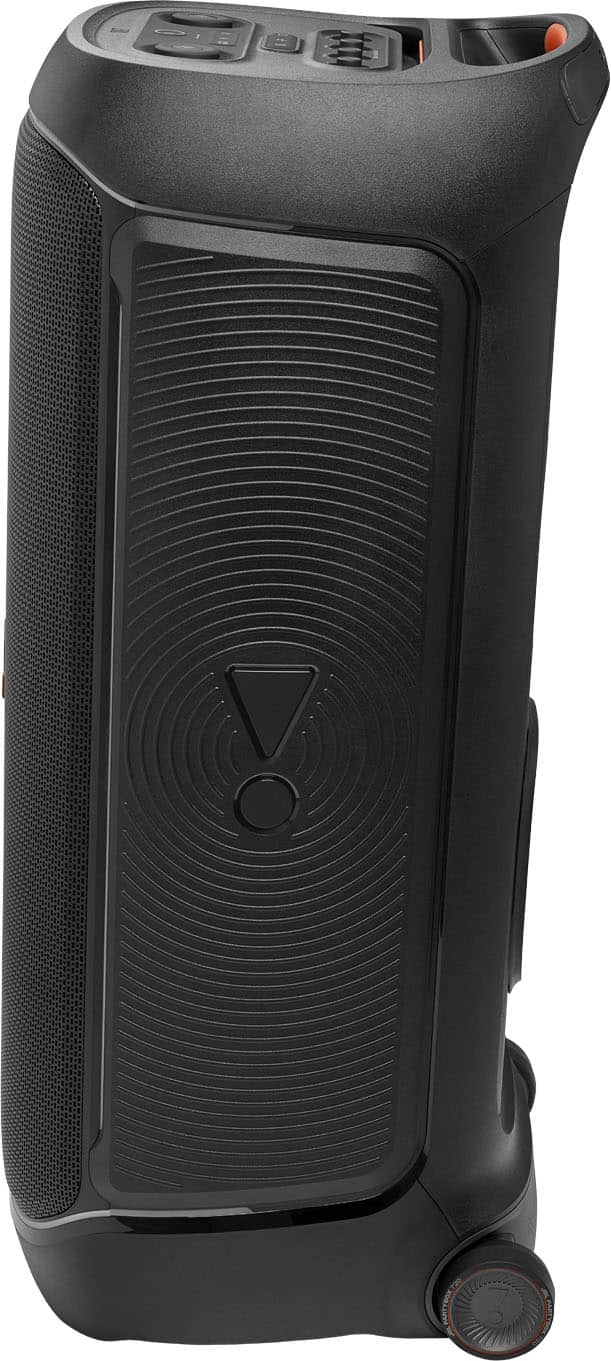
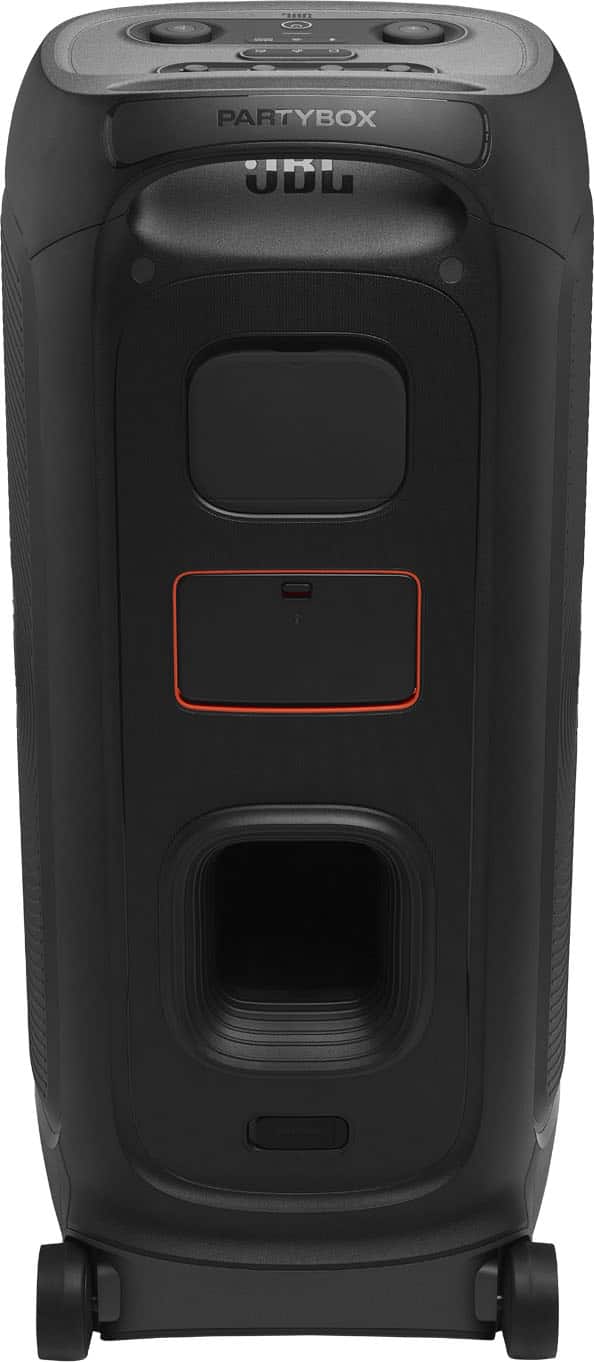
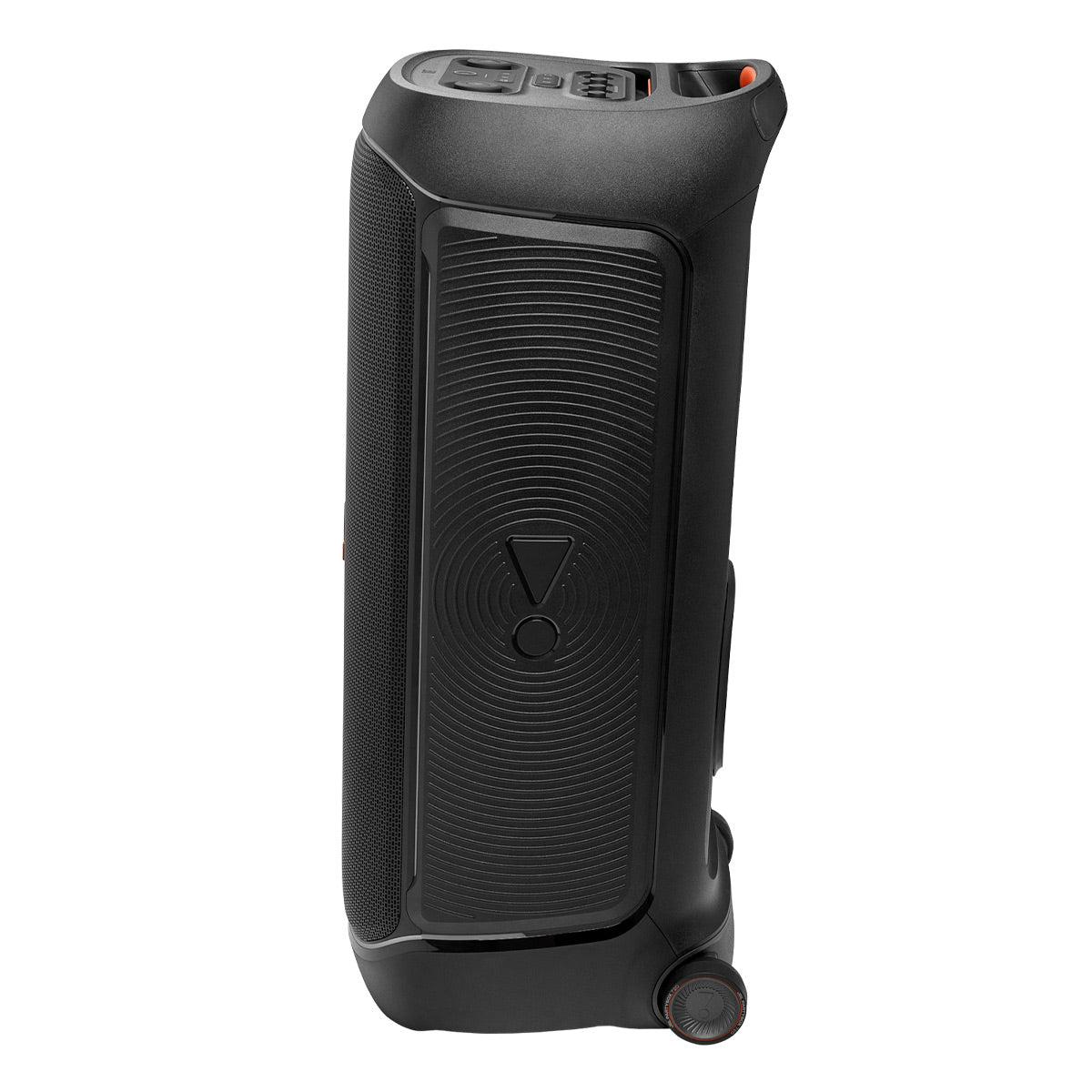
The JBL PartyBox 720, tipping the scales at over 68 pounds and standing more than three feet tall, takes a completely different approach. This is what we'd call a "transportable" rather than "portable" speaker—it's designed to be moved occasionally with wheels and handles, but it's clearly meant to stay put once you've found the right spot.
This size difference isn't just about convenience; it directly impacts sound quality. Larger speakers can house bigger drivers (the components that actually move air to create sound), and bigger drivers typically produce more powerful, cleaner bass. The JBL PartyBox 720 leverages this principle with dual 9-inch woofers—these are massive by portable speaker standards and explain much of its superior low-frequency performance.
The most significant performance difference lies in raw power output. The JBL PartyBox 720 produces 800 watts RMS (Root Mean Square—a measurement that represents consistent, sustainable power rather than peak bursts), while the Sony ULT FIELD 7 manages 45 watts. This might seem like the JBL is overwhelmingly more powerful, but the relationship between watts and perceived loudness isn't linear.
In practical terms, doubling the perceived volume requires roughly 10 times the power. So while the JBL is significantly louder, it's not 18 times louder despite the wattage difference. What this power difference really means is headroom—the JBL can maintain clean, undistorted sound at much higher volumes, while the Sony will start to compress and distort when pushed to its limits.
Our research into user experiences reveals that the Sony ULT FIELD 7 handles gatherings of 20-50 people quite well, especially in outdoor settings where sound naturally disperses. The JBL PartyBox 720, however, can easily handle crowds of 100+ people and fill much larger spaces without breaking a sweat.
Both speakers recognize that bass response is crucial for party music, but they achieve it through different methods. The JBL PartyBox 720 uses brute force—those dual 9-inch woofers can move tremendous amounts of air, creating the kind of chest-thumping bass that defines EDM and hip-hop events.
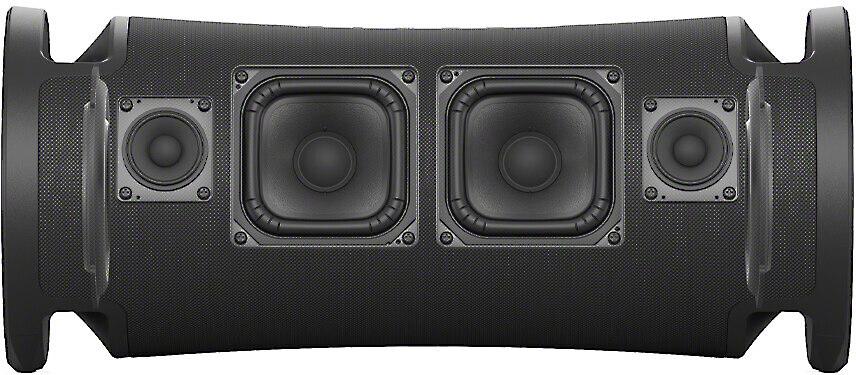
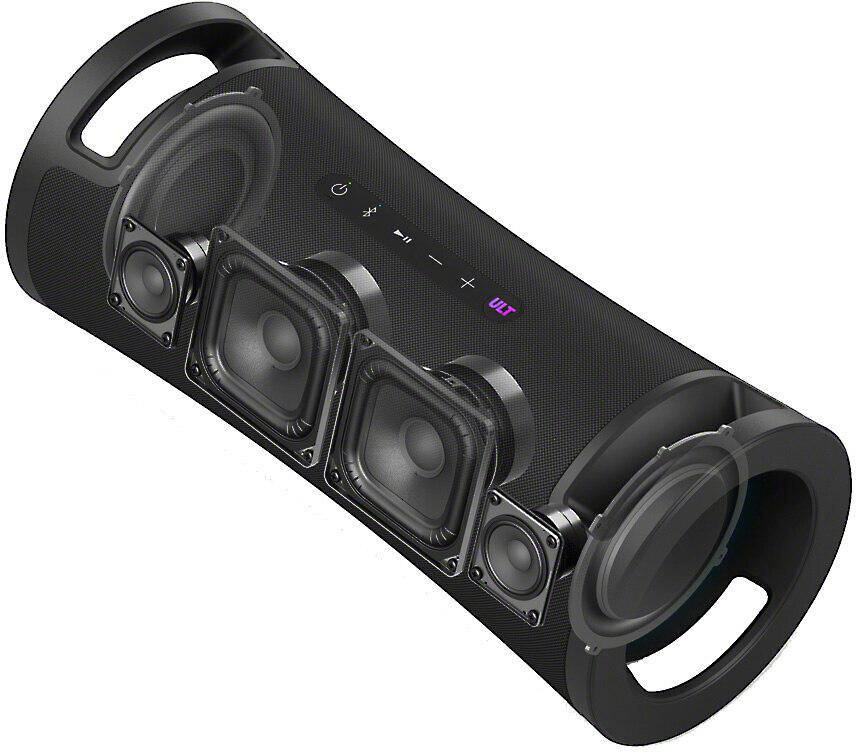
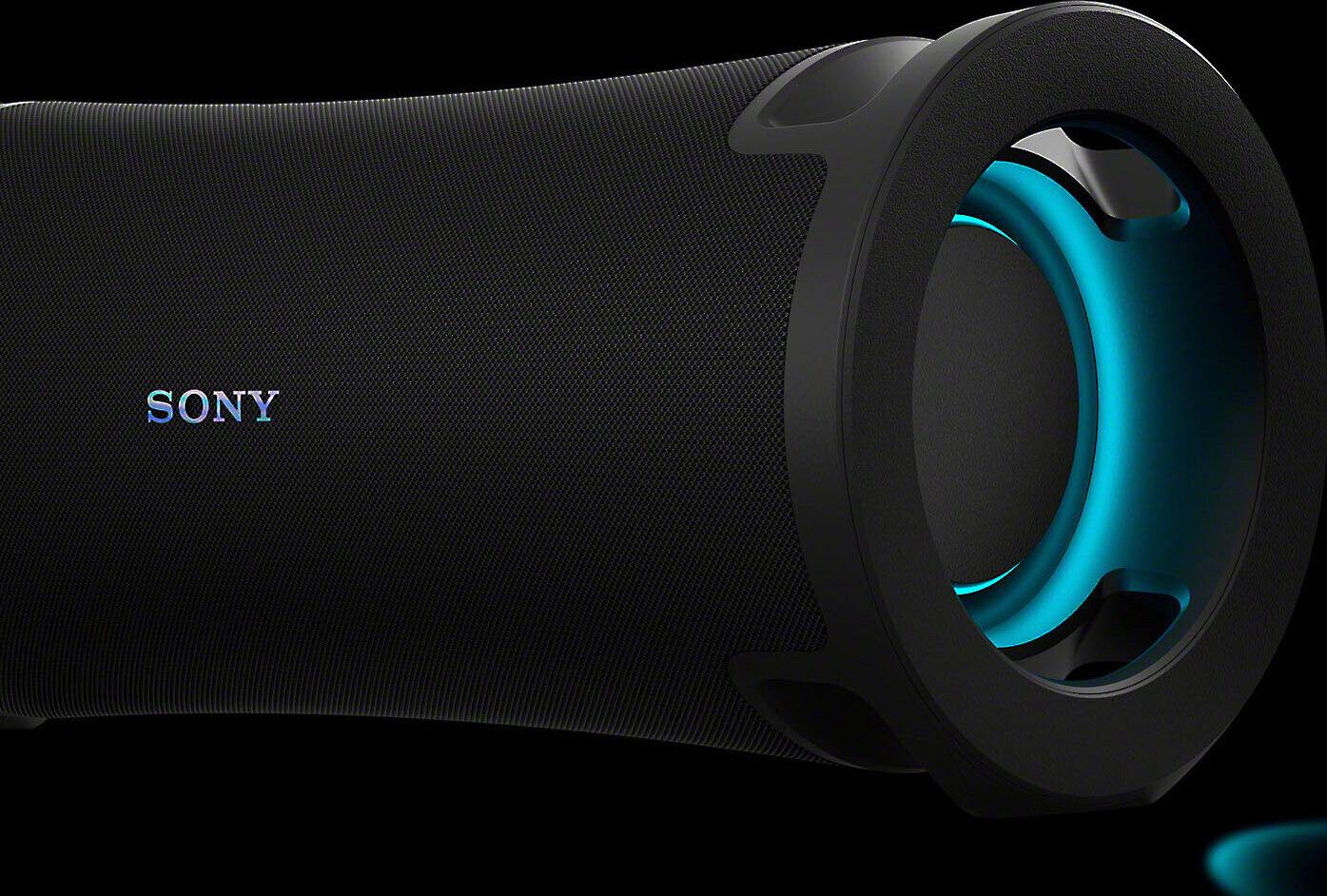
The Sony ULT FIELD 7 takes a more technological approach with its X-Balanced Speaker Unit. This uses a non-circular diaphragm design that Sony claims reduces distortion while maximizing the driver's surface area within the available space. The result is surprisingly deep bass for a speaker this size, though it can't match the raw impact of the JBL's larger drivers.
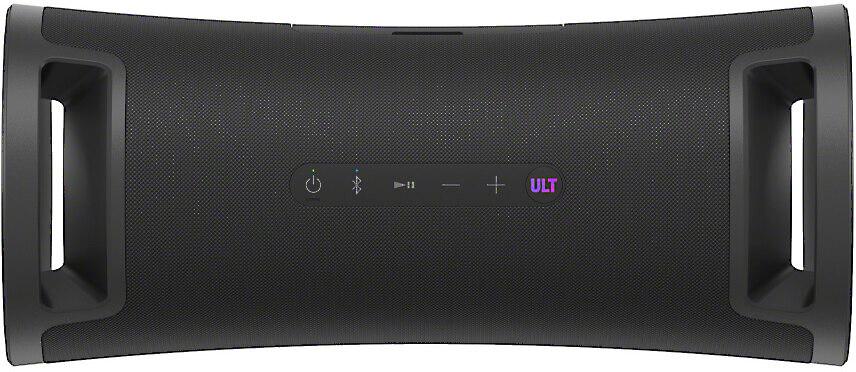
Both speakers offer bass enhancement modes. The Sony's ULT system provides two settings: Deep Bass adds resonating depth to low frequencies, while Attack Bass brings more punch and energy. The JBL offers Deep and Energetic bass boost modes. Based on user feedback, the JBL's bass modes are more dramatic, while the Sony's are more nuanced and musical.
Here's where the Sony ULT FIELD 7 shows its true strength. With up to 30 hours of battery life, it can power multi-day camping trips or all-day beach parties without requiring a recharge. This exceptional runtime comes from Sony's efficient amplifier design and the lower overall power consumption of a 45-watt system.
The JBL PartyBox 720 provides up to 15 hours of playback, which is still respectable for a speaker this powerful. The trade-off is clear: you get twice the runtime with the Sony, but half the maximum volume and bass impact. For many users, this becomes the deciding factor.
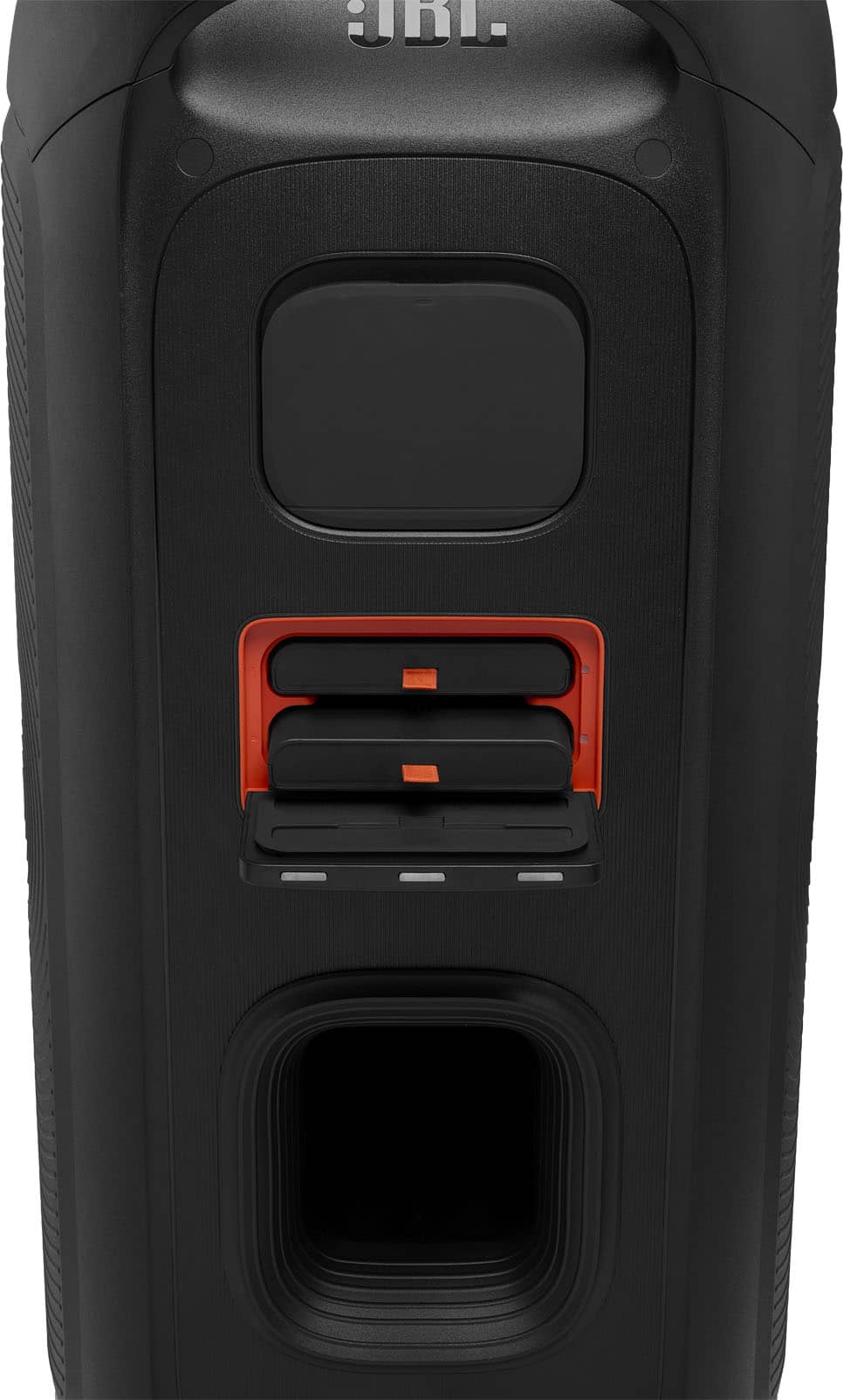
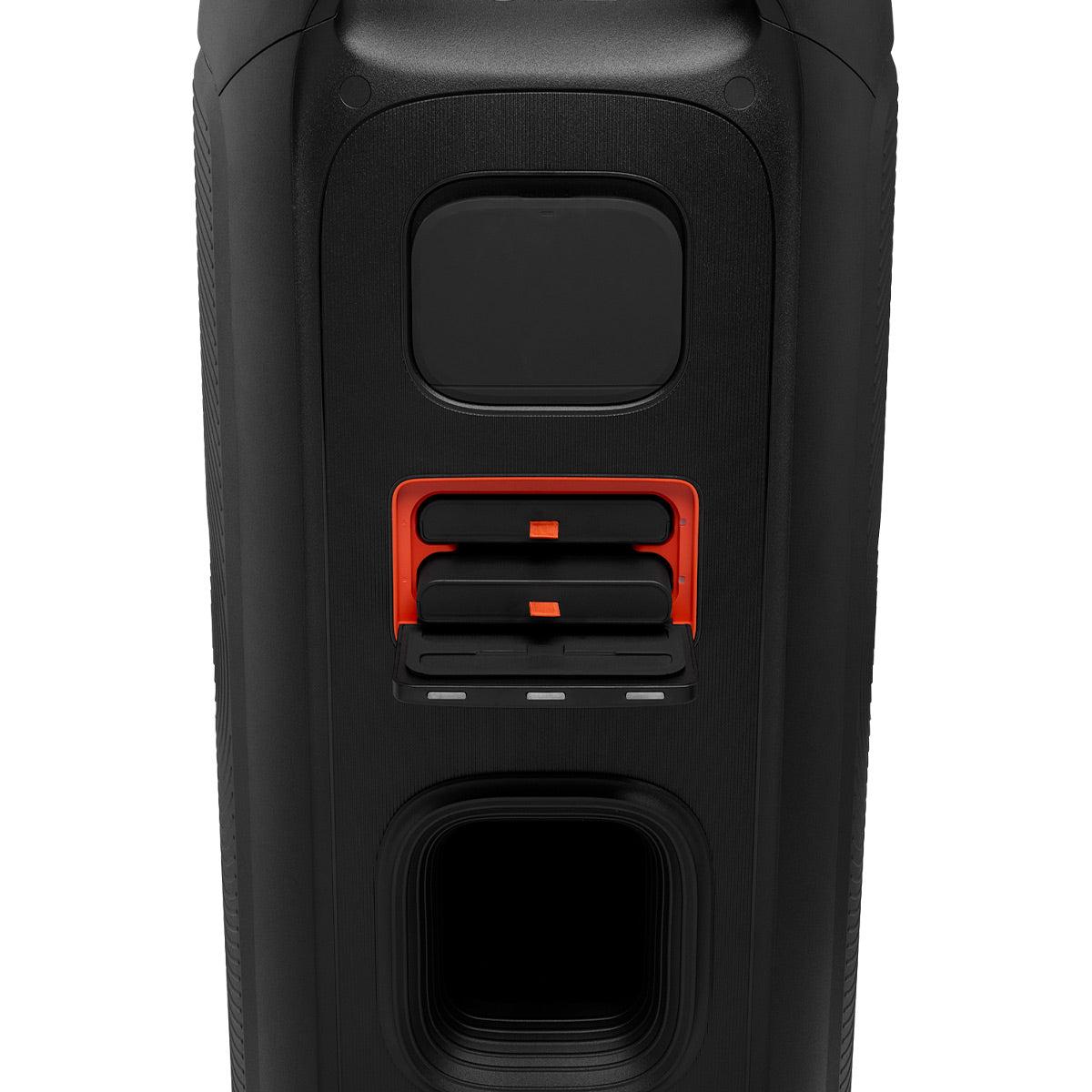
The JBL does offer an interesting solution with its dual removable battery system. You can purchase additional battery packs and hot-swap them during events, essentially giving you unlimited runtime if you're willing to invest in extra batteries.
The Sony ULT FIELD 7 holds a significant advantage with its IP67 rating. This means it's completely dust-tight and can withstand being submerged in up to 3 feet of water for 30 minutes. In practical terms, you can use this speaker at the beach, by the pool, or even in light rain without worry.
The JBL PartyBox 720 carries only an IPX4 rating, meaning it can handle splashes but shouldn't be exposed to rain or submersion. This limitation significantly restricts its outdoor versatility, essentially requiring covered areas or fair weather for safe operation.
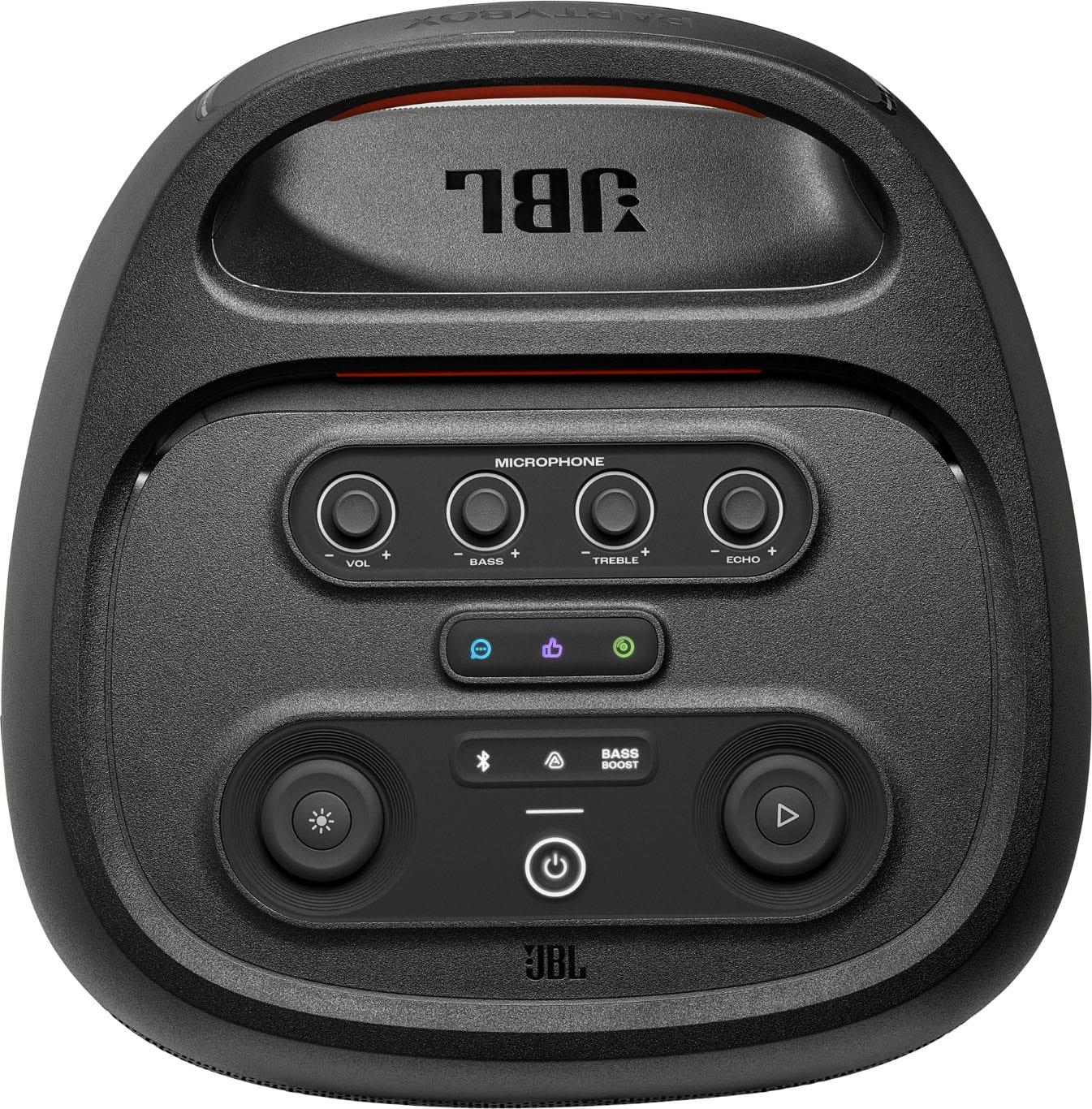
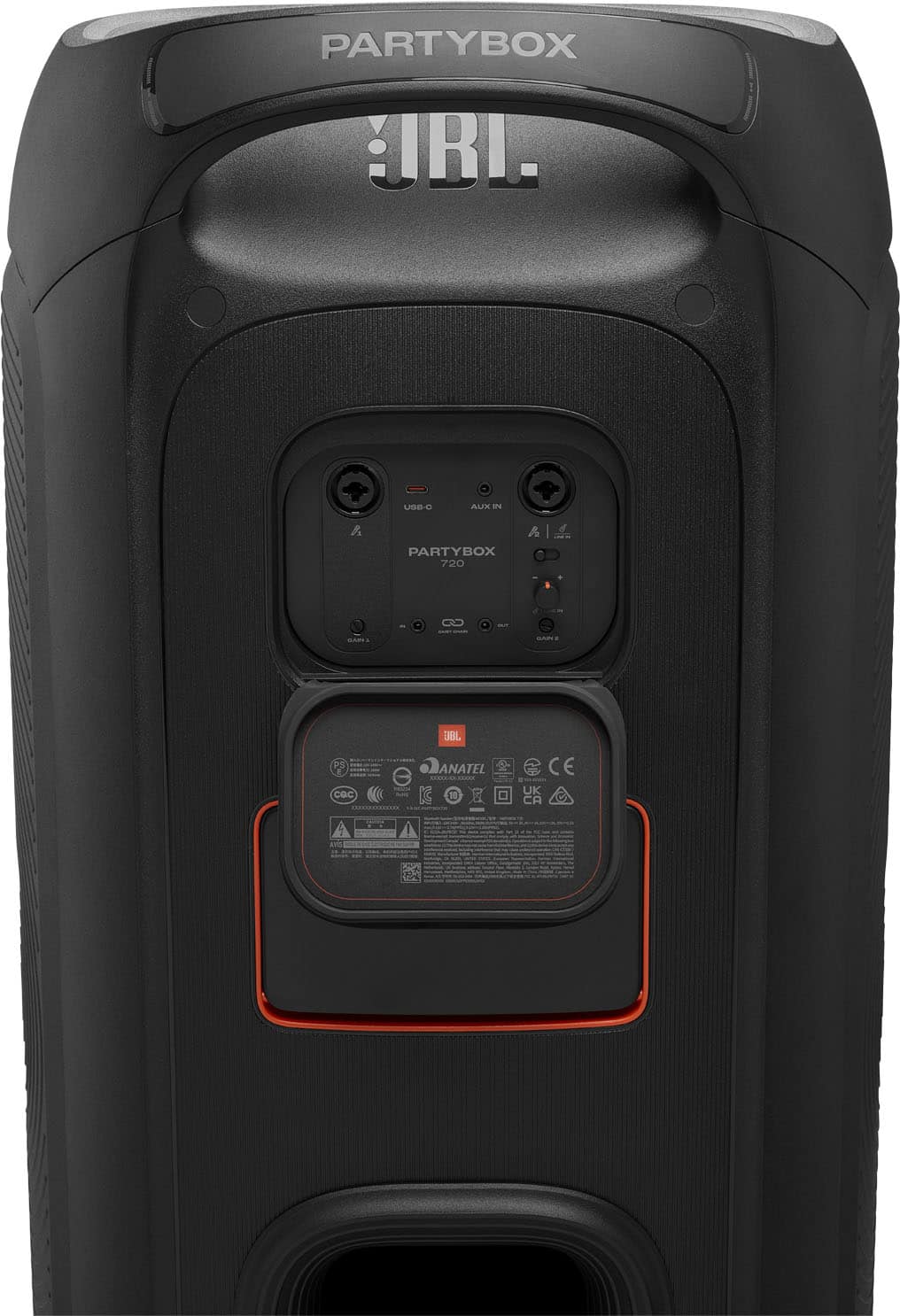
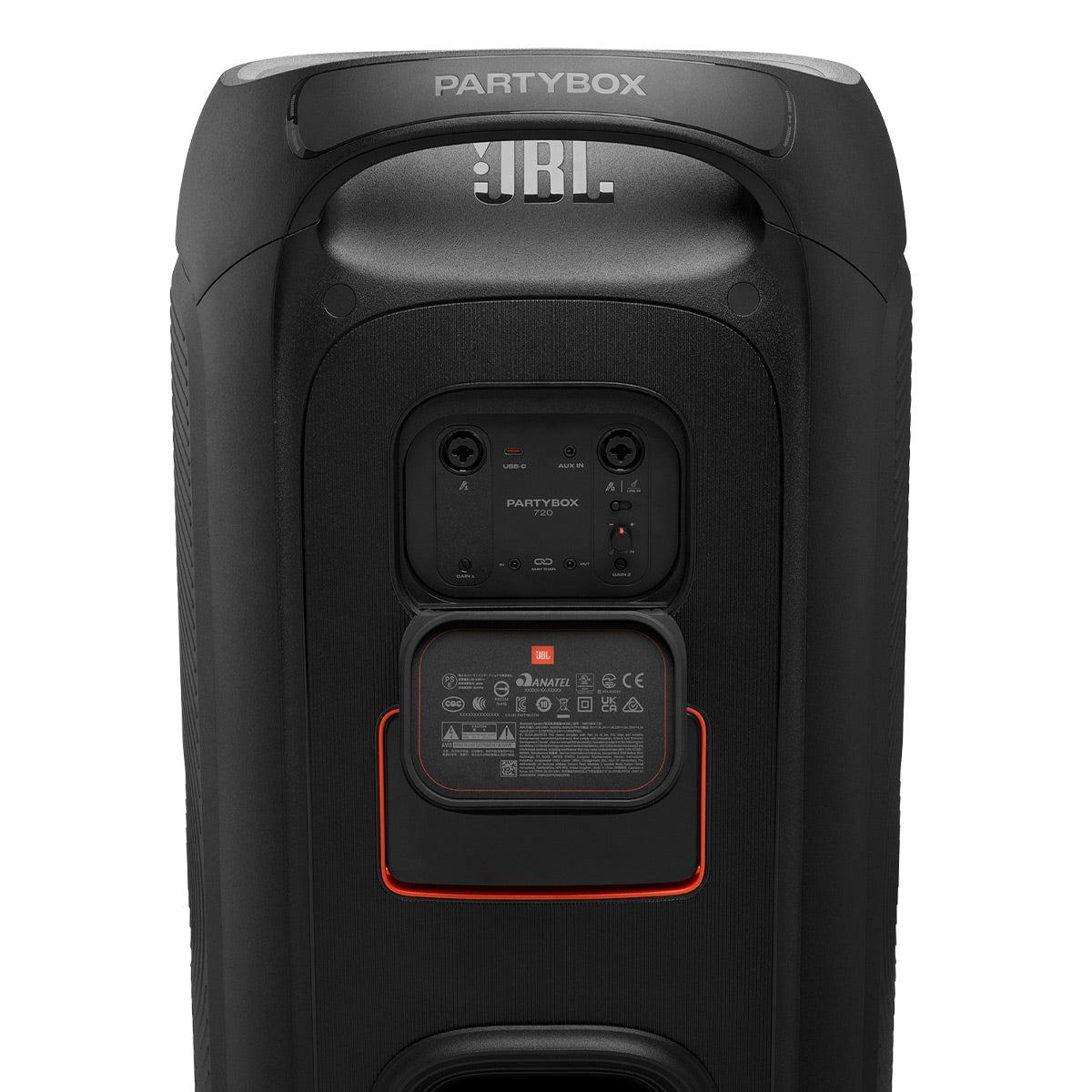
The JBL PartyBox 720 shows its semi-professional aspirations through dual XLR inputs. XLR connections are the gold standard for professional microphones and instruments—they're more robust than standard 1/4-inch jacks and provide better signal quality. This makes the JBL genuinely suitable for small venue performances, DJ setups, or serious karaoke sessions.
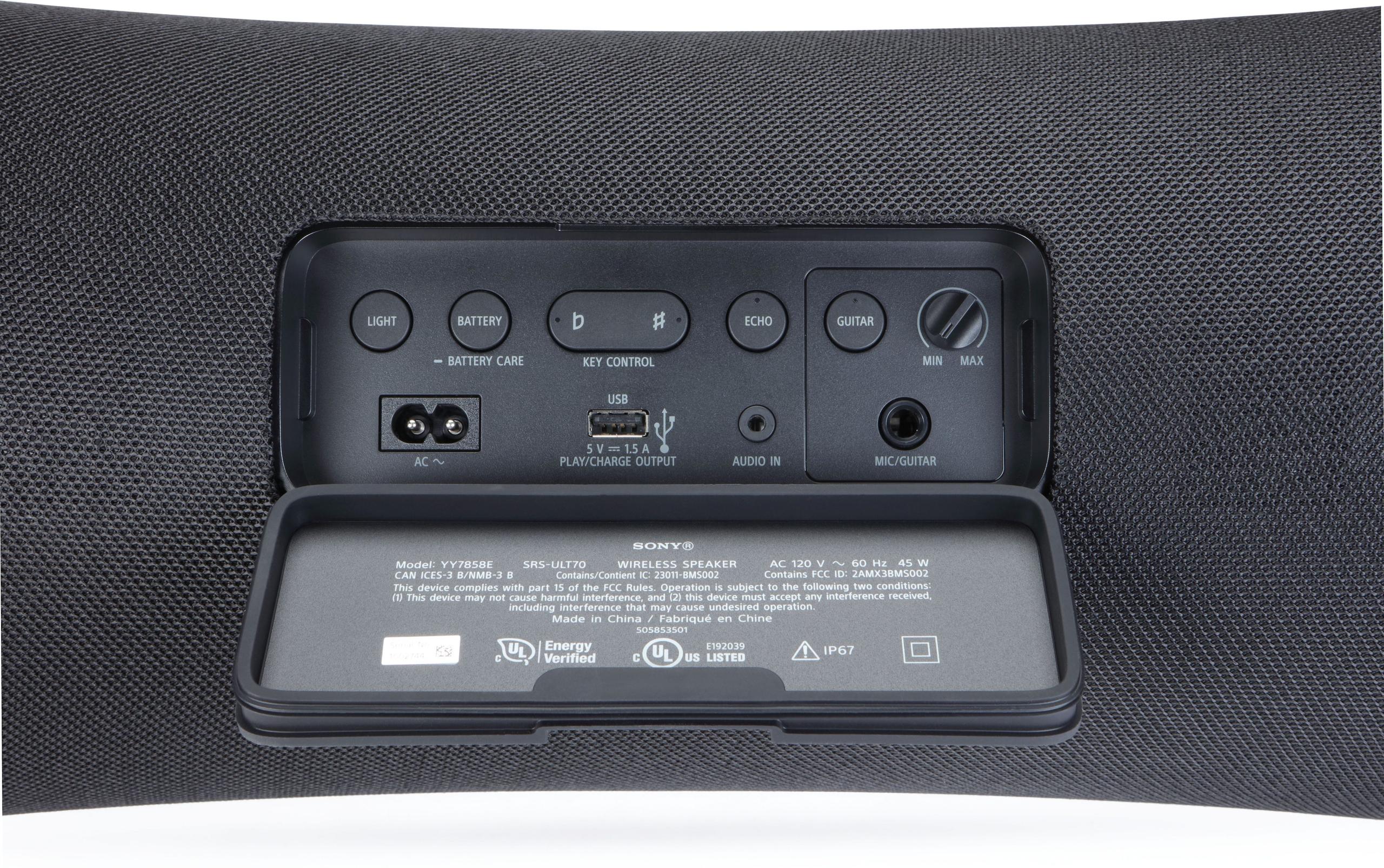
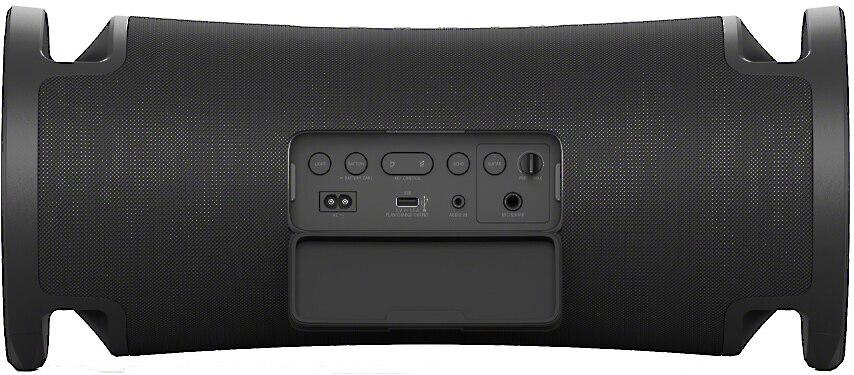
The Sony ULT FIELD 7 uses standard 1/4-inch inputs, which work perfectly fine for consumer microphones and guitars but aren't as robust for professional applications. However, it does offer some unique features like Sound Field Optimization, which automatically adjusts the speaker's output based on environmental noise—essentially acting like automatic EQ that adapts to your surroundings.
Both speakers support modern Bluetooth standards, but with different focuses. The JBL's Bluetooth 5.4 with Auracast technology enables more sophisticated multi-speaker setups, while the Sony's Bluetooth 5.2 with LDAC codec support prioritizes higher audio quality for music streaming.
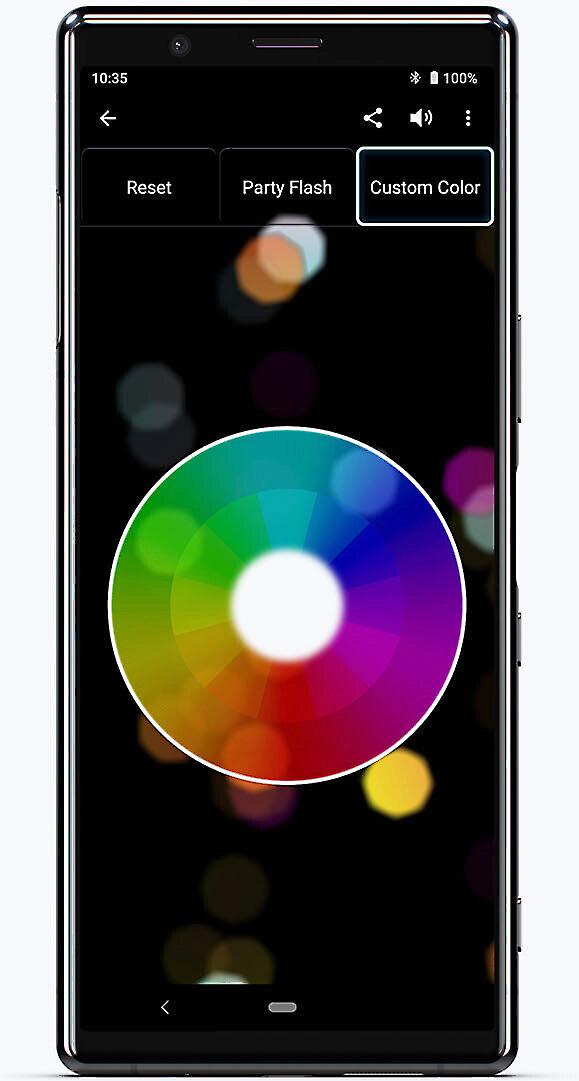
The Sony ULT FIELD 7 works with Sony's Music Center and Fiestable apps, offering a 7-band graphic equalizer and various sound presets. The EQ is particularly useful given the speaker's balanced default tuning—you can boost the highs for vocal clarity or enhance the mids for better instrument separation.
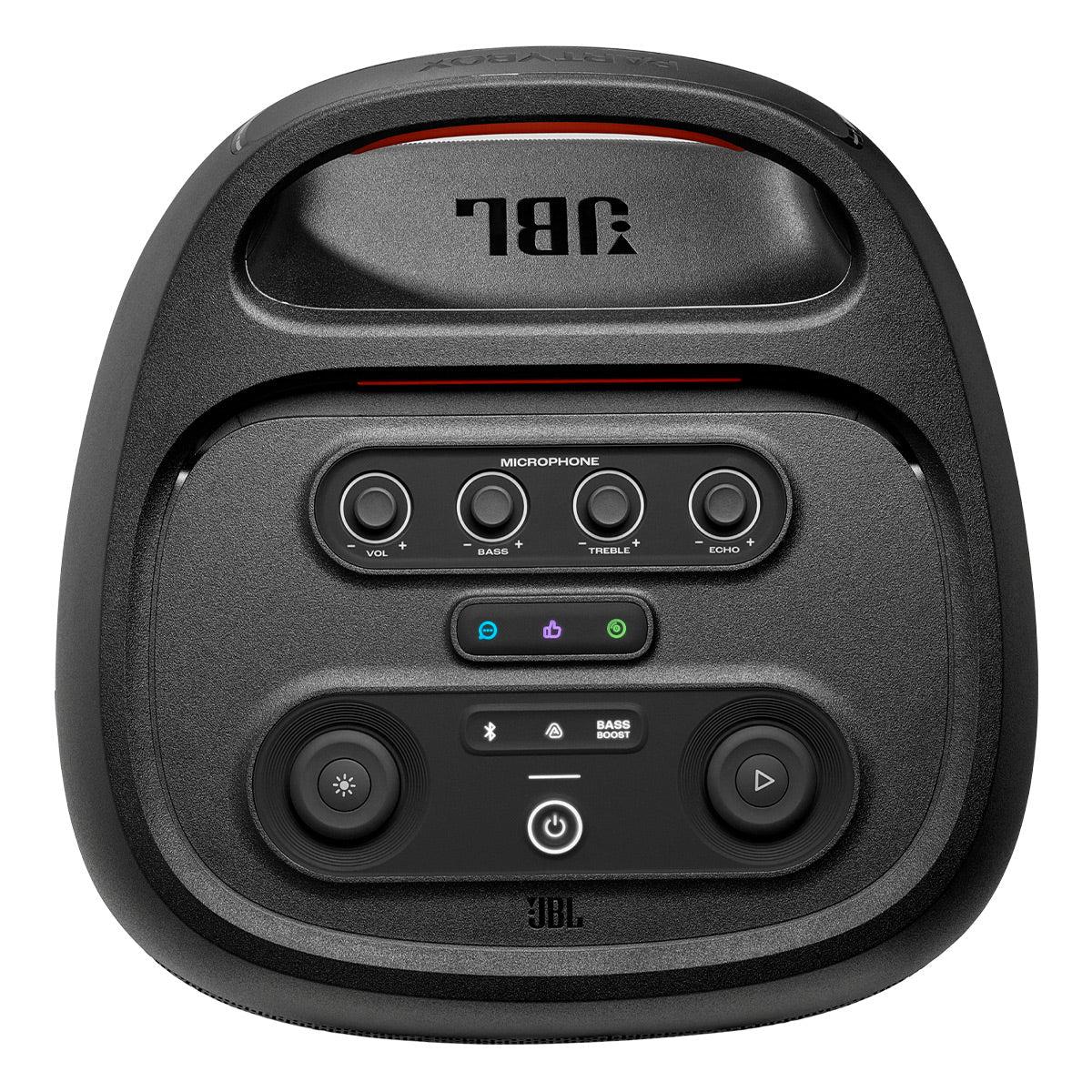
The JBL PartyBox 720 uses the dedicated PartyBox app, which focuses heavily on lighting control and multi-speaker management. While it includes EQ options, the emphasis is clearly on visual effects and party atmosphere rather than audiophile-level sound tuning.
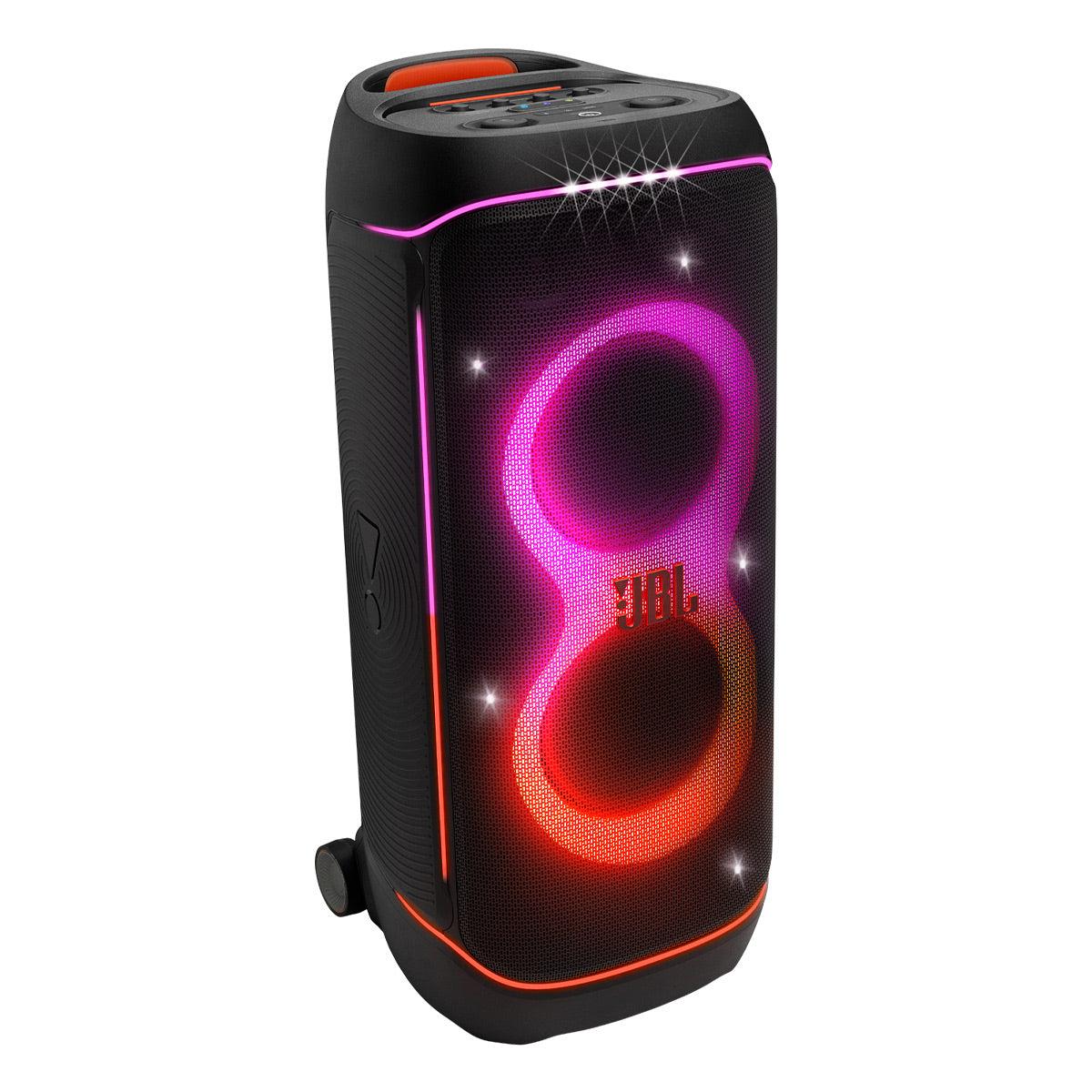
Both speakers include LED lighting systems, but with different philosophies. The JBL PartyBox 720 goes all-out with a 360-degree light show featuring starry effects, flowing trails, and pulsing strobes. The lighting system spans the entire front panel and can create a genuinely impressive visual display that rivals some club setups.
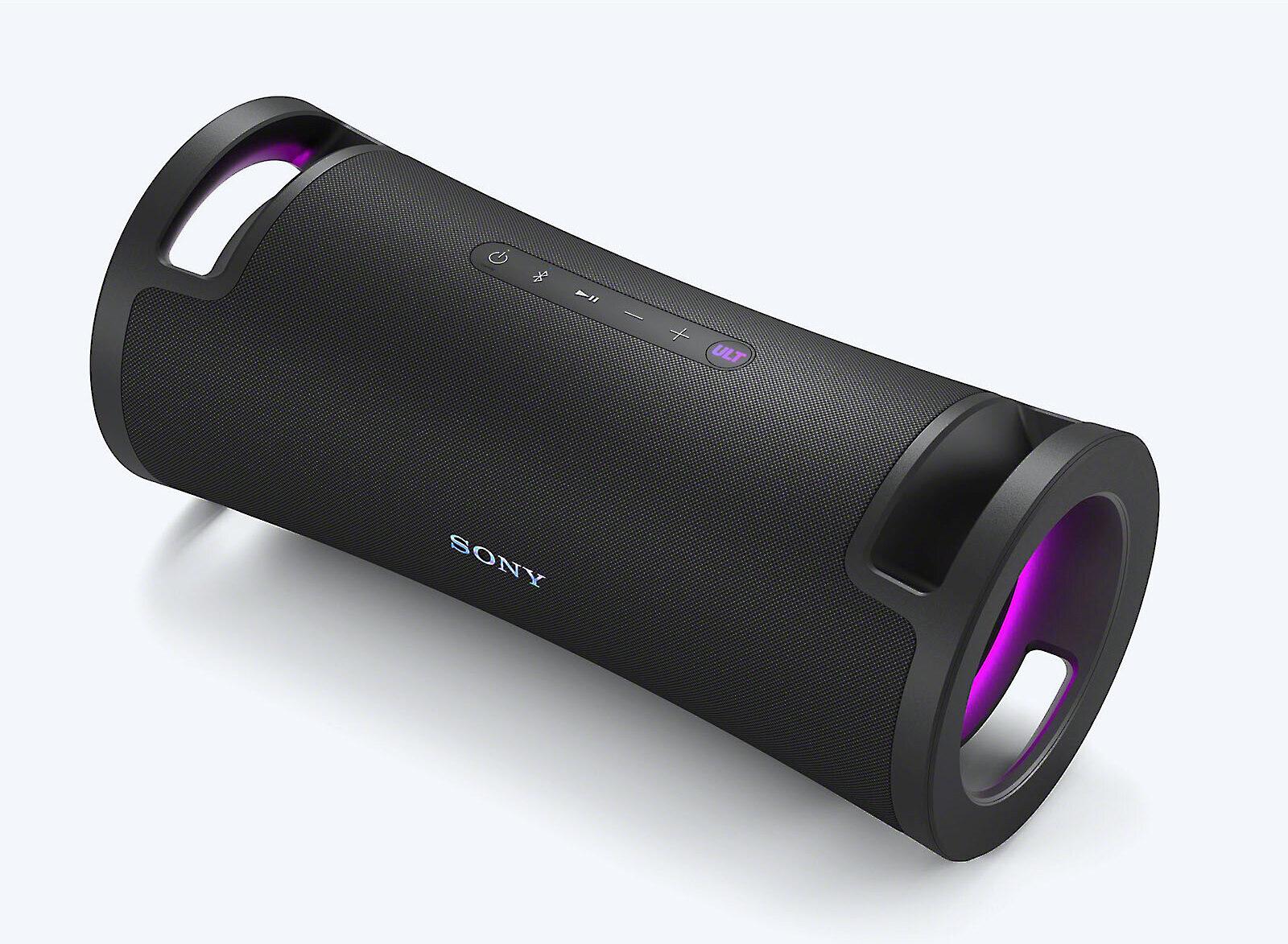
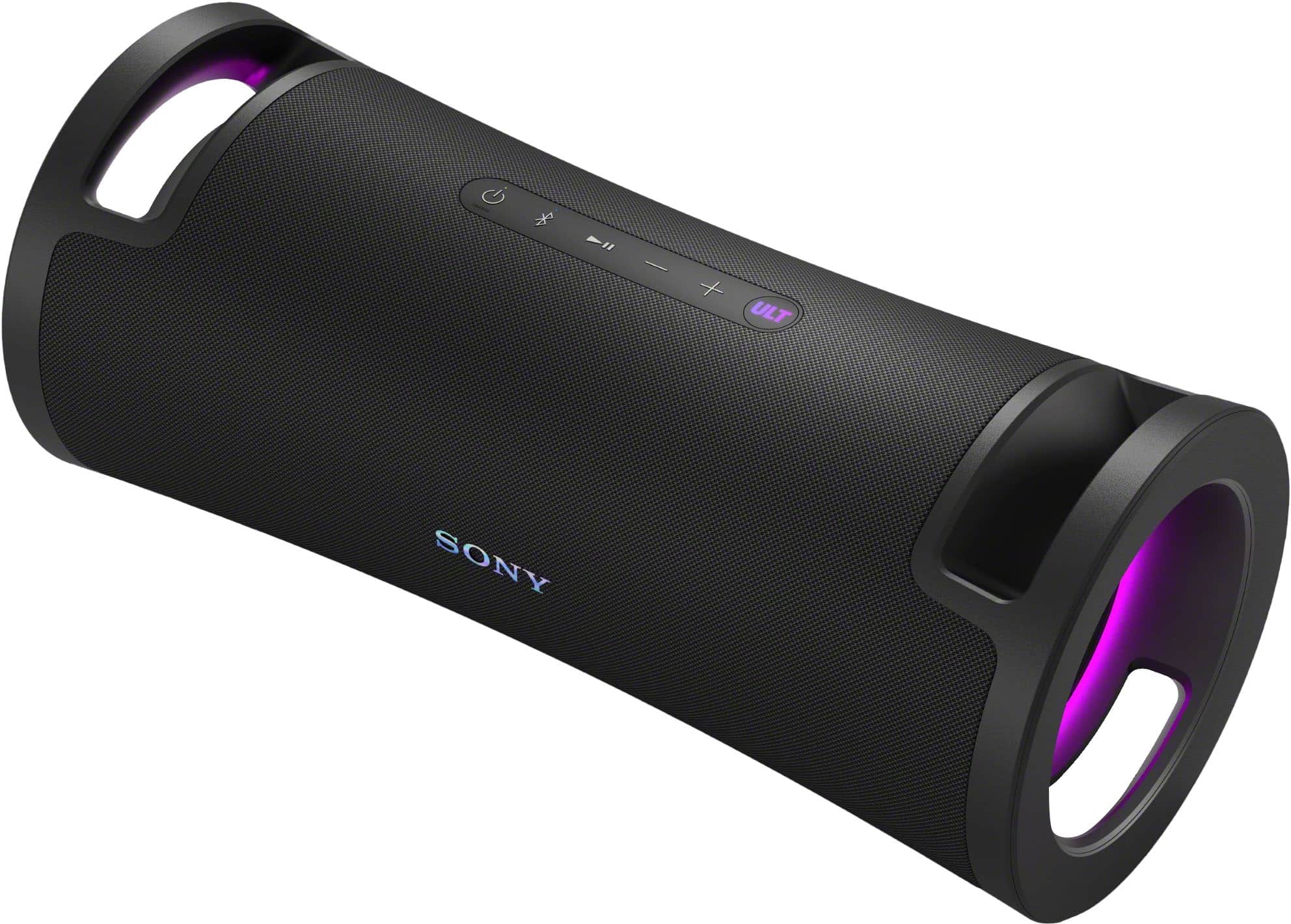
The Sony ULT FIELD 7 takes a more subtle approach with multi-colored LEDs that sync with the music. It's attractive and fun, but clearly secondary to the audio performance. The Sony's lighting is more about ambient enhancement than being the centerpiece of the party.
Based on extensive research into user experiences and expert reviews, here's how these speakers perform in common situations:
Small to Medium Gatherings (10-30 people): The Sony ULT FIELD 7 excels here. It provides plenty of volume without overwhelming smaller spaces, and its balanced sound signature works well for mixed music playlists. The portability means you can easily move it to optimize positioning.
Large Outdoor Parties (50+ people): The JBL PartyBox 720 becomes essential. The Sony simply doesn't have the power to fill large outdoor spaces effectively, especially when competing with wind, conversation, and other ambient noise.
Beach/Pool Parties: The Sony's IP67 rating makes it the obvious choice. The JBL's splash resistance isn't sufficient for water-heavy environments.
Indoor Events: Both work well, but consider your neighbors. The JBL's power might be overkill in apartments or smaller homes, while the Sony provides excellent sound without excessive volume.
Extended Outdoor Events: The Sony's 30-hour battery life is unbeatable for camping trips, festivals, or all-day tailgating where power isn't available.
The Sony ULT FIELD 7 launched in 2024 as part of Sony's renewed focus on the party speaker market. It incorporates lessons learned from previous models, particularly improving the balance between portability and power that had been lacking in earlier Sony speakers.
The JBL PartyBox 720 represents the evolution of JBL's successful PartyBox line, released in 2024 with significant improvements over the PartyBox 710. The upgrades include more powerful amplification, enhanced lighting systems, and better battery management.
Both speakers benefit from recent advances in Class D amplifier technology, which allows for higher efficiency and less heat generation. This is particularly important for battery-powered speakers, as it directly impacts runtime and performance sustainability.
Neither speaker is designed primarily for home theater use, but they can serve in that role with some caveats. The Sony ULT FIELD 7 actually works better as a TV speaker due to its more balanced frequency response and smaller size. Its vocal clarity is superior for dialogue, though you'll miss the surround sound experience.
The JBL PartyBox 720 might seem like it would provide more cinematic impact, but its bass-heavy tuning can muddy dialogue, and its size makes it impractical for most living rooms. If you do use it for movies, the bass boost modes should probably be turned off to maintain clarity.
At the time of writing, the price difference between these speakers is substantial enough that they're targeting different market segments entirely. The Sony ULT FIELD 7 offers exceptional value for its feature set—you get genuine portability, excellent battery life, full weather protection, and surprisingly good sound quality for significantly less money.
The JBL PartyBox 720 commands its premium through raw performance and professional features. If you need the extra power and can justify the cost, it delivers capabilities that the Sony simply can't match. However, many users will find that the Sony provides 80% of the performance for roughly half the cost.
Choose the Sony ULT FIELD 7 if you prioritize portability, value, and versatility. It's perfect for people who want to take their music everywhere, from beach trips to backyard barbecues. The 30-hour battery life alone makes it ideal for outdoor enthusiasts, and the IP67 rating means you never have to worry about weather.
The JBL PartyBox 720 makes sense for users who prioritize maximum performance and have specific high-power needs. If you regularly host large gatherings, need professional microphone connectivity, or want a speaker that can truly compete with small venue sound systems, the extra cost is justified.
Consider your typical use case honestly. Most people overestimate how much power they actually need. The Sony ULT FIELD 7 is loud enough for the vast majority of residential parties and gatherings, while offering significantly more convenience and versatility. The JBL PartyBox 720 is genuinely better suited for event organizers, DJs, or anyone who needs maximum impact regardless of size and cost constraints.
Both speakers represent solid engineering in their respective categories, but they solve different problems. The Sony democratizes high-quality party audio, while the JBL provides professional-grade performance in a consumer package. Choose based on your actual needs, not your maximum theoretical requirements, and either speaker will serve you well for years to come.
| JBL PartyBox 720 | Sony ULT FIELD 7 |
|---|---|
| Power Output - Determines maximum volume and bass impact | |
| 800W RMS (fills large outdoor spaces, 100+ people) | 45W (adequate for medium gatherings, 20-50 people) |
| Weight & Portability - Critical for transportation and setup | |
| 68.3 lbs, requires wheels/two people to move | 13.9 lbs, true one-person portability with shoulder strap |
| Battery Life - Runtime for events without power access | |
| 15 hours (sufficient for most parties) | 30 hours (exceptional for camping/all-day events) |
| Weather Resistance - Protection for outdoor use | |
| IPX4 splash-resistant (requires cover from rain) | IP67 waterproof/dustproof (submersible, beach-ready) |
| Driver Configuration - Affects sound quality and bass response | |
| Dual 9" woofers + dual 1.25" tweeters (massive bass) | X-Balanced woofer + tweeter units (balanced, less distortion) |
| Bass Enhancement - Party music performance | |
| Deep/Energetic modes via physical switch | ULT1/ULT2 modes (Deep Bass/Attack Bass) |
| Professional Connectivity - Microphone and instrument inputs | |
| Dual XLR inputs (professional mics/instruments) | Single 1/4" mic/guitar input (consumer equipment) |
| Multi-Speaker Linking - Expandability for larger events | |
| Auracast wireless linking + stereo pairing | Party Connect for multiple Sony speakers |
| Lighting Effects - Visual entertainment value | |
| 360° futuristic light show with strobes and trails | Multi-colored LEDs with music sync (more subtle) |
| Bluetooth Technology - Wireless connection quality | |
| 5.4 with Auracast support | 5.2 with LDAC high-quality codec |
| Customization Options - Sound tuning capabilities | |
| JBL PartyBox app with lighting control | 7-band EQ + Sound Field Optimization |
| Target Use Case - Best suited for | |
| Large events, semi-professional setups, maximum impact | Portable adventures, balanced performance, excellent value |
The JBL PartyBox 720 is significantly better for large outdoor parties. With 800W of power output and dual 9-inch woofers, it can easily fill large spaces and handle crowds of 100+ people. The Sony ULT FIELD 7 works well for smaller gatherings of 20-50 people but lacks the raw power needed for truly large outdoor events.
The Sony ULT FIELD 7 is far more portable at just 13.9 pounds with a shoulder strap for easy carrying. The JBL PartyBox 720 weighs 68.3 pounds and requires wheels or two people to move, making it more of a semi-stationary speaker despite having built-in transport features.
The Sony ULT FIELD 7 offers exceptional 30-hour battery life, perfect for camping trips or all-day events. The JBL PartyBox 720 provides 15 hours of playback, which is still adequate for most parties but half the runtime of the Sony speaker.
The Sony ULT FIELD 7 has superior weather protection with its IP67 rating, making it fully waterproof and dustproof - you can even submerge it briefly. The JBL PartyBox 720 only offers IPX4 splash resistance, requiring protection from rain and submersion.
Yes, but the connectivity differs significantly. The JBL PartyBox 720 features professional dual XLR inputs for high-quality microphones and instruments. The Sony ULT FIELD 7 has a single 1/4-inch input suitable for consumer microphones and guitars.
The JBL PartyBox 720 produces much more powerful bass with its dual 9-inch woofers and 800W amplifier. The Sony ULT FIELD 7 still delivers impressive bass for its size using X-Balanced driver technology, but can't match the chest-thumping impact of the larger JBL system.
Neither speaker is designed primarily for home theater, but the Sony ULT FIELD 7 works better as a TV speaker due to its more balanced sound and manageable size. The JBL PartyBox 720 may be too bass-heavy and large for most living rooms, potentially muddying dialogue clarity.
The Sony ULT FIELD 7 offers exceptional value, providing strong performance, true portability, and full weather protection at a much lower price point. The JBL PartyBox 720 costs significantly more but delivers professional-grade power and features that justify the premium for users who need maximum performance.
Both speakers support multi-speaker connectivity but use different technologies. The JBL PartyBox 720 uses Auracast wireless linking for advanced multi-speaker setups. The Sony ULT FIELD 7 offers Party Connect to link multiple Sony speakers with synchronized sound and lighting.
The JBL PartyBox 720 features a more elaborate 360-degree light show with starry effects, flowing trails, and pulsing strobes that span the entire front panel. The Sony ULT FIELD 7 offers attractive multi-colored LED lighting that syncs with music but takes a more subtle approach to visual effects.
Both the Sony ULT FIELD 7 and JBL PartyBox 720 require approximately 3 hours for a full charge. The JBL also offers fast charging, providing 2 additional hours of playtime with just 10 minutes of charging, while the Sony focuses on longer overall runtime.
The Sony ULT FIELD 7 is clearly superior for camping and outdoor adventures. Its lightweight design, 30-hour battery life, and IP67 waterproof rating make it perfect for beach trips, hiking, and extended outdoor use. The JBL PartyBox 720 is too heavy and weather-sensitive for most outdoor adventure scenarios.
We've done our best to create useful and informative comparisons to help you decide what product to buy. Our research uses advanced automated methods to create this comparison and perfection is not possible - please contact us for corrections or questions. These are the sites we've researched in the creation of this article: stereoindex.com - youtube.com - youtube.com - youtube.com - youtube.com - comparisontabl.es - jbl.com - youtube.com - youtube.com - youtube.com - bestbuy.com - versus.com - youtube.com - youtube.com - versus.com - youtube.com - jbl.com - news.jbl.com - engadget.com - news.harman.com - youtube.com - creativeaudio.net - jbl.com - skybygramophone.com - crutchfield.com - manuals.plus - youtube.com - rtings.com - hifipicks.com - thesonyshop.ca - techradar.com - rtings.com - sony-africa.com - videoandaudiocenter.com - sony.com - youtube.com - johnlewis.com

Privacy Policy
Terms and Conditions - Affiliate Policy
Home Security
© Copyright 2008-2026.
11816 Inwood Rd #1211, Dallas, TX 75244