

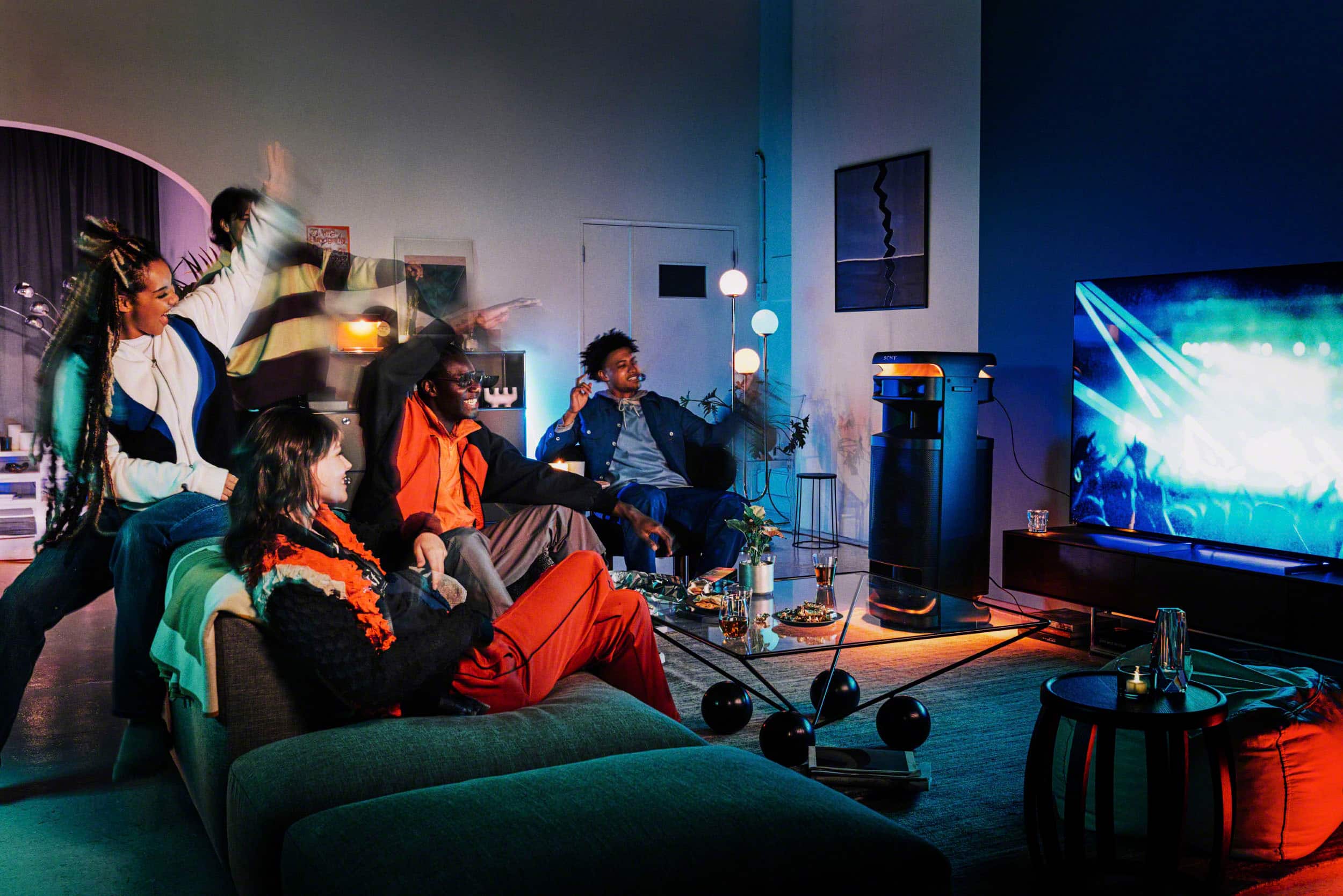
If you're serious about throwing memorable parties or creating an incredible home audio experience, you've probably stumbled across two powerhouse speakers that promise to transform any space into a concert venue. The Sony ULT Tower 10 and JBL PartyBox 720 represent the current pinnacle of consumer party speakers, but they take dramatically different approaches to delivering massive sound.
After diving deep into the technical specifications, user feedback, and real-world performance data, it's clear these speakers serve different masters. One prioritizes pure audio excellence while staying plugged into the wall, while the other sacrifices some sound quality for the freedom to party anywhere. Let's break down exactly what that means for your wallet and your parties.
Before we dive into the specifics, it's worth understanding what makes these speakers special. High-power party speakers aren't just regular speakers turned up to 11—they're engineered from the ground up to handle extreme volume levels while maintaining clear sound reproduction. Think of them as the difference between a Honda Civic and a Formula 1 race car; both will get you where you're going, but they're designed for entirely different purposes.
These speakers typically feature multiple drivers (the individual speakers inside the cabinet), powerful amplifiers (the electronic components that boost the audio signal), and specialized software processing to prevent distortion at high volumes. Most importantly, they're designed to fill large spaces—we're talking gymnasium-sized rooms, not your typical bedroom setup.
The party speaker category has exploded since around 2020, with manufacturers realizing that people wanted more than just loud music. Modern party speakers incorporate synchronized lighting systems, wireless microphone support, and smartphone apps that let you control everything from bass levels to strobe effects. It's become as much about creating an experience as producing sound.
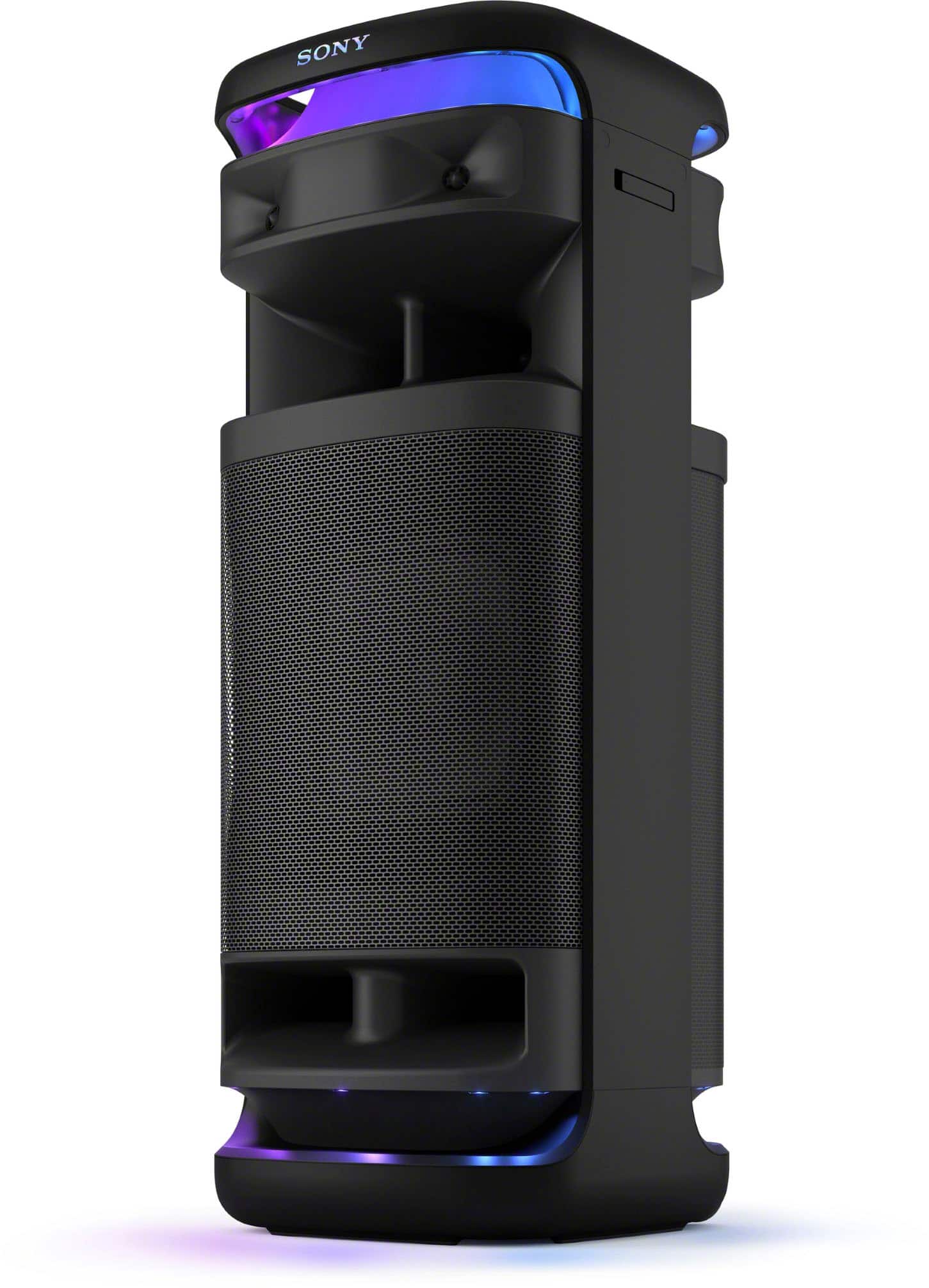
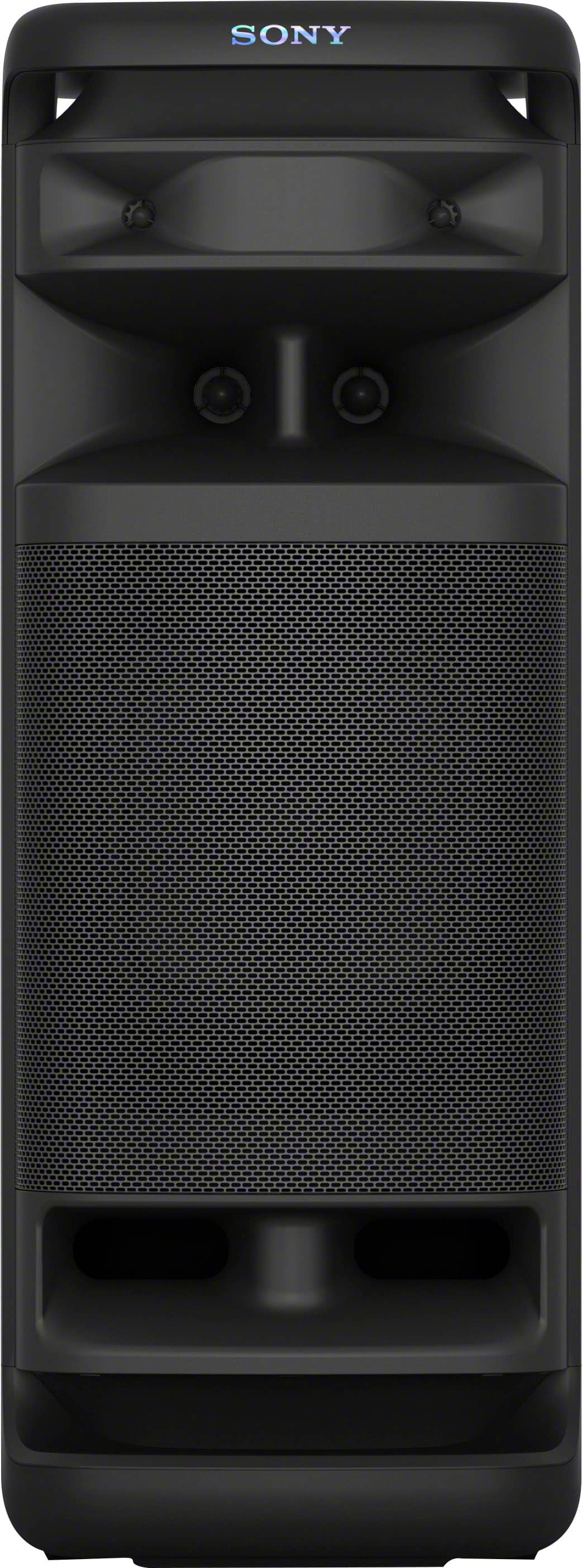
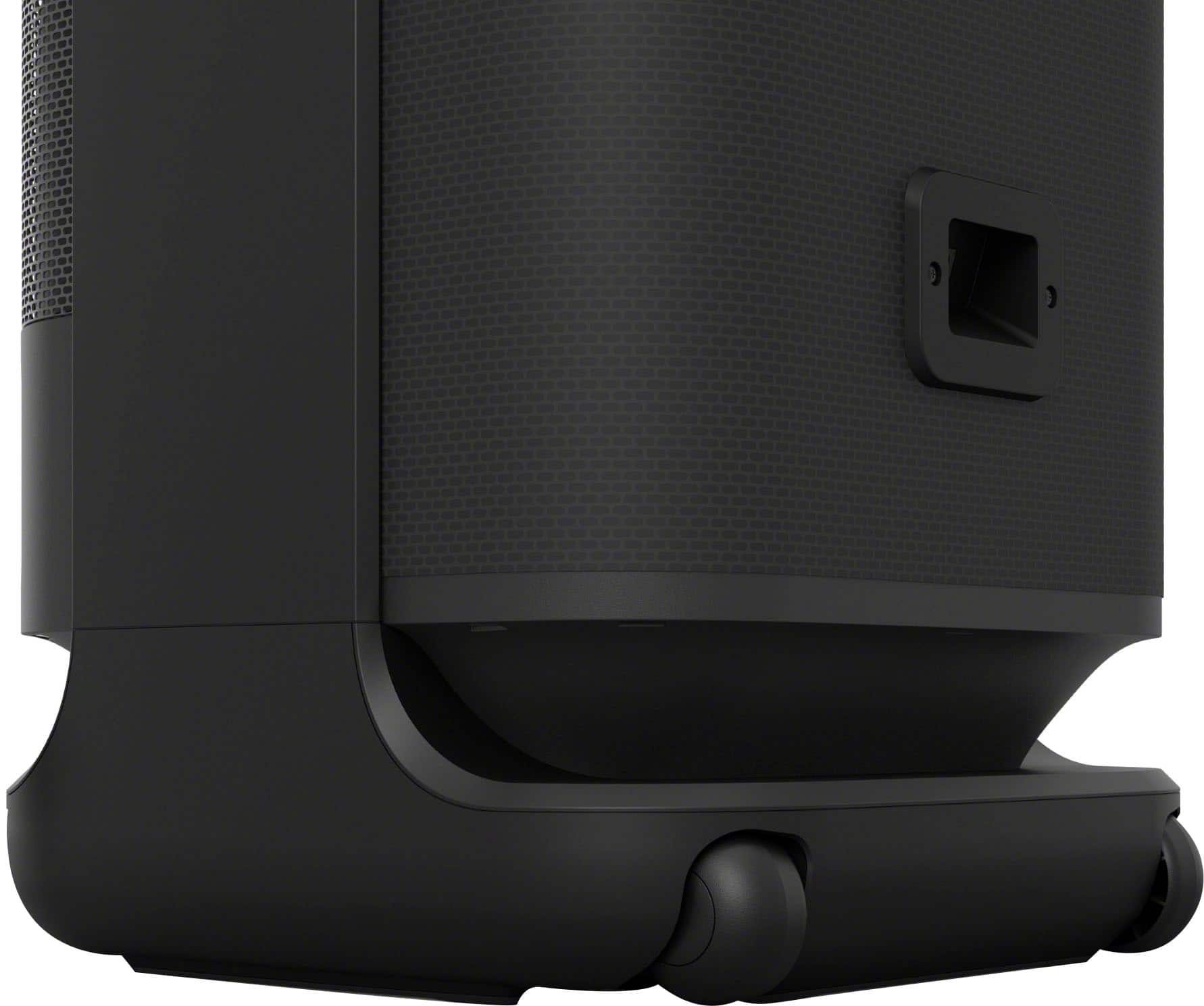
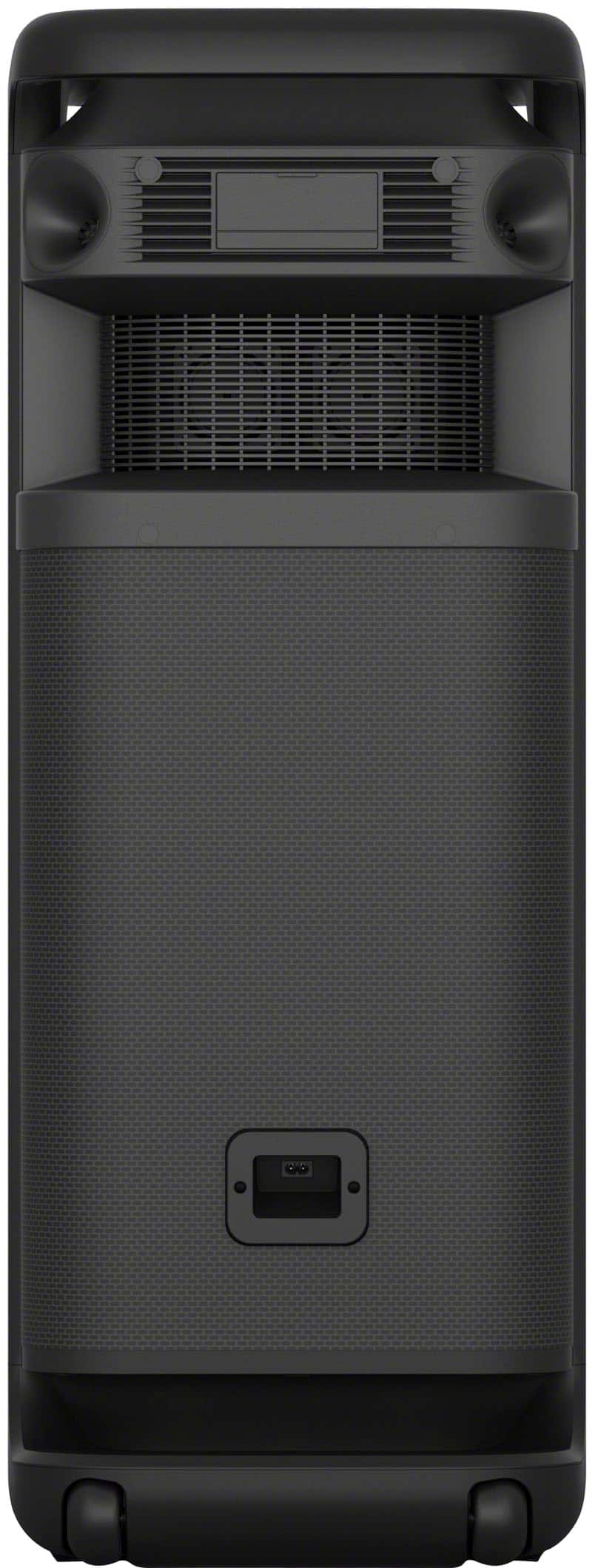
Here's where these two speakers diverge most dramatically. The Sony ULT Tower 10, released in 2024, represents Sony's "no compromises" approach to party audio. At over three and a half feet tall and weighing nearly 64 pounds, it's built like a piece of furniture that happens to produce incredible sound. Sony made a conscious decision to eliminate battery operation entirely, which allows them to focus all their engineering efforts on acoustic performance without worrying about power consumption or weight restrictions.
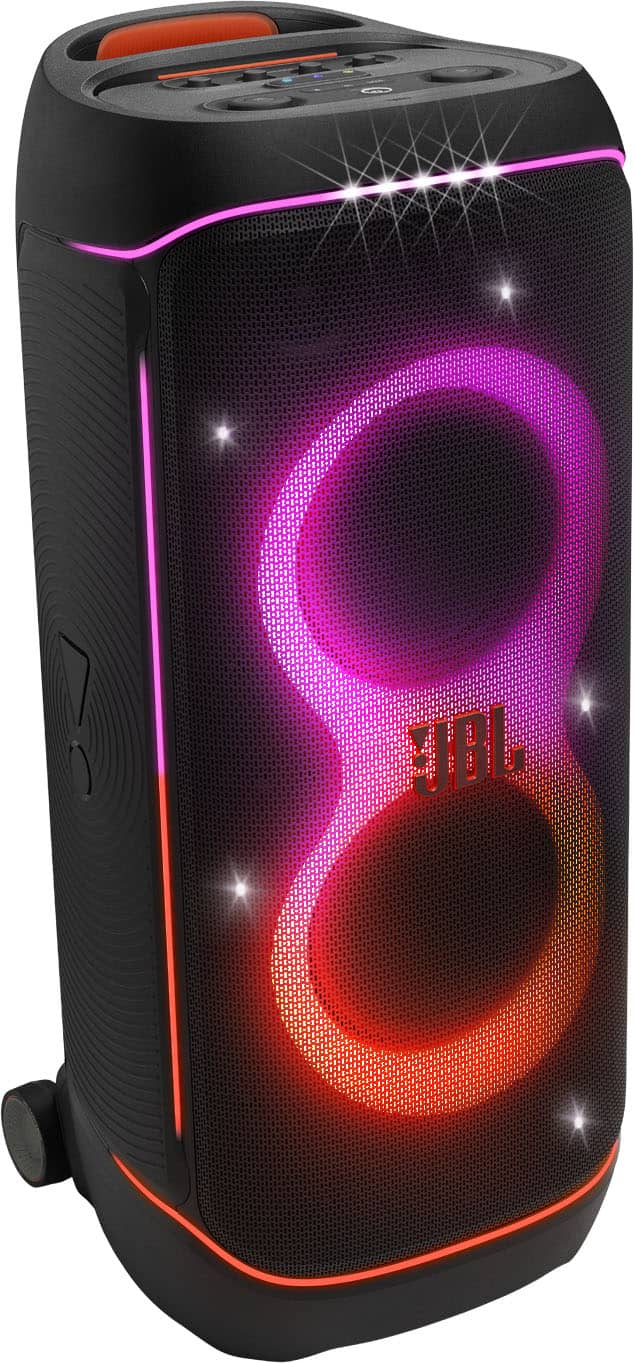
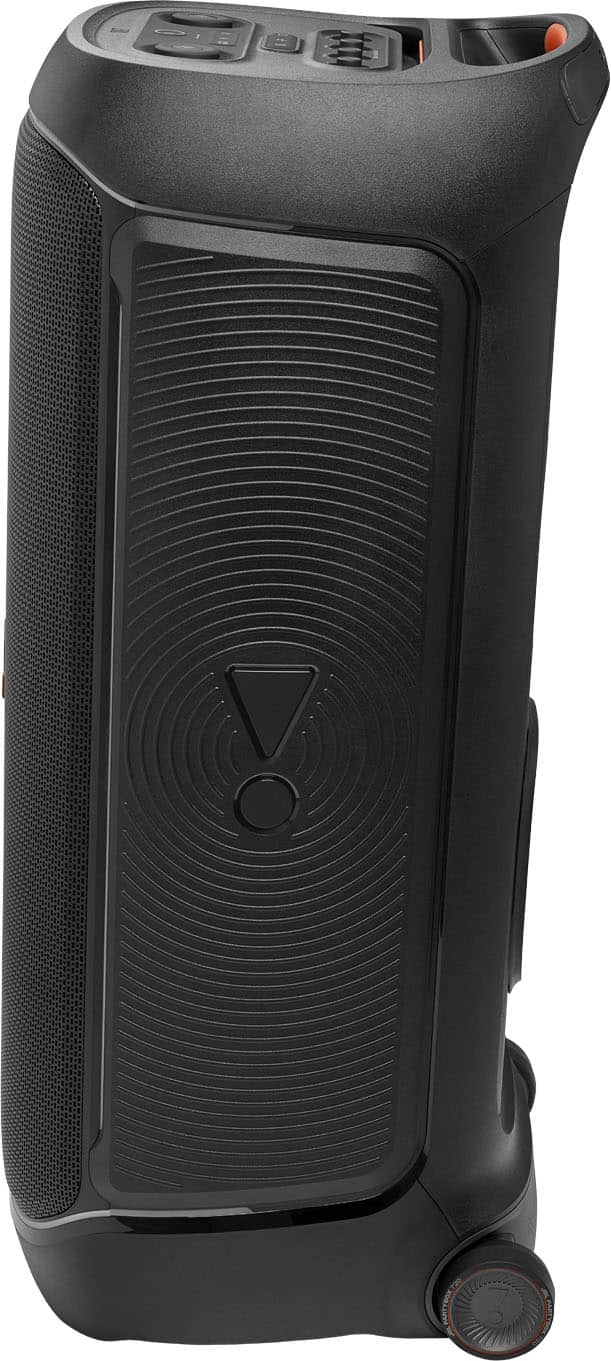
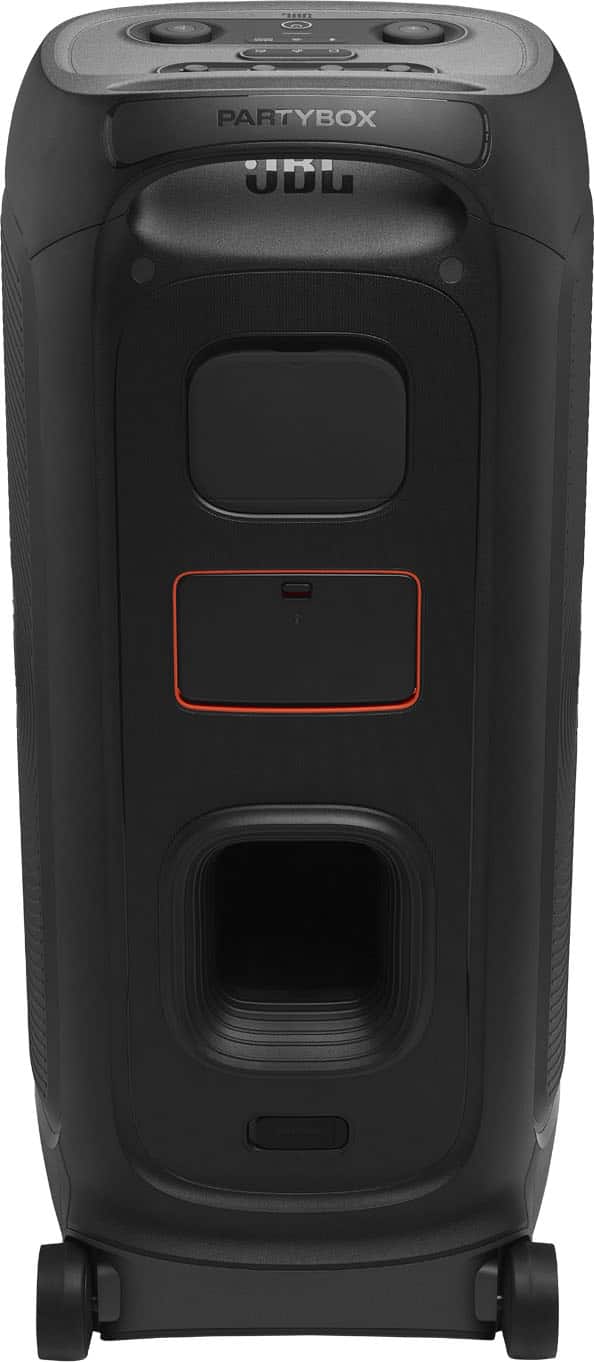
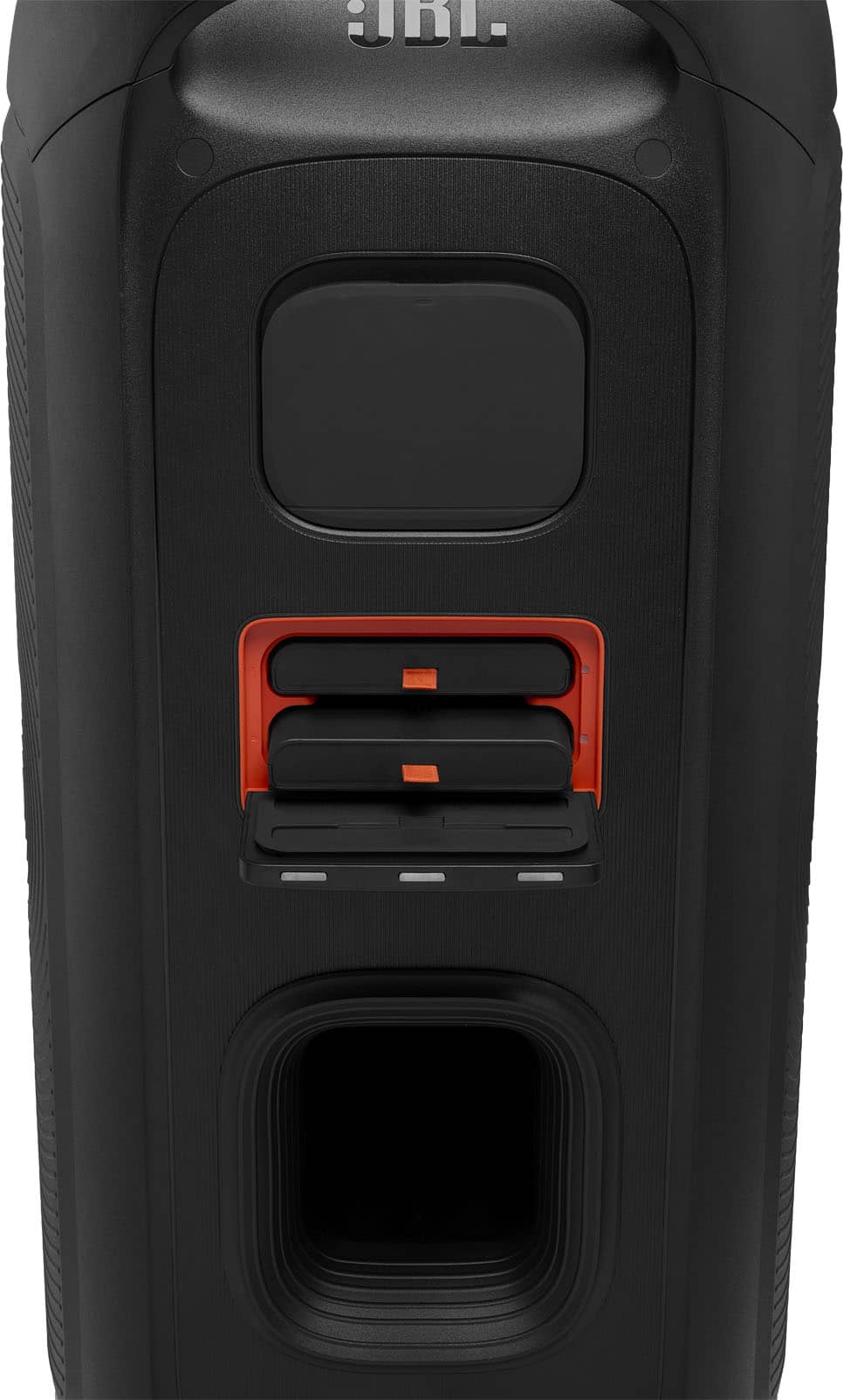
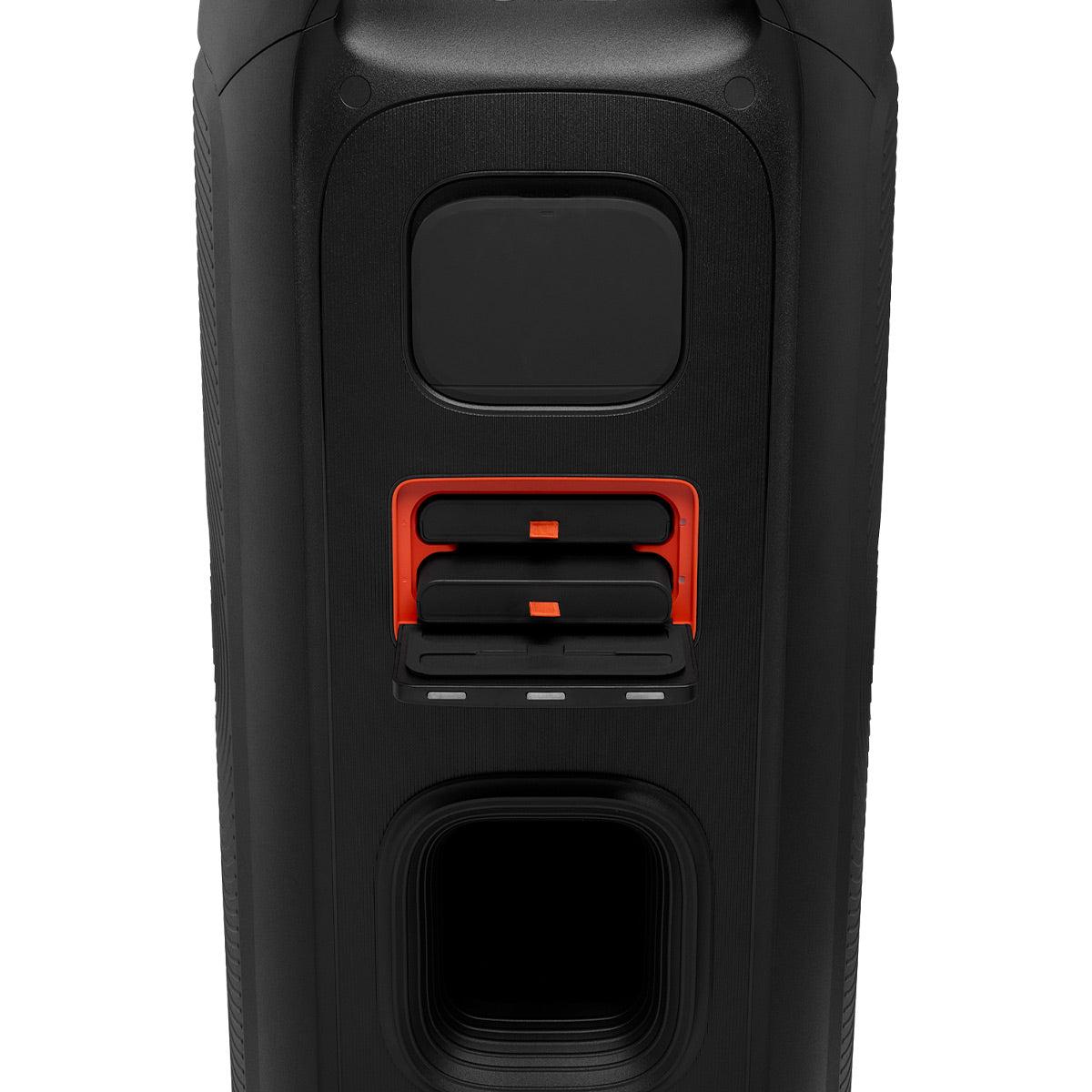
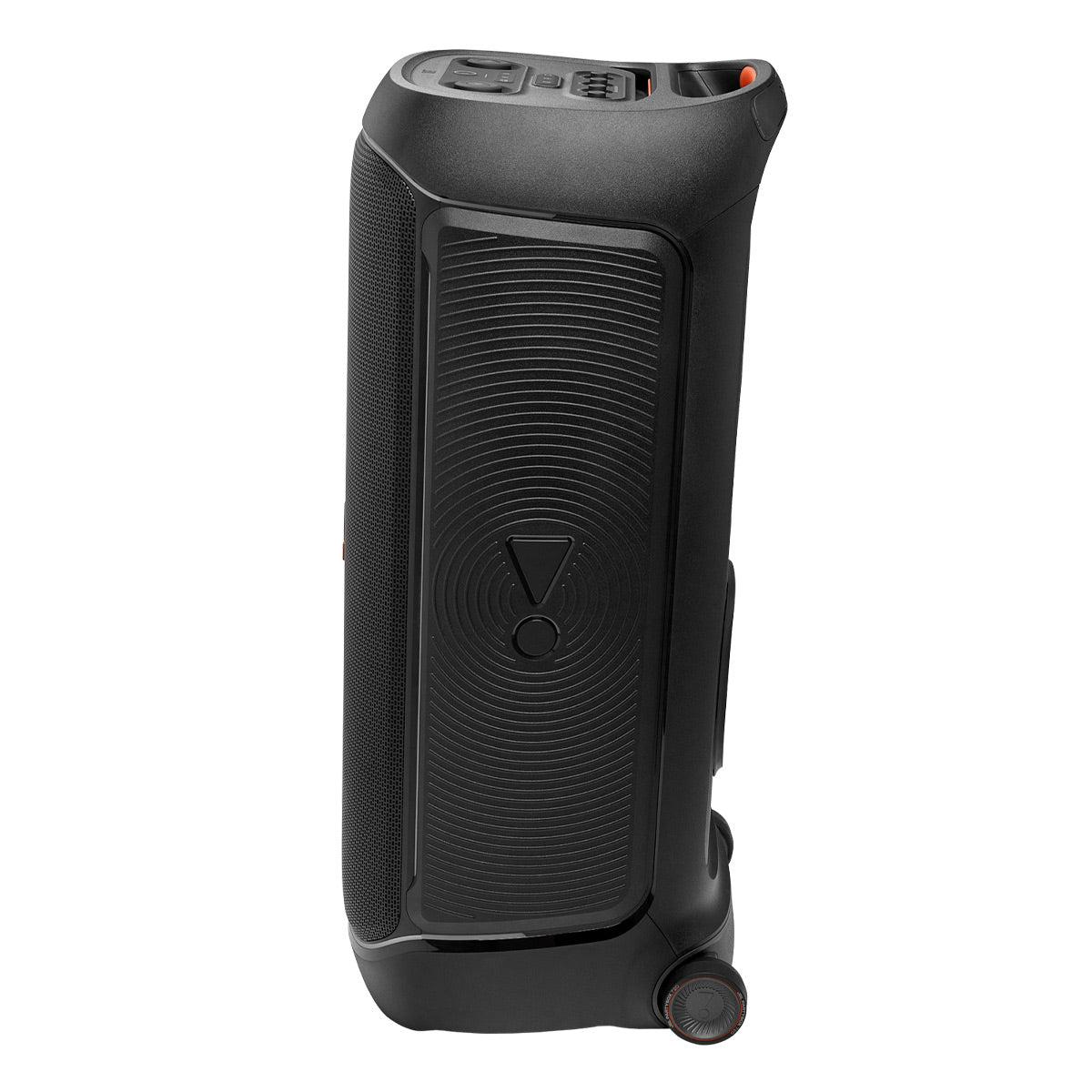
The JBL PartyBox 720, launched in 2023, takes the opposite philosophy. JBL recognized that many party enthusiasts need their speaker to follow them from the living room to the backyard to the beach. By incorporating dual removable batteries that provide up to 15 hours of operation, they've created a genuinely portable powerhouse that weighs about 4 pounds more than the Sony but can operate completely independently of wall power.
This fundamental difference affects everything else about these speakers, from their internal components to their intended use cases.
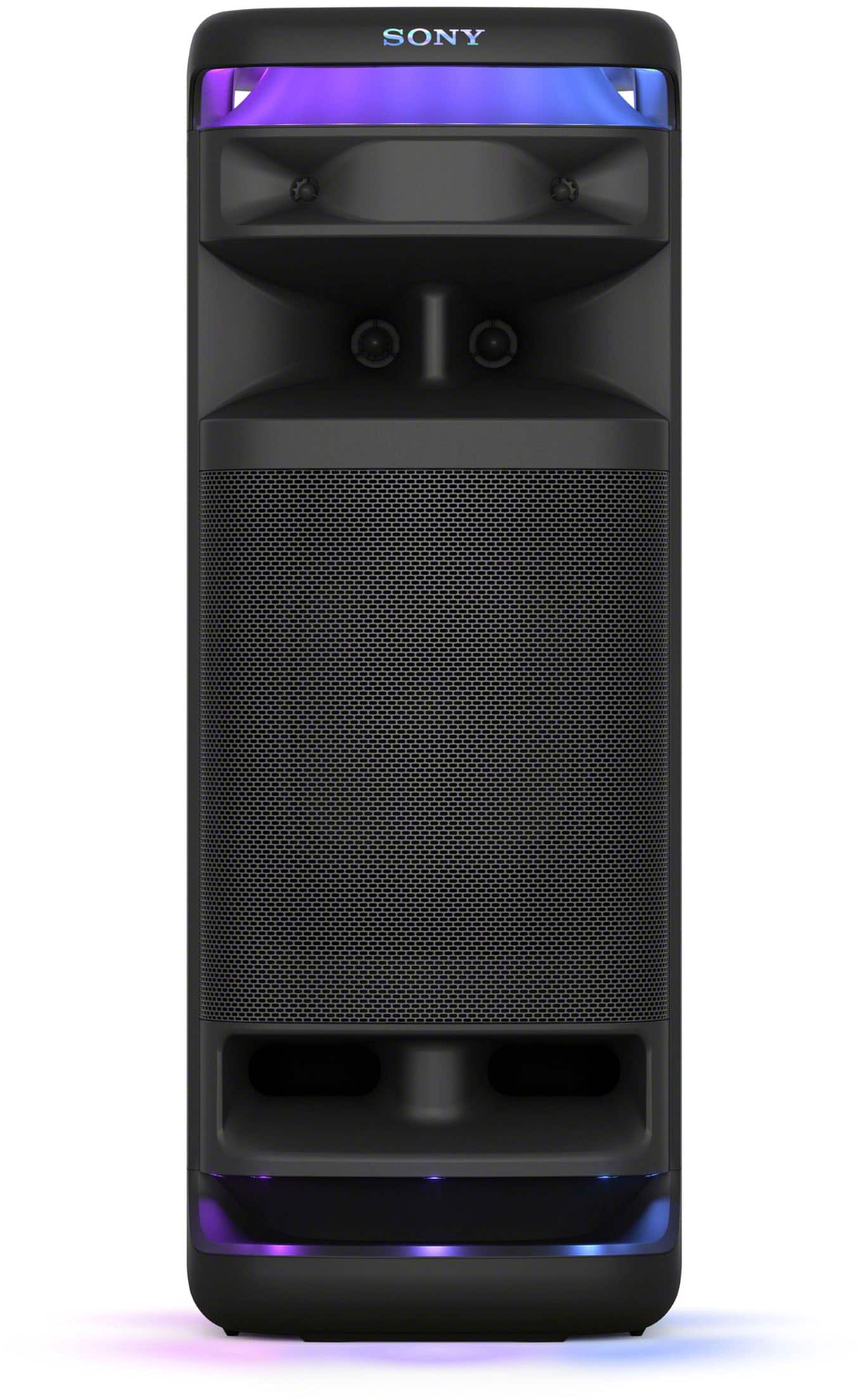
When it comes to pure audio performance, the Sony ULT Tower 10 demonstrates why staying plugged in has its advantages. Sony engineers implemented a sophisticated 3-way driver system—think of it as having three specialized teams handling different parts of the music. Four dome tweeters (two facing forward, two facing backward) handle the crisp high frequencies like cymbals and vocal details. Two dedicated midrange drivers focus exclusively on the crucial middle frequencies where most vocals and instruments live. Finally, Sony's unique X-Balanced woofer—a massive 12.6-inch square driver—handles the deep bass that makes your chest thump.
This driver configuration isn't just marketing fluff; it translates to measurable performance differences. In standardized testing conditions, the Sony ULT Tower 10 achieved 109.6 dBC in bass intensity testing, significantly outperforming the JBL PartyBox 720's 105.7 dBC. That 4-decibel difference represents roughly twice the perceived bass power—a substantial advantage that you'll hear immediately when comparing the two side by side.
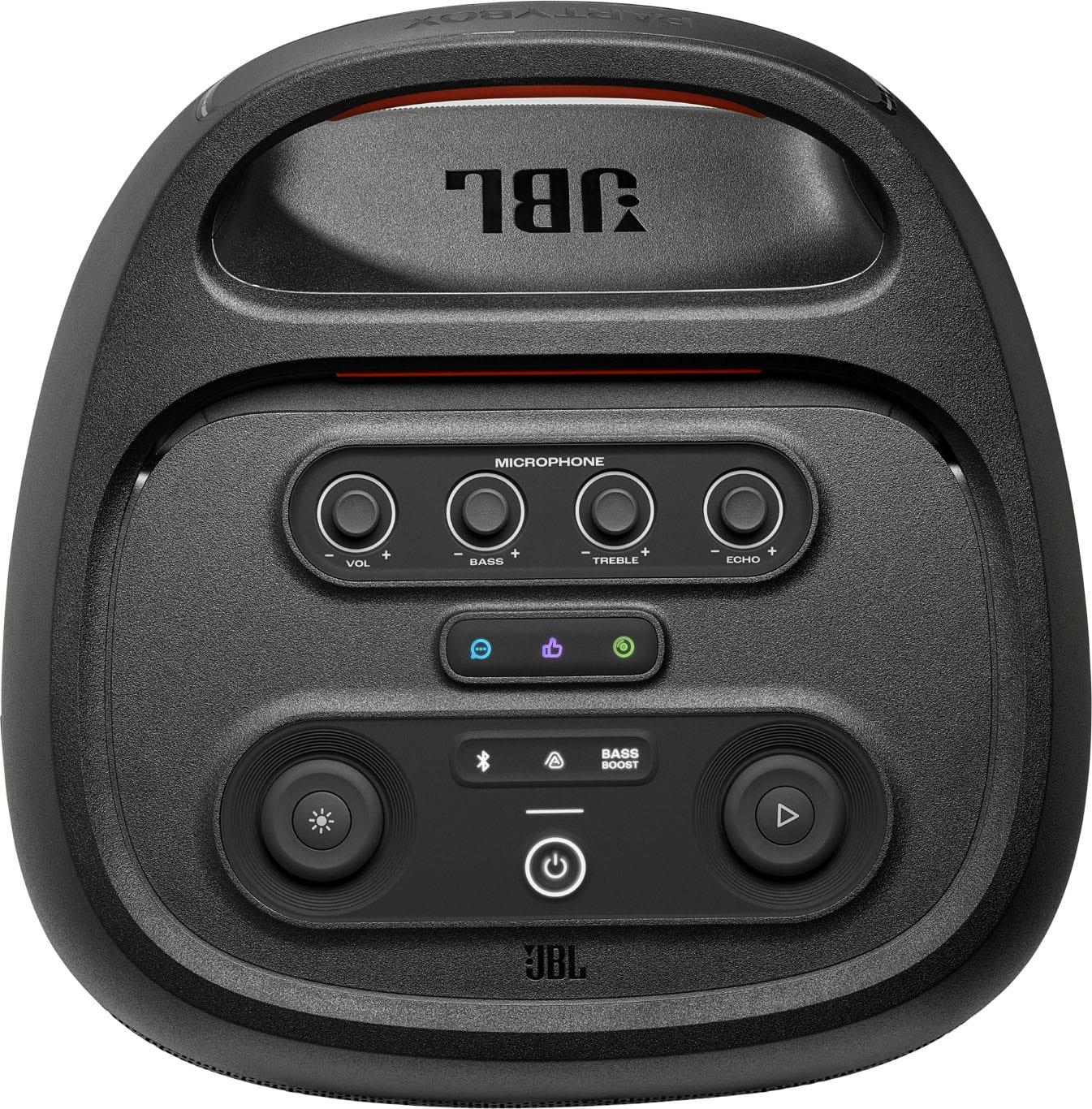
The JBL takes a more straightforward approach with two 9-inch woofers and two tweeters in a 2-way configuration. While this simpler design can't match the Sony's refinement, it produces what many users describe as a more "energetic" sound signature. The JBL emphasizes upper bass frequencies and midrange presence in a way that makes electronic dance music and hip-hop sound particularly exciting, even if it sacrifices some accuracy in the process.
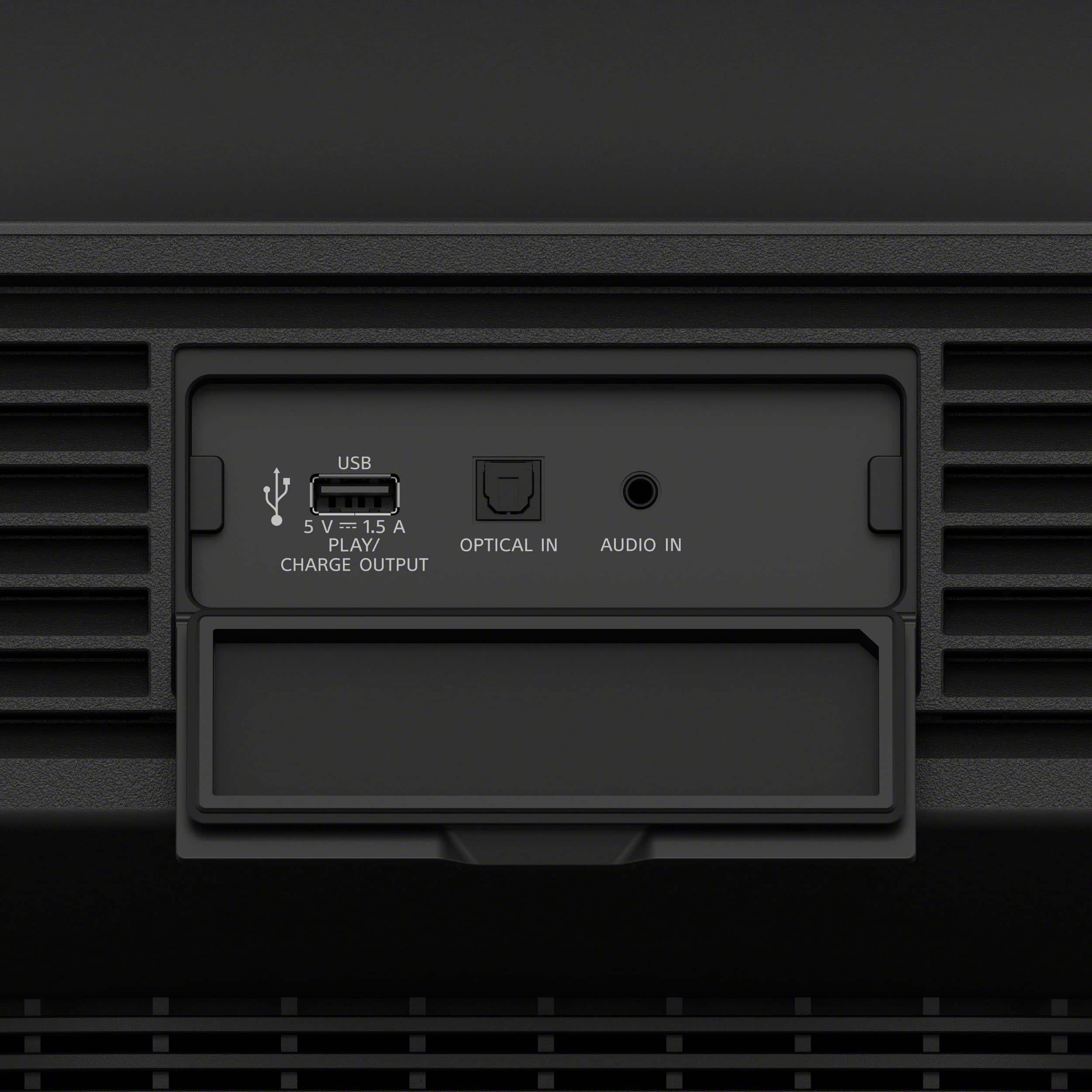
For home theater applications, the Sony ULT Tower 10 offers a significant advantage through its optical digital input, which allows direct connection to TVs and streaming devices without compression. The dedicated midrange drivers also provide better dialogue clarity for movies, making it function effectively as both a party speaker and a serious home theater upgrade.
Both speakers can achieve ear-splitting volume levels—we're talking about 109-110 decibels, which is louder than a motorcycle engine. However, the quality of that loudness differs significantly between the two.
The Sony ULT Tower 10's multi-driver design allows it to maintain clarity and definition even at extreme volumes. When you're pushing these speakers to their limits, the Sony continues to deliver distinct instrumental lines and clear vocals, while the JBL PartyBox 720 begins to sound compressed and aggressive. It's the difference between a professional PA system and a really loud car stereo—both are impressive, but one maintains its composure under pressure.
Sony's ULT (Ultimate Low-frequency Technology) system deserves special mention here. This isn't just a bass boost button—it's two different bass enhancement profiles optimized for different music types. ULT 1 emphasizes the deepest frequencies for hip-hop and electronic music, while ULT 2 focuses on punchy upper bass for rock and pop. You can switch between these modes instantly, effectively giving you three different speakers in one.
The JBL PartyBox 720's 800-watt power rating sounds impressive on paper, but Sony deliberately doesn't publish wattage specifications because they consider them misleading. Based on performance measurements, both speakers deliver similar actual power output, but the Sony's superior driver configuration makes more efficient use of that power.
This might be the most important consideration for many buyers. The JBL PartyBox 720's 15-hour battery life isn't just a convenience feature—it fundamentally changes how and where you can use the speaker. Beach parties, camping trips, outdoor weddings, and any venue without reliable electrical access become possible with the JBL. The batteries charge in about 3 hours, and JBL even offers a quick-charge feature that provides 2 hours of playback from just 10 minutes of charging.
However, that battery capability comes with trade-offs. Batteries add weight, complexity, and cost while limiting the power available to the amplifiers and drivers. The Sony ULT Tower 10's AC-only operation allows it to draw unlimited power for sustained high-volume performance without any concern for battery conservation.
For home use, especially in dedicated entertainment spaces, the Sony's unlimited runtime advantage becomes significant. You can run it at maximum volume for hours without any degradation in performance, while battery-powered speakers inevitably experience reduced output as their batteries drain.
Modern party speakers succeed or fail based on their connectivity options, and both manufacturers have taken comprehensive approaches, albeit with different priorities.
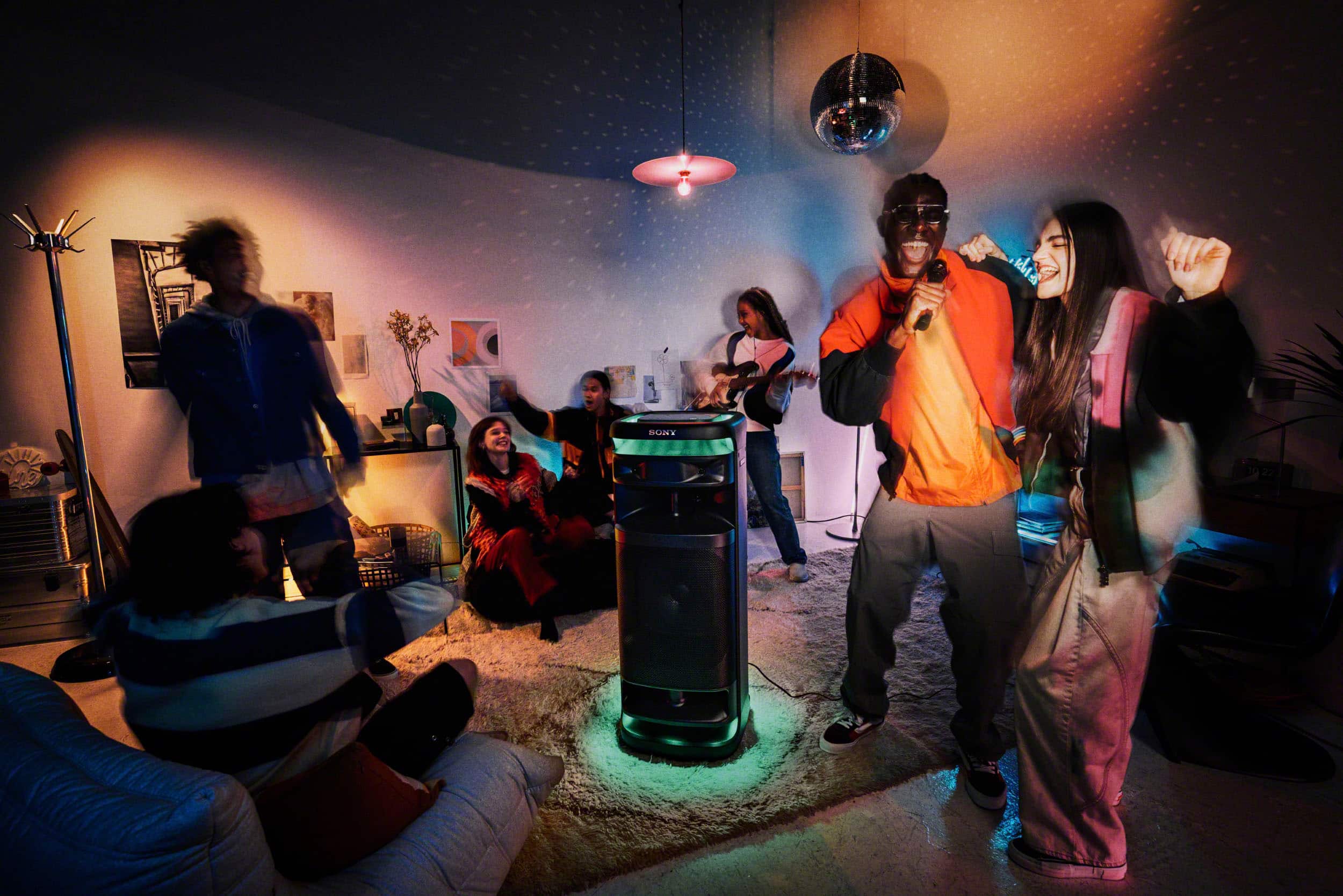
The Sony ULT Tower 10 includes an impressive array of inputs: Bluetooth 5.2 with LDAC high-quality wireless codec support, a USB port for direct music playback from thumb drives, a 3.5mm auxiliary input, optical digital input for TVs, and a 1/4-inch combo input that accepts both microphones and guitars. Most notably, Sony includes a wireless handheld microphone in the box—a significant value addition since quality wireless microphones typically cost $100 or more.
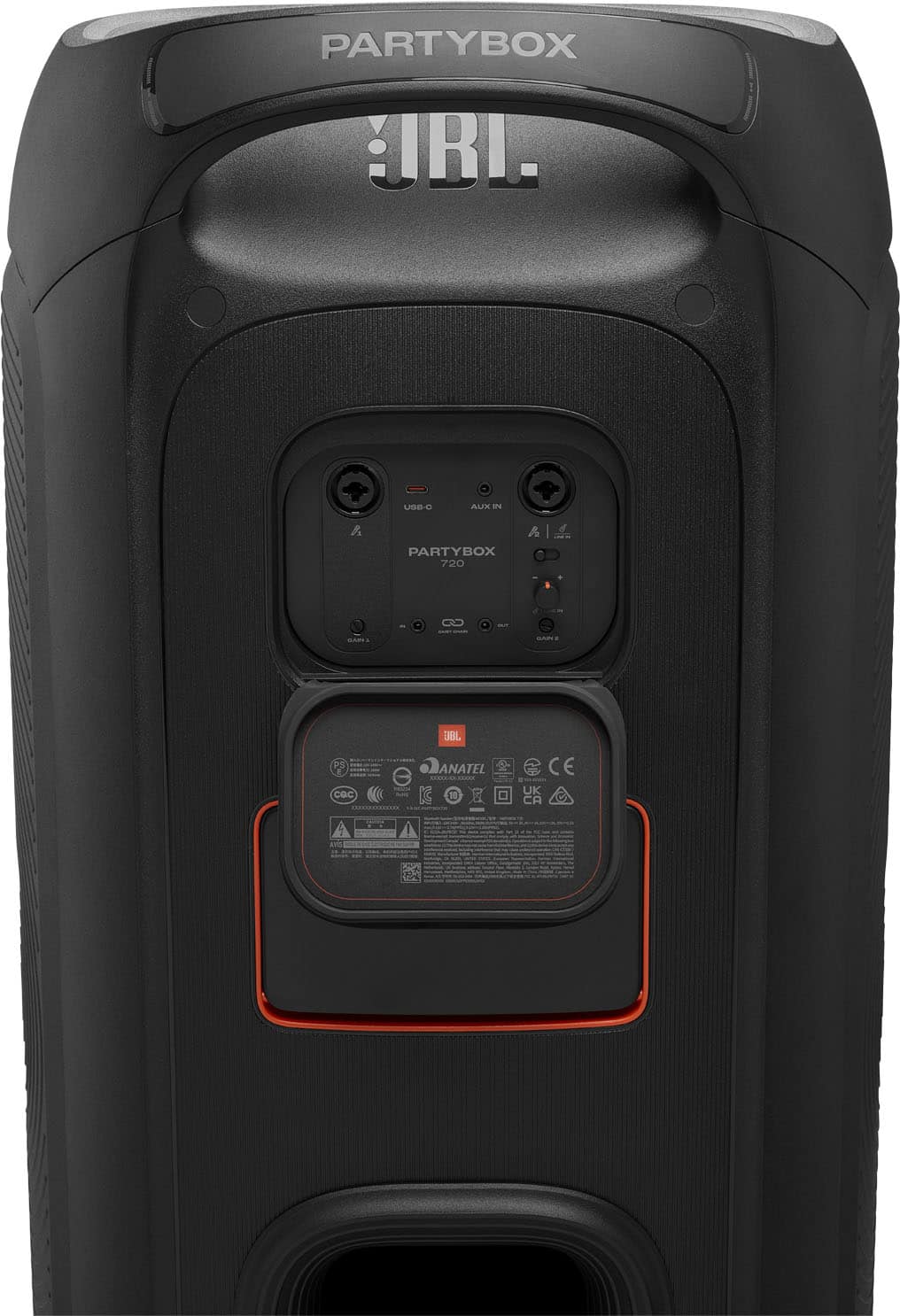
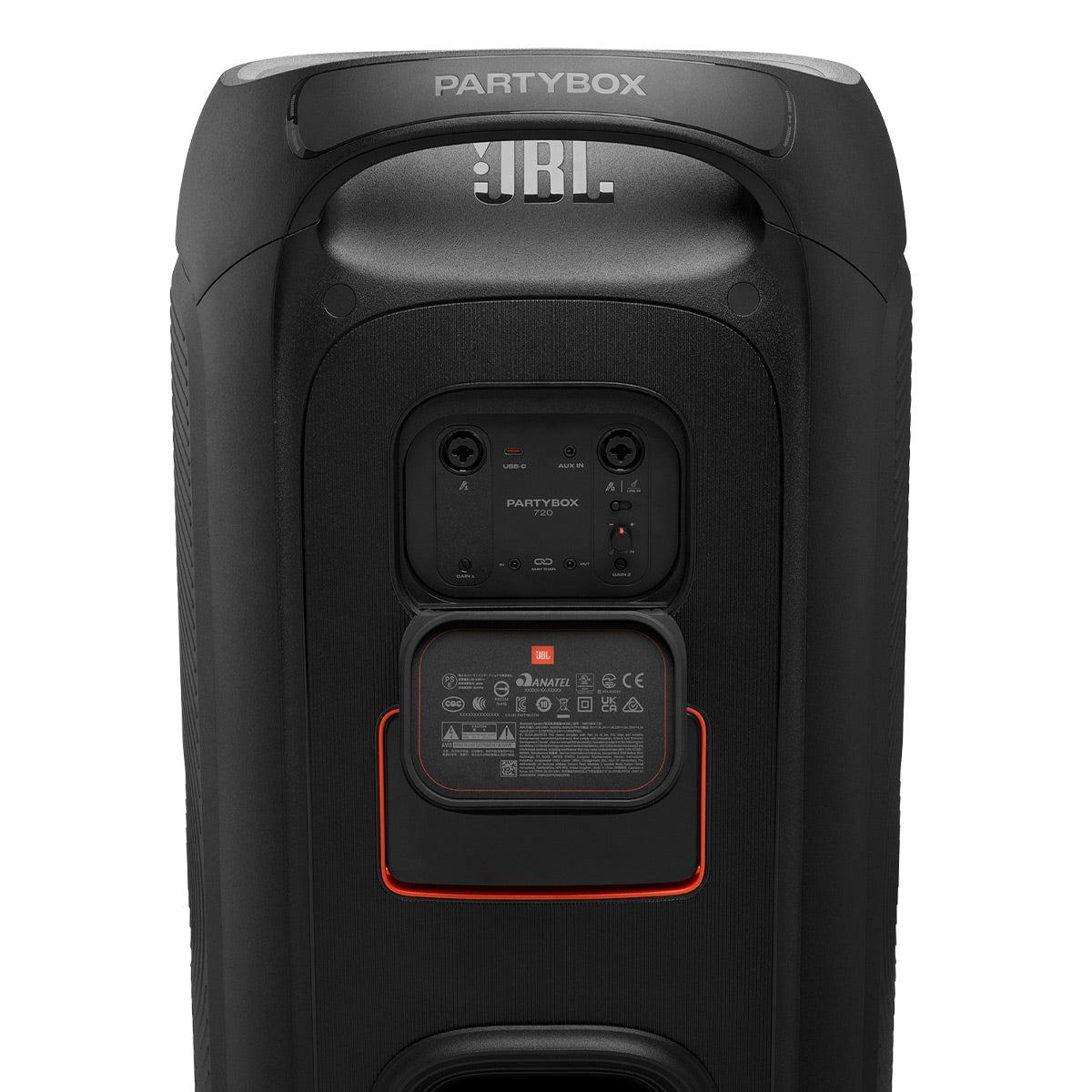
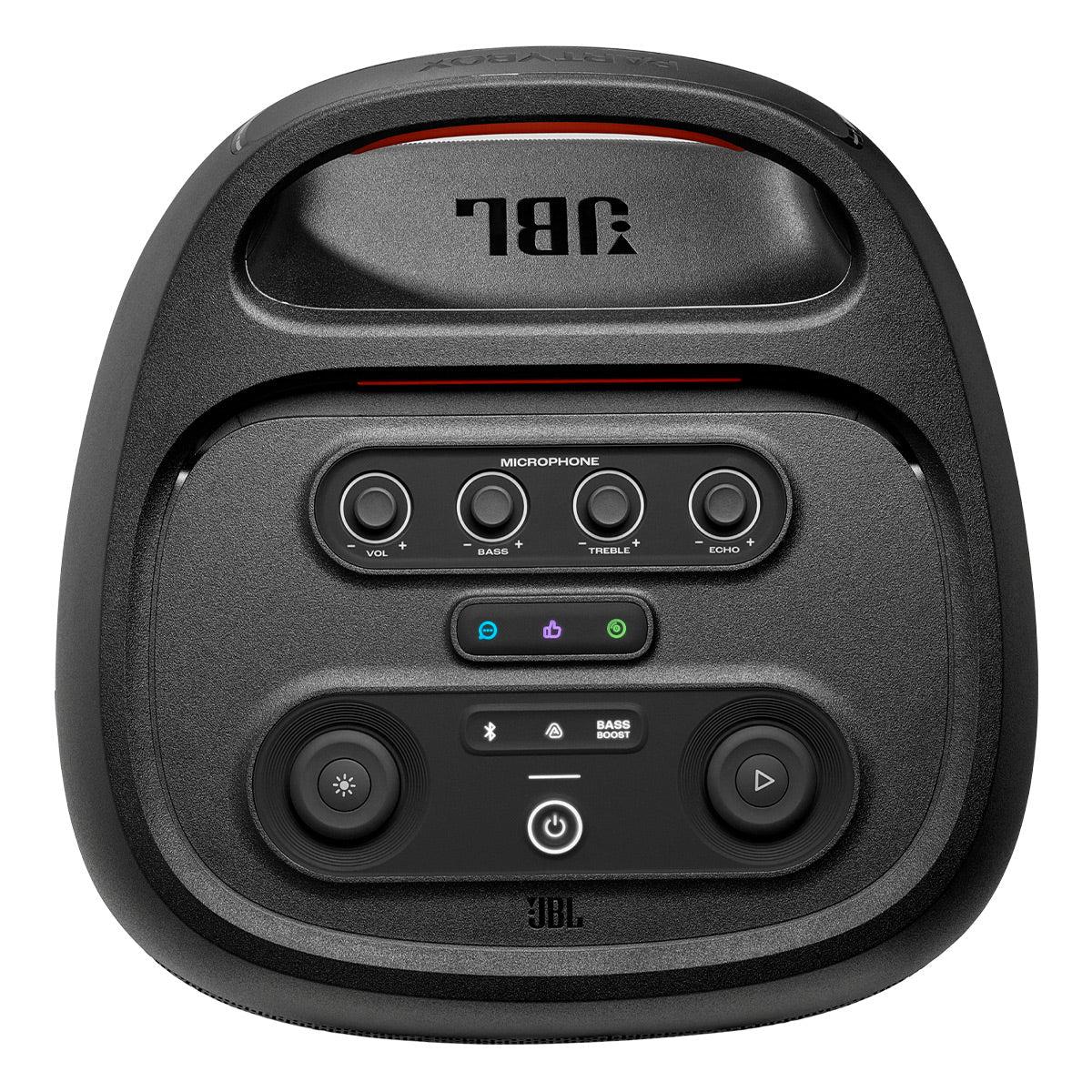
The JBL PartyBox 720 offers newer Bluetooth 5.4 with Auracast technology, which allows broadcasting to multiple wireless headphones simultaneously. Its dual XLR inputs provide professional-grade microphone and instrument connections, though you'll need to purchase microphones separately. The USB-C port doubles as a charging station for your devices, which is thoughtful for extended parties.
Both speakers support multi-speaker pairing, but Sony's Party Connect system stands out by supporting up to 100 synchronized speakers—imagine the possibilities for large events or multi-room parties.
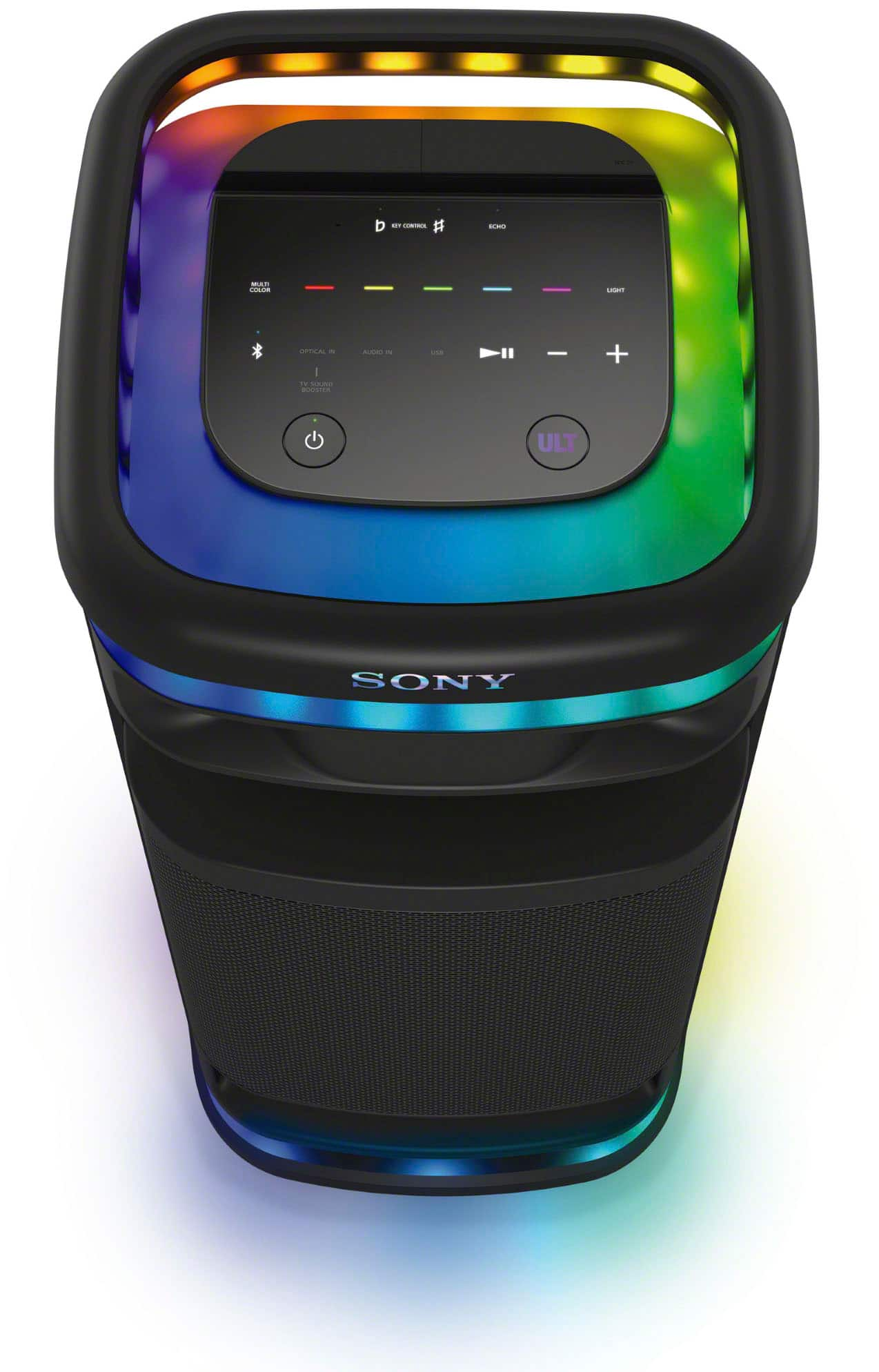
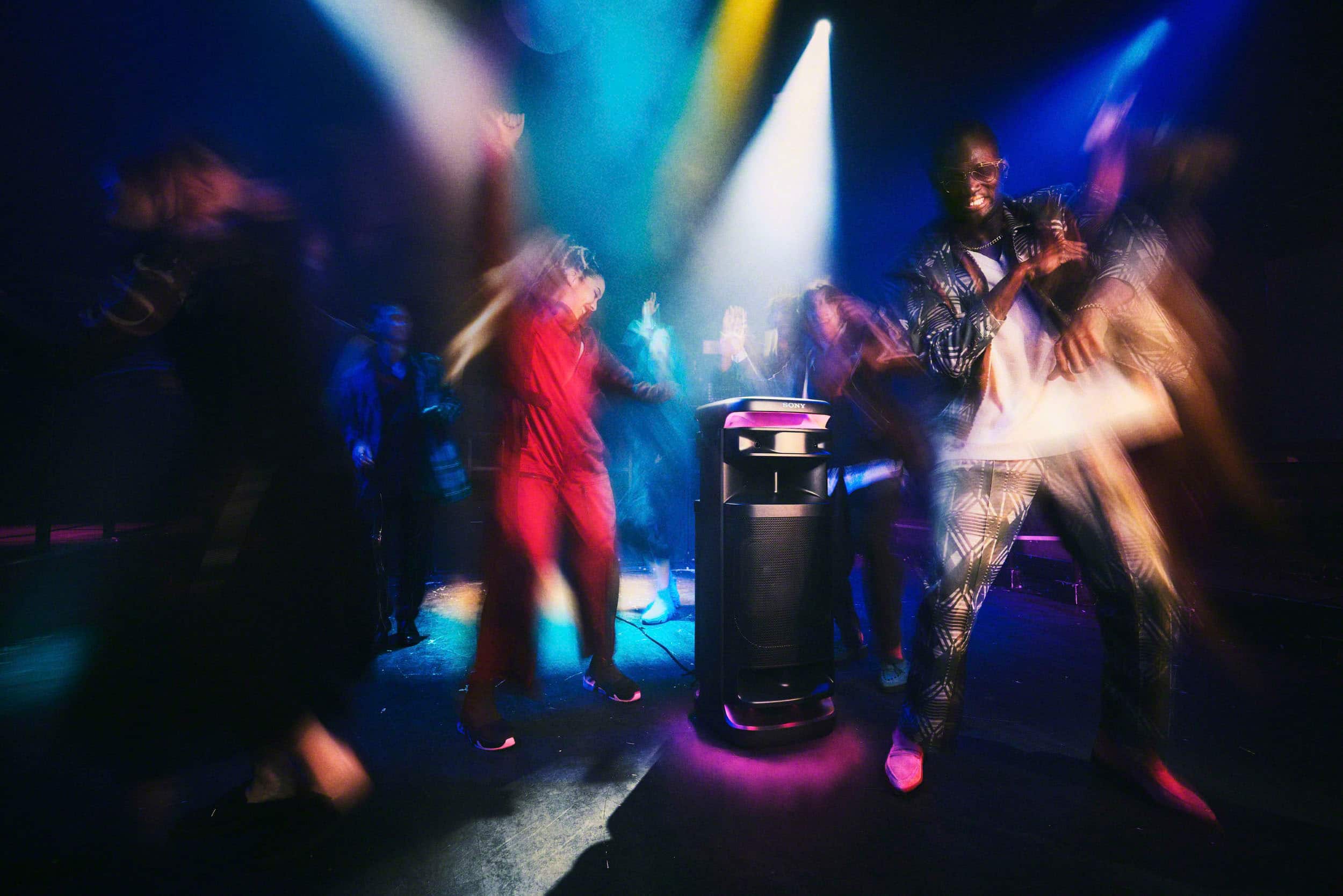
The visual component of these speakers reflects their different philosophies. The Sony ULT Tower 10 features 360-degree LED lighting positioned above and below the main driver array, creating ambient lighting that illuminates the floor and surrounding area. It's sophisticated and atmospheric rather than attention-grabbing—think upscale restaurant lighting rather than nightclub strobes.
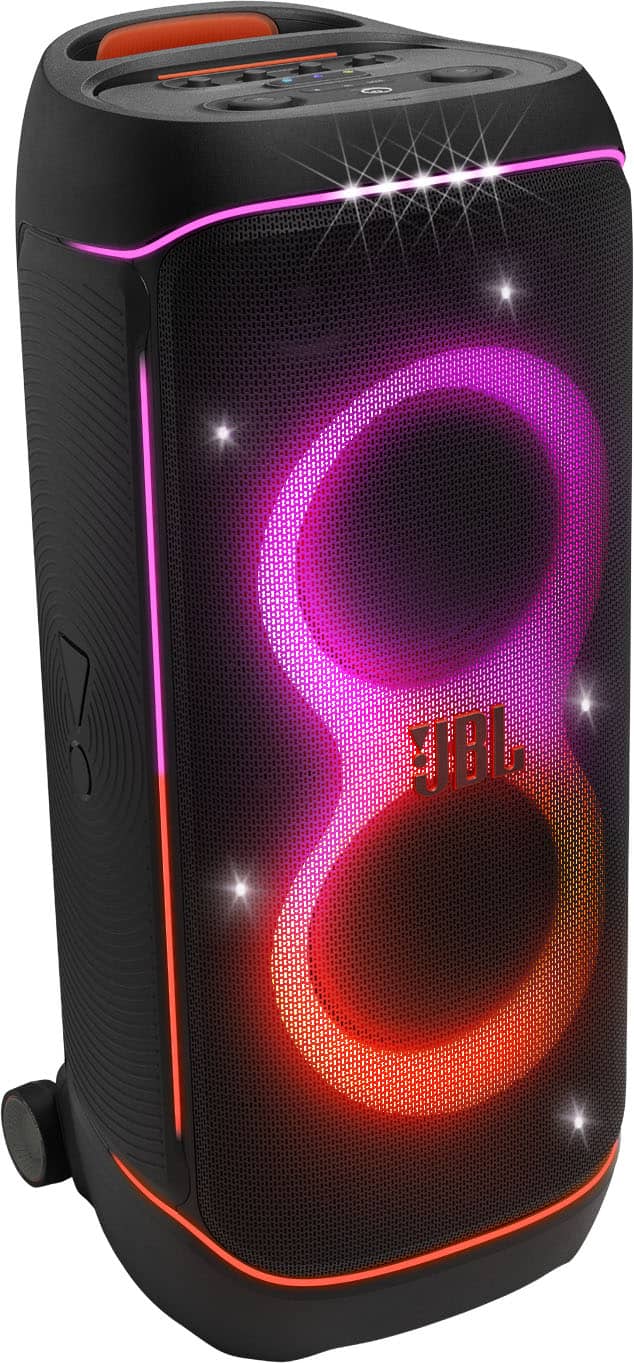
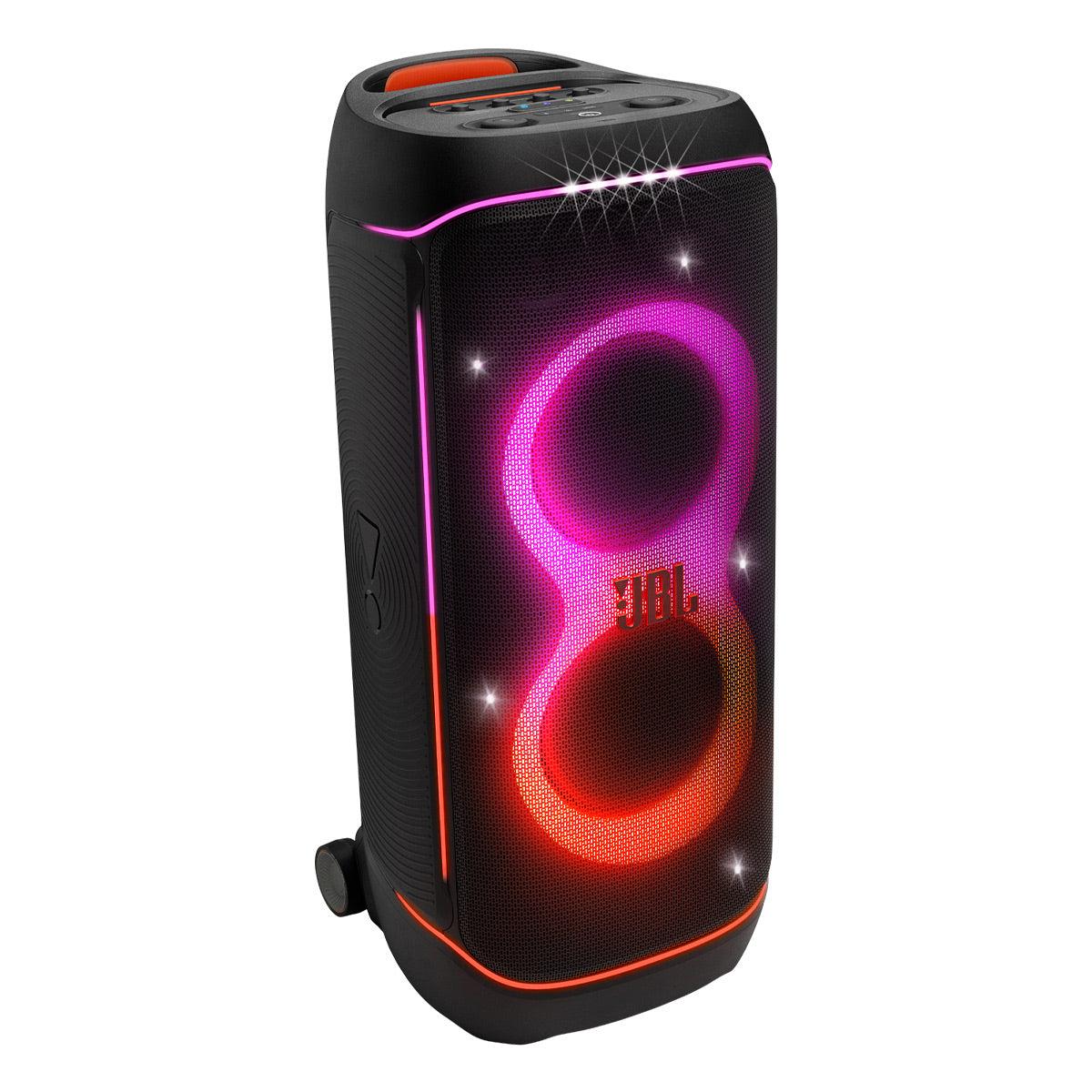
The JBL PartyBox 720 takes a more aggressive approach with LED elements distributed throughout the cabinet, creating "starry lights, flowing trails, and pulsing strobes" that are visible from across the room. If you want the speaker itself to be part of the visual entertainment, JBL's approach is more effective.
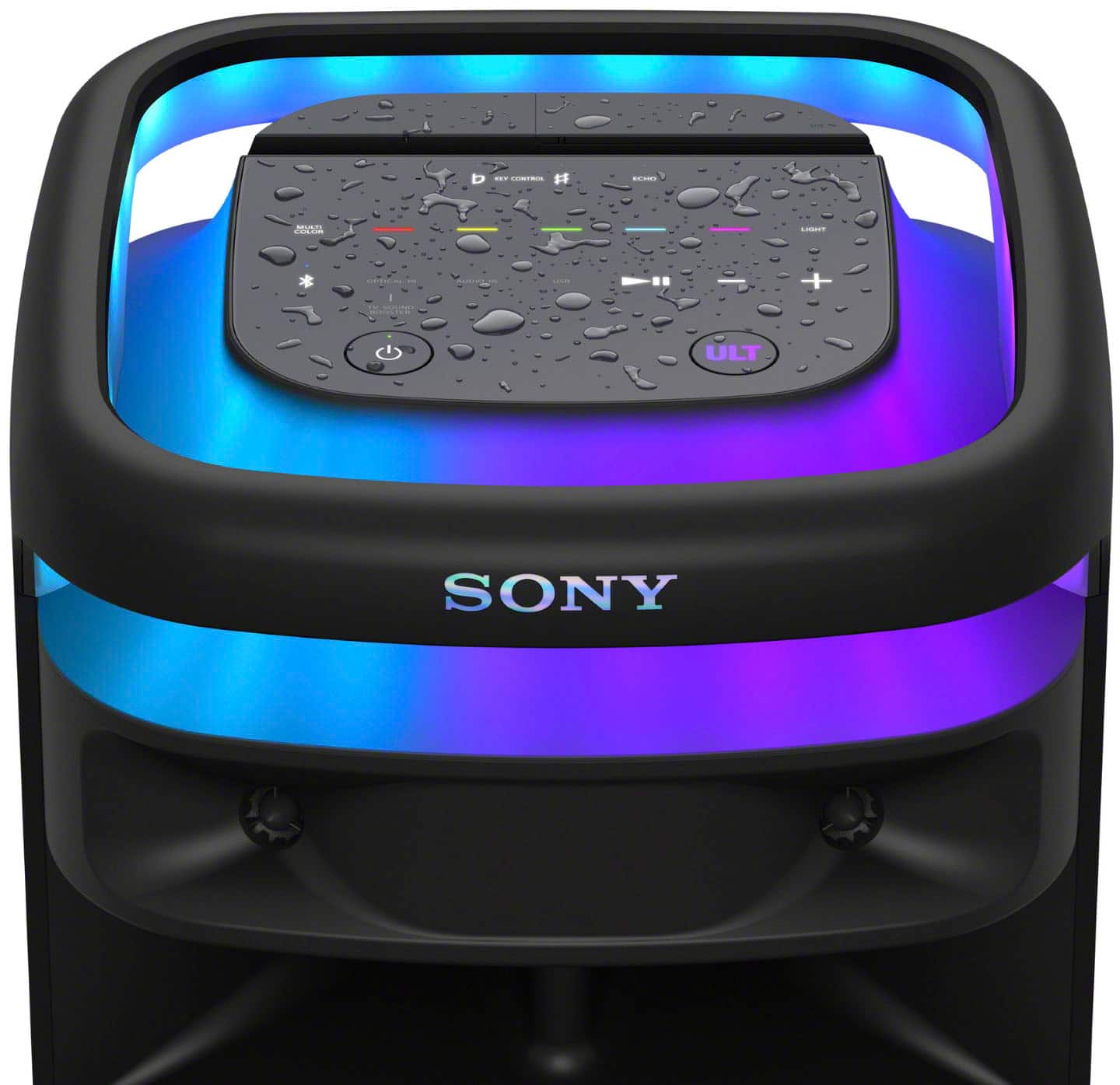
Both systems sync lighting to music and offer smartphone app control, but Sony's dual-app system (Music Center for basic control, Fiestable for advanced DJ effects) provides more customization options at the cost of increased complexity.
This is where the Sony ULT Tower 10 demonstrates its premium positioning. The Music Center app provides a 7-band graphic equalizer for precise sound tuning, allowing you to adjust specific frequency ranges rather than just preset sound modes. The Fiestable app adds DJ-style effects like isolator, flanger, and wah, plus interactive features like karaoke scoring and voice-activated controls.
The JBL PartyBox 720's single PartyBox app offers a more streamlined experience with preset EQ modes and basic lighting control. It's less overwhelming for casual users but lacks the depth that audio enthusiasts appreciate.
For serious home theater integration, Sony's apps allow you to fine-tune the speaker's response to match your room's acoustics and personal preferences—a level of customization that justifies the premium positioning.
At the time of writing, these speakers are priced within about $100 of each other, with the Sony ULT Tower 10 commanding a slight premium that reflects its superior audio performance and included accessories. However, the total cost of ownership differs significantly depending on your intended use.
The Sony requires no additional purchases for basic operation and includes a wireless microphone that would cost extra with most competitors. The JBL's professional XLR inputs are excellent but require purchasing compatible microphones, and heavy users may eventually need replacement battery packs.
From a longevity perspective, the Sony ULT Tower 10's AC-only design eliminates the battery degradation that inevitably affects portable speakers after 2-3 years of regular use. Lithium batteries lose capacity over time, and while JBL's removable battery system makes replacement possible, it's an additional expense to consider.
For users considering either speaker as a home theater upgrade, the Sony ULT Tower 10 offers clear advantages. The optical digital input provides lossless connection to TVs and streaming devices, while the dedicated midrange drivers deliver exceptional dialogue clarity—often the weakest point in soundbars and basic speaker systems.
The Sony's balanced sound signature works well across different content types, from action movies to music concerts to gaming. Its unlimited runtime means you can binge-watch entire seasons without worrying about battery levels, and the sophisticated app control allows you to optimize sound for different content types.
The JBL PartyBox 720's more aggressive sound tuning can work for action movies and gaming but may become fatiguing during longer viewing sessions. However, its portability allows you to easily move your home theater setup outdoors for movie nights under the stars.
After extensive research into user feedback and professional reviews, clear usage patterns emerge for each speaker.
Choose the Sony ULT Tower 10 if you're establishing a dedicated entertainment space where power access isn't an issue. This includes home theaters, finished basements, covered patios with electrical outlets, or any space where the speaker will remain relatively stationary. The superior sound quality, comprehensive connectivity, and unlimited runtime make it ideal for serious music listening, extended movie sessions, and regular entertaining.
The Sony also suits users who appreciate having control over their audio experience through app customization and who value the included professional features like the wireless microphone and optical input. If you're the type of person who enjoys tweaking equalizer settings and exploring advanced features, the Sony's depth will keep you engaged long after the initial purchase.
Choose the JBL PartyBox 720 if portability is essential to your lifestyle. This includes people who regularly host outdoor gatherings, tailgate parties, beach trips, or move their entertainment between different locations. The 15-hour battery life and full IPX4 waterproofing make it genuinely suitable for environments where the Sony simply can't function.
The JBL also appeals to users who prefer straightforward operation without complex app interfaces, and those whose music preferences lean heavily toward electronic dance music, hip-hop, or other genres where the JBL's energetic sound signature enhances the listening experience.
Both speakers represent excellent value within their respective design philosophies, but they serve different masters. The Sony ULT Tower 10 is uncompromisingly focused on audio quality and advanced features for users who can provide consistent AC power. The JBL PartyBox 720 makes calculated compromises in sound quality to achieve genuine portability and independence from electrical outlets.
At the time of writing, the small price difference between these speakers makes the decision more about functionality than budget constraints. Consider your actual usage patterns honestly—if you're primarily using the speaker in locations with reliable power, the Sony's superior performance justifies its premium. If you genuinely need portability, the JBL's battery operation is worth the acoustic trade-offs.
Either way, you're getting a speaker capable of transforming any gathering into a memorable experience. The question is whether you value maximum performance or maximum flexibility—and thankfully, both speakers excel at their intended missions.
| Sony ULT Tower 10 | JBL PartyBox 720 |
|---|---|
| Power Source - Critical for where and how long you can use it | |
| AC power only (unlimited runtime, maximum performance) | Battery powered (up to 15 hours, 3-hour charge time) |
| Sound Quality Architecture - Affects clarity and balance across music genres | |
| 3-way system: 4 tweeters, 2 midrange, 1 X-Balanced woofer | 2-way system: 2 tweeters, 2 woofers (no dedicated midrange) |
| Maximum Volume Output - How loud it gets for large spaces | |
| 110.4 dBA (maintains clarity at extreme volumes) | 109 dBA (aggressive sound signature at high volumes) |
| Bass Performance - Deep low-frequency impact for music and movies | |
| 109.6 dBC with ULT bass modes (deeper, more controlled) | 105.7 dBC (punchy but less deep extension) |
| Portability - Weight and mobility for different venues | |
| 63.9 lbs with handle and casters (semi-portable, needs power outlet) | 68.3 lbs with wheels and handle (truly portable with battery) |
| Water Resistance - Protection for outdoor and poolside use | |
| IPX4 splash-proof (top panel only) | IPX4 splash-proof (entire unit) |
| Microphone Support - Ready-to-use karaoke and live performance | |
| Wireless mic included + 1/4" input for wired mics/guitars | Dual XLR inputs (professional grade, mics sold separately) |
| Connectivity Options - Flexibility for different audio sources | |
| Bluetooth 5.2, USB, 3.5mm, optical digital, 1/4" combo input | Bluetooth 5.4, USB-C, 3.5mm, dual XLR inputs |
| Lighting System - Visual impact and party atmosphere | |
| 360° ambient lighting (above/below drivers, floor illumination) | Distributed strobes and effects (starry lights, flowing trails) |
| App Control - Customization and advanced features | |
| Dual apps: 7-band EQ, DJ effects, Party Connect (up to 100 speakers) | Single app: preset EQ modes, basic lighting control |
| Multi-Speaker Capability - Scaling up for larger events | |
| Party Connect supports up to 100 synchronized Sony speakers | Auracast-enabled multi-speaker connection (unspecified limit) |
| Home Theater Integration - TV sound enhancement capability | |
| Optical digital input for lossless TV audio connection | No direct TV connection (Bluetooth or aux only) |
The Sony ULT Tower 10 delivers superior sound quality with its 3-way driver system featuring dedicated midrange drivers and four tweeters. This creates better instrument separation and clearer vocals compared to the JBL PartyBox 720's 2-way design. The Sony ULT Tower 10 also produces deeper bass (109.6 dBC vs 105.7 dBC) and maintains clarity at extreme volumes better than the JBL PartyBox 720.
Yes, this is the biggest difference between these speakers. The JBL PartyBox 720 runs for up to 15 hours on dual removable batteries, making it truly portable for outdoor events, camping, and beach parties. The Sony ULT Tower 10 requires constant AC power with no battery option, limiting it to locations with electrical outlets but allowing unlimited runtime and maximum performance.
The Sony ULT Tower 10 is significantly better for home theater applications. It includes an optical digital input for direct, lossless connection to TVs and streaming devices, while the JBL PartyBox 720 lacks this feature. The Sony ULT Tower 10's dedicated midrange drivers also provide superior dialogue clarity for movies and TV shows.
Both speakers achieve similar maximum volumes around 109-110 decibels, which is louder than a motorcycle engine. The Sony ULT Tower 10 reaches 110.4 dBA while maintaining better clarity, whereas the JBL PartyBox 720 hits 109 dBA but can sound more aggressive and compressed at maximum volume.
The Sony ULT Tower 10 includes a wireless handheld microphone in the box, plus has a 1/4-inch input for additional wired microphones or guitars. The JBL PartyBox 720 has professional dual XLR inputs but requires purchasing microphones separately, which adds to the total cost.
Both speakers offer IPX4 splash-proof protection, but with different coverage. The JBL PartyBox 720 has full IPX4 protection across the entire unit, making it better for poolside use. The Sony ULT Tower 10 only has splash protection on the top panel, so it's less suitable for wet environments.
The JBL PartyBox 720 is definitively more portable despite weighing slightly more (68.3 lbs vs 63.9 lbs). Its 15-hour battery operation means you can take it anywhere without needing power outlets. The Sony ULT Tower 10 requires AC power, severely limiting outdoor portability despite having wheels and handles.
Yes, both support multi-speaker setups. The Sony ULT Tower 10 uses Party Connect technology to link up to 100 compatible Sony speakers with synchronized audio and lighting. The JBL PartyBox 720 supports Auracast-enabled multi-speaker connection, though JBL doesn't specify the maximum number of units.
The Sony ULT Tower 10 produces significantly deeper and more controlled bass, measuring 109.6 dBC compared to the JBL PartyBox 720's 105.7 dBC. The Sony also features ULT bass technology with two different bass enhancement modes optimized for different music genres, while the JBL PartyBox 720 offers more straightforward bass tuning.
The Sony ULT Tower 10 features 360-degree ambient LED lighting above and below the drivers that illuminates the floor and creates atmospheric lighting. The JBL PartyBox 720 has more dramatic strobes, starry lights, and flowing trails distributed throughout the cabinet for a more attention-grabbing light show.
The Sony ULT Tower 10 provides more comprehensive app control through two apps: Music Center for 7-band EQ and basic controls, plus Fiestable for DJ effects and interactive features. The JBL PartyBox 720 uses a single, simpler PartyBox app with preset EQ modes and basic lighting control, which some users prefer for its straightforward approach.
Both speakers offer good value within their design philosophies. The Sony ULT Tower 10 justifies its slight premium with superior sound quality, included wireless microphone, and comprehensive connectivity including optical input. The JBL PartyBox 720 provides excellent value for users who need genuine portability, though you'll need to budget for separate microphones if karaoke is important.
We've done our best to create useful and informative comparisons to help you decide what product to buy. Our research uses advanced automated methods to create this comparison and perfection is not possible - please contact us for corrections or questions. These are the sites we've researched in the creation of this article: stereoguide.com - crutchfield.com - youtube.com - electronics.sony.com - youtube.com - helpguide.sony.net - bestbuy.com - sony.com - us.community.sony.com - youtube.com - sony.com - nfm.com - sony.com - videoandaudiocenter.com - youtube.com - stereoindex.com - youtube.com - youtube.com - youtube.com - youtube.com - comparisontabl.es - jbl.com - youtube.com - youtube.com - youtube.com - bestbuy.com - versus.com - youtube.com - youtube.com - versus.com - youtube.com - jbl.com - news.jbl.com - engadget.com - news.harman.com - youtube.com - creativeaudio.net - jbl.com - skybygramophone.com - crutchfield.com - manuals.plus - youtube.com

Privacy Policy
Terms and Conditions - Affiliate Policy
Home Security
© Copyright 2008-2026.
11816 Inwood Rd #1211, Dallas, TX 75244