


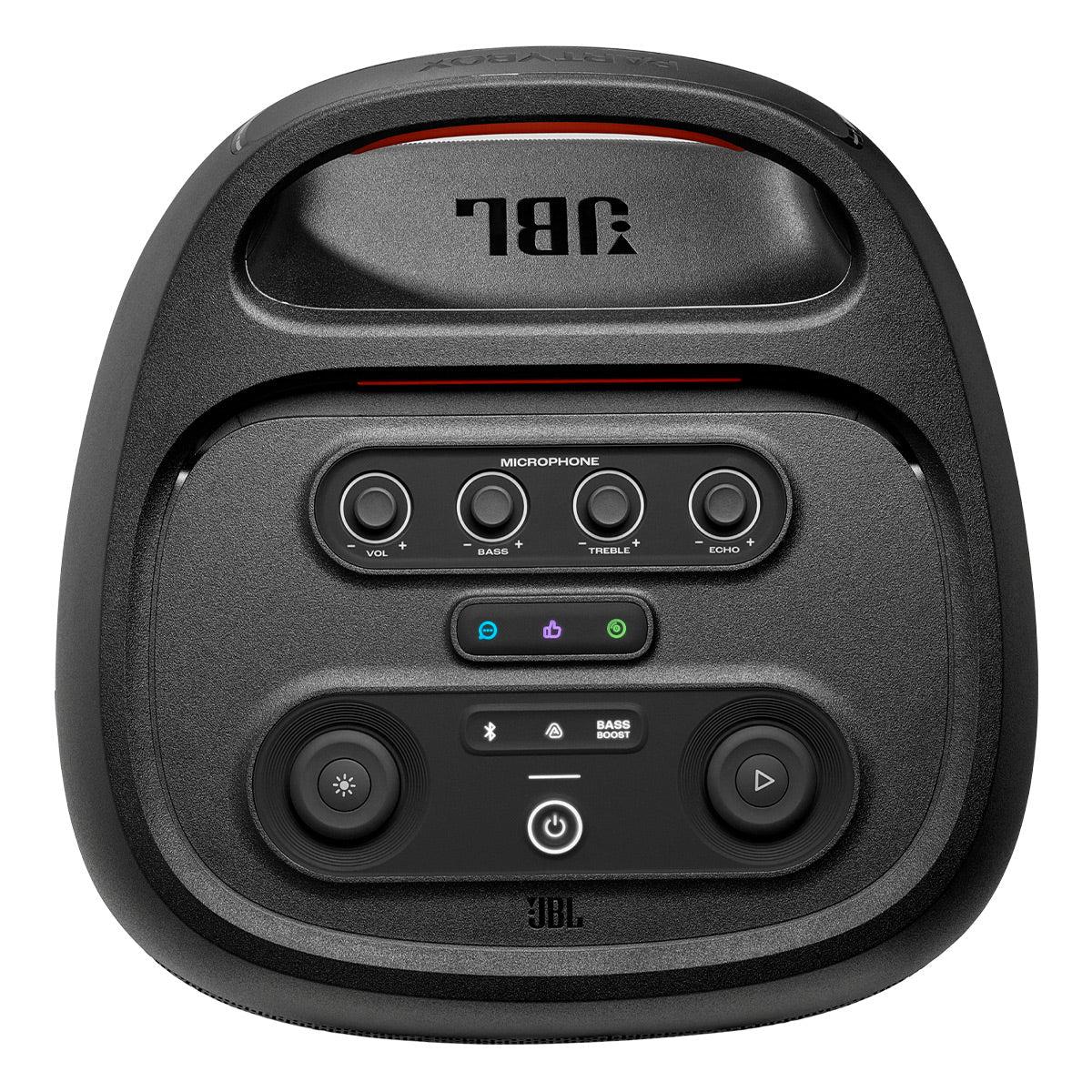
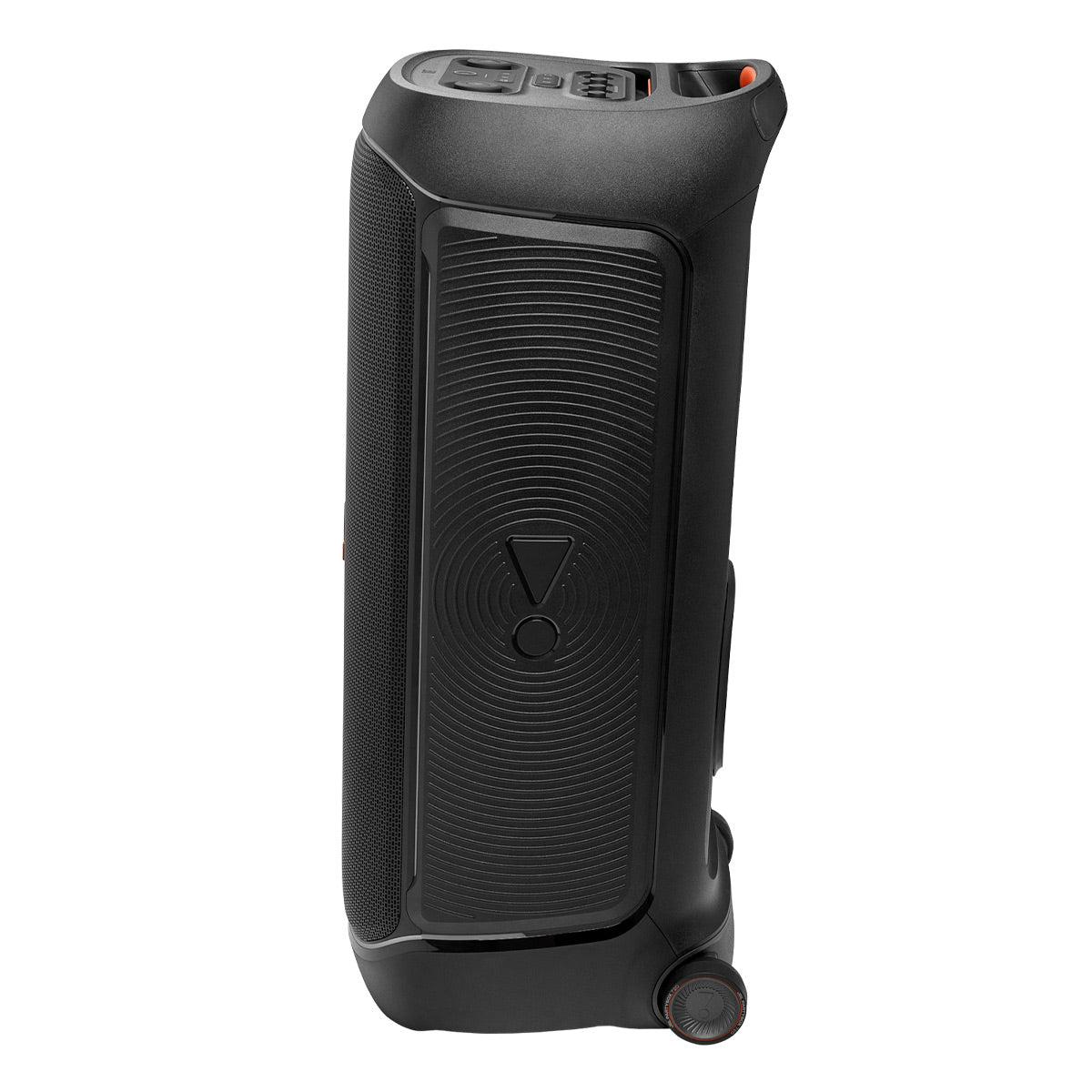
Shopping for a party speaker can feel overwhelming, especially when you're looking at two products from the same brand that seem to do similar things but at vastly different price points. That's exactly what happens when you compare the JBL PartyBox Encore Essential with the JBL PartyBox 720—both are designed to get people dancing, but they take dramatically different approaches to the task.
Understanding the portable party speaker category is crucial before diving into specifics. These aren't your typical Bluetooth speakers that sit on a desk. Party speakers prioritize three things above all else: getting loud enough to fill a space, delivering the kind of bass that makes you feel the music in your chest, and doing it all while being somewhat portable. The challenge manufacturers face is balancing power with portability—physics hasn't changed, so bigger drivers and more powerful amplifiers still require more space and weight.
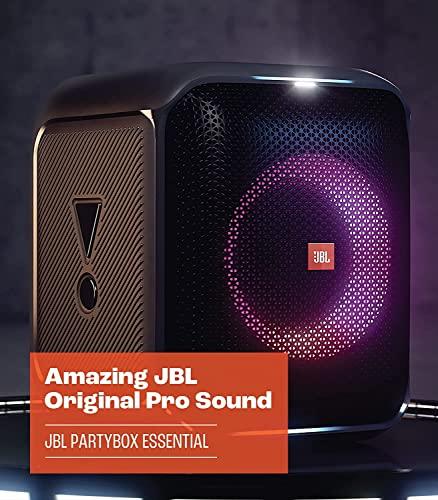
JBL released the PartyBox Encore Essential in 2024 as part of their effort to bring party sound to more casual users. At just 13 pounds with a built-in handle, it represents JBL's attempt to make their PartyBox experience truly grab-and-go. The JBL PartyBox 720, launched in 2024 as well, takes the opposite approach—it's a 68-pound tower that prioritizes maximum impact over easy transport.
The fundamental difference between these speakers isn't just size—it's philosophy. The Encore Essential asks "what's the smallest package we can fit party sound into?" while the 720 asks "how much party can we pack into something that's still technically portable?"
Let's talk numbers, because in the party speaker world, watts matter—but not always in the way you'd expect. The PartyBox Encore Essential delivers 100 watts RMS (Root Mean Square, which is a more honest measurement of continuous power than peak ratings), while the PartyBox 720 pumps out 800 watts RMS. That's not just a little more power—it's eight times more.
But what does that actually mean for your ears? Sound pressure level (SPL), measured in decibels, tells the real story. Our research into user and expert reviews consistently shows the Encore Essential reaching around 97-104 dB at maximum volume, while the 720 can hit approximately 112 dB. Here's the crucial part: every 10 dB increase roughly doubles the perceived loudness to human ears. That 8-15 dB difference means the 720 sounds significantly louder—not just a little more powerful, but substantially more room-filling.
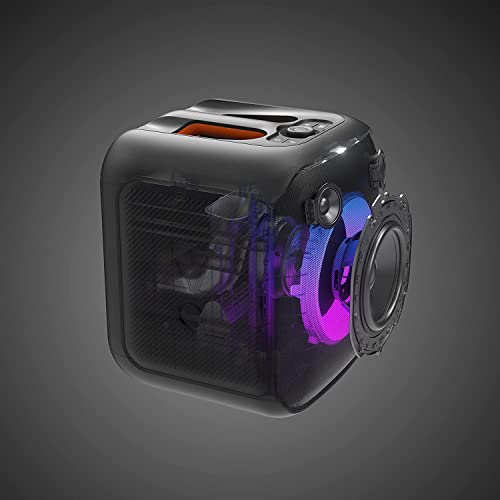
The driver configuration explains why. The Encore Essential uses a single 5.25-inch woofer paired with two small 1.75-inch tweeters. It's an efficient design for its size, but there's only so much air a 5.25-inch driver can move. The 720 deploys dual 9-inch woofers—each nearly twice the diameter of the Encore's single woofer. Since the area of a circle increases exponentially with diameter, those 9-inch drivers move dramatically more air, creating both more volume and deeper bass.
Bass isn't just about volume—it's about feeling the music. The frequency response specifications tell an important story here. The PartyBox 720 reaches down to 32 Hz, while the Encore Essential bottoms out around 50 Hz. Those 18 Hz might not sound like much, but they represent the difference between feeling kick drums in your chest versus just hearing them clearly.
Most dance music, hip-hop, and electronic tracks have significant energy in the 40-60 Hz range. The Encore Essential handles this reasonably well for its size—users consistently report satisfying bass for smaller gatherings. But the 720's dual 9-inch woofers don't just play these frequencies; they pressurize rooms with them. Reviews consistently mention the 720 creating the kind of bass that makes windows rattle and neighbors complain—in the best possible way.
The difference becomes most apparent when you're outdoors. Bass frequencies dissipate quickly in open air, so having substantial low-frequency output becomes crucial for outdoor parties. The Encore Essential will provide adequate bass for a small backyard gathering, but the 720 can maintain serious low-end punch even in large outdoor spaces.
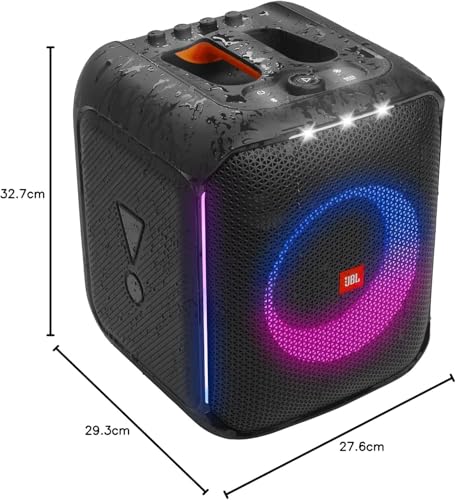
Here's where the PartyBox Encore Essential absolutely shines. At 13 pounds with dimensions that fit easily in most car trunks, it lives up to its "grab-and-go" promise. The integrated handle makes one-person transport effortless, and setup is literally just placing it down and turning it on. This isn't just convenient—it opens up entirely different use cases.
Want to take music to the beach? The Encore Essential makes sense. Planning a camping trip? It's perfectly sized. Need something for a dorm room that won't anger your RA but can still handle a small party? The Encore Essential hits that sweet spot.
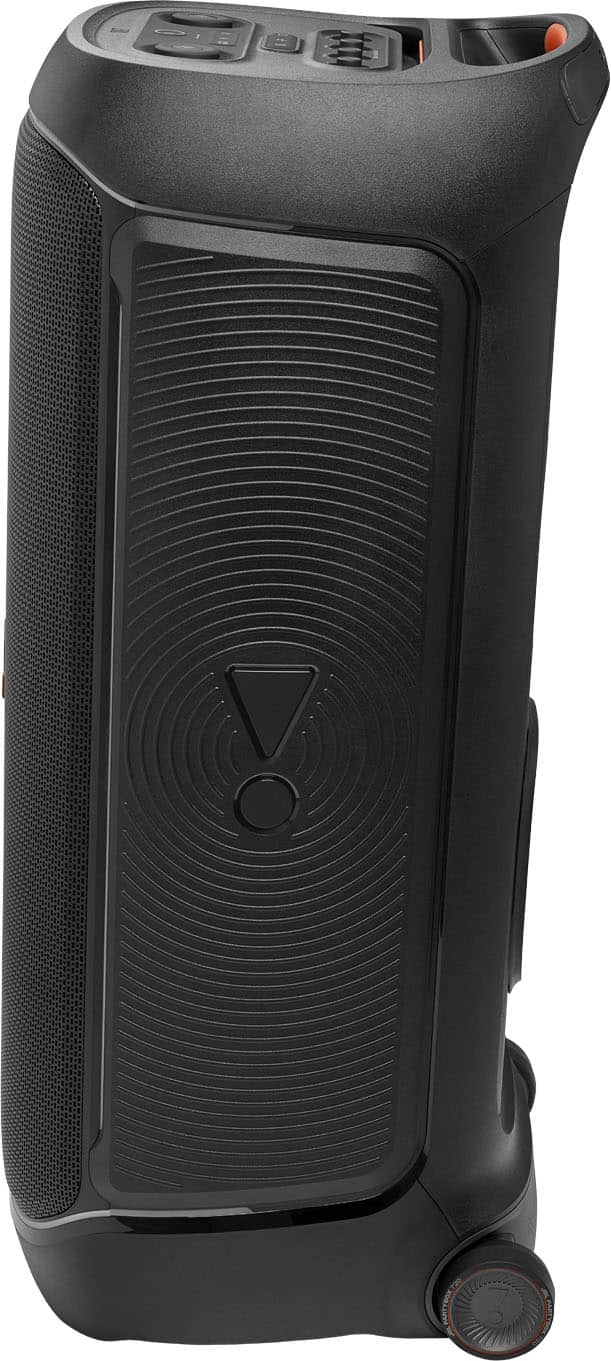
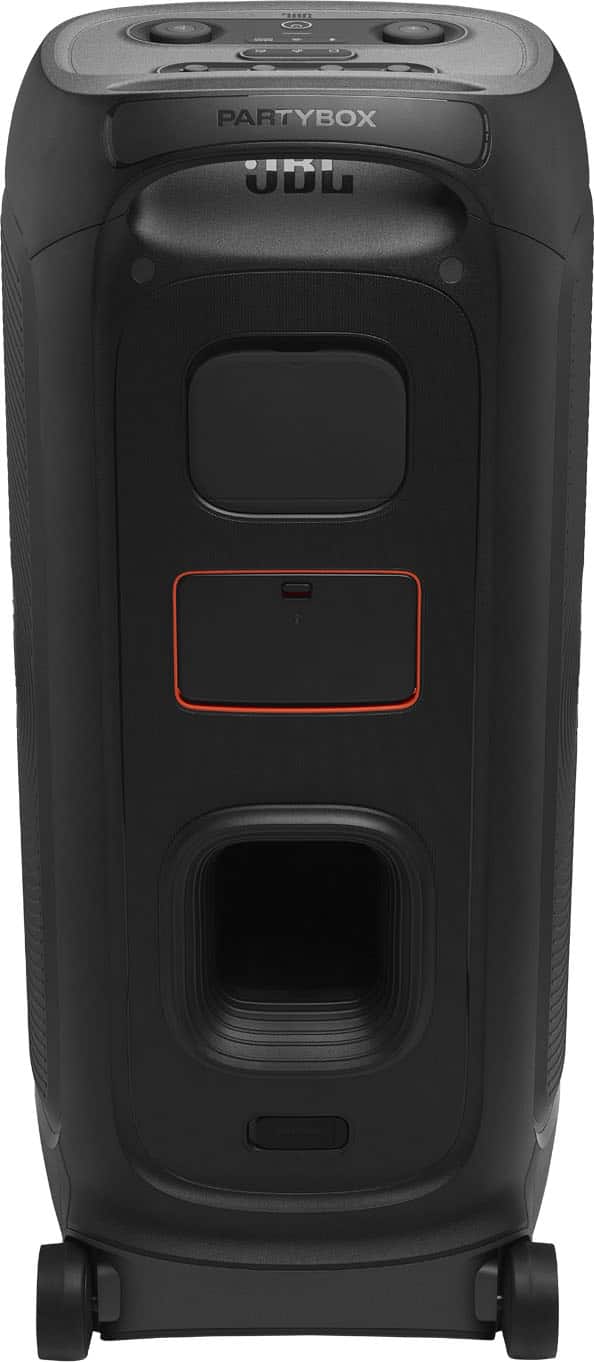
The PartyBox 720, at 68 pounds, requires a different mindset. Yes, it has wheels and a handle, but moving it is a two-person job or requires careful planning with wheeled surfaces. It's "portable" in the sense that you can move it, but it's really designed for semi-permanent placement. Think of it less as a portable speaker and more as a sound system you can relocate when needed.
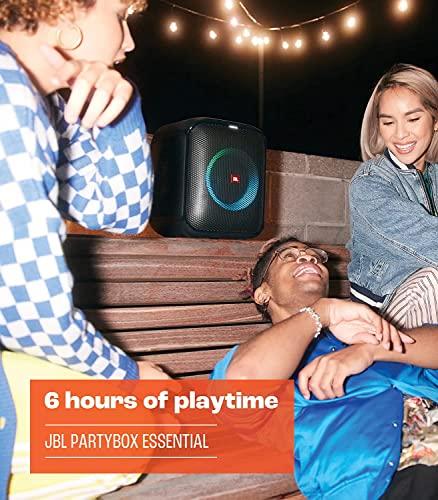
Battery technology represents one of the biggest constraints in portable audio. The Encore Essential includes a built-in battery providing up to 6 hours of playback—not spectacular, but sufficient for most gatherings. The integrated nature means you're always ready to go without remembering additional accessories.
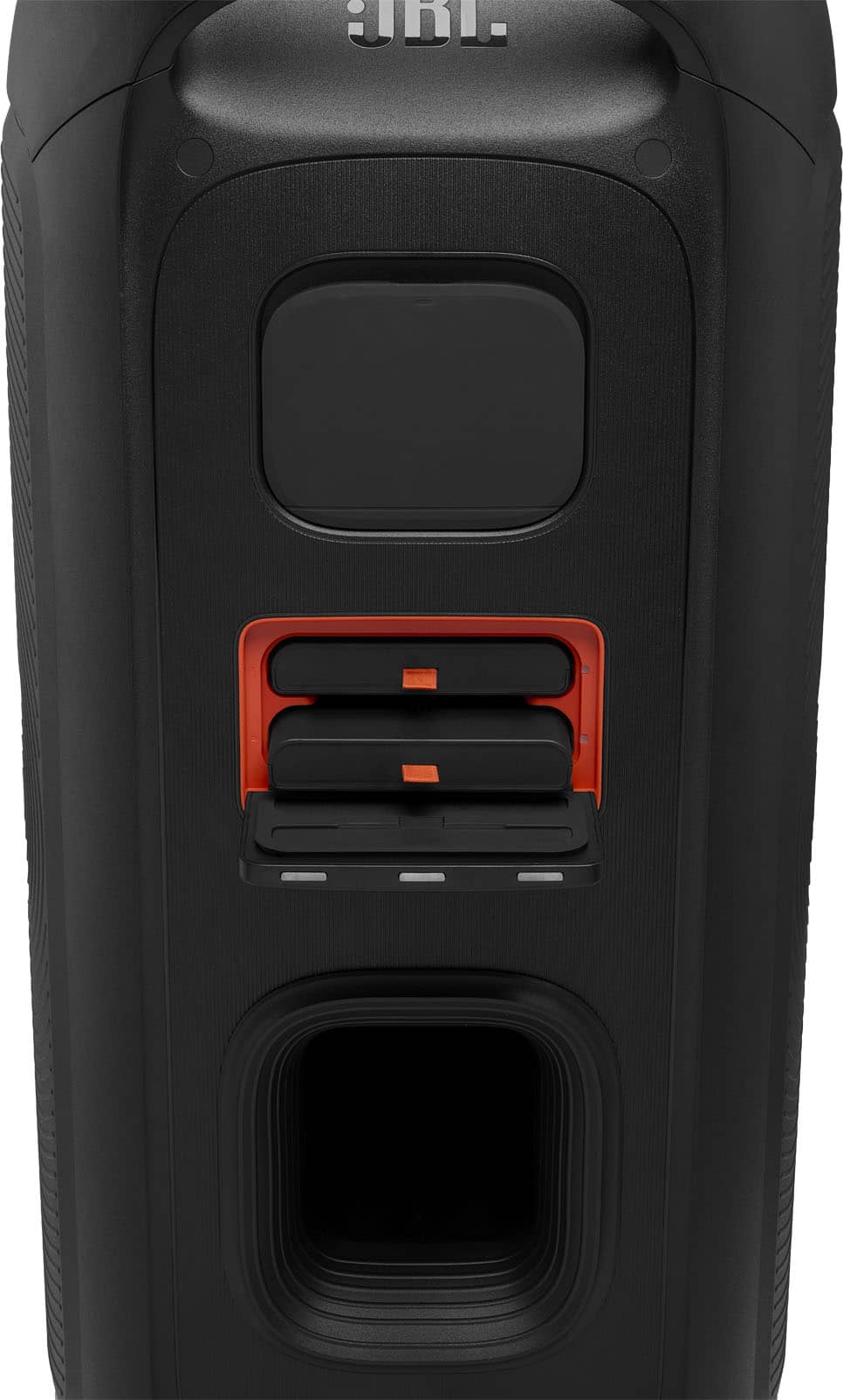
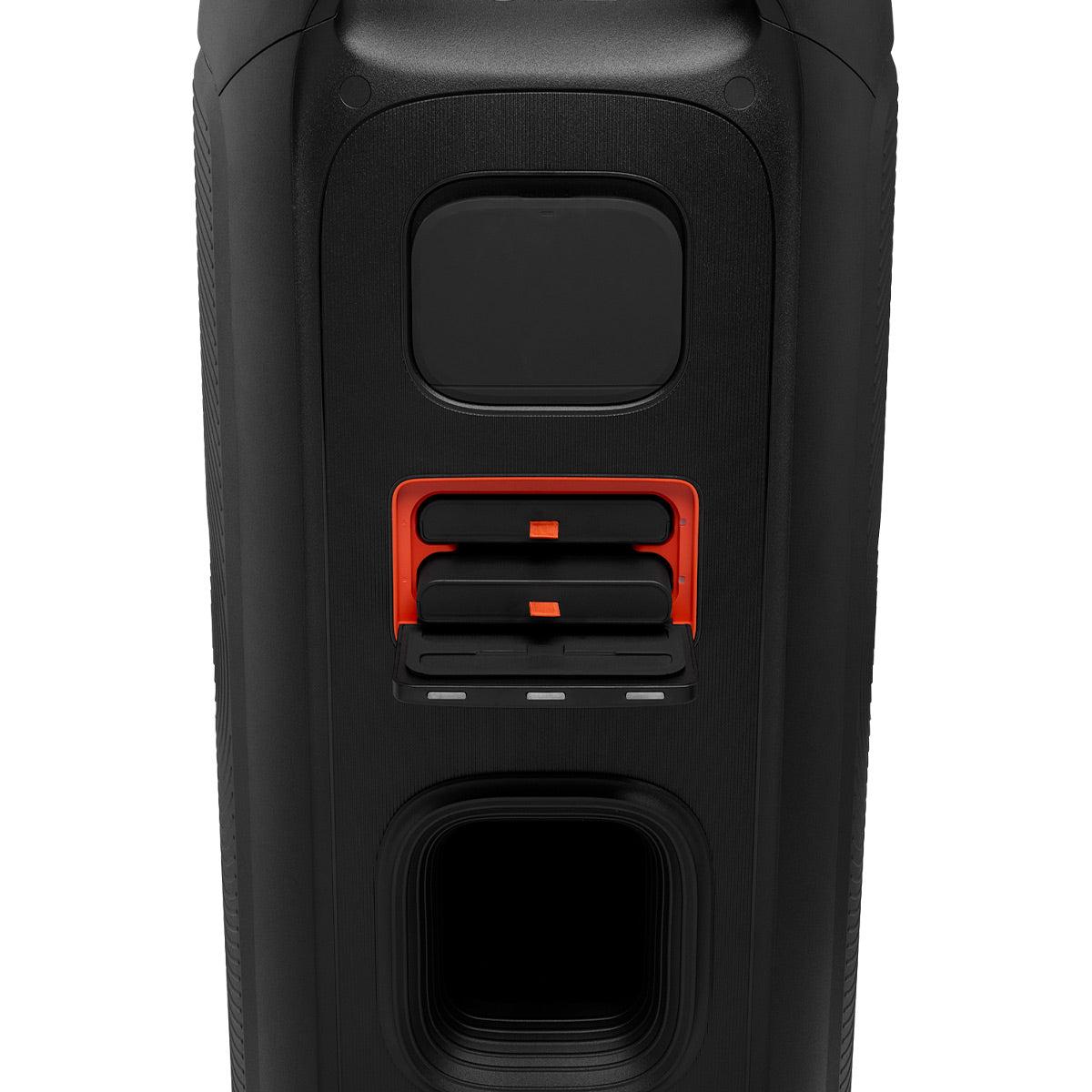
The 720 takes a modular approach with optional JBL Battery 600 packs (sold separately) that can provide up to 15 hours of runtime. This flexibility is both a strength and weakness—you get longer playtime but need to purchase and manage separate batteries. The fast-charging feature (10 minutes for 2 extra hours) is genuinely useful for events where you can grab quick power top-ups.
However, the 720's power requirements mean it's primarily designed for AC operation. Most users report keeping it plugged in for best performance, using battery power only when necessary. The Encore Essential, by contrast, works equally well on battery or AC power.
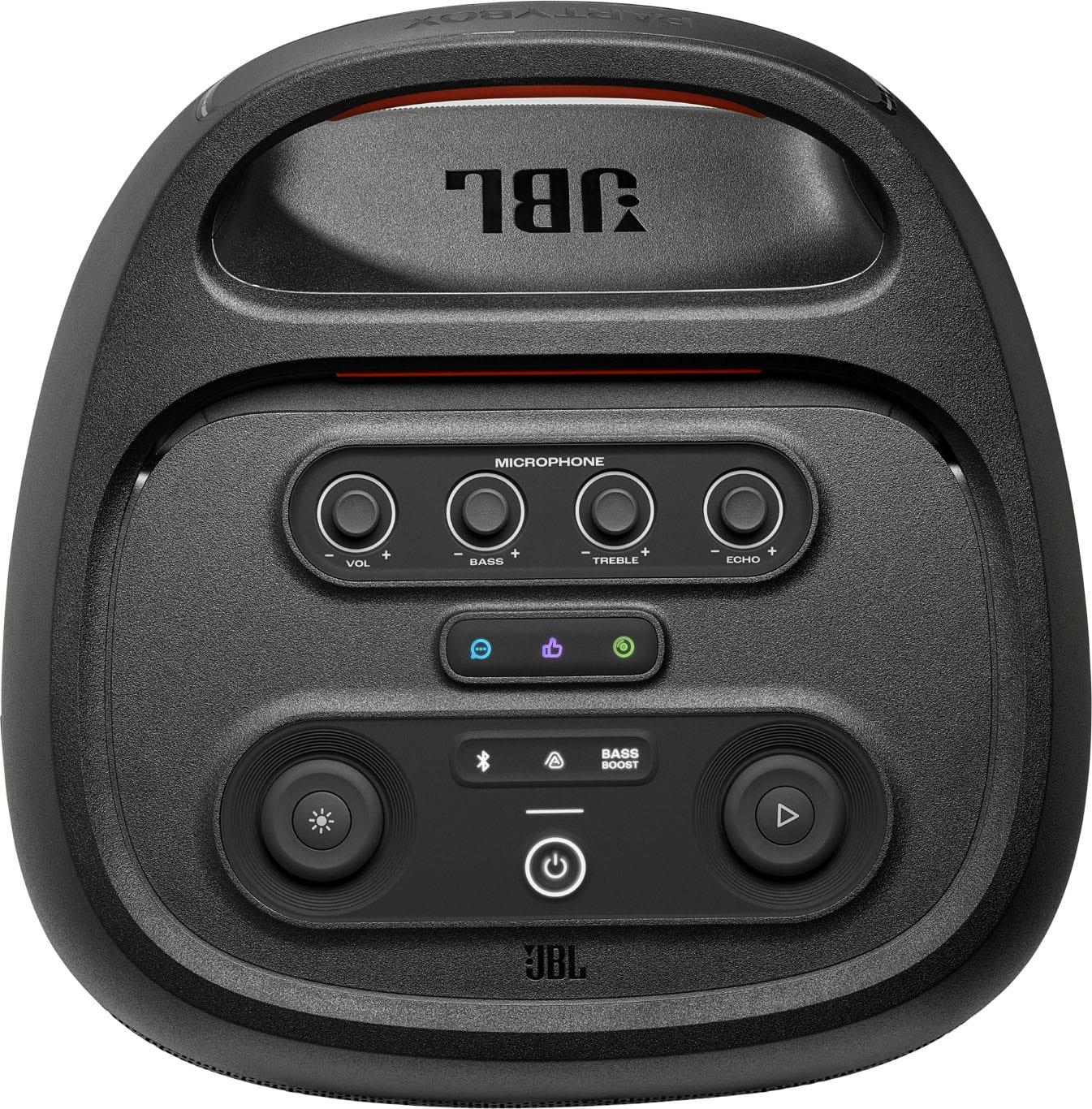
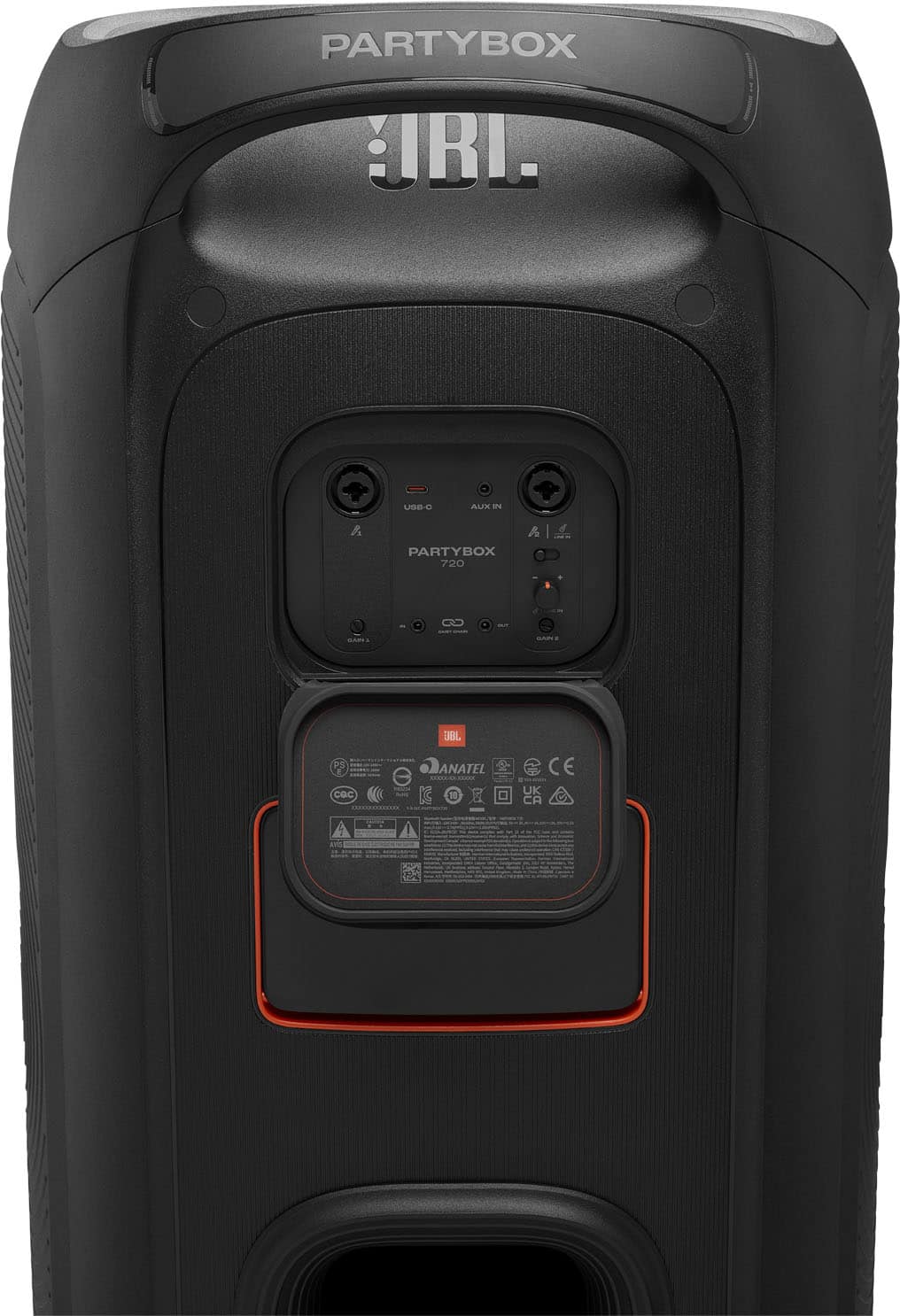
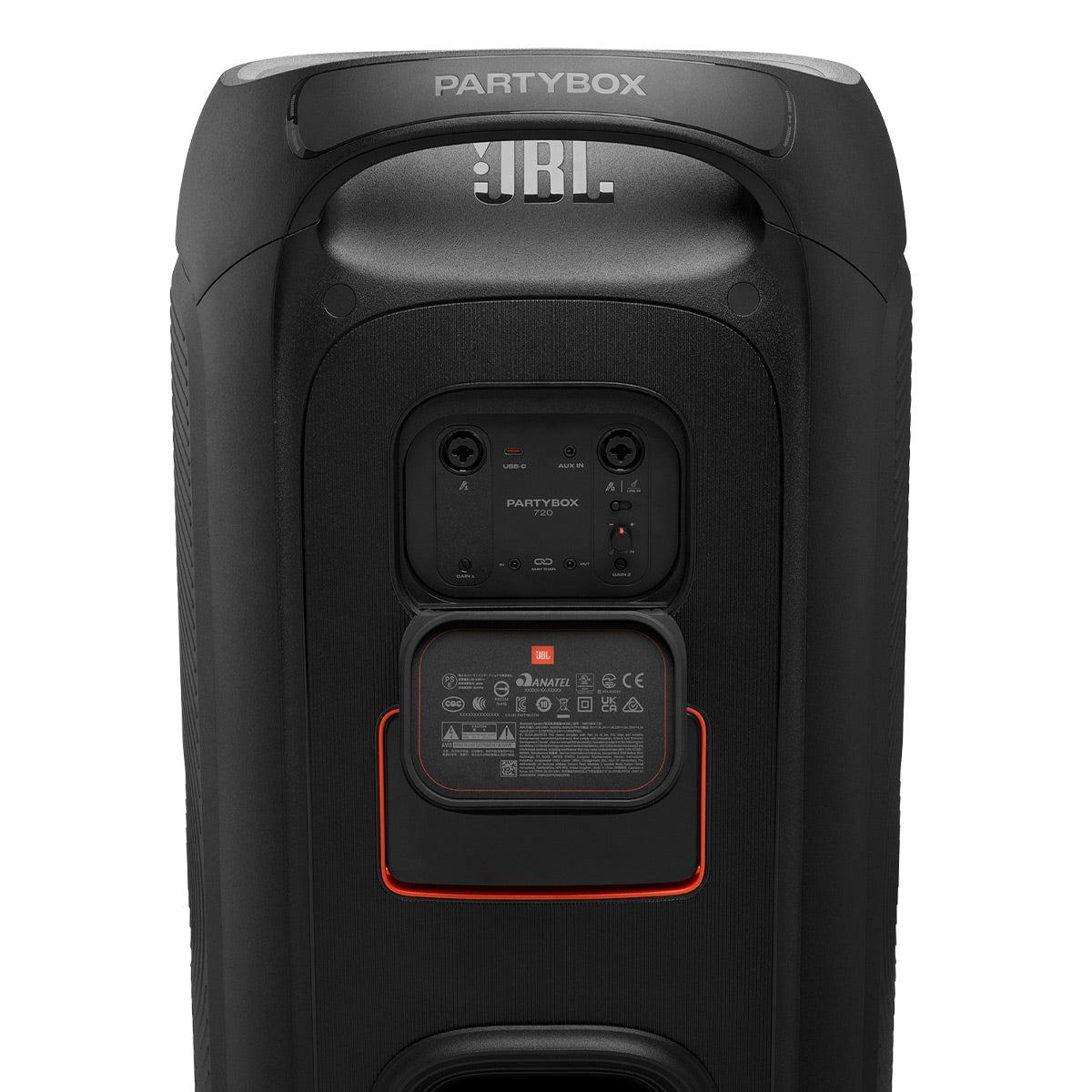
Both speakers offer modern Bluetooth connectivity, but the 720 includes more professional-oriented features. The dual XLR inputs are significant—these are the standard professional audio connections used by musicians and DJs. If you're planning to use microphones for announcements, karaoke, or live music, the 720's XLR inputs provide better sound quality and more reliable connections than the Encore Essential's single 1/4-inch microphone input.
The 720's Bluetooth 5.4 with Auracast technology is forward-looking. Auracast allows one device to broadcast to multiple compatible speakers simultaneously, creating synchronized multi-room audio. While the Encore Essential's True Wireless Stereo (TWS) lets you pair two units for stereo sound, Auracast potentially supports many more speakers.
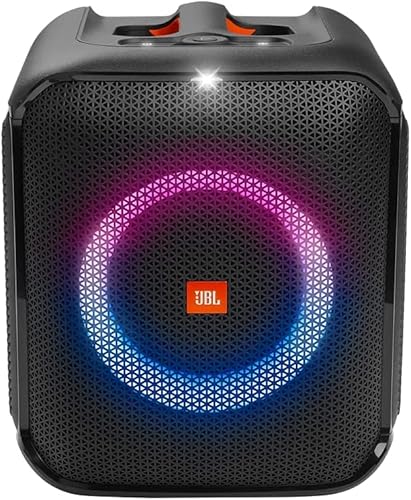
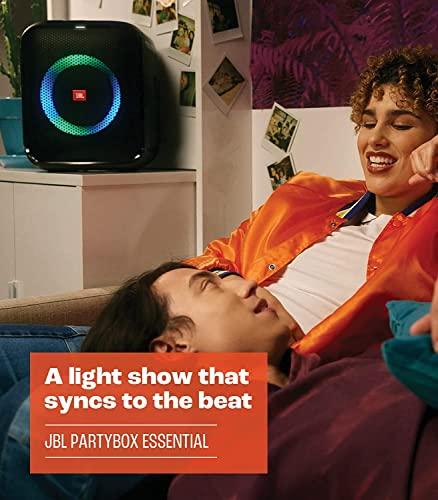
Both speakers feature synchronized light shows, but the implementations differ significantly. The Encore Essential's LED ring light provides colorful patterns that sync to music—it's fun and adds party atmosphere without being overwhelming. The effect works well for intimate gatherings where people are close to the speaker.
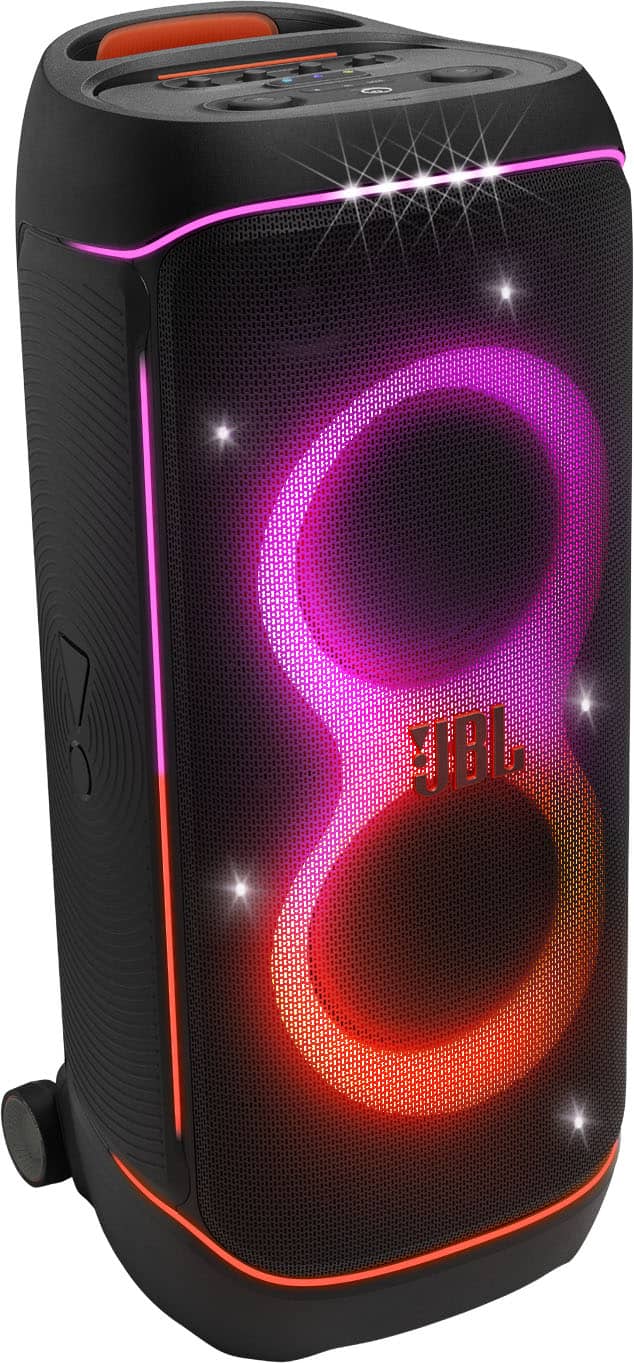
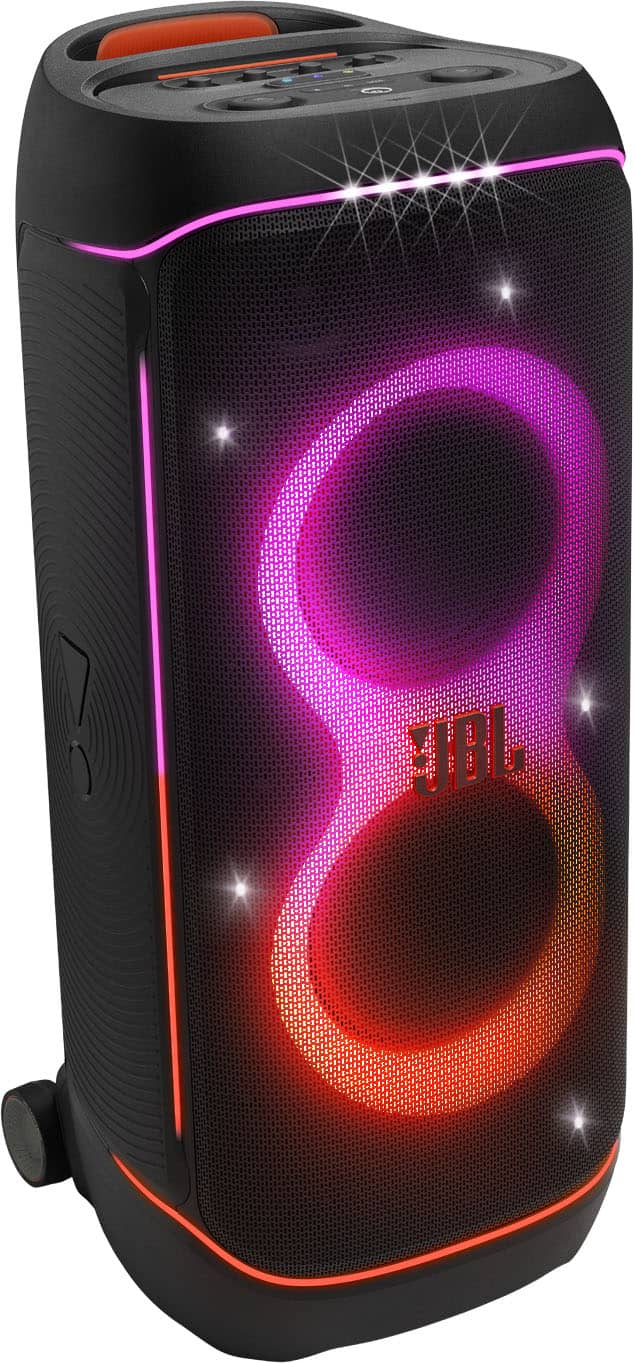
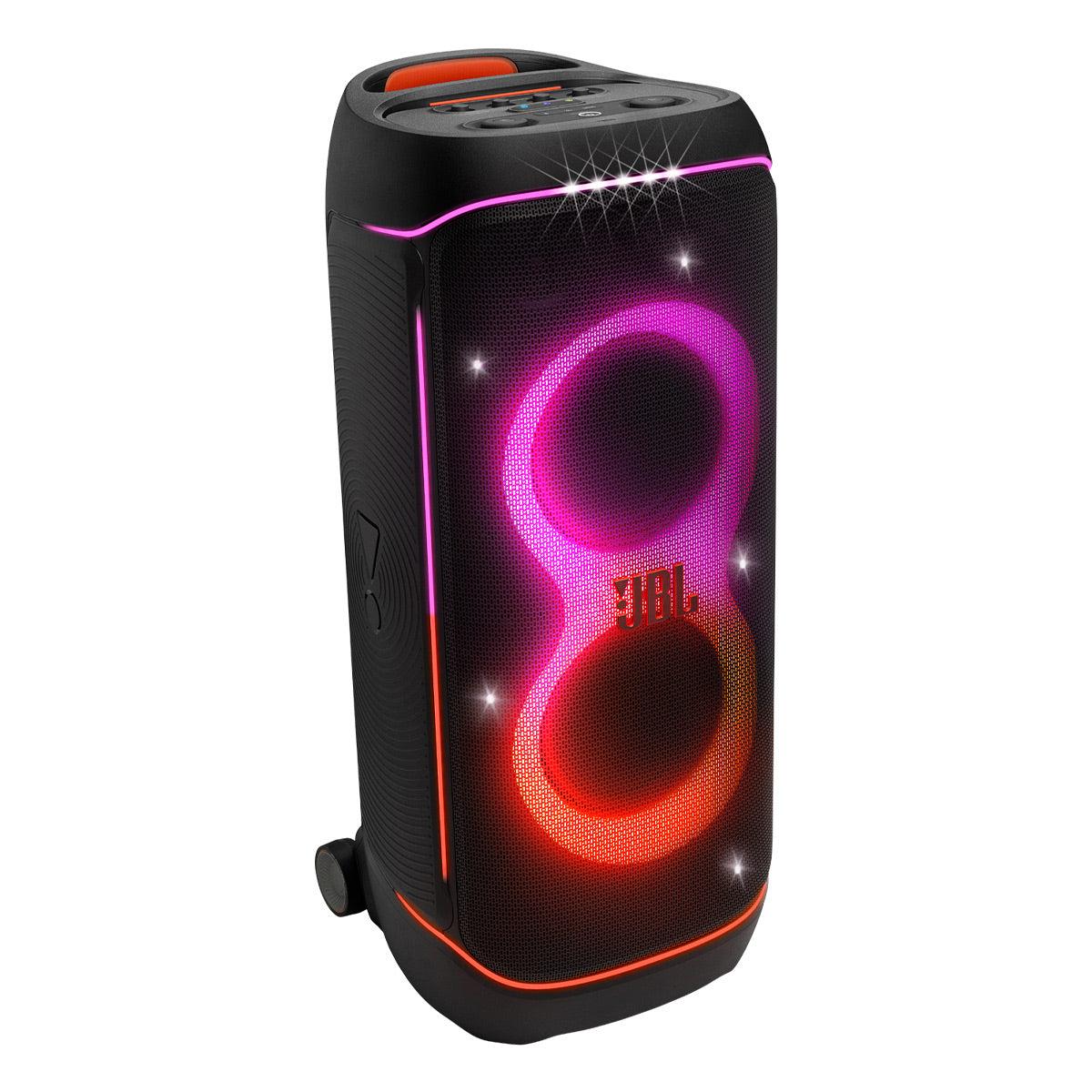
The 720's lighting system is substantially more elaborate. The 360-degree light show with "starry lights, flowing trails, and pulsing strobes" creates genuine visual spectacle. For larger gatherings or events where the speaker serves as a focal point, these lights can transform the entire atmosphere of a space.
While neither speaker is primarily designed for home theater use, both can serve in that role with caveats. The Encore Essential's compact size makes it suitable for smaller rooms or as a temporary upgrade from TV speakers. However, its bass-heavy tuning and limited mid-range clarity make it better for action movies than dialogue-heavy content.
The 720 could work in larger home theater applications, but its party-oriented sound signature isn't ideal for nuanced film audio. Both speakers lack the precise imaging and balanced frequency response that dedicated home theater speakers provide.
At the time of writing, these speakers occupy distinctly different price tiers, with the 720 typically costing roughly three to four times more than the Encore Essential. This price difference reflects the dramatic performance gap, but also means they serve different markets entirely.
The Encore Essential represents exceptional value for anyone wanting legitimate party sound in a truly portable package. When you consider its combination of size, sound quality, battery life, and features, it's hard to find comparable alternatives at similar price points.
The 720 justifies its higher cost through sheer performance and professional features. If you regularly host larger gatherings or need maximum impact, the cost-per-decibel equation actually favors the bigger speaker.
Based on extensive review analysis, the Encore Essential excels in scenarios where convenience matters most. Users consistently praise its ability to deliver satisfying sound for groups of 10-30 people without the hassle of larger speakers. The bass, while not earth-shaking, provides enough low-end punch for dance music and hip-hop at moderate volumes.
The 720 transforms events rather than just providing background music. Reviews consistently mention its ability to energize crowds of 50+ people and maintain clean, powerful sound even in challenging outdoor environments. The professional inputs get regular use for karaoke and announcements, features that many users initially overlook but later appreciate.
Both speakers incorporate JBL's latest DSP (Digital Signal Processing) improvements developed since 2020. The "AI Sound Boost" in the 720 automatically adjusts frequency response based on content and volume level, helping maintain clarity at high output levels. These processing improvements represent genuine advances over earlier PartyBox models, particularly in managing distortion at maximum volume.
The inclusion of USB-C charging ports on both speakers reflects current consumer expectations, though the 720's faster charging implementation shows more sophisticated power management.
The PartyBox Encore Essential makes sense for the majority of users who want party sound without party-sized speakers. It's perfect for college students, small apartment dwellers, and anyone who values spontaneity over maximum impact. If you can carry it easily and it fits your lifestyle, the Encore Essential provides remarkable performance for its size.
Choose the PartyBox 720 only if you genuinely need its capabilities. This means regular large gatherings, outdoor events requiring serious sound projection, or situations where maximum impact justifies the size and cost trade-offs. It's the speaker for people who host rather than attend parties.
The performance gap between these speakers is substantial, but so is the convenience gap. Your choice should align with your actual usage patterns rather than theoretical maximum needs. Most people are better served by the Encore Essential's combination of portability and performance, but for those who need the 720's capabilities, no smaller speaker will suffice.
Both represent solid engineering choices within their intended roles—the key is honestly assessing which role matches your needs.
| JBL PartyBox Encore Essential | JBL PartyBox 720 |
|---|---|
| Power Output - Determines maximum volume and sound clarity | |
| 100W RMS (great for small-medium gatherings) | 800W RMS (fills large venues without distortion) |
| Maximum Sound Level - How loud it actually gets | |
| ~97-104 dB (suitable for 10-30 people) | ~112 dB (handles 50+ people easily) |
| Weight & Portability - Critical for transport and setup | |
| 13 lbs with grab-and-go handle (true one-person portability) | 68 lbs with wheels and handle (requires planning to move) |
| Bass Extension - Affects how deep and punchy music sounds | |
| 50Hz (solid bass for size, good for most music) | 32Hz (deep, room-shaking bass that you feel) |
| Driver Configuration - Determines sound quality and power handling | |
| 1x 5.25" woofer + 2x 1.75" tweeters | 2x 9" woofers + 2x 1.25" tweeters |
| Battery Life - How long it plays unplugged | |
| 6 hours built-in (always ready, no extras needed) | Up to 15 hours with optional battery packs (sold separately) |
| Connectivity Options - Affects versatility for different setups | |
| Bluetooth 5.1, 1/4" mic input, USB, AUX (covers basics well) | Bluetooth 5.4 + Auracast, dual XLR inputs, USB-C (professional grade) |
| Light Show Features - Visual entertainment value | |
| LED ring light with color patterns (fun accent lighting) | 360° futuristic light show with strobes and trails (venue-quality effects) |
| Water Resistance - Protection for outdoor/poolside use | |
| IPX4 splashproof (handles splashes and light rain) | IPX4 splashproof (same protection level) |
| Multi-Speaker Pairing - Expanding your sound system | |
| TWS pairing with second Encore Essential | Auracast linking with multiple compatible speakers |
| Best Use Cases - Who should buy which speaker | |
| Beach trips, dorm parties, backyard BBQs, camping | Large parties, DJ events, outdoor festivals, semi-permanent setups |
The JBL PartyBox 720 is significantly louder than the JBL PartyBox Encore Essential. The PartyBox 720 delivers 800W RMS and can reach approximately 112 dB, while the Encore Essential produces 100W RMS and maxes out around 97-104 dB. This 8-15 dB difference means the 720 sounds roughly twice as loud to human ears.
The JBL PartyBox Encore Essential is truly portable at just 13 pounds with a built-in handle, making it easy for one person to carry anywhere. The JBL PartyBox 720 weighs 68 pounds and requires wheels and careful planning to move, making it semi-portable rather than grab-and-go convenient.
The JBL PartyBox 720 has substantially better bass due to its dual 9-inch woofers and 32Hz frequency response. The PartyBox Encore Essential has decent bass for its size with a single 5.25-inch woofer reaching 50Hz, but it can't match the deep, room-shaking bass of the 720.
The JBL PartyBox Encore Essential has a built-in battery providing up to 6 hours of playtime. The JBL PartyBox 720 can run up to 15 hours but requires optional battery packs sold separately - without these, it needs to stay plugged into wall power.
For small parties (10-30 people), the JBL PartyBox Encore Essential is usually the better choice. It provides plenty of volume and bass for smaller gatherings while being easy to set up anywhere. The PartyBox 720 would be overkill for most small parties and harder to position properly.
Yes, both support microphones but differently. The JBL PartyBox Encore Essential has a single 1/4-inch microphone input suitable for karaoke. The JBL PartyBox 720 features dual professional XLR inputs that provide better sound quality and support for multiple microphones or instruments.
For large outdoor spaces, the JBL PartyBox 720 is superior due to its higher power output and deeper bass that can overcome outdoor acoustics. For smaller outdoor gatherings like beach trips or camping, the PartyBox Encore Essential is more practical due to its portability and built-in battery.
Both the JBL PartyBox Encore Essential and JBL PartyBox 720 feature synchronized light shows, but the 720 has a much more elaborate 360-degree display with starry lights, flowing trails, and pulsing strobes. The Encore Essential has a simpler LED ring light that's still fun but less spectacular.
This depends on your needs. The JBL PartyBox Encore Essential offers exceptional value for casual users who want party sound in a portable package. The JBL PartyBox 720 provides better value per watt of power for those who regularly host large events and need maximum impact.
Yes, both support multi-speaker setups but use different technologies. The JBL PartyBox Encore Essential uses True Wireless Stereo (TWS) to pair with another Encore Essential. The JBL PartyBox 720 uses Auracast technology to link with multiple compatible JBL speakers for larger sound systems.
The JBL PartyBox Encore Essential is much better suited for apartments due to its compact size, moderate volume levels, and built-in battery that doesn't require permanent placement near outlets. The PartyBox 720 is likely too large and powerful for most apartment settings and could cause neighbor complaints.
Both the JBL PartyBox Encore Essential and JBL PartyBox 720 are IPX4 rated, meaning they're splash-proof and can handle light rain or poolside splashes. However, neither is fully waterproof and shouldn't be submerged in water or exposed to heavy rain.
We've done our best to create useful and informative comparisons to help you decide what product to buy. Our research uses advanced automated methods to create this comparison and perfection is not possible - please contact us for corrections or questions. These are the sites we've researched in the creation of this article: bestbuy.com - rtings.com - rtings.com - youtube.com - popsci.com - youtube.com - soundguys.com - audioadvice.com - youtube.com - versus.com - youtube.com - hometechnologyreview.com - jbl.com - bhphotovideo.com - hometechnologyreview.com - global.jbl.com - youtube.com - in.jbl.com - therevolverclub.com - harmanaudio.in - jbl.com.my - jbl.com.ar - jbl.com - pcrichard.com - kh.jbl.com - youtube.com - uclastore.com - bhphotovideo.com - creativeaudio.net - youtube.com - stereoindex.com - youtube.com - youtube.com - youtube.com - youtube.com - comparisontabl.es - jbl.com - youtube.com - youtube.com - youtube.com - bestbuy.com - versus.com - youtube.com - youtube.com - versus.com - youtube.com - jbl.com - news.jbl.com - engadget.com - news.harman.com - youtube.com - creativeaudio.net - jbl.com - skybygramophone.com - crutchfield.com - manuals.plus - youtube.com

Privacy Policy
Terms and Conditions - Affiliate Policy
Home Security
© Copyright 2008-2026.
11816 Inwood Rd #1211, Dallas, TX 75244