




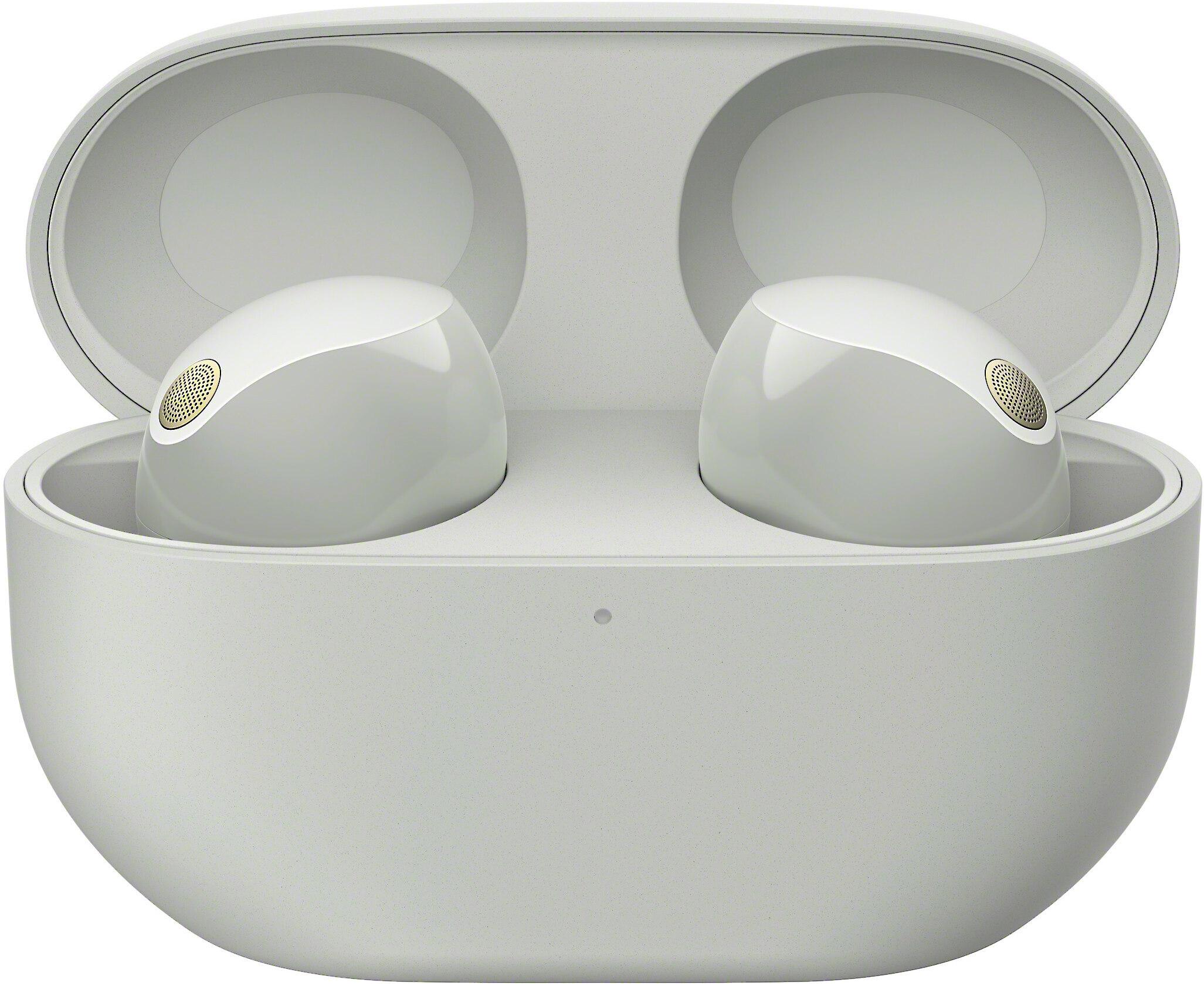
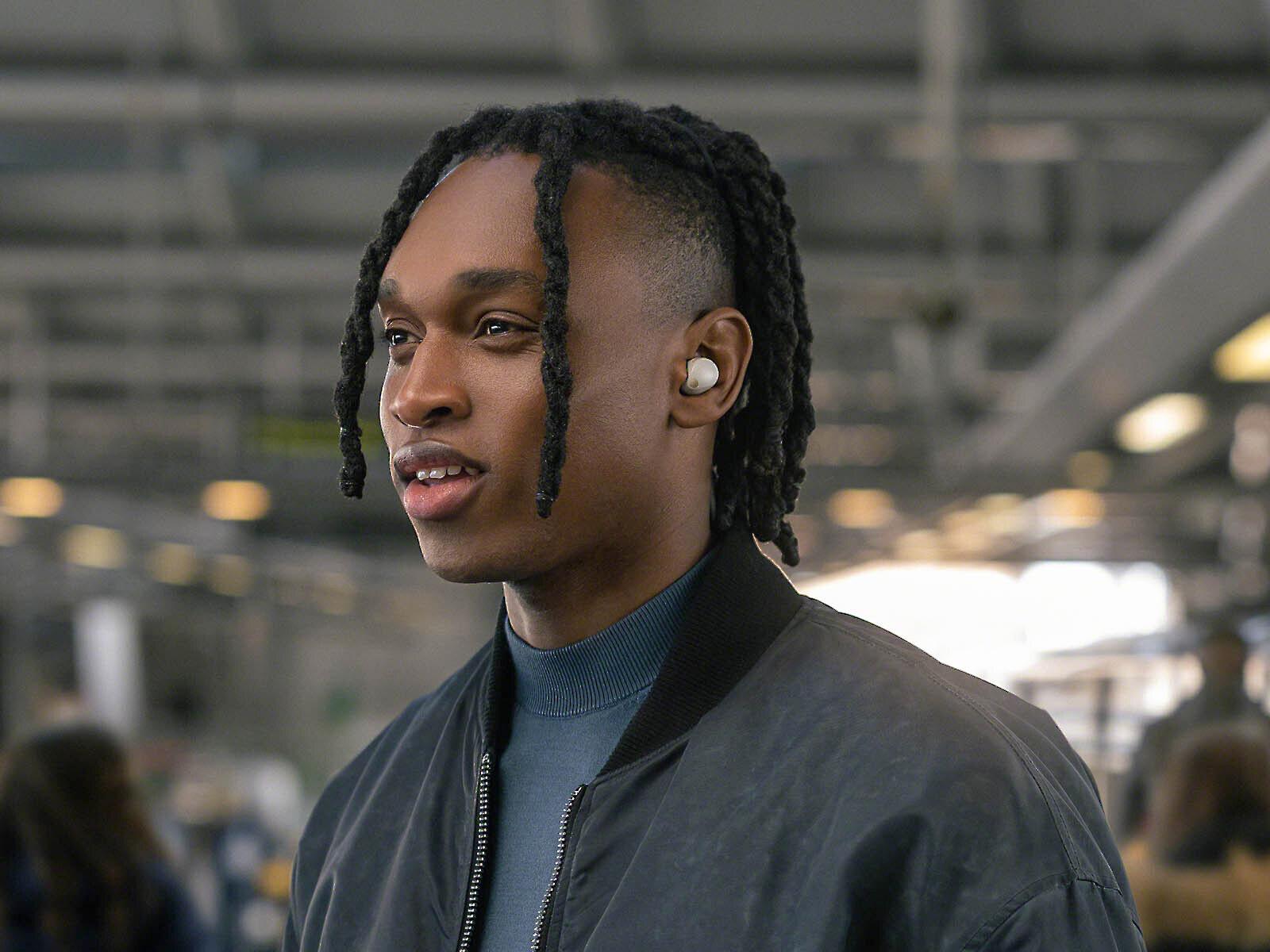
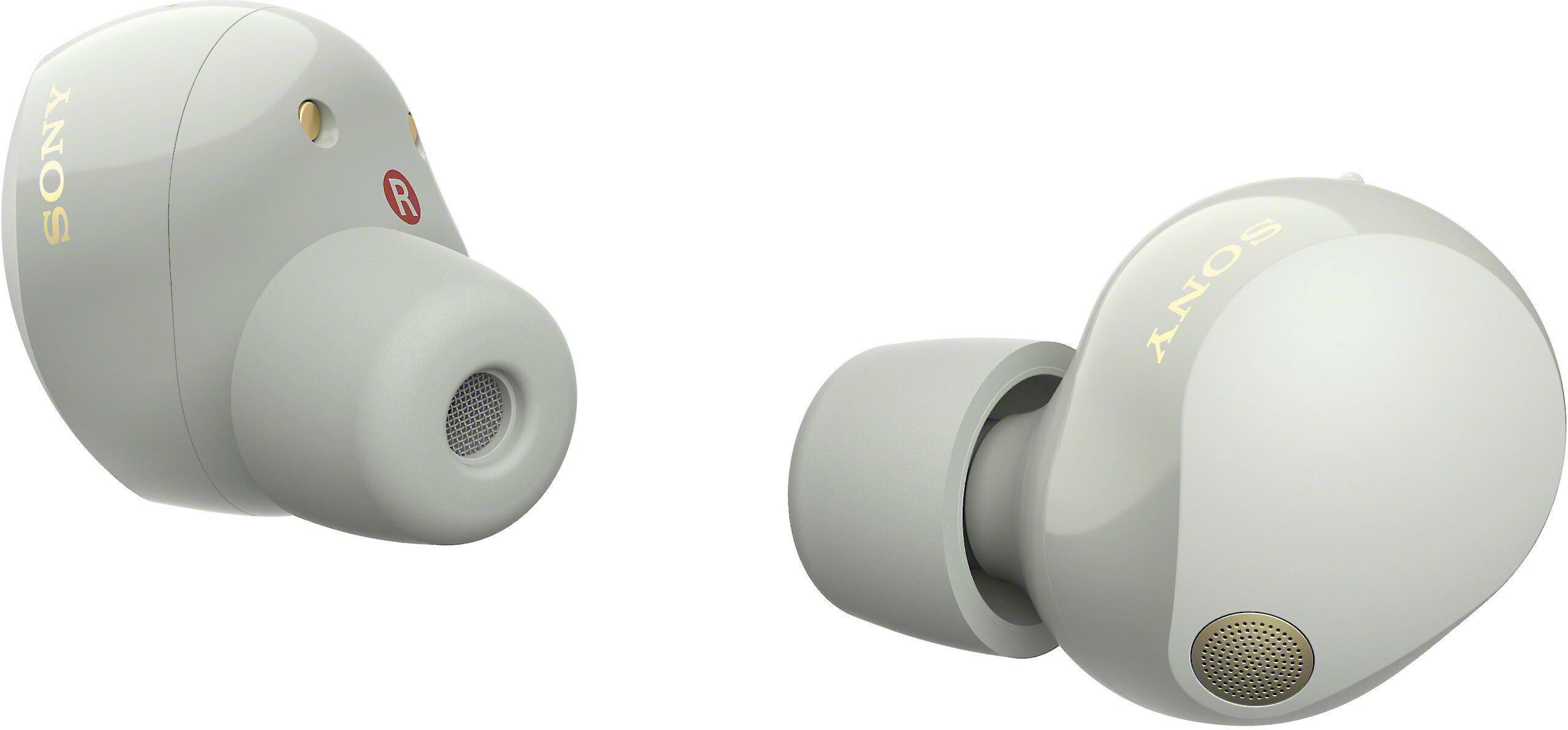


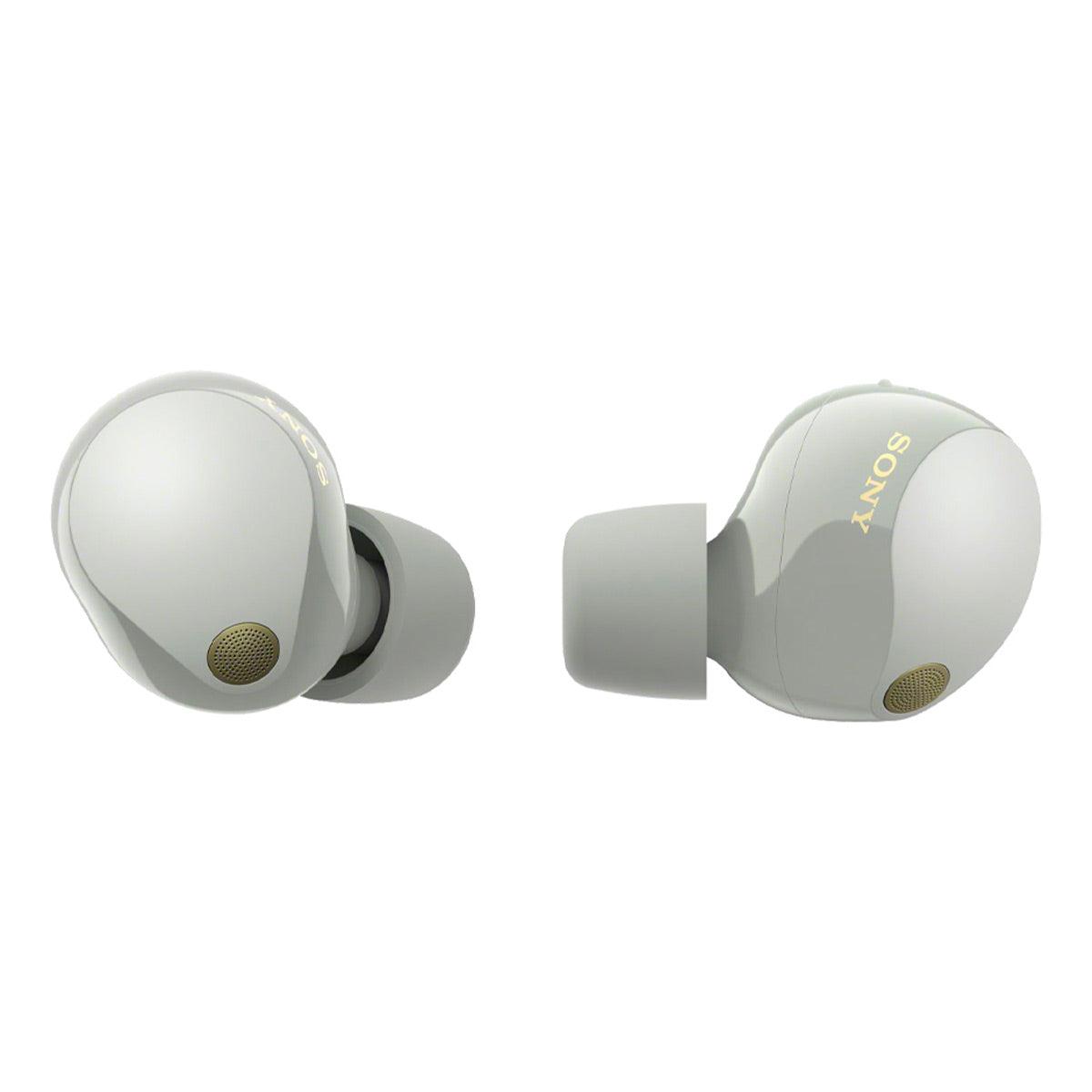
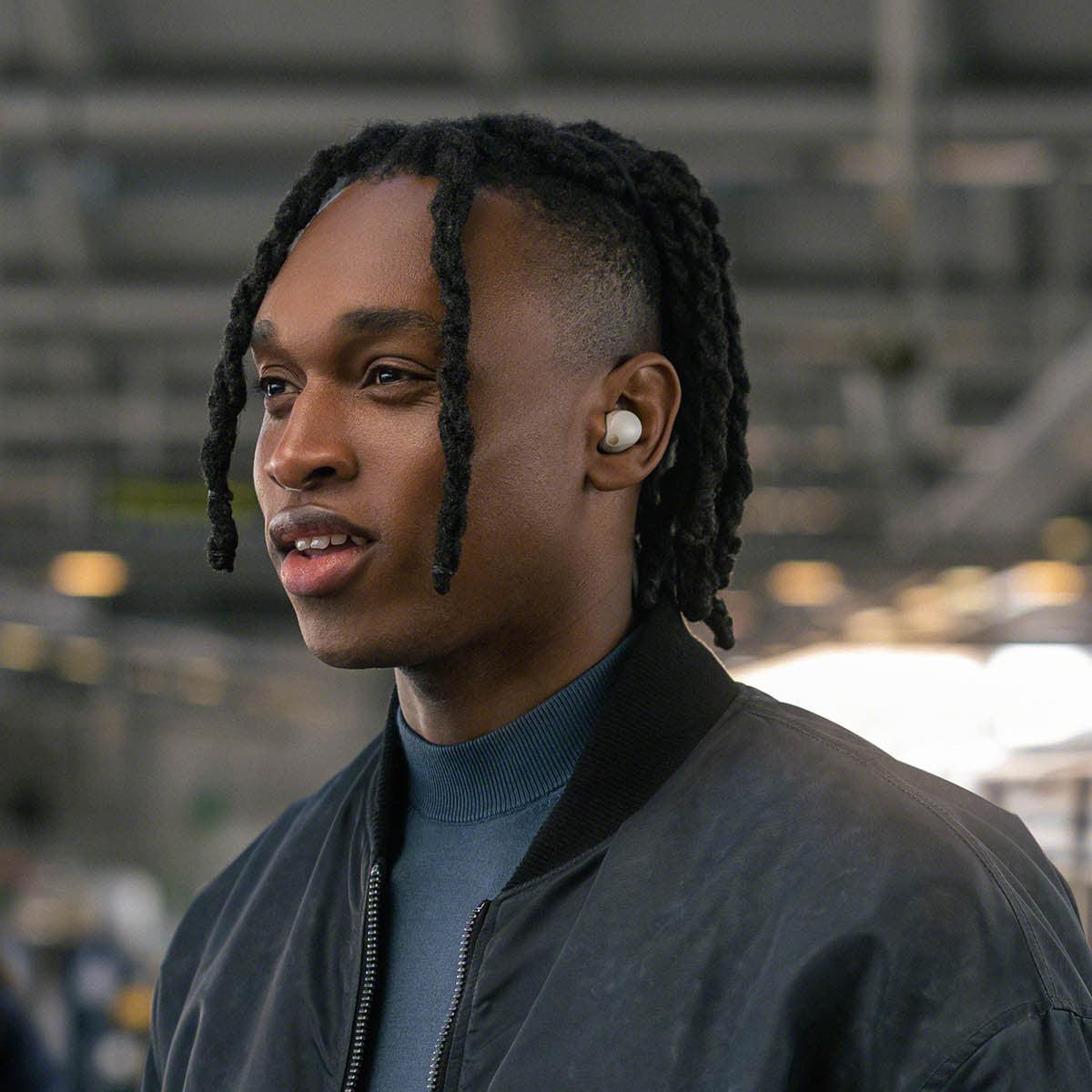
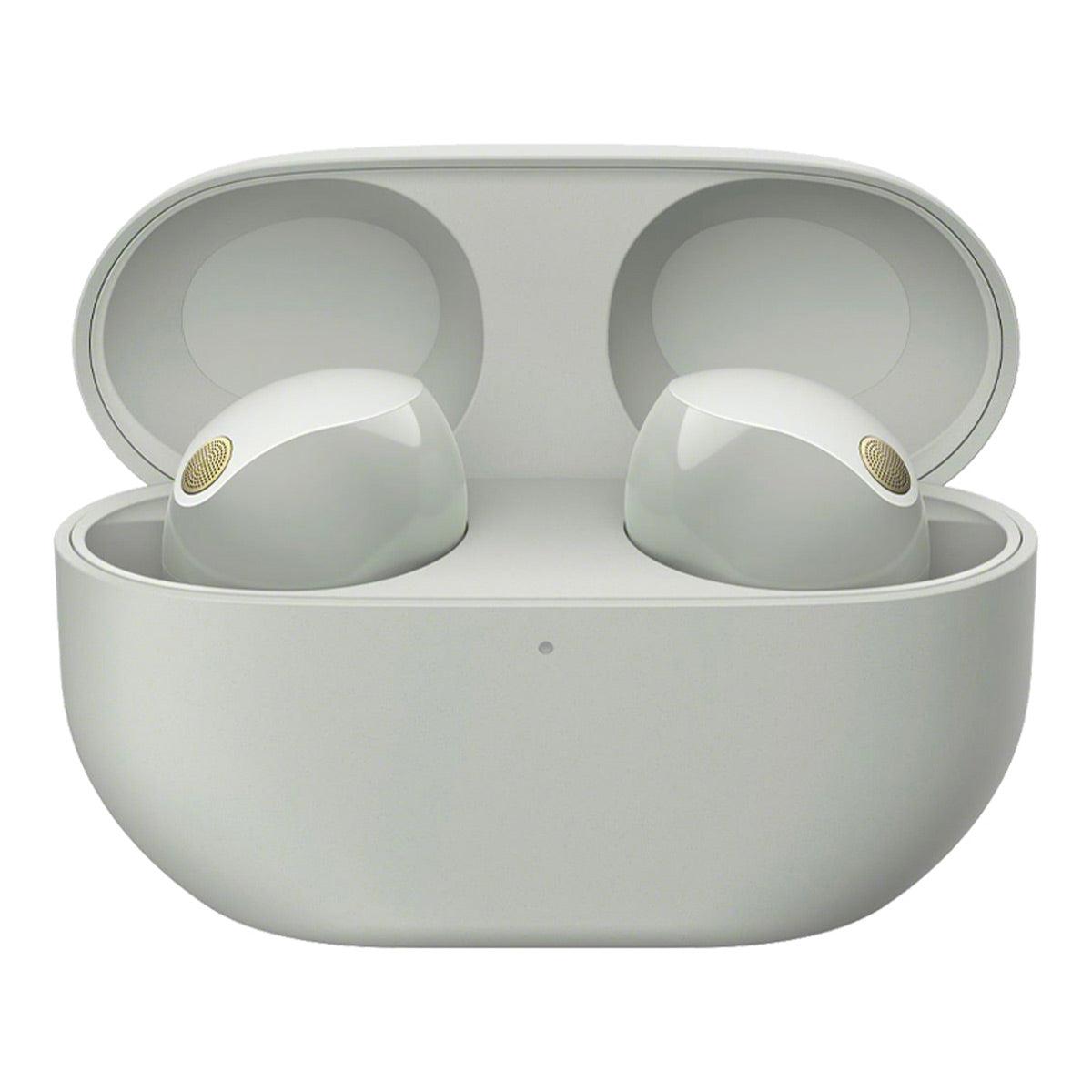
The premium wireless earbuds market has exploded in recent years, with manufacturers pushing the boundaries of what these tiny devices can accomplish. At the top of this competitive landscape sit two powerhouses: the Apple AirPods Pro 3 and the Sony WF-1000XM5. Both represent the pinnacle of their respective company's audio engineering, but they take dramatically different approaches to achieving excellence.
Understanding what makes premium earbuds special helps explain why these products command premium prices. Unlike basic wireless earbuds, these models pack advanced noise cancellation technology, high-quality drivers (the tiny speakers inside each earbud), sophisticated processing chips, and smart features that extend far beyond simple music playback. They're designed to be your primary audio companion throughout the day, whether you're commuting, working out, taking calls, or simply enjoying your favorite music.
Apple released the AirPods Pro 3 in 2025, building on years of ecosystem integration and adding groundbreaking health features. Sony launched their WF-1000XM5 in 2023, focusing on audio customization and platform-neutral compatibility. At the time of writing, both products sit in similar price ranges, with Apple's offering positioned slightly more aggressively to compete with Sony's premium positioning.
These earbuds represent fundamentally different design philosophies. Apple has doubled down on their "it just works" approach, creating earbuds that seamlessly integrate with iPhones, iPads, and Macs while introducing health monitoring features that no competitor offers. Sony has taken the audiophile route, providing extensive customization options and professional-grade audio processing that works equally well regardless of what device you're using.
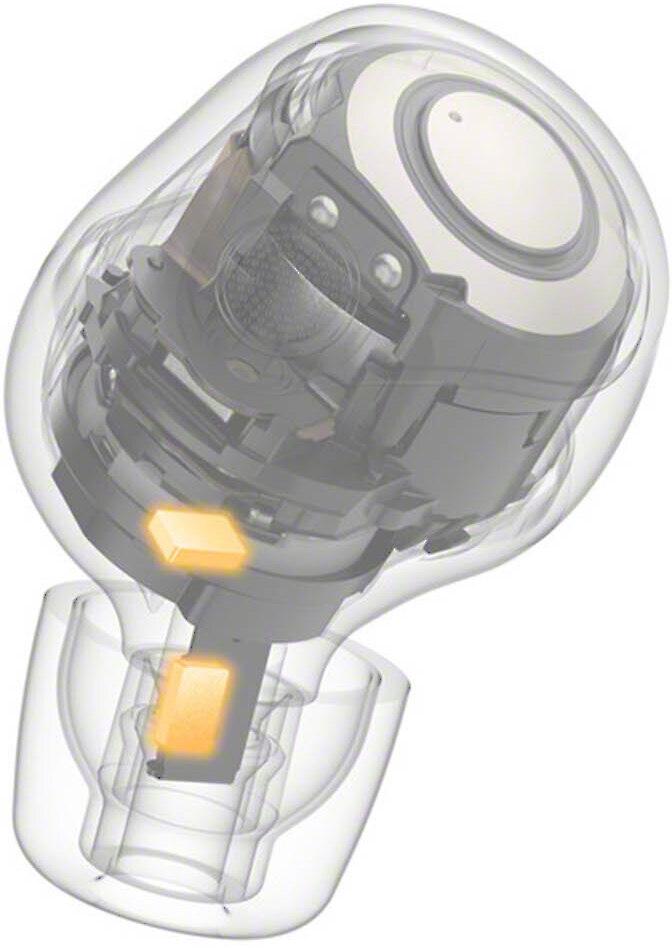
When it comes to sound quality, both earbuds excel but in different ways. The Sony WF-1000XM5 uses an 8.4mm Dynamic Driver X, which is larger than what you'll find in most earbuds. This driver features what Sony calls a "dome-edge separation structure" – essentially, different materials working together to produce more accurate sound across the entire frequency range (the spectrum of sounds from deep bass to high treble).
What sets Sony apart is their commitment to customization. Through their companion app, you can adjust the equalizer (EQ) – think of it as tone controls on steroids – to fine-tune exactly how your music sounds. Whether you prefer thumping bass for hip-hop or crystal-clear vocals for podcasts, you can adjust the sound signature to match your preferences. The earbuds also support LDAC, a high-quality audio codec (a method of compressing and transmitting audio data) that delivers near CD-quality wireless audio to compatible Android devices.
The Apple AirPods Pro 3 takes a different approach with their custom Apple driver and what they call "Adaptive EQ." Instead of letting you manually adjust the sound, the earbuds automatically tune themselves based on how they fit in your specific ears. This might sound limiting, but the results are impressive – the earbuds consistently deliver balanced, detailed sound without requiring any tweaking from you.
Apple's secret weapon is their Personalized Spatial Audio technology. Using the cameras on your iPhone, the earbuds create a custom sound profile that makes music and movies feel like they're happening around you rather than just in your ears. When watching movies, this creates an almost home theater-like experience, with sounds positioned in three-dimensional space. The dynamic head tracking means that if you turn your head while watching a movie on your iPad, the audio stays anchored to the screen, just like it would in a real theater.
For home theater use specifically, the AirPods Pro 3 have a clear advantage. The spatial audio technology works seamlessly with Apple TV, creating an immersive surround sound experience without disturbing others. The Sony WF-1000XM5 can certainly handle movie audio well, but they lack the sophisticated spatial processing that makes Apple's offering feel like a personal cinema.
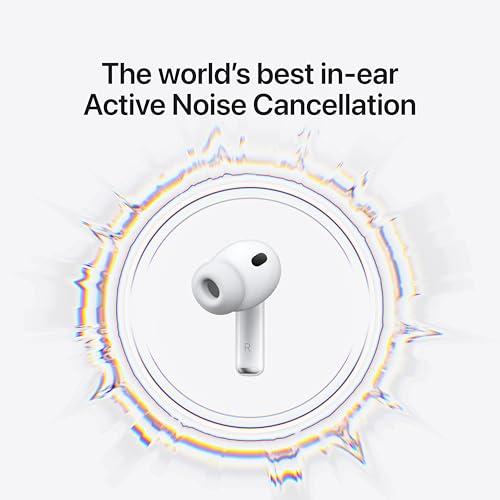
Active Noise Cancellation (ANC) represents one of the most important features in premium earbuds, and this is where the differences between these products become most apparent. ANC works by using microphones to detect outside noise and then generating opposite sound waves to cancel it out – imagine two waves meeting and canceling each other out.
Based on extensive testing and user feedback, the Apple AirPods Pro 3 achieve superior noise cancellation, blocking approximately 90% of external noise compared to Sony's still-impressive 87%. While this 3% difference might seem small, it becomes significant in real-world use. The Apple earbuds excel particularly in the 100Hz to 2kHz frequency range – exactly where you encounter subway rumble, airplane drone, and office chatter.
Apple achieves this through their H2 chip, which processes audio using computational methods that weren't possible in earlier generations. The chip can make thousands of adjustments per second, adapting to your environment in real-time. The result is noise cancellation that feels almost supernatural – you can be standing next to a busy street and suddenly feel like you're in a quiet library.
The Sony WF-1000XM5 shouldn't be underestimated, though. They use three microphones per earbud along with Sony's Integrated Processor V2 and HD Noise Cancelling Processor QN2e (yes, Sony loves their technical names). The advantage Sony offers is customization – you can adjust the level of noise cancellation through their app, something Apple doesn't allow. Some users prefer lighter ANC for safety reasons when walking or cycling, making Sony's flexibility valuable.
Both earbuds also offer transparency modes that let outside sound in when you need to hear your surroundings. Apple calls theirs "Adaptive Audio" and it automatically adjusts based on your environment, while Sony provides manual control over how much outside sound you want to hear.
Battery performance represents a crucial differentiator in daily use. Based on testing data from multiple sources, the Sony WF-1000XM5 edge ahead with approximately 9.5 hours of playback per charge compared to the Apple AirPods Pro 3 at around 8.5 hours – both with noise cancellation enabled.
This hour difference might not seem significant, but it can mean the difference between making it through a long flight or workday without needing to recharge. Sony also claims faster quick-charging, providing about an hour of playback from just three minutes in the case, compared to Apple's five-minute charging time for similar results.
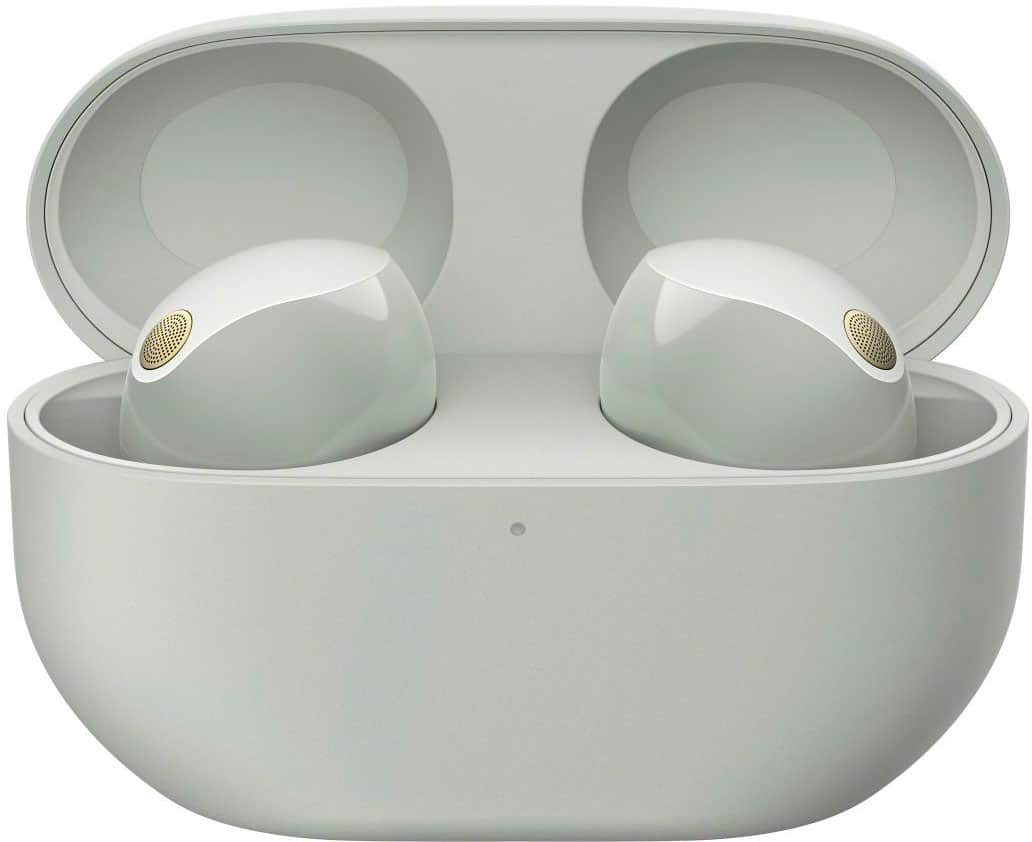
Both products provide around 24 hours of total listening time when combined with their charging cases, and both support wireless charging for convenience. The cases themselves have become smaller and more pocketable over the years, though Sony's case is notably more compact despite housing larger earbuds.
This is where the products diverge most dramatically. The Apple AirPods Pro 3 introduces health monitoring features that feel almost science fiction-like. Using photoplethysmography (PPG) – the same technology in Apple Watches – the earbuds can monitor your heart rate by detecting blood flow changes in your ear. This enables fitness tracking for over 50 different workout types, turning your earbuds into a comprehensive health monitoring device.
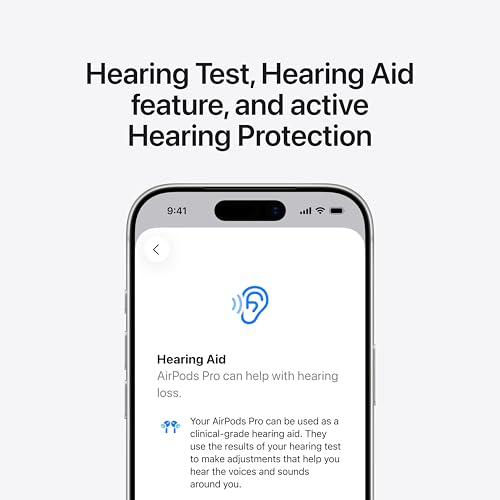
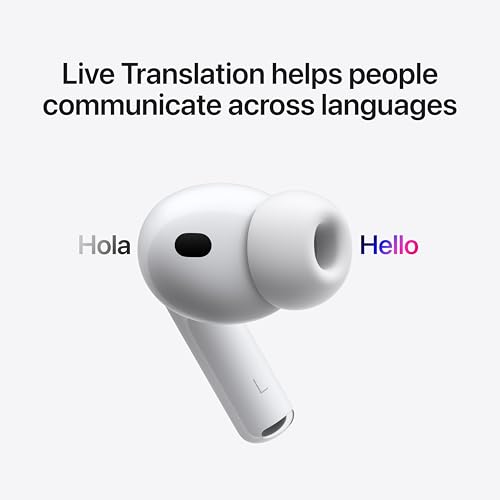
Even more impressive is Apple's FDA-authorized hearing aid functionality. The earbuds can perform hearing tests and then adjust their output to compensate for hearing loss, effectively turning them into medical devices. The Live Translation feature uses Apple's AI to provide real-time translation of conversations, though this works best in controlled environments rather than noisy public spaces.
The Sony WF-1000XM5 focuses on audio intelligence rather than health monitoring. Their Speak-to-Chat feature automatically pauses music when it detects you're talking, while Adaptive Sound Control learns your daily routine and adjusts noise cancellation settings based on your location. The earbuds can recognize when you're at home, work, or commuting, and apply different audio profiles accordingly.
Sony's 360 Reality Audio creates immersive soundscapes for supported music, though this feature is limited to specific streaming services. Their DSEE Extreme technology uses AI to upscale compressed music files, attempting to restore the audio quality lost during compression – particularly useful for streaming services that prioritize file size over audio fidelity.
Even the best audio technology means nothing if the earbuds don't fit properly or become uncomfortable during extended use. Apple has redesigned the AirPods Pro 3 with what they call "foam-infused silicone" ear tips, attempting to combine the durability of silicone with the superior seal of memory foam. They include five different sizes, including an extra-small option for smaller ears.
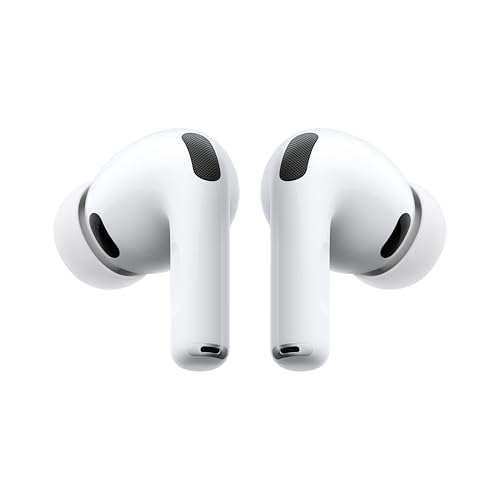
The earbuds maintain Apple's characteristic stem design, which provides a secure grip point and houses the pressure sensors used for controls. The stems also contribute to better microphone positioning for calls. With an IP57 rating, they can handle dust, sweat, and even brief water immersion, making them suitable for intense workouts and unpredictable weather.
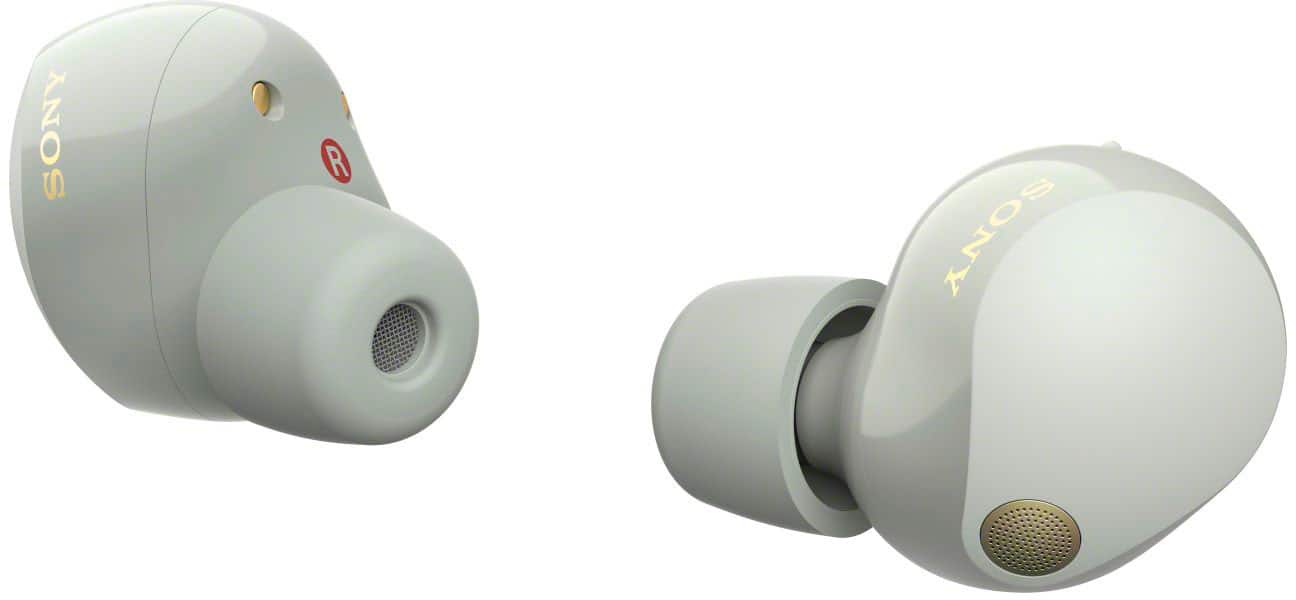
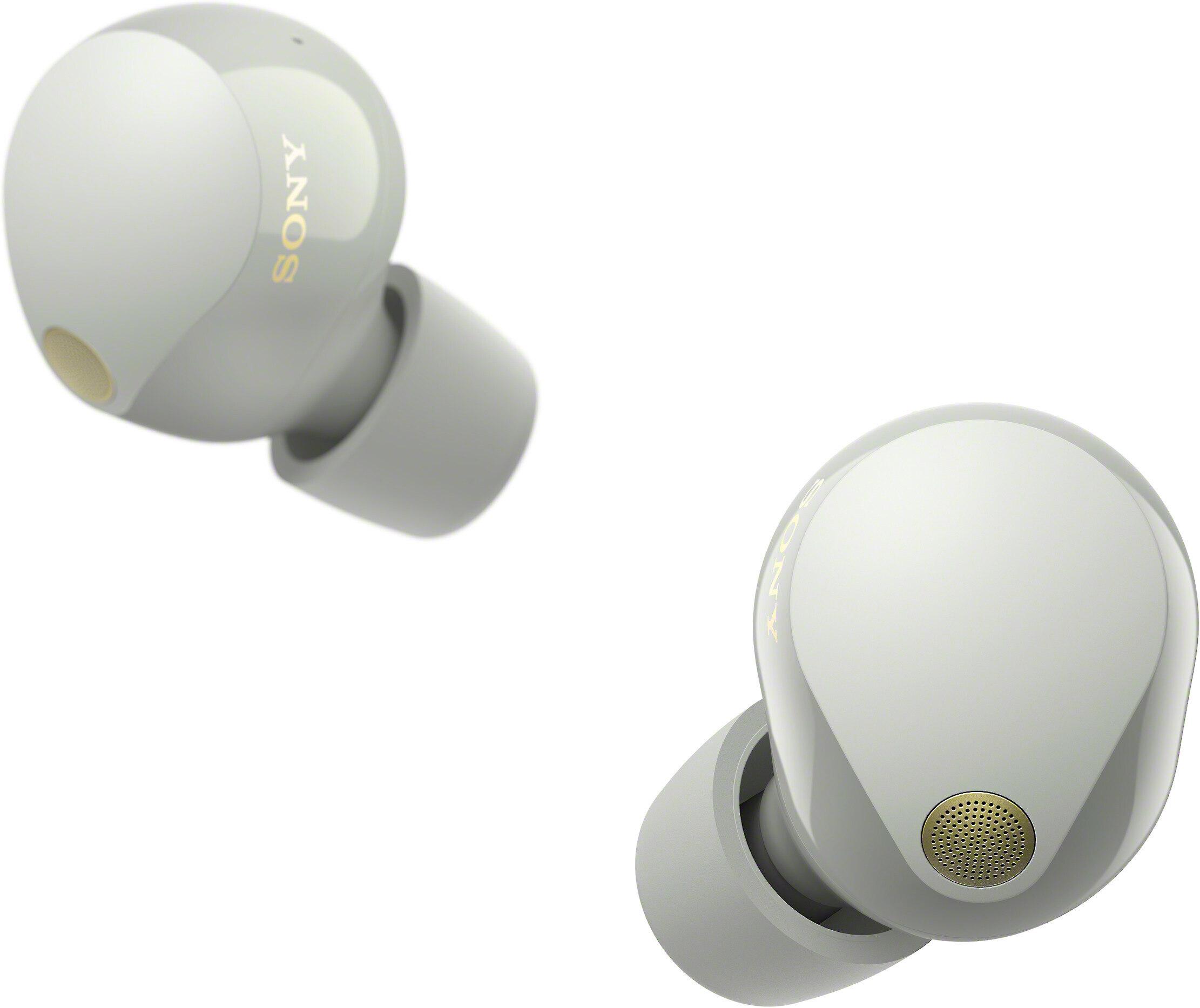
Sony took a more traditional approach with the Sony WF-1000XM5, using all-foam ear tips in four different sizes. Foam tips generally provide better passive noise isolation – the physical blocking of sound – but they're more vulnerable to wear and tear over time. The earbuds themselves are impressively small and light at just 4.2 grams each, making them comfortable for extended wear.
The stemless design gives the Sony earbuds a more discreet appearance, though some users find the tap controls less precise than Apple's pressure-sensitive stems. Sony's IPX4 rating provides sweat and light water resistance, though it's not as robust as Apple's protection level.
This represents perhaps the most important deciding factor for many users. The Apple AirPods Pro 3 shine when paired with Apple devices, offering seamless switching between iPhone, iPad, and Mac without any manual intervention. The H2 chip optimizes audio processing specifically for Apple's ecosystem, reducing latency (delay) and improving overall performance.
Features like Find My integration mean you can locate lost earbuds with precision, and Siri responds to voice commands or even head gestures – nodding to accept a call or shaking your head to decline. The integration feels almost telepathic when it works properly.
However, this Apple-centric approach means Android users miss out on many features. The earbuds only support AAC audio codec, which works fine with iPhones but limits audio quality when used with Android devices that support higher-quality codecs.
The Sony WF-1000XM5 takes a platform-agnostic approach, working equally well with Android, iOS, Windows, and any other Bluetooth-capable device. They support multiple audio codecs including LDAC for high-resolution audio on compatible Android devices. The Bluetooth Multipoint feature allows simultaneous connection to two devices, so you can seamlessly take a call on your phone while listening to music from your laptop.
Sony's companion app provides extensive customization options regardless of your device, though the experience is optimized for Android users who can take advantage of features like Google Fast Pair for quick setup.
When evaluating these earbuds, certain performance characteristics matter more than others. Noise cancellation effectiveness tops the list for most users – if you're investing in premium earbuds, you want them to create a quiet bubble around you in noisy environments. Here, the Apple AirPods Pro 3 demonstrates measurable superiority.
Audio quality becomes subjective beyond a certain point, but customization options matter significantly. Users who prefer specific sound signatures or need to compensate for hearing differences benefit from Sony's extensive EQ options, while those who prefer automatic optimization will appreciate Apple's Adaptive EQ approach.
Battery life directly impacts daily usability. That extra hour from the Sony WF-1000XM5 can be crucial for heavy users, though both products provide adequate all-day battery life for most people.
Comfort and fit represent deal-breakers if not addressed properly. Both products offer multiple ear tip sizes, but individual ear anatomy varies significantly. The unfortunate reality is that you might need to try both to determine which works better for your specific ear shape.
The Apple AirPods Pro 3 represent the clear choice for users invested in the Apple ecosystem who value the latest technology and health-focused features. If you own an iPhone and want earbuds that feel like a natural extension of your device, with superior noise cancellation and innovative features like heart rate monitoring, Apple's offering delivers exceptional value at the time of writing.
They're particularly compelling for fitness enthusiasts who want to track workouts without wearing a separate fitness device, and for users who frequently watch movies or TV shows on their devices, thanks to the exceptional spatial audio implementation.
The Sony WF-1000XM5 appeal to audio enthusiasts and Android users who prioritize customization and platform flexibility. If you want granular control over your audio experience, longer battery life, and earbuds that work equally well with any device, Sony's approach provides excellent value.
They're the better choice for users who switch frequently between different devices, prefer bass-heavy music genres, or want the peace of mind that comes with platform-neutral compatibility.
For home theater use specifically, the Apple AirPods Pro 3 offer superior spatial audio processing that creates a more immersive experience, though both products handle movie audio well enough for casual viewing.
At the time of writing, both products occupy similar price positions in the premium earbud market, though sales and promotions can significantly affect the value equation. The Sony WF-1000XM5, being the older product, frequently sees deeper discounts that can make them particularly attractive from a value perspective.
Ultimately, your choice between these excellent options comes down to ecosystem preference, feature priorities, and how you plan to use them. Both represent the current state-of-the-art in wireless earbud technology, just with different philosophies about what makes the perfect audio companion.
| Apple AirPods Pro 3 | Sony WF-1000XM5 |
|---|---|
| Active Noise Cancellation - Critical for blocking distractions in noisy environments | |
| 90% noise reduction, superior in 100Hz-2kHz range | 87% noise reduction, customizable ANC levels |
| Battery Life (Single Charge) - Determines if you'll need midday charging | |
| 8.5 hours with ANC (excellent for most users) | 9.5 hours with ANC (best-in-class endurance) |
| Audio Customization - Essential for tailoring sound to your preferences | |
| Adaptive EQ only (automatic optimization) | Full manual EQ with multiple presets (audiophile control) |
| Ecosystem Integration - Affects daily usability and feature access | |
| Seamless Apple device switching, iOS-optimized | Platform-agnostic, works equally well with any device |
| Water Resistance - Important for workouts and weather protection | |
| IP57 (dust/water resistant, can handle brief submersion) | IPX4 (sweat/light water resistant only) |
| Audio Codecs - Determines maximum audio quality on different devices | |
| SBC, AAC (optimized for Apple devices) | SBC, AAC, LDAC, LC3 (high-res Android support) |
| Smart Features - Unique capabilities beyond basic audio playback | |
| Heart rate monitoring, Live Translation, Hearing Aid functionality | 360 Reality Audio, DSEE Extreme upscaling, Speak-to-Chat |
| Multi-Device Connection - Ability to stay connected to multiple sources | |
| Apple ecosystem switching (iPhone/iPad/Mac only) | Bluetooth Multipoint (any two devices simultaneously) |
| Ear Tip Design - Affects comfort and noise isolation | |
| Foam-infused silicone, 5 sizes including XXS | All-foam tips, 4 sizes (superior passive isolation) |
| Controls - How you interact with the earbuds during use | |
| Pressure-sensitive stem (precise control) | Touch-sensitive surface (more discreet appearance) |
| Spatial Audio - Creates immersive surround sound experience | |
| Personalized Spatial Audio with head tracking (excellent for movies) | 360 Reality Audio (limited to select streaming services) |
| Release Date - Indicates how current the technology is | |
| 2025 (latest generation with newest features) | 2023 (mature product, frequent discounts available) |
The Apple AirPods Pro 3 offer superior active noise cancellation, blocking approximately 90% of external noise compared to the Sony WF-1000XM5 at 87%. The AirPods Pro 3 excel particularly in blocking mid-frequency sounds like conversations and office noise, making them better for noisy commutes and open offices.
The Sony WF-1000XM5 are the clear winner for Android users, supporting LDAC codec for high-quality audio and offering full app functionality. The Apple AirPods Pro 3 work with Android but only support basic AAC codec and lack many smart features when not paired with Apple devices.
The Sony WF-1000XM5 provide longer single-charge battery life at approximately 9.5 hours compared to 8.5 hours for the Apple AirPods Pro 3. Both offer around 24 hours total with their charging cases, but Sony's extra hour per charge can be crucial for heavy users.
The Apple AirPods Pro 3 excel for home theater use with Personalized Spatial Audio that creates an immersive surround sound experience. The spatial audio works seamlessly with Apple TV and iOS devices. The Sony WF-1000XM5 handle movie audio well but lack the sophisticated spatial processing of Apple's offering.
Comfort varies by individual ear shape, but the Sony WF-1000XM5 are lighter at 4.2 grams each with all-foam ear tips that many find comfortable. The Apple AirPods Pro 3 use foam-infused silicone tips and offer five sizes including XXS for smaller ears, but some users report mixed comfort experiences.
The Sony WF-1000XM5 offer extensive sound customization through their companion app, including full manual EQ controls and multiple sound presets. The Apple AirPods Pro 3 only provide Adaptive EQ that automatically adjusts sound based on your ear fit, with no manual customization options.
The Apple AirPods Pro 3 are better for intense workouts with IP57 water resistance and heart rate monitoring capabilities that track fitness metrics. The Sony WF-1000XM5 have basic IPX4 sweat resistance but lack fitness tracking features and may be less secure during vigorous exercise.
The Sony WF-1000XM5 support Bluetooth Multipoint, allowing connection to two devices simultaneously for seamless switching. The Apple AirPods Pro 3 only offer automatic switching between Apple devices within the same iCloud account, limiting cross-platform flexibility.
Both offer excellent call quality, but the Apple AirPods Pro 3 benefit from advanced H2 chip processing for clear voice transmission. The Sony WF-1000XM5 use AI-based noise reduction and bone conduction sensors for voice pickup, making both suitable for professional calls and video conferences.
Both justify premium pricing but for different users. The Apple AirPods Pro 3 offer cutting-edge features like health monitoring and superior noise cancellation for Apple ecosystem users. The Sony WF-1000XM5 provide professional audio customization and longer battery life, often available at discounted prices due to their 2023 release date.
Music preference determines the winner. The Sony WF-1000XM5 appeal to audiophiles with extensive EQ customization, LDAC support, and bass-emphasized sound signature. The Apple AirPods Pro 3 offer excellent balanced sound with Adaptive EQ and spatial audio features, particularly impressive for users within the Apple ecosystem.
The Apple AirPods Pro 3 offer groundbreaking FDA-authorized hearing aid functionality and can perform hearing tests to compensate for mild to moderate hearing loss. The Sony WF-1000XM5 don't have medical-grade hearing assistance features, though their customizable EQ can help users adjust sound to their preferences.
We've done our best to create useful and informative comparisons to help you decide what product to buy. Our research uses advanced automated methods to create this comparison and perfection is not possible - please contact us for corrections or questions. These are the sites we've researched in the creation of this article: 9to5mac.com - youtube.com - apple.com - youtube.com - youtube.com - whathifi.com - head-fi.org - forums.macrumors.com - soundguys.com - apple.com - apple.com - phonearena.com - forum.headphones.com - macrumors.com - youtube.com - t-mobile.com - apple.com - youtube.com - support.apple.com - media.distrelec.com - support.apple.com - en.wikipedia.org - rtings.com - moon-audio.com - whathifi.com - sony.ca - soundguys.com - techgearlab.com - loudnwireless.com - youtube.com - techradar.com - youtube.com - costco.com - youtube.com - us.community.sony.com - youtube.com - whathifi.com - youtube.com - cnet.com - loudnwireless.com - youtube.com - bestbuy.com - electronics.sony.com - helpguide.sony.net - gsmarena.com - soundguys.com - bestbuy.com - sony.com - loudnwireless.com - sony.com - sony.com - youtube.com - sony-asia.com - helpguide.sony.net - sony.com - sony.com.sg - sony-asia.com - youtube.com - headphones.com - moon-audio.com - electronics.sony.com - shop.oprahdaily.com - youtube.com

Privacy Policy
Terms and Conditions - Affiliate Policy
Home Security
© Copyright 2008-2026.
11816 Inwood Rd #1211, Dallas, TX 75244