

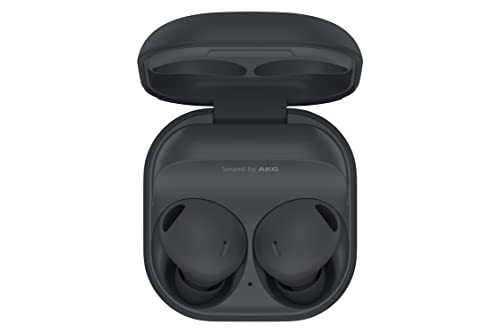
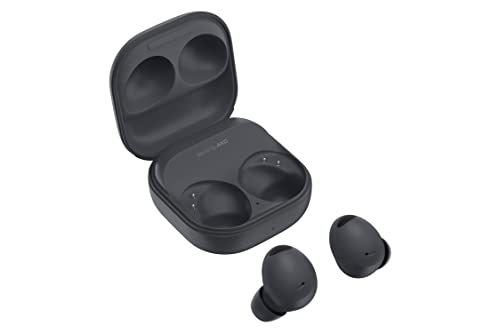
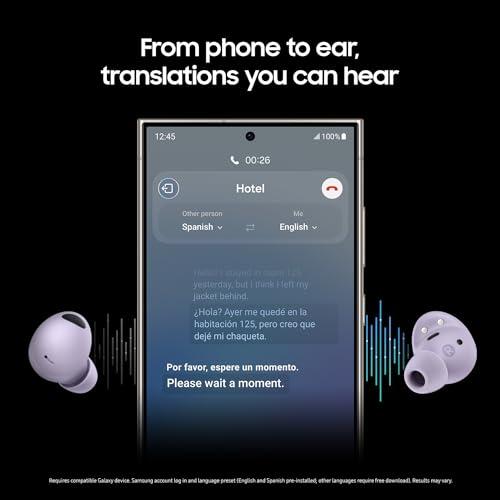
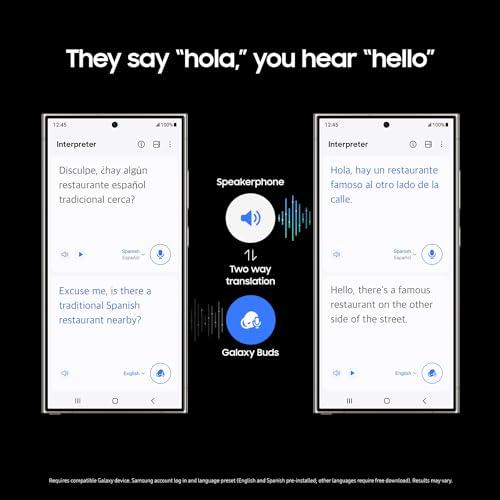




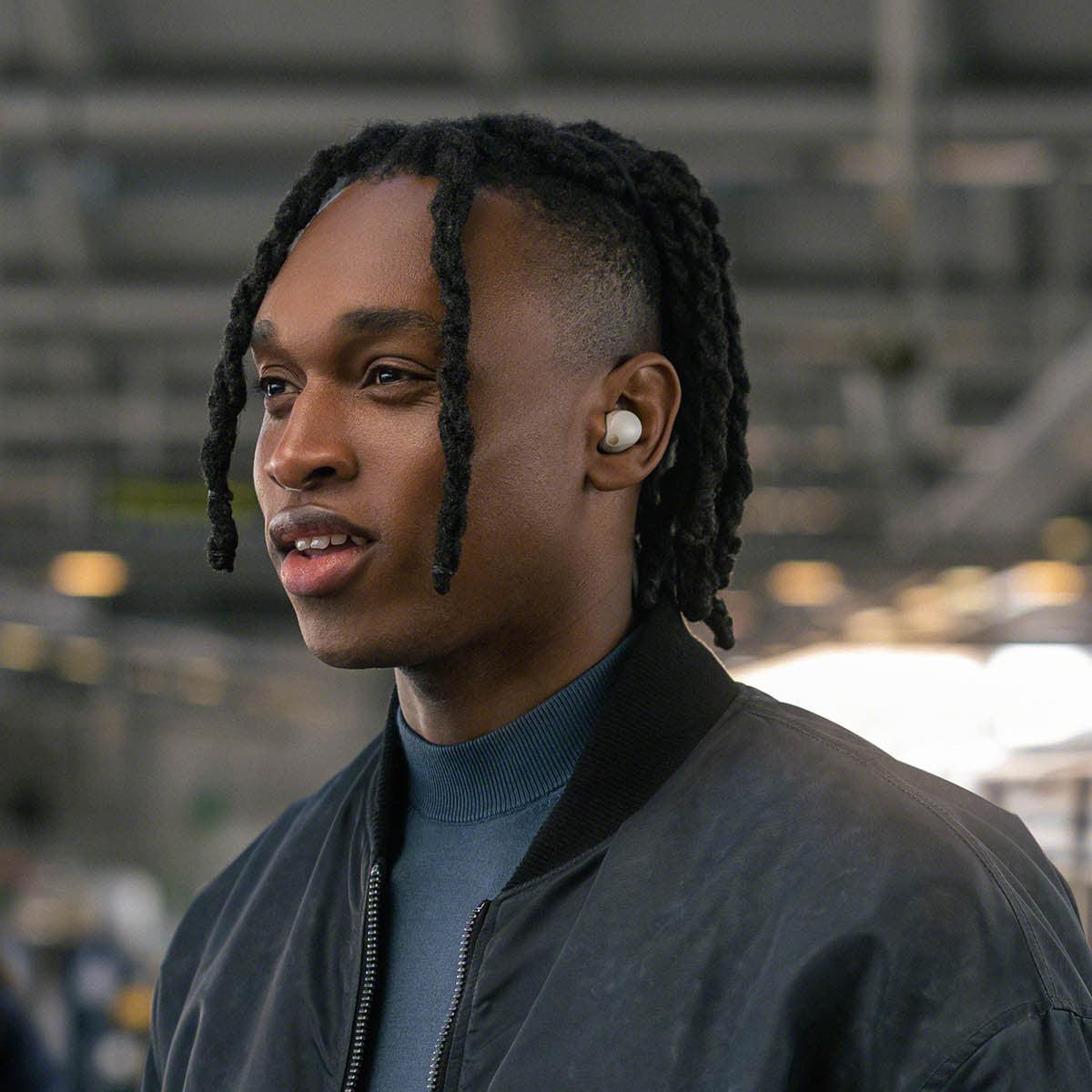
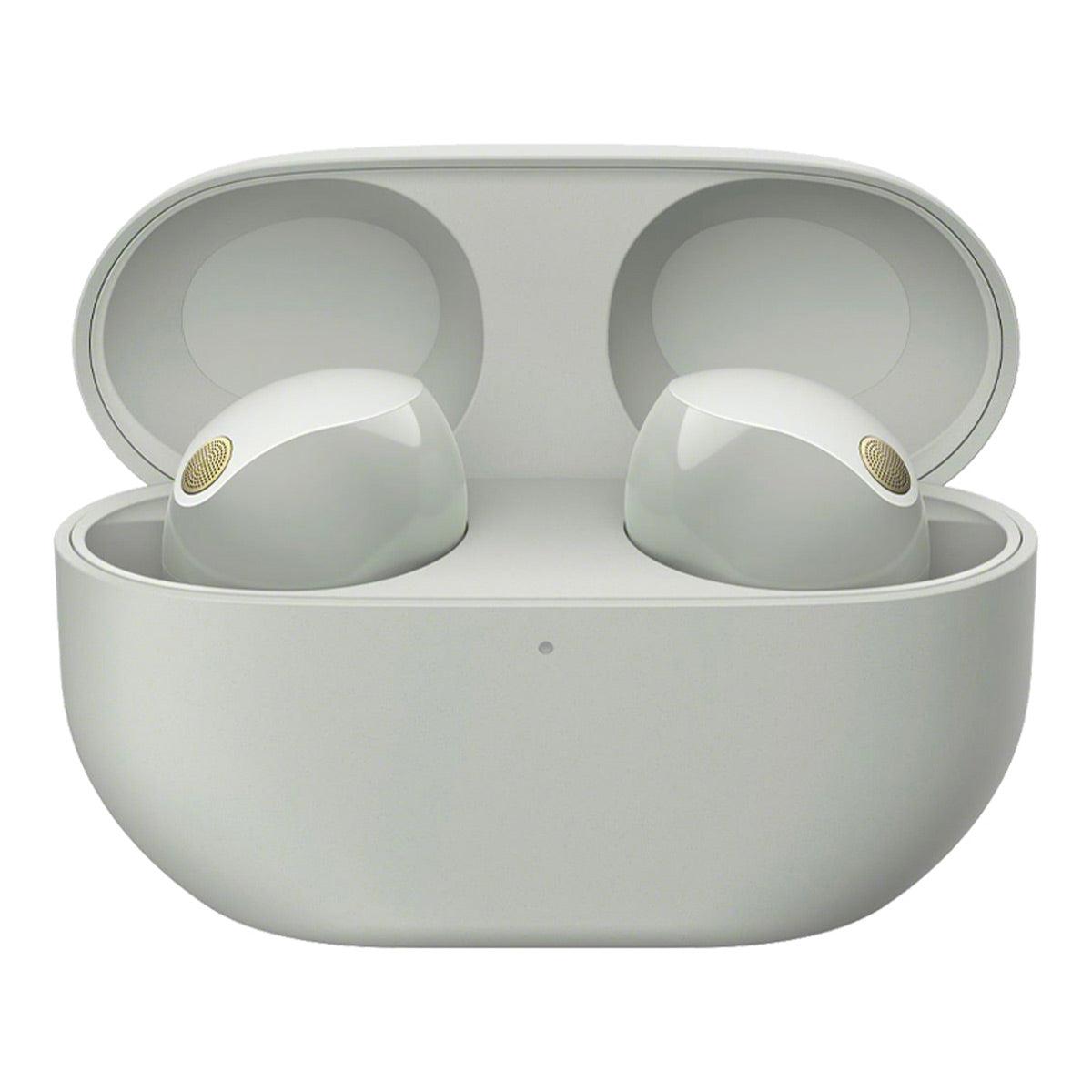
Premium true wireless earbuds have become essential tech for anyone who values high-quality audio without the hassle of wires. These tiny powerhouses pack sophisticated drivers, advanced noise cancellation, and smart features into a form factor that disappears in your ears. But with dozens of options flooding the market, choosing between top contenders like the Samsung Galaxy Buds2 Pro and Sony WF-1000XM5 can feel overwhelming.
The stakes are higher than ever in this category. We're not just talking about basic Bluetooth earbuds anymore – these are miniature audio engineering marvels that compete with full-sized headphones for sound quality while offering conveniences that wired options simply can't match. The question isn't whether premium earbuds are worth it, but which premium earbuds deserve your hard-earned money.
Before diving into our comparison, it's worth understanding what separates premium earbuds from their budget counterparts. The most obvious difference is active noise cancellation (ANC) – a technology that uses microphones to detect ambient noise and generates inverse sound waves to cancel it out. Think of it like noise-canceling headphones shrunk down to earbud size, which is genuinely impressive from an engineering standpoint.
Sound quality represents another major dividing line. Premium earbuds typically feature custom-designed drivers (the tiny speakers inside each earbud) that can reproduce a much wider range of frequencies with greater accuracy. They also support high-resolution audio codecs, which are essentially different methods of transmitting audio data wirelessly while preserving more of the original recording's detail.
Battery life becomes crucial when you're paying premium prices. Nobody wants their expensive earbuds dying during a long flight or workday. Premium models generally offer 6-8 hours of continuous playback, with charging cases extending total usage to 24-30 hours.
Finally, smart features and ecosystem integration set premium earbuds apart. These might include automatic pause when you remove an earbud, seamless switching between devices, or AI-powered features that adapt to your environment. The sophistication of these features often determines whether earbuds feel like dumb audio pipes or intelligent audio companions.
The Samsung Galaxy Buds2 Pro launched in 2022 as Samsung's flagship earbuds, designed primarily for users already invested in the Galaxy ecosystem. At the time of writing, they represent excellent value in the premium segment, though they've been officially discontinued in favor of newer models. Don't let that scare you off – they remain widely available and offer compelling performance for the price.
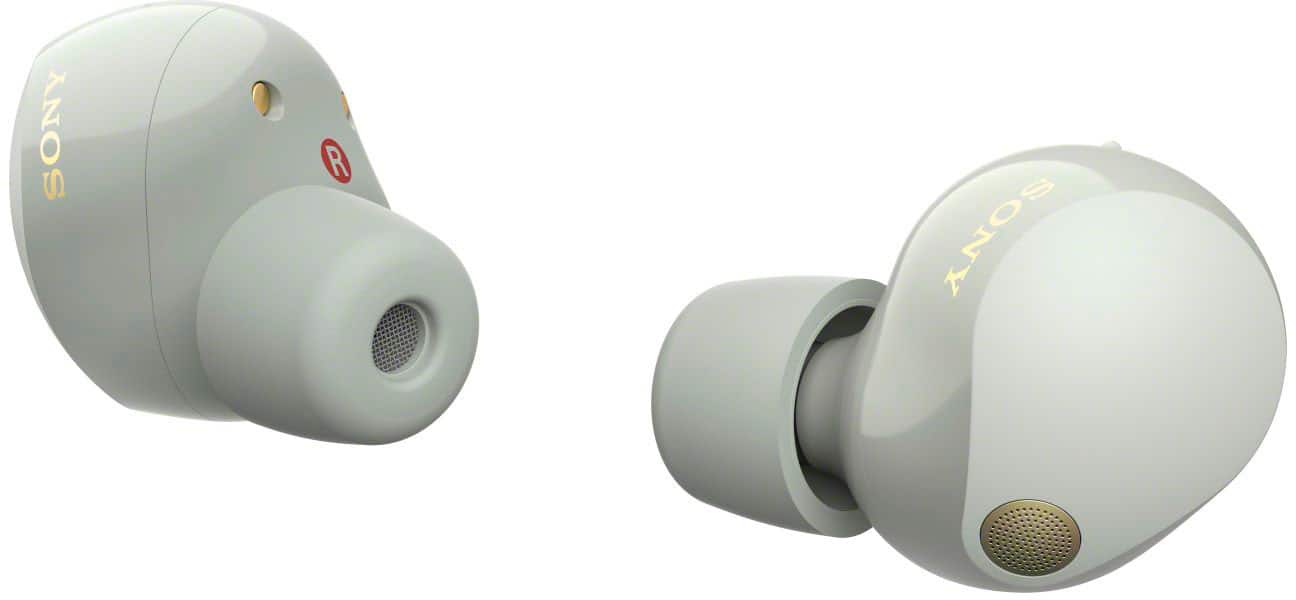
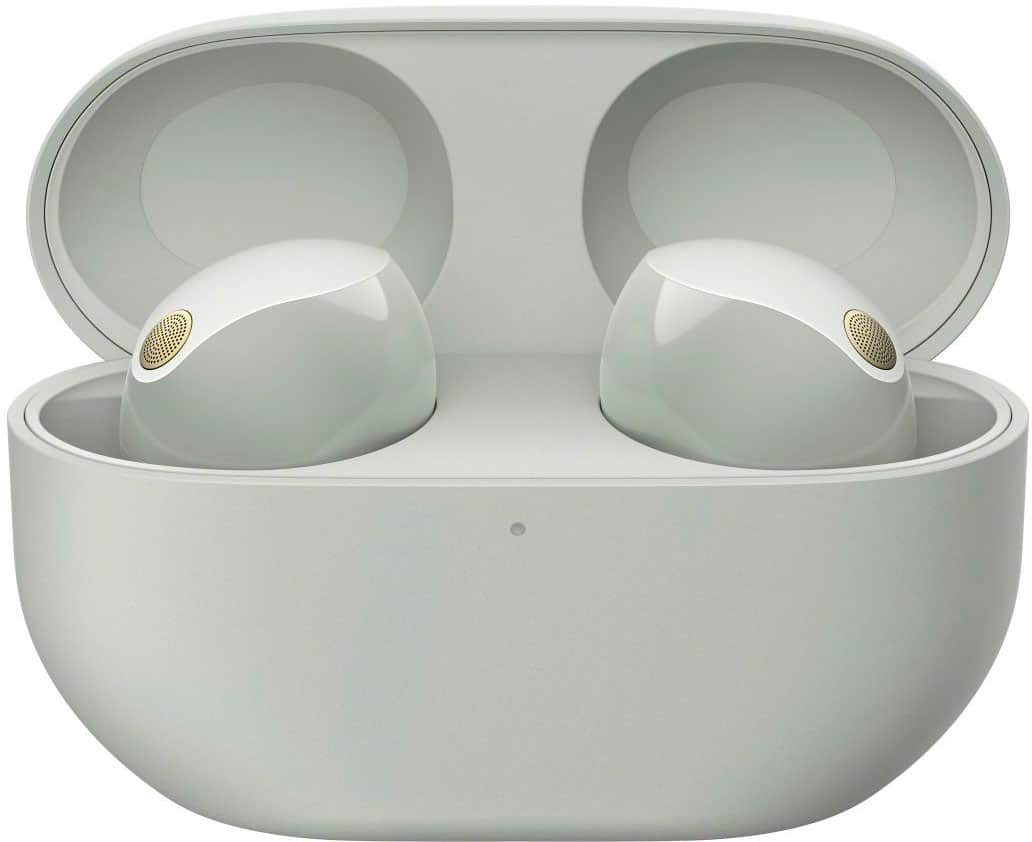
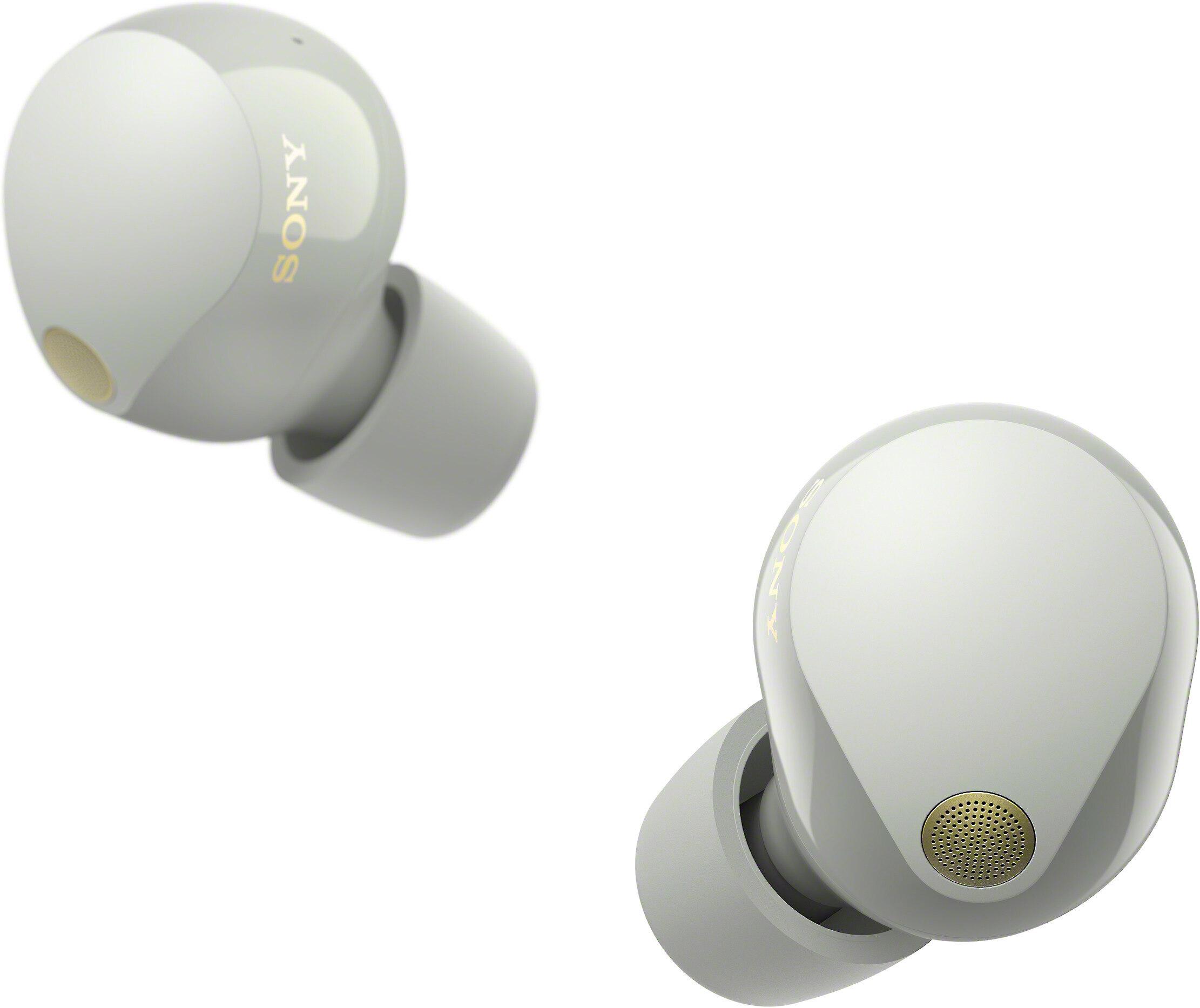
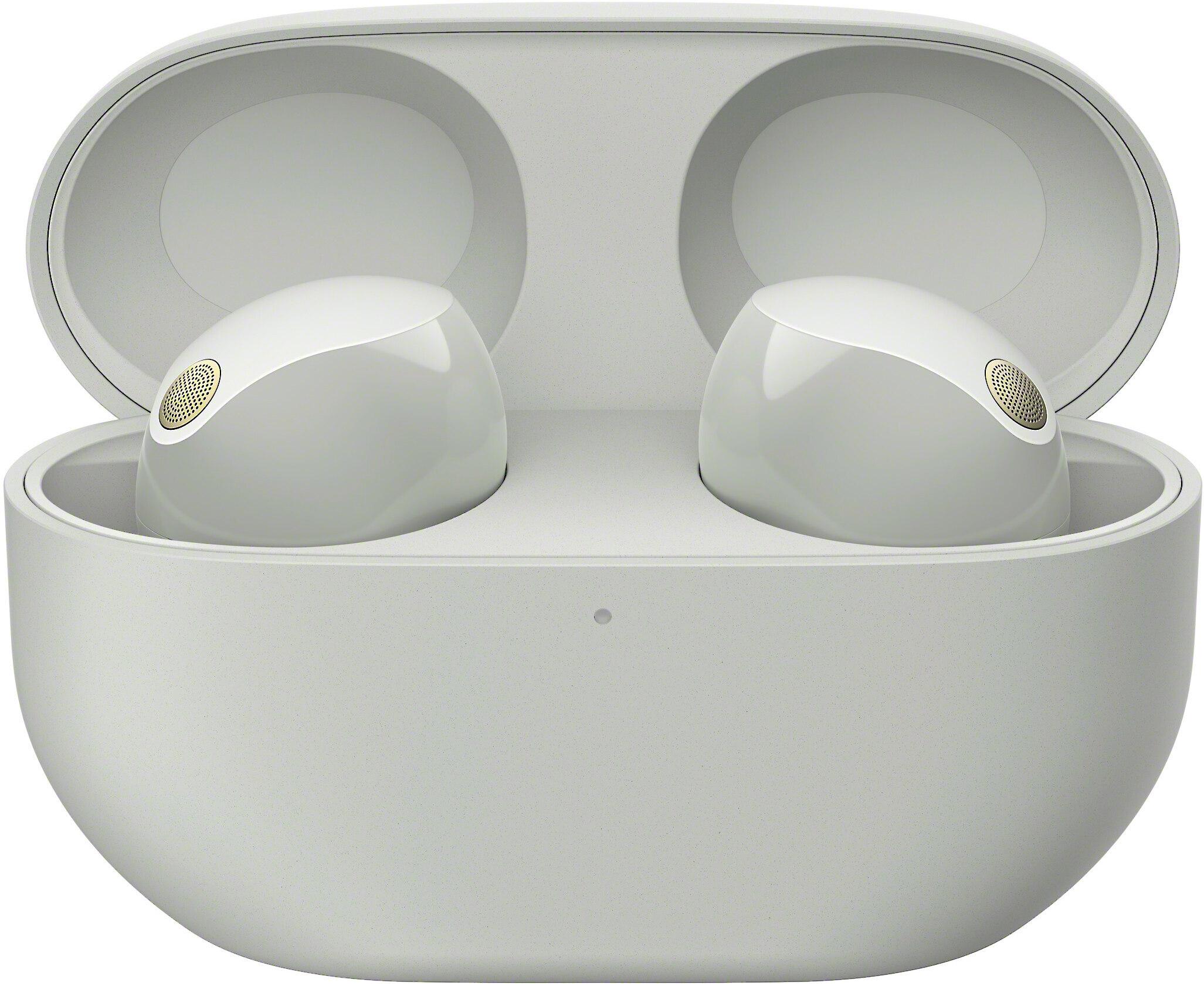
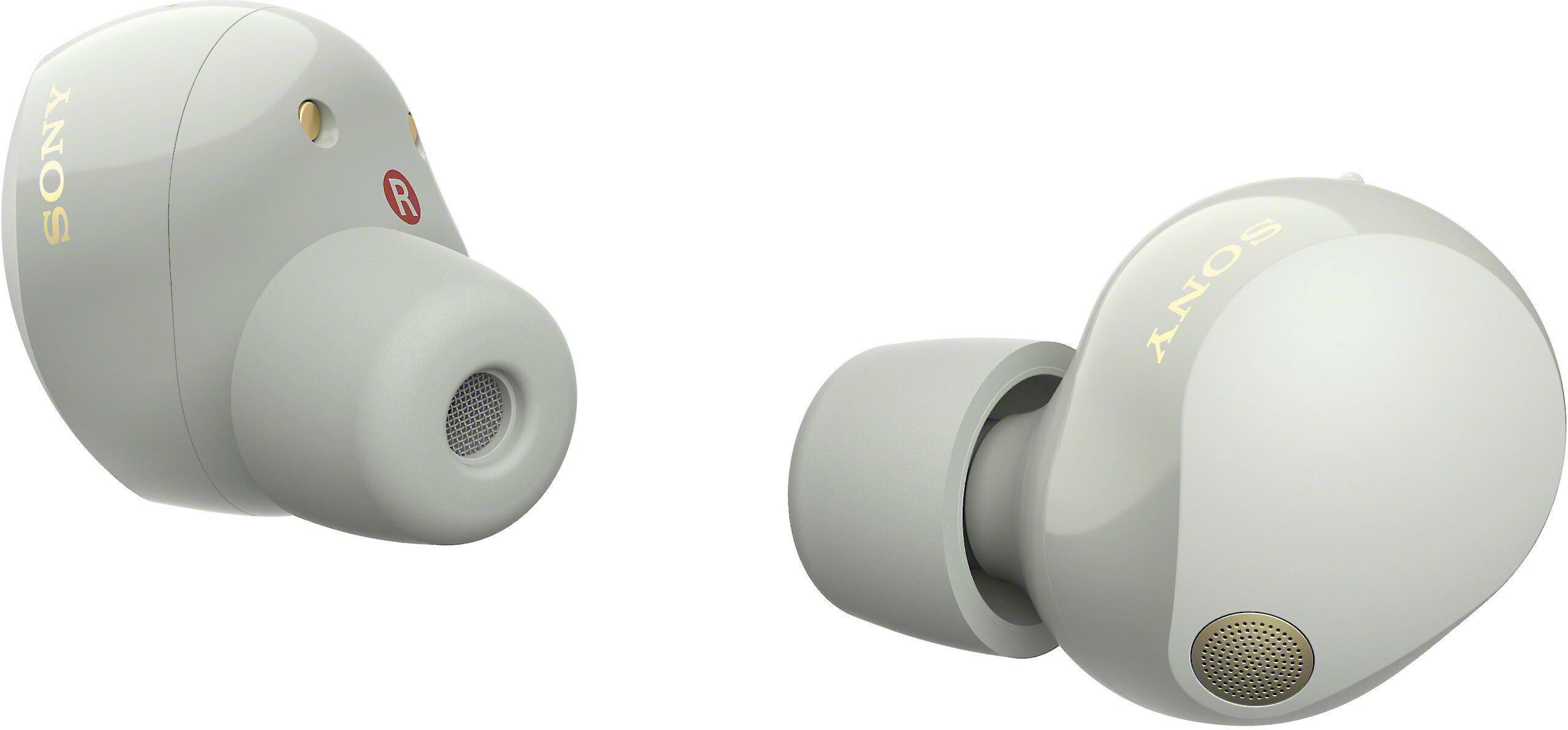
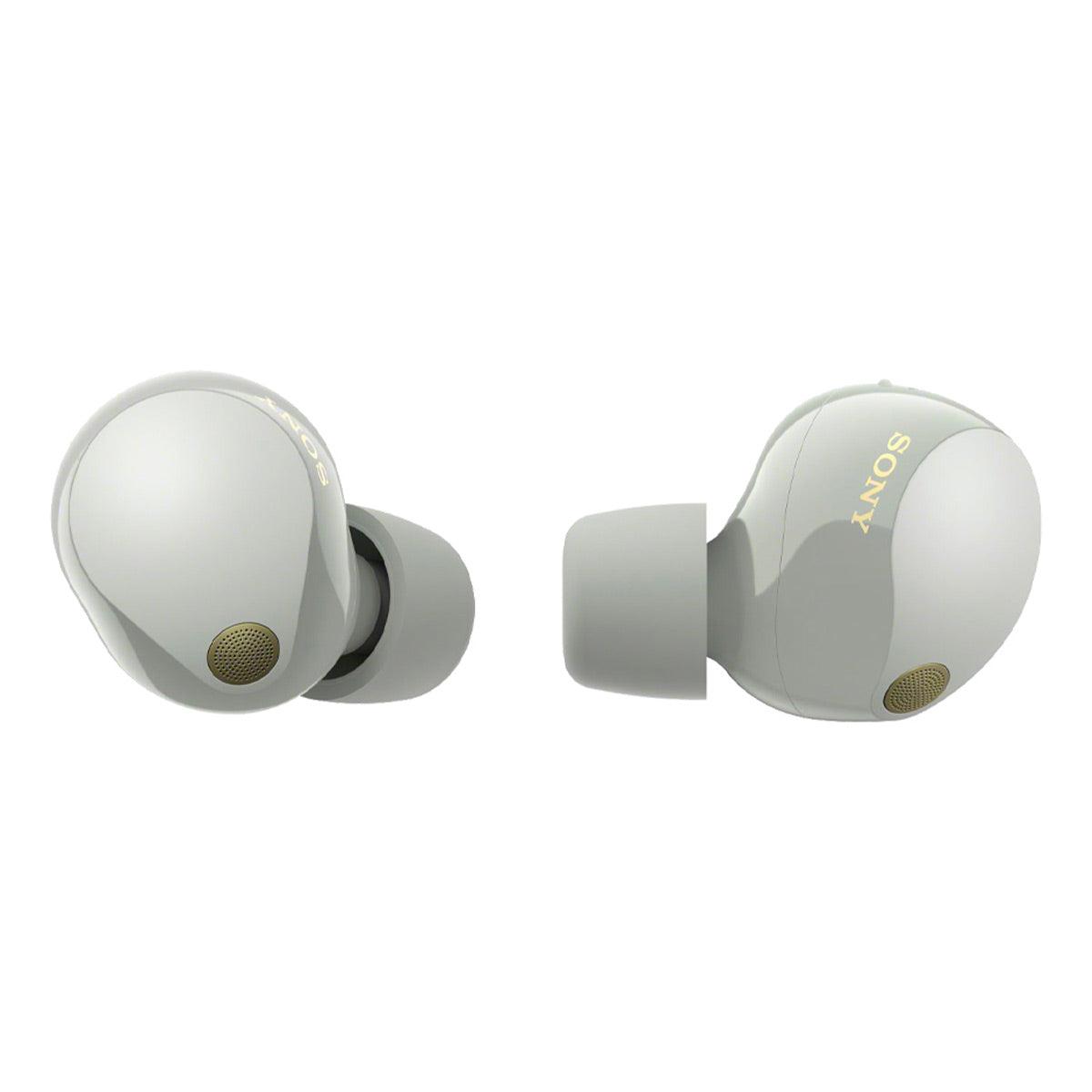
The Sony WF-1000XM5, released in 2023, represents Sony's latest attempt to reclaim the premium earbud crown. These carry a higher price tag but promise industry-leading noise cancellation and audiophile-grade sound quality. Sony has a reputation for taking audio seriously, and the WF-1000XM5 represents their most ambitious earbud effort yet.
The timing difference matters here. The Sony WF-1000XM5 benefits from an extra year of technological development, particularly in areas like processor efficiency and ANC algorithms. However, the Samsung Galaxy Buds2 Pro has had more time for real-world testing and price optimization.
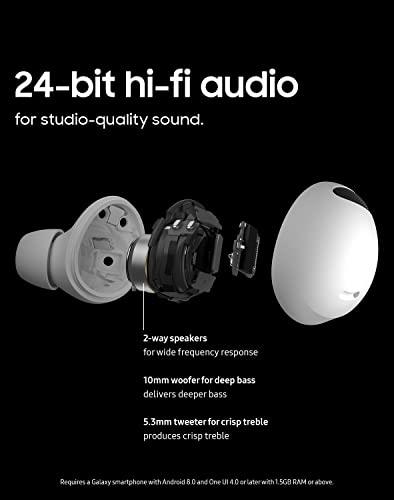
Sound quality separates good earbuds from great ones, and the differences between our contenders are immediately apparent. The Samsung Galaxy Buds2 Pro employs a custom coaxial 2-way speaker system – essentially two speakers per earbud working together. The 10mm woofer handles bass frequencies while a smaller 5.3mm tweeter manages treble. This arrangement allows for better frequency separation than single-driver designs.
Samsung tuned these earbuds with a warm, bass-heavy signature that makes pop, hip-hop, and electronic music sound punchy and engaging. The bass response is smooth and extends deep, adding satisfying thump to kick drums without completely overwhelming other elements. However, this bass emphasis can sometimes muddy vocals and lead instruments, particularly in complex musical arrangements.
The real standout feature is Samsung's 24-bit Hi-Fi audio support through their proprietary Samsung Seamless Codec (SSC). Most wireless audio transmits at 16-bit quality, but 24-bit captures significantly more detail from the original recording. The catch? You need a compatible Samsung Galaxy device to unlock this feature, limiting its appeal to users outside Samsung's ecosystem.
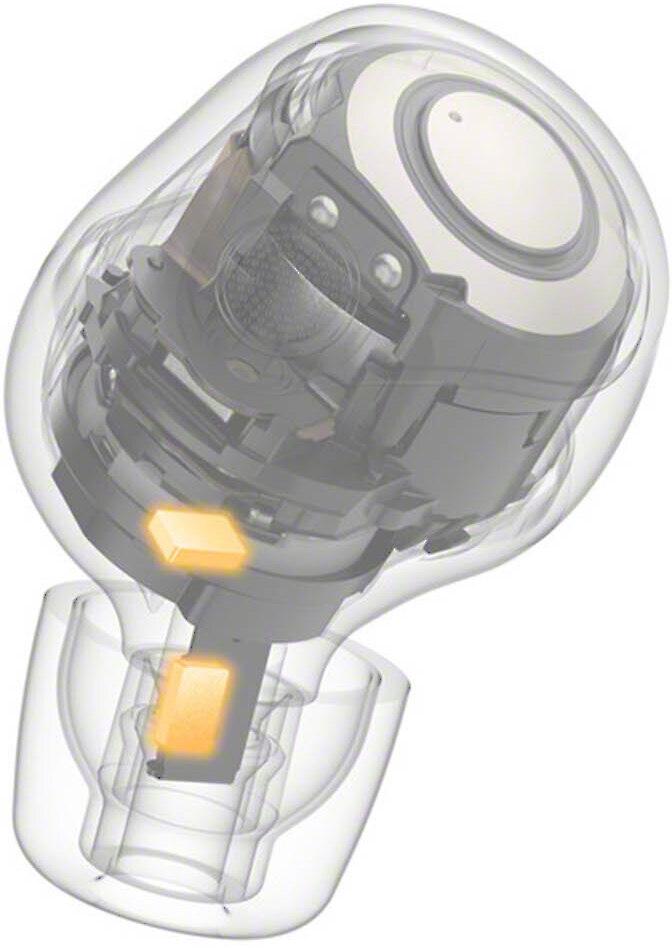
The Sony WF-1000XM5 takes a markedly different approach. Sony's new Dynamic Driver X features what they call "dome-edge separation structure" – essentially using different materials in the driver construction to minimize distortion while maintaining strong bass response. The result is a more neutral, reference-quality sound that audiophiles will appreciate.
Where Samsung emphasizes warmth and bass impact, Sony prioritizes clarity and accuracy. The mids are transparent and present, allowing vocals and instruments to shine through complex mixes. The treble is detailed and extended without becoming harsh or fatiguing. Bass is still present and controlled, but it doesn't dominate the sound signature like Samsung's approach.
Sony also supports a wider range of high-quality audio codecs, including LDAC, which can transmit near-CD quality audio over Bluetooth. Unlike Samsung's proprietary codec, LDAC works with Android devices from any manufacturer, making it more universally useful.
The sound quality winner depends on your priorities. If you want exciting, bass-forward sound that makes mainstream music come alive, the Samsung Galaxy Buds2 Pro delivers in spades. If you prioritize accuracy and detail across all genres, the Sony WF-1000XM5 provides superior overall fidelity.
Active noise cancellation has become a make-or-break feature for premium earbuds, and both contenders bring serious ANC technology to the table. The Samsung Galaxy Buds2 Pro uses six high-SNR (signal-to-noise ratio) microphones – three per earbud – to capture ambient sound with impressive precision. The intelligent ANC system can reduce noise by approximately 30dB at 100Hz, which effectively neutralizes constant low-frequency sounds like airplane engines or air conditioning.
Samsung's implementation excels at eliminating soft sounds like wind noise, and their Voice Detect feature adds practical intelligence. When the earbuds detect you speaking, they automatically pause music, disable ANC, and activate ambient sound mode so you can have conversations without removing them. After you stop talking, everything returns to normal within 5-15 seconds.
The Sony WF-1000XM5 represents the current pinnacle of earbud ANC technology. Sony uses a more sophisticated approach with dual feedback microphones per earbud, combined with their Integrated Processor V2 and HD Noise Cancelling Processor QN2e. This dual-processor setup allows for more precise noise cancellation across a broader frequency range.
Sony's ANC adapts more intelligently to different environments through their Adaptive Sound Control feature. Using AI algorithms, the earbuds learn your daily patterns and automatically adjust noise cancellation and ambient sound levels based on your location and activity. Walking to work? The earbuds might allow more ambient sound for safety. Sitting on a plane? Maximum noise cancellation kicks in automatically.
The practical difference is noticeable. While both provide excellent noise reduction for low-frequency sounds like engines and air conditioning, the Sony WF-1000XM5 handles mid and high-frequency noise more effectively. This means better performance in cafes, offices, and other environments with complex noise profiles.
For home theater use, both earbuds can enhance your experience by blocking household distractions, but the Sony WF-1000XM5's superior ANC makes it the better choice for maintaining immersion during quiet dialogue scenes or subtle atmospheric effects.
Battery performance in premium earbuds has improved dramatically in recent years, but differences still matter for daily usability. The Samsung Galaxy Buds2 Pro provides 5-8 hours of continuous playbook depending on whether ANC is enabled, with the charging case extending total usage to 18-30 hours. In real-world use, most users report getting closer to the lower end of those ranges, particularly with features like 24-bit audio and aggressive ANC settings enabled.
The Sony WF-1000XM5 delivers more consistent performance, typically providing 8+ hours of continuous playback even with ANC active. The charging case bumps total usage to 24+ hours, and Sony's implementation tends to meet advertised specifications more reliably. The case also supports wireless charging, adding convenience for users with compatible charging pads.
Battery anxiety becomes a real issue with earbuds because they're so small. Running out of power during a long flight or extended work session can be genuinely frustrating. The Sony WF-1000XM5's superior battery life provides more peace of mind for heavy users.
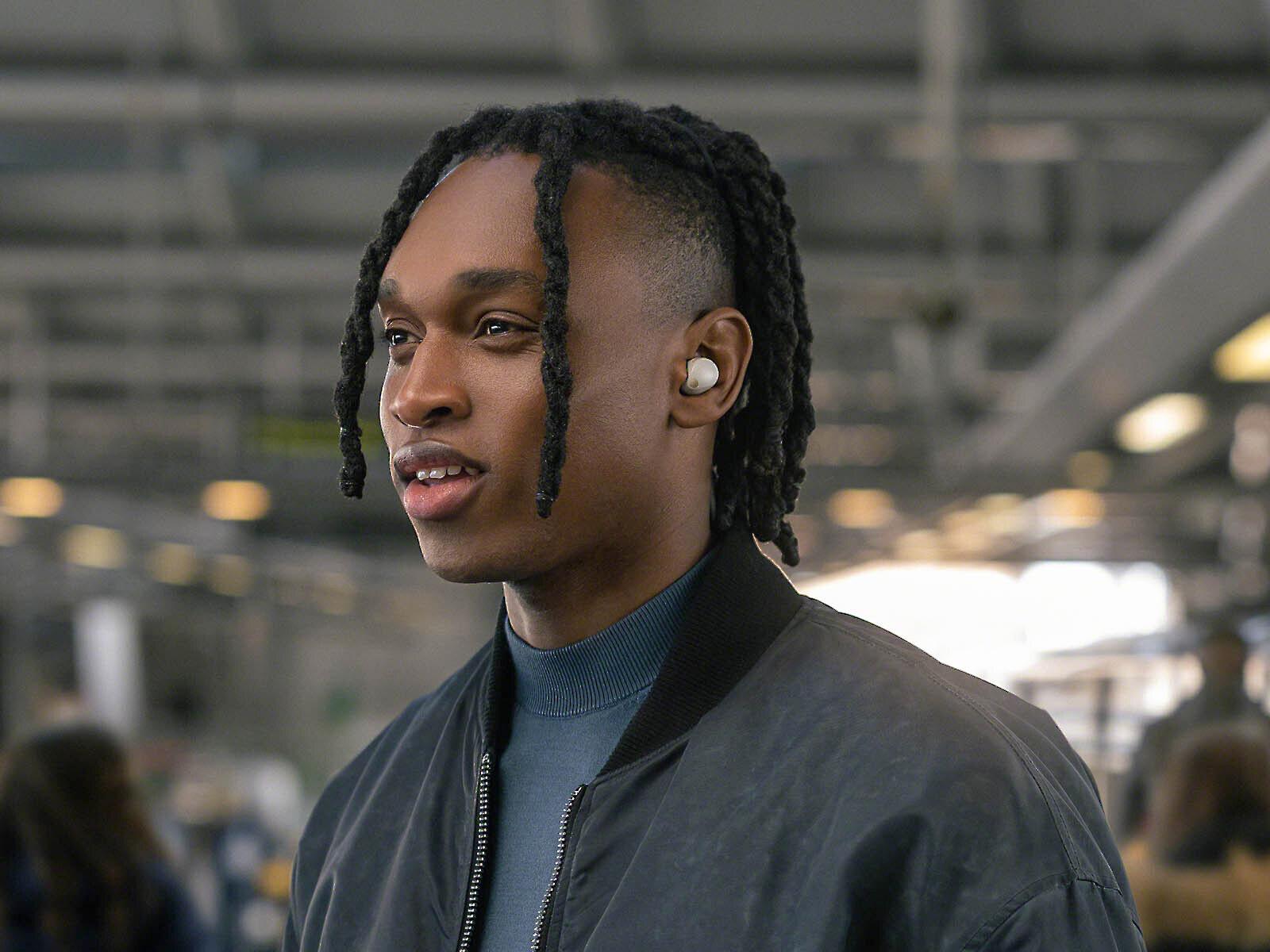
Physical comfort matters enormously for earbuds since you're wearing them directly in your ear canals. The Samsung Galaxy Buds2 Pro achieves impressive comfort through sheer miniaturization – each earbud weighs just 5.5 grams and measures 15% smaller than Samsung's previous flagship model. This compact design helps them disappear in your ears, even during extended wear.
Samsung's earbuds also offer IPX7 water resistance, meaning they can survive rain, sweat, and even brief submersion. This makes them excellent for workouts and outdoor activities where weather might be a concern.
The Sony WF-1000XM5 took a different engineering approach, redesigning the entire form factor to be 25% smaller and 20% lighter than their predecessor. Sony based the shape on extensive ear measurement data, resulting in an ergonomic design that fits a wider range of ear shapes securely.
However, Sony's earbuds only offer IPX4 water resistance, which handles sweat and light rain but isn't suitable for more extreme conditions. The charging case is also noticeably larger, though it does enable wireless charging.
Both earbuds include multiple ear tip sizes and achieve excellent passive noise isolation when properly fitted. The fit test features in their respective apps help ensure optimal seal, which is crucial for both comfort and sound quality.
Call quality often gets overlooked in earbud reviews, but it's crucial for users who take frequent calls. Unfortunately, this represents one area where the Samsung Galaxy Buds2 Pro disappoints. Multiple reviews consistently describe the microphone performance as sub-par, with dull voice recording and poor noise separation. In noisy environments, it can be genuinely difficult for callers to understand you clearly.
The Sony WF-1000XM5 excels here with their Precise Voice Pickup Technology. This system combines bone conduction sensors with advanced audio processing to isolate your voice from background noise. The result is clear, natural-sounding calls even in challenging environments. Sony also includes wind noise reduction specifically for outdoor calls.
For business users or anyone who spends significant time on phone calls, this difference is substantial enough to influence the buying decision.
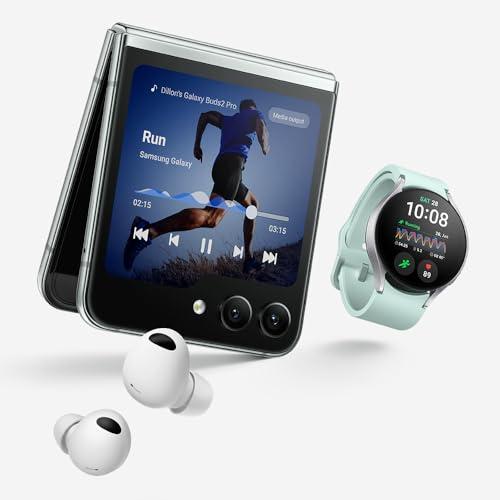
Modern premium earbuds are smart devices, not just audio players. The Samsung Galaxy Buds2 Pro shines when paired with Galaxy devices, offering seamless features like Auto Switch (automatically jumping between your phone, tablet, and watch based on activity) and SmartThings Find (locating lost earbuds through Samsung's network).
The Galaxy Wearable app provides comprehensive customization including six-band EQ presets, touch control customization, and features like Neck Stretch Reminder for wellness-conscious users. Bixby voice wake-up enables hands-free control on compatible Samsung devices.
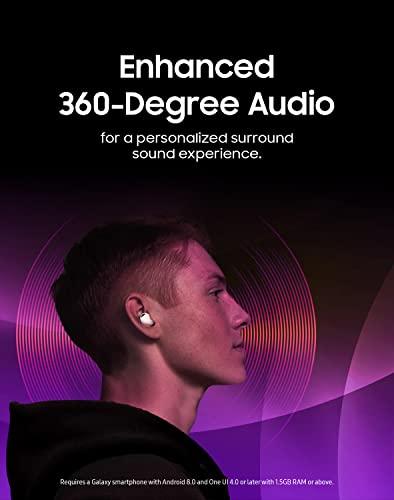
Samsung's 360 Audio with head tracking creates immersive surround sound experiences, but only on compatible Samsung devices with recent software versions. This ecosystem lock-in can be frustrating if you use devices from multiple manufacturers.
The Sony WF-1000XM5 takes a more universal approach. Multipoint connection lets you pair with two devices simultaneously and switch between them seamlessly – incredibly useful for users with both work and personal phones. Google Fast Pair makes initial setup on Android devices nearly instant.
Sony's Headphones Connect app provides extensive customization options and includes unique features like DSEE Extreme, which uses AI to upscale compressed music files in real-time. The Speak-to-Chat feature automatically pauses music and activates ambient sound when you start talking, similar to Samsung's Voice Detect but more reliable in practice.
At the time of writing, the Samsung Galaxy Buds2 Pro typically cost significantly less than the Sony WF-1000XM5, despite being discontinued. This price difference affects the value equation substantially. The Samsung earbuds offer excellent performance per dollar, particularly for users already invested in Samsung's ecosystem.
The Sony WF-1000XM5 commands a premium price but delivers premium performance across nearly every category. The question becomes whether the superior sound quality, ANC performance, call quality, and battery life justify the higher cost.
Choose the Samsung Galaxy Buds2 Pro if:
Choose the Sony WF-1000XM5 if:
The Sony WF-1000XM5 represents the current pinnacle of true wireless earbud technology. Nearly every performance metric favors Sony's implementation, from sound quality to ANC effectiveness to call performance. However, the Samsung Galaxy Buds2 Pro offers compelling value for Galaxy ecosystem users and remains an excellent choice for users prioritizing bass-forward sound and water resistance.
Your choice ultimately depends on your specific needs, budget, and device ecosystem. Both represent quality options that will serve you well, but the Sony earbuds edge ahead for users seeking the absolute best performance regardless of price.
| Samsung Galaxy Buds2 Pro | Sony WF-1000XM5 |
|---|---|
| Sound Quality - Most important factor for audio enjoyment | |
| Warm, bass-heavy signature with custom coaxial 2-way drivers (10mm woofer + 5.3mm tweeter) | More neutral, audiophile-tuned sound with 8.4mm Dynamic Driver X for superior clarity |
| Hi-Res Audio Support - Premium codec support for best possible wireless sound | |
| 24-bit SSC codec (Samsung devices only), plus AAC and SBC | LDAC, AAC, SBC, and LC3 codecs (works with any Android device) |
| Active Noise Cancellation - Critical for blocking distractions | |
| 6-microphone intelligent ANC with ~30dB reduction at 100Hz | Industry-leading dual-processor ANC with broader frequency cancellation |
| Battery Life - Determines all-day usability | |
| 5-8 hours continuous, 18-30 hours total with case | 8+ hours continuous, 24+ hours total with wireless charging case |
| Call Quality - Essential for business users and phone calls | |
| Sub-par microphone performance, poor noise separation | Excellent with Precise Voice Pickup Technology and bone conduction sensors |
| Size and Weight - Impacts comfort for extended wear | |
| 5.5g per earbud, 15% smaller than predecessor | 25% smaller and 20% lighter than predecessor generation |
| Water Resistance - Protection level for workouts and weather | |
| IPX7 (submersion resistant, excellent for sports) | IPX4 (splash resistant, adequate for most users) |
| Device Compatibility - Ecosystem integration and universal features | |
| Best with Samsung Galaxy devices, Auto Switch between Samsung products | Universal compatibility with multipoint connection to any two devices |
| Smart Features - AI and convenience capabilities | |
| Voice Detect, 360 Audio with head tracking (Samsung only), SmartThings Find | Speak-to-Chat, Adaptive Sound Control with AI, DSEE Extreme audio upscaling |
| Value Proposition - Performance relative to typical market pricing | |
| Excellent value for Galaxy users, discontinued but widely available | Premium pricing justified by superior performance across most categories |
The Sony WF-1000XM5 delivers superior overall sound quality with more accurate, neutral audio reproduction and exceptional clarity across all frequencies. The Samsung Galaxy Buds2 Pro offers a warm, bass-heavy sound that's excellent for pop and hip-hop but less accurate for critical listening. Sony's Dynamic Driver X technology and broader codec support make it the better choice for audiophiles.
The Sony WF-1000XM5 features industry-leading active noise cancellation with dual processors and broader frequency range cancellation. While the Samsung Galaxy Buds2 Pro offers excellent ANC performance with 6-microphone intelligent noise reduction, Sony's implementation is more effective across different environments and noise types, making it superior for flights, offices, and busy public spaces.
The Sony WF-1000XM5 provides better battery performance with 8+ hours of continuous playback even with ANC enabled, compared to 5-8 hours for the Samsung Galaxy Buds2 Pro. Sony's case also offers wireless charging and more reliable battery life estimates, making it better for all-day use and travel.
The Sony WF-1000XM5 significantly outperforms the Samsung Galaxy Buds2 Pro for call quality. Sony's Precise Voice Pickup Technology with bone conduction sensors delivers clear voice transmission even in noisy environments, while Samsung's microphone performance is notably poor with dull recording and inadequate noise separation.
Both offer excellent comfort, but for different reasons. The Samsung Galaxy Buds2 Pro weighs just 5.5g per earbud and is 15% smaller than its predecessor, making them nearly disappear in your ears. The Sony WF-1000XM5 features ergonomic design based on extensive ear data and is 25% smaller than previous Sony models. Choice depends on personal ear shape preferences.
Yes, the Samsung Galaxy Buds2 Pro offers exclusive features with Galaxy devices including Auto Switch between Samsung products, 24-bit SSC codec support, and SmartThings Find integration. However, the Sony WF-1000XM5 provides excellent universal compatibility with multipoint connection and works well with any Android or iOS device without ecosystem limitations.
The Samsung Galaxy Buds2 Pro is better for intense workouts with IPX7 water resistance that can handle submersion and heavy sweat. The Sony WF-1000XM5 only offers IPX4 splash resistance, making it suitable for light exercise but not ideal for intense sports or rainy conditions where the Samsung earbuds excel.
The Sony WF-1000XM5 justifies its premium pricing with superior performance in sound quality, noise cancellation, call quality, and battery life. The Samsung Galaxy Buds2 Pro offers excellent value, especially for Galaxy users who benefit from ecosystem features. Choose Sony for best-in-class performance or Samsung for better value within the Galaxy ecosystem.
The Sony WF-1000XM5 offers more sophisticated smart features including AI-powered Adaptive Sound Control, DSEE Extreme audio upscaling, and Speak-to-Chat functionality. The Samsung Galaxy Buds2 Pro provides excellent Galaxy ecosystem integration with Voice Detect, 360 Audio, and seamless device switching, but these features are limited to Samsung devices.
The Sony WF-1000XM5 excels with multipoint Bluetooth connection, allowing simultaneous pairing with two devices and easy switching between them. The Samsung Galaxy Buds2 Pro offers Auto Switch functionality but only between Samsung Galaxy devices, making Sony more versatile for users with mixed device ecosystems.
The Samsung Galaxy Buds2 Pro excels with bass-heavy genres like hip-hop, pop, and EDM due to its warm, bass-forward tuning. The Sony WF-1000XM5 provides more accurate reproduction across all genres, making it better for classical, jazz, rock, and critical listening where detail and accuracy matter more than enhanced bass response.
Both offer premium build quality, but with different strengths. The Samsung Galaxy Buds2 Pro features superior water resistance (IPX7) and ultra-compact design, while the Sony WF-1000XM5 offers more advanced internal components, wireless charging case, and longer-lasting battery performance. Sony's overall engineering is more sophisticated, but Samsung's durability advantages benefit active users.
We've done our best to create useful and informative comparisons to help you decide what product to buy. Our research uses advanced automated methods to create this comparison and perfection is not possible - please contact us for corrections or questions. These are the sites we've researched in the creation of this article: rtings.com - samsung.com - techradar.com - ozlosleep.com - youtube.com - samsung.com - bestbuy.com - youtube.com - youtube.com - samsung.com - soundguys.com - bestbuy.com - d2z8fvypt29s4a.cloudfront.net - samsung.com - samsung.com - blog.happioteam.com - shopsavvy.com - media.dustin.eu - soundguys.com - youtube.com - samsung.com - samsung.com - device.report - samsung.com - rtings.com - moon-audio.com - whathifi.com - sony.ca - soundguys.com - techgearlab.com - loudnwireless.com - youtube.com - techradar.com - youtube.com - costco.com - youtube.com - us.community.sony.com - youtube.com - whathifi.com - youtube.com - cnet.com - loudnwireless.com - youtube.com - bestbuy.com - electronics.sony.com - helpguide.sony.net - gsmarena.com - soundguys.com - bestbuy.com - sony.com - loudnwireless.com - sony.com - sony.com - youtube.com - sony-asia.com - helpguide.sony.net - sony.com - sony.com.sg - sony-asia.com - youtube.com - headphones.com - moon-audio.com - electronics.sony.com - shop.oprahdaily.com - youtube.com

Privacy Policy
Terms and Conditions - Affiliate Policy
Home Security
© Copyright 2008-2026.
11816 Inwood Rd #1211, Dallas, TX 75244