







When it comes to wireless earbuds, the gap between budget and premium options has dramatically narrowed in recent years. This creates both opportunity and confusion for buyers trying to figure out what they actually need versus what marketing departments want them to believe they need. Today, we're comparing two earbuds that perfectly illustrate this dynamic: the Soundcore Space A40 and the Sony WF-1000XM5.
At the time of writing, these products sit at opposite ends of the pricing spectrum, with the Space A40 positioned as a budget-friendly option while the Sony WF-1000XM5 commands premium pricing. But here's what makes this comparison fascinating: the cheaper option actually outperforms the expensive one in several key areas. Let's dive into why that happens and what it means for your buying decision.
Before we get into the nitty-gritty, it's worth understanding what separates good wireless earbuds from great ones. The premium earbud category has evolved rapidly since Apple popularized true wireless design with the original AirPods. Today's top-tier models need to excel across multiple dimensions.
Audio quality remains the foundation, but it's more complex than just "sounds good." Modern premium earbuds use sophisticated digital signal processing (DSP) - essentially tiny computers that manipulate audio signals in real-time to enhance sound quality. They also employ advanced driver technology, with drivers being the tiny speakers inside each earbud that convert electrical signals into sound waves.
Active Noise Cancellation (ANC) has become table stakes for premium models. ANC works by using microphones to detect external sounds, then generating "anti-noise" waves that cancel out unwanted ambient sound. The effectiveness varies dramatically between implementations, and the best systems adapt automatically to different environments.
Battery life and comfort round out the core requirements, but features like multipoint connectivity (connecting to multiple devices simultaneously) and high-resolution audio codec support have become increasingly important differentiators.
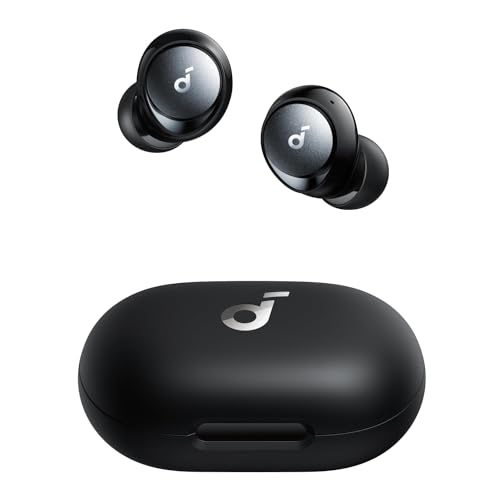
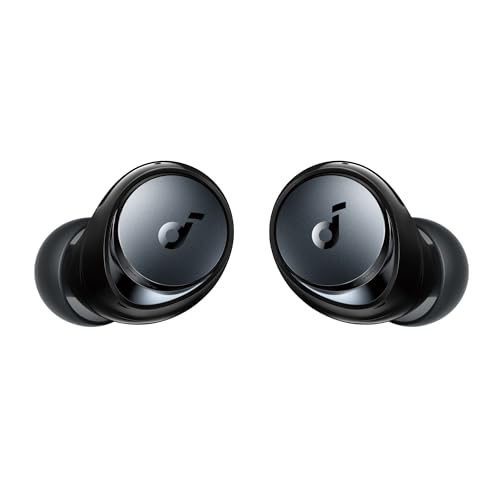
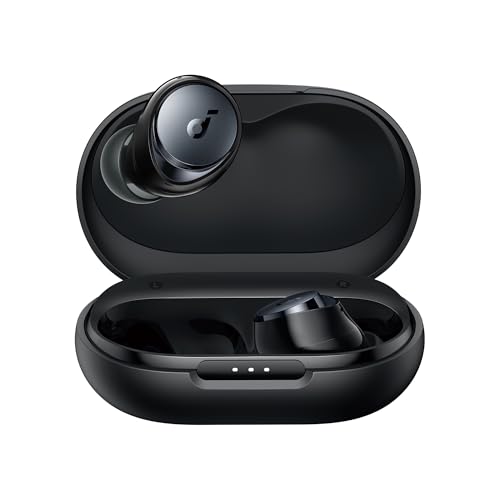
The Soundcore Space A40 launched in 2022 as part of Anker's push to establish Soundcore as a serious audio brand. What makes these earbuds remarkable isn't any single breakthrough feature, but rather how they combine premium-level capabilities at a price point that was previously impossible.
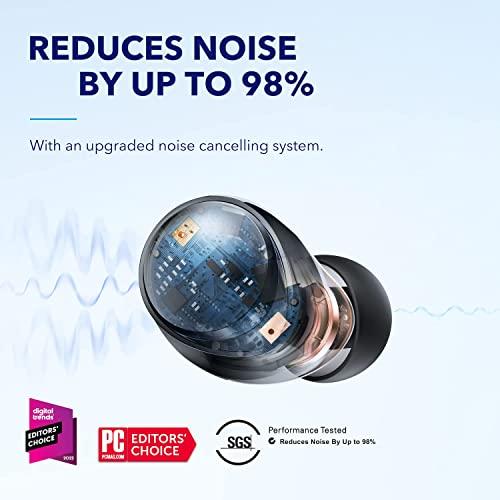
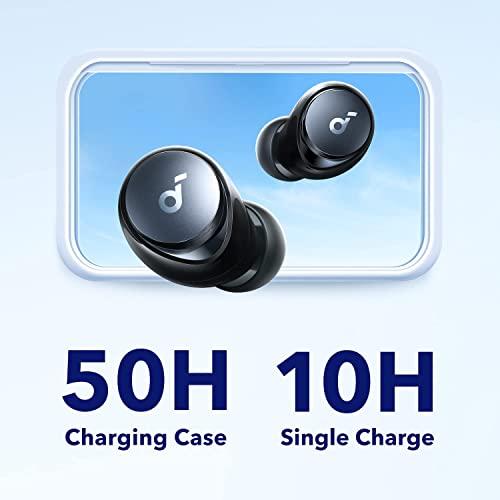
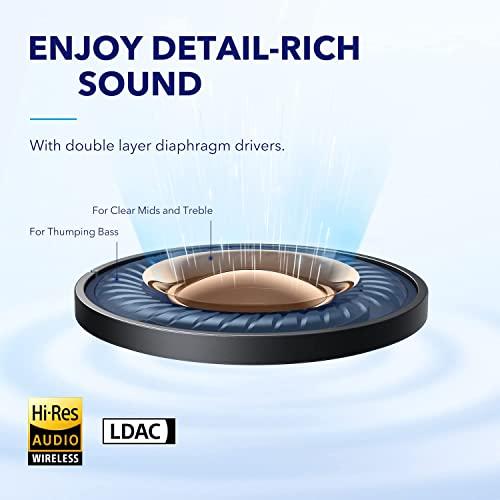
The Space A40 uses 10mm dynamic drivers - relatively large for true wireless earbuds - paired with adaptive ANC that can reduce ambient noise by up to 98%. That's an impressive specification that puts it in competition with earbuds costing several times more. The battery life is genuinely exceptional, delivering up to 50 hours of total playback time when you include the charging case.
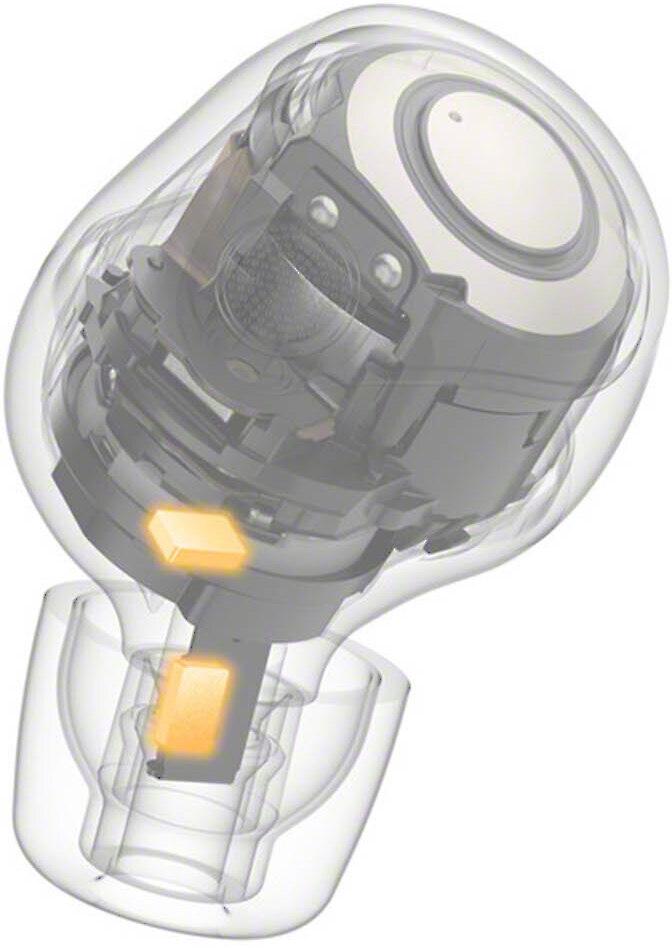
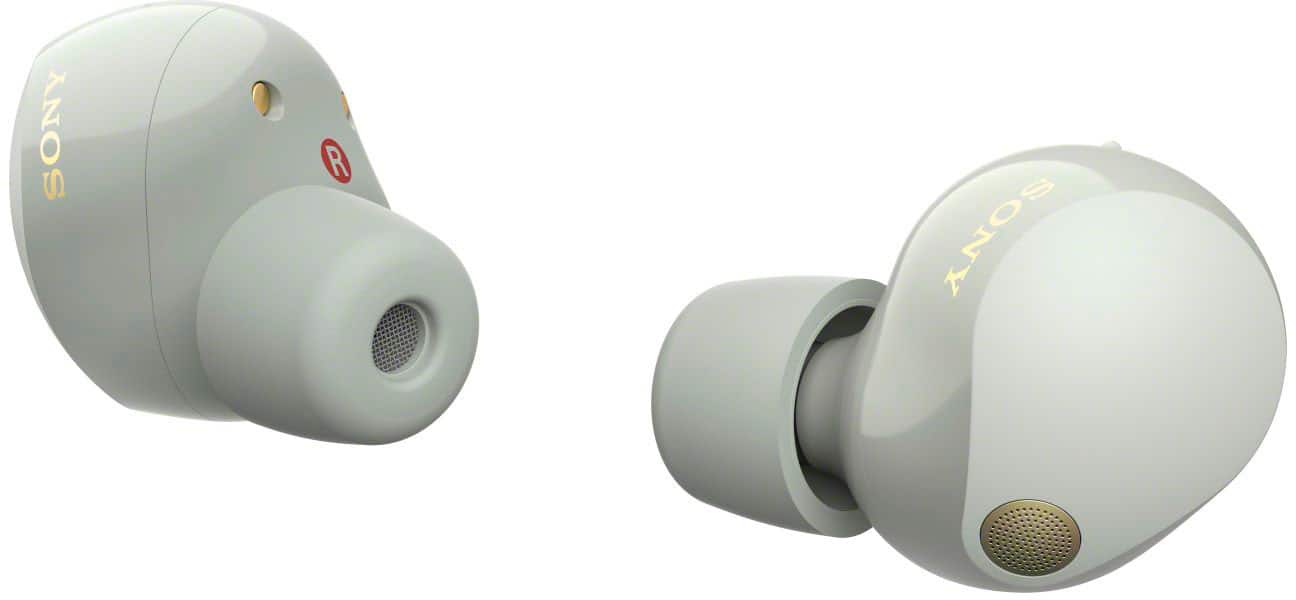
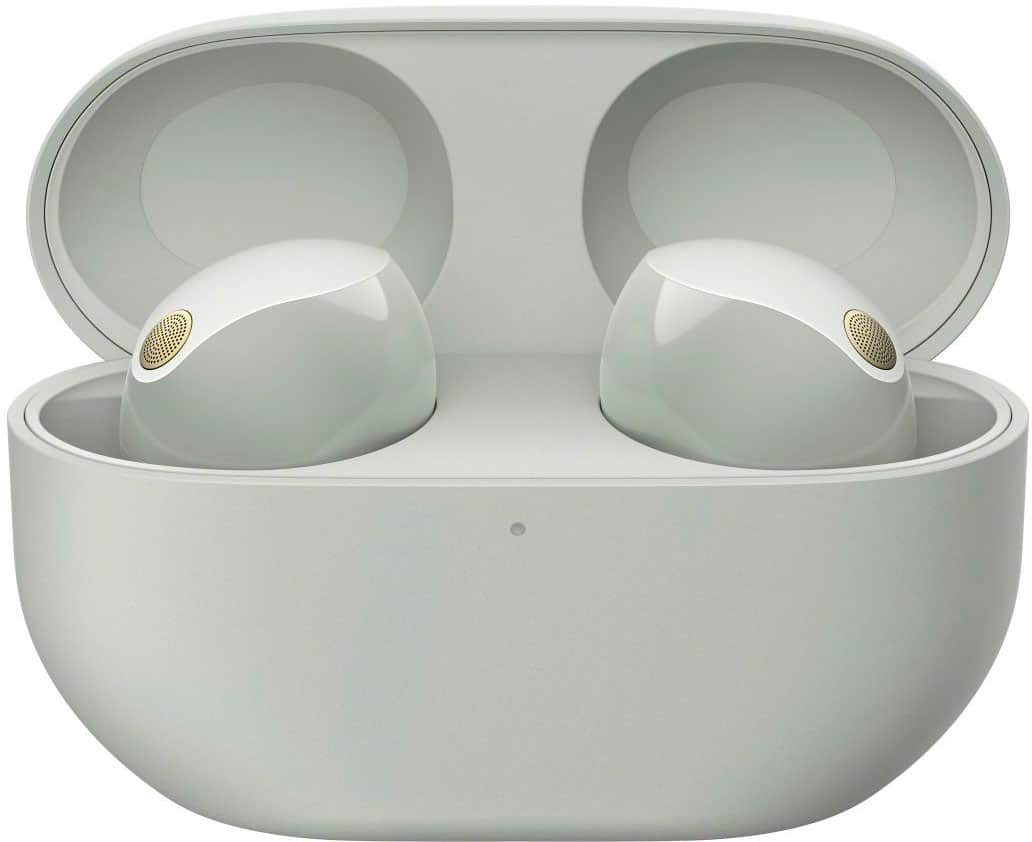
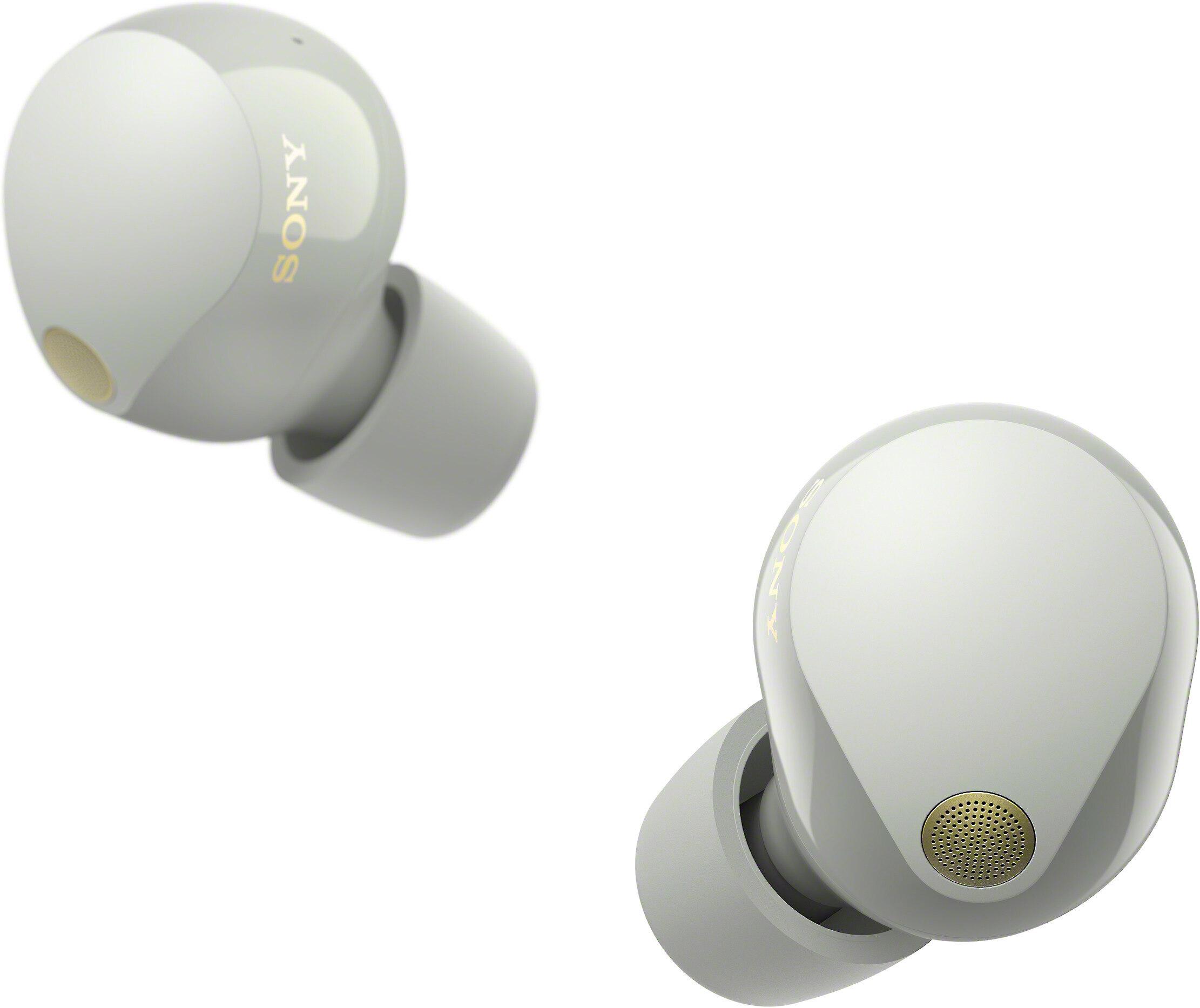
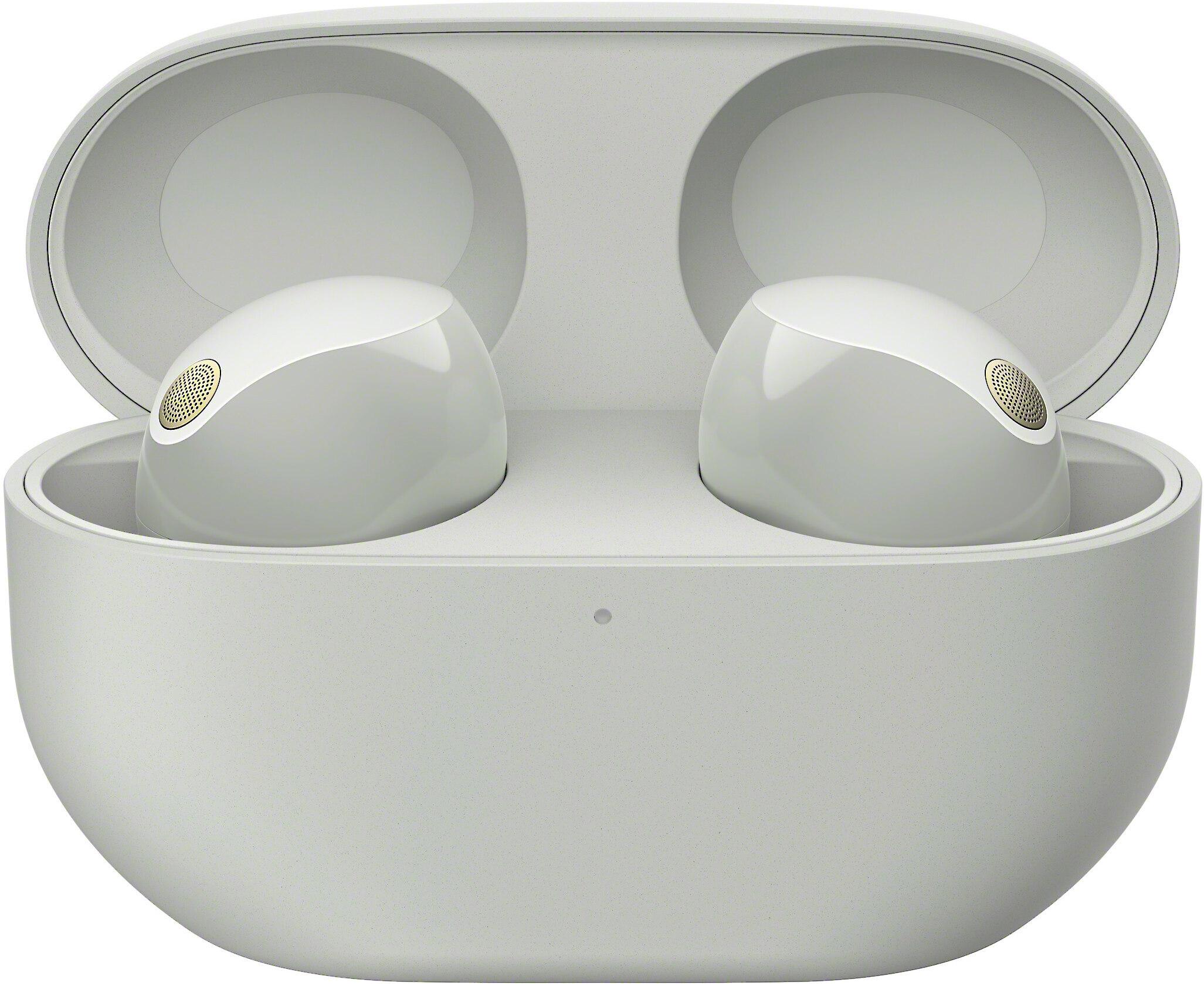
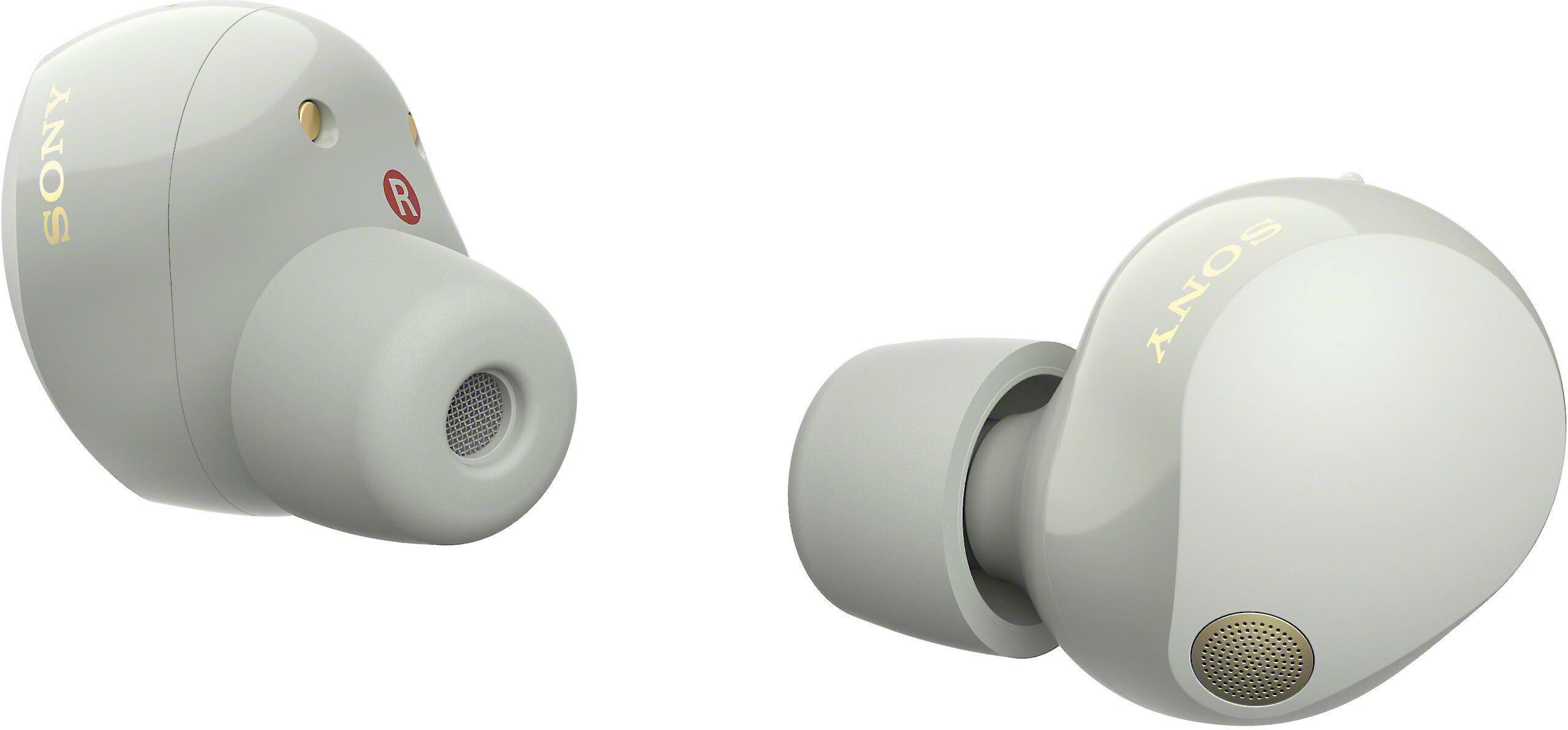
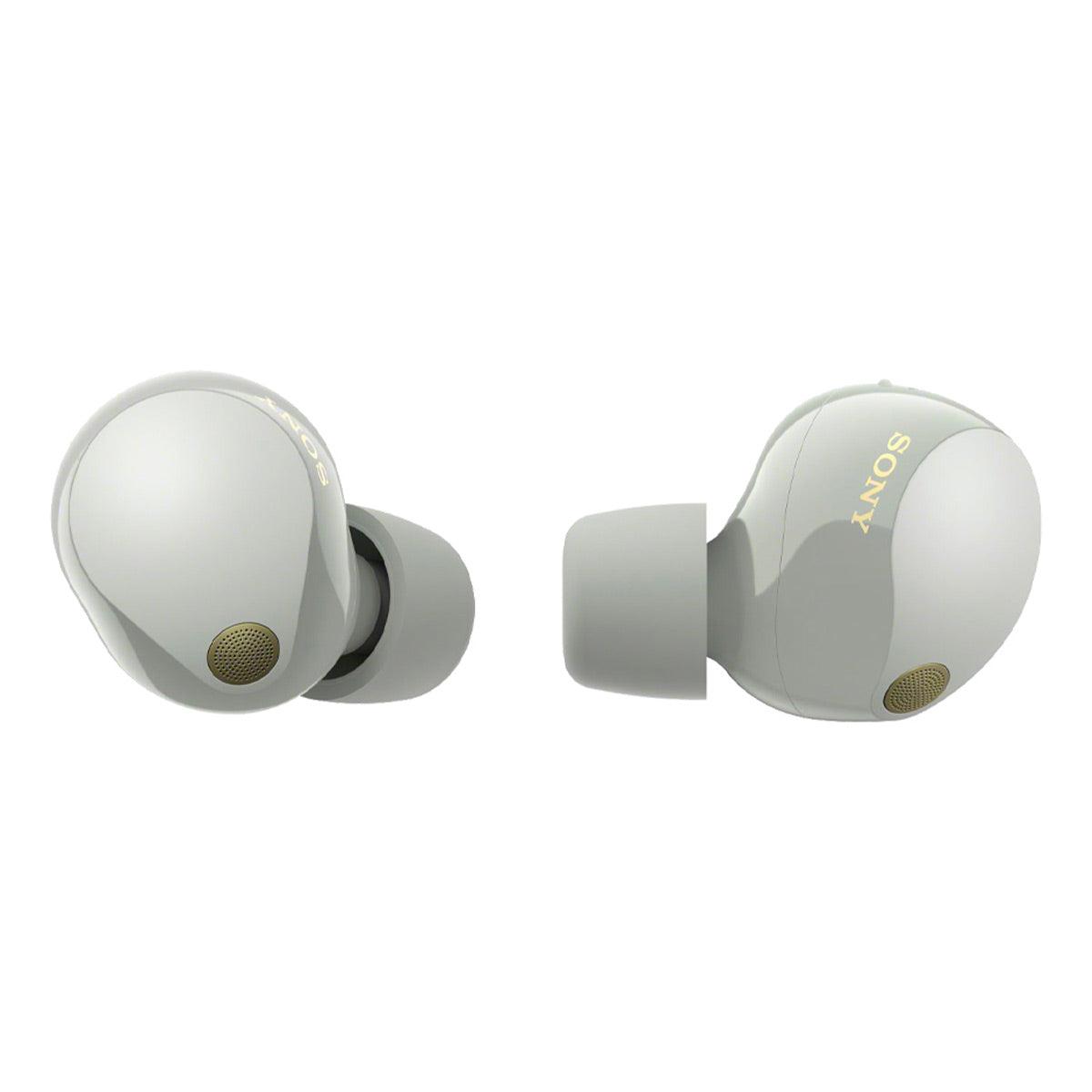
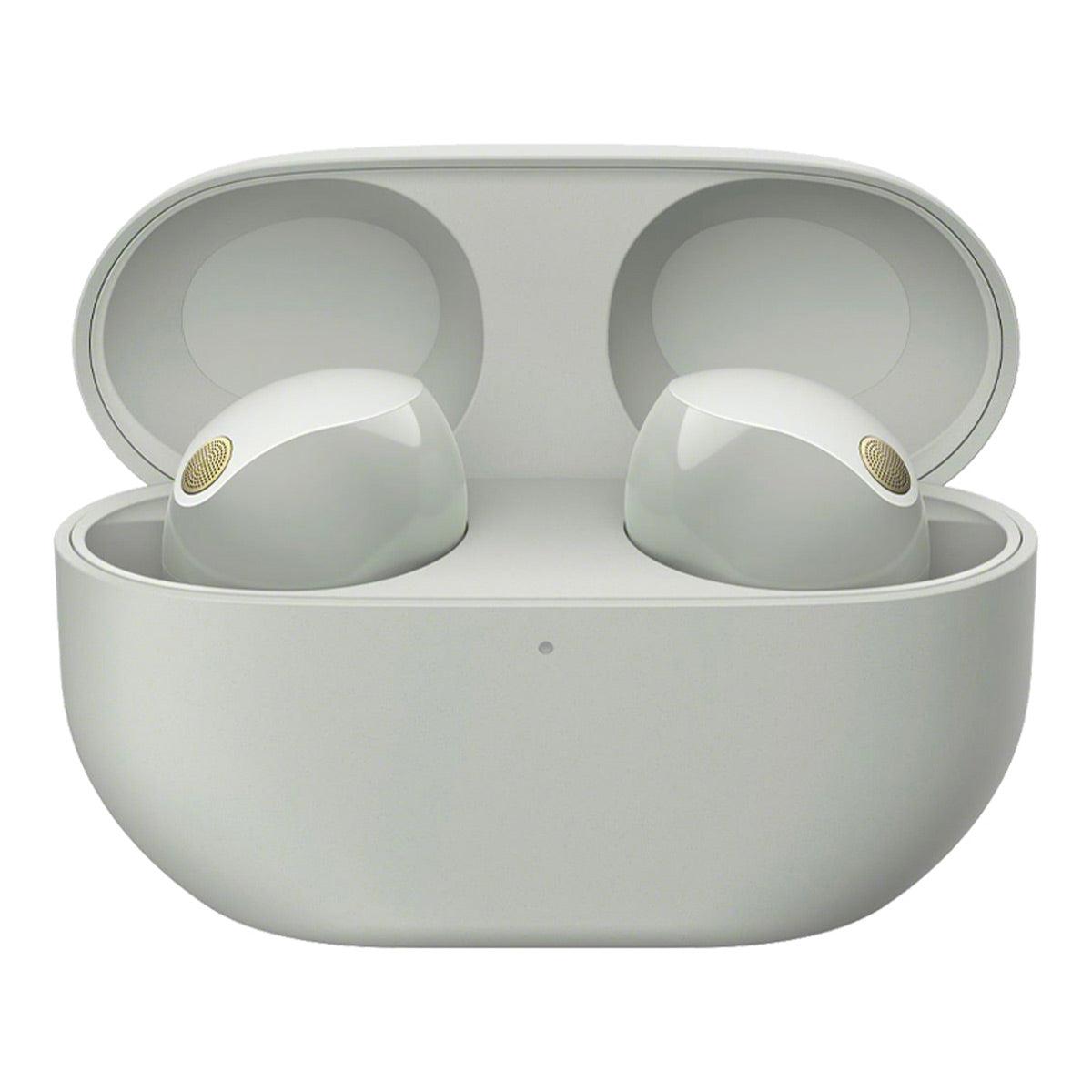
Sony released the WF-1000XM5 in 2023 as their flagship true wireless model, representing the culmination of decades of audio engineering expertise. These earbuds showcase Sony's most advanced technologies, including their custom 8.4mm Dynamic Driver X, which uses a sophisticated dome-edge separation structure to improve bass response and reduce distortion.
The Sony WF-1000XM5 also features Sony's Integrated Processor V2 working alongside an HD Noise Cancelling Processor QN2e - essentially two specialized chips dedicated to audio processing and noise cancellation. This represents serious computational power in a package weighing just 5.9 grams per earbud.
Here's where things get interesting: despite costing significantly more at the time of writing, the Sony WF-1000XM5 doesn't uniformly outperform the Space A40. In fact, the cheaper earbuds win decisively in two crucial areas.
Based on our research across multiple professional reviews and user feedback, the Soundcore Space A40 delivers more effective noise cancellation than the Sony WF-1000XM5. This seems counterintuitive - how can a budget model outperform Sony's flagship in their signature technology?
The answer lies in implementation philosophy. The Space A40 uses an aggressive adaptive ANC system that prioritizes maximum noise reduction across all frequencies. It employs multiple microphones per earbud and automatically adjusts based on your environment - whether you're on a plane, in a coffee shop, or walking down a busy street.
Sony's approach with the WF-1000XM5 is more refined but less aggressive. They prioritize a balanced experience that maintains some natural ambiance while reducing harsh sounds. For some users, this creates a more pleasant listening experience, but for those who want maximum isolation from the outside world, the Space A40 simply performs better.
This difference matters enormously for frequent travelers, people working in noisy environments, or anyone who uses earbuds as a form of auditory refuge. The superior ANC of the Space A40 can make the difference between enjoying your music and struggling to hear it over ambient noise.
The battery life comparison isn't even close. The Soundcore Space A40 delivers up to 50 hours of total playbook time (combining earbud and case battery), while the Sony WF-1000XM5 maxes out at around 24 hours total. That's more than double the endurance.
But raw numbers don't tell the whole story. The Space A40 also charges faster, gaining 4 hours of playback from just 10 minutes of charging. For people who frequently forget to charge their devices or who travel extensively, this difference is game-changing.
The battery advantage stems from different design priorities. Sony prioritized making the WF-1000XM5 25% smaller and 20% lighter than their previous model, which necessarily limits battery capacity. The Space A40 accepts a slightly larger form factor in exchange for dramatically longer usage time.
Despite losing in ANC and battery life, the Sony WF-1000XM5 does justify its premium positioning in several important ways.
The sound quality difference is real and noticeable. The Sony WF-1000XM5 delivers more detailed, accurate sound reproduction with better instrument separation and a more natural soundstage. The custom Dynamic Driver X technology provides tighter bass control and clearer midrange reproduction.
Sony's DSEE Extreme technology uses artificial intelligence to upscale compressed audio in real-time, essentially predicting and restoring audio information lost during compression. This means your Spotify tracks sound closer to CD quality, and high-resolution audio sources truly shine.
The Space A40 offers good sound quality for its price point, with a warm, engaging signature that most people find immediately appealing. However, it lacks the technical precision and detail retrieval of Sony's flagship. The difference is most apparent in complex musical passages where the Sony WF-1000XM5 maintains clarity while the Space A40 can sound slightly congested.
The Sony WF-1000XM5 feels noticeably more premium in hand. The materials are higher quality, the fit and finish is more refined, and the overall design demonstrates the kind of attention to detail you expect from a flagship product.
Sony's Precise Voice Pickup Technology uses bone conduction sensors to enhance call quality - a sophisticated feature that makes a real difference during phone calls or video conferences. The Space A40 relies on traditional microphone arrays, which work well but don't match Sony's implementation.
If pure audio quality is your primary concern, the Sony WF-1000XM5 is the clear winner. The difference is particularly noticeable with high-quality source material and for listeners who pay attention to musical detail. However, the Space A40 delivers satisfying sound quality that will please most casual listeners.
Both models support high-resolution audio codecs (LDAC), so you can take advantage of better-than-CD quality streaming services. The implementation slightly favors Sony, but both provide access to the best available wireless audio quality.
This is where the Soundcore Space A40 shines brightest. The superior noise cancellation makes public transportation more bearable, while the exceptional battery life means you'll rarely worry about running out of power during long journeys.
The adaptive ANC automatically adjusts when you move between different environments - from a quiet office to a noisy subway platform - without requiring manual intervention. This convenience factor shouldn't be underestimated for daily use.
If you spend significant time on calls or video conferences, the Sony WF-1000XM5 edges ahead. The bone conduction voice pickup technology and advanced processing deliver clearer voice transmission, which matters for professional communication.
Both models handle multipoint connectivity well, allowing you to stay connected to your phone and laptop simultaneously. This seamless device switching has become essential for modern work environments.
Neither model is ideally suited for intense exercise - both lack the stability fins that help secure earbuds during vigorous movement. However, both offer IPX4 water resistance, making them suitable for light workouts or use in rainy conditions.
The Space A40 has a slight advantage here due to its longer battery life and more secure fit for some users. The superior ANC also helps in noisy gym environments.
While neither model is specifically designed for home theater use, both can serve as personal audio solutions for late-night viewing or when you need isolation from household noise.
The Sony WF-1000XM5 supports 360 Reality Audio and has lower latency, making it slightly better for video content. However, both models introduce some audio delay compared to wired solutions, so they're not ideal if you're sensitive to lip-sync issues.
For casual home theater use - watching Netflix on a tablet or gaming on a handheld device - both perform adequately, with the Sony WF-1000XM5 having a slight edge in audio-video synchronization.
It's worth noting that both products launched relatively recently - the Space A40 in 2022 and the Sony WF-1000XM5 in 2023. This means they both incorporate current-generation Bluetooth technology and processing capabilities.
The rapid pace of improvement in wireless earbuds means that products just a few years old can feel outdated. Both of these models use modern Bluetooth 5.2+ implementations with low latency codecs and efficient power management.
Sony's model represents the current state-of-the-art in premium audio processing, while the Space A40 demonstrates how advanced technology has become democratized at lower price points.
You prioritize practical benefits over audiophile refinement. The Space A40 excels for people who want maximum noise isolation, exceptional battery life, and premium features without premium pricing. It's ideal for frequent travelers, students, or anyone who uses earbuds as their primary audio device throughout the day.
The Space A40 also makes sense if you're new to premium wireless earbuds and want to experience advanced features without a significant financial commitment. You get 85% of the performance of much more expensive alternatives.
Audio quality is your top priority and you're willing to pay for incremental improvements. The Sony WF-1000XM5 is for people who notice and care about subtle differences in sound reproduction, who frequently make important phone calls, or who want the prestige and refinement of a flagship product.
If you already own other Sony audio equipment or prioritize seamless integration with high-end source devices, the ecosystem benefits may justify the premium pricing.
The Soundcore Space A40 represents exceptional value in the wireless earbud market, delivering premium features at a fraction of typical premium pricing. For most users, it provides everything they need and more, with standout performance in the areas that matter most for daily use.
The Sony WF-1000XM5 is undeniably a superior technical achievement with better sound quality and refinement. However, the performance improvements come at a significant price premium that's difficult to justify for many users.
At the time of writing, the Space A40 offers the better value proposition for the majority of buyers. Choose the Sony only if you're specifically seeking the best possible audio quality and the premium price difference doesn't concern you. For everyone else, the Soundcore Space A40 delivers flagship-level features with exceptional practicality that actually surpasses its more expensive competitor in key areas like noise cancellation and battery life.
The democratization of premium audio technology has created opportunities like this - where careful engineering and smart compromises can deliver premium experiences without premium pricing. The Space A40 exemplifies this trend perfectly.
| Soundcore Space A40 Wireless Earbuds | Sony WF-1000XM5 True Wireless Noise Cancelling Earbuds |
|---|---|
| Driver Size - Larger drivers typically produce fuller sound | |
| 10mm dynamic drivers (excellent bass response for the price) | 8.4mm Dynamic Driver X (premium materials, superior precision) |
| Active Noise Cancellation - Critical for travel and noisy environments | |
| Up to 98% noise reduction, adaptive ANC (outperforms many premium models) | Dual feedback mics with V2 processor (refined but less aggressive) |
| Battery Life - Most important for daily use and travel | |
| 50 hours total (10 + 40 with case), exceptional endurance | 24 hours total (8 + 16 with case), typical for premium compact design |
| Fast Charging - Essential when you forget to charge overnight | |
| 10 minutes = 4 hours playback (industry-leading speed) | Quick charge available but slower than Space A40 |
| Audio Codecs - Determines maximum sound quality over Bluetooth | |
| SBC, AAC, LDAC (Hi-Res wireless audio support) | SBC, AAC, LDAC, LC3 (most comprehensive codec support) |
| Weight - Affects comfort during extended wear | |
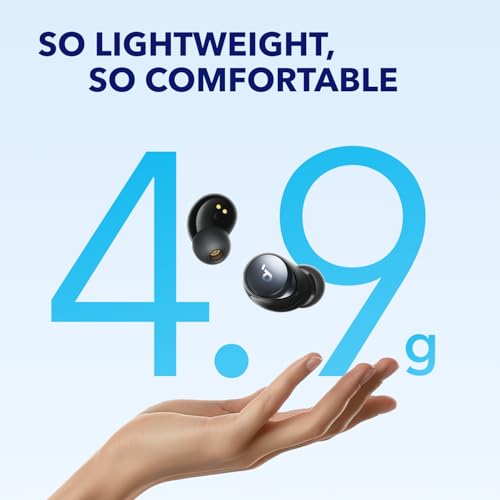
| 4.6-5g per earbud (lightweight, comfortable) | 5.9g per earbud (heavier but premium materials) |
| Water Resistance - Protection for exercise and weather | |
| IPX4 (splash-proof, suitable for workouts) | IPX4 (same protection level as Space A40) |
| Multipoint Connection - Connect to phone and laptop simultaneously | |
| Yes (seamless device switching) | Yes (premium implementation with faster switching) |
| Call Quality - Important for work and video calls | |
| 6 mics with AI noise reduction (good performance) | Bone conduction sensors with advanced processing (superior clarity) |
| Customization Options - Personalize your sound experience | |
| 22 EQ presets + custom EQ via HearID | Extensive app controls + DSEE Extreme AI upscaling |
| Release Year - Affects current technology and future software support | |
| 2022 (mature product with proven reliability) | 2023 (latest Sony flagship technology) |
The Soundcore Space A40 actually outperforms the Sony WF-1000XM5 in noise cancellation effectiveness. The Space A40 can reduce ambient noise by up to 98% and uses adaptive ANC that automatically adjusts to your environment. While the Sony WF-1000XM5 has more sophisticated processing with dual feedback mics, it takes a more refined approach that prioritizes balance over maximum isolation.
The Soundcore Space A40 dominates in battery life with up to 50 hours total playtime (10 hours earbuds + 40 hours case). The Sony WF-1000XM5 offers 24 hours total (8 hours earbuds + 16 hours case). For heavy daily use or travel, the Space A40 provides more than double the endurance of Sony's flagship model.
Yes, both the Soundcore Space A40 and Sony WF-1000XM5 support LDAC codec for high-resolution wireless audio. However, the Sony WF-1000XM5 has additional audio processing features like DSEE Extreme AI that upscales compressed music in real-time, giving it a slight edge in overall sound quality.
The Sony WF-1000XM5 provides superior call quality thanks to its Precise Voice Pickup Technology using bone conduction sensors. While the Soundcore Space A40 offers good call performance with 6 microphones and AI noise reduction, Sony's advanced processing delivers clearer voice transmission, especially in noisy environments.
Both the Space A40 and Sony WF-1000XM5 are designed for extended comfort with ergonomic shapes and multiple ear tip sizes. The Sony WF-1000XM5 is 25% smaller and lighter than previous Sony models, while the Space A40 offers excellent comfort despite being slightly larger to accommodate its bigger battery.
Neither the Soundcore Space A40 nor Sony WF-1000XM5 are specifically designed for intense exercise since both lack stability fins. However, both offer IPX4 water resistance for light workouts. The Space A40 might have a slight advantage due to its longer battery life and more secure fit for some users.
Yes, both the Soundcore Space A40 and Sony WF-1000XM5 support multipoint connectivity, allowing you to connect to two devices simultaneously. This means you can seamlessly switch between your phone and laptop without manually reconnecting. The Sony WF-1000XM5 offers slightly faster switching between devices.
The Sony WF-1000XM5 delivers superior audio quality with more detailed sound reproduction, better instrument separation, and more accurate bass response thanks to its custom 8.4mm Dynamic Driver X. The Space A40 offers good sound quality with a warm, engaging signature, but it can't match the technical precision of Sony's flagship model.
The Soundcore Space A40 offers exceptional fast charging with 10 minutes providing 4 hours of playback time. Both models support wireless charging cases, but the Space A40 consistently charges faster than the Sony WF-1000XM5, making it more convenient for users who frequently forget to charge their devices.
Both the Space A40 and Sony WF-1000XM5 can be used for home entertainment, though neither is specifically optimized for home theater use. The Sony WF-1000XM5 has slightly lower latency and supports 360 Reality Audio, making it marginally better for video content. However, both may introduce some audio delay compared to wired solutions.
Both the Soundcore Space A40 and Sony WF-1000XM5 feature identical IPX4 water resistance ratings. This means both can handle splashes and light rain but aren't suitable for swimming or heavy sweating. The charging cases for both models are not water-resistant, so keep them dry.
The Soundcore Space A40 provides exceptional value by delivering premium features like adaptive ANC, long battery life, and high-resolution audio support at a significantly lower price point. While the Sony WF-1000XM5 offers superior sound quality and build materials, the Space A40 delivers about 85% of the performance for a fraction of the cost, making it the clear value winner for most users.
We've done our best to create useful and informative comparisons to help you decide what product to buy. Our research uses advanced automated methods to create this comparison and perfection is not possible - please contact us for corrections or questions. These are the sites we've researched in the creation of this article: rtings.com - youtube.com - noisyworld.org - youtube.com - youtube.com - rtings.com - digitallydownloaded.net - youtube.com - soundguys.com - rtings.com - soundcore.com - youtube.com - versus.com - youtube.com - support.soundcore.com - service.soundcore.com - soundcore.com - soundcore.com - youtube.com - support.anker.com - youtube.com - rtings.com - moon-audio.com - whathifi.com - sony.ca - soundguys.com - techgearlab.com - loudnwireless.com - youtube.com - techradar.com - youtube.com - costco.com - youtube.com - us.community.sony.com - youtube.com - whathifi.com - youtube.com - cnet.com - loudnwireless.com - youtube.com - bestbuy.com - electronics.sony.com - helpguide.sony.net - gsmarena.com - soundguys.com - bestbuy.com - sony.com - loudnwireless.com - sony.com - sony.com - youtube.com - sony-asia.com - helpguide.sony.net - sony.com - sony.com.sg - sony-asia.com - youtube.com - headphones.com - moon-audio.com - electronics.sony.com - shop.oprahdaily.com - youtube.com

Privacy Policy
Terms and Conditions - Affiliate Policy
Home Security
© Copyright 2008-2026.
11816 Inwood Rd #1211, Dallas, TX 75244