


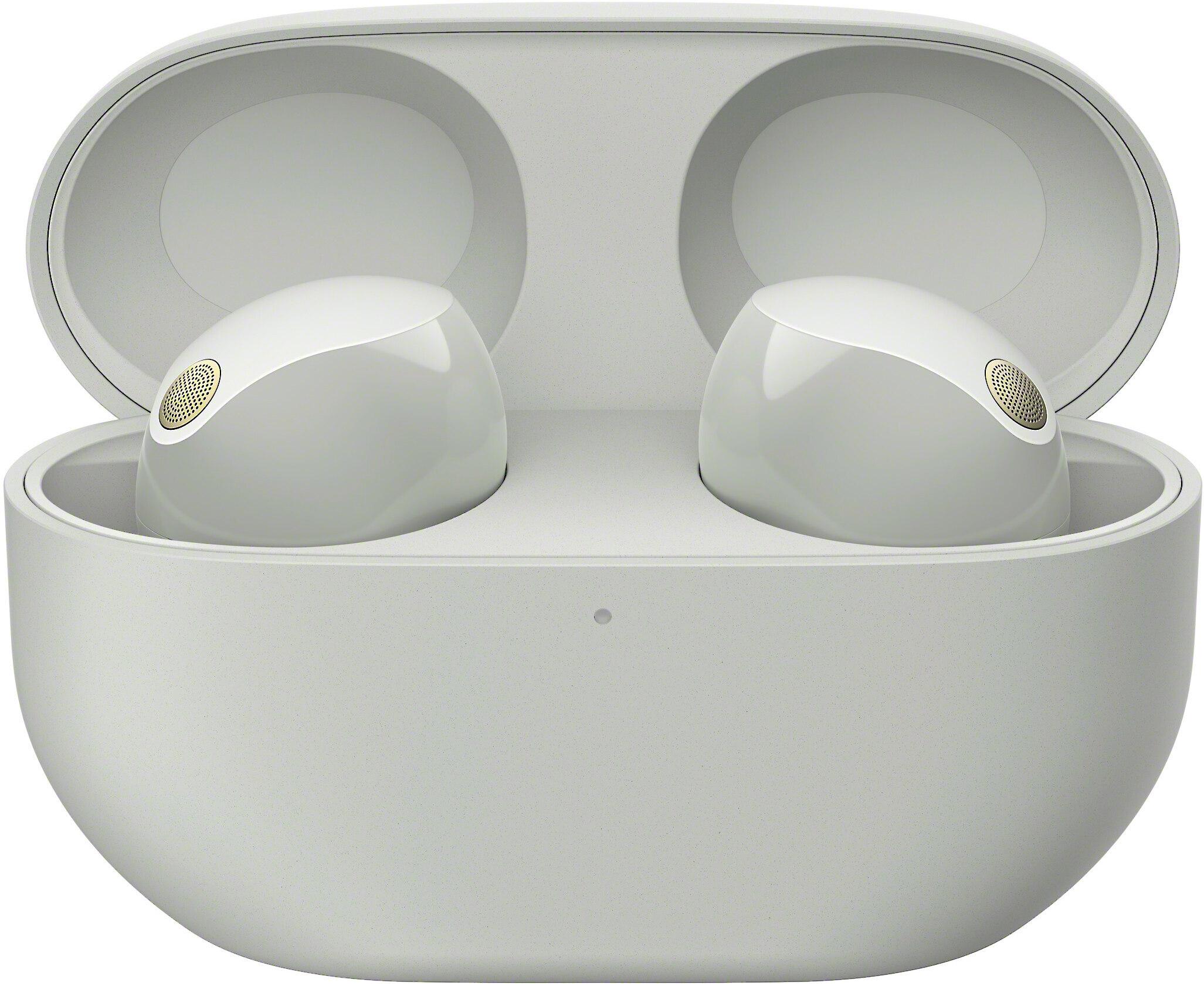
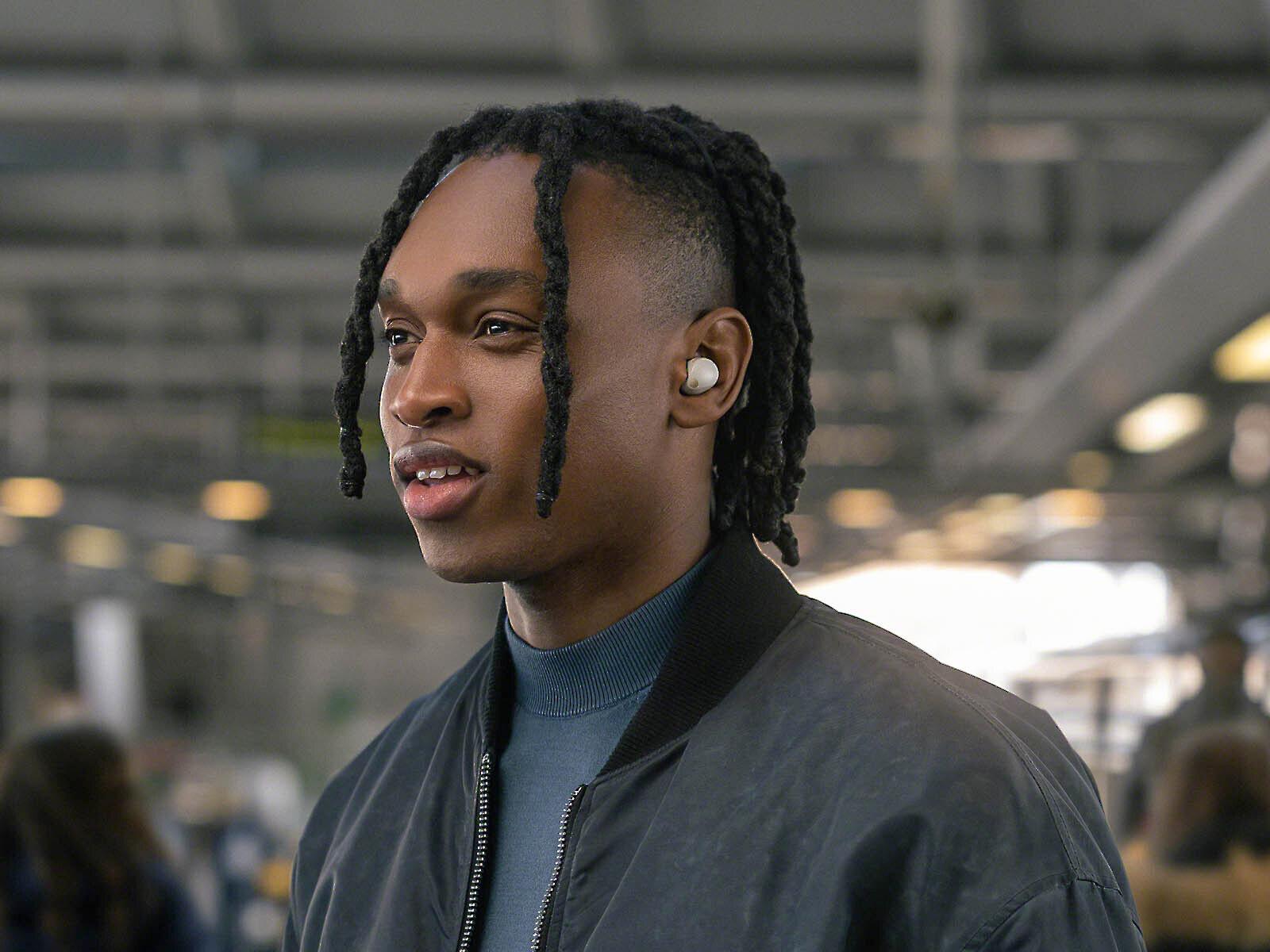
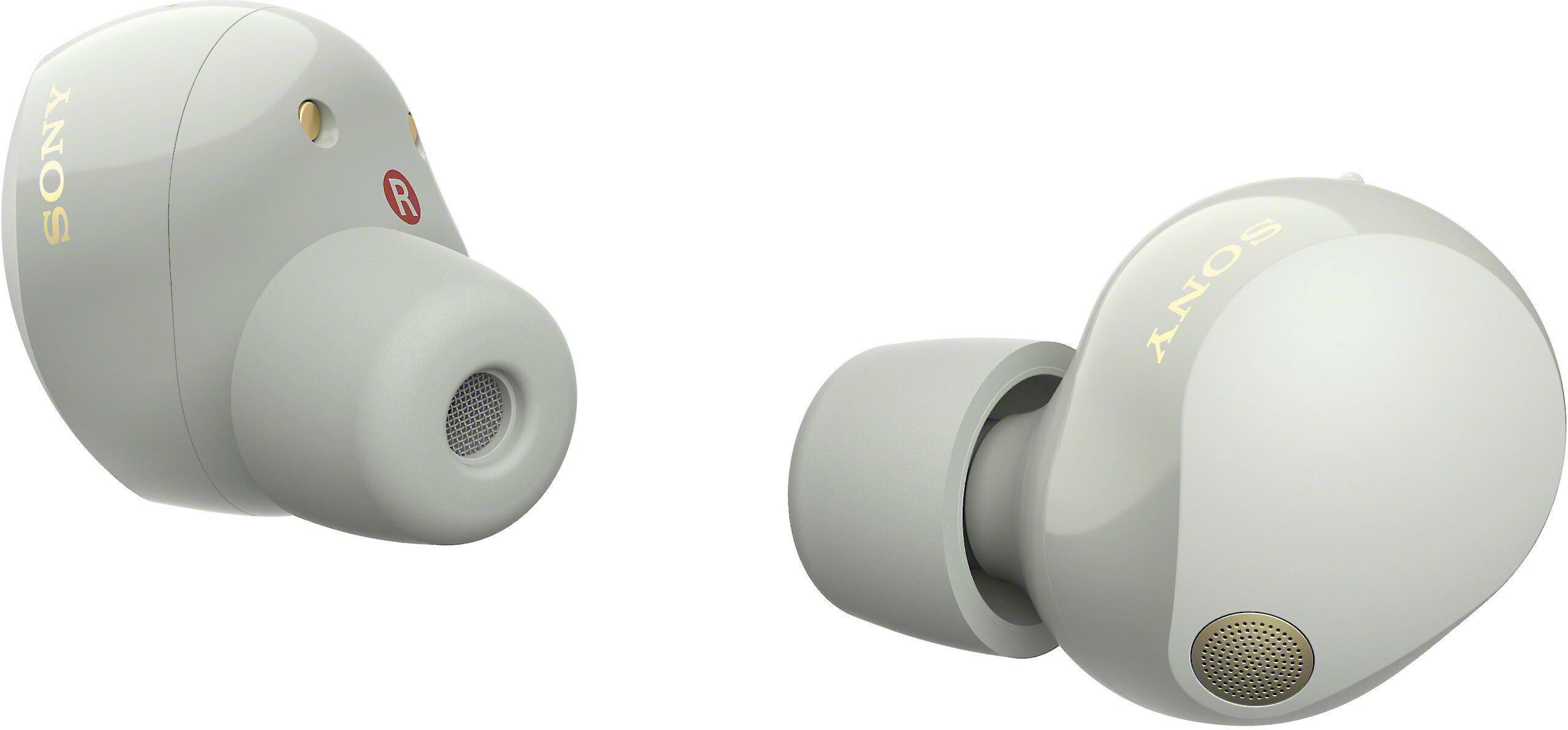


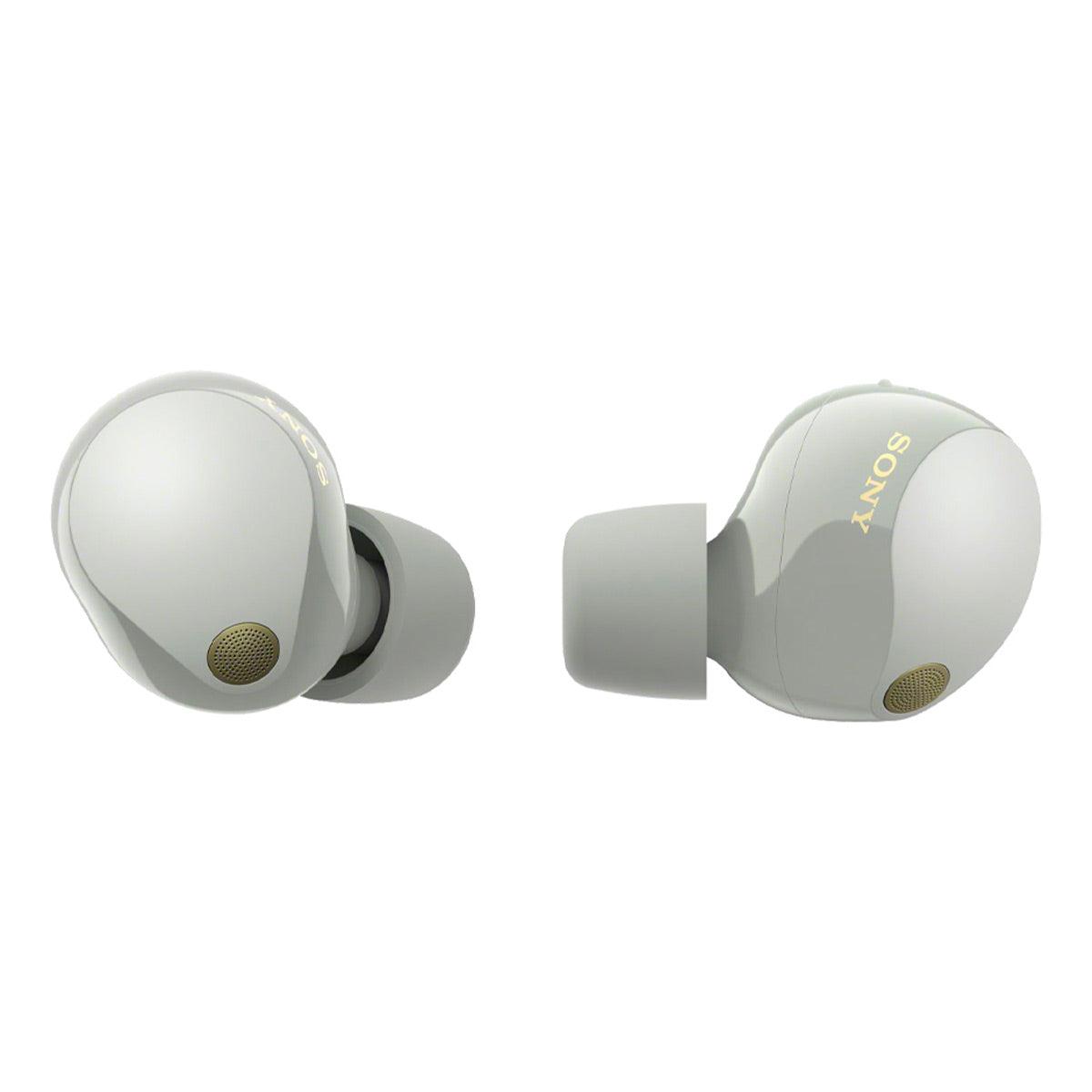

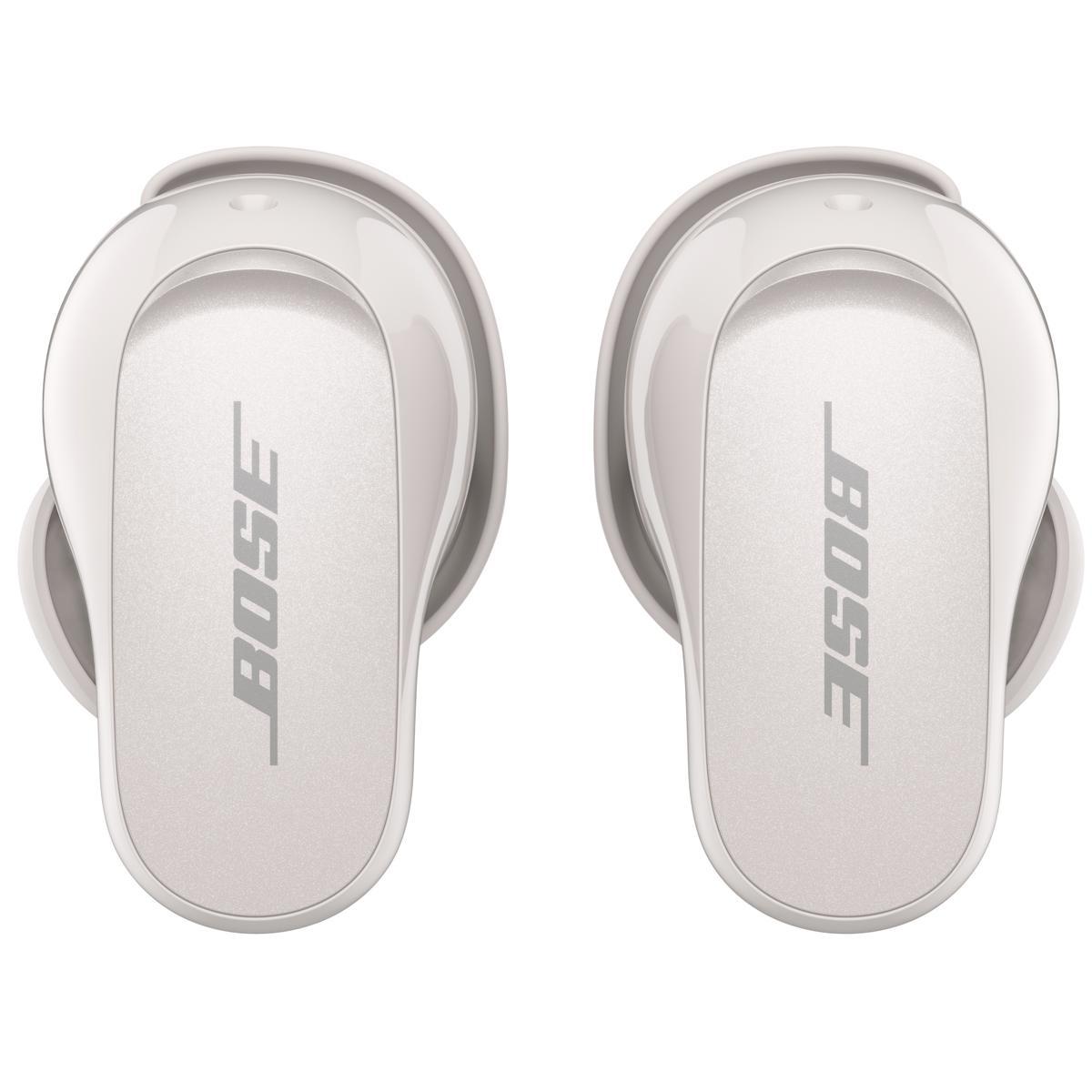
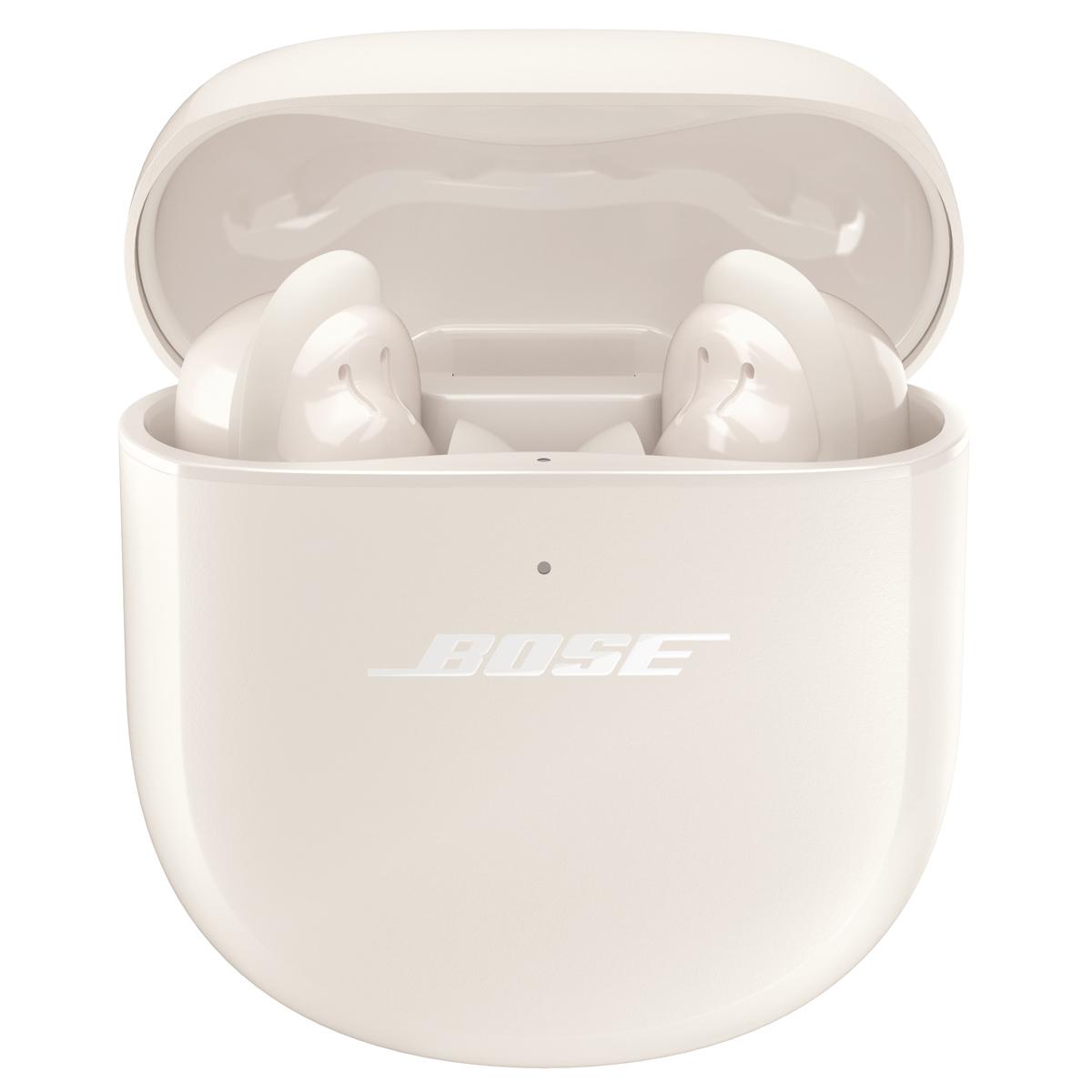

When it comes to premium true wireless earbuds, two names consistently dominate the conversation: Sony and Bose. Both companies have built their reputations on different strengths—Sony as the tech innovator and Bose as the noise-cancellation specialist. Their latest flagship models, the Sony WF-1000XM5 and Bose QuietComfort Earbuds II, represent the culmination of years of engineering refinement, but they take notably different approaches to achieving audio excellence.
Premium true wireless earbuds aren't just about cutting the cord—they're about delivering an experience that rivals high-end over-ear headphones in a package you can slip into your pocket. The technology packed into these tiny devices is genuinely impressive: multiple microphones working in concert, powerful processors handling real-time audio processing, and drivers engineered to reproduce everything from the deepest bass to the most delicate highs.
The key considerations when evaluating these products center around four main areas. Active noise cancellation (ANC) determines how well the earbuds can create a bubble of silence around you, which is crucial whether you're on a noisy commute or trying to focus in a busy office. Audio quality encompasses not just how good things sound, but how they handle different types of music and content. Battery life affects your daily usability—nobody wants earbuds that die halfway through a long flight. Finally, comfort and fit determine whether you can actually wear these devices for extended periods without discomfort.
What's fascinating is how the Sony WF-1000XM5 and Bose QuietComfort Earbuds II prioritize these elements differently, creating distinct experiences that appeal to different types of users.
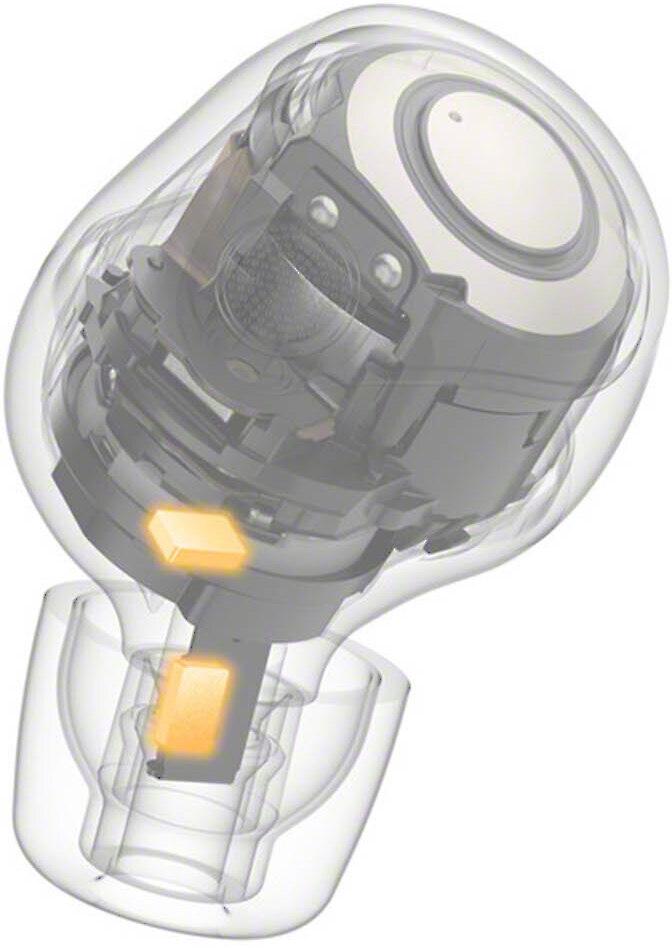
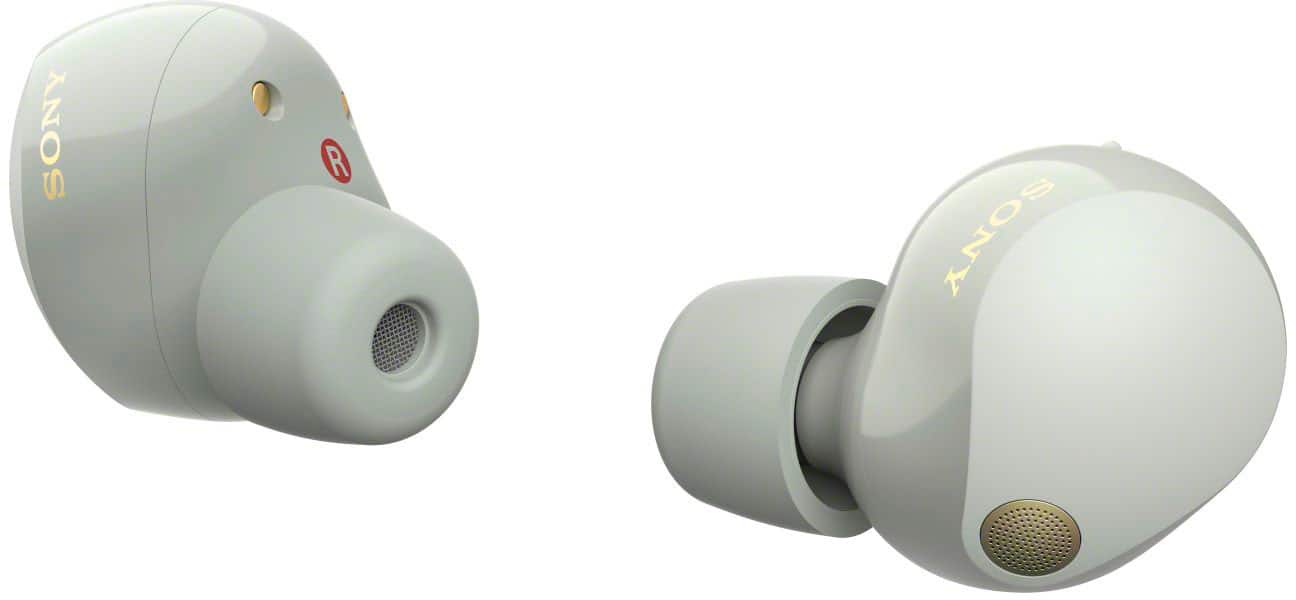
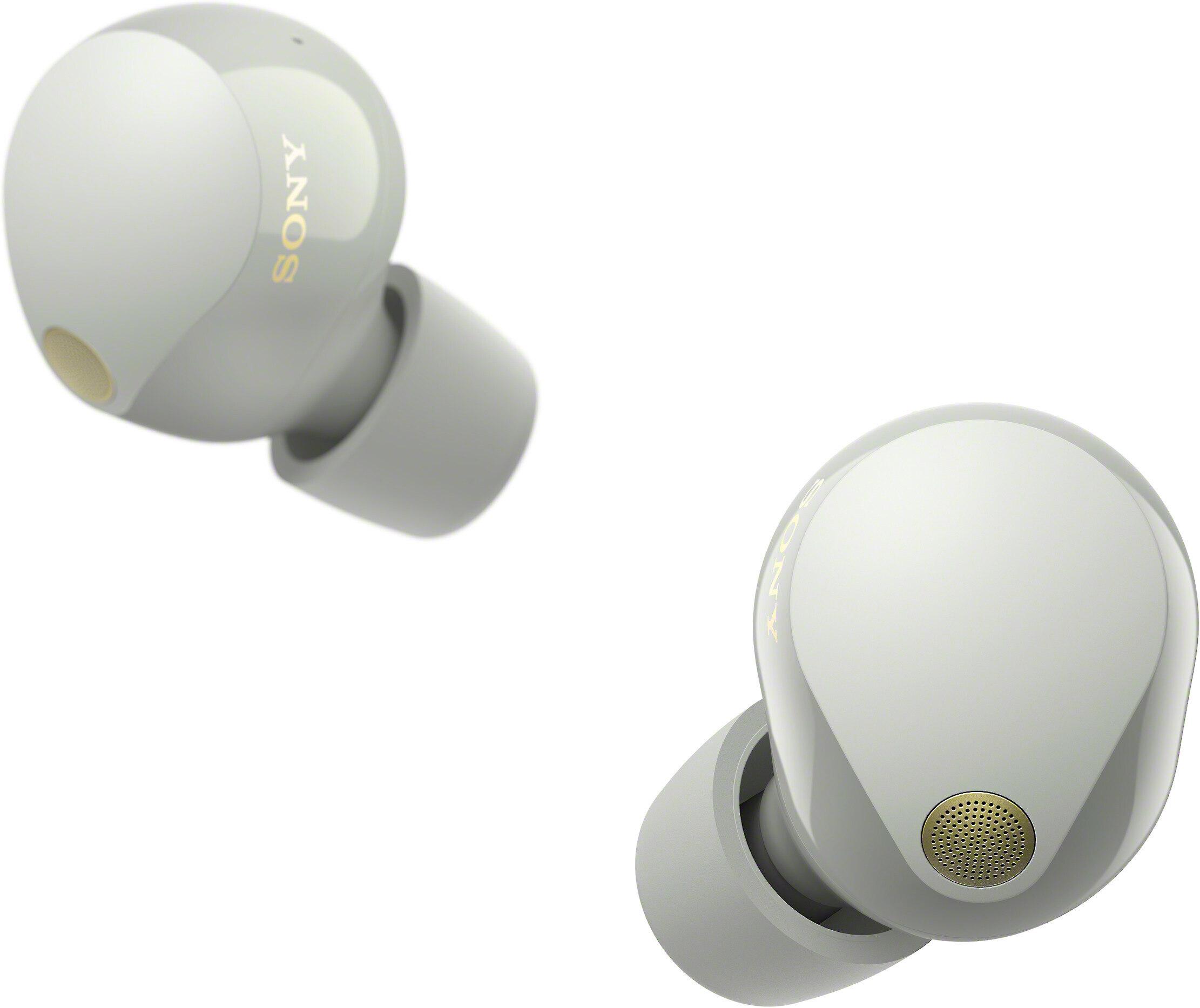
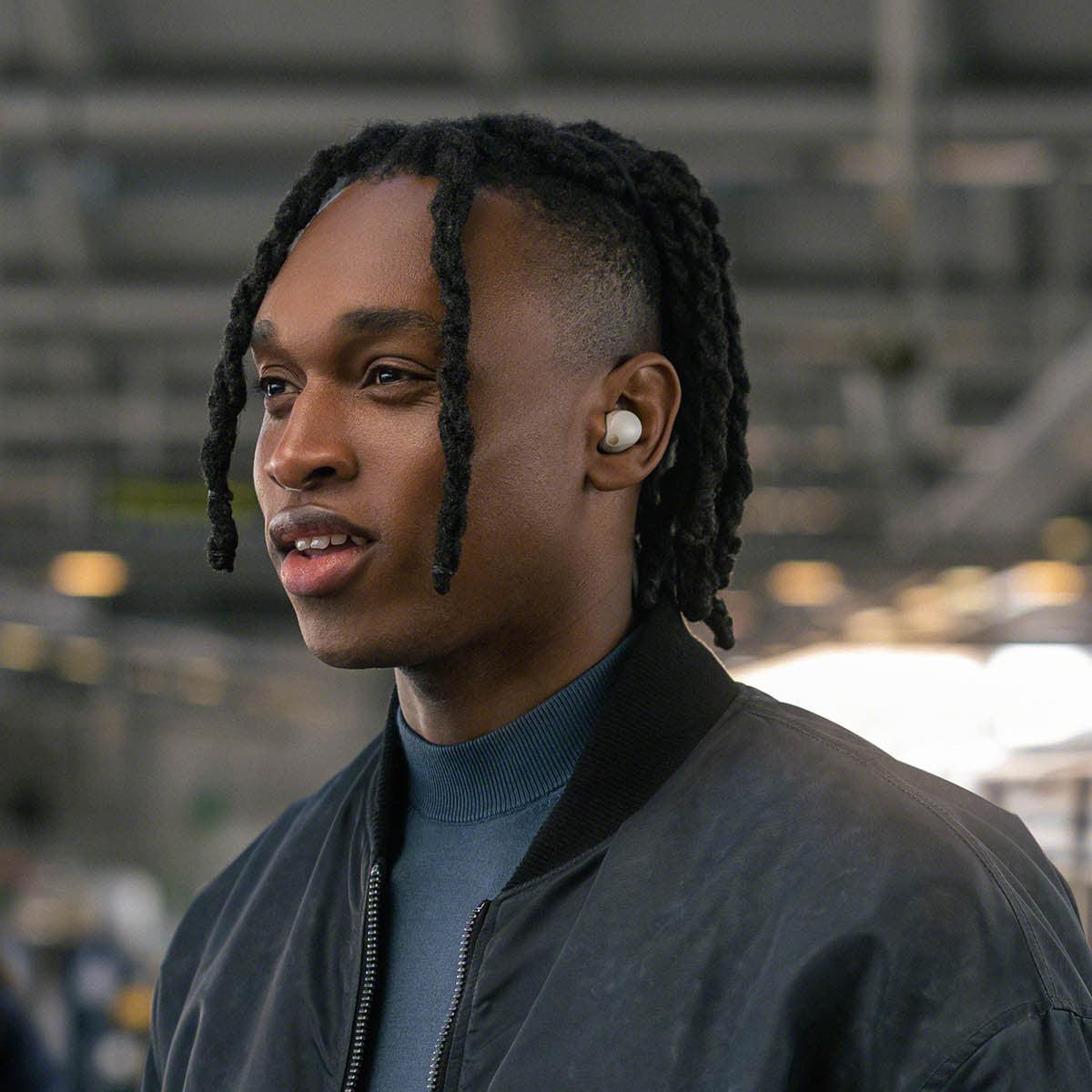
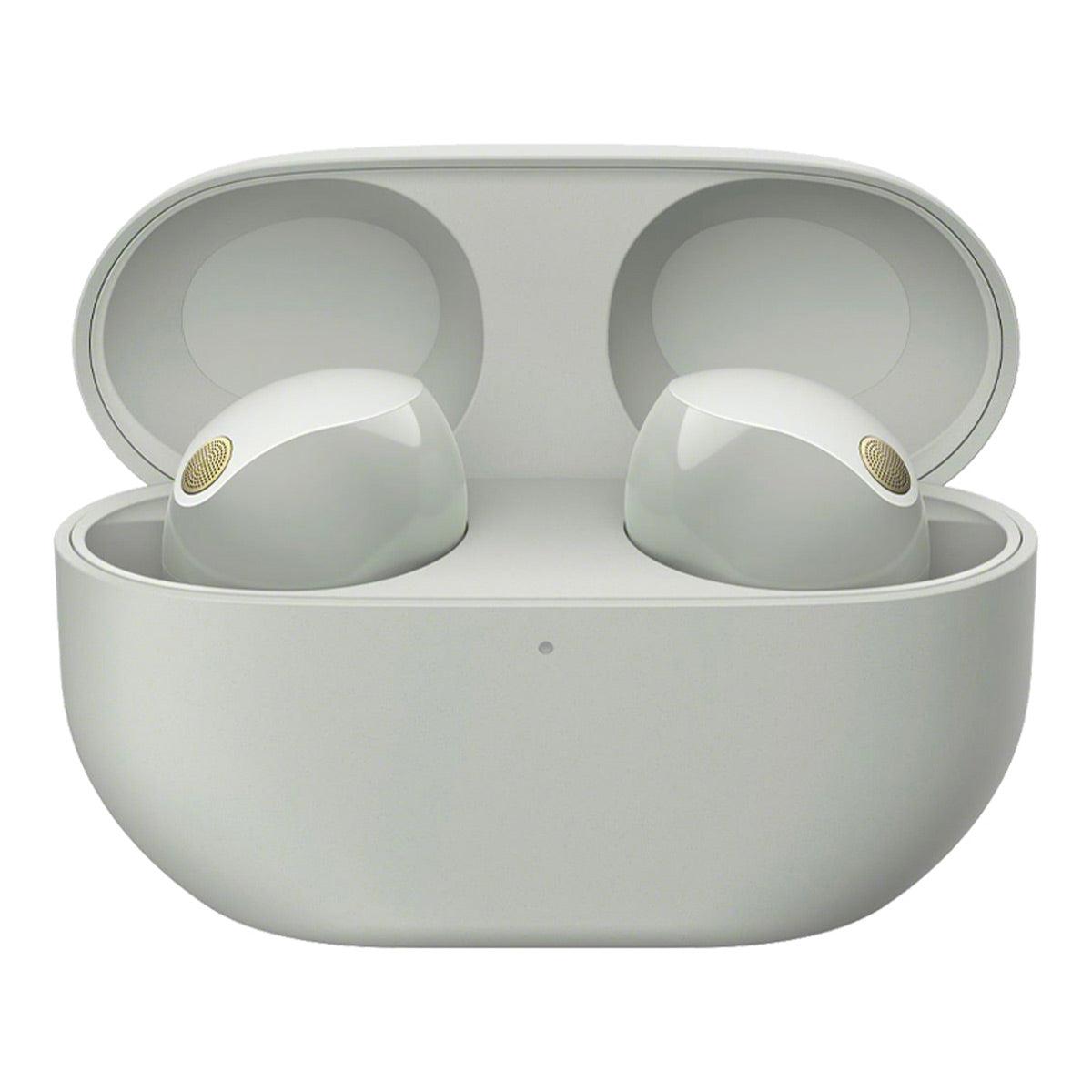
Sony released the WF-1000XM5 in 2023, marking a significant departure from their previous designs. After years of criticism about the bulky size of earlier models, Sony went back to the drawing board and created something 25% smaller and 20% lighter than its predecessor. More importantly, they introduced their new Integrated Processor V2, which represents a major leap forward in how the earbuds handle noise cancellation and audio processing.
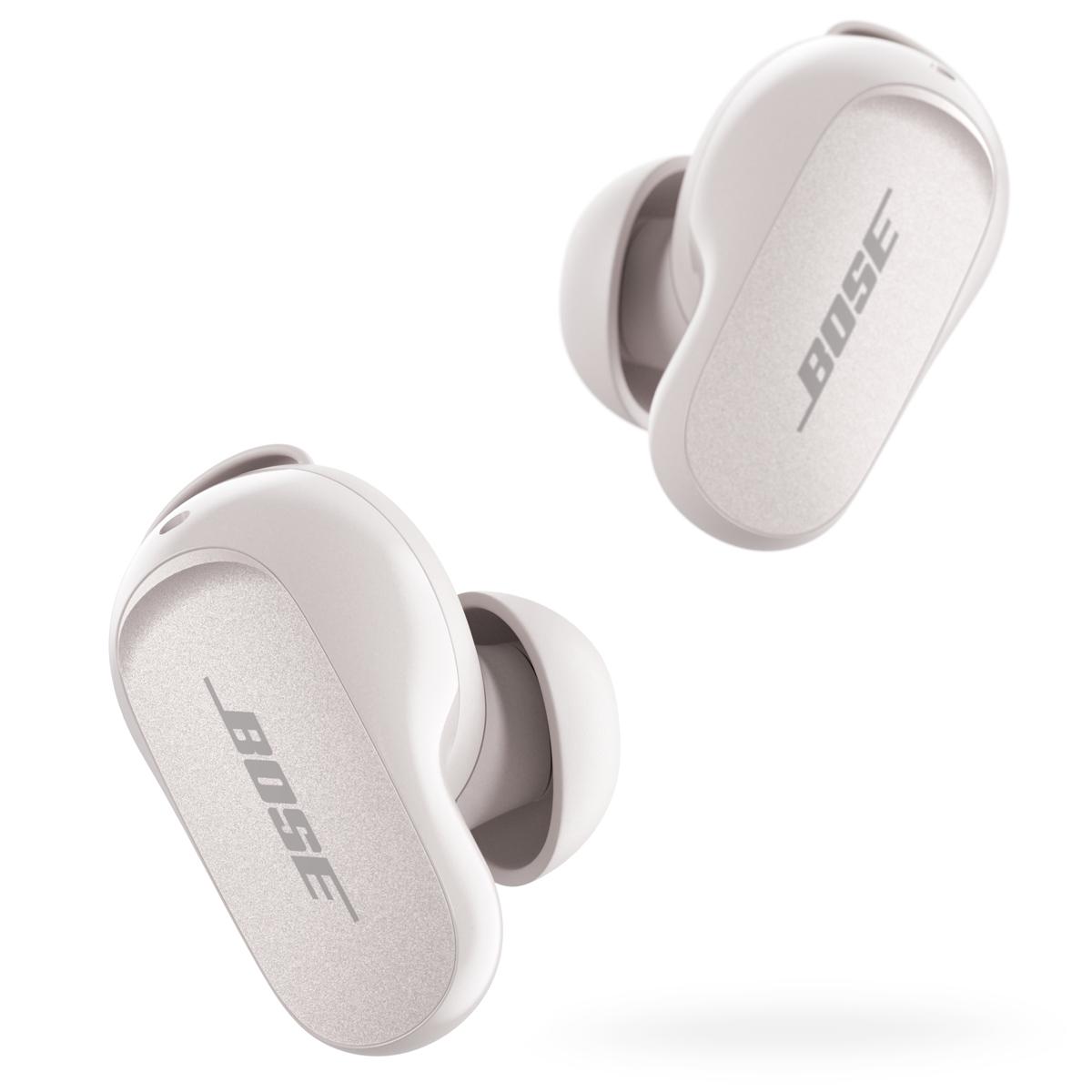
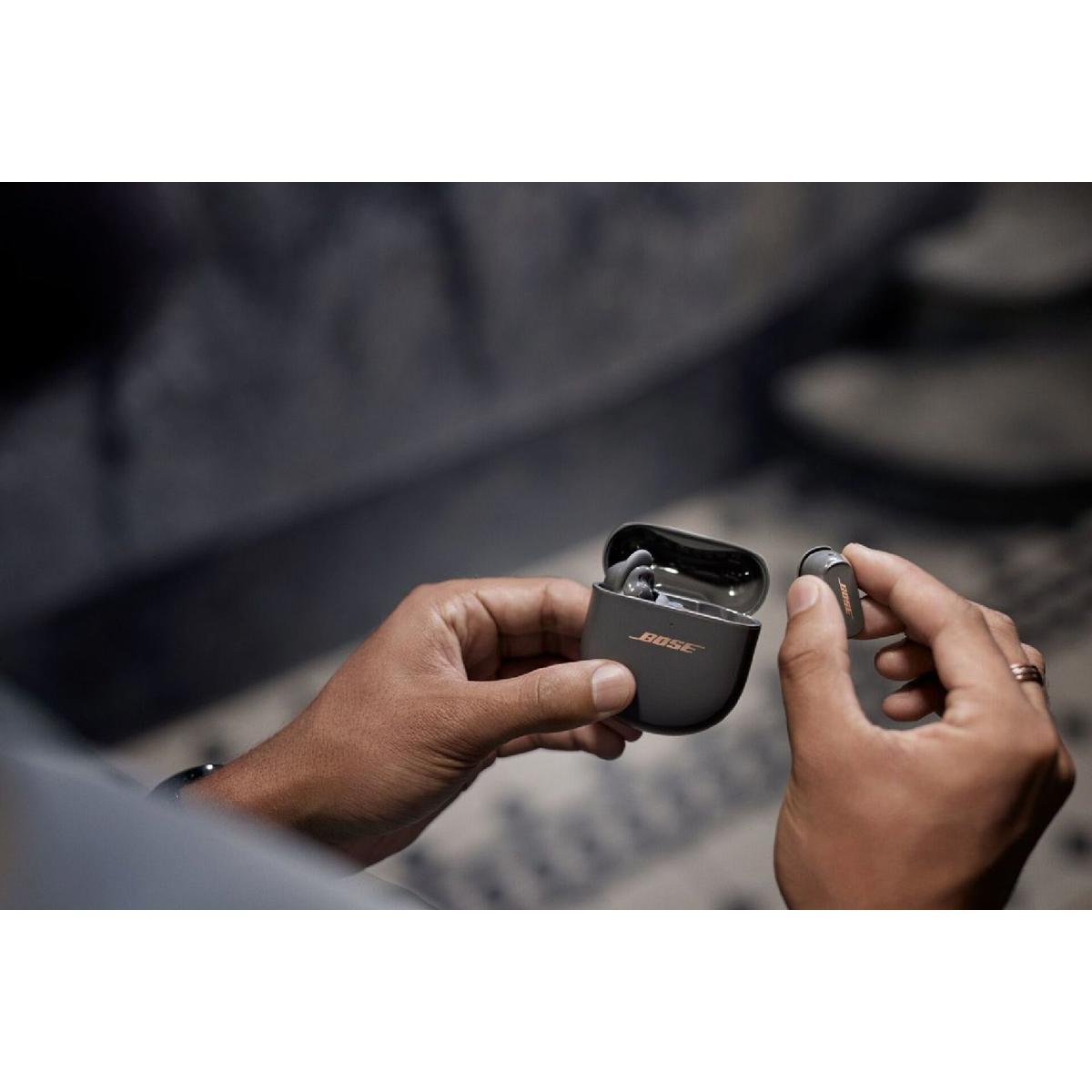
The Bose QuietComfort Earbuds II arrived earlier, in 2022, building on Bose's legendary reputation for noise cancellation. Rather than reinventing everything, Bose refined their approach with what they call CustomTune technology—a system that literally measures your ear canal and adjusts both sound and noise cancellation accordingly. It's a perfect example of Bose's philosophy: take what works incredibly well and make it work even better.
Both companies have continued updating their products through firmware updates since launch, but the core hardware differences established at release remain the defining characteristics that separate these models.
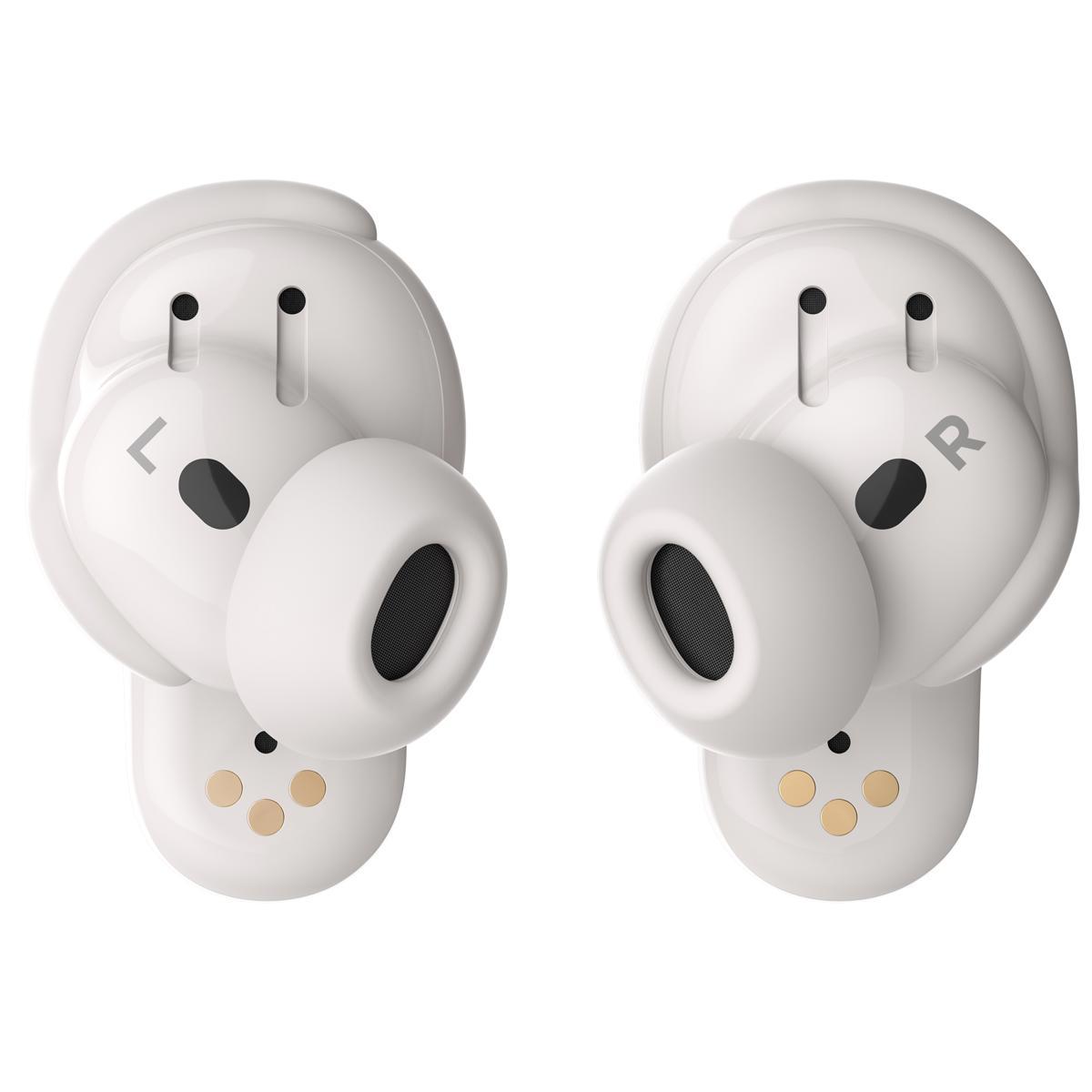
This is where things get really interesting, because despite Sony's impressive improvements, Bose still maintains its crown as the noise cancellation champion. The Bose QuietComfort Earbuds II uses four microphones per earbud—one inside your ear canal and three outside—to create what's essentially a 360-degree map of the sound environment around you. The system processes this information and generates "anti-noise" signals that cancel out unwanted sound in less than a millisecond.
What makes this particularly effective is how the system handles different types of noise. Low-frequency sounds like airplane engines, bus rumble, and air conditioning hum are where active noise cancellation really shines, and the Bose earbuds excel in these situations. The CustomTune technology adds another layer by personalizing the cancellation to your specific ear shape. Every time you put the earbuds in, they emit a brief tone and measure how sound travels through your ear canal, then adjust their approach accordingly.
The Sony WF-1000XM5 takes a different approach with three microphones per earbud and their new Integrated Processor V2. Sony claims this setup delivers 20% better noise cancellation than their previous generation, and in practice, it's remarkably close to Bose's performance. Where Sony differentiates itself is in the intelligence of the system—their Adaptive Sound Control uses AI to automatically adjust noise cancellation based on your location and activity. Walking down a busy street? The system recognizes this and adjusts accordingly. Sitting in a quiet café? It dials back the intensity to preserve battery while maintaining effectiveness.
One practical difference worth noting: the Sony earbuds allow you to completely turn off noise cancellation, which can extend battery life when you don't need it. The Bose model always maintains some level of processing—you can switch to transparency mode (which lets environmental sound through) but can't fully disable the ANC system.
Here's where personal preference really comes into play, because both earbuds sound excellent but in distinctly different ways. The Sony WF-1000XM5 represents what I'd call the "reference monitor" approach—everything is precisely controlled and analytically presented. Sony's new Dynamic Driver X uses what they call a "dome-edge separation structure," which essentially means different parts of the driver handle different frequency ranges more efficiently.
The result is remarkably clean and detailed sound. When listening to complex orchestral pieces, you can hear individual instruments with stunning clarity. The bass is present and controlled rather than overwhelming, which means vocals and midrange instruments remain clear even in bass-heavy tracks. Sony's DSEE Extreme technology uses AI to upscale compressed music files, essentially trying to restore detail lost in compression—it's not magic, but it does make a noticeable difference with lower-quality source material.
The Bose QuietComfort Earbuds II takes what I'd describe as the "concert hall" approach. The sound is warmer and more enveloping, with a fuller bass response that makes music feel more immersive. This isn't to say they're muddy or unclear—Bose has achieved a remarkable balance where the sound feels rich and engaging without sacrificing detail. For most popular music genres, this warmer signature is actually more flattering and enjoyable.
An important technical difference lies in codec support. The Sony earbuds support LDAC, which can transmit high-resolution audio over Bluetooth. If you have a compatible device and high-quality source files, this makes a meaningful difference in sound quality. The Bose model is limited to AAC and SBC codecs, which are perfectly adequate for most users but don't offer the same high-resolution potential.
This is one area where the Sony WF-1000XM5 clearly outperforms the competition. In real-world testing, they consistently deliver over 9 hours of continuous playback with active noise cancellation enabled—that's enough for a cross-country flight with time to spare. The Bose QuietComfort Earbuds II provides a respectable 7+ hours, which is still good but noticeably shorter during long listening sessions.
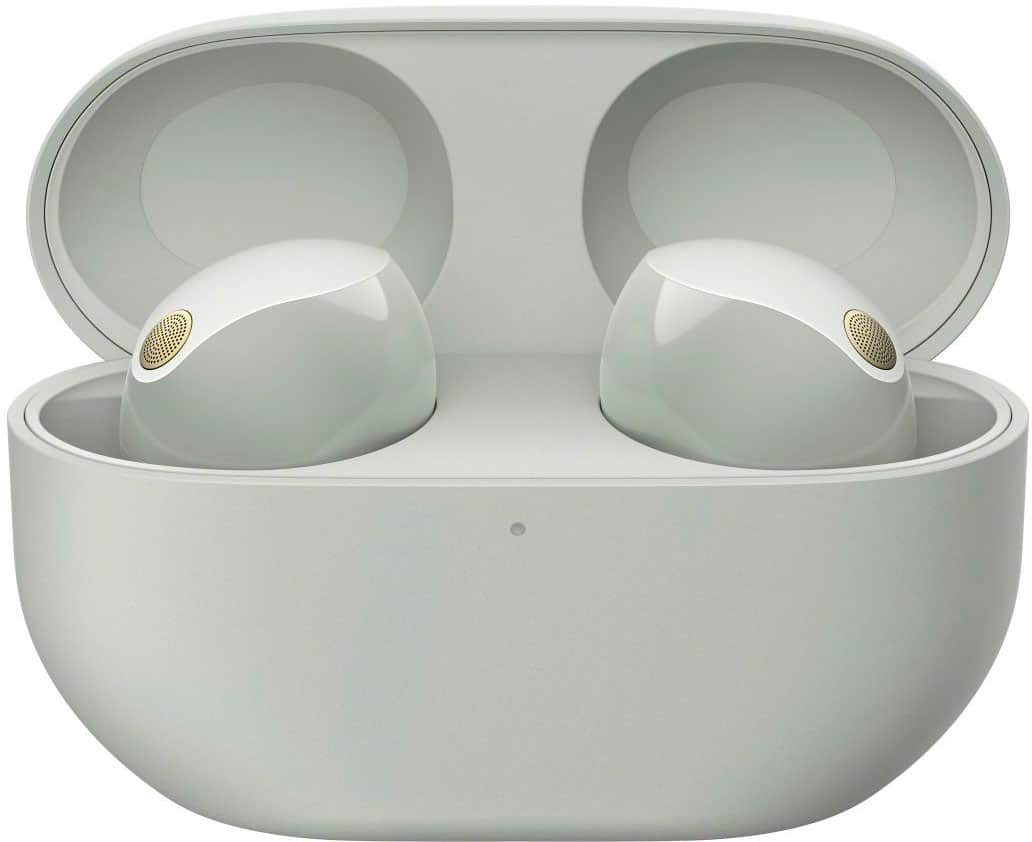
Both models come with charging cases that extend total battery life to around 24 hours, but the Sony earbuds include wireless charging capability, which the Bose model lacks. This might seem like a small detail, but it's one of those convenience features that you really appreciate once you have it. Being able to drop the case on a wireless charging pad rather than fumbling for cables makes daily use more seamless.
The quick-charge capabilities are similar between both models—about 20 minutes of charging provides roughly 2 hours of playback—but Sony's longer overall battery life means you'll need to use quick charging less frequently.
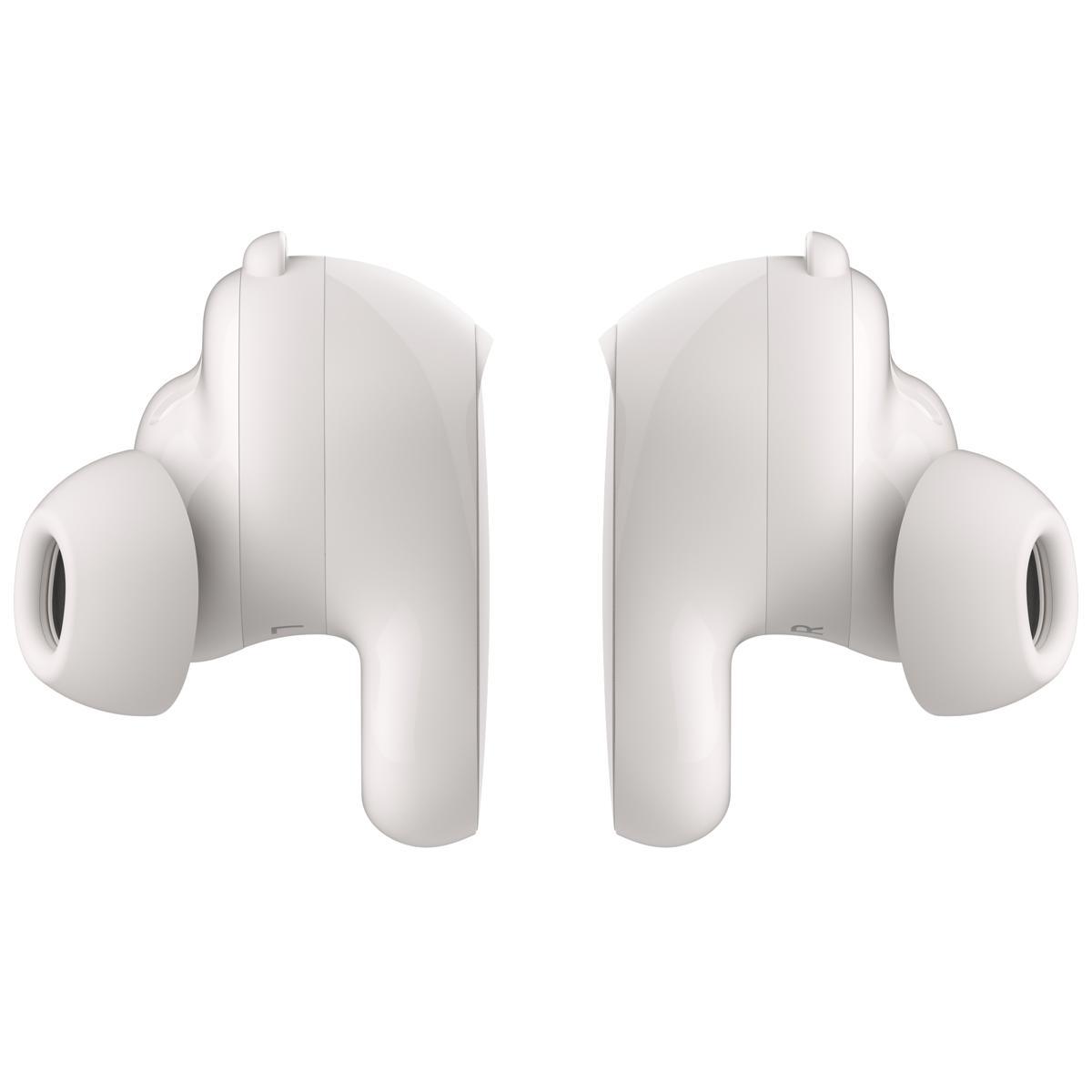
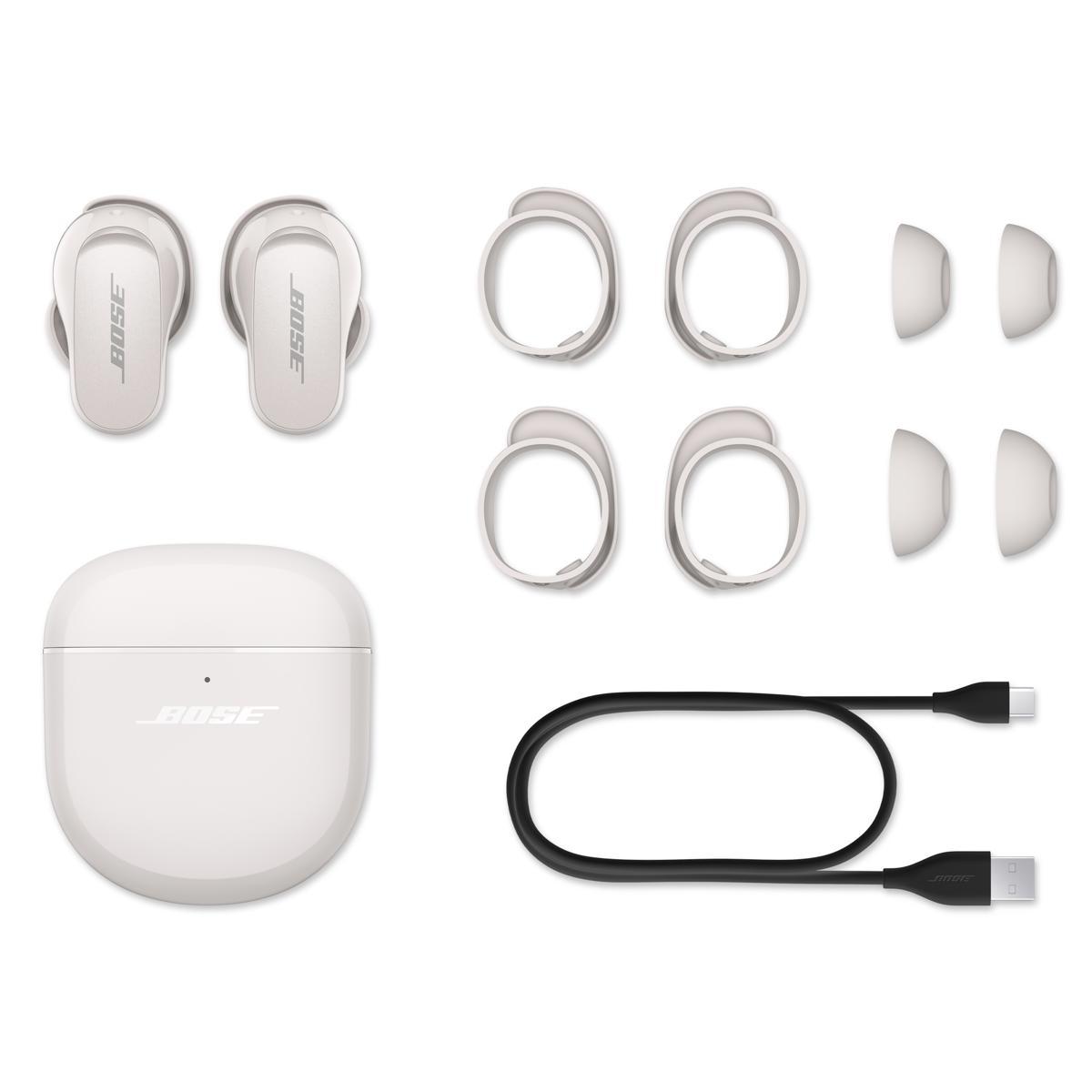
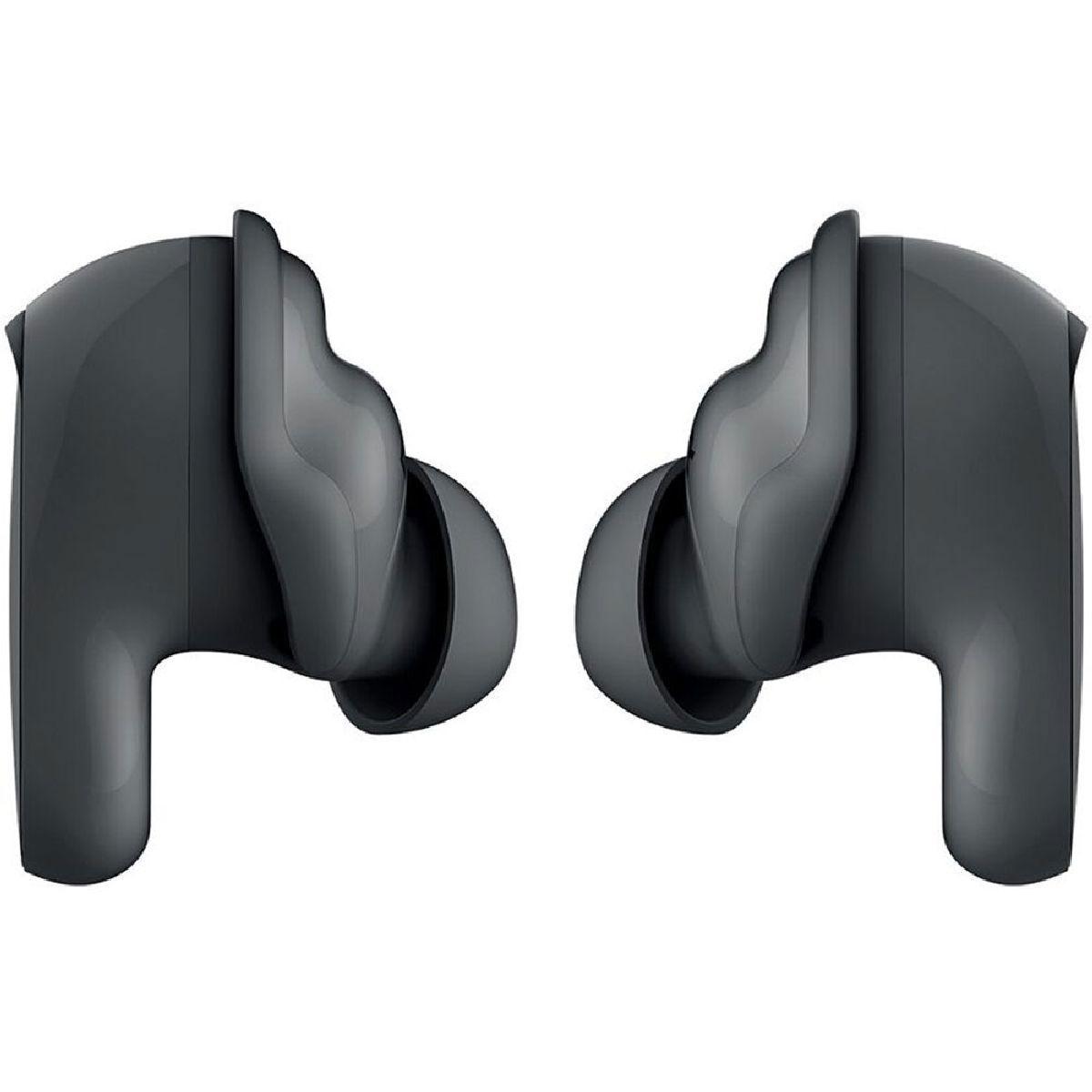
Comfort is highly individual, but there are some general trends worth discussing. The Bose QuietComfort Earbuds II uses a two-piece fit system that many users find more secure and comfortable than traditional single-piece tips. The stability bands hook into the contours of your ear, while the silicone tips create the acoustic seal. This design distributes pressure more evenly and tends to stay in place better during physical activity.
Sony redesigned the WF-1000XM5 to be significantly smaller than previous generations, which helps with comfort, but the fit can be more finicky. Getting the right seal is crucial not just for comfort but for optimal noise cancellation performance. Sony includes multiple tip sizes, and taking time to find the right fit makes a substantial difference in both comfort and sound quality.
For extended listening sessions—think 4+ hours—the Bose earbuds generally maintain comfort better. However, the smaller size of the Sony model makes them less noticeable for shorter sessions and more suitable for sleeping or lying down.
The Sony WF-1000XM5 pulls ahead significantly in smart features and connectivity options. Multipoint connectivity allows you to connect to two devices simultaneously—incredibly useful if you want to stay connected to your phone while working on a laptop. The transition between devices is generally smooth, though not always seamless.
Sony's Speak-to-Chat feature automatically pauses music and activates transparency mode when it detects you speaking. While gimmicky in theory, it works well in practice and becomes second nature once you're used to it. The comprehensive Sony Headphones Connect app provides extensive customization options, including detailed EQ controls, noise cancellation optimization, and even location-based automatic adjustments.
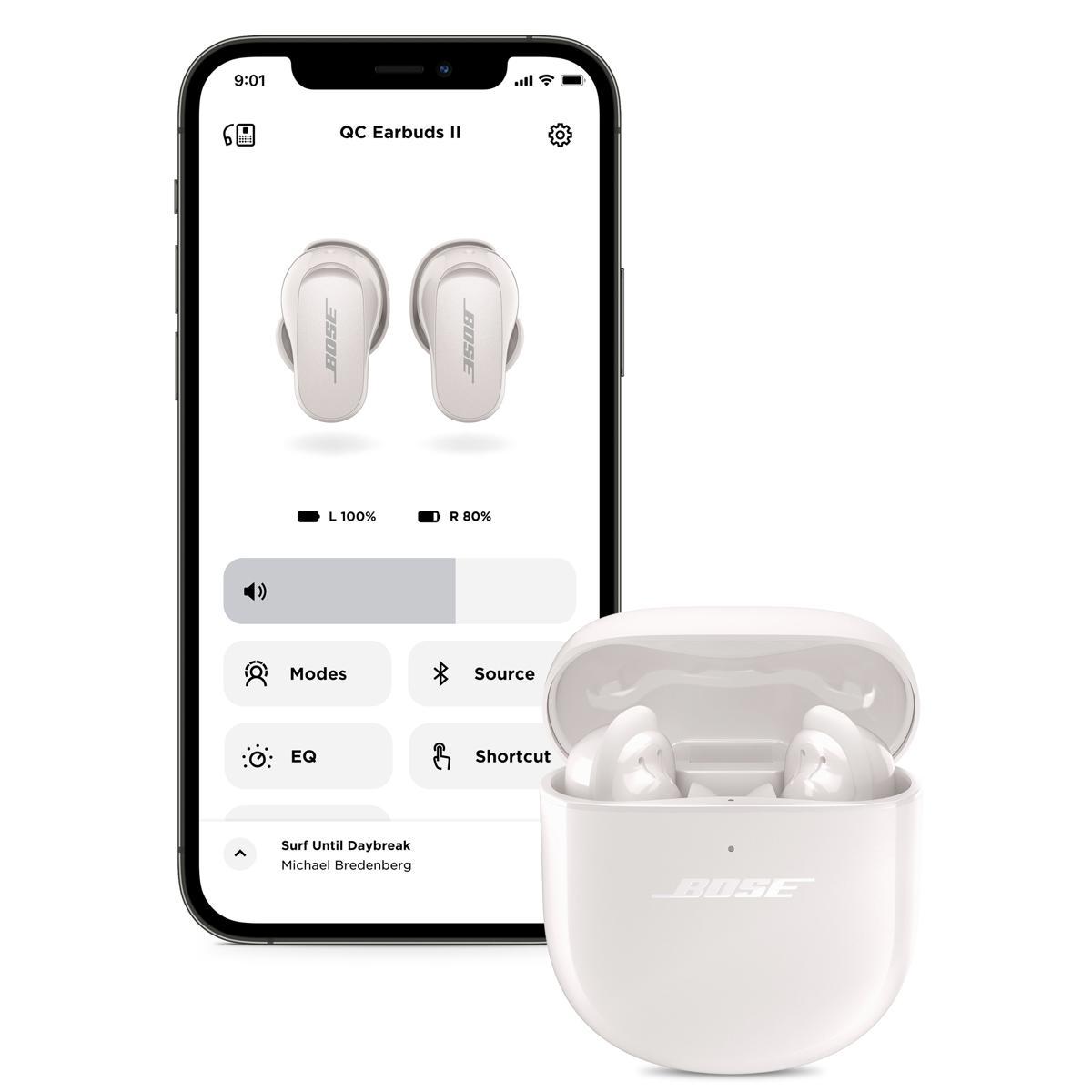
The Bose model takes a more minimalist approach to smart features, focusing primarily on the CustomTune personalization. The Bose app is simpler and more straightforward, which some users prefer, but it lacks the depth of customization available with Sony.
For daily commuters and frequent travelers, both options excel, but for different reasons. If you're regularly on airplanes or trains where maximum noise isolation is crucial, the Bose QuietComfort Earbuds II provides the most effective barrier against environmental noise. The superior comfort also matters on long flights where you might wear them for hours at a time.
Audiophiles and critical listeners will likely prefer the Sony WF-1000XM5 for their analytical precision and support for high-resolution audio codecs. The detailed sound reproduction makes them excellent for discovering new elements in familiar recordings.
For home theater use, both earbuds can work well, but with caveats. Neither is specifically designed for this application, and both will introduce some latency (delay) that can cause lip-sync issues with video content. However, if you need personal audio for late-night viewing without disturbing others, the Sony earbuds have slightly better connectivity options and the longer battery life is advantageous for movie marathons.
Fitness enthusiasts should consider the superior fit security of the Bose model, though both carry IPX4 water resistance ratings that handle sweat and light rain adequately.
At the time of writing, pricing considerations favor whichever model happens to be on sale, as both launched at similar premium price points. The Bose earbuds have seen more frequent discounts since their earlier release, potentially offering better value for budget-conscious buyers.
Neither of these earbuds is objectively "better" than the other—they're both excellent products that excel in different areas. The choice ultimately depends on what matters most to you.
Choose the Sony WF-1000XM5 if you prioritize battery life, want the latest connectivity features, prefer detailed and analytical sound reproduction, or need high-resolution audio support. They're the more technically advanced option with better long-term versatility.
Choose the Bose QuietComfort Earbuds II if maximum noise cancellation is your primary concern, comfort during extended wear is crucial, or you prefer a warmer, more musical sound signature. They represent the refined perfection of Bose's core competencies.
Both represent significant investments in your daily audio experience, and both deliver on their promises. The "wrong" choice would be buying either without considering how you'll actually use them. Take the time to think about your typical listening scenarios, and the right choice will become clear.
| Sony WF-1000XM5 | Bose QuietComfort Earbuds II |
|---|---|
| Active Noise Cancellation - The primary reason to buy premium earbuds | |
| 3 microphones per earbud with Integrated Processor V2 (excellent but second-best) | 4 microphones per earbud with CustomTune technology (industry-leading performance) |
| Battery Life - Critical for long commutes and travel | |
| 9+ hours per charge with ANC on (best-in-class endurance) | 7+ hours per charge with ANC on (good but shorter sessions) |
| Audio Quality Approach - Determines your listening experience | |
| Analytical and detailed with controlled bass (audiophile-focused) | Warm and musical with fuller bass (engaging for most music) |
| High-Resolution Audio Support - Matters for serious music listeners | |
| LDAC, AAC, SBC codecs (supports hi-res streaming) | AAC, SBC codecs only (standard quality but sufficient for most) |
| Wireless Charging - Daily convenience feature | |
| Qi wireless charging supported (drop-and-charge convenience) | USB-C only (requires cable every time) |
| Multipoint Connectivity - Essential for work-life device juggling | |
| Connects to 2 devices simultaneously (Sony switches automatically) | Single device connection only (must manually disconnect/reconnect) |
| Comfort and Fit Security - Affects long-term wearability | |
| Smaller redesigned shape, varies by ear type | Two-piece stability system, generally more secure and comfortable |
| Smart Features - Added convenience for daily use | |
| Speak-to-Chat, Adaptive Sound Control, comprehensive app | CustomTune personalization, basic app with limited features |
| Water Resistance - Protection for active use | |
| IPX4 rating (handles sweat and light rain) | IPX4 rating (handles sweat and light rain) |
| Release Generation - Indicates how current the technology is | |
| 2023 release with latest processors and connectivity | 2022 release with refined but previous-gen tech |
The Bose QuietComfort Earbuds II have superior noise cancellation compared to the Sony WF-1000XM5. Bose uses 4 microphones per earbud with their CustomTune technology that personalizes noise cancellation to your specific ear shape. While the Sony WF-1000XM5 offers excellent noise cancellation with 3 microphones per earbud, Bose maintains its industry-leading reputation for blocking out environmental noise.
The Sony WF-1000XM5 provides significantly longer battery life with over 9 hours of playback with noise cancellation enabled, compared to about 7 hours for the Bose QuietComfort Earbuds II. Both offer around 24 total hours with their charging cases, but the Sony earbuds also include wireless charging capability that the Bose model lacks.
Sound quality depends on your preferences. The Sony WF-1000XM5 offers more analytical and detailed sound with excellent clarity, making them ideal for audiophiles who want to hear every detail in their music. The Bose QuietComfort Earbuds II provides a warmer, more musical sound with fuller bass that many find more engaging for everyday listening.
The Bose QuietComfort Earbuds II are generally considered more comfortable for extended wear, thanks to their two-piece fit system with stability bands that distribute pressure evenly. The Sony WF-1000XM5 are 25% smaller than previous models and comfortable for most users, but the fit can be more finicky and may require trying different ear tip sizes.
Both earbuds handle phone calls well, but the Sony WF-1000XM5 has a slight edge with their Precise Voice Pickup Technology that uses bone conduction sensors for clearer voice transmission. The Bose QuietComfort Earbuds II also provides good call quality with effective background noise reduction during conversations.
Only the Sony WF-1000XM5 supports multipoint connectivity, allowing you to connect to two devices simultaneously and switch between them automatically. The Bose QuietComfort Earbuds II can only connect to one device at a time, requiring manual disconnection and reconnection to switch between devices.
The Bose QuietComfort Earbuds II are generally better for active use due to their more secure fit with stability bands that keep them in place during movement. Both the Sony WF-1000XM5 and Bose earbuds have IPX4 water resistance ratings, making them suitable for sweat and light rain exposure.
The Sony WF-1000XM5 supports LDAC codec for high-resolution audio streaming, along with AAC and SBC. This makes them better for audiophiles with compatible devices and high-quality music files. The Bose QuietComfort Earbuds II only supports standard AAC and SBC codecs, which are sufficient for most users but don't offer high-resolution capabilities.
While neither the Sony WF-1000XM5 nor Bose QuietComfort Earbuds II are specifically designed for home theater use, both can work for personal viewing. The Sony earbuds have better connectivity features and longer battery life for extended viewing sessions, but both may have slight audio delay that could affect lip-sync in some situations.
The Sony WF-1000XM5 offers more comprehensive app support through the Sony Headphones Connect app, featuring detailed EQ controls, adaptive sound control, and extensive customization options. The Bose QuietComfort Earbuds II has a simpler app with basic EQ adjustment and CustomTune personalization, which some users prefer for its straightforward approach.
Yes, both the Sony WF-1000XM5 and Bose QuietComfort Earbuds II support independent earbud use, allowing you to use either the left or right earbud alone. This is useful for staying aware of your surroundings or extending battery life by alternating between earbuds.
Value depends on current pricing and your priorities. The Sony WF-1000XM5 typically offers more features including longer battery life, wireless charging, multipoint connectivity, and high-resolution audio support. The Bose QuietComfort Earbuds II often provides better value when discounted, especially if noise cancellation and comfort are your main concerns over advanced features.
We've done our best to create useful and informative comparisons to help you decide what product to buy. Our research uses advanced automated methods to create this comparison and perfection is not possible - please contact us for corrections or questions. These are the sites we've researched in the creation of this article: rtings.com - moon-audio.com - whathifi.com - sony.ca - soundguys.com - techgearlab.com - loudnwireless.com - youtube.com - techradar.com - youtube.com - costco.com - youtube.com - us.community.sony.com - youtube.com - whathifi.com - youtube.com - cnet.com - loudnwireless.com - youtube.com - bestbuy.com - electronics.sony.com - helpguide.sony.net - gsmarena.com - soundguys.com - bestbuy.com - sony.com - loudnwireless.com - sony.com - sony.com - youtube.com - sony-asia.com - helpguide.sony.net - sony.com - sony.com.sg - sony-asia.com - youtube.com - headphones.com - moon-audio.com - electronics.sony.com - shop.oprahdaily.com - youtube.com - techradar.com - techgearlab.com - cnet.com - soundguys.com - rtings.com - soundstagesolo.com - forums.whathifi.com - youtube.com - cnet.com - bose.com - soundguys.com - youtube.com - rtings.com - soundguys.com - loudnwireless.com - head-fi.org - noisyworld.org - boseindia.com - global.bose.com - boselatam.com - bose.com - youtube.com - boselatam.com - support.bose.com - bhphotovideo.com - bestbuy.com - global.bose.com - bose.com - assets.bose.com - boseapac.com - bose.com - bose.com - bose.com

Privacy Policy
Terms and Conditions - Affiliate Policy
Home Security
© Copyright 2008-2026.
11816 Inwood Rd #1211, Dallas, TX 75244