

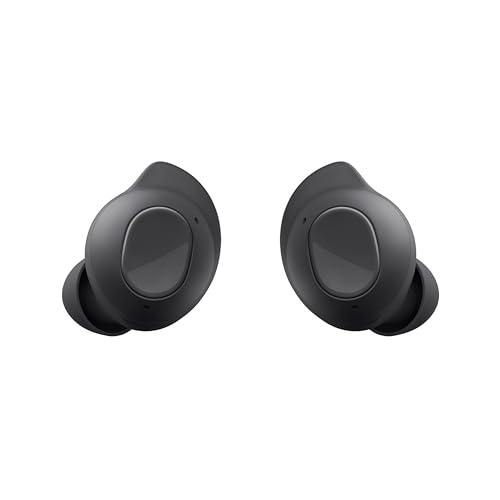
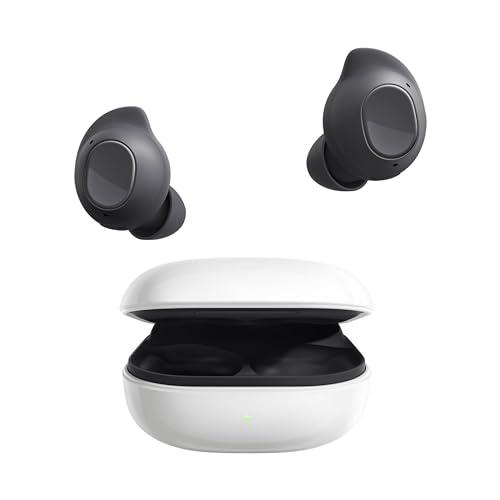
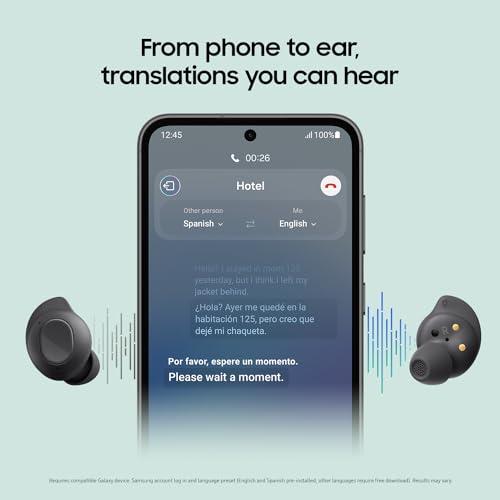
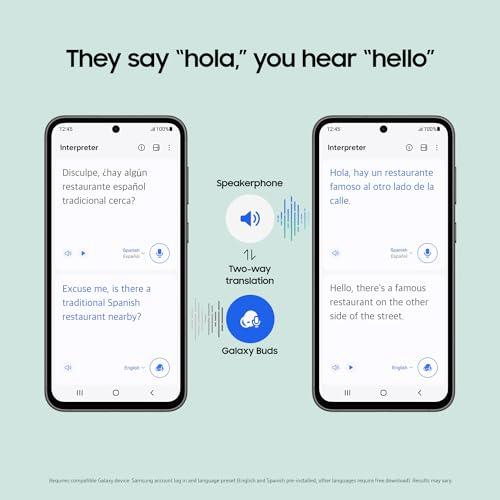

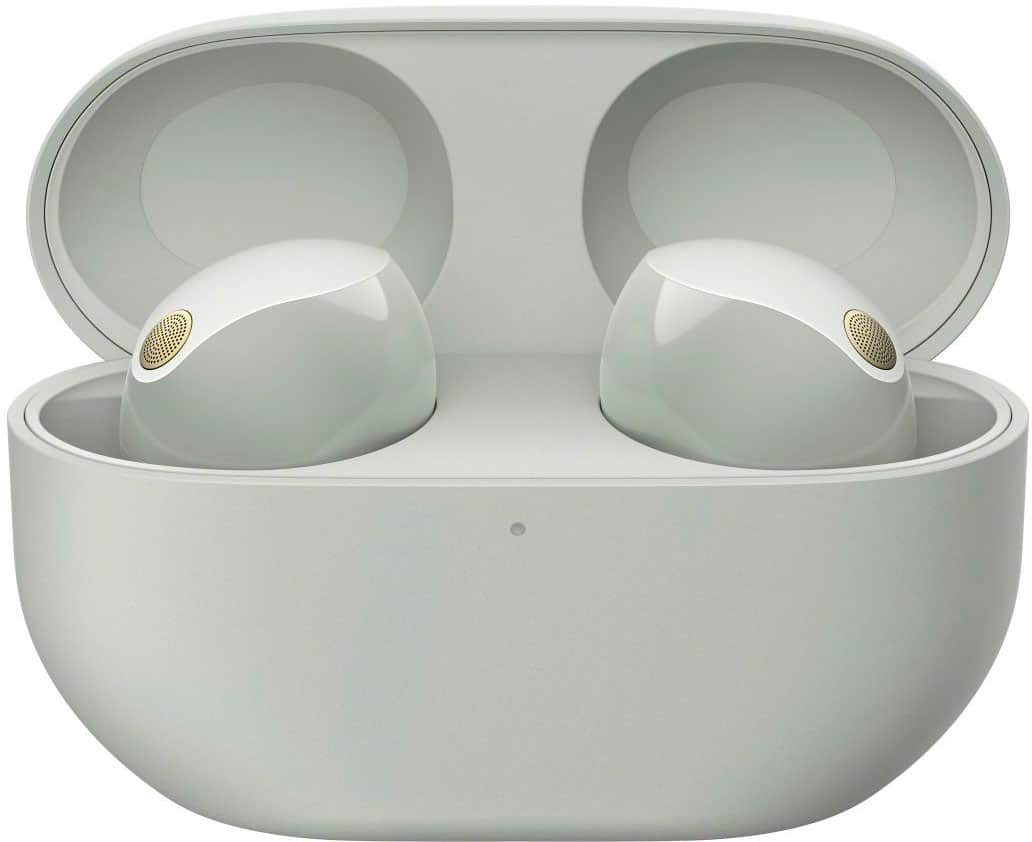
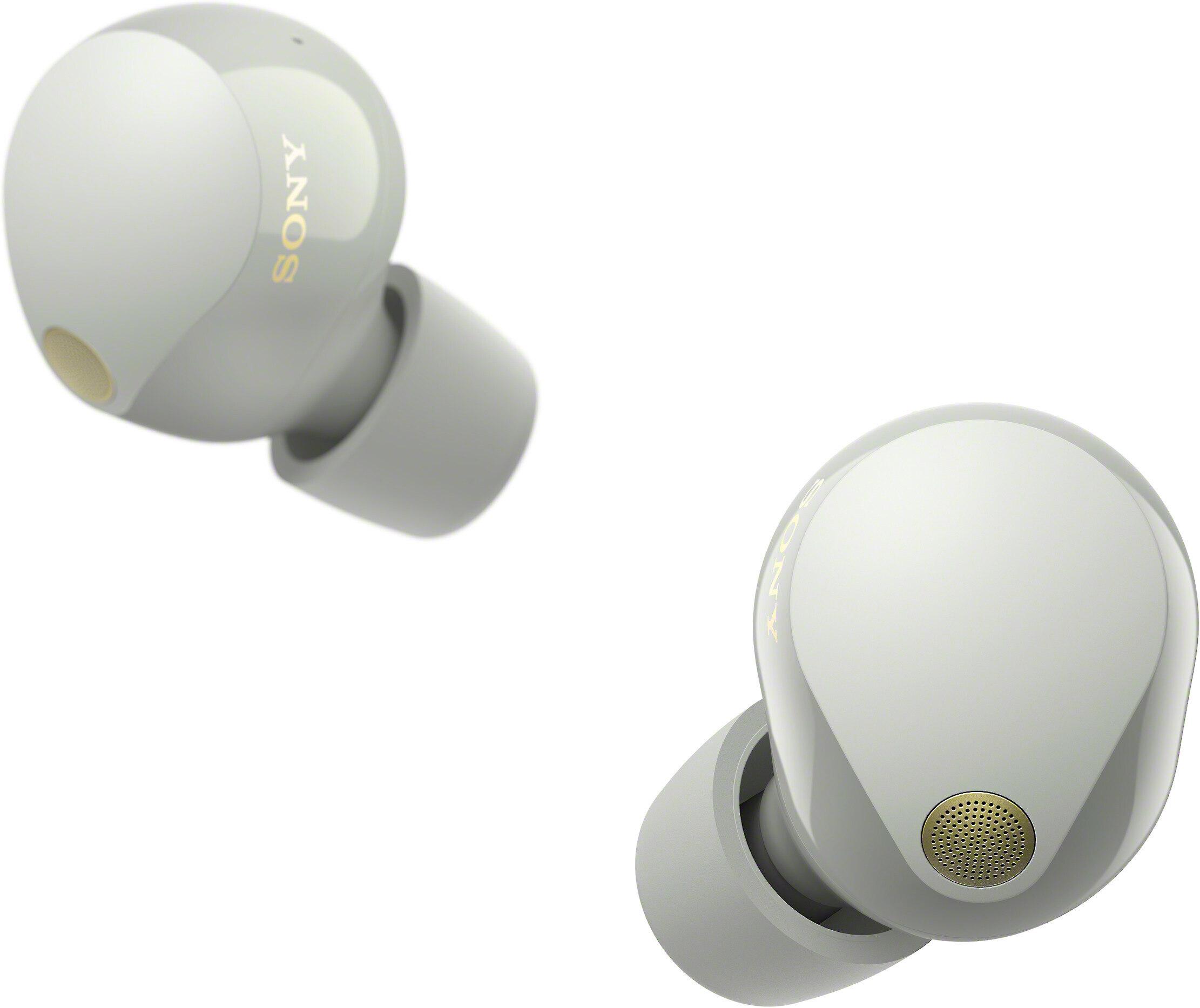

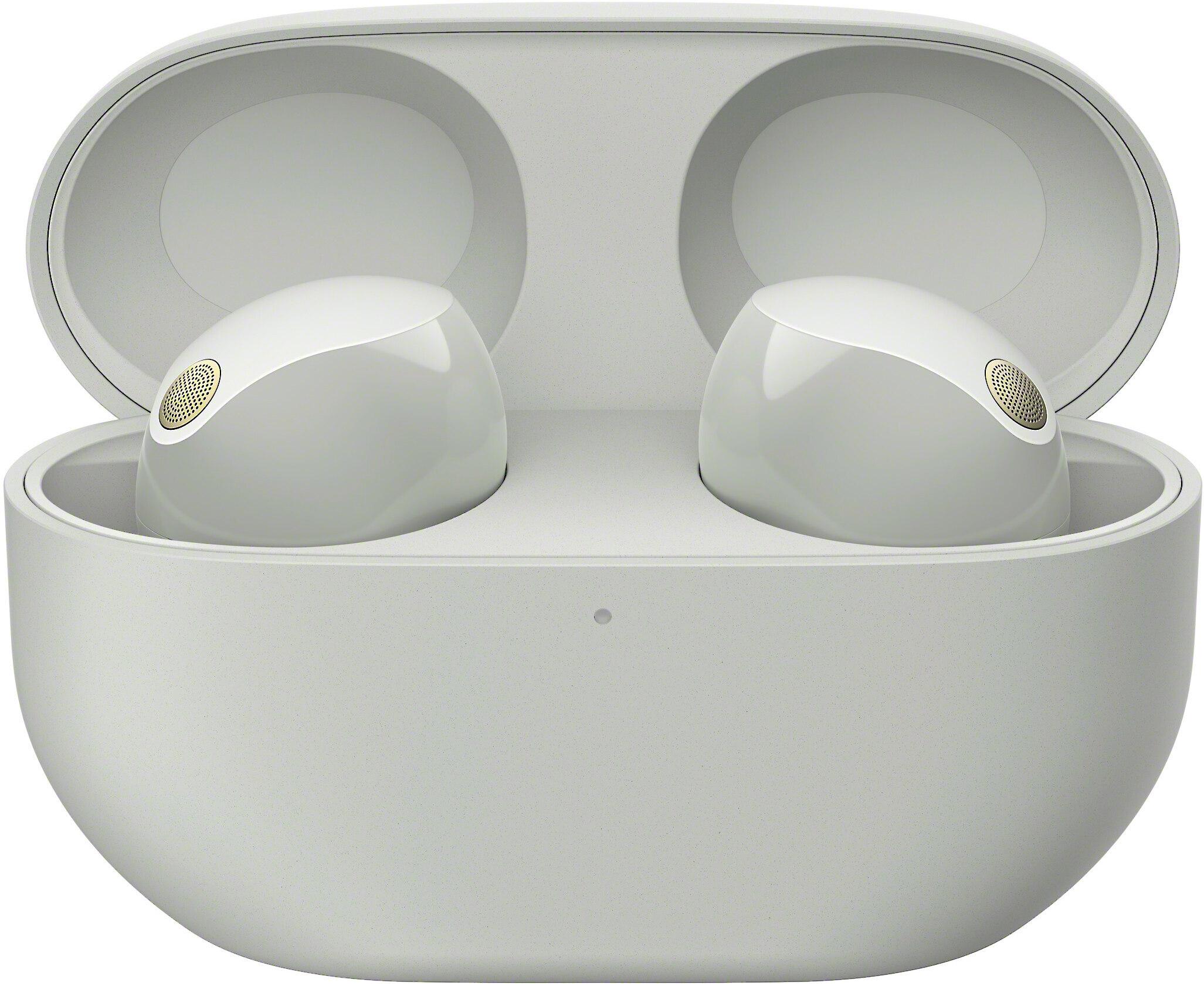

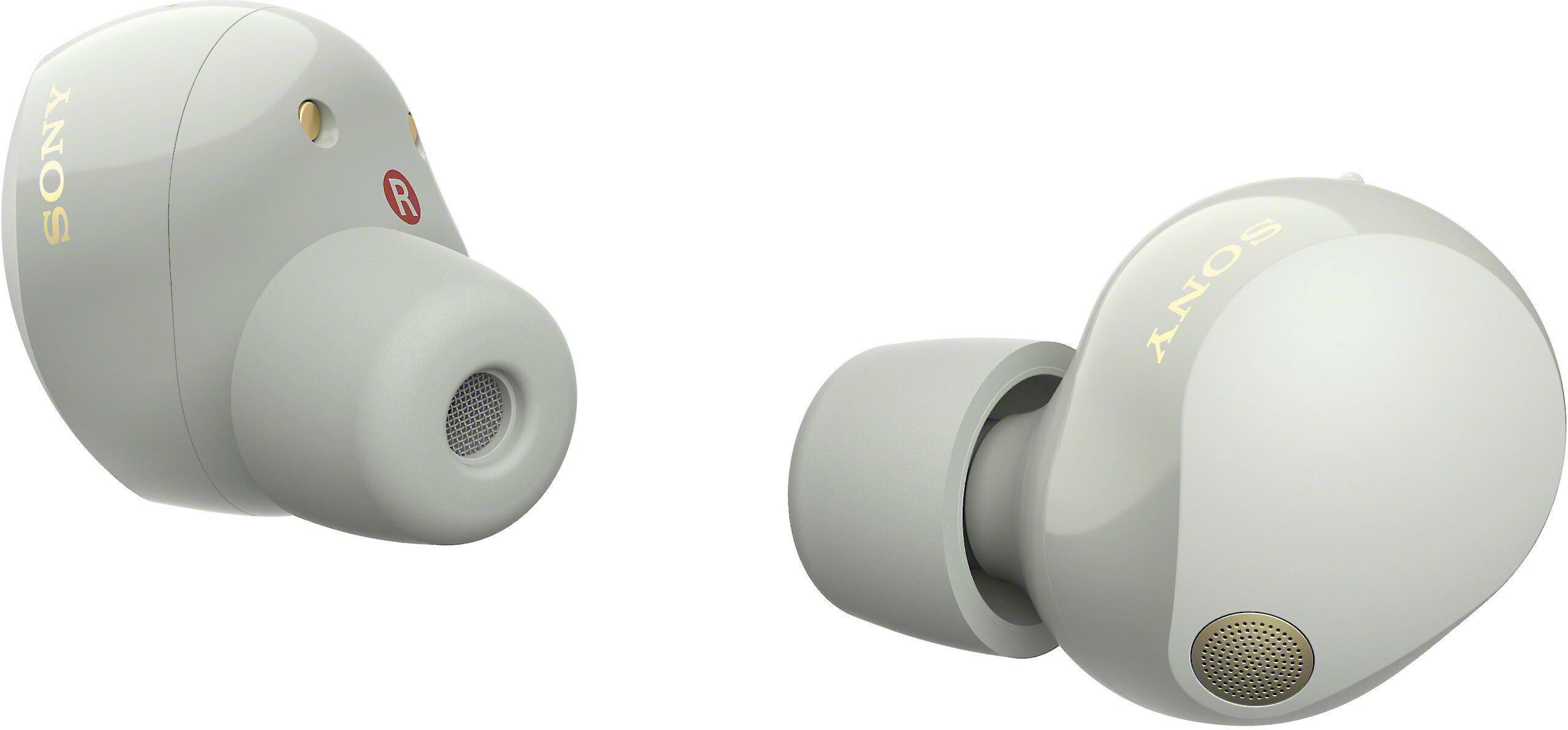


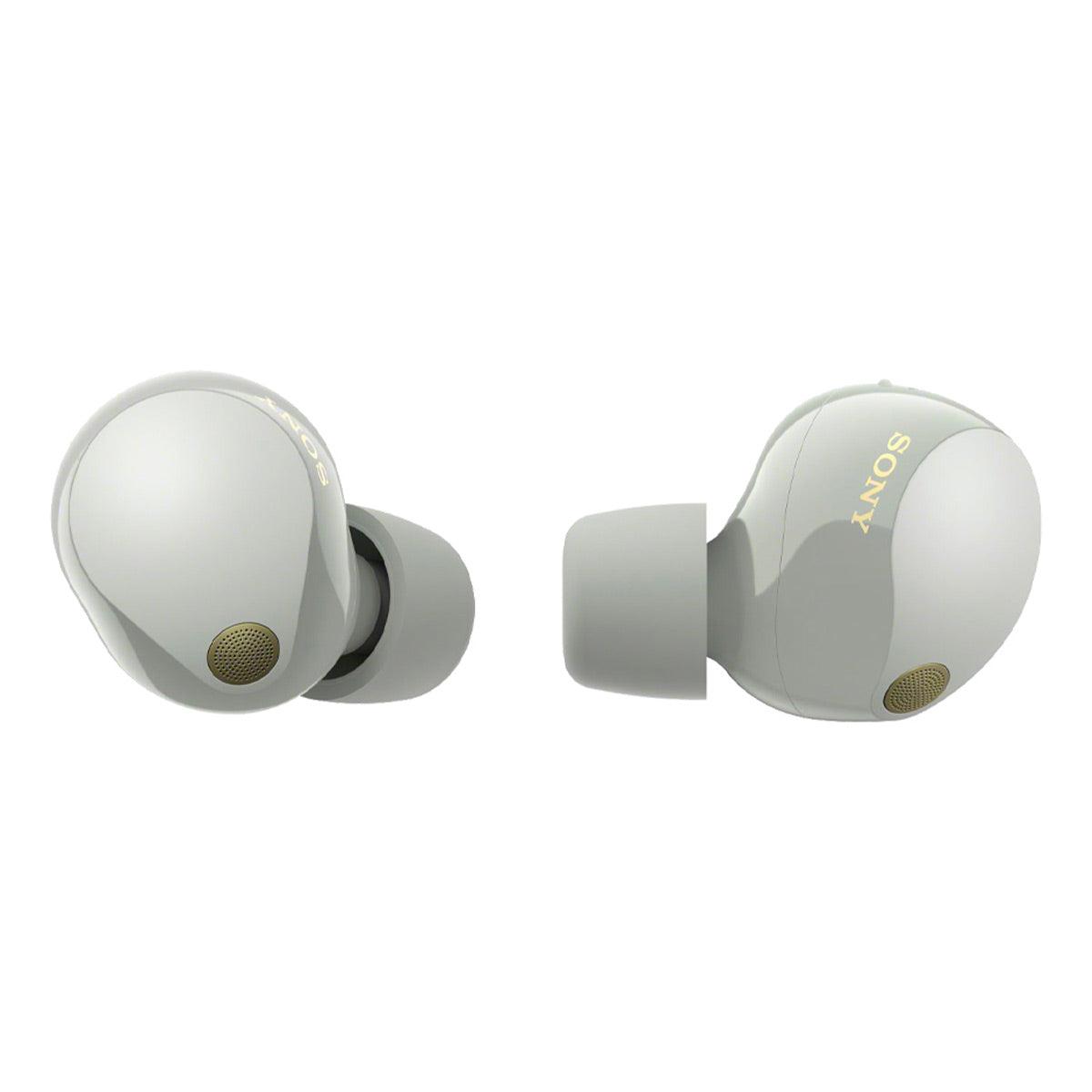

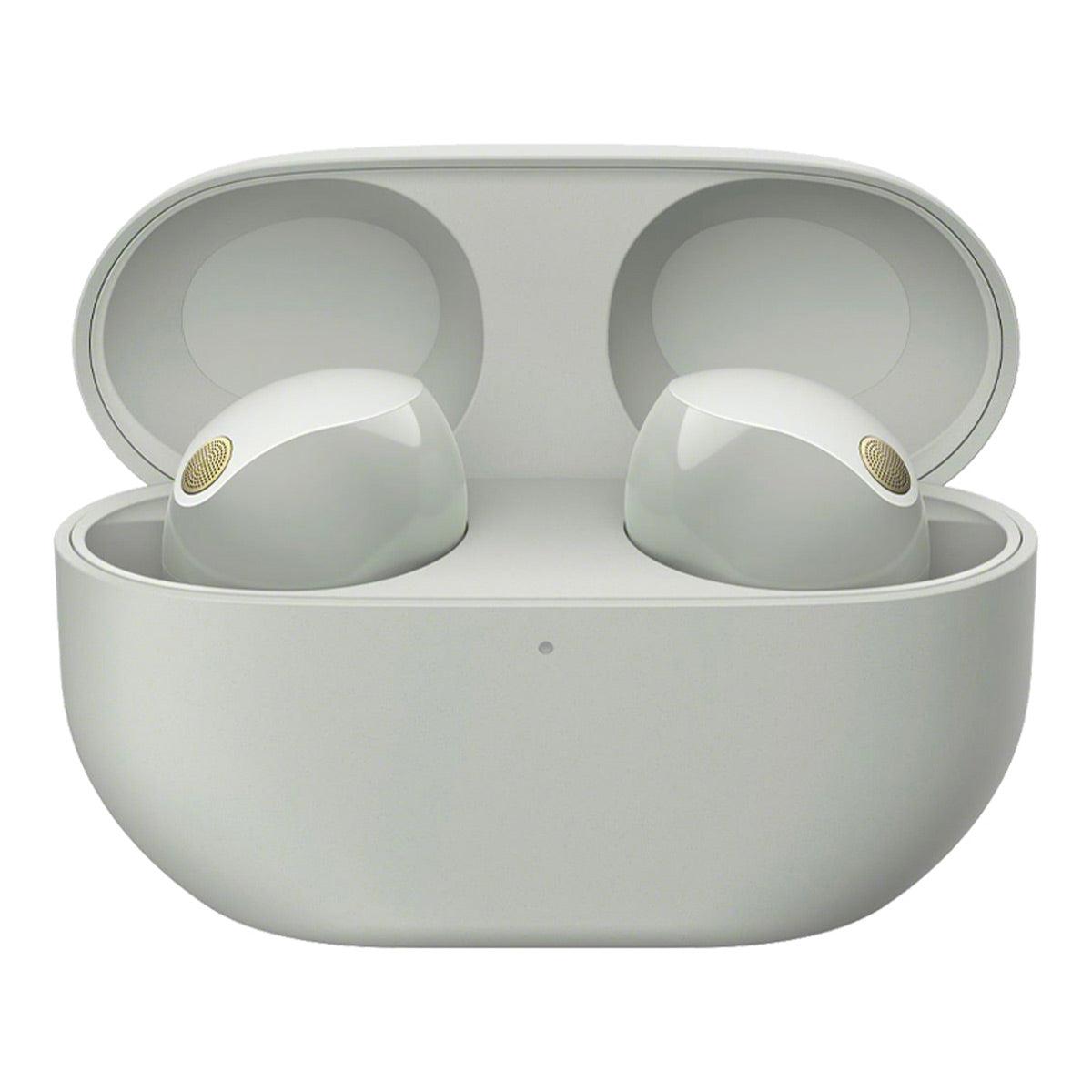
Choosing the right wireless earbuds can feel overwhelming with dozens of options flooding the market. Today, we're comparing two earbuds that represent completely different philosophies: the budget-friendly Samsung Galaxy Buds FE and the premium Sony WF-1000XM5. While both promise excellent noise cancellation and wireless freedom, they target different users with vastly different price points and feature sets.
True wireless earbuds have revolutionized how we listen to music, take calls, and consume media. Unlike traditional wired earphones or even wireless headphones with a connecting cable, true wireless earbuds are completely independent, connecting to your device via Bluetooth while the left and right earbuds communicate with each other wirelessly.
The key technologies that matter most include Active Noise Cancellation (ANC), which uses microphones and processing to cancel out external sounds, and audio codecs—the methods used to compress and transmit audio wirelessly. Higher-quality codecs like Sony's LDAC can transmit much more audio data than basic codecs like SBC, resulting in better sound quality.
When Samsung released the Galaxy Buds FE in 2023, they aimed to democratize premium features like ANC at a much lower price point. Sony's approach with the WF-1000XM5, also launched in 2023, focused on pushing technological boundaries regardless of cost. This fundamental difference in philosophy shapes every aspect of how these earbuds perform.
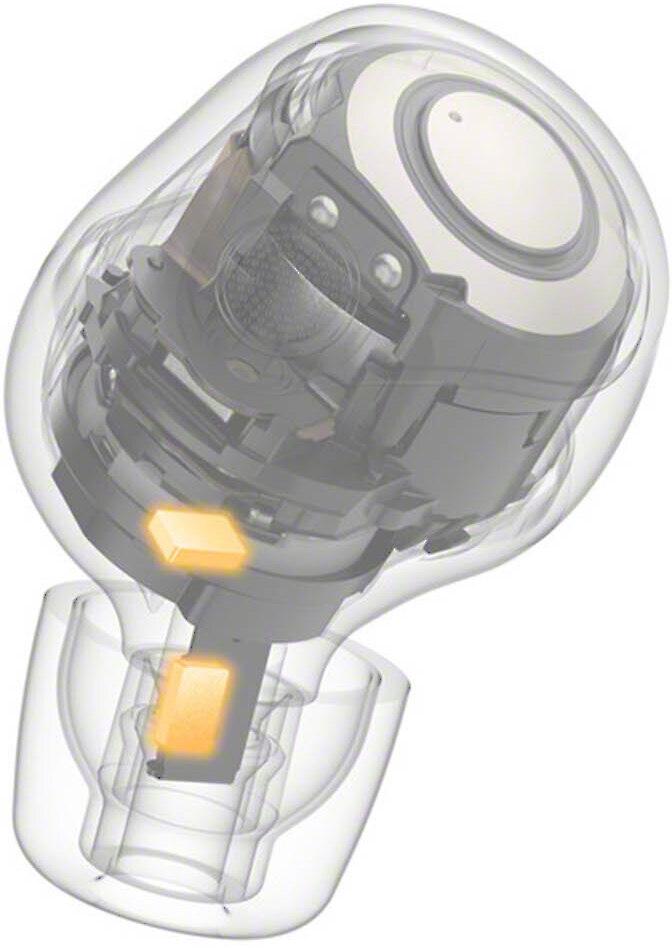
The heart of any earbud is its driver—the tiny speaker that converts electrical signals into sound waves. The Sony WF-1000XM5 uses an 8.4mm Dynamic Driver X, which is significantly larger and more sophisticated than the Samsung Galaxy Buds FE's 6.5mm driver. This size difference matters because larger drivers can typically produce deeper bass and handle higher volumes with less distortion.
But size isn't everything. Sony's driver uses what they call a "dome-edge separation structure," combining different materials to optimize performance across the frequency spectrum. This engineering allows the WF-1000XM5 to reproduce frequencies from 20Hz all the way up to 40,000Hz—well beyond human hearing but important for audio processing algorithms.
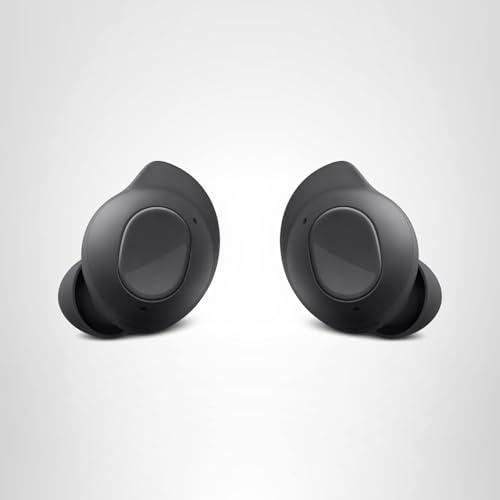
The Samsung Galaxy Buds FE, meanwhile, delivers what most users would consider a "fun" sound signature. It emphasizes bass frequencies, making hip-hop, electronic music, and movie soundtracks feel more impactful. The midrange, where vocals live, remains surprisingly natural and clear. However, the treble (high frequencies) can sometimes sound harsh with cymbals or sudden loud sounds.
Sony took a more balanced approach with the WF-1000XM5. Instead of boosting any particular frequency range dramatically, they focused on accuracy and detail retrieval. This means acoustic instruments sound more realistic, vocal nuances are more apparent, and the overall presentation feels more like what the artist intended. The trade-off is that some users might find this sound less immediately exciting than Samsung's bass-heavy approach.
Think of audio codecs like different types of highways for your music. Basic codecs like SBC are like narrow country roads—they get your music from your phone to your ears, but with limitations. The Samsung Galaxy Buds FE supports Samsung's proprietary Scalable Codec, but only when paired with Samsung devices. For everyone else, you're limited to standard SBC and AAC codecs.
The Sony WF-1000XM5 supports LDAC, Sony's high-resolution audio codec that can transmit nearly three times more data than standard Bluetooth audio. This means less compression, more detail, and audio quality that approaches wired headphone levels. The difference is particularly noticeable with high-quality recordings, where you'll hear instrument separation and spatial details that simply get lost with basic codecs.
DSEE Extreme, another Sony technology, uses artificial intelligence to analyze compressed music files in real-time and restore details that were lost during compression. It's like having a smart upscaling system that can make your Spotify streams sound closer to CD quality.
Active Noise Cancellation works by using external microphones to capture ambient sound, then generating "anti-noise" waves that cancel out unwanted sounds before they reach your ears. Both earbuds excel here, but in different ways.
The Samsung Galaxy Buds FE impresses with its low-frequency noise cancellation. It's particularly effective at eliminating the constant drone of airplane engines, air conditioning systems, or highway traffic. In our research, users consistently praise its ability to create a quiet bubble for focus work or travel. However, it struggles more with mid-frequency sounds like conversation or sudden noises.
Sony's approach with the WF-1000XM5 is more sophisticated, using three microphones per earbud (compared to Samsung's setup) and two dedicated noise-canceling processors. This allows for more precise cancellation across a wider frequency range. The result is more consistent quiet, whether you're dealing with low rumbles or higher-pitched distractions.
The Sony WF-1000XM5 also includes automatic wind noise reduction, which prevents that annoying whooshing sound you get when walking outdoors on breezy days. The Samsung Galaxy Buds FE lacks this feature, making it less suitable for outdoor activities.
Where Sony really pulls ahead is in adaptive features. The WF-1000XM5 can learn your habits and automatically adjust noise cancellation based on your location and activity. If you always want maximum ANC at your office but prefer ambient sound when walking through your neighborhood, it will remember and adjust automatically.
The Speak-to-Chat feature on the Sony WF-1000XM5 automatically pauses music and activates ambient sound when it detects your voice, making it seamless to have conversations without touching the earbuds. The Samsung Galaxy Buds FE requires manual switching between modes.
Battery performance often determines whether earbuds become daily companions or occasional accessories. Here, we see interesting trade-offs between the two approaches.
The Samsung Galaxy Buds FE prioritizes total listening time, offering up to 30 hours when combining the earbuds with their charging case (with ANC disabled). Even with noise cancellation active, you get 21 hours total. However, the earbuds themselves only last about 6 hours per charge, which means more frequent trips to the case.
The Sony WF-1000XM5 flips this equation, providing 8 hours of continuous listening with ANC enabled—33% longer than Samsung's offering per charge. This makes a huge difference for long flights, extended work sessions, or all-day wear. The total battery life is slightly less at 24 hours, but most users prefer longer per-charge duration over maximum total capacity.
Quick charging capabilities also favor Sony. Three minutes in the case provides an hour of playback for the WF-1000XM5, perfect for those "forgot to charge" moments. The Samsung Galaxy Buds FE lacks fast charging entirely.
For home theater use, longer per-charge battery life becomes crucial. Nothing breaks immersion like earbuds dying mid-movie, and the Sony WF-1000XM5's 8-hour endurance means you can watch multiple films or an entire season of a show without interruption.
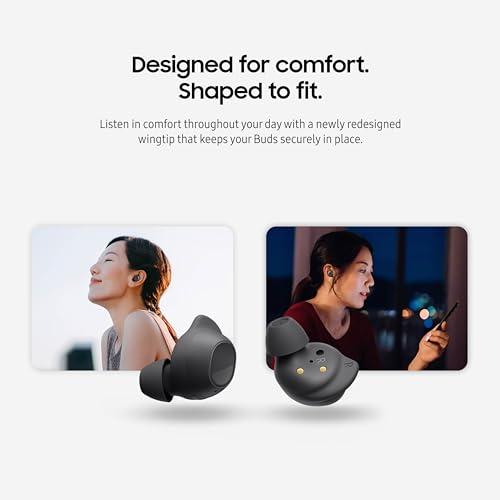
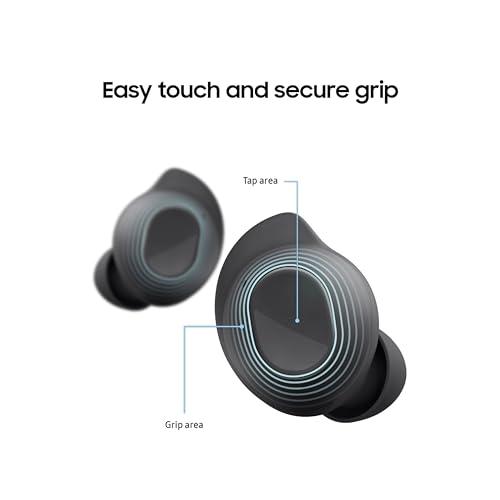
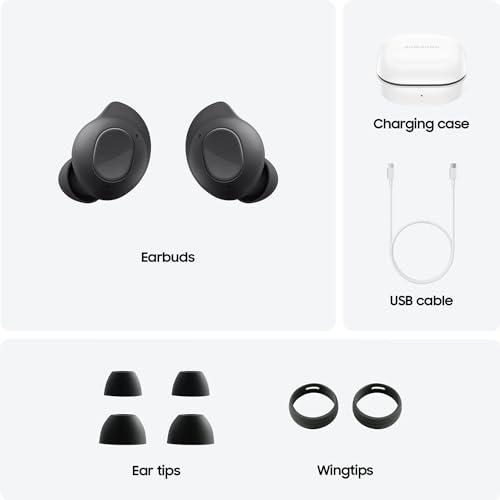
Comfort becomes critical for extended listening sessions, and both earbuds take different approaches. The Samsung Galaxy Buds FE includes interchangeable wingtips—small silicone fins that hook into your ear's contours for extra security during exercise or movement. This makes them particularly appealing for active users who worry about earbuds falling out.
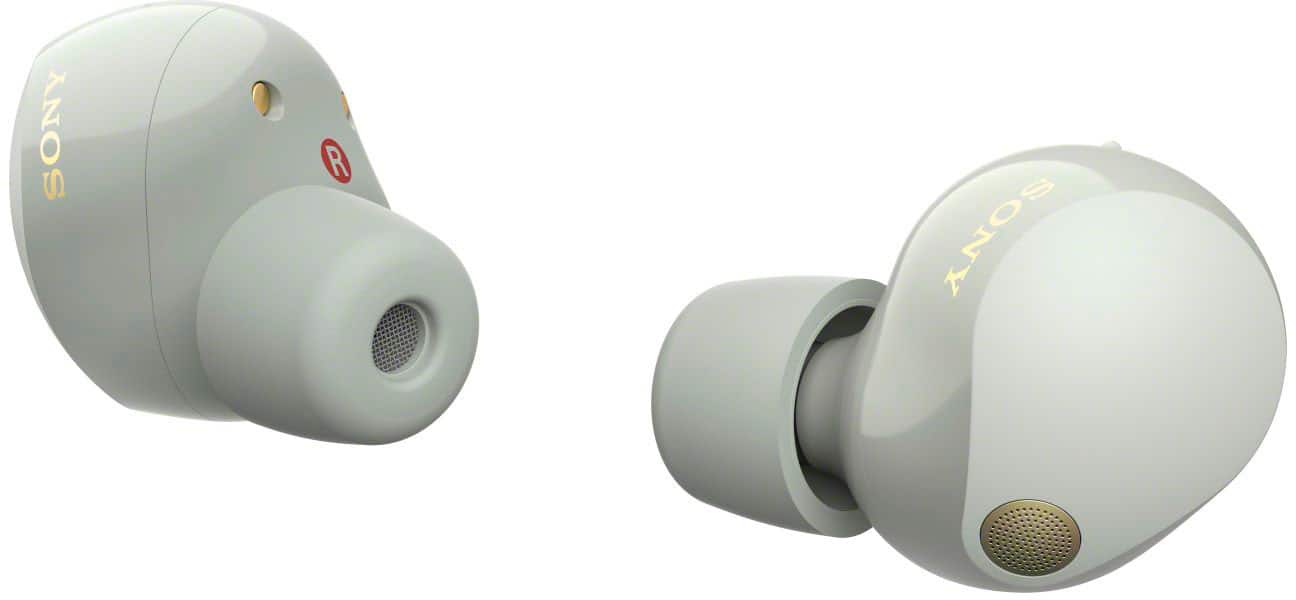
The Sony WF-1000XM5 abandoned wingtips in favor of superior ergonomics and memory foam ear tips. These foam tips conform to your ear canal shape, creating a better seal for both comfort and noise isolation. Sony redesigned these earbuds to be 25% smaller than their predecessors, addressing one of the main complaints about earlier models.
Water resistance ratings tell you how much moisture your earbuds can handle. The Samsung Galaxy Buds FE carries an IPX2 rating, which protects against light sweat and occasional drips but won't survive a heavy workout or accidental water exposure.
The Sony WF-1000XM5 steps up to IPX4, meaning they can handle splashing water from any direction. This makes them suitable for gym sessions, running in light rain, or washing dishes while listening to podcasts. However, neither earbud is designed for swimming or showering.
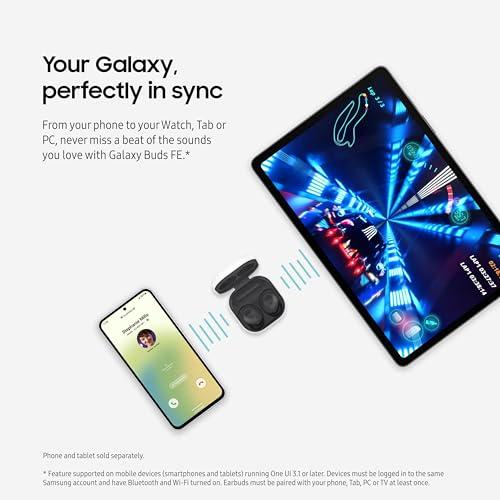
Modern life involves multiple devices, and how earbuds handle switching between them affects daily usability. The Samsung Galaxy Buds FE excels within Samsung's ecosystem, automatically switching between Galaxy phones, tablets, and even Samsung TVs. However, this magic only works with Samsung devices.
The Sony WF-1000XM5 supports true multipoint connectivity, allowing simultaneous connections to any two Bluetooth devices regardless of brand. You can listen to music on your laptop while remaining connected to your phone for calls. When a call comes in, audio automatically switches without manual intervention.
Both earbuds handle phone calls well, but with different strengths. The Samsung Galaxy Buds FE uses three microphones per earbud to capture your voice while filtering background noise. Call quality is generally good in quiet environments but can struggle in very noisy settings.
Sony's Precise Voice Pickup Technology goes further, using bone conduction sensors that detect voice vibrations through your skull. This allows the WF-1000XM5 to isolate your voice more effectively from environmental noise, resulting in clearer calls even in challenging conditions.
The companion apps reveal each company's priorities. Samsung's Galaxy Wearable app focuses on essential controls and integration with other Samsung devices. You get basic EQ presets and the ability to customize touch controls, but options remain limited compared to premium alternatives.
Sony's Headphones Connect app is comprehensive, offering a five-band graphic equalizer for precise sound tuning, adaptive sound control settings, and detailed customization of every feature. The app can even analyze photos of your ears to recommend the best ear tip size—a level of personalization that justifies the premium positioning.
At the time of writing, the Samsung Galaxy Buds FE typically costs about one-third the price of the Sony WF-1000XM5, making the value equation complex. Samsung offers impressive noise cancellation and decent audio quality at a budget-friendly price, particularly for users already invested in Samsung's ecosystem.
The Sony WF-1000XM5 commands premium pricing but delivers corresponding performance. The superior audio quality, longer battery life, better build quality, and advanced features justify the cost for users who prioritize excellence over economy.
You're budget-conscious but still want effective noise cancellation. Samsung device users will appreciate the ecosystem integration, and the included wingtips make these suitable for active lifestyles. The longer total battery life appeals to users who don't mind frequent charging but want maximum total listening time.
Audio quality matters most to your listening experience. The superior drivers, LDAC support, and advanced processing make these ideal for music enthusiasts and audiophiles. The longer per-charge battery life and better build quality make them perfect for frequent travelers or professionals who need reliable all-day performance.
For home theater use, the Sony WF-1000XM5's extended battery life and superior audio processing make them the clear choice for movie marathons and binge-watching sessions.
Both earbuds succeed in their intended markets, but they serve different users with different priorities. The Samsung Galaxy Buds FE democratizes noise cancellation technology, making it accessible to users who previously couldn't justify premium earbud pricing. The Sony WF-1000XM5 pushes technological boundaries, delivering best-in-class performance for users willing to invest in superior audio experiences.
Your choice ultimately depends on whether you prioritize accessibility and ecosystem integration (Samsung) or premium performance and universal compatibility (Sony). Both represent excellent value in their respective categories, proving that the true wireless earbud market has matured to offer compelling options for every budget and use case.
| Samsung Galaxy Buds FE | Sony WF-1000XM5 |
|---|---|
| Driver Size - Larger drivers typically produce better bass and handle higher volumes | |
| 6.5mm dynamic driver | 8.4mm Dynamic Driver X with advanced materials |
| Active Noise Cancellation - Essential for focus and travel comfort | |
| Excellent low-frequency cancellation (up to 30dB), struggles with mid-frequencies | Industry-leading ANC across all frequencies with adaptive intelligence |
| Battery Life Per Charge - How long you can listen without returning to the case | |
| 6 hours with ANC on, 8.5 hours with ANC off | 8 hours with ANC on, 12 hours with ANC off |
| Total Battery Life - Maximum listening time including charging case | |
| 21 hours with ANC (30 hours without ANC) | 24 hours total with ANC |
| Audio Codecs - Determines wireless sound quality potential | |
| Samsung Scalable Codec (Galaxy devices only), SBC, AAC | LDAC high-resolution audio, SBC, AAC, LC3 |
| Water Resistance - Protection against sweat and moisture | |
| IPX2 (basic sweat resistance) | IPX4 (splash and sweat proof for workouts) |
| Bluetooth Version - Affects connection stability and features | |
| Bluetooth 5.2 | Bluetooth 5.3 with improved stability |
| Multi-Device Connection - Ability to connect to multiple devices simultaneously | |
| Auto-switch between Samsung devices only | True multipoint for any two Bluetooth devices |
| Charging Options - Convenience and speed of powering up | |
| USB-C wired charging only | Wireless Qi charging + USB-C with 3-minute quick charge |
| Weight Per Earbud - Affects long-term comfort | |
| 5.6g (includes wingtips for secure fit) | 5.9g (25% smaller than predecessor, memory foam tips) |
| Smart Features - Advanced functionality beyond basic playback | |
| Basic touch controls, Samsung ecosystem integration | Adaptive Sound Control, Speak-to-Chat, 360 Reality Audio |
| Best For - Target user and primary use cases | |
| Budget-conscious Samsung users, active lifestyles | Audiophiles, frequent travelers, premium experience seekers |
The Sony WF-1000XM5 delivers significantly better audio quality with its larger 8.4mm Dynamic Driver X and support for LDAC high-resolution audio codec. The Samsung Galaxy Buds FE offers decent sound with a bass-heavy profile, but Sony's superior drivers and processing provide more detail, clarity, and accuracy across all frequencies.
Both earbuds offer active noise cancellation, but the Sony WF-1000XM5 provides more advanced ANC with three microphones per earbud and adaptive intelligence that adjusts to your environment. The Samsung Galaxy Buds FE excels at canceling low-frequency sounds like airplane engines but struggles more with mid-range frequencies compared to Sony's consistent performance across all sound ranges.
The Sony WF-1000XM5 offers superior per-charge battery life with 8 hours of playback (ANC on) versus 6 hours for the Samsung Galaxy Buds FE. However, Samsung provides longer total battery life when including the charging case (21-30 hours vs Sony's 24 hours), though most users prefer Sony's longer continuous listening time.
Both earbuds handle calls well, but the Sony WF-1000XM5 has an advantage with Precise Voice Pickup Technology that uses bone conduction sensors for clearer voice transmission in noisy environments. The Samsung Galaxy Buds FE provides good call quality with three microphones per earbud, though performance may decline in very noisy settings.
The Sony WF-1000XM5 offers universal compatibility with full features on iOS, Android, and other devices, plus true multipoint connectivity for switching between any two devices. The Samsung Galaxy Buds FE works with all devices via Bluetooth but many advanced features are limited to Samsung Galaxy devices.
The Samsung Galaxy Buds FE typically costs significantly less than the Sony WF-1000XM5, making it excellent value for budget-conscious buyers who still want effective noise cancellation. Sony's premium pricing reflects superior audio quality, longer battery life, and advanced features that justify the cost for audiophiles and power users.
Comfort depends on ear shape, but the Sony WF-1000XM5 generally offers better long-term comfort with memory foam ear tips and a 25% smaller design compared to previous Sony models. The Samsung Galaxy Buds FE includes wingtips for secure fit during activities, though some users may find the fit less comfortable for extended wear.
Only the Sony WF-1000XM5 supports wireless Qi charging in addition to USB-C wired charging, plus offers quick charging (3 minutes for 60 minutes playback). The Samsung Galaxy Buds FE only supports USB-C wired charging without quick charge capabilities.
The Samsung Galaxy Buds FE includes wingtips for secure fit during exercise, though its IPX2 rating only provides basic sweat resistance. The Sony WF-1000XM5 offers better IPX4 water resistance for workouts but lacks wingtips, relying on its ergonomic design and memory foam tips for stability during activity.
The Sony WF-1000XM5 offers extensive customization through the Headphones Connect app, including a five-band EQ, adaptive sound control, and detailed feature settings. The Samsung Galaxy Buds FE uses the Galaxy Wearable app with basic EQ presets and limited customization options, though it integrates well with other Samsung devices.
The Sony WF-1000XM5 supports true multipoint connectivity, allowing simultaneous connection to any two Bluetooth devices with seamless switching. The Samsung Galaxy Buds FE can auto-switch between Samsung devices logged into the same account but doesn't support multipoint connection with non-Samsung devices.
Both earbuds work well for entertainment, but the Sony WF-1000XM5 is better suited for extended viewing sessions with its 8-hour battery life and superior audio processing. The Samsung Galaxy Buds FE may require mid-viewing charging breaks due to its 6-hour battery life, though both provide good sound quality for movies and shows.
We've done our best to create useful and informative comparisons to help you decide what product to buy. Our research uses advanced automated methods to create this comparison and perfection is not possible - please contact us for corrections or questions. These are the sites we've researched in the creation of this article: rtings.com - soundguys.com - scarbir.com - versus.com - headphones.com - androidcentral.com - youtube.com - scarbir.com - r1.community.samsung.com - rtings.com - soundguys.com - loudnwireless.com - youtube.com - youtube.com - loudnwireless.com - samsung.com - soundguys.com - samsung.com - samsung.com - samsung.com - head-fi.org - samsung.com - sammobile.com - soundguys.com - techradar.com - youtube.com - news.samsung.com - rtings.com - moon-audio.com - whathifi.com - sony.ca - soundguys.com - techgearlab.com - loudnwireless.com - youtube.com - techradar.com - youtube.com - costco.com - youtube.com - us.community.sony.com - youtube.com - whathifi.com - youtube.com - cnet.com - loudnwireless.com - youtube.com - bestbuy.com - electronics.sony.com - helpguide.sony.net - gsmarena.com - soundguys.com - bestbuy.com - sony.com - loudnwireless.com - sony.com - sony.com - youtube.com - sony-asia.com - helpguide.sony.net - sony.com - sony.com.sg - sony-asia.com - youtube.com - headphones.com - moon-audio.com - electronics.sony.com - shop.oprahdaily.com - youtube.com

Privacy Policy
Terms and Conditions - Affiliate Policy
Home Security
© Copyright 2008-2026.
11816 Inwood Rd #1211, Dallas, TX 75244