






The true wireless earbud market has exploded over the past few years, but choosing between premium options can feel overwhelming. Two standout models that frequently appear in shopping carts are the Samsung Galaxy Buds 3 Pro and Sony WF-1000XM5. Both launched in 2023 and represent their manufacturers' flagship efforts to compete with Apple's dominance in the space.
Understanding what separates good earbuds from great ones starts with recognizing that premium models need to excel across multiple areas simultaneously. You're not just buying tiny speakers—you're investing in a complete audio ecosystem that includes noise cancellation technology, smart features, battery management, and comfort engineering. The Samsung Galaxy Buds 3 Pro and Sony WF-1000XM5 take notably different approaches to achieving excellence, which makes choosing between them both interesting and challenging.
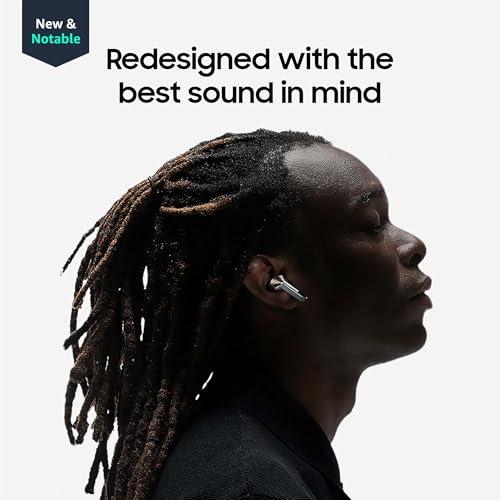
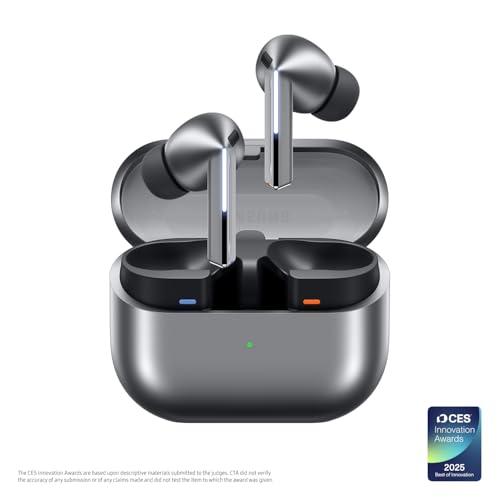
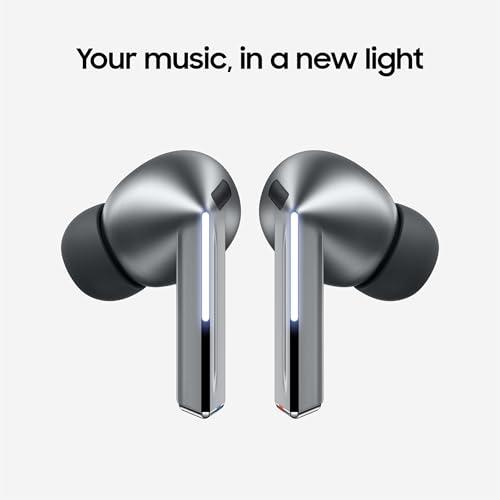
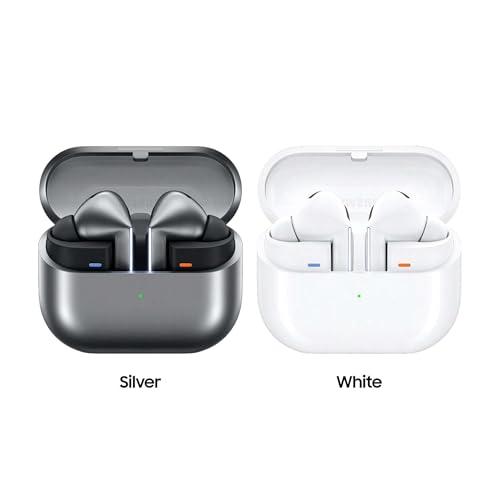
Perhaps the most immediately obvious difference between these earbuds is their physical design philosophy. Samsung made headlines in 2023 by completely abandoning their traditional "bean-shaped" design language that had defined previous Galaxy Buds generations. The Galaxy Buds 3 Pro now sport a stem-based design that looks remarkably similar to Apple's AirPods Pro—a move that generated significant controversy among Samsung loyalists.
This isn't just about aesthetics. The stem design serves practical purposes: it houses additional microphones for better call quality, provides more surface area for touch controls, and includes LED indicators that show connection status. Each Samsung Galaxy Buds 3 Pro earbud weighs just 5.4 grams, making them comfortable for extended wear. More importantly, Samsung equipped them with an IP57 water resistance rating, which means they can survive being submerged in water up to one meter deep for 30 minutes. This makes them genuinely suitable for sweaty workouts or caught-in-the-rain scenarios without worry.
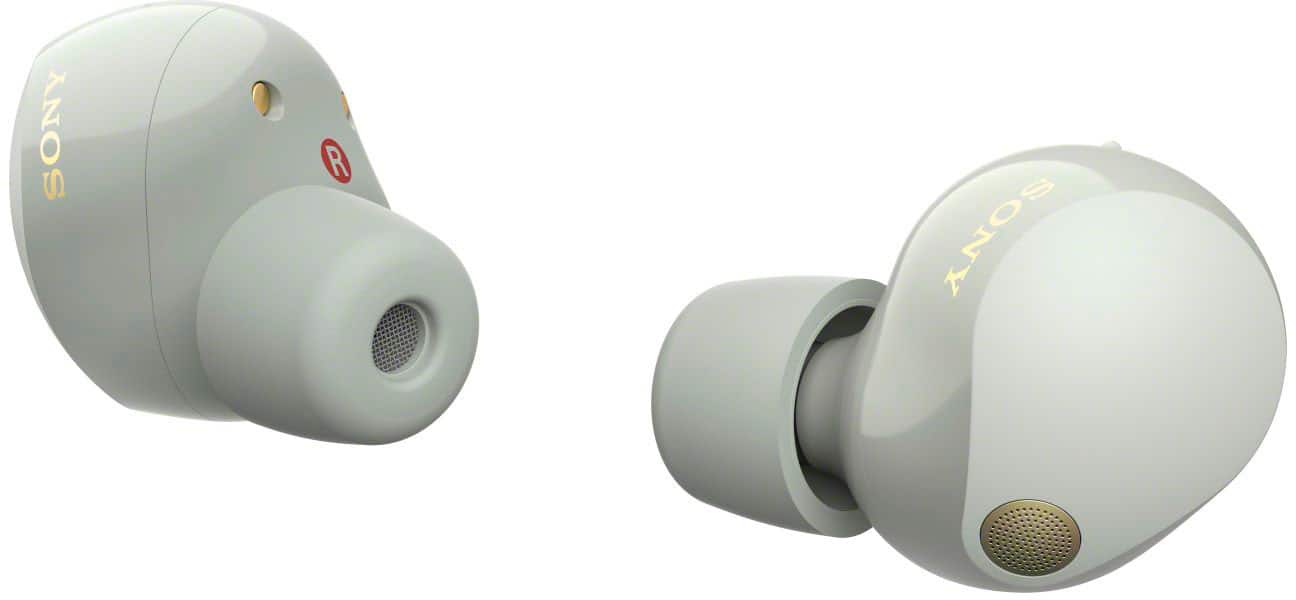
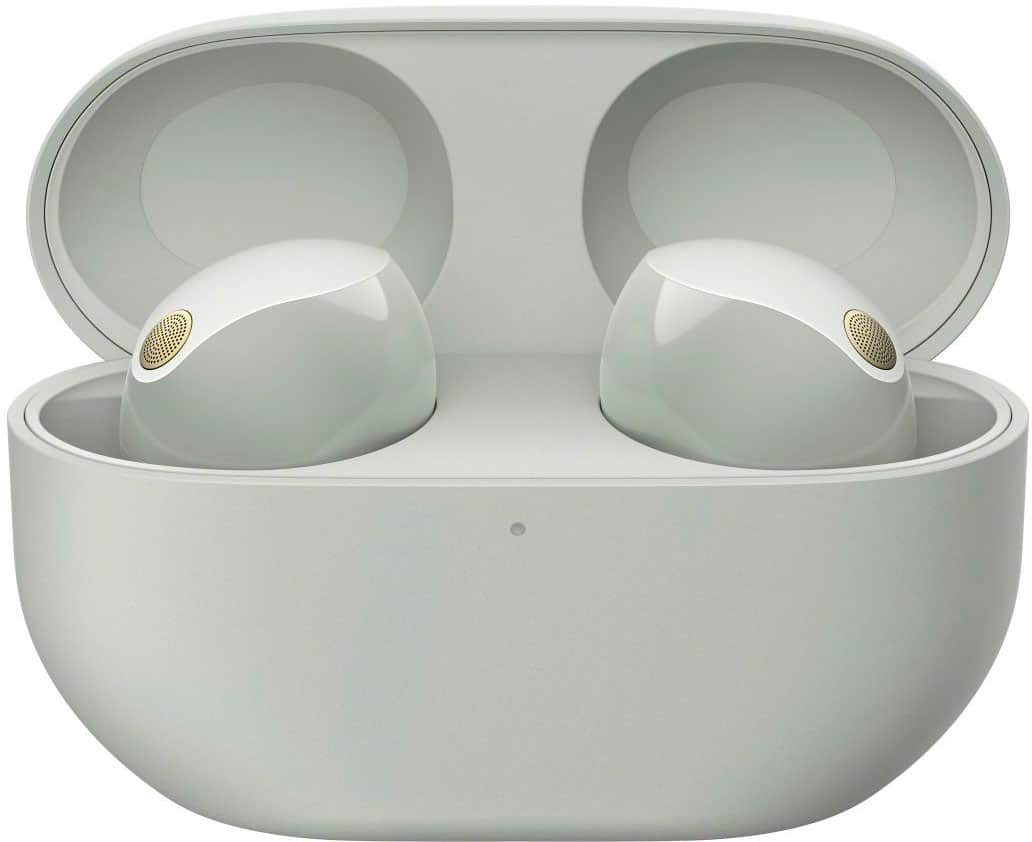
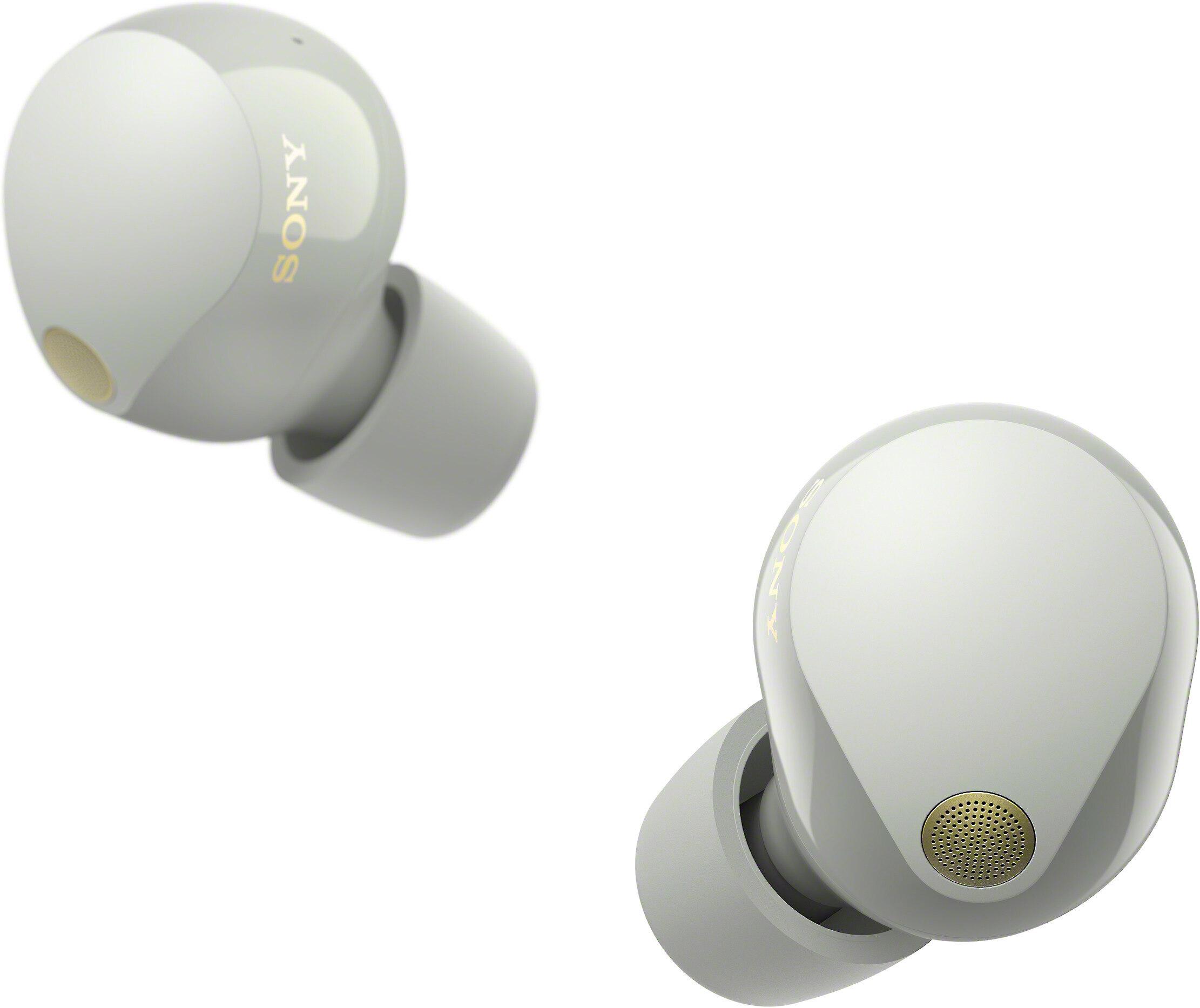
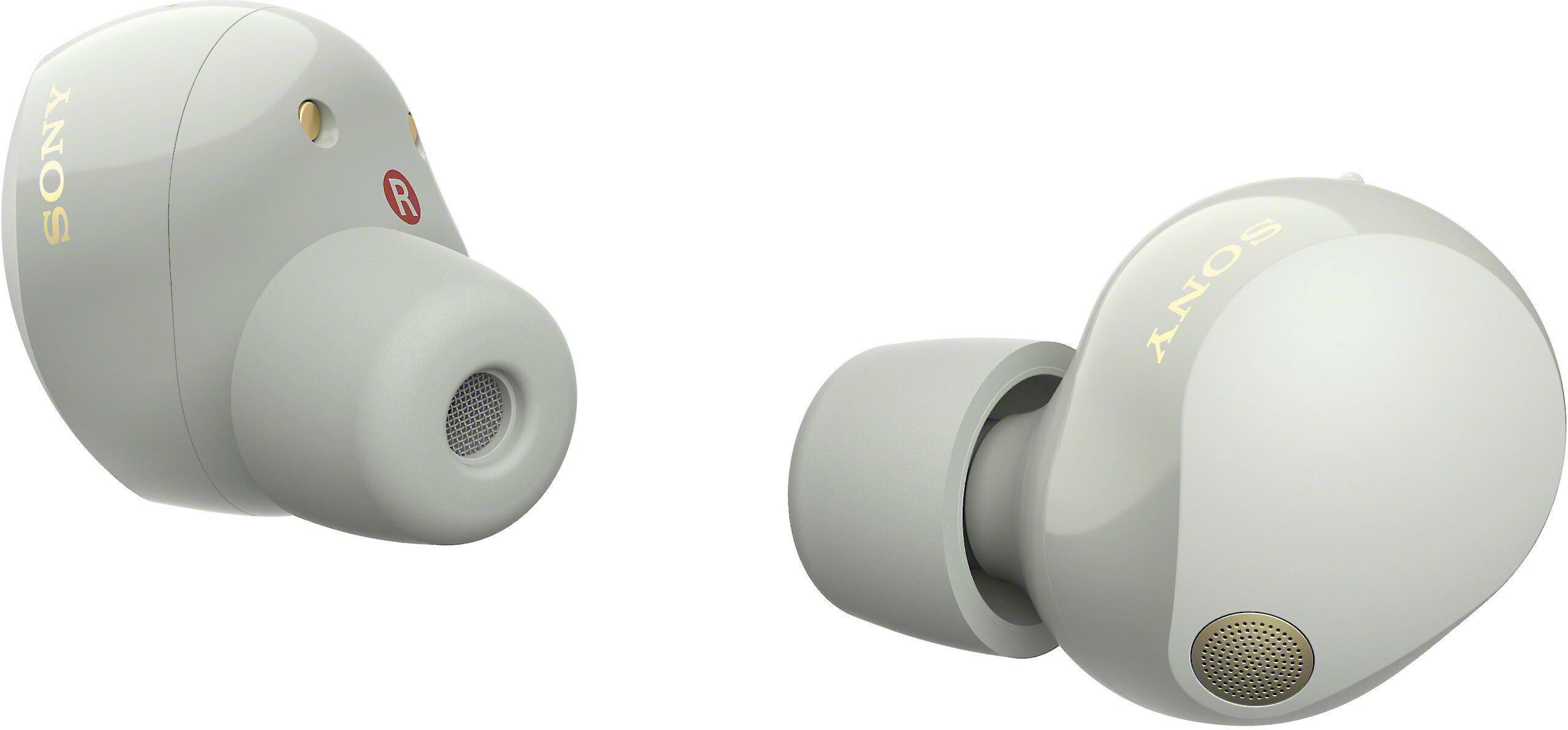
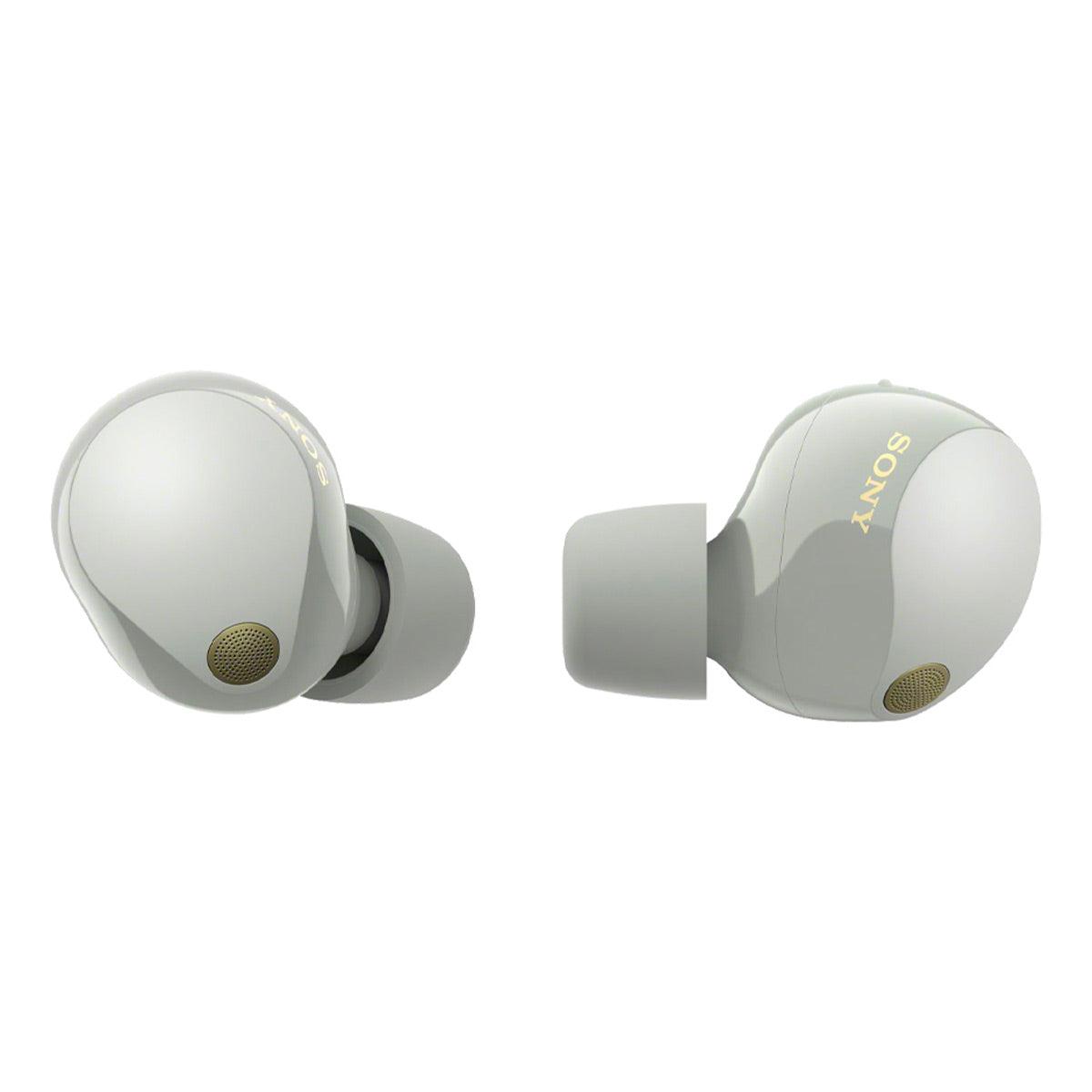
The Sony WF-1000XM5, meanwhile, represents an evolution rather than revolution in Sony's design thinking. Sony made their 2023 model 25% smaller and 20% lighter than the previous generation while maintaining their stemless approach. This traditional bud design prioritizes a secure fit and passive noise isolation—the natural seal your ear creates around the earbud before any electronic noise cancellation kicks in.
However, Sony's more conservative approach comes with trade-offs. The WF-1000XM5 only carries an IPX4 rating, meaning they can handle light splashes but shouldn't get properly wet. If you're someone who exercises intensely or lives in a rainy climate, this limitation could be genuinely problematic. The build quality feels more premium overall, but you need to be more careful with them.
When it comes to audio performance, both earbuds deliver exceptional sound quality, but they achieve it through different technological approaches that result in distinctly different listening experiences.
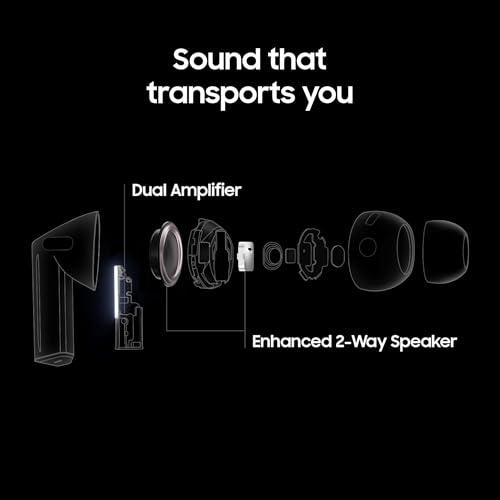
The Samsung Galaxy Buds 3 Pro implement what Samsung calls a "dual amplifier system" with enhanced 2-way speakers. In simpler terms, they use separate amplifiers to power a 10.5mm woofer (for bass) and a 6.1mm planar magnetic tweeter (for highs). This separation prevents the different frequency ranges from interfering with each other, creating what audio engineers call a "V-shaped" sound signature. This means both the bass and treble are emphasized while the midrange (where most vocals sit) is slightly recessed.
This tuning makes music feel dynamic and energetic. Guitar solos cut through with exceptional clarity, electronic music pulses with satisfying bass impact, and orchestral pieces feel wide and spacious. However, this exciting sound signature can become fatiguing during long listening sessions, and some acoustic or vocal-focused music might sound less natural than intended.
The Sony WF-1000XM5 takes a more balanced approach with their newly developed 8.4mm Dynamic Driver X. Sony's engineering focuses on what they call "dome-edge separation structure"—essentially, different parts of the speaker driver use different materials to reproduce different frequencies more accurately. The result is tighter bass control, surprisingly transparent midrange, and clear, detailed highs that extend all the way up to 40kHz (well beyond human hearing).
Based on extensive research into professional reviews and user feedback, the Sony approach tends to reveal more subtle details in music. You'll hear texture in guitar strings, room acoustics in recordings, and instrumental separation that might get lost in the Samsung's more aggressive tuning. This makes the Sony earbuds particularly appealing for jazz, classical, acoustic music, and anyone who values accuracy over excitement.
Here's where things get technical, but it's crucial for understanding real-world performance differences. Audio codecs determine how your phone compresses and transmits music to your earbuds—think of them as different languages that devices use to communicate about audio quality.
The Samsung Galaxy Buds 3 Pro support Samsung's proprietary Seamless Codec (SSC), which can handle incredibly high-quality audio up to 24-bit/96kHz resolution. For context, CD-quality audio is 16-bit/44.1kHz, so this represents a significant step up in potential quality. However—and this is a big caveat—this premium codec only works with recent Samsung Galaxy devices (S23 series or later). If you own an iPhone, Google Pixel, or older Samsung phone, you're limited to standard AAC and SBC codecs, which provide good but not exceptional quality.
The Sony WF-1000XM5 offers broader compatibility with their codec support. They work with SBC and AAC on all devices, but Android users gain access to Sony's LDAC codec, which can transmit up to 990 kilobits per second of audio data—roughly three times more information than standard Bluetooth audio. This works with any Android device, not just Sony phones, making it more universally useful.
Sony also includes their DSEE (Digital Sound Enhancement Engine) Extreme technology, which uses artificial intelligence to analyze and improve compressed music files in real-time. This feature works regardless of which codec you're using, essentially acting as an audio upscaler that can make Spotify or Apple Music tracks sound noticeably better than they would otherwise.
Active noise cancellation (ANC) technology uses microphones to detect external sounds and then generates opposite sound waves to cancel them out. It's particularly effective against consistent, low-frequency noise like airplane engines, air conditioners, or traffic rumble.
Both earbuds feature impressive ANC, but based on consistent feedback from professional reviewers and users, the Sony WF-1000XM5 maintains a clear advantage in this crucial area. Sony uses three microphones per earbud working with their Integrated Processor V2 and HD Noise Cancelling Processor QN2e to create what many consider the most effective noise cancellation available in true wireless earbuds.
What sets Sony apart is the robustness of their implementation. Users report that Sony's noise cancellation works effectively even at lower volumes, meaning you don't need to crank your music as loud to achieve the same isolation from external noise. This is healthier for your hearing and more comfortable during long flights or commutes.
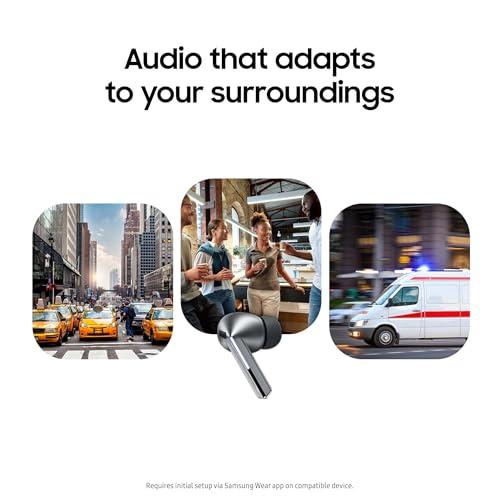
The Samsung Galaxy Buds 3 Pro offer what reviewers describe as "thorough" and "fantastic" noise cancellation that blocks roughly 85% of external sounds. They excel particularly well at eliminating low- and mid-frequency noises but allow more high-frequency sounds to leak through. Samsung's adaptive ANC feature promises to automatically adjust cancellation levels based on your environment, but in practice, users report minimal noticeable improvement from this automation.
Sony also provides more granular control with 20 different levels of ambient sound adjustment. This means you can fine-tune exactly how much outside world you want to hear, from complete isolation to enhanced awareness that can pick up conversations from across the street.
Battery performance represents one of the clearest differentiators between these models, and it's an area where the Sony WF-1000XM5 delivers a decisive advantage.
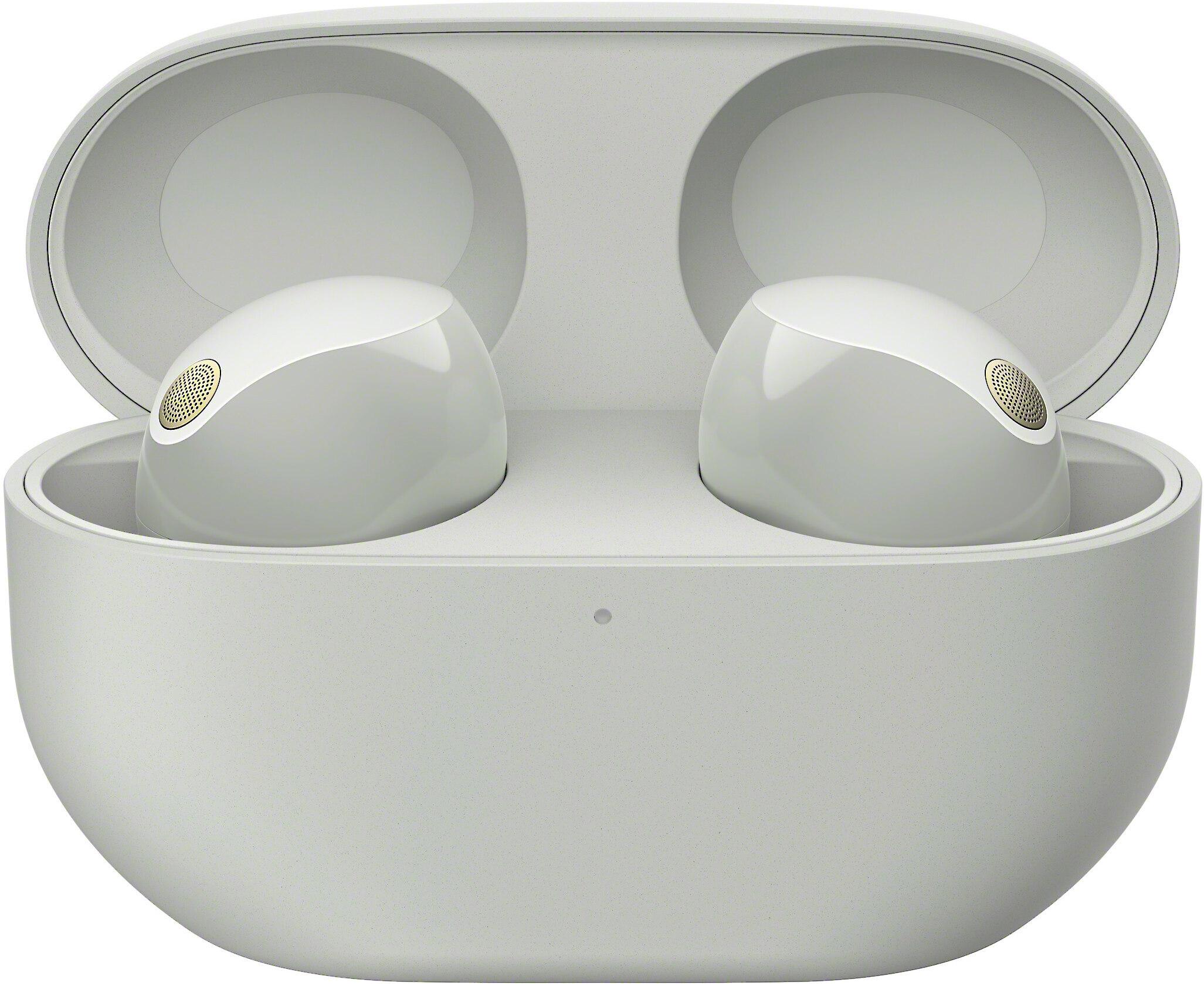
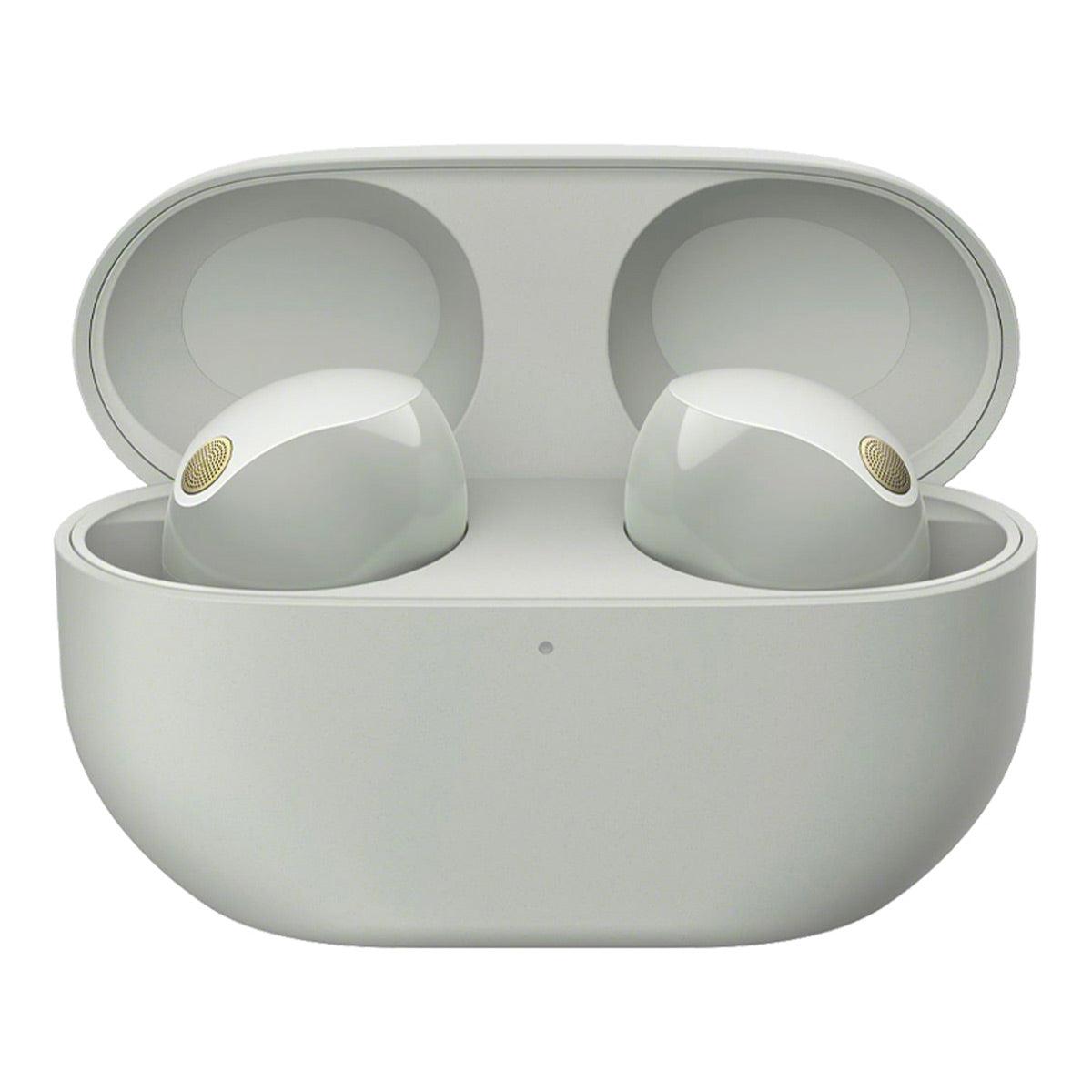
Sony provides 8 hours of continuous playback with ANC enabled, extending to 12 hours with ANC disabled. The charging case adds another 16 hours with ANC on (24 hours total) or 24 hours with ANC off (36 hours total). This means you can realistically use these earbuds for several days of normal listening or get through long international flights without needing to recharge.
The Samsung Galaxy Buds 3 Pro manage 6 hours with ANC on (7 hours with ANC off), plus 20 hours from the charging case with ANC enabled (26 hours total). While this battery life isn't bad by industry standards, it represents a 33% shorter listening time per charge compared to Sony. For frequent travelers or anyone who uses earbuds extensively throughout the day, this difference becomes genuinely meaningful.
Both models support wireless charging, which is convenient for daily use. However, if you've ever found yourself on a long flight watching your earbud case battery indicator creeping toward empty, Sony's advantage here becomes compelling.
Modern premium earbuds are as much about smart features as pure audio performance. Both models include impressive AI-powered capabilities, but their approaches to feature availability couldn't be more different.
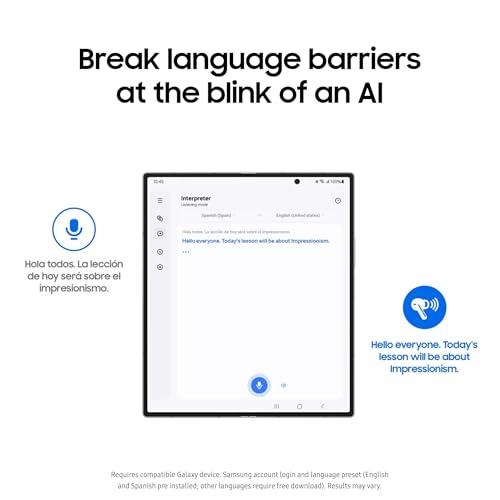
The Samsung Galaxy Buds 3 Pro showcase some genuinely impressive technology, including real-time language interpretation that can translate conversations as they happen. Imagine being able to have a fluid conversation with someone who speaks a different language, with translations appearing directly in your ears. They also offer 360 Audio for immersive spatial sound, seamless device switching between Samsung products, and adaptive EQ that uses AI to adjust sound based on your ear shape and environment.
The catch? Most of these advanced features only work with Samsung Galaxy devices running the latest software. If you own an iPhone or non-Samsung Android phone, you're paying for capabilities you cannot access. This creates a frustrating situation where the earbuds feel artificially limited based on your phone choice rather than their actual technical capabilities.
The Sony WF-1000XM5 takes a more universally accessible approach. Their multipoint connection allows you to connect to two devices simultaneously—incredibly useful for switching between your phone and laptop during work calls. The Speak-to-Chat feature automatically pauses music when it detects you speaking, which works surprisingly well for quick conversations without manually stopping playback.
Sony's DSEE Extreme upscaling works with compressed music from any source, whether you're streaming from Spotify on an iPhone or playing local files from an Android device. Their Adaptive Sound Control learns your daily routines and automatically adjusts ambient sound settings based on your location and activity.
While Sony's features might seem less flashy than Samsung's AI interpreter, they provide consistent value regardless of your device ecosystem.
Both earbuds feature triple-microphone arrays per bud designed to capture your voice clearly while suppressing background noise. Based on extensive user feedback and professional testing, both perform well for phone calls, but with subtle differences.
The Sony WF-1000XM5 consistently receives praise for "loud and clear" voice transmission with superior background noise reduction. Sony's Precise Voice Pickup Technology combines bone conduction sensors with advanced signal processing to ensure your voice comes through cleanly even in challenging environments like windy outdoor conditions or noisy offices.
The Samsung Galaxy Buds 3 Pro produce crisp, transparent call quality that sounds natural and professional. However, some users report minor muffling during outdoor use, particularly in windy conditions. The six total microphones (three per bud) generally perform well, but don't quite match Sony's consistency across different scenarios.
For remote work or frequent business calls, this difference might influence your decision, particularly if call quality is a primary use case.
While neither product is specifically designed for home theater use, both can enhance your TV watching experience, particularly for late-night viewing when you need to keep volume low.
The Sony WF-1000XM5 offers several advantages for home entertainment. Their longer battery life means you're less likely to have them die during a movie marathon. The more balanced sound signature tends to preserve dialogue clarity, which is crucial for understanding movies and TV shows. Sony's multipoint connection capability means you can stay connected to your phone for notifications while watching TV.
The Samsung Galaxy Buds 3 Pro can provide an engaging home theater experience with their more dynamic sound signature making action sequences feel more impactful. However, their shorter battery life could interrupt longer viewing sessions, and their ecosystem limitations might prevent seamless switching between your TV and phone.
Both earbuds introduce some audio latency (delay) that can cause lip-sync issues with video content. This is a common limitation of Bluetooth audio that affects all wireless earbuds to some degree.
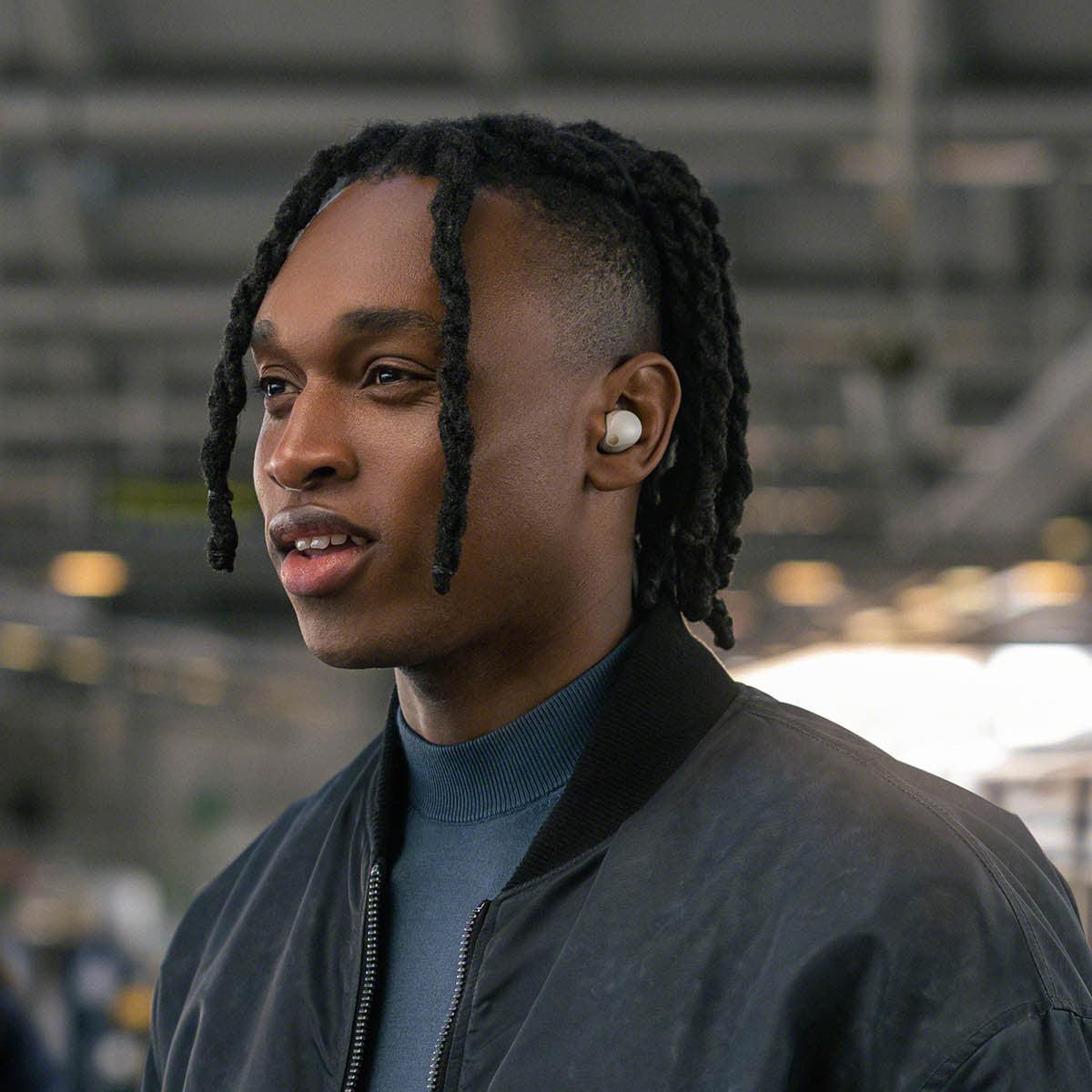
Comfort becomes crucial for earbuds you plan to wear for hours at a time. The Sony WF-1000XM5 consistently receives praise for their ergonomic design that draws from decades of ear-shape research. The stemless design distributes weight evenly and creates a secure seal without excessive pressure.
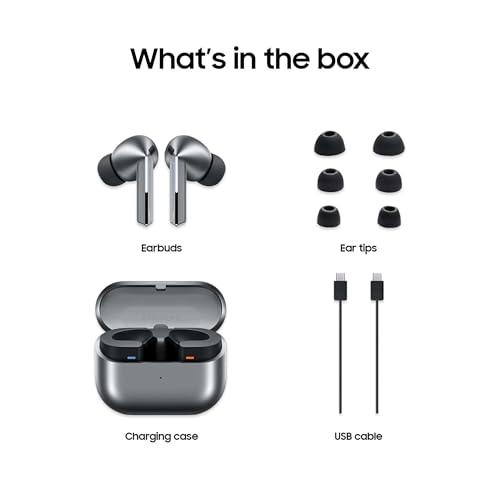
The Samsung Galaxy Buds 3 Pro benefit from their lightweight 5.4-gram construction, making them comfortable for extended wear. However, the stem-based design doesn't suit all ear shapes, and some users find them less secure during physical activity. Samsung provides only three ear tip sizes compared to competitors who often include more comprehensive sizing options.
At the time of writing, both earbuds occupy the premium tier of the market with pricing that reflects their flagship status. The Sony WF-1000XM5 typically command a price premium reflecting their superior battery life, broader compatibility, and more effective noise cancellation.
The Samsung Galaxy Buds 3 Pro often appear at competitive pricing, particularly for Samsung device owners who can access their full feature set. However, the value proposition becomes questionable if you're paying premium prices for features you cannot use due to ecosystem limitations.
Choose the Sony WF-1000XM5 if you prioritize the most effective noise cancellation available, need longer battery life for travel or extended use, value consistent performance across different devices and operating systems, or prefer more balanced, detailed sound reproduction. They're particularly appealing for frequent travelers, remote workers who take many calls, and anyone who uses multiple device brands.
The Samsung Galaxy Buds 3 Pro make the most sense for Samsung Galaxy device owners who want seamless ecosystem integration and cutting-edge AI features. They're also the better choice if you need superior water resistance for sports or outdoor activities, prefer a more energetic, bass-emphasized sound signature, or can find them at a significant discount from their premium pricing.
The Sony WF-1000XM5 represent the safer choice for most buyers, offering consistently excellent performance without ecosystem limitations. The Samsung Galaxy Buds 3 Pro can be compelling for the right buyer but require more careful consideration of your specific device ecosystem and use cases.
Ultimately, both represent excellent examples of premium wireless audio technology, but Sony's broader compatibility and superior battery life make them the more universally recommendable option for most buyers in 2024.
| Samsung Galaxy Buds 3 Pro | Sony WF-1000XM5 |
|---|---|
| Design Philosophy - Impacts comfort, controls, and water resistance | |
| Stem-based design with IP57 water resistance, lightweight at 5.4g per bud | Stemless ergonomic design with IPX4 splash resistance, refined comfort |
| Battery Life - Critical for travel and all-day use | |
| 6 hours (ANC on) + 20 hours case = 26 hours total | 8 hours (ANC on) + 16 hours case = 24 hours total |
| Active Noise Cancellation - Essential for commuting and focus | |
| Solid ANC blocking ~85% of noise, adaptive adjustment | Industry-leading ANC with 20-level ambient control |
| Audio Drivers - Determines sound quality and signature | |
| Dual amplifier system with 10.5mm woofer + 6.1mm planar tweeter | 8.4mm Dynamic Driver X with dome-edge separation structure |
| Sound Signature - Your music preference matters here | |
| V-shaped: Energetic bass and treble, exciting for pop/electronic | Balanced: Controlled bass, transparent mids, detailed highs |
| Codec Support - Affects audio quality from your device | |
| Samsung Seamless Codec (24-bit/96kHz) on Galaxy devices only; AAC/SBC elsewhere | LDAC (990kbps on Android), AAC/SBC universal, DSEE Extreme upscaling |
| Smart Features - AI capabilities and ecosystem integration | |
| Real-time interpreter, 360 Audio, adaptive EQ (Samsung devices only) | Multipoint connection, Speak-to-Chat, universal compatibility |
| Call Quality - Important for work and hands-free use | |
| Triple mics with VPU, crisp but minor outdoor muffling | Precise Voice Pickup with bone conduction, consistently clear |
| Water Resistance - Determines exercise and weather suitability | |
| IP57: Full submersion protection, excellent for sports | IPX4: Light splash only, requires careful handling |
| Device Compatibility - Affects feature access and value | |
| Premium features locked to Samsung Galaxy ecosystem | Full feature access across Android and iOS devices |
| Touch Controls - Daily usability factor | |
| Stem-based touch, swipe, pinch (reliability issues reported) | Excellent touch surface control with intuitive operation |
The Sony WF-1000XM5 have superior noise cancellation compared to the Samsung Galaxy Buds 3 Pro. Sony's implementation blocks more external noise and works effectively even at lower volumes, making them better for flights, commutes, and noisy environments. The Sony WF-1000XM5 also offer 20 levels of ambient sound control for precise customization.
The Samsung Galaxy Buds 3 Pro work with iPhones but you'll miss most premium features. Key limitations include no Samsung Seamless Codec (stuck with standard AAC), no real-time interpreter, no 360 Audio, and no adaptive EQ. You're essentially paying for features you can't use, making the Sony WF-1000XM5 a better choice for iPhone users.
The Sony WF-1000XM5 provide 8 hours per charge with ANC on, while the Samsung Galaxy Buds 3 Pro offer only 6 hours. This 33% difference means Sony earbuds are better for long flights or all-day use without needing the charging case. The Sony WF-1000XM5 clearly win for battery longevity.
Yes, the Samsung Galaxy Buds 3 Pro are excellent for workouts with their IP57 water resistance rating, meaning they can handle heavy sweat and even water submersion. The Sony WF-1000XM5 only have IPX4 rating (light splash protection), making the Samsung Galaxy Buds 3 Pro the clear winner for active lifestyles.
Both offer excellent sound quality but with different approaches. The Samsung Galaxy Buds 3 Pro have a V-shaped, energetic sound great for pop and electronic music. The Sony WF-1000XM5 provide more balanced, detailed audio better for jazz, classical, and acoustic music. Your music preference should guide this choice between the two models.
Both handle calls well, but the Sony WF-1000XM5 have a slight edge with their Precise Voice Pickup Technology and bone conduction sensors. The Samsung Galaxy Buds 3 Pro produce clear calls but can sound slightly muffled outdoors. For frequent business calls, the Sony WF-1000XM5 offer more consistent performance.
The Sony WF-1000XM5 support true multipoint connection, letting you connect to two devices simultaneously (like phone and laptop). The Samsung Galaxy Buds 3 Pro can pair with multiple Samsung devices and switch between them, but this feature doesn't work with non-Samsung devices. The Sony WF-1000XM5 are more versatile here.
The Sony WF-1000XM5 generally offer better comfort due to their ergonomic stemless design based on extensive ear-shape research. The Samsung Galaxy Buds 3 Pro are lightweight (5.4g each) but the stem design doesn't fit all ear shapes well. Most users find the Sony WF-1000XM5 more comfortable for extended wear.
Yes, the Samsung Galaxy Buds 3 Pro unlock premium features with Samsung Galaxy devices, including 24-bit/96kHz audio via Samsung Seamless Codec and adaptive EQ. However, the Sony WF-1000XM5 still offer excellent LDAC codec support on Android devices and work consistently across all platforms without ecosystem restrictions.
The Sony WF-1000XM5 are superior for travel due to their longer 8-hour battery life, industry-leading noise cancellation, and consistent performance across all devices. While the Samsung Galaxy Buds 3 Pro have better water resistance, the shorter 6-hour battery life can be problematic on long flights where the Sony WF-1000XM5 excel.
Both work for TV watching, but the Sony WF-1000XM5 are better suited due to their longer battery life for movie marathons and more balanced sound that preserves dialogue clarity. The Samsung Galaxy Buds 3 Pro offer more dynamic sound for action scenes but may interrupt longer viewing sessions with battery limitations. Neither model is specifically optimized for home theater use.
Value depends on your device ecosystem. The Sony WF-1000XM5 provide better universal value with superior battery life, broader compatibility, and consistent feature access across all devices. The Samsung Galaxy Buds 3 Pro can offer good value for Samsung ecosystem users who can access all features, but represent poor value for users of other devices who pay for unusable features.
We've done our best to create useful and informative comparisons to help you decide what product to buy. Our research uses advanced automated methods to create this comparison and perfection is not possible - please contact us for corrections or questions. These are the sites we've researched in the creation of this article: techradar.com - soundguys.com - whathifi.com - loudnwireless.com - rtings.com - whathifi.com - youtube.com - youtube.com - soundguys.com - youtube.com - youtube.com - soundguys.com - eu.community.samsung.com - phonearena.com - loudnwireless.com - samsung.com - whatgear.net - samsung.com - devicesupport.three.co.uk - youtube.com - samsung.com - techradar.com - samsung.com - en.wikipedia.org - samsung.com - moneycontrol.com - youtube.com - bestbuy.com - eu.community.samsung.com - rtings.com - moon-audio.com - whathifi.com - sony.ca - soundguys.com - techgearlab.com - loudnwireless.com - youtube.com - techradar.com - youtube.com - costco.com - youtube.com - us.community.sony.com - youtube.com - whathifi.com - youtube.com - cnet.com - loudnwireless.com - youtube.com - bestbuy.com - electronics.sony.com - helpguide.sony.net - gsmarena.com - soundguys.com - bestbuy.com - sony.com - loudnwireless.com - sony.com - sony.com - youtube.com - sony-asia.com - helpguide.sony.net - sony.com - sony.com.sg - sony-asia.com - youtube.com - headphones.com - moon-audio.com - electronics.sony.com - shop.oprahdaily.com - youtube.com

Privacy Policy
Terms and Conditions - Affiliate Policy
Home Security
© Copyright 2008-2026.
11816 Inwood Rd #1211, Dallas, TX 75244