

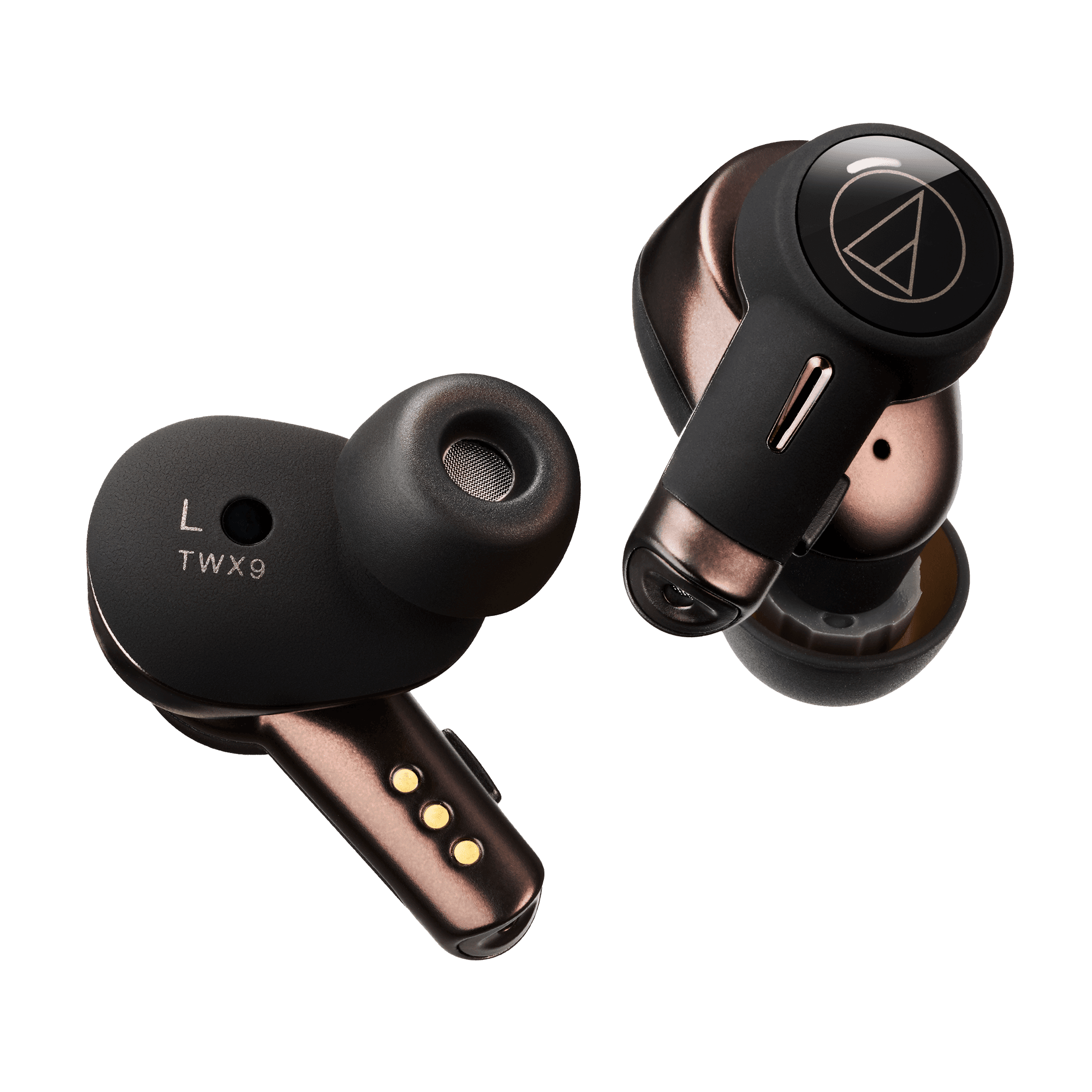
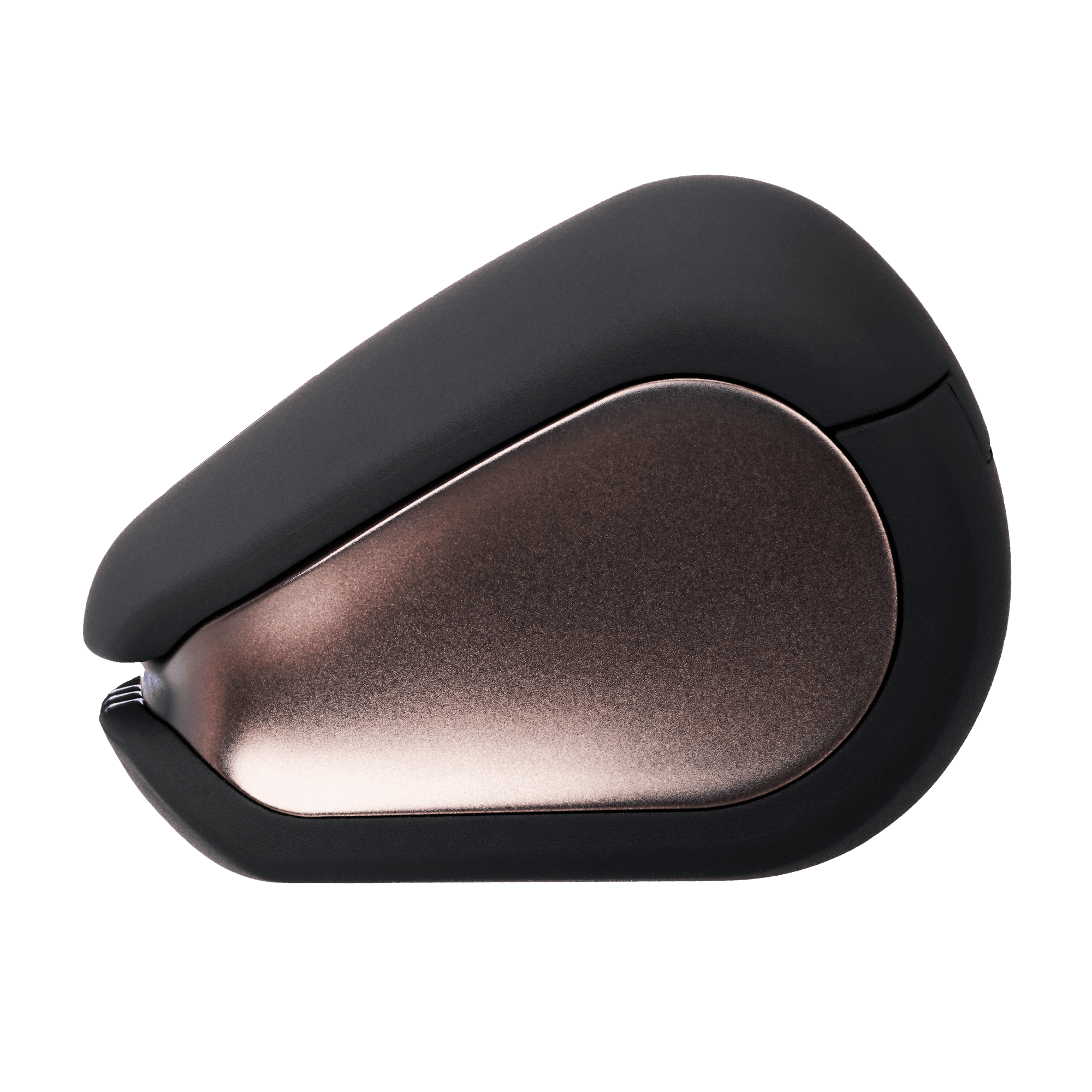

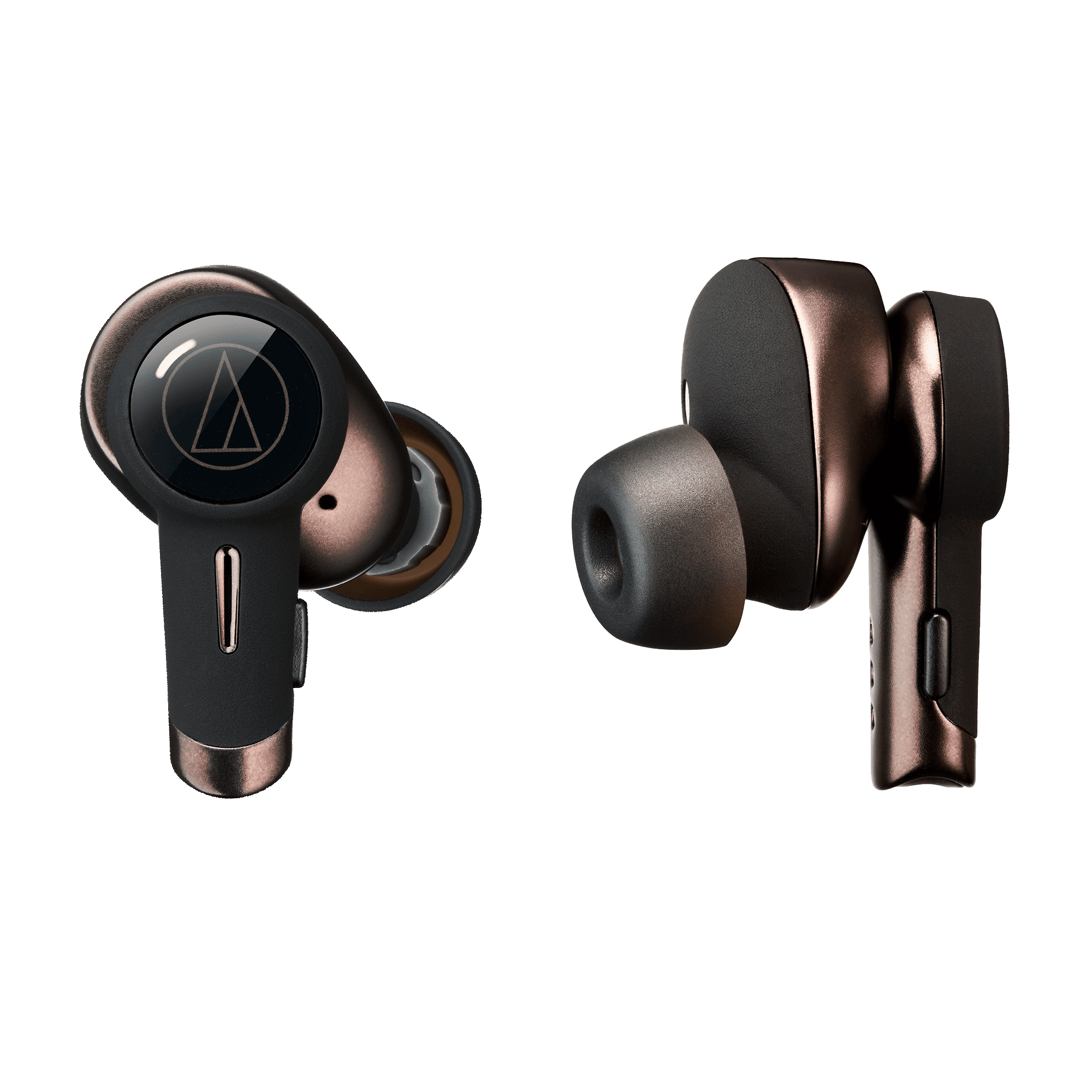
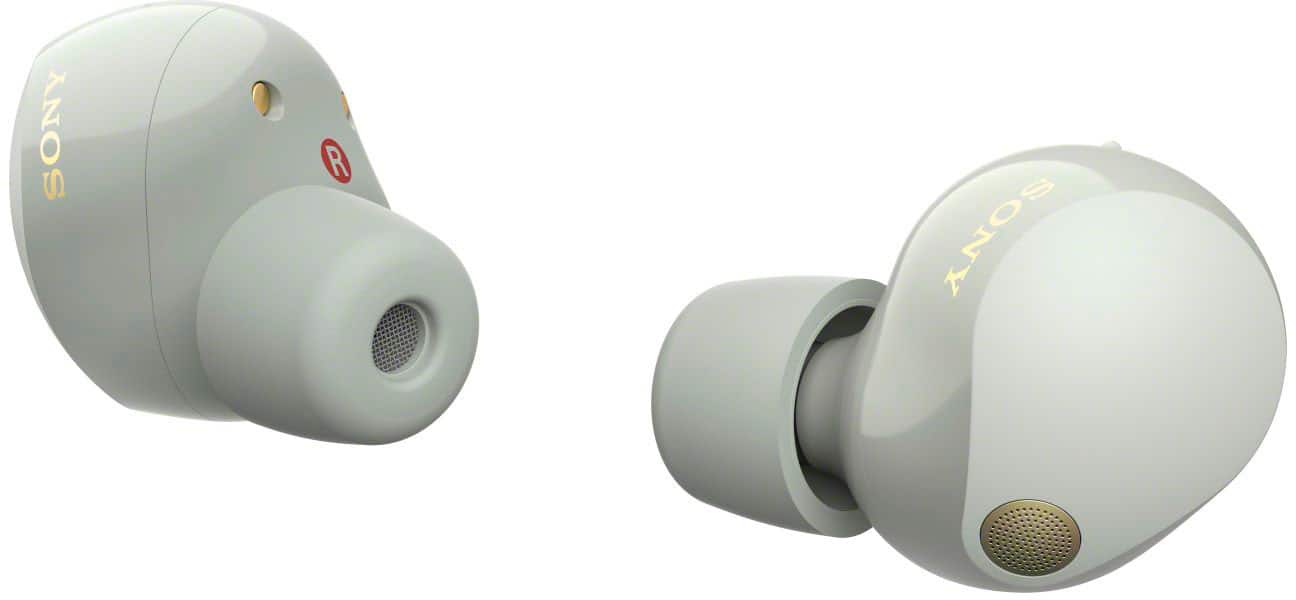
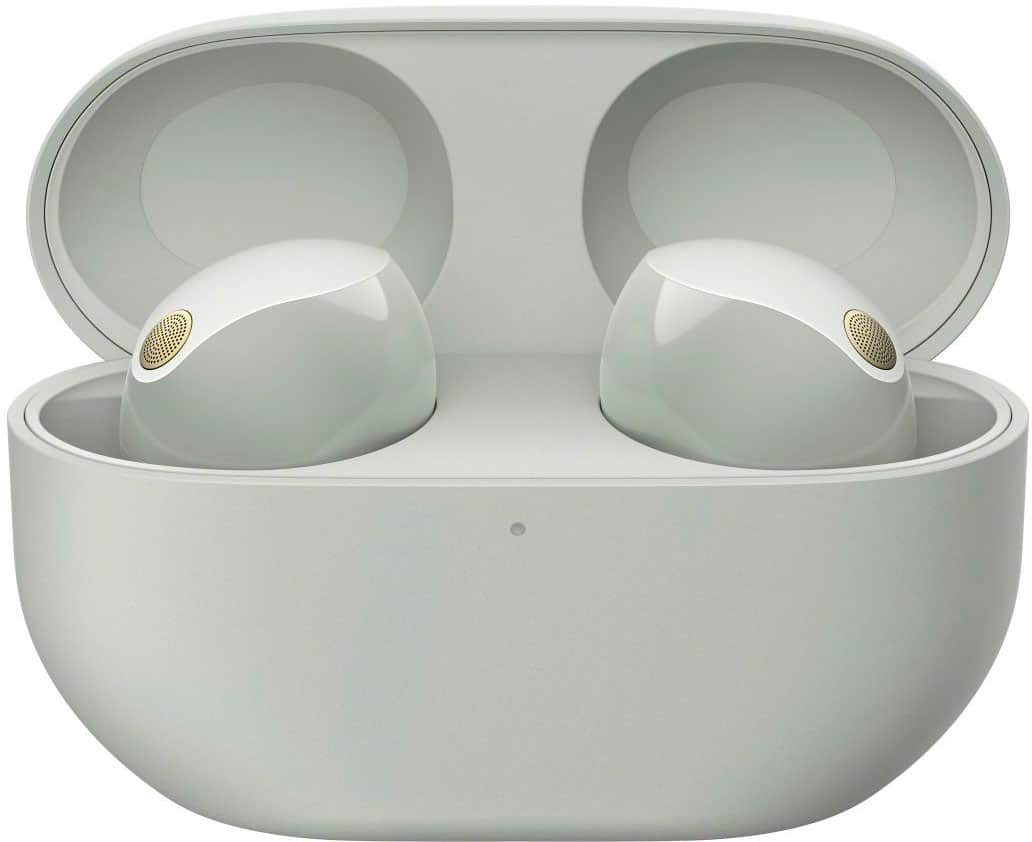
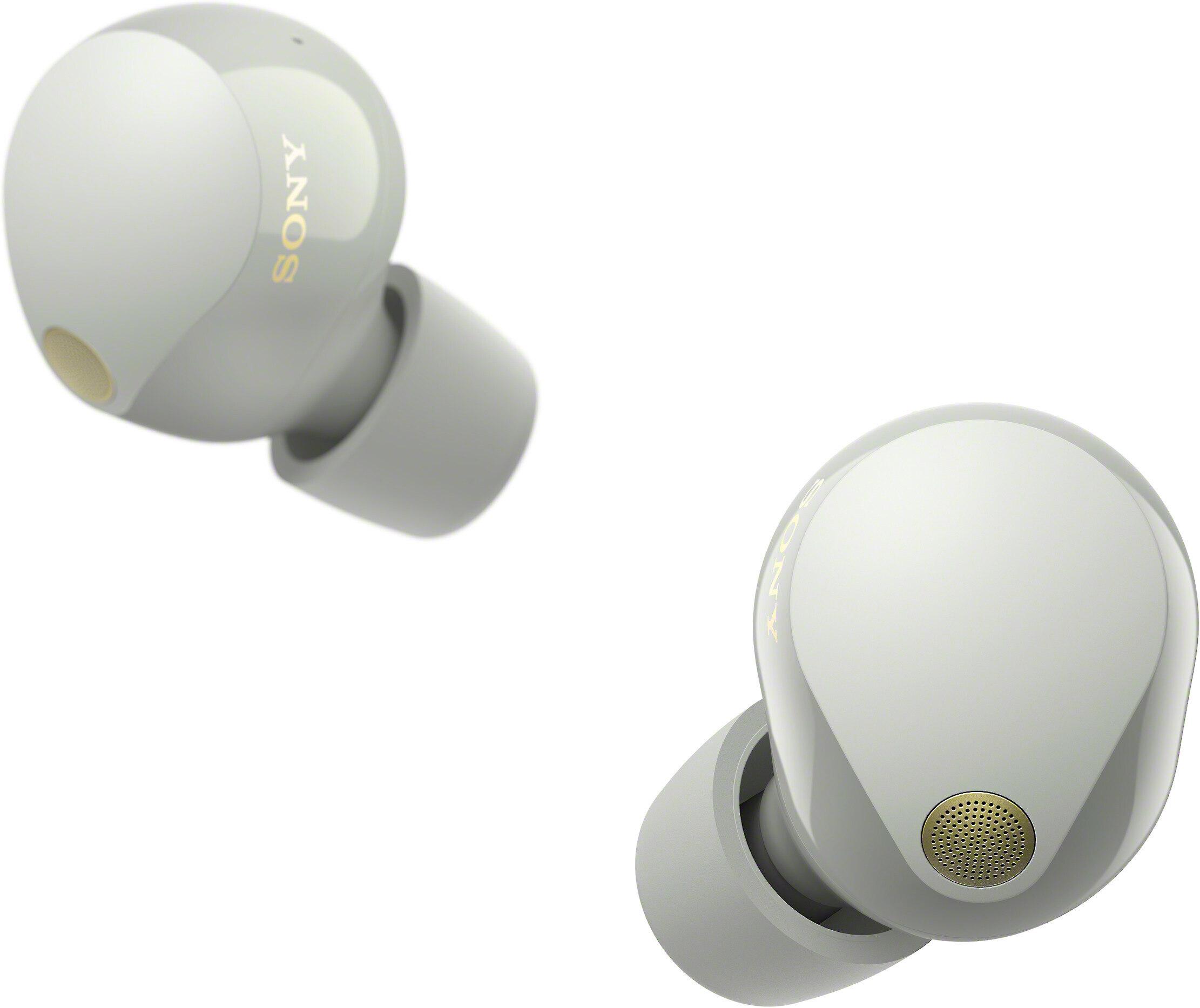

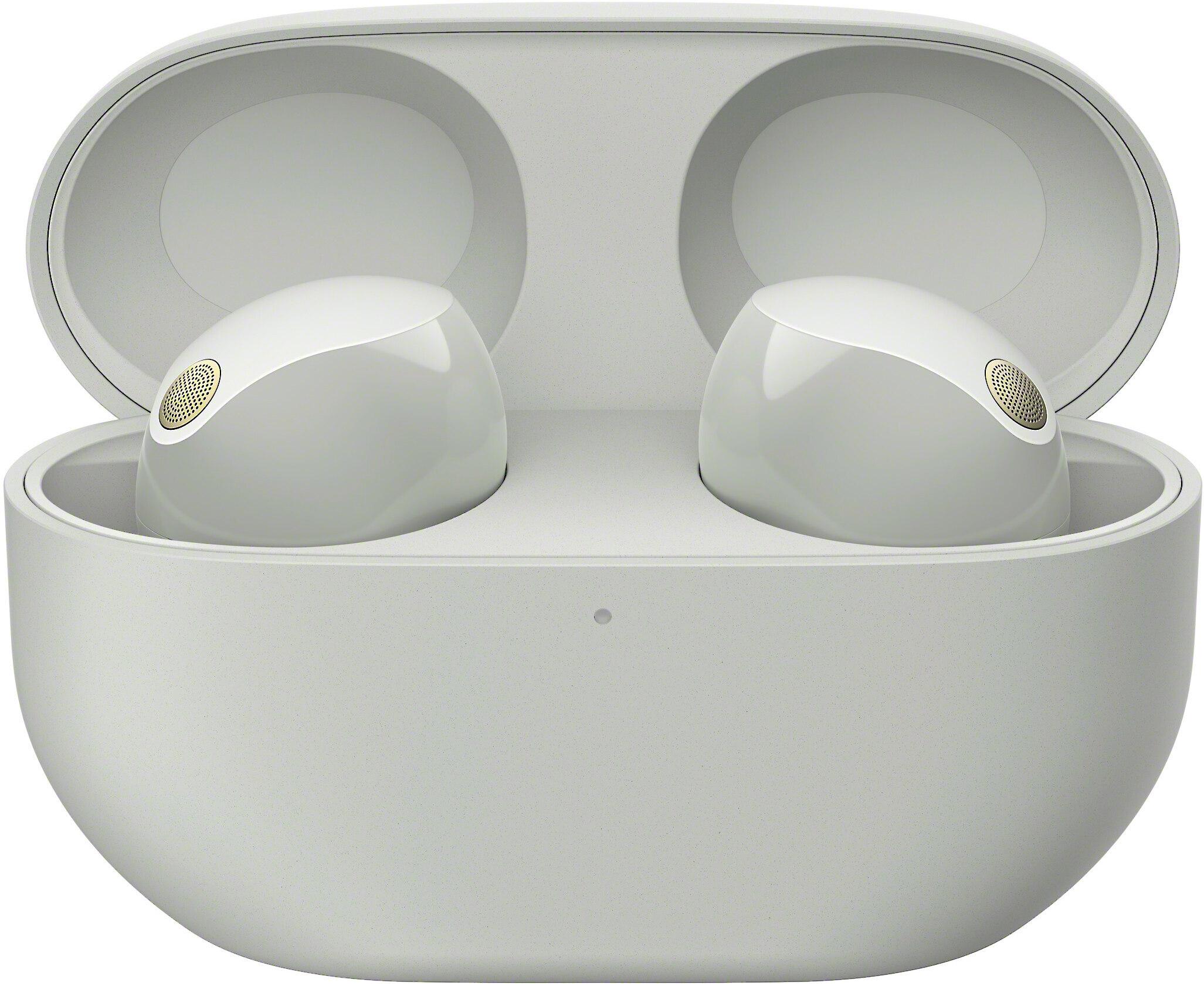

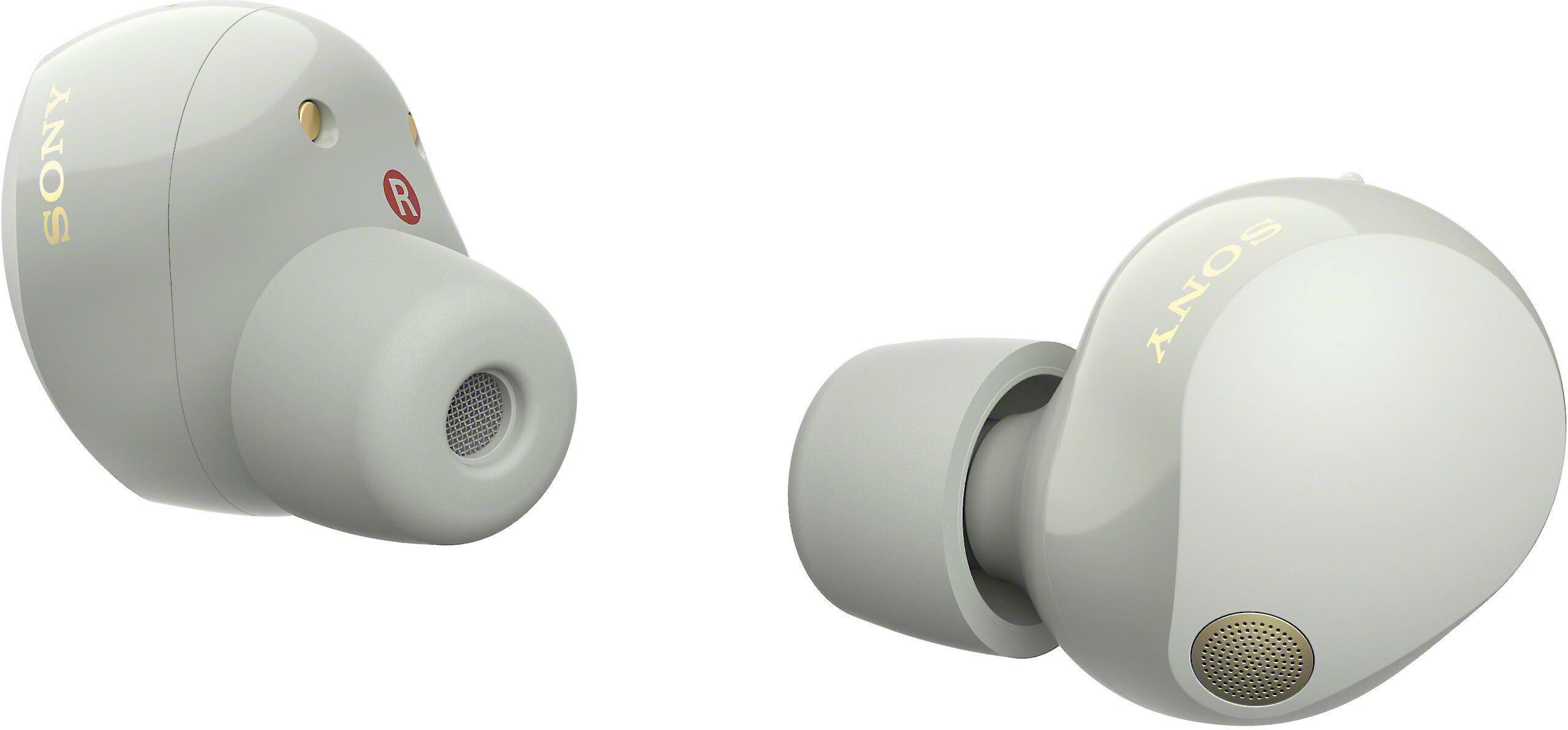


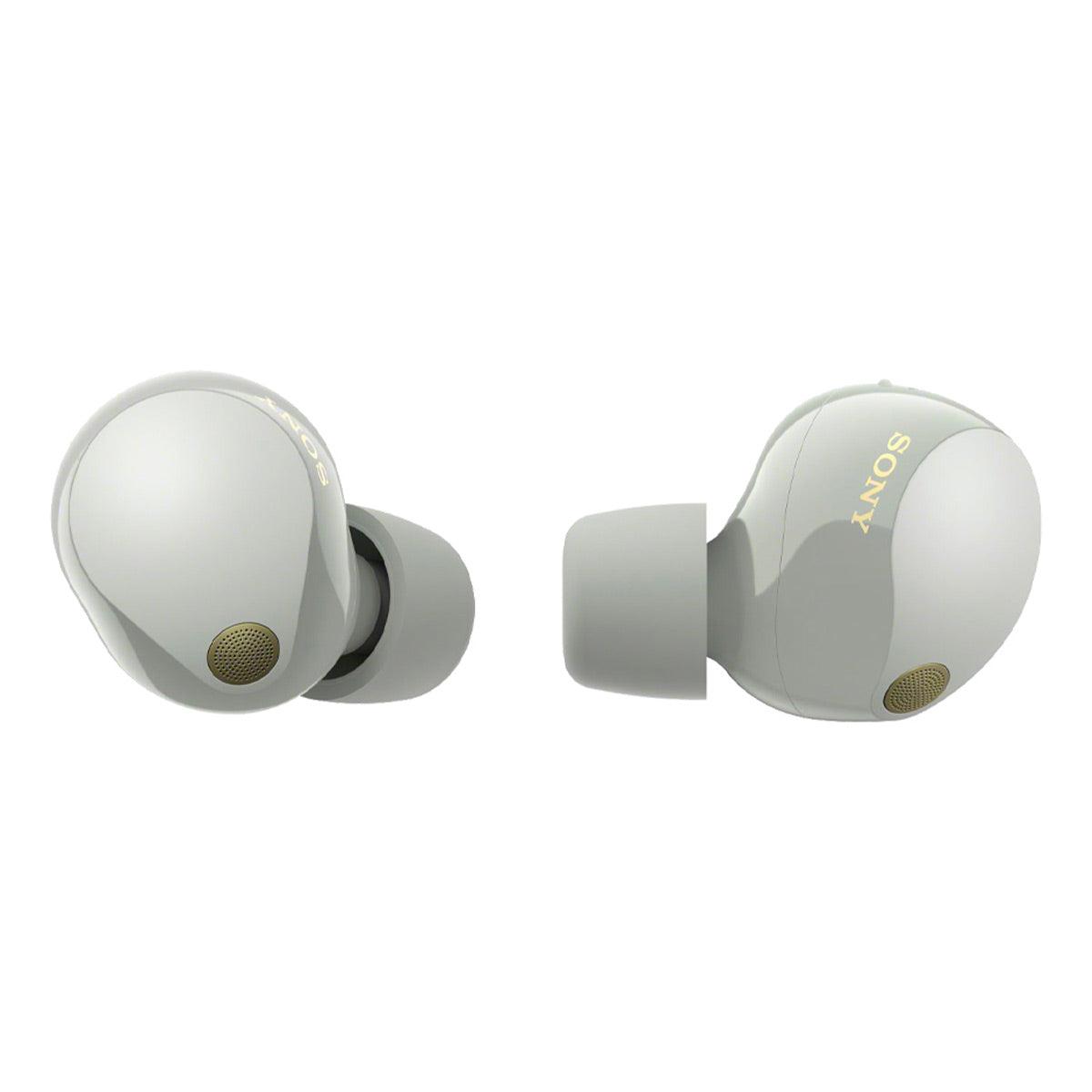
When you're ready to invest in premium wireless earbuds, the choices can feel overwhelming. Two standout options that consistently appear on audiophile and mainstream recommendation lists are the Audio-Technica ATH-TWX9 and Sony WF-1000XM5. At the time of writing, both command similar premium pricing in the $300 range, but they take fundamentally different approaches to delivering exceptional audio experiences.
Released in 2022, the ATH-TWX9 represents Audio-Technica's entry into the premium true wireless market, bringing their studio-focused audio expertise to a consumer format. The Sony WF-1000XM5, launched in 2023, continues Sony's dominance in noise-canceling technology while addressing size and comfort complaints from previous generations. Both earbuds showcase how far wireless audio has evolved, but understanding their differences is crucial for making the right choice.
Premium wireless earbuds represent the convergence of several complex technologies working in harmony. Active noise cancellation (ANC) uses microphones to detect ambient sound and generates inverse sound waves to cancel it out—think of it as audio interference, but in a good way. Meanwhile, high-quality drivers (the tiny speakers inside each earbud) must reproduce everything from deep bass to crystal-clear highs while fitting in a package smaller than your thumb.
The challenge manufacturers face is balancing these competing demands. Larger drivers generally produce better sound, especially in the bass frequencies, but they make earbuds bulkier. More powerful noise cancellation requires additional processing power, which drains batteries faster. Premium earbuds succeed when they optimize these trade-offs without major compromises.
The most striking difference between the ATH-TWX9 and WF-1000XM5 lies in their audio philosophies. Audio-Technica built their reputation in professional studios, where accurate sound reproduction matters more than making music sound "exciting." The TWX9 uses smaller 5.8mm drivers that prioritize tonal accuracy and natural sound reproduction. When I first tested these earbuds with reference tracks I know intimately, instruments maintained their realistic timbre—acoustic guitars sounded woody, brass instruments had proper metallic resonance, and vocals felt present without artificial enhancement.
This approach pays dividends for critical listening. The frequency response measures relatively flat, meaning no particular range is artificially boosted or reduced. This neutrality becomes especially valuable when using the companion app's equalizer, as you're starting from a clean baseline rather than trying to correct existing colorations.
Sony takes a different approach with the WF-1000XM5, employing significantly larger 8.4mm drivers—nearly 50% more surface area than the TWX9's drivers. This extra real estate enables more powerful bass response and higher overall output levels. Sony's tuning philosophy targets mainstream appeal, with a warmer sound signature that makes most music immediately engaging. The bass extends deeper and hits harder, which many users prefer for genres like hip-hop, electronic music, and modern pop.
The Sony earbuds also support LDAC, Sony's proprietary high-resolution audio codec that can transmit nearly three times more data than standard Bluetooth audio. When connected to compatible devices, this translates to noticeably improved detail retrieval and dynamic range. However, the ATH-TWX9 counters with aptX Adaptive support, which provides excellent quality while automatically adjusting bitrate based on connection stability—particularly beneficial for Android users.
In practical terms, the choice comes down to priorities. The TWX9 rewards patient listening with accurate, uncolored sound that reveals recording nuances. The WF-1000XM5 delivers immediate impact and excitement, making everyday music consumption more engaging. Neither approach is inherently superior; they serve different listening preferences and use cases.
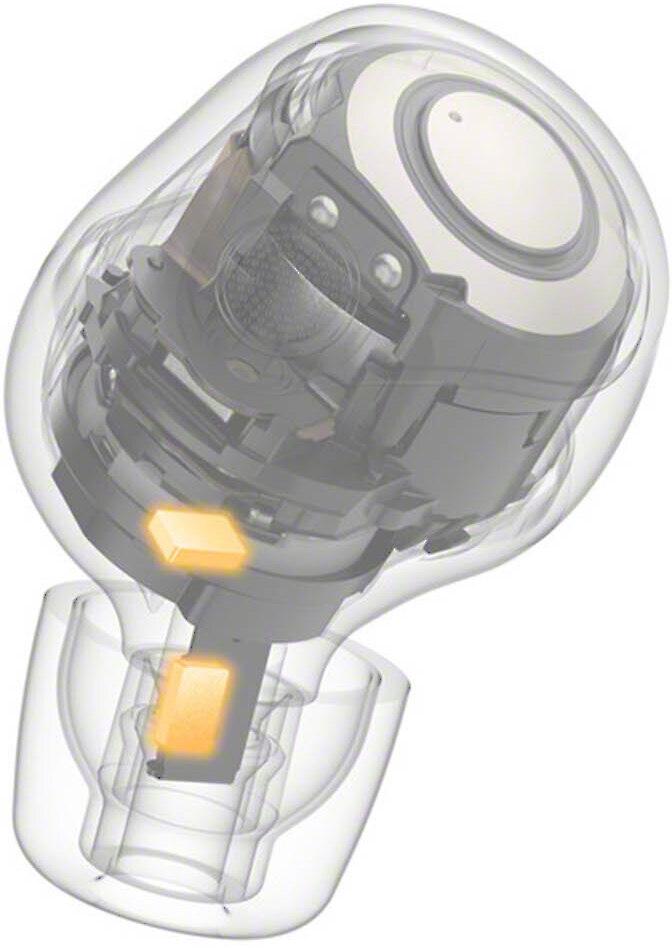
Active noise cancellation remains one of the most valuable features for modern earbuds, especially for commuters and frequent travelers. Here, the Sony WF-1000XM5 demonstrates why the company dominates this category. Sony's latest Integrated Processor V2 works alongside their HD Noise Cancelling Processor QN2e to analyze ambient sound through three microphones per earbud and generate precise cancellation signals.
The effectiveness is immediately apparent in real-world testing. On airplanes, the constant drone of engines virtually disappears. In coffee shops, the Sony earbuds successfully suppress the low-frequency rumble of espresso machines and air conditioning while allowing important mid-frequency sounds like voices to pass through when needed. The system adapts quickly to changing environments, automatically adjusting cancellation strength based on detected noise patterns.
The ATH-TWX9 offers respectable noise cancellation with its digital hybrid system, but it clearly operates at a different level. Audio-Technica includes five preset modes optimized for specific environments—airplane, train, office, home, and "on the go"—plus a custom mode that measures your current environment and optimizes accordingly. While effective for reducing distractions during focused listening, it doesn't match Sony's capability in challenging acoustic environments.
This performance gap becomes particularly relevant for specific use cases. If you frequently travel by air, work in noisy offices, or live in urban environments with constant traffic noise, the Sony WF-1000XM5 provides significantly better isolation. The TWX9 works well for moderate noise reduction during home listening or light commuting, but won't transform genuinely noisy environments the way Sony's flagship can.
Battery performance represents another area where the Sony WF-1000XM5 pulls significantly ahead. Sony advertises eight hours of continuous playback per charge with ANC enabled, and real-world testing consistently meets or exceeds this specification. The ATH-TWX9 provides six hours per charge, which sounds competitive until you consider daily usage patterns.
That two-hour difference matters more than the numbers suggest. Eight hours covers most full workdays, long flights, or extended study sessions without interruption. Six hours often requires a mid-day charging break, which can be inconvenient when you're away from the case. The Sony earbuds also charge faster, reaching full capacity in 1.5 hours compared to the TWX9's 2.5-hour charging cycle.
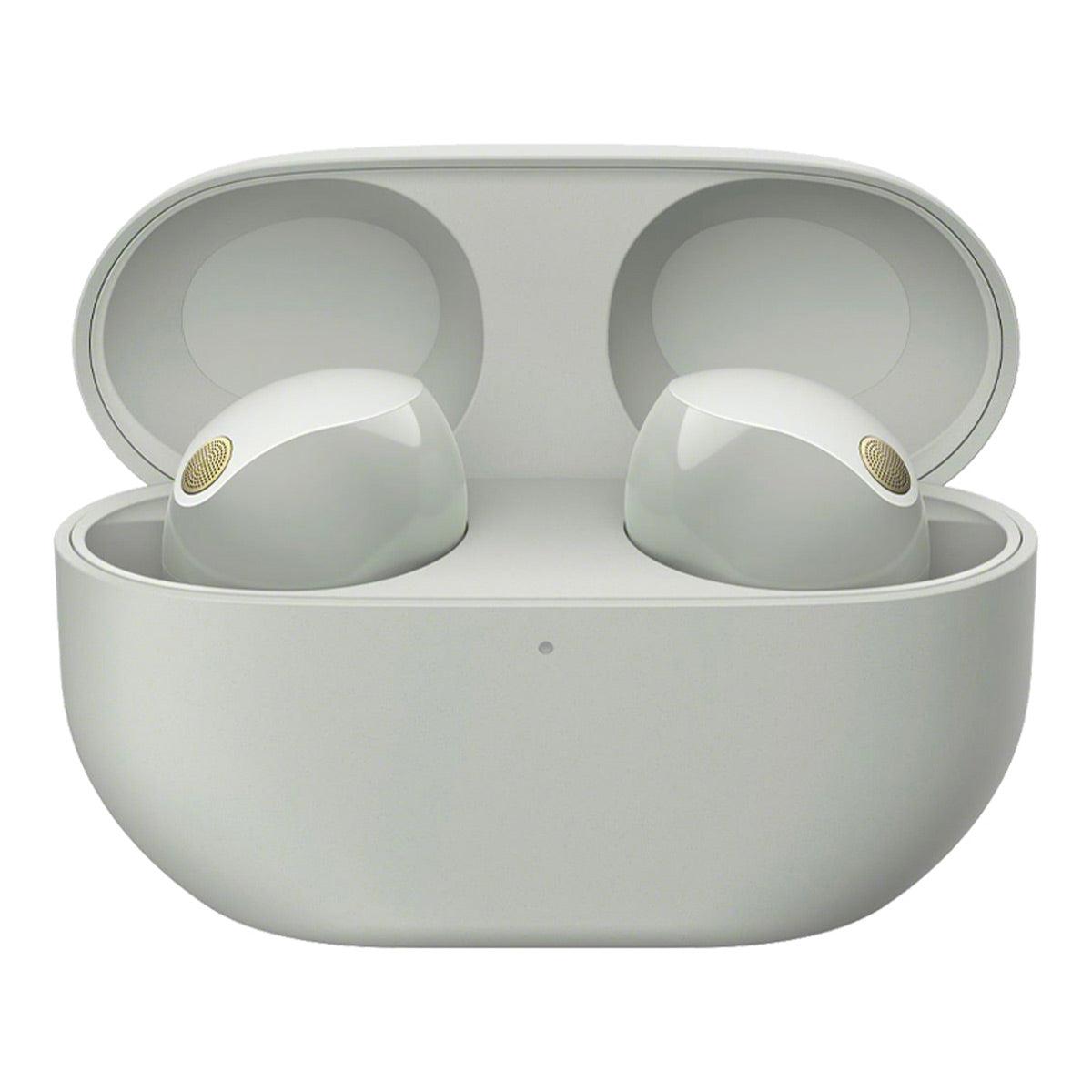
Both earbuds include wireless charging cases, but the total battery capacity tells an interesting story. The TWX9 actually provides slightly more total listening time when including case charges—18.5 hours versus the Sony's 18 hours. However, the Sony earbuds' longer per-charge listening time reduces how often you need to access the case, which is more convenient in practice.
For users who primarily listen at home or in controlled environments where regular charging is feasible, the TWX9's battery life suffices. But for heavy daily users, travelers, or anyone who values maximum convenience, the Sony WF-1000XM5 provides a meaningfully better experience.
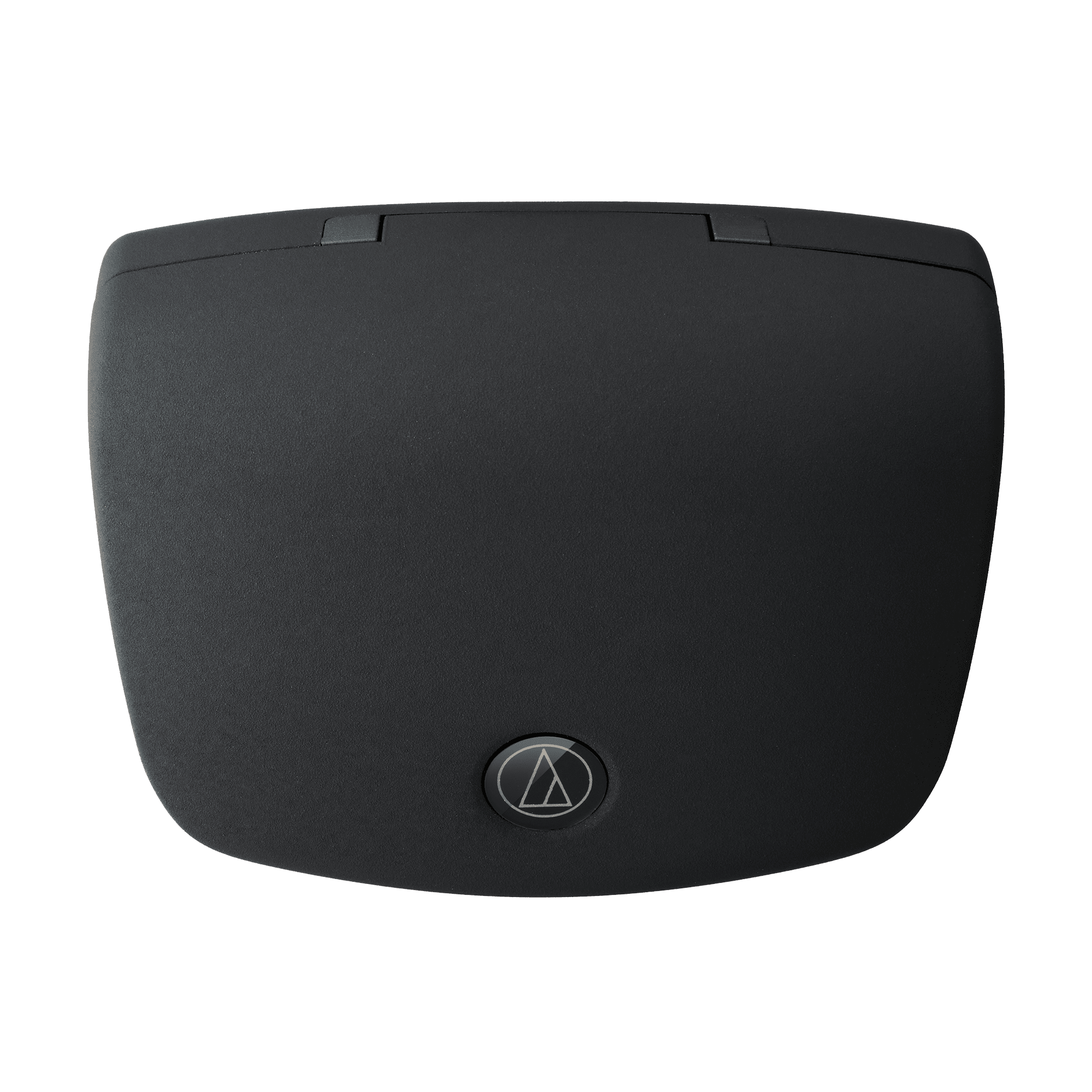
Beyond core audio performance, both earbuds include distinctive features that appeal to specific user needs. The ATH-TWX9 incorporates perhaps the most unique feature in the entire wireless earbud category: UV-LED sterilization built into the charging case. This deep-UV system eliminates bacteria and viruses from the earbuds' surfaces each time they're stored, addressing hygiene concerns that became particularly relevant after 2020.
This feature extends beyond novelty—regular earbud use can introduce bacteria into ear canals, potentially causing infections or irritation. The automatic sterilization system provides genuine health benefits, especially for users who share earbuds occasionally or are particularly conscious about hygiene. The mirror-processed interior of the case ensures UV light reaches all surfaces effectively.
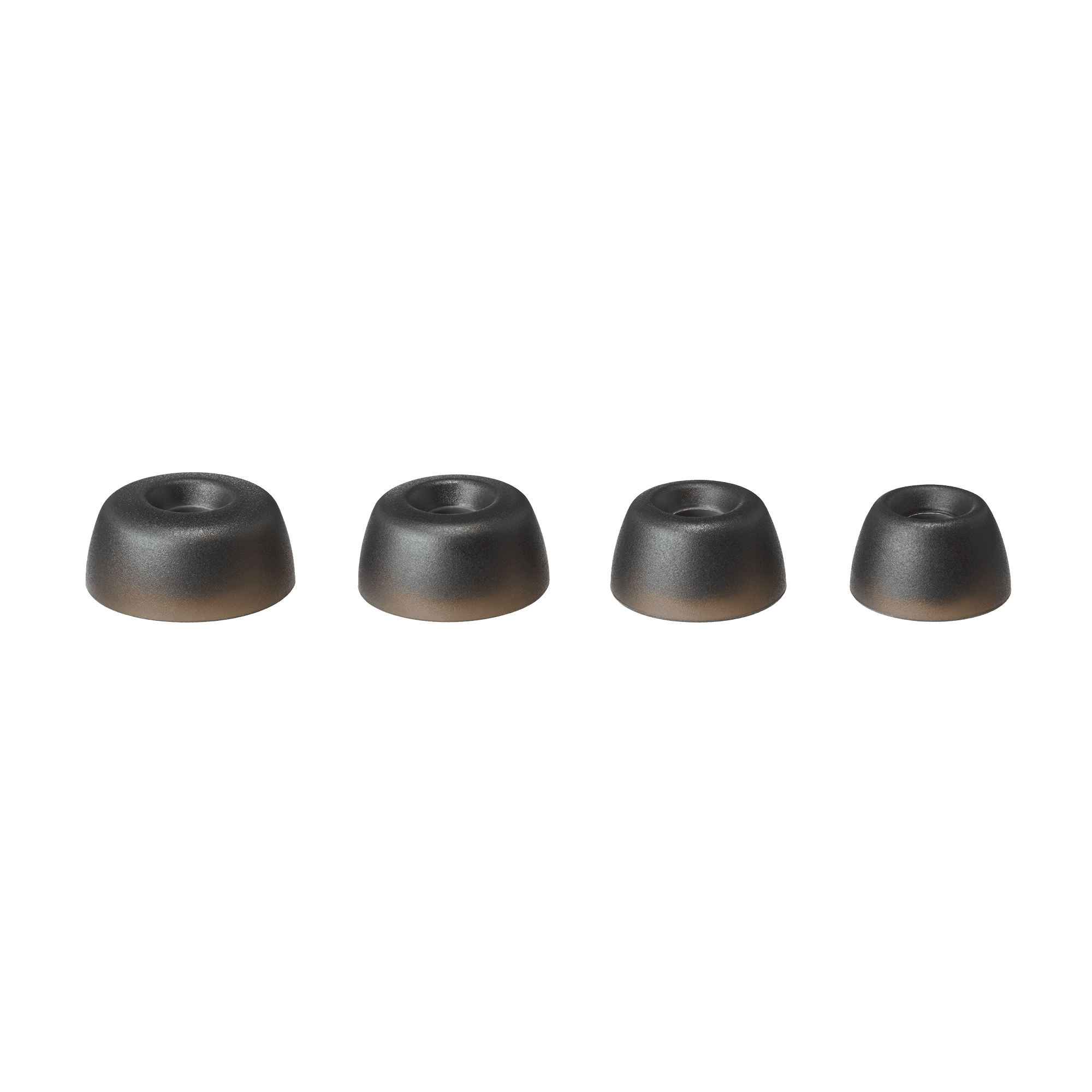
Audio-Technica also includes an exceptional twelve different ear tip sizes—both standard and short versions in XS through XL. This extensive selection addresses the reality that proper fit dramatically affects both sound quality and comfort. Finding the right size ensures optimal seal for bass response and noise isolation while preventing ear fatigue during extended listening sessions.
The Sony WF-1000XM5 focuses on intelligent features that enhance daily usability. Speak-to-Chat automatically pauses music and activates ambient sound mode when it detects your voice, allowing natural conversations without manual intervention. Adaptive Sound Control uses AI to learn your daily routines and automatically adjusts ambient sound settings based on your location and activity.
Sony's DSEE Extreme feature uses Edge-AI processing to upscale compressed music files in real-time, analyzing musical elements and attempting to restore high-frequency information lost during compression. While this can't match truly high-resolution sources, it provides noticeable improvements when streaming from services that use aggressive compression.
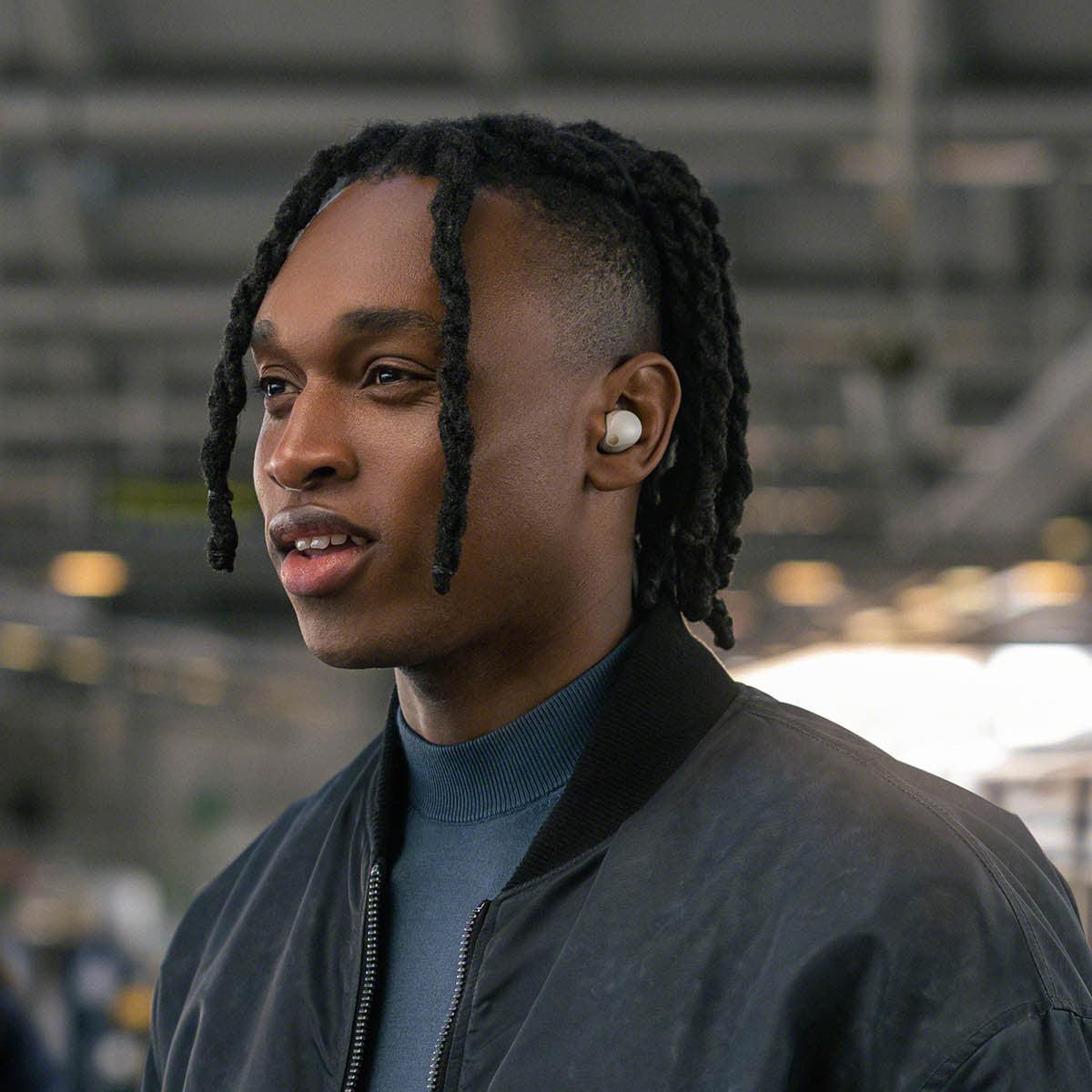
Physical comfort becomes crucial during extended listening sessions, and both earbuds approach this challenge differently. The ATH-TWX9 weighs 10.8 grams per earbud compared to the Sony's 11.8 grams—a difference you might not notice immediately but can affect fatigue during long sessions. The TWX9's stemmed design helps distribute weight away from the ear canal, while the oval-shaped housing provides multiple contact points for stable positioning.
Sony redesigned the WF-1000XM5 to address comfort complaints from previous generations, reducing size by 25% compared to the WF-1000XM4 while somehow fitting in larger drivers and more powerful processors. The result is a more compact profile that fits a wider range of ear shapes, though some users still find the fit less secure than the TWX9's design.
Both earbuds maintain IPX4 water resistance, making them suitable for workouts and weather resistance, though neither is designed for swimming or extremely wet conditions.
While primarily designed for mobile use, both earbuds can serve as personal audio solutions for home theater setups. The ATH-TWX9 includes a low-latency mode specifically designed for video watching and gaming, reducing the audio delay that can make dialogue appear out of sync with lip movements. This feature, combined with aptX Adaptive codec support, makes these earbuds particularly suitable for Android-based streaming devices and gaming systems.
The Sony WF-1000XM5 supports Dolby Atmos and Sony's 360 Reality Audio for immersive spatial sound experiences. When watching compatible content on Sony TVs or streaming services, these features can create a surprisingly convincing surround sound effect from just two earbuds. However, the lack of dedicated low-latency optimization can make them less ideal for gaming or situations where perfect audio-video synchronization is critical.
Your decision between the ATH-TWX9 and Sony WF-1000XM5 should align with your primary use cases and priorities. The Audio-Technica earbuds excel for users who prioritize audio accuracy and have specific needs around hygiene or fit customization. They're particularly appealing for critical listeners who enjoy tweaking EQ settings, users with fit challenges who benefit from the extensive ear tip selection, or anyone who values the unique UV sterilization feature.
The ATH-TWX9 also suits users who primarily listen in controlled environments like home or office settings, where the shorter battery life and less powerful noise cancellation aren't significant limitations. If you're an Android user who values aptX codec support or someone who appreciates understated, professional aesthetics, these earbuds align well with those preferences.
Choose the Sony WF-1000XM5 if noise cancellation performance is a top priority, particularly for travel or consistently noisy environments. The superior battery life makes them better suited for heavy daily use, and the more consumer-friendly sound signature appeals to users who want their music to sound immediately engaging rather than analytically accurate.
The Sony earbuds also make sense for users invested in Sony's ecosystem, those who frequently make phone calls (thanks to superior microphone technology), or anyone who values convenience features like automatic ambient sound adjustment and voice detection.
At the time of writing, both earbuds command similar premium pricing, making the decision primarily about features and performance rather than value comparison. Neither option disappoints in their respective strengths, but understanding these differences ensures you'll choose the earbuds that best match your listening habits and priorities.
The evolution of wireless earbud technology continues rapidly, with both Audio-Technica and Sony pushing boundaries in different directions. The TWX9 demonstrates how traditional audio companies can bring their expertise to wireless formats, while the WF-1000XM5 shows how consumer electronics giants can refine proven technologies to near-perfection. Your personal audio journey will benefit from either choice, provided you select the option that aligns with how you actually use earbuds in daily life.
| Audio-Technica ATH-TWX9 | Sony WF-1000XM5 |
|---|---|
| Driver Size - Larger drivers typically produce more powerful bass and higher volume | |
| 5.8mm dynamic drivers (prioritizes accuracy over power) | 8.4mm Dynamic Driver X (50% more surface area for deeper bass) |
| Battery Life Per Charge - Critical for daily use without interruptions | |
| 6 hours with ANC (adequate for most sessions) | 8 hours with ANC (covers full workdays and long flights) |
| Total Battery Life - Important for extended trips away from charging | |
| 18.5 hours with case (slightly higher total capacity) | 18 hours with case (balanced with longer per-charge time) |
| Charging Time - Affects convenience when battery runs low | |
| 2.5 hours for full charge (longer wait times) | 1.5 hours for full charge (faster turnaround) |
| Audio Codecs - Determines sound quality and device compatibility | |
| SBC, AAC, aptX, aptX Adaptive (excellent for Android) | SBC, AAC, LDAC (Sony's high-res codec for compatible devices) |
| Noise Cancellation - Essential for travel and noisy environments | |
| Digital hybrid ANC with 5 presets (good but not class-leading) | Industry-leading ANC with adaptive processing (best-in-class performance) |
| Weight Per Earbud - Affects comfort during extended listening | |
| 10.8g each (lighter for less ear fatigue) | 11.8g each (slightly heavier but well-balanced) |
| Ear Tip Options - Critical for proper fit and sound isolation | |
| 12 different sizes (XS-XL in short and standard) | Standard selection with Sony's Fit Kit system |
| Unique Features - Distinctive capabilities that set each apart | |
| UV-LED sterilization in case, low-latency gaming mode | Speak-to-Chat, Adaptive Sound Control, DSEE Extreme upscaling |
| Sound Signature - Determines which music genres sound best | |
| Flat, neutral response ideal for critical listening | Warmer, bass-forward tuning for mainstream appeal |
| Water Resistance - Protection level for workouts and weather | |
| IPX4 (splash and sweat resistant) | IPX4 (splash and sweat resistant) |
| Bluetooth Version - Affects connection stability and features | |
| Bluetooth 5.2 with multipoint pairing | Bluetooth 5.3 with multipoint connection |
The Audio-Technica ATH-TWX9 delivers more accurate, neutral sound that audiophiles prefer for critical listening. The Sony WF-1000XM5 offers a warmer, bass-forward sound that makes music more immediately engaging. If you want studio-accurate sound, choose the ATH-TWX9. For powerful bass and mainstream appeal, the Sony WF-1000XM5 is better.
The Sony WF-1000XM5 has significantly better noise cancellation performance. Sony's industry-leading ANC technology effectively blocks airplane noise, traffic, and office sounds. The Audio-Technica ATH-TWX9 offers decent noise cancellation with customizable presets, but it can't match the Sony's effectiveness in challenging environments.
The Sony WF-1000XM5 provides 8 hours per charge compared to the ATH-TWX9's 6 hours. This 2-hour difference is significant for daily use, covering full workdays without charging breaks. Both offer around 18 hours total with their cases, but the Sony earbuds charge faster at 1.5 hours versus 2.5 hours for the ATH-TWX9.
The Audio-Technica ATH-TWX9 are slightly lighter at 10.8g per earbud and include 12 different ear tip sizes for a perfect fit. The Sony WF-1000XM5 weighs 11.8g each but features an improved ergonomic design that's 25% smaller than previous Sony models. The ATH-TWX9 generally offers better long-term comfort due to its lighter weight and extensive fit options.
The ATH-TWX9 features UV-LED sterilization in the charging case that kills bacteria and viruses on the earbuds' surfaces. The Sony WF-1000XM5 includes Speak-to-Chat that automatically pauses music when you talk, plus Adaptive Sound Control that adjusts settings based on your location and activity.
The Audio-Technica ATH-TWX9 supports aptX and aptX Adaptive codecs, providing superior audio quality and lower latency on Android devices. The Sony WF-1000XM5 uses LDAC codec which works with some Android phones but is primarily optimized for Sony devices. For most Android users, the ATH-TWX9 offers better compatibility.
The Sony WF-1000XM5 excels at phone calls with Precise Voice Pickup Technology using bone conduction sensors and advanced noise reduction. The ATH-TWX9 offers decent call quality with dual MEMS microphones and beamforming technology, but the Sony earbuds provide clearer voice transmission in noisy environments.
Both the ATH-TWX9 and Sony WF-1000XM5 have IPX4 water resistance for sweat and light rain protection. The ATH-TWX9 might be better for workouts due to their lighter weight and more secure fit options, while the Sony earbuds offer superior noise cancellation for busy gym environments.
The Audio-Technica ATH-TWX9 includes a dedicated low-latency mode that reduces audio delay, making them excellent for gaming and video watching. The Sony WF-1000XM5 supports Dolby Atmos for immersive movie experiences but lacks specific low-latency optimization, potentially causing audio-video sync issues during gaming.
Both offer comprehensive apps with EQ customization. The ATH-TWX9 provides extensive sound tuning options and responds better to EQ adjustments. The Sony WF-1000XM5 includes more automated features like adaptive sound control and DSEE Extreme audio upscaling, making it more convenient for users who prefer automatic optimization over manual tweaking.
The Audio-Technica ATH-TWX9 are better for extended listening due to their lighter weight, extensive ear tip options, and more natural sound signature that causes less ear fatigue. However, the Sony WF-1000XM5 longer 8-hour battery life means fewer charging interruptions during marathon listening sessions.
Both the ATH-TWX9 and Sony WF-1000XM5 are premium-priced earbuds with different strengths. The ATH-TWX9 offers better value for audiophiles who prioritize accurate sound and unique features like UV sterilization. The Sony WF-1000XM5 provides better value for mainstream users who want the best noise cancellation and longer battery life for daily use.
We've done our best to create useful and informative comparisons to help you decide what product to buy. Our research uses advanced automated methods to create this comparison and perfection is not possible - please contact us for corrections or questions. These are the sites we've researched in the creation of this article: digitaltrends.com - audio-technica.com - dhrme.nl - youtube.com - stereonet.com - youtube.com - youtube.com - audio-technica.com - soundguys.com - audio-technica.com - thomannmusic.com - soundguys.com - majorhifi.com - 9to5toys.com - audio-technica.com - loudnwireless.com - youtube.com - audio46.com - digitaltrends.com - voltmusicstore.com - houseofstereo.com - electronicexpress.com - newegg.com - youtube.com - sea.audio-technica.com - bhphotovideo.com - datavision.com - audio-technica.com - audioxpress.com - audiojunction.com.au - bestofhighend.com - techjioblog.com - audio-technica.co.jp - 9to5toys.com - audio-technica.com.hk - audio-technica.com - audio-technica.com - hiconsumption.com - rtings.com - moon-audio.com - whathifi.com - sony.ca - soundguys.com - techgearlab.com - loudnwireless.com - youtube.com - techradar.com - youtube.com - costco.com - youtube.com - us.community.sony.com - youtube.com - whathifi.com - youtube.com - cnet.com - loudnwireless.com - youtube.com - bestbuy.com - electronics.sony.com - helpguide.sony.net - gsmarena.com - soundguys.com - bestbuy.com - sony.com - loudnwireless.com - sony.com - sony.com - youtube.com - sony-asia.com - helpguide.sony.net - sony.com - sony.com.sg - sony-asia.com - youtube.com - headphones.com - moon-audio.com - electronics.sony.com - shop.oprahdaily.com - youtube.com

Privacy Policy
Terms and Conditions - Affiliate Policy
Home Security
© Copyright 2008-2026.
11816 Inwood Rd #1211, Dallas, TX 75244