


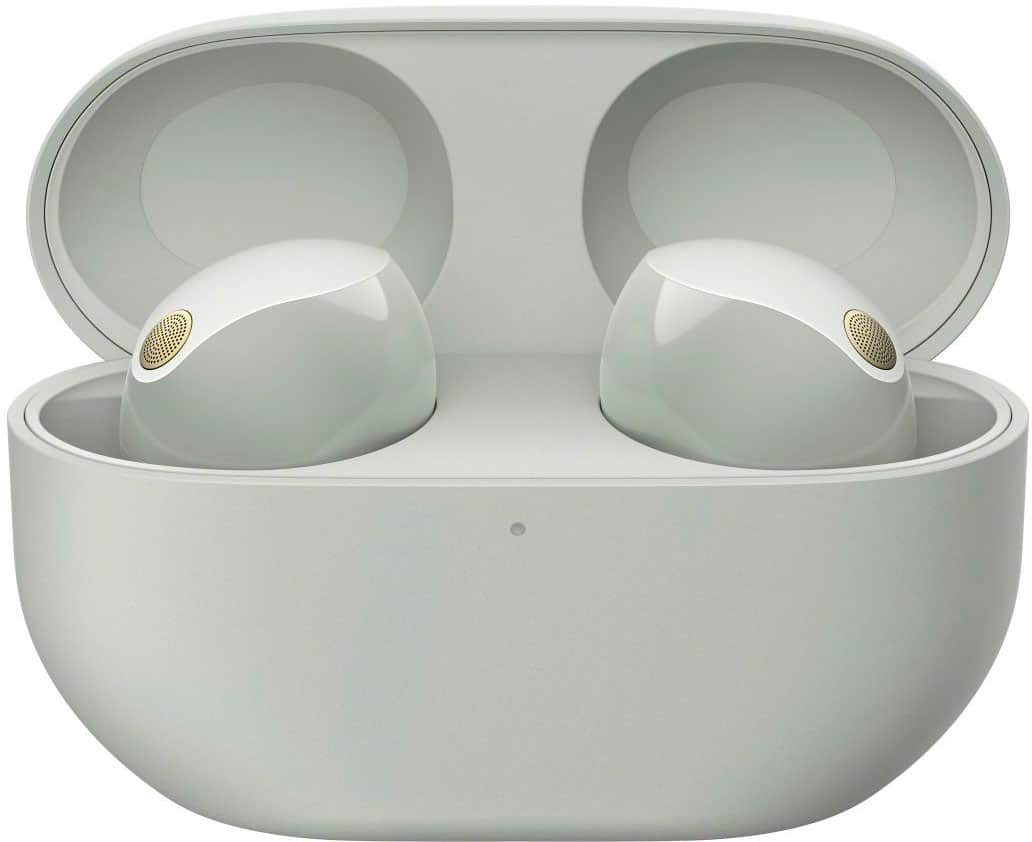
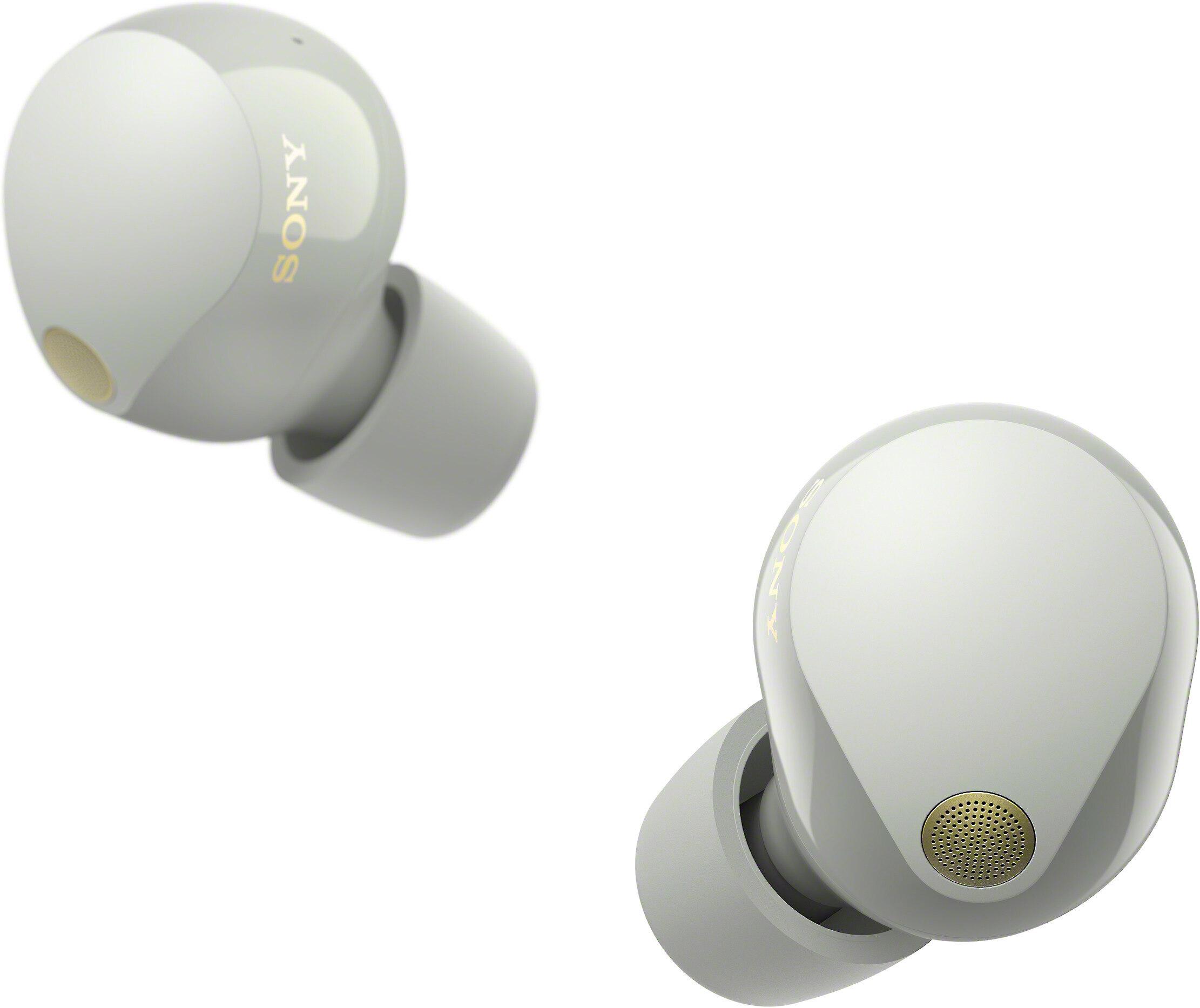

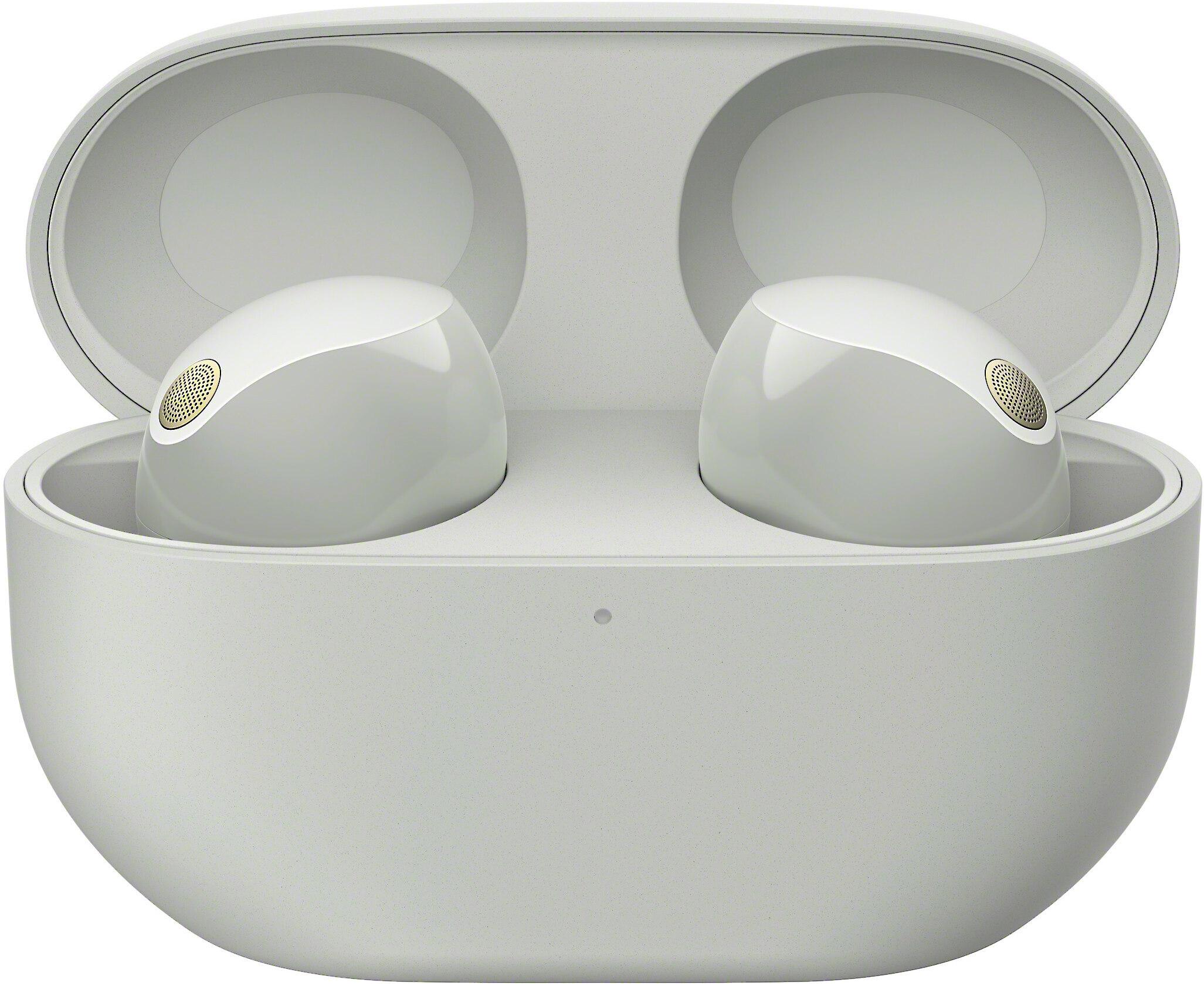

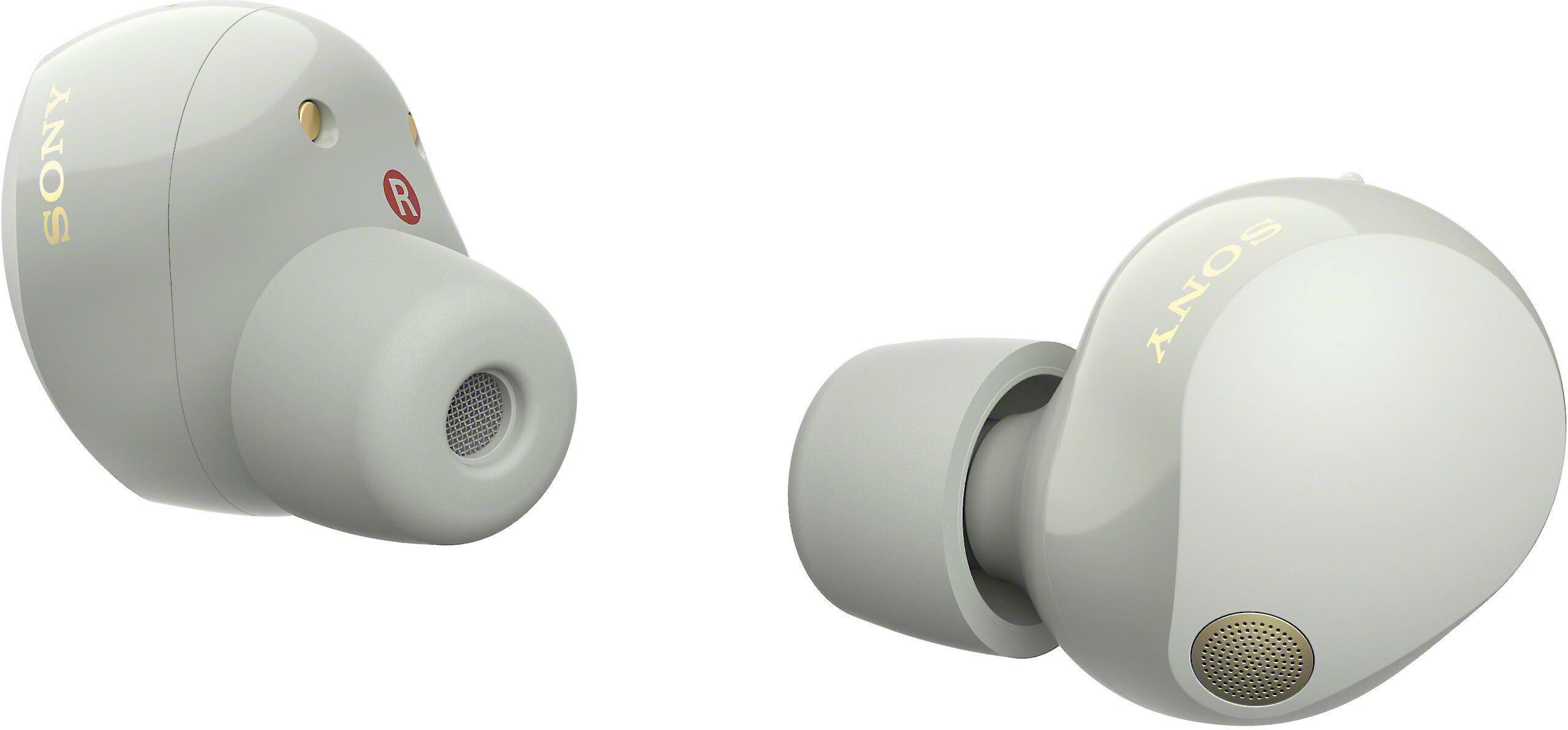


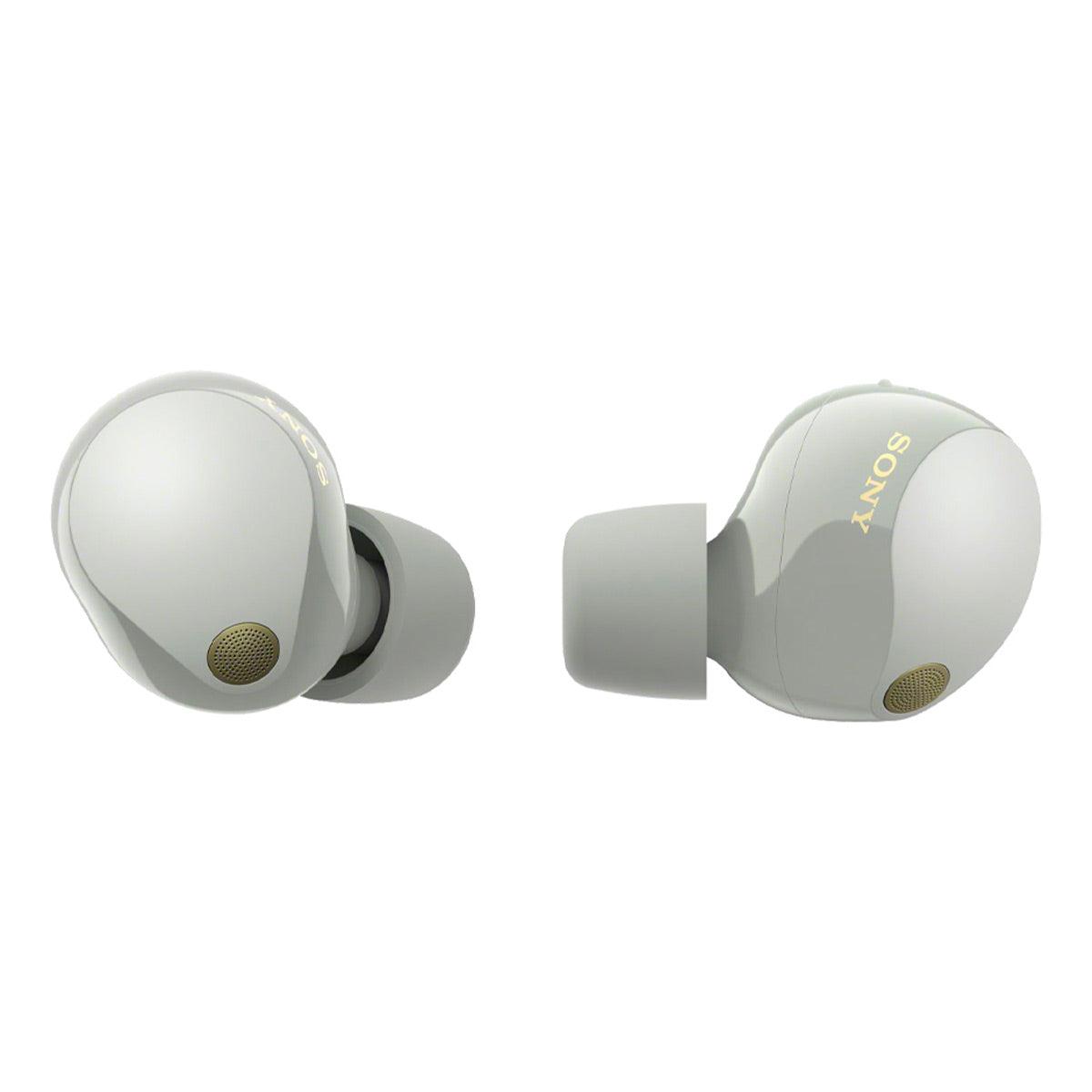

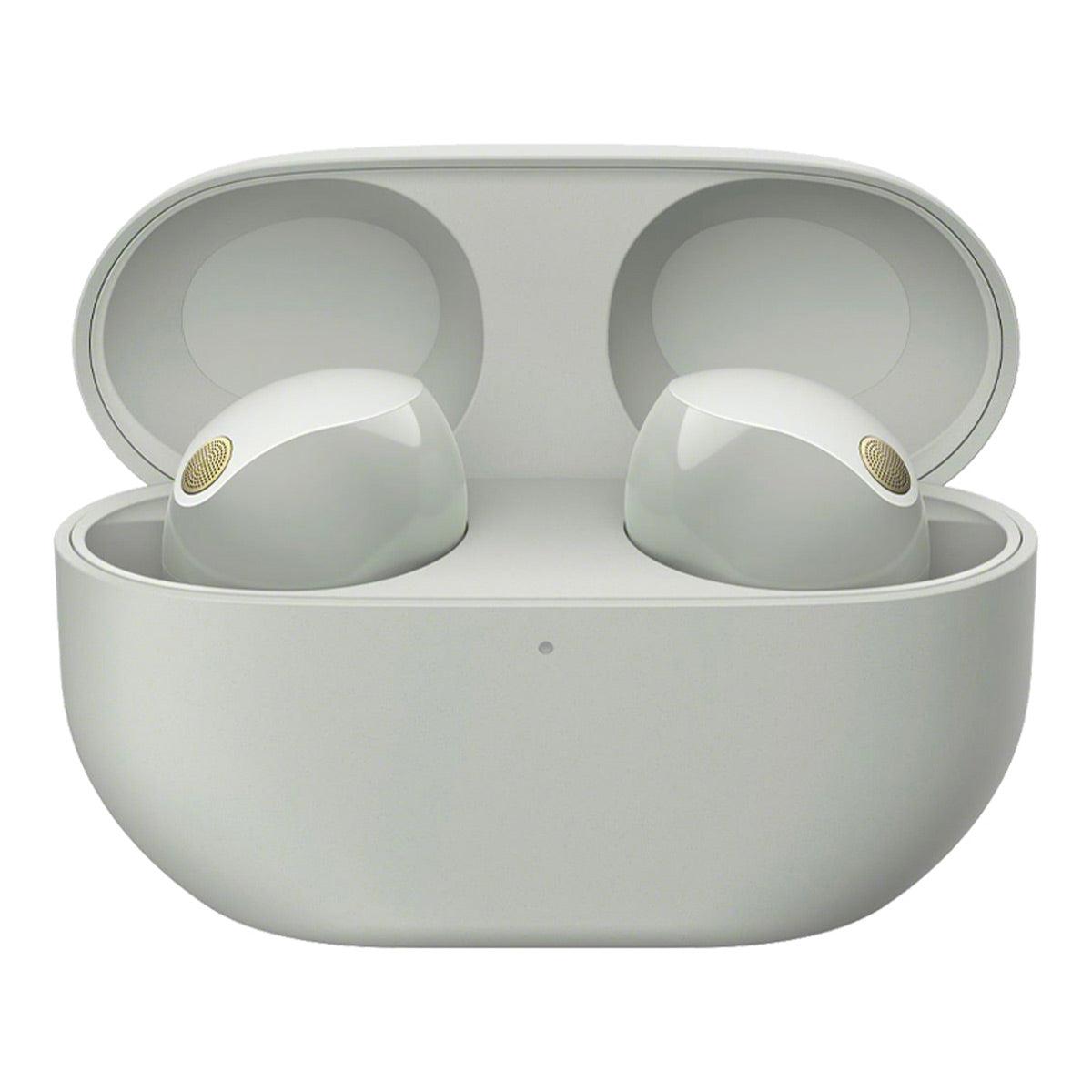
When shopping for true wireless earbuds, you'll quickly discover a market that spans from surprisingly capable budget options to premium flagship models that cost more than some laptops. At the time of writing, this price range stretches from around $25 for basic models all the way up to $300+ for top-tier options. Today, we're examining two earbuds that represent opposite ends of this spectrum: the ultra-affordable JLab Go Pop+ and Sony's flagship WF-1000XM5.
True wireless earbuds have revolutionized personal audio by eliminating all wires, including the cord that traditionally connected left and right earbuds. This complete wireless freedom comes with unique challenges and opportunities that directly impact your listening experience.
The most critical performance factors are audio quality, noise management, battery life, and comfort. Audio quality depends on driver size (the tiny speakers inside each earbud), frequency response (the range of sounds they can reproduce), and digital audio codecs (compression technologies that affect sound quality over Bluetooth). Noise management involves either passive isolation (physically blocking sound) or active noise cancellation (using microphones and processing to cancel unwanted sounds). Battery life becomes crucial since you can't simply plug in when power runs low, and comfort matters because these devices sit directly in your ear canal for hours.
The JLab Go Pop+, released in 2021, represents the budget category's evolution toward surprisingly capable performance at rock-bottom prices. Since its release, budget earbuds have continued improving, but the Go Pop+ remains a standout for delivering core functionality without compromise at its price point.
Sony's WF-1000XM5, launched in 2023, showcases how far premium earbuds have advanced. This latest generation builds on Sony's industry-leading noise cancellation technology while addressing previous models' size and comfort issues. The 2023 release timing is significant—it incorporates the latest Bluetooth standards, processing chips, and driver technology that weren't available when earlier models launched.
The audio performance difference between these earbuds is substantial and immediately noticeable. The Sony WF-1000XM5 uses 8.4mm Dynamic Driver X technology—essentially larger, more sophisticated speakers that can move more air and reproduce a wider range of frequencies. These drivers feature a dome-edge separation structure that combines different materials to reduce distortion, particularly in bass frequencies where cheaper earbuds often struggle.
In contrast, the JLab Go Pop+ employs standard 6mm dynamic drivers. While smaller drivers aren't inherently inferior, they face physical limitations in reproducing deep bass and handling complex audio passages. The frequency response tells the story: JLab covers the standard 20Hz to 20kHz range (the theoretical limits of human hearing), while Sony extends to 40kHz, enabling high-resolution audio reproduction that reveals details lost in standard recordings.
Our research into user and expert opinions consistently shows the Sony WF-1000XM5 delivering controlled, articulate bass, transparent midrange vocals, and detailed treble with excellent instrument separation. The JLab Go Pop+ provides clarity that's impressive for its price but tends toward a harder, less nuanced sound signature that can become fatiguing during extended listening sessions.
Audio codecs deserve special attention because they determine how much audio information survives the journey from your device to your ears. Both earbuds support SBC (the basic Bluetooth audio standard) and AAC (Advanced Audio Coding, which provides better quality and is standard on Apple devices).
The Sony WF-1000XM5 adds LDAC support—Sony's proprietary codec that transmits nearly three times more data than standard Bluetooth audio, approaching CD-quality wireless transmission. It also supports LC3, the next-generation Bluetooth standard that promises better quality at lower bitrates. These advanced codecs matter most when streaming high-quality music from services like Tidal, Qobuz, or Apple Music Lossless.
For most listeners using Spotify or Apple Music's standard quality, the JLab Go Pop+'s codec support is perfectly adequate. The difference becomes pronounced only when you're specifically seeking audiophile-grade reproduction of high-quality source material.
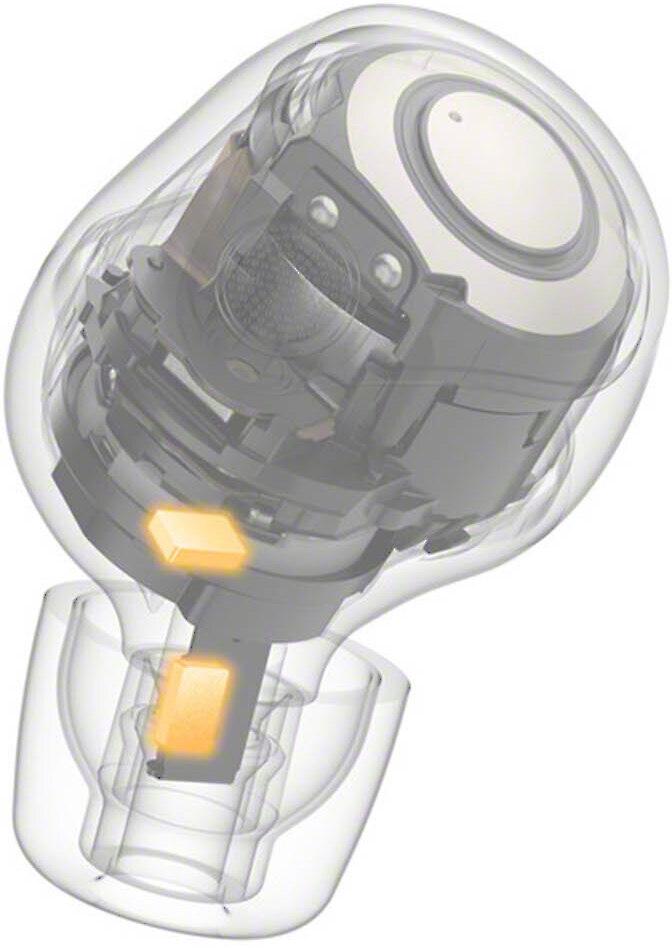
This represents perhaps the most significant functional difference between our contenders. The Sony WF-1000XM5 features Multi Noise Sensor technology—three microphones per earbud that constantly analyze ambient sound and generate inverse sound waves to cancel unwanted noise. This active noise cancellation (ANC) system adapts in real-time, making it exceptionally effective against consistent background noise like airplane engines, air conditioning, or traffic.
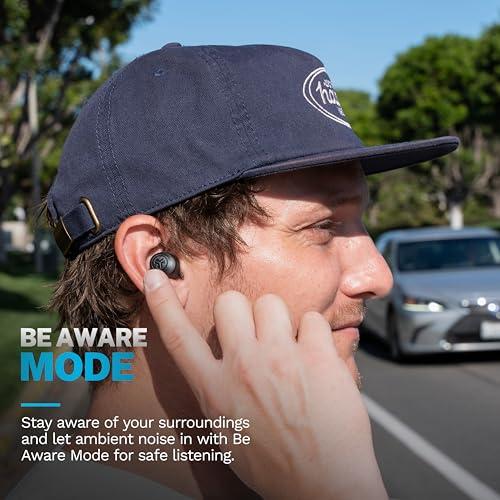
The JLab Go Pop+ relies entirely on passive noise isolation, which means it blocks sound purely through the physical seal created by the ear tips in your ear canal. While it includes Environmental Noise Cancelling for phone calls and a "Be Aware" transparency mode that lets outside sounds through, it cannot actively cancel noise during music playback.
Based on extensive user feedback and expert testing, the Sony's noise cancellation performance is genuinely industry-leading, making it transformative for frequent flyers or anyone working in noisy environments. The difference is dramatic—users report being able to focus on quiet classical music even in crowded, noisy spaces where the JLab Go Pop+ would be overwhelmed by ambient sound.
For home theater use, this difference becomes particularly relevant. While neither earbud is specifically designed for TV watching, the Sony's superior noise isolation means you can enjoy late-night movies without disturbing others, even with lower volume levels. The active cancellation helps eliminate household background noise—refrigerator hums, HVAC systems, or street noise—that would otherwise require turning up the volume on passive earbuds like the JLab.
Here's where the JLab Go Pop+ delivers its most impressive performance advantage. Each earbud provides up to 9 hours of continuous playback, with the charging case holding enough power for over 35 total hours of listening. This endurance is genuinely exceptional at any price point and represents one of the longest-lasting options available.
The Sony WF-1000XM5 provides 8 hours per charge with noise cancellation enabled, extending to about 12 hours with ANC disabled. The case adds approximately 16 more hours, bringing the total to around 24 hours. While respectable for a premium model, it's significantly shorter than the JLab's marathon endurance.
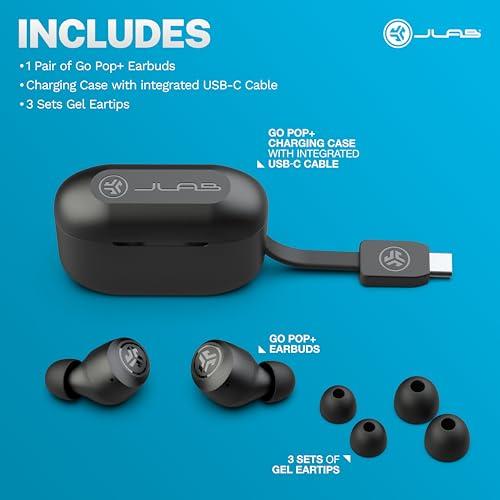
The JLab Go Pop+ includes a genuinely clever feature: an integrated USB-C cable built directly into the charging case. This eliminates the common frustration of forgetting charging cables and makes the earbuds more travel-friendly. The case itself is remarkably compact and lightweight, easily disappearing into a pocket.
Sony takes a different approach, requiring a separate charging cable but offering Qi wireless charging compatibility. You can simply place the case on any wireless charging pad, which many users find more convenient for desk or nightstand charging. The case also charges faster, reaching full capacity in about 1.5 hours compared to the JLab's 2+ hours.
Both support quick charging, but with different philosophies: the JLab Go Pop+ provides 1 hour of playback from a 10-minute charge, while the Sony WF-1000XM5 offers 3 hours from a 3-minute charge when using rapid charging.
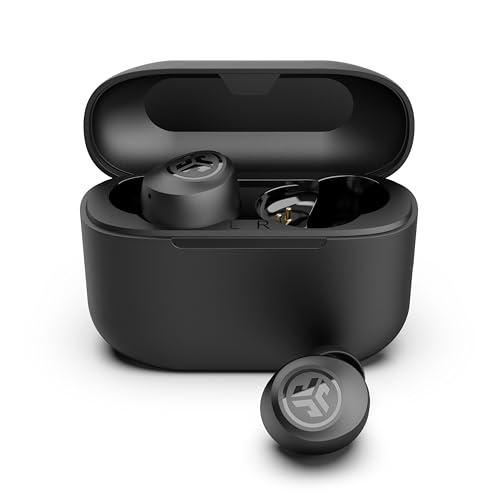
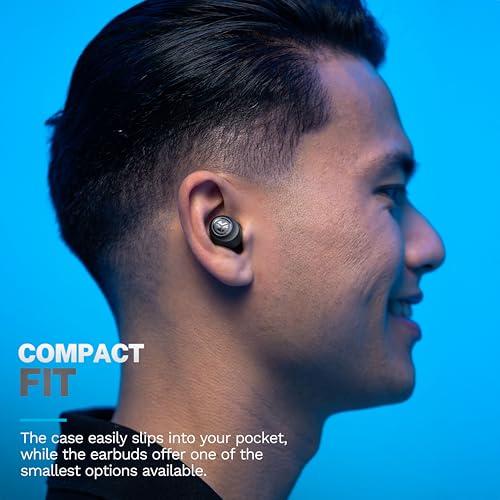
The JLab Go Pop+ prioritizes practicality with an ultra-lightweight design—each earbud weighs just under 4 grams, making them among the lightest available. They're available in 14 different color combinations, letting you express personality in a way most premium earbuds don't allow. The compact charging case weighs under 30 grams total, making the entire package incredibly portable.
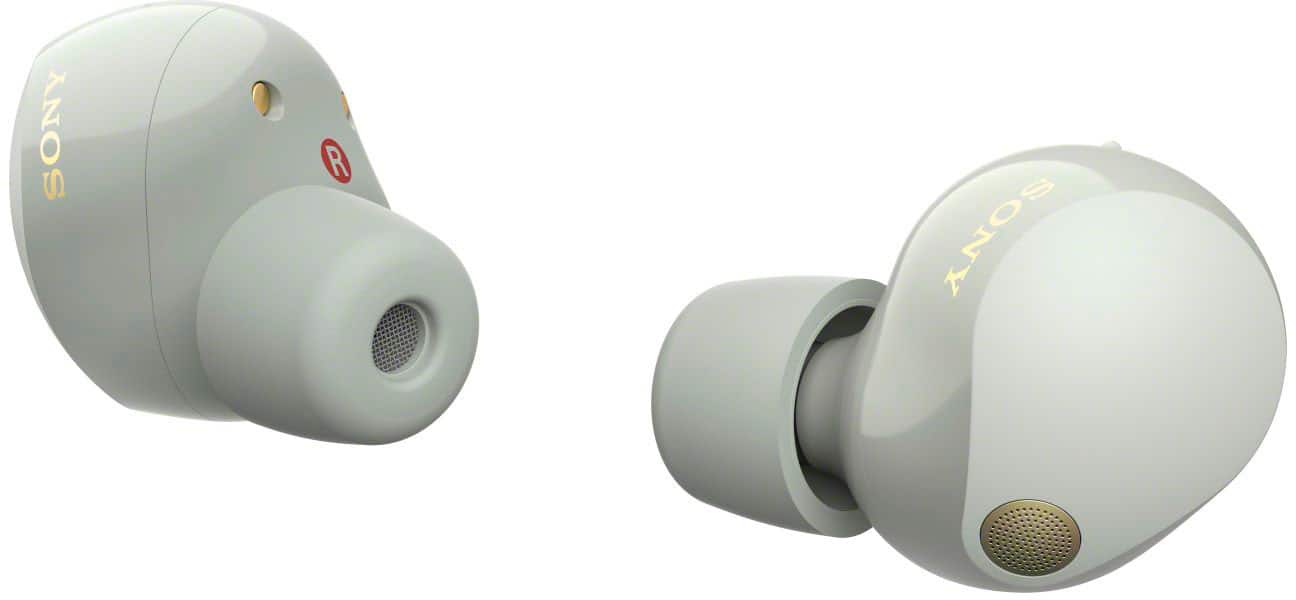
Sony's WF-1000XM5 represents a complete redesign from previous generations, becoming 25% smaller and 20% lighter than its predecessor while incorporating more advanced technology. Each earbud weighs about 6 grams—still reasonable but noticeably heavier than the JLab. The materials feel premium, with a sophisticated matte finish that resists fingerprints better than glossy alternatives.
Comfort becomes crucial during extended listening sessions, and here the Sony generally wins based on user feedback. The ergonomic design, developed using extensive ear shape data, provides better weight distribution and reduces pressure points that can cause discomfort after several hours of use.
The JLab Go Pop+ offers adequate comfort for most users, particularly given its light weight, but some report fatigue during very long sessions. Both include multiple ear tip sizes, though Sony's selection tends to provide better sealing options for various ear shapes.
Both earbuds carry IPX4 water resistance ratings, meaning they'll survive sweaty workouts and light rain but shouldn't be submerged in water.
The Sony WF-1000XM5 showcases sophisticated smart features through its Headphones Connect app. Adaptive Sound Control uses AI to automatically adjust noise cancellation based on your location and activity—it might reduce ANC when walking (for safety) but maximize it when sitting on public transportation. Speak-to-Chat automatically pauses music and enables transparency mode when it detects your voice, allowing conversations without manual intervention.
The app also includes 360 Reality Audio support for compatible content, DSEE Extreme technology that uses AI to upscale compressed audio in real-time, and extensive EQ customization with genre-specific presets and custom curves.
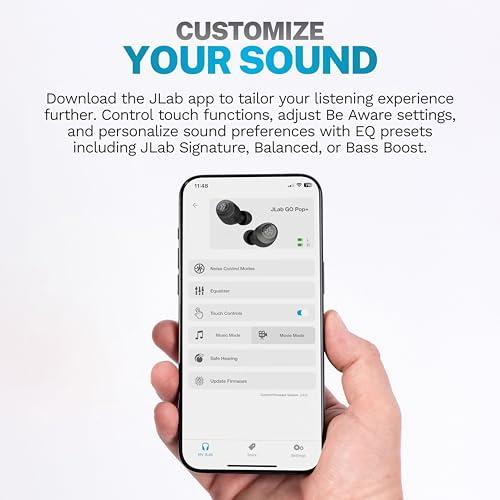
The JLab Go Pop+ offers solid basic functionality through its companion app. You can customize touch controls, adjust EQ settings with three presets plus custom options, and switch between Music and Movie modes. The Movie mode is particularly useful, reducing audio latency to under 200 milliseconds for better synchronization when watching videos—a feature often overlooked in budget earbuds.
Both support voice assistants, but with different capabilities. The Sony WF-1000XM5 works with Google Assistant and Alexa, offering hands-free activation and comprehensive voice control. The JLab Go Pop+ supports Google Assistant and Siri through your connected device, though activation requires touch controls rather than voice commands.
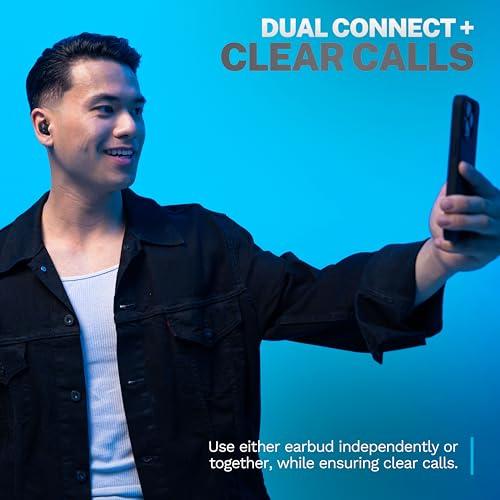
Neither earbud excels at phone calls, but both handle basic conversation needs adequately. The Sony WF-1000XM5 uses Precise Voice Pickup Technology with bone conduction sensors to isolate your voice from background noise, though users report slight artificial processing in very noisy environments.
The JLab Go Pop+ employs two MEMS microphones with Environmental Noise Cancelling and Digital Noise Suppression algorithms. Performance is reasonable for the price, though wind noise and very loud backgrounds can cause issues.
For most users, both provide acceptable call quality for occasional phone conversations, but neither should be your primary choice if frequent conference calls or professional phone use is a priority.
The JLab Go Pop+ excels for workouts and active use. The lightweight design stays secure during movement, the impressive battery life means you won't worry about power mid-workout, and the lower price makes them less stressful if they're damaged or lost. The IPX4 rating handles sweat and rain without issues.
The Sony WF-1000XM5 is less ideal for exercise due to higher weight, premium price, and active noise cancellation that might block important environmental sounds during outdoor activities.
For air travel and daily commuting, the Sony WF-1000XM5 transforms the experience. The active noise cancellation dramatically reduces engine noise, crowd chatter, and urban soundscapes, allowing you to enjoy music at lower volumes while protecting your hearing. The adaptive features automatically adjust to different environments.
The JLab Go Pop+ struggles in truly noisy environments where its passive isolation becomes insufficient, requiring higher volumes that can cause fatigue and potentially damage hearing over time.
While neither earbud is specifically designed for home theater use, both can serve this purpose with caveats. The JLab Go Pop+'s Movie mode reduces latency for better lip-sync, and the long battery life means you won't interrupt movie nights for charging.
The Sony WF-1000XM5 provides superior audio quality for films but may introduce slight latency issues depending on your TV's Bluetooth implementation. The noise cancellation is excellent for late-night viewing when you need to keep volumes low.
At the time of writing, the price difference between these earbuds represents more than a 10x cost gap. The JLab Go Pop+ delivers remarkable value by focusing on core functionality—reliable Bluetooth connection, decent audio quality, exceptional battery life, and basic app features—while eliminating expensive premium features most users don't need.
The Sony WF-1000XM5 commands its premium price through advanced technology: industry-leading noise cancellation, high-resolution audio support, sophisticated processing chips, premium materials, and comprehensive feature sets. You're paying for research and development, cutting-edge components, and performance that represents the current state of the art.
Choose the JLab Go Pop+ if you:
Choose the Sony WF-1000XM5 if you:
The reality is these products serve fundamentally different needs and budgets. The JLab Go Pop+ proves that excellent basic functionality doesn't require premium pricing, while the Sony WF-1000XM5 demonstrates what's possible when cost isn't the primary constraint.
Your choice should align with your specific use cases, budget constraints, and performance priorities rather than simply comparing feature lists. Both earbuds succeed brilliantly at their intended purposes—the JLab as an accessible entry point with surprising capability, and the Sony as a no-compromise flagship that pushes technological boundaries.
For most casual listeners, the JLab Go Pop+ provides more than adequate performance with genuinely useful advantages like superior battery life. For users who travel frequently, work in noisy environments, or prioritize audio quality above cost considerations, the Sony WF-1000XM5 justifies its premium pricing through transformative performance improvements.
| JLab Go Pop+ | Sony WF-1000XM5 |
|---|---|
| Active Noise Cancellation - Essential for travel and noisy environments | |
| None (passive isolation only) | Industry-leading Multi Noise Sensor technology with 3 mics per earbud |
| Audio Driver Size - Larger drivers typically produce better sound quality | |
| 6mm dynamic drivers (adequate for basic listening) | 8.4mm Dynamic Driver X (superior bass and detail reproduction) |
| Battery Life Per Charge - Critical for daily use without frequent charging | |
| 9 hours per earbud (exceptional endurance) | 8 hours with ANC on, 12 hours with ANC off |
| Total Battery Life - Important for travel and extended use | |
| 35+ hours with charging case (class-leading) | ~24 hours with charging case (good but not exceptional) |
| Audio Codec Support - Determines maximum audio quality over Bluetooth | |
| SBC, AAC (standard quality) | SBC, AAC, LDAC, LC3 (high-resolution audio capable) |
| Weight Per Earbud - Affects comfort during extended wear | |
| 3.7-3.9g (ultra-lightweight, excellent for exercise) | 5.9-6g (heavier but still comfortable) |
| Frequency Response - Range of sounds the earbuds can reproduce | |
| 20Hz - 20kHz (standard human hearing range) | 20Hz - 40kHz (extended range for high-resolution audio) |
| Charging Method - Convenience factor for daily use | |
| Integrated USB-C cable in case (never forget a cable) | Separate USB-C cable required, but supports Qi wireless charging |
| Water Resistance - Important for exercise and weather protection | |
| IPX4 (sweat and splash resistant) | IPX4 (sweat and splash resistant) |
| App Features - Customization and advanced functionality | |
| Basic EQ, custom controls, Movie mode for reduced latency | Comprehensive app with adaptive sound, 360 audio, AI upscaling |
| Quick Charge - Emergency power when battery is low | |
| 10 minutes = 1 hour playback | 3 minutes = 3 hours playback |
| Multipoint Connection - Ability to connect to multiple devices simultaneously | |
| No (single device connection) | Yes (seamless switching between two devices) |
| Release Year - Indicates how current the technology is | |
| 2021 (mature but not cutting-edge tech) | 2023 (latest generation with newest features) |
The Sony WF-1000XM5 delivers significantly better sound quality with its larger 8.4mm drivers, extended frequency response up to 40kHz, and support for high-resolution LDAC codec. The JLab Go Pop+ provides decent clarity for its price point but lacks the detail, dynamics, and bass control of the Sony model.
Only the Sony WF-1000XM5 features active noise cancellation with industry-leading Multi Noise Sensor technology that effectively blocks airplane engines, traffic, and office noise. The JLab Go Pop+ relies solely on passive noise isolation from the ear tip seal, which is adequate for quiet environments but struggles in noisy settings.
The JLab Go Pop+ excels with 9 hours per charge and over 35 total hours with the case - exceptional battery life at any price. The Sony WF-1000XM5 provides 8 hours with ANC enabled and approximately 24 total hours, which is good but significantly shorter than the JLab option.
The JLab Go Pop+ is better for exercise due to its ultra-lightweight design (under 4g per earbud), longer battery life, and lower replacement cost if damaged. Both have IPX4 water resistance, but the Sony WF-1000XM5 is heavier and more expensive, making it less ideal for workouts.
Both earbuds provide adequate but not exceptional call quality. The Sony WF-1000XM5 uses bone conduction sensors for voice pickup, while the JLab Go Pop+ employs environmental noise canceling for calls. Neither excels for frequent conference calls or professional phone use.
Both work for TV watching with different strengths. The JLab Go Pop+ offers a Movie mode that reduces audio latency for better lip-sync, plus longer battery life for movie marathons. The Sony WF-1000XM5 provides superior audio quality and noise isolation for late-night viewing without disturbing others.
The Sony WF-1000XM5 generally offers better long-term comfort despite being heavier, thanks to its ergonomic design based on extensive ear shape data. The JLab Go Pop+ is lighter and comfortable for most users but may cause fatigue during very extended wear.
Both JLab Go Pop+ and Sony WF-1000XM5 work well with iPhone and Android devices, supporting standard SBC and AAC codecs. The Sony adds LDAC support for Android devices that support it, enabling higher quality audio transmission than possible with iPhones.
The Sony WF-1000XM5 excels for travel with industry-leading active noise cancellation that transforms airplane and train rides. The JLab Go Pop+ offers superior battery life and an integrated charging cable for convenience, but lacks the noise blocking essential for noisy transportation.
The JLab Go Pop+ features a unique integrated USB-C cable in the case, eliminating the need to carry separate charging cables. The Sony WF-1000XM5 requires a separate cable but offers Qi wireless charging capability, allowing you to charge on wireless pads for added convenience.
The JLab Go Pop+ delivers exceptional value by focusing on core functionality - reliable connection, decent audio, and outstanding battery life at an ultra-budget price. The Sony WF-1000XM5 justifies its premium price with flagship features like advanced noise cancellation and audiophile-grade sound quality.
Only the Sony WF-1000XM5 supports multipoint connection, allowing simultaneous pairing with two devices and seamless switching between them. The JLab Go Pop+ connects to one device at a time, requiring manual re-pairing to switch between your phone and laptop.
We've done our best to create useful and informative comparisons to help you decide what product to buy. Our research uses advanced automated methods to create this comparison and perfection is not possible - please contact us for corrections or questions. These are the sites we've researched in the creation of this article: whathifi.com - jlab.com - soundguys.com - avrilmarieaalund.com - jlab.com - bestbuy.com - jlab.com - shop.ncsu.edu - jlab.com - techgearlab.com - youtube.com - manuals.plus - jlab.com - jlab.com - versus.com - help.jlab.com - bestbuy.com - rtings.com - moon-audio.com - whathifi.com - sony.ca - soundguys.com - techgearlab.com - loudnwireless.com - youtube.com - techradar.com - youtube.com - costco.com - youtube.com - us.community.sony.com - youtube.com - whathifi.com - youtube.com - cnet.com - loudnwireless.com - youtube.com - bestbuy.com - electronics.sony.com - helpguide.sony.net - gsmarena.com - soundguys.com - bestbuy.com - sony.com - loudnwireless.com - sony.com - sony.com - youtube.com - sony-asia.com - helpguide.sony.net - sony.com - sony.com.sg - sony-asia.com - youtube.com - headphones.com - moon-audio.com - electronics.sony.com - shop.oprahdaily.com - youtube.com

Privacy Policy
Terms and Conditions - Affiliate Policy
Home Security
© Copyright 2008-2026.
11816 Inwood Rd #1211, Dallas, TX 75244