

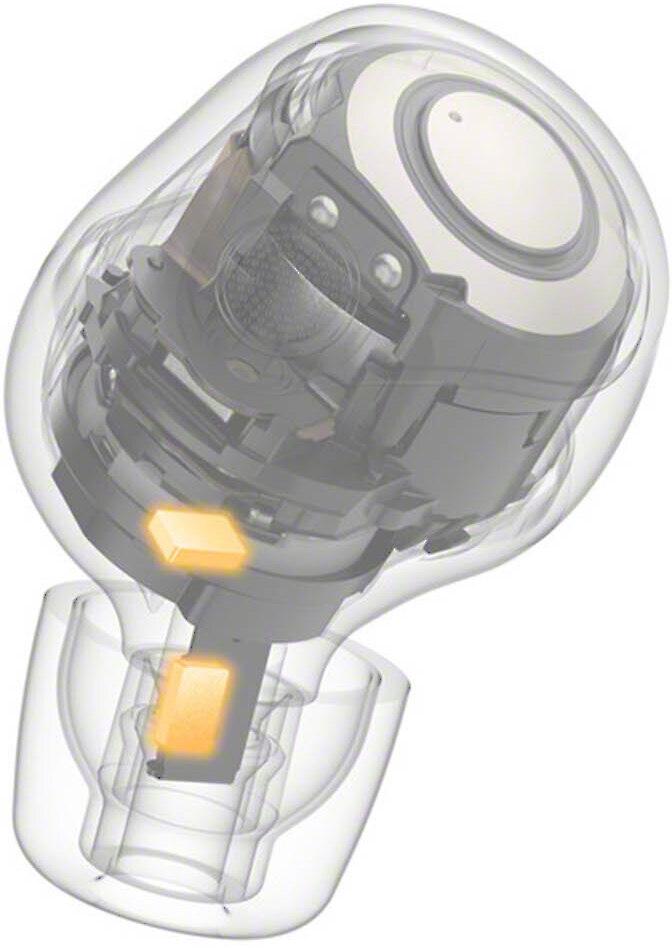
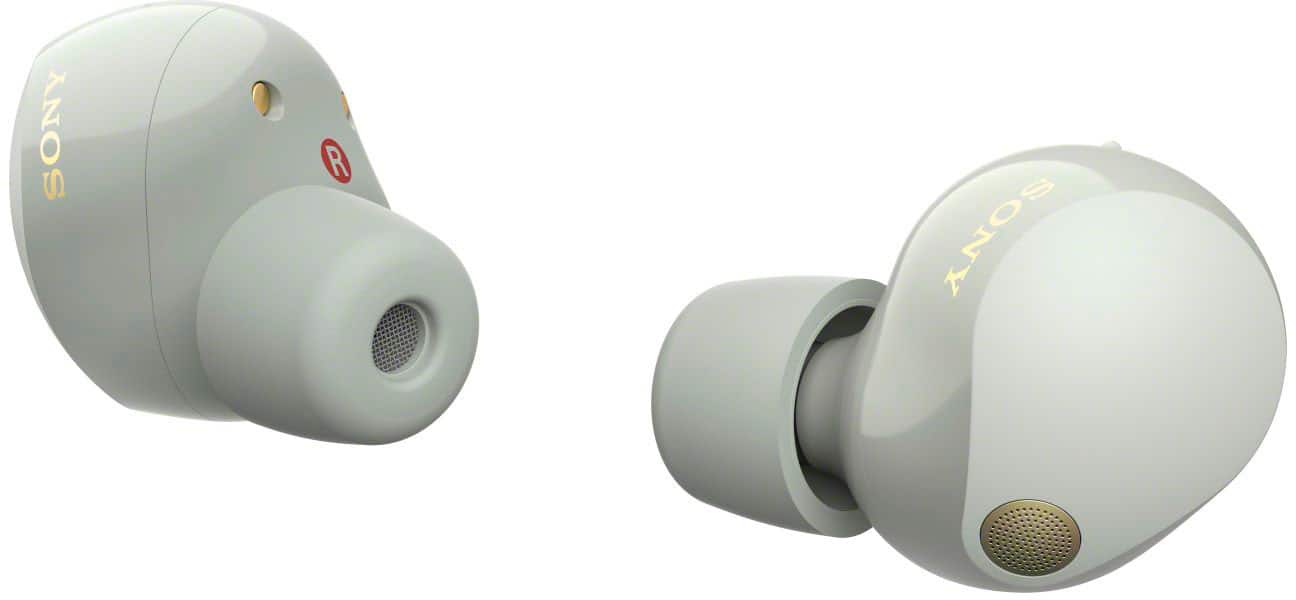
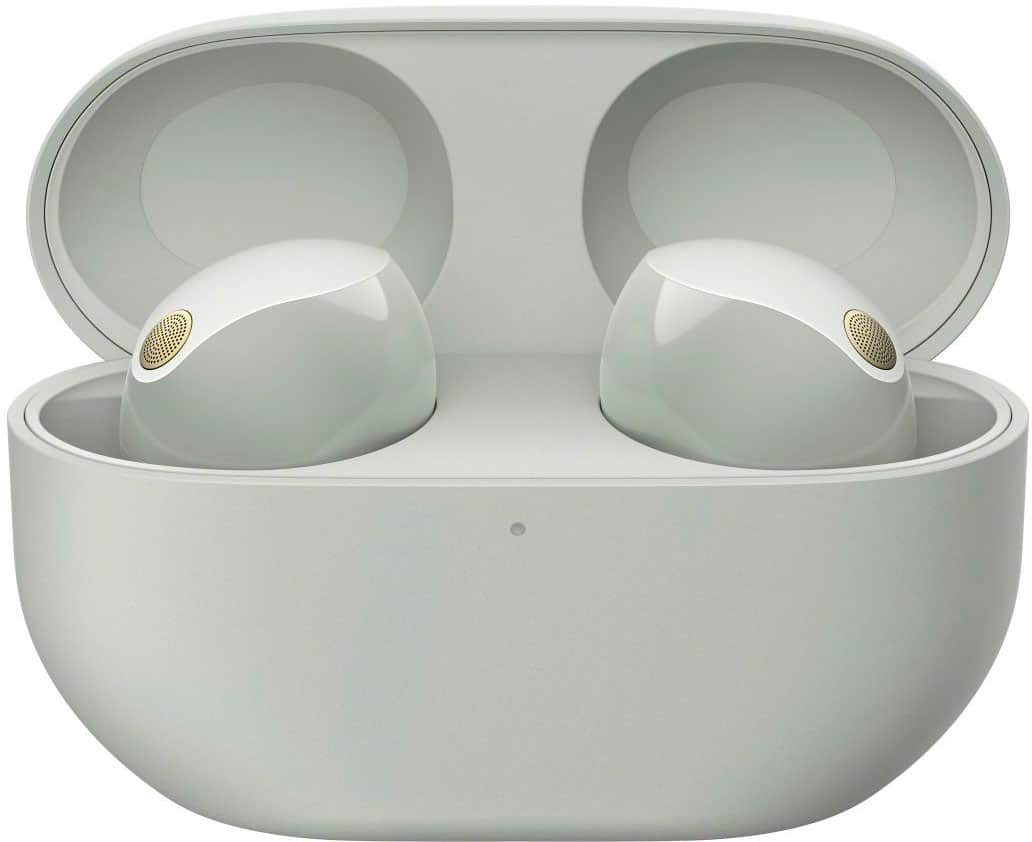
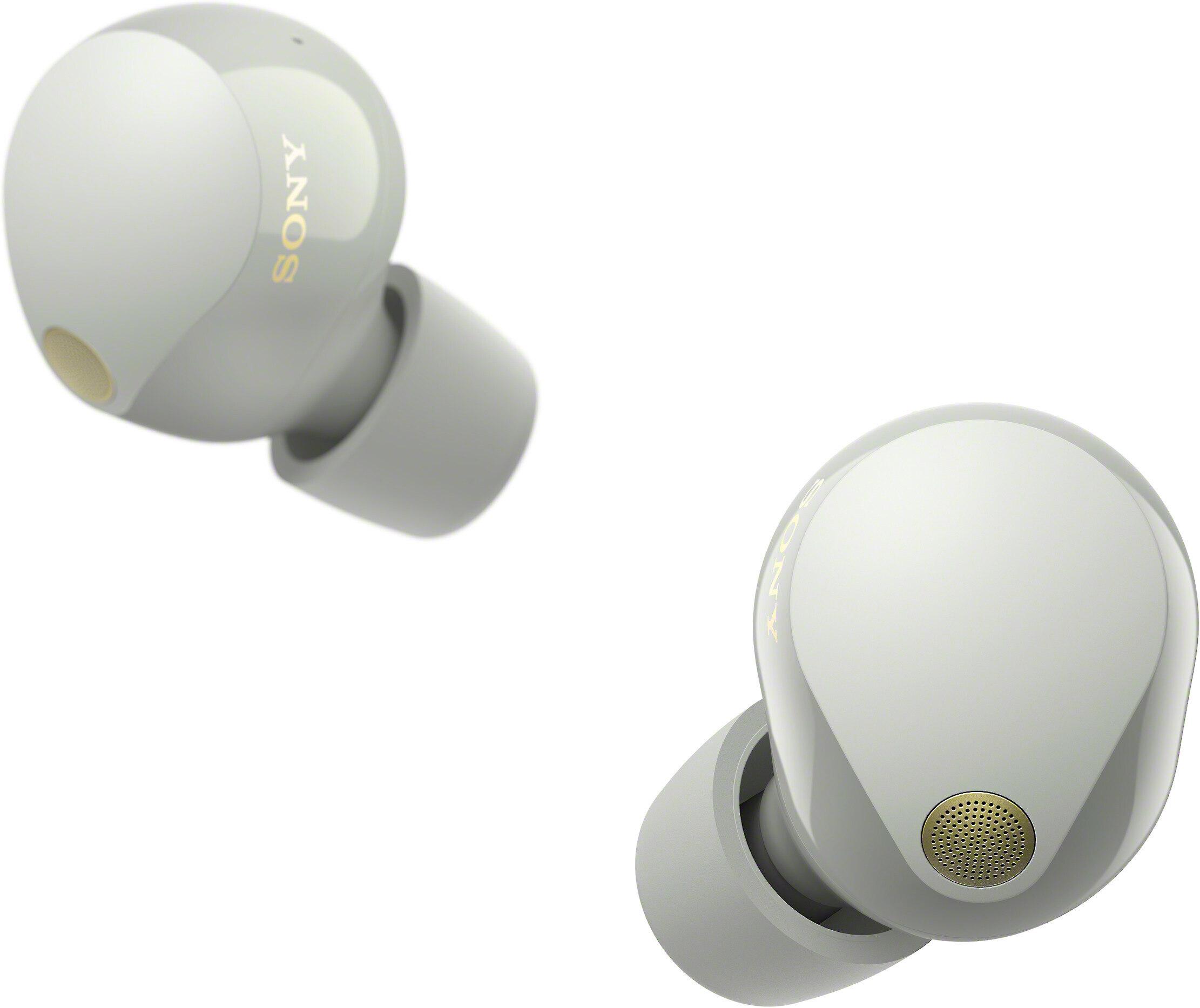

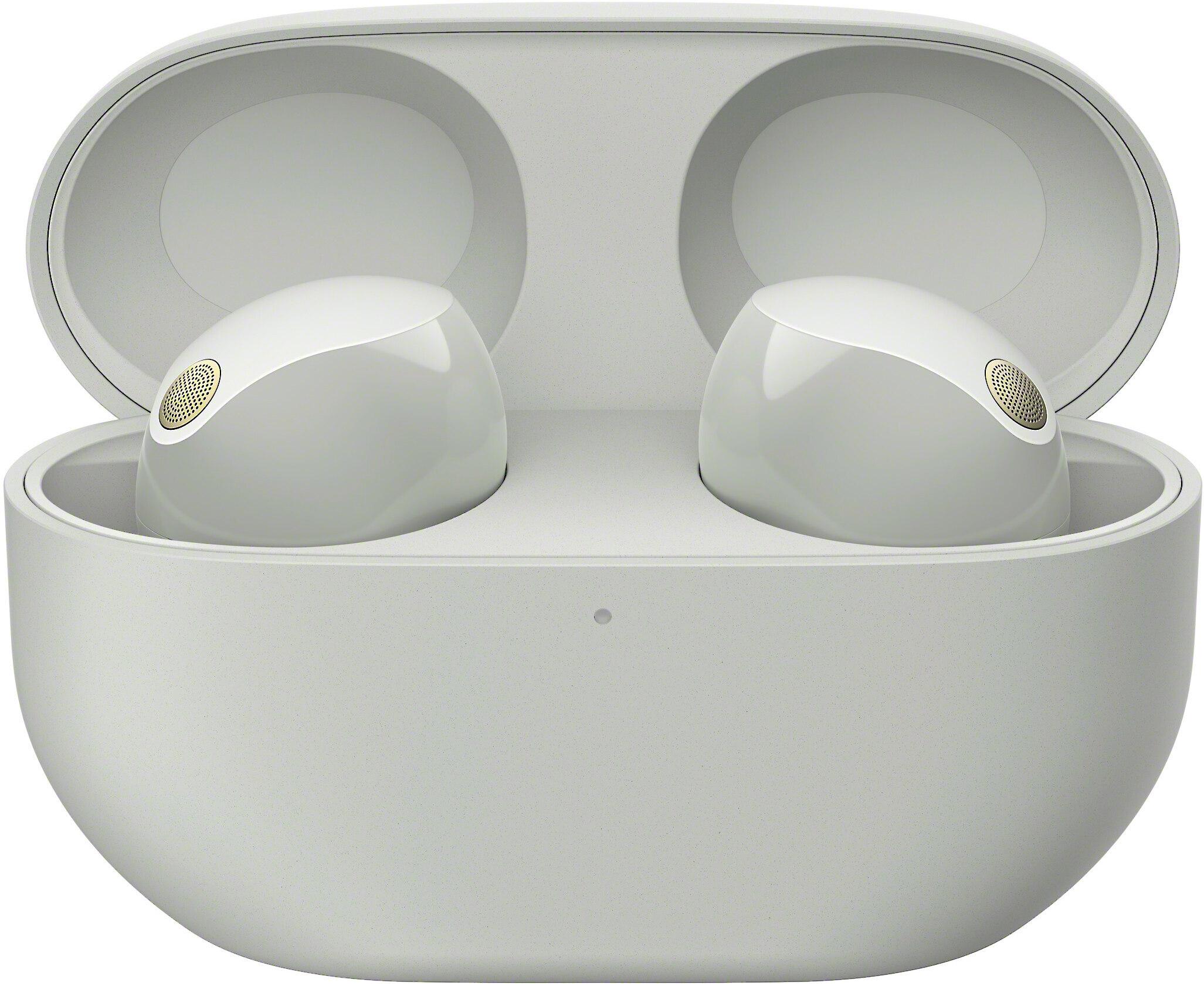
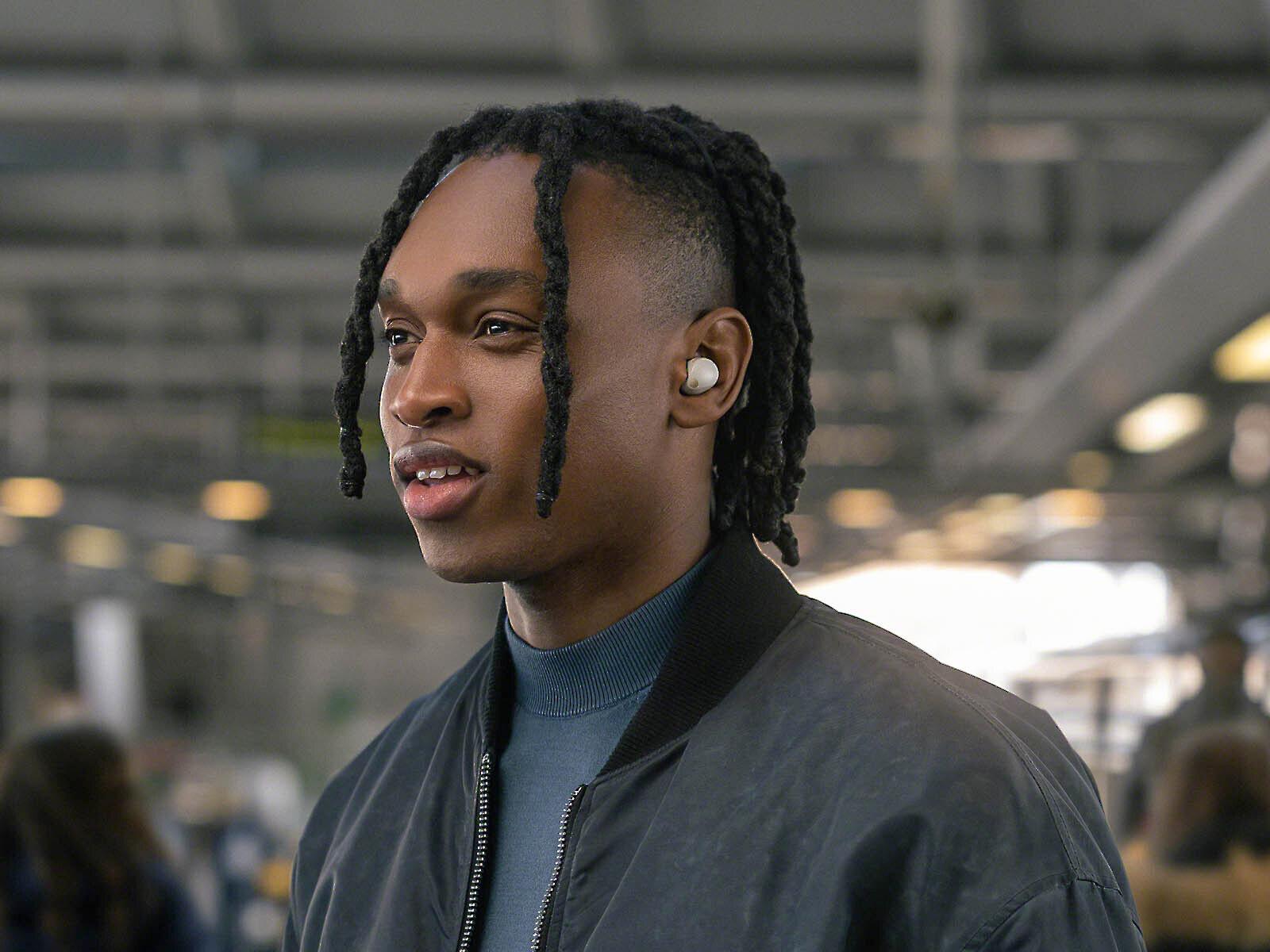
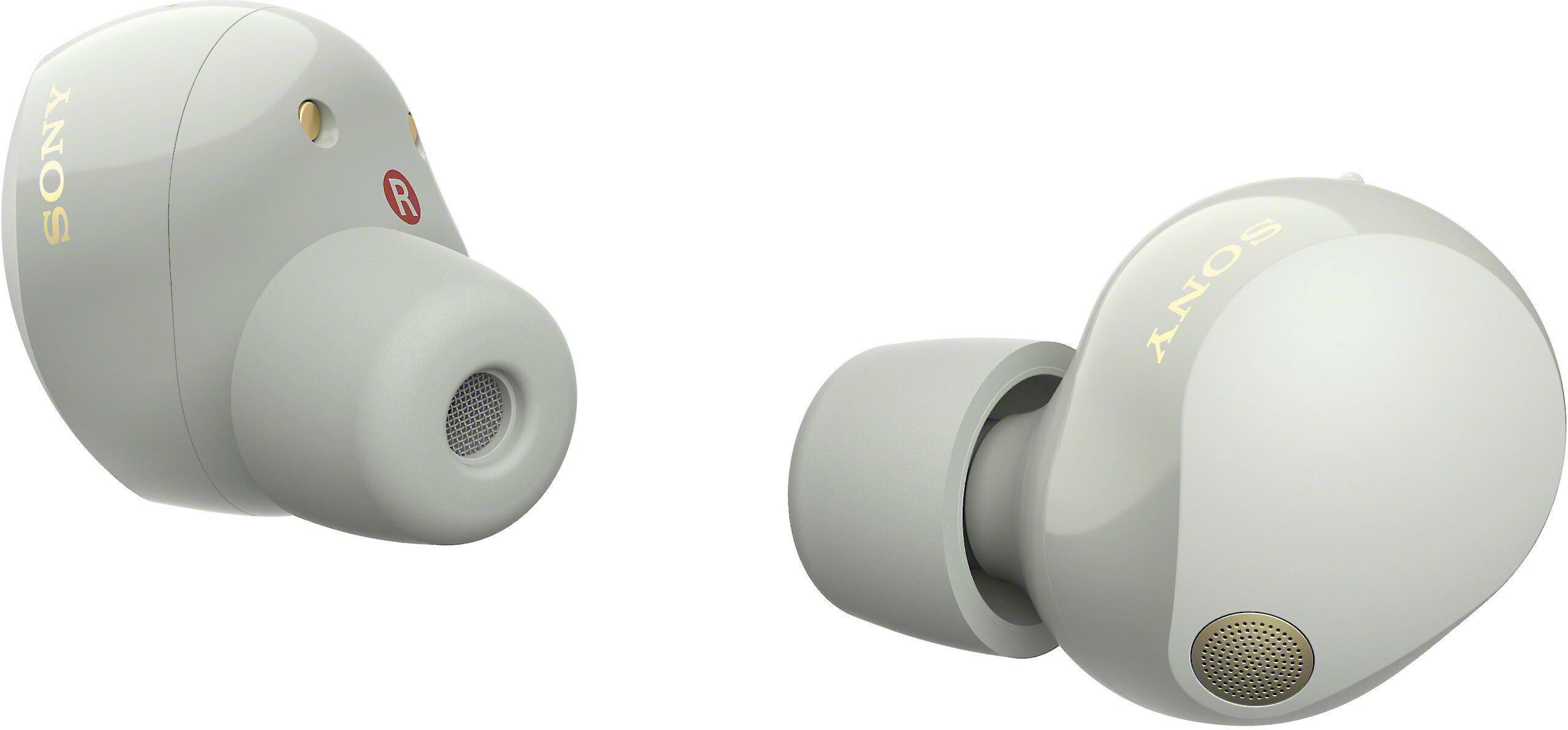


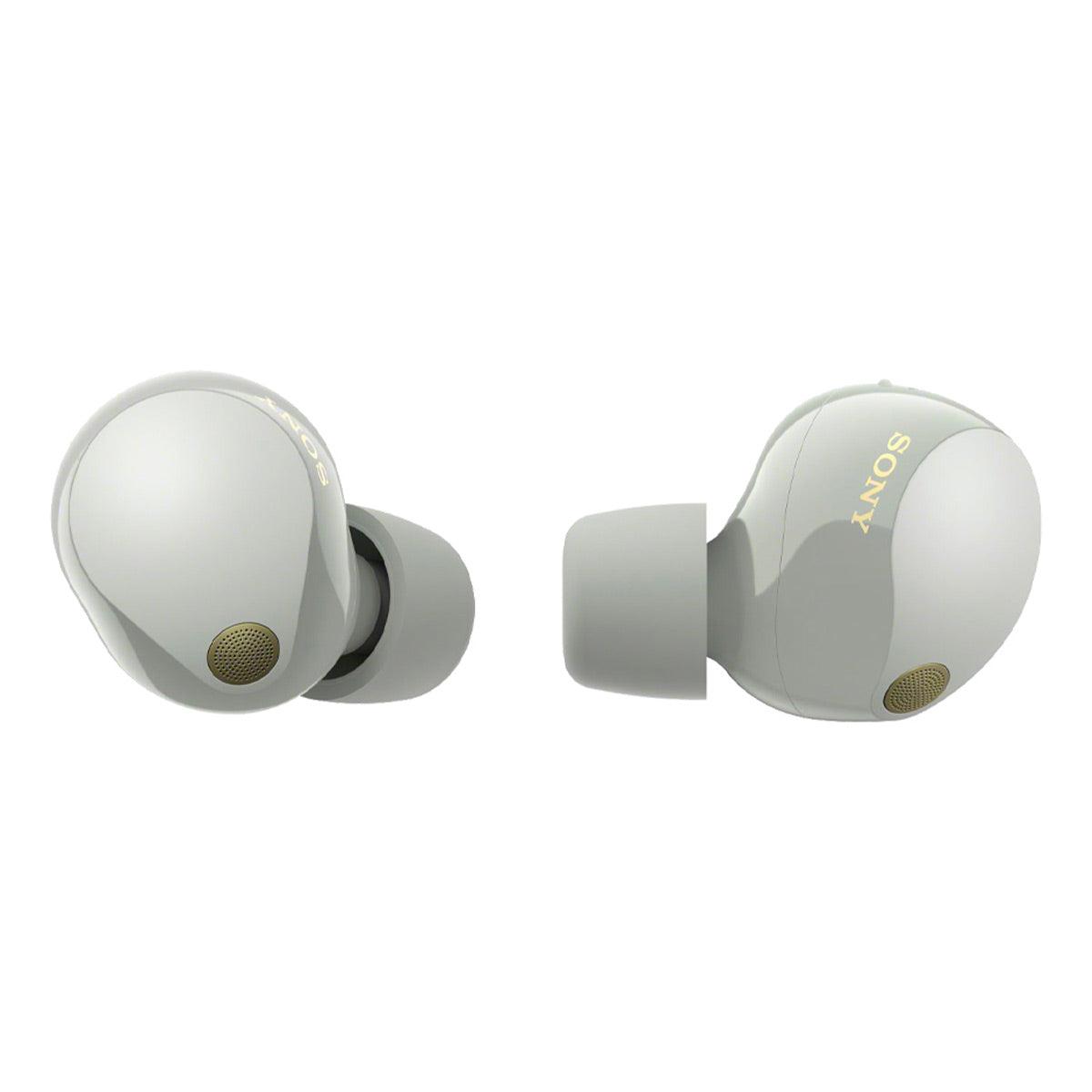
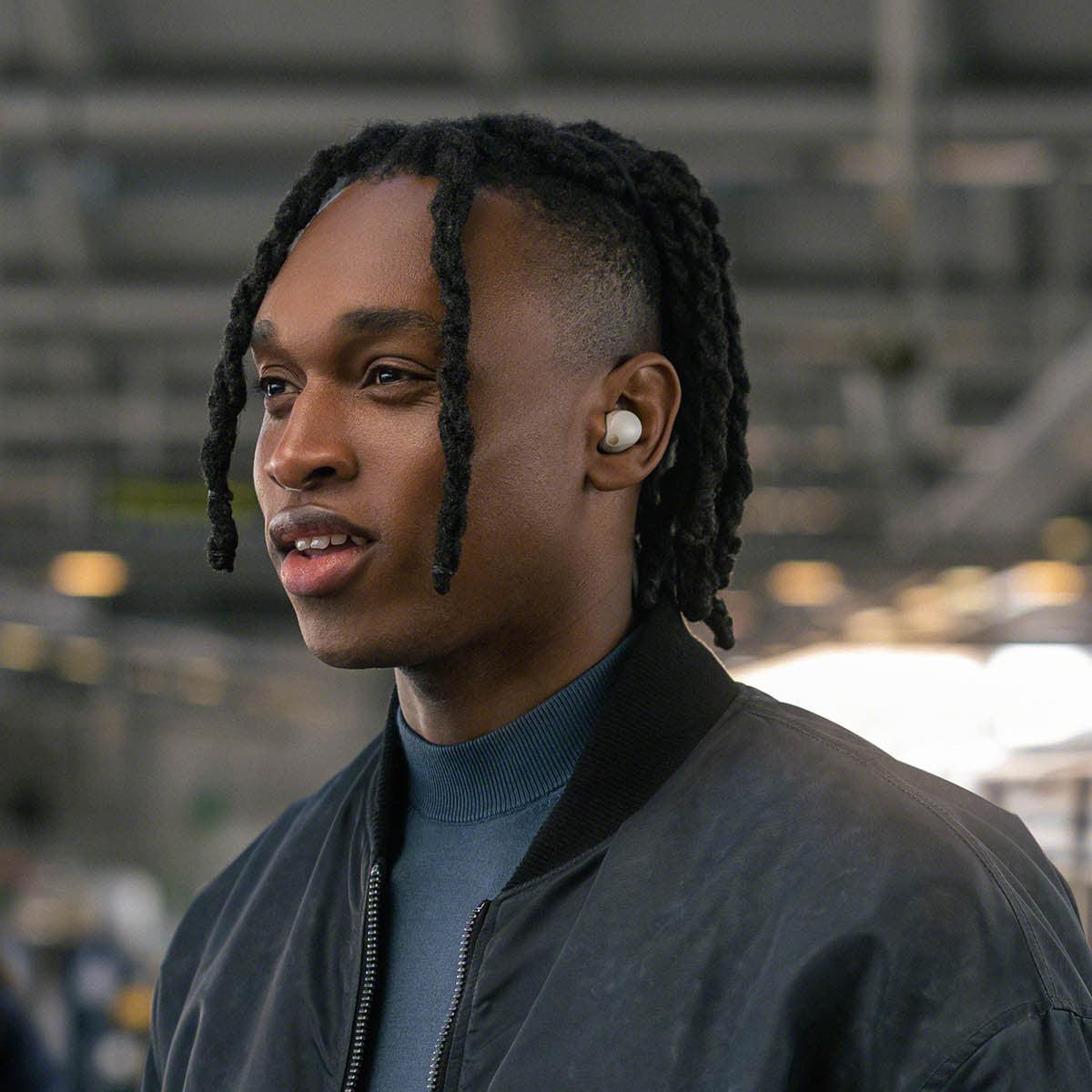
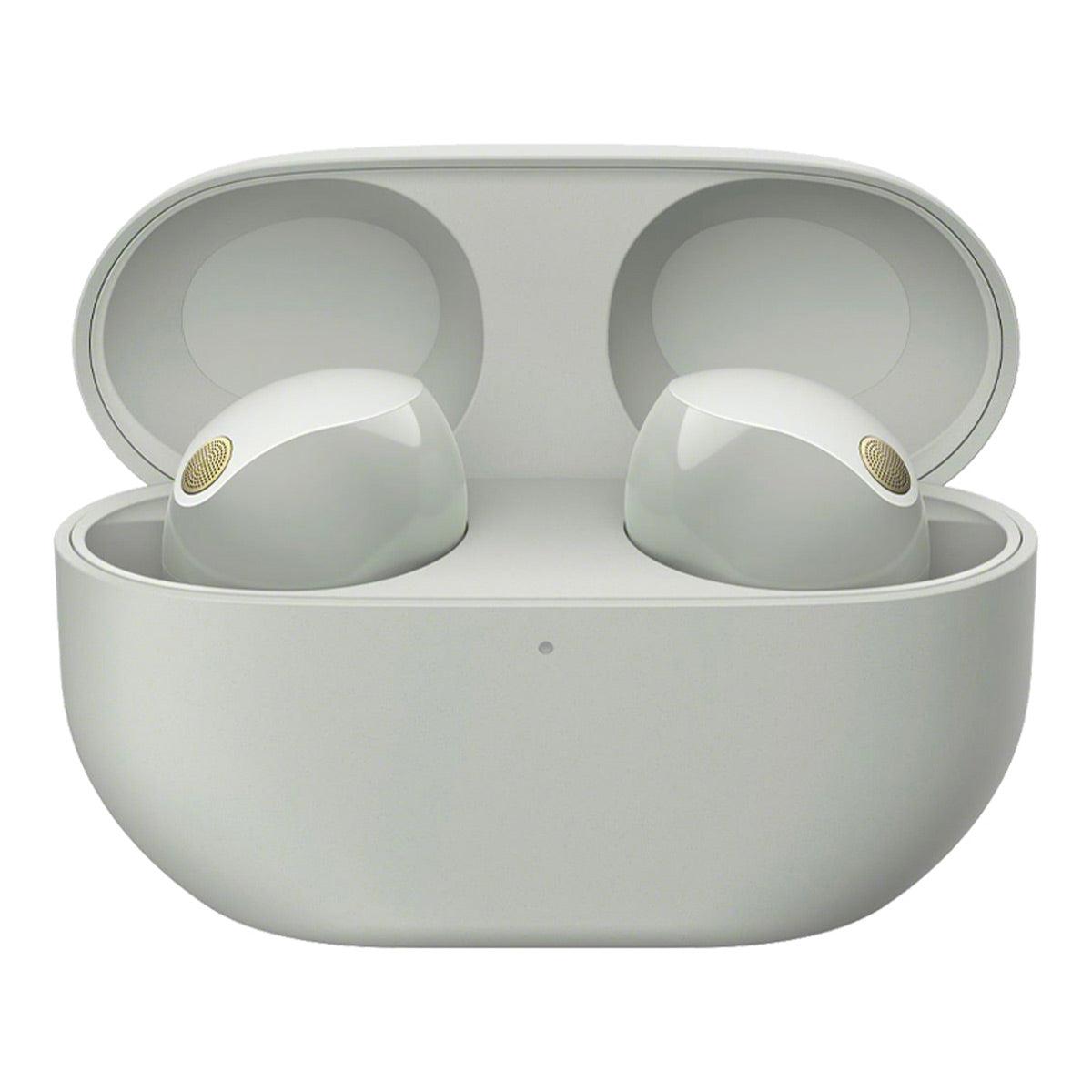
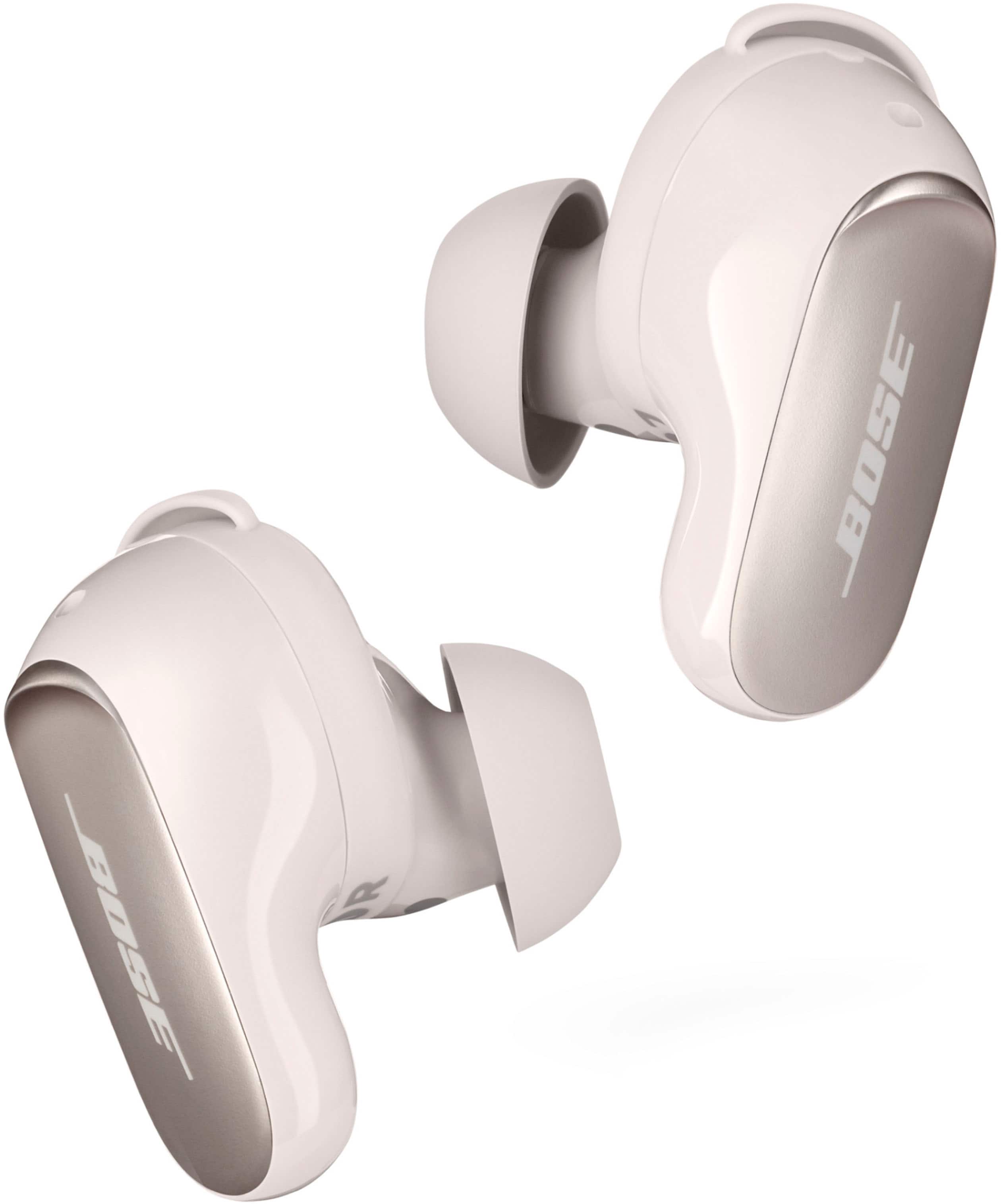
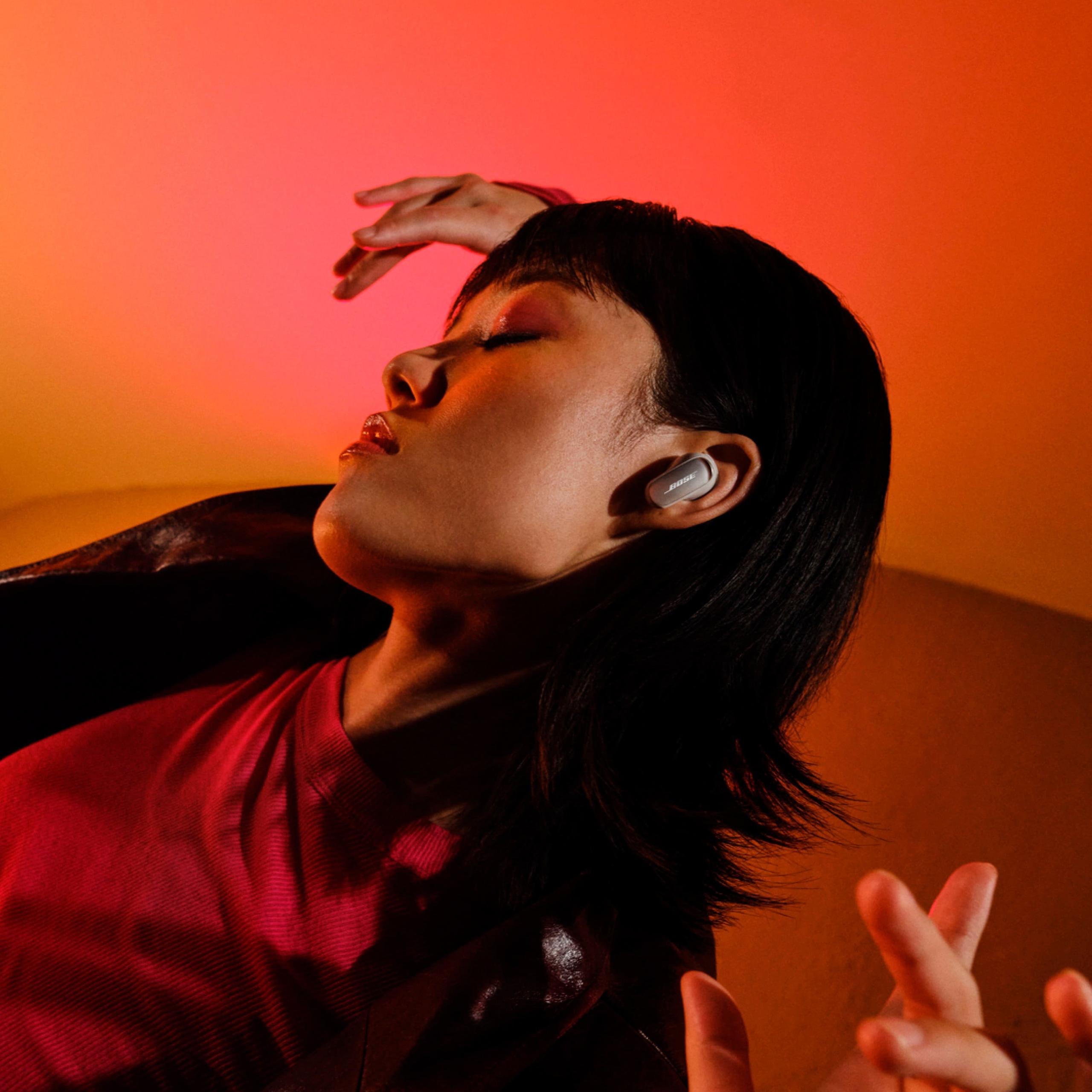
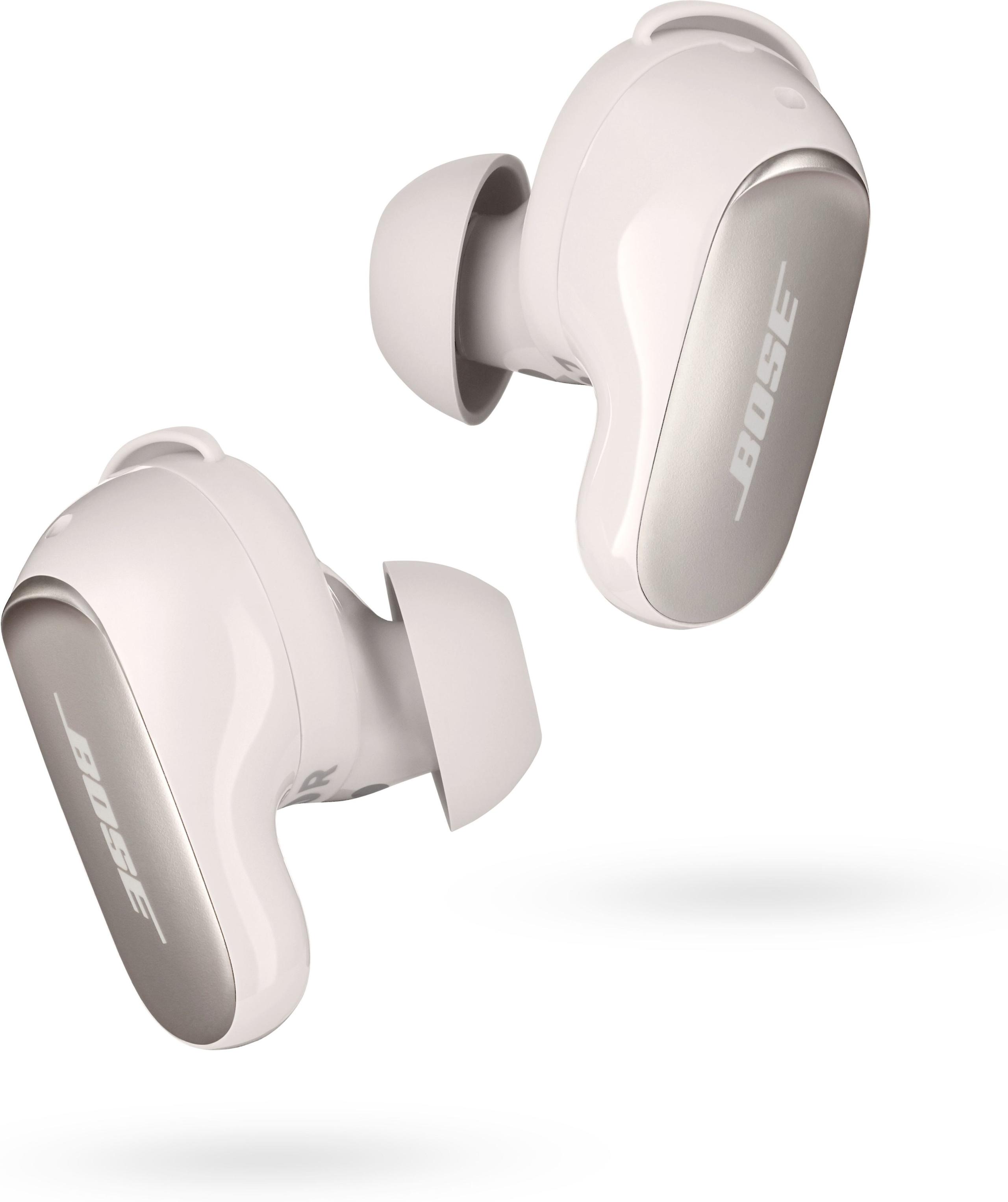
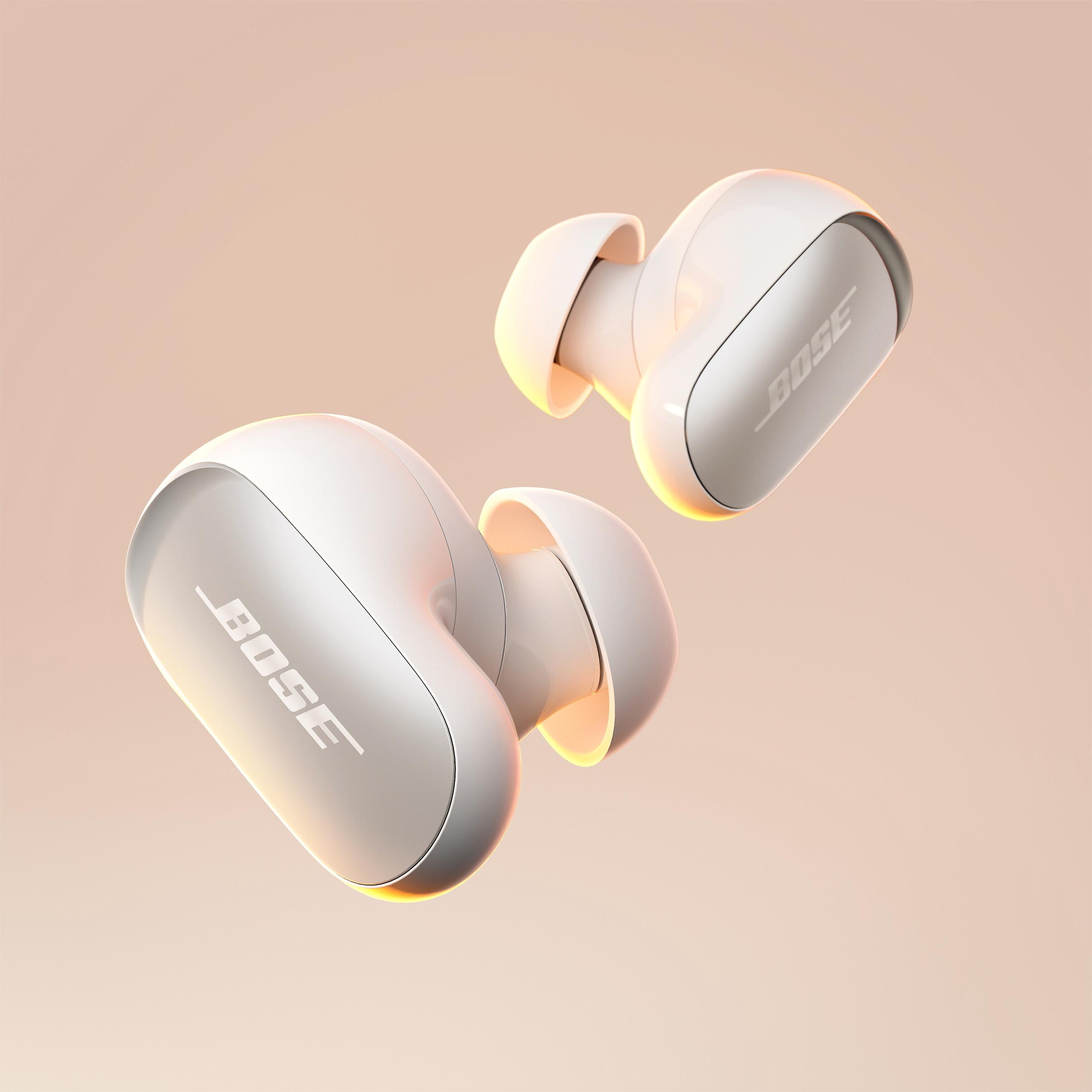
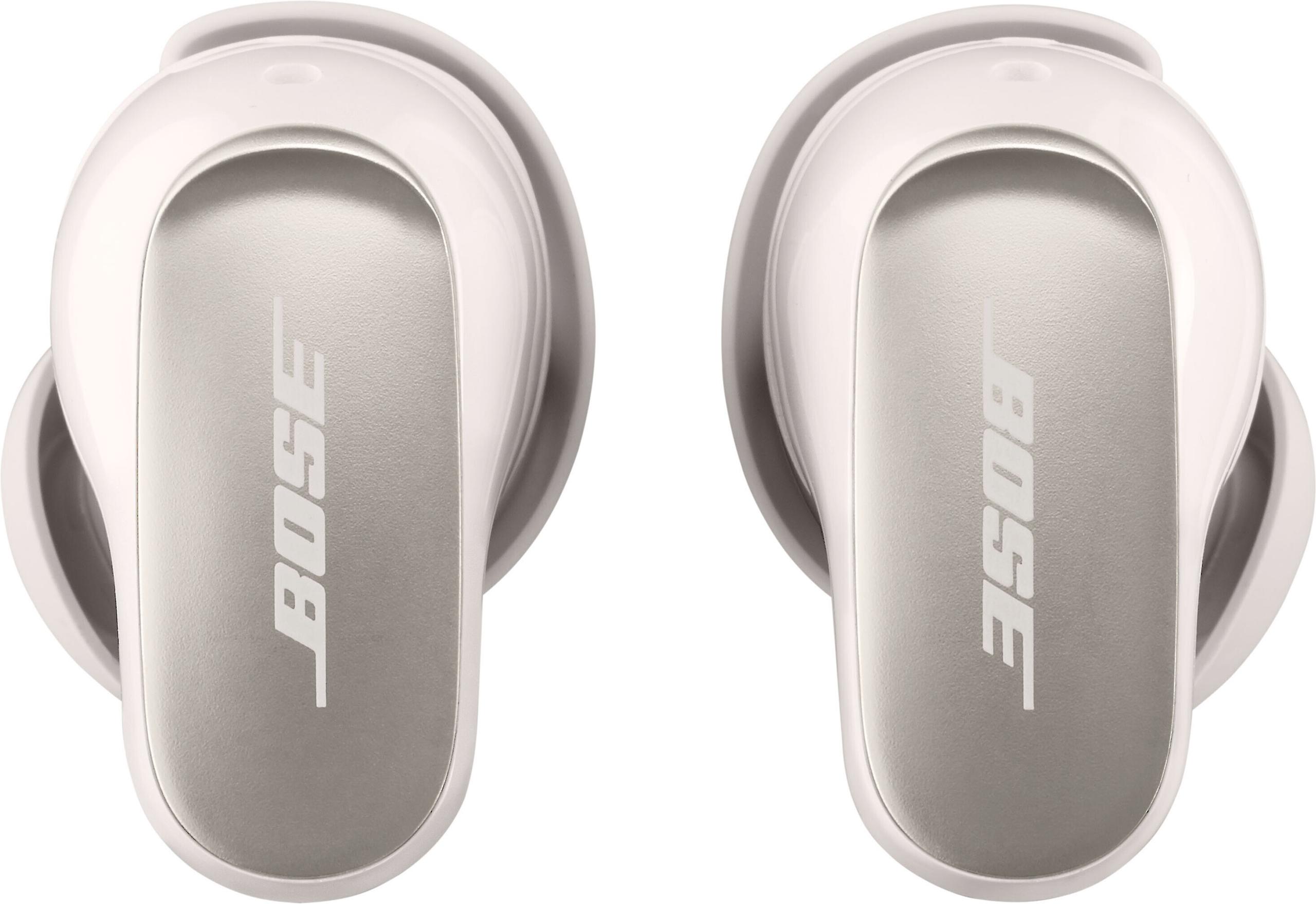
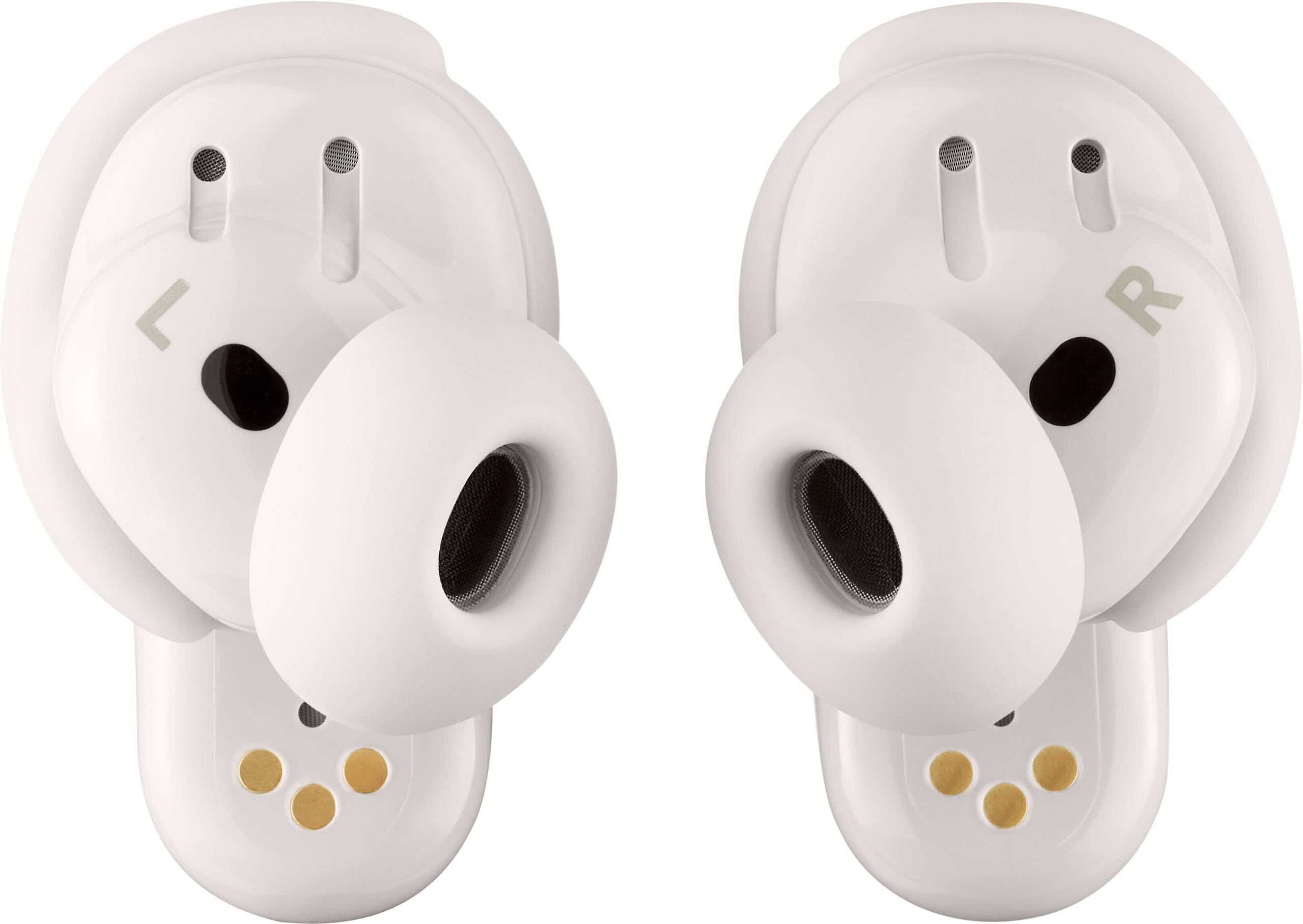
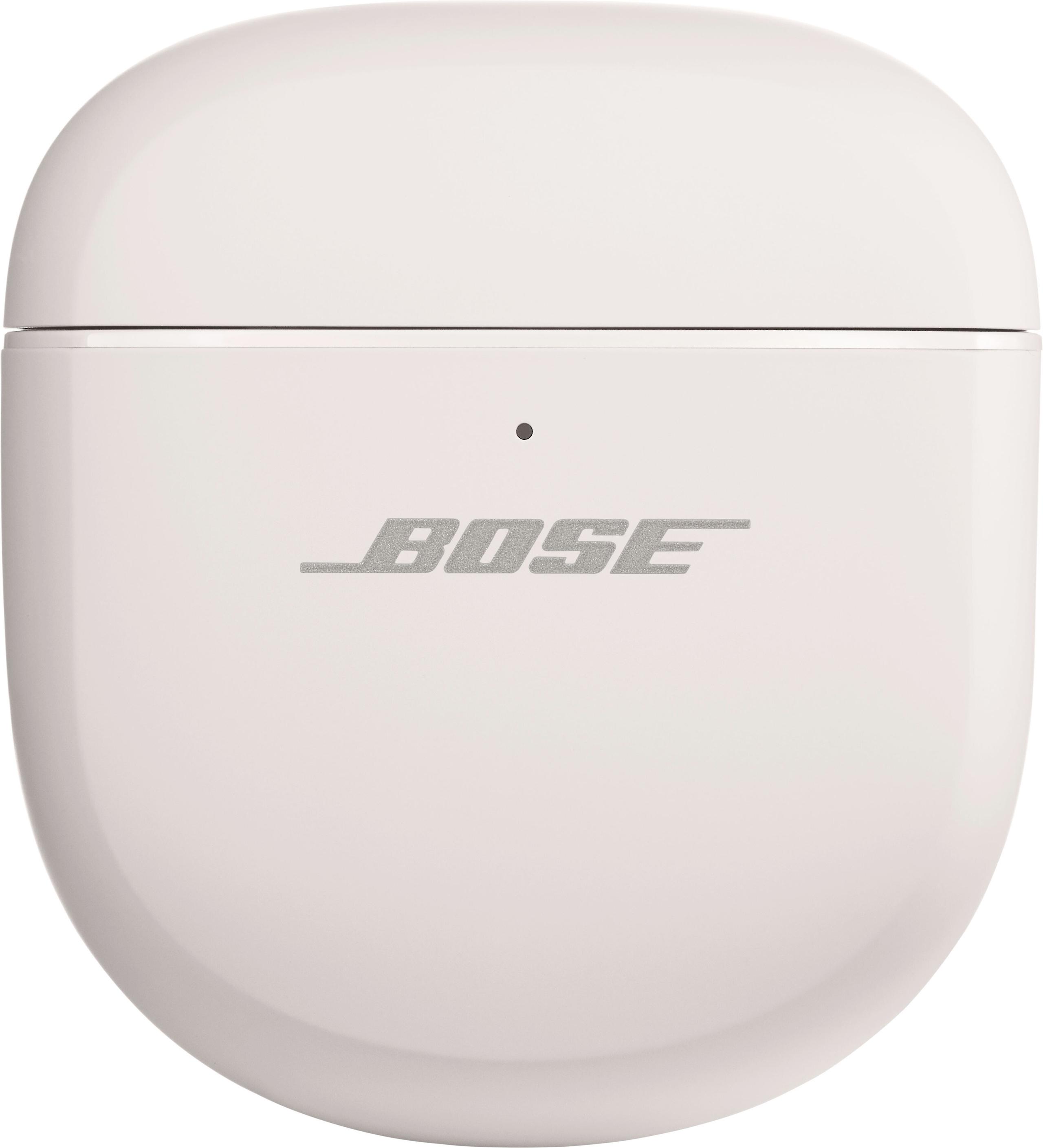
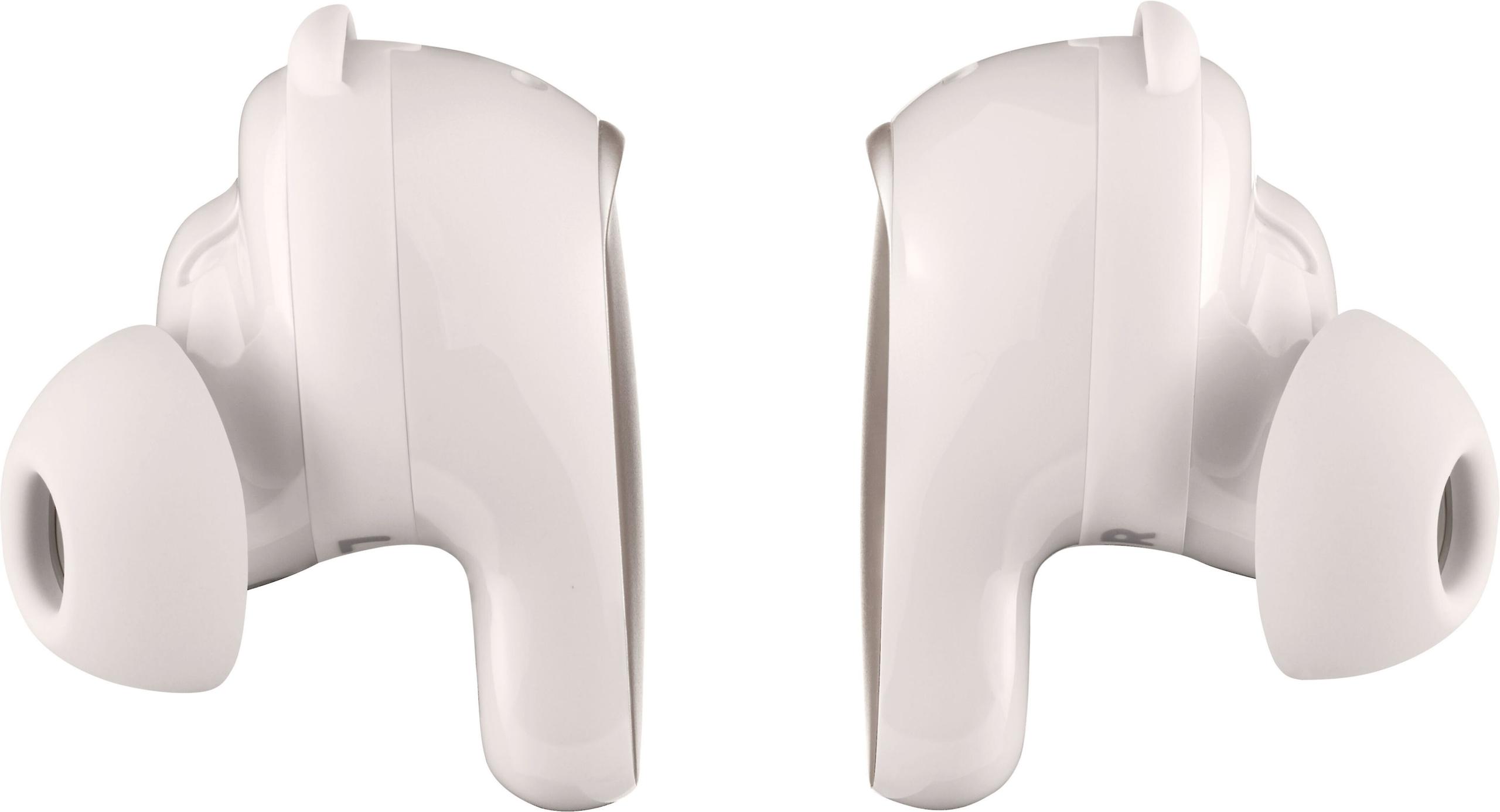
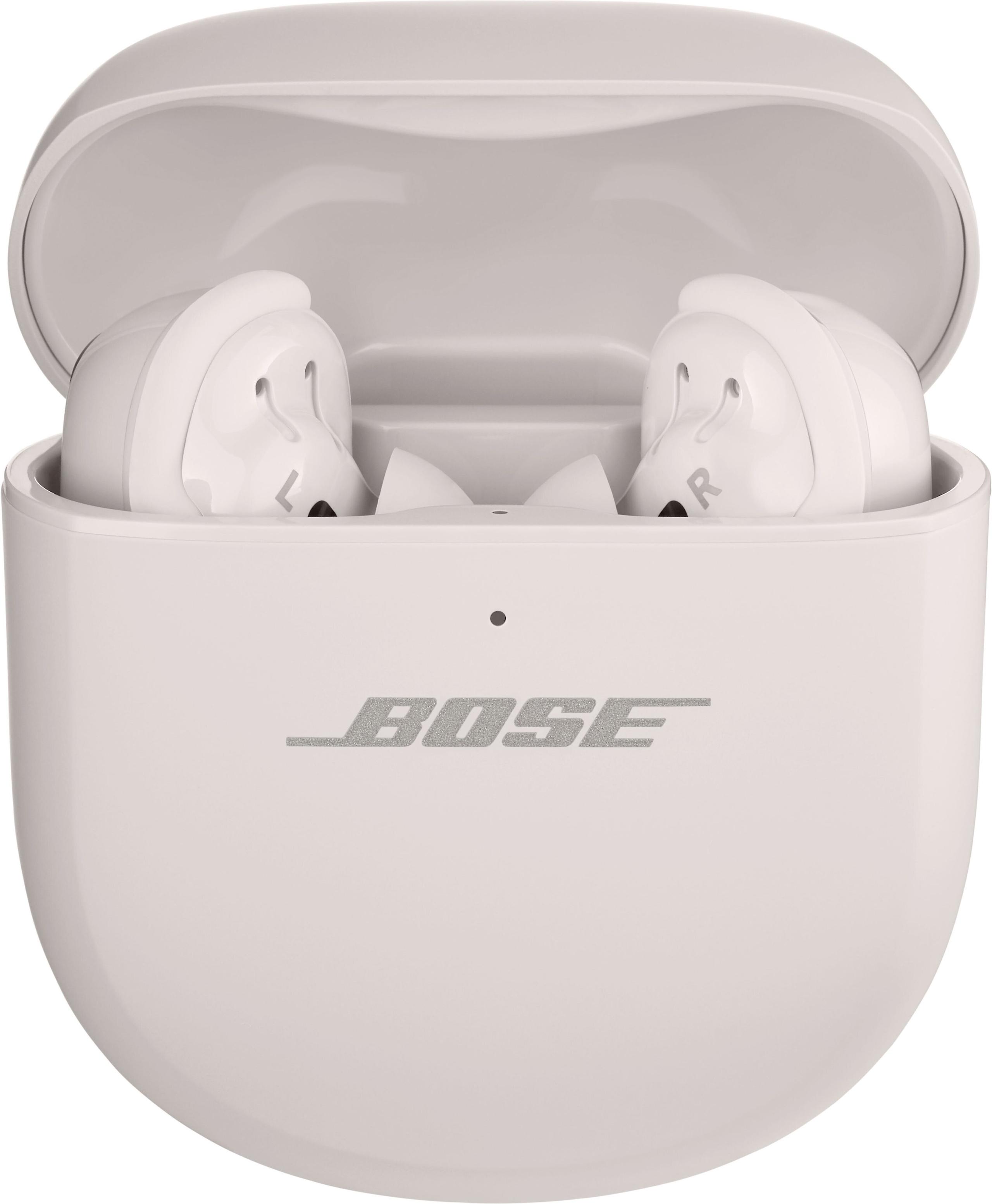
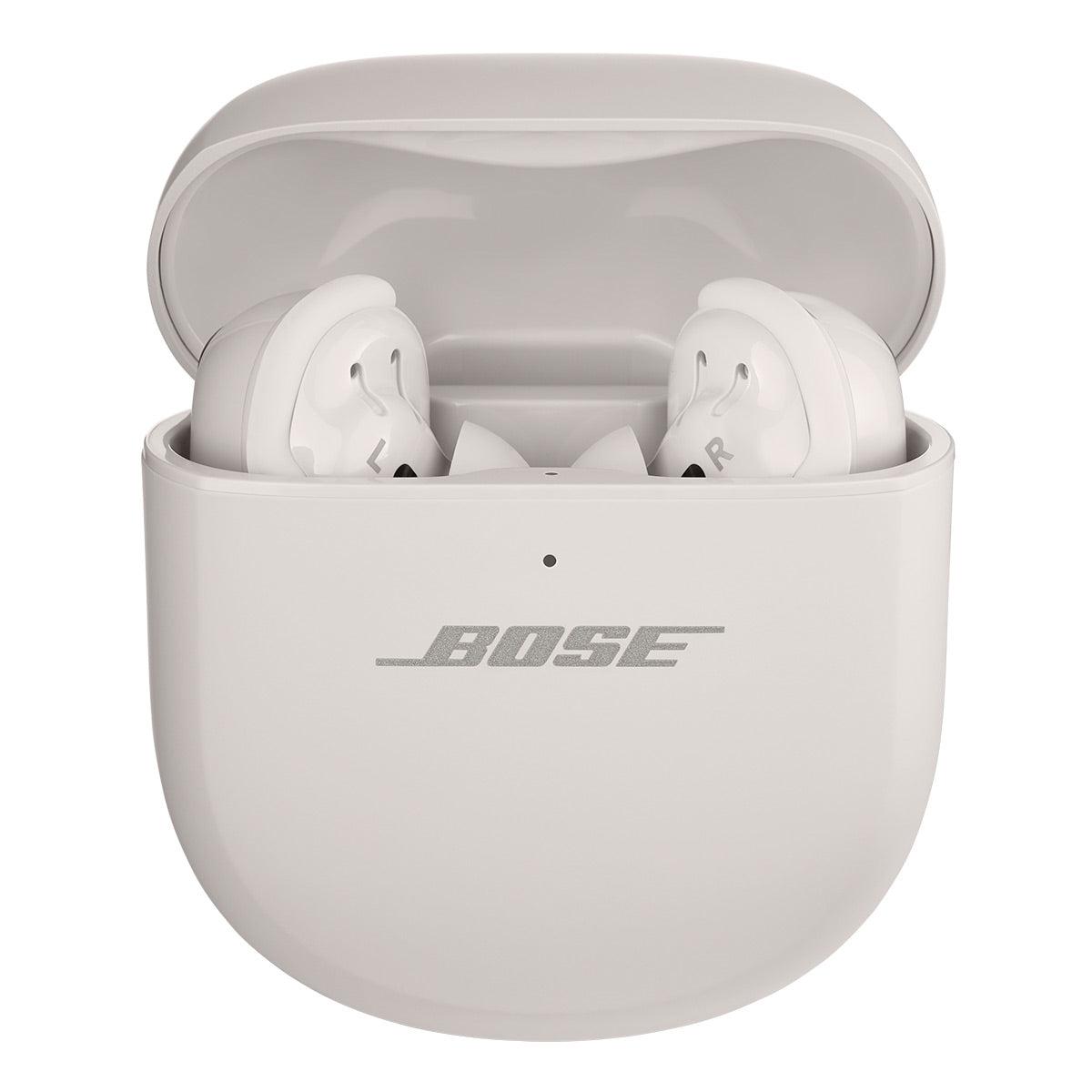
The premium noise-canceling earbud market has exploded in recent years, with brands pushing the boundaries of what's possible in these tiny wireless devices. Two standout contenders have emerged as the cream of the crop: the Sony WF-1000XM5 and the Bose QuietComfort Ultra. Both represent the pinnacle of their respective companies' audio engineering, but they take remarkably different approaches to delivering premium sound.
Released in 2023, both earbuds arrived during a particularly exciting time for wireless audio technology. The Sony WF-1000XM5 marked a significant redesign from Sony's previous flagship, becoming 25% smaller while packing in more advanced technology. Meanwhile, the Bose QuietComfort Ultra introduced Bose's groundbreaking Immersive Audio spatial sound technology, representing their most ambitious earbud release to date.
At the time of writing, both products command premium pricing, though the Bose QuietComfort Ultra typically costs about $70 less than the Sony WF-1000XM5. This price difference becomes crucial when evaluating their respective value propositions, especially since each product excels in different areas.
Before diving into the comparison, it's worth understanding what makes these earbuds "premium" in the first place. Both feature active noise cancellation (ANC), which uses microphones to detect outside noise and generates opposite sound waves to cancel it out. They also employ sophisticated digital signal processing (DSP) – essentially tiny computers that manipulate audio signals in real-time to enhance sound quality and implement features like noise cancellation.
The driver technology in both earbuds represents years of acoustic engineering. Drivers are essentially tiny speakers that convert electrical signals into sound waves. The Sony WF-1000XM5 uses Sony's new Dynamic Driver X technology, while the Bose QuietComfort Ultra relies on Bose's proprietary driver design optimized for their signature sound.
The most striking difference between these earbuds lies in their sound signatures – essentially their "audio personality." The Sony WF-1000XM5 takes what audiophiles call a "reference" approach, aiming for accuracy and neutrality. When you listen to a jazz recording, you hear the instruments much as they were recorded in the studio, with each element clearly separated and positioned in the soundscape.
I've spent considerable time with both earbuds, and the Sony's approach to bass reproduction particularly impressed me. Rather than simply boosting low frequencies for impact, Sony's Dynamic Driver X technology maintains tight control over bass response. This means you get the full weight of a kick drum without it bleeding into the midrange where vocals live. The result is clarity that makes complex orchestral pieces easy to follow, even when multiple instruments are playing simultaneously.
The Bose QuietComfort Ultra, however, embraces what's called a "V-shaped" sound signature – boosted bass and treble with slightly recessed midrange. This creates an immediately exciting listening experience that makes bass-heavy genres like electronic music and hip-hop incredibly engaging. The sub-bass response (the very lowest frequencies you feel more than hear) is particularly powerful, adding visceral impact to movie soundtracks and modern pop music.
But here's where it gets interesting: Bose's approach can sometimes work against vocal clarity. The boosted bass, while exciting, can occasionally overwhelm vocal frequencies, making singers sound slightly distant or muffled. This trade-off isn't necessarily bad – it's a deliberate choice that prioritizes excitement over clinical accuracy.
The soundstage – how wide and spacious music sounds – differs significantly between the two. The Sony WF-1000XM5 creates an impressively open presentation that makes music feel less "inside your head" than typical earbuds. The Bose QuietComfort Ultra counters with their Immersive Audio technology, which uses spatial processing to virtually place sound sources around you, creating a surround-sound-like experience.
Both earbuds excel at noise cancellation, but their approaches feel distinctly different. The Sony WF-1000XM5 achieves what I'd call "transparent" noise cancellation – it effectively blocks outside noise without creating the pressurized feeling that some people find uncomfortable. Sony's Integrated Processor V2 works with three microphones per earbud to continuously adapt the cancellation to your environment.
The Bose QuietComfort Ultra takes a more aggressive approach, creating what reviewers often describe as a "cocoon effect." When you put these in, the outside world simply disappears. Bose's CustomTune technology plays test tones through the earbuds when you first insert them, analyzing your ear canal shape to optimize both sound quality and noise cancellation specifically for your ears. This personalization is genuinely clever – no two ears are identical, and this customization can make a noticeable difference in performance.
For airplane travel or noisy commutes, the Bose approach has clear advantages. The intense isolation can be almost startling in its effectiveness. However, some users find this level of cancellation creates a slight feeling of pressure or claustrophobia, especially during longer listening sessions.
This is where the differences become stark. The Sony WF-1000XM5 delivers genuinely impressive battery performance, providing over 9 hours of continuous playback in real-world testing. Combined with the charging case, you're looking at nearly 24 hours of total listening time. This performance gap isn't trivial – it's the difference between charging daily versus every few days for many users.
The Bose QuietComfort Ultra manages about 5.5 hours of continuous use, which is respectable but falls well short of Sony's achievement. For users who rely on their earbuds throughout long workdays or frequent travel, this difference becomes a significant practical consideration.
Sony's rapid charging implementation also impresses – just three minutes in the case provides nearly an hour of playback, making it virtually impossible to get caught with dead earbuds. The Sony WF-1000XM5 also includes wireless charging, a convenience feature that Bose opted not to include.
Here's where technical specifications become practically important. The Sony WF-1000XM5 supports LDAC, Sony's high-resolution audio codec that can transmit significantly more data than standard Bluetooth audio. When paired with compatible Android devices and high-quality audio files, LDAC can deliver noticeably improved sound quality – more detail, better dynamics, and less compression artifacts.
The Bose QuietComfort Ultra supports only standard SBC and AAC codecs, which are perfectly adequate for most users but don't offer the same potential for audiophile-level performance. For iPhone users, this difference matters less since iOS doesn't support LDAC anyway. But for Android users with high-quality music libraries, Sony's codec support represents a genuine advantage.
The Sony Headphones Connect app showcases the company's commitment to customization. The 6-band equalizer allows precise sound tuning – you can boost the upper midrange to bring vocals forward, or tighten the bass if you find it overwhelming. The app also includes Sony's DSEE Extreme technology, which uses artificial intelligence to analyze and enhance compressed audio files in real-time, restoring some of the detail lost during compression.
Features like Speak-to-Chat automatically pause music when the earbuds detect your voice, allowing for seamless conversations without manually adjusting settings. Adaptive Sound Control learns your daily routines and automatically adjusts noise cancellation based on your location and activity.
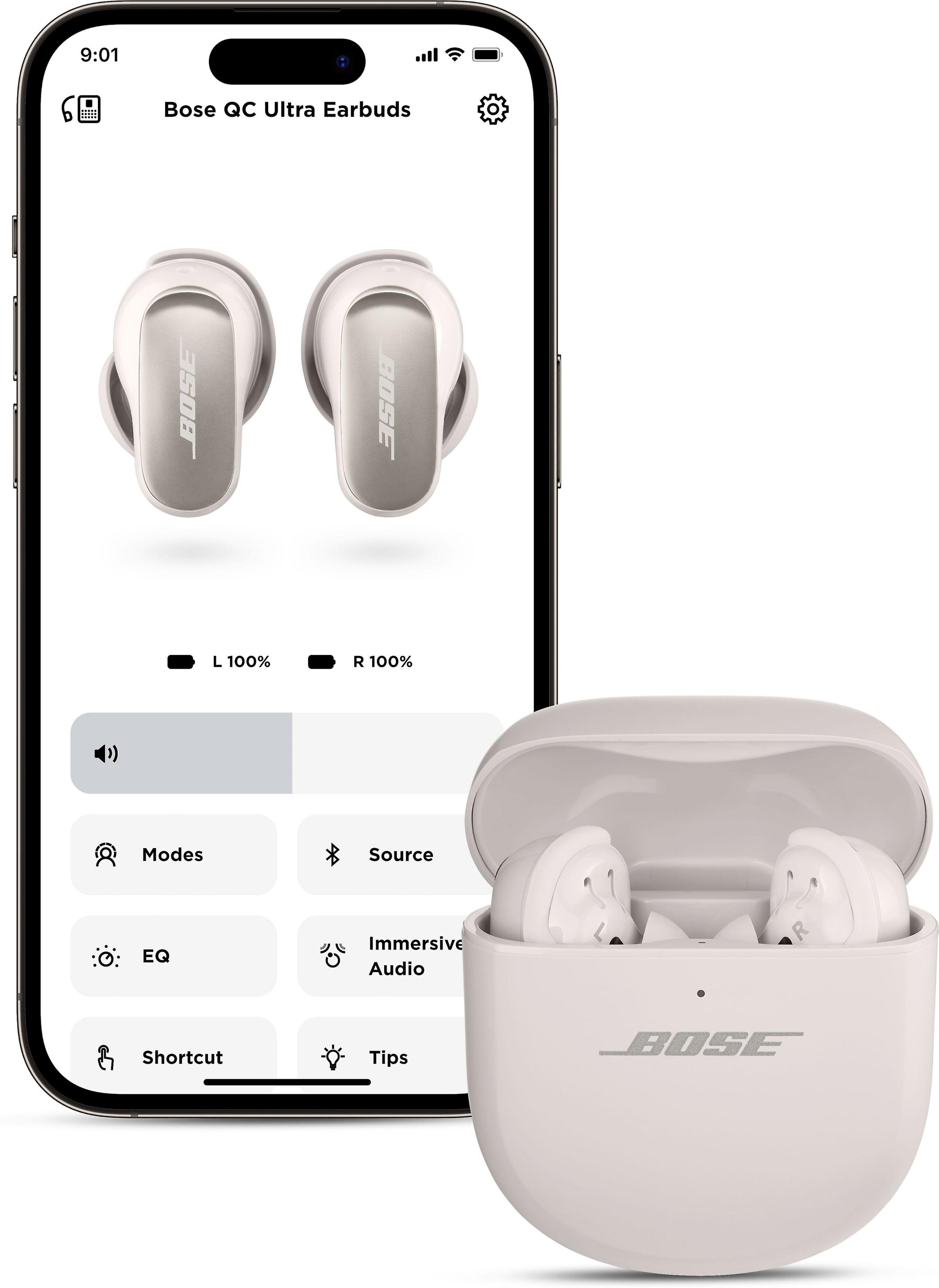
The Bose Music app takes a simpler approach, offering basic 3-band EQ controls that many users find insufficient for detailed sound customization. However, Bose's Immersive Audio settings provide spatial audio modes that can dramatically change your listening experience, particularly with movies and specifically mixed content.
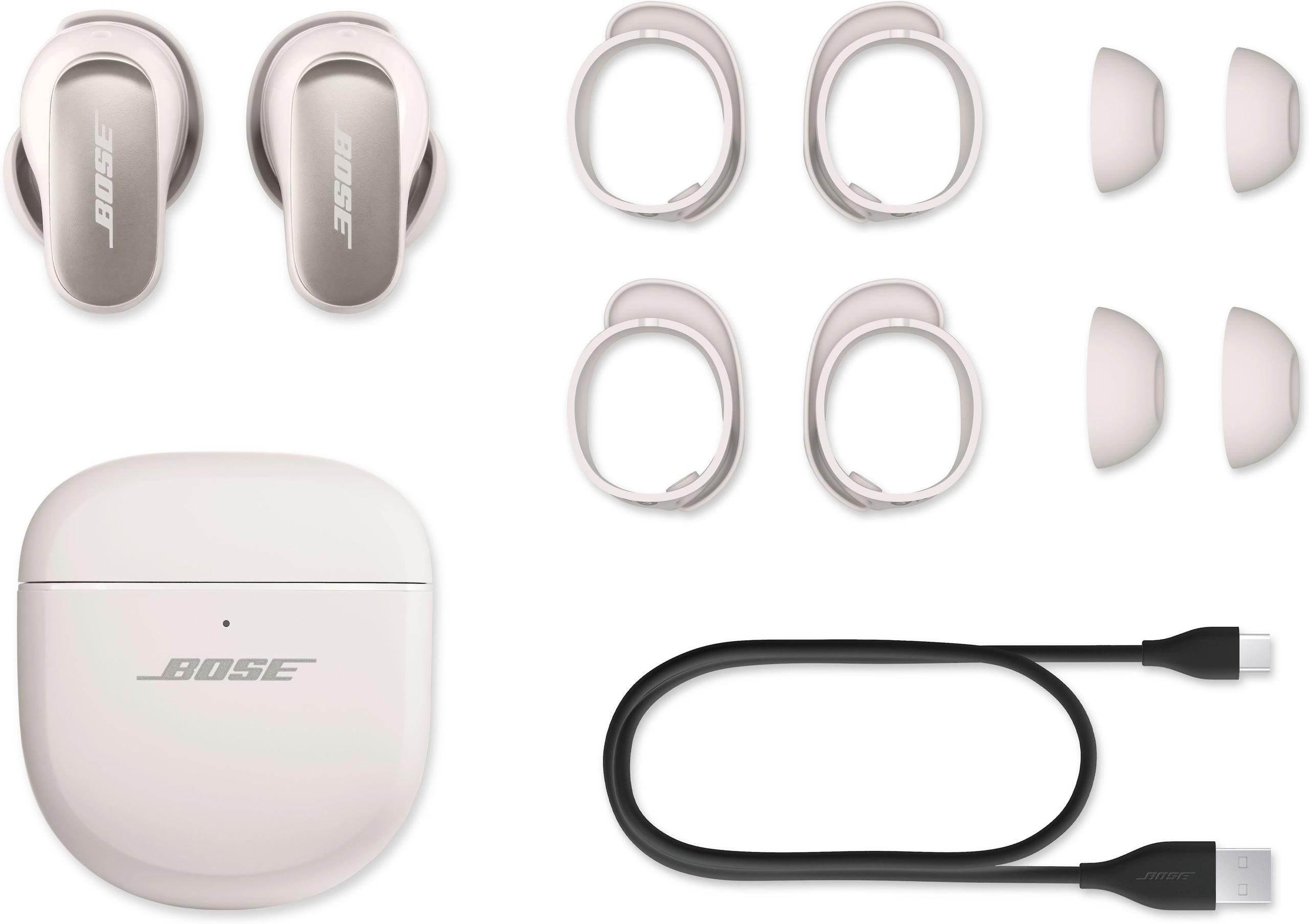
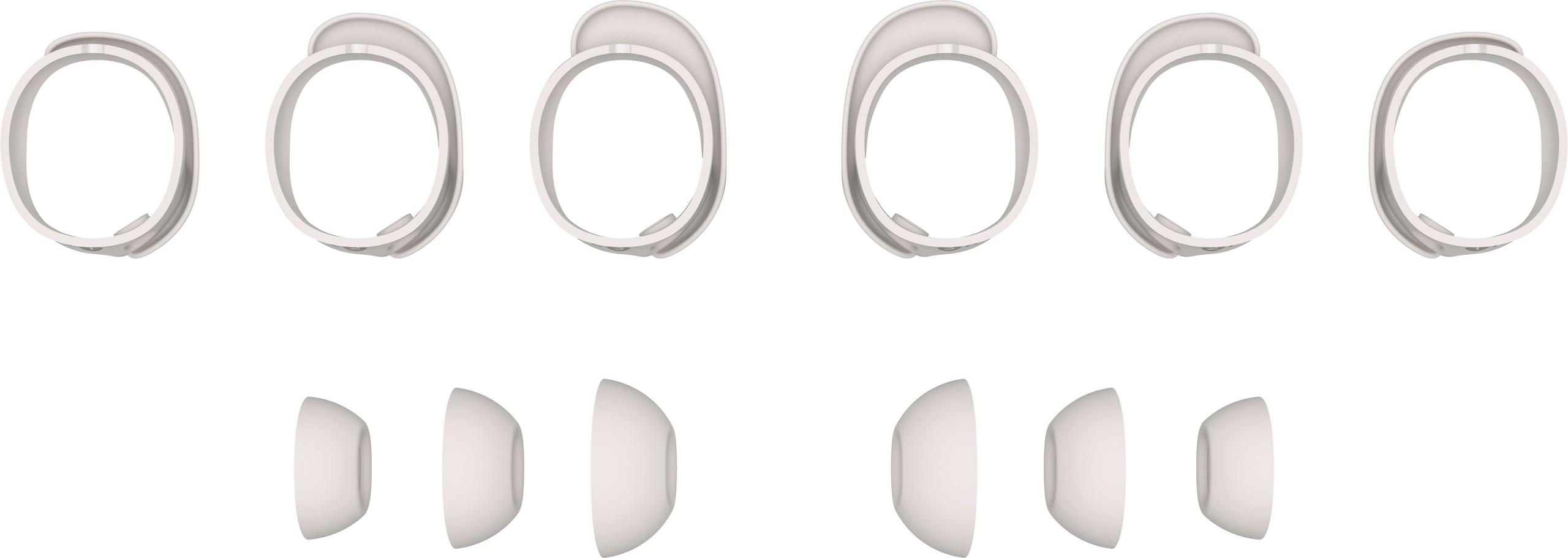
Physical comfort becomes crucial for devices you might wear for hours daily. The Bose QuietComfort Ultra includes an impressive "Fit Kit" with multiple ear tip sizes and stability bands, creating up to nine different size combinations. This comprehensive approach to fit customization makes the Bose earbuds more likely to work well for a wider variety of ear shapes and sizes.
The Sony WF-1000XM5 uses a simpler approach with different ear tip sizes but no additional stability accessories. While Sony's ergonomic redesign works well for most users, some people with particularly small or large ears might struggle to achieve a secure, comfortable fit.
Both earbuds feature IPX4 water resistance, meaning they can handle sweat and light rain but shouldn't be submerged. This rating makes them suitable for workouts and outdoor use, though neither is designed for swimming or intense water exposure.
For home entertainment, both earbuds offer compelling but different advantages. The Sony WF-1000XM5's superior battery life makes them practical for movie marathons, while their balanced sound signature ensures dialogue remains clear without being overwhelmed by sound effects.
The Bose QuietComfort Ultra's Immersive Audio technology can transform movie watching, creating a more theatrical experience that makes action sequences feel more engaging. However, the shorter battery life means you'll need to plan charging breaks during longer viewing sessions.
Both support low-latency codecs that minimize audio delay when watching video, ensuring lip-sync remains accurate. The multipoint connectivity on both models allows seamless switching between your TV, phone, and other devices.
The decision between these excellent earbuds ultimately depends on your priorities and listening habits. The Sony WF-1000XM5 represents the better choice for users who prioritize audio accuracy, extensive customization options, and exceptional battery life. If you're someone who listens to diverse music genres, values the ability to fine-tune your sound, or needs earbuds that can last through long days without charging, Sony's approach will likely satisfy you more.
The Bose QuietComfort Ultra makes more sense for users who want immediate excitement from their music, prioritize maximum noise isolation, or have concerns about achieving a proper fit. The lower price point (at the time of writing) also makes Bose more accessible for users who want premium features without the highest-tier investment.
For Android users with high-quality music libraries, Sony's LDAC support provides a technical advantage that's hard to ignore. iPhone users won't benefit from this feature, making the choice more dependent on sound preferences and other factors.
In my experience, the Sony WF-1000XM5 offers better long-term satisfaction for serious listeners, while the Bose QuietComfort Ultra provides more immediate gratification and might appeal to users who prioritize simplicity over customization.
Both represent excellent examples of modern audio engineering, and either will provide a significantly superior experience compared to basic wireless earbuds. Your choice should ultimately align with how you plan to use them most often – for critical listening and long sessions, Sony's technical advantages shine, while for casual listening with emphasis on bass impact and noise isolation, Bose's approach proves compelling.
The premium earbud market continues evolving rapidly, but both the Sony WF-1000XM5 and Bose QuietComfort Ultra represent mature, well-executed products that should remain competitive for years to come. Whatever you choose, you're getting access to some of the most sophisticated audio technology available in a portable format.
| Sony WF-1000XM5 | Bose QuietComfort Ultra |
|---|---|
| Battery Life - Critical for daily use and travel | |
| 8+ hours earbuds, 24 hours total with case | 6 hours earbuds, 24 hours total with case |
| Sound Signature - Determines your music enjoyment | |
| Balanced, audiophile-tuned for accuracy | V-shaped with boosted bass and treble |
| Noise Cancellation Approach - Affects comfort during long sessions | |
| Natural feeling, 87% noise reduction | Aggressive "cocoon effect", 83% noise reduction |
| Codec Support - Important for Android users with high-quality music | |
| SBC, AAC, LDAC (high-res on Android) | SBC, AAC only |
| App Customization - Determines how much you can personalize sound | |
| 6-band EQ, extensive features and controls | Basic 3-band EQ, limited customization |
| Fit System - Critical for comfort and secure wear | |
| Simple ear tip sizing only | Comprehensive "Fit Kit" with 9 size combinations |
| Charging Options - Convenience factor | |
| USB-C plus wireless charging case | USB-C only, no wireless charging |
| Water Resistance - Protection during workouts and weather | |
| IPX4 (sweat and light rain resistant) | IPX4 (sweat and light rain resistant) |
| Special Audio Features - Unique selling points | |
| DSEE Extreme AI upscaling, Speak-to-Chat | Immersive Audio spatial sound technology |
| Price Positioning - Value consideration at time of writing | |
| Premium tier, higher investment | Mid-premium tier, more accessible entry point |
The Sony WF-1000XM5 delivers more accurate, balanced sound that audiophiles prefer, with exceptional clarity and controlled bass. The Bose QuietComfort Ultra offers a more exciting V-shaped sound with boosted bass and treble that makes music feel more impactful. Sony wins for accuracy, while Bose provides more immediate excitement.
Both excel at noise cancellation but feel different. The Sony WF-1000XM5 provides 87% noise reduction with a natural feel that doesn't create pressure sensations. The Bose QuietComfort Ultra delivers 83% reduction but with a more aggressive "cocoon effect" that completely isolates you from surroundings.
The Sony WF-1000XM5 significantly outperforms with over 8 hours of playback per charge, compared to about 6 hours for the Bose QuietComfort Ultra. Sony's superior battery life means less frequent charging and better all-day usability.
Both feature IPX4 water resistance for sweat protection, but the Bose QuietComfort Ultra has an advantage with its comprehensive fit system including stability bands. The Sony WF-1000XM5 relies on ear tips alone, which may not stay secure during intense movement.
The Sony WF-1000XM5 offers superior Android compatibility with LDAC codec support for high-resolution audio transmission. The Bose QuietComfort Ultra only supports standard SBC and AAC codecs, making Sony the better choice for Android users with high-quality music libraries.
Both handle calls effectively, but the Sony WF-1000XM5 features advanced Precise Voice Pickup Technology with bone conduction sensors for clearer voice transmission. The Bose QuietComfort Ultra provides good call quality but doesn't match Sony's specialized voice technology.
Comfort depends on ear shape, but the Bose QuietComfort Ultra offers better fit customization with multiple ear tip sizes and stability bands. The Sony WF-1000XM5 is lighter and smaller but has fewer fit options, making Bose more likely to work for different ear shapes.
The Sony WF-1000XM5 provides extensive customization with a 6-band equalizer and numerous audio features through Sony's app. The Bose QuietComfort Ultra offers only basic 3-band EQ controls, giving Sony a significant advantage for users who want to fine-tune their sound.
Both work well for entertainment, but they serve different preferences. The Sony WF-1000XM5 maintains clear dialogue with its balanced sound and superior battery life for long viewing sessions. The Bose QuietComfort Ultra offers Immersive Audio spatial technology that can make action movies more engaging.
Only the Sony WF-1000XM5 includes wireless charging capability in addition to USB-C. The Bose QuietComfort Ultra supports USB-C charging only, making Sony more convenient for users with wireless charging setups.
Value depends on priorities. The Sony WF-1000XM5 costs more but delivers superior battery life, extensive features, and high-resolution audio support. The Bose QuietComfort Ultra offers a lower entry point with excellent noise cancellation and fit options, making it better value for casual listeners.
The Sony WF-1000XM5 wins for users prioritizing audio quality, battery life, and customization features. The Bose QuietComfort Ultra is better for those wanting maximum noise isolation, bass-heavy sound, and comprehensive fit options at a lower price point. Choose Sony for technical excellence, Bose for immediate satisfaction.
We've done our best to create useful and informative comparisons to help you decide what product to buy. Our research uses advanced automated methods to create this comparison and perfection is not possible - please contact us for corrections or questions. These are the sites we've researched in the creation of this article: rtings.com - moon-audio.com - whathifi.com - sony.ca - soundguys.com - techgearlab.com - loudnwireless.com - youtube.com - techradar.com - youtube.com - costco.com - youtube.com - us.community.sony.com - youtube.com - whathifi.com - youtube.com - cnet.com - loudnwireless.com - youtube.com - bestbuy.com - electronics.sony.com - helpguide.sony.net - gsmarena.com - soundguys.com - bestbuy.com - sony.com - loudnwireless.com - sony.com - sony.com - youtube.com - sony-asia.com - helpguide.sony.net - sony.com - sony.com.sg - sony-asia.com - youtube.com - headphones.com - moon-audio.com - electronics.sony.com - shop.oprahdaily.com - youtube.com - rtings.com - recordingnow.com - youtube.com - runnersworld.com - whathifi.com - soundguys.com - cnet.com - bestbuy.com - techgearlab.com - youtube.com - techgearlab.com - youtube.com - youtube.com - loudnwireless.com - soundguys.com - bose.com - bestbuy.com - youtube.com - cdw.com - assets.bose.com - bose.com - staples.com - youtube.com - bhphotovideo.com - shoplineusa.com - insight.com - screenmoove.com - boselatam.com - abt.com - bhphotovideo.com - whathifi.com - bose.com - youtube.com - bose.com - tomsguide.com - boselatam.com - youtube.com

Privacy Policy
Terms and Conditions - Affiliate Policy
Home Security
© Copyright 2008-2026.
11816 Inwood Rd #1211, Dallas, TX 75244