

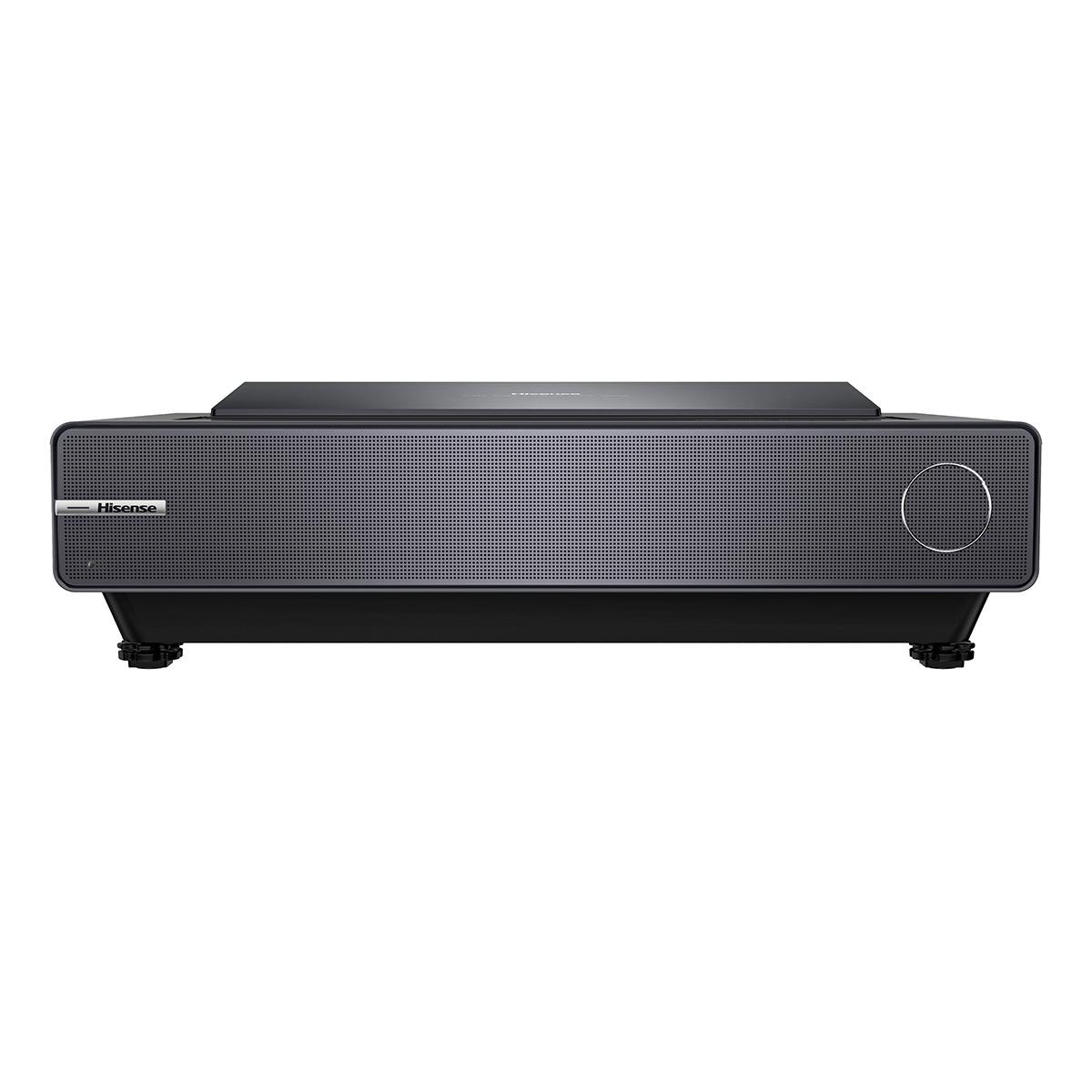
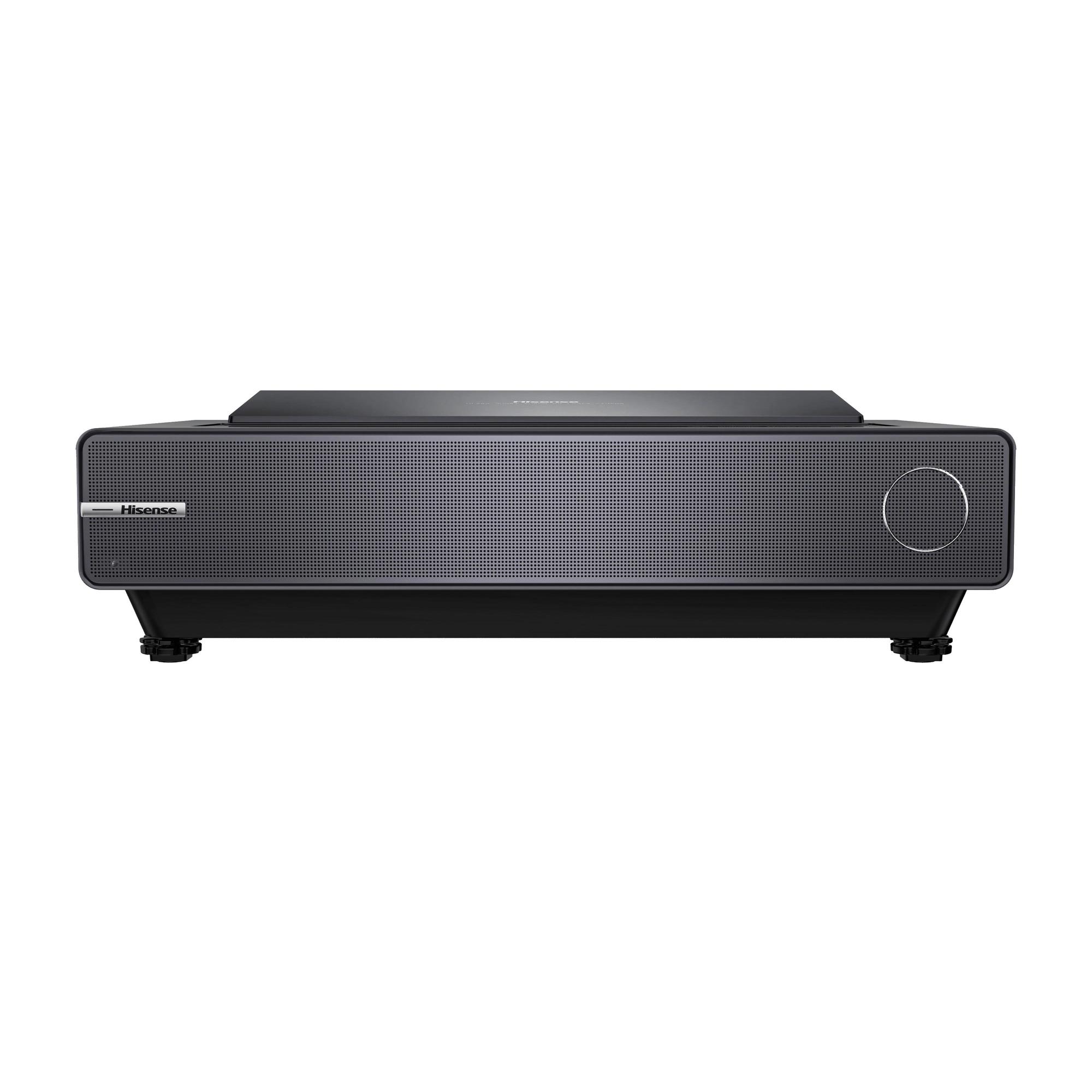
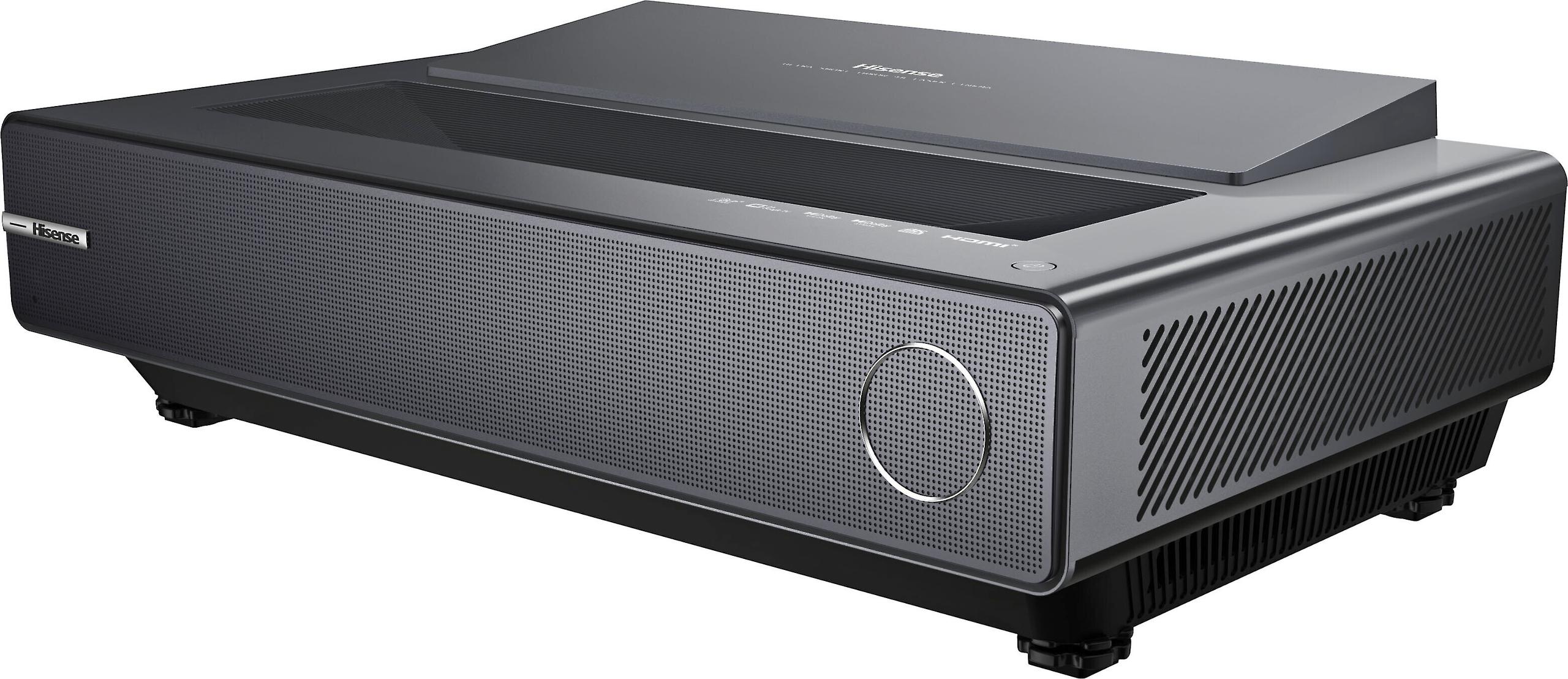
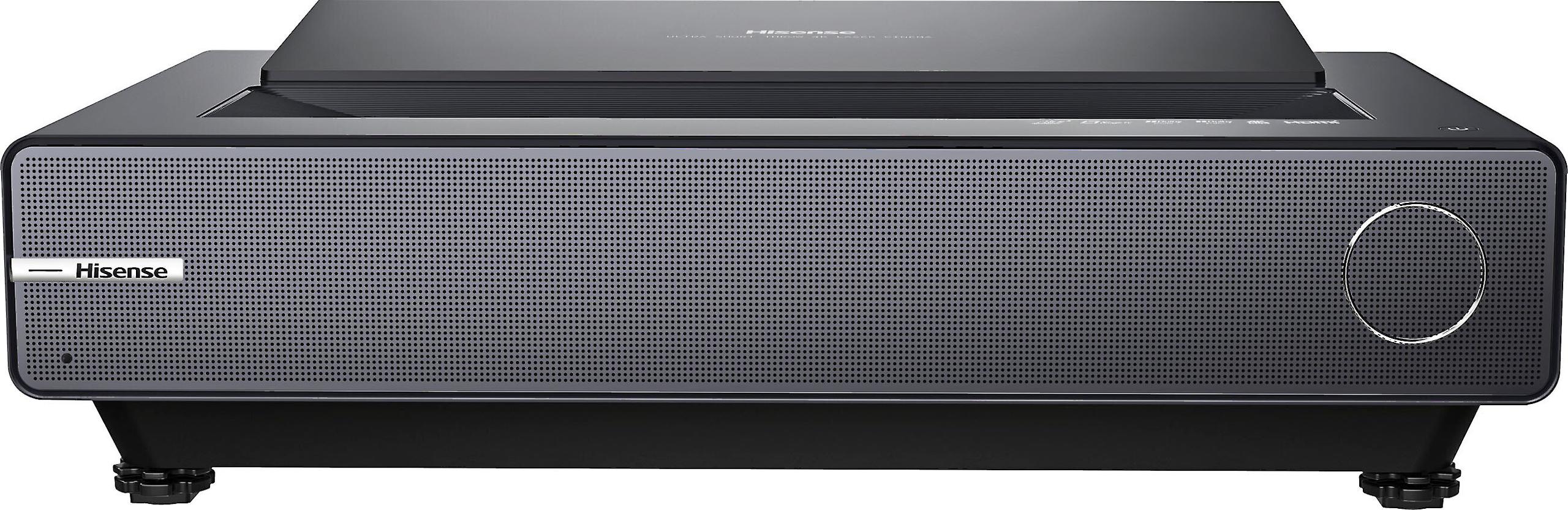
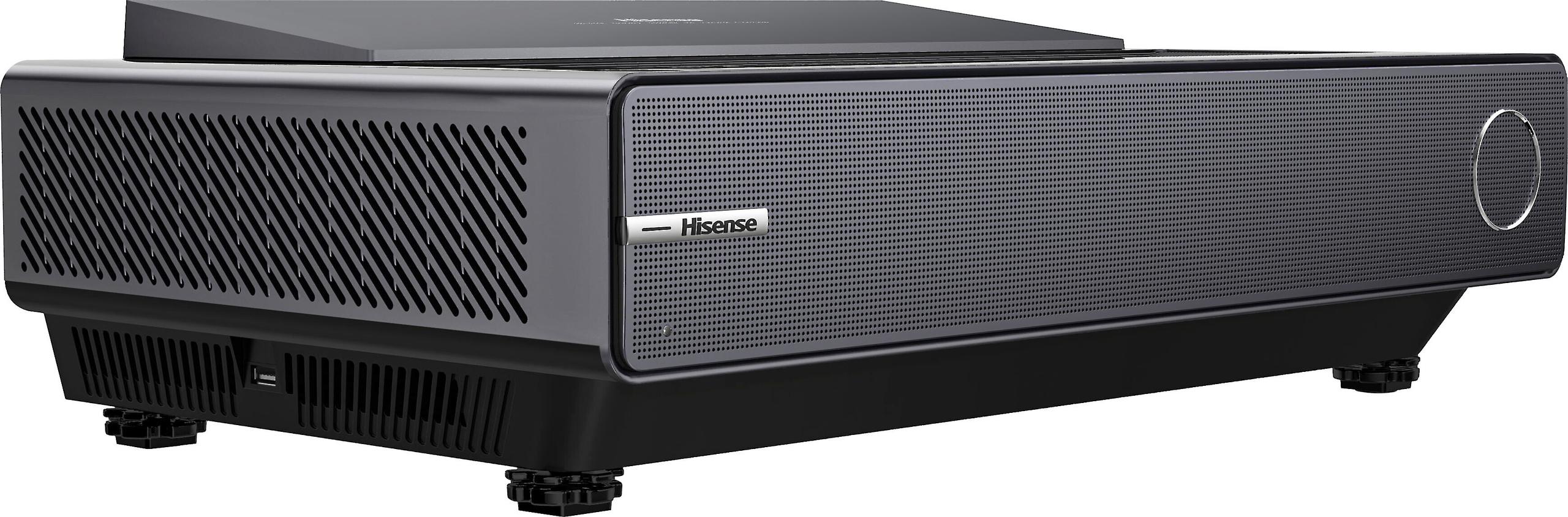
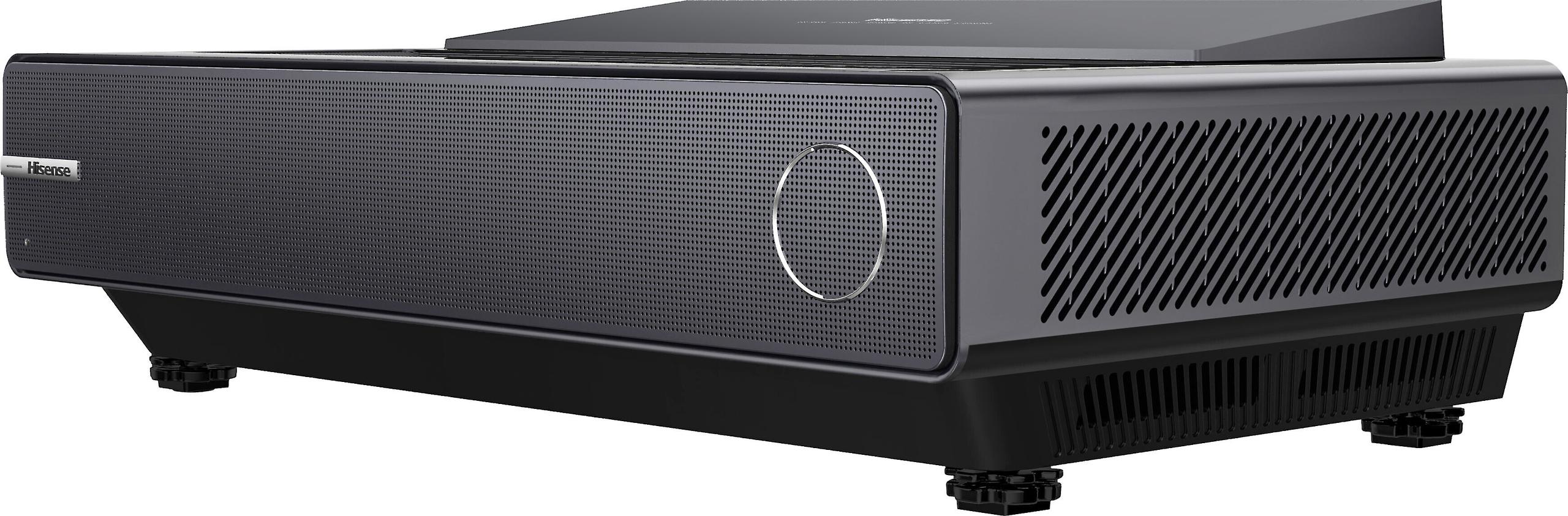
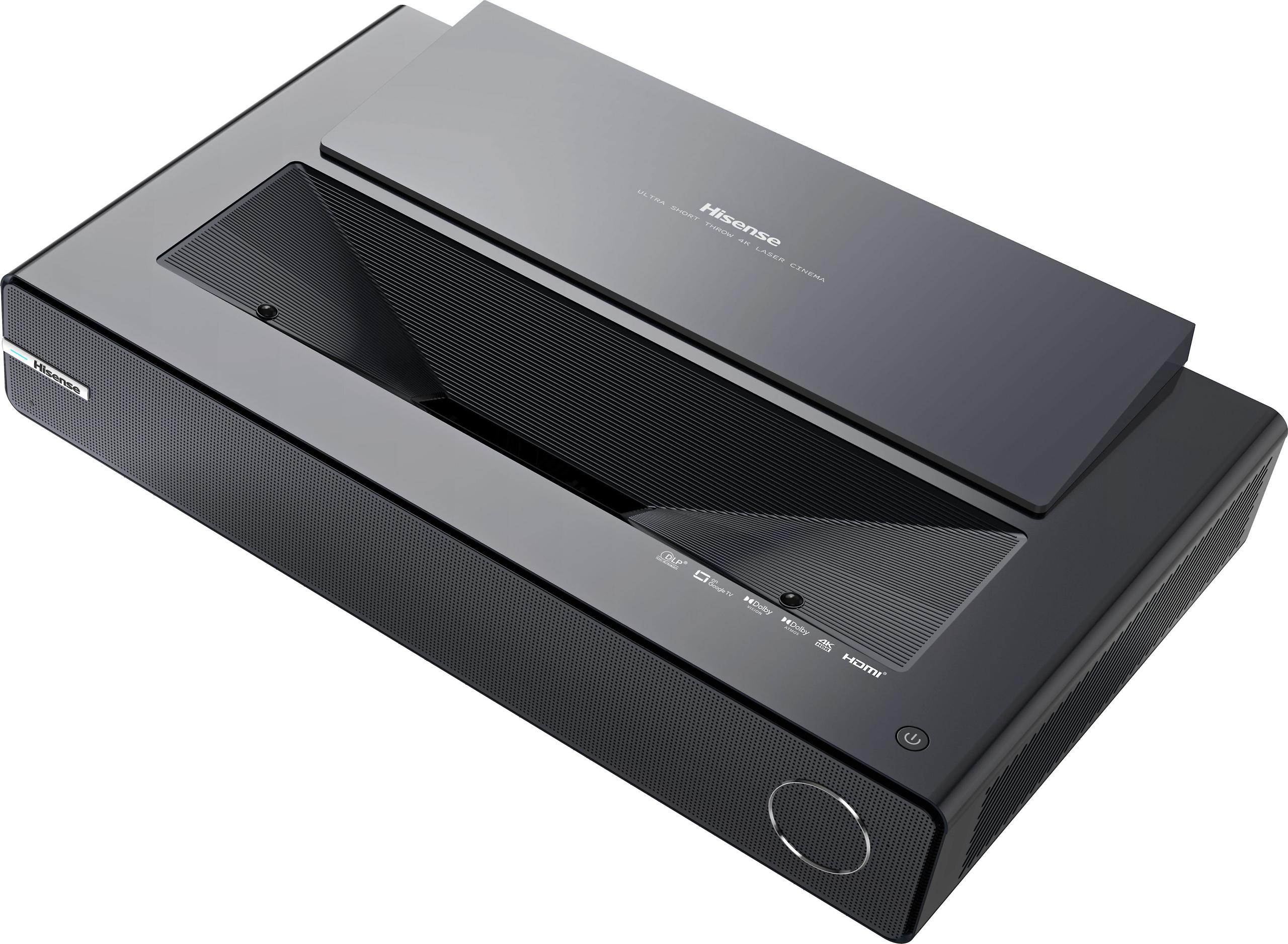
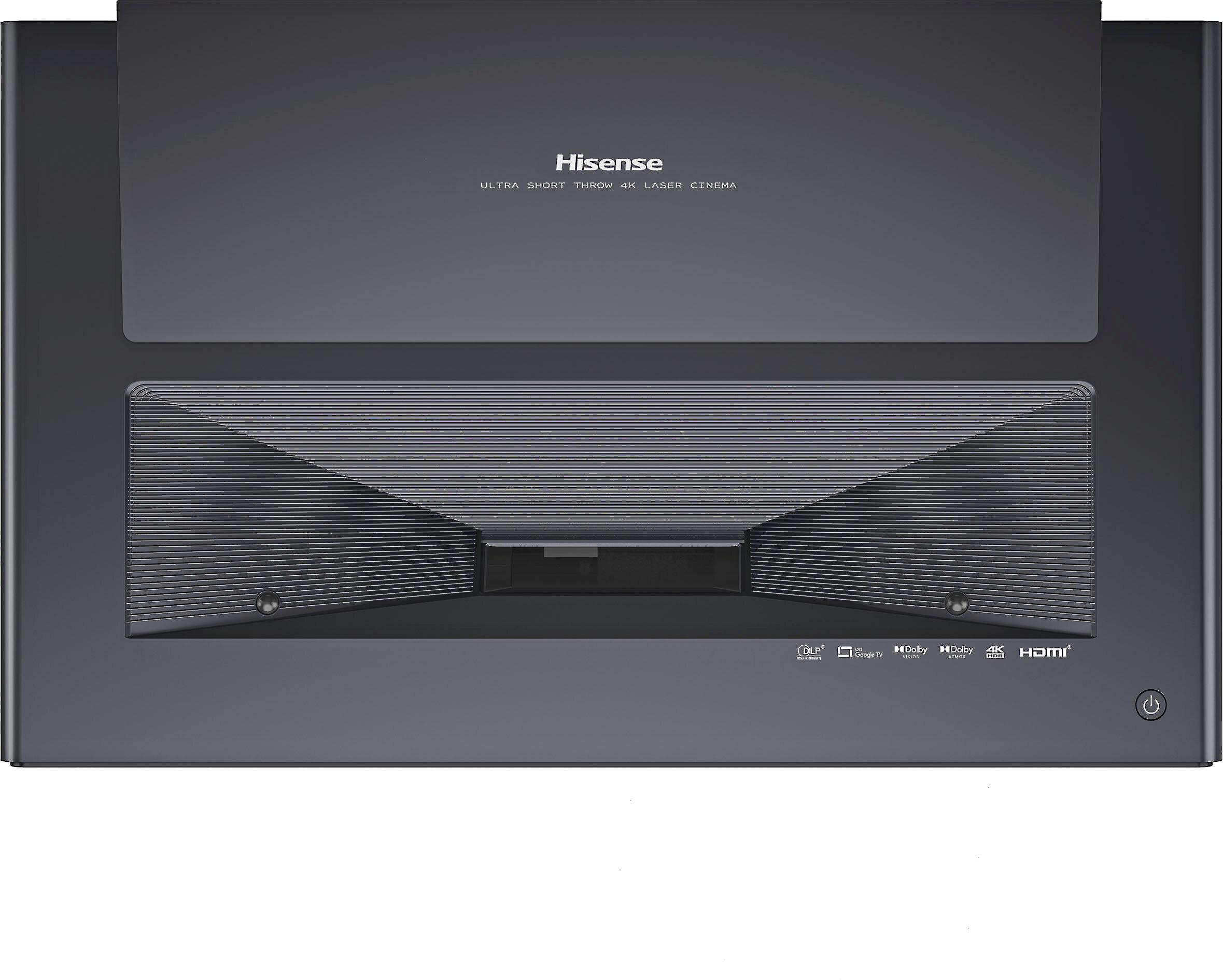
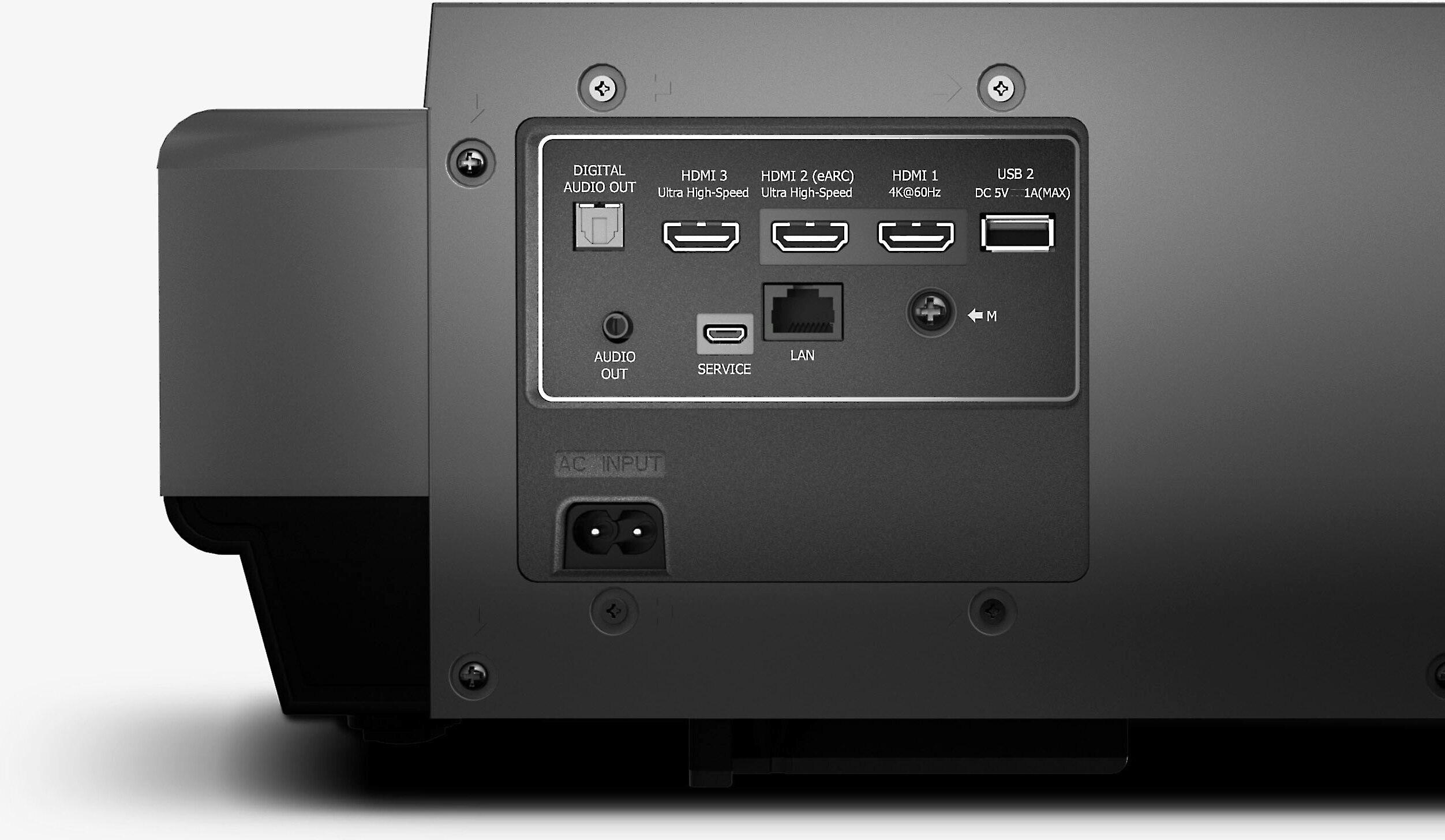
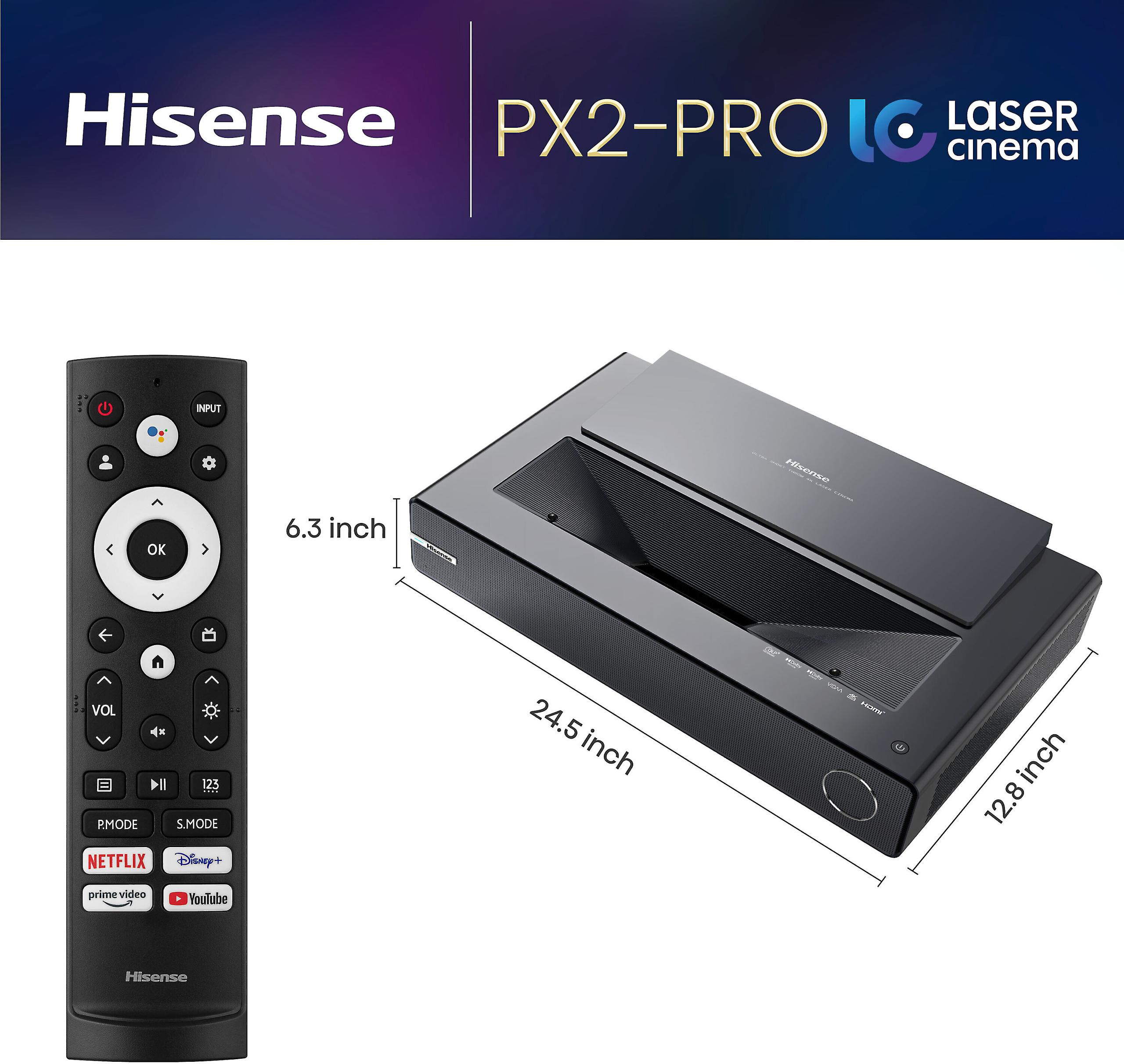

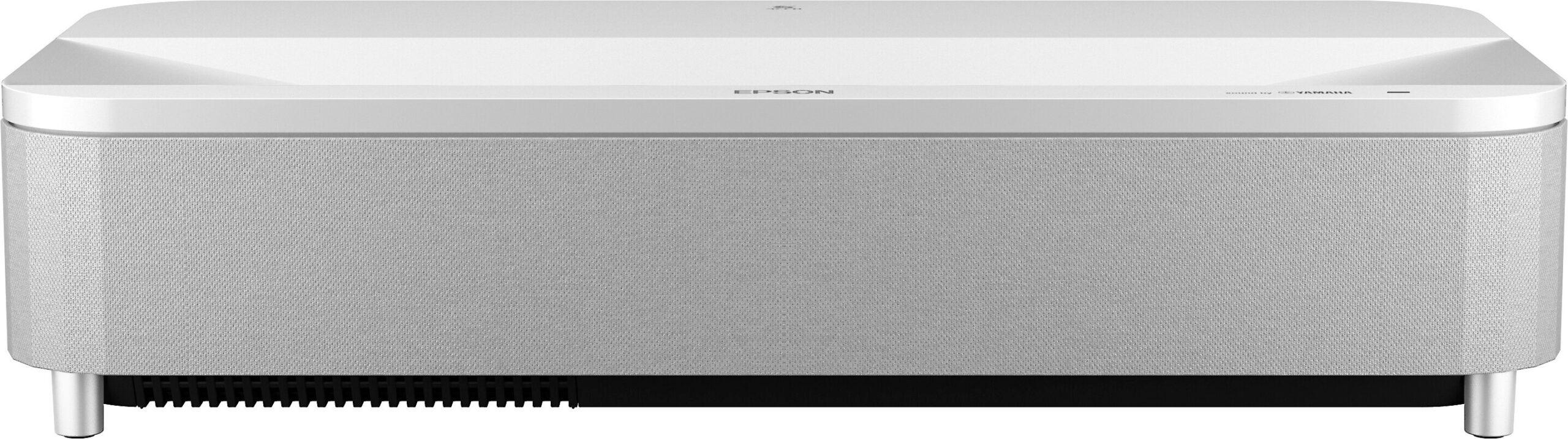
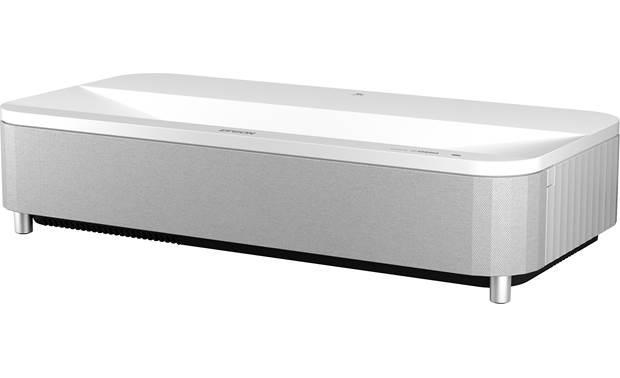
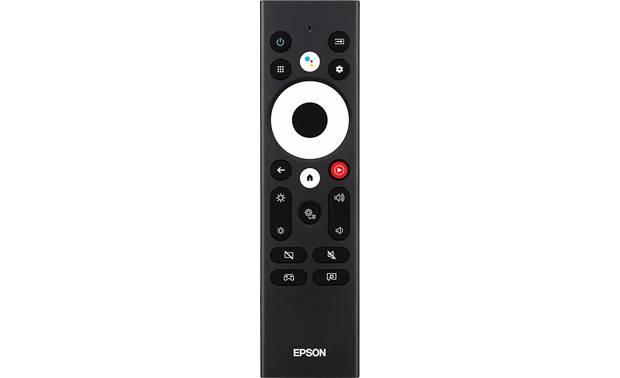
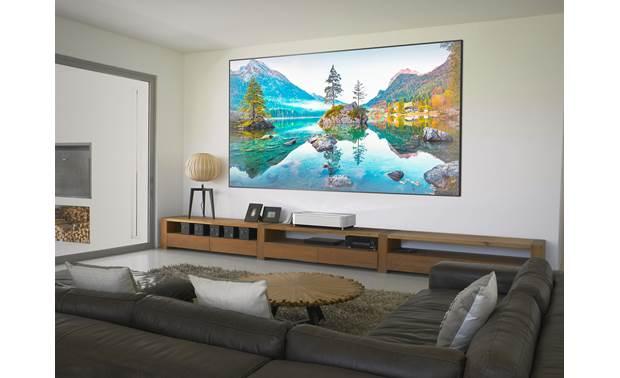
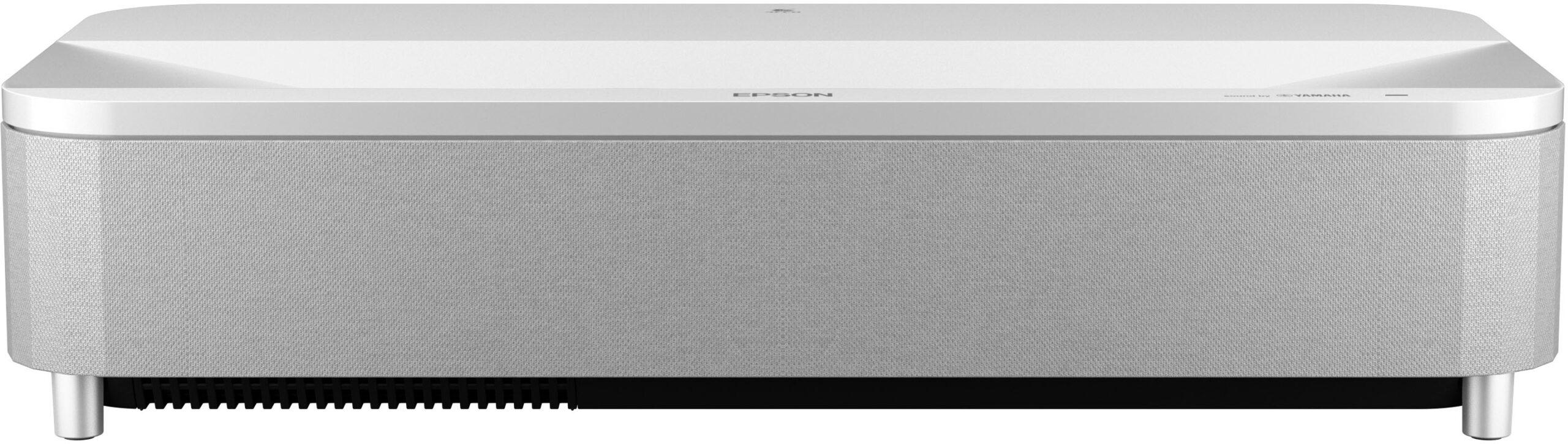
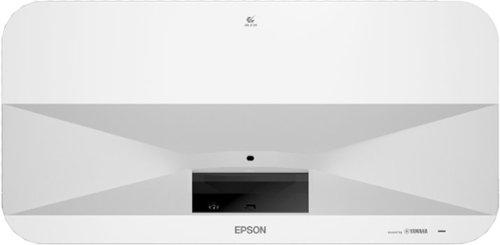
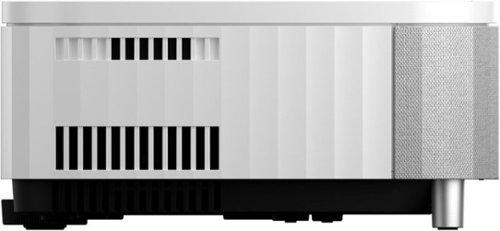
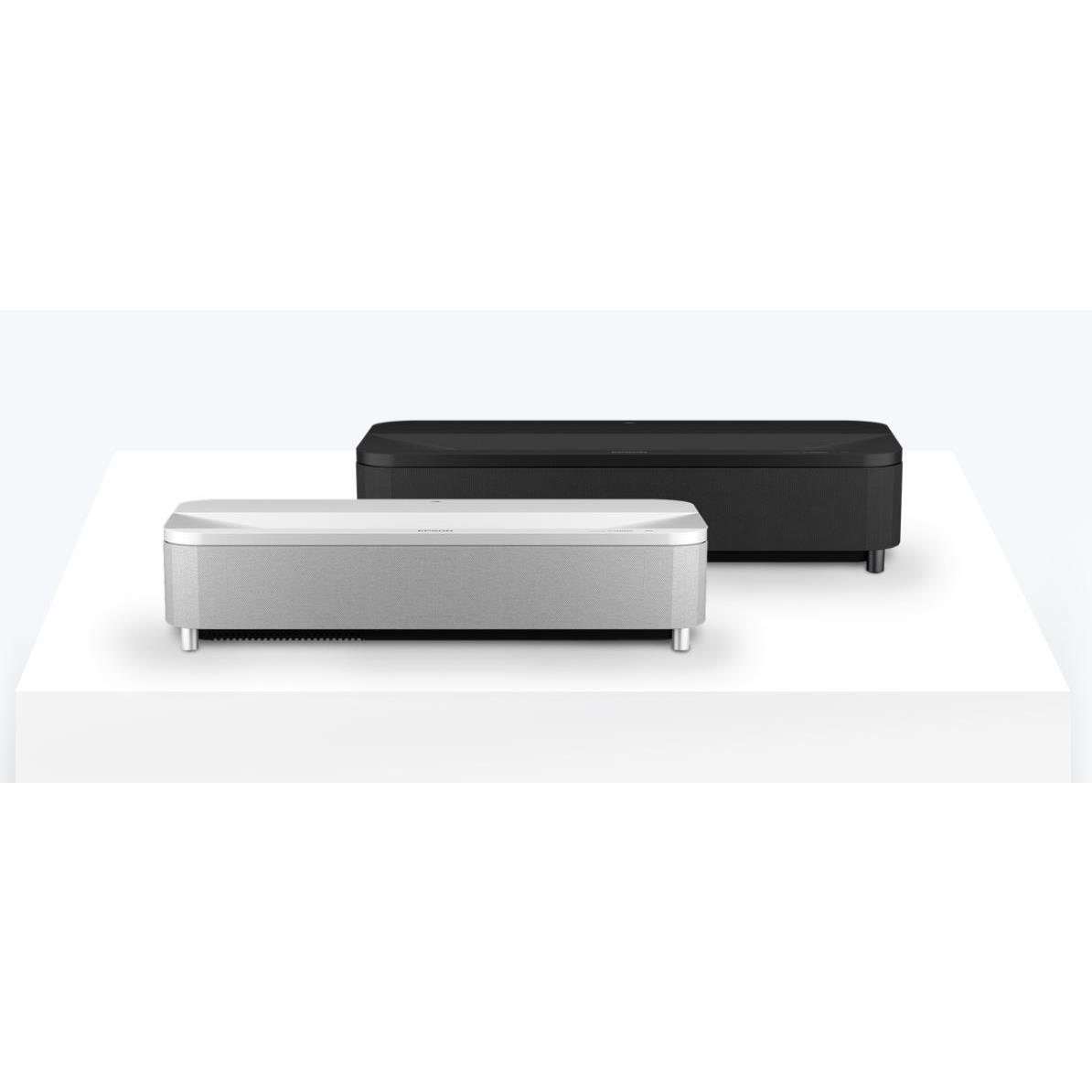
When it comes to creating a truly cinematic experience at home, Hisense's PX2-PRO ($2,997) and Epson's LS800 ($2,972) represent two of the most compelling ultra short throw (UST) projectors available today. Both released in 2022, these projectors can turn any wall into a massive screen while sitting just inches away - but they take notably different approaches to delivering that big-screen experience.
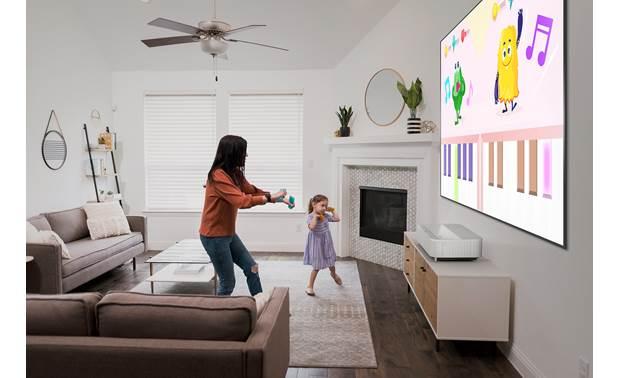
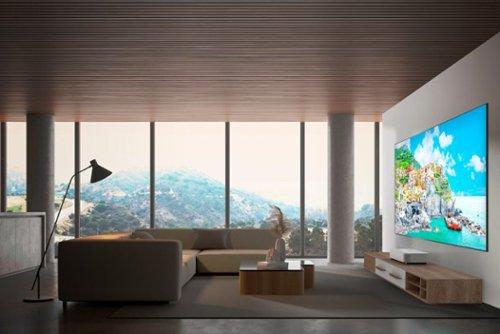
Before diving into the specifics, let's understand what makes UST projectors special. Unlike traditional projectors that need to sit far from the screen, UST projectors use sophisticated lens systems to create large images from just inches away. This allows them to function more like a TV, sitting on a credenza near your wall while producing images up to 150 inches diagonal.
The technology has evolved significantly since early UST models. Both the PX2-PRO and LS800 represent the latest generation, featuring advanced laser light sources that offer instant-on capability, consistent brightness over their lifetime (rated for 20,000+ hours), and superior color performance compared to traditional lamp-based projectors.
The Epson LS800's 4,000 lumens of brightness is a standout feature, making it one of the brightest UST projectors available. This extra horsepower means you can watch content in rooms with moderate ambient light without significant image washing out - something that's particularly valuable for everyday TV viewing or sports watching with friends.
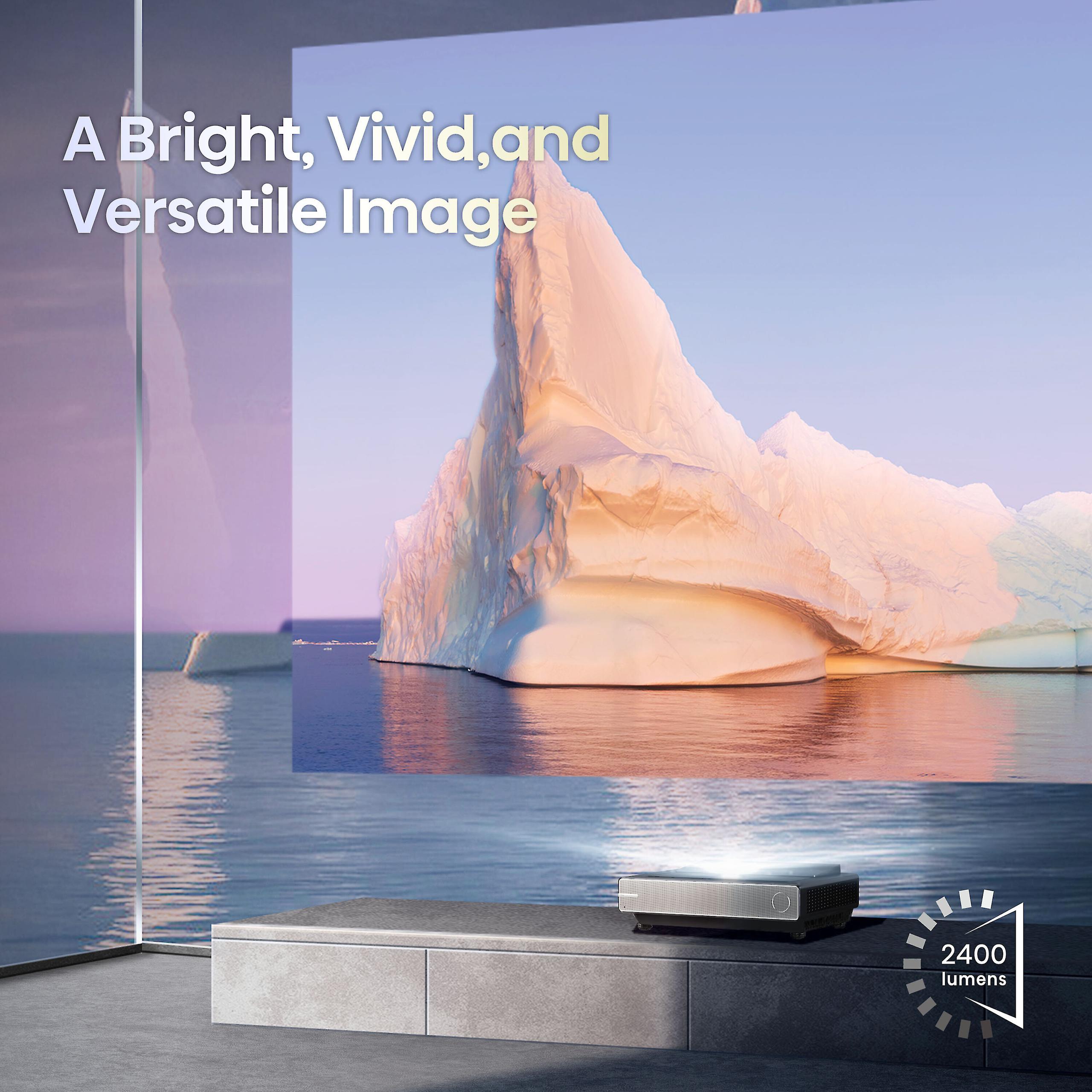
The Hisense PX2-PRO's 2,400 lumens isn't dim by any means, but it performs best in controlled lighting conditions. If you're setting up a dedicated home theater space or primarily watch content in the evening, this brightness level is more than adequate and can actually provide better contrast in dark scenes when ambient light is controlled.
Here's where things get interesting. The PX2-PRO uses TriChroma laser technology, which employs three separate laser light sources (red, green, and blue) to produce colors. This allows it to cover an impressive 107% of the BT.2020 color space - the widest color gamut standard currently used for digital content. In practical terms, this means incredibly vibrant and accurate colors, especially noticeable in nature documentaries or movies with rich visual effects.
The LS800 takes a different approach, using Epson's proven 3LCD technology with a blue laser and phosphor wheel. While it covers a smaller color space (100% of Rec.709), many viewers actually prefer its more natural color reproduction. The 3LCD system also completely eliminates the "rainbow effect" that some viewers can notice with single-chip DLP projectors like the PX2-PRO.
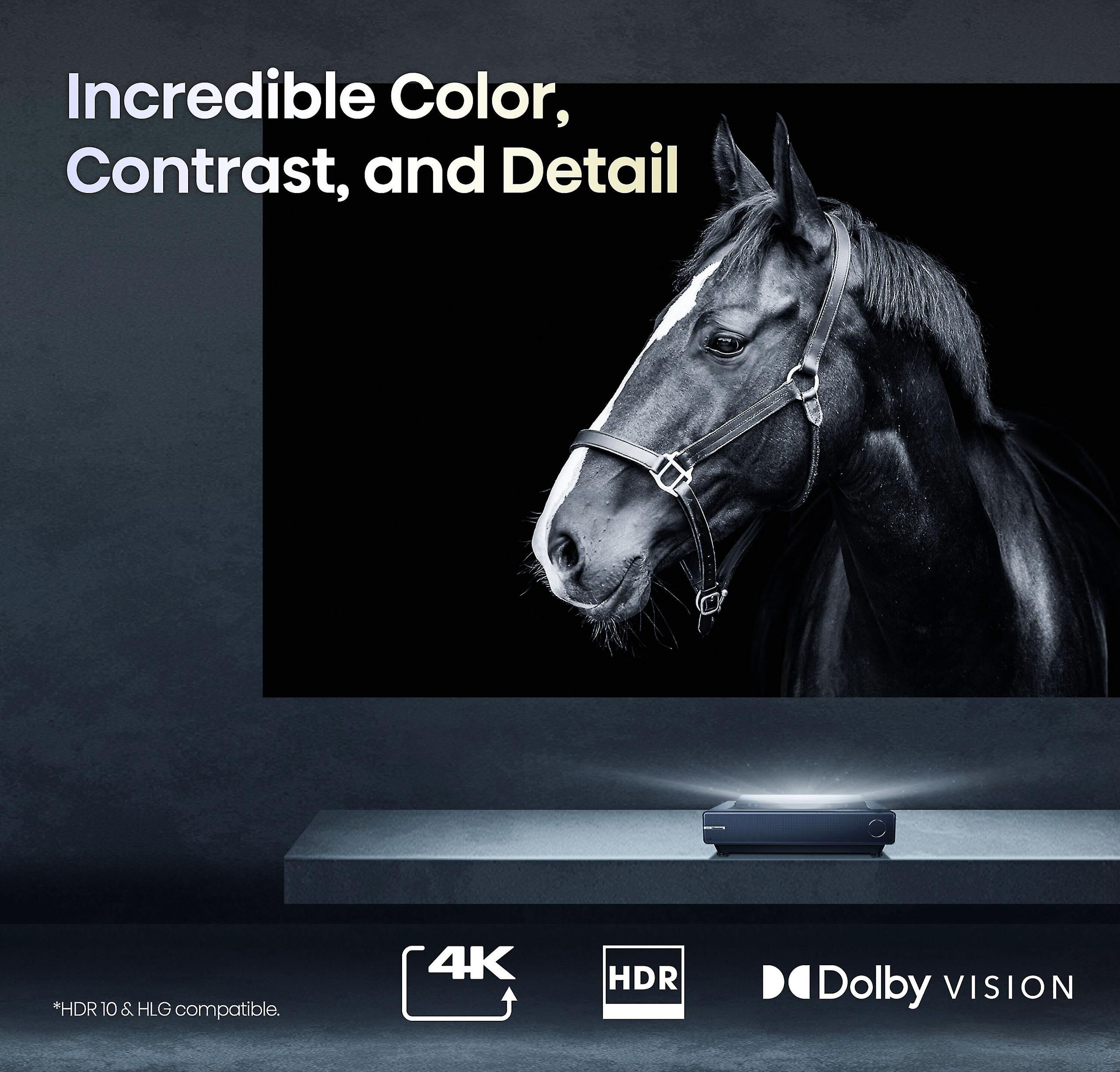
Both projectors support HDR content, but the PX2-PRO has a clear advantage with its Dolby Vision support. Dolby Vision is an advanced HDR format that adjusts brightness and contrast scene-by-scene, resulting in more dynamic and impactful HDR performance. The LS800 supports basic HDR10 and HLG, which still provide enhanced contrast and color, but lack the scene-by-scene optimization of Dolby Vision.
The LS800's industry-leading 0.16:1 throw ratio means it can create a 100-inch image while sitting just inches from the wall. This extra-short throw distance makes it incredibly flexible for room placement and reduces the chance of shadows when people walk between the projector and screen.
The PX2-PRO's 0.25:1 throw ratio is still impressive but requires about 25% more distance from the wall for the same image size. Both projectors offer powered focus adjustment and geometric correction to help achieve perfect alignment, though the LS800's setup app tends to be more user-friendly.
Modern gaming demands low input lag (the delay between pressing a button and seeing the action on screen) and high refresh rates. The LS800 excels here with its 16.7ms input lag, making it one of the most responsive UST projectors available. It supports 1080p gaming at 120Hz, providing smooth motion for fast-paced games.
The PX2-PRO isn't far behind with 30-35ms input lag at 4K/60Hz, and it offers a unique 1080p/240Hz mode for extremely smooth motion in compatible games. Both projectors provide an excellent gaming experience, though competitive gamers might prefer the LS800's lower input lag.
The PX2-PRO's Google TV interface provides a more modern smart TV experience, with personalized content recommendations and seamless integration with other Google services. The built-in Dolby Atmos audio processing and 30W speaker system deliver impressive sound for a projector, though most users will want to pair either projector with a dedicated sound system for the best experience.
The LS800's Android TV interface is slightly older but still provides access to major streaming services. Its Yamaha-designed 2.1 audio system with dedicated subwoofer typically provides fuller sound than the PX2-PRO's speakers.
At nearly identical price points, the choice between these projectors comes down to your specific needs rather than budget. The LS800 offers superior brightness and gaming performance, making it an excellent choice for multipurpose rooms where ambient light control isn't perfect. Its extra-short throw ratio also provides more placement flexibility.
The PX2-PRO excels in dedicated home theater environments where its superior color performance and Dolby Vision support can really shine. Its modern smart TV interface and better HDR capabilities make it more future-proof for streaming content.
Consider choosing the LS800 if:
The PX2-PRO might be your better choice if:
Both projectors represent excellent values compared to premium large-format TVs, offering similar or better picture quality at much larger sizes for the same price. The technology in both has proven reliable over the past year, with software updates adding features and improving performance since their release.
Remember that screen quality is crucial for UST projectors - budget for a good ALR (Ambient Light Rejecting) screen designed specifically for UST projection to get the best performance from either projector. The right screen can make a significant difference in image quality, especially in rooms with ambient light.
| Hisense PX2-PRO | Epson LS800 |
|---|---|
| Price - Current market positioning | |
| $2,997 | $2,972 |
| Brightness - Critical for ambient light performance | |
| 2,400 ANSI lumens (best in controlled lighting) | 4,000 ANSI lumens (excellent bright room performance) |
| Color Technology - Impacts vibrancy and accuracy | |
| TriChroma RGB laser (107% BT.2020, superior color range) | 3LCD with blue laser (100% Rec.709, more natural colors) |
| Throw Ratio - Determines placement flexibility | |
| 0.25:1 (needs ~14" for 100" image) | 0.16:1 (needs ~9" for 100" image) |
| Screen Size Range - Installation flexibility | |
| 90" - 130" | 80" - 150" |
| HDR Support - Affects contrast and color depth | |
| HDR10, Dolby Vision, HLG (most complete) | HDR10, HLG (standard support) |
| Gaming Performance - Critical for interactive content | |
| 30-35ms input lag, 4K/60Hz, 1080p/240Hz | 16.7ms input lag, 4K/60Hz, 1080p/120Hz |
| Smart Platform - Affects content access | |
| Google TV (latest interface) | Android TV (previous generation) |
| Audio System - Built-in sound quality | |
| 30W stereo with Dolby Atmos | 20W 2.1 system with Yamaha design |
| Light Source Lifespan - Long-term value | |
| 25,000 hours | 20,000 hours |
| Contrast Ratio - Impact on image depth | |
| 3,000,000:1 dynamic | 2,500,000:1 dynamic |
| Special Features - Additional capabilities | |
| Auto geometric correction, low blue light mode | Scene adaptive gamma, real-time video processing |
The Epson LS800 is significantly better for bright rooms with its 4,000 lumens compared to the PX2-PRO's 2,400 lumens. This makes the LS800 more versatile for daytime viewing or rooms with ambient light.
For pure picture quality in a controlled environment, the Hisense PX2-PRO has an advantage with its wider color gamut (107% BT.2020) and Dolby Vision support. However, the LS800 offers more natural colors that some viewers prefer.
The Epson LS800 has lower input lag at 16.7ms, making it better for competitive gaming. The PX2-PRO is still good for casual gaming with 30-35ms lag and offers a unique 1080p/240Hz mode.
The Hisense PX2-PRO offers a more modern Google TV interface with better content recommendations. The LS800 uses an older Android TV system but still provides access to major streaming services.
The Epson LS800 can project up to 150 inches, while the PX2-PRO maxes out at 130 inches. Both can go as small as 80-90 inches.
The Hisense PX2-PRO offers 25,000 hours of laser life, while the LS800 provides 20,000 hours. Both should last many years under normal use.
We've done our best to create useful and informative comparisons to help you decide what product to buy. Our research uses advanced automated methods to create this comparison and perfection is not possible - please contact us for corrections or questions. These are the sites we've researched in the creation of this article: bestbuy.com - walmart.com - hisense-usa.com - techradar.com - youtube.com - shop.hisense-usa.com - shop.hisense-usa.com - electronicexpress.com - projectorreviews.com - projectorscreenstore.com - crutchfield.com - walmart.com - avsforum.com - techradar.com - danamic.org - projectorscreen.com - projectorcentral.com - epson.com - dreamediaav.com - dell.com - rtings.com - avsforum.com - audiogeneral.com - news.epson.com - projectorcentral.com

Privacy Policy
Terms and Conditions - Affiliate Policy
Home Security
© Copyright 2008-2026.
11816 Inwood Rd #1211, Dallas, TX 75244