


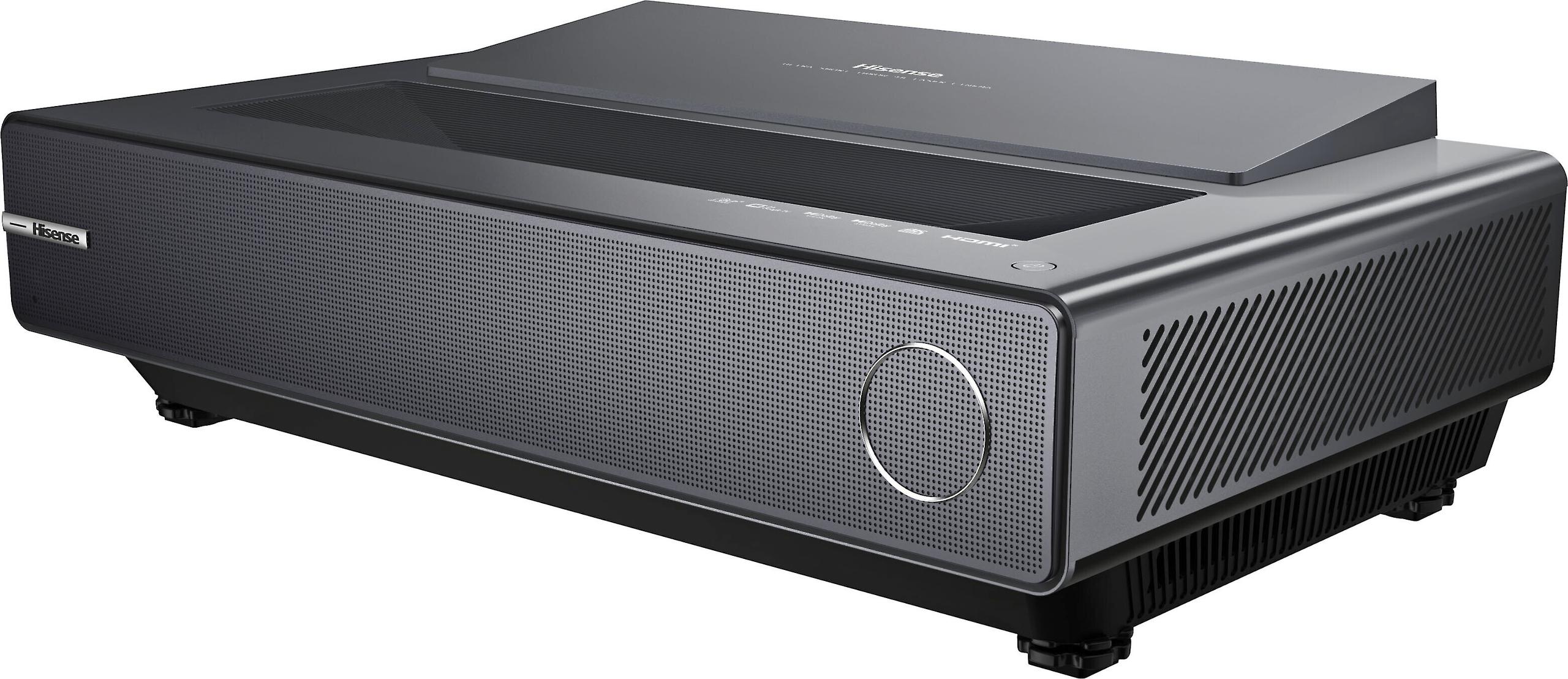
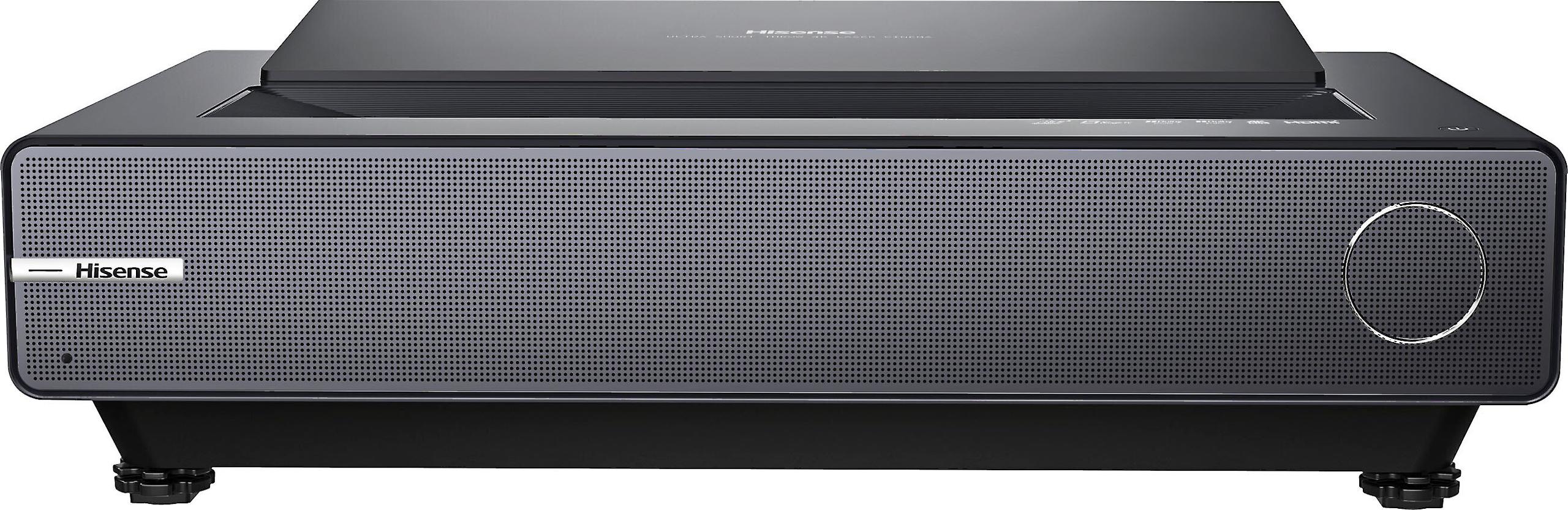
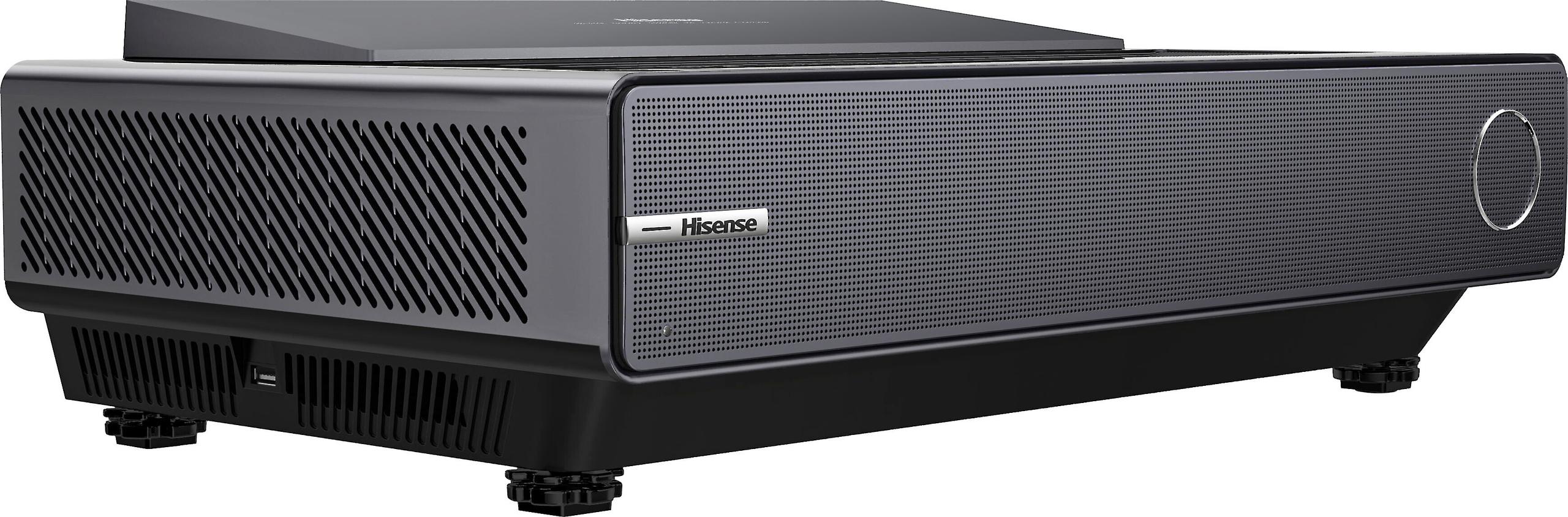
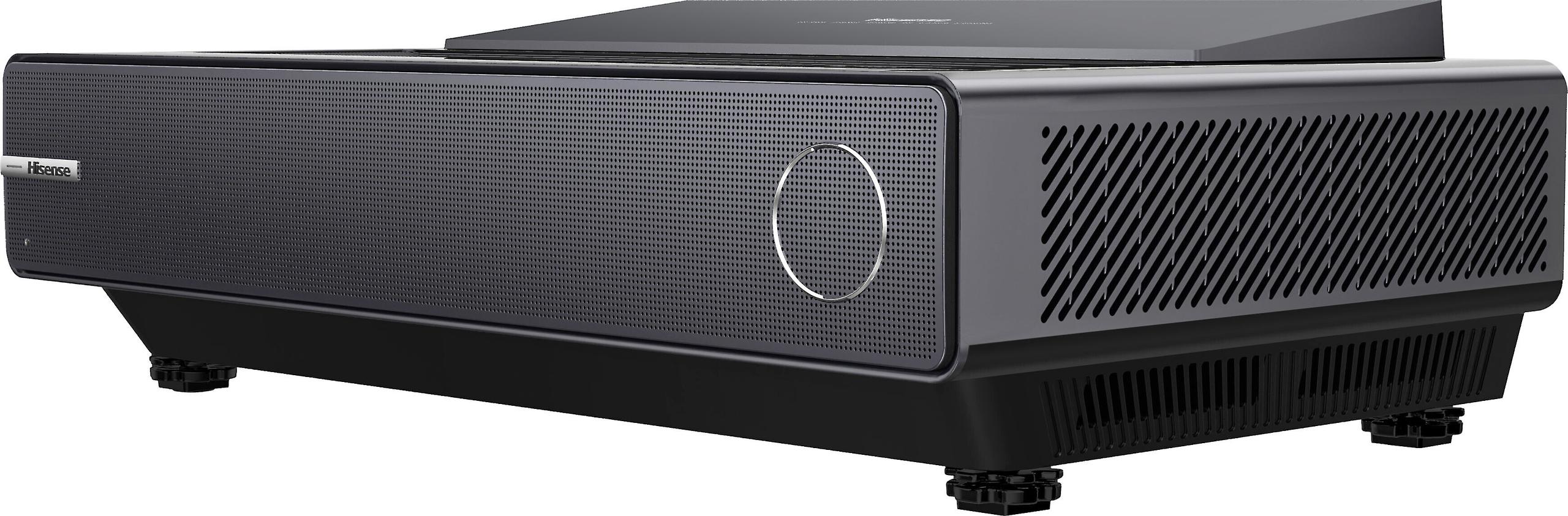
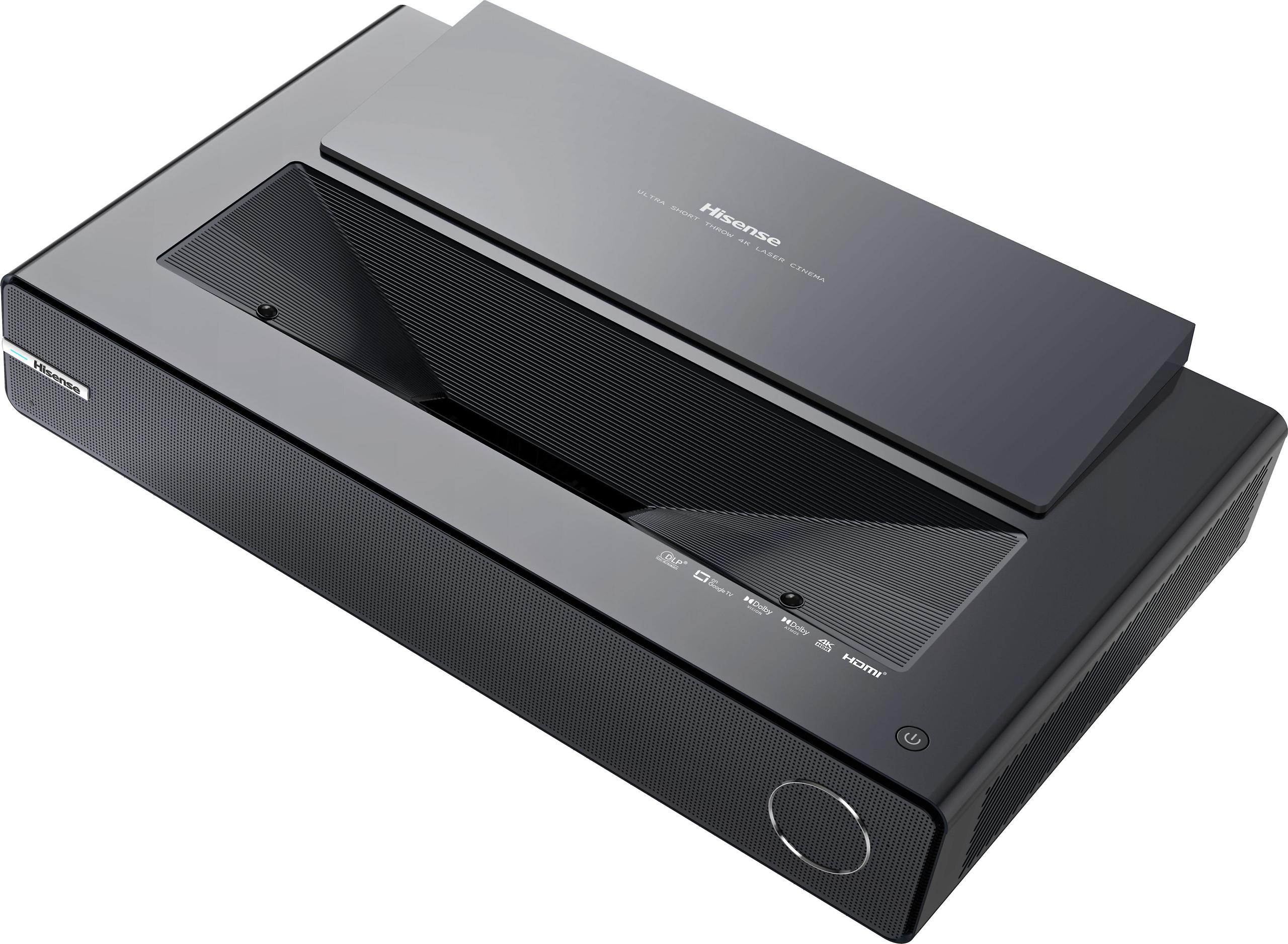
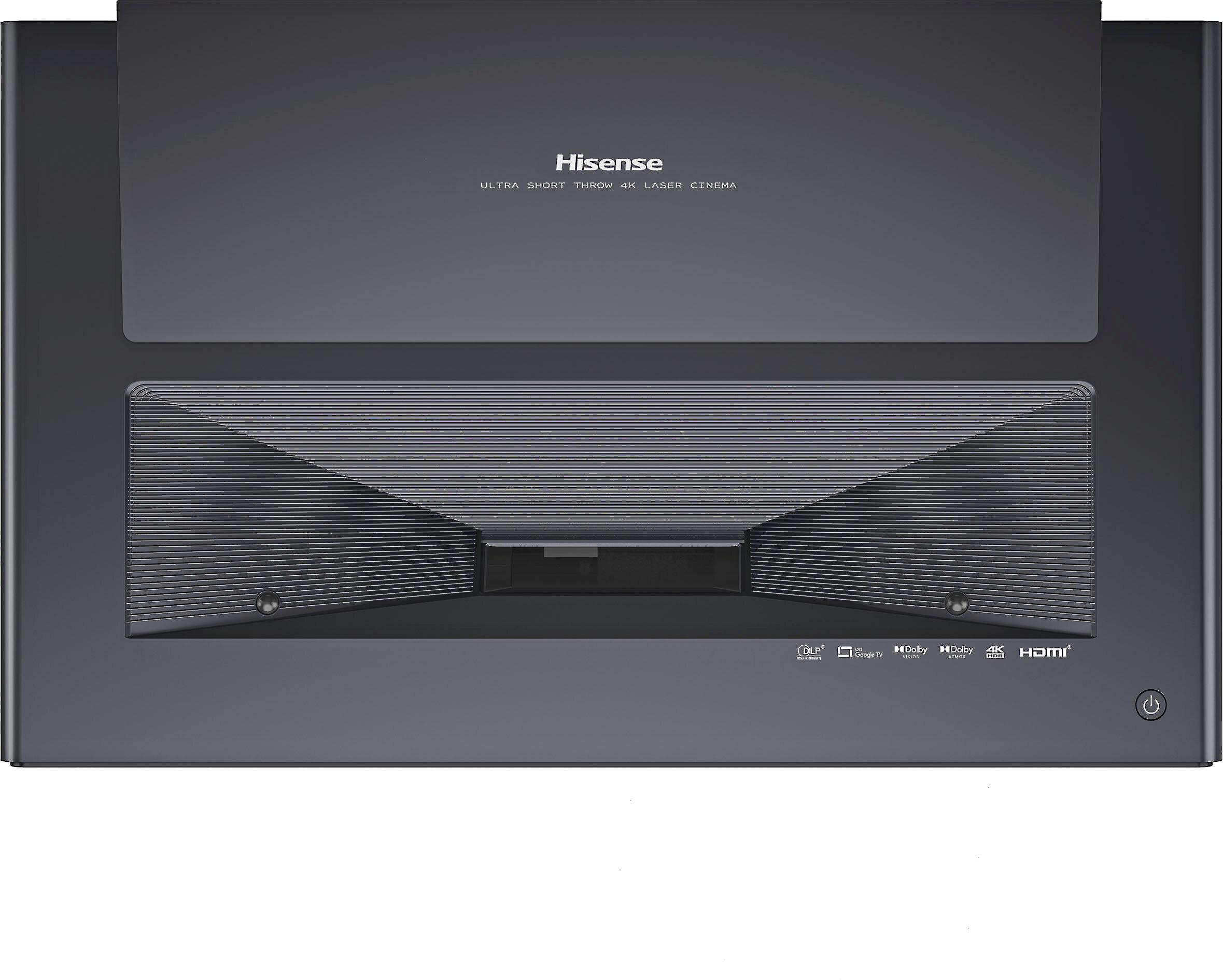

Ultra short throw projectors have completely changed how we think about home entertainment. Instead of mounting a projector on your ceiling or setting up a bulky system across the room, these clever devices sit just inches from your wall and project massive 100-inch screens. It's like having a movie theater that fits on your TV stand.
The technology has exploded in popularity over the past few years, and for good reason. These projectors solve the biggest problems with traditional projection: no more shadows when you walk in front of the screen, no ceiling mounts to install, and no long HDMI cables snaking across your room. But with this convenience comes some important choices, especially when comparing budget-friendly options like the Yaber K300s against premium models like the Hisense PX2-PRO.
Having spent considerable time with both types of projectors, I can tell you that the differences go far beyond just price. The gap between these two represents fundamentally different approaches to home cinema, and understanding these differences will help you make the right choice for your specific situation.
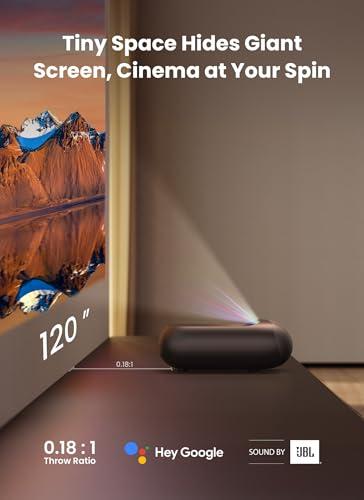
Before diving into the comparison, it's worth understanding what makes ultra short throw (UST) projectors special. Traditional projectors use a throw ratio of around 1.5:1 to 2:1, meaning you need to place them 12-15 feet away to get a 100-inch image. UST projectors flip this completely, using complex optics and mirrors to achieve throw ratios as low as 0.18:1 – that's less than 10 inches for a 100-inch screen.
This optical wizardry comes with trade-offs. UST projectors typically cost more than traditional models with similar brightness, and they're more sensitive to screen selection. You'll want a dedicated UST screen or perfectly flat wall for best results, as the extreme projection angle can highlight even small surface imperfections.
Both the Yaber K300s and Hisense PX2-PRO use laser light sources instead of traditional lamps. Laser projectors offer several advantages: they last 20,000+ hours (compared to 3,000-5,000 for lamp projectors), maintain consistent brightness over their lifespan, and turn on instantly without warm-up time. The RGB laser technology in both models uses separate red, green, and blue lasers to create incredibly pure colors that simply aren't possible with lamp-based systems.
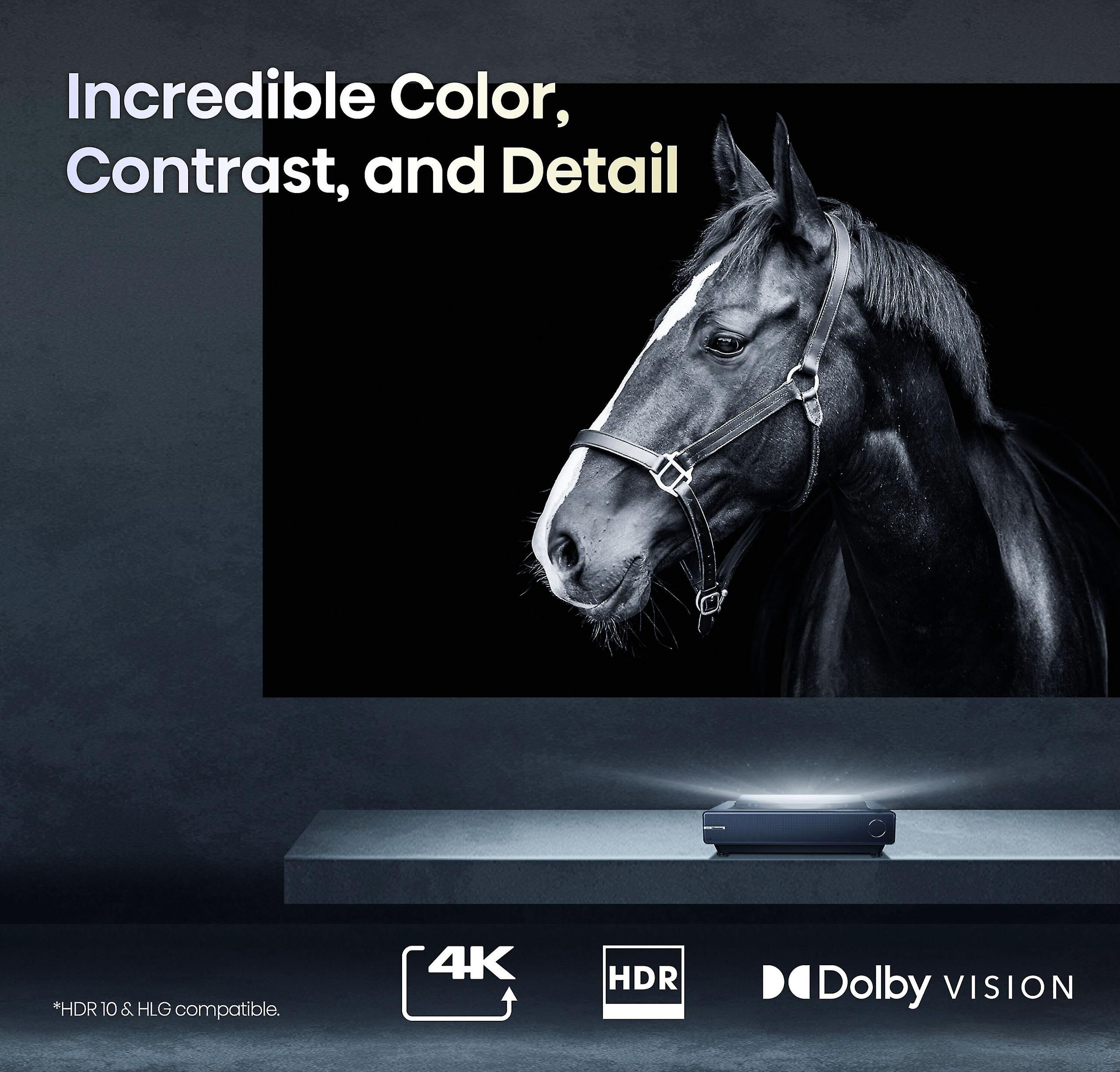
The most significant difference between these projectors is resolution, and it's more important than you might think. The Yaber K300s delivers native 1080p (1920×1080 pixels), while the Hisense PX2-PRO provides true 4K (3840×2160 pixels) – that's exactly four times the detail.
Now, I know what you're thinking: "Most of my content is still 1080p anyway." That was my initial thought too, but after living with both resolution levels, the difference is more noticeable than expected, especially on screens larger than 80 inches. Text becomes pixelated on the Yaber K300s at typical viewing distances, and fine details in movies – think facial hair, fabric textures, or distant landscape elements – simply disappear.
The Yaber K300s can accept and decode 4K signals, but it downscales them to 1080p for display. This means you're not getting the full benefit of your 4K Netflix subscription or Ultra HD Blu-rays. However, for many viewers, especially those coming from standard HD TVs or sitting further than 10 feet away, 1080p remains perfectly acceptable.
Where 4K really shines is versatility. If you plan to use your projector for gaming, computer work, or displaying presentations, the extra resolution makes interface elements and text dramatically sharper. The Hisense PX2-PRO essentially functions as a giant monitor when needed, while the Yaber K300s is primarily suited for entertainment viewing.
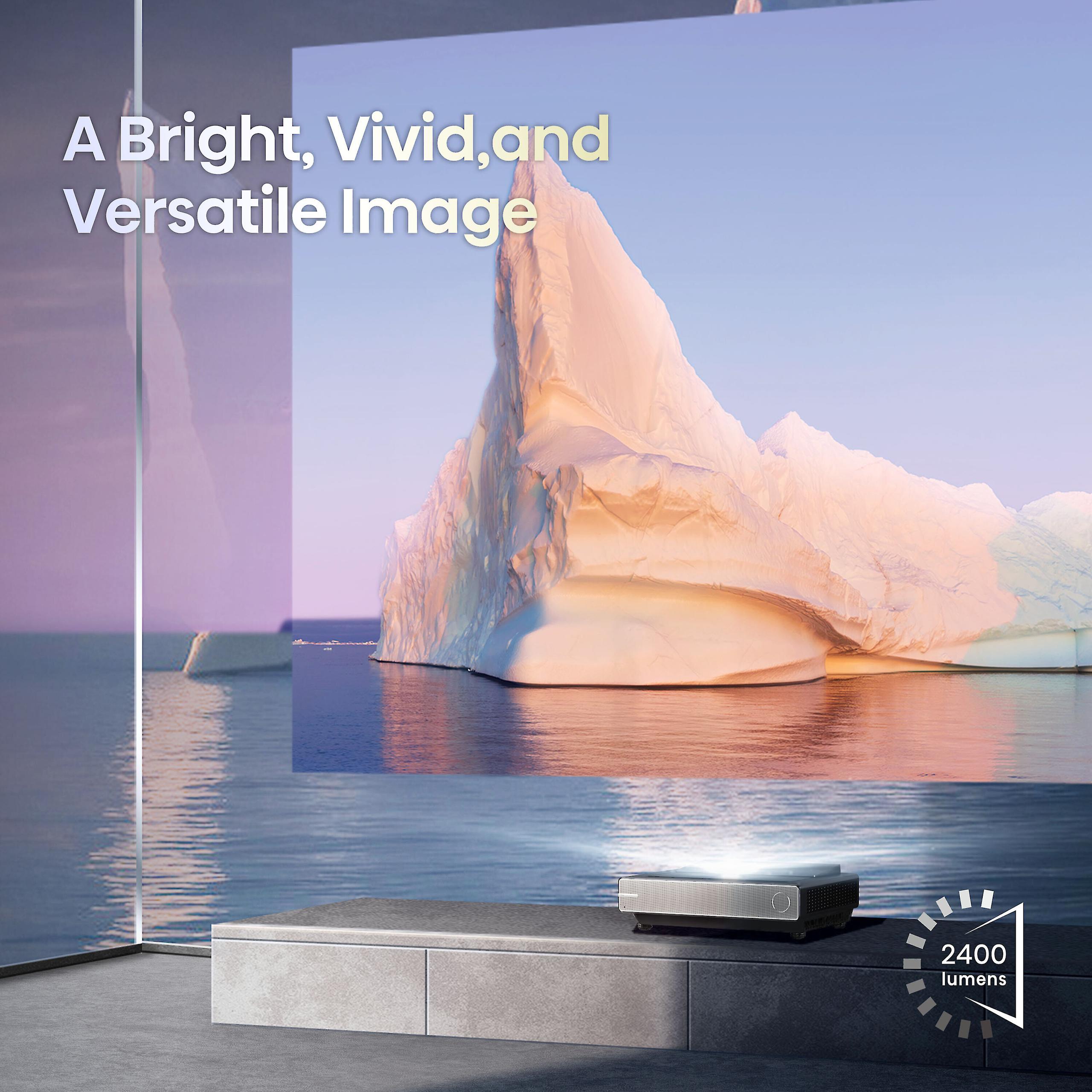
Brightness might be the most critical specification for projector satisfaction, yet it's often misunderstood. Both projectors use ANSI lumens as their measurement – a standardized test that provides realistic brightness expectations. The Yaber K300s produces 1000 ANSI lumens, while the Hisense PX2-PRO delivers 2400 lumens – a 140% increase.
In practical terms, this brightness difference is dramatic. The Yaber K300s requires light control for optimal viewing. You'll need blackout curtains or viewing in evening conditions to see deep blacks and maintain color saturation. Even modest ambient light washes out darker scenes and reduces color pop significantly.
The Hisense PX2-PRO, on the other hand, maintains image quality with ambient light present. You can watch movies on weekend afternoons with curtains open – something impossible with the lower-brightness Yaber K300s. This flexibility is enormous for family use, where controlling room lighting isn't always practical.
However, neither projector approaches the 400+ nits that modern TVs achieve. Even the brighter Hisense PX2-PRO tops out around 100-120 nits, meaning HDR content won't have the same impact as on a quality OLED or QLED TV. This is simply a limitation of current projection technology, though both models handle HDR better than you might expect within these constraints.
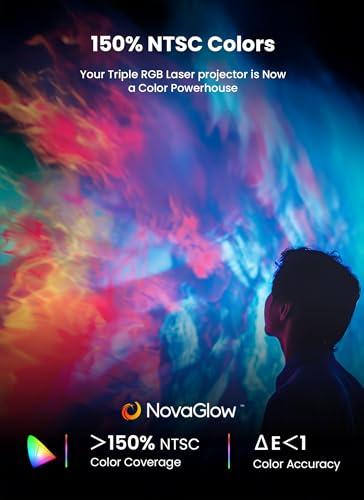
Both projectors utilize RGB laser systems, but implement them differently. The Yaber K300s achieves over 150% of the NTSC color standard, while the Hisense PX2-PRO covers 107% of the wider BT.2020 color space. These numbers might seem abstract, but they translate to noticeably different viewing experiences.
The laser advantage over traditional lamp projectors is immediately apparent with both models. Colors appear more saturated and pure, particularly in greens and reds that often look muddy on lamp-based systems. The Yaber K300s produces notably vibrant colors that almost seem oversaturated at first – though most viewers find this appealing for movie watching.
The Hisense PX2-PRO takes a more calibrated approach, prioritizing color accuracy over saturation. This results in more natural skin tones and colors that match the filmmaker's intent. For serious movie watching or professional use, this accuracy advantage is significant.
Both projectors maintain color consistency across their lamp life – something impossible with traditional projectors that shift color temperature as bulbs age. After 10,000 hours of use, these laser projectors will look virtually identical to day one, while lamp projectors would require bulb replacement and recalibration.
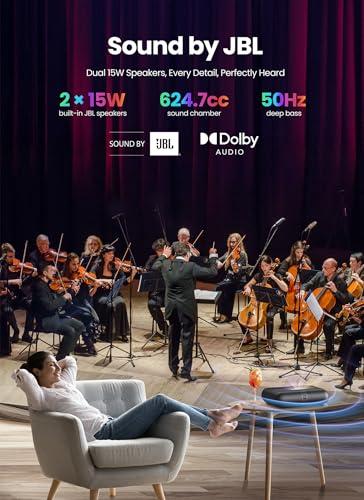
Perhaps the most unexpected finding in this comparison is audio performance. The Yaber K300s includes dual 15W JBL speakers with a substantial 624.7cc sound chamber, delivering surprisingly robust audio with bass response down to 50Hz. The speakers angle upward 16 degrees, directing sound toward the audience rather than the floor.
In my testing, the Yaber K300s produces audio quality that eliminates the need for external speakers in most scenarios. The bass has genuine impact during action scenes, dialogue remains clear, and the overall soundstage is wide enough for the large screen size. This represents exceptional value, as equivalent external speakers would cost $300-500.
The Hisense PX2-PRO includes a 30W Dolby Atmos system, which sounds impressive on paper. However, Hisense tuned the system conservatively to prevent clipping at high volumes, resulting in noticeably weak bass at normal listening levels. The sound feels thin and lacks the punch needed for cinematic impact. While it supports advanced features like eARC for external sound systems, the built-in audio is disappointing for a premium projector.
This audio difference significantly impacts the total cost of ownership. The Yaber K300s provides a complete entertainment solution out of the box, while the Hisense PX2-PRO practically requires additional audio investment to reach its potential.
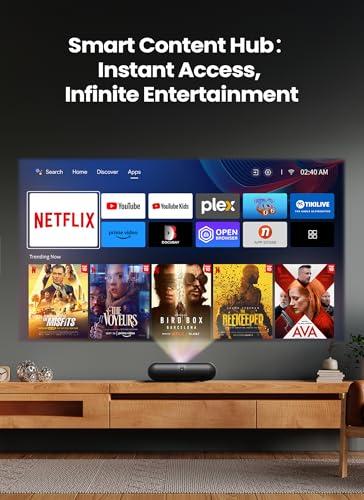
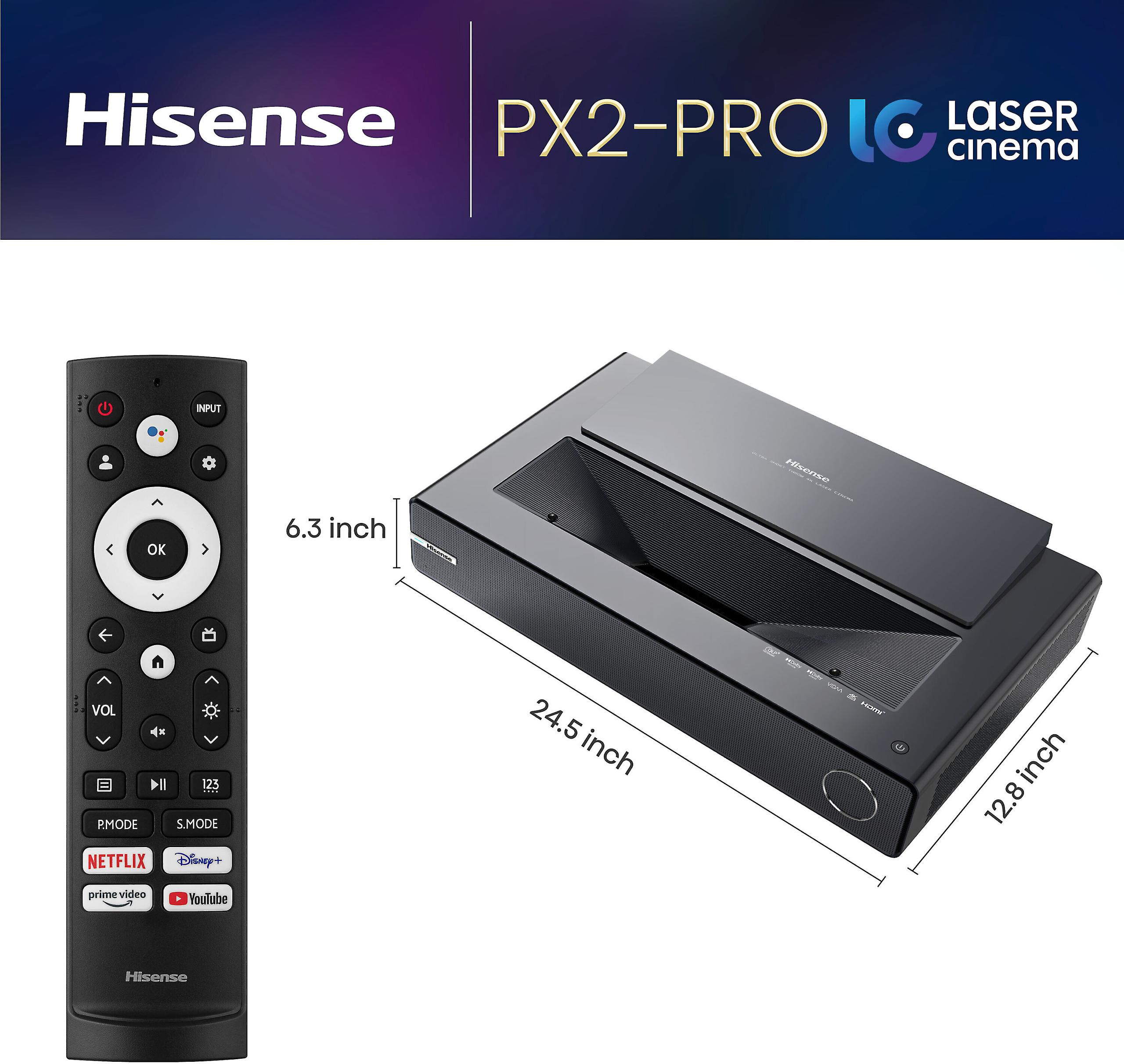
Both projectors run Google TV platforms with access to major streaming services including Netflix, YouTube, Prime Video, and Disney+. The interface responsiveness is adequate on both, though the Hisense PX2-PRO feels slightly snappier when navigating menus or loading apps.
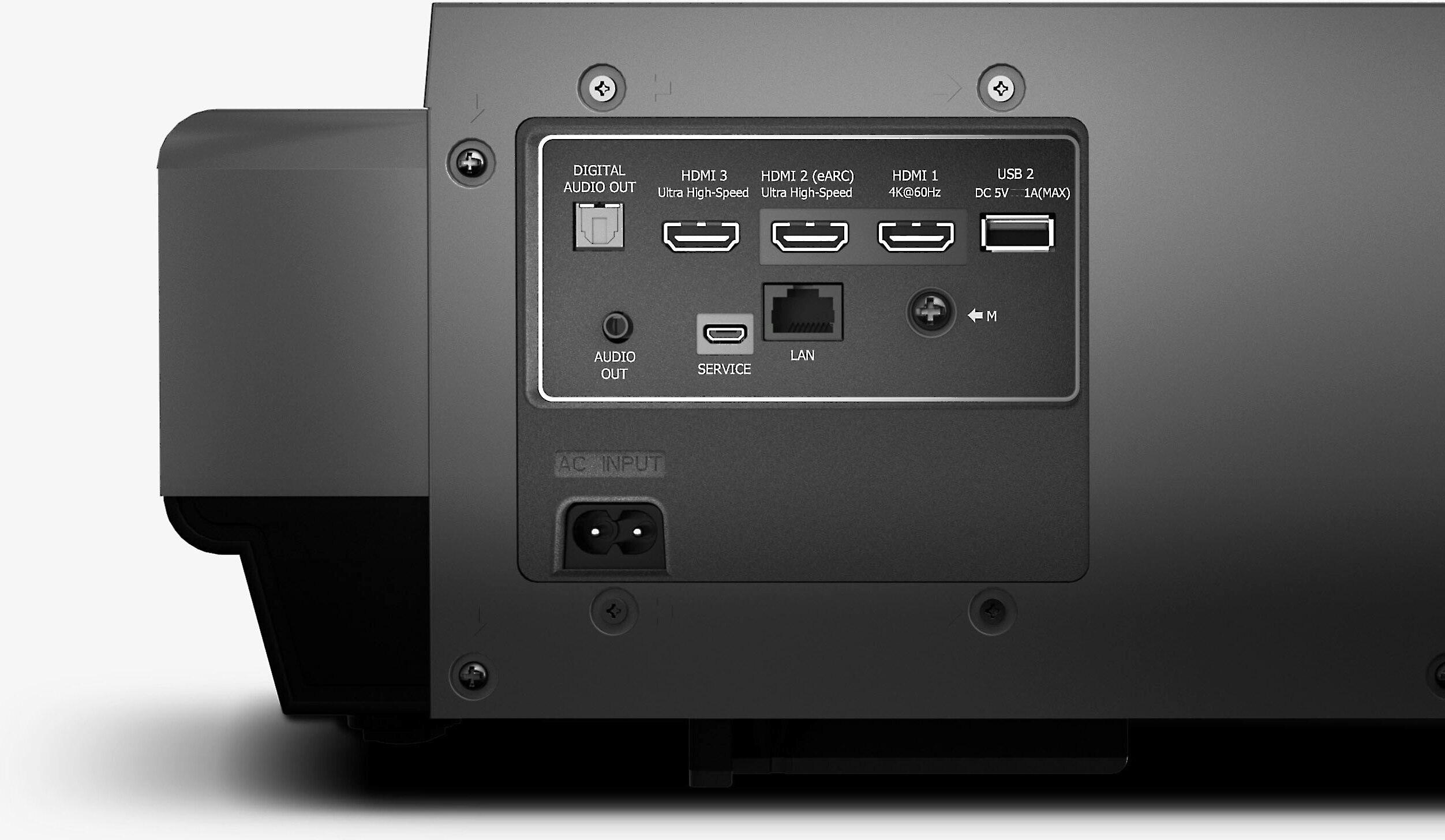
The Yaber K300s includes Wi-Fi 6 support, which provides faster streaming and better network stability than older Wi-Fi standards. It also features Bluetooth 5.1 for connecting wireless headphones or speakers. The connectivity selection covers basic needs with HDMI ARC, USB, and Ethernet ports.
The Hisense PX2-PRO offers more comprehensive connectivity with three HDMI 2.1 ports supporting 4K 120Hz for next-generation gaming consoles. This makes it future-ready for PlayStation 5 and Xbox Series X gaming at maximum quality. The multiple HDMI ports also eliminate the need for external switches when connecting multiple devices.
Gaming represents one area where the resolution and brightness differences become especially apparent. The Yaber K300s offers adequate gaming performance with input lag under 40ms in game mode, but the 1080p limitation means you're not getting full value from modern gaming consoles that output 4K.
The Hisense PX2-PRO excels for gaming with 30-35ms input lag and native 4K support. Playing games like Spider-Man or Horizon on a 120-inch screen in true 4K creates an incredibly immersive experience that's impossible to achieve with traditional displays. The higher brightness also helps with visibility in darker game environments.
However, both projectors are limited to 60Hz refresh rates, so competitive gamers seeking 120Hz+ won't find satisfaction here. For casual gaming and single-player adventures, both perform well, with the Hisense PX2-PRO providing the premium experience.
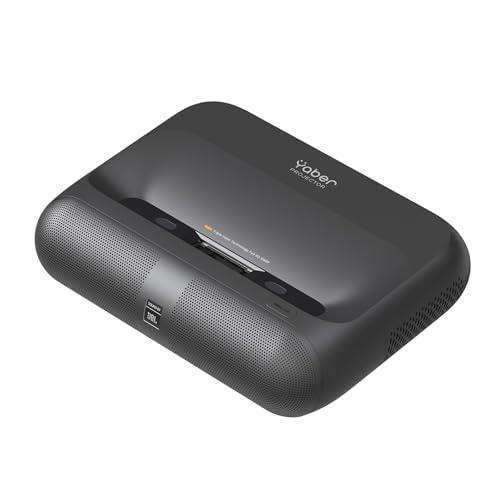
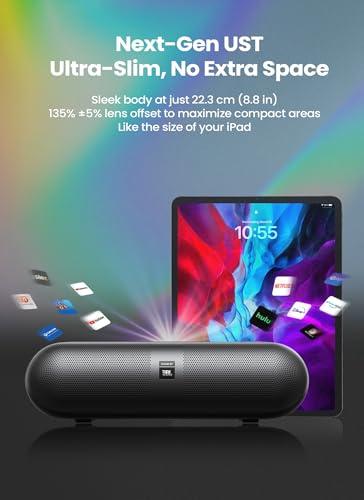
The Yaber K300s measures just 11.4" × 8.8" × 3.3" and weighs under 4 pounds, making it remarkably portable for an UST projector. You could realistically move it between rooms or take it to friends' houses for movie nights. The compact size also makes it less imposing in living spaces.
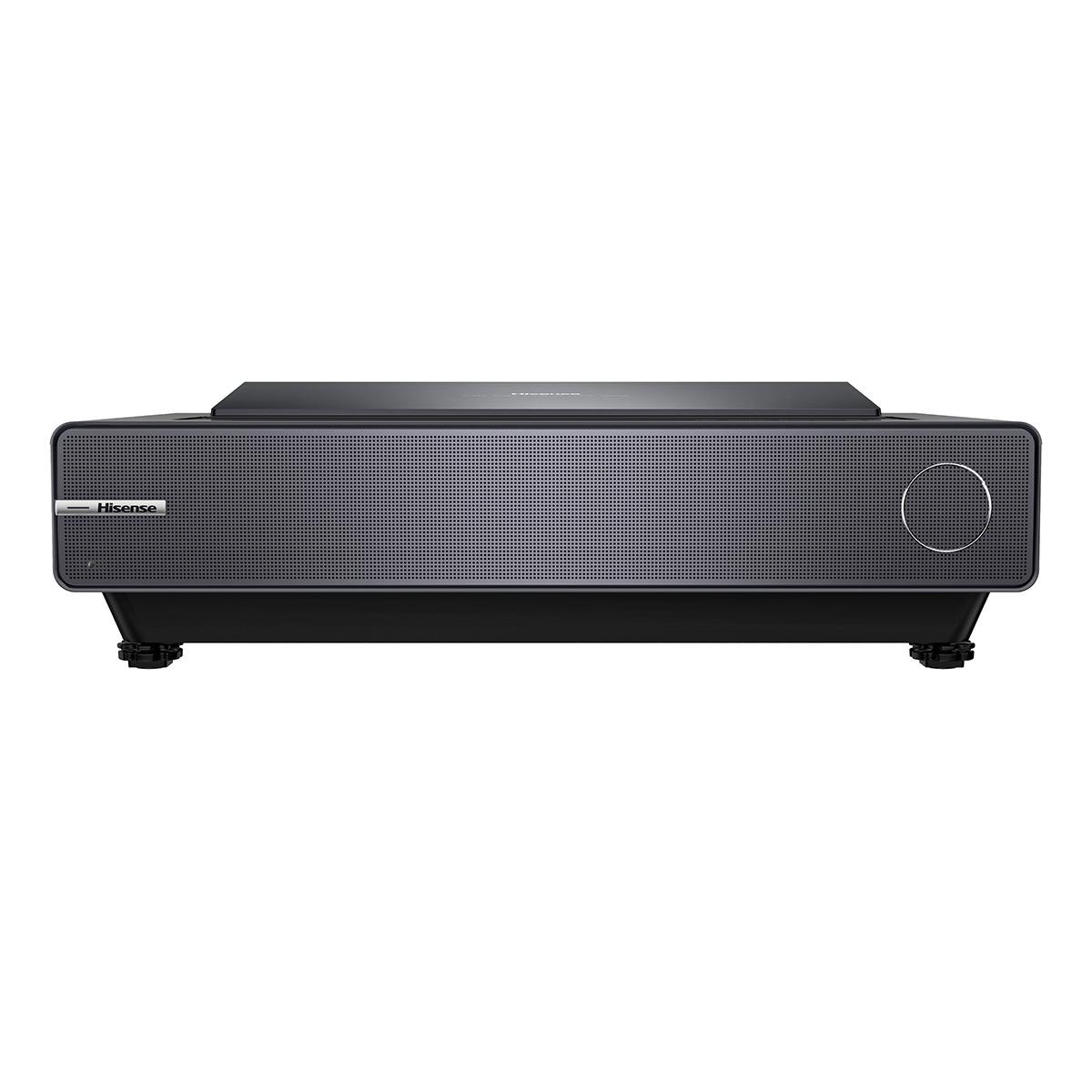
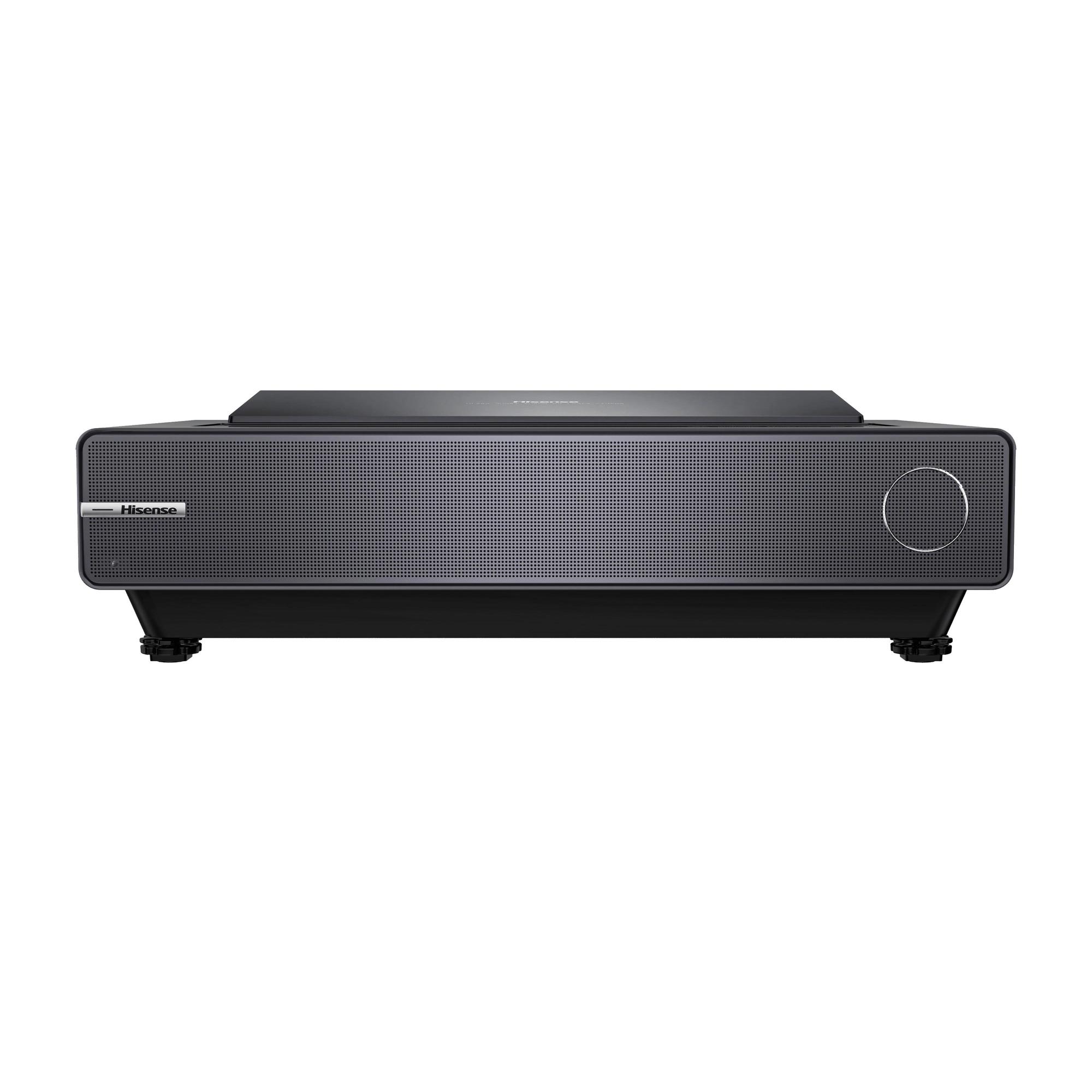
The Hisense PX2-PRO is substantially larger at 20.5" × 12.8" × 6.3" and weighing over 20 pounds. This is clearly designed for permanent installation. The larger size accommodates more powerful cooling systems and optical components, but sacrifices portability entirely.
The Yaber K300s operates at just 27dB, making it whisper-quiet during operation. This near-silent performance is perfect for bedrooms or apartments where noise could be problematic. The Hisense PX2-PRO requires more robust cooling for its brighter laser system, resulting in audible fan noise during operation.
When considering long-term value, several factors come into play. The Yaber K300s, released in early 2024, represents the current state of budget UST technology. At the time of writing, it costs roughly one-third the price of the Hisense PX2-PRO, which debuted in 2023.
The 4K advantage of the Hisense PX2-PRO becomes more significant as streaming services and gaming consoles increasingly default to 4K output. While 1080p content will always be watchable, the trend toward higher resolution is undeniable. If you plan to keep your projector for 5+ years, the resolution investment may prove wise.
However, the Yaber K300s includes several convenience features that add long-term value: 3-second autofocus using TOF (Time of Flight) sensors, automatic keystone correction, and intelligent eye protection that dims the laser when detecting people or pets nearby. These features make daily use more pleasant and safer for households with children.
Both projectors use laser light sources rated for 20,000+ hours, representing roughly 10 years of typical use without maintenance. This eliminates the ongoing bulb replacement costs associated with traditional projectors, where bulbs cost $200-400 and require replacement every 2-3 years.
The decision between these projectors ultimately depends on your specific needs and priorities. The Yaber K300s excels as a complete entertainment package for users who prioritize value, convenience, and audio quality. It's ideal for smaller rooms where light control is possible and 1080p resolution meets current needs.
The Hisense PX2-PRO justifies its premium pricing for users who demand 4K resolution, maximum brightness for ambient light viewing, and are willing to invest in external audio to overcome its sonic limitations. It's the clear choice for dedicated home theaters and users who prioritize image quality above all else.
For most buyers, I'd recommend starting with the Yaber K300s unless you have specific needs that require 4K resolution or maximum brightness. The audio quality alone provides hundreds of dollars in additional value, and the convenience features make it genuinely pleasant to use daily. The money saved could fund a quality UST screen, which will improve image quality more than the resolution upgrade for many viewers.
However, if you're building a dedicated home theater, frequently watch with ambient light, or plan to use the projector for gaming and computer work, the Hisense PX2-PRO provides the performance headroom that justifies its premium pricing. Just budget for external speakers to unlock its full potential.
Both projectors represent the current state of UST technology admirably, making the choice more about matching features to your specific situation than finding an objectively "better" option. The democratization of laser projection technology means excellent experiences are available at multiple price points – you just need to choose the right one for your needs.
| Yaber K300s Triple Laser Ultra Short Throw Projector | Hisense PX2-PRO TriChroma 4K Ultra Short Throw Laser Cinema Projector |
|---|---|
| Native Resolution - Determines image sharpness and future-proofing | |
| 1920 × 1080 (1080p) with 4K decoding | 3840 × 2160 (True 4K) |
| Brightness - Most critical for ambient light performance | |
| 1000 ANSI lumens (requires darkened rooms) | 2400 ANSI lumens (handles moderate ambient light) |
| Price Category - Budget vs premium positioning | |
| Budget-focused with premium features | Premium home cinema projector |
| Color Technology - Affects color accuracy and vibrancy | |
| Triple RGB Laser, 150% NTSC color gamut | Tri-laser RGB, 107% BT.2020 color space |
| Built-in Audio - Quality of integrated speakers | |
| Dual 15W JBL speakers, excellent bass response | 30W Dolby Atmos, weak bass at normal volumes |
| Maximum Screen Size - How large you can project | |
| 100 inches optimal | Up to 130 inches |
| HDR Support - Premium content viewing quality | |
| Basic HDR (limited by brightness) | Dolby Vision, HDR10, HLG (full HDR experience) |
| Gaming Performance - Console gaming capabilities | |
| ≤40ms lag, 1080p 60Hz gaming | 30-35ms lag, 4K 60Hz via HDMI 2.1 |
| Physical Size - Portability and installation | |
| 11.4" × 8.8" × 3.3", 3.97 lbs (highly portable) | 20.5" × 12.8" × 6.3", 20.3 lbs (permanent installation) |
| Noise Level - Operating sound during use | |
| 27dB (whisper quiet) | Not specified (likely higher due to cooling needs) |
| Smart Features - Built-in streaming and connectivity | |
| Google TV, Wi-Fi 6, Bluetooth 5.1 | Google TV, 3× HDMI 2.1, eARC support |
| Laser Lifespan - Maintenance-free operation | |
| 20,000 hours | 25,000 hours |
| Setup Convenience - Ease of installation and adjustment | |
| 3-second autofocus, auto keystone, eye protection | Standard setup with geometric calibration |
The Yaber K300s is more beginner-friendly due to its automatic setup features, including 3-second autofocus and automatic keystone correction. It's also significantly more affordable and includes excellent built-in speakers, making it a complete entertainment solution out of the box. The Hisense PX2-PRO requires more investment and audio planning but offers superior image quality.
The Hisense PX2-PRO delivers true 4K resolution with 4 times more detail than the Yaber K300s's 1080p output. The Hisense also provides 2400 ANSI lumens versus 1000 on the Yaber, making it much brighter for ambient light viewing. However, both use RGB laser technology for excellent color reproduction.
The Hisense PX2-PRO handles moderate ambient light well thanks to its 2400 lumens brightness, allowing daytime viewing with curtains partially closed. The Yaber K300s requires darkened rooms for optimal viewing due to its lower 1000 lumens output. For flexible viewing conditions, the Hisense is the better choice.
Surprisingly, the budget-friendly Yaber K300s has superior built-in audio with dual 15W JBL speakers that deliver solid bass and clear dialogue. The Hisense PX2-PRO has weak bass performance at normal volumes despite its 30W Dolby Atmos system, making external speakers nearly essential for good sound.
Both projectors work well for gaming, but the Hisense PX2-PRO is superior with 4K gaming support and slightly lower input lag (30-35ms vs 40ms). The Yaber K300s is limited to 1080p gaming but still provides an immersive large-screen experience. Neither supports high refresh rate gaming above 60Hz.
Both are ultra short throw projectors that sit very close to your wall or screen. The Yaber K300s can project a 100-inch image from just 9.7 inches away, while the Hisense PX2-PRO achieves similar ultra-short throw distances and can project up to 130 inches. This makes both ideal for small rooms.
For a dedicated home theater, the Hisense PX2-PRO is the better choice due to its 4K resolution, higher brightness for larger screens, and professional-grade color accuracy. However, you'll need to budget for external speakers. The Yaber K300s works well in smaller home theaters where 1080p is acceptable.
Both projectors benefit from ALR (Ambient Light Rejecting) screens designed for ultra short throw projectors, but they're not absolutely required. A smooth, flat white wall works adequately, especially with the Yaber K300s in dark rooms. The Hisense PX2-PRO's higher brightness makes it more forgiving of screen choice.
Both use laser light sources rated for 20,000+ hours of operation (the Hisense PX2-PRO claims 25,000 hours). This translates to roughly 10 years of typical home use without needing lamp replacements, making them much more cost-effective long-term than traditional bulb projectors that require expensive replacements every few years.
The Yaber K300s operates at just 27dB, making it whisper-quiet and ideal for bedrooms or apartments. The Hisense PX2-PRO requires more cooling for its brighter laser system, resulting in audible fan noise during operation, though specific decibel levels aren't published.
The Hisense PX2-PRO can effectively replace a TV thanks to its 4K resolution and brightness that works in moderate ambient light. The Yaber K300s is better suited as a dedicated entertainment projector due to its need for light control, though its smart features and portability make it versatile for different rooms.
The Yaber K300s offers exceptional value by delivering premium features like RGB laser technology and excellent audio at a budget-friendly price point. The Hisense PX2-PRO justifies its premium pricing with 4K resolution and superior brightness, but requires additional audio investment. Your choice depends on whether 4K and ambient light performance are worth the significant price difference.
We've done our best to create useful and informative comparisons to help you decide what product to buy. Our research uses advanced automated methods to create this comparison and perfection is not possible - please contact us for corrections or questions. These are the sites we've researched in the creation of this article: yaber.com - projectorcentral.com - trendygadget.com - staples.com - youtube.com - projection.center - notebookcheck.net - yaber.ph - wallpaper.com - youtube.com - androidauthority.com - youtube.com - yaber.com - projektoren-datenbank.com - bestbuy.com - tractorsupply.com - digitaltrends.com - bestbuy.com - walmart.com - hisense-usa.com - techradar.com - youtube.com - shop.hisense-usa.com - shop.hisense-usa.com - electronicexpress.com - projectorreviews.com - projectorscreenstore.com - crutchfield.com - walmart.com - avsforum.com

Privacy Policy
Terms and Conditions - Affiliate Policy
Home Security
© Copyright 2008-2026.
11816 Inwood Rd #1211, Dallas, TX 75244