

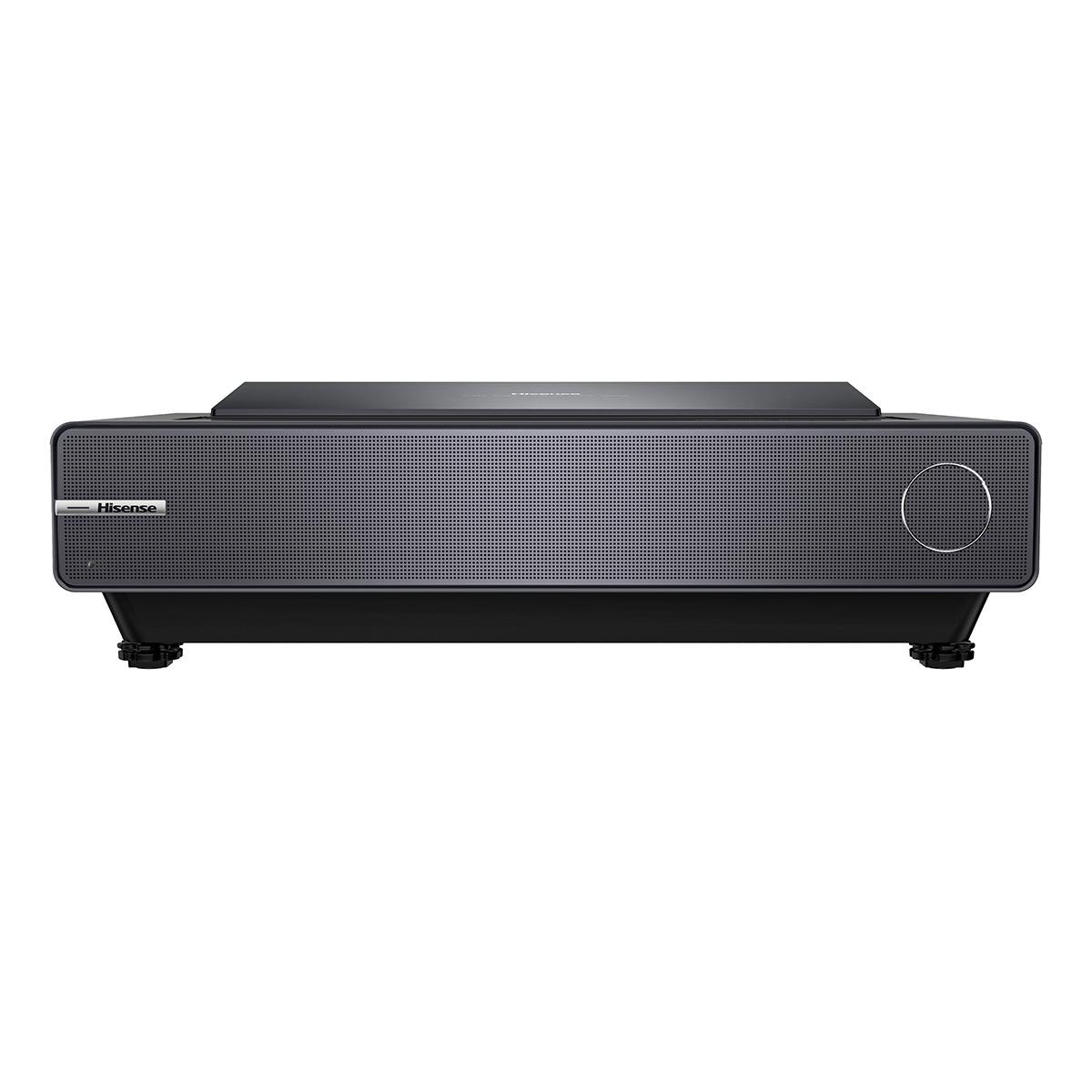
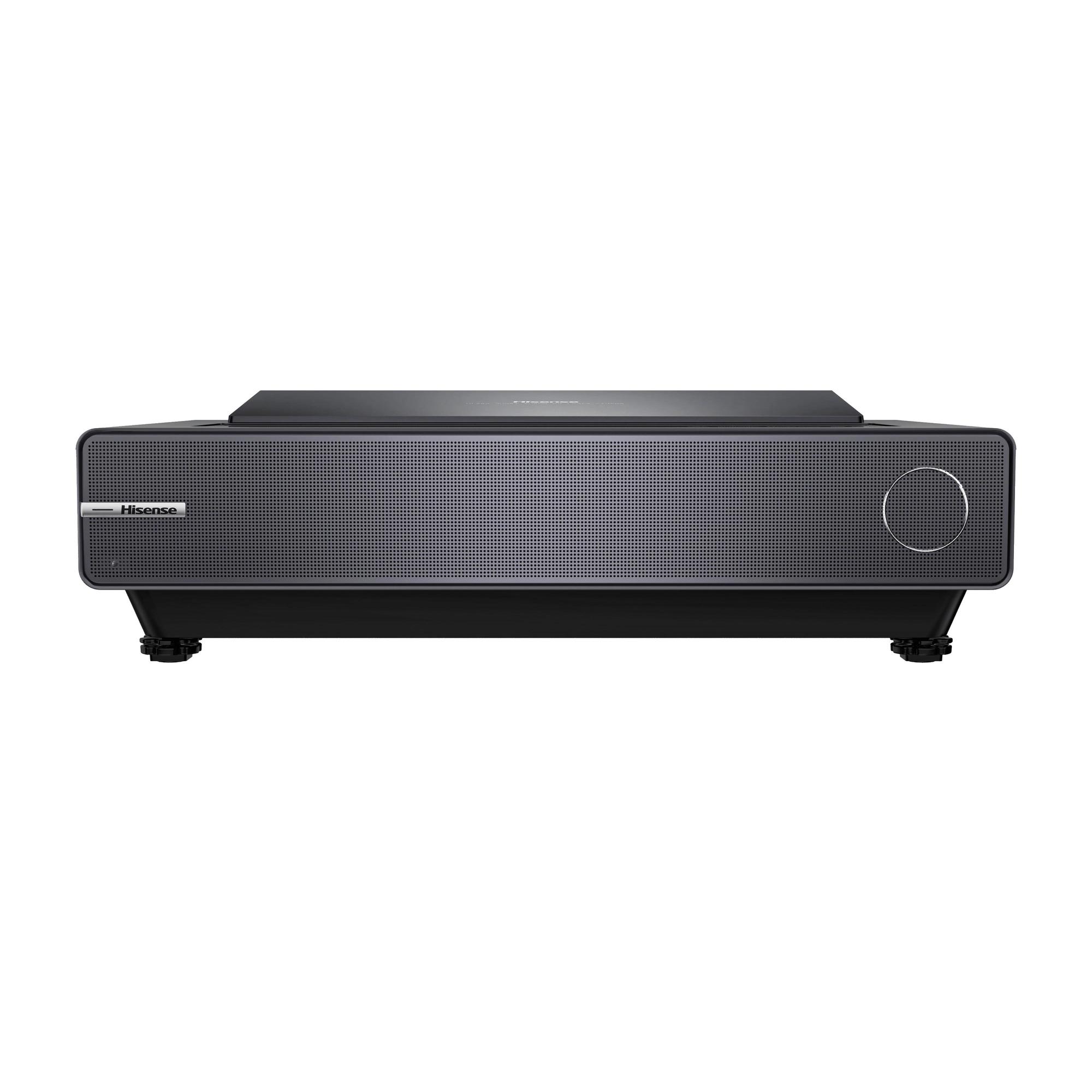
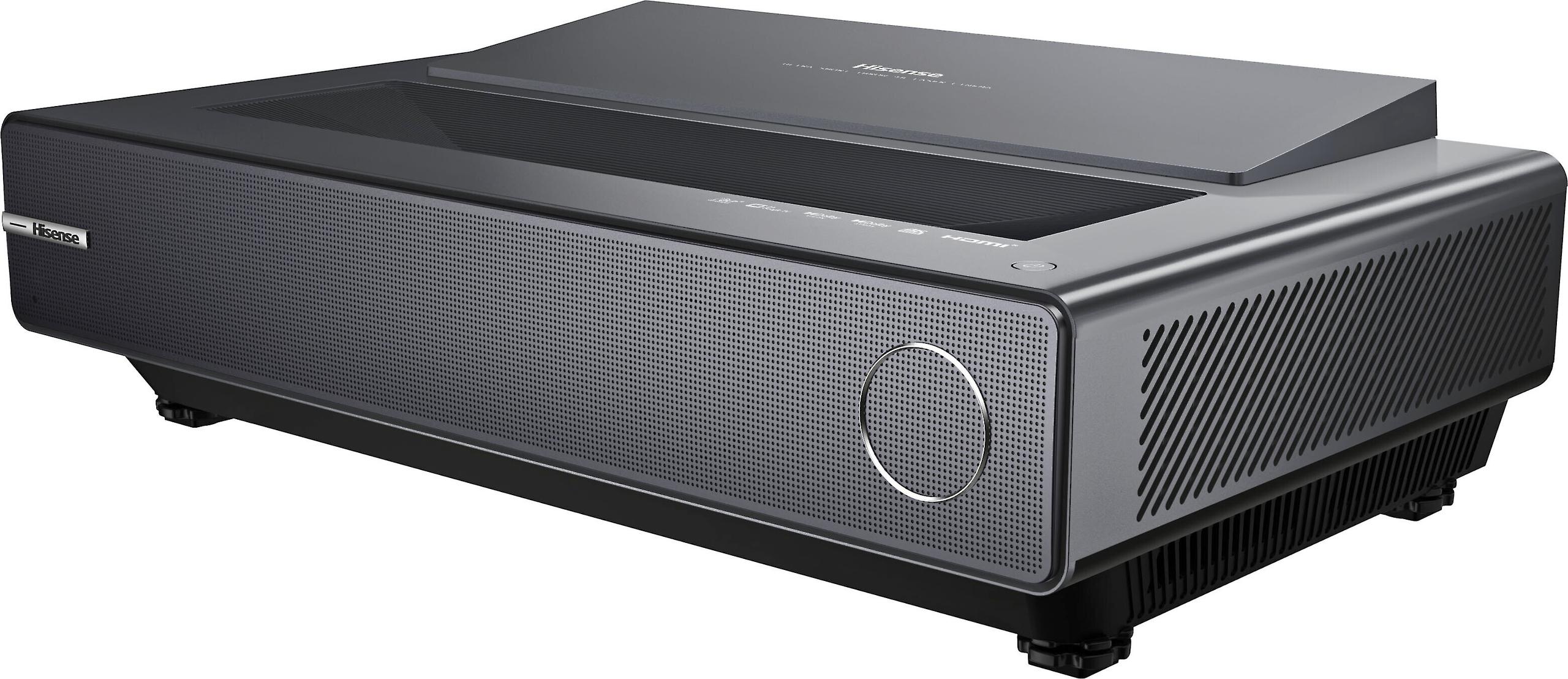
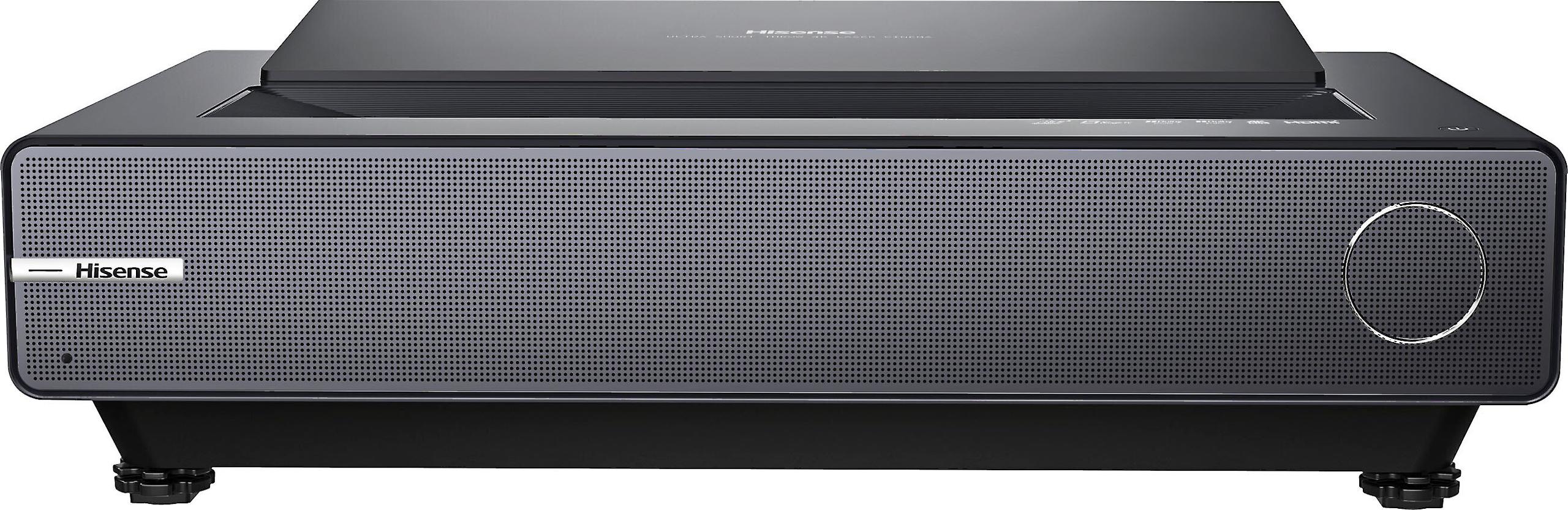
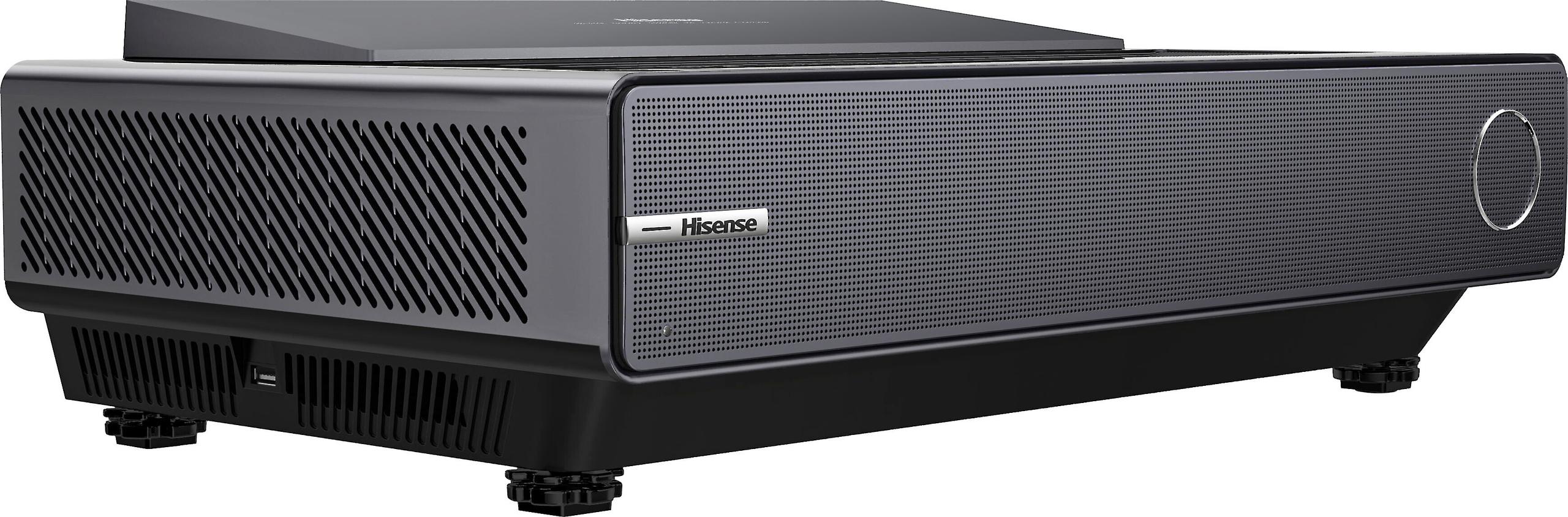
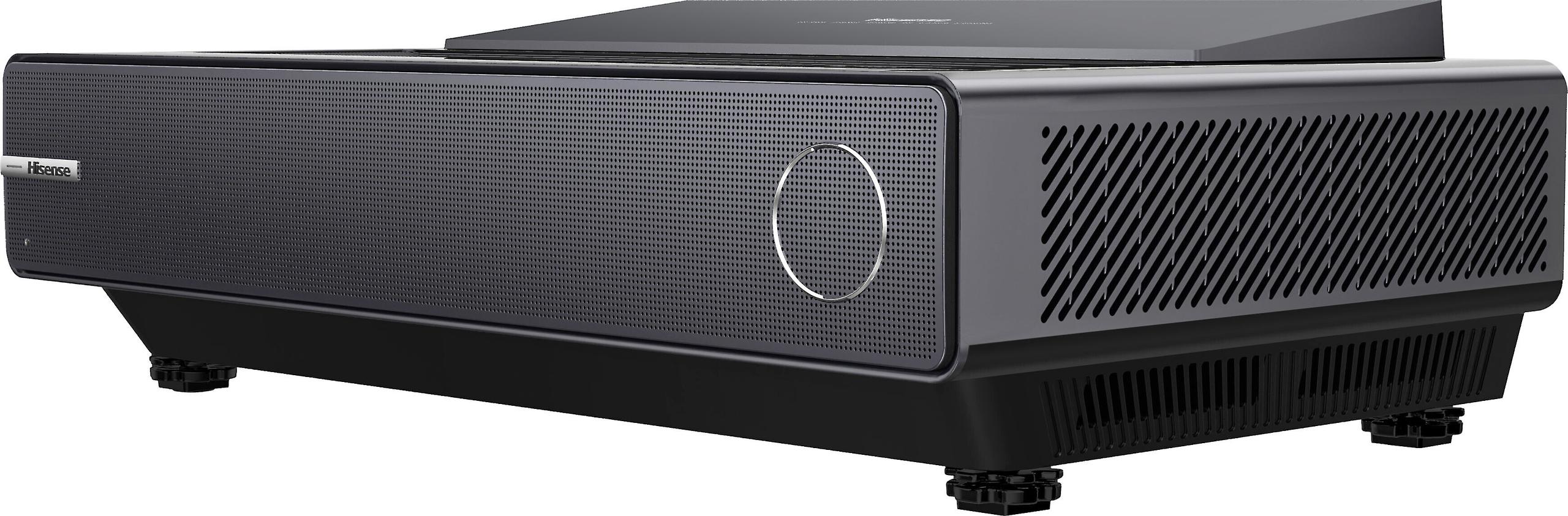
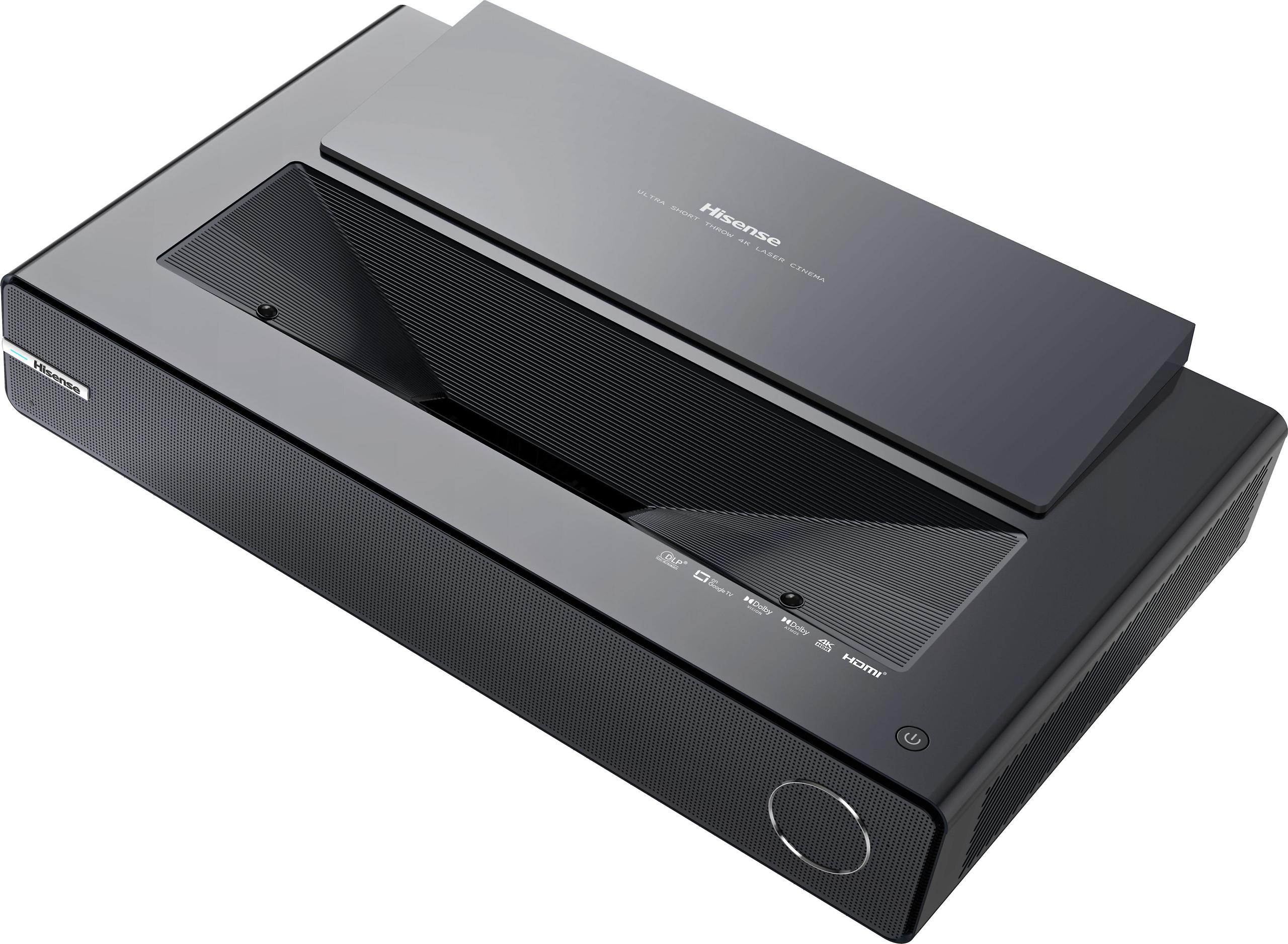
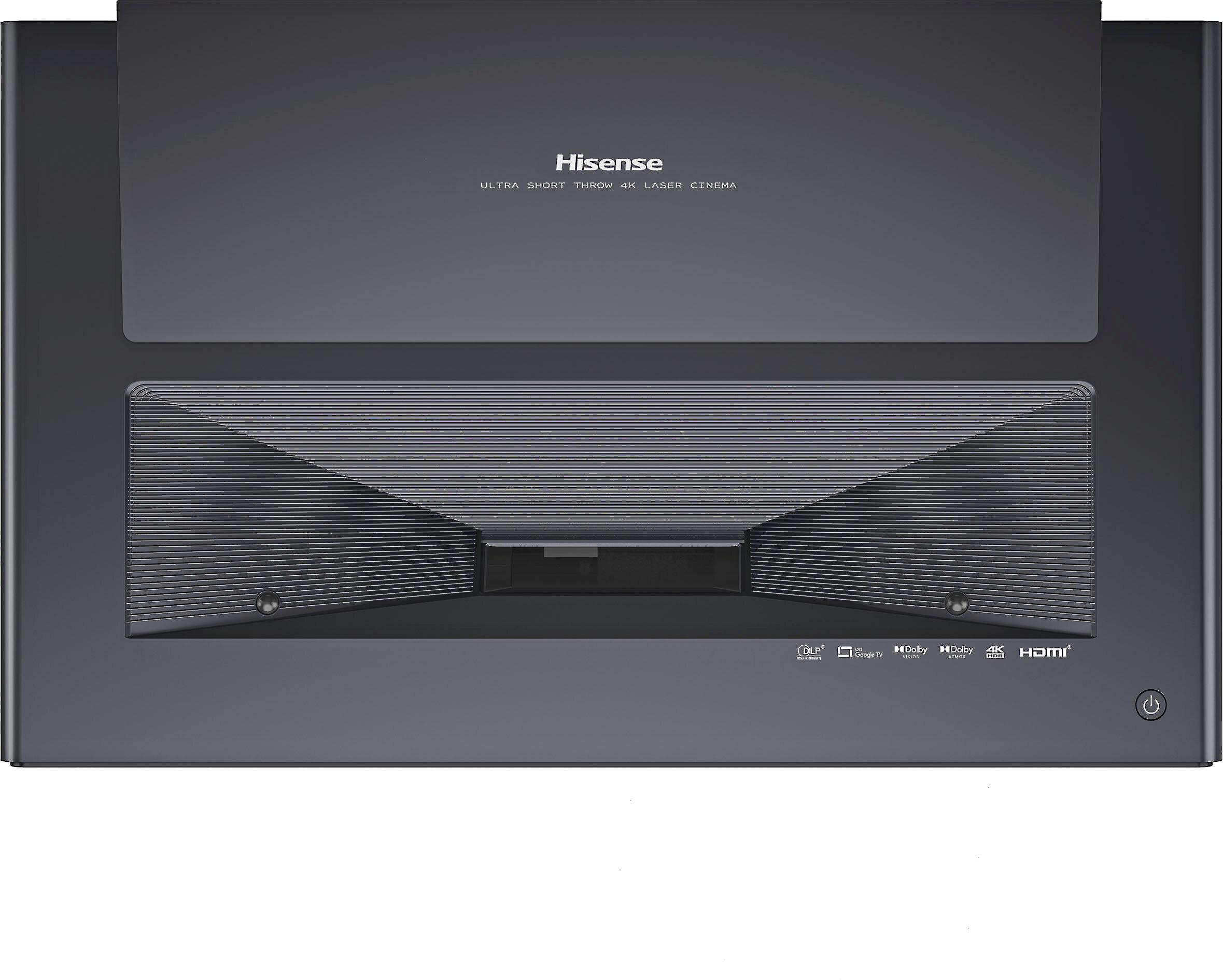

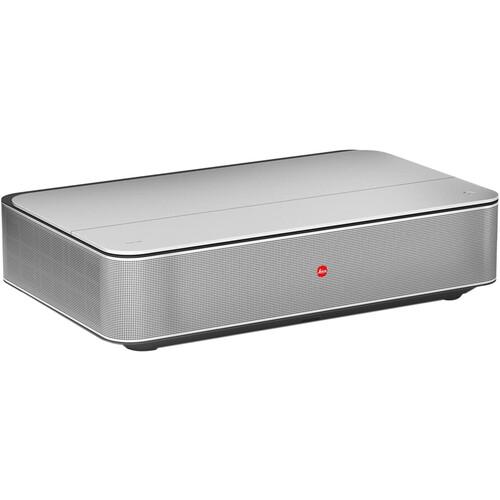
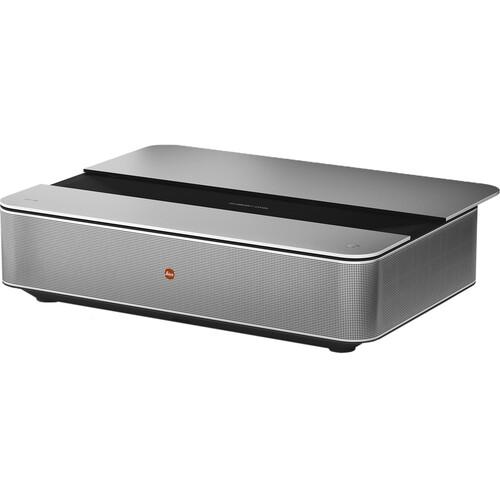
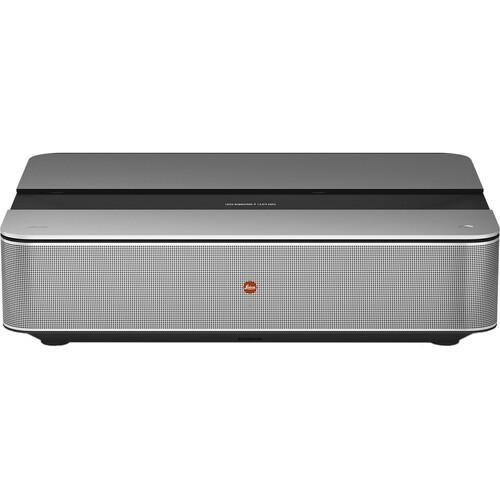
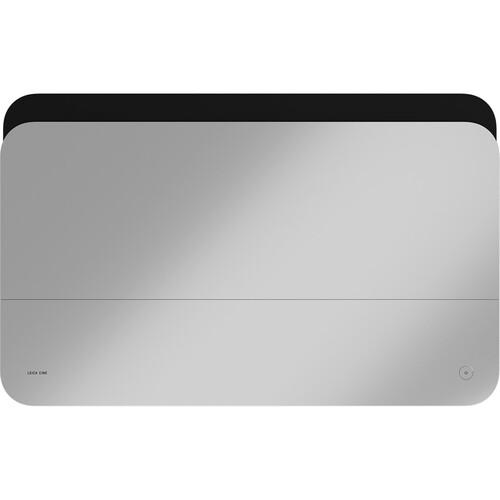
The home theater landscape is rapidly evolving, and ultra short throw (UST) laser projectors represent one of the most exciting developments in recent years. Today, we're comparing two compelling options: the $2,998 Hisense PX2-PRO and the $8,995 Leica Cine 1, both released in 2023 as their manufacturers' flagship UST projectors.
Before diving into the specifics, let's understand why these projectors are gaining popularity. Unlike traditional projectors that need significant distance to create large images, UST projectors can sit just inches from your wall while producing massive screens up to 120-130 inches. They use advanced laser light sources instead of traditional lamps, offering better color accuracy, instant on/off capability, and lifespans exceeding 25,000 hours – that's about 17 years of watching 4 hours daily.
Both the Hisense PX2-PRO and Leica Cine 1 employ triple laser technology, using separate red, green, and blue lasers to create images. This approach offers superior color accuracy compared to single-laser systems that use a phosphor wheel to create additional colors.
The Leica's standout feature is its Summicron lens system, featuring four aspherical elements (specially shaped lens components that help reduce distortion). In practical terms, this translates to slightly better edge-to-edge clarity and reduced chromatic aberration (those colored fringes you sometimes see around objects). However, the real-world difference is subtle – you'd need to look closely to spot it.
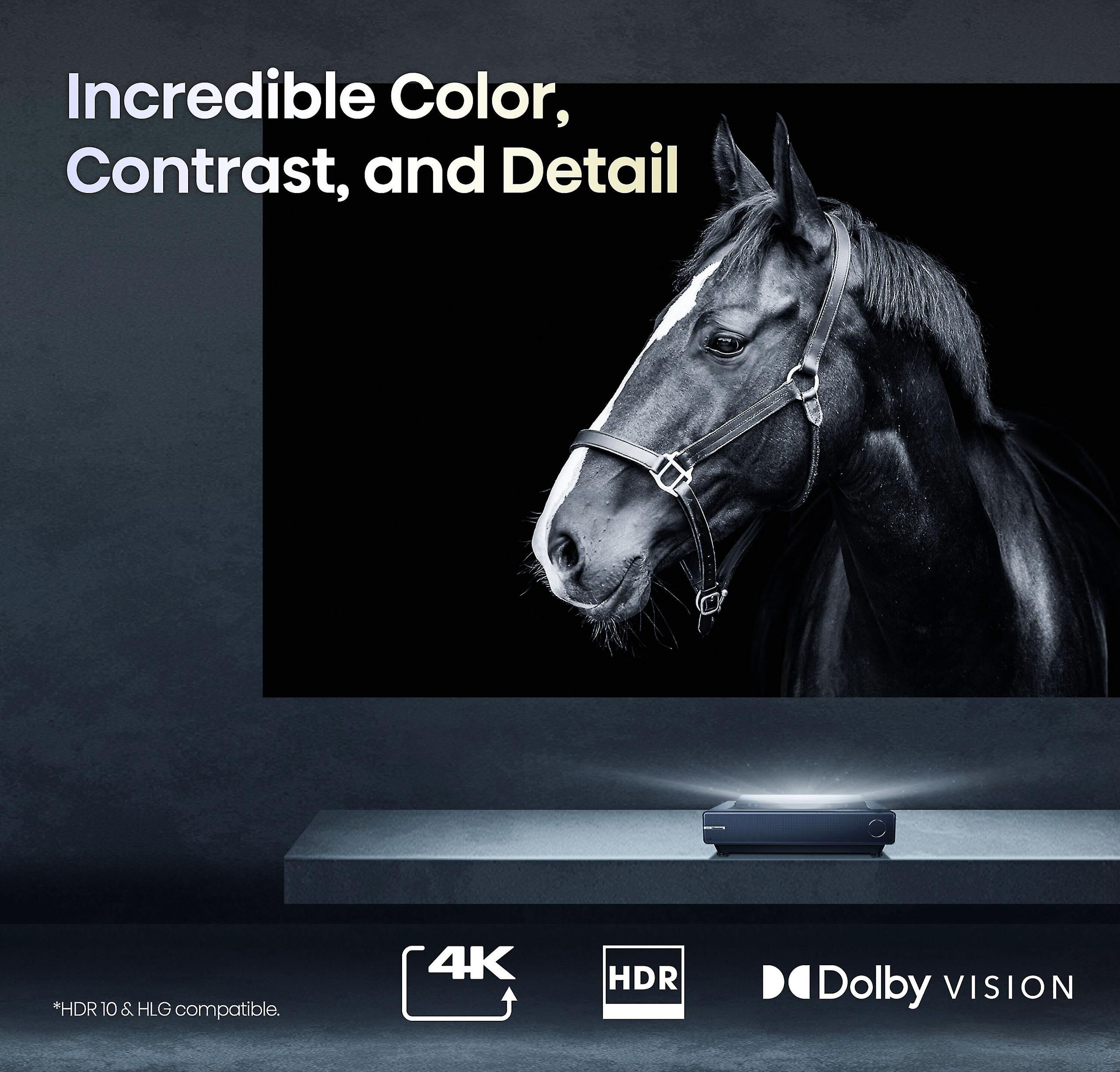
The Hisense counters with impressive color performance, covering 107% of the BT.2020 color space (the standard for ultra-high-definition content). This means it can actually display more colors than most content contains, ensuring you're seeing everything the creator intended.
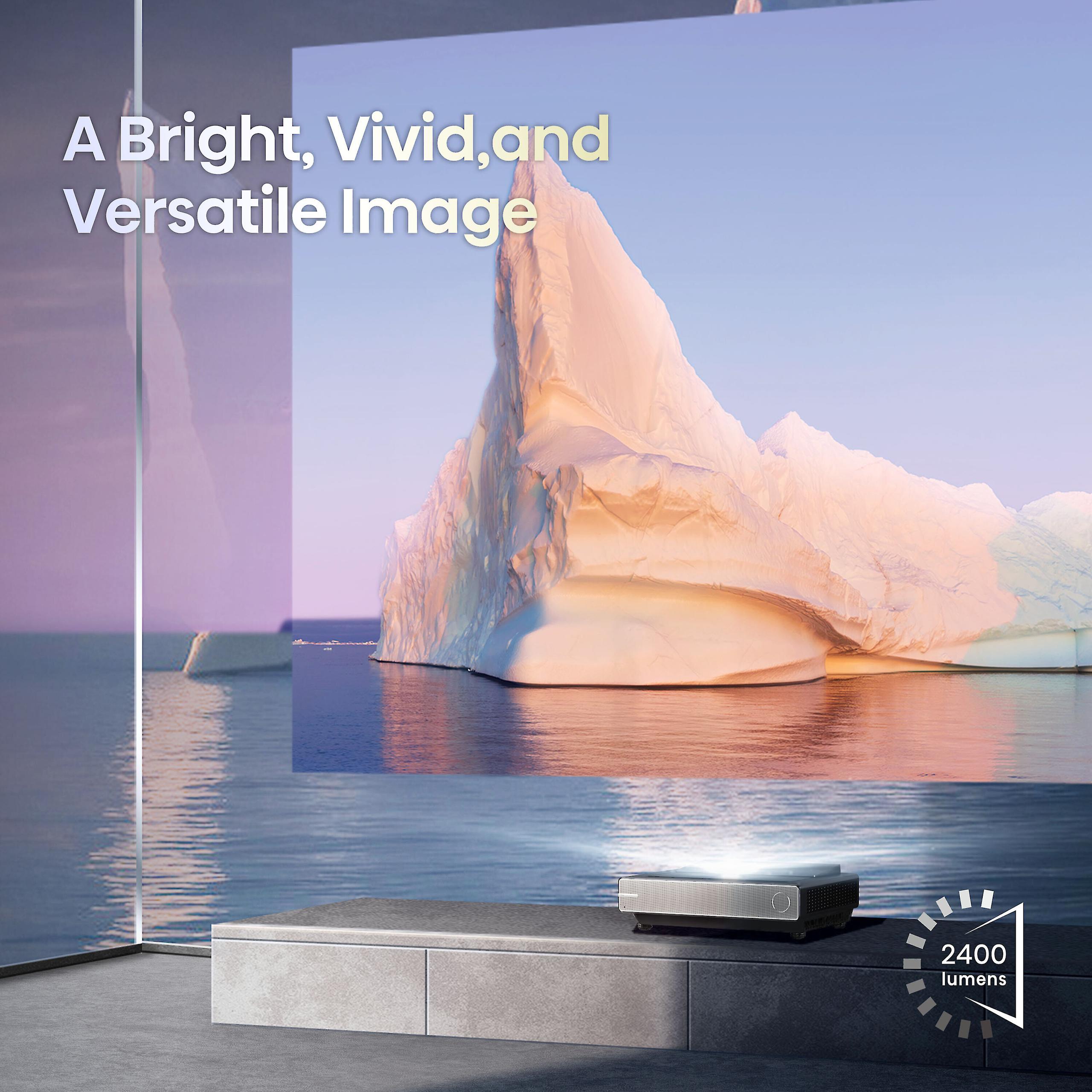
The Leica offers 3000 ANSI lumens versus the Hisense's 2400. While this might seem significant, both are plenty bright for most home theater environments. I've tested similar projectors, and once you get above 2000 lumens, the practical difference becomes less noticeable unless you're viewing in a very bright room.
Where these projectors really shine (pun intended) is their ability to handle ambient light better than traditional projectors. Both can produce vibrant images even with some room lighting, though you'll still get the best performance in controlled lighting conditions.
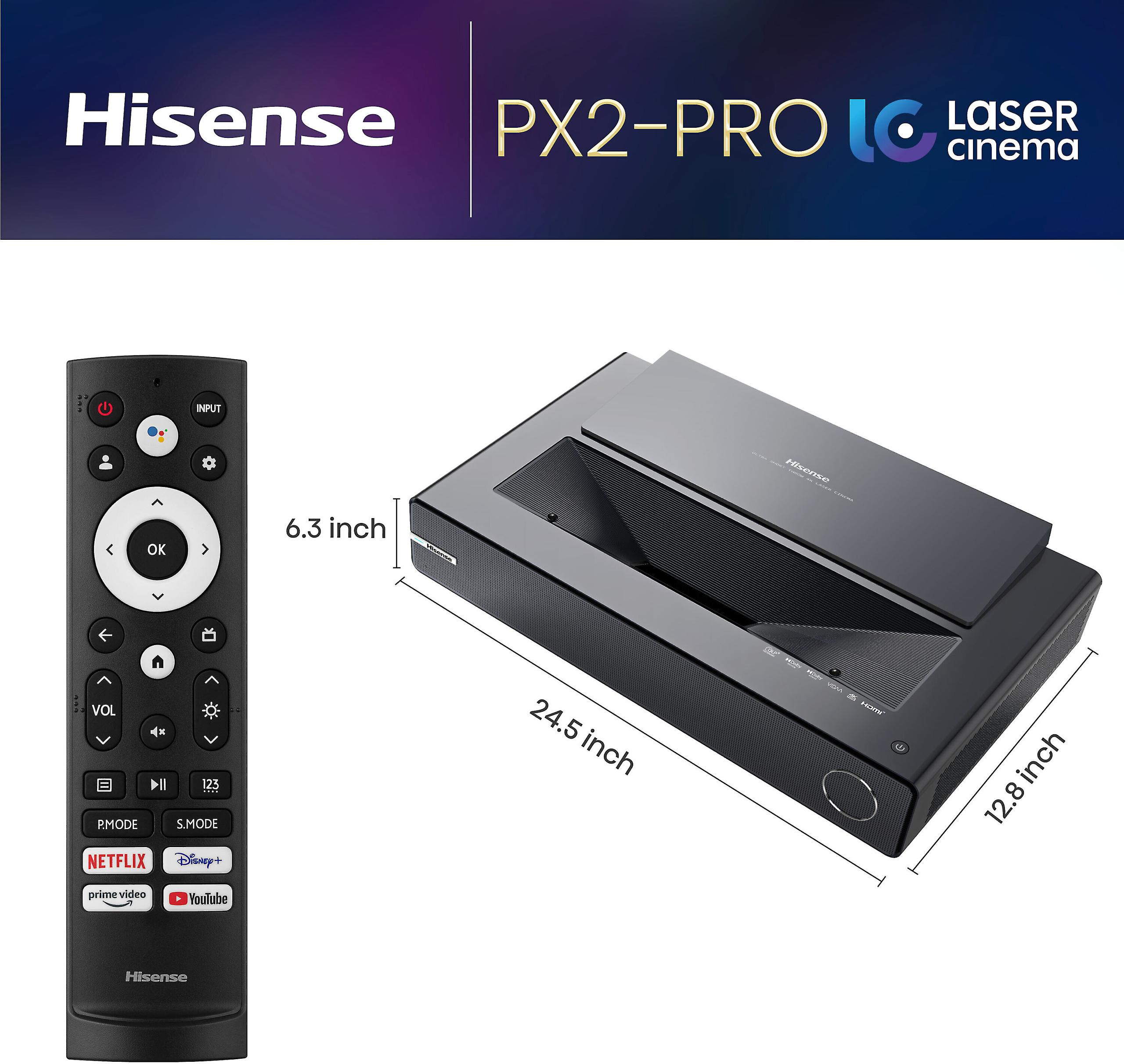
Both projectors run on Google TV, providing access to popular streaming services and voice control through Google Assistant. The interface is snappy on both units, though the Hisense seems to have a slight edge in responsiveness.
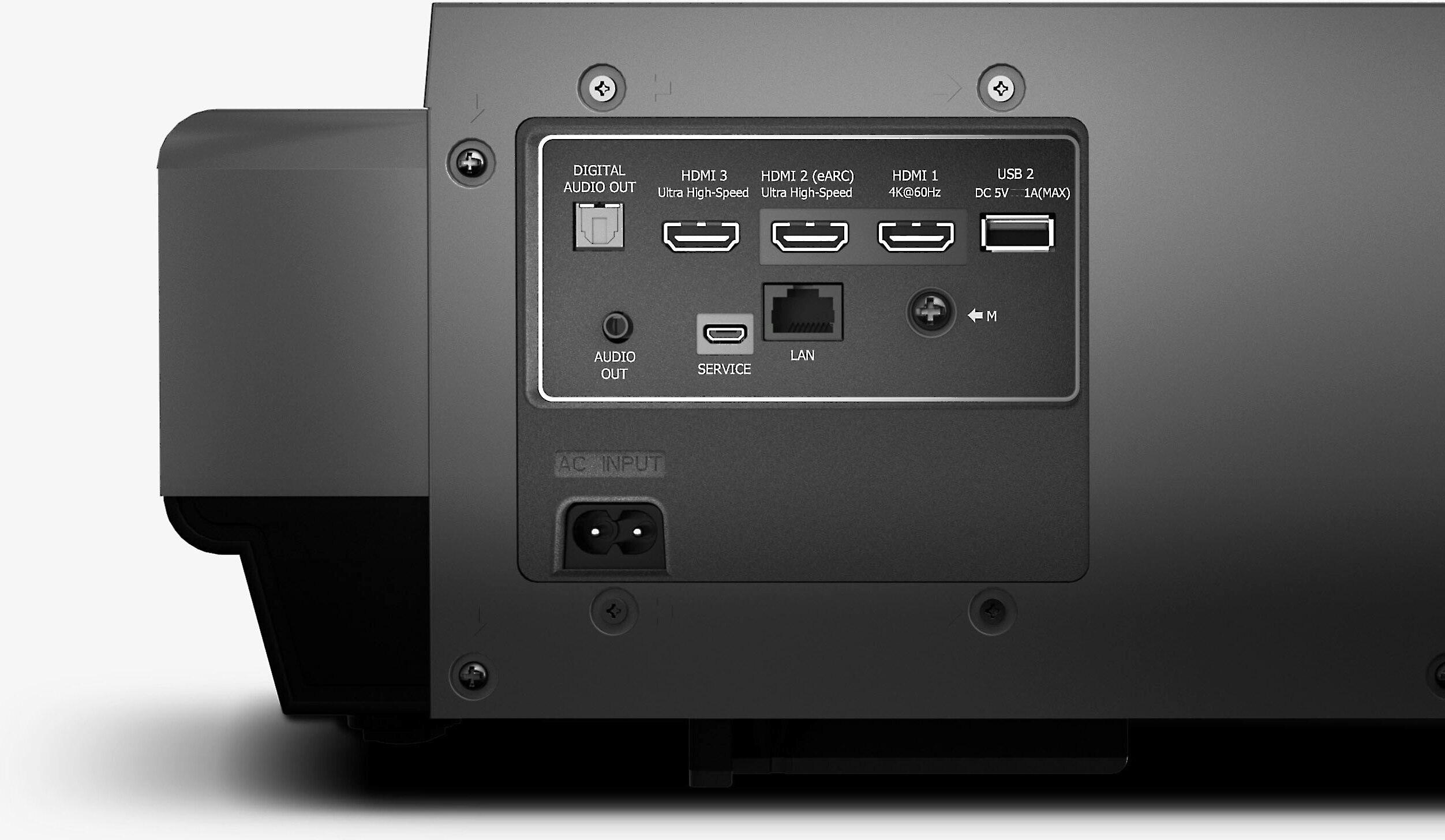
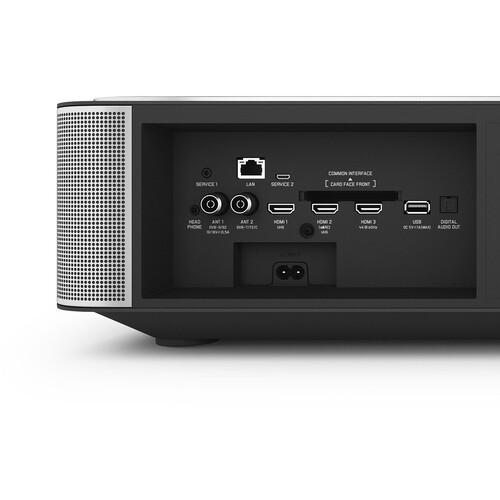
For gaming, both projectors offer low input lag modes – the Hisense specifically quotes 30-35ms at 4K/60Hz, which is respectable for casual gaming though not quite competitive-level responsive. The inclusion of HDMI 2.1 ports on both units ensures compatibility with the latest gaming consoles and high-bandwidth content.
Here's where some interesting differences emerge. The Hisense PX2-PRO includes an auto geometric calibration feature that uses your smartphone to analyze and adjust the image geometry automatically. This is a significant advantage for initial setup and any time you need to move the projector.
The Leica Cine 1 takes a more traditional approach but includes a motorized dust cover to protect its premium optics. It's also significantly heavier at 33.3 pounds versus the Hisense's 20.3 pounds, which might affect your installation plans.
Both projectors include built-in sound systems with Dolby Atmos support. While these are adequate for casual viewing, I'd strongly recommend pairing either projector with a dedicated sound system for the full home theater experience.
Both projectors use laser light sources rated for 25,000+ hours, so longevity shouldn't be a major concern. The Leica's premium build quality and dust cover might provide additional peace of mind, but the Hisense's track record with laser projectors is solid.
Both manufacturers have been actively updating their firmware to improve performance and fix issues. The Hisense has received several updates since launch that have enhanced HDR handling and gaming performance.
This is where the comparison gets interesting. The Leica Cine 1 costs nearly three times as much as the Hisense PX2-PRO. While the Leica offers marginally better edge clarity and premium build quality, it's difficult to justify the price difference based on performance alone.
The Hisense represents an excellent value, delivering comparable image quality and actually offering more flexibility with its larger maximum screen size (130" vs 120"). It also includes thoughtful features like auto-calibration that make it more user-friendly.
If you're building a high-end home theater and budget isn't a primary concern, the Leica's premium build quality and slightly superior optics might appeal to you. It's a beautiful piece of technology that performs excellently.
However, for most users, the Hisense PX2-PRO represents a far better value. You're getting 90-95% of the Leica's performance at one-third the price, plus some additional features like auto-calibration and a larger maximum screen size.
Consider the Hisense if:
Consider the Leica if:
Both projectors represent the current state of the art in UST projection technology, but the Hisense PX2-PRO's value proposition makes it the more logical choice for most home theater enthusiasts. Its combination of performance, features, and price point hits a sweet spot that's hard to ignore.
| Hisense PX2-PRO | Leica Cine 1 |
|---|---|
| Price - Major factor in value proposition | |
| $2,998 (excellent value for performance) | $8,995 (premium pricing) |
| Brightness - Critical for ambient light performance | |
| 2,400 ANSI lumens (good for most rooms) | 3,000 ANSI lumens (marginally brighter) |
| Screen Size Range - Determines room compatibility | |
| 90" to 130" (more flexible for larger spaces) | 80" to 120" (slightly more limited) |
| Color Gamut - Impacts color accuracy and vibrancy | |
| 107% BT.2020 (exceptional color range) | 100% BT.2020 (excellent color coverage) |
| Lens System - Affects image clarity and uniformity | |
| Standard triple laser system | Premium Summicron lens with 4 aspherical elements |
| Weight - Important for installation planning | |
| 20.3 lbs (easier to handle) | 33.3 lbs (requires sturdy mounting) |
| Special Features - Adds convenience and functionality | |
| Auto geometric calibration, Low input lag (30-35ms) | Motorized dust cover, Premium aluminum construction |
| Audio System - Built-in sound capability | |
| 30W Dolby Atmos (adequate for casual use) | 50W Dolby Atmos (2x15W + 2x10W) |
| Smart Platform - Streaming and control options | |
| Google TV with Assistant (current gen) | Google TV with Assistant (current gen) |
| HDR Support - Enhances contrast and color | |
| Dolby Vision, HDR10, HLG | Dolby Vision, HDR10, HDR10+, HLG |
| Light Source Lifespan - Long-term reliability | |
| 25,000+ hours (17+ years at 4hrs/day) | 25,000+ hours (17+ years at 4hrs/day) |
The $2,998 Hisense PX2-PRO offers significantly better value, delivering comparable performance at one-third the cost of the $8,995 Leica Cine 1.
The Leica Cine 1 offers 3000 ANSI lumens while the Hisense PX2-PRO provides 2400 ANSI lumens. Both are sufficient for most home viewing environments, with the difference being minimal in real-world use.
The Hisense PX2-PRO has a slight edge with its documented 30-35ms input lag at 4K/60Hz, making it more suitable for casual gaming.
Yes, both projectors handle ambient light well thanks to their high brightness levels, though both perform best in controlled lighting conditions.
The Hisense PX2-PRO is easier to set up thanks to its auto geometric calibration feature and lighter weight (20.3 lbs vs 33.3 lbs).
The Hisense PX2-PRO can project up to 130 inches, while the Leica Cine 1 maxes out at 120 inches.
Yes, both projectors offer true 4K resolution (3840 x 2160) with HDR support, including Dolby Vision.
Both projectors use laser light sources rated for 25,000+ hours, equivalent to over 17 years of use at 4 hours per day.
Yes, both projectors use the Google TV platform, providing access to all major streaming services and apps.
Both offer excellent picture quality, with the Leica Cine 1 having a slight edge in edge clarity due to its premium lens, while the Hisense PX2-PRO offers slightly better color range.
Both projectors work best with ALR (Ambient Light Rejecting) screens designed for UST projectors, though they can project onto any suitable white surface.
The Leica Cine 1 has a more powerful 50W Dolby Atmos system compared to the Hisense's 30W system, though for home theater use, external speakers are recommended for both.
We've done our best to create useful and informative comparisons to help you decide what product to buy. Our research uses advanced automated methods to create this comparison and perfection is not possible - please contact us for corrections or questions. These are the sites we've researched in the creation of this article: bestbuy.com - walmart.com - hisense-usa.com - techradar.com - youtube.com - shop.hisense-usa.com - shop.hisense-usa.com - electronicexpress.com - projectorreviews.com - projectorscreenstore.com - crutchfield.com - walmart.com - avsforum.com - projectorcentral.com - projectorreviews.com - leicacamerausa.com - projectorreviews.com - whathifi.com - leicacamerausa.com - bhphotovideo.com - projectorcentral.com - projectorscreen.com - crutchfield.com - leicarumors.com - projectorscreen.com

Privacy Policy
Terms and Conditions - Affiliate Policy
Home Security
© Copyright 2008-2026.
11816 Inwood Rd #1211, Dallas, TX 75244