

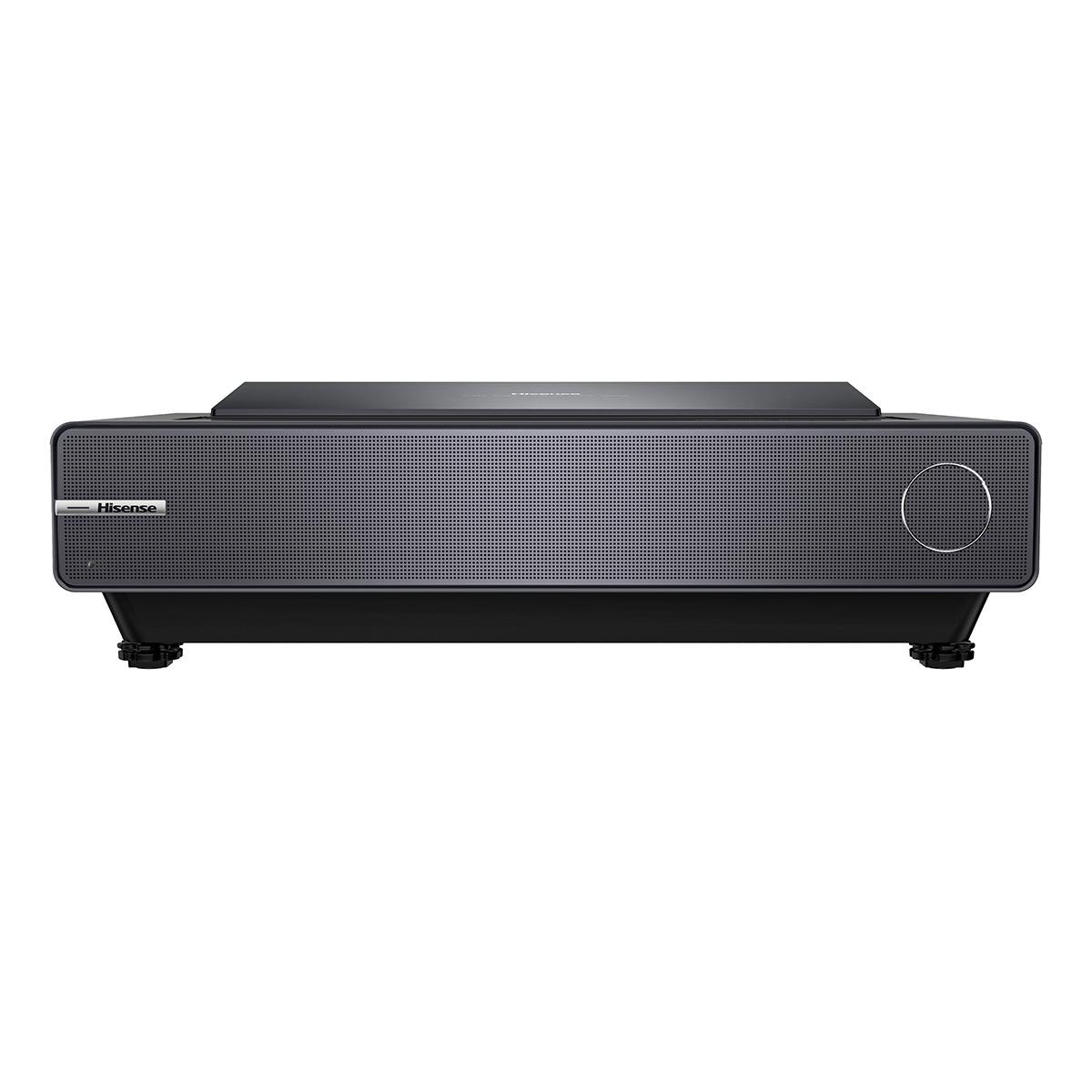
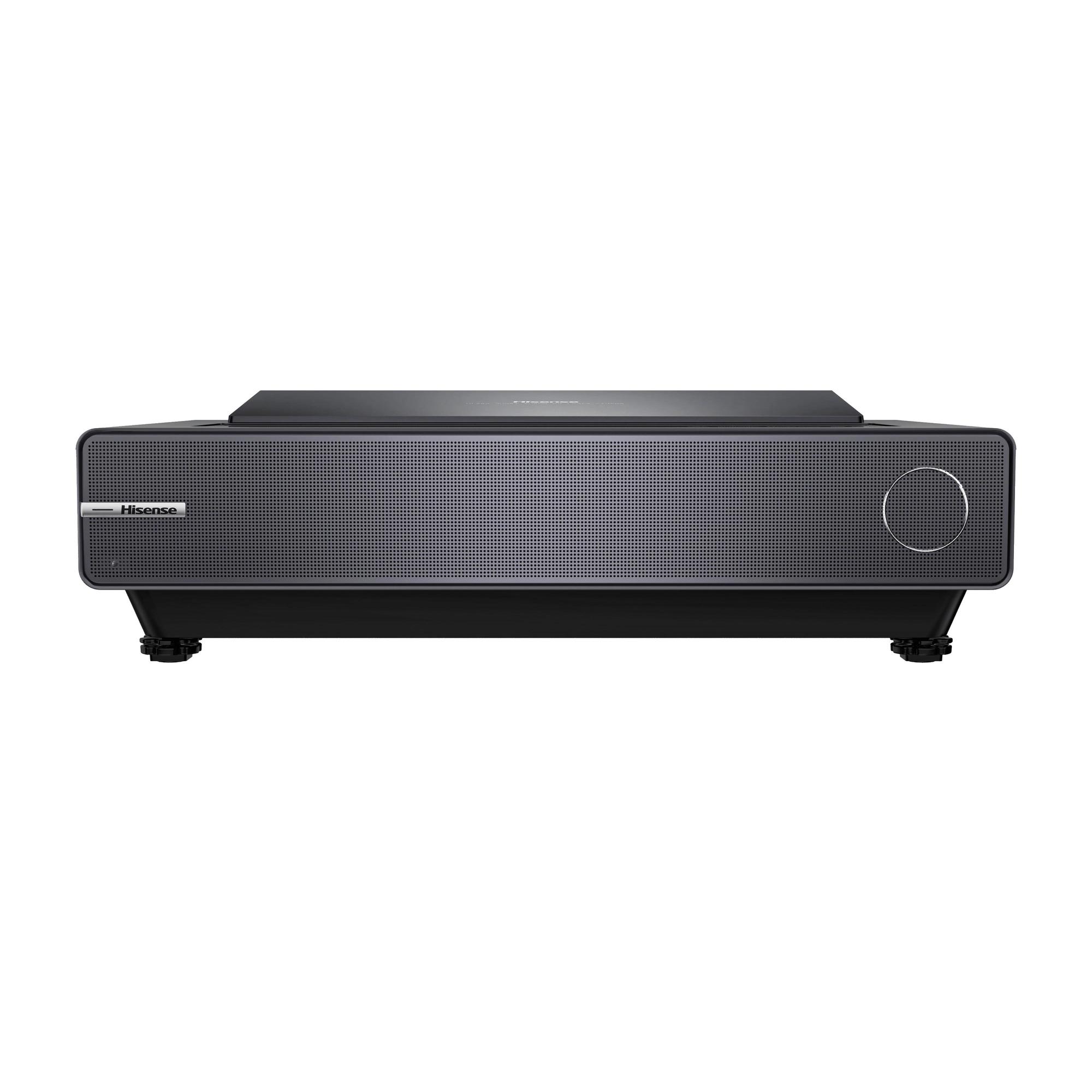
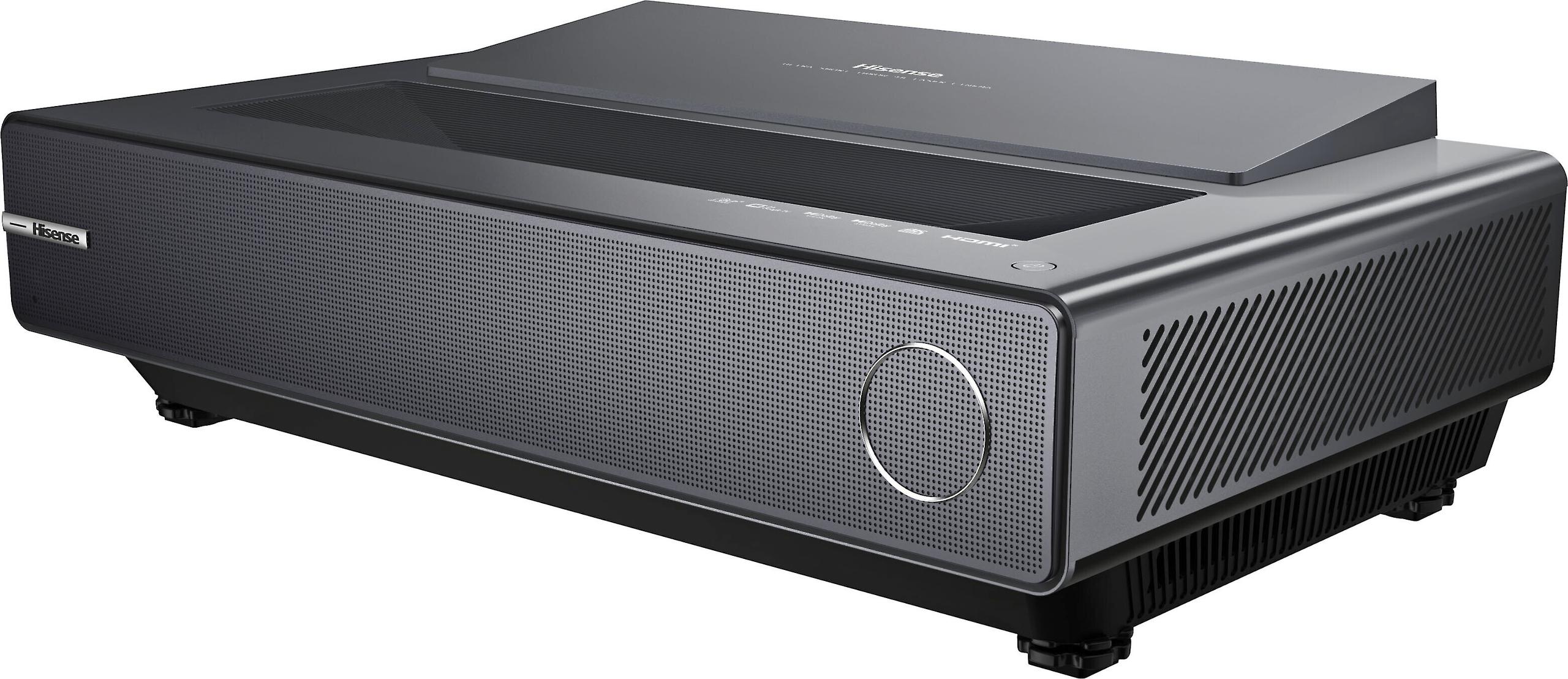
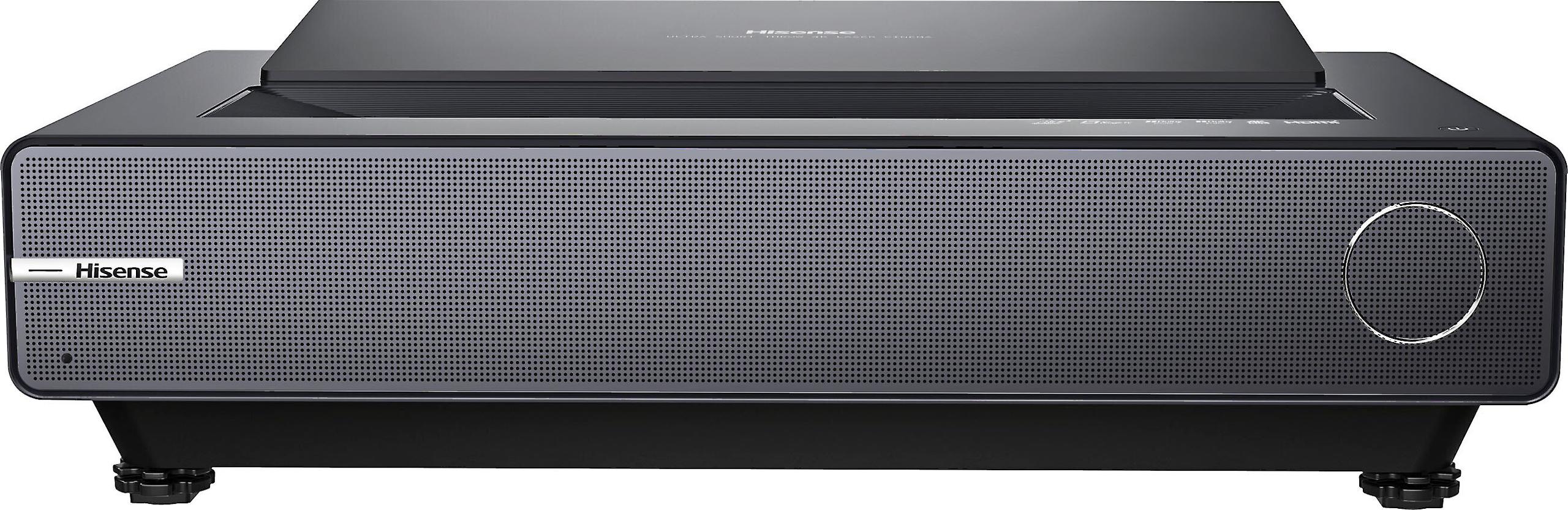
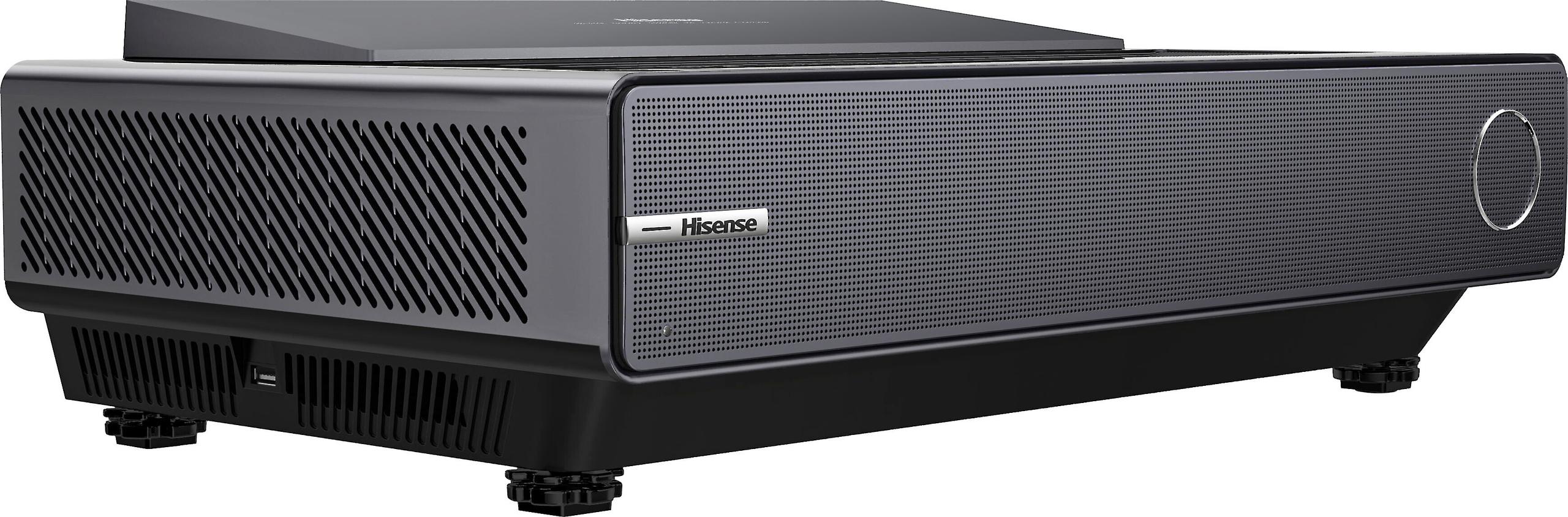
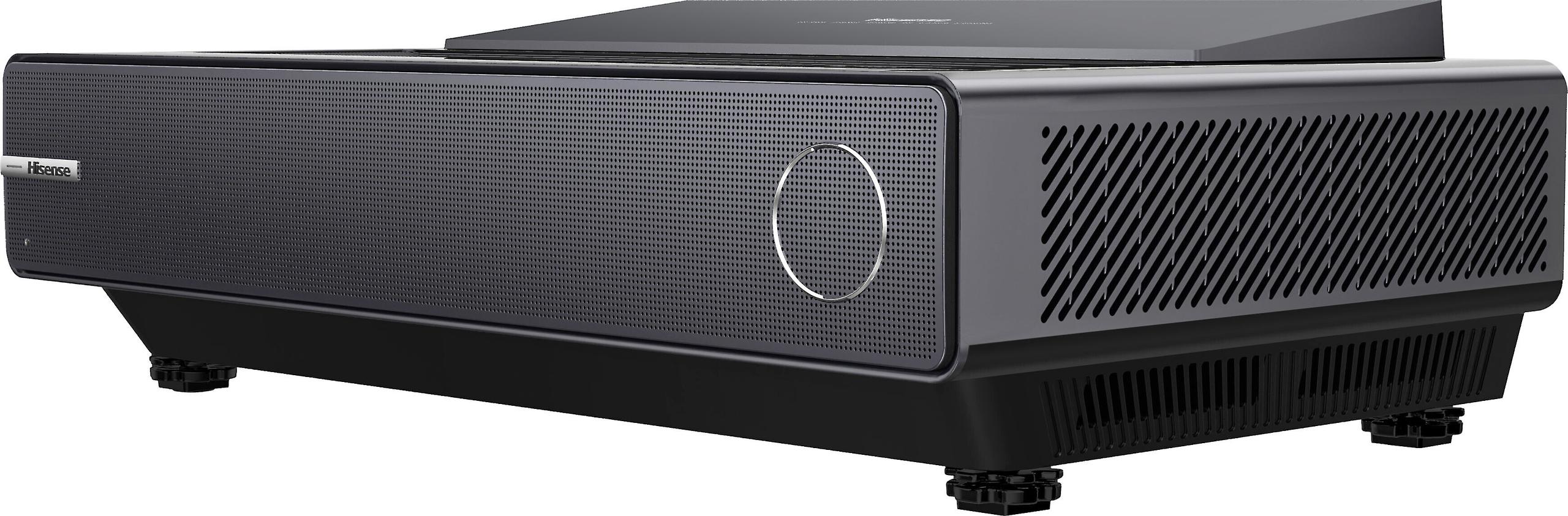
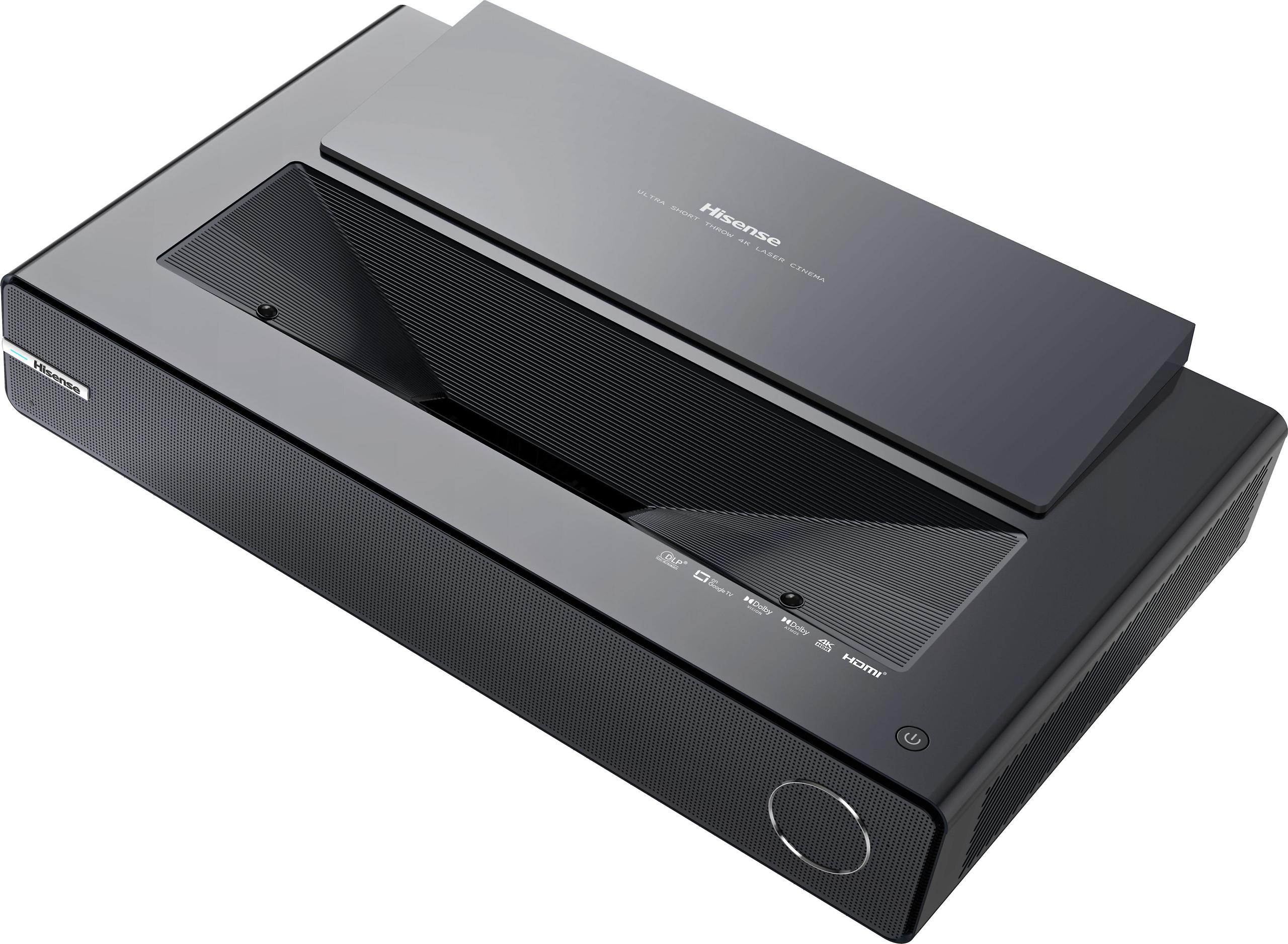
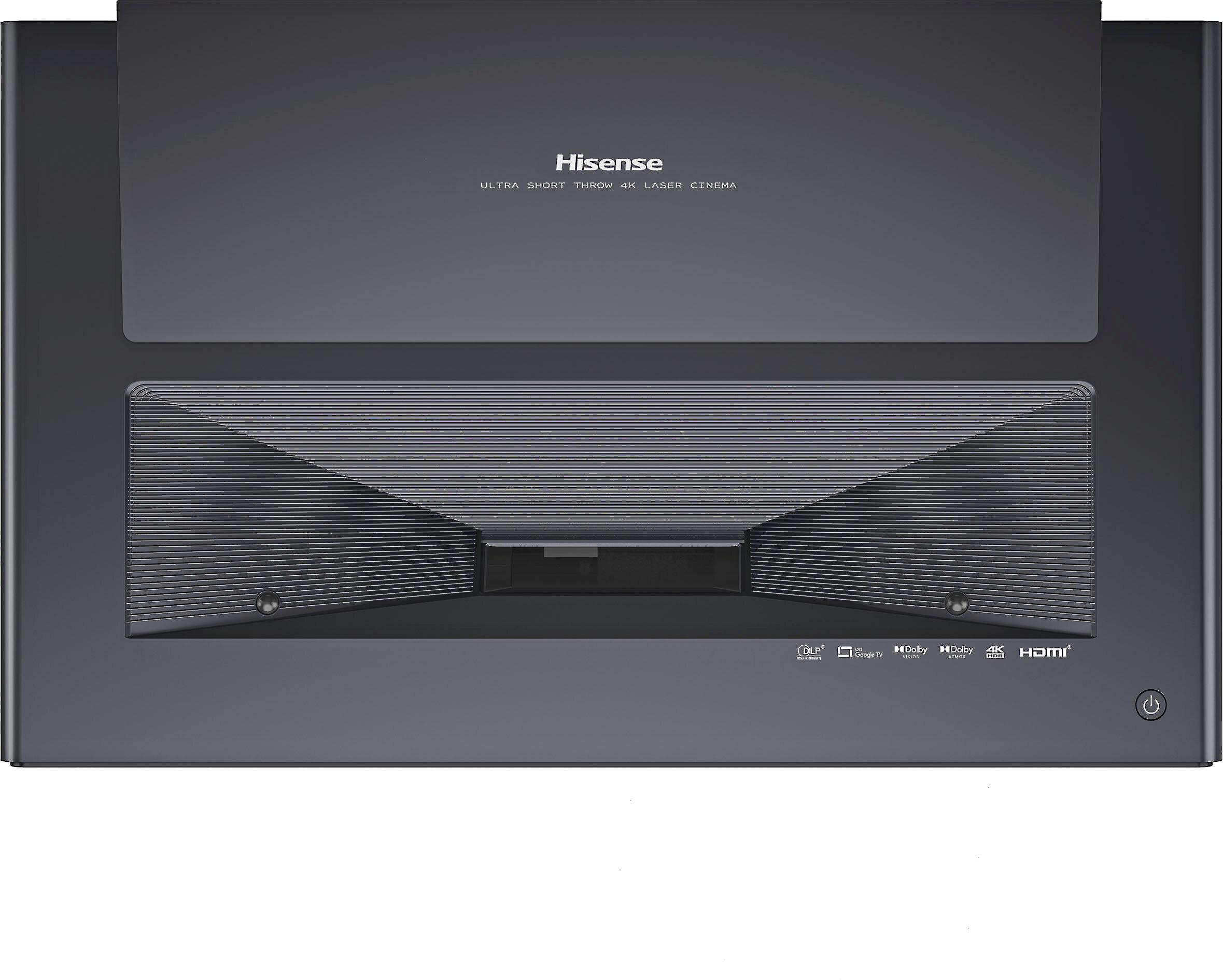
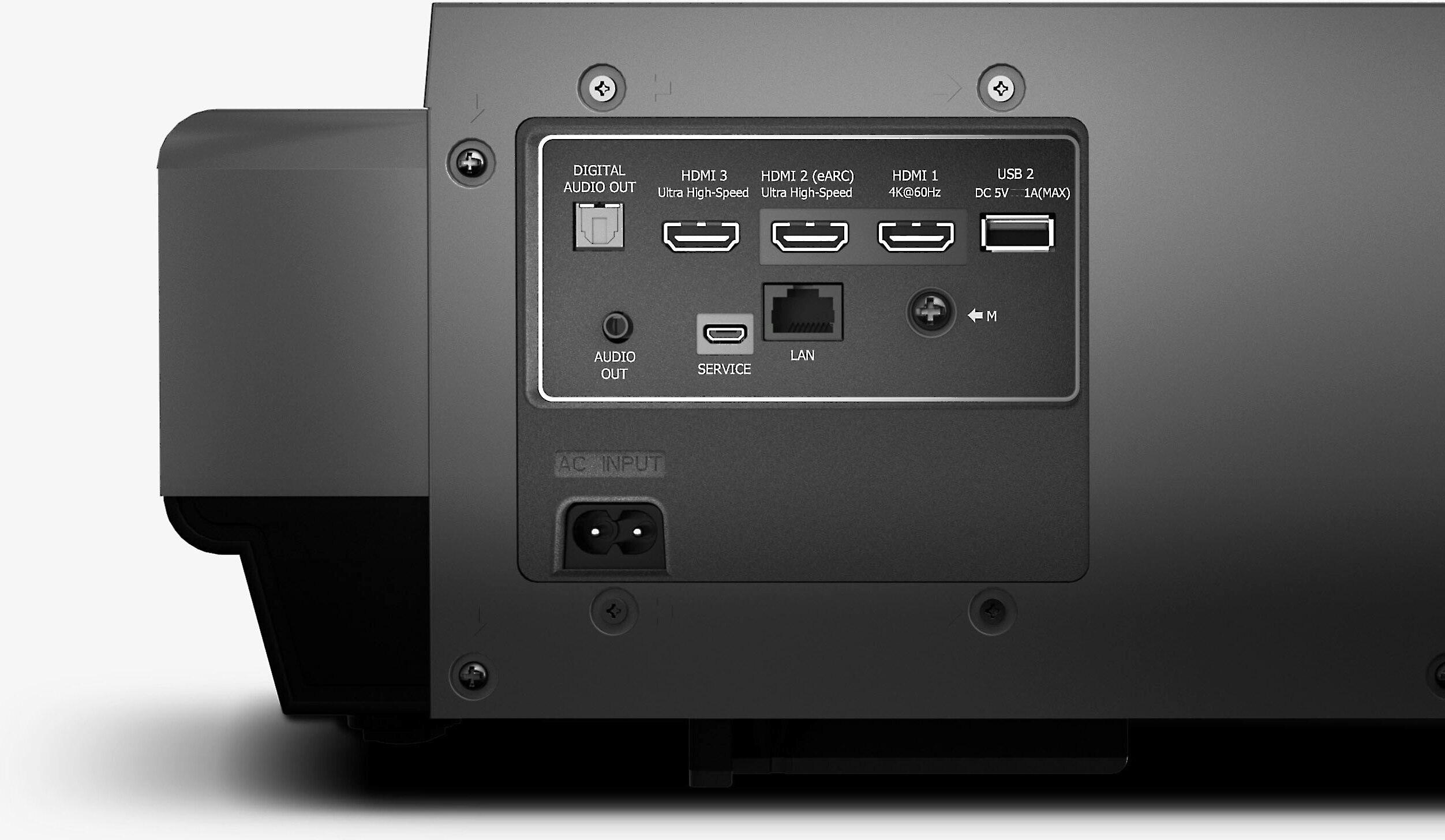
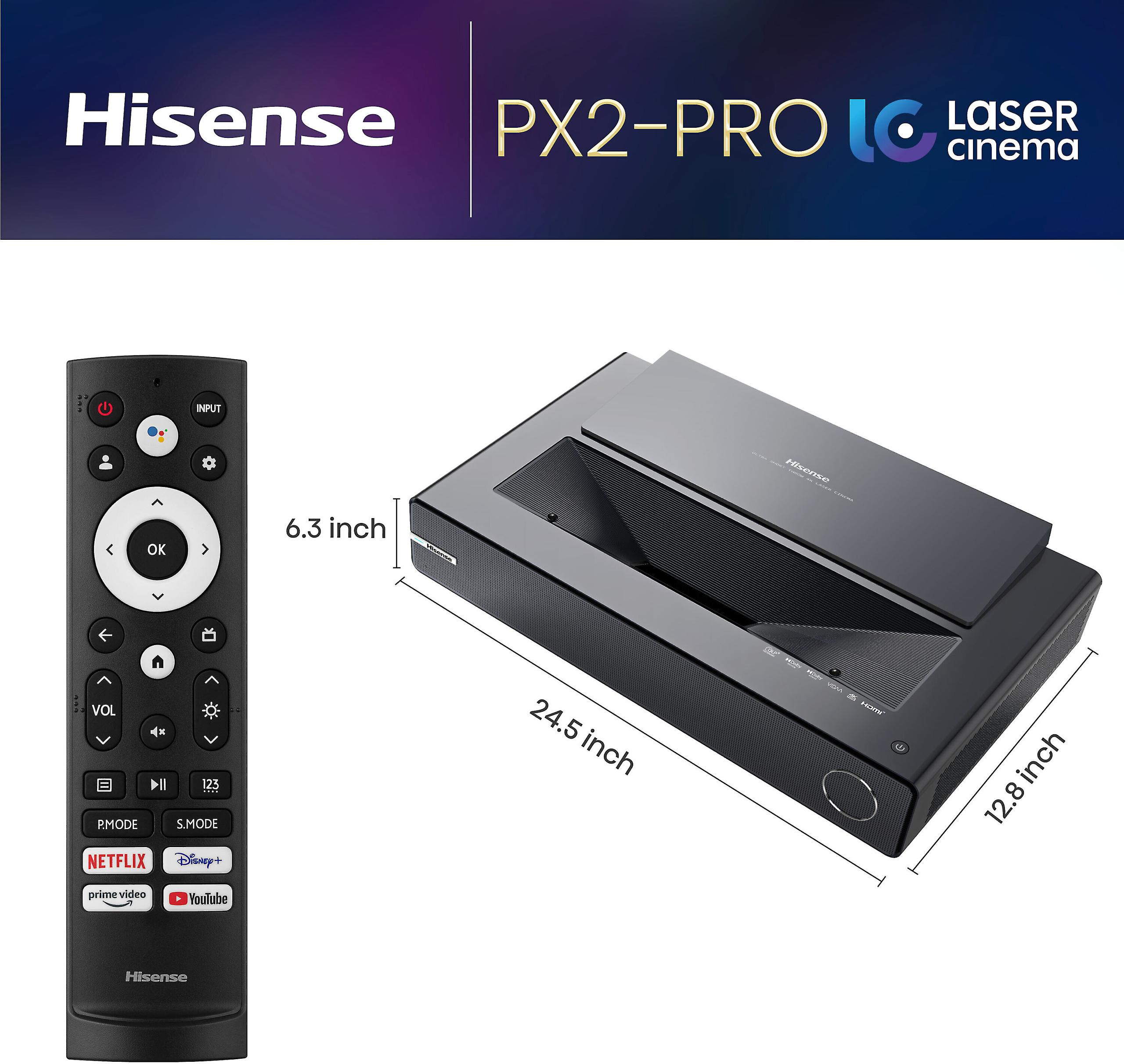

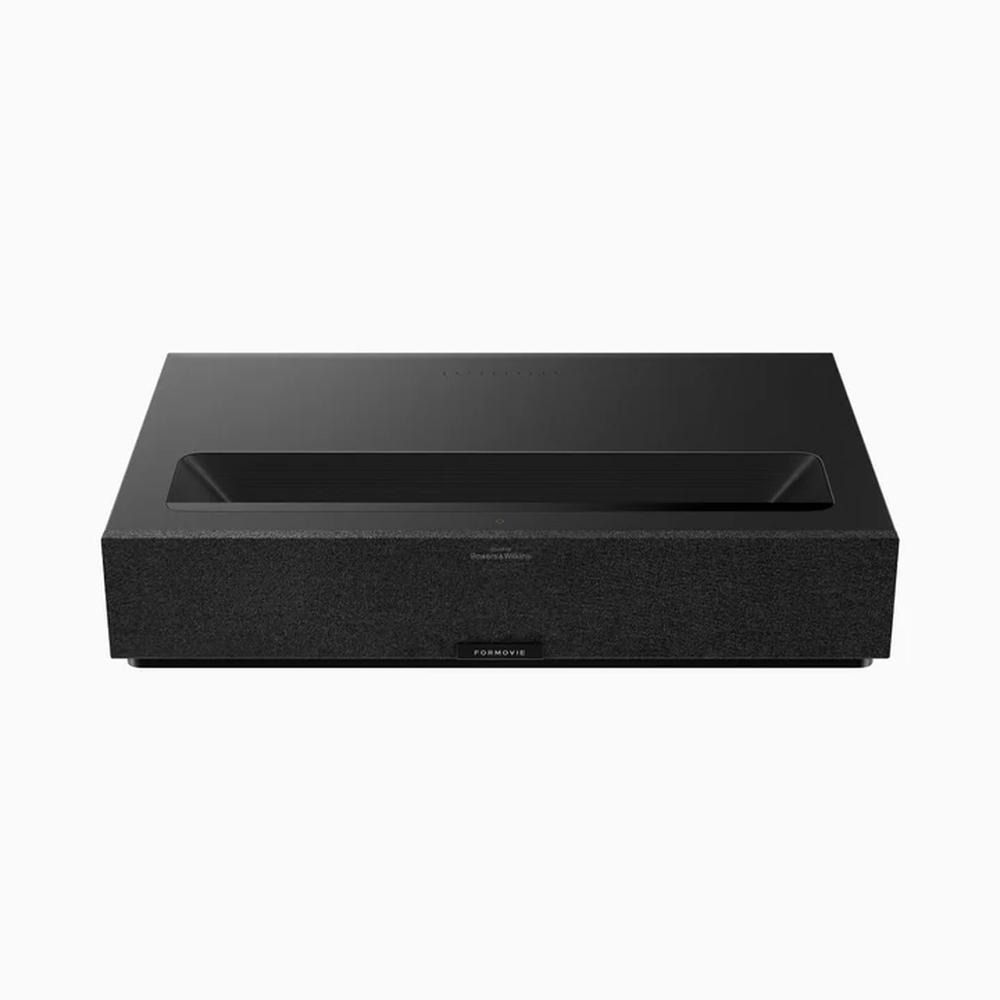

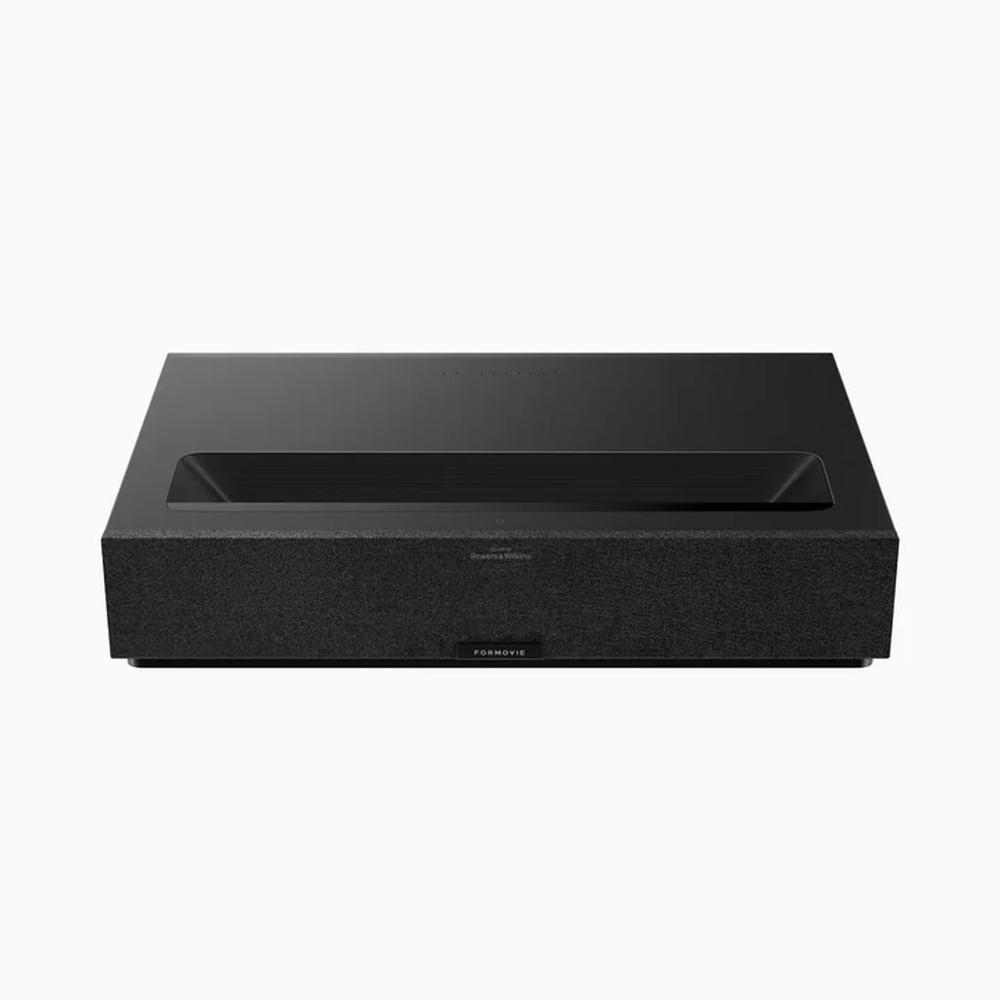
In the world of home theater, few technologies have evolved as dramatically as ultra short throw (UST) laser projectors. Today, we're comparing two leading options - the Hisense PX2-PRO ($2,997) and the Formovie Theater Premium ($2,799), both representing the cutting edge of what's possible in home projection.
Before diving into specifics, let's understand what makes UST projectors special. Unlike traditional projectors that need significant distance from the screen, UST projectors sit just inches from your wall, creating massive images from a furniture-friendly position. They use advanced laser light sources instead of traditional bulbs, offering better color, longer life, and instant on/off capability.
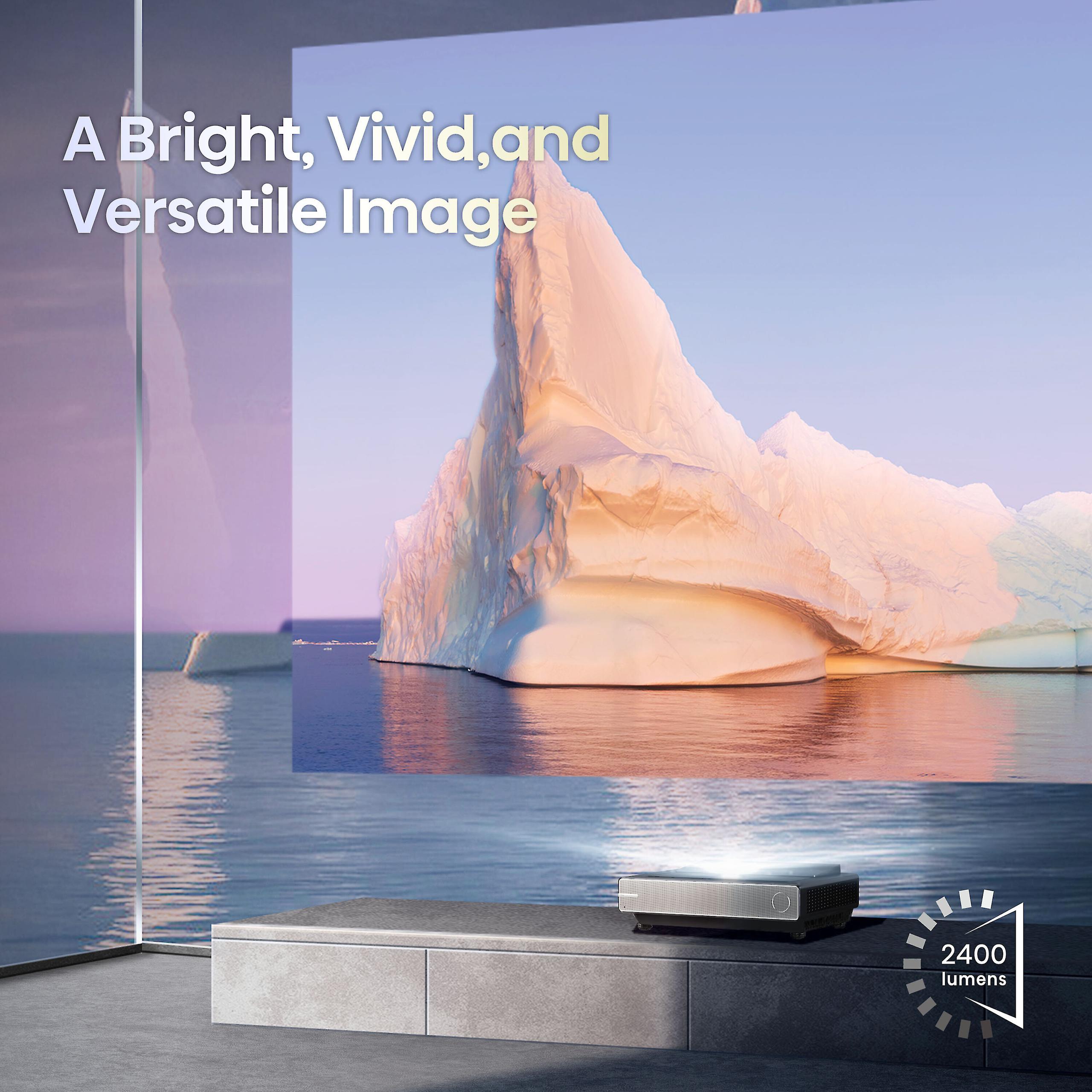
The Hisense PX2-PRO leads with 2400 ANSI lumens compared to the Formovie's 2200 ISO lumens. While these measurements use different standards, real-world testing suggests the PX2-PRO has a noticeable advantage in rooms with ambient light. This matters because many people use these projectors as TV replacements in living rooms rather than dedicated theater spaces.
In practice, both projectors are bright enough for most scenarios, but the PX2-PRO's extra punch helps maintain image quality when you can't control all the light in your room. Think weekend sports viewing or casual daytime TV watching.
Both projectors utilize triple-laser technology, but implement it differently:
While both achieve impressive 107% BT.2020 color coverage (significantly wider than typical TVs), the Formovie is widely praised for better out-of-box color accuracy. The PX2-PRO often requires professional calibration to reach its full potential.
Contrast is where things get interesting. The Formovie boasts superior native contrast, creating deeper blacks and better shadow detail without relying on dynamic adjustments. The PX2-PRO compensates with advanced dynamic contrast, but purists might prefer the Formovie's more natural approach.
For gamers, input lag (the delay between pressing a button and seeing the result) is crucial. The PX2-PRO's 30-35ms at 4K/60Hz beats the Formovie's 43ms, making it the better choice for gaming. While neither matches the sub-20ms performance of gaming TVs, the PX2-PRO's performance is acceptable for most gamers outside competitive play.
Both support modern gaming features:
The PX2-PRO's newer Google TV interface offers a more refined experience than the Formovie's Android TV 11.0. Key differences include:
Both systems support voice control and major streaming services, but Google TV's polish makes daily use more enjoyable.
UST projectors require careful placement for optimal image quality. The PX2-PRO's auto-geometric correction (which uses your smartphone to calibrate the image) is a significant advantage over the Formovie's manual adjustment system.
Installation considerations:
While both feature 30W speaker systems, the Formovie's Bowers & Wilkins speakers deliver noticeably better sound quality. However, for a proper home theater experience, external speakers or a soundbar are recommended for either projector.
The PX2-PRO, released in 2023, builds on the PX1-PRO with:
The Formovie Theater Premium (late 2022) improved upon previous models with:
At $2,997, the Hisense PX2-PRO costs $200 more than the Formovie Theater Premium ($2,799). This price difference is relatively minor considering the total investment, including a proper screen ($500-1500) and potential audio upgrades.
Choose the PX2-PRO if:
Choose the Formovie Theater Premium if:
Both projectors represent excellent value in the UST category, offering massive, high-quality images that rival or exceed similarly priced TVs. The PX2-PRO's brightness and gaming performance make it more versatile for mixed-use spaces, while the Formovie's superior contrast and color accuracy might appeal more to dedicated movie enthusiasts.
For most users, the decision will come down to room conditions and primary use case rather than absolute performance differences. Either way, both represent impressive achievements in home theater technology and offer compelling alternatives to traditional large-format TVs.
| Hisense PX2-PRO | Formovie Theater Premium |
|---|---|
| Price - Total Investment Consideration | |
| $2,997 | $2,799 |
| Brightness - Critical for rooms with ambient light | |
| 2400 ANSI lumens (better for bright rooms) | 2200 ISO lumens (needs more light control) |
| Contrast Ratio - Impacts black levels and image depth | |
| 2,000,000:1 dynamic (artificially enhanced) | 3000:1 native (better true contrast) |
| Color Gamut - Determines color range and vibrancy | |
| 107% BT.2020 (TriChroma laser technology) | 107% BT.2020 (ALPD 4.0 RGB+ technology) |
| Gaming Performance - Important for responsive gameplay | |
| 30-35ms input lag at 4K/60Hz (better for gaming) | 43ms input lag at 4K/60Hz (adequate for casual gaming) |
| Screen Size Range - Installation flexibility | |
| 90"-130" (more limited range) | 80"-150" (more flexible sizing options) |
| Throw Ratio - Determines placement distance | |
| 0.25:1 (needs slightly more space) | 0.21:1 (can sit closer to wall) |
| Smart Platform - Affects content access and usability | |
| Google TV (newer, more refined interface) | Android TV 11.0 (older but stable) |
| Audio System - Built-in sound quality | |
| 30W Dolby Atmos (basic built-in audio) | 30W Bowers & Wilkins (superior speaker quality) |
| HDR Support - Enhances dynamic range | |
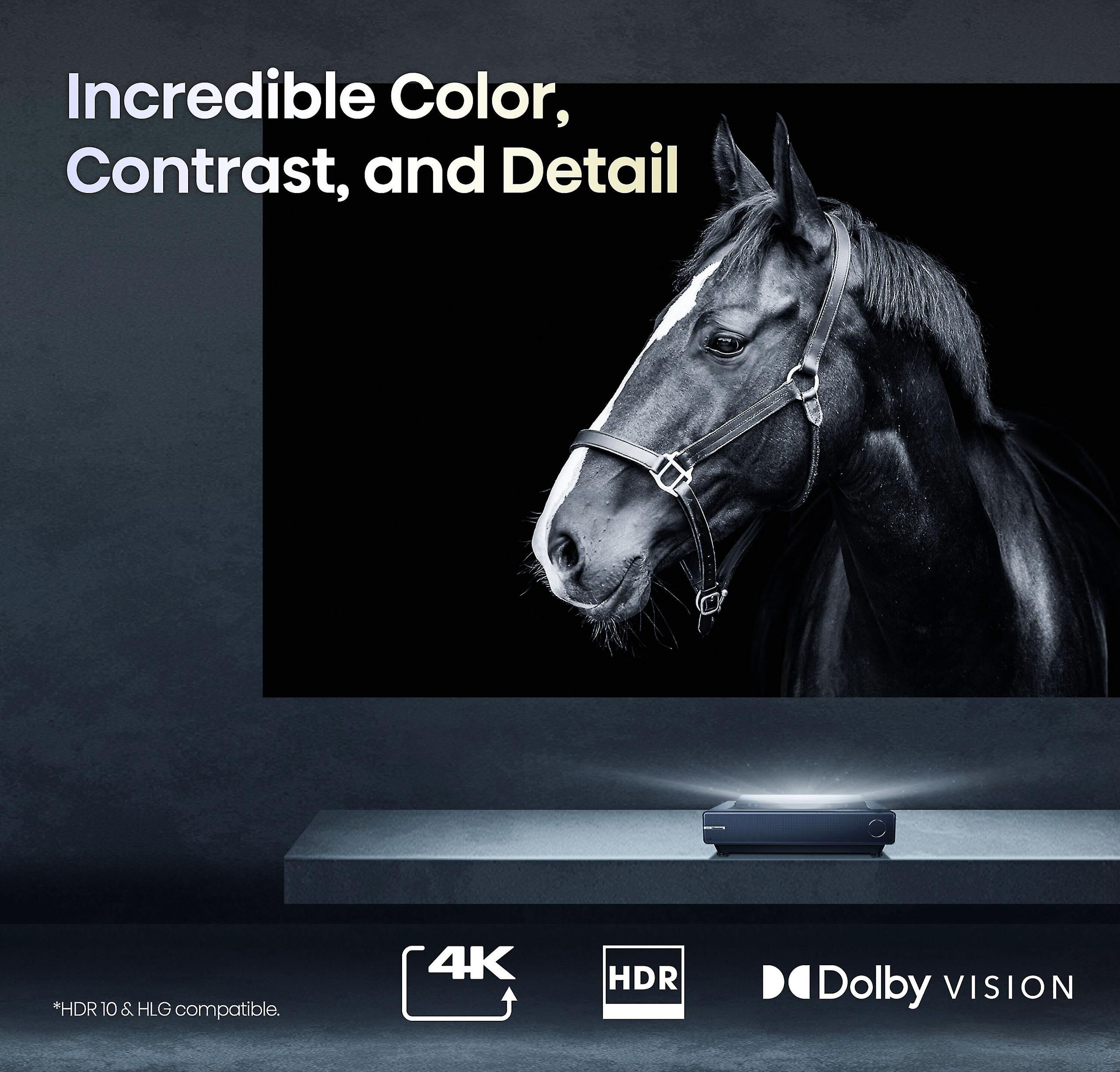
| HDR10, Dolby Vision, HLG | HDR10, HDR10+, Dolby Vision |
| Setup Features - Ease of installation | |
| Auto geometric correction, smartphone calibration | Manual adjustment only |
| Laser Life - Long-term durability | |
| 25,000 hours | 30,000 hours |
The Hisense PX2-PRO is notably better for gaming with a 30-35ms input lag compared to the Formovie Theater Premium's 43ms at 4K/60Hz. While neither matches gaming TV performance, the PX2-PRO provides a more responsive experience.
The Hisense PX2-PRO offers 2400 ANSI lumens compared to the Formovie's 2200 ISO lumens, making it better suited for rooms with ambient light or daytime viewing.
The Formovie Theater Premium has superior native contrast at 3000:1, providing better black levels and shadow detail than the PX2-PRO's dynamic contrast system.
Yes, both support major streaming services, but the Hisense PX2-PRO has an advantage with its newer Google TV interface, offering better app support and a more refined user experience.
The Hisense PX2-PRO offers easier setup with automatic geometric correction and smartphone-based calibration, while the Formovie requires manual adjustment.
While both have 30W systems, the Formovie Theater Premium features superior Bowers & Wilkins speakers that provide noticeably better audio quality.
The Formovie Theater Premium supports larger screens up to 150 inches, while the PX2-PRO maxes out at 130 inches.
At $2,799, the Formovie Theater Premium is $200 less than the $2,997 Hisense PX2-PRO. The better choice depends on your priorities - gaming and brightness (PX2-PRO) versus contrast and audio (Formovie).
Yes, both projectors offer true 4K (3840x2160) resolution and support HDR formats including Dolby Vision.
The Formovie Theater Premium edges out for movie watching with better contrast and out-of-box color accuracy, though both offer excellent cinema-quality experiences.
The Formovie Theater Premium offers 30,000 hours of laser life, while the PX2-PRO provides 25,000 hours - both providing many years of typical use.
Yes, both the Hisense PX2-PRO and Formovie Theater Premium work best with ALR (Ambient Light Rejecting) screens specifically designed for ultra short throw projectors.
We've done our best to create useful and informative comparisons to help you decide what product to buy. Our research uses advanced automated methods to create this comparison and perfection is not possible - please contact us for corrections or questions. These are the sites we've researched in the creation of this article: bestbuy.com - walmart.com - hisense-usa.com - techradar.com - youtube.com - shop.hisense-usa.com - shop.hisense-usa.com - electronicexpress.com - projectorreviews.com - projectorscreenstore.com - crutchfield.com - walmart.com - avsforum.com - techradar.com - projectorscreen.com - avsforum.com - rtings.com - nothingprojector.com - formovie.com - bmcav.com.au - projectorcentral.com - digitalcinema.com.au - projectorreviews.com - techpowerup.com - nothingprojector.com

Privacy Policy
Terms and Conditions - Affiliate Policy
Home Security
© Copyright 2008-2026.
11816 Inwood Rd #1211, Dallas, TX 75244