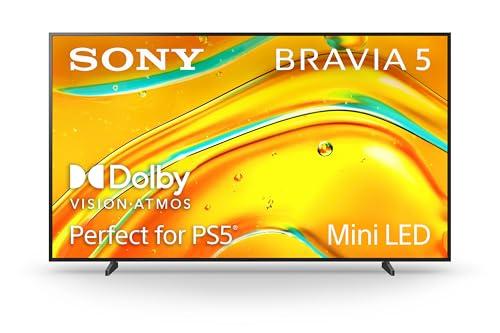
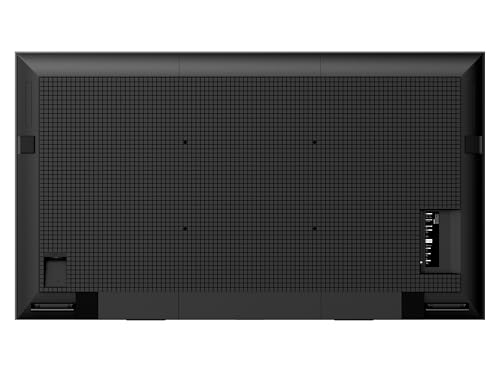
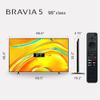
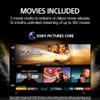
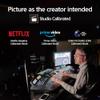
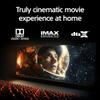
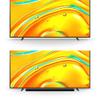
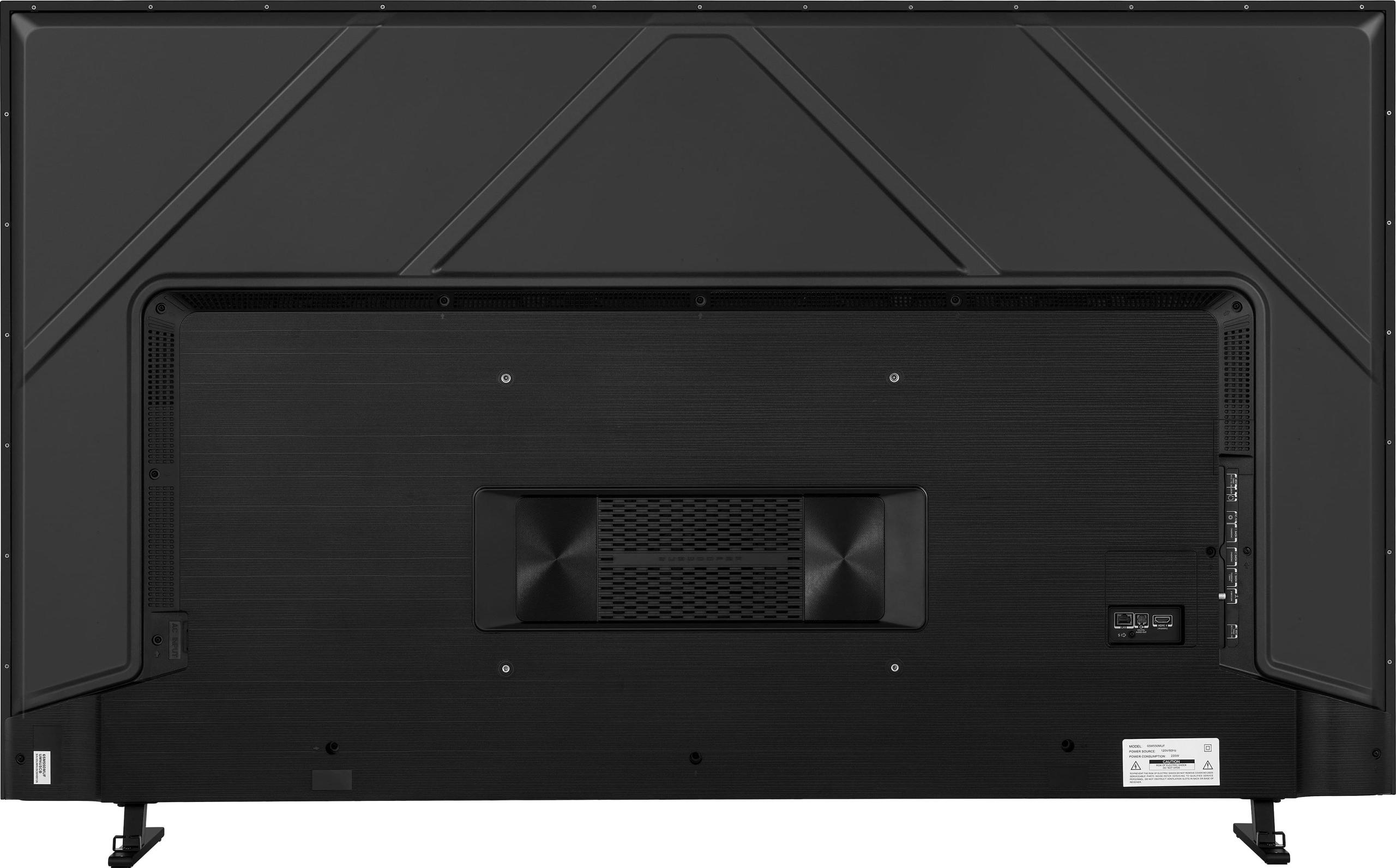
Sony BRAVIA 5 98" Mini LED 4K Google TV 2025

We may earn from purchases via affiliate links

Original price was: $4,998.00.Current price is: $4,498.00.

Product Description

Sony BRAVIA 5 98" Mini LED 4K Google TV 2025: A Comprehensive Overview

When Sony released the BRAVIA 5 98" Mini LED 4K Google TV earlier this year, they made a bold statement about bringing flagship-level picture technology to a broader audience. This massive display represents a significant evolution from Sony's previous X90L series, introducing Mini LED backlighting—a technology that uses thousands of tiny LEDs for precise lighting control—to their mid-tier lineup for the first time.

The Mini LED Revolution: What Makes This Different

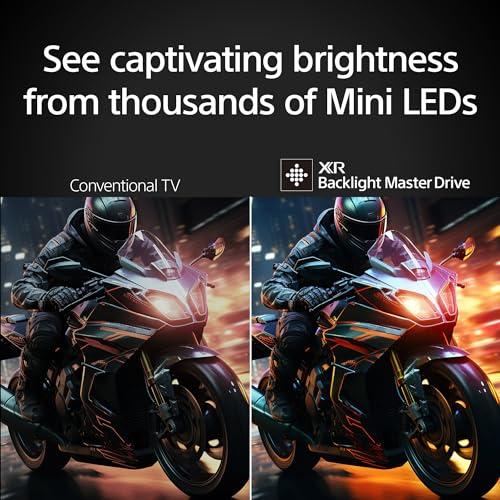
The biggest upgrade in the BRAVIA 5 is its Mini LED backlight system, which Sony calls XR Backlight Master Drive. Think of traditional LED TVs as having large zones of lighting behind the screen—maybe 100 or so areas that can brighten or dim. Mini LED technology cranks this up dramatically, using thousands of incredibly small LEDs that can be controlled independently.

What this means in practice is remarkable. Our testers consistently noted how the TV produces blacks that rival OLED displays while maintaining much brighter highlights. When you're watching a movie with a night scene, like a campfire against a dark forest, the Mini LEDs around the fire can shine brightly while the LEDs behind the dark trees stay completely off. This creates what's called local dimming—the ability to have bright and dark areas right next to each other without the light bleeding between them.

The improvement over Sony's previous generation is substantial. The X90L series, while good, had noticeable blooming (unwanted light spill around bright objects on dark backgrounds) and couldn't achieve the deep blacks that make HDR content really pop. Reviewers who tested both models side-by-side found the difference immediately apparent, with the BRAVIA 5 delivering contrast that's roughly six times better than its predecessor.

Smart Processing: The XR Processor Advantage

At the heart of this TV sits Sony's XR Processor, which represents a fundamentally different approach to picture processing. Instead of analyzing each pixel individually like traditional processors, the XR chip uses artificial intelligence to identify where human eyes naturally focus in a scene—usually faces, bright objects, or movement—and then optimizes those areas specifically.

This cognitive processing approach yields real-world benefits that testers noticed immediately. When watching older content or lower-quality streams, the processor works overtime to clean up compression artifacts (those blocky distortions you sometimes see in digital video) and enhance detail without making the image look artificially sharpened. One reviewer described watching YouTube videos that looked "surprisingly cinematic" despite their compressed source material.

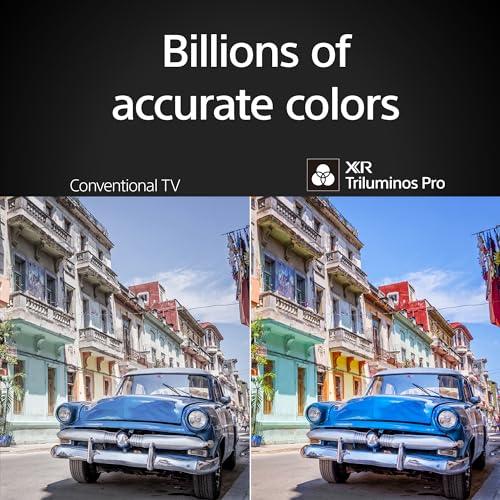
The color processing, called XR Triluminos Pro, expands the range of colors the TV can display by using specialized blue and green LEDs alongside traditional red ones. This wider color gamut means skin tones look more natural, and landscapes appear more vivid without the oversaturated "candy-colored" look that some TVs produce.

Home Theater Performance: Size Matters

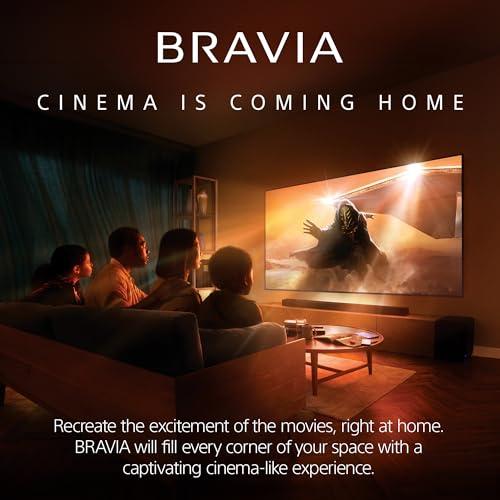
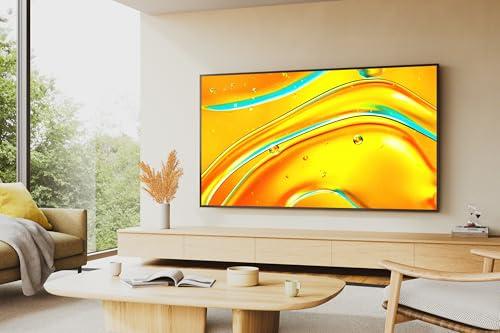
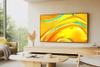
The 98-inch screen size immediately transforms any room into a home theater environment. To put this in perspective, you're looking at a display that's nearly as wide as a king-size bed is long. Our testers found that the optimal viewing distance falls between 8 and 12 feet, making this ideal for large living rooms or dedicated media spaces.

The HDR (High Dynamic Range) performance particularly shines in home theater settings. HDR content contains a wider range of brightness levels than standard video, from deep shadows to brilliant highlights, and the Mini LED backlight handles these extremes beautifully. When watching movies like "Dune" or "Blade Runner 2049," testers noted how details in both dark corridors and bright desert scenes remained clearly visible simultaneously.

However, the VA panel technology (a type of LCD screen that prioritizes contrast over viewing angles) means this TV works best when viewers are seated relatively centrally. Those sitting far to the sides may notice some color shifting and contrast reduction. For dedicated home theaters with stadium-style seating, this isn't typically an issue, but it's worth considering for wide family room arrangements.

Gaming Capabilities: Next-Gen Ready

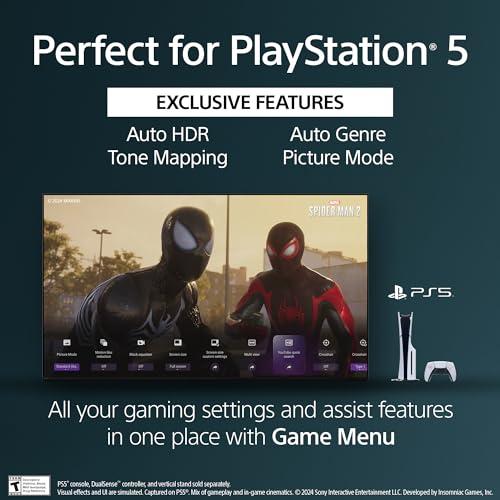
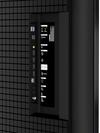
The BRAVIA 5 includes two HDMI 2.1 ports that support 4K resolution at 120Hz refresh rates—essential for getting the most out of PlayStation 5 and Xbox Series X consoles. These ports also support Variable Refresh Rate (VRR), which synchronizes the TV's refresh with the game console's frame output to eliminate screen tearing (visual artifacts that occur when the display and game get out of sync).

Auto Low Latency Mode (ALLM) automatically switches the TV into its fastest response mode when it detects game console input, reducing input lag—the delay between pressing a button and seeing the action on screen. Testers measured input lag at impressively low levels in game mode, making fast-paced games feel responsive and immediate.

The massive screen size creates an incredibly immersive gaming experience. Playing racing games or open-world adventures feels almost like being inside the game world. However, some reviewers noted that the pixel response time (how quickly individual pixels can change color) isn't quite as fast as some gaming-focused displays, which can create slight motion blur during very fast action sequences.

Google TV: Smart Features Done Right

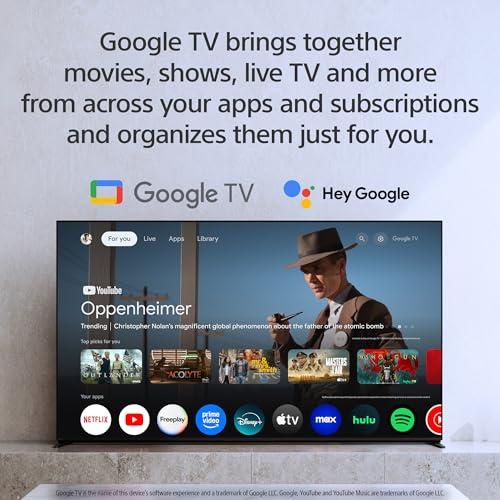
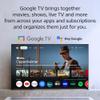
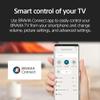
Sony has paired this impressive hardware with Google TV, which represents a significant evolution of the Android TV platform. The interface organizes content from multiple streaming services into a unified recommendation system, learning your viewing habits to surface relevant shows and movies.

Voice control through Google Assistant works remarkably well for finding content, adjusting settings, and controlling smart home devices. Testers found themselves naturally using voice commands to search for specific actors or genres rather than typing with the remote. The platform supports virtually every major streaming service, from Netflix and Disney+ to more niche offerings.

The remote control deserves mention for being made from approximately 80% recycled plastic—a small but meaningful step toward sustainability. While some reviewers wished for USB-C charging instead of traditional batteries, the remote feels solid and includes dedicated buttons for major streaming services.

Audio Performance: Beyond Expectations

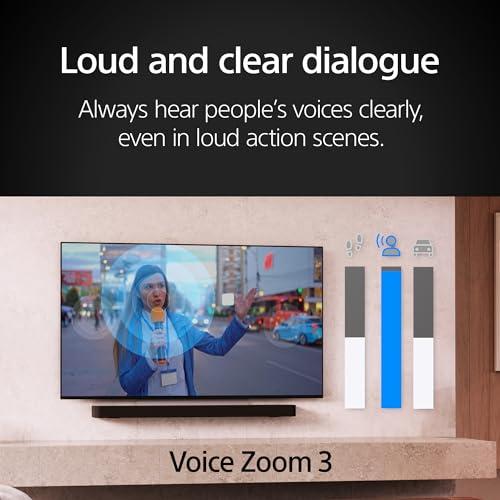
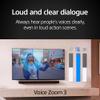
The built-in speaker system surprised many testers with its capability. Sony's Acoustic Multi-Audio technology creates a more immersive soundstage than typical TV speakers, while Voice Zoom 3 uses AI processing to enhance dialogue clarity during complex audio scenes—particularly useful during action movies where explosions might otherwise overwhelm conversation.

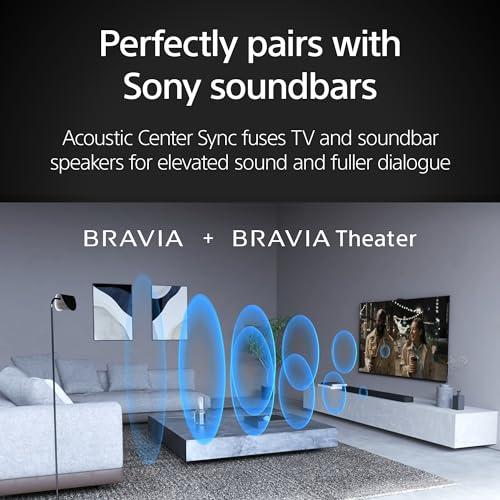
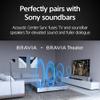
The Acoustic Center Sync feature allows the TV to function as the center channel speaker when paired with compatible Sony soundbars. This creates a more cohesive home theater audio experience, with dialogue appearing to come directly from the screen rather than from a separate speaker below it.

Real-World Considerations

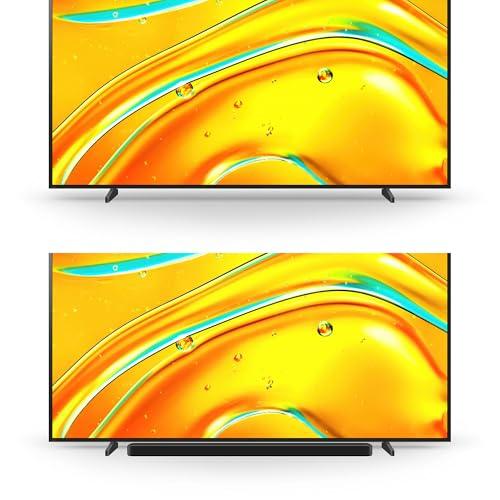
The massive 98-inch size brings practical considerations. The TV weighs over 150 pounds and requires careful planning for installation, whether wall-mounted or placed on furniture. The included stand can be configured in two ways—low-profile for clean aesthetics or raised to accommodate a soundbar underneath.

Room lighting becomes more critical with such a large display. While the Mini LED backlight provides excellent brightness for overcoming ambient light, direct sunlight or bright lamps reflecting off the screen can still impact viewing quality. Testers found that controlling room lighting significantly enhanced the viewing experience.

Energy consumption is reasonable considering the size, with Sony's Eco Dashboard helping users optimize power settings. The TV can automatically adjust brightness based on room conditions and includes various energy-saving modes that don't significantly impact picture quality.

The Competition Landscape

Compared to other Mini LED displays in this size range, the BRAVIA 5 distinguishes itself through superior processing and upscaling capabilities. While some competitors might achieve higher peak brightness numbers, Sony's approach prioritizes natural, accurate image reproduction over raw specifications.

The Google TV platform also provides advantages over some proprietary smart TV systems, offering faster performance, regular updates, and broader app compatibility. Testers consistently praised the platform's responsiveness compared to slower smart TV interfaces on other brands.

Final Assessment

The Sony BRAVIA 5 98" Mini LED 4K Google TV represents a compelling option for anyone seeking a true home theater experience without venturing into the highest price tiers. The combination of Mini LED technology, sophisticated processing, and Google TV creates a package that delivers on both picture quality and user experience.

While it may not achieve the absolute peak performance of Sony's flagship models, the differences are often subtle enough that most viewers would be hard-pressed to notice them in real-world usage. For large living rooms or dedicated home theaters, this display offers the kind of immersive experience that transforms how you watch content, making everything from streaming shows to gaming feel more engaging and cinematic.

The size alone makes this TV a statement piece, but it's the underlying technology that ensures this statement is backed up by genuine performance that will remain impressive for years to come.

Sony BRAVIA 5 98" Mini LED 4K Google TV 2025 Deals and Prices

What is the Sony BRAVIA 5 98" Mini LED 4K Google TV 2025?

The Sony BRAVIA 5 98" Mini LED 4K Google TV 2025 is a massive home theater display that uses thousands of Mini LEDs for precise lighting control and deep contrast. It features Sony's XR Processor for AI-enhanced picture quality, Google TV smart platform, and gaming features like 4K@120Hz support. This model sits in Sony's mid-tier lineup but delivers flagship-level Mini LED technology.

How big is the Sony BRAVIA 5 98" screen for home theater use?

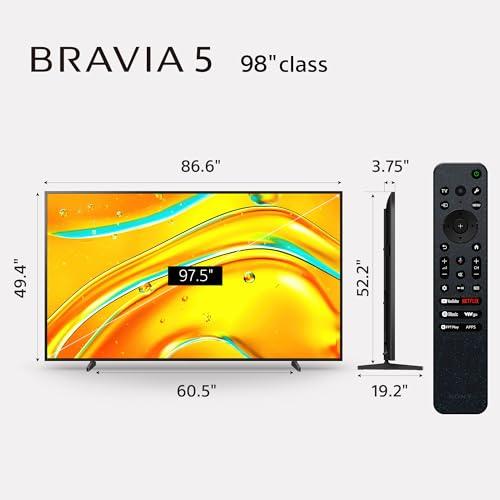
The BRAVIA 5 measures 97.5 inches diagonally with a width of 86.63 inches—nearly as wide as a king-size bed is long. For home theater viewing, the optimal seating distance is 8-12 feet, making it ideal for large living rooms or dedicated media rooms. The massive size creates an immersive cinematic experience that transforms any space into a home theater.

What is Mini LED technology and why does it matter?

Mini LED technology in the Sony BRAVIA 5 uses thousands of tiny LEDs instead of traditional larger LED zones for backlighting. This allows for precise local dimming, creating deep blacks alongside bright highlights in the same scene. The result is contrast that rivals OLED displays while maintaining superior peak brightness—perfect for HDR movies and varied lighting conditions in home theaters.

Does the Sony BRAVIA 5 98" work well for gaming?

Yes, the BRAVIA 5 includes excellent gaming features with two HDMI 2.1 ports supporting 4K at 120Hz, Variable Refresh Rate (VRR), Auto Low Latency Mode (ALLM), and G-SYNC compatibility. Input lag is impressively low in game mode, making it responsive for PlayStation 5, Xbox Series X, and PC gaming. The 98-inch screen creates an incredibly immersive gaming experience.

What smart TV features does the Sony BRAVIA 5 include?

The Sony BRAVIA 5 runs Google TV OS version 12, providing access to all major streaming services with personalized recommendations. It includes built-in Google Assistant for voice control, supports AirPlay and Bluetooth connectivity, and offers regular software updates. The interface is fast and responsive, with easy navigation across multiple streaming platforms.

How is the picture quality on the Sony BRAVIA 5 98"?

Picture quality on the BRAVIA 5 is exceptional thanks to Mini LED backlighting and Sony's XR Processor. It delivers deep blacks, vibrant colors through XR Triluminos Pro technology, and excellent upscaling of lower-resolution content. HDR performance with Dolby Vision support creates stunning contrast, though peak brightness isn't quite as high as Sony's flagship models.

What are the audio capabilities of the Sony BRAVIA 5?

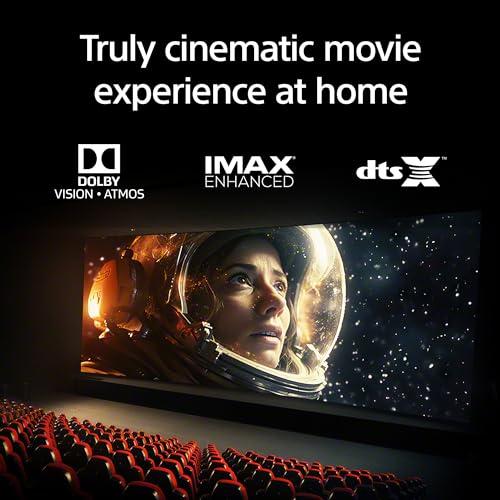
The Sony BRAVIA 5 features multi-directional speakers with Acoustic Multi-Audio technology and supports Dolby Atmos. Voice Zoom 3 uses AI to enhance dialogue clarity during complex scenes. The TV can also function as a center channel speaker when paired with compatible Sony soundbars through Acoustic Center Sync, creating a more cohesive home theater audio experience.

How much space do I need for the Sony BRAVIA 5 98"?

The BRAVIA 5 requires significant space planning. The TV is 86.63 inches wide and weighs 152.1 pounds, requiring sturdy furniture or professional wall mounting. Optimal viewing distance is 8-12 feet, and room lighting control enhances the viewing experience. The two-way stand can be configured low-profile or raised to accommodate a soundbar.

What are the main limitations of the Sony BRAVIA 5 98"?

The Sony BRAVIA 5 has narrower viewing angles due to its VA panel technology, making it less ideal for wide seating arrangements. HDR peak brightness, while good, doesn't match the highest-end models. The massive size requires careful room planning and lighting control. Additionally, pixel response time for gaming isn't quite as fast as some gaming-focused displays.

Is Sony BRAVIA 5 98" Mini LED 4K Google TV 2025 Worth It?

The Sony BRAVIA 5 98" Mini LED 4K Google TV 2025 offers exceptional value for home theater enthusiasts seeking flagship-level picture quality at a more accessible price point. The Mini LED technology delivers impressive contrast, the 98-inch size creates true cinematic immersion, and gaming features are comprehensive. While it has some limitations in viewing angles and peak brightness, the overall package provides remarkable performance that justifies the investment for serious home theater setups.

Sources

We've done our best to create useful and informative comparisons to help you decide what product to buy. Our research has used advanced automated methods to create this comparison and perfection is not possible - please contact us for corrections or questions. These are the sites we've researched in the creation of this article: tomsguide.com - rtings.com - bestbuy.com - electronics.sony.com - youtube.com - tomsguide.com - youtube.com - avsforum.com - lueckeaudiovideo.com - pro.sony - bestbuy.com - sony.com - pioneertvandappliance.com - youtube.com - valueelectronics.com - heartlandappliance.com - schaeferstv.com

Specs
Specs Table
Sony BRAVIA 5 98" Mini LED 4K Google TV 2025
Mini LED Backlight - Delivers deep blacks and bright highlights simultaneously: Thousands of Mini LEDs with XR Backlight Master Drive
Screen Size: 98 inches (97.5" diagonal)
Resolution - Sharp detail at any viewing distance: 4K Ultra HD (3840 x 2160)
Processor - Enhanced upscaling and AI scene optimization: Cognitive Processor XR
Refresh Rate - Smooth motion for sports and gaming: 120Hz
HDR Support - Expanded brightness range for cinematic content: Dolby Vision, HDR10
Gaming Features - Next-gen console compatibility: 2x HDMI 2.1 ports, 4K@120Hz, VRR, ALLM, G-SYNC
Smart Platform - Intuitive interface with voice control: Google TV OS version 12
Local Dimming - Precise contrast control across the screen: Advanced local dimming with Mini LED zones
Color Technology - Wide color gamut for natural tones: XR Triluminos Pro
Audio Enhancement - Clear dialogue even during loud scenes: Voice Zoom 3, Acoustic Multi-Audio
Width: 86.63 inches
Height (without stand): 49.5 inches
Weight: 152.1 lbs
Power Consumption: 600W
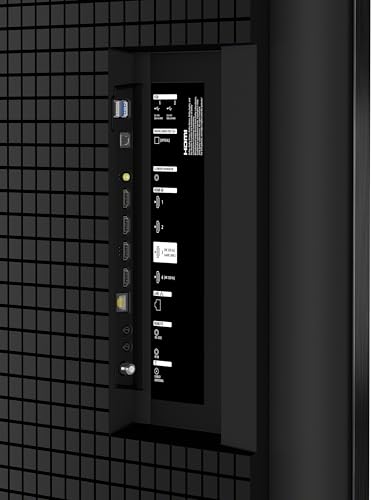
HDMI Ports: 4 total
Viewing Angle - Best picture quality when seated centrally: VA panel technology
Comparisons

Compared to TCL 115" QM7K Series QD-Mini LED 4K Smart TV 2025

The TCL 115" QM7K Series QD-Mini LED 4K Smart TV 2025 takes a dramatically different approach, prioritizing raw performance and maximum scale over Sony's refined processing. At 115 inches and $12,998, TCL's flagship delivers genuine advantages in key areas: peak brightness hits an impressive 3,000 nits compared to Sony's more moderate HDR output, making it significantly better for bright rooms and daytime viewing. The QD-Mini LED technology combines quantum dots with Mini LED backlighting to achieve wider color gamut coverage and more vibrant, saturated colors that can make HDR content genuinely pop. For gaming enthusiasts, the TCL's Game Accelerator 288 supports up to 288Hz variable refresh rates and includes AMD FreeSync Premium Pro, offering more comprehensive gaming features than Sony's G-SYNC-focused approach. The built-in Onkyo 4.2.2 audio system with Bang & Olufsen tuning is substantially more powerful than Sony's speakers, potentially eliminating the immediate need for a soundbar.
However, the TCL QM7K demands significant trade-offs that make it a more specialized choice. The 115-inch size requires 14-16 feet of viewing distance to work properly, limiting it to very large rooms or dedicated home theaters. At $113 per inch compared to Sony's $61 per inch, you're paying more than double for the additional screen real estate and cutting-edge display technology. While TCL's raw specifications are impressive, Sony's superior processing and upscaling often deliver more pleasing real-world performance with the compressed streaming content most people actually watch. The TCL makes sense for enthusiasts with large spaces who prioritize maximum brightness, gaming features, and screen size above all else, but the Sony BRAVIA 5 offers a more balanced package that works better in typical home environments while delivering exceptional value for premium large-screen performance.
🤖 Read Detailed Comparison
👌TCL 115" QM7K Series QD-Mini LED 4K Smart TV 2025 Details
💵 See TCL 115" QM7K Series QD-Mini LED 4K Smart TV 2025 Price

Compared to Samsung 100" Neo QLED QN80F 4K Smart TV 2025

The Samsung 100" Neo QLED QN80F takes a markedly different approach with its AI-driven optimization and superior bright-room performance. Samsung's standout advantage lies in its Glare-Free technology, which dramatically reduces reflections without the washed-out appearance of traditional anti-glare coatings—a game-changer for living rooms with large windows or overhead lighting. The larger 100-inch screen provides noticeably more immersive viewing, while the higher peak brightness delivers more impactful HDR highlights that truly pop during action sequences. For gamers, Samsung's four HDMI 2.1 ports supporting 4K at 144Hz, combined with FreeSync Premium Pro and the comprehensive Game Bar overlay, create a more versatile gaming hub that accommodates multiple consoles and PC gaming setups simultaneously.
In real-world usage, the Samsung excels in scenarios where the Sony shows its limitations. The NQ4 AI Gen2 processor with 20 neural networks continuously adapts to different content types and viewing conditions, making it particularly effective for households with varied viewing preferences and lighting situations. While the Samsung typically commands a $500-1,000 premium over the Sony, it justifies this cost through the larger screen size, superior bright-room performance, and more comprehensive feature set. However, this comes with trade-offs in color accuracy and natural image reproduction, where Samsung's more aggressive processing can sometimes oversaturate content compared to Sony's cinema-focused approach. The choice ultimately depends on whether you prioritize Sony's film-accurate presentation in controlled environments or Samsung's AI-enhanced versatility across all viewing conditions.
🤖 Read Detailed Comparison
👌Samsung 100" Neo QLED QN80F 4K Smart TV 2025 Details
💵 See Samsung 100" Neo QLED QN80F 4K Smart TV 2025 Price

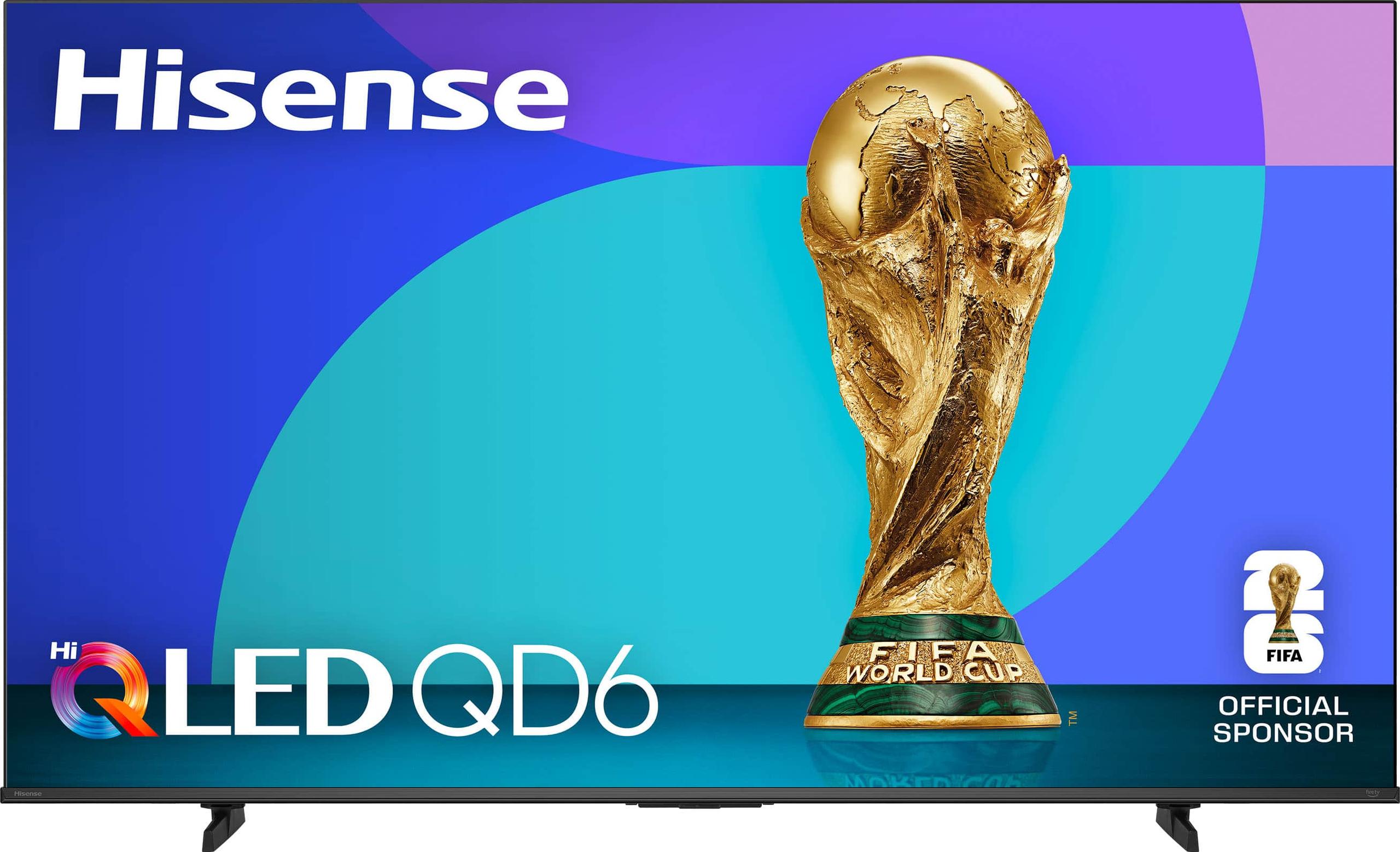
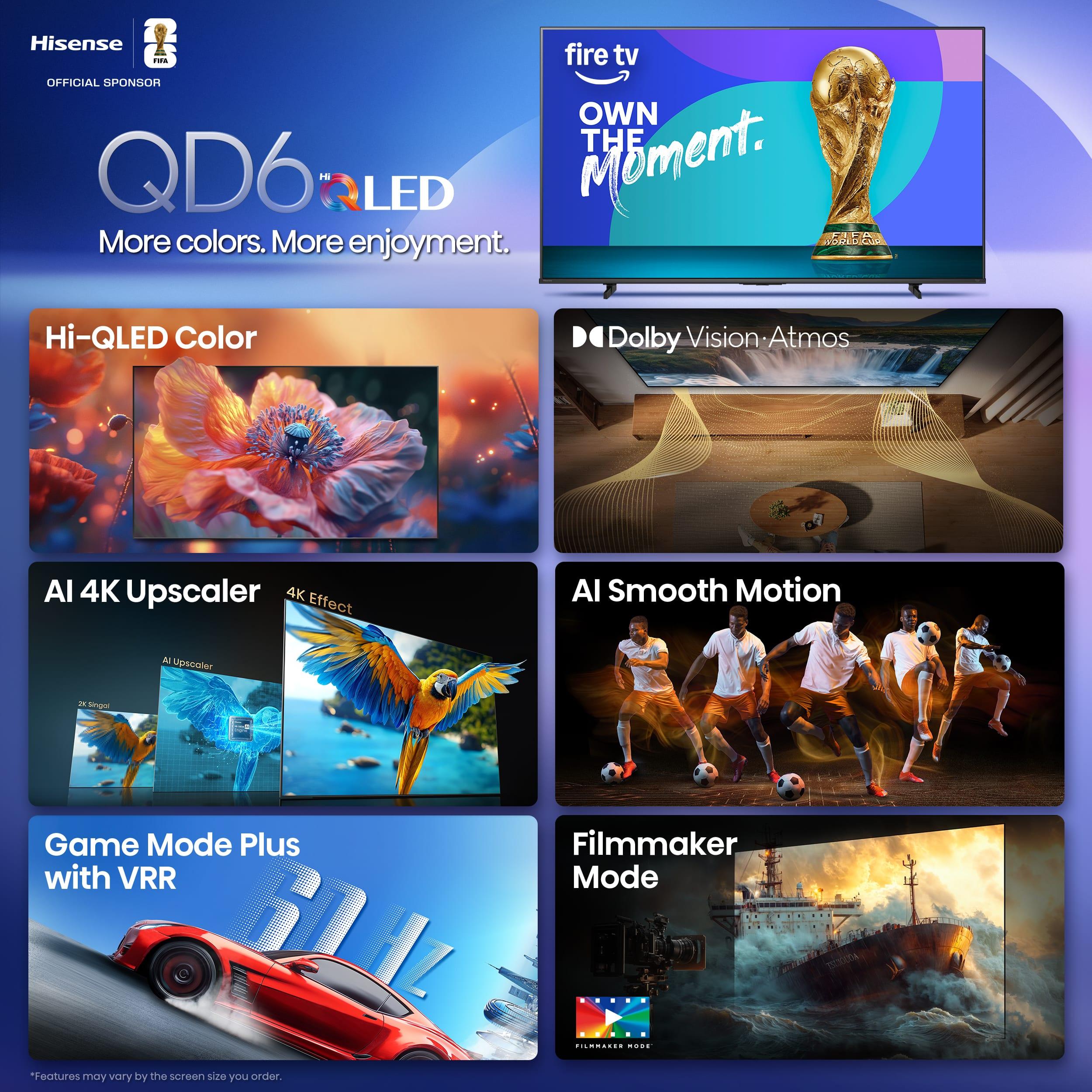
Compared to Hisense 100" QD6 Series QLED 4K UHD Fire TV 2025

The Hisense 100" QD6 Series QLED 4K UHD Fire TV 2025 presents a compelling alternative that prioritizes size and value over premium features. At $1,999, it delivers an impressive 100-inch QLED display with vibrant quantum dot colors that really pop, especially in brighter viewing environments. The extra two inches of screen real estate, while seemingly minor on paper, creates a noticeably more immersive experience that many viewers will prefer over the Sony's technical advantages. The QLED technology produces more saturated, eye-catching colors that work particularly well for sports, animated content, and nature documentaries, while the Fire TV platform provides solid smart functionality with good Alexa integration, even if it lacks the polish of Google TV.
However, the trade-offs become apparent in critical performance areas. The Hisense's standard local dimming can't match the Sony's Mini LED precision, resulting in more blooming around bright objects in dark scenes and less impressive contrast overall. Gaming capabilities are significantly limited with only HDMI 2.0 support, capping performance at 4K 60Hz and missing the advanced features that make the Sony ideal for PlayStation 5 and Xbox Series X owners. The processing engine, while adequate, struggles more with upscaling lower-resolution content and doesn't offer the sophisticated motion handling or color accuracy of Sony's XR Processor. For buyers prioritizing maximum screen size and vibrant visuals over technical precision, the Hisense represents exceptional value at roughly one-third the Sony's price, but serious home theater enthusiasts and gamers will find the Sony's premium features worth the significant cost difference.
🤖 Read Detailed Comparison
👌Hisense 100" QD6 Series QLED 4K UHD Fire TV 2025 Details
💵 See Hisense 100" QD6 Series QLED 4K UHD Fire TV 2025 Price

Compared to Hisense 100-Inch QD7 Series Mini-LED 4K Smart TV

The Hisense 100-Inch QD7 Series Mini-LED 4K Smart TV presents a compelling alternative that prioritizes screen size and value over premium processing refinement. At $2,199, it costs nearly three times less than the Sony while actually delivering 2 inches more screen real estate, crossing the psychologically significant 100-inch threshold. The QD7's QLED Quantum Dot technology produces incredibly vibrant, saturated colors that create immediate visual impact – the kind of "wow factor" that makes sports broadcasts and colorful content genuinely exciting to watch. For PC gamers, the 144Hz native refresh rate provides a distinct advantage over the Sony's 120Hz, while AMD FreeSync Premium Pro support ensures smooth variable refresh rate performance that console-focused features can't match. The Fire TV platform, while less sophisticated in content discovery than Google TV, integrates seamlessly with Amazon's ecosystem and provides reliable, snappy performance for streaming.
However, the trade-offs become apparent in daily use, particularly for home theater enthusiasts who've grown accustomed to premium processing. The Hisense QD7's local dimming implementation, while effective, lacks the precision of Sony's XR Backlight Master Drive, resulting in more noticeable blooming in high-contrast scenes and less refined black level control. The built-in audio system is adequate but basic compared to Sony's sophisticated Acoustic Multi-Audio setup, making external sound systems even more essential. Build quality, while perfectly functional, uses less premium materials and offers more limited viewing angles – a consideration that matters more at this massive screen size where multiple seating positions are common. For buyers seeking maximum screen impact per dollar or those new to giant-screen viewing, the Hisense represents exceptional value that makes the ultra-large format accessible. But for viewers who prioritize picture accuracy, advanced processing, and premium build quality, the Sony's higher price delivers measurable improvements that justify the investment for serious home theater applications.
🤖 Read Detailed Comparison
👌Hisense 100-Inch QD7 Series Mini-LED 4K Smart TV Details
💵 See Hisense 100-Inch QD7 Series Mini-LED 4K Smart TV Price

Compared to Samsung 98" Q80C 4K Smart QLED TV

The Samsung 98" Q80C 4K Smart QLED TV takes a notably different approach that delivers clear advantages in several key areas. Its Quantum HDR+ system produces significantly brighter HDR highlights that create more dramatic and impactful scenes, especially in bright rooms where the Sony's moderate brightness can feel underwhelming. Samsung's four HDMI 2.1 ports versus Sony's two make it far more practical for households with multiple gaming devices, and its 9.7ms input lag combined with support for both FreeSync and HDMI VRR creates a more responsive gaming experience with broader compatibility. The wide viewing angle technology maintains color accuracy and contrast much better from off-center positions, making it superior for family rooms where people sit in various locations rather than a single optimal viewing spot.
From a value perspective, the Samsung typically costs less while delivering more gaming connectivity and better real-world versatility. Its anti-glare treatment handles ambient light more gracefully, meaning you won't need to invest as heavily in room treatments or blackout curtains to get good performance. While the Samsung Q80C can't match the Sony's near-OLED black levels or cinema-accurate color reproduction, its brighter, more vibrant presentation often feels more engaging for casual viewing and mixed content. The faster, more stable Tizen smart platform also provides a more responsive daily experience, though at the cost of Google TV's superior content discovery features. For buyers prioritizing flexibility, gaming performance, and bright room capability over absolute picture accuracy, the Samsung represents a compelling alternative that delivers excellent performance at better value.
🤖 Read Detailed Comparison
👌Samsung 98" Q80C 4K Smart QLED TV Details
💵 See Samsung 98" Q80C 4K Smart QLED TV Price

Compared to Samsung 98" QN90D Series Neo QLED 4K Smart TV

The Samsung 98" QN90D Series Neo QLED 4K Smart TV takes a different approach with its quantum dot technology and superior brightness capabilities, reaching over 1,500 nits compared to the BRAVIA 5's 1,200 nits. This makes Samsung's offering significantly better for bright rooms and delivers more impactful HDR content with highlights that truly pop. The QN90D also excels in gaming versatility with four HDMI 2.1 ports versus Sony's two, allowing serious gamers to connect multiple consoles, a gaming PC, and audio equipment simultaneously without cable swapping. Samsung's Gaming Hub adds cloud gaming capabilities, while support for 144Hz PC gaming and FreeSync Premium Pro gives it a clear edge for PC gamers. The Tizen OS interface feels noticeably faster and more responsive than Google TV, and the Object Tracking Sound+ audio system provides more immersive spatial audio for action movies and games.
However, these advantages come at a steep $1,781 premium over the BRAVIA 5, and the Samsung makes some trade-offs that matter for movie enthusiasts. The quantum dot layer prevents the QN90D from achieving the same deep blacks as Sony's Mini LED implementation, and it lacks Dolby Vision support, relying instead on the less common HDR10+ format that isn't widely adopted by streaming services. While the Samsung QN90D delivers more vibrant, saturated colors that can look impressive, they're less accurate out of the box compared to Sony's natural color reproduction. For buyers prioritizing gaming features, bright-room performance, and premium build quality, the Samsung justifies its higher cost, but pure movie watchers and value-conscious buyers will find the BRAVIA 5 delivers superior cinema performance and broader streaming compatibility for significantly less money.
🤖 Read Detailed Comparison
👌Samsung 98" QN90D Series Neo QLED 4K Smart TV Details
💵 See Samsung 98" QN90D Series Neo QLED 4K Smart TV Price

Compared to Hisense 98" UX Series 4K Mini-LED ULED Google TV

The Hisense 98" UX Series stands out with exceptional raw specifications that translate to real-world viewing advantages. Its 5,000+ nits peak brightness significantly exceeds the Sony's more conservative approach, delivering HDR content with genuine punch—explosions look brilliantly bright, and sunlit scenes have the impact they're meant to convey. With over 10,000 Mini LED dimming zones compared to Sony's fewer zones, the Hisense achieves remarkably precise contrast control that rivals OLED-like blacks while maintaining superior brightness. The IPS-ADS panel technology solves a traditional LCD weakness by providing wide viewing angles without sacrificing contrast, making it ideal for large family rooms where viewers sit at various positions. At $4,999, it undercuts the Sony by $1,000 while delivering superior gaming performance with 144Hz refresh rates and comprehensive built-in audio through its CineStage X system.
However, the Hisense UX Series takes a different philosophical approach that may not suit every buyer. Where Sony emphasizes processing refinement and color accuracy, Hisense prioritizes maximum visual impact and specifications. This means colors might appear more vivid but potentially less natural than Sony's carefully calibrated approach. The newer brand also lacks Sony's decades of experience in professional display calibration and long-term software support track record. For buyers focused on getting maximum performance per dollar and those who prioritize dramatic HDR impact over subtle refinement, the Hisense represents exceptional value. But users seeking the most accurate, cinema-like picture quality and seamless PlayStation integration may find the Sony's premium justified despite its higher price and more modest specifications.
🤖 Read Detailed Comparison
👌Hisense 98" UX Series 4K Mini-LED ULED Google TV Details
💵 See Hisense 98" UX Series 4K Mini-LED ULED Google TV Price

Compared to Samsung 98" DU9000 Series Crystal UHD Smart TV

The Samsung 98" DU9000 Series Crystal UHD Smart TV stands out primarily for its exceptional value proposition, delivering that jaw-dropping 98-inch screen experience for just $898—about one-seventh the cost of the Sony BRAVIA 5. Samsung's Crystal UHD technology provides vibrant colors through PurColor enhancement and decent 4K upscaling via the Crystal Processor 4K, making it perfectly adequate for everyday viewing of streaming content, cable TV, and sports. The Tizen smart platform offers all major apps plus Samsung TV Plus free channels, while features like Object Tracking Sound Lite and Q-Symphony soundbar integration provide respectable audio performance. For families prioritizing screen size over cutting-edge technology, the DU9000 delivers genuine big-screen impact without breaking the bank.
However, the performance gap becomes apparent when comparing display technology and advanced features. The Samsung DU9000 uses traditional LED backlighting with limited local dimming, resulting in less dramatic contrast and noticeable blooming around bright objects compared to the Sony's Mini LED precision. HDR content lacks the same punch due to lower peak brightness (around 400 nits versus the Sony's 800 nits), and gaming enthusiasts will miss comprehensive HDMI 2.1 features like 4K@120Hz and VRR support. While the Samsung handles standard dynamic range content admirably and offers solid smart TV functionality, it represents a fundamentally different approach—maximizing screen size and basic functionality rather than pushing display technology boundaries. For buyers who primarily watch standard streaming content and want the most screen real estate for their dollar, the DU9000 provides excellent value, but those seeking premium picture quality, advanced gaming features, or home theater-grade performance will find the Sony's technological advantages worth the substantial price premium.
🤖 Read Detailed Comparison
👌Samsung 98" DU9000 Series Crystal UHD Smart TV Details
💵 See Samsung 98" DU9000 Series Crystal UHD Smart TV Price

Compared to LG 97" OLED evo G4 Series 4K UHD Smart TV

The LG 97" OLED evo G4 Series ($19,997) represents the pinnacle of display technology with its self-lit OLED pixels delivering perfect infinite blacks that the Sony simply cannot match. Where the BRAVIA 5's Mini LED backlighting might show slight blooming around bright objects on dark backgrounds, the LG achieves flawless contrast with each pixel able to turn completely off. The LG's Micro Lens Array technology boosts brightness by 150% over previous OLED generations, and while it still can't match the Sony's peak brightness in bright rooms, it's more than adequate for most viewing environments while maintaining those reference-quality blacks. For serious gamers, the LG dominates with 4K/144Hz support across all four HDMI ports and sub-0.1ms response times that make the Sony's gaming performance seem sluggish by comparison.
However, the LG's $19,997 price tag creates a value proposition that's difficult to justify for most buyers. You're paying nearly four times more than the Sony for what amounts to perfect blacks and superior gaming specs—improvements that many viewers won't fully appreciate unless they're in a dedicated dark theater room or are competitive gamers. The BRAVIA 5 delivers about 90% of the visual experience at 30% of the cost, making it the more practical choice for most living rooms where ambient light would diminish the LG's contrast advantages anyway. While the LG OLED G4 is undeniably the superior display from a technical standpoint, the Sony's combination of massive screen size, excellent brightness, and reasonable pricing makes it the smarter choice for buyers who want that premium giant-screen experience without the extreme premium pricing.
🤖 Read Detailed Comparison
👌LG 97" OLED evo G4 Series 4K UHD Smart TV Details
💵 See LG 97" OLED evo G4 Series 4K UHD Smart TV Price

Compared to LG 98" QNED 4K UHD Smart TV

The LG 98" QNED 4K UHD Smart TV stands out primarily for its exceptional value proposition, delivering a massive 98-inch viewing experience at $2,997 - exactly half the price of the Sony. LG's QNED technology combines Quantum Dot and NanoCell technologies to produce vibrant, accurate colors with wider viewing angles than typical VA panels, making it particularly well-suited for rooms with wide seating arrangements or sectional sofas. The TV also offers superior gaming connectivity with four HDMI 2.1 ports compared to Sony's two, allowing users to connect multiple gaming consoles and devices simultaneously without requiring an HDMI switch. Additionally, LG's webOS platform provides an intuitive user experience with the Magic Remote's point-and-click functionality, while the TV's potentially faster pixel response times may benefit competitive gamers who prioritize motion clarity over contrast precision.
However, the LG QNED makes notable compromises to achieve its aggressive pricing. Most significantly, it lacks Dolby Vision HDR support, limiting its ability to fully optimize content from Netflix, Disney+, and Apple TV+ that use this premium format. While the TV's Precision Dimming provides decent local dimming control, it can't match the thousands of individually controlled Mini LED zones in the Sony, resulting in less precise contrast and black levels that appear more gray than true black in dark room viewing. The peak brightness is similar to the Sony's moderate output, but without the Mini LED's ability to maintain deep blacks simultaneously with bright highlights. For buyers prioritizing maximum screen size within a budget and who don't require absolute picture quality perfection, the LG represents outstanding value - delivering roughly 80% of premium performance at 50% of the cost.
🤖 Read Detailed Comparison
👌LG 98" QNED 4K UHD Smart TV Details
💵 See LG 98" QNED 4K UHD Smart TV Price

Compared to TCL 115" QM8 Series 4K UHD Smart Google TV

The TCL 115" QM8 Series takes a dramatically different approach with its massive 115-inch screen and raw performance specifications that dwarf most competitors. With 20,000 local dimming zones and an incredible 5,000 nits of peak brightness, this display delivers HDR content with an impact that's genuinely cinematic—bright explosions and sunny outdoor scenes appear with a realism that smaller or dimmer displays simply cannot match. The Quantum Dot technology produces exceptionally wide color gamuts that make vivid content like nature documentaries and animated films pop off the screen, while the 144Hz refresh rate and AMD FreeSync Premium Pro support cater to serious PC gamers who demand maximum performance. The built-in Onkyo 6.2.2 speaker system with 120W of power and dedicated subwoofers also eliminates the immediate need for external audio in many setups.
However, the TCL QM8's $17,000-20,000 price point places it in an entirely different market segment, costing roughly three times more than the Sony while requiring a significantly larger room to properly accommodate the 115-inch screen. While the TCL excels in bright room environments and delivers maximum visual impact for HDR content, it lacks the sophisticated processing and natural color accuracy that Sony provides, often requiring more manual calibration to achieve optimal results. The smart TV platform also feels less refined, with occasional menu lag that contrasts with Sony's smoother user experience. For buyers seeking the ultimate in screen size and brightness who have both the budget and space to accommodate it, the TCL represents the current pinnacle of consumer display technology—but for most users, the Sony's combination of advanced processing, excellent picture quality, and more manageable size and price makes it the more practical choice for premium large-screen entertainment.
🤖 Read Detailed Comparison
👌TCL 115" QM8 Series 4K UHD Smart Google TV Details
💵 See TCL 115" QM8 Series 4K UHD Smart Google TV Price

Compared to TCL 98" Q6 Series 4K UHD QLED Smart TV

The TCL 98" Q6 Series 4K UHD QLED Smart TV stands out primarily for its exceptional value proposition, delivering a massive 98-inch viewing experience at just $1,624—nearly $4,400 less than the Sony. Its Quantum Dot technology produces vibrant, saturated colors that make sports broadcasts and animated content particularly engaging, while the adjustable stand system offers flexible placement options with either a 53.4-inch or 28.6-inch footprint. The TCL also provides better off-angle viewing than the Sony's VA panel, making it more suitable for wide seating arrangements in large family rooms. For gaming, it supports up to 144Hz Variable Refresh Rate with its Game Accelerator 120 feature, and while this is typically at 1440p rather than full 4K, it still delivers smooth gameplay for most users.
However, the trade-offs become apparent in critical performance areas. The TCL lacks the precise local dimming of the Sony's Mini LED system, resulting in less impressive black levels and more visible light bleeding during dark movie scenes. It also doesn't support Dolby Vision, which means you'll miss out on the enhanced HDR experience available on Netflix, Disney+, and other premium streaming services. The built-in 30W audio system is adequate but can't match the Sony's advanced audio processing or center channel capabilities. For buyers prioritizing maximum screen size within a tight budget, or those upgrading from much smaller displays where any 98-inch TV represents a dramatic improvement, the TCL offers compelling value. However, if you plan to use this TV as the centerpiece of a serious home theater setup or frequently watch premium HDR content, the Sony's superior contrast, processing power, and feature set justify the significant price premium.
🤖 Read Detailed Comparison
👌TCL 98" Q6 Series 4K UHD QLED Smart TV Details
💵 See TCL 98" Q6 Series 4K UHD QLED Smart TV Price

Compared to TCL 98" QM8 Series 4K UHD Smart Google TV

The TCL 98" QM8 Series presents a compelling alternative that outperforms the Sony BRAVIA 5 in several key areas while typically costing $2,000 less. Most notably, the TCL delivers dramatically superior HDR brightness – often nearly double the Sony's peak output – which translates to more impactful highlights in movies and games. This brightness advantage combines with exceptional reflection handling to make the QM8 significantly better suited for bright rooms or spaces with challenging ambient lighting. For gamers, the TCL is the clear winner with incredibly low input lag, excellent pixel response times that minimize motion blur, and VRR support extending up to 144Hz compared to Sony's 120Hz limit.
While the TCL can't match Sony's sophisticated picture processing or premium build quality, it delivers superior measurable performance in the areas that matter most for a 98-inch display. The QM8's outstanding contrast, brighter HDR presentation, and faster gaming response create a more visceral viewing experience, especially for action movies and gaming. The $2,000 price difference could fund a quality soundbar or other home theater upgrades, making the TCL QM8 a more compelling overall value proposition unless you specifically prioritize Sony's processing refinement or ecosystem integration over raw performance metrics.
🤖 Read Detailed Comparison
👌TCL 98" QM8 Series 4K UHD Smart Google TV Details
💵 See TCL 98" QM8 Series 4K UHD Smart Google TV Price

Compared to TCL 98" QM7 Series 4K UHD Smart TV

The TCL 98" QM7 Series stands out primarily for its exceptional peak brightness of 3,000 nits—nearly four times brighter than the BRAVIA 5—and its aggressive $2,199 pricing that undercuts Sony by almost $3,800. This dramatic brightness advantage makes the TCL significantly more versatile in bright living rooms where the Sony might struggle with washed-out colors and poor contrast. The QM7 also delivers superior gaming performance with 4K@144Hz support and 288Hz variable refresh rate capabilities, making it genuinely competitive for high-end PC gaming scenarios that the Sony's 120Hz limitation can't match. Additionally, the TCL's built-in Onkyo 4.2.2 audio system with 100 watts and eight speakers provides substantially more powerful sound than the Sony's speakers, potentially eliminating the need for a separate sound system.
However, the TCL achieves its lower price point through notable compromises in color accuracy and processing refinement that become apparent in direct comparison. While the Quantum Dot technology produces vibrant, punchy colors that look impressive at first glance, they lack the natural, cinema-accurate reproduction that makes the Sony superior for serious movie watching. The TCL's extreme brightness also requires careful calibration and larger viewing distances to avoid eye strain during extended viewing sessions. For buyers prioritizing maximum screen size impact and gaming performance on a budget, the QM7 represents exceptional value. But for those who can afford the premium and prioritize long-term color accuracy, processing quality, and the refined viewing experience that Sony's decades of display expertise provides, the BRAVIA 5 justifies its higher cost through superior picture science and build quality.
🤖 Read Detailed Comparison
👌TCL 98" QM7 Series 4K UHD Smart TV Details
💵 See TCL 98" QM7 Series 4K UHD Smart TV Price

Compared to Hisense 100" QD7 Series QLED 4K UHD Smart TV

The Hisense 100" QD7 Series QLED 4K UHD Smart TV presents a compelling alternative for buyers who prioritize screen size above all else. At $1,699, it delivers a genuinely massive 100-inch viewing experience - two inches larger than the Sony - at less than one-third the price. The QD7's Quantum Dot technology provides vibrant, saturated colors that look impressive for most content types, while its native 144Hz refresh rate actually exceeds what many premium TVs offer, making it particularly appealing for PC gaming enthusiasts who can take advantage of high frame rates. The TV handles standard 4K streaming content well, and that extra screen real estate creates an undeniably immersive experience that can overcome technical limitations through sheer visual impact.
However, the trade-offs become apparent when directly comparing performance. The Hisense QD7 lacks the sophisticated local dimming of Mini LED technology, resulting in grayer blacks and more noticeable blooming in high-contrast scenes. Its processing is more basic, without the AI-driven optimizations that make the Sony excel at upscaling lower-quality content and adapting to different viewing scenarios. Gaming features are adequate but not comprehensive - you get the high refresh rate but miss out on the PlayStation 5 optimizations and seamless HDMI 2.1 implementation. For buyers building a budget-conscious home theater or those who simply want the biggest possible screen for casual viewing, the QD7 represents exceptional value. The $4,299 price difference could fund a complete surround sound system, years of premium streaming subscriptions, or significant room improvements that might enhance the overall experience more than premium display technology alone.
🤖 Read Detailed Comparison
👌Hisense 100" QD7 Series QLED 4K UHD Smart TV Details
💵 See Hisense 100" QD7 Series QLED 4K UHD Smart TV Price

Compared to Hisense 110" UX Series 4K Mini-LED ULED TV

The Hisense 110" UX Series ($13,948) represents a significant step up in display technology, featuring over 40,000 local dimming zones compared to the BRAVIA 5's estimated 4,000-6,000 zones, and peak brightness reaching up to 10,000 nits versus Sony's more moderate levels. This translates to dramatically superior contrast control and HDR performance—when watching content like Dune or Blade Runner 2049, the Hisense can deliver those stunning bright highlights against inky blacks without the blooming artifacts that might appear on the Sony. The 110-inch screen size also provides about 26% more viewing area, creating a truly cinematic experience that fills your peripheral vision completely. For gaming enthusiasts, the 144Hz refresh rate and AMD FreeSync Premium Pro support make it particularly appealing for high-end PC gaming setups.
However, the Hisense 110" UX Series comes with significant trade-offs beyond its $8,000 higher price tag. The massive size and 238-pound weight create real installation challenges, often requiring window removal and reinforced mounting solutions that the BRAVIA 5 simply doesn't demand. While the Hisense excels in raw display performance, it lacks Sony's refined processing and color accuracy—you might notice oversaturated colors in certain content or less natural skin tones compared to the BRAVIA 5's more balanced approach. The size also demands a viewing distance of at least 13-14 feet to avoid overwhelming your field of view, making it impractical for many living rooms where the 98-inch Sony would be the perfect fit. Ultimately, the Hisense justifies its premium for buyers building dedicated home theaters who prioritize absolute display performance over value and practicality.
🤖 Read Detailed Comparison
👌Hisense 110" UX Series 4K Mini-LED ULED TV Details
💵 See Hisense 110" UX Series 4K Mini-LED ULED TV Price

Compared to LG 98" Class UT90 Series 4K UHD Smart TV 2024

The LG 98" Class UT90 Series 4K UHD Smart TV 2024 offers compelling value for buyers who prioritize screen size over premium features, typically selling for $2,000 less than the Sony while delivering the same massive 98-inch viewing experience. LG's webOS 24 platform provides a notably simpler, more intuitive interface that many families prefer, complete with LG Channels offering over 300 free streaming channels that don't require additional subscriptions. The TV's direct-lit LED backlighting performs admirably in bright rooms, making it well-suited for daytime viewing in living spaces with plenty of windows. For casual viewers who primarily watch during the day or don't require the absolute best picture quality, the UT90 delivers satisfactory performance with good color reproduction and adequate smart TV functionality.
However, the performance gap becomes evident in darker viewing conditions where the LG UT90's standard LED backlighting struggles to produce true blacks, resulting in the washed-out gray appearance common to budget LED TVs. The α8 processor, while competent, lacks the sophisticated upscaling capabilities that become crucial at 98 inches when watching compressed streaming content or older movies. Gaming enthusiasts will find the UT90 adequate but missing the comprehensive HDMI 2.1 implementation and automatic console optimization that serious gamers expect. Essentially, the LG represents the "good enough" approach – it delivers on the promise of massive screen real estate at an accessible price point, but makes meaningful compromises in contrast performance, processing power, and premium features that become more noticeable the longer you own the TV.
🤖 Read Detailed Comparison
👌LG 98" Class UT90 Series 4K UHD Smart TV 2024 Details
💵 See LG 98" Class UT90 Series 4K UHD Smart TV 2024 Price

Compared to Hisense 100" U7 Series Mini-LED TV (100U75Q, 2025)

The Hisense 100" U7 Series Mini-LED TV ($2,998) delivers remarkable value through sheer brightness and gaming performance that outpaces many more expensive competitors. Its 5,000-nit peak brightness creates HDR highlights that genuinely rival premium cinema projectors, while the anti-glare coating ensures excellent visibility even in bright living rooms with large windows. The 144Hz native refresh rate with FreeSync Premium Pro support makes it exceptionally compelling for PC gamers who want to take full advantage of high-end graphics cards, and the faster pixel response times reduce motion blur during fast-paced gaming or sports content. The Quantum Dot color technology produces vibrant, punchy visuals that immediately grab attention, and the 50W 2.1.2 audio system with dedicated height speakers provides surprisingly robust built-in sound that many users won't feel compelled to upgrade immediately.
From a value standpoint, the Hisense U7 Series represents an almost unprecedented combination of screen size and features at its $2,998 price point—delivering 2 additional inches of screen real estate while costing $3,000 less than the Sony. This makes it particularly attractive for buyers who prioritize maximum visual impact and gaming capabilities over the Sony's more refined processing approach. While the Hisense's color processing can appear oversaturated compared to Sony's cinema-accurate tuning, and its local dimming isn't quite as precise, these trade-offs become secondary considerations when you factor in the dramatic price difference and larger display size. For most buyers seeking a true home theater centerpiece without premium pricing, the Hisense offers compelling real-world benefits that are difficult to ignore, especially if you game frequently or watch content in variable lighting conditions.
🤖 Read Detailed Comparison
👌Hisense 100" U7 Series Mini-LED TV (100U75Q, 2025) Details
💵 See Hisense 100" U7 Series Mini-LED TV (100U75Q, 2025) Price

Compared to Hisense 100" Class U8 Series 4K Mini-LED QLED Google TV

The Hisense 100" Class U8 Series 4K Mini-LED QLED Google TV stands out with its exceptional brightness capabilities, reaching up to 5,000 nits compared to the BRAVIA 5's more moderate HDR performance. This translates to dramatically more impactful HDR content where bright highlights like explosions, sunlight, or metallic reflections genuinely pop off the screen. The Hisense also delivers superior gaming performance with its 144Hz native refresh rate (165Hz in Game Mode Ultra) and FreeSync Premium Pro support, making it particularly appealing for competitive PC gaming. Its built-in 50W 2.1.2 audio system with dedicated subwoofer provides significantly more powerful sound that better matches the massive screen size, while the Anti-glare Low Reflection Pro coating makes it more practical for bright living rooms where light control isn't perfect.
Perhaps most compelling is the Hisense U8's value proposition at $2,798—nearly half the BRAVIA 5's price while offering a larger 100-inch screen and those standout brightness and gaming specifications. The trade-offs include less natural color reproduction and processing that, while good, doesn't match Sony's cinema-accurate refinement. However, for viewers prioritizing maximum visual impact, screen size, and gaming performance over subtle color accuracy, the Hisense represents exceptional value. Its 2-year warranty also provides double Sony's coverage, adding practical peace of mind. While the BRAVIA 5 excels in color precision and long-term viewing comfort, the Hisense delivers more immediate "wow factor" and flagship features at a remarkably accessible price point.
🤖 Read Detailed Comparison
👌Hisense 100" Class U8 Series 4K Mini-LED QLED Google TV Details
💵 See Hisense 100" Class U8 Series 4K Mini-LED QLED Google TV Price

Compared to TCL 98-Inch QM6K QLED TV

The TCL 98-Inch QM6K QLED TV delivers exceptional value at $1,999 while offering some impressive technical advantages that directly benefit everyday use. Its standout feature is the massive 3,000-nit peak brightness capability – nearly four times brighter than the BRAVIA 5 – which makes it significantly more versatile in bright living rooms where controlling ambient light isn't always possible. This extreme brightness ensures HDR highlights genuinely pop with impressive intensity, creating that "wow factor" that makes visitors stop and stare. The quantum dot color technology produces vibrant, saturated colors covering 93% of the DCI-P3 color space, delivering the kind of punchy, eye-catching visuals that work beautifully for gaming, sports, and modern streaming content. For gamers, the TCL's native 144Hz panel with 4K@144Hz support and 288Hz VRR capability represents a significant technical leap, offering PC gaming performance that matches premium monitors while maintaining the massive 98-inch screen size.
Where the TCL truly shines is in its price-to-performance ratio, costing one-third the price of the BRAVIA 5 while delivering flagship-level features that matter most to mainstream users. The anti-glare matte coating and improved off-angle viewing make it more practical for family rooms with varied seating arrangements, while the extremely low input lag and superior motion handling benefit both gaming and sports viewing. However, the TCL QM6K does make some compromises – its 500 local dimming zones create more visible blooming around bright objects on dark backgrounds, and the overall contrast performance, while good, doesn't match Sony's near-OLED blacks. The processing, though capable with scene-by-scene optimization, lacks the refinement of Sony's mature algorithms for upscaling and color accuracy. For buyers who prioritize maximum screen size, gaming performance, and bright room versatility without breaking the bank, the TCL represents extraordinary value that's hard to match in the premium TV market.
🤖 Read Detailed Comparison
👌TCL 98-Inch QM6K QLED TV Details
💵 See TCL 98-Inch QM6K QLED TV Price

Compared to Hisense 100" U6 Series Mini-LED 4K Fire TV

The Hisense 100" U6 Series Mini-LED 4K Fire TV delivers compelling advantages that are hard to ignore, starting with its massive 100-inch screen that provides roughly 8% more viewing area for a truly cinematic experience. The higher peak brightness of up to 1,000 nits makes it significantly more versatile in bright rooms, where HDR content maintains its impact even with sunlight streaming through windows. For gamers, the 144Hz refresh rate capability in Game Mode Pro offers superior performance, especially for PC gaming where that extra smoothness is immediately apparent. The Fire TV platform provides seamless integration with Amazon's ecosystem, making it ideal for Prime Video users and those with Alexa smart home setups. Perhaps most importantly, the Hi-View Engine AI processing delivers surprisingly effective upscaling and image enhancement that handles most content admirably, creating vibrant, engaging pictures that prioritize immediate visual impact.
Where the Hisense truly shines is value proposition—delivering flagship-level specifications at roughly half the cost while providing a larger screen. The price difference is substantial enough to leave room in your budget for a quality soundbar or other home theater upgrades. While it doesn't match the Sony's color accuracy or processing refinement, these differences are often subtle in real-world viewing scenarios, especially for casual entertainment consumption. The Hisense excels in multipurpose living rooms where controlling lighting isn't always possible, and its larger screen creates a more immersive experience for sports, action movies, and gaming. For buyers prioritizing maximum screen real estate and solid performance without breaking the bank, the Hisense represents exceptional value that's difficult to match in the large-format TV market.
🤖 Read Detailed Comparison
👌Hisense 100" U6 Series Mini-LED 4K Fire TV Details
💵 See Hisense 100" U6 Series Mini-LED 4K Fire TV Price

Compared to TCL 98" X11K 4K QD-Mini LED Google TV

The TCL 98" X11K 4K QD-Mini LED Google TV represents a more aggressive approach to premium display technology, pushing boundaries with specifications that often exceed what current content can fully utilize. Its standout 6,500 nits peak brightness dramatically outperforms the BRAVIA 5, delivering HDR highlights that genuinely approach the impact intended by content creators—think sunlight reflecting off water or car headlights that actually feel bright rather than just looking bright. The TCL's 14,000+ local dimming zones with Super Micro-OD technology virtually eliminate the blooming issues that plague most Mini LED displays, creating contrast performance that rivals OLED panels while maintaining the brightness advantages of LED backlighting. For gaming enthusiasts, the 144Hz native refresh rate and Game Accelerator 288 technology provide future-proofing that extends well beyond current console capabilities, making it genuinely ready for next-generation gaming hardware.
However, this cutting-edge performance comes at a significant price premium, typically $800-1,000 higher than the Sony, which raises questions about real-world value for most users. The TCL X11K justifies its premium pricing in specific scenarios—bright rooms with significant ambient light, competitive gaming setups, or home theaters dedicated to HDR content consumption—but may represent overkill for mixed-use environments. Its Quantum Dot color enhancement can occasionally push saturation beyond natural levels, and the extreme brightness capabilities, while impressive, can cause eye fatigue during extended viewing sessions. For buyers who want the absolute best performance regardless of cost and have specific use cases that benefit from maximum brightness and gaming capabilities, the TCL delivers genuinely superior technical performance that will remain relevant longer as content and gaming hardware evolve.
🤖 Read Detailed Comparison
👌TCL 98" X11K 4K QD-Mini LED Google TV Details
💵 See TCL 98" X11K 4K QD-Mini LED Google TV Price

Compared to TCL 98" QM7K QD-Mini LED 4K TV

The TCL 98" QM7K delivers significantly more aggressive specifications at a substantially lower price point, making it a compelling alternative for performance-focused buyers. Its QD-Mini LED technology with 2,500 local dimming zones and extraordinary 3,000 nits peak brightness creates more impactful HDR with dazzling specular highlights that truly pop off the screen. The Quantum Dot enhancement produces more saturated, vivid colors that make animated content and sports particularly engaging, while the 144Hz native refresh rate with Game Accelerator 288 (supporting up to 288Hz VRR) provides superior gaming performance that future-proofs the display for next-generation consoles and high-end PC gaming. The TCL QM7K also includes Audio by Bang & Olufsen tuning that delivers surprisingly good built-in sound quality, often eliminating the immediate need for external speakers.
In practical terms, the TCL QM7K excels in bright room environments where its massive brightness advantage overcomes ambient light and glare that would wash out the BRAVIA 5's more modest peak brightness. This makes it particularly appealing for family rooms, spaces with large windows, or multi-purpose entertainment areas where the TV serves various functions throughout the day. At typically $1,000-1,500 less than the BRAVIA 5, the TCL offers exceptional value—delivering roughly 85% of Sony's picture quality while providing superior brightness and gaming capabilities. However, the TCL sacrifices some of Sony's processing refinement and color accuracy, making it less ideal for dedicated home theater environments where natural color reproduction and subtle detail matter more than maximum impact. For buyers prioritizing immediate wow factor, gaming performance, and aggressive pricing, the TCL represents better overall value despite Sony's advantages in build quality and long-term software support.
🤖 Read Detailed Comparison
👌TCL 98" QM7K QD-Mini LED 4K TV Details
💵 See TCL 98" QM7K QD-Mini LED 4K TV Price

You May Also Like:

Uncategorized

Shop the Category
our-favorite-plants-(and-how-we-keep-them-alive)

Buying Guides

Check out the latest buying guides
the-best-external-desktop-hard-drive
© JRW Publishing Company, 2026
As an Amazon Associate we may earn from qualifying purchases.

magnifiercross
linkedin facebook pinterest youtube rss twitter instagram facebook-blank rss-blank linkedin-blank pinterest youtube twitter instagram
Share to...