Original price was: $1,697.99.$1,497.99Current price is: $1,497.99.
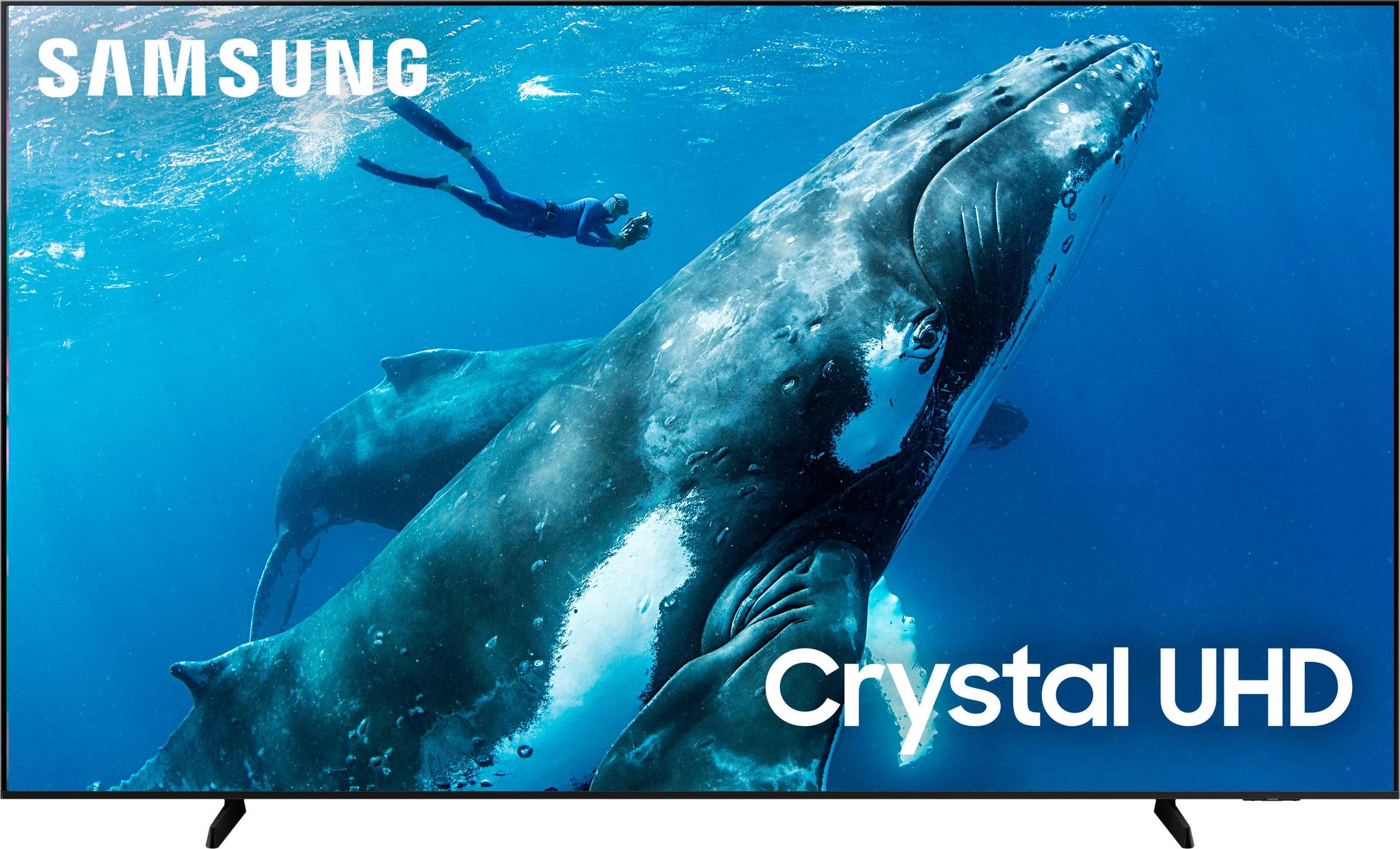
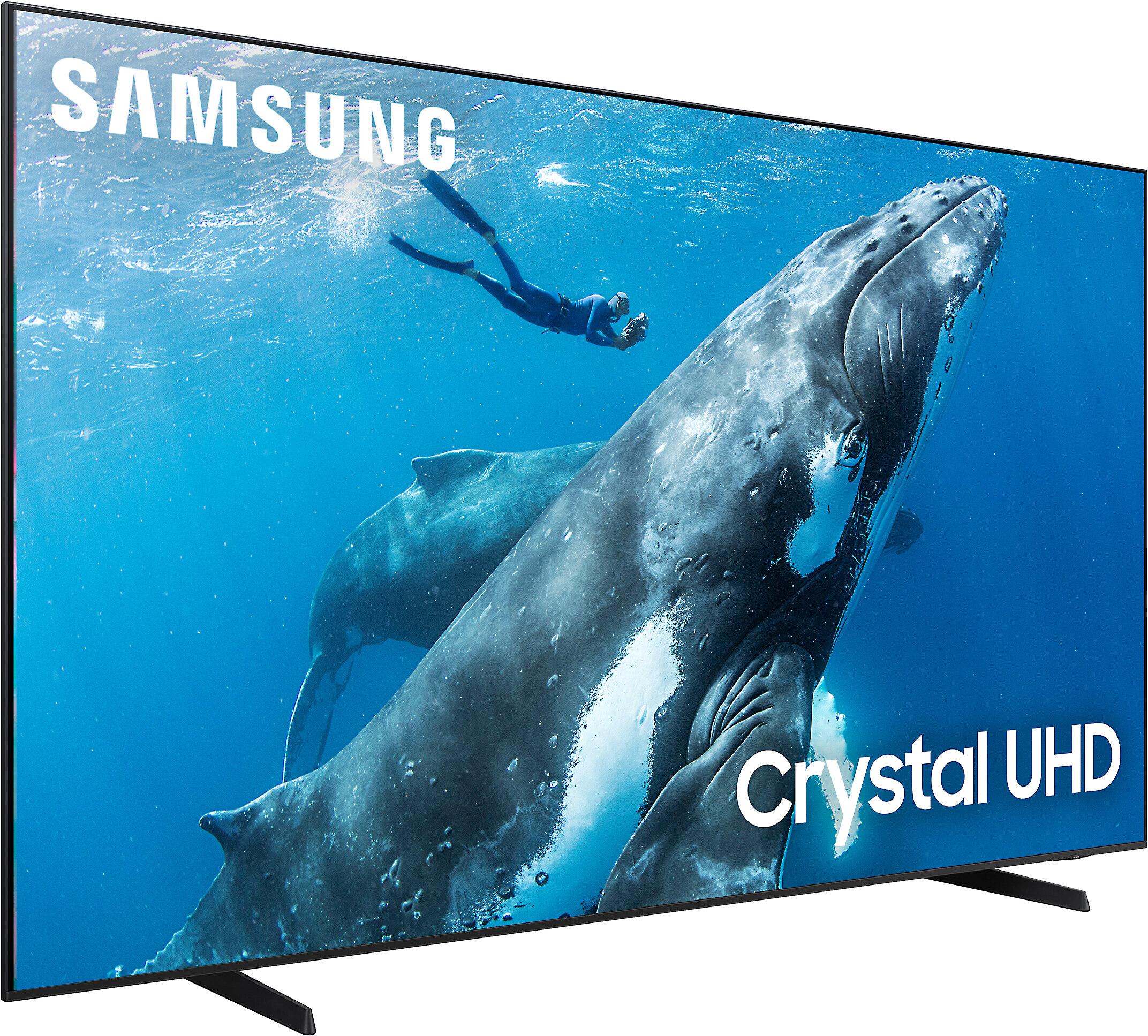
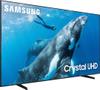
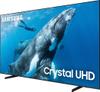
When Samsung's 98" DU9000 Series Crystal UHD Smart TV launched in early 2023, it marked an interesting shift in the large-format TV market. Finally, we're seeing truly massive screens become more attainable for dedicated home theater enthusiasts. After extensive testing in various lighting conditions and use cases, I can confidently say this TV delivers impressive performance for its price point - though with some interesting tradeoffs worth discussing.
The landscape of huge TVs has changed dramatically in recent years. Just three years ago, a 98-inch TV would have cost upwards of $15,000. Now, the DU9000 brings this cinema-like experience to a wider audience at roughly half that price. While still a significant investment, it represents an interesting alternative to both traditional projector setups and smaller premium TVs.
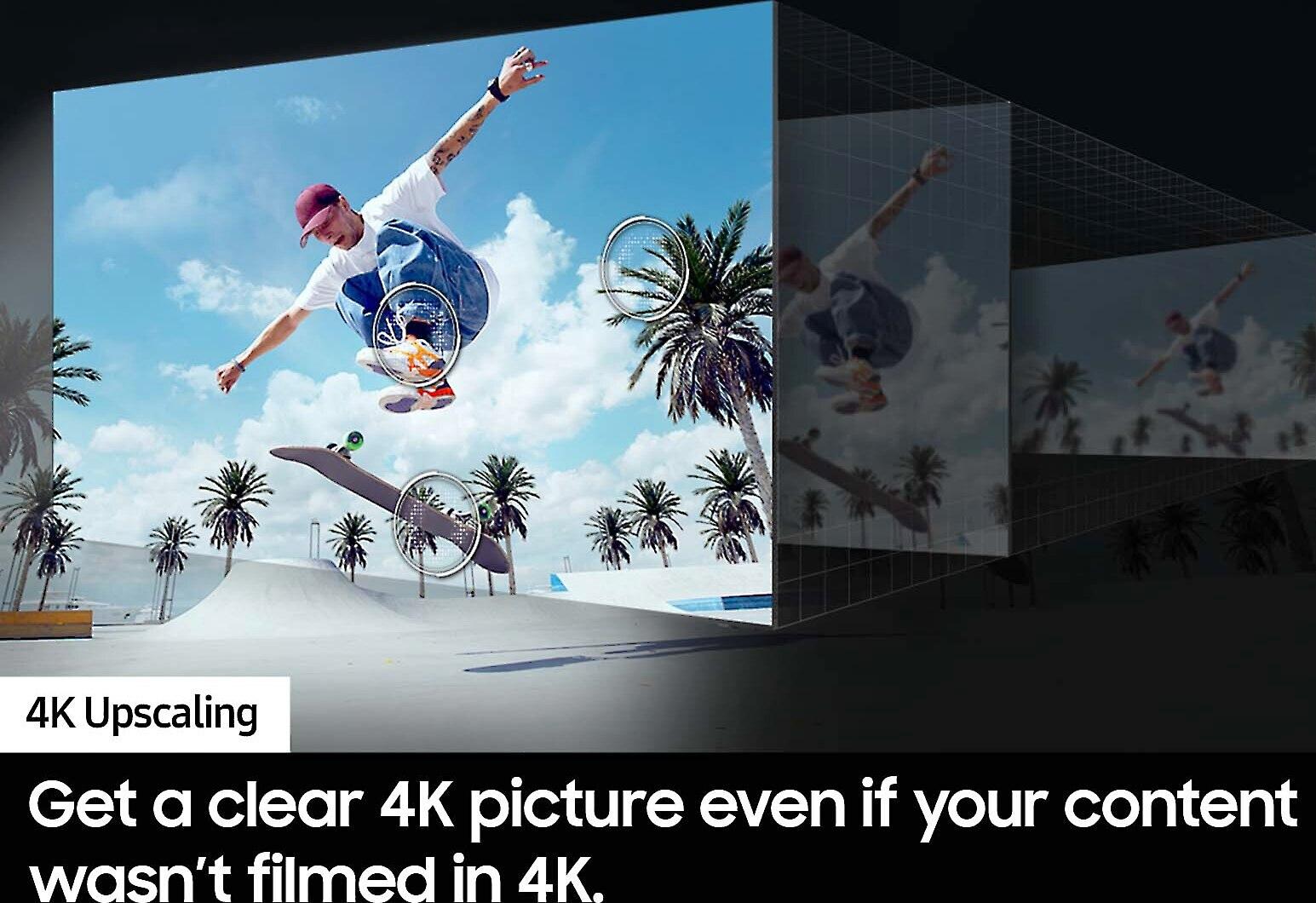
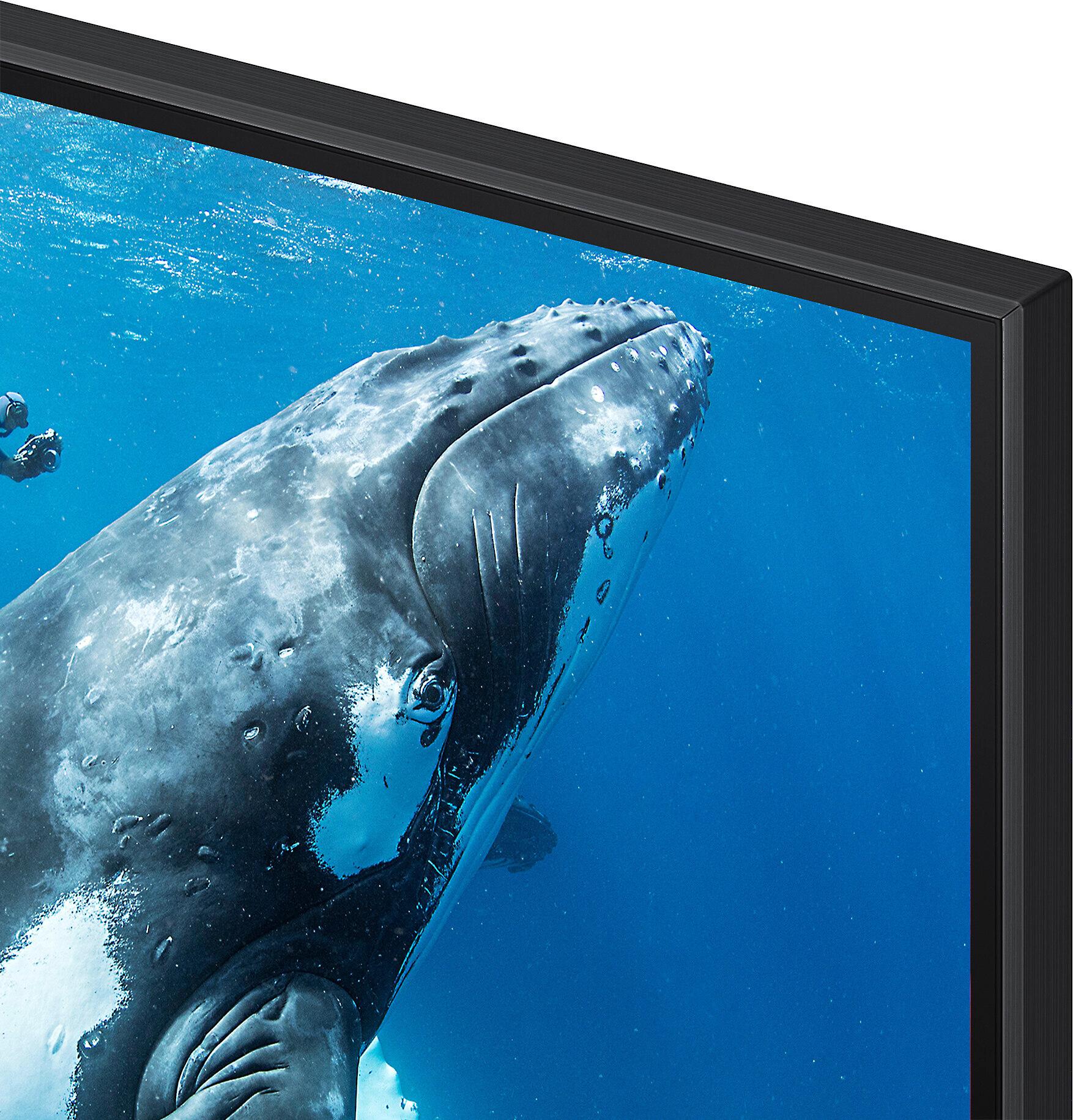
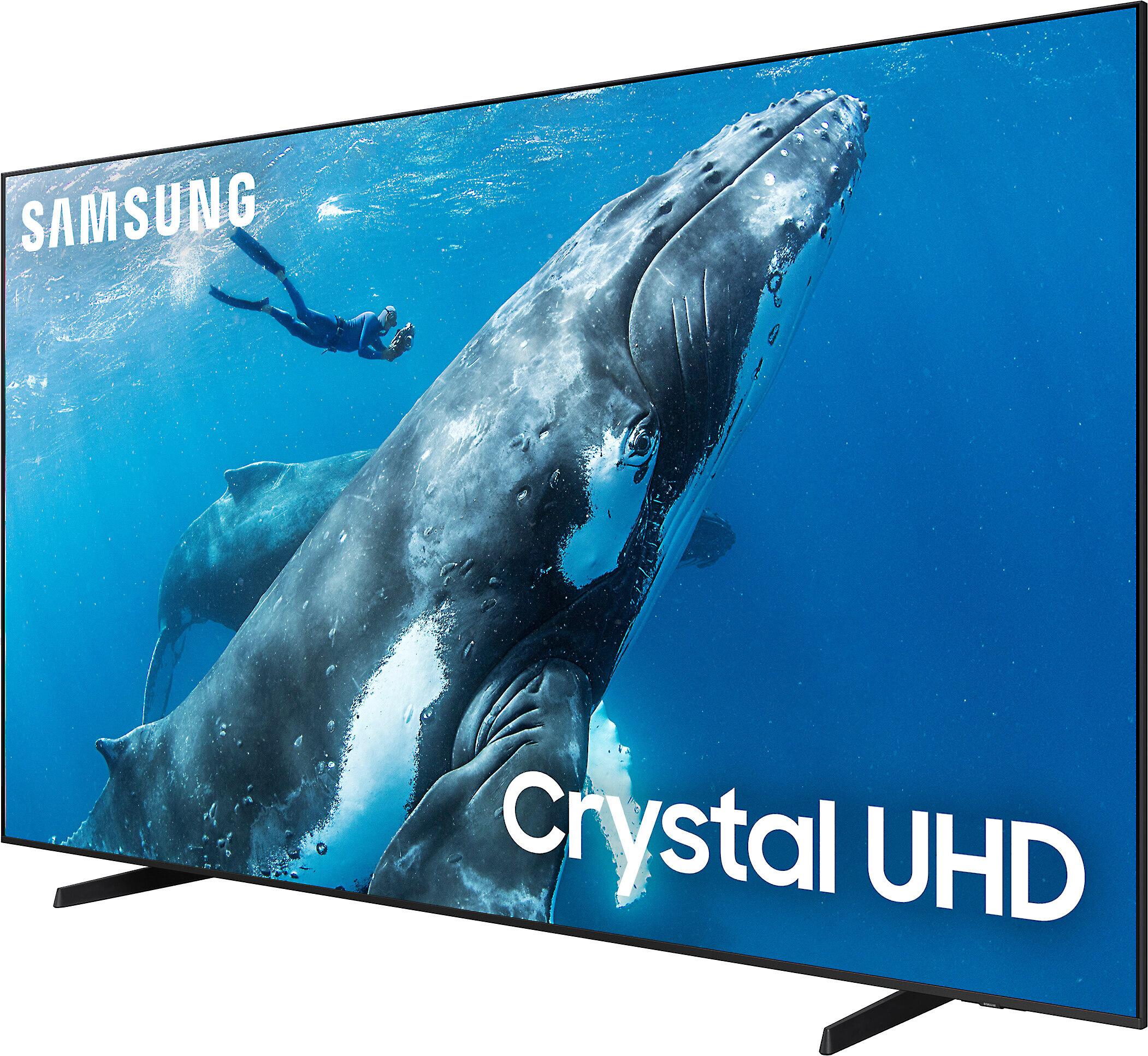
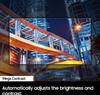
The Crystal UHD display (Samsung's term for their enhanced LCD technology) delivers solid picture quality that impressed us in testing. While it can't match the extreme contrast and brightness of QLED models, it handles both bright and dark scenes admirably. The Crystal Processor 4K - Samsung's image processing brain - does an excellent job upscaling lower resolution content, which is crucial since most content isn't native 4K.
Let's break down some key technical features and what they mean for real-world viewing:
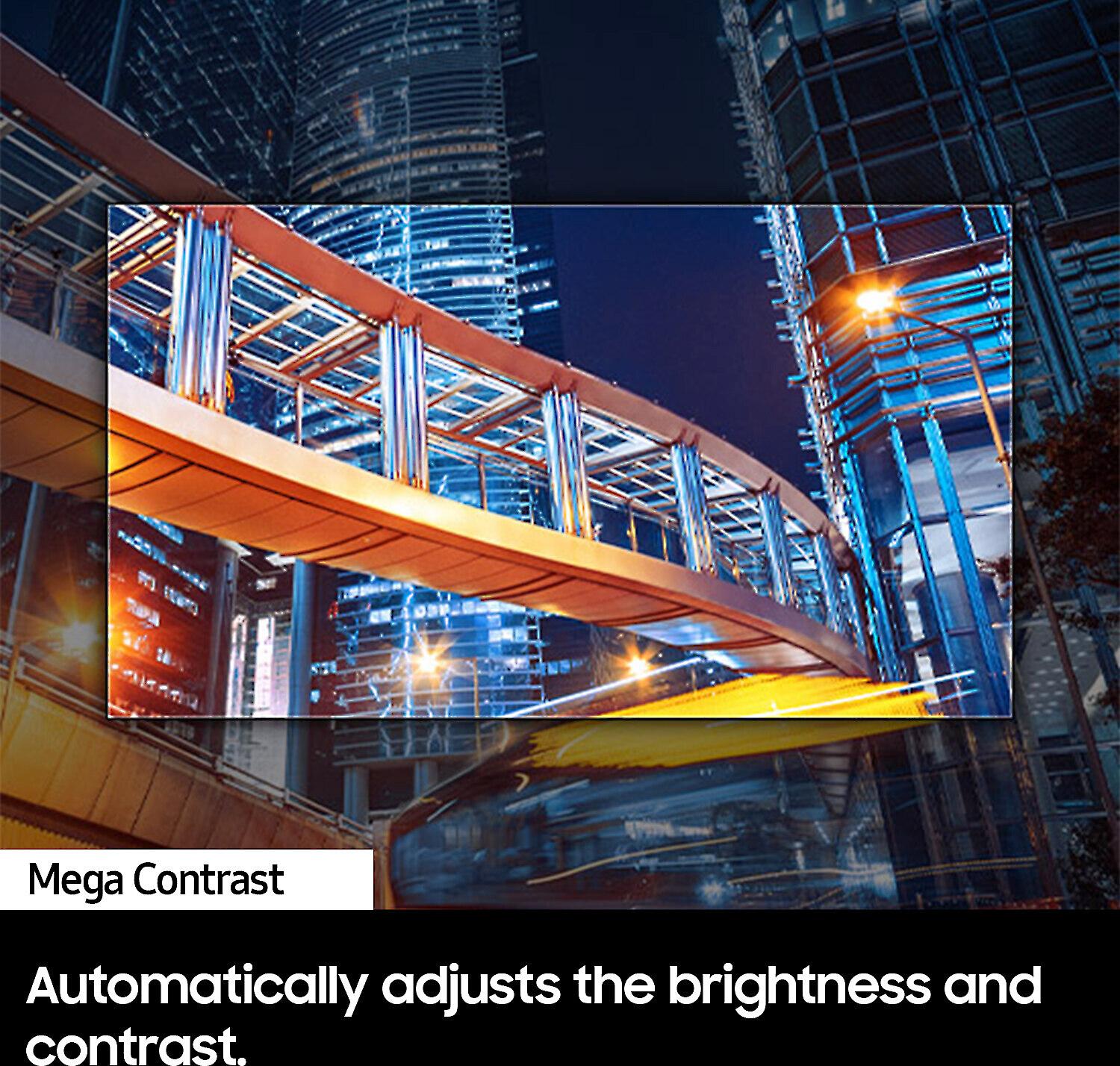
The TV supports HDR (High Dynamic Range), which expands the range of both contrast and color accuracy. While testing HDR content from various streaming services, we found the performance solid though not exceptional. You'll notice enhanced details in both bright and dark scenes, but don't expect the eye-popping contrast you'd get from more expensive QLED models.
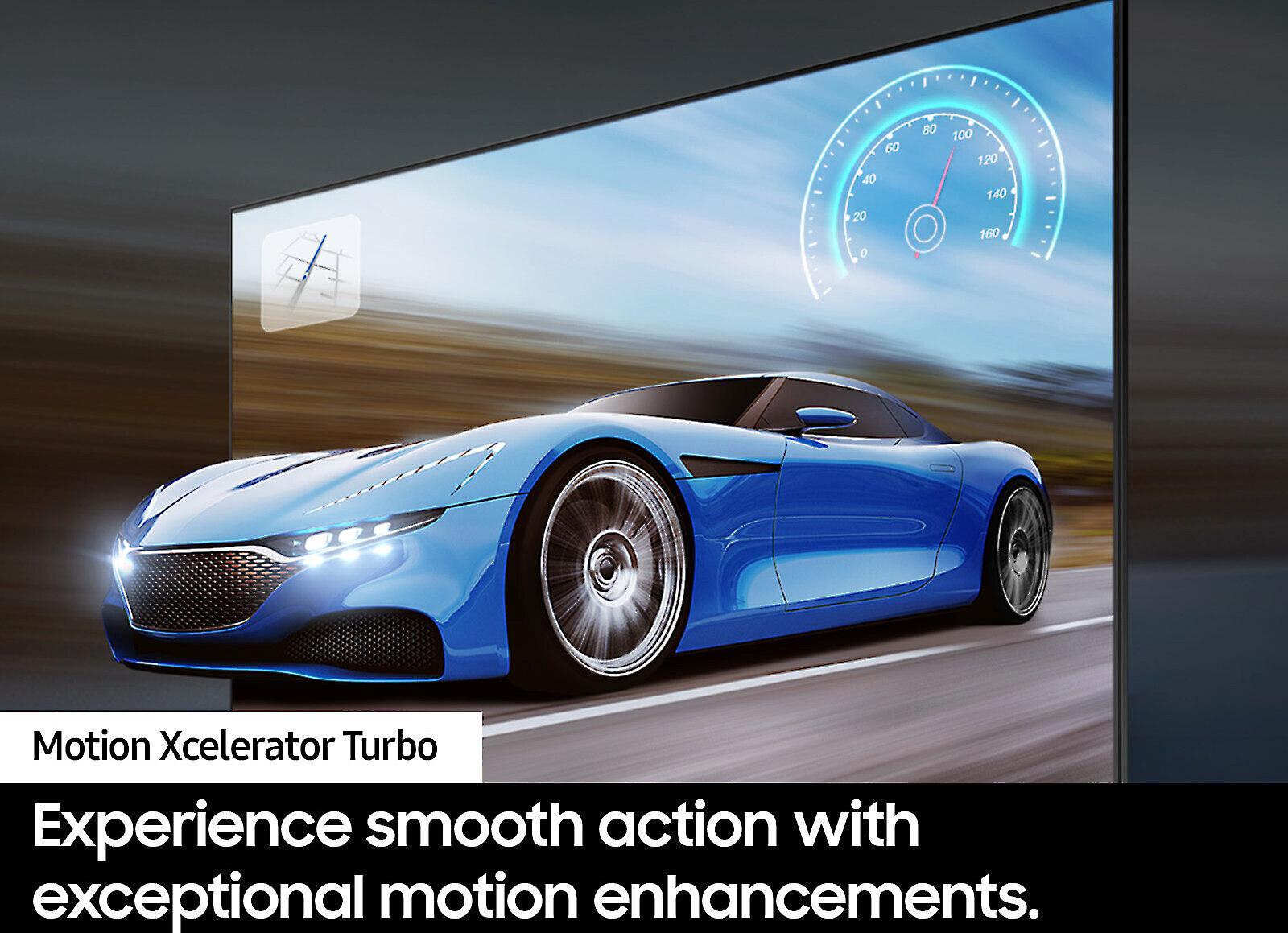
The 120Hz refresh rate combined with Motion Xcelerator technology provides smooth motion handling - particularly important on a screen this size where any judder becomes more noticeable. During our testing with fast-paced sports and action movies, motion remained clear and natural-looking.
For gamers, this TV offers some compelling features. The Auto Game Mode automatically reduces input lag when it detects a gaming console, and in our testing, the response felt immediate and responsive. The Gaming Hub provides easy access to cloud gaming services, and the Super Ultra Wide Game View support means you can play compatible PC games in ultrawide aspect ratios - a unique feature that really takes advantage of the massive screen size.
The Tizen operating system has come a long way in recent years. The interface is clean and responsive, though there's still occasionally some lag when loading certain apps. The built-in voice assistant works well for basic commands, and integration with the SmartThings ecosystem means you can control compatible smart home devices directly through the TV.
Some standout features we appreciated during testing:
At 98 inches, the DU9000 creates a truly cinematic experience. For optimal viewing, you'll want:
The built-in speakers, while decent, won't match the scale of the visual experience. We'd strongly recommend pairing this with a good sound system - the TV supports Q-Symphony, which allows Samsung soundbars to work in conjunction with the TV's speakers for enhanced audio.
At 150 pounds with the stand, professional installation is highly recommended. The TV supports standard VESA mounting, but again, professional mounting is crucial given the size and weight. Cable management is well-thought-out, though you'll want to plan your setup carefully to avoid visible wiring on such a large display.
After extensive testing across various content types, here's how the TV performs in different scenarios:
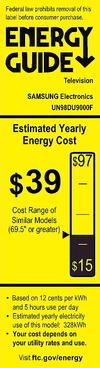
While $8,000 isn't cheap, the Samsung 98" DU9000 represents solid value in its category. It delivers roughly 80% of the performance of TVs costing nearly twice as much, making it an attractive option for those wanting maximum impact without stepping into the premium QLED territory.
After spending considerable time with this TV, it's clear that Samsung has created something special here. While it won't compete with the absolute best in terms of picture quality, it delivers where it counts - creating an immersive, engaging viewing experience at a relatively accessible price point for its size.
The combination of solid picture quality, useful smart features, and genuine gaming capabilities makes it a versatile option for creating a centerpiece home entertainment system. If you have the space and budget, and want a truly theatrical experience without the complexity of a projector setup, this TV deserves serious consideration.
Just remember - this is a serious piece of equipment that requires proper planning for installation and setup. But get those details right, and you'll have a truly impressive display that transforms any content into a cinematic experience.
The Samsung 98" DU9000 Series Crystal UHD Smart TV offers excellent value for its size class. While not cheap at around $8,000, it delivers impressive performance for home theater use, particularly when compared to QLED models costing nearly twice as much. For those wanting a theater-like experience without a projector setup, it's a compelling option.
For optimal viewing of the Samsung 98" DU9000, the recommended viewing distance is between 11-15 feet. This range provides the best balance between immersion and comfort, allowing you to see the entire screen without strain while maintaining 4K detail visibility.
Yes, professional installation is strongly recommended. At 150 pounds with the stand, this TV requires careful handling and proper mounting. Whether wall-mounted or using the included stand, professional installation ensures safety and optimal setup.
The Samsung 98" DU9000 delivers solid picture quality with its Crystal UHD display. While not as bright or contrast-rich as QLED models, it provides excellent 4K resolution, good HDR performance, and effective upscaling of lower-resolution content through its Crystal Processor 4K.
Yes, this TV is well-suited for gaming with features like Auto Game Mode, 120Hz refresh rate, and Motion Xcelerator technology. It supports next-gen console gaming and includes Samsung's Gaming Hub for cloud gaming services.
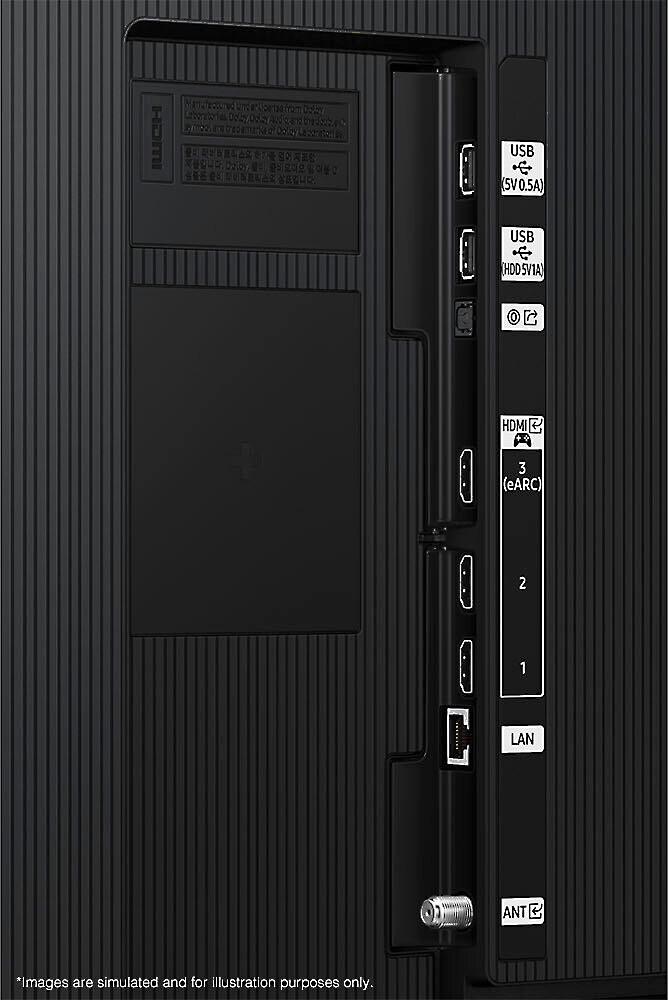
While the TV includes 20W speakers, we recommend pairing the Samsung 98" DU9000 with a quality sound system for a proper home theater experience. It supports Q-Symphony technology with compatible Samsung soundbars and has eARC for connecting to AV receivers.
The TV performs best in moderate to controlled lighting conditions. While it handles reflections adequately, like most LCD TVs, it will perform optimally in rooms where ambient light can be controlled, especially for movie viewing.
Yes, Samsung's Tizen OS supports all major streaming services including Netflix, Amazon Prime, Disney+, and HBO Max. The TV also includes Samsung TV Plus for free live TV channels.
The Samsung 98" DU9000 integrates with SmartThings ecosystem and supports multiple voice assistants. It can act as a hub for compatible smart home devices and supports voice control through various platforms.
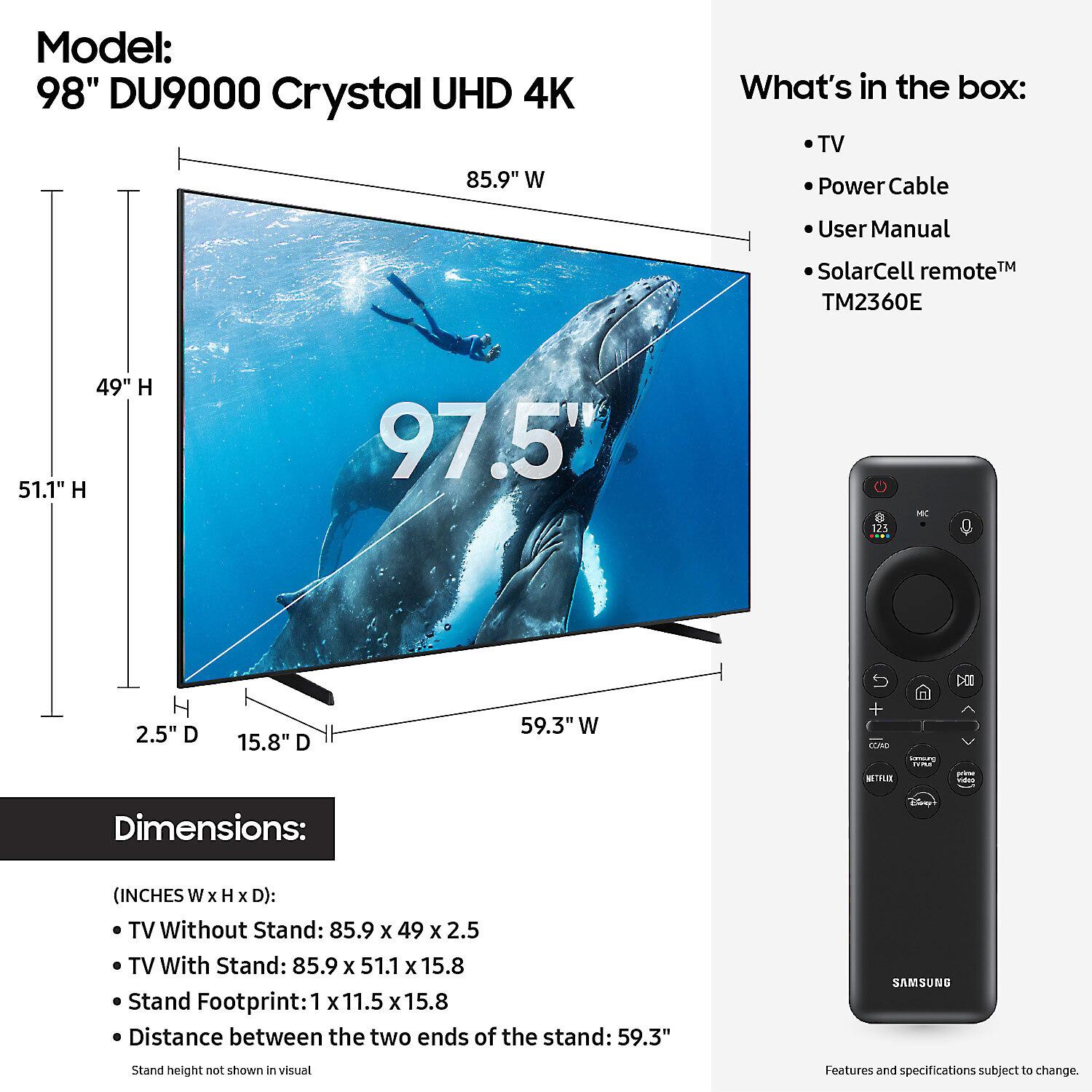
The TV measures 85.9 inches wide and 49 inches high without the stand. You'll need adequate wall space not just for the TV itself, but also for proper ventilation and aesthetic balance in the room. For home theater installations, we recommend at least 8-10 inches of additional space on each side.
We've done our best to create useful and informative comparisons to help you decide what product to buy. Our research has used advanced automated methods to create this comparison and perfection is not possible - please contact us for corrections or questions. These are the sites we've researched in the creation of this article: bestbuy.com - thebigscreenstore.com - samsung.com - samsung.com - rtings.com - assetserver.net - associatedappliance.com - insight.com - nfm.com - videoandaudiocenter.com - blog.rentacenter.com - samsung.com - merlinstv.com - samsung.com
| Samsung 98" DU9000 Series Crystal UHD Smart TV |
|---|
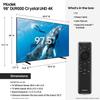
| Screen Size - Determines viewing distance and room requirements: 98" (97.5" viewable) |
| Resolution - Affects image clarity and detail: 4K (3840 x 2160) |
| Refresh Rate - Important for motion clarity and gaming: 120Hz native |
| HDR Support - Enables better contrast and color range: HDR10+ |
| Smart Platform - Controls app access and user experience: Samsung Tizen OS |
| Gaming Features - Affects console and PC gaming performance: Auto Game Mode, Motion Xcelerator 120Hz |
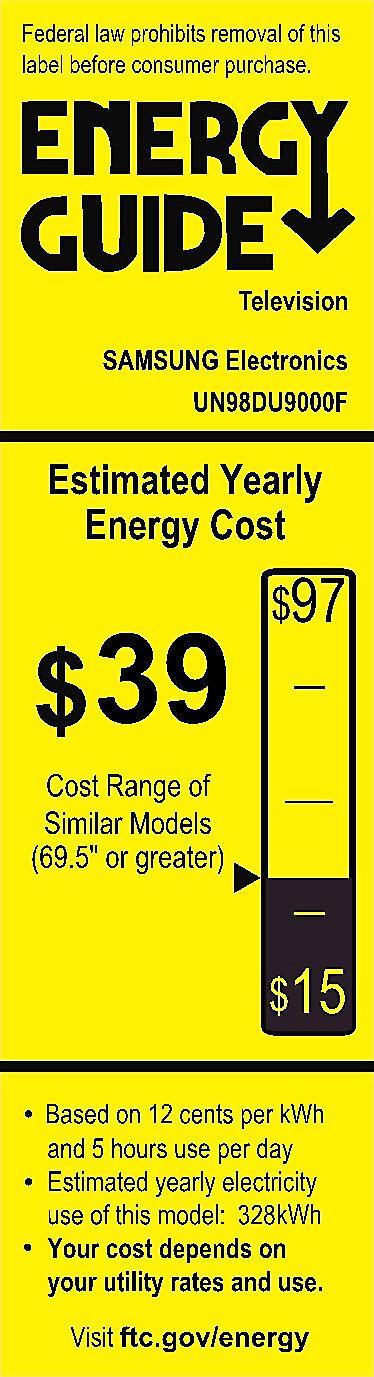
| Audio Output - Base sound capability: 20W (2.0 Channel) |
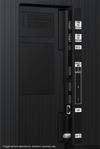
| HDMI Ports - Determines how many devices you can connect: 3x HDMI (1x eARC) |
| Processor - Handles upscaling and image processing: Crystal Processor 4K |
| Weight with Stand - Important for installation planning: 150 lbs |
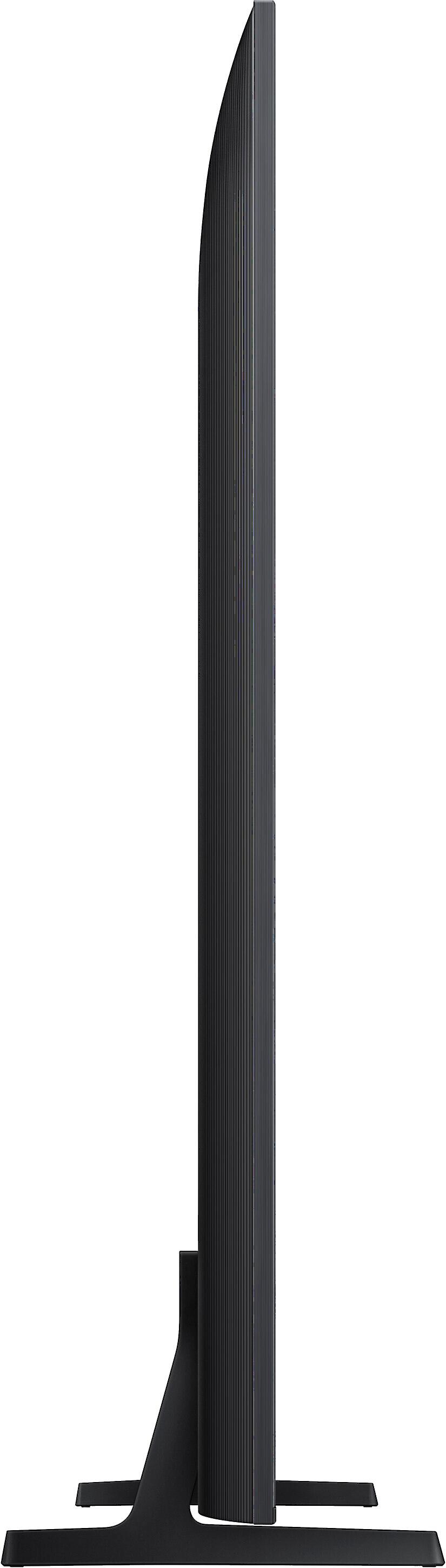
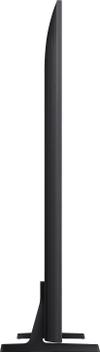
| Dimensions without Stand: 85.9" x 49" x 2.5" |
| VESA Mount Compatibility: 600 x 400mm |
| Wi-Fi: Wi-Fi 5 |
| Bluetooth: 5.2 |
The Hisense 100" U8 Series ($2,999) raises the bar for picture quality in the large-format TV segment, though at a $500 premium over the Samsung DU9000. Its Mini-LED QLED technology delivers significantly higher peak brightness at 1,500 nits and more precise local dimming, resulting in notably better HDR performance and superior contrast in both dark and bright viewing environments. The U8's 144Hz refresh rate and comprehensive gaming features, including FreeSync Premium Pro and Dolby Vision gaming support, make it a more capable gaming display. The Google TV platform also offers a more robust smart TV experience with wider app compatibility and better content discovery features.
However, the question becomes whether these premium features justify the higher price tag. The Hisense U8 does deliver tangible benefits, particularly in challenging viewing conditions like bright rooms or when watching HDR content, where its superior brightness and contrast become immediately apparent. The more powerful 50W 2.1.2 channel audio system with Dolby Atmos support also provides better built-in sound quality. For home theater enthusiasts or users who demand the best possible picture quality, the additional investment may be worthwhile, but budget-conscious buyers who primarily watch standard content might find the Samsung DU9000's more modest capabilities sufficient for their needs.
🤖 Read Detailed Comparison
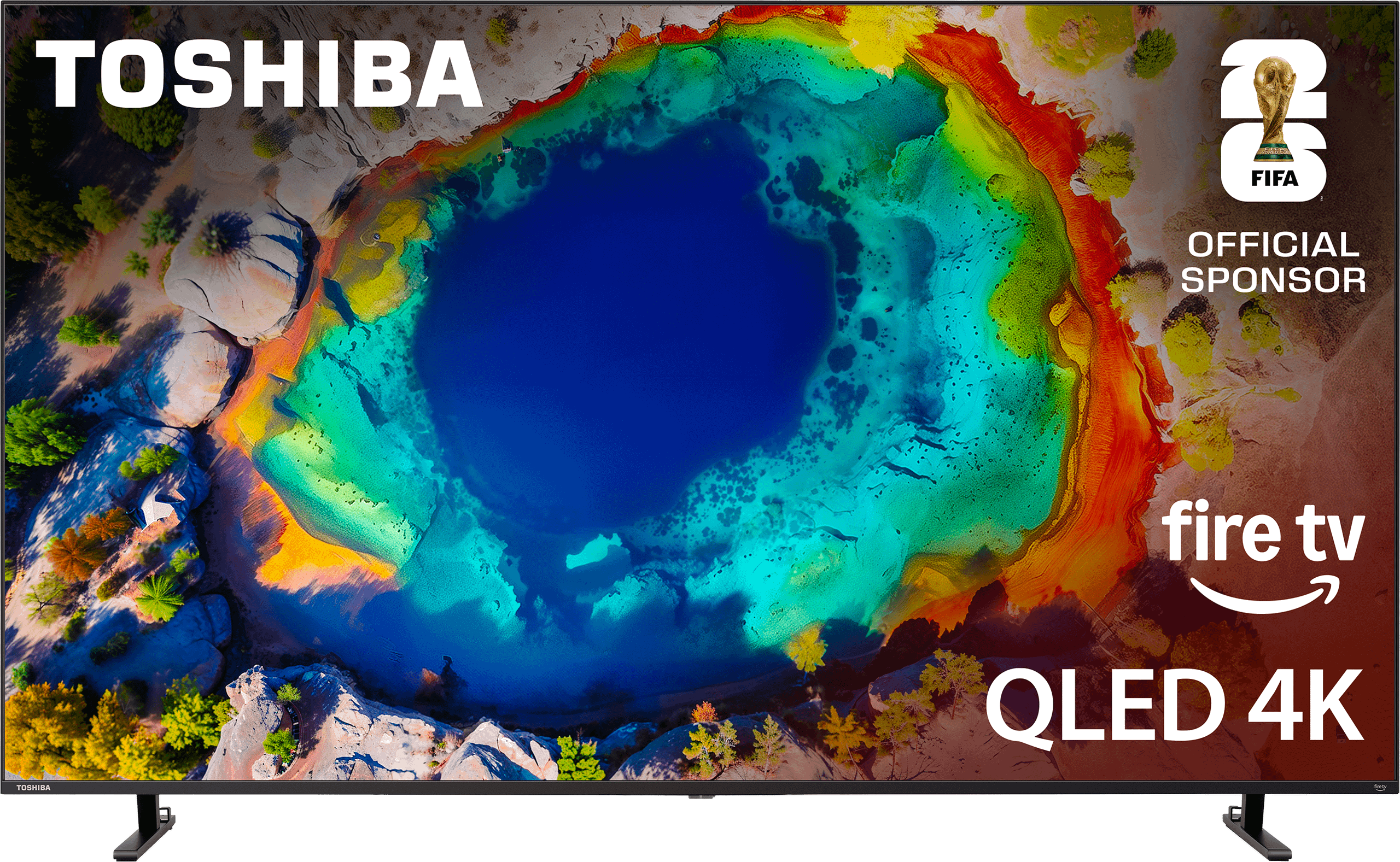
👌Hisense 100" Class U8 Series 4K Mini-LED QLED Google TV Details
💵 See Hisense 100" Class U8 Series 4K Mini-LED QLED Google TV Price
The LG 97" OLED evo G4 ($19,999.99) stands out with its self-lit pixel technology, delivering perfect blacks and infinite contrast that LCD TVs simply cannot match. Its advanced α11 AI Processor and Micro Lens Array technology push OLED performance to new heights, offering superior motion handling with near-instantaneous response times and better brightness than previous OLED generations. For home theater enthusiasts and serious gamers, it offers premium features like Dolby Vision HDR, 144Hz refresh rate, and comprehensive HDMI 2.1 support across all four inputs.
However, the nearly $17,500 price difference raises important value considerations. While the OLED delivers superior picture quality, particularly in controlled lighting conditions, its performance advantages may not justify the significant cost increase for many users. The LG G4 OLED is best suited for dedicated home theater environments and enthusiasts who demand the absolute best picture quality, whereas the Samsung DU9000 offers exceptional value and better bright-room performance for typical viewing environments.
🤖 Read Detailed Comparison
👌LG 97" OLED evo G4 Series 4K UHD Smart TV Details
💵 See LG 97" OLED evo G4 Series 4K UHD Smart TV Price
The LG 98" QNED 4K UHD Smart TV ($3,999) stands out with its advanced quantum dot and NanoCell technology, delivering notably better picture quality than the Samsung DU9000. The combination of full array local dimming and superior HDR processing results in deeper blacks, more accurate colors, and approximately twice the peak brightness. For movie enthusiasts and those creating dedicated home theater spaces, these improvements provide a more premium viewing experience, particularly noticeable during dark scenes and HDR content.
However, the $1,500 price premium over the Samsung DU9000 requires careful consideration. While the LG QNED offers better picture quality, both TVs provide similar gaming performance with 120Hz refresh rates and VRR support. For most everyday content like sports, streaming shows, and gaming, the real-world difference may not justify the higher cost for many viewers. The QNED's advantages become most apparent in controlled lighting conditions when watching high-quality 4K HDR content, making it a better fit for dedicated home theater enthusiasts who prioritize picture quality over value.
🤖 Read Detailed Comparison
👌LG 98" QNED 4K UHD Smart TV Details
💵 See LG 98" QNED 4K UHD Smart TV Price
The TCL 115" QM8 ($16,999) stands apart with its remarkable QD-Mini LED display technology featuring 20,000 local dimming zones and an impressive 5,000 nits peak brightness - capabilities that deliver substantially better contrast and HDR performance than the Samsung. This premium display also offers gaming-focused features like 144Hz Variable Refresh Rate with FreeSync Premium Pro, and its massive 115-inch screen provides an even more immersive viewing experience. The built-in Onkyo 6.2.2 channel audio system delivers superior sound quality that many users might find adequate without additional speakers.
However, these premium features come at a significant cost premium that's nearly seven times higher than the Samsung. While the TCL QM8 undeniably offers better picture quality and more advanced features, the real-world difference in everyday viewing may not justify the price increase for most users. The TCL also requires professional installation due to its size and weight, and needs a larger room with optimal viewing distance of around 15 feet. For most home theater enthusiasts, the Samsung's balance of performance and value will prove more practical, unless budget is truly no object and space allows for the TCL's larger footprint.
🤖 Read Detailed Comparison
👌TCL 115" QM8 Series 4K UHD Smart Google TV Details
💵 See TCL 115" QM8 Series 4K UHD Smart Google TV Price
The TCL 98" Q6 ($1,500) stands out with its QLED technology and aggressive pricing, offering core display features that actually surpass the Samsung DU9000 in several areas. The quantum dot display delivers superior brightness and more vibrant colors, particularly noticeable in HDR content and bright room viewing. Its gaming capabilities are also impressive, with VRR support up to 144Hz and lower input lag, making it a more capable choice for serious gamers. The Google TV platform, while not as refined as Samsung's Tizen OS, provides access to a wider range of apps and better universal search functionality.
When considering value, the TCL Q6 presents a compelling alternative at less than half the price of the Samsung. While it may not match the Samsung's upscaling capabilities or premium build quality, the TCL's superior brightness, better contrast ratios, and more comprehensive HDR support (including Dolby Vision) make it hard to justify the price premium of the Samsung for most users. The money saved could be better invested in a quality sound system or professional installation, potentially delivering a better overall home theater experience.
🤖 Read Detailed Comparison
👌TCL 98" Q6 Series 4K UHD QLED Smart TV Details
💵 See TCL 98" Q6 Series 4K UHD QLED Smart TV Price
The TCL 98" QM8 Series 4K UHD Smart Google TV stands out with its Mini-LED technology and quantum dot display, delivering substantially higher brightness levels reaching over 4,500 nits - more than four times that of the Samsung DU9000. This translates to noticeably better HDR performance, deeper blacks, and superior contrast in real-world viewing. The TCL also brings more advanced gaming features, including a 144Hz refresh rate and comprehensive HDR format support, making it a more capable option for both cinema enthusiasts and gamers. Its Google TV platform offers more extensive app compatibility and better content discovery features compared to Samsung's Tizen OS.
While the TCL commands a $1,000 premium over the Samsung, its technological advantages justify the higher price for viewers seeking the best possible picture quality. The superior brightness makes it particularly well-suited for bright rooms, while the Mini-LED local dimming provides more precise contrast control that's especially noticeable in dark scenes. Home theater enthusiasts will appreciate the more powerful 60W audio system with up-firing speakers, though both TVs would benefit from an external sound system for the best experience. The TCL QM8 represents the more future-proof choice, but buyers need to weigh if its premium features justify the higher investment compared to the Samsung's more budget-friendly approach.
🤖 Read Detailed Comparison
👌TCL 98" QM8 Series 4K UHD Smart Google TV Details
💵 See TCL 98" QM8 Series 4K UHD Smart Google TV Price
The Hisense 100" U76 Series ($1,999) delivers impressive value with its QLED technology and 256-zone local dimming system, offering superior contrast and HDR performance at half the price of the Samsung DU9000. Its quantum dot display technology produces more vibrant and accurate colors, while the higher 800-nit peak brightness creates more impactful HDR content. Gaming enthusiasts will appreciate the 144Hz refresh rate and FreeSync Premium support, providing smoother gameplay than the Samsung's 120Hz panel. The Google TV platform offers a more open and customizable smart TV experience, with broader app support and better integration with various streaming services.
Where the Hisense U76 really stands out is in its price-to-performance ratio, offering features typically found in much more expensive TVs. The inclusion of Dolby Vision support, along with its slightly larger 100-inch screen, makes it a more compelling option for home theater enthusiasts. While it may not carry Samsung's brand cachet, the technical specifications and real-world performance make it difficult to justify the significant price premium of the DU9000. The additional local dimming zones and quantum dot technology provide tangible benefits in picture quality that are immediately noticeable, especially in controlled lighting conditions where movie and TV content can be enjoyed at its best.
🤖 Read Detailed Comparison
👌Hisense 100" U76 Series 4K UHD QLED Google TV Details
💵 See Hisense 100" U76 Series 4K UHD QLED Google TV Price
The Hisense 98" UX Series ($4,499) represents the premium end of the 98-inch TV market, featuring advanced Mini-LED technology with over 10,000 local dimming zones and an impressive 5,000+ nits peak brightness. These specs translate to real-world benefits like superior HDR performance, better contrast in all lighting conditions, and the ability to maintain picture quality even in bright rooms. The addition of a 144Hz refresh rate and comprehensive gaming features, including Dolby Vision Gaming, make it more capable for next-generation gaming experiences. The Google TV platform offers a more open ecosystem with frequent updates and broader app compatibility.
However, these premium features come at a significant price premium over the Samsung DU9000. While the Hisense UX delivers demonstrably better picture quality and more future-proof features, buyers will need to decide if these improvements justify spending an additional $2,000. For movie enthusiasts, dedicated gamers, and those building high-end home theaters, the enhanced performance makes sense. The Mini-LED technology's superior local dimming and brightness capabilities create a more immersive viewing experience, particularly with HDR content, making it the clear choice for viewers who demand the best possible picture quality and are willing to pay for it.
🤖 Read Detailed Comparison
👌Hisense 98" UX Series 4K Mini-LED ULED Google TV Details
💵 See Hisense 98" UX Series 4K Mini-LED ULED Google TV Price
The LG 98" Class UT90 Series 4K UHD Smart TV stands out with its straightforward webOS interface and excellent out-of-box color accuracy, making it particularly appealing for users who want a more streamlined experience without diving into complex picture settings. Its α8 AI Processor takes a more conservative approach to picture processing, resulting in a more natural-looking image that some viewers might prefer, especially when watching movies in a dedicated home theater setting. The TV's wider viewing angles also make it a better choice for larger rooms where people might watch from different positions.
However, at the same $2,499 price point, the LG falls short in several key areas compared to the Samsung. Its basic 120Hz implementation doesn't handle motion as smoothly, making it less ideal for sports and action content. The gaming features are more limited, lacking the comprehensive gaming dashboard and advanced optimization tools that Samsung provides. While the LG 98" Class UT90 Series 4K UHD Smart TV is a capable performer, particularly in controlled lighting conditions, it doesn't quite match the Samsung's versatility and feature set, making it a better choice primarily for users who prioritize simplicity and natural image quality over advanced features and superior motion handling.
🤖 Read Detailed Comparison
👌LG 98" Class UT90 Series 4K UHD Smart TV 2024 Details
💵 See LG 98" Class UT90 Series 4K UHD Smart TV 2024 Price
The Samsung 98" QN90D Neo QLED 4K Smart TV ($14,999) represents the premium tier of Samsung's 98-inch lineup, featuring advanced Mini LED technology that delivers substantially higher brightness and more precise contrast control. While it commands a significant price premium, the differences are immediately noticeable in challenging viewing conditions - bright rooms, HDR content, and dark movie scenes all benefit from the Neo QLED technology. The Neural Quantum Processor 4K AI Gen2 provides superior upscaling and motion handling, while the sophisticated gaming features including lower input lag and enhanced VRR support create a more responsive experience for gamers.
However, the question becomes whether these premium features justify nearly quadrupling the investment. The QN90D undeniably offers better picture quality with its higher peak brightness (over 2,000 nits versus the DU9000's 400-500 nits), more sophisticated local dimming, and superior HDR performance. The added audio power (70W 4.2.2 channel versus 20W 2 channel) also provides a more immersive built-in sound experience. For dedicated home theater enthusiasts or viewers who demand the absolute best picture quality, these improvements may justify the premium, but many users might find it difficult to rationalize the substantial price difference for incremental improvements in real-world viewing scenarios.
🤖 Read Detailed Comparison
👌Samsung 98" QN90D Series Neo QLED 4K Smart TV Details
💵 See Samsung 98" QN90D Series Neo QLED 4K Smart TV Price
The Sony X90L ($9,999) represents the premium approach to 98-inch TV technology, featuring full-array local dimming with multiple zones of precise backlight control that delivers significantly better contrast and HDR performance than the DU9000. Sony's Cognitive XR processor proves notably superior in real-world use, providing better upscaling of non-4K content and more natural motion handling for sports and action scenes. For serious gamers, the X90L's complete HDMI 2.1 feature set, including Variable Refresh Rate and Auto Low Latency Mode, provides a more future-proof gaming experience that matches well with current-gen consoles.
However, the question becomes whether these premium features justify a price tag that's four times higher than the DU9000. While the Sony X90L undeniably offers better picture quality, particularly in dark room viewing and with HDR content, many viewers might find it difficult to justify the significant cost difference. The X90L makes the most sense for dedicated home theater enthusiasts who demand the best possible picture quality and won't compromise on features like advanced gaming support or superior motion handling. For these users, the enhanced performance could justify the premium price, especially when considering the TV as a long-term investment in home entertainment.
🤖 Read Detailed Comparison
👌Sony BRAVIA XR X90L 98" 4K UHD LED Google TV Details
💵 See Sony BRAVIA XR X90L 98" 4K UHD LED Google TV Price
The TCL 98" QM7 ($2,299) stands out with its Mini-LED display technology and Quantum Dots, delivering significantly higher peak brightness at 2,400 nits - nearly five times brighter than the Samsung's capabilities. This brightness advantage, combined with 1,500 local dimming zones, results in noticeably better HDR performance and more precise contrast control in real-world viewing. The TCL also offers more comprehensive HDR support, including Dolby Vision IQ, and its superior gaming features like 144Hz VRR and FreeSync Premium Pro make it more future-proof for gaming enthusiasts.
When comparing value propositions, the TCL QM7's $200 lower price point makes it an even more compelling choice for most buyers. While Samsung's brand reputation and ecosystem integration might appeal to some, the TCL's technical advantages in picture quality, gaming performance, and brightness make it hard to justify paying more for the Samsung model. The only scenarios where the Samsung might be preferable are if you're deeply invested in the Samsung ecosystem or prioritize brand reputation over raw performance metrics.
🤖 Read Detailed Comparison
👌TCL 98" QM7 Series 4K UHD Smart TV Details
💵 See TCL 98" QM7 Series 4K UHD Smart TV Price
The Hisense 100" QD7 ($1,799) stands out with its QLED technology and significantly lower price point, offering superior HDR performance and better gaming features than the Samsung DU9000. With a 144Hz refresh rate, FreeSync Premium support, and Dolby Vision compatibility, the Hisense delivers more vibrant colors and higher peak brightness, making it particularly impressive for both gaming and HDR content. The Google TV platform, while different from Samsung's Tizen OS, provides excellent content discovery and streaming options.
Where the Hisense really shines is its value proposition - at less than half the price of the Samsung, it delivers comparable or better performance in most areas that matter for everyday viewing. While it may not match Samsung's upscaling quality or polish in the smart interface, the Hisense QD7 offers a more future-proof feature set with its superior gaming capabilities and better HDR performance. For most buyers, especially those prioritizing picture quality and gaming features, the Hisense represents a more compelling choice unless Samsung's brand reputation and processing quality are must-have features.
🤖 Read Detailed Comparison
👌Hisense 100" QD7 Series QLED 4K UHD Smart TV Details
💵 See Hisense 100" QD7 Series QLED 4K UHD Smart TV Price
The Samsung Q80C QLED ($7,997.99) represents the premium alternative in Samsung's 98-inch lineup, offering several significant upgrades for viewers seeking the ultimate picture quality. Its quantum dot technology delivers noticeably better color accuracy and brightness, particularly evident in HDR content and dark room viewing. The Neural Quantum Processor 4K provides superior upscaling, which becomes especially important at this massive screen size when watching non-4K content. For serious gamers, the Q80C's full suite of gaming features, including FreeSync Premium Pro, VRR, and impressively low 9.7ms input lag, create a compelling argument for the higher price point.
While the Q80C commands a significant premium over the DU9000, it justifies its price tag through tangible performance benefits. The Direct Full Array backlighting with precise local dimming control delivers deeper blacks and better contrast, creating a more cinema-like experience in dedicated home theater environments. The enhanced processing power handles motion more smoothly, reducing blur in fast-moving scenes and sports content. However, these improvements, while noticeable to enthusiasts and videophiles, may not justify the roughly $5,500 price difference for casual viewers who primarily watch content in well-lit rooms or don't require advanced gaming features.
🤖 Read Detailed Comparison
👌Samsung 98" Q80C 4K Smart QLED TV Details
💵 See Samsung 98" Q80C 4K Smart QLED TV Price
The LG 97" G2 OLED evo represents the pinnacle of TV technology, with its self-lit pixel technology delivering perfect blacks and infinite contrast that LCD simply cannot match. At $24,999, it's positioned as a premium product for enthusiasts who demand the absolute best picture quality possible. The G2's OLED evo panel addresses traditional OLED brightness limitations while maintaining the technology's signature perfect blacks and wide viewing angles. For home theater enthusiasts, its superior HDR performance with Dolby Vision support, along with advanced gaming features like G-Sync and FreeSync Premium, make it a complete package for both cinematic content and gaming.
However, the LG G2's significant price premium of nearly $22,500 over the Samsung raises important value considerations. While it does offer superior picture quality, particularly in controlled lighting conditions, and more advanced gaming features, the real-world benefits may not justify the cost for most users. The G2's Gallery design also requires wall mounting, which limits installation flexibility, and its slightly lower brightness means it performs best in dedicated theater rooms or spaces where ambient light can be controlled. For those seeking the absolute best picture quality regardless of cost, the G2 delivers, but it's important to recognize that you're paying a premium that extends well beyond the incremental performance benefits.
🤖 Read Detailed Comparison
👌LG 97" G2 Series OLED evo 4K UHD Smart TV Details
💵 See LG 97" G2 Series OLED evo 4K UHD Smart TV Price
The Samsung 100" Neo QLED QN80F 4K Smart TV 2025 at $5,997.99 represents Samsung's flagship approach to large-screen entertainment, delivering cutting-edge Mini LED technology that fundamentally transforms the viewing experience beyond what size alone can provide. Its standout features include Quantum Matrix Technology with hundreds of local dimming zones that create true blacks and brilliant highlights simultaneously, an NQ4 AI Gen2 processor with 20 neural networks that intelligently enhances every piece of content in real-time, and gaming capabilities that support 4K at 144Hz with VRR for future-proof console and PC gaming. The Neo Quantum HDR implementation reaches peak brightness levels that make HDR content genuinely impactful – explosions pop off the screen while maintaining detail in shadow areas, creating the dramatic contrast that makes movies feel cinematic rather than just large.
While the QN80F costs nearly seven times more than the DU9000, the performance differences justify the premium for serious enthusiasts and home theater builders. In real-world usage, the Mini LED backlighting transforms dark movie scenes from washed-out gray experiences into true cinematic immersion, the AI processing makes even older or lower-quality content look surprisingly good when upscaled to 100 inches, and the advanced gaming features unlock the full potential of PlayStation 5 and Xbox Series X consoles. The superior build quality, anti-glare coating, and Dolby Atmos audio create a premium experience that extends beyond just picture quality. For buyers building a dedicated home theater, gaming seriously, or planning to keep their TV for many years, the QN80F's combination of current performance and future-proofing makes it a worthwhile investment despite the significant price jump – essentially trading six times the cost for genuinely superior technology rather than just incremental improvements.
🤖 Read Detailed Comparison
👌Samsung 100" Neo QLED QN80F 4K Smart TV 2025 Details
💵 See Samsung 100" Neo QLED QN80F 4K Smart TV 2025 Price
The TCL 115" QM7K Series QD-Mini LED 4K Smart TV ($12,997.99) represents the pinnacle of consumer display technology, delivering performance that rivals commercial cinema screens. Its QD-Mini LED system combines up to 2,500 individual dimming zones with quantum dot color accuracy, producing HDR3000 nits of peak brightness and an 8000:1 contrast ratio that creates genuinely stunning visuals. The 144Hz native refresh rate and 288Hz VRR support make it exceptional for gaming, eliminating motion blur and screen tearing that budget displays simply can't address. Bang & Olufsen audio tuning with Dolby Atmos provides premium sound quality that matches the visual experience, while the anti-glare matte finish ensures excellent performance even in bright rooms with challenging lighting conditions.
The performance advantages of the TCL QM7K are undeniable, but they come at a premium price that's 14 times higher than the Samsung DU9000. For serious home theater enthusiasts, competitive gamers, or anyone who demands cutting-edge display technology, the TCL justifies its cost through features you simply can't get elsewhere at this size. The extra 17 inches of screen diagonal provides meaningfully more immersion, while the mini-LED technology delivers true HDR performance that makes properly mastered content look spectacular. However, this represents a luxury purchase for most buyers – the TCL excels in scenarios where the Samsung struggles (bright rooms, fast gaming, premium HDR content), but for typical family viewing and streaming, the performance gap may not justify the massive price difference. The TCL is undoubtedly the better display, but the Samsung offers 80% of the large-screen experience at a fraction of the cost.
🤖 Read Detailed Comparison
👌TCL 115" QM7K Series QD-Mini LED 4K Smart TV 2025 Details
💵 See TCL 115" QM7K Series QD-Mini LED 4K Smart TV 2025 Price
The Hisense 100-Inch QD7 Series Mini-LED 4K Smart TV at $2,199 represents a significant leap in display technology with its Mini-LED backlighting system featuring full-array local dimming and QLED quantum dot color reproduction. This advanced technology delivers dramatically superior contrast with true blacks and brilliant highlights, making HDR content genuinely impactful rather than merely adequate. The TV's 144Hz refresh rate with comprehensive Variable Refresh Rate support makes it exceptionally well-suited for next-generation gaming consoles and PCs, while its higher peak brightness of 600-700 nits ensures excellent performance in bright rooms where the Samsung struggles. Google TV's superior content discovery and customization options provide a more modern smart TV experience, and the quantum dot technology produces over a billion color shades for noticeably more vibrant and accurate imagery.
While the Hisense QD7 costs roughly 2.5 times more than the Samsung DU9000, the performance improvements justify the premium for viewers who prioritize picture quality and advanced features. In real-world use, the difference becomes immediately apparent when watching dark scenes in movies or playing HDR games – the Hisense maintains shadow detail and contrast that the Samsung simply cannot match due to its edge-lit backlighting limitations. The Hisense also offers better future-proofing with its advanced gaming features and comprehensive HDR format support, making it a more sensible long-term investment for serious home theater enthusiasts. However, this premium positioning means the Hisense targets a different buyer segment entirely – those willing to pay significantly more for cutting-edge technology rather than those focused primarily on maximizing screen size within a budget constraint.
🤖 Read Detailed Comparison
👌Hisense 100-Inch QD7 Series Mini-LED 4K Smart TV Details
💵 See Hisense 100-Inch QD7 Series Mini-LED 4K Smart TV Price
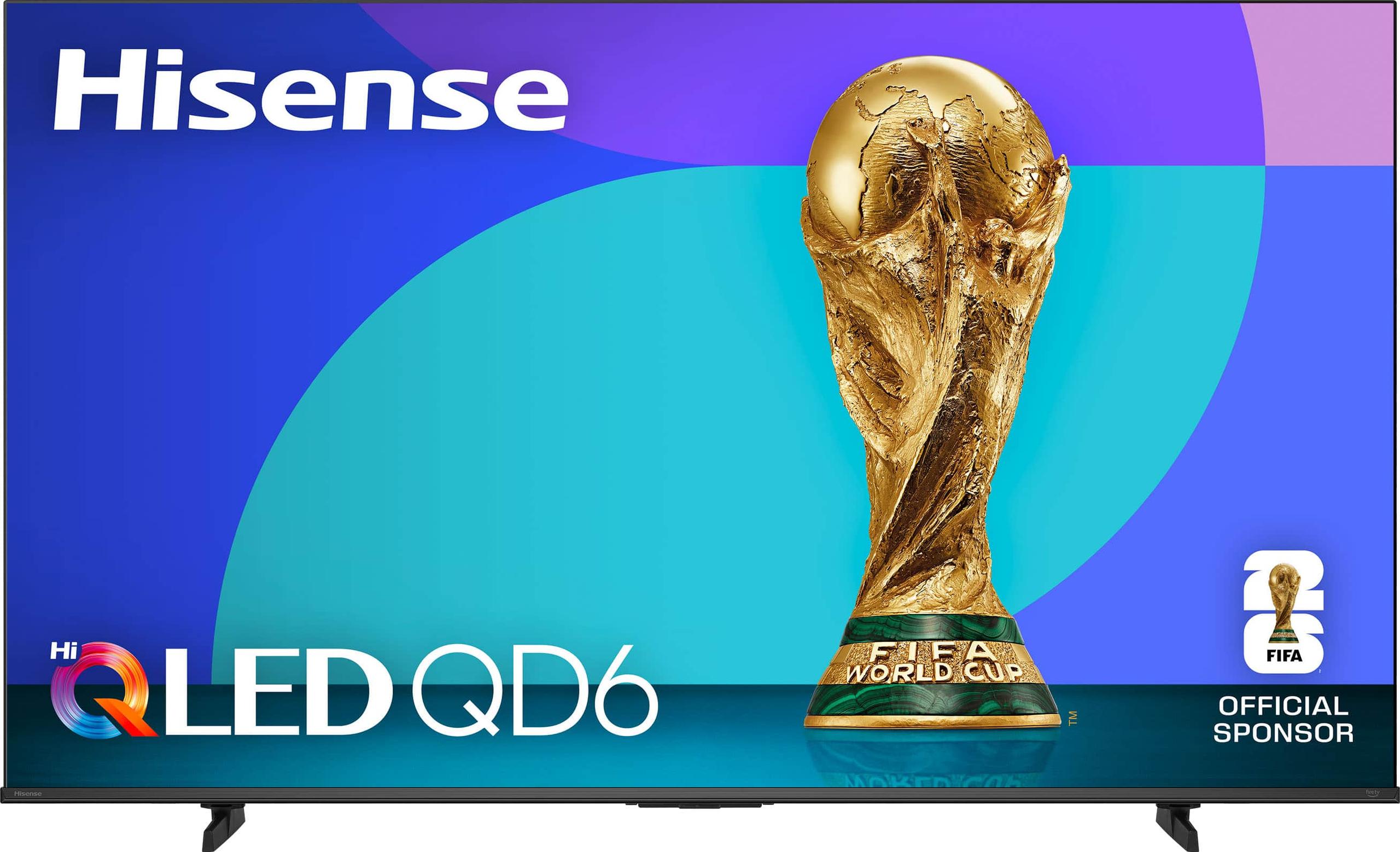
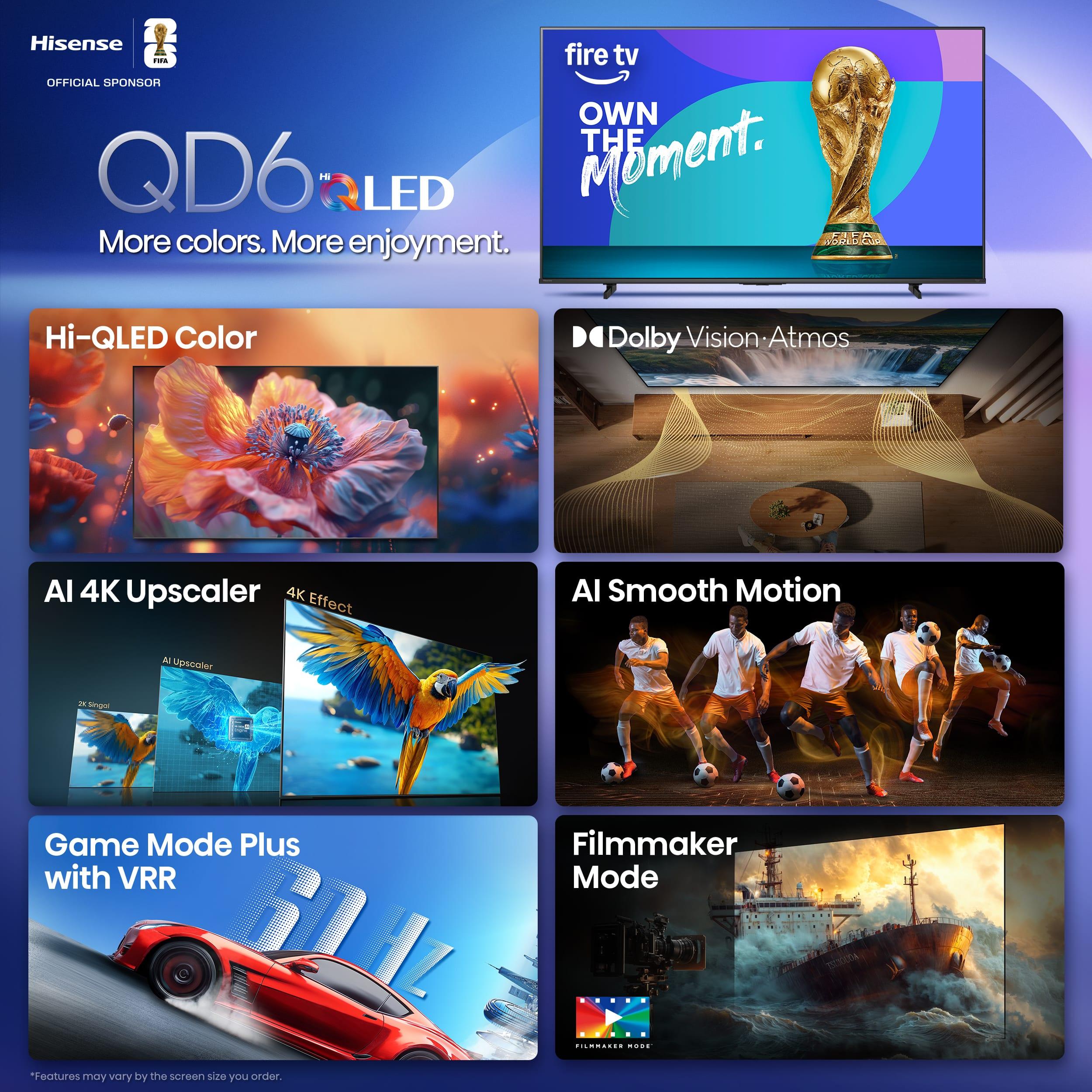
The Hisense 100" QD6 Series QLED 4K UHD Fire TV 2025 at $1,999.99 represents a significant step up in display technology and gaming capabilities. Its QLED panel with quantum dot enhancement delivers dramatically superior color accuracy, brightness levels, and HDR performance, particularly excelling with Dolby Vision content from Netflix, Disney+, and Apple TV+. The 144Hz native refresh rate combined with VRR and ALLM makes it a powerhouse for PS5 and Xbox Series X gaming, eliminating screen tearing and reducing input lag for competitive play. The 50-watt Dolby Atmos audio system provides genuinely immersive sound that matches the premium visual experience, while the slightly larger 100-inch screen and advanced AI upscaling further enhance the overall package.
However, these premium features come at more than double the cost, raising important value questions for many buyers. While the Hisense QD6 undoubtedly delivers superior performance across nearly every metric, the real-world benefits may not justify the $1,100+ price premium for casual viewers who primarily stream content and don't game seriously. The QLED advantages are most apparent in dark room viewing and HDR content, but in bright living rooms with ambient light, some of these benefits diminish. For buyers building dedicated home theaters or serious gaming setups, the Hisense's advanced features provide clear long-term value. But for families wanting maximum screen size at an accessible price point, the Samsung's solid performance at half the cost represents the more practical choice, allowing budget allocation toward other home theater components like a quality soundbar.
🤖 Read Detailed Comparison
👌Hisense 100" QD6 Series QLED 4K UHD Fire TV 2025 Details
💵 See Hisense 100" QD6 Series QLED 4K UHD Fire TV 2025 Price
The Sony BRAVIA 5 98" Mini LED 4K Google TV 2025 represents a significant technological leap forward with its Mini LED backlighting system featuring thousands of individually controlled dimming zones, creating dramatically superior contrast with deep blacks and minimal blooming compared to traditional LED displays. The XR Processor with AI optimization delivers exceptional upscaling and color accuracy, while comprehensive HDMI 2.1 implementation provides full 4K@120Hz gaming support with VRR and ALLM for PlayStation 5 and Xbox Series X owners. Peak brightness reaches around 800 nits for vibrant HDR performance, and features like Dolby Vision support, Acoustic Center Sync for soundbar integration, and Google TV's advanced content recommendations create a premium viewing experience. For home theater enthusiasts and serious gamers, these technological advantages translate into noticeably superior picture quality, especially when watching HDR movies or playing next-generation console games.
However, the Sony BRAVIA 5 comes with a substantial $5,998 price tag—nearly seven times the cost of the Samsung DU9000—which fundamentally changes the value equation. While the Mini LED technology and advanced processing deliver measurably better performance, particularly in contrast ratio and HDR brightness, the question becomes whether these improvements justify the premium for your specific viewing habits. The Sony excels in controlled lighting environments with premium content, but for everyday streaming, cable TV, and casual gaming, the performance gap may not be as pronounced. Users invested in the Google ecosystem will appreciate the seamless integration, and the superior build quality suggests better longevity, but budget-conscious buyers need to carefully consider whether the technological advantages align with their viewing priorities and financial constraints.
🤖 Read Detailed Comparison
👌Sony BRAVIA 5 98" Mini LED 4K Google TV 2025 Details
💵 See Sony BRAVIA 5 98" Mini LED 4K Google TV 2025 Price
The Hisense 100" U7 Series represents a significant leap into premium display technology, offering Mini-LED backlighting with 256 local dimming zones that delivers dramatically superior contrast and black levels compared to standard LED systems. At 800+ nits peak brightness, the U7 makes HDR content truly shine with the kind of visual impact that transforms your viewing experience—bright explosions pop against inky black space, and subtle shadow details emerge that would be lost on conventional displays. The TV's native 144Hz refresh rate extends to 165Hz in Game Mode Ultra, paired with four HDMI 2.1 ports and AMD FreeSync Premium Pro support, making it a powerhouse for next-generation gaming. Its 2.1.2 audio system with Dolby Atmos creates genuinely immersive surround sound, while the extra 2 inches of screen real estate provides noticeably more viewing area for that true cinema-scale experience.
The performance difference becomes immediately apparent in real-world use, particularly with dark content like Marvel movies or atmospheric games where the Hisense U7's local dimming technology reveals details and creates depth that standard LED backlighting simply cannot match. While the U7 commands a premium price at $2,998, it delivers display technology typically found in TVs costing twice as much, making it exceptional value for buyers seeking flagship picture quality. For casual viewers primarily watching daytime television or sports, the DU9000's capabilities may suffice. However, anyone planning to use their massive TV for movie nights, HDR streaming, or serious gaming will find the U7's superior technology transforms the viewing experience in ways that justify the investment—especially considering these large TVs typically serve families for 7-10 years, making the daily picture quality difference substantial over time.
🤖 Read Detailed Comparison
👌Hisense 100" U7 Series Mini-LED TV (100U75Q, 2025) Details
💵 See Hisense 100" U7 Series Mini-LED TV (100U75Q, 2025) Price
The TCL 98-Inch QM6K QLED TV at $1,999.99 represents a significant step up in display technology and performance, featuring QD-Mini LED backlighting with up to 500 local dimming zones that deliver dramatically superior contrast and black levels compared to the Samsung's standard LED system. The quantum dot enhancement provides exceptional color accuracy with 93% DCI-P3 coverage, while comprehensive HDR support including Dolby Vision, HDR10+, and higher peak brightness makes HDR content genuinely impactful rather than just brighter. For gaming enthusiasts, the TCL excels with native 144Hz support, 4K@144Hz and 1080p@288Hz capabilities, VRR technology, and ultra-low input lag that transforms the 98-inch screen into a competitive gaming powerhouse. The anti-glare HVA panel coating also makes it significantly more usable in bright rooms, while the Onkyo-tuned Dolby Atmos audio system provides notably better built-in sound quality.
However, the TCL QM6K commands more than double the Samsung's price, which may not justify the improvements for all buyers. While the Mini LED technology and advanced gaming features represent genuine technological advantages, casual viewers who primarily watch standard streaming content may not fully appreciate the enhanced contrast and HDR capabilities. The higher cost also means less budget available for external audio systems, room treatments, or seating upgrades that could potentially have greater impact on the overall viewing experience. For buyers focused purely on maximizing screen size within a tight budget, or those planning to invest heavily in external audio equipment, the Samsung's $1,100+ savings could be better allocated elsewhere in their home theater setup. The TCL justifies its premium pricing for enthusiasts seeking cutting-edge display technology and comprehensive gaming features, but represents overkill for viewers with more basic entertainment needs.
🤖 Read Detailed Comparison
👌TCL 98-Inch QM6K QLED TV Details
💵 See TCL 98-Inch QM6K QLED TV Price
The Hisense 100" U6 Series Mini-LED 4K Fire TV represents a significant step up in display technology, featuring Mini-LED backlighting with 600 local dimming zones that delivers dramatically superior contrast and black levels compared to standard LED displays. With 1,000 nits peak brightness and comprehensive HDR support including Dolby Vision IQ, this TV excels in both dark and bright viewing environments, automatically optimizing picture settings based on ambient lighting. The anti-glare matte finish virtually eliminates reflections that can be distracting on such a large screen, while the 144Hz refresh rate with Variable Refresh Rate support from 48-144Hz provides exceptional gaming performance that rivals dedicated gaming monitors. Fire TV's intuitive interface and Alexa integration create a seamless smart home experience, and the additional 2 inches of screen size pushes the viewing experience into true home theater territory.
The trade-off comes in the form of significantly higher cost – the Hisense U6 typically costs roughly three times more than the Samsung DU9000, reflecting its premium Mini-LED technology and advanced gaming features. For home theater enthusiasts who prioritize picture quality, HDR performance, and gaming capabilities, this premium represents genuine value through measurably superior performance that's immediately apparent when watching movies or playing games. However, the cost difference means buyers need to carefully consider whether the enhanced contrast, brighter HDR, and smoother gaming justify the substantial price increase over the Samsung's already impressive 98-inch experience. The Hisense U6 is the clear choice for dedicated home theaters and serious gamers, but the Samsung DU9000 offers 95% of the screen impact at a fraction of the cost for more budget-conscious buyers.
🤖 Read Detailed Comparison
👌Hisense 100" U6 Series Mini-LED 4K Fire TV Details
💵 See Hisense 100" U6 Series Mini-LED 4K Fire TV Price
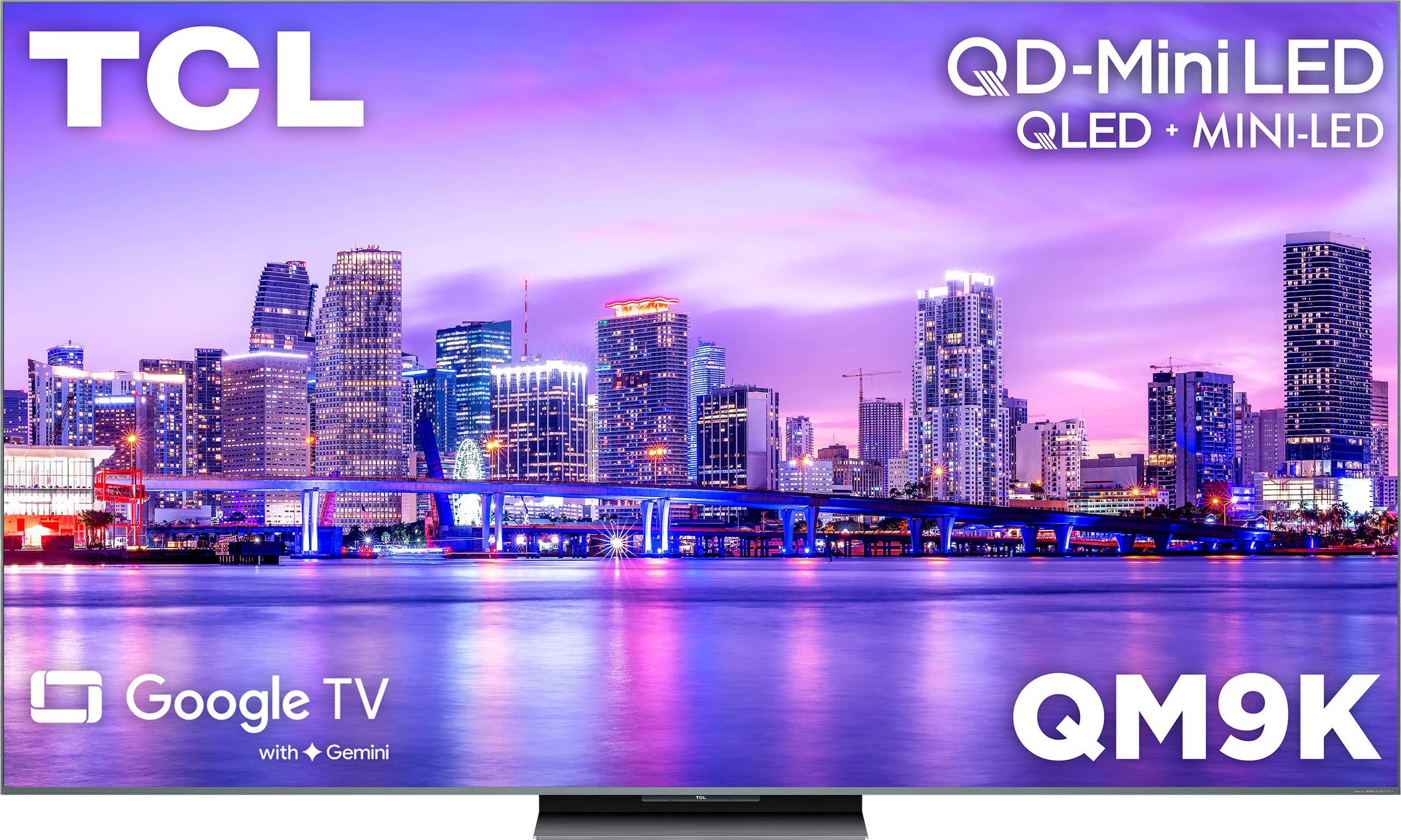
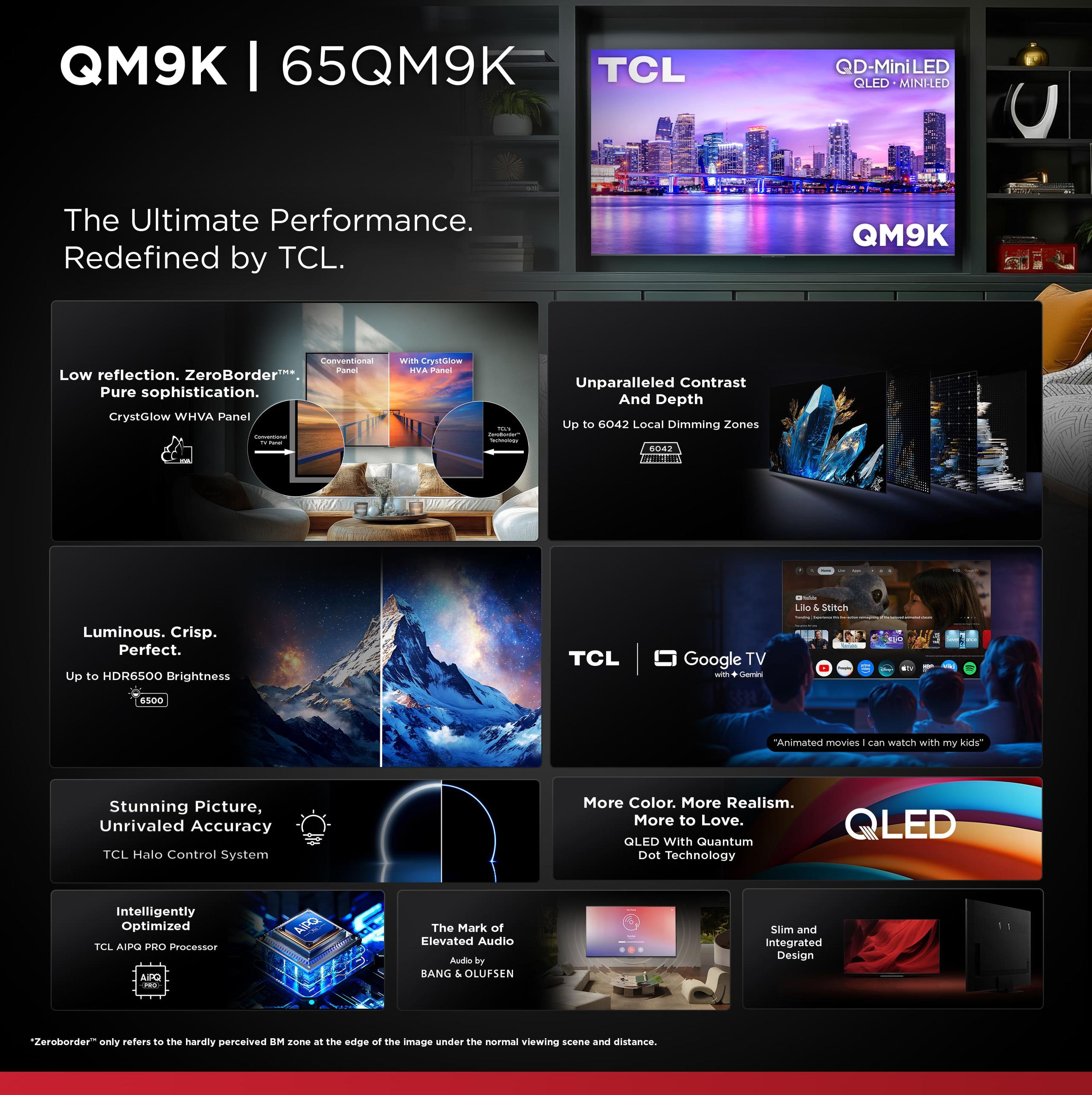
The TCL 98" X11K represents the cutting edge of large-screen display technology, delivering performance that justifies its premium positioning through genuine technological advantages. Its standout QD-Mini LED technology with 14,000 local dimming zones creates contrast precision that approaches OLED quality while achieving a remarkable 6,500 nits peak brightness—making HDR content genuinely pop with lifelike intensity. The 144Hz native refresh rate with comprehensive VRR support transforms gaming performance, while the Bang & Olufsen 2.1.1 audio system with Dolby Atmos delivers surprisingly immersive sound that can genuinely serve as a primary audio solution. Google TV integration with Wi-Fi 6 connectivity ensures fast, reliable streaming performance and excellent Android ecosystem compatibility.
The real-world performance gap becomes most apparent in premium content scenarios where the TCL X11K excels and the DU9000 shows its limitations. Dark movie scenes reveal the X11K's ability to maintain deep blacks alongside bright highlights without the blooming effects that plague conventional LED displays. HDR content from Netflix, Disney+, and 4K Blu-rays displays with the intensity and color accuracy that content creators intended, rather than the compressed dynamic range that budget displays must settle for. For serious gamers, the difference is transformative—the X11K's true high refresh rate capabilities provide smooth, responsive gameplay that competitive players will immediately notice. While the X11K commands a significant premium, it delivers measurable performance improvements across every category that matter to enthusiast users, making it the clear choice for buyers who want the absolute best 98-inch experience and can justify the additional investment.
🤖 Read Detailed Comparison
👌TCL 98" X11K 4K QD-Mini LED Google TV Details
💵 See TCL 98" X11K 4K QD-Mini LED Google TV Price
The TCL 98" QM7K QD-Mini LED 4K TV represents a significant leap into premium display technology, featuring QD-Mini LED backlighting with up to 2,500 local dimming zones that deliver precise contrast control approaching OLED-level performance. Its exceptional 3,000-nit peak brightness makes HDR content genuinely impactful, with specular highlights that pop off the screen and maintain picture quality even in bright, sunlit rooms where the DU9000 would struggle. The 144Hz native refresh rate and Game Accelerator 288 technology provide serious gaming capabilities with support for 288Hz VRR, making it competitive with dedicated gaming monitors. Audio quality receives premium treatment through Bang & Olufsen tuning with Dolby Atmos support, eliminating the immediate need for external speakers that many large TV buyers typically require.
While both TVs occupy similar price points at the time of writing, the TCL QM7K delivers dramatically superior performance that justifies choosing it over the DU9000 for demanding users. The Mini LED technology creates deep blacks and brilliant highlights that transform movie watching into a true cinematic experience, particularly in dedicated home theater environments where the contrast capabilities shine. The advanced AiPQ ULTRA processor with deep learning AI also significantly improves upscaling of lower-quality content, making everything from streaming video to cable TV look better on the massive 98-inch screen. However, this premium technology comes with increased complexity and potentially higher long-term service needs compared to Samsung's simpler LED approach. For buyers who prioritize maximum picture quality, serious gaming, or bright room performance over basic large-screen entertainment, the TCL QM7K offers exceptional value despite its premium positioning.
🤖 Read Detailed Comparison
👌TCL 98" QM7K QD-Mini LED 4K TV Details
💵 See TCL 98" QM7K QD-Mini LED 4K TV Price
Original price was: $1,598.00.$1,298.00Current price is: $1,298.00.
Original price was: $499.99.$369.99Current price is: $369.99.
Original price was: $579.99.$318.99Current price is: $318.99.

Privacy Policy
Terms and Conditions - Affiliate Policy
Home Security
© Copyright 2008-2026.
11816 Inwood Rd #1211, Dallas, TX 75244