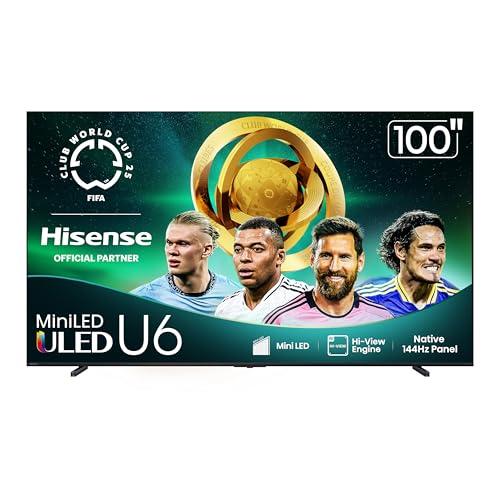
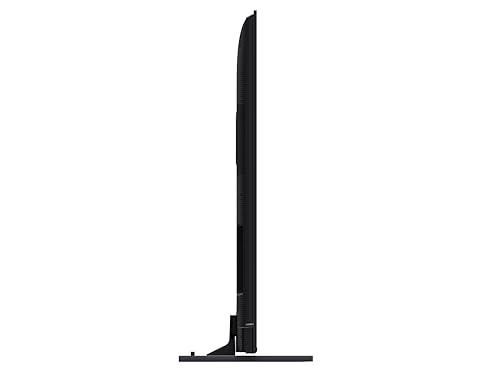
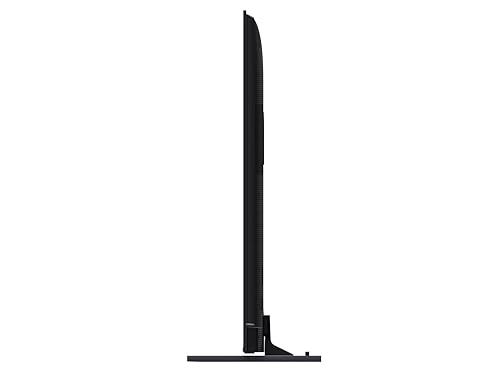
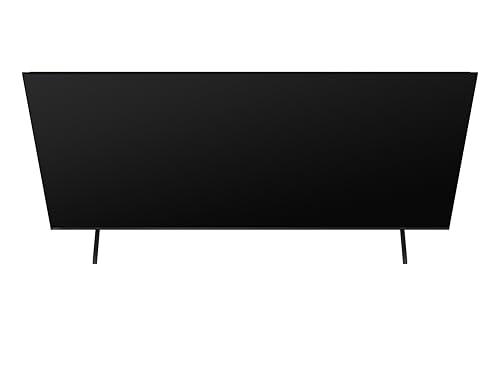
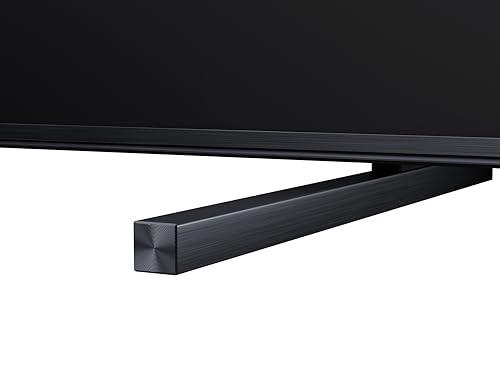
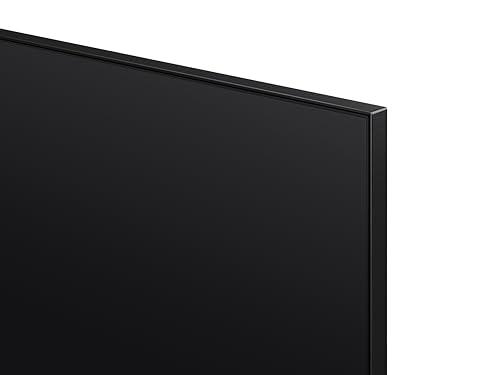
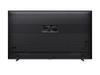
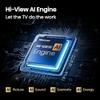
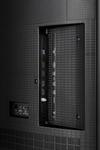
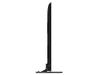
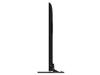
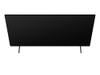
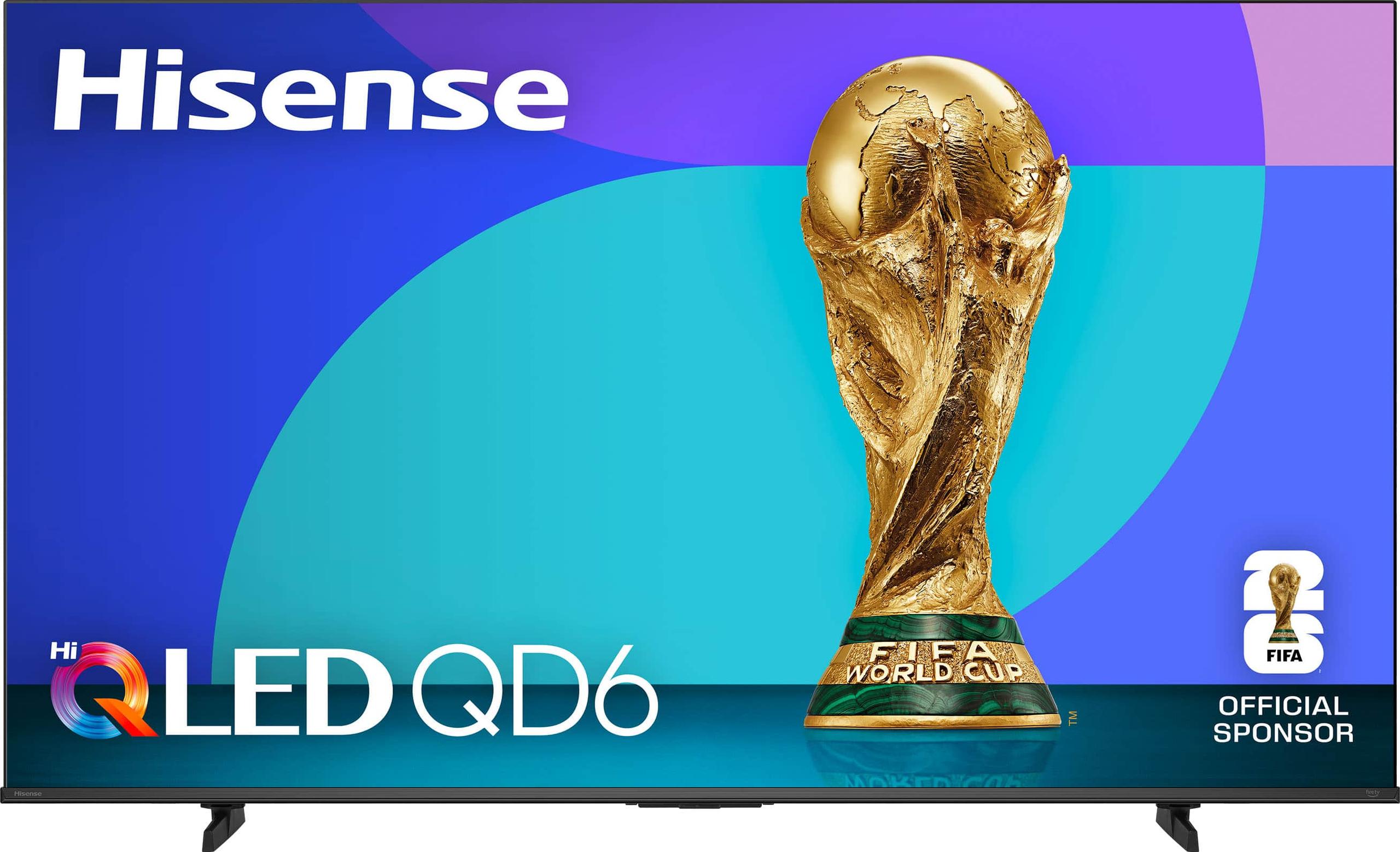
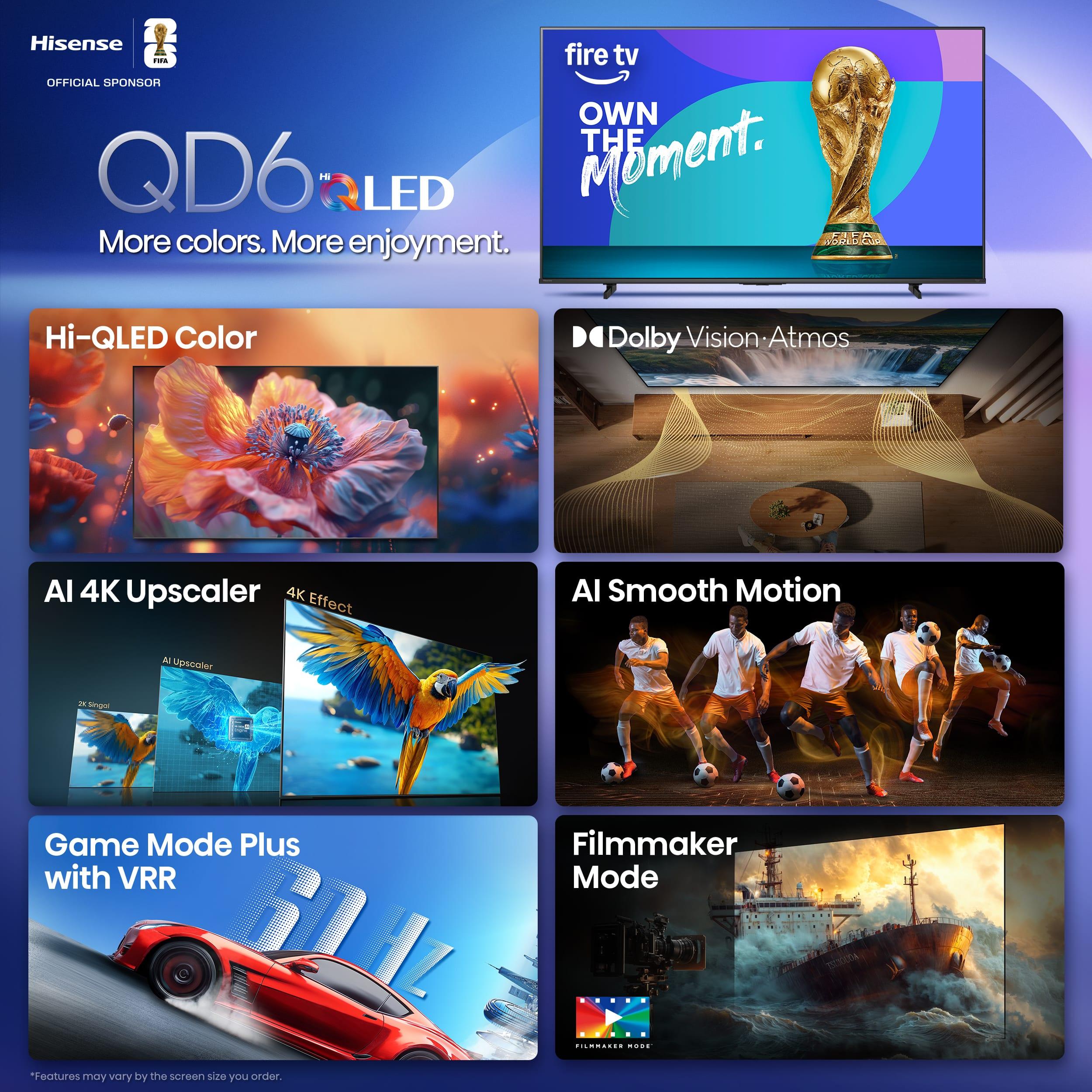
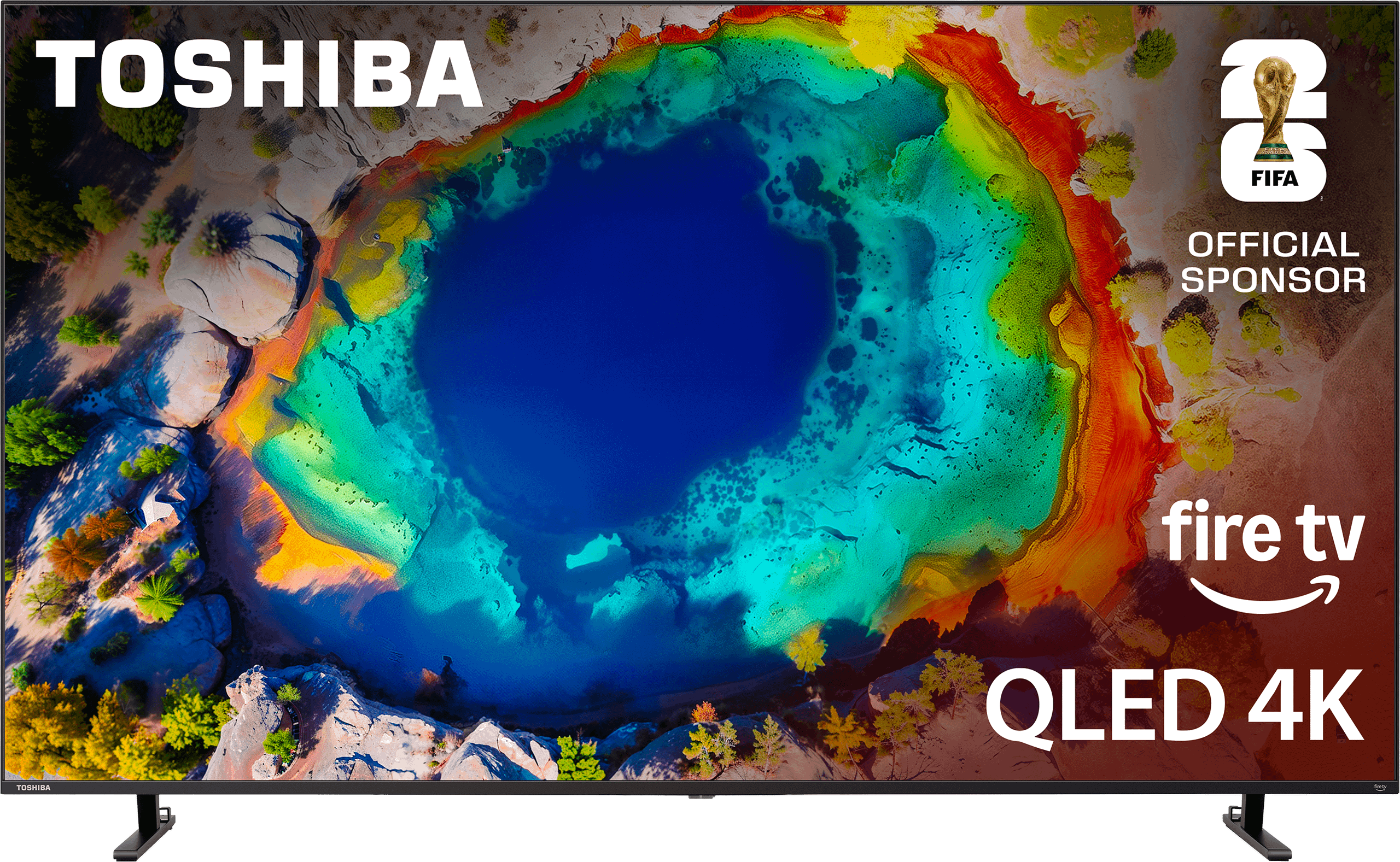
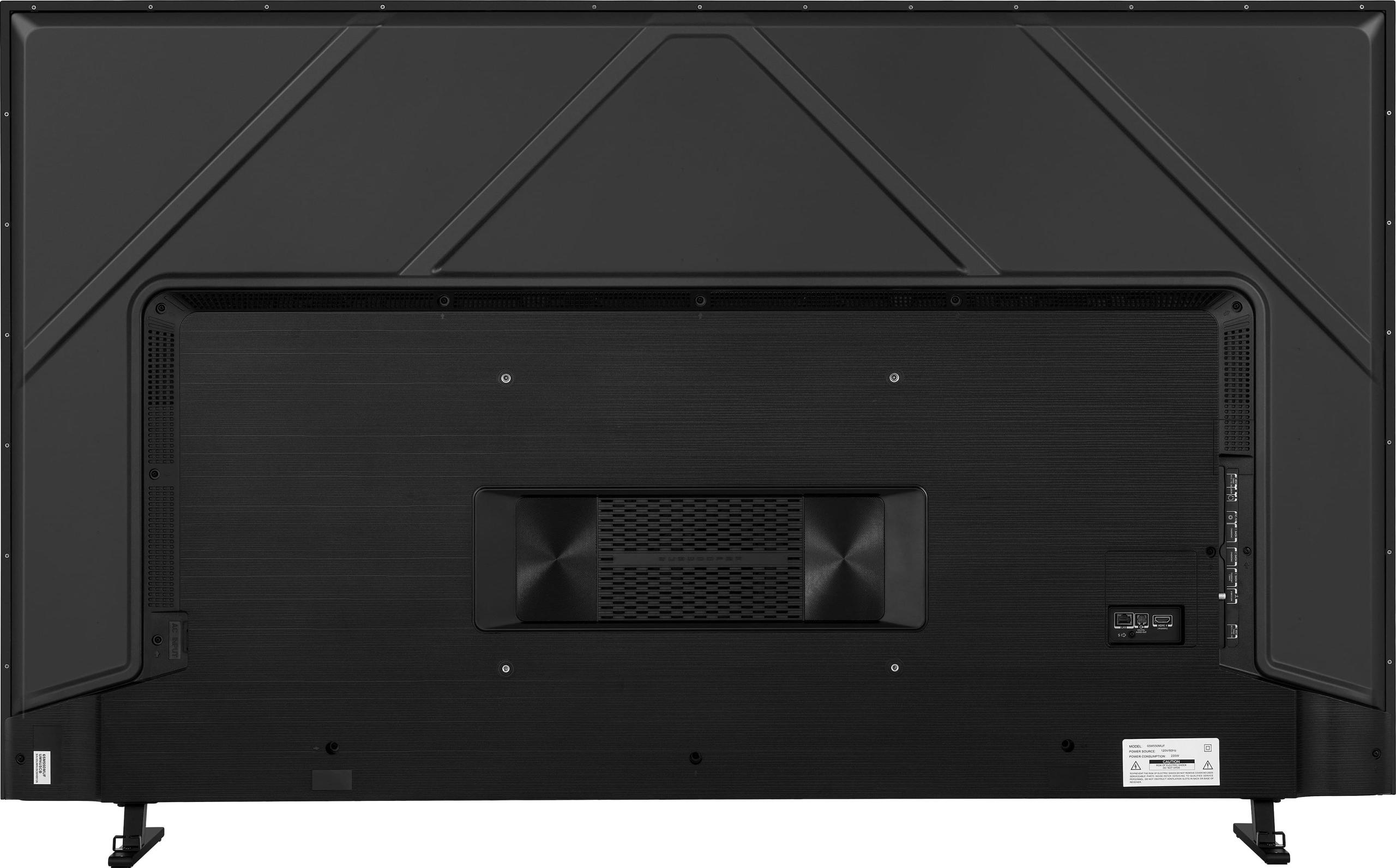
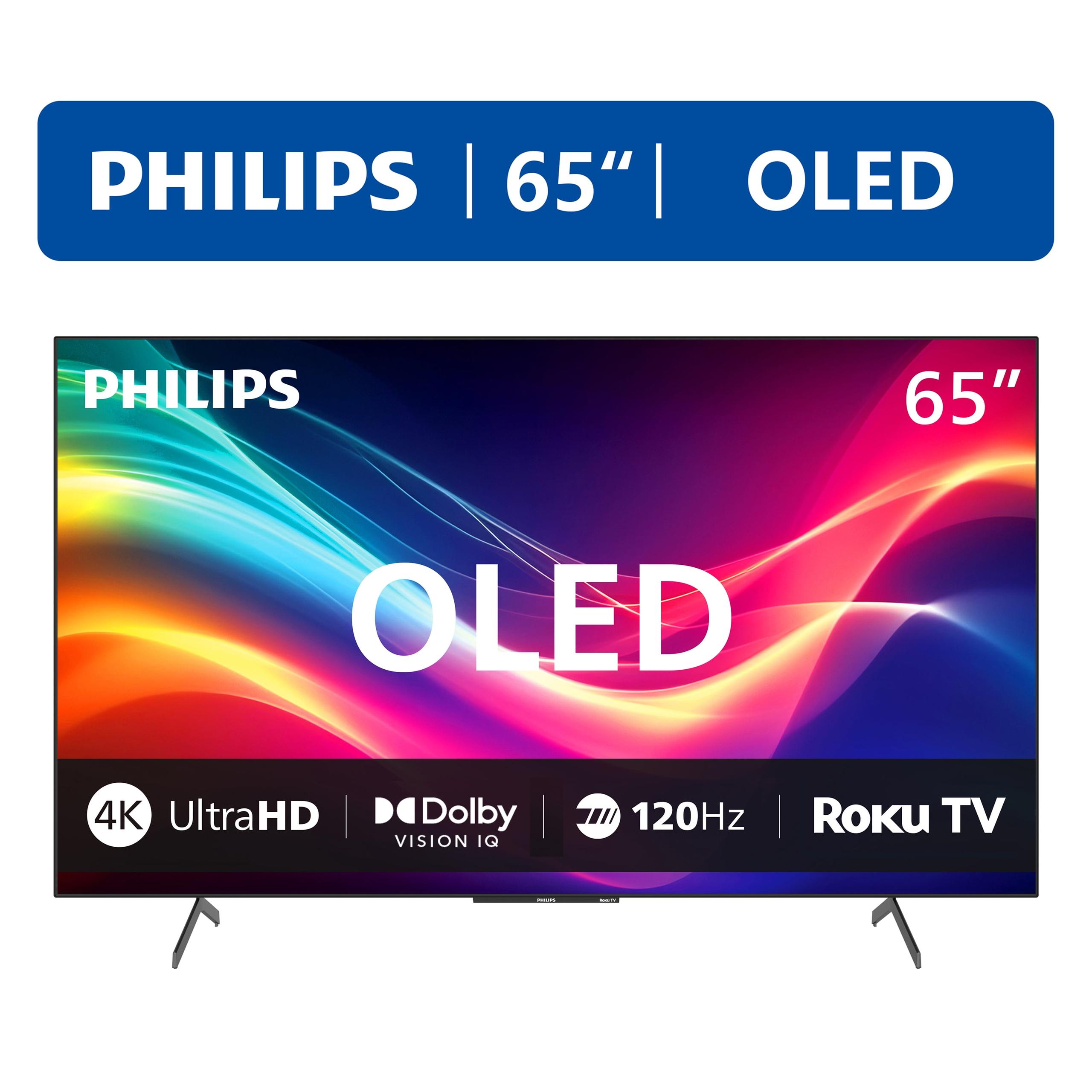
Hisense 100" U6 Series Mini-LED 4K Fire TV

We may earn from purchases via affiliate links

Original price was: $3,499.99.Current price is: $1,699.99.

Product Description

Hisense 100" U6 Series Mini-LED 4K Fire TV: Your Gateway to Cinema-Scale Entertainment

When you're ready to transform your living room into a personal theater, the Hisense 100" U6 Series Mini-LED 4K Fire TV represents a compelling entry point into ultra-large format displays. Released in early 2025, this massive television brings together several advanced technologies that were previously reserved for much more expensive models, making cinema-scale viewing accessible to a broader audience.

Understanding the Mini-LED Revolution

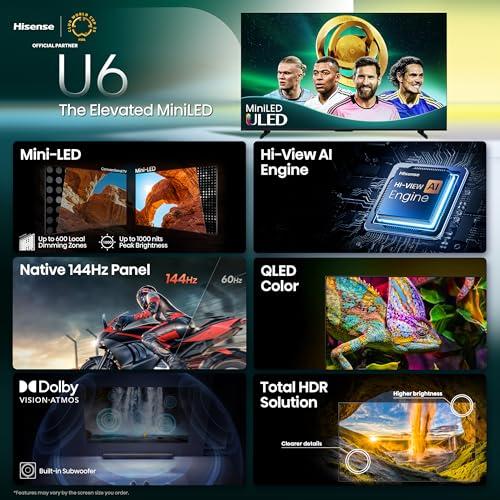
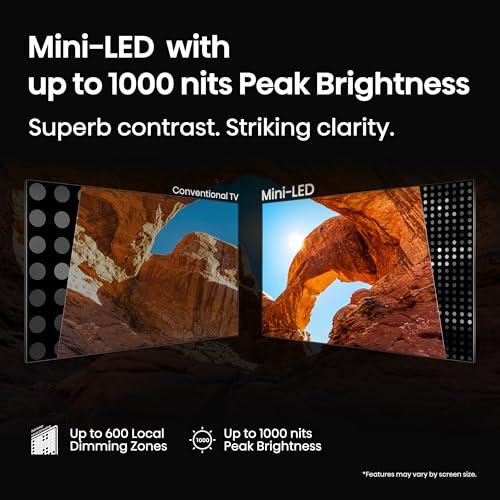
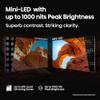
The standout feature of this television is its Mini-LED backlighting system, which represents a significant technological leap from traditional LED TVs. To understand why this matters, imagine the difference between painting with a house brush versus using hundreds of fine artist brushes. Traditional LED TVs use relatively few, large LED lights behind the screen, which means they can't precisely control brightness in small areas. Mini-LED technology uses thousands of LEDs that are much smaller—about the size of a grain of rice—allowing for incredibly precise control over brightness and darkness across different parts of the screen.

Our testers found this particularly impressive when watching movies with stark contrasts, like space scenes where bright starships appear against the blackness of space. Instead of seeing a gray halo around bright objects (called "blooming"), the Mini-LED system keeps the dark areas truly dark while making the bright areas pop with intensity. This creates what reviewers consistently describe as an almost OLED-like viewing experience, where blacks appear genuinely black rather than dark gray.

The system divides the 100-inch screen into hundreds of dimming zones, each controlled independently. When a scene shows a campfire against a night sky, only the zones containing the fire brighten up, while the surrounding zones displaying the dark sky remain dim. This level of precision was virtually impossible with older LED technology and creates a much more immersive viewing experience.

Quantum Dot Technology: A Color Science Breakthrough

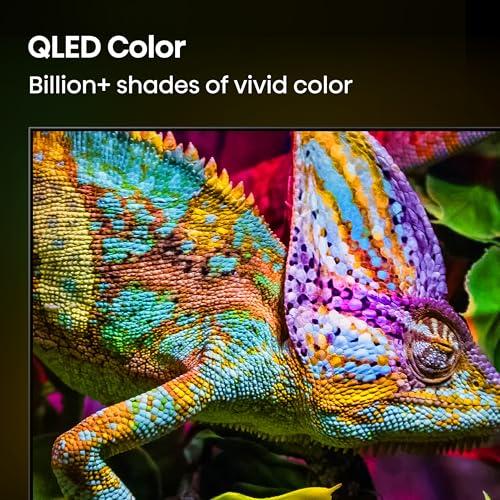
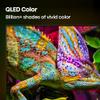
Beyond the backlighting improvements, the Hisense 100" U6 Series incorporates Quantum Dot technology, often marketed as QLED. This might sound like marketing jargon, but it's actually a significant advancement in color reproduction. Quantum dots are tiny nanocrystals that emit very specific colors when light hits them. Think of them as incredibly precise color filters that can produce purer, more vibrant colors than traditional LED displays.

Testers noted that this technology becomes particularly apparent when watching nature documentaries or animated content. The greens of tropical forests appear more lifelike, ocean blues seem deeper and more realistic, and skin tones look more natural. One reviewer mentioned that watching "Planet Earth" felt like looking through a window rather than at a screen, with colors that seemed to jump off the display.

The quantum dot layer expands what's called the "color gamut"—essentially the range of colors the TV can display—to over one billion different shades. While the human eye can't distinguish between all billion colors, having this expanded palette means the TV can more accurately reproduce the colors that content creators intended.

Smart Platform Integration: Fire TV's Mature Ecosystem

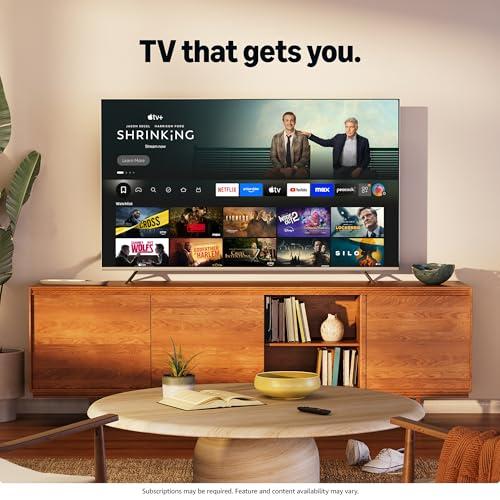
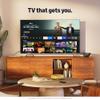
The Fire TV platform integration deserves special attention because it transforms this display from a simple TV into a comprehensive entertainment hub. Unlike many smart TV platforms that feel slow or clunky, Fire TV has matured significantly since its initial release. The interface loads quickly, responds immediately to remote commands, and organizes content in an intuitive way that our testers found genuinely helpful.

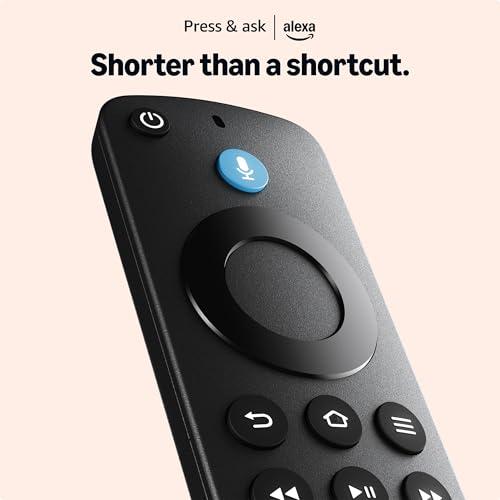
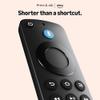
The built-in Alexa functionality goes beyond simple voice commands. You can ask it to find specific shows across multiple streaming services, control smart home devices, check the weather, or even order products online without picking up your phone. Reviewers particularly appreciated being able to say "Alexa, find action movies with Tom Cruise" and having the system search across Netflix, Prime Video, and other services simultaneously.

The Fire TV ecosystem also includes robust parental controls, detailed viewing histories, and the ability to create multiple user profiles. This makes it practical for families where different members have vastly different viewing preferences.

Gaming Performance: Breaking the 60Hz Barrier

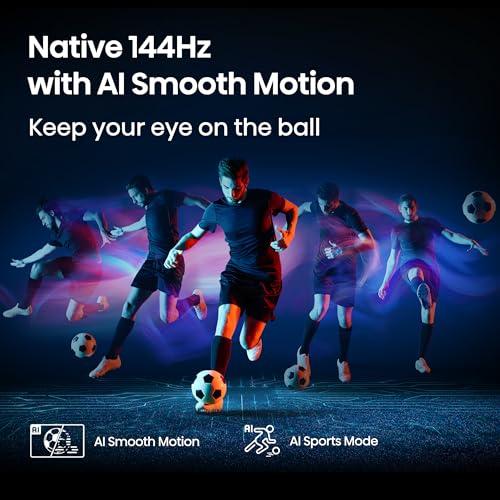
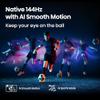
One of the most significant improvements in the 2025 model year is the jump to a native 144Hz refresh rate with Variable Refresh Rate (VRR) support. To understand why this matters, imagine watching a fast-paced action scene where the camera pans quickly across a landscape. On older 60Hz TVs, this motion often appears choppy or stuttered. The higher refresh rate makes these movements appear smooth and natural.

For gaming enthusiasts, this technology is particularly transformative. VRR allows the TV to synchronize its refresh rate with the output from gaming consoles or PCs, eliminating screen tearing (where the image appears split horizontally) and reducing input lag (the delay between pressing a button and seeing the action on screen). Our gaming testers found this especially noticeable in fast-paced games like racing simulators and first-person shooters, where the 100-inch screen combined with smooth motion created an incredibly immersive experience.

The Game Mode Pro feature optimizes all display settings for minimal input lag while maintaining image quality. Competitive gamers noted that the combination of large screen size and responsive controls created a significant advantage in online multiplayer games, as they could spot opponents more easily while maintaining quick reaction times.

HDR Performance: Bringing Content to Life

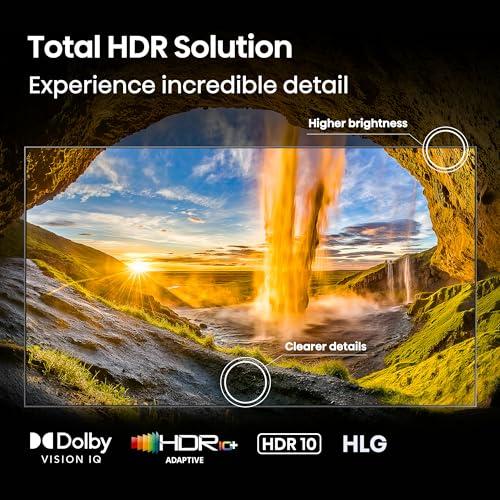
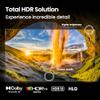
The TV's HDR (High Dynamic Range) capabilities represent another major advancement over older display technology. HDR essentially allows the TV to display a much wider range of brightness levels, from very dark to very bright, more closely matching what our eyes see in real life. The Hisense 100" U6 Series supports all major HDR formats, ensuring compatibility with content from any source.

Dolby Vision IQ, one of the supported formats, automatically adjusts the picture based on the lighting in your room. If you're watching during a bright afternoon, it will boost certain elements to maintain visibility. During evening viewing in a dark room, it optimizes for the more controlled lighting conditions. Testers found this feature particularly useful for the large screen size, as ambient light affects picture quality more significantly on displays this large.

The Mini-LED backlighting enables peak brightness levels of 1000 nits, which means HDR content displays with real impact. Bright scenes like explosions, sunrises, or snow-covered landscapes appear genuinely bright rather than washed out. This brightness capability, combined with the precise local dimming, creates the high contrast ratios that make HDR content look dramatically more realistic than standard content.

Home Theater Considerations

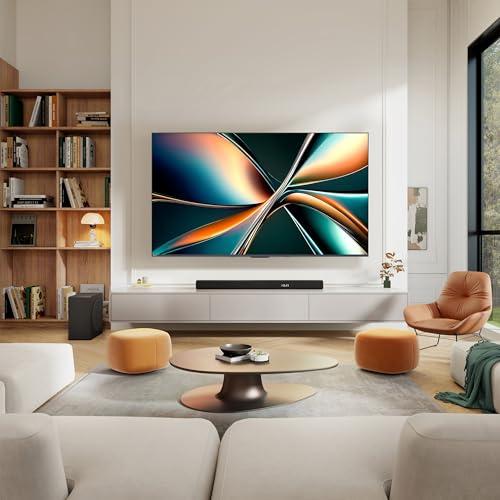
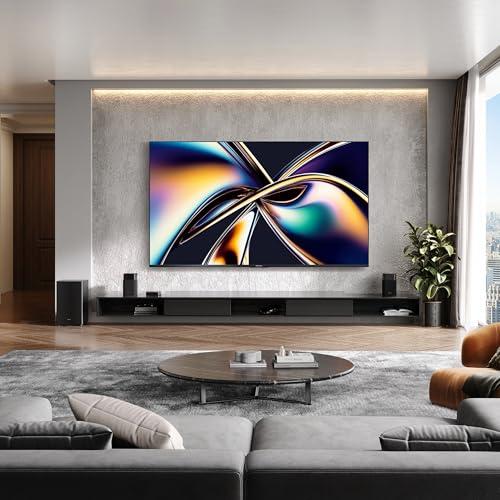
For dedicated home theater use, this television excels in several key areas while requiring some specific considerations. The 100-inch screen size creates an genuinely cinematic experience when viewed from the optimal distance of 12-16 feet. Reviewers consistently noted that movie watching becomes more immersive, with peripheral vision engaged in a way that smaller screens simply cannot achieve.

The Mini-LED technology performs exceptionally well in dark room environments, where the precise local dimming creates deep blacks that rival much more expensive display technologies. However, testers found that the anti-glare coating and brightness capabilities also make it suitable for rooms with some ambient lighting, unlike OLED displays that require complete darkness for optimal performance.

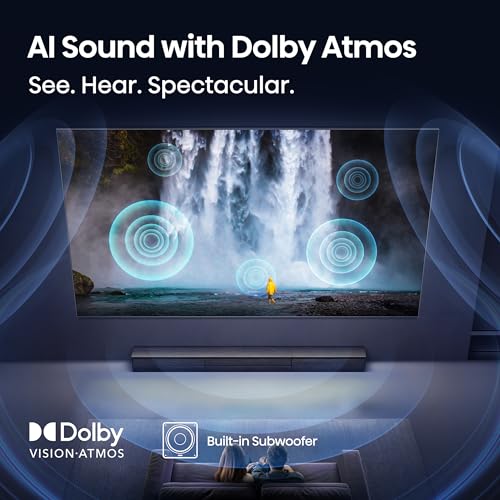
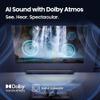
The built-in Dolby Atmos processing provides surprisingly good audio for a TV of this size, but most home theater enthusiasts will want to pair it with a dedicated sound system. The large screen scale demands audio that matches its visual impact, and while the internal speakers are adequate for casual viewing, they cannot match the dynamic range and spatial imaging that external speakers or a soundbar can provide.

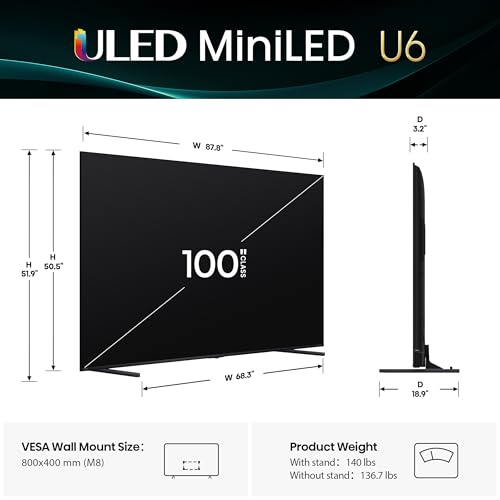
Installation requires careful planning due to the TV's substantial size and weight. At nearly 140 pounds with the stand, it requires a very sturdy entertainment center or professional wall mounting. The stand itself spans over 5.5 feet, requiring significant furniture space.

Technical Evolution and Future-Proofing

Since its release, the U6 Series has represented a significant step forward in making advanced display technologies accessible. The combination of Mini-LED backlighting, Quantum Dot color technology, and high refresh rate gaming features in a 100-inch format would have been exclusively found in flagship models costing significantly more just a year ago.

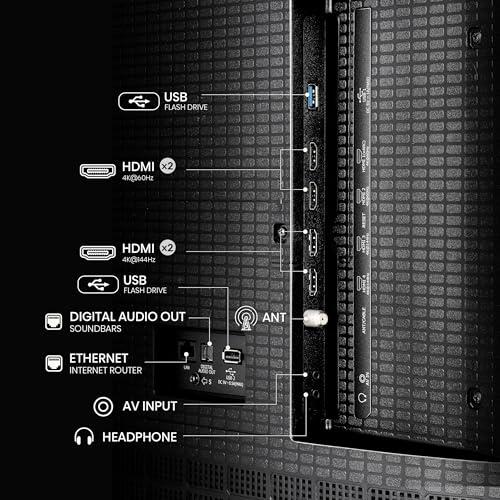
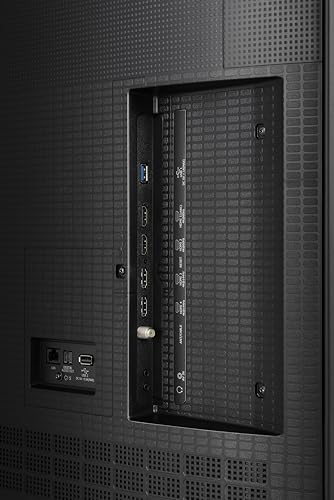
The inclusion of HDMI 2.1 ports ensures compatibility with next-generation gaming consoles and high-bandwidth content sources. WiFi 6 support provides the network capacity needed for stable 4K streaming, even in households with multiple devices competing for bandwidth.

Looking at the broader market evolution, this television represents the democratization of premium display technologies. Features that were experimental or prohibitively expensive just a few years ago are now standard, making truly impressive home theater experiences accessible to a much wider audience.

The Hisense 100" U6 Series Mini-LED 4K Fire TV succeeds in delivering an exceptional large-format viewing experience that balances advanced technology with practical usability, making it an compelling choice for anyone ready to embrace cinema-scale entertainment at home.

Hisense 100" U6 Series Mini-LED 4K Fire TV Deals and Prices

Is the Hisense 100" U6 Series Mini-LED 4K Fire TV good for home theater?

Yes, the Hisense 100" U6 Series Mini-LED 4K Fire TV is excellent for home theater use. The Mini-LED backlighting delivers deep blacks and bright highlights that create a cinematic experience, while the 100-inch screen provides true theater-scale viewing. The TV supports all major HDR formats including Dolby Vision IQ and features Dolby Atmos audio processing, making it ideal for movie enthusiasts.

What is Mini-LED technology and why does it matter?

Mini-LED technology uses thousands of tiny LEDs for backlighting instead of traditional larger LEDs, allowing for precise local dimming control. This means the Hisense 100" U6 Series can display deeper blacks and brighter whites simultaneously, creating better contrast and reducing blooming effects around bright objects on dark backgrounds—essential for an immersive home theater experience.

Does the Hisense 100" U6 Series work well for gaming?

Absolutely. The TV features a native 120Hz refresh rate with Variable Refresh Rate (VRR) support from 48Hz to 144Hz, which eliminates screen tearing and reduces input lag. Game Mode Pro optimizes settings for responsive gaming, making the massive 100-inch display perfect for console gaming and PC gaming enthusiasts.

What smart features does the Fire TV platform offer?

The Fire TV platform provides built-in Amazon Alexa, unified content search across streaming services, and access to all major streaming apps. You can control the TV with voice commands, manage smart home devices, and enjoy seamless integration with Amazon's ecosystem, making the Hisense 100" U6 Series Mini-LED 4K Fire TV a comprehensive entertainment hub.

How much space do I need for a 100-inch TV?

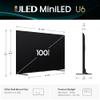
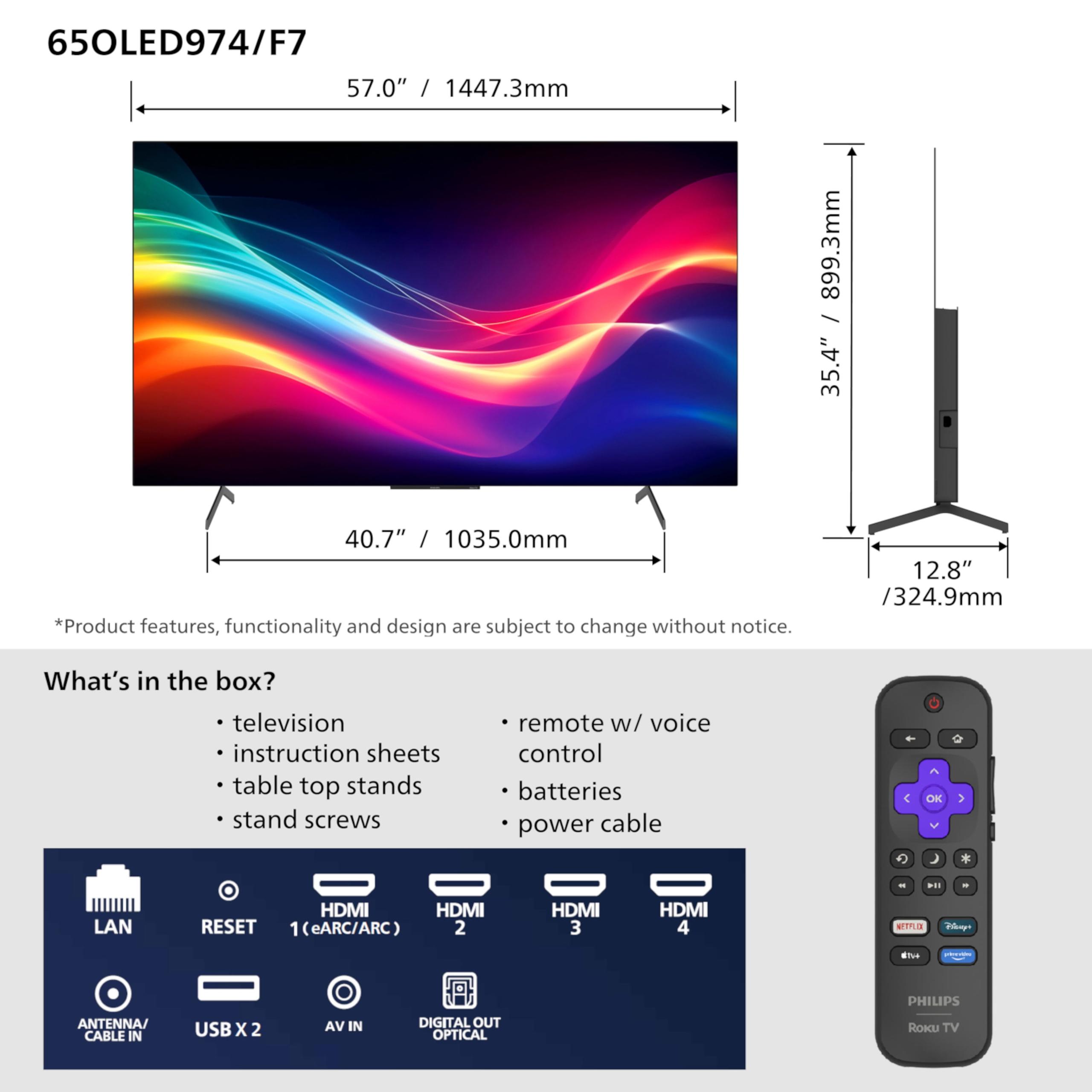
You'll need a viewing distance of 12-16 feet for optimal comfort with the 100-inch screen. The TV with stand measures 87.8" wide by 51.9" tall by 18.9" deep, and the stand alone requires 68.3 inches of width. Wall mounting is also an option with VESA compatibility.

What HDR formats does the Hisense 100" U6 Series support?

The TV supports all major HDR formats: Dolby Vision IQ, HDR10+ Adaptive, HDR10, and HLG. This comprehensive HDR support ensures compatibility with content from any source, whether streaming services, 4K Blu-rays, or gaming consoles, delivering the enhanced contrast and color that HDR content offers.

Is the built-in audio good enough for home theater use?

While the Hisense 100" U6 Series includes Dolby Atmos processing and produces surprisingly good sound for a TV, most home theater enthusiasts will want to add a soundbar or surround sound system. The massive screen scale deserves audio that matches its visual impact for the full cinematic experience.

What gaming consoles work best with this TV?

The TV is optimized for next-generation consoles like PlayStation 5 and Xbox Series X, thanks to its HDMI 2.1 ports, VRR support, and Game Mode Pro. These features ensure smooth 4K gaming with minimal input lag and eliminate screen tearing for competitive gaming on the large 100-inch display.

How does the picture quality compare to OLED TVs?

The Mini-LED technology in the Hisense 100" U6 Series Mini-LED 4K Fire TV delivers contrast levels that approach OLED performance, with deep blacks and bright highlights. While OLED still has advantages in perfect black levels, this TV offers better peak brightness for HDR content and doesn't suffer from burn-in concerns, making it excellent for varied content consumption.

Is Hisense 100" U6 Series Mini-LED 4K Fire TV Worth It?

Yes, the Hisense 100" U6 Series Mini-LED 4K Fire TV offers exceptional value for those wanting cinema-scale viewing. The combination of Mini-LED backlighting, QLED color technology, 144Hz gaming capabilities, and comprehensive smart features in a 100-inch format provides premium display performance. For home theater enthusiasts ready for ultra-large format viewing, this TV delivers impressive picture quality and features that would typically cost significantly more in competing models.

Sources

We've done our best to create useful and informative comparisons to help you decide what product to buy. Our research has used advanced automated methods to create this comparison and perfection is not possible - please contact us for corrections or questions. These are the sites we've researched in the creation of this article: bestbuy.com - rtings.com - youtube.com - rtings.com - youtube.com - youtube.com - costco.com - pcrichard.com - hisense-usa.com - electronicexpress.com - pcrichard.com - circuitworldonline.com - bestbuy.com - bestbuy.com - premiumincentive.com - hisense-usa.com - hisense-usa.com - pcrichard.com - rtings.com - bestbuy.com - hisense-usa.com - avsforum.com

Specs
Specs Table
Hisense 100" U6 Series Mini-LED 4K Fire TV
Mini-LED Backlighting - Delivers precise contrast control with deeper blacks and brighter highlights: Full Array Local Dimming
Peak Brightness - Critical for HDR content impact and daytime viewing: 1000 nits
Native Refresh Rate - Eliminates motion blur in sports and gaming: 120Hz
Variable Refresh Rate - Prevents screen tearing and reduces input lag: 48Hz to 144Hz
Screen Size: 100" class (99.5" actual)
Resolution: 4K Ultra HD (2160p)
HDR Support - Ensures compatibility with all premium content: Dolby Vision IQ, HDR 10+ Adaptive, HDR 10, HLG
Smart Platform: Fire TV with Alexa built-in
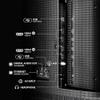
HDMI 2.1 Ports - Required for next-gen gaming consoles and high bandwidth content: 2 ports
Total HDMI Inputs: 4
Color Technology - Expands color range for more vibrant, lifelike images: QLED Quantum Dot
Audio Processing: Dolby Atmos support
Connectivity - Modern wireless standard for stable 4K streaming: WiFi 6, Bluetooth 5.2
Weight with Stand: 140 lbs
Stand Width: 68.3"
Dimensions with Stand (W x H x D): 87.8" x 51.9" x 18.9"
VESA Mount Compatible: Yes
Warranty: 12 months parts and labor
Comparisons

Compared to TCL 115" QM7K Series QD-Mini LED 4K Smart TV 2025

The TCL 115" QM7K Series QD-Mini LED represents a significant step up in both size and performance, offering 15 inches more screen real estate and substantially more advanced display technology. With peak brightness reaching 3,000 nits compared to the U6's 1,000 nits, the TCL handles challenging HDR content and bright room viewing scenarios that would cause the Hisense to compress details. The TCL's up to 2,500 local dimming zones provide pixel-level precision that eliminates blooming and delivers deeper blacks alongside brilliant highlights, while its Halo Control System addresses one of Mini-LED's biggest weaknesses. For gaming enthusiasts, the TCL's 288Hz VRR support and AMD FreeSync Premium Pro offer superior responsiveness and future-proofing that serious gamers will appreciate. The integrated Onkyo 4.2.2 speaker system with 100W output delivers genuinely impressive audio that rivals dedicated soundbars, potentially saving hundreds in additional equipment costs.
However, the TCL QM7K comes at a premium price that reflects its flagship positioning, making it roughly twice the cost of the Hisense for what amounts to superior but incremental improvements in most viewing scenarios. While the 32% larger screen area is immediately noticeable, it also demands larger rooms and viewing distances that many homes can't accommodate effectively. The TCL excels when you need maximum brightness for challenging lighting conditions or want the absolute best gaming performance, but for typical streaming and casual gaming, the U6's performance gap isn't as significant as the price difference suggests. The TCL makes most sense for dedicated home theater rooms where its size, brightness, and integrated premium audio can be fully utilized, while the Hisense U6 offers a more practical entry point to ultra-large premium TV technology that works well in multi-purpose living spaces.
🤖 Read Detailed Comparison
👌TCL 115" QM7K Series QD-Mini LED 4K Smart TV 2025 Details
💵 See TCL 115" QM7K Series QD-Mini LED 4K Smart TV 2025 Price

Compared to TCL 98-Inch QM6K QLED TV

The TCL 98" QM6K QLED TV stands out with its advanced Halo Control technology that virtually eliminates the blooming effects that can distract from dark movie scenes, delivering up to 90% cleaner contrast performance around bright objects. Its 288Hz Game Accelerator pushes gaming capabilities beyond what most TVs offer, supporting refresh rates up to 288Hz at 1080p and including AMD FreeSync Premium Pro certification for serious PC gamers. The Google TV platform provides superior content discovery across streaming services with hands-free voice control, while the Onkyo-tuned 2.1.1 audio system delivers noticeably clearer dialogue and more immersive spatial audio than typical TV speakers.
However, the TCL QM6K trades the Hisense's maximum size impact for technical refinement, offering 8% less screen area at 98 inches while typically commanding a slight price premium. The TCL lacks the anti-glare matte finish that makes the Hisense more practical in bright rooms, and its peak brightness falls slightly short of the U6's 1,000-nit performance. For buyers prioritizing the largest possible screen and bright room performance, the Hisense delivers better value per square inch. But for those seeking the most refined picture quality with minimal blooming, advanced gaming features, and superior smart platform integration, the TCL justifies its positioning as the more premium option despite the smaller screen size.
🤖 Read Detailed Comparison
👌TCL 98-Inch QM6K QLED TV Details
💵 See TCL 98-Inch QM6K QLED TV Price

Compared to Sony BRAVIA 5 98" Mini LED 4K Google TV 2025

The Sony BRAVIA 5 98" Mini LED 4K Google TV takes a distinctly different approach, prioritizing picture quality refinement over raw specifications. Sony's Cognitive Processor XR and XR Triluminos Pro technology deliver reference-grade color accuracy that's immediately noticeable when watching movies or high-quality content—skin tones appear natural, gradations are smoother, and upscaling of lower-resolution content produces cleaner results with fewer artifacts. The processing power really shines in challenging scenarios like poorly compressed streaming content or older TV shows, where the Sony consistently produces more polished images. For PlayStation 5 owners, the exclusive optimizations like Auto HDR Tone Mapping and Auto Genre Picture Mode provide a seamless gaming experience that automatically adjusts settings based on what you're playing. The premium build quality, including aluminum construction and the adjustable two-way stand, reflects attention to detail that extends beyond just specifications.
However, these refinements come at a significant cost premium—roughly double the price of the Hisense while delivering a slightly smaller 98-inch screen. The Sony achieves lower peak HDR brightness, making it less suitable for bright rooms where the Hisense excels. While the Google TV platform offers broader app selection and Apple AirPlay support, it lacks the seamless Amazon ecosystem integration that Fire TV provides. For most viewers, especially those prioritizing maximum screen size and solid performance at an accessible price point, the Hisense U6 delivers better overall value. The Sony justifies its premium for home theater enthusiasts, PlayStation users, and those who can appreciate the subtler differences in processing quality, but the performance gap isn't dramatic enough to overcome the substantial price difference for value-conscious buyers seeking the biggest possible screen.
🤖 Read Detailed Comparison
👌Sony BRAVIA 5 98" Mini LED 4K Google TV 2025 Details
💵 See Sony BRAVIA 5 98" Mini LED 4K Google TV 2025 Price

Compared to Samsung 100" Neo QLED QN80F 4K Smart TV 2025

The Samsung 100" Neo QLED QN80F commands a significant premium over the Hisense U6, but delivers tangible advantages that serious enthusiasts will appreciate. Samsung's standout feature is its NQ4 AI Gen2 processor with 20 neural networks that dramatically improves non-4K content – crucial on a 100-inch screen where compression artifacts and pixelation become highly visible. The Samsung also provides four HDMI 2.1 ports compared to Hisense's two, making it substantially more versatile for gaming setups with multiple consoles or high-end PCs. Peak brightness reaches 1,500 nits versus the U6's 1,000 nits, creating more impactful HDR highlights, and Samsung's Quantum Matrix Technology delivers more sophisticated local dimming control for better contrast precision.
However, the Samsung QN80F has one critical weakness: it lacks Dolby Vision support, meaning you won't get optimal picture quality from Netflix, Disney+, Apple TV+, and most premium streaming content that the Hisense handles beautifully. The Samsung costs roughly 50-60% more at the time of writing, and while its processing superiority and gaming connectivity justify some premium, the price difference could fund a high-quality soundbar and professional mounting. For most buyers, the Hisense U6 delivers 90% of Samsung's performance at significantly lower cost, making the Samsung primarily worthwhile for users who specifically need four HDMI 2.1 ports, have varied content sources that benefit from superior upscaling, or want the most refined picture quality available regardless of price.
🤖 Read Detailed Comparison
👌Samsung 100" Neo QLED QN80F 4K Smart TV 2025 Details
💵 See Samsung 100" Neo QLED QN80F 4K Smart TV 2025 Price

Compared to Hisense 100" QD6 Series QLED 4K UHD Fire TV 2025

The Hisense 100" QD6 Series QLED 4K UHD Fire TV 2025 offers compelling value for buyers who want to experience 100-inch viewing without the premium cost of Mini-LED technology. Its QLED quantum dot display delivers the same vibrant color reproduction and Fire TV smart platform experience as the U6, making it an attractive option for families prioritizing screen size over advanced picture quality features. The QD6 performs admirably in bright rooms where its limited contrast is less noticeable, and its 60Hz refresh rate handles standard streaming content, movies, and casual gaming perfectly well. For viewers who primarily watch during the day or in well-lit spaces, the visual differences between the models become less pronounced, making the QD6's lower cost particularly appealing.
However, the QD6's standard LED backlighting without local dimming creates meaningful real-world limitations that become apparent in home theater scenarios and premium content viewing. Dark movie scenes that showcase the U6's superior contrast appear washed out and grayish on the QD6, while HDR content loses much of its dramatic impact due to the limited peak brightness and inability to display true blacks alongside bright highlights. Gaming enthusiasts will also notice the 60Hz limitation when using PlayStation 5 or Xbox Series X consoles, as the QD6 cannot take advantage of 120Hz gaming modes that are becoming increasingly common. While the QD6 delivers excellent value for its price point and suits many viewing scenarios well, the U6's Mini-LED technology addresses the fundamental picture quality challenges that large-format displays face, justifying its premium for buyers who prioritize performance over budget considerations.
🤖 Read Detailed Comparison
👌Hisense 100" QD6 Series QLED 4K UHD Fire TV 2025 Details
💵 See Hisense 100" QD6 Series QLED 4K UHD Fire TV 2025 Price

Compared to Hisense 98" UX Series 4K Mini-LED ULED Google TV

The Hisense 98" UX Series represents a significant step up in performance despite being 2 inches smaller than the U6. Where the U6's 600 local dimming zones and 1,000 nits peak brightness deliver solid Mini-LED performance, the UX pushes into flagship territory with over 10,000 local dimming zones and an extraordinary 5,000+ nits of peak brightness. This translates to dramatically better contrast with OLED-like black levels and HDR content that truly pops off the screen. The UX also features superior IPS-ADS panel technology that maintains color accuracy and contrast even when viewed from extreme angles, plus a more sophisticated CineStage X 4.2.2-channel audio system with seven speakers that delivers genuinely impressive built-in sound.
From a value perspective, the UX Series commands premium pricing but competes directly against models costing significantly more from Samsung and Sony. While you'll pay considerably more than the U6's entry-level pricing, you're getting flagship Mini-LED performance that professional reviews consistently praise for rivaling much more expensive alternatives. The UX also includes more advanced gaming features like AMD FreeSync Premium Pro and Dolby Vision Gaming, plus Google TV's broader app ecosystem and faster update cycle. For buyers who prioritize picture quality over maximum size, or who plan to keep their TV for many years, the performance gap between these models makes the UX worth the premium—especially considering it still delivers a massive 98-inch cinema-scale experience that few competitors can match at any price point.
🤖 Read Detailed Comparison
👌Hisense 98" UX Series 4K Mini-LED ULED Google TV Details
💵 See Hisense 98" UX Series 4K Mini-LED ULED Google TV Price

Compared to TCL 98" Q6 Series 4K UHD QLED Smart TV

The TCL 98" Q6 Series presents a compelling alternative that prioritizes exceptional value over cutting-edge display technology. Its QLED Quantum Dot technology delivers remarkably vibrant colors that can actually appear more impressive than the Hisense in bright room conditions, covering nearly the complete DCI-P3 color space that modern streaming content uses. While it lacks Mini-LED's sophisticated local dimming, the TCL compensates with consistently bright, punchy visuals that work particularly well for daytime viewing and colorful content like animated movies or nature documentaries. The Google TV platform offers superior content aggregation compared to Fire TV, intelligently surfacing shows and movies from across your streaming services in a unified interface. At roughly $700 less than the Hisense, the TCL represents outstanding value for families who want cinema-scale viewing without premium pricing.
However, the TCL 98" Q6 makes meaningful sacrifices to achieve that value proposition. Its 60Hz refresh rate severely limits gaming performance compared to the Hisense's 144Hz capability, making it suitable only for casual gaming rather than competitive or high-frame-rate experiences. Dark room viewing reveals the limitations of traditional LED backlighting, where black levels appear grayish and contrast lacks the dramatic punch that Mini-LED technology provides. The built-in 30W 2.0 audio system, while adequate, doesn't match the fuller sound of the Hisense's subwoofer-equipped setup. For buyers who primarily watch in well-lit rooms, don't game extensively, and want to maximize screen size per dollar, the TCL offers an excellent compromise. But those building dedicated home theaters or seeking the most advanced display technology available at this size will find the Hisense's premium better justified by its superior performance capabilities.
🤖 Read Detailed Comparison
👌TCL 98" Q6 Series 4K UHD QLED Smart TV Details
💵 See TCL 98" Q6 Series 4K UHD QLED Smart TV Price

Compared to Hisense 100-Inch QD7 Series Mini-LED 4K Smart TV

The Hisense 100-Inch QD7 Series Mini-LED 4K Smart TV stands out with several key advantages that make it a compelling alternative to the U6 Series. Most notably, it features a true 144Hz native refresh rate compared to the U6's 120Hz panel, along with AMD FreeSync Premium Pro support that delivers smoother gaming performance and lower input lag around 8ms. The QD7 also implements more sophisticated local dimming zones and achieves higher peak brightness, resulting in superior HDR performance with better contrast control and reduced blooming effects. These improvements are immediately noticeable when watching movies with dramatic lighting or playing fast-paced games, where the enhanced processing creates more immersive visuals.
From a value perspective, the QD7 Series presents an unusual situation where the higher-performing model typically costs several hundred dollars less than the U6 Series. This price advantage, combined with its superior gaming specifications and picture processing, makes it the more compelling choice for most buyers. The QD7's enhanced 50W audio system also provides clearer dialogue and better bass response, though both models benefit from external audio systems at this screen size. While the U6 Series offers solid performance and excellent Fire TV integration, the QD7's combination of advanced features, better real-world performance, and lower pricing makes it difficult to recommend the U6 unless you have specific ecosystem requirements or find unusual pricing that changes the value equation.
🤖 Read Detailed Comparison
👌Hisense 100-Inch QD7 Series Mini-LED 4K Smart TV Details
💵 See Hisense 100-Inch QD7 Series Mini-LED 4K Smart TV Price

Compared to Hisense 100" U7 Series Mini-LED TV (100U75Q, 2025)

The Hisense U7 Series steps up significantly in several key areas that translate to real-world performance advantages. Most notably, it delivers three times the peak brightness at 3,000 nits compared to the U6's 1,000 nits, making HDR content dramatically more impactful and enabling comfortable viewing in bright living rooms where the U6 would struggle. The anti-glare panel technology virtually eliminates distracting reflections that plague the U6 in windowed rooms, while the 165Hz refresh rate provides noticeably smoother motion for gaming and sports compared to the U6's 144Hz. The U7 also includes advanced gaming features like FreeSync Premium Pro and Dolby Vision Gaming support, plus a more robust 60W 2.1.2 audio system that delivers clearer dialogue and fuller sound than the U6's basic setup.
From a value perspective, the U7 Series represents one of the best price-to-performance upgrades in the TV market, commanding only a modest premium over the U6 while delivering substantial improvements across nearly every specification. The brightness advantage alone would typically justify a much larger price difference, but when combined with the gaming enhancements, superior audio, AI processing, and anti-glare technology, the U7 becomes compelling for anyone whose budget allows the stretch. While the U6 excels in dark, controlled environments and offers excellent entry-level Mini-LED performance, the U7 provides the flexibility to perform well in any room lighting condition and future-proofs your investment with advanced features that will remain relevant for years to come.
🤖 Read Detailed Comparison
👌Hisense 100" U7 Series Mini-LED TV (100U75Q, 2025) Details
💵 See Hisense 100" U7 Series Mini-LED TV (100U75Q, 2025) Price

Compared to Samsung 98" Q80C 4K Smart QLED TV

The Samsung 98" Q80C 4K Smart QLED TV brings Samsung's refined approach to large-format displays, emphasizing processing power and overall polish over raw specifications. Its Neural Quantum Processor 4K delivers superior upscaling capabilities that become crucial at these massive screen sizes – when streaming content from Netflix, Disney+, or cable TV that isn't native 4K, the Samsung's AI-powered processing adds detail and sharpness that the Hisense struggles to match. The Samsung also excels in versatile room setups with significantly better viewing angles thanks to its QLED technology, maintaining color accuracy and brightness consistency whether you're sitting dead center or off to the side. This makes it more practical for family rooms where multiple people watch from different positions, while the Hisense performs best when viewed straight-on.
However, the Samsung 98" Q80C comes with notable trade-offs that highlight the Hisense's value proposition. At 800 nits peak brightness compared to the Hisense's 1000 nits, HDR content appears less impactful, and the 120Hz refresh rate caps gaming performance below what the Hisense's 144Hz panel delivers. Most significantly, the Samsung typically costs several thousand dollars more than the Hisense while offering a smaller 98-inch screen versus the Hisense's full 100 inches. The Samsung justifies its premium through Samsung's proven track record for long-term software support, more refined Tizen OS interface, and superior build quality, making it the safer choice for buyers prioritizing reliability and streaming performance over gaming capabilities and maximum value per dollar.
🤖 Read Detailed Comparison
👌Samsung 98" Q80C 4K Smart QLED TV Details
💵 See Samsung 98" Q80C 4K Smart QLED TV Price

Compared to Sony BRAVIA XR X90L 98" 4K UHD LED Google TV

The Sony BRAVIA XR X90L 98" represents a more premium approach to large-screen entertainment, built around Sony's flagship Cognitive Processor XR that analyzes hundreds of thousands of screen elements simultaneously to optimize picture quality. While it uses traditional Full Array LED backlighting rather than Mini-LED technology, Sony's processing excellence shines through in superior motion handling for sports content and more natural color reproduction via XR Triluminos Pro. The Google TV platform offers more sophisticated content recommendations and broader smart home integration compared to Fire TV, making it appealing for users deeply invested in Google's ecosystem. Sony's reputation for reliability and build quality also commands respect, with robust construction and an established service network that provides peace of mind for such a significant investment.
However, the Sony X90L comes at roughly double the cost while delivering lower peak brightness (important for HDR impact), fewer local dimming zones, and a lower 120Hz refresh rate that limits gaming performance compared to modern 144Hz capabilities. The 98-inch screen size, while still impressive, provides slightly less viewing area than a true 100-inch display. For most buyers, the Sony's premium pricing becomes difficult to justify when the Hisense delivers superior display specifications, newer Mini-LED technology, and dramatically better gaming features at half the cost. The Sony makes sense primarily for buyers who prioritize brand prestige, prefer Google TV over Fire TV, or value Sony's refined motion processing for sports viewing above all else—but even then, the performance gap doesn't match the significant price difference in most real-world scenarios.
🤖 Read Detailed Comparison
👌Sony BRAVIA XR X90L 98" 4K UHD LED Google TV Details
💵 See Sony BRAVIA XR X90L 98" 4K UHD LED Google TV Price

Compared to LG 97" G2 Series OLED evo 4K UHD Smart TV

The LG 97" G2 Series OLED evo represents the premium alternative in this size class, delivering what many consider the gold standard for picture quality through its self-lit OLED pixels that create perfect blacks and infinite contrast. Where the Hisense excels in brightness and value, the LG dominates in dark room viewing with its ability to completely turn off individual pixels, creating an almost three-dimensional image depth that's particularly stunning for movies and premium content. The OLED evo technology also provides superior color accuracy and wider viewing angles, maintaining picture quality even when viewed from the side – a crucial advantage for large format displays in family rooms. Additionally, the LG's sub-1ms response time gives it a slight edge for competitive gaming despite its lower 120Hz refresh rate compared to the Hisense's 144Hz capability.
However, these picture quality advantages come at a significant cost premium, with the LG G2 typically priced at nearly three times the Hisense's cost at the time of writing. The LG also requires a darker viewing environment to showcase its strengths, making it less versatile than the Hisense for bright living rooms or daytime viewing. While the LG's webOS platform is more polished and neutral compared to Fire TV, and its Gallery Design offers a more premium aesthetic for wall mounting, these refinements may not justify the substantial price difference for most buyers. The Hisense delivers roughly 80% of the LG's picture quality at less than half the price, while actually providing better performance in bright rooms and higher refresh rate gaming – making it the clear value winner for buyers who want flagship features without flagship pricing.
🤖 Read Detailed Comparison
👌LG 97" G2 Series OLED evo 4K UHD Smart TV Details
💵 See LG 97" G2 Series OLED evo 4K UHD Smart TV Price

Compared to Samsung 98" DU9000 Series Crystal UHD Smart TV

The Samsung 98" DU9000 Series Crystal UHD Smart TV stands out primarily for its exceptional value proposition, delivering a massive 98-inch screen at roughly one-third the cost of the Hisense U6. Samsung's Crystal UHD technology with PurColor enhancement provides genuinely impressive picture quality for standard streaming content and cable TV, while the mature Tizen OS platform offers seamless SmartThings integration and a polished user experience. The TV's Object Tracking Sound Lite creates surprisingly engaging audio that follows action across the enormous screen, and features like Auto Game Mode ensure decent gaming performance for casual players. For buyers prioritizing screen size over cutting-edge display technology, the Samsung DU9000 makes ultra-large TV ownership accessible without requiring a premium budget.
However, the compromises become apparent when comparing real-world performance. The standard LED backlighting can't match the Hisense's contrast capabilities, resulting in grayer blacks and less dramatic HDR presentation – differences that become more noticeable on screens this large. Bright room performance suffers due to lower peak brightness and lack of anti-glare coating, while gaming enthusiasts will miss the advanced VRR support and higher refresh rates. The Samsung DU9000 essentially trades the premium viewing experience for affordability, making it ideal for buyers who want to experience large-format TV benefits without investing in flagship-level picture quality. It's a smart choice for secondary viewing areas, casual entertainment, or anyone testing whether ultra-large TVs work in their space before committing to premium features.
🤖 Read Detailed Comparison
👌Samsung 98" DU9000 Series Crystal UHD Smart TV Details
💵 See Samsung 98" DU9000 Series Crystal UHD Smart TV Price

Compared to LG 97" OLED evo G4 Series 4K UHD Smart TV

The LG 97" OLED evo G4 Series represents the premium alternative in this size category, delivering picture quality that's fundamentally different from Mini-LED technology. Its self-emitting OLED pixels create perfect blacks with infinite contrast ratios, resulting in colors that appear more saturated and realistic, especially in dark scenes where details would be lost on other displays. The near-instantaneous input lag of less than 0.1 milliseconds makes it exceptional for gaming, while all four HDMI 2.1 ports provide maximum connectivity flexibility. In controlled lighting environments like dedicated home theaters, the OLED's picture quality is noticeably superior, with a cinematic depth that's immediately apparent when watching movies or premium TV content.
However, this picture quality perfection comes at a significant cost premium—roughly ten times the price of the Hisense at the time of writing. The LG OLED also struggles in bright rooms where its ~800 nit peak brightness can't compete with ambient light, making colors appear washed out compared to the Hisense's 1,000-nit capability. While the 97-inch screen is still massive, you're giving up three inches of diagonal space for that premium. The OLED also carries a minimal but real burn-in risk for users who game extensively or use static content, whereas the Hisense's Mini-LED technology is immune to this issue. For most buyers, the Hisense delivers 90% of the visual impact at 10% of the cost, making it the clear value winner unless you have a dedicated dark theater room and a budget that can accommodate luxury pricing.
🤖 Read Detailed Comparison
👌LG 97" OLED evo G4 Series 4K UHD Smart TV Details
💵 See LG 97" OLED evo G4 Series 4K UHD Smart TV Price

Compared to TCL 115" QM8 Series 4K UHD Smart Google TV

The TCL 115" QM8 Series represents a significant step up in display technology, featuring 20,000 local dimming zones compared to the Hisense's 608 zones and an exceptional 5,000-nit peak brightness that's five times higher than what we've seen on the U6 Series. This translates to dramatically better contrast control with virtually no blooming around bright objects, and HDR content that maintains its impact even in brightly lit rooms. The larger 115-inch screen creates a more immersive cinema experience, while the premium Onkyo 6.2.2 audio system with dual subwoofers and up-firing speakers delivers sound quality that rivals dedicated soundbars, potentially eliminating the need for additional audio equipment.
However, the TCL 115" QM8 comes with trade-offs that extend beyond its significantly higher price point. The massive size requires 13-15 feet of viewing distance and professional installation, making it suitable only for dedicated home theaters or very large spaces. While its Google TV platform offers excellent app compatibility, users invested in Amazon's ecosystem will miss the seamless Alexa integration found on the Hisense. The TCL also uses a 120Hz native panel with processing to achieve higher gaming refresh rates, whereas the Hisense offers true 144Hz gaming performance. For most buyers, the Hisense U6 Series delivers the better balance of performance, features, and value, while the TCL targets the premium market where budget constraints are secondary to achieving the absolute best picture quality available.
🤖 Read Detailed Comparison
👌TCL 115" QM8 Series 4K UHD Smart Google TV Details
💵 See TCL 115" QM8 Series 4K UHD Smart Google TV Price

Compared to Hisense L9H TriChroma Laser TV 100" UST Projector

The Hisense L9H TriChroma Laser TV takes a fundamentally different approach to achieving a 100-inch display, using advanced laser projection technology that delivers genuinely superior color accuracy. Its TriChroma RGB laser system covers 107% of the BT.2020 color space compared to the U6's more standard coverage, resulting in noticeably more vibrant and pure colors, especially in skin tones and natural landscapes. The L9H also includes a significantly better integrated audio system with 40W Dolby Atmos speakers that actually deliver on the surround sound promise, eliminating the need for immediate speaker upgrades. Installation flexibility is another major advantage – the ultra-short throw projector sits just 20 inches from the wall on a regular TV stand, making it much easier to accommodate in rooms where wall-mounting a 140-pound TV isn't feasible.
However, these advantages come with important trade-offs that favor the U6 for most living situations. The L9H commands a significant price premium and requires more controlled lighting to achieve its best picture quality, despite its ambient light rejecting screen. While impressive for a projector, it can't match the U6's consistent brightness performance in bright rooms or during daytime viewing. Gaming performance also heavily favors the U6, with the laser projector limited to 60Hz refresh rates versus the TV's 120Hz panel and variable refresh rate support. For dedicated home theater rooms where lighting can be controlled and color accuracy is prioritized over convenience, the L9H offers a more premium, cinematic experience. But for most families seeking a large-screen upgrade that works reliably in typical living room environments, the U6 provides better daily usability and value despite the L9H's technical color advantages.
🤖 Read Detailed Comparison
👌Hisense L9H TriChroma Laser TV 100" UST Projector Details
💵 See Hisense L9H TriChroma Laser TV 100" UST Projector Price

Compared to Hisense 100" Class U8 Series 4K Mini-LED QLED Google TV

The Hisense U8 Series represents a significant step up in performance, delivering 5,000 nits peak brightness compared to the U6's 1,000 nits—a difference that transforms HDR content from impressive to genuinely cinematic. This brightness advantage, combined with over 5,000 local dimming zones versus the U6's 608, creates dramatically better contrast control with virtually no blooming around bright objects. The U8's QLED quantum dot technology expands the color gamut to over a billion colors, making vibrant content like nature documentaries and animated films appear more lifelike than the U6's standard color reproduction. For gaming enthusiasts, the U8 offers a 165Hz refresh rate with three HDMI 2.1 ports instead of two, plus Wi-Fi 6E for better cloud gaming performance.
However, these improvements come at a substantial price premium—roughly $1,000+ more at the time of writing. The U8's 82W 4.1.2 multi-channel audio system with upward-firing speakers could eliminate the need for a separate soundbar, potentially offsetting some cost difference, while its Google TV platform offers broader content aggregation compared to the U6's Fire TV ecosystem. In bright rooms, the U8's Anti-Glare Low Reflection Pro panel significantly outperforms the U6's standard anti-reflection coating, making it the clear choice for spaces with challenging lighting conditions. While the U6 delivers excellent value for those seeking large-format Mini-LED benefits, the U8 targets buyers who prioritize peak performance and are willing to pay meaningfully more for reference-quality picture and premium features that justify its flagship positioning.
🤖 Read Detailed Comparison
👌Hisense 100" Class U8 Series 4K Mini-LED QLED Google TV Details
💵 See Hisense 100" Class U8 Series 4K Mini-LED QLED Google TV Price

Compared to TCL 98" QM8 Series 4K UHD Smart Google TV

The TCL 98" QM8 Series represents a fundamentally different approach to large-format Mini-LED technology, prioritizing flagship performance over value. Where the Hisense U6 delivers solid Mini-LED benefits at an accessible price, the TCL pushes the boundaries with extreme peak brightness reaching 4,400 nits - more than four times brighter than the U6's 1,000 nits. This dramatic brightness advantage transforms HDR content viewing, making highlights genuinely pop off the screen and ensuring excellent visibility even in bright living rooms with large windows. The TCL QM8 also features more sophisticated local dimming algorithms that respond faster and more precisely, virtually eliminating blooming and creating deeper, more controlled blacks. For serious home theater enthusiasts and gamers, these refinements create a noticeably more cinematic experience, though they come at a significant premium - typically 50% more than the Hisense at the time of writing.
The trade-offs become clear when considering real-world usage scenarios. The TCL QM8's Google TV platform offers broader app compatibility and superior content recommendations compared to the Hisense's Fire TV, but loses the seamless Amazon ecosystem integration. While the TCL delivers measurably better gaming performance with lower input lag and maintains its visual quality advantages during gameplay, both TVs handle modern gaming excellently. The 2-inch screen size difference favors the Hisense for pure immersion factor, but the TCL's superior brightness and contrast create more impactful visuals that can make the slightly smaller screen feel more engaging. Ultimately, the TCL QM8 justifies its premium for buyers who prioritize the best possible picture quality and have challenging room lighting conditions, while the Hisense U6 remains the smarter choice for those wanting maximum screen size and Mini-LED benefits without flagship pricing.
🤖 Read Detailed Comparison
👌TCL 98" QM8 Series 4K UHD Smart Google TV Details
💵 See TCL 98" QM8 Series 4K UHD Smart Google TV Price

Compared to TCL 98" QM7 Series 4K UHD Smart TV

The TCL 98" QM7 stands out with significantly superior brightness performance, reaching up to 2,400 nits compared to the Hisense's 1,000 nits, making it dramatically better for bright room viewing and HDR content. Its quantum dot technology delivers more accurate colors straight out of the box, particularly in greens and reds that often look artificial on standard displays. The TCL's 144Hz variable refresh rate with AMD FreeSync Premium Pro creates a fundamentally different gaming experience, supporting the full capabilities of PlayStation 5 and Xbox Series X consoles. Additionally, the 2.1 ONKYO speaker system with built-in subwoofer provides genuinely usable audio that can delay or eliminate the need for external speakers, unlike the Hisense's basic stereo configuration.
While you sacrifice 2 inches of screen size with the TCL QM7, the performance gains are substantial enough to justify this trade-off for most buyers. The superior brightness means vibrant, punchy images even in living rooms with windows, while the Hisense struggles in similar conditions. For gaming enthusiasts, the difference is night and day—the TCL delivers buttery-smooth motion and tear-free gameplay that the 60Hz-limited Hisense simply cannot match. At comparable pricing points, the TCL offers better long-term value through its gaming capabilities, brighter display, and superior built-in audio, making it the smarter choice unless maximum screen size is your absolute priority over performance.
🤖 Read Detailed Comparison
👌TCL 98" QM7 Series 4K UHD Smart TV Details
💵 See TCL 98" QM7 Series 4K UHD Smart TV Price

Compared to LG 98" QNED 4K UHD Smart TV

The LG 98" QNED 4K UHD Smart TV takes a fundamentally different approach to large-screen excellence, prioritizing color accuracy and viewing consistency over the dramatic contrast that defines the Hisense. Its QNED technology combines Quantum Dots with NanoCell filtering to deliver exceptionally natural color reproduction—the kind of accuracy that makes skin tones look realistic rather than oversaturated and keeps colors consistent even when viewed from extreme angles. The webOS smart platform represents the gold standard in TV interfaces, with its Magic Remote's pointer functionality and intuitive menu system feeling more refined than Fire TV's content-first approach. While the LG model reaches similar peak brightness levels around 1,000 nits, its Direct LED backlighting with Precision Dimming creates more subtle contrast that some viewers prefer for extended watching sessions.
Where the LG truly differentiates itself is in versatility and long-term satisfaction. Its superior anti-glare properties and wide viewing angles make it significantly more adaptable to bright rooms and social viewing situations where multiple people watch from different positions. The 20W audio system, while less powerful on paper, uses sophisticated AI Sound Pro processing to create a surprisingly convincing virtual surround experience that rivals the Hisense's hardware-based 2.1 system. However, this refinement comes at a notable price premium—the LG 98" QNED typically costs 30-40% more than the Hisense while delivering a smaller screen and less cutting-edge display technology. For buyers who prioritize proven reliability, interface sophistication, and natural picture quality over raw performance metrics and value, the LG justifies its premium positioning, but most users seeking maximum impact from their large-screen investment will find the Hisense's Mini-LED advantages and larger size more compelling.
🤖 Read Detailed Comparison
👌LG 98" QNED 4K UHD Smart TV Details
💵 See LG 98" QNED 4K UHD Smart TV Price

Compared to TCL 98" X11K 4K QD-Mini LED Google TV

The TCL 98" X11K represents a flagship approach to large-screen TVs, delivering dramatically superior brightness at 6,500 nits compared to the U6's 1,000 nits – a difference that transforms HDR content from merely decent to genuinely spectacular. With 14,000 local dimming zones, the X11K provides pixel-level precision in controlling bright and dark areas, eliminating the blooming effects that can distract from immersive viewing. The gaming performance is in a different league entirely, with native 144Hz refresh rate, comprehensive VRR support up to 288Hz, and premium certifications that make it truly ready for next-generation consoles and PC gaming. The Bang & Olufsen audio system also delivers substantially better built-in sound, potentially delaying the need for external speakers that most large TVs require.
While the TCL X11K commands a significant premium over the U6, the performance advantages translate to real-world benefits that justify the cost for enthusiasts. The superior brightness means HDR movies and shows display with the impact filmmakers intended, while the advanced anti-reflection panel technology makes it usable in bright rooms where the U6 would struggle with glare. Google TV provides a cleaner, more responsive smart platform experience without the persistent advertising that characterizes Fire TV. For buyers prioritizing absolute picture quality, gaming performance, or bright room viewing, the X11K's premium positioning delivers meaningful advantages despite being slightly smaller. The two-inch screen size difference becomes irrelevant when the overall viewing experience is substantially superior across brightness, contrast, motion handling, and audio quality.
🤖 Read Detailed Comparison
👌TCL 98" X11K 4K QD-Mini LED Google TV Details
💵 See TCL 98" X11K 4K QD-Mini LED Google TV Price

Compared to TCL 98" QM7K QD-Mini LED 4K TV

The TCL 98" QM7K represents flagship Mini-LED technology with several standout features that justify its premium positioning. Most notably, its exceptional 3,000 nits peak brightness creates dramatically more impactful HDR performance, making specular highlights like sunlight, explosions, and reflections appear genuinely brilliant rather than merely bright. The advanced Halo Control System with up to 2,500 local dimming zones virtually eliminates the blooming effects that can plague Mini-LED displays, delivering contrast performance that approaches OLED quality while maintaining superior brightness. For serious gamers, the TCL QM7K offers future-proof performance with native 144Hz refresh rate and Game Accelerator 288 technology supporting up to 288Hz VRR - capabilities that extend well beyond current console requirements into high-end PC gaming territory.
The real-world benefits become apparent in daily usage, where the TCL QM7K's superior brightness makes it excellent for bright room viewing while its advanced contrast control creates more realistic and immersive picture quality across all content types. The Google TV platform with hands-free voice control provides a more streamlined smart TV experience, and the Bang & Olufsen audio tuning delivers noticeably better sound quality than typical TV speakers. However, these premium features come at a significant cost premium over the U6, and the TCL's 98-inch screen sacrifices about 5% of viewing area compared to the Hisense's full 100 inches. For buyers who prioritize absolute picture quality, cutting-edge gaming features, and premium build quality over maximum value, the TCL QM7K delivers flagship performance that will remain relevant longer, but casual viewers may find the U6's combination of large size and solid Mini-LED performance offers better bang for the buck.
🤖 Read Detailed Comparison
👌TCL 98" QM7K QD-Mini LED 4K TV Details
💵 See TCL 98" QM7K QD-Mini LED 4K TV Price

You May Also Like:

Uncategorized

Shop the Category
our-favorite-plants-(and-how-we-keep-them-alive)

Buying Guides

Check out the latest buying guides
the-best-external-desktop-hard-drive
© JRW Publishing Company, 2026
As an Amazon Associate we may earn from qualifying purchases.

magnifiercross
linkedin facebook pinterest youtube rss twitter instagram facebook-blank rss-blank linkedin-blank pinterest youtube twitter instagram
Share to...