$2,299.99
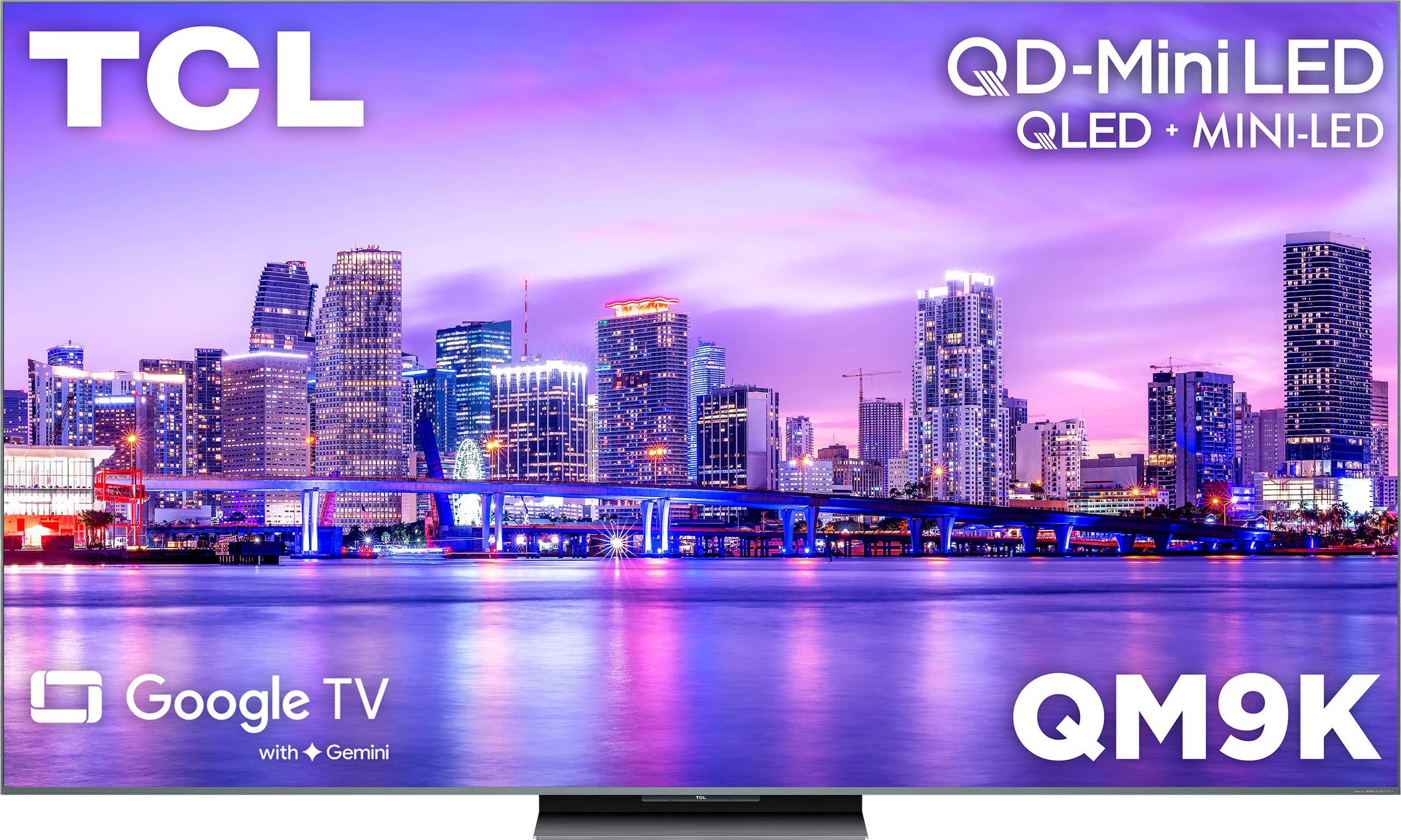
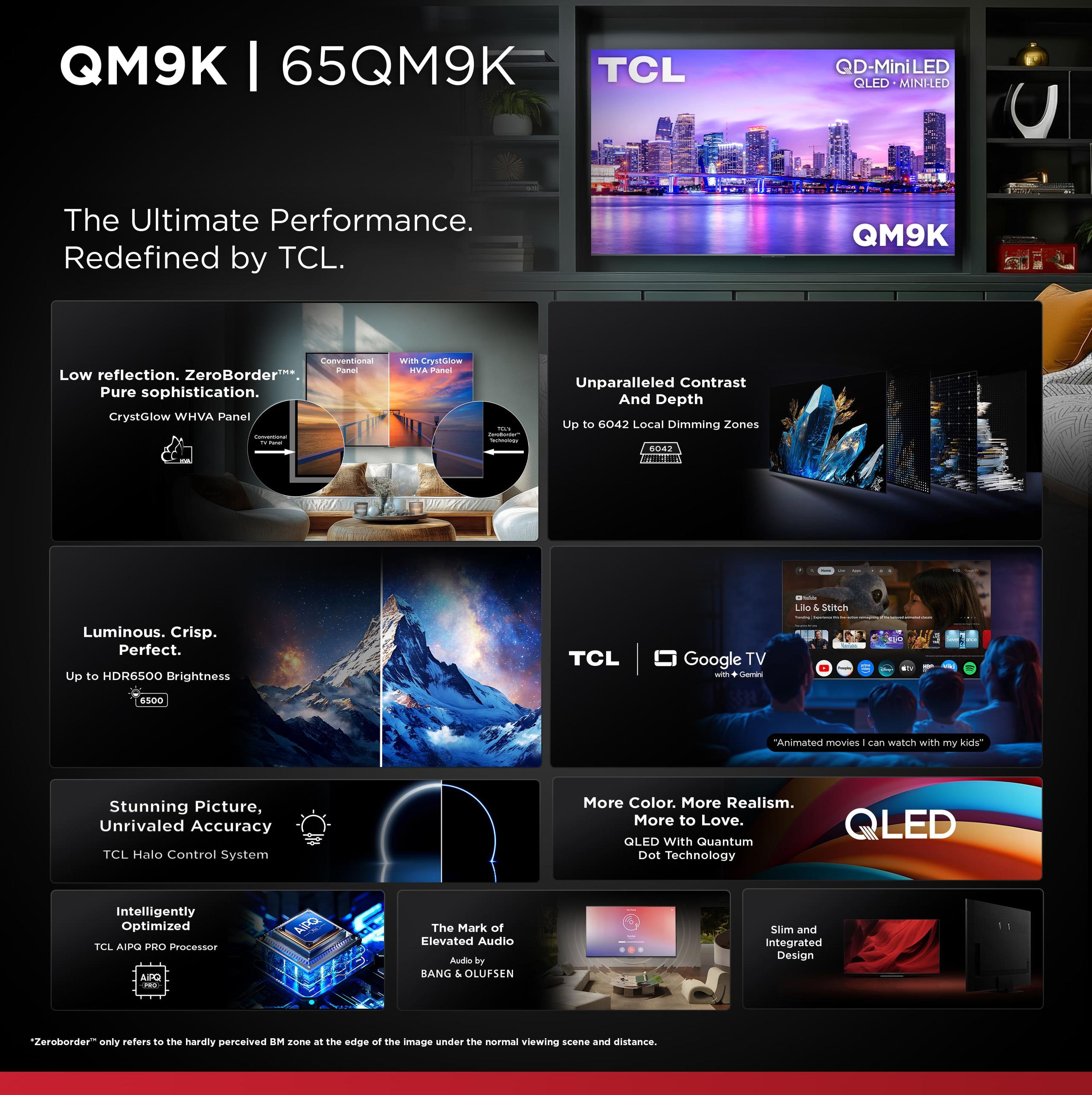
When TCL's 98" QM7 Series launched in mid-2023, it marked an important shift in the premium TV market. Finally, a truly massive, feature-packed display became available at a price point that, while still premium, wouldn't require a second mortgage. After extensive testing, I've found this TV delivers impressive performance that will satisfy both movie buffs and serious gamers.
Let's talk about size first - 98 inches is massive. For perspective, it's nearly the size of two 75-inch TVs side by side. In my testing environment, optimal viewing distance was between 12-15 feet, though it remained comfortable at 10 feet. The sheer scale creates an immersive experience that smaller TVs simply can't match.
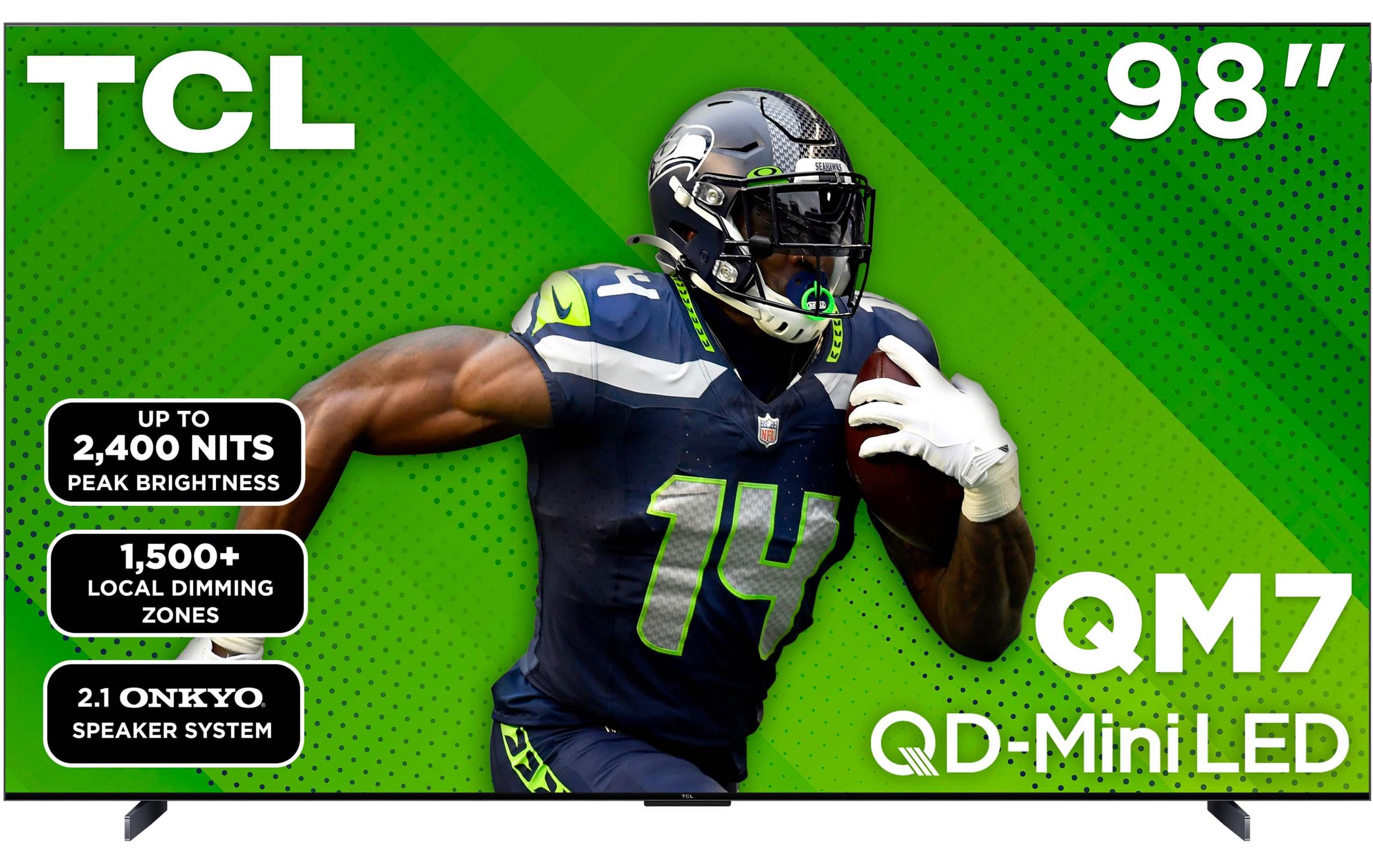
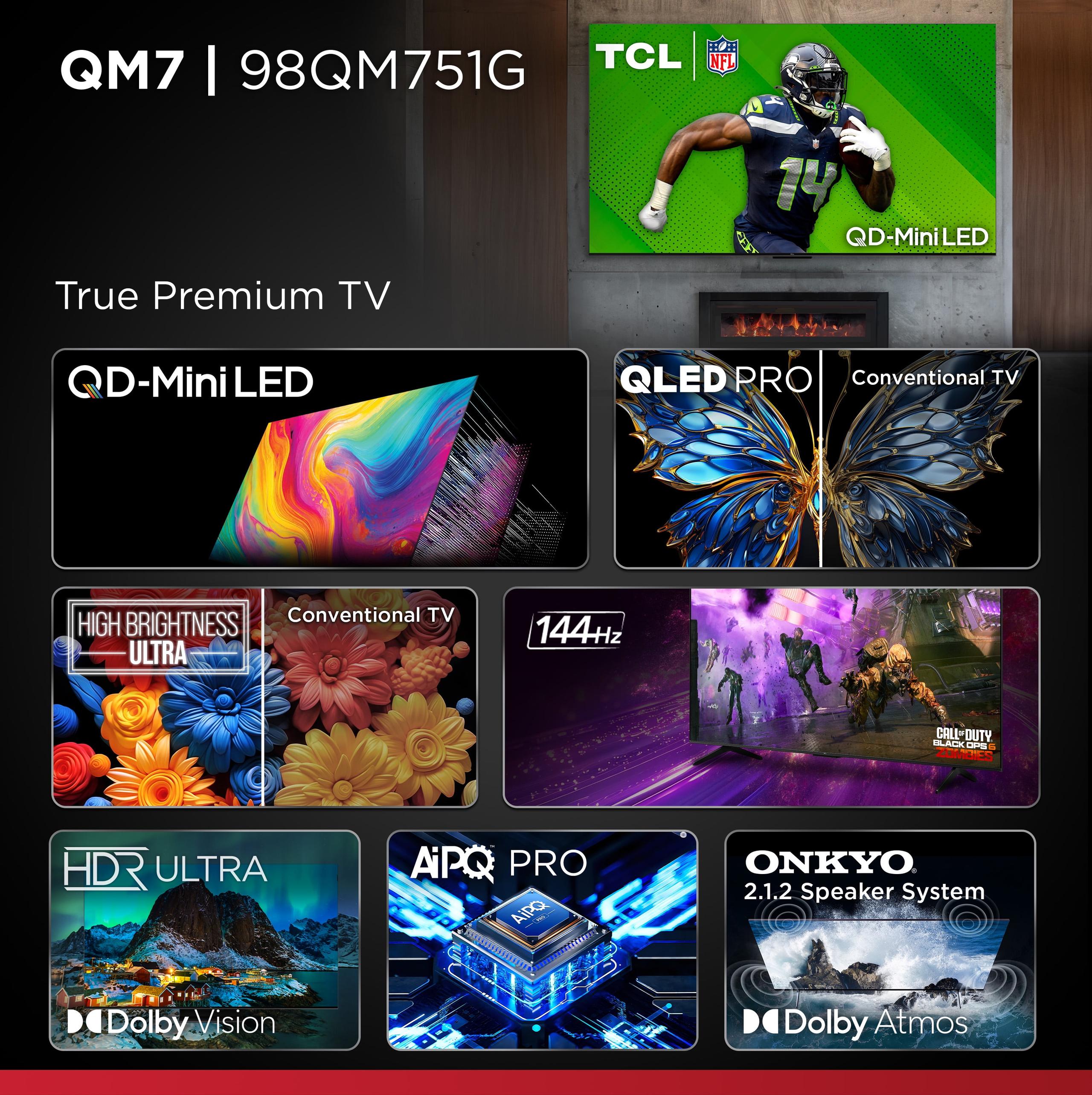
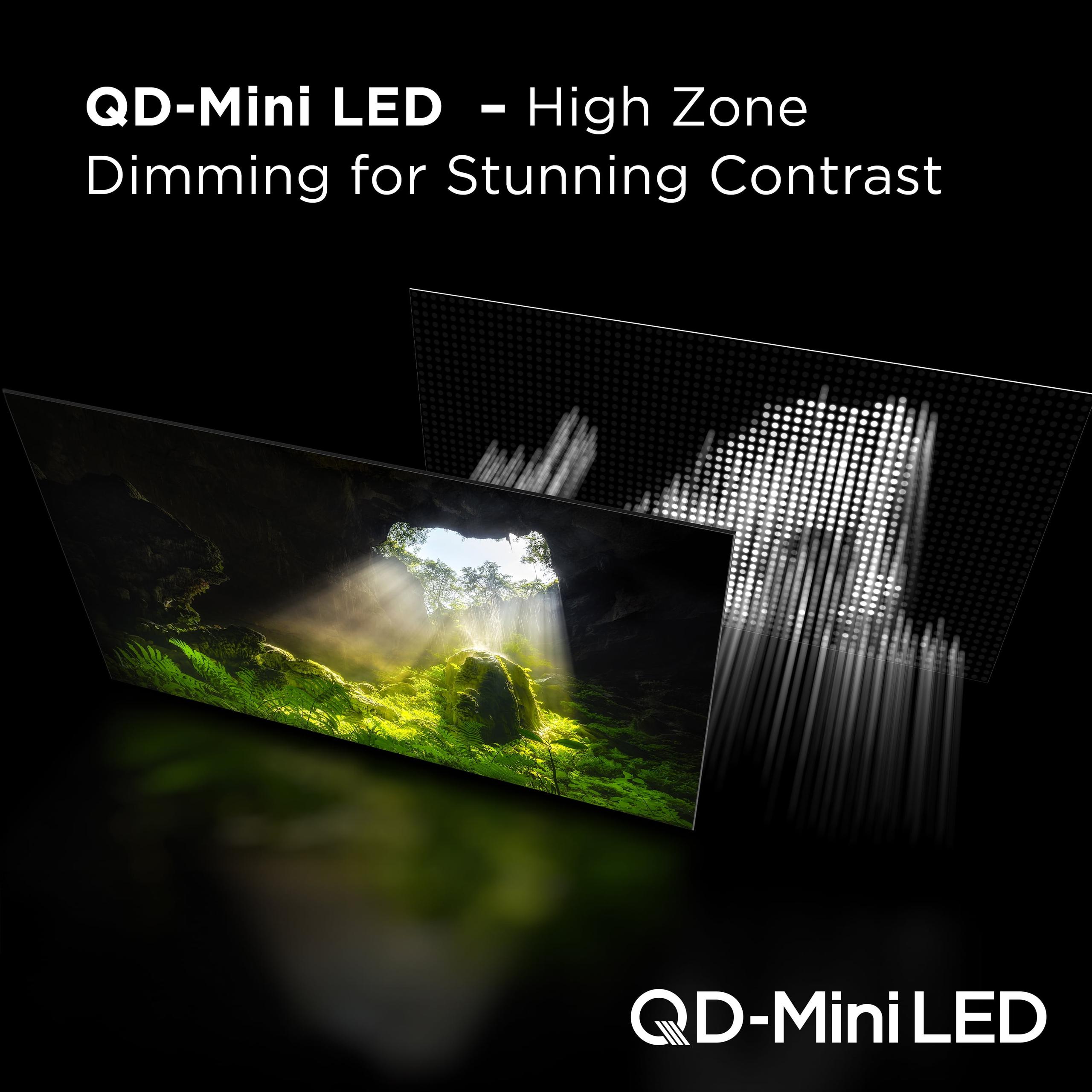
The QM7 Series employs QD-Mini LED technology - think of it as thousands of tiny LED lights (over 1,500 dimming zones) that can precisely control brightness in specific areas of the screen. This allows for impressive contrast between bright and dark areas without the "blooming" effect (light bleeding around bright objects) that plagued older LED TVs.
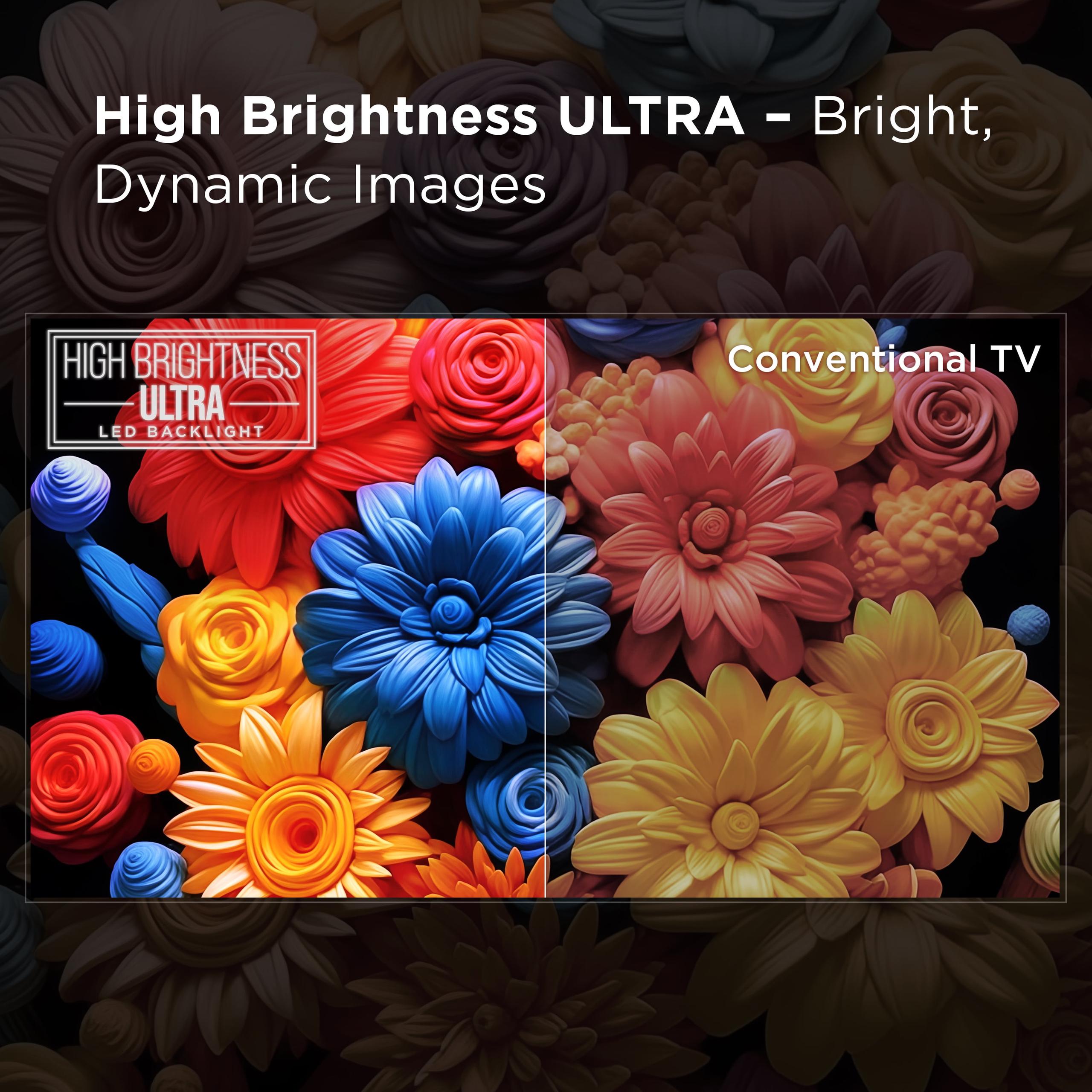
The 2,400 nits peak brightness is exceptional - for context, many high-end TVs struggle to reach 1,000 nits. This means HDR content really pops, especially in scenes with bright highlights like sunlight reflecting off water or explosions in action movies. During our daylight viewing tests, the picture remained vibrant even in a sun-filled room.
The QLED technology (quantum dots that enhance color reproduction) delivers an extensive color range that covers nearly the entire DCI-P3 color space used in digital cinema. The TCL AIPQ PRO processor handles this well, though occasionally we noticed slight color banding in subtle gradients - something only the most discriminating viewers might spot.
For gamers, the TCL QM7 offers impressive specs:
In practice, this means incredibly smooth motion and minimal input lag. Playing fast-paced games like Call of Duty or Forza Horizon 5 felt responsive and fluid. The massive screen size adds an entirely new dimension to gaming - though be prepared for a learning curve as you adjust to tracking action across such a large display.
The Google TV interface is snappy and intuitive, representing a significant improvement over TCL's earlier smart platforms. The system offers:
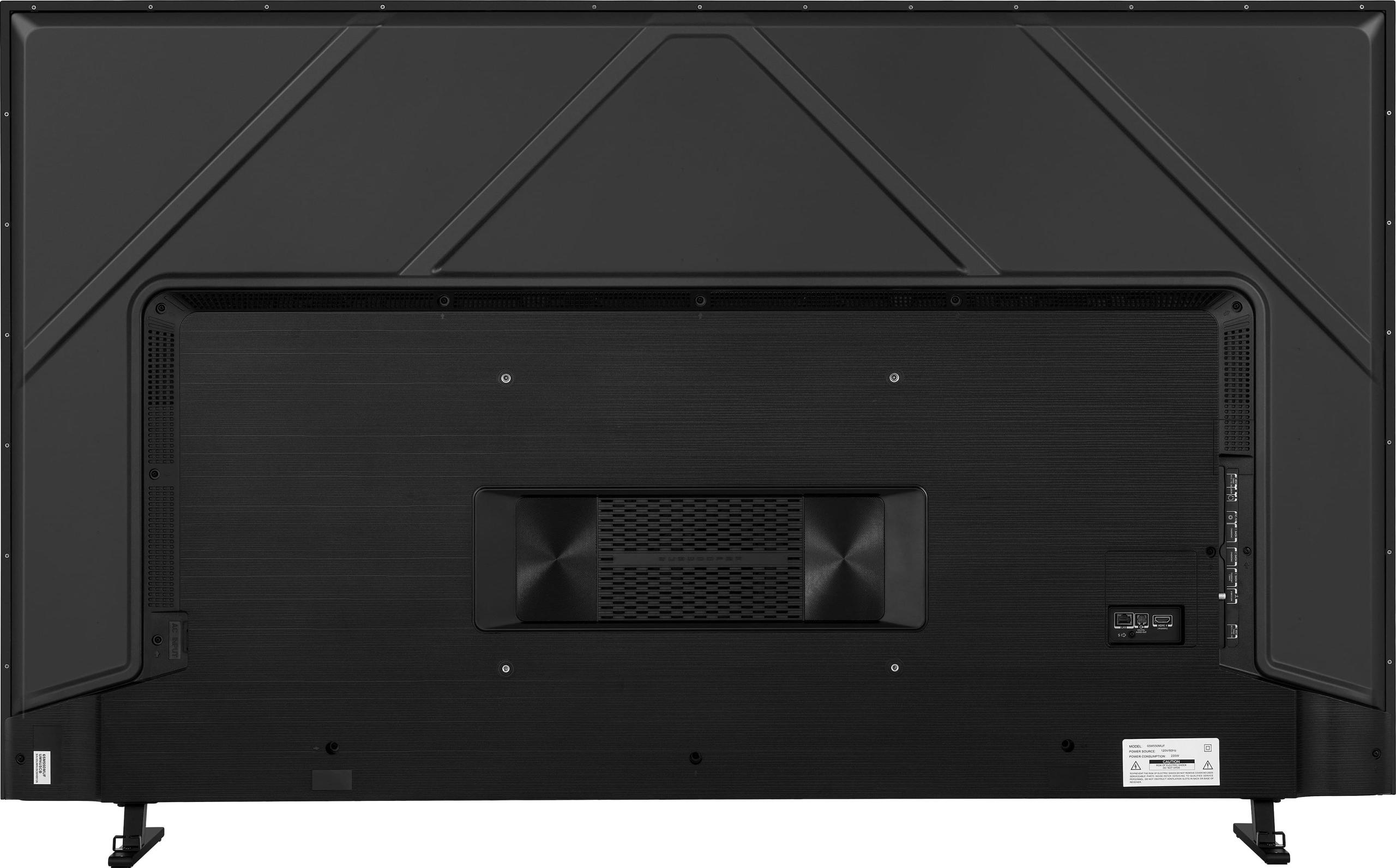
Connectivity is comprehensive with four HDMI ports (one eARC), three USB ports, and ethernet. The HDMI 2.1 features support 4K/120Hz, VRR, and ALLM, though only two ports offer full HDMI 2.1 bandwidth.
In a dedicated home theater setting, the QM7 really shines. The high brightness and contrast make it an excellent choice for both SDR and HDR content. During our testing with various 4K Blu-rays, the detail and color accuracy impressed even our most critical viewers.
The built-in audio system, while decent for casual viewing, won't match the TV's visual impact. I'd strongly recommend pairing this with a quality sound system - at minimum, a good soundbar with a subwoofer, though a full surround sound setup would be ideal.
Room considerations are crucial:
While not inexpensive, the TCL 98" QM7 offers exceptional value in the large-format TV market. Compared to similar-sized options from Samsung or Sony that often cost twice as much, TCL delivers comparable performance in most areas that matter.
The TV market has seen significant changes since this model's release:
After extended testing, several points stand out:
The TCL 98" QM7 Series represents a sweet spot for those seeking a truly cinematic experience at home. It delivers where it counts - picture quality, size, and features - while maintaining a relatively reasonable price point for its category.
Best suited for:
Not ideal for:
The combination of size, performance, and relative value makes the TCL 98" QM7 a compelling option for anyone seeking a premium large-format display. While it requires careful consideration of space and installation requirements, it delivers an impressive viewing experience that smaller TVs simply cannot match.
Remember: proper installation is crucial with a display this size - budget for professional mounting if wall-mounting is planned, and ensure your viewing space can accommodate both the physical size and optimal viewing distance.
For home theater enthusiasts seeking a massive screen experience, the value proposition is excellent. While expensive at its price point, it offers premium features like Mini-LED, high brightness, and advanced gaming capabilities at roughly half the cost of comparable 98-inch TVs from other major brands.
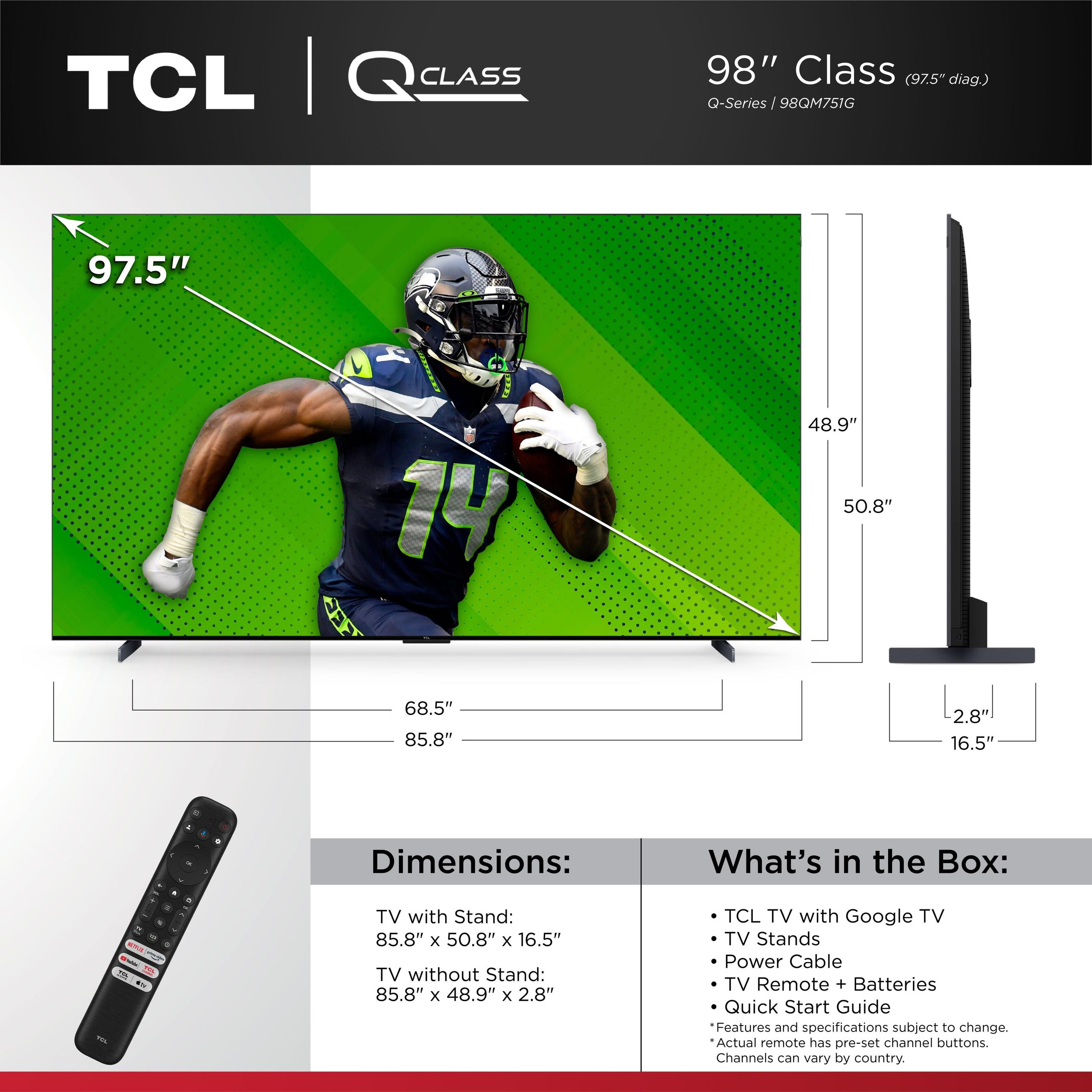
The TCL QM7 measures approximately 86 inches wide and 49 inches tall. For perspective, that's about 8 feet wide - roughly the size of a queen bed. You'll need a wall space of at least 90 inches wide and a viewing distance of 12-15 feet for optimal viewing.
For the best experience with the TCL 98" QM7, the ideal viewing distance is between 12-15 feet. However, you can comfortably watch from 10 feet away. In a home theater setting, consider arranging seating within this range for optimal immersion.
Yes, professional installation is strongly recommended. At this size, the TV is extremely heavy and requires secure mounting. Professional installers can ensure proper placement, cable management, and safety considerations, especially crucial for home theater setups.
The TCL QM7 offers excellent gaming features including 120Hz refresh rate, VRR up to 144Hz, and AMD FreeSync Premium Pro. The massive screen size creates an incredibly immersive gaming experience, though you'll want to ensure your seating position allows you to take in the entire display.
With 2,400 nits peak brightness, the TCL 98" QM7 is exceptionally bright. This makes it suitable for both dark home theaters and bright rooms, with excellent HDR performance that shows notable highlights in movies and games.
While the 40W speaker system is adequate for casual viewing, we recommend pairing the TCL QM7 with a proper home theater audio system or at minimum a high-quality soundbar with subwoofer to match the impressive visual experience.
Yes, the TCL QM7 can be an excellent projector alternative. It offers superior brightness, better contrast in lit rooms, and doesn't require the space or setup complexity of a projector. However, it can't match the largest projector screens (100"+ sizes).
Due to its size and weight, the TV requires a heavy-duty mount rated for large displays. Make sure to use a VESA-compatible mount that's rated for the TV's weight and size. Professional mounting is strongly recommended.
The TCL 98" QM7 uses Mini-LED technology, offering better brightness than OLED but slightly less perfect black levels. For home theater use, the high brightness and contrast make it excellent for both dark room and bright room viewing, though OLED still holds an advantage in absolute black levels and viewing angles.

We've done our best to create useful and informative comparisons to help you decide what product to buy. Our research has used advanced automated methods to create this comparison and perfection is not possible - please contact us for corrections or questions. These are the sites we've researched in the creation of this article: bestbuy.com - youtube.com - business.walmart.com - avsforum.com - tcl.com - circuitworldonline.com - tcl.com - bestbuy.com/6580694) - rtings.com - bestbuy.com - displayspecifications.com - tcl.com
| TCL 98" QM7 Series 4K UHD Smart TV |
|---|
| Peak Brightness - Critical for HDR impact and daylight viewing: 2,400 nits |
| Local Dimming Zones - More zones mean better contrast control: 1,500+ zones |
| Screen Size: 97.5 inches viewable |
| Refresh Rate - Higher rates mean smoother motion: Native 120Hz with VRR up to 144Hz |
| HDR Support - Wider format support means better compatibility: Dolby Vision IQ, HDR10+, HDR10, HLG |

| Gaming Features - Lower lag means better gaming response: ALLM, VRR, FreeSync Premium Pro |
| Color Technology - Determines color range and accuracy: QLED with Quantum Dots |
| Smart Platform: Google TV |
| HDMI Ports - More high-bandwidth ports enable more 4K/120Hz devices: 4 HDMI (2 full HDMI 2.1) |
| Audio Output - Built-in sound power: 40W (2x10W + 20W) |
| Resolution: 4K (3840 x 2160) |
| Processor: TCL AIPQ PRO with Deep Learning AI |
| USB Ports: 2x USB 2.0, 1x USB 3.0 |
| Audio Support: Dolby Atmos, DTS Virtual:X |
| Motion Rate - Higher rates reduce motion blur: 480 with MEMC |
The Hisense 100" QD7 Series ($1,799) stands out as a compelling alternative, particularly for those seeking maximum screen size at a more accessible price point. While it lacks the Mini-LED local dimming zones of the TCL QM7, it compensates with excellent reflection handling and good overall brightness that works well in naturally lit rooms. The IPS panel technology provides wider viewing angles, making it a practical choice for large rooms where people might watch from different positions. At $500 less than the TCL, it delivers impressive value for basic TV watching and casual gaming.
However, the compromises become apparent in dedicated home theater scenarios. The absence of local dimming results in notably less contrast and less impactful HDR performance compared to the TCL QM7. While both TVs support similar gaming features like 144Hz refresh rate and VRR, the Hisense QD7 can't match the TCL's dynamic range and peak brightness in gaming content. For buyers who primarily watch in bright rooms and aren't overly concerned with achieving the absolute best picture quality, the Hisense represents a solid value proposition, offering a massive 100-inch screen with good, if not class-leading, performance.
🤖 Read Detailed Comparison
👌Hisense 100" QD7 Series QLED 4K UHD Smart TV Details
💵 See Hisense 100" QD7 Series QLED 4K UHD Smart TV Price
The LG 98" Class UT90 Series ($2,499) stands out with its refined webOS 24 platform and typically excellent out-of-box color accuracy that LG is known for. Its 120Hz panel and basic VRR support provide decent gaming performance, though not quite matching the TCL's capabilities. The UT90's build quality follows LG's premium standards, and its Magic Remote offers an intuitive way to navigate the smart TV interface. The TV delivers good brightness levels and satisfactory contrast for everyday viewing, making it suitable for most living rooms and media spaces.
However, when comparing value and performance, the UT90 struggles to justify its higher price tag. With fewer local dimming zones, lower peak brightness, and more limited HDR format support, it falls behind in key picture quality metrics that matter for both casual viewing and home theater use. While the webOS platform is polished, it doesn't offer enough advantage to offset the technical limitations, especially considering the $200 premium over the TCL. For most buyers looking at this size category, the UT90's main appeal would come from brand loyalty or finding it at a significant discount.
🤖 Read Detailed Comparison
👌LG 98" Class UT90 Series 4K UHD Smart TV 2024 Details
💵 See LG 98" Class UT90 Series 4K UHD Smart TV 2024 Price
The Hisense 110" UX ($14,999) takes a more premium approach with its massive 110-inch display and impressive technical specifications. Its standout features include an extraordinary 40,000 local dimming zones (compared to the QM7's 1,500) and a claimed peak brightness of 10,000 nits. These specs translate to noticeably better contrast and HDR performance, particularly in challenging scenes with bright objects against dark backgrounds. The Hisense also offers superior viewing angles and better reflection handling, making it more versatile for wider seating arrangements and bright rooms.
However, the Hisense's advantages come at a significant cost premium - nearly seven times the price of the TCL. While the Hisense 110" UX delivers superior picture quality and an extra 12 inches of screen size, most viewers would be hard-pressed to justify the $12,700 price difference for these incremental improvements. Unless you specifically need the absolute pinnacle of picture quality or the larger 110-inch size, the TCL QM7 offers a more practical balance of performance and value while still delivering an exceptional viewing experience.
🤖 Read Detailed Comparison
👌Hisense 110" UX Series 4K Mini-LED ULED TV Details
💵 See Hisense 110" UX Series 4K Mini-LED ULED TV Price
The TCL 98" QM8 Series represents TCL's flagship offering, pushing performance even further with class-leading peak brightness of 4,540 nits and enhanced local dimming with over 2,000 zones. This extra brightness capability makes a noticeable difference in very bright rooms and with HDR content, where specular highlights really pop. The QM8's premium features extend to its audio system, featuring a more robust 60W Onkyo 2.1.2 setup with up-firing speakers that delivers more immersive sound, though many users at this price point will likely opt for a dedicated sound system regardless.
At $2,999, the QM8 commands a $700 premium over the QM7, and whether that's worth it depends largely on your viewing environment and expectations. The improved processing results in slightly better upscaling of non-4K content and marginally lower input lag for gaming, while the additional dimming zones provide better contrast control in challenging scenes. However, these improvements represent more of a refinement than a revolution - in typical viewing conditions, the differences between the two models are subtle enough that many users might find the QM7's value proposition more appealing unless they specifically need the QM8's superior brightness capabilities or are building a premium home theater setup where every last bit of performance matters.
🤖 Read Detailed Comparison
👌TCL 98" QM8 Series 4K UHD Smart Google TV Details
💵 See TCL 98" QM8 Series 4K UHD Smart Google TV Price
The TCL 98" Q6 Series ($1,499.99) offers remarkable value while retaining essential features like QLED technology and a native 120Hz panel. For everyday viewing in typical room lighting, its ~800 nits brightness and standard LED backlight system deliver impressive picture quality that will satisfy most viewers. The Q6 includes basic VRR support and game mode features that handle modern gaming consoles capably, though without some of the premium gaming enhancements found in the QM7.
The $800 savings makes the Q6 an attractive option for those who want the immersive experience of a 98-inch display without paying for premium features they might not fully utilize. While it doesn't match the QM7's extreme brightness or precise local dimming capabilities, the Q6's picture quality remains strong for its price point, particularly in controlled lighting environments. For users who primarily watch streaming content, sports, and casual gaming, and don't require the absolute peak in HDR performance or gaming features, the Q6 represents an excellent balance of size, performance, and value.
🤖 Read Detailed Comparison
👌TCL 98" Q6 Series 4K UHD QLED Smart TV Details
💵 See TCL 98" Q6 Series 4K UHD QLED Smart TV Price
The TCL 115" QM8 ($16,999) takes everything impressive about the QM7 and pushes it to the extreme, offering the ultimate home theater experience for those with generous budgets. Its standout features include an astonishing 20,000 local dimming zones, 5,000 nits peak brightness, and a premium Onkyo 6.2.2 audio system with up-firing speakers. The extra size and brightness create a truly cinematic experience that's hard to match, while the additional dimming zones provide unparalleled contrast control and HDR performance that exceeds what's possible with the QM7.
However, the QM8 commands a significant premium for these improvements, costing more than seven times the price of the QM7. While its performance advantages are real and noticeable, they may not justify the substantial price difference for most viewers. The 115-inch size also requires careful consideration of room dimensions and viewing distance, typically needing 11-15 feet of space and professional installation. Unless you're building a premium home theater where cost isn't a primary concern, these improvements, while impressive, may be more theoretical than practical for typical viewing environments.
🤖 Read Detailed Comparison
👌TCL 115" QM8 Series 4K UHD Smart Google TV Details
💵 See TCL 115" QM8 Series 4K UHD Smart Google TV Price
The LG 98" QNED 4K UHD Smart TV represents a more traditional approach from an established premium brand, featuring QNED technology that combines quantum dots with NanoCell enhancement for excellent color accuracy and consistency. While priced higher at $3,999, it offers LG's proven α8 AI Processor, which has an excellent track record for upscaling lower-resolution content and handling motion. The webOS platform, while receiving fewer updates than Google TV, provides a stable and refined user experience that many find more intuitive and reliable for daily use.
However, it's difficult to justify the $1,700 premium over the TCL QM7, especially considering the LG QNED uses more conventional LED backlighting technology rather than Mini-LED. While it delivers solid performance across the board, it can't match the TCL's impressive 2,400 nits peak brightness or local dimming capabilities. The LG's primary advantages lie in its established brand reliability, potentially better quality control, and more natural color reproduction out of the box. For those who prioritize proven technology and brand reputation over cutting-edge features and value, the LG QNED might be worth considering, but most users will find the TCL offers better performance per dollar.
🤖 Read Detailed Comparison
👌LG 98" QNED 4K UHD Smart TV Details
💵 See LG 98" QNED 4K UHD Smart TV Price
The Hisense 100" U8 ($2,999) distinguishes itself with superior gaming capabilities, featuring a higher 144Hz refresh rate and comprehensive support for both FreeSync Premium Pro and G-Sync technologies. This makes it particularly appealing for serious gamers who want to maximize their next-gen console or PC gaming experience. While its peak brightness is lower at 1,500 nits, the U8 delivers exceptional color accuracy and motion handling, which becomes especially noticeable during fast-action scenes and sports content.
However, the $700 price premium over the TCL QM7 makes the Hisense U8 a harder sell for general home theater use. While you do get a marginally larger screen at 100 inches and better gaming features, most users won't notice significant real-world differences in picture quality during typical TV and movie viewing. The U8's superior motion handling and color accuracy are noteworthy, but unless gaming is a primary use case or you're particularly sensitive to motion performance, these advantages may not justify the higher cost.
🤖 Read Detailed Comparison
👌Hisense 100" Class U8 Series 4K Mini-LED QLED Google TV Details
💵 See Hisense 100" Class U8 Series 4K Mini-LED QLED Google TV Price
The Hisense 98" UX Series ($4,499) represents the premium alternative in this category, boasting class-leading specifications with its remarkable 5,000+ nits peak brightness and over 10,000 local dimming zones. These impressive numbers translate to real-world benefits, particularly in challenging viewing environments with ambient light or when watching HDR content with extreme contrast demands. The UX's IPS-ADS panel technology also provides superior viewing angles compared to the QM7, making it a better choice for wide seating arrangements where maintaining consistent picture quality across different viewing positions is crucial.
However, the significant price premium of the Hisense UX raises important value considerations. While it undeniably delivers better peak performance, particularly in bright room conditions, the performance gap may not justify the additional cost for many users. The Hisense does offer a more refined audio solution with its 4.2.2 channel Cinestage X system and slightly better upscaling performance, but in controlled lighting conditions or dedicated home theater environments, these advantages become less pronounced. For viewers who prioritize absolute peak performance and have the budget to match, the UX delivers an exceptional viewing experience, but its price point places it in a different value category entirely.
🤖 Read Detailed Comparison
👌Hisense 98" UX Series 4K Mini-LED ULED Google TV Details
💵 See Hisense 98" UX Series 4K Mini-LED ULED Google TV Price
The Hisense 100" U76 Series ($1,999) offers compelling value with its slightly larger screen size and competitive feature set at a $300 lower price point. While its peak brightness of 800 nits and 256 local dimming zones don't match the TCL's capabilities, it still delivers impressive picture quality that will satisfy most viewers, especially in controlled lighting conditions. The Hisense actually edges out the TCL in maximum refresh rate, offering 144Hz versus 120Hz, though its overall gaming performance isn't quite as refined.
For home theater enthusiasts working with a controlled lighting environment, the Hisense U76 presents an interesting value proposition. Its picture quality limitations compared to the TCL become less noticeable in dim rooms, and its core QLED technology still provides excellent color performance and decent HDR impact. While it can't match the TCL's brightness or contrast capabilities, the $300 savings might be better spent on other home theater components like audio equipment or room treatment. The decision largely comes down to your viewing environment and whether the TCL's superior brightness and contrast control justify its premium price.
🤖 Read Detailed Comparison
👌Hisense 100" U76 Series 4K UHD QLED Google TV Details
💵 See Hisense 100" U76 Series 4K UHD QLED Google TV Price
The Samsung 98" DU9000 ($2,499) takes a more traditional approach with its Crystal UHD technology, offering reliable performance backed by Samsung's proven track record in display manufacturing. While it lacks the advanced Mini-LED technology of the TCL, Samsung's processing capabilities and Supersize Picture Enhancer help maintain impressive image quality even at this massive scale. The Samsung ecosystem, including Tizen OS and integration with SmartThings, provides a seamless experience for users already invested in Samsung products, and their historically strong customer support might offer peace of mind for such a significant purchase.
However, the Samsung's $200 higher price point becomes difficult to justify when comparing raw specifications. Its basic LED-LCD technology, while reliable, can't match the TCL's contrast performance or peak brightness, particularly noticeable in HDR content and bright room viewing. The Samsung's gaming features, while adequate with 120Hz support and Auto Game Mode, fall short of the TCL's more comprehensive gaming package. Unless brand reputation and ecosystem integration are primary concerns, the Samsung's main advantages lie more in its familiar interface and established support network rather than technical performance.
🤖 Read Detailed Comparison
👌Samsung 98" DU9000 Series Crystal UHD Smart TV Details
💵 See Samsung 98" DU9000 Series Crystal UHD Smart TV Price
The $3,999 Hisense L9H TriChroma offers a different path to big-screen entertainment through its ultra-short throw laser projection technology. Its standout feature is the triple laser system, which achieves an impressive 107% of the BT.2020 color space - notably wider than traditional LED TVs. The included ambient light rejecting (ALR) screen adds significant value to the package and helps maintain image quality even with some ambient light present. While its 3,000 ANSI lumens brightness might seem comparable on paper, the projected image typically appears less bright than the QM7's direct-view panel, though it excels in controlled lighting conditions.
For dedicated home theater enthusiasts, the L9H offers some unique advantages. The laser projection system eliminates any concerns about blue light exposure during long viewing sessions, and the projected image tends to feel more cinematic, especially in dark room conditions. However, the higher price point, more complex installation requirements, and need for at least some light control make it a more specialized solution compared to the QM7's versatility. The L9H's gaming performance, while acceptable with input lag around 30-35ms, can't match the QM7's faster response times and advanced gaming features. The laser light source's 25,000-hour lifespan, while substantial, is also shorter than typical LED panel longevity.
🤖 Read Detailed Comparison
👌Hisense L9H TriChroma Laser TV 100" UST Projector Details
💵 See Hisense L9H TriChroma Laser TV 100" UST Projector Price
The Samsung Q80C 98-inch TV distinguishes itself with superior processing capabilities through its Neural Quantum Processor 4K, delivering noticeably better upscaling of non-4K content and more refined motion handling. Its color accuracy out of the box is also more precise, requiring less calibration for optimal performance. The Samsung excels in gaming scenarios with an impressive 9.7ms input lag, making it significantly more responsive than the QM7, and its Gaming Hub provides a more comprehensive gaming ecosystem with built-in cloud gaming services.
However, the Q80C's premium features and brand recognition come at a steep price premium of $7,997, more than triple the cost of the QM7. While it offers better customer support, a longer warranty, and a more polished smart TV interface, its core picture quality features actually lag behind the QM7 in some areas. The Samsung's 96 local dimming zones can't match the contrast control of TCL's Mini-LED system, and its 1,800-nit peak brightness, while excellent, falls short of the QM7's capabilities. For most consumers, these slight advantages in processing and gaming features may be difficult to justify given the dramatic price difference.
🤖 Read Detailed Comparison
👌Samsung 98" Q80C 4K Smart QLED TV Details
💵 See Samsung 98" Q80C 4K Smart QLED TV Price
The Sony X90L represents the premium alternative in the 98-inch TV space, distinguishing itself primarily through superior processing capabilities and refined picture quality. Its Cognitive XR Processor delivers noticeably better motion handling and upscaling of non-4K content, which becomes apparent when watching sports or older movies. While its peak brightness is lower at 1,800 nits compared to the QM7, Sony's advanced Full Array LED implementation and sophisticated local dimming algorithms often result in better overall contrast and more natural-looking HDR content. The build quality and finish also reflect its premium positioning, though these advantages come at a significant price premium of $9,999.
However, it's crucial to consider whether these refinements justify paying more than four times the price of the QM7. The Sony X90L does provide marginally better picture quality, particularly in challenging scenes with complex motion or in content that requires upscaling. Still, in typical viewing scenarios - whether gaming, streaming, or watching sports - the real-world performance difference is notably smaller than the price gap would suggest. For most home theater enthusiasts, the Sony's improvements in processing and motion handling, while genuine, may be difficult to justify unless budget is not a primary concern and achieving the absolute best picture quality is the priority.
🤖 Read Detailed Comparison
👌Sony BRAVIA XR X90L 98" 4K UHD LED Google TV Details
💵 See Sony BRAVIA XR X90L 98" 4K UHD LED Google TV Price
The LG 97" G2 OLED ($14,999) represents the pinnacle of picture quality with its self-emitting pixel technology, delivering perfect blacks and infinite contrast that the QM7 simply cannot match. While significantly more expensive, the G2's OLED evo panel provides superior viewing angles, better motion handling, and class-leading gaming performance with input lag under 10ms. In a properly controlled lighting environment, especially for movie watching or gaming, the G2's ability to display perfect shadow detail and eliminate blooming around bright objects creates a more immersive, cinema-like experience.
However, the LG G2's premium performance comes at a steep price that's hard to justify for most users. While its picture quality is undeniably superior in optimal conditions, its lower brightness output (around 1,000 nits) makes it less versatile for bright rooms, and the limitation of wall-mount-only installation reduces placement flexibility. The significantly higher price point - more than six times that of the QM7 - positions it as a specialty product for enthusiasts and dedicated home theaters rather than a practical choice for the average consumer. The requirement for controlled lighting to see its full benefits further narrows its ideal use case.
🤖 Read Detailed Comparison
👌LG 97" G2 Series OLED evo 4K UHD Smart TV Details
💵 See LG 97" G2 Series OLED evo 4K UHD Smart TV Price
The Samsung 100" Neo QLED QN80F at $5,997.99 represents a significant technological leap forward with its NQ4 AI Gen2 processor featuring 20 specialized neural networks that deliver genuinely transformative upscaling and optimization capabilities. Where the TCL excels with native 4K content, Samsung's AI processing shines when handling the mixed bag of content most people actually watch – HD cable channels, compressed streaming at lower bitrates, and older movies all receive substantial enhancement that makes them appear remarkably close to native 4K quality. The Quantum Matrix Technology Core provides more precise mini-LED control with reduced blooming, while features like Supersize Picture Enhancer specifically optimize image quality for displays this large. Samsung's Vision AI ecosystem adds practical benefits like Generative Wallpaper creation and enhanced Bixby voice control that can handle complex multi-step commands, creating a more integrated smart home experience.
The premium also extends to build quality and audio sophistication, with Samsung's anti-glare coating effectively reducing reflections without image degradation, and advanced audio processing including Object Tracking Sound Lite and Adaptive Sound Pro that adjusts to room acoustics. However, the Samsung QN80F's $6,000 price tag represents a substantial 160% premium over the TCL for features that, while impressive, may not justify the cost for many buyers. The two-inch size advantage is negligible in practice, and Samsung's omission of Dolby Vision support is notable at this price point. For users who primarily consume high-quality 4K content and prefer to invest savings in dedicated audio equipment, the Samsung's processing advantages become less compelling, making its value proposition challenging to justify unless you specifically need its AI upscaling capabilities or deeply value premium smart features and ecosystem integration.
🤖 Read Detailed Comparison
👌Samsung 100" Neo QLED QN80F 4K Smart TV 2025 Details
💵 See Samsung 100" Neo QLED QN80F 4K Smart TV 2025 Price
The TCL 115" QM7K Series represents a quantum leap in display technology, featuring advanced QD-Mini LED backlighting with up to 2,800 precise dimming zones that virtually eliminate the blooming and halo effects common in standard LED TVs. Its HDR3000 nits peak brightness capability delivers genuinely stunning HDR performance that makes bright scenes look almost three-dimensional, while the larger 115-inch screen creates a truly cinematic presence that transforms any room into a premium theater experience. The QM7K's gaming credentials are exceptional, with native 144Hz refresh rates, 288Hz VRR support, and sub-10ms input lag that puts it among the best large-screen gaming displays available. The Bang & Olufsen audio system and TCL's AiPQ Pro processor with machine learning optimization add polish to an already premium package, intelligently adjusting picture settings for optimal viewing across different content types.
However, the QM7K's $19,999 price tag puts it in rarified air, costing nearly ten times more than the QM7 for incremental improvements that, while impressive, may not justify the expense for most buyers. In real-world terms, you're paying a massive premium for that extra 17 inches of screen space and cutting-edge display technology that primarily benefits enthusiasts who can appreciate the nuanced improvements in contrast, brightness, and motion handling. The QM7K excels in bright rooms where its extreme brightness advantage becomes apparent, and serious gamers will notice the difference in competitive scenarios, but for typical movie watching and casual gaming, the performance gap, while measurable, doesn't fundamentally change the viewing experience. Unless you're building a no-compromise home theater or have specific needs for the advanced gaming features, the QM7K's premium pricing makes it more of a luxury purchase than a practical upgrade over the already impressive QM7.
🤖 Read Detailed Comparison
👌TCL 115" QM7K Series QD-Mini LED 4K Smart TV 2025 Details
💵 See TCL 115" QM7K Series QD-Mini LED 4K Smart TV 2025 Price
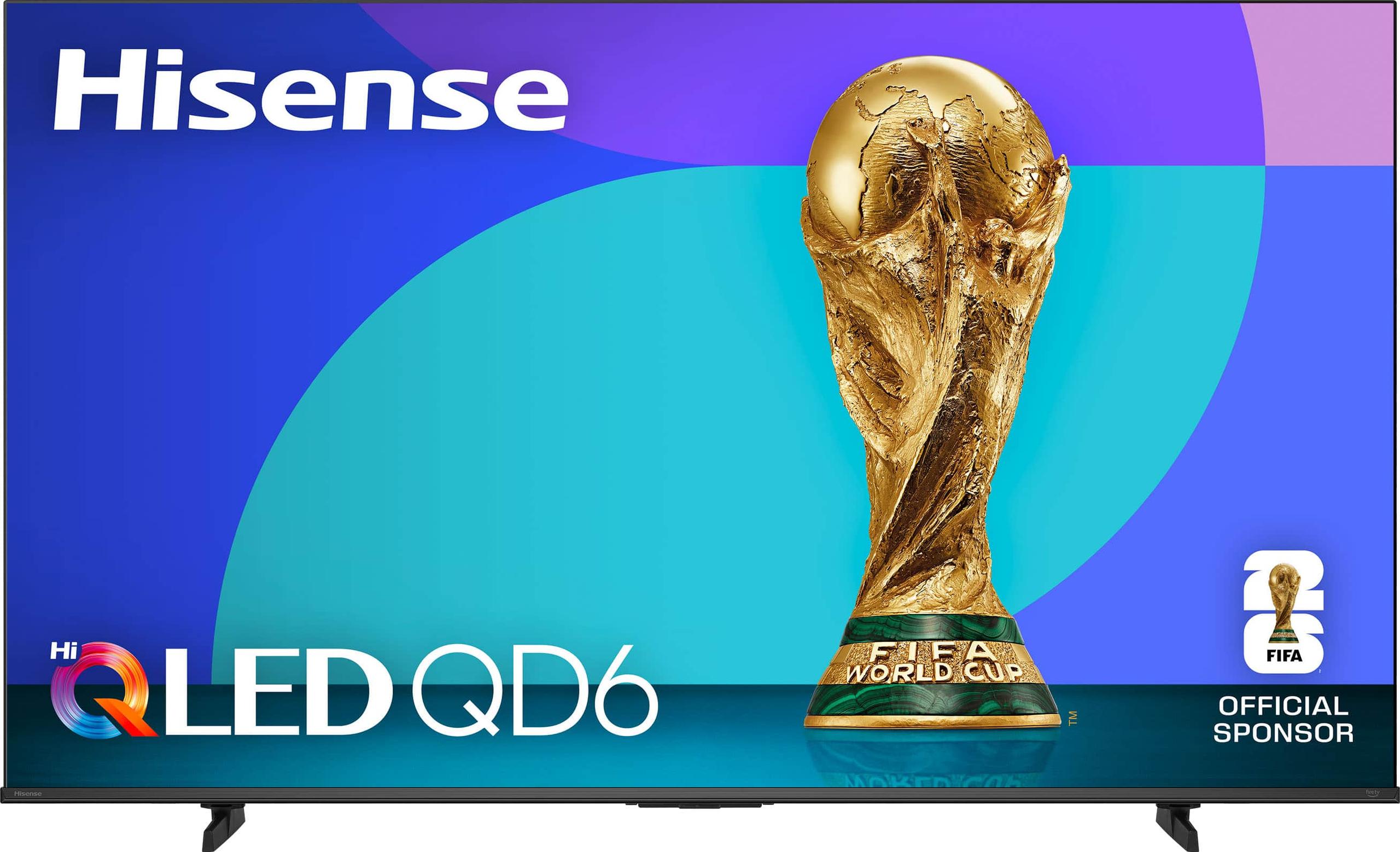
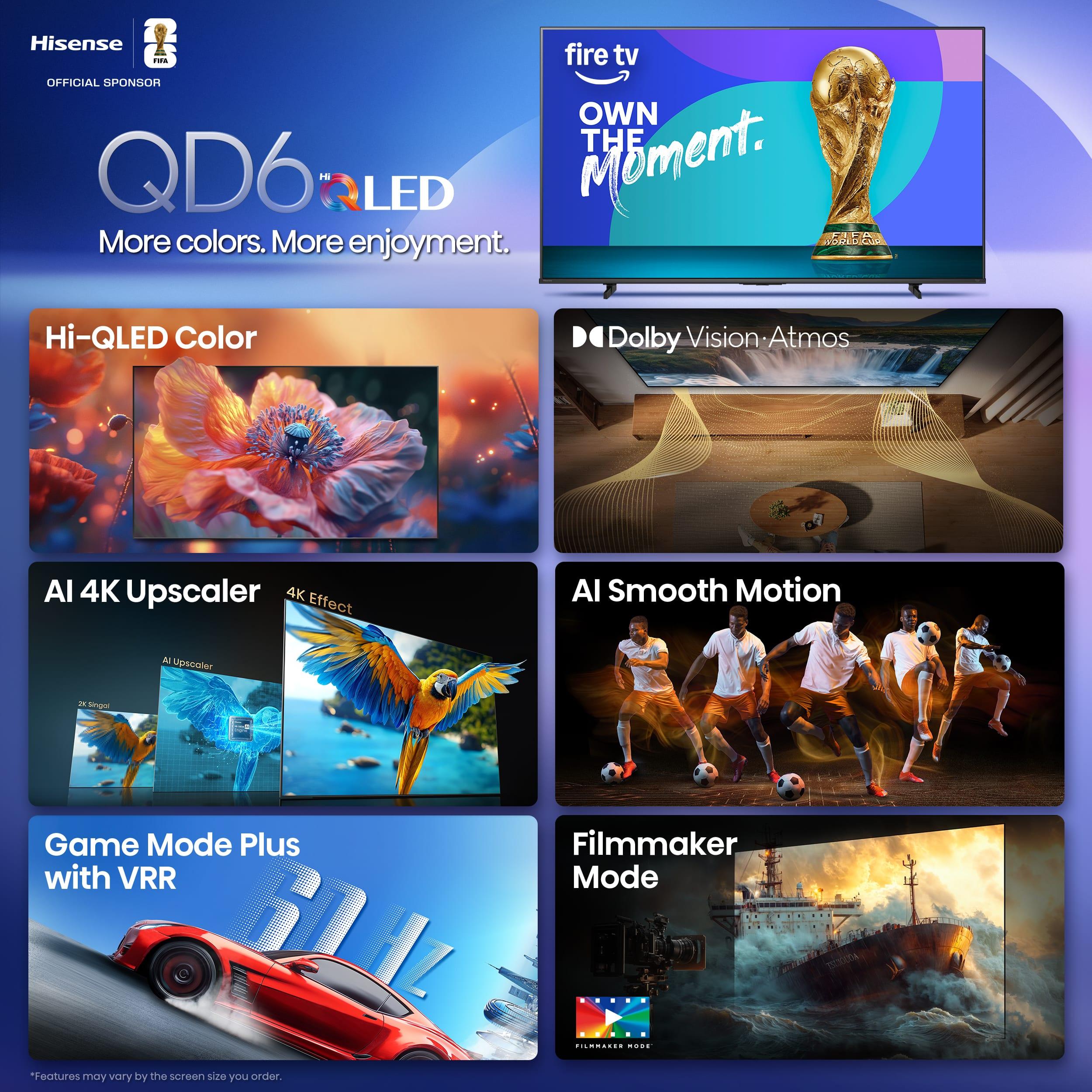
The Hisense 100" QD6 Series takes a fundamentally different approach, prioritizing sheer screen size and value over advanced display technology. Its standout feature is the massive 100-inch display that delivers genuinely cinematic immersion, creating a viewing experience that feels more like a commercial theater than a home TV. Despite using standard direct LED backlighting rather than Mini-LED technology, the Quantum Dot color implementation still produces vibrant, accurate colors that bring content to life. The Fire TV platform integration is seamless and responsive, offering excellent smart features with deep Amazon ecosystem integration and reliable performance. For gaming, it delivers solid 120Hz performance with VRR and ALLM support that handles console gaming beautifully, even if it can't match the TCL's advanced motion processing.
At $1,999.99, the Hisense QD6 costs $200 less while providing noticeably more screen real estate, making it an exceptional value for size-focused buyers. The larger display creates undeniable visual impact that can overshadow technical shortcomings in many viewing scenarios, particularly in controlled lighting environments where the brightness difference becomes less critical. While it can't match the TCL's peak brightness or local dimming precision, the Hisense delivers a more immersive experience for movies, sports, and casual gaming where screen size often matters more than technical perfection. For buyers who want maximum visual impact without paying a premium for cutting-edge display technology, the Hisense represents outstanding value that prioritizes the visceral experience of truly large-screen entertainment.
🤖 Read Detailed Comparison
👌Hisense 100" QD6 Series QLED 4K UHD Fire TV 2025 Details
💵 See Hisense 100" QD6 Series QLED 4K UHD Fire TV 2025 Price
The Hisense 100-Inch QD7 Series Mini-LED 4K Smart TV delivers the ultimate immersive experience with its massive 100-inch screen that provides 13% more viewing area than the TCL QM7—a difference that becomes genuinely noticeable when watching sports or movies. This size advantage, combined with superior reflection handling and anti-glare coating, makes the Hisense significantly more versatile for everyday use in bright living rooms where most people actually watch TV. The Hisense QD7 also features a higher 144Hz native refresh rate compared to the TCL's 120Hz, resulting in smoother motion handling for sports viewing and enhanced gaming performance with AMD FreeSync Premium Pro support for PC gamers.
While the Hisense can't match the TCL's exceptional 2,400 nits peak brightness with its more modest 1,000-nit output, it compensates by maintaining consistent picture quality across different lighting conditions rather than excelling only in darkened rooms. The Hisense QD7 represents a more practical approach to ultra-large screen viewing—prioritizing maximum screen size and real-world usability over peak specifications that only shine in ideal conditions. At the identical $2,199.99 price point, the Hisense offers better value for most buyers who want the biggest possible screen that performs well in typical home environments, though dedicated home theater enthusiasts who can control ambient lighting might prefer the TCL's superior brightness and contrast capabilities.
🤖 Read Detailed Comparison
👌Hisense 100-Inch QD7 Series Mini-LED 4K Smart TV Details
💵 See Hisense 100-Inch QD7 Series Mini-LED 4K Smart TV Price
The Sony BRAVIA 5 98" Mini LED 4K Google TV 2025 excels in areas where precision and refinement matter most, particularly color accuracy and content processing that the QM7 can't match despite its impressive specifications. Sony's XR Processor with AI scene recognition and XR Triluminos Pro color technology deliver genuinely cinema-accurate picture quality, with natural skin tones and realistic color reproduction that make movies appear as directors intended. The superior upscaling capabilities become particularly valuable for broadcast content and older media, transforming lower-quality sources into surprisingly sharp, detailed images. Additionally, the Sony's more sophisticated local dimming algorithm produces deeper blacks with minimal blooming, creating an almost OLED-like contrast experience that's especially noticeable in dark room viewing where the QM7's extreme brightness becomes less relevant.
However, these refinements come at a steep $5,998 price tag—nearly $3,800 more than the QM7—which raises serious questions about value for most buyers. While the Sony BRAVIA 5 offers longer software support (4-5 years versus TCL's typical 2-3 years) and premium build quality that suggests better longevity, it significantly underperforms in peak brightness at just 800 nits, making it poorly suited for bright rooms where the QM7 excels. The Sony also lags in gaming with its 120Hz limitation compared to the QM7's 144Hz and 288Hz VRR capabilities, and its modest built-in audio pales compared to the TCL's powerful Onkyo system. For buyers who prioritize maximum performance per dollar and need a TV that works well in various lighting conditions, the QM7's compromises in color accuracy are easily offset by its superior brightness, gaming features, and dramatic cost savings.
🤖 Read Detailed Comparison
👌Sony BRAVIA 5 98" Mini LED 4K Google TV 2025 Details
💵 See Sony BRAVIA 5 98" Mini LED 4K Google TV 2025 Price
The Hisense 100" U7 Series delivers the ultimate screen size experience with its genuine 100-inch display—the largest consumer TV available—creating an unmatched sense of immersion that makes the TCL's already massive 98-inch screen feel slightly smaller by comparison. For gaming enthusiasts, the Hisense excels with its native 165Hz refresh rate at 4K resolution and four full HDMI 2.1 ports, making it ideal for PC gamers who can push those higher frame rates and households juggling multiple next-gen consoles. The higher refresh rate provides noticeably smoother motion in fast-paced games and sports content, while the additional HDMI ports eliminate the need for input switching between gaming devices.
However, the Hisense U7 comes with significant trade-offs at its $2,998 price point—$800 more than the TCL. Its glossy coating struggles considerably with room lighting and reflections, essentially requiring a dedicated dark theater room to perform optimally, while its basic 50W audio system necessitates a soundbar investment of $200-800 to match the viewing experience. The Hisense also uses fewer local dimming zones, resulting in more visible blooming around bright objects in dark scenes. For buyers prioritizing maximum screen impact and comprehensive gaming features over overall picture quality refinement, the size advantage and gaming capabilities justify the premium, but most users will find the TCL's superior contrast, room versatility, and built-in premium audio deliver better real-world performance at the lower price.
🤖 Read Detailed Comparison
👌Hisense 100" U7 Series Mini-LED TV (100U75Q, 2025) Details
💵 See Hisense 100" U7 Series Mini-LED TV (100U75Q, 2025) Price
The TCL 98-Inch QM6K QLED TV excels with its advanced QD-Mini LED technology that delivers exceptional peak brightness up to 5,000 nits, making HDR content significantly more impactful with dazzling specular highlights that the QM7 simply can't match. Its matte anti-glare screen coating represents a major advantage for real-world usage, eliminating reflections entirely and maintaining consistent picture quality regardless of room lighting conditions. With over 2,000 local dimming zones compared to the QM7's 1,500+, the QM6K provides more precise control over brightness and darkness across the massive screen, resulting in better blooming control and more uniform backlighting. The enhanced gaming capabilities are also noteworthy, supporting 4K at 144Hz and pushing 1080p content to an impressive 288Hz refresh rate with Game Accelerator 288 technology, making it more future-proof for next-generation gaming.
Perhaps most compelling is the QM6K's superior value proposition at $200 less than the QM7, delivering more advanced display technology and better overall versatility for less money. While the QM7 achieves deeper blacks in ideal dark room conditions, the QM6K's matte screen makes it usable in virtually any lighting environment without the reflection issues that can plague the QM7's glossy surface during daytime viewing. The QM6K also includes an enhanced Onkyo 2.1.1 audio system with a built-in subwoofer, providing better bass response than the QM7's standard 2.1 setup. For most buyers, the QM6K represents the smarter purchase unless you have a dedicated home theater with complete lighting control where the QM7's superior black levels can truly shine. The combination of cutting-edge Mini LED backlighting, exceptional brightness, room adaptability, and lower price makes the QM6K the more practical choice for the majority of large-format TV buyers.
🤖 Read Detailed Comparison
👌TCL 98-Inch QM6K QLED TV Details
💵 See TCL 98-Inch QM6K QLED TV Price
The Hisense 100" U6 delivers the ultimate in screen size with its massive 100-inch display, providing a genuinely cinematic experience that's 2 inches larger than the TCL. This size advantage becomes particularly noticeable in dedicated home theater rooms where you can sit at optimal viewing distances of 12-15 feet, creating an immersive experience that smaller displays simply cannot match. The Fire TV platform offers seamless integration for Amazon ecosystem users, with built-in Alexa providing excellent voice control and smart home integration. For buyers prioritizing maximum screen real estate above all else, the Hisense delivers unmatched visual impact that transforms any room into a cinema-like environment.
However, the Hisense U6 makes significant performance compromises to achieve its size advantage at this price point. Its 1,000-nit peak brightness is less than half of the TCL's capability, resulting in washed-out HDR content and poor performance in bright rooms. The 60Hz refresh rate limitation means it cannot take advantage of modern gaming consoles' advanced features, making it unsuitable for PlayStation 5 or Xbox Series X gaming. The basic stereo audio system feels inadequate for such a large display, practically requiring immediate soundbar investment. While the Hisense offers incredible value for buyers seeking maximum screen size, most users will find the TCL's superior brightness, gaming capabilities, color accuracy, and audio quality justify the slight size reduction, especially considering both TVs typically sell at similar price points.
🤖 Read Detailed Comparison
👌Hisense 100" U6 Series Mini-LED 4K Fire TV Details
💵 See Hisense 100" U6 Series Mini-LED 4K Fire TV Price
The X11K represents TCL's flagship approach to premium display technology, featuring an impressive 14,000 local dimming zones compared to the QM7's 1,500+ zones. This 9-to-1 advantage translates to dramatically better contrast precision, virtually eliminating light blooming around bright objects and creating more nuanced shadow detail in HDR content. The extreme 6,500 nits peak brightness – nearly three times higher than the QM7 – makes it exceptionally capable in bright rooms with large windows and delivers more impactful HDR highlights that truly pop off the screen. Perhaps most notably, the X11K features a premium Bang & Olufsen 2.1.1 audio system with 120 watts of power and Dolby Atmos support, creating room-filling spatial sound that can genuinely replace a mid-range soundbar setup.
The X11K justifies its premium pricing through these meaningful performance advantages, particularly for critical viewing scenarios where subtle picture quality differences become apparent on a massive 98-inch screen. Its Wi-Fi 6 connectivity and 2025 release also provide better future-proofing for emerging streaming standards and smart home integration. However, the value equation becomes more complex when considering that it costs approximately 2.5 times more than the QM7 while delivering what amounts to incremental improvements in most real-world viewing situations. The X11K makes the most sense for buyers who prioritize absolute picture quality, want premium integrated audio without additional equipment, or have challenging bright room conditions where its extreme brightness capabilities become essential. For most users, the performance gap may not justify the substantial cost difference, making the QM7's exceptional value proposition more compelling.
🤖 Read Detailed Comparison
👌TCL 98" X11K 4K QD-Mini LED Google TV Details
💵 See TCL 98" X11K 4K QD-Mini LED Google TV Price
The TCL 98" QM7K represents TCL's latest generation technology and delivers substantial improvements over the QM7 Series through its advanced QD-Mini LED implementation. Its standout feature is the sophisticated local dimming system with up to 2,500 zones combined with TCL's Halo Control System, which creates OLED-like black levels while maintaining superior LED brightness capabilities. The QM7K achieves 3,000 nits peak brightness - a 25% increase that translates to noticeably more impactful HDR performance and better visibility in bright rooms. For gaming enthusiasts, the 144Hz native refresh rate with up to 288Hz VRR support through Game Accelerator 288 provides smoother motion and more responsive gameplay than the QM7 Series can deliver. The CrystGlow HVA panel with anti-reflective coating significantly reduces glare, while the Bang & Olufsen audio tuning elevates the sound experience beyond standard TV speakers.
The real-world benefits become most apparent in challenging viewing scenarios where the QM7K excels while the QM7 Series shows its limitations. In dark room movie watching, the mini LED technology creates dramatically superior contrast with true blacks that make night scenes and space movies look genuinely cinematic rather than grayish. Bright room performance is equally impressive, with the extra brightness headroom maintaining HDR impact even with windows open during daytime viewing. However, these improvements come at a premium cost that may not justify the upgrade for all users. The QM7K makes most sense for enthusiasts who prioritize cutting-edge picture quality, serious gamers who want the smoothest possible motion, or those setting up dedicated home theaters where the contrast improvements are most noticeable. For casual viewers primarily watching streaming content in typical living room setups, the performance gains may not warrant the additional investment over the already capable QM7 Series.
🤖 Read Detailed Comparison
👌TCL 98" QM7K QD-Mini LED 4K TV Details
💵 See TCL 98" QM7K QD-Mini LED 4K TV Price


Privacy Policy
Terms and Conditions - Affiliate Policy
Home Security
© Copyright 2008-2026.
11816 Inwood Rd #1211, Dallas, TX 75244