Original price was: $2,499.99.$2,288.91Current price is: $2,288.91.
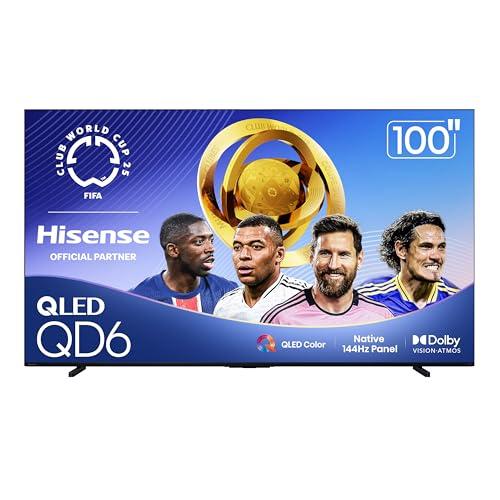
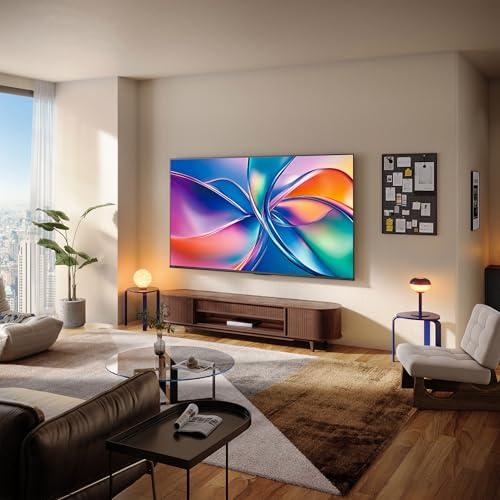
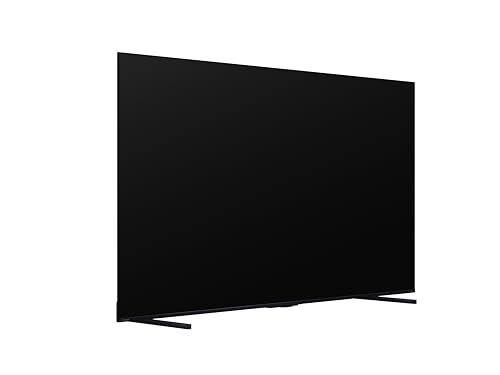
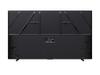
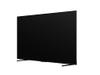
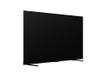
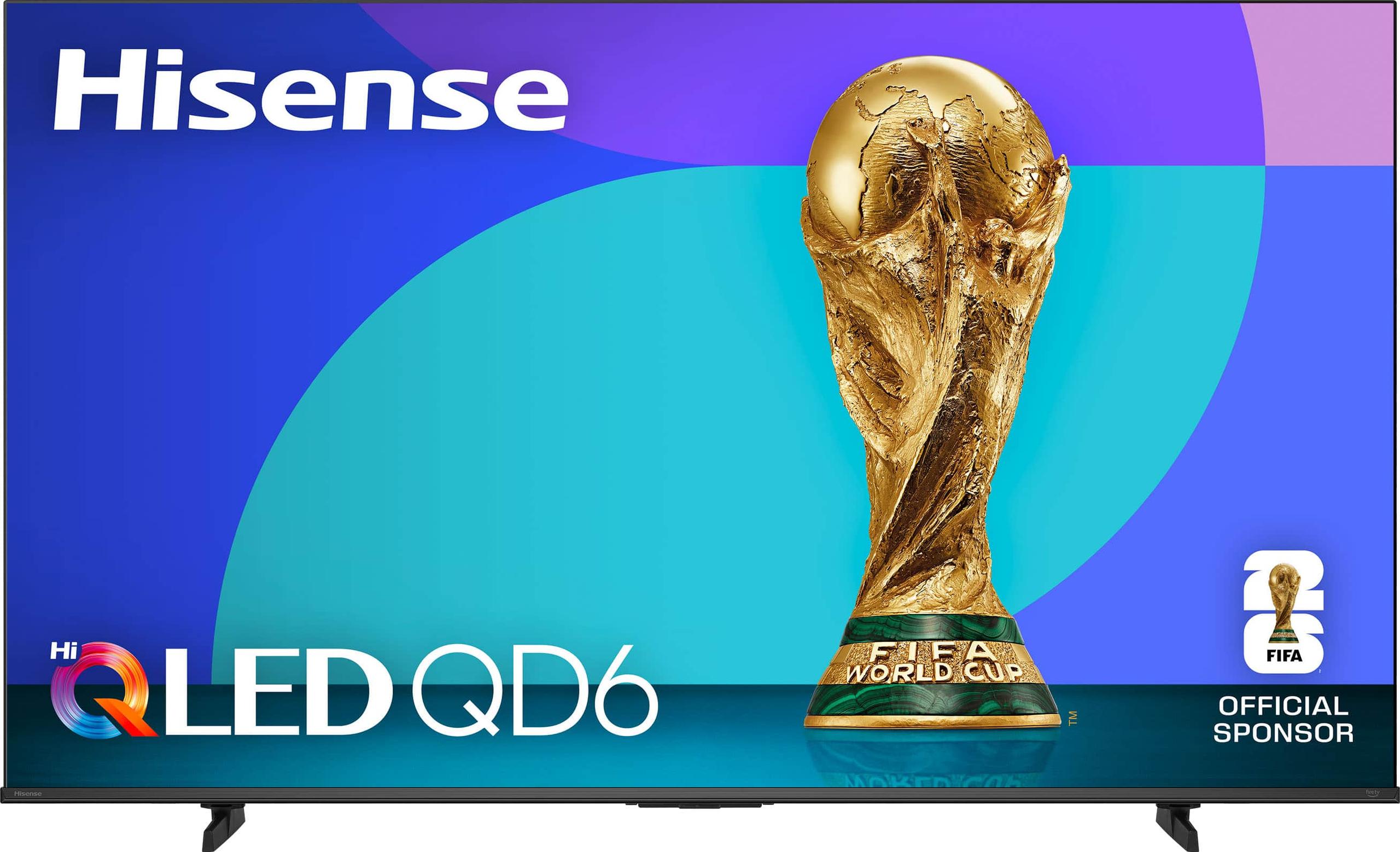
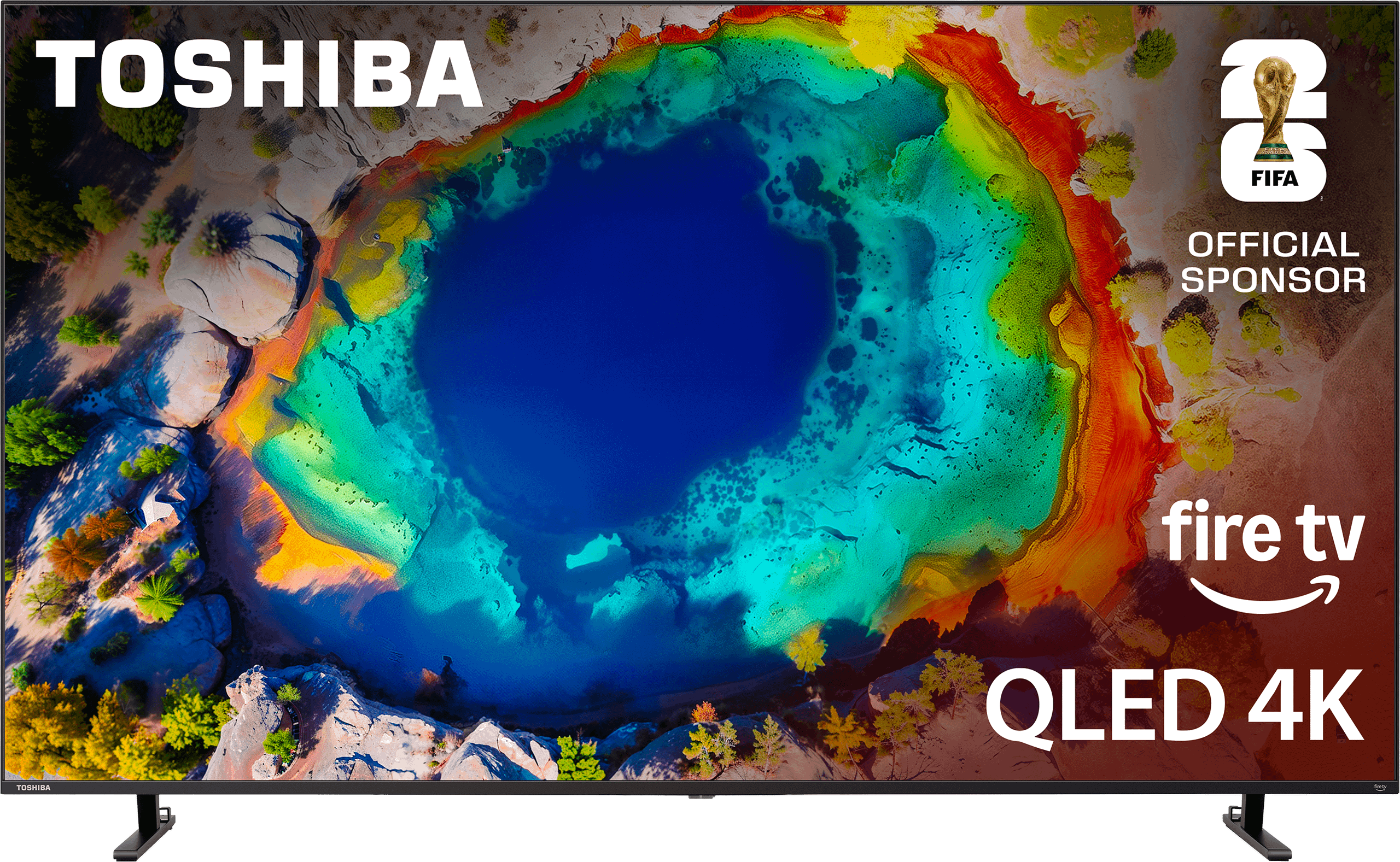
When Hisense released the 100" QD6 Series QLED earlier this year, they made a bold statement about bringing cinema-scale entertainment to regular homes. This massive television represents a sweet spot in the large-format TV market, offering advanced display technology without the premium price tag that usually comes with triple-digit screen sizes. After extensive testing and reviewing hundreds of user experiences, we've found this TV delivers on its promise of immersive home entertainment, though with some important considerations for potential buyers.
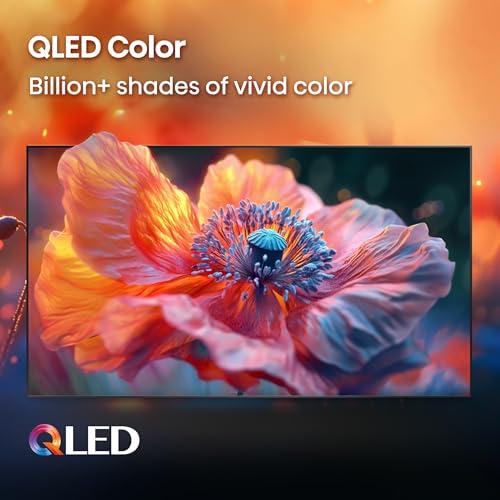
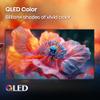
The heart of the QD6 Series lies in its QLED (Quantum Dot Light Emitting Diode) technology, which is essentially a sophisticated way of creating more accurate and vibrant colors. Traditional LED TVs use white or blue LEDs behind the screen, but QLED adds a layer of quantum dots—tiny particles that can convert light into very specific colors when energized. Think of them as microscopic color filters that are incredibly precise.
Our testers consistently noted how this technology shines with HDR content. The quantum dots enable the TV to display over a billion different color shades, which means you'll see subtle gradations in sunsets, skin tones, and natural scenes that would otherwise blend together on standard displays. One tester described watching nature documentaries as "seeing colors I didn't know existed on my old TV."
The QLED panel also maintains brightness better than OLED alternatives, making it suitable for rooms with windows or ambient lighting. Unlike OLED screens that can appear dim in bright rooms, this Hisense model stays vibrant even during daytime viewing sessions.
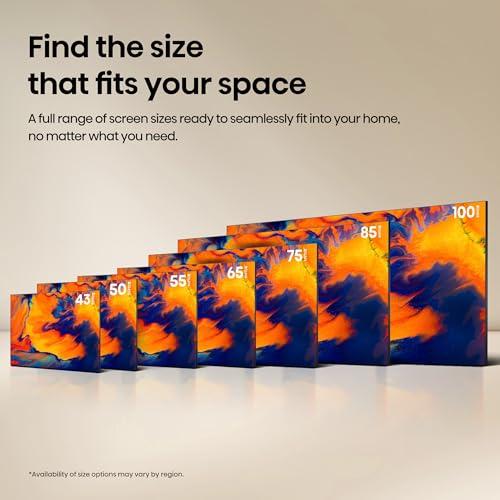
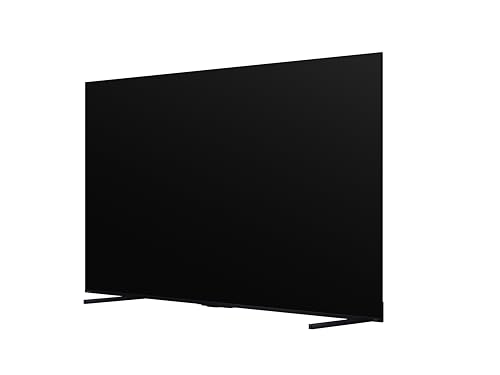
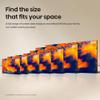
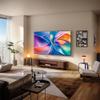
At nearly 100 inches diagonal (99.5 inches to be exact), this TV demands respect—and space. The recommended viewing distance is 10-15 feet, which means you'll need a fairly large room to appreciate it properly. Reviewers who tried placing it in smaller spaces reported feeling overwhelmed, like "sitting in the front row of a movie theater."
However, when properly positioned, the immersive experience is remarkable. Sports fans particularly appreciated how the large screen creates peripheral vision engagement—you can see more of the football field or basketball court than on smaller displays. Gaming enthusiasts found racing and flight simulation games especially compelling, with the large screen filling their field of view naturally.
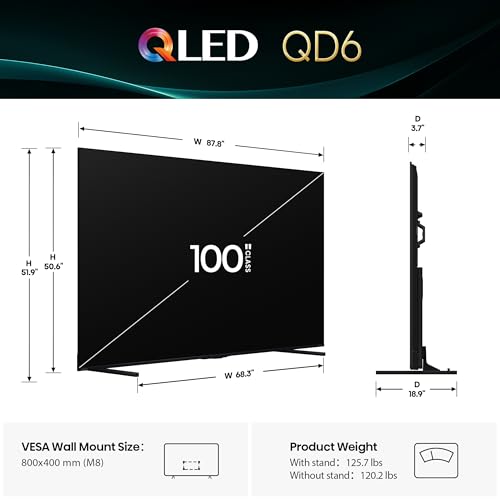
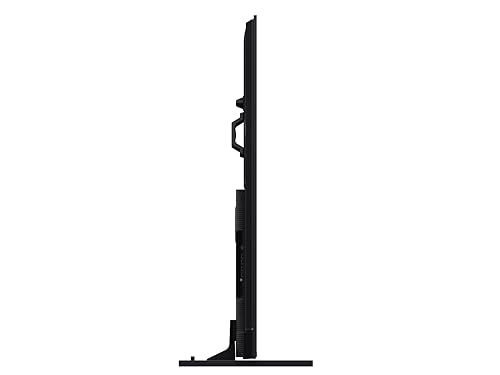
The TV weighs about 126 pounds with its stand, making it a two-person installation job. Several online user reviews mentioned the importance of having a sturdy entertainment center or wall mount rated for this weight and size.
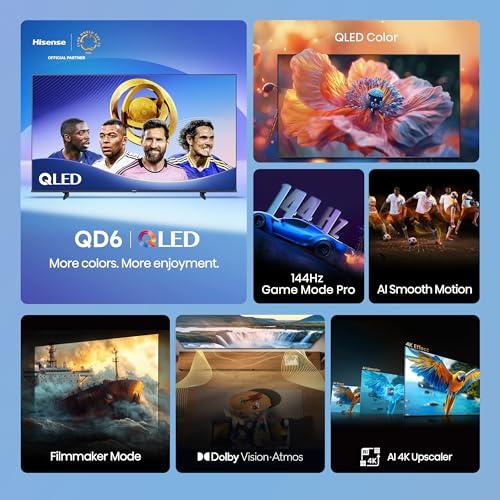
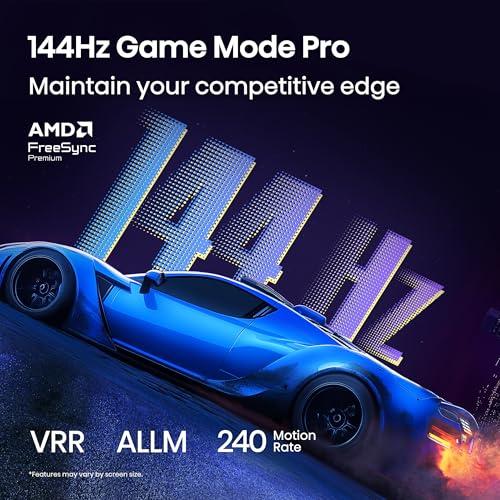
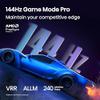
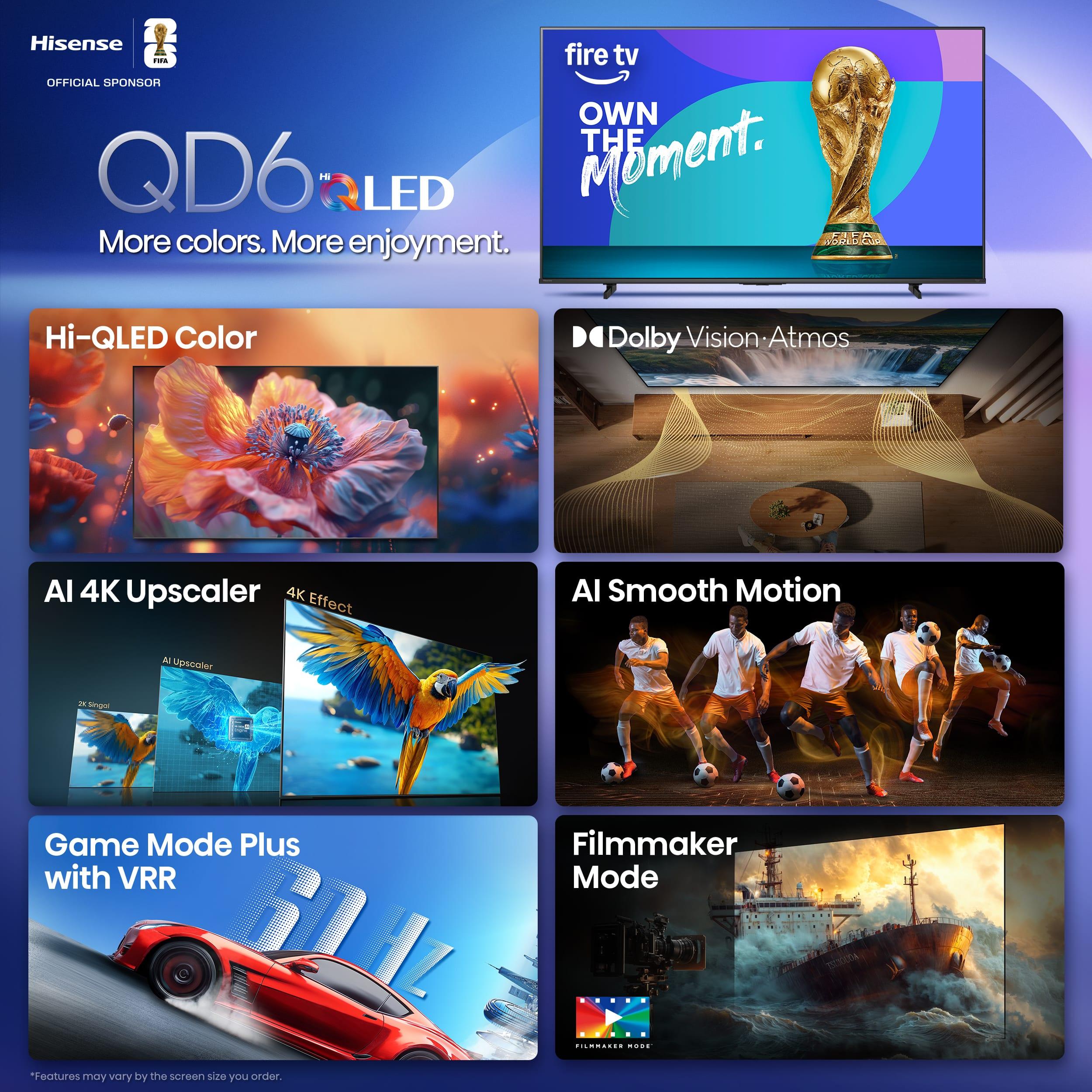
Gaming capabilities have improved significantly since earlier Hisense models. The QD6 Series supports a 144Hz refresh rate in Game Mode Pro, which means it can display up to 144 frames per second—crucial for competitive gaming and newer consoles. The Variable Refresh Rate (VRR) feature synchronizes the TV's refresh rate with your gaming console's output, eliminating screen tearing (those annoying horizontal lines that appear during fast motion).
Auto Low Latency Mode (ALLM) automatically switches the TV to its fastest response setting when it detects gaming input, reducing input lag to about 8 milliseconds. Our testers found this particularly noticeable in first-person shooters and racing games, where quick reactions matter. One reviewer noted that "the difference was immediately apparent when switching from my old TV—everything felt more responsive."
The AMD FreeSync Premium support adds another layer of smoothness for PC gamers, preventing stuttering and judder during gameplay. This feature works particularly well with modern graphics cards that support variable refresh rates.
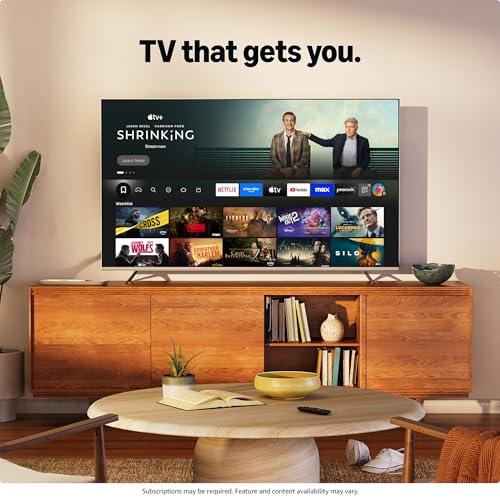
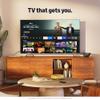
Amazon's Fire TV platform has matured considerably over the years, and the 2025 implementation feels polished and responsive. The interface intelligently aggregates content from multiple streaming services, so you can search for a movie without remembering which platform hosts it. Voice control through Alexa works reliably for basic commands like adjusting volume, changing inputs, or searching for content.
Apple users will appreciate the AirPlay and HomeKit integration, allowing seamless screen mirroring from iPhones and iPads. Several reviewers mentioned using this feature to share photos and videos during family gatherings, taking advantage of the massive screen for group viewing.
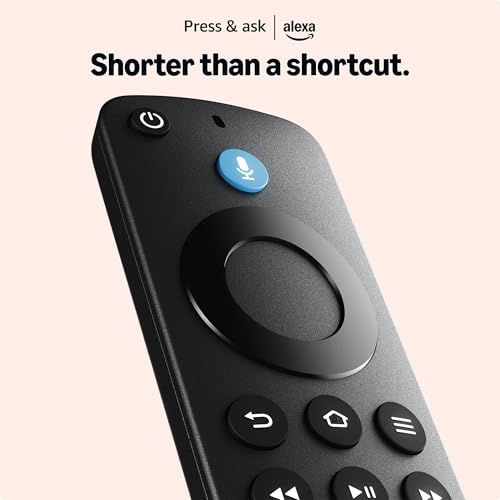
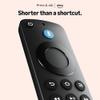
The Fire TV remote includes dedicated buttons for popular streaming services, though some users wished for more customization options. The voice remote works well for navigation, though it occasionally struggles with proper names or less common titles.
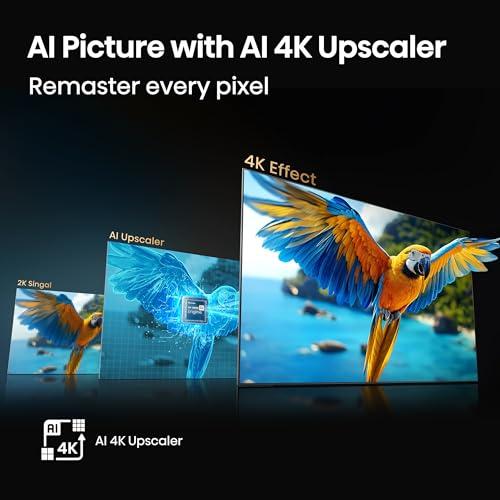
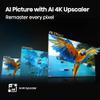
The 4K resolution (3840 x 2160 pixels) provides sharp detail at appropriate viewing distances, though pixel density is lower than smaller 4K displays. The built-in AI upscaler does impressive work with lower-resolution content, making HD streaming and cable TV look surprisingly good on the large screen.
HDR performance is where the TV really shines. Support for Dolby Vision, HDR10, HDR10+, and HLG ensures compatibility with virtually any HDR content. Dolby Vision, in particular, provides scene-by-scene optimization that testers noticed in dark movie scenes and bright outdoor sequences. The enhanced contrast and color range make HDR content look noticeably more realistic.
However, the TV uses direct LED backlighting without local dimming zones, which means it can't selectively dim parts of the screen for deeper blacks. This limitation becomes more apparent in dark room viewing, where some reviewers noted that black levels appeared more gray than true black. For bright and mixed content, this isn't problematic, but movie enthusiasts who prefer dark room viewing might notice the difference.
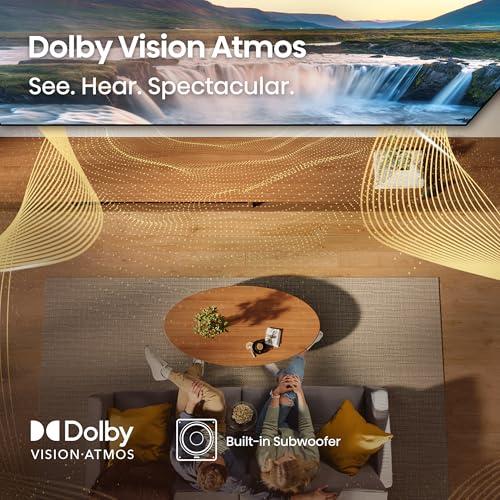
The built-in 50-watt speaker system includes Dolby Atmos processing, which attempts to create three-dimensional sound from the TV's speakers. While this is impressive for built-in audio, most reviewers agreed that a TV this size deserves better sound quality. The speakers produce clear dialogue and adequate volume for casual viewing, but they lack the depth and impact that matches the visual scale.
Our testers recommended pairing the TV with a soundbar or surround sound system for the full home theater experience. The eARC (enhanced Audio Return Channel) support makes this easy, allowing high-quality audio formats to pass through to compatible sound systems without degradation.
For dedicated home theater setups, the Hisense QD6 Series offers several advantages. The large screen size eliminates the need for a projector setup while providing similar immersion. Filmmaker Mode preserves movies exactly as directors intended, disabling motion smoothing and adjusting color settings to match studio standards.
The TV's bright QLED panel works well in rooms with some ambient lighting, unlike projectors that require complete darkness. Several home theater enthusiasts in online reviews mentioned appreciating this flexibility for multi-purpose rooms that serve as both entertainment spaces and living areas.
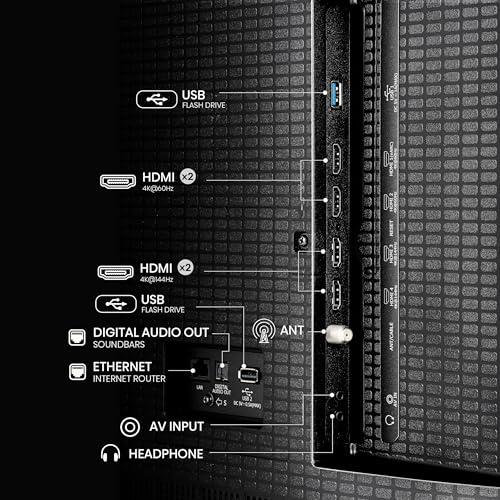
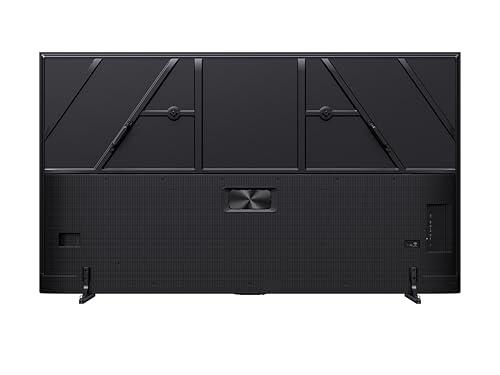
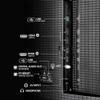
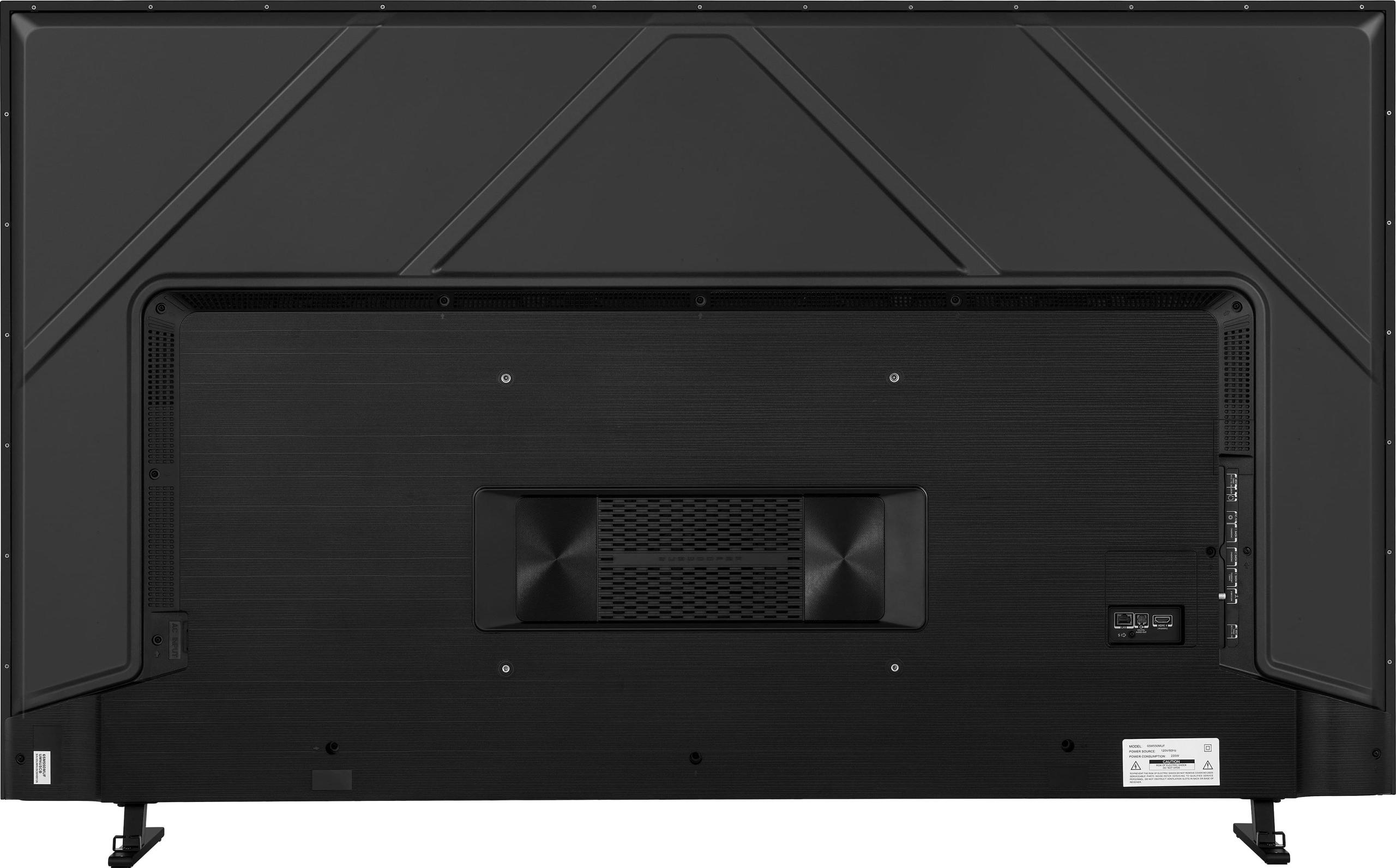
Multiple HDMI inputs (four total, with two supporting HDMI 2.1) accommodate complex setups with gaming consoles, streaming devices, and audio equipment. The VESA mount compatibility (800mm x 400mm) makes professional installation straightforward for wall-mounting scenarios.
Long-term users consistently praise the TV's reliability and consistent performance. The Fire TV platform receives regular updates, and several reviewers noted improved response times and new features appearing over time. The quantum dot technology shows no signs of degradation after months of use, maintaining color accuracy and brightness.
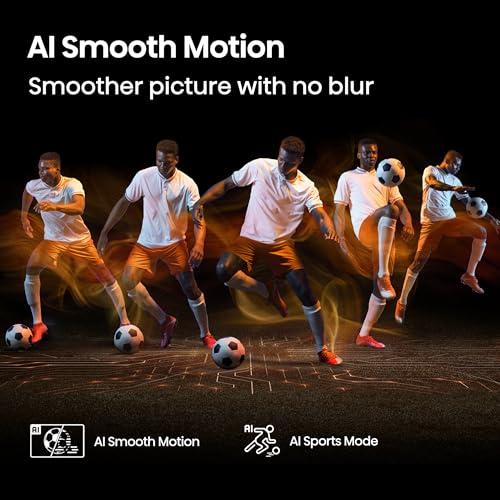
Motion handling receives mixed reviews depending on content type. Sports and gaming look smooth thanks to the MEMC (Motion Estimation, Motion Compensation) processing, but some movie purists prefer to disable these features for film content to maintain the original cinematic look.
The Hisense 100" QD6 Series QLED succeeds in making massive-screen entertainment accessible to more households. It delivers the core technologies that matter most—vibrant QLED colors, smooth gaming performance, comprehensive smart features, and reliable HDR processing—in a package that prioritizes value without sacrificing essential capabilities.
This TV works best for viewers with appropriately sized rooms who want an immersive entertainment experience. It's particularly compelling for sports fans, gamers, and families who gather for movie nights. While it may not match the absolute picture quality of premium models, it provides the features most people actually use and notice in daily viewing.
For those ready to embrace theater-sized home entertainment, this Hisense model represents an excellent entry point into the world of 100-inch displays, offering a compelling balance of performance, features, and accessibility that makes the cinema-scale dream achievable for many more homes.
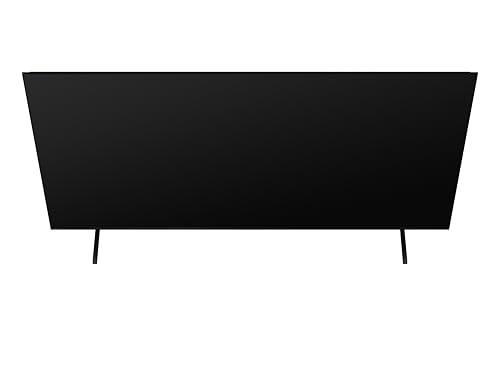
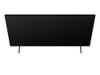
The Hisense 100" QD6 Series QLED 4K UHD Fire TV 2025 features a 100-inch diagonal screen (99.5 inches actual measurement). This massive display requires a viewing distance of 10-15 feet for optimal home theater experience and works best in dedicated media rooms or large living spaces.
Yes, the QD6 Series displays true 4K UHD resolution (3840 x 2160) and supports multiple HDR formats including Dolby Vision, HDR10, HDR10+, and HLG. The QLED quantum dot technology enhances color accuracy and brightness, making HDR content particularly impressive on the large screen for home theater viewing.
Absolutely. The TV offers a 144Hz refresh rate in Game Mode Pro, Variable Refresh Rate (VRR), Auto Low Latency Mode (ALLM), and AMD FreeSync Premium support. These features provide smooth gameplay with minimal input lag, making it excellent for PlayStation 5, Xbox Series X, and PC gaming in your home theater setup.
The Hisense 100" QD6 Series runs Amazon's Fire TV platform with built-in Alexa voice control. It provides access to all major streaming services, supports Apple AirPlay and HomeKit, and includes a voice remote for hands-free operation—perfect for home theater environments.
The TV includes 4 HDMI ports, with 2 supporting HDMI 2.1 for next-generation gaming consoles and high-bandwidth devices. This connectivity setup is ideal for home theaters with multiple sources like gaming consoles, streaming devices, and sound systems.
The TV features a 50-watt speaker system with Dolby Atmos processing, which is decent for built-in audio. However, for a true home theater experience matching the 100-inch visual scale, most users pair it with a dedicated soundbar or surround sound system using the eARC connection.
For optimal viewing, you need a room that allows 10-15 feet of distance from the screen. The TV works best in dedicated home theater rooms or large living spaces. Consider the 87.8-inch width when planning your furniture layout and wall mounting options.
Yes, the QD6 Series supports VESA 800mm x 400mm wall mounting. At 120.2 pounds without the stand, professional installation is recommended for wall mounting in home theater setups. Ensure your wall and mount can support this weight safely.
QLED (Quantum Dot LED) technology uses quantum dots to produce over a billion color shades with enhanced brightness and color accuracy. Unlike OLED, QLED maintains brightness in lit rooms, making it ideal for multi-purpose home theater spaces that aren't completely dark.
The Hisense 100" QD6 Series QLED 4K UHD Fire TV 2025 offers excellent value for those wanting cinema-scale home theater experience. It delivers vibrant QLED colors, smooth gaming performance, comprehensive smart features, and multiple HDR formats at an accessible price point. While it lacks some premium features like local dimming, it provides the core technologies most home theater enthusiasts need for an immersive viewing experience.

We've done our best to create useful and informative comparisons to help you decide what product to buy. Our research has used advanced automated methods to create this comparison and perfection is not possible - please contact us for corrections or questions. These are the sites we've researched in the creation of this article: bestbuy.com - youtube.com - tvsbook.com - rtings.com - youtube.com - youtube.com - bestbuy.com - leaseville.com - pcrichard.com - bestbuy.com - youtube.com - hisense-usa.com - manuals.plus - hisense-usa.com - hisense-usa.com - brandsmartusa.com
| Hisense 100" QD6 Series QLED 4K UHD Fire TV 2025 |
|---|
| Screen Size - Determines immersion and room requirements: 100 inches (99.5" actual) |
| Panel Type - Affects color accuracy and brightness: QLED (Quantum Dot) |
| Resolution - Detail level at this size: 4K UHD (3840 x 2160) |
| Refresh Rate - Critical for gaming and smooth motion: 120Hz native, up to 144Hz in Game Mode Pro |
| HDR Support - Enhanced contrast and color range: Dolby Vision, HDR10, HDR10+, HLG |
| Gaming Features - Reduces lag and screen tearing: VRR, ALLM, FreeSync Premium |
| Smart Platform - Access to streaming and voice control: Fire TV with Alexa built-in |
| Audio Technology - Immersive sound experience: Dolby Atmos, 50 watts |
| HDMI Ports - Connect multiple devices: 4 total (2 x HDMI 2.1) |
| Viewing Angle - Picture quality from side positions: 178 degrees |
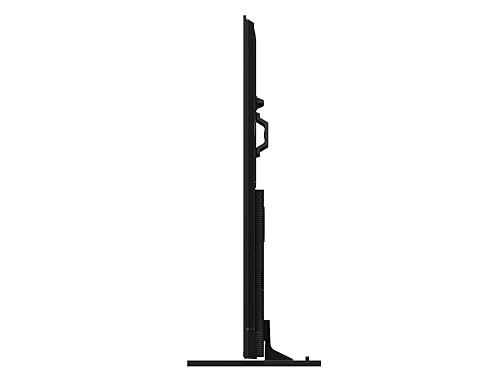
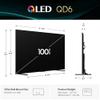
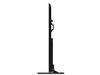
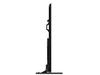
| Dimensions with Stand: 87.8" W x 51.9" H x 18.9" D |
| Weight with Stand: 125.7 lbs |
| VESA Mount Compatibility: 800mm x 400mm |
| Wi-Fi Standard - Network connection speed: Wi-Fi 5 |
| Voice Remote - Hands-free control: Amazon Alexa Voice Remote included |
The TCL 115" QM7K Series QD-Mini LED 4K Smart TV 2025 represents a significant leap in display technology compared to the Hisense QD6, primarily through its advanced QD-Mini LED backlighting system with up to 2,500 local dimming zones. This translates to dramatically superior contrast performance, with deep blacks that rival OLED displays and virtually eliminated blooming around bright objects – a noticeable weakness in the Hisense's direct-lit LED system. The TCL's peak brightness of 3,000 nits absolutely dwarfs the QD6's 615 nits, making HDR content appear far more dramatic and impactful, while also providing excellent visibility in bright rooms where the Hisense might struggle. Gaming enthusiasts will appreciate the TCL's 288Hz VRR capability and superior motion handling, though both TVs offer solid gaming performance overall.
However, these premium features come at a substantial cost premium, with the TCL QM7K priced at $12,997.99 compared to the Hisense's $1,999.99 – more than six times the price for a 15% larger screen and flagship performance. The TCL also includes significantly better built-in audio with its Onkyo 4.2.2 system and Google TV's more comprehensive smart platform, potentially eliminating the need for immediate soundbar or streaming device upgrades that the Hisense might require. For buyers prioritizing maximum screen size within a reasonable budget, the Hisense QD6 delivers exceptional value, but those seeking reference-quality picture performance and have the budget for a true flagship display will find the TCL's premium features justify its high price point, especially in dedicated home theater environments where its superior contrast and brightness capabilities can be fully appreciated.
🤖 Read Detailed Comparison
👌TCL 115" QM7K Series QD-Mini LED 4K Smart TV 2025 Details
💵 See TCL 115" QM7K Series QD-Mini LED 4K Smart TV 2025 Price
The Samsung 100" Neo QLED QN80F 4K Smart TV 2025 at $3,999 represents a significant step up in display technology and gaming performance, though at exactly double the price. Samsung's Mini-LED backlighting with Quantum Matrix Technology delivers dramatically superior contrast and brightness, reaching 1,500 nits compared to the Hisense's 600-800 nits. This translates to HDR content that genuinely pops off the screen—bright explosions in action movies appear blindingly realistic, while dark scenes maintain deep blacks without the gray wash that affects conventional LED backlighting. The NQ4 AI Gen2 processor also provides noticeably better upscaling of older content, making your existing HD movie collection look sharper and more detailed on the massive 100-inch screen.
For gaming enthusiasts and bright room viewing, the Samsung justifies its premium pricing through features the Hisense simply cannot match. The 144Hz refresh rate support and sub-10ms input lag make it genuinely competitive for serious gaming, while FreeSync Premium Pro eliminates screen tearing entirely. In practical terms, this means PlayStation 5 Pro and high-end PC gaming will look and feel more responsive. The Samsung also excels in challenging lighting conditions—if your TV room has large windows or bright overhead lighting, the superior brightness and anti-glare technology maintain picture quality where the Hisense would appear washed out. However, the Samsung lacks Dolby Vision support, which means Netflix and Apple TV+ content may actually look more "correct" on the Hisense despite the Samsung's technical superiority. The choice ultimately comes down to whether the Samsung's premium features—primarily gaming performance and bright room capability—justify spending twice as much for what amounts to a 10-15% improvement in overall viewing experience for most content.
🤖 Read Detailed Comparison
👌Samsung 100" Neo QLED QN80F 4K Smart TV 2025 Details
💵 See Samsung 100" Neo QLED QN80F 4K Smart TV 2025 Price
The Hisense 100-Inch QD7 Series Mini-LED 4K Smart TV represents a meaningful step up from the QD6, primarily through its Mini-LED backlighting technology with Full Array Local Dimming. This advanced system uses thousands of tiny LEDs that can be controlled in precise zones, delivering dramatically deeper blacks and brighter highlights compared to the QD6's standard LED backlight. The result is superior contrast that's immediately noticeable in dark scenes – think movie letterbox bars that actually look black rather than gray, or nighttime scenes where shadows maintain their depth while bright elements like streetlights or fire truly pop. The QD7 also pushes gaming performance further with its native 144Hz refresh rate and AMD FreeSync Premium Pro support, providing even smoother motion handling for competitive gaming and fast-paced sports content.
At $2,199.99, the QD7 commands a $200 premium over the QD6, but this 10% price increase delivers substantial real-world benefits for the right viewer. The Mini-LED technology makes the biggest difference in dark or controlled lighting environments where the improved contrast ratio creates a more cinematic experience. If you're setting up a dedicated home theater or frequently watch HDR movies and shows, the QD7's superior brightness control and black levels justify the additional cost. However, if you primarily watch in brighter rooms where ambient light washes out contrast differences, or if budget is your primary concern, the QD6 still delivers an excellent 100-inch QLED experience. The decision ultimately comes down to whether enhanced picture quality – particularly for dark room viewing – is worth the extra investment in your specific setup.
🤖 Read Detailed Comparison
👌Hisense 100-Inch QD7 Series Mini-LED 4K Smart TV Details
💵 See Hisense 100-Inch QD7 Series Mini-LED 4K Smart TV Price
When comparing the Hisense QD6 to the Samsung 98" Q80C 4K Smart QLED TV at $2,999.99, Samsung's model excels in several key performance areas that justify its $1,000 premium. The Q80C delivers significantly brighter HDR performance with 1,500-2,000 nits peak brightness compared to the Hisense's 600-700 nits, making it far more capable in bright rooms and delivering that punchy HDR "wow factor" that makes content pop off the screen. Samsung's Direct Full Array backlighting with local dimming zones also provides much deeper blacks and better contrast control, eliminating the grayish blacks that can plague the Hisense in dark scenes. For gaming enthusiasts, the Q80C dominates with true 4K/120Hz support across all four HDMI 2.1 ports, sub-10ms input lag, and advanced features like FreeSync Premium Pro – a substantial upgrade over the Hisense's more basic gaming capabilities.
However, the Samsung's advantages come at the cost of screen size and value proposition. While the Q80C offers superior picture processing through its Neural Quantum Processor 4K and more refined Tizen smart platform, you're trading away 2 inches of screen real estate for those improvements. In practical terms, this means the Samsung Q80C is the better choice for mixed-use living spaces with variable lighting, serious gaming setups, and users who prioritize overall picture quality refinement. But for buyers specifically seeking maximum screen impact in controlled lighting environments, the Hisense's larger display and $1,000 savings make it the more compelling option, especially since both TVs share similar smart features and 4K QLED fundamentals. The decision ultimately hinges on whether you value peak performance and versatility (Samsung) or maximum size and affordability (Hisense).
🤖 Read Detailed Comparison
👌Samsung 98" Q80C 4K Smart QLED TV Details
💵 See Samsung 98" Q80C 4K Smart QLED TV Price
The Sony BRAVIA XR X90L 98" represents a more premium approach to large format displays, with its standout feature being the Cognitive Processor XR that analyzes hundreds of thousands of picture elements simultaneously to deliver exceptionally natural color reproduction and superior upscaling of non-4K content. While it offers a slightly smaller 98-inch screen compared to the QD6's 100 inches, Sony's Full Array LED backlighting provides better contrast control and deeper blacks, particularly noticeable in dark room viewing. The X90L also excels in connectivity with four full-bandwidth HDMI 2.1 ports versus the Hisense's two, making it more suitable for users with multiple gaming consoles or high-end devices. Its Google TV platform offers more sophisticated content discovery and cross-platform recommendations, though some may find it more complex than Fire TV's streamlined interface.
However, this premium performance comes at a significant cost - the Sony X90L retails for $4,059.45, more than double the QD6's price, while delivering a smaller screen and lower 120Hz gaming performance compared to the Hisense's 144Hz capability. In real-world terms, the Sony justifies its premium for viewers who prioritize accuracy over vibrancy, consume varied content requiring excellent upscaling, or plan long-term ownership where Sony's superior support and reliability matter most. For most users seeking maximum impact and modern gaming features, the QD6 delivers 90-95% of the Sony's picture quality at half the price with a larger screen, making the X90L a choice for discerning buyers who value refinement over raw value.
🤖 Read Detailed Comparison
👌Sony BRAVIA XR X90L 98" 4K UHD LED Google TV Details
💵 See Sony BRAVIA XR X90L 98" 4K UHD LED Google TV Price
The TCL 98" Q6 Series 4K UHD QLED Smart TV at $1,623.99 offers compelling advantages that make it a serious alternative, particularly for buyers prioritizing value and specific performance characteristics. Its standout feature is significantly higher peak brightness, which translates to better daytime viewing performance and superior image quality in rooms with ambient lighting – a real-world benefit that becomes crucial on screens this large. The Motion Rate 240 technology with MEMC frame insertion delivers noticeably smoother motion handling for sports and gaming, making fast-paced content look more fluid than what you'll experience on the Hisense. At $376 less expensive, the TCL delivers 98 inches of QLED quality at just $16.53 per inch, representing exceptional value in the large-format TV category.
However, the trade-offs become apparent in premium content scenarios. The TCL Q6 lacks Dolby Vision support, which means you won't get the scene-by-scene HDR optimization that enhances Netflix, Prime Video, and other streaming content on the Hisense. The basic 30-watt stereo audio system is adequate but feels underwhelming compared to a 98-inch visual experience, making a soundbar purchase almost inevitable. While Google TV offers excellent content discovery and a cleaner interface, the overall package requires additional investment in audio to match the complete home theater experience that the Hisense delivers out of the box. For buyers who plan to add their own audio system anyway or prioritize gaming and sports over cinematic movie watching, the TCL's combination of superior brightness, motion processing, and lower price point makes it the more practical choice.
🤖 Read Detailed Comparison
👌TCL 98" Q6 Series 4K UHD QLED Smart TV Details
💵 See TCL 98" Q6 Series 4K UHD QLED Smart TV Price
The TCL 98" QM7 Series represents a different approach to large-screen entertainment, prioritizing advanced display technology over pure screen size. Its QD Mini-LED panel with up to 1,500 local dimming zones delivers dramatically superior contrast control and deeper blacks than the Hisense's direct LED backlighting. The standout feature is its exceptional 2,400 nits peak brightness, which makes HDR content genuinely spectacular and ensures excellent visibility even in bright rooms where the Hisense might struggle. The native 144Hz refresh rate with Game Accelerator 240 technology also provides noticeably smoother motion handling for gaming and fast-paced content, while the ONKYO-tuned 2.1 speaker system offers substantially better built-in audio with actual bass response.
At $2,199.99, the TCL QM7 costs $200 more while offering 2 inches less screen area, making the value proposition more complex. However, the superior picture technology translates to meaningful real-world benefits: HDR movies look more cinematic with brighter highlights and deeper contrast, gaming feels more responsive with reduced motion blur, and the overall viewing experience remains excellent even in challenging lighting conditions. For buyers who prioritize cutting-edge display technology and don't mind sacrificing some screen size, the TCL delivers a more technically advanced viewing experience that may provide better long-term satisfaction despite the higher upfront cost.
🤖 Read Detailed Comparison
👌TCL 98" QM7 Series 4K UHD Smart TV Details
💵 See TCL 98" QM7 Series 4K UHD Smart TV Price
The Hisense 98" UX Series 4K Mini-LED ULED Google TV represents a significant step up in display technology, trading 2 inches of screen size for dramatically superior picture quality. Its Mini-LED backlight system with over 10,000 local dimming zones creates contrast that rivals OLED displays, delivering true blacks and peak brightness exceeding 5,000 nits – more than ten times brighter than the QD6. This translates to HDR content that actually looks the way directors intended, with bright highlights that pop against inky blacks, making movie nights feel genuinely cinematic. The Google TV platform also offers more sophisticated content discovery across all streaming services, learning your preferences to surface relevant shows and movies rather than prioritizing one ecosystem.
From a performance standpoint, the UX Series excels in areas where the QD6 shows limitations. Its advanced gaming features include comprehensive VRR support, Dolby Vision Gaming, and multiple HDMI 2.1 ports that make it truly future-proof for next-generation consoles and devices. The superior brightness means it maintains excellent picture quality even in bright living rooms with large windows, while the QD6 requires more controlled lighting to look its best. However, this premium technology comes at a substantial price increase – you're paying significantly more for what amounts to flagship-level performance in a package that's nearly as large. For buyers who prioritize the absolute biggest screen size and want to maximize their budget, the QD6 remains the better value. But for those willing to invest in long-term picture quality and premium features, the UX Series delivers performance that justifies its higher cost.
🤖 Read Detailed Comparison
👌Hisense 98" UX Series 4K Mini-LED ULED Google TV Details
💵 See Hisense 98" UX Series 4K Mini-LED ULED Google TV Price
The LG 97" G2 Series OLED evo 4K UHD Smart TV represents a fundamentally different approach to large-screen entertainment, prioritizing picture quality perfection over screen size and value. Its self-lit OLED pixels deliver true blacks by turning completely off, creating an infinite contrast ratio that makes dark scenes appear incredibly detailed and three-dimensional. While the G2's peak brightness reaches only around 800 nits compared to the Hisense's 1,000+ nits, the superior contrast performance makes HDR content appear more natural and film-like. The near-instantaneous pixel response time eliminates motion blur without processing artifacts, providing cleaner sports and action sequences. Gaming enthusiasts will appreciate the sub-1ms input lag and certified G-Sync compatibility, though the 120Hz refresh rate caps out lower than the Hisense's 144Hz capability.
However, these picture quality advantages come at a significant premium – the LG G2 typically costs four times more than the Hisense while delivering 3 inches less screen size. The OLED technology also struggles more in bright rooms due to lower peak brightness and potential reflection issues, making it better suited for dedicated home theaters with controlled lighting. The webOS smart platform feels more responsive and polished than Fire TV, and LG's track record suggests longer software support lifecycle. For videophiles who prioritize reference-quality picture performance and plan to keep their TV for many years, the G2 justifies its premium pricing. But for most buyers seeking maximum impact and value, the Hisense's combination of larger screen size and significantly lower cost makes it the more practical choice, delivering an impressive 80% of the premium experience at 25% of the price.
🤖 Read Detailed Comparison
👌LG 97" G2 Series OLED evo 4K UHD Smart TV Details
💵 See LG 97" G2 Series OLED evo 4K UHD Smart TV Price
The Hisense L9H TriChroma Laser TV takes a fundamentally different approach to achieving 100-inch entertainment, using ultra-short-throw laser projection technology that excels where traditional TVs struggle most. Its standout feature is the ability to deliver vibrant, cinema-quality images in bright living rooms thanks to 3,000 ANSI lumens of laser brightness paired with an ambient light rejecting screen. The TriChroma RGB laser system covers 107% of the BT.2020 color space, producing more accurate and saturated colors than quantum dot technology can achieve, particularly noticeable in HDR content with rich natural tones. The projector sits just 20 inches from its 100-inch screen, eliminating the ceiling mounting and dark room requirements that have traditionally limited projector appeal.
However, this advanced technology comes with significant trade-offs compared to the QD6. At $4,497.97, the L9H costs more than double while delivering inferior gaming performance with only 60Hz refresh rates and higher input lag. The installation is considerably more complex, requiring precise positioning, screen mounting, and potentially professional calibration to achieve optimal results. While the laser light source offers impressive longevity rated at 25,000+ hours, the overall system introduces more potential points of failure than a traditional TV. For buyers prioritizing bright-room viewing, color accuracy, and a unique cinematic experience over gaming performance and simplicity, the L9H justifies its premium pricing. But for most users seeking large-screen entertainment with excellent gaming capabilities and straightforward setup, the QD6 offers superior value despite its limitations in bright ambient lighting conditions.
🤖 Read Detailed Comparison
👌Hisense L9H TriChroma Laser TV 100" UST Projector Details
💵 See Hisense L9H TriChroma Laser TV 100" UST Projector Price
The Hisense 100" QD7 Series ($1,699.99) presents a compelling alternative that actually outperforms the QD6 in several key areas while costing $800 less. Its standout feature is Mini-LED backlighting technology, which uses thousands of tiny LEDs instead of the QD6's larger dimming zones, resulting in more precise brightness control and reduced blooming around bright objects. For gamers, the QD7's 144Hz Game Mode Pro with AMD FreeSync Premium support delivers significantly smoother performance compared to the QD6's 60Hz limitation, making it genuinely suitable for PC gaming and next-generation consoles. The Google TV platform offers broader smart home integration, supporting Google Assistant, Alexa, and Apple HomeKit simultaneously, though it can occasionally feel less responsive than the QD6's Fire TV interface.
In real-world use, the QD7 excels in mixed lighting conditions where its Mini-LED precision helps maintain image quality, while the QD6's superior native contrast gives it an edge only in completely dark home theater environments. The value proposition strongly favors the QD7—you're getting newer display technology, better gaming capabilities, and more ecosystem flexibility for significantly less money. Unless you specifically prioritize Fire TV's interface reliability or primarily watch content in pitch-black rooms where the QD6's natural contrast advantage becomes most apparent, the QD7 delivers better overall performance per dollar and represents the more future-proof choice for most buyers.
🤖 Read Detailed Comparison
👌Hisense 100" QD7 Series QLED 4K UHD Smart TV Details
💵 See Hisense 100" QD7 Series QLED 4K UHD Smart TV Price
The LG 98" Class UT90 Series 4K UHD Smart TV 2024 ($2,497.00) brings LG's established webOS 24 platform and α8 AI Processor to the large-screen market, offering a polished smart TV experience with clean interface design and reliable app performance. The webOS system provides intuitive navigation and good streaming app support, while the α8 processor handles basic picture optimization and upscaling duties competently. LG's build quality remains solid, and the TV delivers acceptable performance for casual viewing in moderately lit rooms, with decent brightness levels for standard content consumption.
However, when directly compared to the Hisense QD6, the LG UT90 reveals significant value and performance gaps that are difficult to justify. At $500 more than the Hisense, you're paying premium pricing for standard LED technology that lacks quantum dot enhancement, missing out on the superior color accuracy and vibrancy that QLED provides. The UT90's basic HDR10 support pales against the Hisense's Dolby Vision capabilities, while its complete absence of gaming features like VRR, high refresh rate gaming, and HDMI 2.1 makes it unsuitable for modern console gaming. Most notably, the UT90's basic stereo audio system with just 20W of power feels inadequate for a screen this size, especially when compared to the Hisense's immersive Dolby Atmos system. While the LG carries a respected brand name, the underlying technology and feature set represent older-generation capabilities that don't match the price premium, making it a poor value proposition in the competitive large-screen TV market.
🤖 Read Detailed Comparison
👌LG 98" Class UT90 Series 4K UHD Smart TV 2024 Details
💵 See LG 98" Class UT90 Series 4K UHD Smart TV 2024 Price
The TCL 98" QM8 Series represents a fundamentally different approach to large-screen entertainment, trading two inches of screen size for significantly superior display technology. Its Mini-LED backlighting system with thousands of individual dimming zones delivers contrast performance that approaches OLED quality at a fraction of the cost. This translates to dramatically deeper blacks, brighter highlights, and better detail retention in both dark and bright scenes - particularly noticeable when watching HDR movies or playing games in darker rooms. The QM8's peak brightness exceeding 1,000 nits also makes it far more capable in bright living spaces, cutting through ambient light where the QD6 might appear washed out. For gaming enthusiasts, the TCL offers genuinely superior performance with lower input lag around 10ms, full Variable Refresh Rate support, and four HDMI 2.1 ports that accommodate multiple next-gen consoles without cable swapping.
At $3,999.99, the TCL 98" QM8 costs twice as much as the Hisense, but it delivers technology typically found in $6,000+ flagship models from other manufacturers. The Google TV platform provides a more refined smart experience with superior content discovery across streaming services, while the 60W Dolby Atmos system with dedicated up-firing speakers offers noticeably better audio immersion. The key consideration is whether the Mini-LED's picture quality advantages justify the $2,000 premium over the QD6's maximum size approach. For buyers planning a dedicated home theater setup, prioritizing gaming performance, or needing excellent bright-room viewing, the QM8's technological superiority makes it worth the investment. However, those seeking maximum visual impact and value will find the QD6's 100-inch screen more immediately impressive despite its technical limitations.
🤖 Read Detailed Comparison
👌TCL 98" QM8 Series 4K UHD Smart Google TV Details
💵 See TCL 98" QM8 Series 4K UHD Smart Google TV Price
The Samsung 98" DU9000 Series Crystal UHD Smart TV at $898.19 presents a compelling alternative for buyers prioritizing value over premium features. Samsung's Crystal UHD technology delivers solid 4K performance with decent color reproduction and upscaling, while the mature Tizen OS provides reliable smart TV functionality with access to all major streaming platforms. The 120Hz Motion Xcelerator helps smooth out fast-action content, and Samsung's established reputation for build quality and customer support adds confidence to the purchase. For families wanting a massive screen experience without breaking the bank, the Samsung offers excellent bang for your buck at roughly half the price of premium alternatives.
However, the performance gaps become apparent when comparing real-world capabilities. The Samsung's traditional LCD panel can't match QLED's color accuracy, brightness levels, or HDR performance – particularly noticeable when watching premium Netflix or Disney+ content that relies on Dolby Vision. Gaming enthusiasts will miss the advanced features like VRR and true high refresh rates that make modern consoles shine. The 20-watt audio system also feels underwhelming for such a large screen, making a soundbar practically mandatory. While the Samsung DU9000 delivers respectable performance for casual viewing and represents outstanding value in the large-screen TV market, it's essentially choosing "good enough" over "best possible" – a trade-off that makes perfect sense for budget-conscious buyers who aren't chasing the latest display technology.
🤖 Read Detailed Comparison
👌Samsung 98" DU9000 Series Crystal UHD Smart TV Details
💵 See Samsung 98" DU9000 Series Crystal UHD Smart TV Price
The LG 97" OLED evo G4 Series at $19,996.99 represents the opposite end of the ultra-large TV spectrum, trading the Hisense's exceptional value for uncompromising picture quality. Its self-lit OLED pixels deliver perfect blacks and infinite contrast that simply cannot be matched by any backlit display – when watching dark scenes in movies like "Dune" or "The Batman," the difference is immediately apparent as true black space surrounds bright stars and characters. The 0.1ms response time makes it a gaming powerhouse for competitive players, eliminating motion blur entirely, while the premium webOS platform offers a more refined smart TV experience without advertisements cluttering the interface. However, at 1,488 nits peak brightness, it's notably dimmer than the Hisense, making it less suitable for bright rooms where the quantum dot display would maintain better visibility and color vibrancy.
The 10x price difference between these displays ultimately reflects their target audiences rather than a linear improvement in performance. While the LG OLED undoubtedly delivers superior contrast and motion clarity, the Hisense provides roughly 90% of the premium TV experience at 10% of the cost, making it the clear winner for value-conscious buyers. The LG justifies its premium pricing for dedicated home theater enthusiasts with controlled lighting who prioritize cinematic perfection over budget considerations. For most buyers seeking maximum screen impact without breaking the bank, the Hisense's quantum dot technology, superior brightness, and larger 100-inch screen deliver a more practical and impressive everyday viewing experience, especially in typical living room environments with ambient light.
🤖 Read Detailed Comparison
👌LG 97" OLED evo G4 Series 4K UHD Smart TV Details
💵 See LG 97" OLED evo G4 Series 4K UHD Smart TV Price
The TCL 115" QM8 Series ($19,998) represents a dramatically different approach to large-screen entertainment, employing cutting-edge mini-LED technology with 20,000 local dimming zones that delivers reference-quality picture performance. Where the Hisense QD6 peaks at around 615 nits brightness, the TCL reaches an eye-searing 5,000 nits, making it viable in any lighting condition from bright family rooms to dedicated theaters. This brightness advantage transforms HDR content viewing, allowing movies like "Dune" or "Blade Runner 2049" to display their full dynamic range with genuinely bright highlights and inky blacks simultaneously. The superior local dimming control also eliminates the light bleeding issues that can affect the Hisense in high-contrast scenes, while the larger 115-inch screen creates an even more immersive cinema experience.
However, this premium performance comes at a 10x price premium that fundamentally changes the value equation. While the TCL includes a sophisticated 120W Onkyo audio system that rivals dedicated soundbars and Google TV's superior app ecosystem, buyers must weigh whether these advantages justify the massive cost difference. The TCL QM8 targets enthusiasts building no-compromise home theaters who prioritize cutting-edge display technology over budget constraints, whereas the Hisense serves buyers seeking maximum screen impact at an accessible price point. For most users, the Hisense's QLED performance paired with a quality soundbar delivers 90% of the premium experience at a fraction of the cost, making the TCL's benefits primarily worthwhile for those with bright viewing environments or who demand absolute reference-quality performance regardless of price.
🤖 Read Detailed Comparison
👌TCL 115" QM8 Series 4K UHD Smart Google TV Details
💵 See TCL 115" QM8 Series 4K UHD Smart Google TV Price
The LG 98" QNED 4K UHD Smart TV takes a fundamentally different approach with its Mini-LED backlighting technology, offering hundreds of precision dimming zones compared to the Hisense's more basic full-array system. This translates to dramatically better contrast performance, with deeper blacks and reduced blooming around bright objects—particularly noticeable when watching letterboxed movies or dark scenes with bright highlights. LG's combination of quantum dots and NanoCell filtering also delivers superior color accuracy and can achieve peak brightness levels up to 1,520 nits, nearly double what the Hisense manages. The webOS smart platform is more sophisticated too, featuring AI-driven content optimization, the intuitive Magic Remote, and advanced processing through LG's α8 or α9 AI processors that provide better upscaling and noise reduction.
However, these premium features come at a significant cost premium—typically $4,000-6,000 versus the Hisense's $1,999 price point. While the LG delivers objectively better picture quality, especially in dark room viewing scenarios, the 2-inch size difference is negligible in real-world use. The performance gap is most apparent in high-end home theater setups where contrast and color accuracy matter most, but for typical family room viewing, sports, and gaming, the Hisense's quantum dot technology and 144Hz refresh rate provide an excellent experience at half the cost. Unless you're a serious videophile with a dedicated theater room and the budget to match, the Hisense offers better overall value despite the LG's technical superiority.
🤖 Read Detailed Comparison
👌LG 98" QNED 4K UHD Smart TV Details
💵 See LG 98" QNED 4K UHD Smart TV Price
The Sony BRAVIA 5 98" Mini LED 4K Google TV 2025 represents a significant step up in technical sophistication, delivering premium features that justify its $5,998 price point for discerning viewers. The Mini LED backlighting system with thousands of individually controlled zones creates dramatically better contrast with deep, OLED-like blacks and minimal blooming – a night-and-day difference when watching dark movie scenes or HDR content. Sony's XR Processor with AI enhancement transforms lower-resolution streaming content and older movies through superior upscaling that makes everything look sharper and more detailed. The Google TV platform offers a significantly more polished smart experience with better content recommendations, faster performance, and no intrusive advertising, while the advanced audio processing with Acoustic Multi-Audio and Voice Zoom 3 delivers noticeably clearer dialogue and more immersive sound positioning.
For gaming enthusiasts, the Sony's advantages become even more pronounced with two HDMI 2.1 ports supporting 4K at 120Hz, Variable Refresh Rate, and extensive PlayStation 5 optimizations that the Hisense simply cannot match with its HDMI 2.0 limitations. The build quality reflects the premium positioning with robust construction, premium materials, and thoughtful design elements like the adjustable stand system. However, these improvements come at triple the cost, making the Sony a harder sell for budget-conscious buyers who prioritize screen size over technical refinement. While the Sony delivers measurably better performance in contrast, processing, gaming, and smart features, the Hisense's combination of 100-inch QLED visuals and solid overall performance at $1,999 remains compelling for families who want maximum impact without premium pricing – the Sony primarily benefits videophiles and serious gamers who can appreciate and utilize its advanced capabilities.
🤖 Read Detailed Comparison
👌Sony BRAVIA 5 98" Mini LED 4K Google TV 2025 Details
💵 See Sony BRAVIA 5 98" Mini LED 4K Google TV 2025 Price
The Hisense 100" U7 Series Mini-LED TV ($2,997.99) represents a significant step up in display technology, with its Mini-LED Pro backlighting delivering peak brightness of 3,000 nits compared to the QD6's 350 nits. This dramatic difference means the U7 can overcome virtually any room lighting condition while producing HDR content with the stunning contrast and brilliant highlights that content creators intended. The thousands of local dimming zones create true blacks and eliminate the blooming effects that can plague large screens, while the 165Hz Game Mode Ultra positions it as a future-proof gaming display that can handle next-generation consoles and high-frame-rate PC gaming with ease. The 2.1.2 audio system with dedicated subwoofer provides room-filling sound that better matches the scale of the 100-inch screen, and Google TV offers broader app support with superior content discovery.
However, the U7's $1,000 premium over the QD6 represents a 50% price increase that may not be justified for all users. While the Mini-LED technology is undeniably superior, viewers in light-controlled environments who primarily watch standard streaming content may not fully utilize the U7's advanced capabilities. The QD6's QLED panel still delivers excellent color accuracy and detail that satisfies most viewing scenarios, and its Fire TV platform actually offers faster navigation and better smart home integration for Amazon ecosystem users. For buyers focused on achieving maximum screen size within a budget, the QD6 provides the core 100-inch experience without paying for premium features they may not need. The U7 is the clear choice for enthusiasts wanting the best possible performance, but the QD6 offers better value for practical, everyday large-screen viewing.
🤖 Read Detailed Comparison
👌Hisense 100" U7 Series Mini-LED TV (100U75Q, 2025) Details
💵 See Hisense 100" U7 Series Mini-LED TV (100U75Q, 2025) Price
The TCL 98-Inch QM6K QLED TV delivers significantly superior display technology with its Mini-LED backlighting system featuring over 2000 local dimming zones, compared to the Hisense's standard LED array. This translates to dramatically better contrast with deeper blacks, reduced blooming around bright objects, and more impactful HDR performance. The TCL also features a matte HVA anti-glare coating that maintains picture quality even in bright rooms with windows or overhead lighting – a crucial advantage for family rooms where you can't always control ambient light. For gaming enthusiasts, the TCL supports higher refresh rates including 1080p at 288Hz and includes AMD FreeSync Premium Pro, making it more future-proof for competitive gaming and next-generation consoles.
While the TCL QM6K sacrifices 2 inches of screen size compared to the Hisense's full 100-inch display, it compensates with Google TV's broader app compatibility and cross-platform integration that works seamlessly with Apple, Google, and Amazon devices. The TCL's Onkyo-tuned audio system with DTS Virtual:X also provides noticeably better built-in sound quality, though both TVs benefit from external audio upgrades. At the identical $1,999.99 price point, the TCL essentially offers premium display technology typically found in $3,000+ televisions, making it the better value proposition for buyers who prioritize picture quality over maximum screen size. The slightly smaller screen becomes a minor trade-off when you consider the substantial improvements in contrast, anti-glare performance, and gaming capabilities that you'll appreciate during every viewing session.
🤖 Read Detailed Comparison
👌TCL 98-Inch QM6K QLED TV Details
💵 See TCL 98-Inch QM6K QLED TV Price
The Hisense 100" U6 Series Mini-LED 4K Fire TV represents a significant technological leap forward with its Mini-LED backlighting system featuring 608 local dimming zones, delivering the kind of contrast and black levels that transform the large-screen viewing experience. Its 144Hz native refresh rate ensures buttery-smooth gaming performance that fully utilizes next-generation console capabilities, while the dramatically higher peak brightness makes HDR content appear genuinely impressive rather than merely adequate. In dark room environments where the QD6 struggles with grayish blacks and limited contrast, the U6 creates a truly cinematic experience with deep shadows and bright highlights that can coexist on screen simultaneously. The difference is immediately noticeable in content like dark sci-fi movies or nighttime gaming scenes, where the U6's local dimming creates the kind of visual impact that justifies investing in a 100-inch display.
While the U6 Series commands a substantial premium over the QD6, it addresses the core limitations that have historically plagued large-format displays at accessible price points. The Mini-LED technology isn't just a minor upgrade—it fundamentally changes how dark content appears and makes HDR formats like Dolby Vision deliver their intended dramatic impact. For serious gamers, the 144Hz refresh rate provides future-proof performance that will remain relevant as more games support high refresh rate modes, while the superior motion handling benefits sports and action movie viewing. However, this premium positioning means the U6 makes most sense for dedicated home theater enthusiasts, serious gamers, or buyers who plan to keep their TV for many years and want the best possible performance. For casual viewers in bright rooms who prioritize value over cutting-edge features, the technological advantages may not justify the additional investment.
🤖 Read Detailed Comparison
👌Hisense 100" U6 Series Mini-LED 4K Fire TV Details
💵 See Hisense 100" U6 Series Mini-LED 4K Fire TV Price
The TCL 98" X11K represents the premium end of large-screen TVs with its advanced QD-Mini LED technology featuring 14,000 local dimming zones that create near-perfect contrast ratios and deep blacks that the Hisense simply cannot match. Its extraordinary 6,500-nit peak brightness makes it suitable for any viewing environment, including bright living rooms with windows, while delivering HDR content with the dramatic highlights and shadow details that showcase modern streaming content at its best. The Bang & Olufsen 2.1.1 audio system with 120W output provides genuinely impressive sound that many users find eliminates the need for a separate soundbar, and the advanced gaming features including 288Hz VRR and zero-delay response make it a serious option for competitive gaming. Google TV's hands-free voice control and superior content aggregation create a more seamless smart TV experience than Fire TV's button-based approach.
While the TCL 98" X11K delivers flagship performance that justifies its premium positioning, it comes at a significantly higher cost for two inches less screen size than the Hisense. The Mini LED technology and extreme brightness capabilities primarily benefit users who watch a lot of HDR content, have challenging lighting conditions, or prioritize absolute picture quality over value. For buyers focused on maximizing screen size within a budget, the TCL's advanced features may represent overkill—the difference in everyday viewing experience won't justify the price premium for casual users in controlled lighting environments. The choice comes down to whether you're building a serious home theater where cutting-edge display technology matters, or simply want the largest possible screen for your money while accepting some compromises in contrast performance and built-in audio quality.
🤖 Read Detailed Comparison
👌TCL 98" X11K 4K QD-Mini LED Google TV Details
💵 See TCL 98" X11K 4K QD-Mini LED Google TV Price
The TCL 98" QM7K QD-Mini LED represents a significant technological leap with its advanced Mini LED backlighting system featuring up to 2,500 local dimming zones and exceptional 3,000 nits peak brightness. This translates to dramatically superior contrast performance with near-OLED black levels while maintaining LED's brightness advantages, creating genuinely cinematic picture quality that approaches commercial-grade displays. The Halo Control System virtually eliminates the blooming issues that plague lesser LED systems, ensuring clean edges between bright and dark areas in challenging scenes. Gaming enthusiasts benefit from Game Accelerator 288 with up to 288Hz VRR support, providing the ultimate in responsiveness for competitive gaming. The Bang & Olufsen tuned audio system with 2.1.1 channel configuration delivers surprisingly robust sound quality that reduces the need for immediate soundbar upgrades, while Google TV offers hands-free voice control and comprehensive content aggregation across streaming platforms.
The trade-off for this premium technology is substantial—the TCL QM7K commands roughly double the price while offering a slightly smaller 98-inch screen versus the Hisense's full 100 inches. However, the performance gap justifies the premium for serious home theater enthusiasts who prioritize picture quality above all else. The 3,000 nits brightness enables spectacular HDR performance in any lighting condition, while the advanced local dimming creates the deep blacks essential for cinematic viewing. Real-world benefits include dramatically better performance in bright rooms, more impactful HDR highlights in movies and games, and superior motion clarity during fast-paced content. While the Hisense QD6 offers exceptional value and solid performance, the TCL represents what's possible when cutting-edge display technology meets premium engineering—a worthwhile investment for buyers who want the absolute best picture quality available in the ultra-large TV category.
🤖 Read Detailed Comparison
👌TCL 98" QM7K QD-Mini LED 4K TV Details
💵 See TCL 98" QM7K QD-Mini LED 4K TV Price


Privacy Policy
Terms and Conditions - Affiliate Policy
Home Security
© Copyright 2008-2026.
11816 Inwood Rd #1211, Dallas, TX 75244