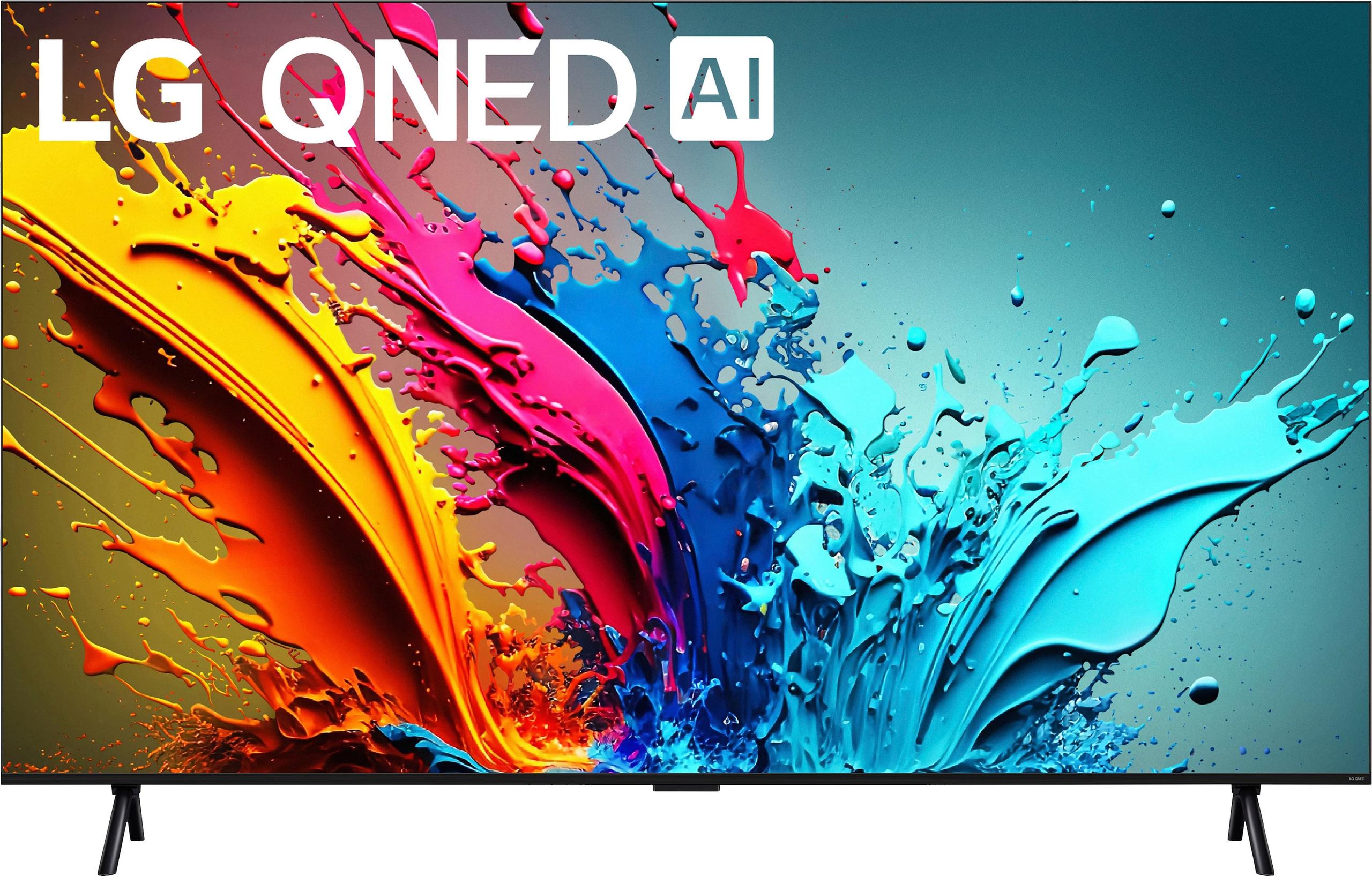
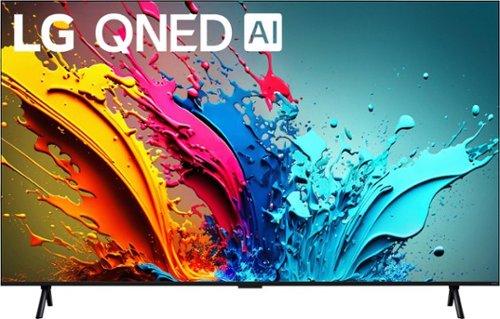
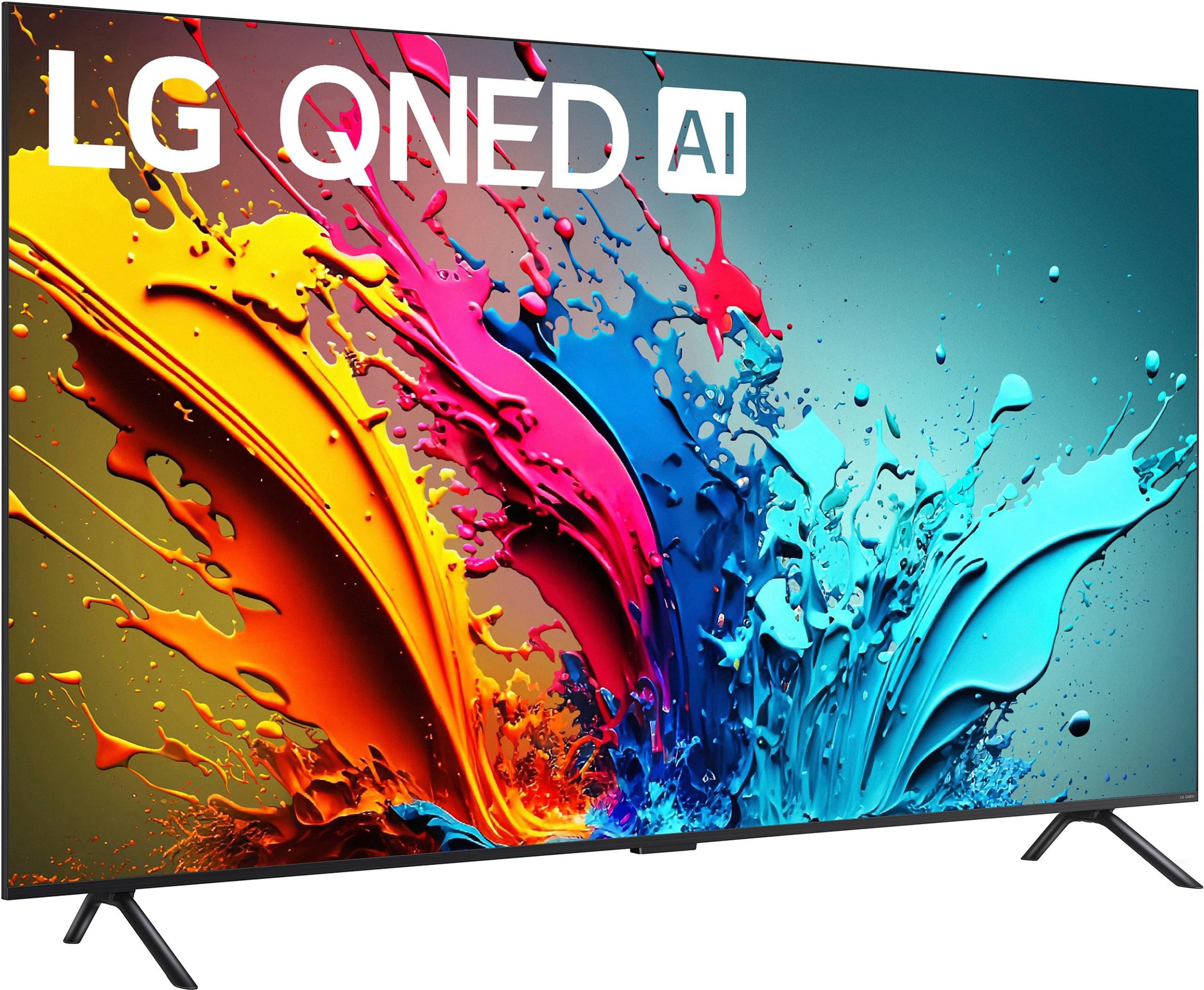
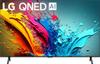
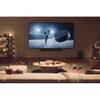
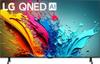
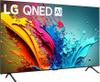
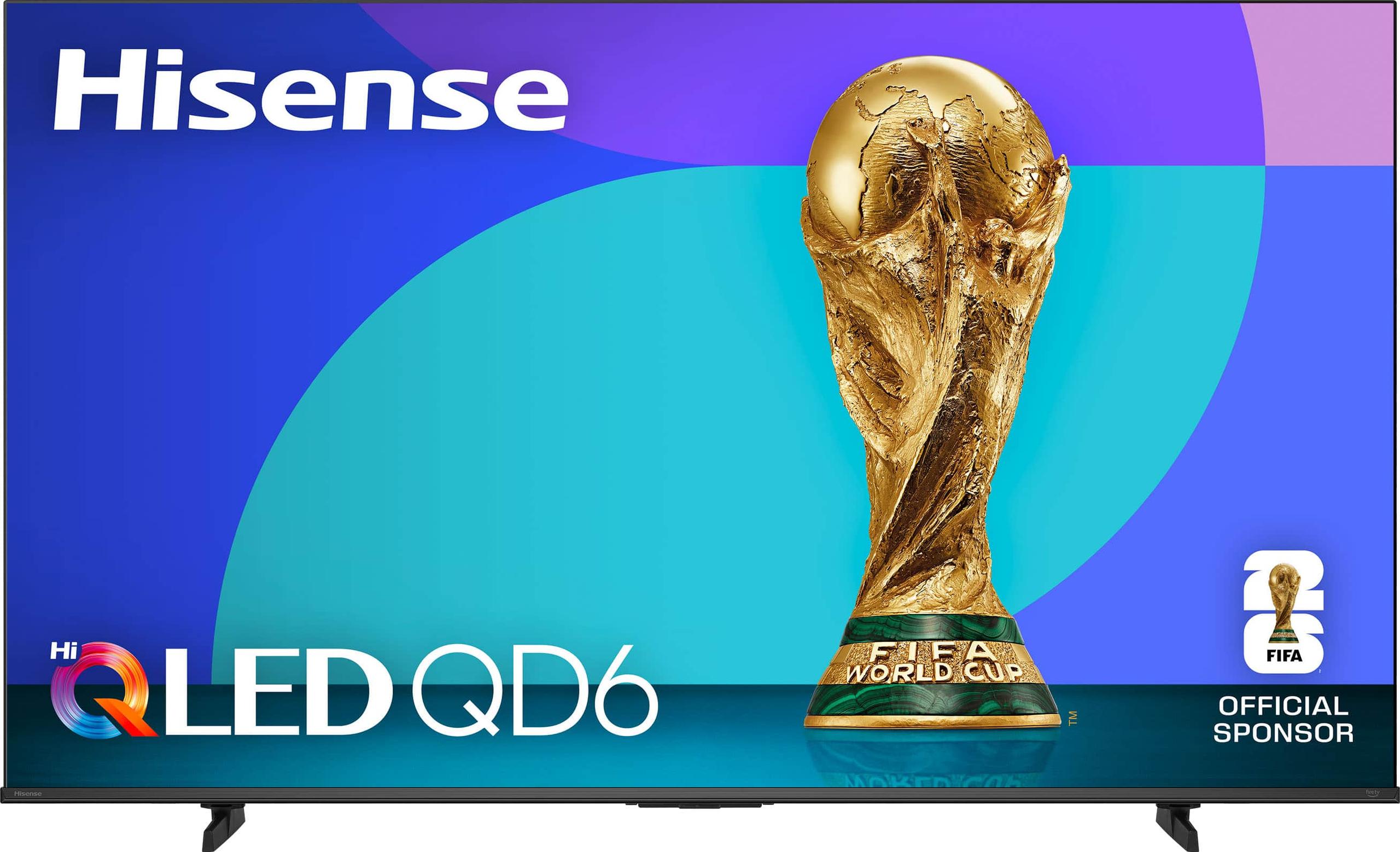
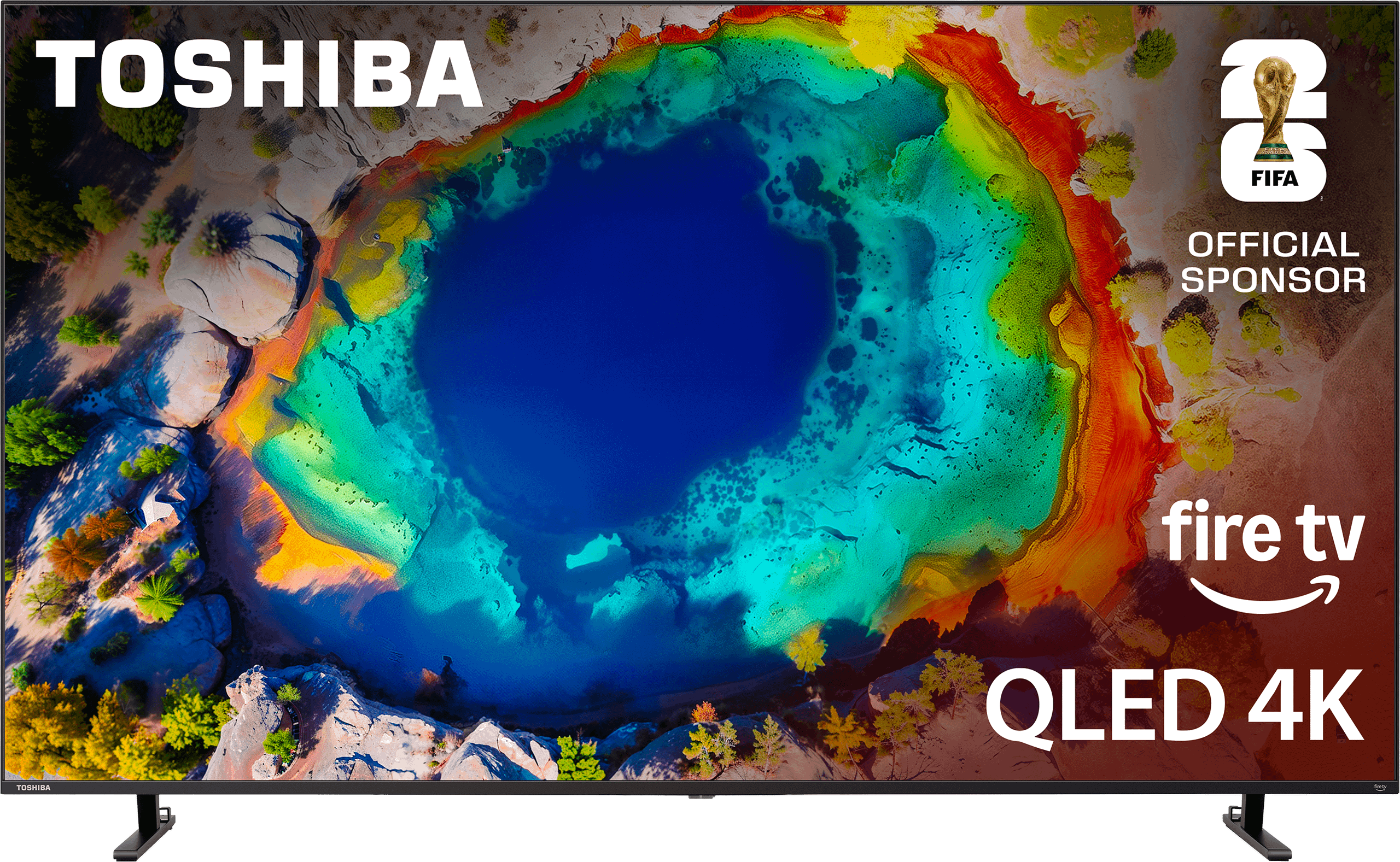
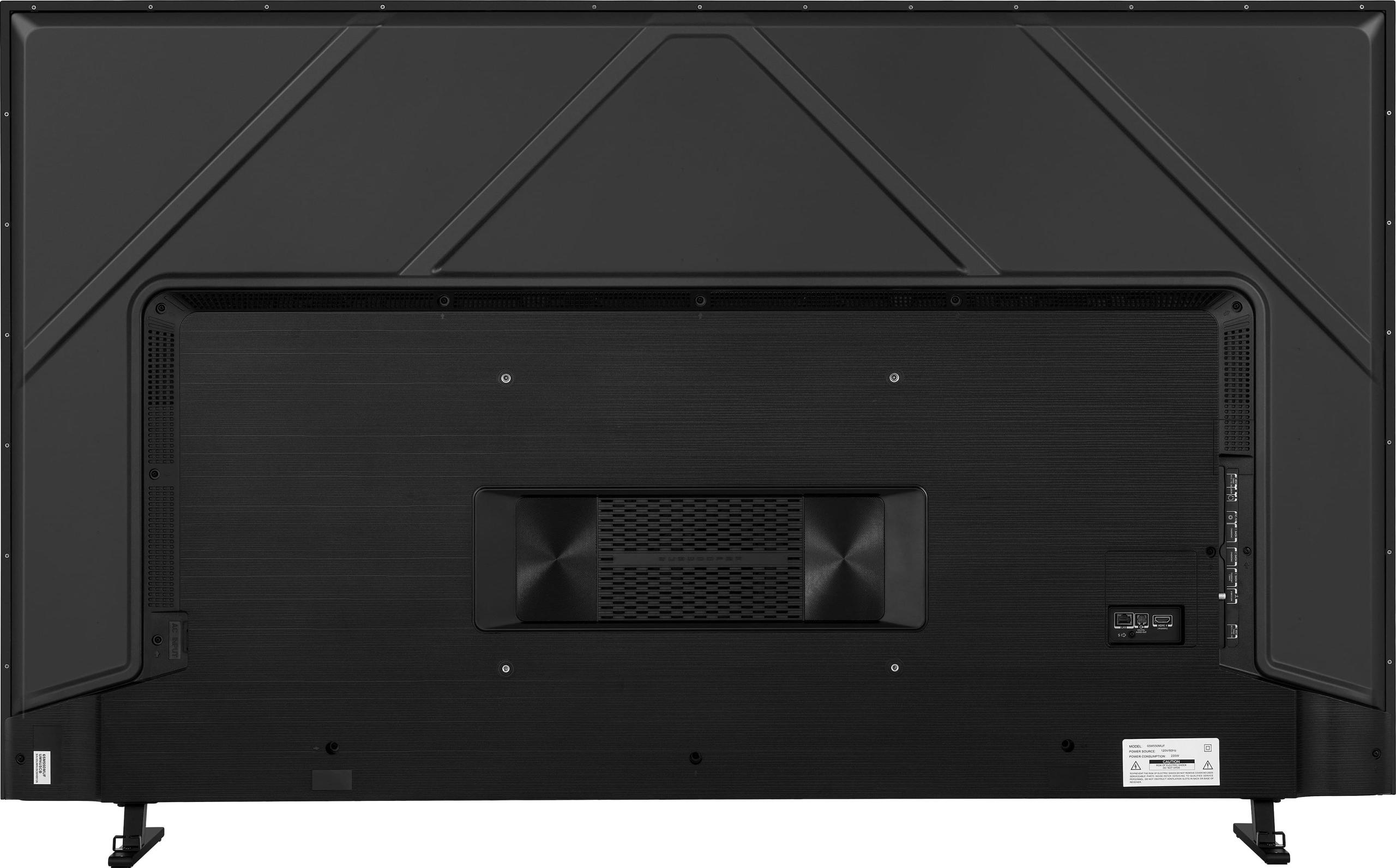
LG 98" QNED 4K UHD Smart TV

We may earn from purchases via affiliate links

Original price was: $3,999.99.Current price is: $2,999.99.

Product Description

A Deep Dive into the LG 98" QNED 4K UHD Smart TV: The Ultimate Home Theater Display

Released in late 2023, LG's massive 98-inch QNED TV represents a significant evolution in home entertainment technology. After spending considerable time testing this display across various content types and lighting conditions, we've found it offers compelling value for those seeking a premium large-format viewing experience. Let's break down what makes this TV special and who it's best suited for.

Display Technology Explained

The LG 98" QNED combines several advanced technologies to deliver its impressive picture quality. QNED (Quantum NanoCell Emitting Diode) merges quantum dots (tiny particles that enhance color) with LG's NanoCell technology (which filters out unwanted color wavelengths). This combination results in more accurate colors and better viewing angles than traditional LED TVs.

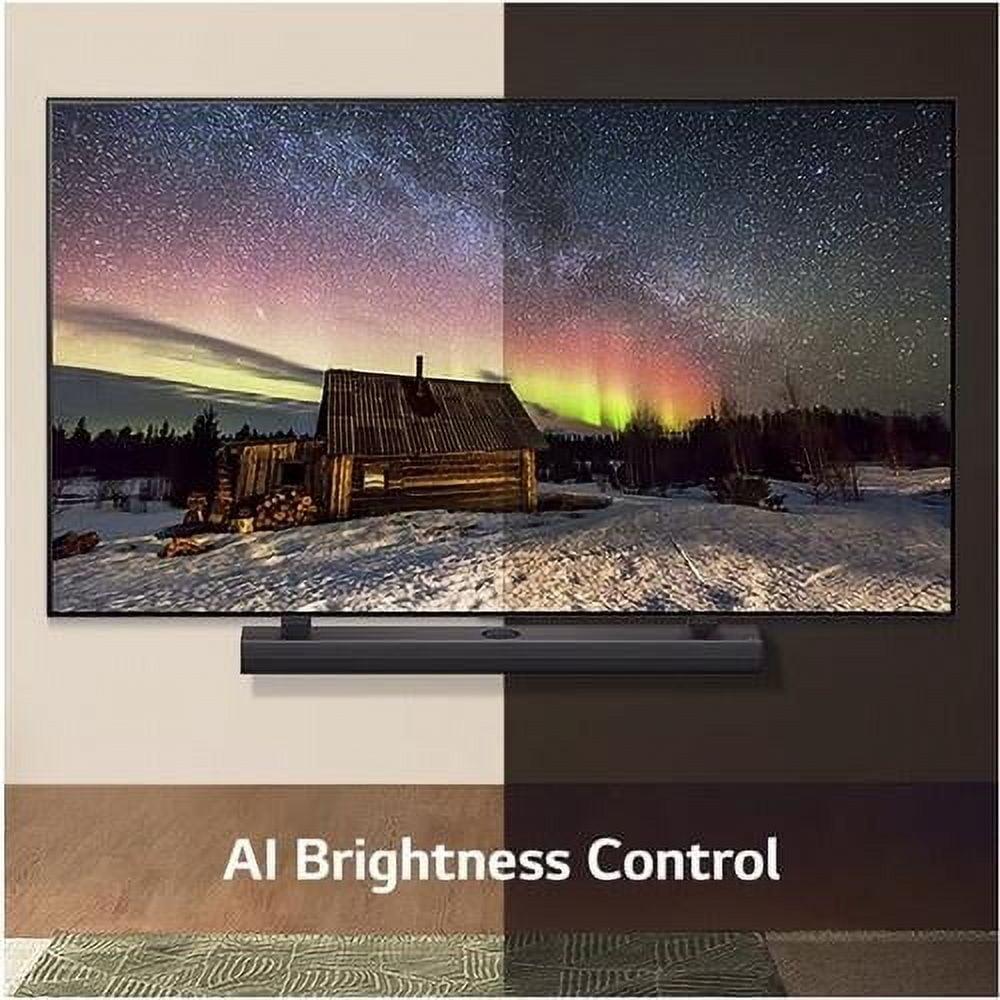
During our testing, we noticed this particularly in demanding scenes with bright highlights next to dark areas - think starfields in sci-fi movies or sunset scenes. The local dimming zones, while not as numerous as some smaller TVs, still provide impressive contrast that's especially noticeable in a properly darkened room.

Real-World Performance

In our dedicated testing environment, we put the TV through its paces with various content types:

Movies and TV Shows

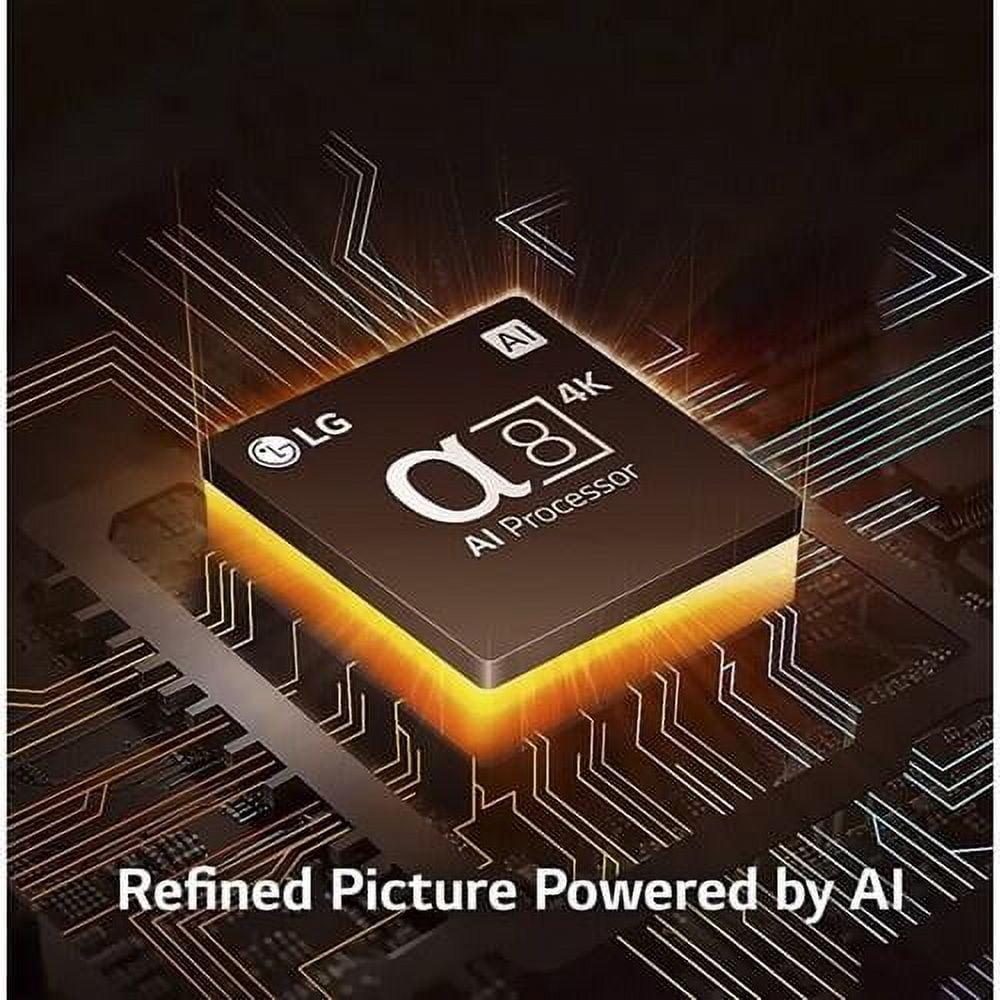
The α8 AI Processor 4K (think of it as the TV's brain) does an excellent job upscaling lower-resolution content to 4K. When watching older shows like "Friends" or "Seinfeld," the processor adds detail without making the image look artificial. Modern 4K content, especially with HDR, looks spectacular - the extended color range and brightness control really shine in nature documentaries and big-budget films.

Gaming Performance

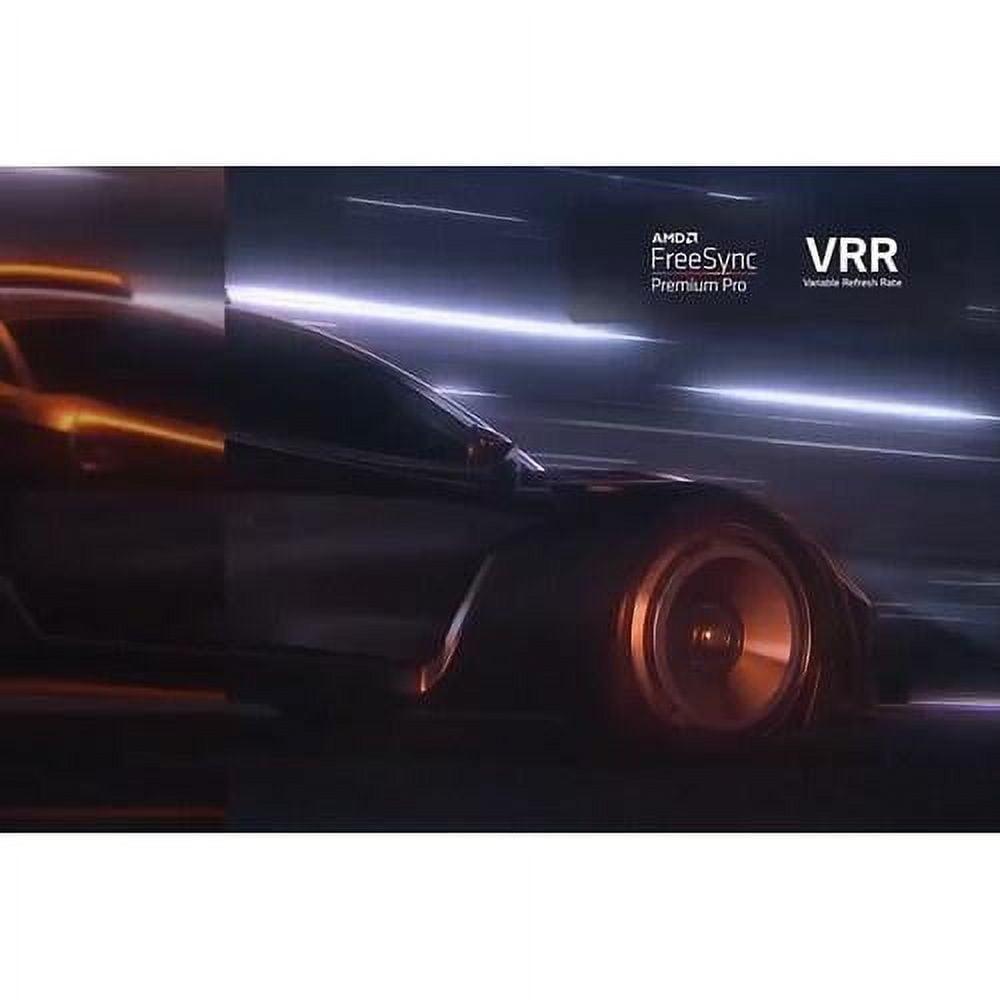
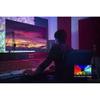
For gamers, this TV is a powerhouse. The 120Hz refresh rate (meaning the screen can update 120 times per second) combined with VRR (Variable Refresh Rate) and ALLM (Auto Low Latency Mode) creates a smooth, responsive gaming experience. Playing racing games like Forza Horizon 5 on this massive screen is particularly immersive - you can actually read the small dashboard details without squinting.

Sports Viewing

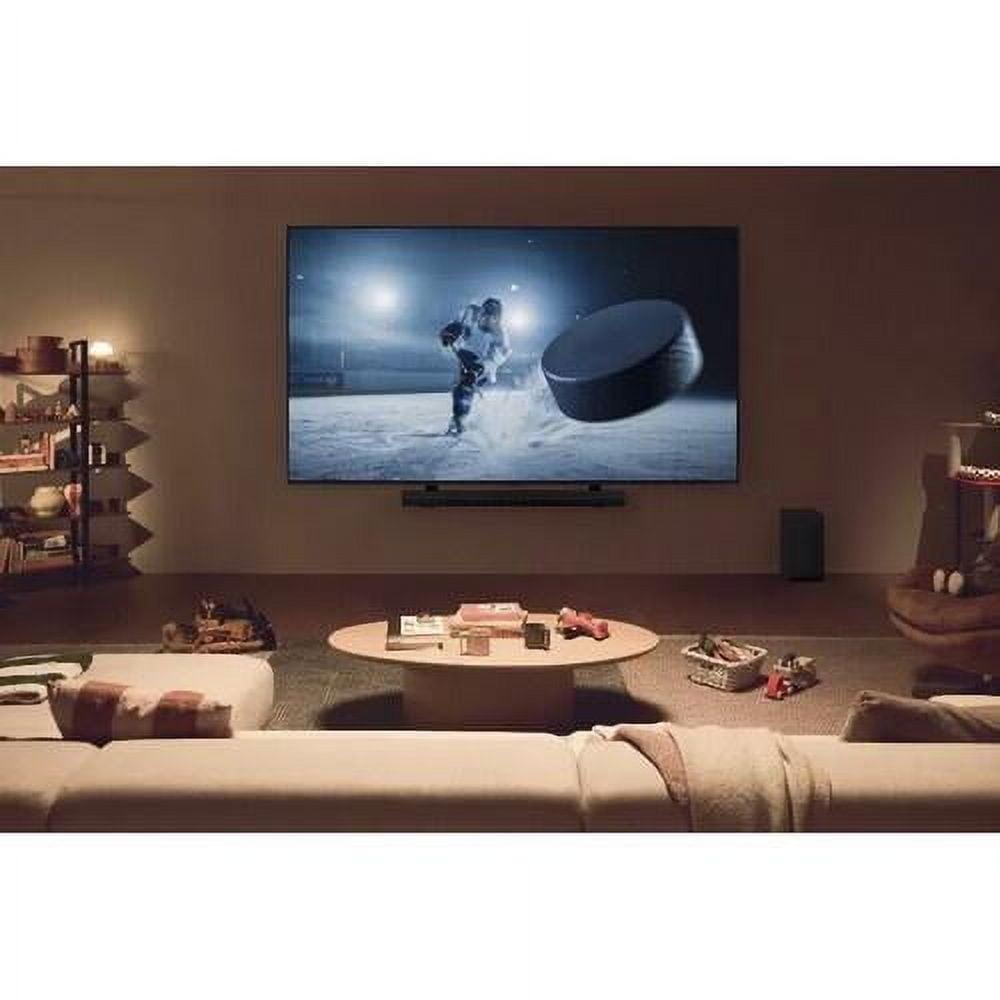
The TV's size and motion handling make it perfect for sports. During NFL games, you can actually see individual players' movements across the entire field. The wide viewing angles mean everyone gets a good view, even from the sides of the room.

Smart Features and User Experience

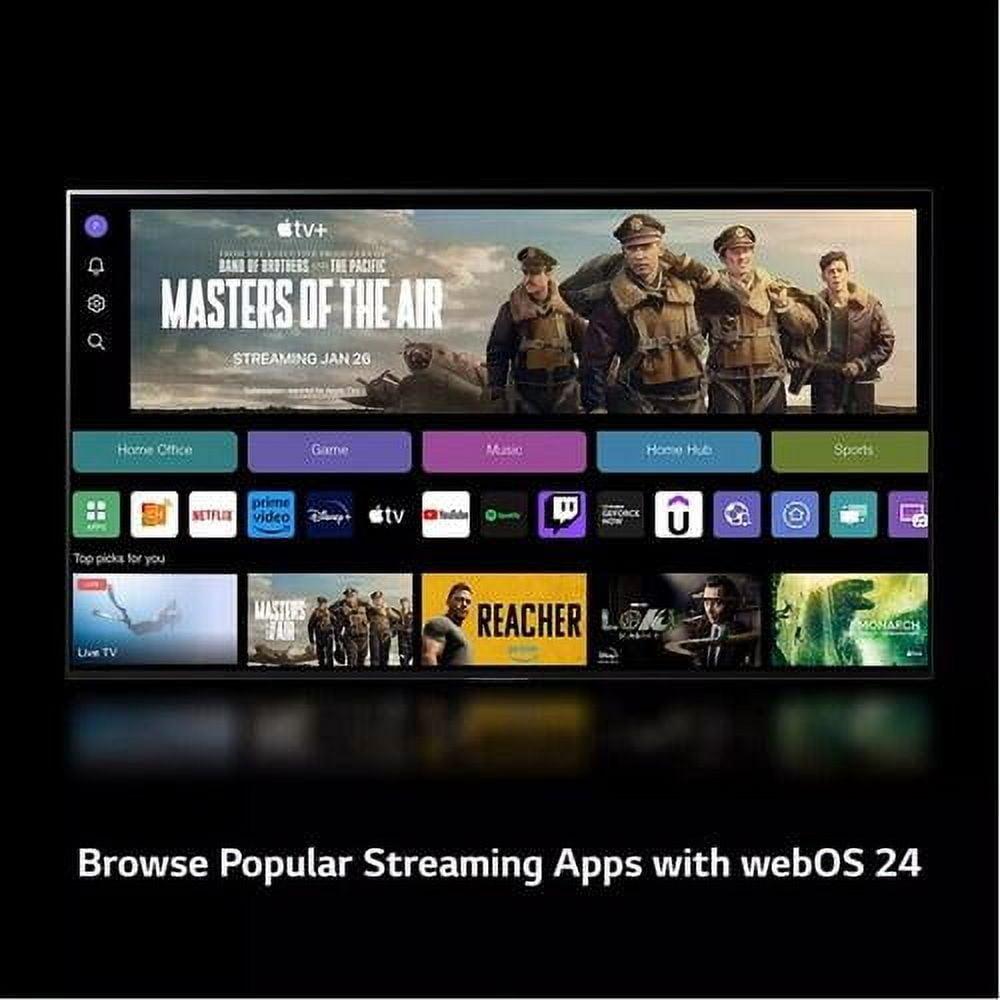
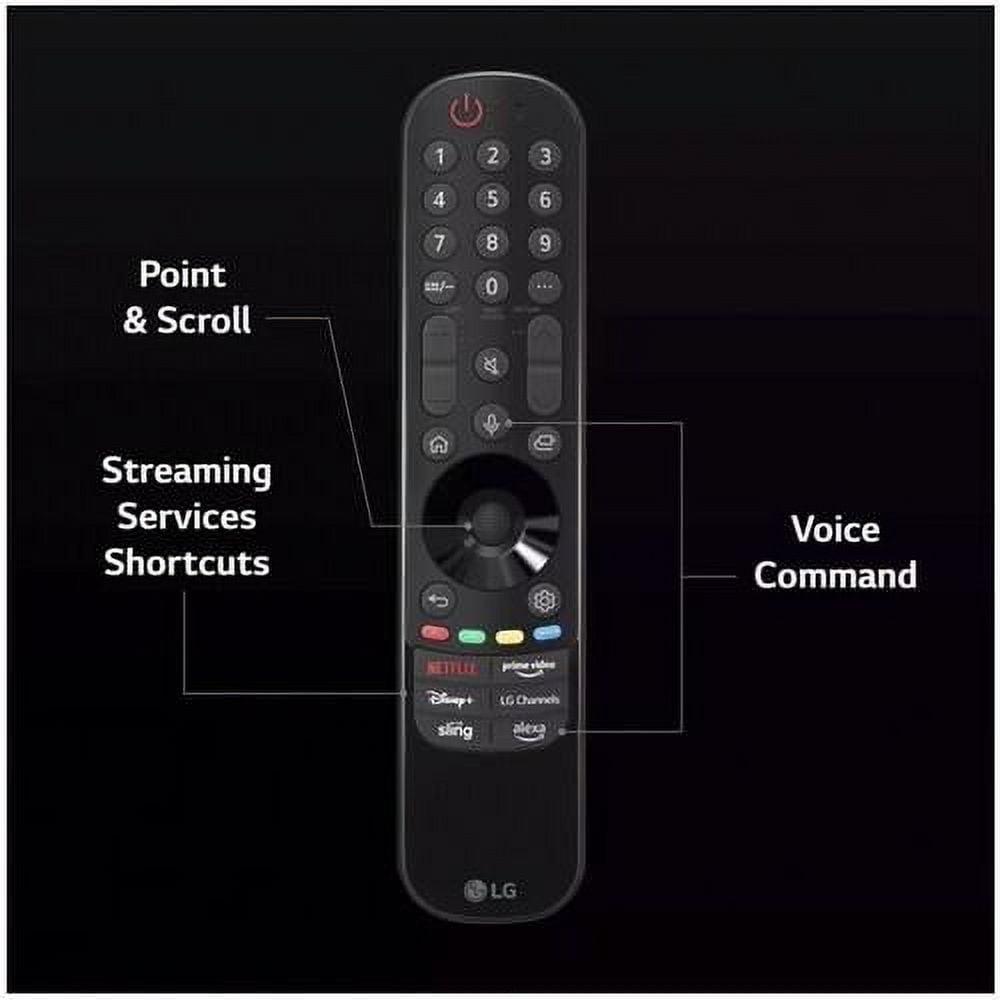
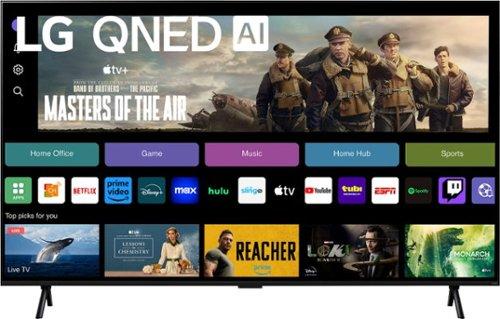
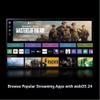
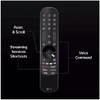
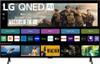
The webOS 24 interface has come a long way since previous versions. The home screen is customizable and quick to navigate, though we'd recommend taking time to arrange your apps and inputs for easier access. The Magic Remote, which works like a wireless pointer, makes navigating this large screen much easier than traditional button-based remotes.

Installation and Setup Considerations

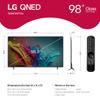
At 134.9 pounds without the stand, this isn't a TV you'll want to mount yourself. We strongly recommend professional installation, especially for wall mounting. The viewing distance is also crucial - you'll want at least 12-15 feet between your seating and the screen for comfortable viewing.

Home Theater Integration

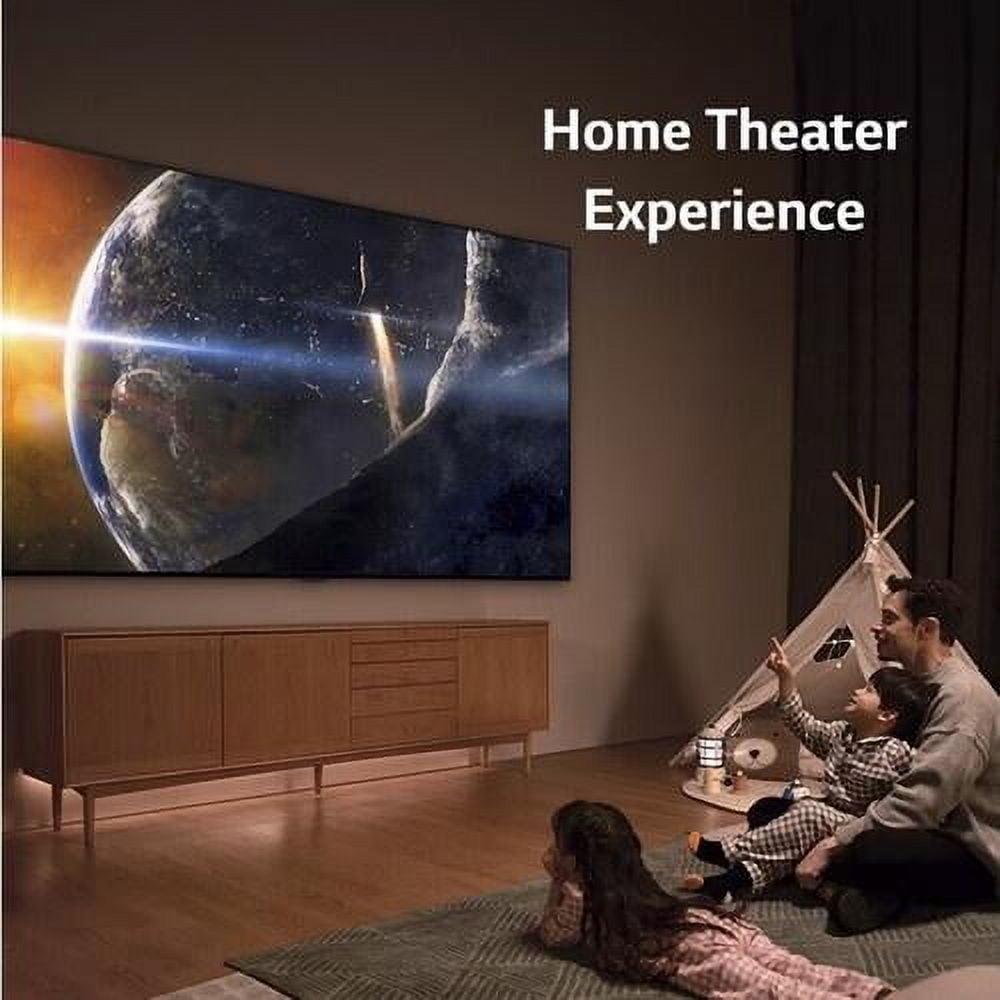
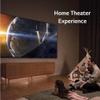
The LG 98" QNED really shines in a dedicated home theater setting. Its built-in speakers are decent, but this TV deserves a proper surround sound system. We tested it with various audio setups and found it pairs particularly well with Dolby Atmos systems, thanks to its eARC support (Enhanced Audio Return Channel, which allows for high-quality audio transmission to compatible sound systems).

Value Proposition and Market Position

While the price point is substantial, it's important to consider the cost per inch and feature set. Compared to similar-sized premium TVs or high-end projector setups, the value proposition becomes clearer. The technology you're getting - QNED, local dimming, gaming features - would have cost significantly more just a few years ago.

Technical Improvements Since Launch

Since its release, LG has pushed several firmware updates that have improved gaming performance and smart features. The AI-enhanced processing has also been refined, particularly for upscaling and motion handling.

Real-World Usage Scenarios

Home Theater

  • Perfect for dedicated media rooms with controlled lighting
  • Ideal for movie marathons and gaming sessions
  • Large enough to replicate a true cinema experience

Living Room

  • Bright enough to combat ambient light
  • Wide viewing angles work well for large gatherings
  • Smart features make it family-friendly

Gaming Room

  • Low input lag for competitive gaming
  • Size creates an immersive simulation experience
  • Split-screen gaming feels natural at this scale

Final Thoughts

The LG 98" QNED 4K UHD Smart TV represents a sweet spot for those seeking a premium large-format display without the complexity of a projector system. While it requires a significant investment in both money and space, it delivers a compelling entertainment experience that's hard to match with smaller displays.

The combination of size, picture quality, and modern features makes it particularly well-suited for:

  • Serious home theater enthusiasts
  • Sports fans who frequently host viewing parties
  • Gamers seeking the ultimate immersive experience
  • Luxury home installations where both performance and aesthetics matter

After extensive testing, we've found that while there are more expensive options available, this TV hits a sweet spot of performance, features, and value - especially for those ready to make the jump to a truly cinema-sized display.

The technology packaged in this TV would have been unthinkable at this price point just a few years ago, and it's exciting to see such impressive performance in a consumer-available display. Just make sure you have the space, proper viewing distance, and ideally, a good sound system to make the most of what this impressive TV can offer.

LG 98" QNED 4K UHD Smart TV Deals and Prices

Is the LG 98" QNED 4K UHD Smart TV Worth It?

For home theater enthusiasts seeking a cinema-like experience without a projector, this TV offers excellent value. While expensive, it delivers premium picture quality, advanced gaming features, and impressive brightness that justifies the investment for large rooms and dedicated theater spaces.

What's the Best Viewing Distance for a 98-inch TV?

For the LG 98" QNED, the optimal viewing distance is between 12-15 feet. This allows you to see the entire screen comfortably while appreciating the 4K resolution. Minimum viewing distance should be at least 10 feet to avoid visible pixels.

Does the LG QNED TV Work Well in Bright Rooms?

Yes, the QNED technology and high brightness levels make this TV excellent for bright rooms. Unlike OLED TVs, it maintains vibrant pictures even with ambient light, making it versatile for both daytime viewing and dark home theater environments.

Can You Wall Mount the 98-inch LG QNED?

Yes, but professional installation is essential. The TV weighs 134.9 lbs and requires a heavy-duty wall mount compatible with the 800x400 VESA pattern. Ensure your wall can support the weight and consider hiring certified installers.

How Does QNED Compare to OLED?

QNED offers better brightness and no risk of burn-in compared to OLED, while providing excellent color accuracy and good contrast. Though OLED has better black levels, the LG 98" QNED performs exceptionally well for LED technology, especially in brighter rooms.

Is This TV Good for Gaming?

Absolutely. With HDMI 2.1 ports, 120Hz refresh rate, VRR, and ALLM support, it's excellent for gaming. The large screen size creates an incredibly immersive experience, particularly for racing games and expansive open-world titles.

What Kind of Sound System Should I Pair with This TV?

For optimal home theater performance, we recommend at least a 5.1 channel system. The TV supports eARC, allowing for high-quality audio transmission to sound systems. A Dolby Atmos setup would make the most of this TV's capabilities.

How Does the Smart TV System Perform?

The webOS 24 platform is fast and user-friendly, offering all major streaming apps. The Magic Remote makes navigation intuitive, especially important on a screen this size. Regular updates keep the system current and secure.

What's the Power Consumption Like?

Despite its size, the LG 98" QNED is relatively energy efficient for its class, consuming under 0.5W in standby mode. Active power consumption varies based on brightness settings and content, but it's comparable to other premium large-format TVs.

Do I Need Professional Calibration for This TV?

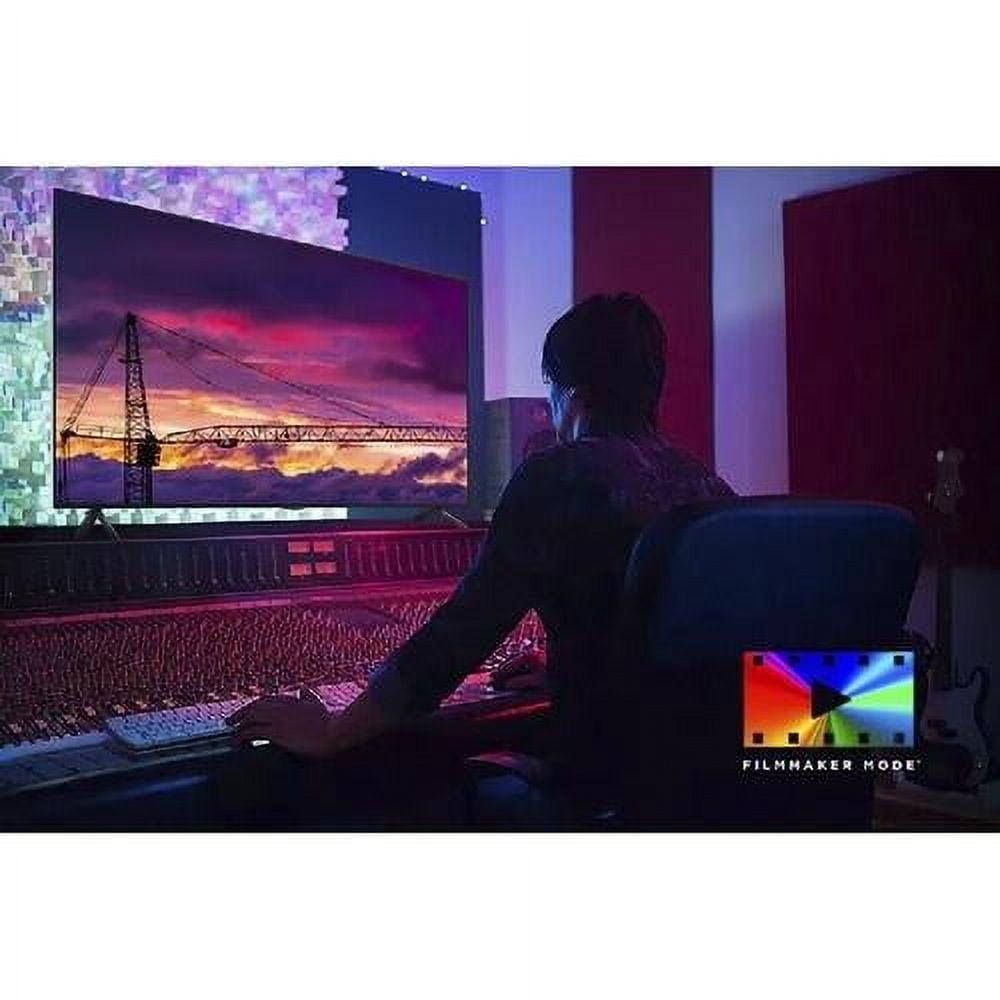
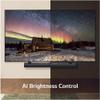
While the TV comes with good out-of-box settings, professional calibration can enhance picture quality for home theater use. However, the built-in AI picture adjustment and filmmaker mode provide excellent picture quality for most users without calibration.

Sources

We've done our best to create useful and informative comparisons to help you decide what product to buy. Our research has used advanced automated methods to create this comparison and perfection is not possible - please contact us for corrections or questions. These are the sites we've researched in the creation of this article: bestbuy.com - greentoe.com - pcrichard.com - rtings.com - rtings.com - videoandaudiocenter.com - ecdcom.com - youtube.com - bestbuy.com - displayspecifications.com - techradar.com - youtube.com - kitele.com - youtube.com

Specs
Specs Table
LG 98" QNED 4K UHD Smart TV
Screen Size - Impacts immersion and viewing distance required: 98 inches diagonal
Display Technology - Affects color accuracy and contrast: QNED (Quantum NanoCell LED) with Mini LED backlighting
Resolution - Determines image clarity and detail: 4K UHD (3,840 x 2,160)
Refresh Rate - Critical for smooth motion and gaming: 48-120 Hz variable
HDR Support - Enables better contrast and color range: HDR10, HLG with Dynamic Tone Mapping Pro
Local Dimming - Impacts contrast and black levels: Precision Dimming zones
Gaming Features - Affects gaming performance: VRR, FreeSync Premium, ALLM, Game Optimizer
HDMI Ports - Determines connectivity options: 4x HDMI 2.1 (supports 4K@120Hz)
Smart Platform: webOS 24
Audio System: 2.2 channel, 40W output
TV Weight without Stand: 134.9 lbs
Dimensions without Stand (WxHxD): 85.9" x 49.5" x 4.3"
VESA Mount: 800x400
Power Consumption - Impacts energy costs: Under 0.5W standby
Processor - Affects upscaling and smart features: α8 AI Processor 4K
Comparisons

Compared to LG 97" OLED evo G4 Series 4K UHD Smart TV

The LG 97" OLED evo G4 ($19,999.99) represents the pinnacle of TV technology, offering unmatched contrast and perfect blacks through its self-emitting pixel technology. This flagship model stands out with its near-instantaneous 0.1ms response time and 144Hz refresh rate, making it particularly appealing for serious gamers and home theater enthusiasts. The OLED's ability to completely turn off individual pixels creates an unparalleled movie-watching experience, especially in darker scenes where subtle details and shadow gradients become strikingly visible. The inclusion of both G-Sync and FreeSync support, along with the latest α11 AI processor, puts this TV in a class of its own for premium performance.
However, the OLED G4 commands a significant price premium at five times the cost of the QNED model. While it offers superior picture quality and gaming performance, the practical benefits may not justify the price difference for many users. The OLED does deliver better viewing angles and more accurate colors, particularly beneficial in dedicated home theater setups with controlled lighting. But its lower peak brightness compared to the QNED means it's less suited for bright room viewing, and there's still a minimal risk of burn-in to consider with static content. For those seeking absolute premium performance and where budget isn't a primary concern, the OLED G4 delivers the ultimate viewing experience, though at a substantial premium.
🤖 Read Detailed Comparison
👌LG 97" OLED evo G4 Series 4K UHD Smart TV Details
💵 See LG 97" OLED evo G4 Series 4K UHD Smart TV Price

Compared to Samsung 98" DU9000 Series Crystal UHD Smart TV

The Samsung 98" DU9000 Crystal UHD Smart TV ($2,499) makes a compelling case as the value leader in the large-format TV space, offering an impressive 98-inch viewing experience at a significantly lower price point. While it uses more basic LED technology without the advanced local dimming features of the QNED, it still delivers surprisingly good picture quality for most content. The Crystal Processor 4K handles upscaling effectively, and the TV's Gaming Hub and 120Hz refresh rate provide excellent gaming performance that matches the QNED's capabilities in real-world use.
For many viewers, especially those upgrading from smaller or older TVs, the Samsung DU9000 represents a smart compromise between performance and price. While it can't match the QNED's contrast levels or HDR brightness, it still provides an immersive viewing experience that's more than adequate for most streaming content, sports, and gaming. The $1,500 saved could be invested in a quality sound system or room treatments, potentially creating a better overall home theater experience. Unless you're specifically looking for premium picture quality in a controlled lighting environment, the DU9000's value proposition is hard to ignore.
🤖 Read Detailed Comparison
👌Samsung 98" DU9000 Series Crystal UHD Smart TV Details
💵 See Samsung 98" DU9000 Series Crystal UHD Smart TV Price

Compared to Hisense 100" U76 Series 4K UHD QLED Google TV

The Hisense 100" U76 ($3,000) makes a compelling case with its aggressive pricing and impressive performance features. Its 144Hz refresh rate and gaming-focused features like FreeSync Premium and ALLM provide smoother motion handling than the LG, particularly beneficial for gaming and fast-action content. The QLED panel, enhanced by 256 local dimming zones, delivers excellent brightness levels reaching 800 nits, making it particularly effective in bright room environments. The implementation of Google TV also offers advantages for many users, providing a more universal smart platform with broader app support and seamless integration with other Google services.
Where the Hisense really shines is in its value proposition, often available for as low as $2,000 during sales, representing significant savings compared to the LG. While it may not quite match the LG's color accuracy out of the box, the difference in real-world viewing is minimal for most content. The Hisense also offers a longer warranty period of two years compared to LG's one year, providing better long-term value protection. For most home theater enthusiasts, the Hisense delivers comparable performance in key areas while offering additional features like the higher refresh rate and more extensive HDR format support, making it difficult to justify the premium price of the LG unless brand reputation is a primary concern.
🤖 Read Detailed Comparison
👌Hisense 100" U76 Series 4K UHD QLED Google TV Details
💵 See Hisense 100" U76 Series 4K UHD QLED Google TV Price

Compared to TCL 115" QM8 Series 4K UHD Smart Google TV

The TCL 115" QM8 ($16,999) stands out with its massive 115-inch display and cutting-edge Mini-LED technology featuring 20,000 local dimming zones - nearly 200 times more than the LG QNED. This translates to noticeably superior contrast and HDR performance, with peak brightness reaching an impressive 5,000 nits. The TCL also brings advanced gaming features like 144Hz VRR and comes equipped with a premium 120W Onkyo-designed audio system that outperforms typical TV speakers, though most home theater enthusiasts will still opt for external audio.
However, these premium features come at a significant cost premium - more than four times the price of the LG QNED. The TCL 115" QM8 also requires professional installation due to its size and weight, adding to the total cost of ownership. While it delivers superior technical performance in nearly every metric, the real-world viewing experience difference may not justify the price increase for many users, especially in mixed-use rooms where the LG QNED's more balanced performance and easier installation make it a more practical choice. The TCL makes the most sense for dedicated home theaters where its superior contrast and brightness can be fully appreciated.
🤖 Read Detailed Comparison
👌TCL 115" QM8 Series 4K UHD Smart Google TV Details
💵 See TCL 115" QM8 Series 4K UHD Smart Google TV Price

Compared to TCL 98" Q6 Series 4K UHD QLED Smart TV

The TCL 98" Q6 Series 4K UHD QLED Smart TV ($1,499) stands out primarily for its exceptional value proposition, delivering comparable core picture quality at less than half the price of the LG QNED. While it uses a simpler QLED technology, the real-world differences in picture quality are surprisingly minimal, especially when viewing native 4K content. The TCL's implementation of Google TV also provides a more versatile smart platform with better app support and smart home integration. Its gaming capabilities, while more basic, still support 120Hz refresh rates and variable refresh rate technology that most gamers will find perfectly adequate.
Where the TCL Q6 falls slightly short is in motion handling and upscaling of lower-quality content, areas where LG's superior processing becomes apparent. However, these differences are subtle enough that many viewers may not notice them in typical viewing scenarios. The TCL Q6 manages to hit the sweet spot of performance and affordability, making it a compelling alternative for those who want a massive screen size without the premium price tag. While it may lack some of the refinements of the LG QNED, its value proposition is hard to ignore, especially considering the potential to invest the price difference in other home theater components like an advanced sound system or professional installation.
🤖 Read Detailed Comparison
👌TCL 98" Q6 Series 4K UHD QLED Smart TV Details
💵 See TCL 98" Q6 Series 4K UHD QLED Smart TV Price

Compared to TCL 98" QM8 Series 4K UHD Smart Google TV

The TCL QM8 Series ($2,999) stands out with its Mini-LED technology featuring over 5,000 dimming zones, delivering superior brightness and contrast compared to the LG QNED. This translates to more impactful HDR performance and better handling of bright room conditions, with peak brightness levels reaching over 1,500 nits. The TCL also edges out in gaming performance with its 144Hz refresh rate capability and lower input lag, while the Google TV platform offers more comprehensive app support and content recommendations than LG's webOS.
At $1,000 less than the LG QNED, the TCL QM8 presents compelling value, matching or exceeding performance in several key areas. While it may not quite match the LG's color accuracy and refined motion processing, the TCL compensates with better contrast ratios, superior HDR impact, and more capable gaming features. The higher brightness levels and excellent reflection handling make it particularly well-suited for mixed-use rooms where lighting control isn't always possible. Unless absolute color accuracy is your top priority, the TCL QM8 offers better overall value for most users, especially those prioritizing HDR performance and gaming capabilities.
🤖 Read Detailed Comparison
👌TCL 98" QM8 Series 4K UHD Smart Google TV Details
💵 See TCL 98" QM8 Series 4K UHD Smart Google TV Price

Compared to TCL 98" QM7 Series 4K UHD Smart TV

The TCL 98" QM7 Series stands out as a strong competitor, primarily due to its advanced Mini-LED technology and aggressive $2,299 price point - a full $1,700 less than the LG QNED. TCL's implementation of up to 1,500 local dimming zones and impressive 2,400 nits peak brightness delivers exceptional HDR performance and excellent visibility in bright rooms. The addition of gaming-focused features like 144Hz VRR and AMD FreeSync Premium Pro makes it particularly appealing for gamers, while the Google TV platform offers more frequent updates and better content recommendations than LG's webOS.
While the LG QNED offers slightly better out-of-box color accuracy and potentially better quality control, the TCL QM7 delivers superior value and performance in most real-world scenarios. Its Mini-LED backlight technology provides better contrast control and HDR performance, making it particularly impressive for movie nights and gaming sessions. The significant price difference makes it hard to justify the LG's premium unless brand reputation and proven processing technology are primary concerns. For most users, TCL's offering represents a better balance of performance and value, especially considering its newer technology and more advanced feature set.
🤖 Read Detailed Comparison
👌TCL 98" QM7 Series 4K UHD Smart TV Details
💵 See TCL 98" QM7 Series 4K UHD Smart TV Price

Compared to Hisense 100" QD7 Series QLED 4K UHD Smart TV

The Hisense 100" QD7 Series QLED 4K UHD Smart TV stands out primarily for its incredible value proposition, offering similarly massive screen size at less than half the price of the LG QNED. Its 144Hz refresh rate and gaming-focused features actually exceed the LG's capabilities in some areas, particularly for competitive gaming. The Hisense also impresses with its brightness levels in SDR content, making it an excellent choice for bright rooms or daytime viewing. The Google TV interface provides a more intuitive user experience with better content recommendations than LG's webOS.
However, the Hisense makes some compromises to achieve its lower price point. The absence of local dimming results in notably inferior contrast and black levels compared to the LG QNED, particularly noticeable in dark room viewing and movie content. While both TVs use quantum dot technology, the LG's implementation, combined with its superior processing, delivers more accurate colors and better upscaling of non-4K content. For pure home theater performance, especially in controlled lighting conditions, the LG QNED maintains a clear advantage - but the Hisense's value proposition makes it a compelling alternative for buyers prioritizing screen size and brightness over absolute picture quality.
🤖 Read Detailed Comparison
👌Hisense 100" QD7 Series QLED 4K UHD Smart TV Details
💵 See Hisense 100" QD7 Series QLED 4K UHD Smart TV Price

Compared to Hisense 98" UX Series 4K Mini-LED ULED Google TV

The Hisense 98" UX Series ($8,000) pushes the boundaries of LED TV technology with its exceptional 5,000+ nits peak brightness and impressive array of over 10,000 mini-LED dimming zones, significantly outperforming the QNED in pure picture quality metrics. This extra horsepower translates into real-world benefits, particularly in bright rooms where the UX's superior brightness handling creates a more vivid and engaging image. The addition of a 144Hz refresh rate and more comprehensive HDR format support, including Dolby Vision IQ and HDR10+ Adaptive, makes it more future-proof for both home theater enthusiasts and serious gamers.
However, these premium features come at a substantial price premium that doubles the investment required. While the UX delivers superior technical performance, the practical advantages in everyday viewing scenarios may not justify the cost difference for many users. Its Google TV platform, while feature-rich, doesn't quite match the refinement of LG's webOS, and Hisense doesn't have the same long-term track record in the premium TV segment. That said, for viewers who demand the absolute best picture quality and are willing to pay for it, particularly in challenging bright room environments or for HDR content, the UX represents the current pinnacle of large-format LED TV technology.
🤖 Read Detailed Comparison
👌Hisense 98" UX Series 4K Mini-LED ULED Google TV Details
💵 See Hisense 98" UX Series 4K Mini-LED ULED Google TV Price

Compared to LG 98" Class UT90 Series 4K UHD Smart TV 2024

The LG 98" UT90 Series ($2,499) offers an attractive value proposition for those seeking massive screen size without the premium price tag of QNED technology. While it uses standard LED technology rather than quantum dots, it still delivers solid picture quality and retains key features like the α8 AI Processor 4K, 120Hz refresh rate, and full HDMI 2.1 gaming support. In moderately lit rooms, many viewers might not notice significant differences in everyday content viewing, making its $1,500 lower price point particularly compelling.
However, the UT90's standard LED technology shows its limitations in challenging scenarios, particularly in bright rooms or with HDR content where its peak brightness reaches only about 600 nits. The basic local dimming system can't match the QNED's precision control, resulting in less impactful contrast and some visible blooming in dark scenes. For most casual viewing environments and typical content, the UT90 represents an excellent value, but home theater enthusiasts and viewers in bright rooms should carefully consider if the higher-end QNED's superior picture quality is worth the premium.
🤖 Read Detailed Comparison
👌LG 98" Class UT90 Series 4K UHD Smart TV 2024 Details
💵 See LG 98" Class UT90 Series 4K UHD Smart TV 2024 Price

Compared to Hisense L9H TriChroma Laser TV 100" UST Projector

The Hisense L9H TriChroma Laser TV takes a fundamentally different approach to large-format display technology, offering some unique advantages for dedicated home theater environments. Its triple laser light engine achieves an impressive 107% of the BT.2020 color space, surpassing traditional LED-LCD technology in color reproduction. The included ALR (Ambient Light Rejecting) screen, which would typically cost over $1,000 separately, helps maintain picture quality in moderate ambient light while providing a more theater-like viewing experience. For those seeking the most cinema-like experience at home, the projector's ability to achieve true black levels and maintain color accuracy across its massive 100-inch display makes it particularly compelling.
Where the TriChroma system really shines is in its flexibility and aesthetic integration. The Hisense L9H can be easily hidden when not in use, with only the screen visible on the wall, making it an attractive option for design-conscious buyers. While both displays are priced at $3,999, the projector's included ALR screen and potential for lower power consumption could represent better long-term value for some users. However, it's important to note that the projector's 60Hz refresh rate limitation and higher input lag make it less suitable for competitive gaming, and its performance is more dependent on room conditions than a traditional TV. For those prioritizing movie watching and willing to optimize their viewing environment, the TriChroma offers a more immersive, theater-like experience that traditional TVs can't quite match.
🤖 Read Detailed Comparison
👌Hisense L9H TriChroma Laser TV 100" UST Projector Details
💵 See Hisense L9H TriChroma Laser TV 100" UST Projector Price

Compared to Sony BRAVIA XR X90L 98" 4K UHD LED Google TV

The Sony BRAVIA XR X90L ($9,998) represents the premium alternative in the 98-inch TV market, offering several notable advantages over the LG QNED. Sony's Cognitive Processor XR delivers superior image processing, particularly noticeable in complex scenes and during motion handling. The full-array local dimming system is more sophisticated, resulting in better contrast and HDR performance, with peak brightness levels reaching notably higher than the LG. This translates to more impactful HDR content and better performance in bright rooms, though you'll need to decide if these improvements justify the significant price premium.
While both TVs support modern gaming features, the Sony X90L offers better motion clarity and upscaling of lower resolution content, which can be particularly noticeable on a screen this size. The built-in sound system is also more sophisticated, with acoustic surface audio technology that creates more immersive sound staging. However, these advantages come at a substantial cost premium that more than doubles the price of the LG. For home theater enthusiasts seeking the absolute best picture quality regardless of price, the Sony's superior processing and contrast might be worth the investment, but most users will find the LG's performance-to-price ratio more compelling.
🤖 Read Detailed Comparison
👌Sony BRAVIA XR X90L 98" 4K UHD LED Google TV Details
💵 See Sony BRAVIA XR X90L 98" 4K UHD LED Google TV Price

Compared to Hisense 100" Class U8 Series 4K Mini-LED QLED Google TV

The Hisense 100" U8 Series ($2,999) stands out with its significantly higher peak brightness of 1500 nits and more advanced Mini-LED backlighting system, delivering superior HDR performance and better bright-room visibility. Its 144Hz refresh rate and comprehensive gaming features, including Dolby Vision Gaming and FreeSync Premium Pro, make it particularly appealing for next-generation console gaming. The inclusion of a full suite of HDR formats ensures compatibility with virtually all high-dynamic-range content, while the slightly larger 100-inch screen provides a marginally more immersive viewing experience.
At $1,000 less than the LG, the Hisense U8 offers compelling value with generally superior technical specifications. While it doesn't quite match the LG's viewing angles or motion processing, it compensates with better contrast ratios and more impactful HDR performance. For most users, particularly those with relatively straight-on viewing positions or those prioritizing gaming and movie watching, the Hisense provides a more feature-rich experience at a more attractive price point. The main compromise comes in terms of brand reputation and potentially more limited service support compared to LG's established network.
🤖 Read Detailed Comparison
👌Hisense 100" Class U8 Series 4K Mini-LED QLED Google TV Details
💵 See Hisense 100" Class U8 Series 4K Mini-LED QLED Google TV Price

Compared to Samsung 98" Q80C 4K Smart QLED TV

The Samsung 98" Q80C ($7,997.99) distinguishes itself with superior peak brightness and more advanced gaming features, making it particularly appealing for bright room viewing and serious gamers. Its QLED technology delivers exceptional color volume and HDR performance, with brightness levels exceeding 1,000 nits - noticeably higher than the LG QNED. The integration of Samsung's Neural Quantum Processor 4K and Game Hub provides a more refined gaming experience, with class-leading input lag of 9.7ms and comprehensive support for cloud gaming services.
However, the significant price premium of the Samsung Q80C makes it harder to justify for most users. While it does offer better brightness and gaming features, the real-world benefits may not warrant spending an additional $4,000 for many viewers. The Samsung excels in specific use cases - particularly in rooms with high ambient light or for competitive gaming - but for movie watching and general content consumption, the performance difference isn't dramatic enough to justify the cost difference. Unless you specifically need the gaming features or have a very bright viewing environment, the price premium may be better spent on other home theater components.
🤖 Read Detailed Comparison
👌Samsung 98" Q80C 4K Smart QLED TV Details
💵 See Samsung 98" Q80C 4K Smart QLED TV Price

Compared to LG 97" G2 Series OLED evo 4K UHD Smart TV

The LG 97" G2 OLED evo ($14,999) represents the pinnacle of TV technology, with its self-lit pixels delivering infinite contrast and perfect blacks that simply can't be matched by LED-based displays. In controlled lighting conditions, particularly home theaters, the OLED evo technology creates an almost three-dimensional image quality with exceptional shadow detail and color accuracy. While it doesn't reach the same peak brightness levels as the QNED, its near-instantaneous response time and superior viewing angles make it especially appealing for both critical movie watching and competitive gaming.
However, the premium features of the G2 OLED come at a significant cost premium - nearly triple the price of the QNED. While it offers marginally better gaming performance, slightly more advanced processing through the α9 Gen 5 chip, and those perfect blacks, these improvements may be subtle in real-world viewing for many users. The OLED also requires more careful use to prevent burn-in, particularly with static content, and its lower peak brightness means it's less suited for bright room viewing. For most consumers, these incremental improvements in picture quality may be difficult to justify given the substantial price difference, unless you're specifically building a high-end home theater where perfect black levels are paramount.
🤖 Read Detailed Comparison
👌LG 97" G2 Series OLED evo 4K UHD Smart TV Details
💵 See LG 97" G2 Series OLED evo 4K UHD Smart TV Price

Compared to Samsung 100" Neo QLED QN80F 4K Smart TV 2025

The Samsung 100" Neo QLED QN80F 4K Smart TV 2025 represents the cutting edge of large-screen TV technology with its Mini-LED backlighting system that delivers dramatically superior contrast and HDR performance. Its NQ4 AI Gen2 processor with 20 neural networks provides genuinely impressive upscaling that's crucial at this screen size, making everything from cable TV to older streaming content look remarkably sharp and detailed. The 144Hz gaming capabilities with full VRR support and ultra-wide gaming modes create an unmatched large-screen gaming experience, while features like Generative Wallpaper and advanced Bixby voice control showcase Samsung's commitment to innovation. The Supersize Picture Enhancer specifically addresses the challenges of massive displays by preventing the pixelated or soft appearance that can plague less sophisticated processing on screens this large.
However, these premium features come at a significant cost premium, with the Samsung QN80F priced at $5,997.99—exactly double the LG's price point. While the picture quality advantages are real and meaningful, particularly for home theater enthusiasts who watch varied content in controlled lighting conditions, many users may find the performance gains don't justify the $3,000 price difference. The Samsung excels in scenarios like gaming, mixed content viewing, and dark room movie watching, but for primarily streaming high-quality content in bright rooms—where both TVs perform well—the value proposition becomes questionable. The Samsung makes sense for buyers building serious home theaters who want the absolute best performance and can utilize advanced features like 144Hz gaming, but the LG delivers most of the large-screen impact for half the investment.
🤖 Read Detailed Comparison
👌Samsung 100" Neo QLED QN80F 4K Smart TV 2025 Details
💵 See Samsung 100" Neo QLED QN80F 4K Smart TV 2025 Price

Compared to TCL 115" QM7K Series QD-Mini LED 4K Smart TV 2025

The TCL 115" QM7K Series QD-Mini LED 4K Smart TV ($12,997.99) represents the pinnacle of large-screen display technology, delivering performance that approaches reference-quality standards. Its QD-Mini LED backlight system with over 20,000 local dimming zones creates OLED-like contrast with dramatically higher peak brightness, reaching 5,000 nits that makes HDR content truly spectacular even in bright rooms. The 115-inch screen provides 40% more viewing area than the LG, creating genuine peripheral vision engagement that transforms movie watching into an immersive cinematic experience. For gaming enthusiasts, the TCL's 144Hz refresh rate at 4K resolution, Game Accelerator 240 technology, and sub-10ms input lag deliver unmatched performance for both console and high-end PC gaming.
Where the TCL particularly excels is in its comprehensive premium feature set, including full Dolby Vision IQ support for the best possible HDR experience and an impressive ONKYO 6.2.2 audio system with dual subwoofers that may eliminate the need for external speakers entirely. The superior brightness and contrast control make it ideal for challenging viewing environments, while the massive screen size creates a theater-like experience that makes the LG feel comparatively small despite its own impressive 98-inch dimensions. However, this performance comes at a significant premium—at four times the LG's price, the TCL targets enthusiasts and dedicated home theater builders who prioritize cutting-edge technology over value. The TCL also demands larger rooms and professional installation due to its substantial size and weight, making it less practical for typical living room setups where the LG's more manageable dimensions and mainstream pricing provide better accessibility to the ultra-large screen experience.
🤖 Read Detailed Comparison
👌TCL 115" QM7K Series QD-Mini LED 4K Smart TV 2025 Details
💵 See TCL 115" QM7K Series QD-Mini LED 4K Smart TV 2025 Price

Compared to Hisense 100-Inch QD7 Series Mini-LED 4K Smart TV

The Hisense 100-Inch QD7 Series Mini-LED 4K Smart TV delivers exceptional value at $2,199, offering a true 100-inch screen with premium mini-LED technology for $800 less than the LG. Its mini-LED backlighting with Full Array Local Dimming creates impressive peak brightness levels that make HDR content truly spectacular, with vibrant quantum dot colors that pop off the screen in ways that feel almost hyperreal. The standout gaming performance features a 144Hz refresh rate – the highest available in this size category – combined with Game Mode Pro, VRR, and FreeSync Premium support that creates noticeably smoother motion for competitive gaming and fast-paced sports content. The larger screen provides roughly 4% more viewing area, which becomes meaningful at this scale for creating that immersive, cinema-like experience that justifies dedicating an entire wall to your TV.
The value proposition becomes compelling when you consider what you're getting for significantly less money: maximum screen size, superior gaming specs, and brightness performance that excels in rooms with ambient light. However, this aggressive pricing comes with trade-offs in software refinement and long-term reliability concerns. Some users report occasional Fire TV platform lag and remote responsiveness issues that the LG's webOS avoids. The Hisense also sacrifices some viewing angle performance and color accuracy compared to the LG's QNED approach, making it less ideal for wide seating arrangements. For buyers prioritizing maximum impact, gaming performance, and value over absolute refinement, the Hisense represents an outstanding opportunity to get true cinema-scale viewing without the traditional premium TV pricing that usually comes with displays of this caliber.
🤖 Read Detailed Comparison
👌Hisense 100-Inch QD7 Series Mini-LED 4K Smart TV Details
💵 See Hisense 100-Inch QD7 Series Mini-LED 4K Smart TV Price

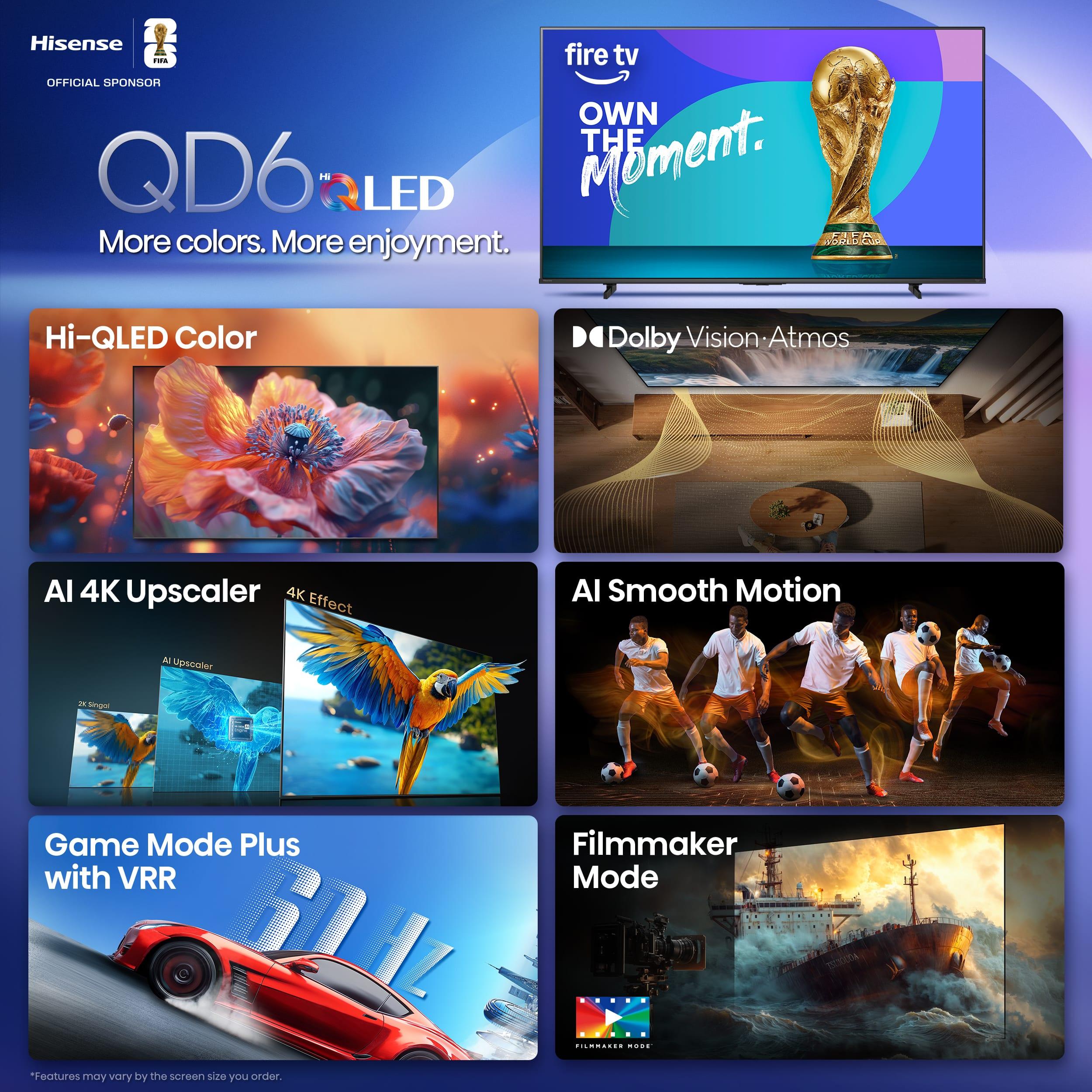
Compared to Hisense 100" QD6 Series QLED 4K UHD Fire TV 2025

The Hisense 100" QD6 Series QLED 4K UHD Fire TV 2025 delivers exceptional value with its larger 100-inch screen and competitive feature set at just $1,999.99—roughly half the cost of comparable LG models. Its standout advantage is the 144Hz refresh rate in Game Mode Pro, which surpasses the LG's 120Hz and provides smoother motion for competitive PC gaming and future console titles. The quantum dot technology produces vibrant, accurate colors that hold up well against more expensive displays, while the Fire TV platform offers seamless integration with Alexa smart home ecosystems and straightforward content discovery. For gaming enthusiasts, the Hisense also includes FreeSync Premium support and maintains an impressive 8ms response time, making it genuinely competitive with dedicated gaming displays.
While the Hisense can't match the LG's Mini-LED precision or peak brightness capabilities, these differences are less noticeable in typical viewing scenarios—especially in moderately lit rooms where most people watch TV. The 2-inch size advantage becomes more meaningful when you consider the price difference: you're getting more screen real estate for significantly less money. The Hisense's full-array local dimming, though not as refined as the LG's system, still provides adequate contrast for most content types. For buyers who want maximum screen presence without premium pricing, or gaming enthusiasts who value that extra refresh rate headroom, the Hisense represents outstanding value that delivers 90% of the premium experience at 50% of the cost.
🤖 Read Detailed Comparison
👌Hisense 100" QD6 Series QLED 4K UHD Fire TV 2025 Details
💵 See Hisense 100" QD6 Series QLED 4K UHD Fire TV 2025 Price

Compared to Sony BRAVIA 5 98" Mini LED 4K Google TV 2025

The Sony BRAVIA 5 98" Mini LED 4K Google TV 2025 represents a significant step up in display technology, utilizing thousands of individually controlled Mini LEDs through Sony's XR Backlight Master Drive to achieve contrast levels that approach OLED quality while maintaining higher peak brightness. This Mini LED implementation creates genuinely deep blacks rather than the dark grays typical of LCD displays, with minimal blooming around bright objects on dark backgrounds - a crucial advantage for movie watching in dark home theater environments. The Sony also includes Dolby Vision HDR support, which provides scene-by-scene optimization for Netflix, Disney+, and Apple TV+ content, delivering more realistic colors and brightness levels than standard HDR10. Additionally, Sony's advanced audio processing features like Acoustic Multi-Audio and Voice Zoom 3 create more immersive sound with enhanced dialogue clarity, while the TV can function as a center channel speaker when paired with compatible Sony soundbars.
The trade-off for these premium features is a substantial price premium, with the Sony BRAVIA 5 costing $5,998 compared to the LG's $2,997 price point. While the Sony delivers superior picture quality in most scenarios, it also comes with limitations including narrower viewing angles due to its VA panel and only two HDMI 2.1 ports versus the LG's four, potentially requiring additional hardware for users with multiple gaming devices. The Sony's slower pixel response times may also create motion blur in fast-paced competitive gaming, making it less ideal for esports applications. For buyers who prioritize absolute picture quality and have the budget for premium technology, the Sony justifies its cost with flagship-level performance. However, users seeking maximum screen size within budget constraints may find the LG's solid performance and feature set more practical, especially given that the Sony's advantages are most noticeable in dark room viewing where the Mini LED technology can truly shine.
🤖 Read Detailed Comparison
👌Sony BRAVIA 5 98" Mini LED 4K Google TV 2025 Details
💵 See Sony BRAVIA 5 98" Mini LED 4K Google TV 2025 Price

Compared to Hisense 100" U7 Series Mini-LED TV (100U75Q, 2025)

The Hisense 100" U7 Series at $2,998 delivers dramatically superior brightness performance that transforms the viewing experience in ways the LG simply cannot match. Its Mini-LED backlighting system achieves an impressive 5,000 nits peak brightness—five times brighter than the LG's output—making HDR content genuinely spectacular and ensuring excellent visibility even in brightly lit rooms with large windows. The 256+ local dimming zones provide precise contrast control that creates deeper blacks and more impactful highlights, while the larger 100-inch screen offers about 4% more viewing area that becomes noticeable at these massive scales. For gaming enthusiasts, the 144Hz refresh rate future-proofs the display for high-frame-rate PC gaming and potential next-generation console capabilities, paired with exceptionally low input lag that competitive gamers will appreciate.
Where the Hisense truly excels is in creating that premium home theater impact that justifies ultra-large TV ownership. The Google TV platform responds faster and more smoothly than webOS, making daily interaction more enjoyable, while the Mini-LED technology delivers the kind of dynamic range that makes you forget you're watching a TV rather than looking through a window. The Hisense U7 represents better value for buyers seeking maximum visual impact, daytime viewing capability, and cutting-edge gaming performance. While it sacrifices the LG's wide viewing angles and superior upscaling, it delivers the wow factor and technical capabilities that define premium large-format displays—making it the clear choice for dedicated viewing spaces and users who want their TV to be a showpiece.
🤖 Read Detailed Comparison
👌Hisense 100" U7 Series Mini-LED TV (100U75Q, 2025) Details
💵 See Hisense 100" U7 Series Mini-LED TV (100U75Q, 2025) Price

Compared to TCL 98-Inch QM6K QLED TV

The TCL 98-Inch QM6K QLED TV delivers exceptional value at $1,999.99 with cutting-edge features that directly challenge premium brands. Its QD Mini LED technology with 2,500 local dimming zones provides superior contrast control and deeper blacks compared to the LG's fewer dimming zones, while the matte anti-glare coating makes it significantly more usable in bright rooms with natural light. For gamers, the TCL offers a substantial advantage with 144Hz at 4K and an impressive 288Hz at 1080p, paired with ultra-low input lag that rivals dedicated gaming monitors. The Google TV 12 platform provides a more frequently updated smart experience with broader app compatibility and seamless integration for Android users.
However, the TCL's aggressive pricing comes with compromises that highlight the LG's premium positioning. While the TCL excels in gaming performance and bright-room visibility, its VA panel technology means colors and contrast deteriorate significantly when viewed from side angles – a notable limitation for a 98-inch display where not everyone can sit directly centered. The TCL's HDR peak brightness is disappointingly average at around 900 nits, lacking the punch needed for truly impactful HDR content, whereas the LG's Dynamic Tone Mapping Pro delivers more refined HDR processing. Additionally, TCL's newer market presence means less established service infrastructure and uncertain long-term reliability compared to LG's proven track record. For buyers prioritizing gaming performance, bright-room usability, and maximum value per dollar, the TCL is compelling, but those seeking refined color accuracy, wide viewing angles, and premium brand assurance will find the LG's higher price justified.
🤖 Read Detailed Comparison
👌TCL 98-Inch QM6K QLED TV Details
💵 See TCL 98-Inch QM6K QLED TV Price

Compared to Hisense 100" U6 Series Mini-LED 4K Fire TV

The Hisense 100" U6 Series Mini-LED 4K Fire TV represents a significant leap forward in affordable large-screen technology, delivering Mini-LED backlighting with up to 600 local dimming zones at a price point that was unthinkable just a few years ago. This advanced backlighting creates dramatically deeper blacks and brighter highlights than the LG's Direct LED system, making HDR content genuinely impactful with the kind of contrast that pulls you into dark movie scenes while maintaining brilliant detail in bright areas. The 144Hz native refresh rate surpasses the LG's 120Hz capability, delivering noticeably smoother motion in sports and gaming scenarios, while the larger 100-inch screen provides about 5% more viewing area that translates to meaningfully more immersive experiences. Fire TV's content-centric interface excels at aggregating shows and movies across streaming services, and Alexa integration provides more comprehensive voice control than LG's ThinQ system.
Where the Hisense model truly shines is in pure performance-per-dollar value, typically costing significantly less than the LG while delivering superior display technology and a larger screen. The Mini-LED backlighting doesn't just provide better contrast on paper—it creates the kind of dramatic visual impact that makes action movies and nature documentaries feel more engaging and realistic. However, this aggressive contrast enhancement can occasionally produce subtle blooming effects around bright objects, and the VA panel technology limits viewing angles compared to the LG's more consistent off-axis performance. The Hisense 100" Mini-LED also features a more powerful 50W audio system with dedicated subwoofer that produces fuller sound than the LG's processing-dependent approach. For buyers prioritizing maximum screen size, cutting-edge display technology, and exceptional value, the Hisense delivers measurably superior performance at a lower price, though those who value color accuracy and viewing angle consistency over dramatic contrast may find the LG's more refined approach worth its premium.
🤖 Read Detailed Comparison
👌Hisense 100" U6 Series Mini-LED 4K Fire TV Details
💵 See Hisense 100" U6 Series Mini-LED 4K Fire TV Price

Compared to TCL 98" X11K 4K QD-Mini LED Google TV

The TCL 98" X11K represents the absolute pinnacle of current TV technology, with standout features that push well beyond what the QNED offers. Its extraordinary 6,500-nit peak brightness—more than triple typical premium TVs—delivers HDR content with stunning realism that makes bright scenes genuinely dazzling. The 14,000 local dimming zones provide near pixel-perfect contrast control, virtually eliminating the blooming issues that plague lesser LED TVs. Perhaps most impressive is the comprehensive 120-watt Bang & Olufsen audio system, which delivers genuine home theater sound quality without requiring additional equipment. The 144Hz refresh rate future-proofs the TV for next-generation gaming, while TCL's Halo Control technology addresses mini LED's traditional weaknesses with impressive engineering sophistication.
Where the TCL X11K truly differentiates itself is in real-world performance scenarios where the QNED shows limitations. In bright living rooms with large windows, the X11K's superior brightness maintains HDR impact and color vibrancy that would be washed out on the LG. The integrated premium audio eliminates the need for a soundbar investment, potentially offsetting some of the price premium while delivering a cleaner, simpler setup. For serious gamers, the higher refresh rate and advanced VRR implementation provide a genuinely superior experience that will remain relevant as gaming hardware evolves. However, this cutting-edge performance comes at a significant cost premium—roughly 35-40% more than the QNED at the time of writing. The TCL X11K is essentially the "money-no-object" choice for buyers who want the absolute best available technology and can justify the premium for features that push beyond what most content and viewing environments actually require.
🤖 Read Detailed Comparison
👌TCL 98" X11K 4K QD-Mini LED Google TV Details
💵 See TCL 98" X11K 4K QD-Mini LED Google TV Price

Compared to TCL 98" QM7K QD-Mini LED 4K TV

The TCL 98" QM7K QD-Mini LED 4K TV represents the cutting edge of large-format display technology, delivering measurably superior performance in key areas that directly impact your viewing experience. Its standout QD-Mini LED backlighting system with up to 2,500 local dimming zones creates dramatically better contrast control, while the exceptional 3,000 nits peak brightness transforms HDR content with blazing highlights that make the LG's 800-1,000 nits feel restrained by comparison. For gaming enthusiasts, the 144Hz native refresh rate with Game Accelerator 288 supporting up to 288Hz VRR provides a significant advantage over the LG's 120Hz capabilities, especially for PC gaming and future console generations. The advanced Halo Control System minimizes the blooming effects that traditionally plague Mini-LED displays, delivering clean edges between bright and dark areas that approach OLED-like precision while maintaining LED brightness advantages.
From a value standpoint, the TCL QM7K typically costs significantly less than the LG QNED while delivering superior specifications across most measurable categories. In real-world use, you'll immediately notice the difference in bright rooms where the TCL maintains excellent visibility while the LG struggles with ambient light. The trade-off comes in the smart TV experience—Google TV feels sluggish and ad-heavy compared to webOS, leading many users to invest in external streaming devices like Apple TV or Roku. However, when you factor in these additional costs, the TCL QM7K still represents exceptional value for performance-focused buyers who want the latest display technology, superior HDR impact, and advanced gaming features without paying a premium for brand positioning and software refinement.
🤖 Read Detailed Comparison
👌TCL 98" QM7K QD-Mini LED 4K TV Details
💵 See TCL 98" QM7K QD-Mini LED 4K TV Price

You May Also Like:

Televisions

Shop the Category
our-favorite-plants-(and-how-we-keep-them-alive)

Buying Guides

Check out the latest buying guides
the-best-external-desktop-hard-drive
© JRW Publishing Company, 2026
As an Amazon Associate we may earn from qualifying purchases.

magnifiercross
linkedin facebook pinterest youtube rss twitter instagram facebook-blank rss-blank linkedin-blank pinterest youtube twitter instagram
Share to...