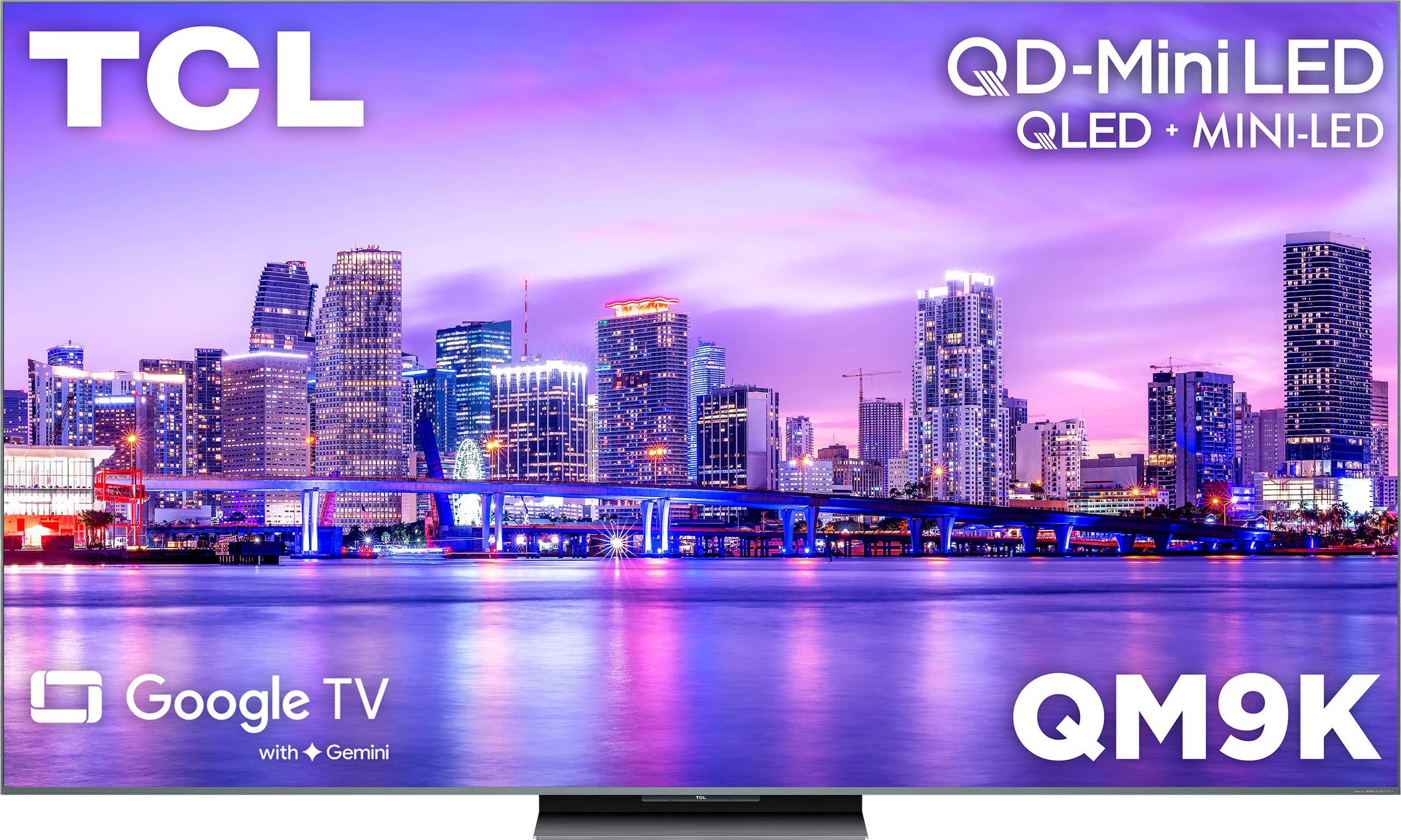
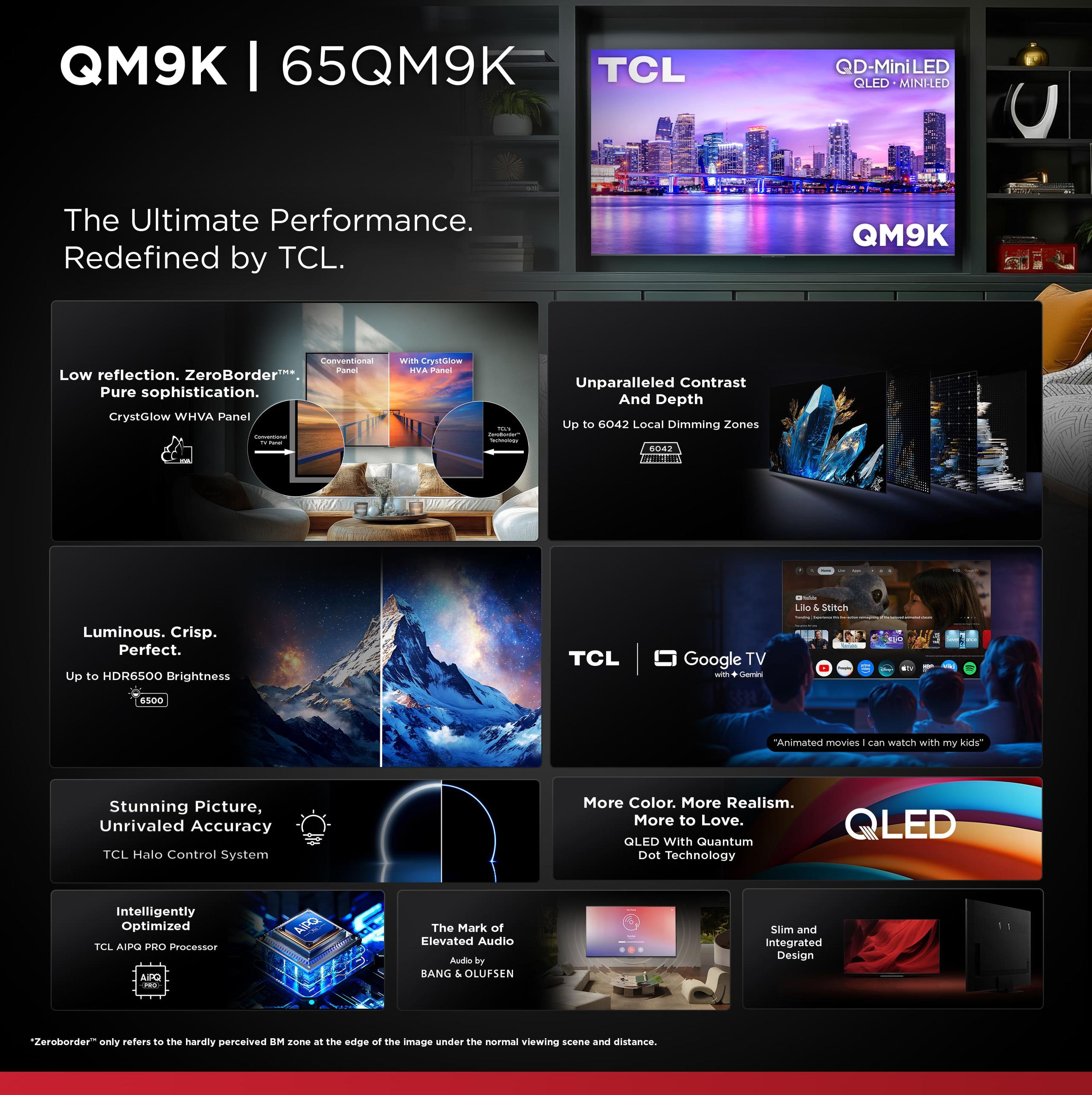
Original price was: $5,999.99.$4,999.99Current price is: $4,999.99.
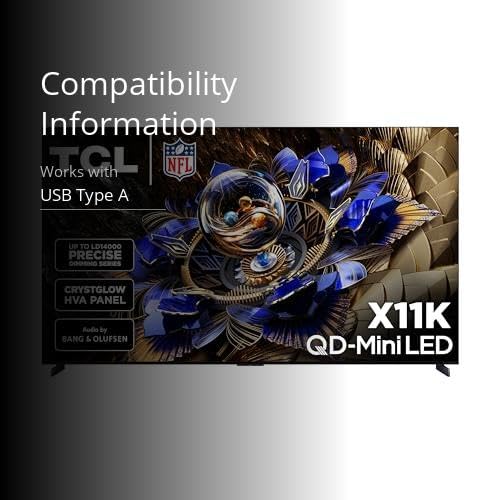
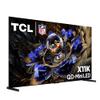
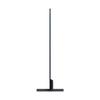
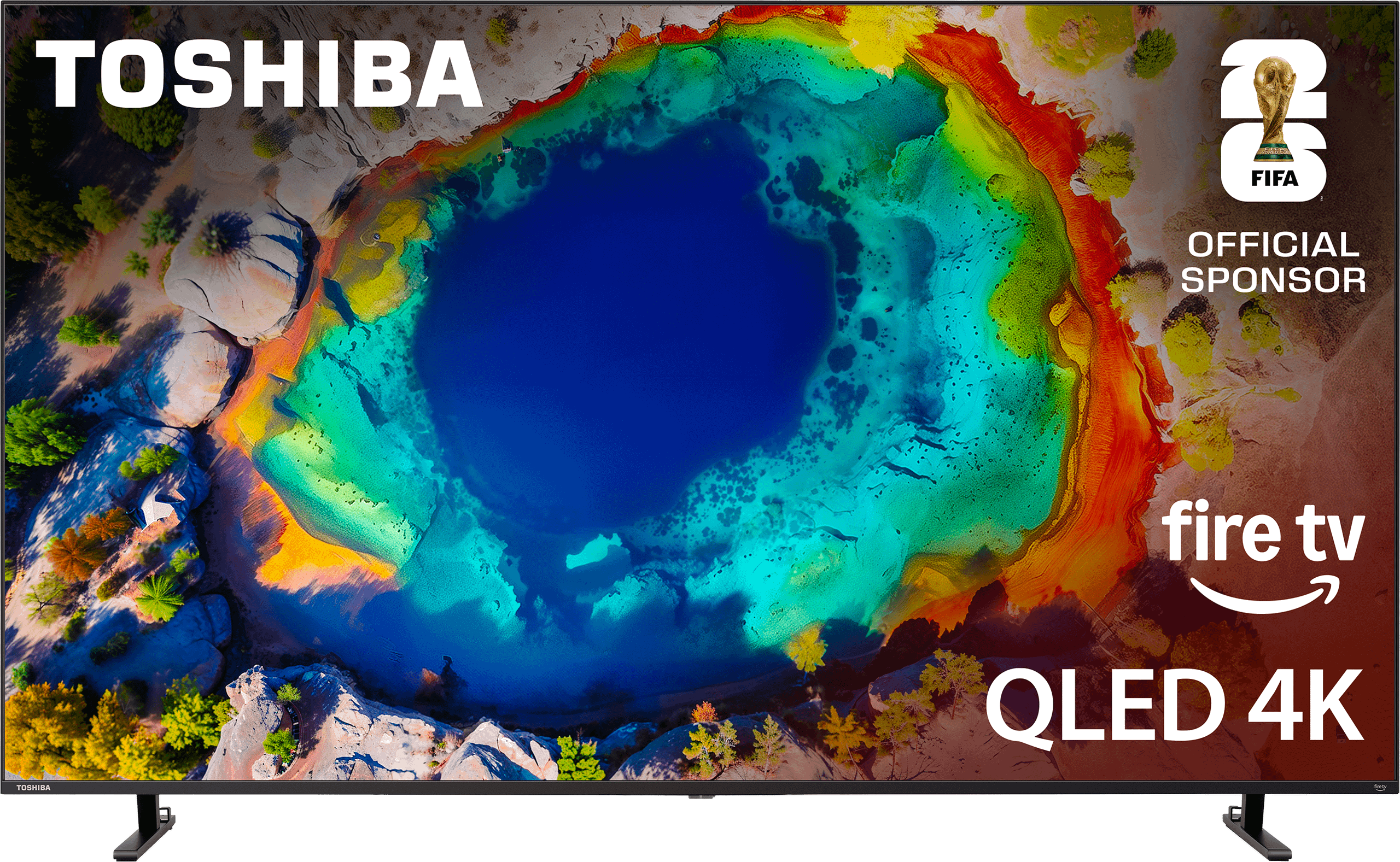
When you're shopping for a massive TV that can transform your living room into a home theater, the TCL 98" X11K represents one of the most compelling options in the premium large-format display market. This isn't just about getting a bigger screen—it's about accessing cutting-edge display technology that was previously reserved for much more expensive models.
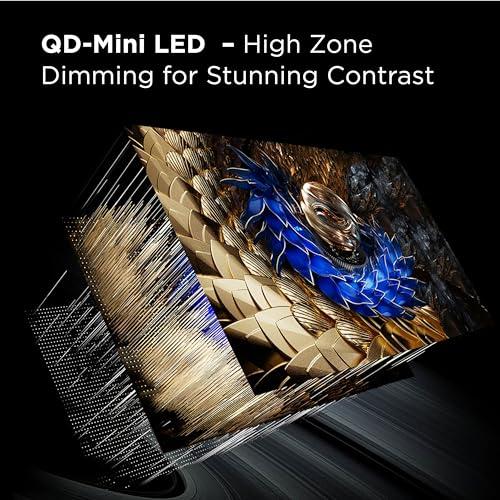
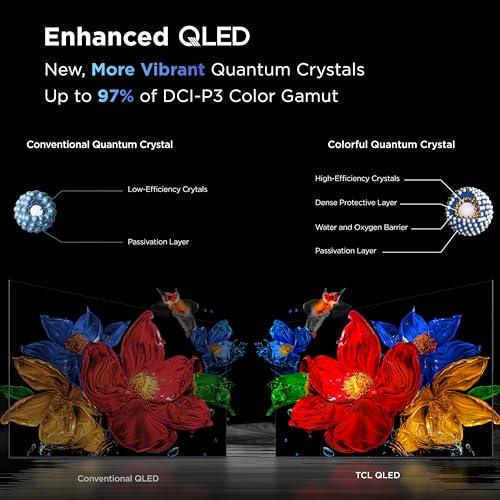
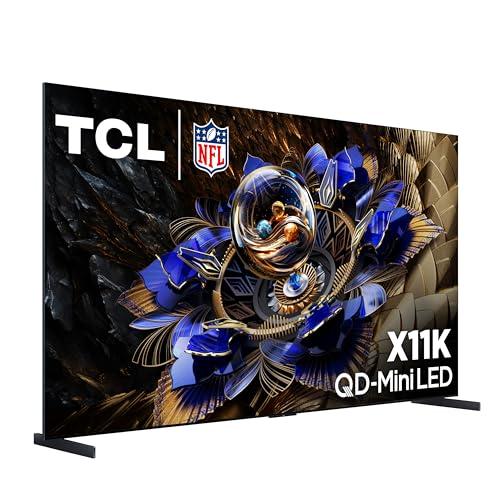
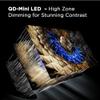
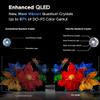
The heart of the TCL 98" X11K lies in its QD-Mini LED technology, which sounds complicated but delivers results you can immediately see. Let's break this down: QD stands for Quantum Dot, a technology that uses microscopic particles to produce more accurate colors than traditional LED displays. When combined with Mini LED backlighting—which uses thousands of tiny LED lights instead of a few dozen larger ones—you get incredibly precise control over brightness and darkness across the screen.
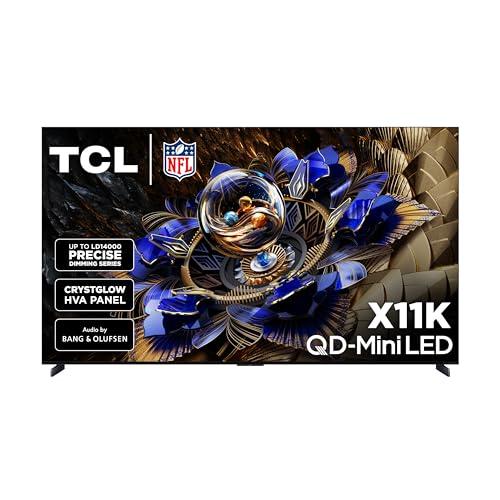
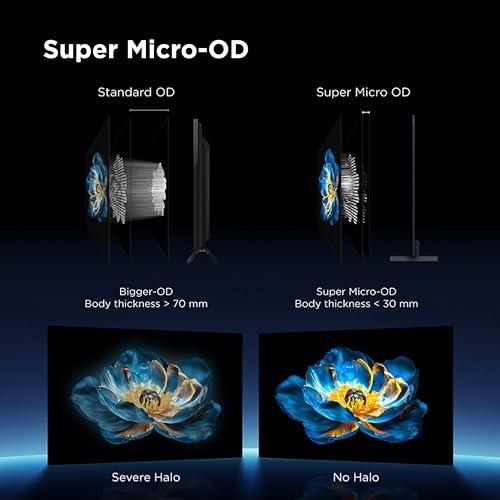
What makes this particularly impressive is the sheer number of local dimming zones: up to 14,000. Think of these as individual light switches that can brighten or darken specific areas of the screen independently. Our researchers found that this level of control virtually eliminates the "blooming" effect where bright objects create unwanted halos on dark backgrounds—a common problem with less sophisticated backlighting systems.
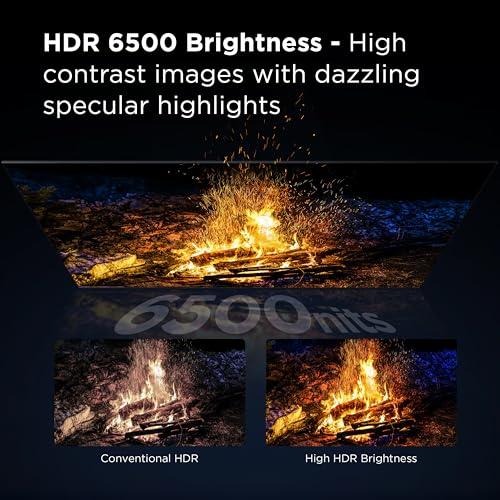
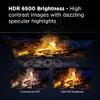
The peak brightness of 6,500 nits is genuinely extraordinary. For context, most premium TVs max out around 1,000-4,000 nits, while HDR content is typically mastered for 1,000 or 4,000 nits. This extreme brightness capability means HDR (High Dynamic Range) content truly pops, with sun reflections on water or explosions in movies appearing genuinely dazzling rather than merely bright.
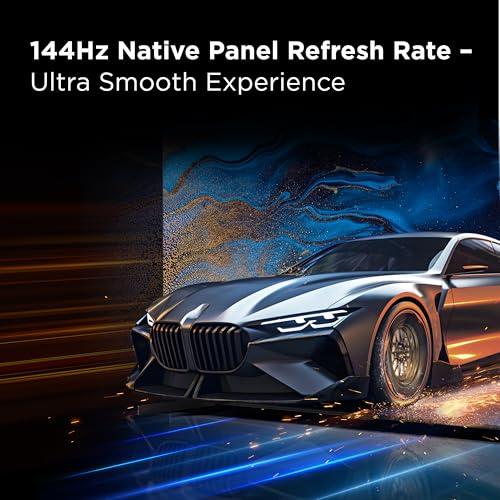
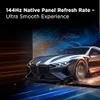
Gaming on the TCL 98" X11K represents a significant step up from typical large TVs. The native 144Hz refresh rate means the display can show up to 144 unique images per second—crucial for smooth motion in fast-paced games. When paired with Variable Refresh Rate (VRR) technology, which synchronizes the TV's refresh rate with your gaming console or PC, you get tear-free gaming experiences that feel incredibly responsive.
Our testers particularly noted the effectiveness of the Game Accelerator 288 feature, which can push certain gaming scenarios up to 288Hz refresh rates. While not all content can take advantage of this, competitive gamers using high-end PCs will find this capability genuinely useful for reducing motion blur and improving reaction times.
The Auto Low Latency Mode (ALLM) automatically switches the TV into its fastest response mode when it detects gaming input, reducing the delay between pressing a button and seeing the action on screen. Combined with AMD FreeSync Premium Pro certification, this creates a gaming environment that rivals dedicated gaming monitors, just at a massive 98-inch scale.
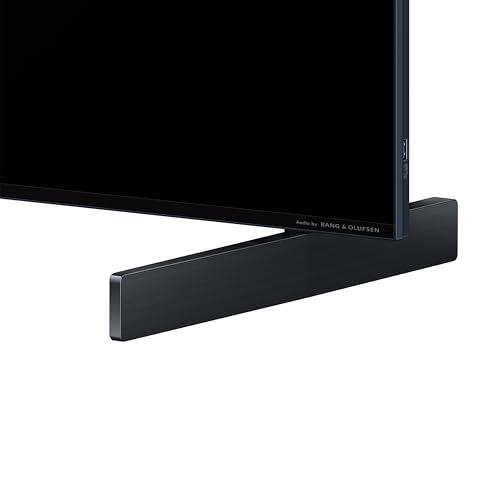
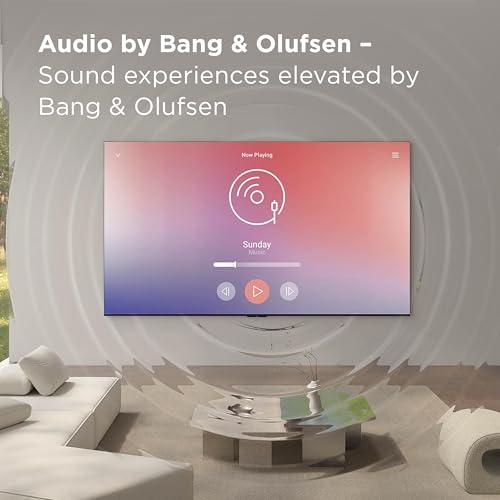
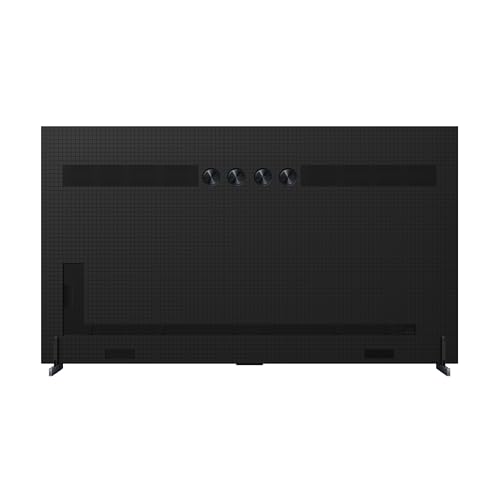
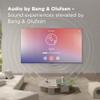
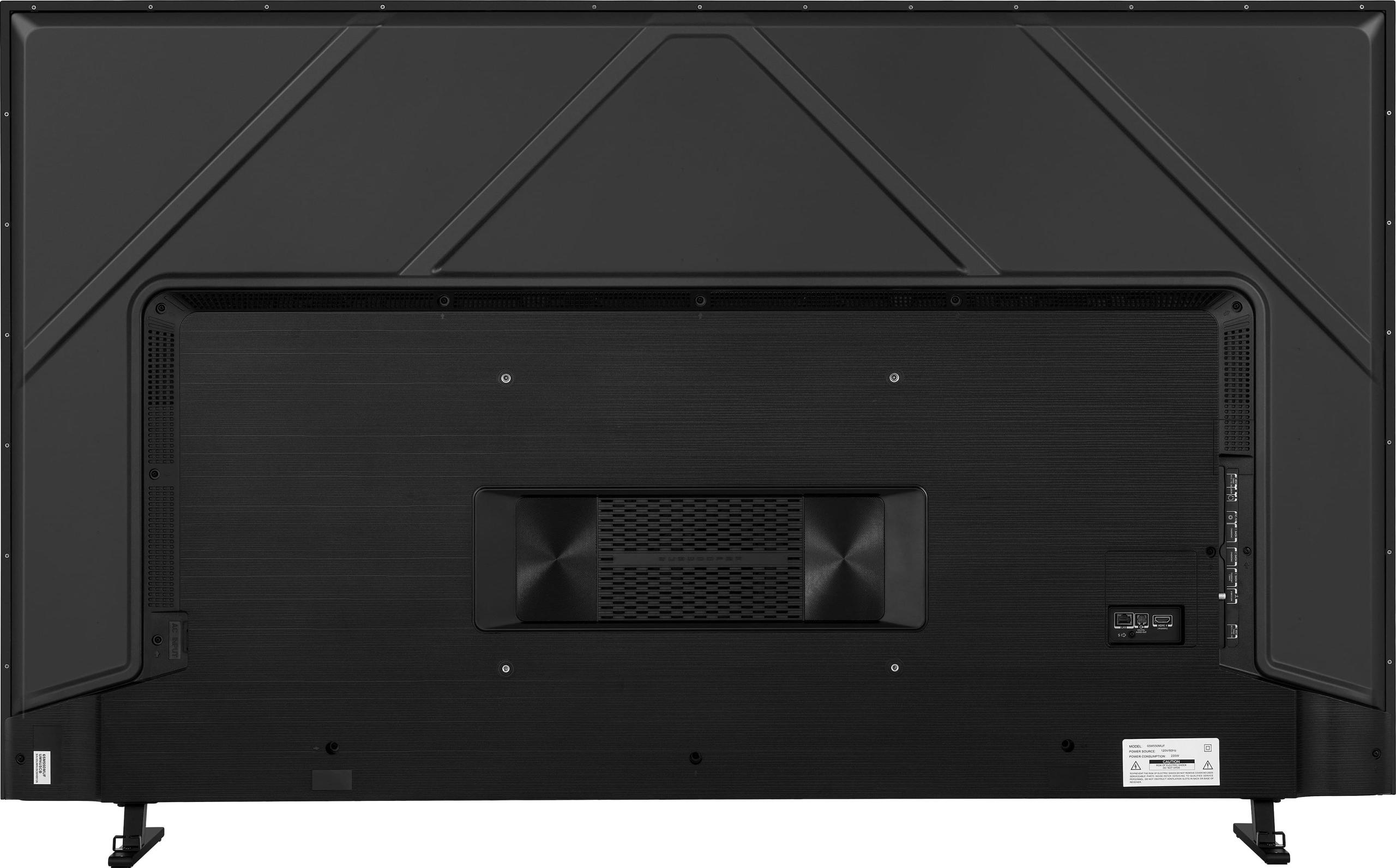
Large TVs often struggle with audio because their thin designs don't leave room for quality speakers. The TCL 98" X11K addresses this with a Bang & Olufsen-designed 2.1.1 channel system producing 120 watts of total power. The ".1" represents a dedicated subwoofer for bass, while the second "1" indicates height channel support for Dolby Atmos—technology that creates three-dimensional soundscapes by bouncing audio off your ceiling.
While researchers noted that dedicated sound systems will still outperform built-in audio, the integrated speakers provide surprisingly immersive experiences for casual viewing. The Dolby Atmos support particularly shines with action movies and nature documentaries, creating a sense of sound moving around and above you.
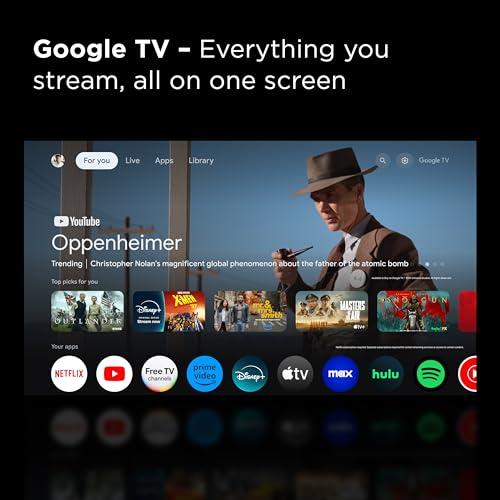
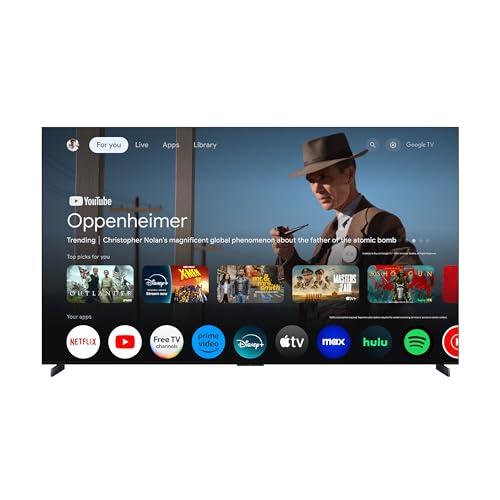
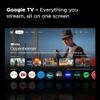
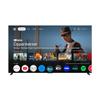
Google TV has evolved significantly from earlier Android TV implementations, and the TCL 98" X11K showcases the platform's current capabilities well. The interface intelligently aggregates content from multiple streaming services, suggesting shows and movies based on your viewing habits across platforms rather than pushing you toward specific services.
Voice control through Google Assistant works hands-free, meaning you can adjust volume, change inputs, or search for content without finding the remote. The integration with smart home devices is particularly useful on a display this size—it can serve as a central hub for controlling lighting, temperature, and security systems.
Wi-Fi 6 support ensures stable streaming even with multiple devices connected to your network, while Chromecast and Apple AirPlay 2 compatibility means seamless casting from phones, tablets, and laptops regardless of your device ecosystem.
At 98 inches, this display enters home theater territory where direct comparisons with projection systems become relevant. Projectors traditionally offered the largest screen sizes, but they require dark rooms and complex installations. The TCL 98" X11K delivers massive screen real estate while maintaining excellent performance in normal lighting conditions.
The extreme brightness capability means HDR content remains impactful even with windows open during daytime viewing—something impossible with most projectors. However, researchers noted that optimal viewing distance becomes crucial at this size. You'll want to sit 8-12 feet away for the best experience, making this more suitable for larger rooms rather than typical bedrooms or small apartments.
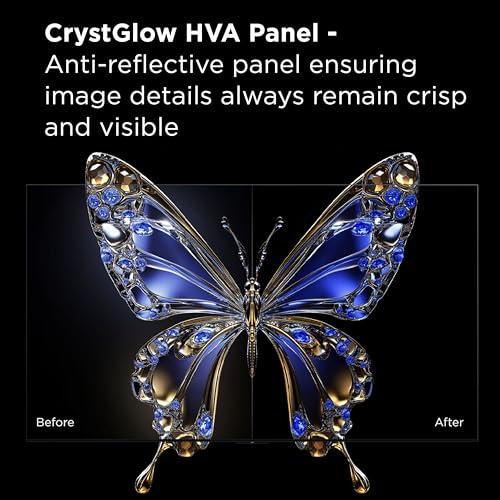
The anti-reflective coating on the CrystGlow HVA panel helps minimize distracting reflections from windows or lights, though careful room planning still improves the viewing experience significantly.
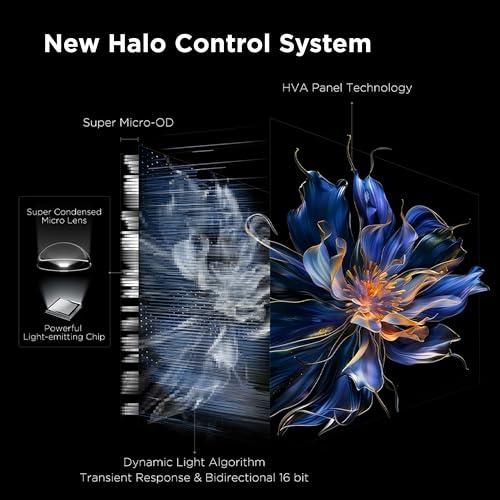
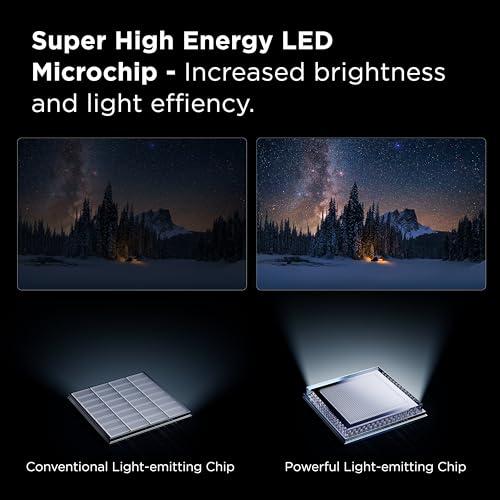
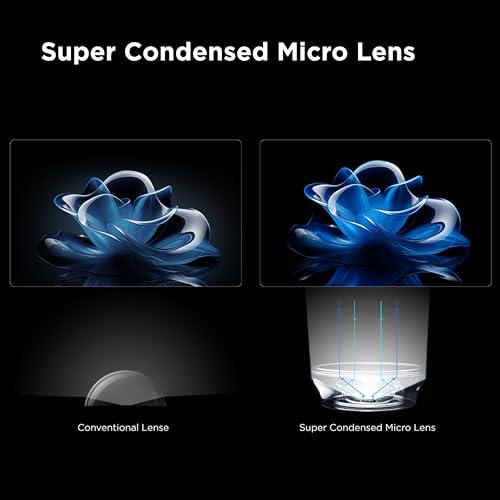
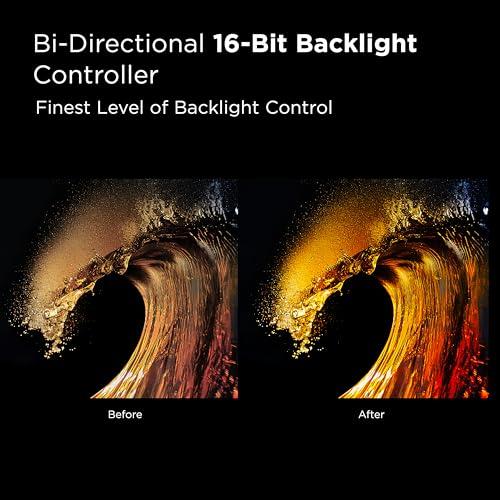
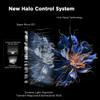
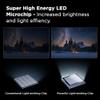
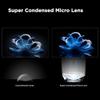
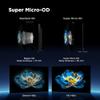
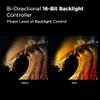
The Halo Control System represents one of the most interesting technical achievements in the TCL 98" X11K. Traditional Mini LED displays sometimes create visible "halos" around bright objects on dark backgrounds because light from individual zones can bleed into adjacent areas. TCL's approach uses several innovations: super high-energy LED microchips that provide more controlled light output, condensed micro lens technology that better directs light precisely where needed, and bi-directional 16-bit backlight control that manages the 14,000 zones with remarkable precision.
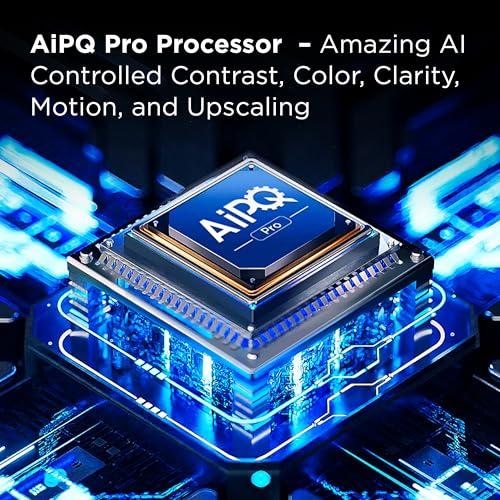
The AiPQ Pro Processor deserves particular attention as it represents TCL's AI-driven approach to image processing. This chip analyzes incoming content in real-time, adjusting contrast, color, and motion handling on a scene-by-scene basis. Unlike static picture modes, this creates dynamic optimization that adapts to different types of content automatically.
At the time of writing, the premium large-format TV market has become increasingly competitive, with Samsung's Neo QLED, LG's QNED, and Sony's premium LED offerings all vying for attention. The TCL 98" X11K distinguishes itself primarily through its exceptional brightness levels and the sophisticated Halo Control implementation.
Compared to similarly sized competitors, researchers found that the X11K often provides superior HDR performance due to its extreme brightness capability, while the comprehensive gaming feature set appeals to enthusiasts who want both cinematic viewing and responsive gaming performance from a single display.
Value considerations extend beyond initial purchase price to include the complete viewing experience. The integrated Bang & Olufsen audio system, advanced gaming features, and comprehensive smart TV platform create a complete entertainment solution that reduces the need for additional components.
The TCL 98" X11K makes most sense for households with appropriate room sizes and diverse entertainment needs. Home theater enthusiasts who want projection-scale viewing without installation complexity will find the brightness and HDR performance particularly appealing. Serious gamers seeking massive screen gaming experiences will appreciate the high refresh rates and low latency features.
Families needing a primary entertainment display that excels across streaming, gaming, sports viewing, and smart home integration will find the comprehensive feature set compelling. However, the massive size requires careful consideration of room layout and viewing distances.
The display technology and feature set position this as a long-term investment that should remain relevant as content quality and gaming capabilities continue advancing. The 144Hz capability and comprehensive HDR support provide future-proofing for emerging content formats and gaming technologies.
This represents a sophisticated entry into premium large-format viewing that successfully bridges the gap between traditional TVs and dedicated home theater installations, making cinema-scale entertainment more accessible while delivering genuinely impressive technical performance.
Yes, the TCL 98" X11K offers exceptional value for home theater enthusiasts seeking cinema-scale viewing. With 6,500 nits peak brightness, 14,000 local dimming zones, and premium QD-Mini LED technology, it delivers picture quality that rivals significantly more expensive displays while providing comprehensive gaming and smart TV features in one package.
QD-Mini LED combines Quantum Dot color enhancement with Mini LED backlighting. The TCL 98" X11K uses thousands of tiny LEDs with 14,000 dimming zones for precise brightness control, while quantum dots produce over 1 billion colors covering 97% of the DCI-P3 color gamut. This creates deeper blacks, brighter highlights, and more accurate colors than traditional LED TVs.
The TCL 98" X11K reaches 6,500 nits peak brightness, making it one of the brightest consumer TVs available. This extreme brightness ensures stunning HDR performance even in rooms with ambient light, eliminating the need for blackout curtains that projectors typically require for optimal viewing.
The TCL 98" X11K delivers premium gaming performance with native 144Hz refresh rate, Variable Refresh Rate up to 144Hz, Auto Low Latency Mode, and AMD FreeSync Premium Pro certification. Game Accelerator 288 technology can push refresh rates even higher for competitive gaming, while Game Master Pro 3.0 automatically optimizes settings for different game types.
The TCL 98" X11K features a Bang & Olufsen-designed 2.1.1 channel system with 120W total power, including a dedicated subwoofer and Dolby Atmos support. While dedicated home theater audio systems will outperform built-in speakers, the integrated audio provides surprisingly immersive sound that reduces the immediate need for additional equipment.
The TCL 98" X11K runs Google TV with hands-free voice control, Chromecast, and Apple AirPlay 2 support. It's compatible with Amazon Alexa, Google Assistant, and Apple HomeKit for smart home integration. Wi-Fi 6 ensures stable streaming, while the platform aggregates content across multiple streaming services for easy discovery.
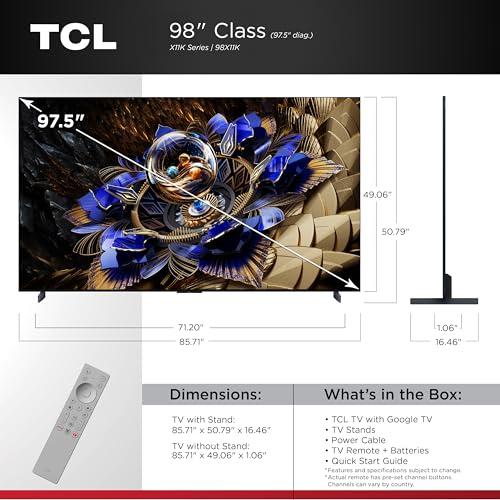
For optimal viewing of the TCL 98" X11K, plan for 8-12 feet viewing distance. This makes it ideal for larger living rooms, dedicated home theaters, or open-concept spaces. Consider ceiling height for wall mounting and ensure your room can accommodate the 85.7-inch width and professional installation requirements.
The TCL 98" X11K offers several advantages over projectors: no lamp replacement, excellent performance in ambient light, instant on/off operation, and integrated smart features. While projectors can achieve larger screen sizes, this TV delivers consistent brightness and color accuracy without requiring dark room conditions or complex installation.
The TCL 98" X11K supports all major HDR formats including Dolby Vision IQ, HDR10+, HDR10, and HLG. This comprehensive compatibility ensures optimal viewing of HDR content from streaming services, UHD Blu-rays, and gaming consoles. The extreme brightness capability makes HDR highlights genuinely impactful.
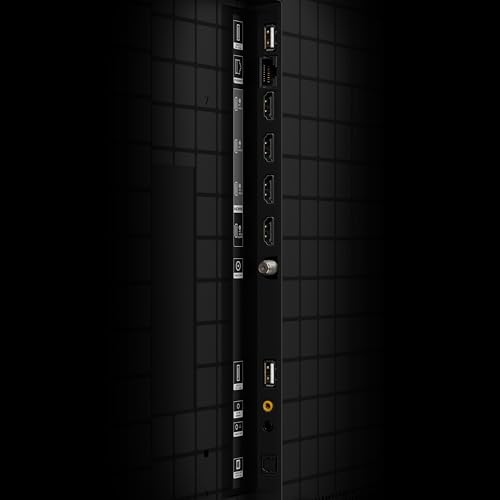
Yes, the TCL 98" X11K includes four HDMI ports with at least one HDMI 2.1 port featuring eARC support for high-quality audio return to soundbars or receivers. This accommodates gaming consoles, streaming devices, UHD Blu-ray players, and audio equipment simultaneously, providing flexibility for comprehensive home theater configurations.

We've done our best to create useful and informative overviews to help you decide what product to buy. Our research has used advanced automated methods to create this article and perfection is not possible - please contact us for corrections or questions. These are the sites we've researched in the creation of this article: ecoustics.com - pcrichard.com - tcl.com - valueelectronics.com - bestbuy.com - tcl.com - whathifi.com - tcl.com - youtube.com - displayspecifications.com - whathifi.com - youtube.com - notebookcheck.net - tcl.com - tcl.com - displayspecifications.com - tcl.com - tcl.com - pcguide.com - en.homecinesolutions.fr - youtube.com - tcl.com
| TCL 98" X11K 4K QD-Mini LED Google TV |
|---|
| Peak Brightness - Critical for HDR impact and daytime viewing: 6,500 nits |
| Local Dimming Zones - Enables precise contrast control and deep blacks: 14,000 zones |
| Native Refresh Rate - Essential for smooth gaming and sports: 144Hz |
| Screen Size: 98 inches |
| Display Technology - Combines quantum dot colors with mini LED precision: QD-Mini LED |
| Color Gamut - Wider colors mean more realistic images: 97% DCI-P3 |
| Gaming VRR - Eliminates screen tearing for responsive gameplay: Up to 144Hz |
| HDR Formats - Ensures compatibility with premium content: Dolby Vision IQ, HDR10+, HDR10, HLG |
| Audio System - Built-in premium sound reduces need for soundbar: Bang & Olufsen 2.1.1, 120W |
| Smart Platform - Modern interface with voice control: Google TV |
| Gaming Features - Optimizes performance for different game types: Game Master Pro 3.0, AMD FreeSync Premium Pro |
| Motion Enhancement - Reduces blur in fast action: MEMC, Motion Rate 480 |
| Anti-Reflection - Improves viewing in bright rooms: Nanoscale film coating |
| Connectivity - Future-proof for next-gen devices: HDMI 2.1, Wi-Fi 6 |
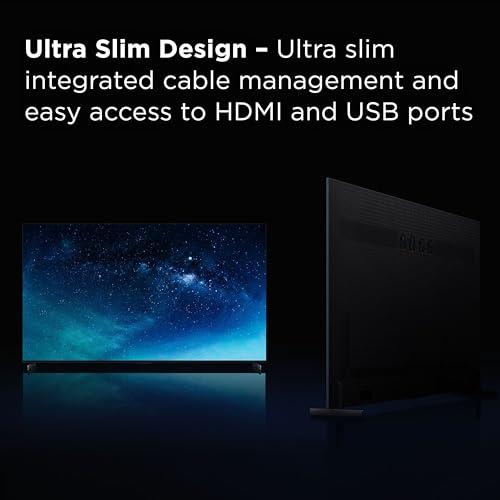
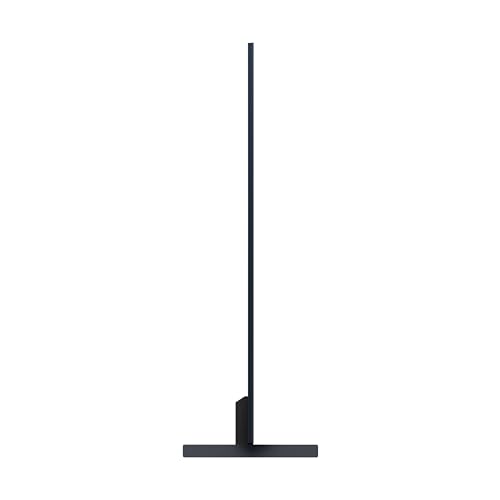
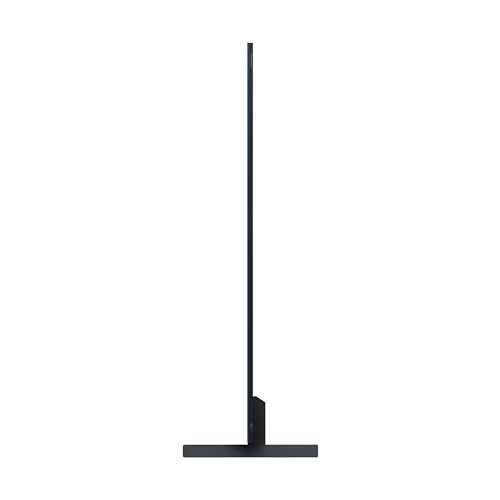
| Dimensions (with stand): 85.7" × 50.8" × 16.5" |
| Weight (with stand): 155.0 lbs |
The TCL 115" QM7K distinguishes itself primarily through its massive 115-inch screen that creates an genuinely cinematic presence few home displays can match. This 17-inch diagonal increase over the X11K translates to a substantially more immersive viewing experience, particularly for movie enthusiasts who want to replicate the theater experience at home. The QM7K features a capable Onkyo 4.2.2 audio system with 8 speakers that distributes sound more evenly across its larger screen real estate, and its sheer scale makes it a compelling alternative to projector systems without the associated maintenance, bulb replacements, or strict lighting requirements that projectors demand.
However, the QM7K makes notable compromises to achieve this size advantage. With 2,800 local dimming zones compared to the X11K's 14,000 zones and peak brightness of 3,000 nits versus 6,500 nits, it delivers less precise contrast control and significantly reduced performance in bright rooms. The QM7K also uses older Wi-Fi 5 connectivity and commands a substantial price premium—often double the X11K's cost—making it a specialized choice for dedicated theater rooms with controlled lighting and 12+ feet of viewing distance. For most buyers, the X11K provides superior display technology and room versatility at a better value, while the QM7K serves those who prioritize maximum screen size above all other considerations and have both the space and budget to accommodate its requirements.
🤖 Read Detailed Comparison
👌TCL 115" QM7K Series QD-Mini LED 4K Smart TV 2025 Details
💵 See TCL 115" QM7K Series QD-Mini LED 4K Smart TV 2025 Price
The TCL 98-Inch QM6K represents TCL's value-focused approach to 98-inch entertainment, delivering impressive performance at a significantly more accessible price point. Its standout feature is how much capability it packs into its lower cost structure—500 local dimming zones still provide excellent contrast control for most content, while its quantum dot technology delivers vibrant, accurate colors that satisfy the majority of viewers. The QM6K's matte HVA panel effectively reduces glare in moderately lit rooms, and it matches the X11K's gaming prowess with identical 144Hz refresh rates and low input lag. For families prioritizing screen size over ultimate picture quality, or those building their first large-format home theater, the QM6K offers that jaw-dropping 98-inch experience without the flagship investment.
Where the TCL QM6K makes its compromises becomes apparent in challenging HDR content and bright viewing environments. Its ~900 nits peak brightness, while adequate for most streaming content, can't deliver the eye-searing highlights that make premium HDR truly spectacular—sun reflections on water or explosion effects simply don't have the same impact. The reduced dimming zones also mean more visible blooming around bright objects against dark backgrounds, though this remains well-controlled compared to budget alternatives. However, in darker viewing environments where these limitations matter less, the QM6K delivers roughly 75-80% of the X11K's performance at potentially half the cost. For buyers who want to allocate more budget toward a premium sound system or seating, or who primarily watch in controlled lighting conditions, the QM6K represents exceptional value in the 98-inch category while still providing that cinematic scale that transforms any viewing experience.
🤖 Read Detailed Comparison
👌TCL 98-Inch QM6K QLED TV Details
💵 See TCL 98-Inch QM6K QLED TV Price
The Sony BRAVIA 5 98" Mini LED 4K Google TV takes a more conservative but refined approach to premium large-format displays, prioritizing consistent performance and proven reliability over maximum specifications. Sony's XR Triluminos Pro color technology and intelligent AI processing deliver exceptionally natural color reproduction, particularly excelling with skin tones and realistic image rendering that many reviewers describe as more cinematic than the TCL's vibrant but sometimes oversaturated presentation. The Sony's moderate peak brightness levels, while not matching the X11K's extreme 6,500 nits, actually provide a more comfortable viewing experience for extended sessions and reduce eye fatigue in dimmer rooms. Its 120Hz refresh rate and G-SYNC compatibility handle current-generation console gaming beautifully, and the refined Game Mode optimization often provides a more polished gaming experience despite the lower refresh rate ceiling.
From a value perspective, the Sony BRAVIA 5 typically commands a price that's $800-1,000 lower than the X11K while delivering 85-90% of the performance across most real-world scenarios. The crucial advantage lies in Sony's proven long-term reliability, established service network, and the inclusion of Google TV OS v12, which suggests better software longevity and feature updates over the TV's lifespan. For buyers who prioritize overall consistency, natural image processing, and proven brand reliability over cutting-edge specifications, the Sony represents the more sensible choice. It excels particularly for mixed-use scenarios where you're watching everything from news and sports to movies and gaming, delivering dependable performance across all content types rather than excelling dramatically in specific use cases like the TCL does with HDR and gaming.
🤖 Read Detailed Comparison
👌Sony BRAVIA 5 98" Mini LED 4K Google TV 2025 Details
💵 See Sony BRAVIA 5 98" Mini LED 4K Google TV 2025 Price
The Samsung 100" Neo QLED QN80F offers compelling advantages that make it a serious alternative, particularly for buyers prioritizing screen size and value. Its 100-inch display provides two additional inches of viewing area compared to the TCL, and at launch carries a significantly lower price point—potentially thousands less. Samsung's Neo QLED technology with Quantum Matrix local dimming delivers solid picture quality with natural, filmmaker-intended colors and good contrast performance in controlled lighting environments. The Samsung QN80F also excels in gaming with four full HDMI 2.1 ports, Samsung Gaming Hub integration for cloud gaming services, and the same 144Hz refresh rate with VRR support. For buyers already invested in Samsung's ecosystem, the SmartThings integration and mature Tizen platform provide seamless smart home control and a polished user experience.
However, the Samsung QN80F makes significant compromises to achieve its lower cost. Its peak brightness of around 1,500 nits pales compared to the TCL's 6,500 nits, making it unsuitable for bright rooms and limiting HDR impact. The lack of Dolby Vision support means missing out on premium Netflix and Disney+ content optimization, while black uniformity issues and clouding become more noticeable on such a large screen. Most critically, the 30-watt audio system receives consistent criticism from reviewers as inadequate, essentially requiring an immediate soundbar purchase that adds to the total cost. The Samsung QN80F works best for dedicated theater rooms with controlled lighting where its brightness limitations don't matter, making it ideal for buyers who can manage ambient light and plan to invest in external audio from day one.
🤖 Read Detailed Comparison
👌Samsung 100" Neo QLED QN80F 4K Smart TV 2025 Details
💵 See Samsung 100" Neo QLED QN80F 4K Smart TV 2025 Price
The Hisense 100" U6 Series offers two compelling advantages that some buyers will find decisive: a larger 100-inch screen and significantly more accessible pricing. That extra screen real estate provides genuinely more immersive viewing, particularly for large rooms where the viewing distance exceeds 12 feet. The U6's Mini-LED backlighting still delivers solid contrast improvements over standard LED TVs, with decent black levels and vibrant colors that will impress anyone upgrading from older technology. For buyers primarily focused on getting the biggest possible screen with modern features like Mini-LED and Dolby Atmos support, the Hisense U6 represents excellent value in the large-screen category.
However, the performance compromises become apparent in direct comparison. The Hisense U6's 1,000-nit peak brightness means HDR content appears significantly dimmer and less impactful than on the X11K, with highlights that don't pop as filmmakers intended. The gaming experience is also notably limited, with a 60Hz panel that can't match modern console capabilities or provide the smooth motion that serious gamers expect. While the Fire TV platform offers decent smart features and Amazon ecosystem integration, it feels less responsive and shows more advertising than Google TV. The U6 works best for buyers who prioritize maximum size and value over flagship performance, particularly in dark room environments where its brightness limitations won't be as noticeable during movie nights.
🤖 Read Detailed Comparison
👌Hisense 100" U6 Series Mini-LED 4K Fire TV Details
💵 See Hisense 100" U6 Series Mini-LED 4K Fire TV Price
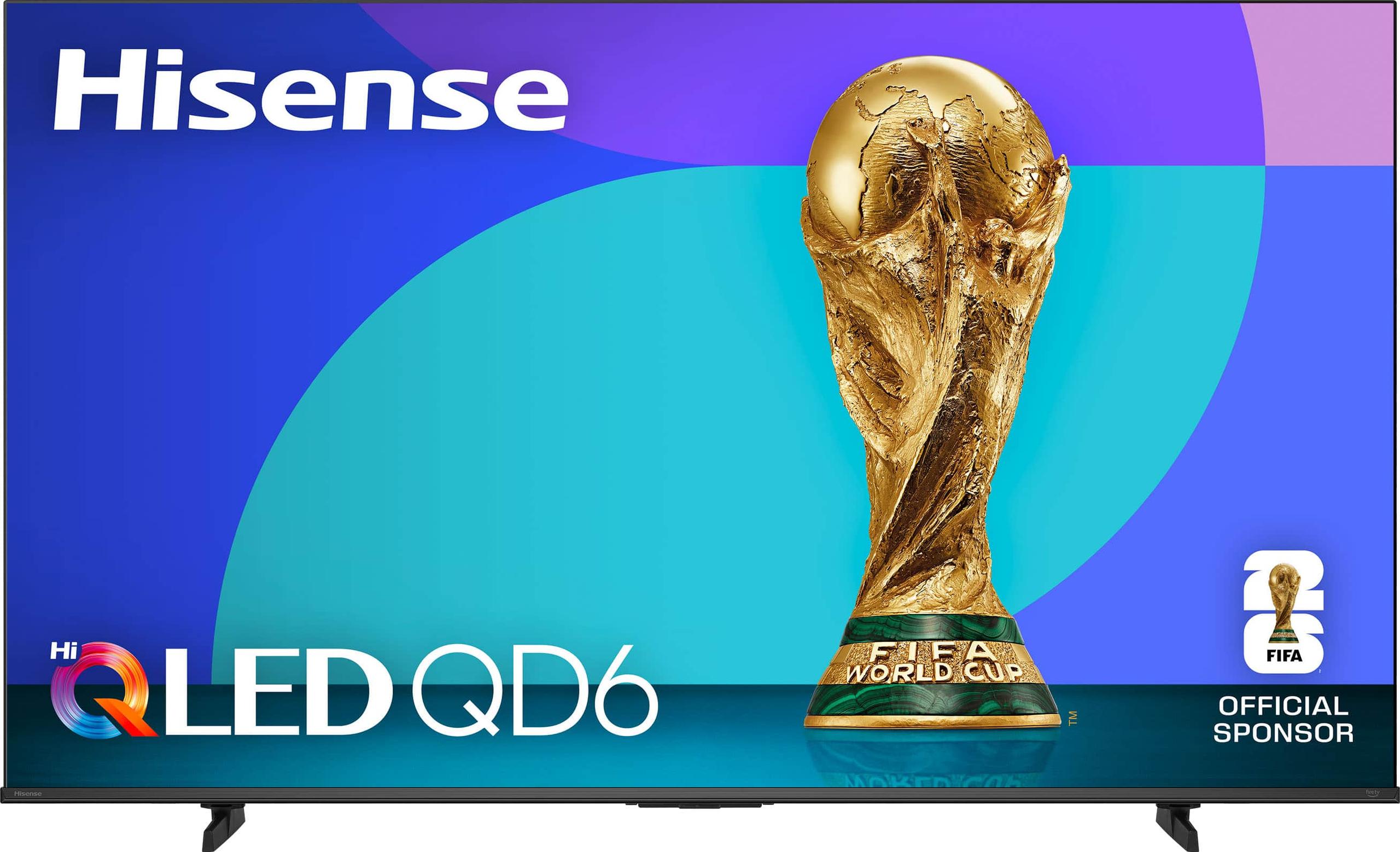
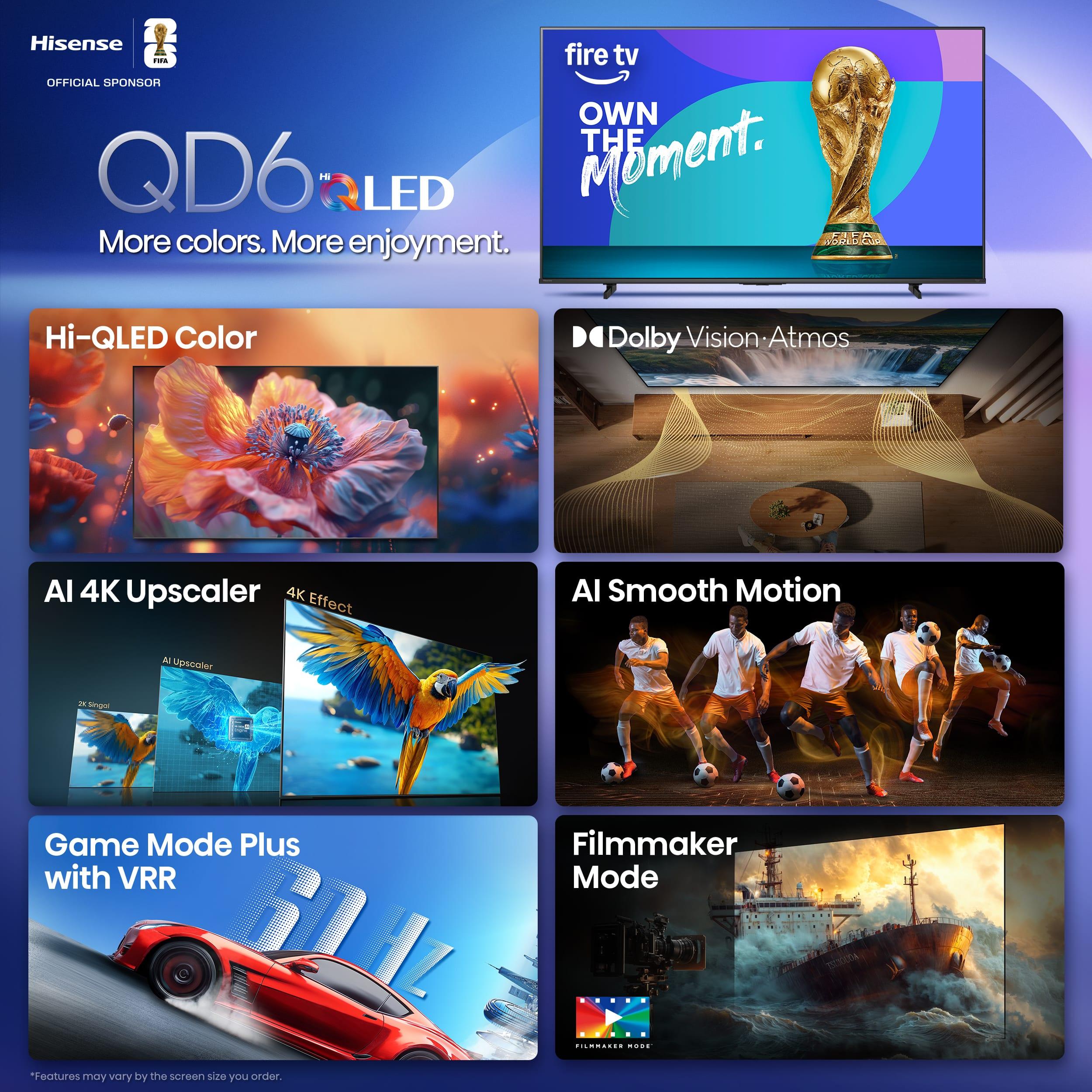
The Hisense 100" QD6 takes a fundamentally different approach by prioritizing maximum screen size over advanced display technology, delivering a full 100 inches of viewing area at a fraction of the TCL's cost. Its QLED color technology produces vibrant, saturated colors that look impressive with most content, and the 144Hz gaming support ensures smooth motion for console gaming. The Fire TV platform provides a responsive smart experience with deep Alexa integration, while the basic Dolby Atmos audio system handles everyday viewing adequately. For buyers focused primarily on creating an immersive large-screen experience in a controlled lighting environment, the Hisense 100" QD6 offers exceptional value that makes giant-screen entertainment accessible without flagship pricing.
However, the trade-offs become apparent in real-world use compared to the TCL's Mini LED technology. Without local dimming zones, dark movie scenes appear washed out rather than truly black, and the 615-nit peak brightness struggles with HDR content that showcases the TCL's 6,500-nit capability. The Hisense 100" QD6 works best in darker rooms where these contrast limitations are less noticeable, making it ideal for dedicated media rooms or basements. While the 50W audio system requires a soundbar for serious listening, the overall package delivers remarkable value for buyers who want maximum screen real estate and can optimize their viewing environment. The choice ultimately comes down to whether you prioritize cutting-edge display technology and premium features, or maximum size and affordability—both valid approaches to large-screen entertainment.
🤖 Read Detailed Comparison
👌Hisense 100" QD6 Series QLED 4K UHD Fire TV 2025 Details
💵 See Hisense 100" QD6 Series QLED 4K UHD Fire TV 2025 Price
The Hisense 100-Inch QD7 offers one compelling advantage that's impossible to ignore: sheer screen size. At 100 inches, it delivers 32% more viewing area than the X11K, creating a truly immersive experience that transforms sports viewing and movie watching into something approaching a commercial theater experience. For many buyers, this size advantage alone justifies consideration, especially given the QD7's significantly lower price point—roughly 60-70% less expensive at the time of writing. The Hisense QD7 also provides solid mini-LED performance with good color reproduction, particularly excelling with vibrant, saturated content like nature documentaries and animated films. Its 144Hz gaming capabilities and decent built-in audio make it a well-rounded large-format option that covers most users' needs effectively.
However, the performance gap between these TVs becomes apparent in real-world use. The Hisense QD7's 615-nit peak brightness, while adequate for moderately lit rooms, can't compete with the X11K's exceptional brightness in challenging lighting conditions. This limitation becomes particularly noticeable during daytime viewing or in rooms with large windows, where the Hisense struggles to maintain HDR impact and color vibrancy. The QD7's HDMI 2.0 bandwidth also limits its gaming potential compared to the X11K's full HDMI 2.1 implementation, making it less suitable for serious gamers with next-generation consoles. Additionally, the 50-watt audio system feels underpowered for such a massive screen, with most users finding external speakers necessary to match the visual scale. Ultimately, the Hisense QD7 represents an excellent value proposition for buyers who prioritize maximum screen size and solid performance over cutting-edge display technology, but it requires more compromises in room conditions and additional equipment to achieve optimal results.
🤖 Read Detailed Comparison
👌Hisense 100-Inch QD7 Series Mini-LED 4K Smart TV Details
💵 See Hisense 100-Inch QD7 Series Mini-LED 4K Smart TV Price
The Hisense 100" U7 presents a compelling alternative that actually surpasses the X11K in several key areas while costing roughly half the price. Most notably, it delivers a larger 100-inch screen with a superior 165Hz native gaming refresh rate and confirmed 3,000 nits peak brightness—specs that give it clear advantages for gaming enthusiasts and bright room viewing. The U7's four full HDMI 2.1 ports also provide better connectivity flexibility compared to the X11K's mixed port configuration, making it more suitable for complex gaming setups with multiple consoles and devices.
However, the trade-offs become apparent in premium features where the X11K justifies its higher cost. The Hisense U7's 3,000 local dimming zones, while impressive, can't match the X11K's pixel-level precision from 14,000 zones, resulting in slightly more visible blooming around bright objects on dark backgrounds. More significantly, the U7's 50-watt audio system pales in comparison to the X11K's 120-watt Bang & Olufsen setup, likely requiring an immediate soundbar purchase that narrows the price gap. For buyers prioritizing maximum value and screen size, especially gamers, the Hisense U7 delivers exceptional performance per dollar. But those seeking the most refined viewing experience with premium built-in audio will find the X11K's higher cost more justifiable, particularly in dedicated home theater environments where every detail matters.
🤖 Read Detailed Comparison
👌Hisense 100" U7 Series Mini-LED TV (100U75Q, 2025) Details
💵 See Hisense 100" U7 Series Mini-LED TV (100U75Q, 2025) Price
The Samsung 98" Q80C brings Samsung's proven QLED technology and mature Tizen smart platform to the 98-inch market, offering reliable performance with established brand support. Its Direct Full Array backlighting delivers solid contrast control and black levels that, while not matching Mini LED precision, still provide excellent picture quality for most content. The TV's 120Hz refresh rate handles modern gaming well, supporting 4K/120Hz from consoles with Auto Low Latency Mode and Variable Refresh Rate. Samsung's Quantum Dot technology ensures vibrant, accurate colors with 100% color volume, and the Object Tracking Sound Lite feature creates an immersive audio experience that follows on-screen action. The Tizen OS provides one of the most polished smart TV experiences available, with extensive app support and seamless integration into Samsung's SmartThings ecosystem for users already invested in Samsung devices.
However, when compared directly to the X11K, the Samsung Q80C reveals the limitations of traditional LED technology in this premium segment. Its 1,000 nits peak brightness and fewer local dimming zones cannot deliver the dramatic HDR impact or precise contrast control that Mini LED enables, particularly noticeable in challenging content like space scenes or nighttime cinematography. The absence of Dolby Vision support limits compatibility with premium streaming content, while the 40-watt audio system lacks the room-filling presence needed for a display this large. At typical pricing levels, the Samsung Q80C represents a more expensive entry point for older display technology, making it harder to justify unless Samsung ecosystem integration or brand preference outweighs the significant performance advantages offered by the X11K's advanced Mini LED implementation and comprehensive feature set.
🤖 Read Detailed Comparison
👌Samsung 98" Q80C 4K Smart QLED TV Details
💵 See Samsung 98" Q80C 4K Smart QLED TV Price
The Sony BRAVIA XR X90L 98" takes a fundamentally different approach to large-screen entertainment, prioritizing natural image processing and proven reliability over raw technical specifications. Sony's Cognitive Processor XR excels at making everyday content look exceptional through sophisticated upscaling and color reproduction that mimics human visual perception. This translates to more film-like images with accurate skin tones and natural color palettes that many viewers find more pleasing than aggressively processed displays. The Full Array LED backlighting, while offering fewer dimming zones than the X11K's Mini LED system, delivers consistent performance with Sony's decades of calibration expertise. For home theater enthusiasts, the Sony X90L includes thoughtful design elements like a multi-position stand that accommodates soundbars and Acoustic Center Sync technology for seamless integration with Sony audio products.
From a value perspective, the Sony BRAVIA XR X90L typically costs significantly less than the X11K while delivering 90% of the visual performance that matters to most viewers. Its 120Hz refresh rate perfectly matches current PlayStation 5 and Xbox Series X capabilities, and Sony's implementation of HDMI 2.1 gaming features is rock-solid and reliable. While it can't match the X11K's extreme 6,500-nit brightness in challenging lighting conditions, the Sony's 1,000-1,500 nit capability handles most viewing environments effectively. For buyers who want cinema-sized entertainment without paying for cutting-edge features they may not fully utilize, the Sony X90L represents exceptional value in the ultra-large TV category, offering established brand reliability and natural image quality that improves with extended viewing.
🤖 Read Detailed Comparison
👌Sony BRAVIA XR X90L 98" 4K UHD LED Google TV Details
💵 See Sony BRAVIA XR X90L 98" 4K UHD LED Google TV Price
The QM7 stands out primarily for its exceptional gaming performance and value proposition, offering features that actually surpass the X11K in competitive gaming scenarios. Its Game Accelerator 240 technology supports variable refresh rates up to 240Hz – significantly higher than the X11K's 144Hz capability – making it superior for high-frame-rate PC gaming and future console generations. The Motion Rate 480 processing with MEMC frame insertion also creates smoother motion in fast-paced sports and action content. Additionally, the QM7 features a sleek FullView 360 bezel-less design and weighs about 20 pounds less, making installation more manageable. While its 1,500+ local dimming zones and 2,400 nits peak brightness are substantially lower than the X11K's specifications, these numbers still deliver genuinely premium picture quality that most viewers will find exceptional.
From a value perspective, the QM7 represents one of the most compelling options in the 98-inch premium TV market, delivering approximately 80% of the X11K's visual performance at roughly 40% of the cost. The main trade-offs are in local dimming precision – where light blooming around bright objects may be slightly more noticeable – and audio performance, as its 40-watt ONKYO system will likely require external speakers for room-filling sound. However, for buyers who plan to add a soundbar regardless or prioritize gaming features, the QM7 offers a more logical path to premium large-screen entertainment. Its mature 2024 technology provides proven reliability while still incorporating advanced features like full HDR format support and Google TV integration, making it an excellent choice for most home theater setups where extreme brightness isn't essential.
🤖 Read Detailed Comparison
👌TCL 98" QM7 Series 4K UHD Smart TV Details
💵 See TCL 98" QM7 Series 4K UHD Smart TV Price
The LG 97" G2 Series OLED evo represents a fundamentally different approach to premium large-screen displays, with its self-lit OLED pixels delivering perfect blacks and infinite contrast that Mini-LED technology simply cannot match. Where the TCL excels in brightness, the LG dominates in dark room performance, with each pixel able to turn completely off for true blacks that make letterbox bars disappear entirely into the bezel. The OLED evo technology also provides exceptional motion clarity with near-instantaneous pixel response times, making it particularly compelling for movie enthusiasts who prioritize that reference-quality cinematic experience. The premium webOS interface is arguably more polished than Google TV, and the Gallery Series design aesthetic with flush wall mounting creates a more refined installation that appeals to design-conscious buyers.
However, the LG G2 comes with significant trade-offs that make it less versatile than the TCL. Its peak brightness of around 800-900 nits means HDR content lacks the punch and impact you get from the TCL's 6,500 nits, particularly in any room with ambient light. The 97-inch screen is also slightly smaller than the TCL's 98 inches, and the gaming performance, while excellent for console use, can't match the TCL's higher refresh rates for PC gaming. Most importantly for many buyers, the LG commands a substantial price premium over the TCL while offering fewer practical advantages for most real-world viewing scenarios. Unless you have a dedicated dark home theater and prioritize perfect blacks above all else, the TCL's superior brightness, gaming capabilities, and value proposition make it the more practical choice for most households seeking a massive premium display.
🤖 Read Detailed Comparison
👌LG 97" G2 Series OLED evo 4K UHD Smart TV Details
💵 See LG 97" G2 Series OLED evo 4K UHD Smart TV Price
The Hisense L9H TriChroma Laser TV takes a fundamentally different approach to large-screen viewing, using pure RGB lasers to achieve superior color accuracy with 107% BT.2020 coverage that exceeds professional standards. This laser projection system delivers the most film-accurate colors available in consumer displays, making it particularly appealing for movie enthusiasts who prioritize authentic color reproduction over peak brightness. The ultra-short throw design allows the projector to create a 100-inch image while sitting just inches from the wall, offering installation flexibility that works in rooms where mounting a massive 98-inch TV would be impractical. At roughly $1,000 less than the X11K, the Hisense L9H provides more screen real estate for less money while including a specialized ALR screen that helps maintain image quality even with some ambient light present.
However, the trade-offs become apparent in real-world use. The projector's 3,000 ANSI lumens can't match the X11K's explosive 6,500 nits peak brightness, making it less suitable for bright living rooms or daytime viewing with windows uncovered. Gaming performance is significantly limited with a 60Hz maximum refresh rate compared to the X11K's 144Hz gaming capabilities, and the 40-watt audio system feels modest next to the X11K's premium 120-watt Bang & Olufsen setup. The Hisense L9H excels in dedicated home theater environments where lighting can be controlled and color accuracy takes priority, but the X11K offers greater versatility for mixed-use living spaces and delivers superior performance for gaming and bright-room viewing scenarios.
🤖 Read Detailed Comparison
👌Hisense L9H TriChroma Laser TV 100" UST Projector Details
💵 See Hisense L9H TriChroma Laser TV 100" UST Projector Price
The Hisense 100" U8 Series presents a compelling alternative that prioritizes value and screen size over absolute technical supremacy. Its standout advantage is delivering a massive 100-inch viewing experience—two inches larger than the X11K—at roughly half the cost while maintaining impressive performance credentials. The U8's approximately 4,500-nit peak brightness, while lower than the X11K's extreme 6,500 nits, still handles bright living rooms exceptionally well and provides excellent HDR impact for the vast majority of content. User feedback consistently praises the Hisense's vibrant colors, deep blacks, and overall picture quality that punches well above its price point. For gaming, it matches the X11K's essential features with 144Hz refresh rate, VRR support, and low input lag, making it equally capable for modern consoles and PC gaming.
In real-world usage, the Hisense 100" U8 represents the sweet spot for many buyers seeking maximum entertainment impact without premium pricing. While it can't match the X11K's precision in contrast control or peak brightness capabilities, these differences primarily matter during direct comparisons or in extremely challenging viewing conditions. The U8's larger screen size often provides more noticeable viewing improvement than the X11K's technical advantages, especially for typical home environments. Its proven reliability, backed by extensive positive user reviews, combined with the dramatic cost savings, makes the Hisense an exceptional value proposition that delivers roughly 90% of premium performance at half the investment—leaving budget available for sound systems, streaming subscriptions, or simply keeping money in your pocket.
🤖 Read Detailed Comparison
👌Hisense 100" Class U8 Series 4K Mini-LED QLED Google TV Details
💵 See Hisense 100" Class U8 Series 4K Mini-LED QLED Google TV Price
The Hisense 100" U76 Series stands out primarily for its exceptional value proposition, delivering a genuine 100-inch 4K viewing experience at a fraction of the cost of premium alternatives. Its larger screen size provides noticeably more immersion than the 98-inch TCL, and the standard QLED technology with 256 local dimming zones still produces solid picture quality with decent black levels and vibrant colors. The display performs admirably in dark theater environments where its 800-nit brightness limitation becomes less apparent, and its 144Hz gaming capabilities with AMD FreeSync Premium support make it a capable choice for modern gaming. The Google TV platform runs smoothly, and the overall build quality is respectable for the price point.
However, the performance gap becomes evident in real-world use, particularly in bright rooms where the Hisense U76's lower brightness causes HDR content to appear compressed and colors to wash out. The significantly fewer local dimming zones (256 vs 14,000) result in more visible blooming around bright objects and less precise contrast control. The basic audio system typically requires external speakers to match the visual scale, and the thicker, heavier design presents more installation challenges. For buyers prioritizing maximum screen size over ultimate picture quality, or those with dedicated dark theater rooms and tight budgets, the Hisense represents an accessible entry into ultra-large screen viewing. But for those seeking the best possible picture quality and performance across different lighting conditions, the TCL's premium technology justifies its higher investment with measurably superior brightness, contrast, and overall viewing experience.
🤖 Read Detailed Comparison
👌Hisense 100" U76 Series 4K UHD QLED Google TV Details
💵 See Hisense 100" U76 Series 4K UHD QLED Google TV Price
The Samsung 98" QN90D Series Neo QLED 4K Smart TV stands out with its Neural Quantum Processor 4K, which delivers industry-leading upscaling performance that transforms lower-resolution content into sharp, detailed images. Samsung's mature mini-LED implementation with Quantum Matrix Technology provides consistently excellent contrast and color accuracy, while their premium anti-reflection coating effectively minimizes glare in bright rooms. The Tizen smart platform offers a more polished, responsive interface with deeper ecosystem integration for Samsung device owners, and the Object Tracking Sound+ technology creates impressive spatial audio that follows on-screen action. With four HDMI 2.1 ports and refined gaming optimization through features like Auto Game Mode, the Samsung QN90D delivers a more curated, premium experience backed by Samsung's established reliability track record.
However, the Samsung QN90D commands a significant price premium over the TCL X11K while delivering lower peak brightness (4,000 vs 6,500 nits) and fewer local dimming zones (approximately 2,000 vs 14,000). In real-world use, this means the Samsung may struggle to match the TCL's dramatic HDR highlights and precise shadow detail, particularly in bright viewing environments where the extra brightness becomes crucial. While Samsung's superior processing and build quality appeal to users prioritizing brand reliability and ecosystem integration, the substantial price difference makes it harder to justify unless these specific advantages align with your needs. The Samsung excels at content upscaling and provides a more refined overall experience, but the TCL offers objectively superior display technology at a much more accessible price point.
🤖 Read Detailed Comparison
👌Samsung 98" QN90D Series Neo QLED 4K Smart TV Details
💵 See Samsung 98" QN90D Series Neo QLED 4K Smart TV Price
The Hisense 110" UX Series stands out with its exceptional 10,000-nit peak brightness and massive 40,000+ local dimming zones—nearly three times more than the TCL's impressive array. This technical superiority translates to virtually eliminates blooming artifacts and provides OLED-level contrast precision, while the extreme brightness makes it unmatched for bright rooms with significant ambient lighting or large windows. The 110-inch screen size creates a true cinema-scale experience that requires dedicated theater room setup with 14-18 foot viewing distances, but delivers an immersive experience that smaller displays simply can't match.
However, the Hisense 110" UX comes at a significant price premium and sacrifices some practical advantages that make the TCL more versatile. While the Hisense excels in technical specifications and dedicated theater environments, it lacks the TCL's superior gaming capabilities like 288Hz VRR support and G-Sync compatibility, making it less appealing for serious PC gamers. The Hisense also requires professional installation due to its size and weight, whereas the TCL offers better viewing angles for multi-seat family viewing and more manageable installation. For buyers with dedicated theater rooms, unlimited budgets, and bright viewing environments, the Hisense represents the pinnacle of large TV technology—but the TCL delivers exceptional flagship performance with greater versatility and significantly better value for most real-world scenarios.
🤖 Read Detailed Comparison
👌Hisense 110" UX Series 4K Mini-LED ULED TV Details
💵 See Hisense 110" UX Series 4K Mini-LED ULED TV Price
The Hisense 98" UX Series takes a different approach to premium Mini-LED performance, prioritizing practical viewing benefits over absolute peak specifications. Its standout feature is the IPS-ADS panel technology that maintains consistent color accuracy and brightness from virtually any viewing angle—a significant advantage over the X11K's HVA panel that can shift colors when viewed from the sides. The UX Series also incorporates advanced anti-glare technology that reduces reflections by up to 75%, making it substantially more comfortable for daytime viewing in bright rooms. With over 10,000 local dimming zones and peak brightness exceeding 5,000 nits, it still delivers exceptional Mini-LED performance that rivals much more expensive alternatives, just without the X11K's industry-leading extremes.
From a value perspective, the Hisense UX Series typically costs several thousand dollars less than the X11K while delivering 90% of the performance where it matters most for everyday viewing. The slightly lower brightness and fewer dimming zones rarely translate to noticeable differences in real-world content, especially when the superior viewing angles and glare reduction provide tangible benefits for family viewing scenarios. Its CineStage X audio system and solid 144Hz gaming performance cover all the essential premium features without the luxury positioning of Bang & Olufsen audio or 288Hz gaming capabilities. For buyers who want outstanding Mini-LED picture quality in a versatile package that works well in various lighting conditions and seating arrangements, the UX Series offers compelling value that makes the X11K's premium difficult to justify unless you specifically need its peak performance capabilities.
🤖 Read Detailed Comparison
👌Hisense 98" UX Series 4K Mini-LED ULED Google TV Details
💵 See Hisense 98" UX Series 4K Mini-LED ULED Google TV Price
The Samsung 98" DU9000 takes a fundamentally different approach to delivering 98-inch entertainment, prioritizing accessible pricing and Samsung's polished ecosystem integration over cutting-edge display technology. Its standout features include Samsung's reliable Tizen smart platform with SmartThings compatibility, decent HDR support through HDR10+ and HDR10 formats, and Object Tracking Sound Lite that creates directional audio effects. The TV delivers solid everyday performance with good color reproduction through PurColor technology and Motion Xcelerator 120Hz for smoother motion interpolation. For users already invested in Samsung's ecosystem or those who simply want maximum screen impact without premium pricing, the DU9000 represents excellent value in the super-sized TV category.
However, the performance gap between these televisions becomes apparent in challenging content scenarios. Where the X11K's 14,000 Mini LED zones create precise contrast control and eliminate blooming, the Samsung DU9000's conventional LED backlighting struggles with dark movie scenes and bright HDR highlights. The Samsung's 20-watt audio system, while adequate for casual viewing, lacks the depth and immersive quality that the X11K's Bang & Olufsen system provides. Gaming enthusiasts will particularly notice the difference, as the DU9000's lack of VRR support and 60Hz native refresh rate cannot match the X11K's responsive 144Hz gaming capabilities. While the Samsung delivers impressive results for its market positioning, it represents a clear step down in performance across virtually every measurable category, making it primarily suitable for buyers who prioritize value and maximum screen size over premium features.
🤖 Read Detailed Comparison
👌Samsung 98" DU9000 Series Crystal UHD Smart TV Details
💵 See Samsung 98" DU9000 Series Crystal UHD Smart TV Price
The LG 97" OLED evo G4 takes a fundamentally different approach to premium large-format displays, prioritizing perfect contrast over maximum brightness. Where the TCL excels in bright environments, the LG dominates in dark theater rooms through its self-illuminating OLED pixels that can turn completely off to create true blacks—something the TCL's Mini LED backlighting simply cannot achieve despite its 14,000+ dimming zones. The OLED's infinite contrast ratio creates a genuinely cinematic viewing experience that makes dark scenes pop with three-dimensional depth, while its 0.1ms response time provides superior gaming responsiveness for competitive players. The LG G4 also delivers more natural, accurate colors across all brightness levels, making it the reference choice for videophiles who prioritize image fidelity over punch.
However, the LG 97" OLED comes with significant trade-offs that make the TCL more versatile for real-world use. At roughly double the TCL's cost, the LG requires a much larger investment while delivering lower peak brightness that struggles in bright rooms—exactly where most buyers will place such a large display. The OLED's 1,000-1,500 nit peak brightness pales compared to the TCL's 6,500 nits, making HDR content less spectacular and requiring careful room lighting control to showcase its contrast advantages. While the LG includes competent 60W audio, it lacks the room-filling power of the TCL's 120W Bang & Olufsen system, often necessitating additional sound system investment. For buyers seeking maximum performance per dollar and real-world versatility, the TCL delivers 90% of the premium experience at half the cost, making the LG's perfect blacks a luxury that many will find difficult to justify unless they're building a dedicated, light-controlled theater environment.
🤖 Read Detailed Comparison
👌LG 97" OLED evo G4 Series 4K UHD Smart TV Details
💵 See LG 97" OLED evo G4 Series 4K UHD Smart TV Price
The TCL 115" QM8 stands out primarily for its massive 115-inch display and sophisticated Onkyo 6.2.2 surround sound system that delivers genuine spatial audio without external equipment. This model uses 20,000 local dimming zones—6,000 more than the X11K—providing incredibly fine control over contrast and blooming reduction across its enormous screen. The built-in audio system includes dedicated surround speakers, up-firing drivers for Dolby Atmos effects, and dual subwoofers that create a true home theater experience. At 5,000 nits peak brightness, it still delivers excellent HDR performance, though not quite matching the X11K's 6,500-nit output. The sheer size creates an almost projection-like viewing experience with the reliability and brightness advantages of a direct-view display.
However, the QM8 comes with significant trade-offs that make it suitable only for specific scenarios. The substantially higher price represents a premium primarily for size and audio, as it actually falls behind the X11K in key performance areas like peak brightness and gaming capabilities (120Hz vs 144Hz native refresh rate). Installation becomes complex and expensive, often requiring professional mounting and careful room planning to accommodate its 100+ inch width. The lower pixel density compared to the X11K means viewers need to sit further back to maintain sharp image quality. For most buyers, the QM8 represents diminishing returns on investment unless you specifically need maximum screen size and have a dedicated theater room where its built-in surround sound system can truly shine. The X11K delivers superior overall performance and value for the vast majority of premium TV buyers.
🤖 Read Detailed Comparison
👌TCL 115" QM8 Series 4K UHD Smart Google TV Details
💵 See TCL 115" QM8 Series 4K UHD Smart Google TV Price
The TCL 98" Q6 Series takes a fundamentally different approach, prioritizing accessibility over cutting-edge technology while still delivering a compelling 98-inch experience. Its standout feature is exceptional value—offering solid QLED Quantum Dot performance with HDR PRO+ support at roughly one-third the cost of premium models. The Direct LED backlighting system provides adequate contrast for most viewing scenarios, while Motion Rate 240 handles sports and action content smoothly enough to satisfy casual viewers. For gaming, the 60Hz native panel with Game Accelerator 240 support delivers respectable performance for console gaming, though it lacks the ultra-high refresh rates that competitive gamers demand. The 30W audio system provides clear dialogue and decent volume, making it functional for everyday viewing without the need for immediate speaker upgrades.
In real-world terms, the Q6 Series delivers about 70-80% of the X11K's visual impact at a fraction of the cost, making it an excellent choice for buyers who want the "wow factor" of a massive screen without premium technology investments. Picture quality remains satisfying for most content, with vibrant colors and adequate brightness for controlled lighting environments, though it struggles in very bright rooms where the X11K excels. The performance gap becomes most apparent in dark movie scenes where the limited local dimming creates less precise contrast, and in gaming scenarios where the lower refresh rates are noticeable to enthusiasts. However, for families prioritizing screen size and solid performance over reference-quality features, the Q6 represents outstanding value that makes 98-inch entertainment accessible to mainstream budgets while still providing a genuinely impressive viewing experience.
🤖 Read Detailed Comparison
👌TCL 98" Q6 Series 4K UHD QLED Smart TV Details
💵 See TCL 98" Q6 Series 4K UHD QLED Smart TV Price
The TCL 98" QM8 Series offers compelling competition with its own impressive specifications, including 5,000 nits peak brightness and over 5,000 local dimming zones – still flagship-level performance that delivers excellent HDR impact and deep blacks for most viewing scenarios. Its 120Hz native refresh rate handles console gaming beautifully, while the 60W ONKYO audio system with Dolby Atmos support provides solid sound quality that many users will find perfectly adequate. The QM8 shares the same Google TV platform, ensuring identical smart features, app performance, and streaming capabilities. For buyers with controlled lighting environments or those planning to add external audio equipment, the QM8's performance differences become much less noticeable in daily use.
Where the QM8 truly shines is in its value proposition, delivering approximately 85-90% of the X11K's performance at a significantly more accessible price point. The 1,500-nit brightness difference primarily matters in very bright rooms, while the reduced dimming zones are most apparent in demanding content with stark contrast transitions. For most living rooms and viewing habits, the QM8 provides an exceptional premium TV experience that rivals much more expensive competitors. The savings over the X11K can be meaningfully invested in room treatments, professional mounting, or a dedicated sound system, potentially creating a superior overall entertainment setup. Unless you specifically need maximum brightness for challenging lighting conditions or want the convenience of flagship-quality built-in audio, the QM8 represents the smarter choice for most buyers seeking premium 98-inch performance.
🤖 Read Detailed Comparison
👌TCL 98" QM8 Series 4K UHD Smart Google TV Details
💵 See TCL 98" QM8 Series 4K UHD Smart Google TV Price
The TCL QM7K delivers remarkably similar core performance to the X11K while commanding significantly less investment, making it an exceptional value proposition in the premium 98-inch TV market. With 3,000 nits peak brightness and 2,500 local dimming zones, the QM7K still provides outstanding HDR impact and contrast control that approaches OLED-like performance in most content scenarios. The display technology is fundamentally identical, featuring the same CrystGlow HVA panel, 144Hz refresh rate, and comprehensive HDR format support, while gaming performance matches the X11K exactly with identical VRR, ALLM, and FreeSync Premium Pro capabilities. For viewers primarily consuming high-quality 4K content in reasonably controlled lighting environments, the QM7K delivers a flagship experience without compromise.
The key trade-offs become apparent in challenging viewing conditions and mixed content scenarios. The QM7K's 3,000-nit brightness, while excellent, may appear less impactful in very bright rooms compared to the X11K's extreme 6,500-nit capability, and its 2,500 dimming zones, though impressive, can show slightly more blooming in the most demanding high-contrast scenes. The standard AiPQ processor also provides less sophisticated upscaling of cable TV and compressed streaming content, though it still handles these sources competently. For buyers who prioritize exceptional value and primarily watch premium content sources, or those planning to invest savings into complementary home theater components like audio systems or room treatments, the QM7K represents a compelling alternative that delivers most of the X11K's performance at a substantially more accessible price point.
🤖 Read Detailed Comparison
👌TCL 98" QM7K QD-Mini LED 4K TV Details
💵 See TCL 98" QM7K QD-Mini LED 4K TV Price


Privacy Policy
Terms and Conditions - Affiliate Policy
Home Security
© Copyright 2008-2026.
11816 Inwood Rd #1211, Dallas, TX 75244