

When shopping for an integrated amplifier—a device that combines a preamplifier (which handles input switching and volume control) and power amplifier (which drives your speakers) in one box—you'll quickly discover that the market has split into two distinct camps. On one side, you have traditional hi-fi companies still making amplifiers that look and sound like they could have been built decades ago. On the other, you have manufacturers embracing wireless streaming, smartphone apps, and digital connectivity as the future of home audio.
The Dayton Audio HTA200 and Yamaha MusicCast WXA-50 represent these two philosophies perfectly. Released in 2019 and 2016 respectively, they show how different companies are tackling the modern audio landscape. The HTA200 doubles down on traditional tube warmth with modern conveniences, while the WXA-50 prioritizes wireless streaming and multi-room capabilities above all else.
Before diving into the technical details, it's important to understand what these products actually do in your home. An integrated amplifier sits between your music sources (turntable, CD player, streaming device) and your speakers. It takes those weak audio signals, processes them, and amplifies them to a level that can drive your speakers effectively.
The key considerations when choosing any integrated amplifier include power output (measured in watts per channel), input variety, sound signature, and modern features. Power output determines how loud your system can play and how well it controls your speakers. Input variety affects what sources you can connect. Sound signature is the character the amplifier imparts to your music—warm and musical versus clean and analytical. Modern features like streaming, tone controls, and remote operation determine day-to-day convenience.
Both the HTA200 and WXA-50 check these boxes, but in completely different ways that appeal to different types of listeners.
When it comes to raw power, both amplifiers deliver similar output levels—around 50-55 watts into 8-ohm speakers, which is adequate for most home listening situations. However, their approaches to amplification couldn't be more different.
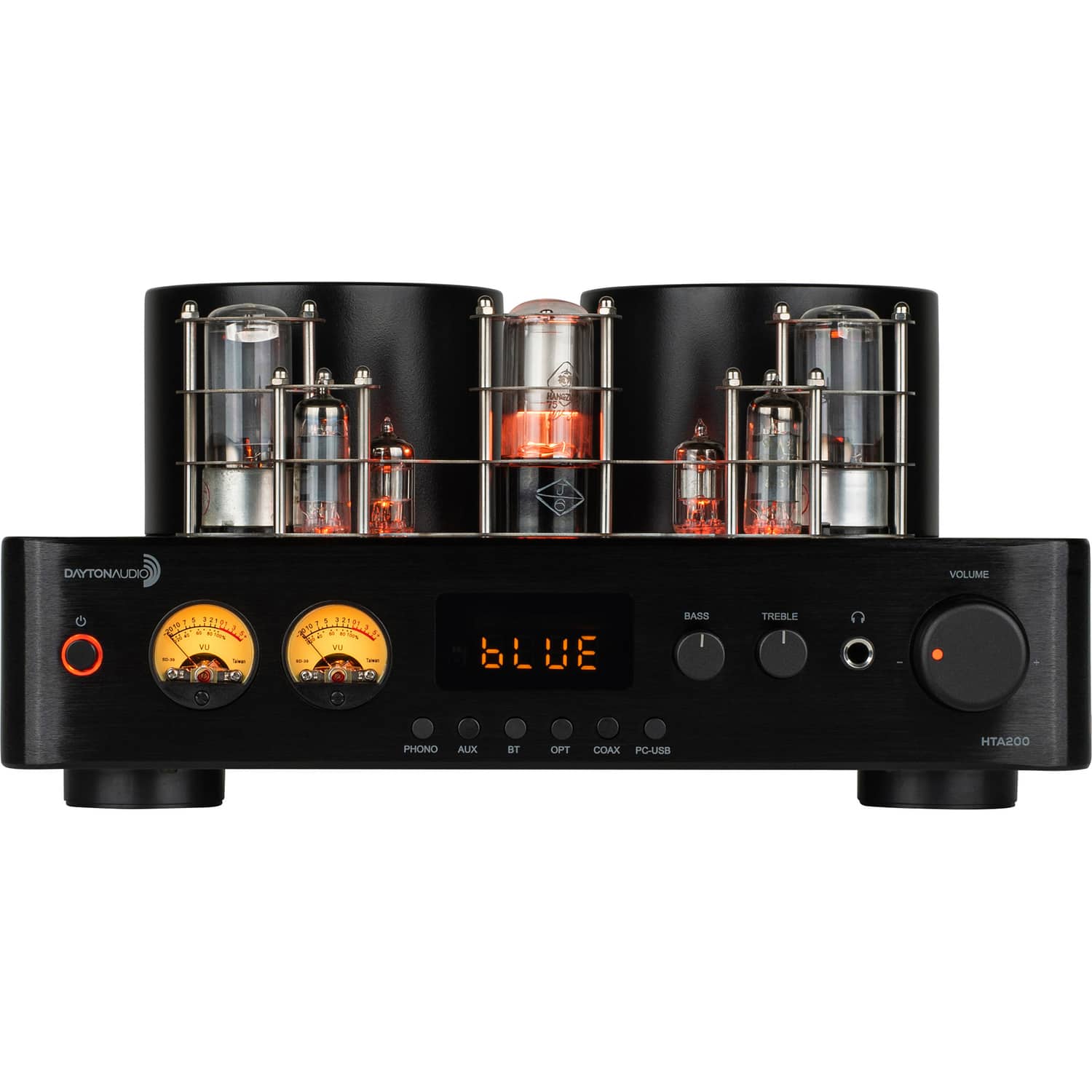
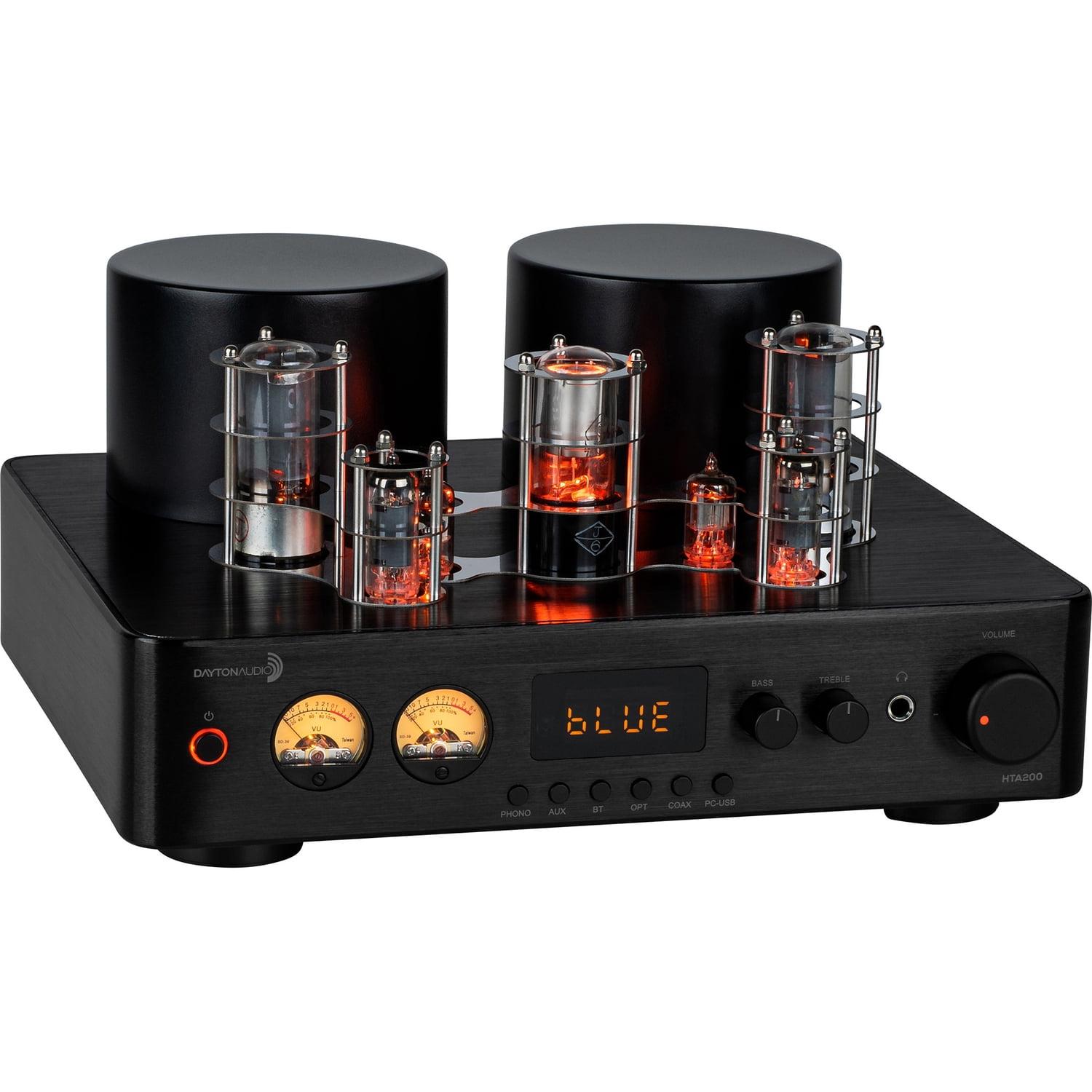
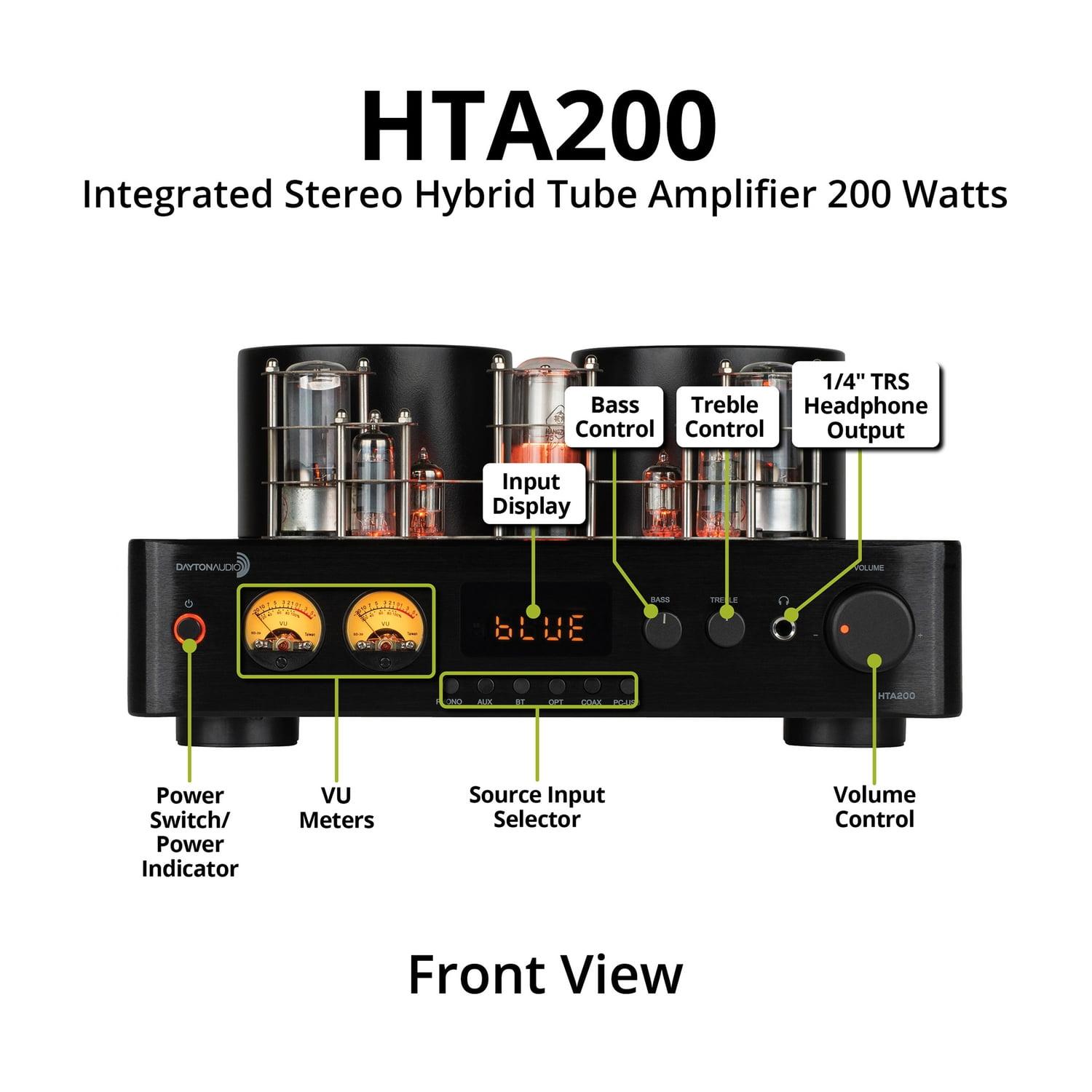
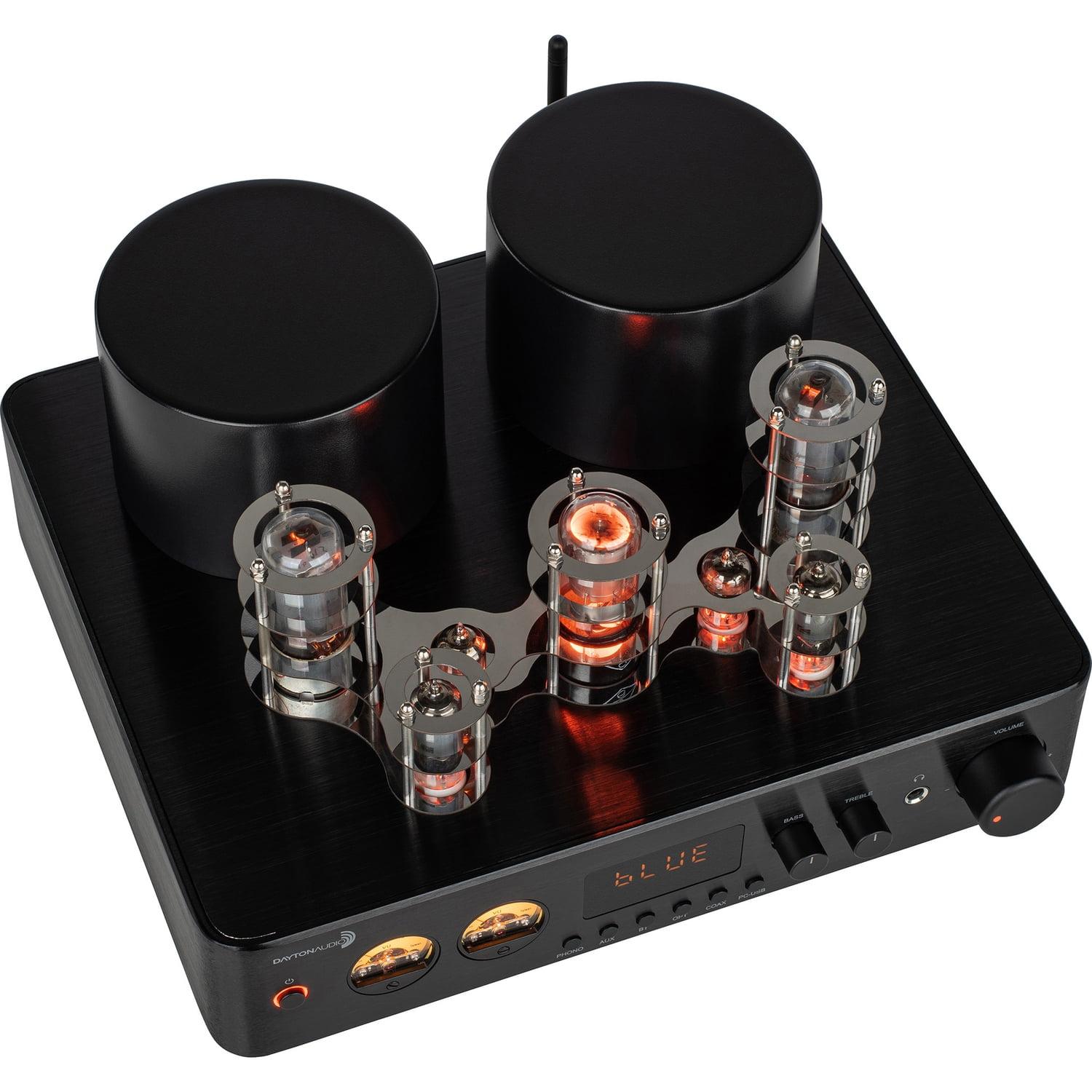
The Dayton Audio HTA200 uses what's called a hybrid design. Its preamplifier section uses vacuum tubes (specifically 13P1P, 6H2, 6A2, and WY3P tubes) to add warmth and harmonic richness to the sound, while the power amplifier section uses solid-state Class A/B circuitry for efficiency and power. This combination aims to give you the best of both worlds: the musical character that tube enthusiasts love, with the reliability and power delivery of modern solid-state design.
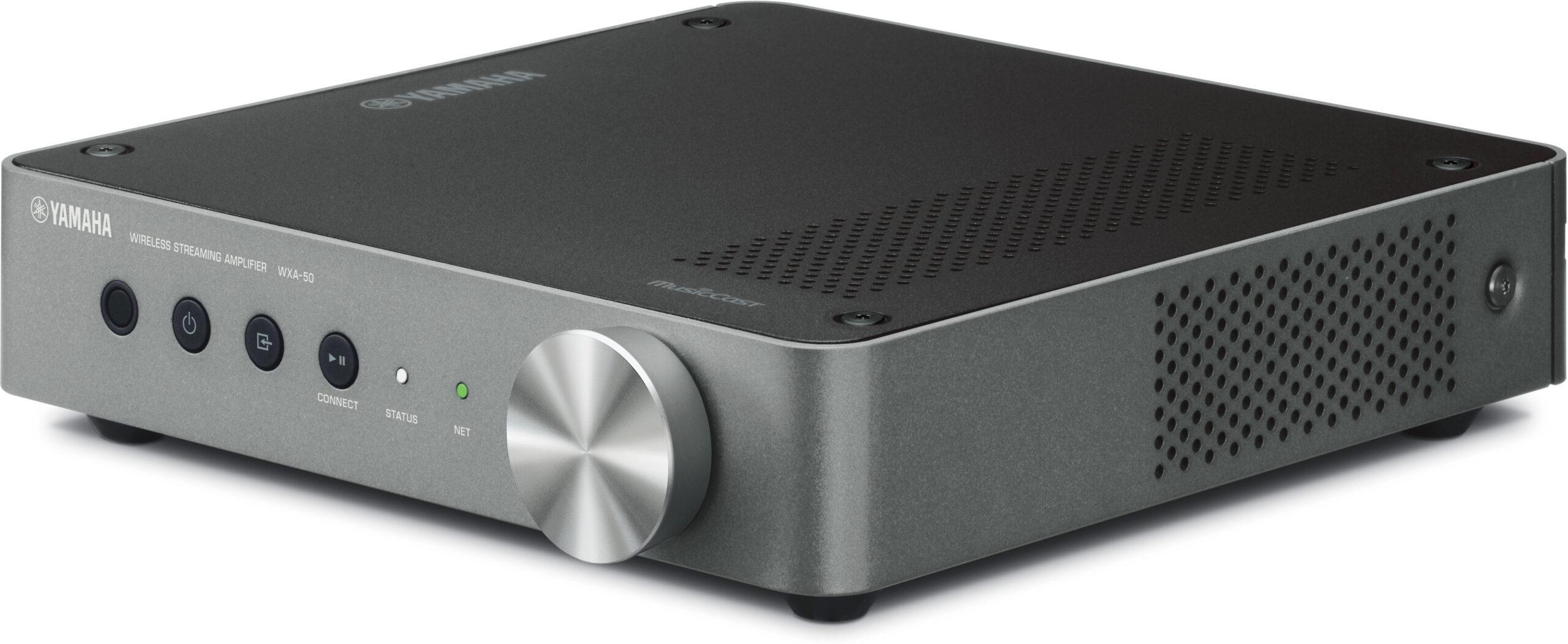
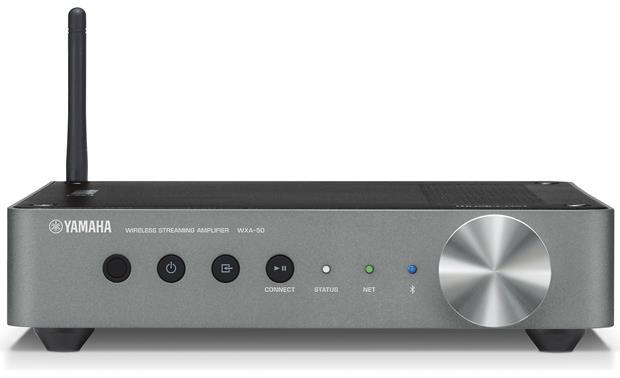
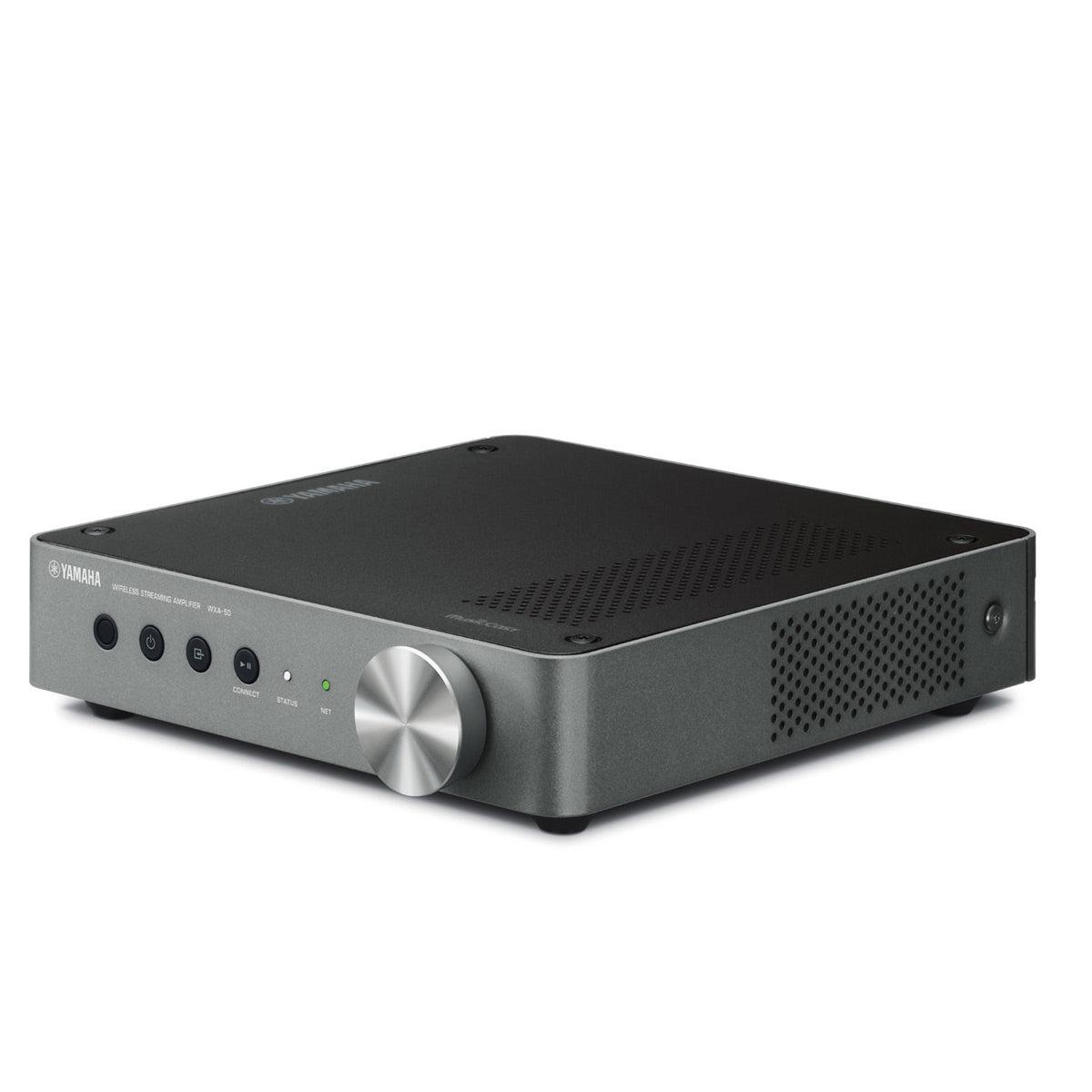
The Yamaha WXA-50, conversely, is fully solid-state with an ESS Sabre DAC (digital-to-analog converter) at its heart. ESS Sabre DACs are known for their extremely low distortion and high resolution, making them popular in audiophile equipment. The amplifier focuses on clean, accurate reproduction rather than adding any particular character to the sound.
In practical terms, this means the HTA200 will add subtle warmth and richness to your music—what many describe as a more "musical" or "engaging" sound. Digital recordings might sound less harsh, and acoustic instruments often take on a more natural timbre. The WXA-50 prioritizes accuracy and detail retrieval, making it better suited for listeners who want to hear exactly what the recording engineer intended.
From our research into user experiences, the HTA200 seems to excel with genres like jazz, classical, and acoustic music where that tube warmth enhances the listening experience. The WXA-50 gets praise for its ability to handle complex electronic music and reveal subtle details in high-resolution recordings.
Here's where these two products diverge most dramatically. The Dayton Audio HTA200 is built like a traditional hi-fi component, with extensive analog and digital inputs. It includes a dedicated phono input for turntables (complete with RIAA equalization and a ground connection), multiple line inputs for components like CD players, and both coaxial and optical digital inputs. It also includes Bluetooth 5.0 and a USB input that can handle digital audio up to 16-bit/48kHz resolution.
This input variety makes the HTA200 perfect for listeners with diverse source collections. If you own vinyl records, CDs, and also stream music from your phone, this amplifier can handle all of them effectively. The built-in phono preamp is particularly valuable since many modern turntables don't include one, saving you the cost and complexity of an external unit.
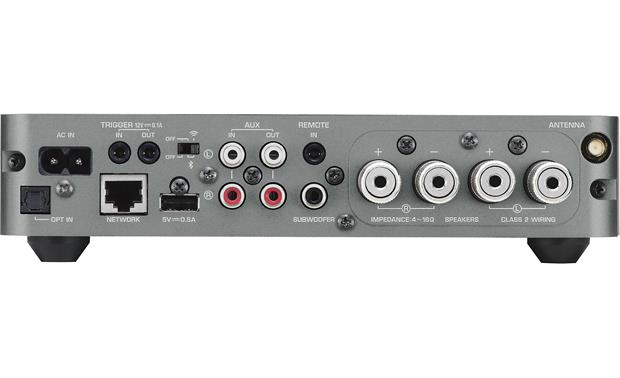
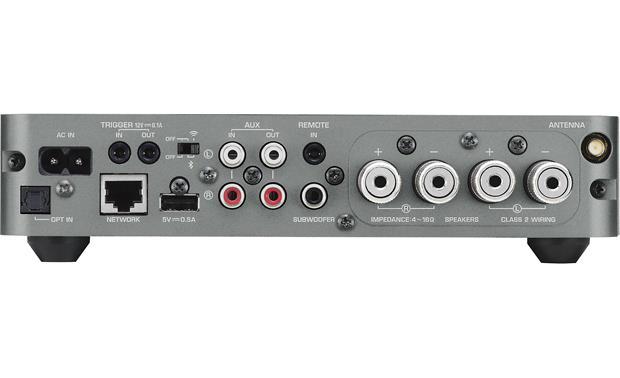
The Yamaha MusicCast WXA-50 takes a radically different approach. It includes only one analog input and one optical digital input for traditional sources, but makes up for this with extensive wireless connectivity. It supports Wi-Fi, Bluetooth, Apple AirPlay, and Yamaha's MusicCast multi-room system. More importantly, it can stream directly from services like Spotify, TIDAL, and Pandora without needing an external device.
The WXA-50 also supports much higher resolution digital audio—up to 192kHz/24-bit for PCM files and DSD up to 5.6MHz. For context, most CDs are 44.1kHz/16-bit, so this amplifier can handle files with significantly more detail and resolution than standard digital formats.
Since the WXA-50's release in 2016, wireless streaming has become even more important to most listeners. Spotify became the dominant music service, high-resolution streaming from services like TIDAL and Amazon Music HD became more common, and multi-room audio systems moved from luxury to mainstream. The WXA-50 was ahead of this curve, while the HTA200 represents a more traditional approach that still has strong appeal.
Based on extensive research into professional reviews and user feedback, these amplifiers have distinctly different sonic signatures. The HTA200's tube preamp section adds what most listeners describe as warmth, smoothness, and dimensionality. Harsh digital recordings sound more pleasant, vocals take on additional body and presence, and the overall presentation is more forgiving of poor recordings.
This tube character comes with trade-offs. The HTA200 may not be as detailed or analytically revealing as fully solid-state designs. Some listeners find the tube coloration distracting, particularly if they prefer to hear recordings exactly as they were mastered. The tubes also add heat, increase power consumption, and will eventually need replacement (though they typically last several years).
The WXA-50 prioritizes accuracy and detail retrieval. Its ESS Sabre DAC and fully solid-state design aim for minimal distortion and maximum resolution. This makes it excellent for high-resolution recordings where you want to hear every subtle detail. However, some listeners find this approach too clinical or analytical, particularly with heavily compressed or poorly recorded music.
In terms of power delivery, both amplifiers can drive most home speakers effectively. The HTA200 actually provides more current into low-impedance loads (100 watts into 4 ohms versus the WXA-50's 105 watts), which can be important for speakers that present difficult electrical loads. However, the WXA-50's slightly higher 8-ohm power output and advanced DSP features like volume-adaptive EQ (which adjusts tone balance based on volume level) can make it sound more consistent across different listening levels.
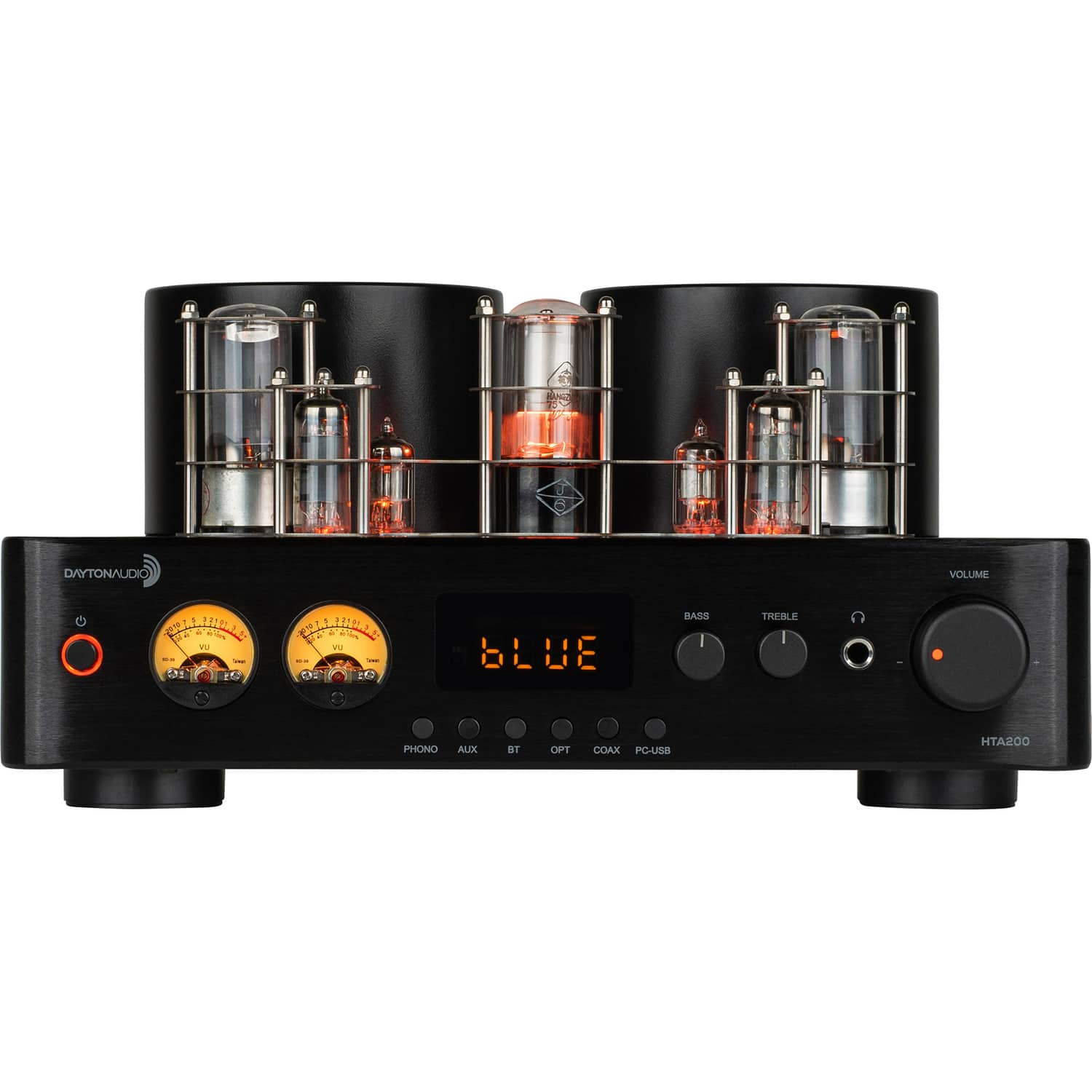
The user experience with these two amplifiers is night and day different. The HTA200 embraces traditional hi-fi operation with physical controls, glowing tubes, and analog VU meters that bounce with the music. It includes bass and treble tone controls, a motorized volume knob that can be controlled via remote, and a classic hi-fi aesthetic that many find appealing.
This traditional approach has benefits. The controls are intuitive, the unit works without software updates or network connectivity, and there's something satisfying about the tactile experience of adjusting physical knobs. The glowing tubes and analog meters provide visual engagement that many listeners enjoy.
The WXA-50 is controlled primarily through Yamaha's MusicCast app on your smartphone or tablet. The app handles source selection, volume control, streaming service integration, and multi-room synchronization. This provides tremendous convenience—you can control your entire audio system from anywhere in your house, create multi-room playlists, and access thousands of streaming sources without getting up.
However, app-based control comes with dependencies. If Yamaha discontinues app support or streaming services change their APIs, some functionality could be lost. The WXA-50 has received regular software updates since its 2016 release, which has actually expanded its capabilities, but this reliance on software is inherently different from the HTA200's hardware-based operation.
This is where the Yamaha WXA-50 truly shines. MusicCast allows you to connect multiple Yamaha devices throughout your home, playing the same music in sync across all rooms or different music in each space. You can start listening in the living room, then move to the kitchen and have the music follow you seamlessly.
The system integrates with voice assistants like Amazon Alexa and Google Assistant, supports popular streaming services natively, and can be incorporated into professional home automation systems. For households where music needs to flow throughout the home, this functionality is transformative.
The HTA200 is fundamentally a single-room solution. While you could connect it to a multi-room system using its analog outputs, it doesn't have built-in networking or multi-room capabilities. This isn't necessarily a limitation—many listeners prefer dedicated systems in each room—but it's an important distinction.
Neither amplifier is primarily designed for home theater use, but both can serve in secondary roles. The HTA200 includes a subwoofer output, making it suitable for 2.1-channel music systems. Its analog inputs could connect to the audio outputs of a TV or AV receiver, though this isn't its primary purpose.
The WXA-50 is more commonly integrated into home theater systems as a zone amplifier. Its trigger inputs and outputs allow it to turn on automatically when the main system activates, and its compact size makes it easy to install in equipment racks. However, it lacks the multiple analog inputs that would make it suitable as a primary home theater component.
For dedicated music listening, both amplifiers excel within their design philosophies. For home theater integration, the WXA-50 offers more professional installation features.
At the time of writing, both amplifiers are competitively priced in the $400-500 range, making them accessible to many audio enthusiasts. However, their value propositions are quite different.
The HTA200 offers exceptional value for listeners seeking tube sound characteristics without the complexity and cost of traditional tube amplifiers. Comparable tube amplifiers often cost significantly more, and the comprehensive input selection eliminates the need for external preamps or input switchers. The main ongoing cost is eventual tube replacement, but the tubes typically last several years of normal use.
The WXA-50 provides outstanding value for streaming-focused listeners. Comparable streaming amplifiers from companies like Sonos or Bluesound often cost more and may not include the same level of audiophile components like the ESS Sabre DAC. The multi-room capabilities alone justify the price for many users.
Long-term reliability favors different aspects of each design. The HTA200's analog circuitry and physical controls should remain functional for decades, but the tubes will need periodic replacement. The WXA-50's solid-state design is inherently reliable, but its streaming capabilities depend on continued software support and evolving streaming service compatibility.
Choose the Dayton Audio HTA200 if you value traditional hi-fi aesthetics, own or plan to buy vinyl records, have multiple analog sources, or simply prefer the warmth and character of tube sound. It's perfect for dedicated listening sessions where you want to engage with your music collection thoughtfully. The visual appeal of glowing tubes and bouncing VU meters adds to the experience, and the sound quality will satisfy most listeners who prefer musical engagement over analytical precision.
The HTA200 also makes sense if you're skeptical of app-based control or prefer equipment that works independently of software updates and network connectivity. It represents traditional hi-fi values with modern convenience features.
Choose the Yamaha MusicCast WXA-50 if streaming services are your primary music source, you want multi-room capabilities, or you prefer the convenience of smartphone control. It's ideal for listeners who prioritize access to vast music libraries over the ritual of physical media. The high-resolution audio support and clean, detailed sound signature will appeal to listeners who want to hear their music exactly as recorded.
The WXA-50 is also the better choice for modern homes where music needs to flow seamlessly between rooms, for users who prefer minimal physical equipment, or for those who want professional installation features.
Both amplifiers represent excellent value within their respective approaches to home audio. The HTA200 satisfies listeners seeking traditional hi-fi experience with modern connectivity, while the WXA-50 embraces the streaming future of home audio. Your choice should align with how you actually listen to music and what kind of experience you want in your home.
The fundamental question isn't which amplifier is better—it's which philosophy better matches your listening habits and aesthetic preferences. Both will serve you well for years to come, just in very different ways.
| Dayton Audio HTA200 | Yamaha MusicCast WXA-50 |
|---|---|
| Power Output - Determines how loud your system can play and speaker compatibility | |
| 100W @ 4Ω / 50W @ 8Ω (hybrid tube preamp + Class A/B) | 105W @ 4Ω / 55W @ 8Ω (fully solid-state with ESS Sabre DAC) |
| Amplification Type - Affects sound character and maintenance | |
| Hybrid tube preamp + solid-state power (warmth + reliability) | Fully solid-state (clean, accurate, maintenance-free) |
| Analog Inputs - Critical for turntables, CD players, and other sources | |
| Dedicated phono input + multiple line inputs + tone controls | Single analog RCA input (limited for multiple sources) |
| Digital Audio Support - Important for high-quality streaming and files | |
| USB DAC up to 16-bit/48kHz, coaxial/optical inputs | High-res up to 192kHz/24-bit PCM, DSD up to 5.6MHz |
| Wireless Connectivity - Convenience for modern streaming habits | |
| Bluetooth 5.0 only (requires external streaming device) | Wi-Fi, Bluetooth, AirPlay + direct service streaming |
| Multi-Room Capabilities - Essential for whole-home audio systems | |
| None (single-room traditional hi-fi setup) | Full MusicCast multi-room system with app control |
| Streaming Services - Access to music libraries without external devices | |
| None built-in (Bluetooth from phone/tablet required) | Native Spotify, TIDAL, Pandora, internet radio |
| User Interface - Daily operation convenience | |
| Physical controls, motorized volume knob, IR remote | Smartphone app control, voice assistant compatibility |
| Visual Appeal - Impact on room aesthetics | |
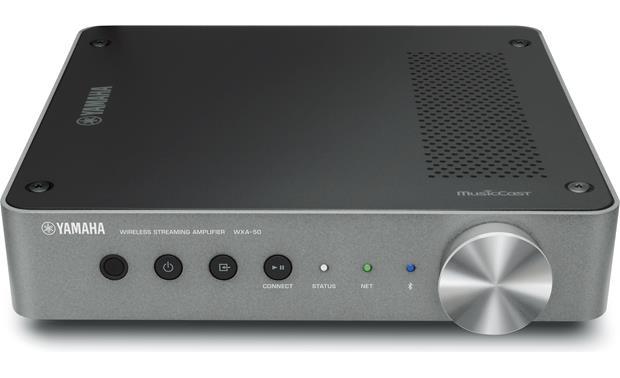
| Glowing tubes, analog VU meters, traditional hi-fi look | Compact modern design, horizontal/vertical placement |
| Installation Flexibility - Placement and integration options | |
| Tabletop only, requires ventilation for tubes | Rack-mountable, trigger I/O, custom installation features |
| High-Resolution Audio Processing - Sound quality for audiophile sources | |
| Basic digital processing, tube warmth enhancement | Advanced DSP, volume-adaptive EQ, compressed music enhancer |
| Long-Term Reliability - Maintenance and support considerations | |
| Tubes need eventual replacement, analog circuitry proven | Software-dependent features, requires network connectivity |
The Yamaha MusicCast WXA-50 delivers slightly more power at 55 watts per channel into 8-ohm speakers, while the Dayton Audio HTA200 provides 50 watts per channel. However, the HTA200 offers more power into 4-ohm loads at 100 watts per channel compared to the WXA-50's 105 watts. Both provide adequate power for most home listening situations.
Yes, but with important differences. The Dayton Audio HTA200 includes a dedicated phono input with RIAA equalization and ground connection, making it plug-and-play with most turntables. The Yamaha MusicCast WXA-50 only has line inputs, so you'd need a turntable with a built-in preamp or purchase a separate phono preamp.
The Yamaha MusicCast WXA-50 excels at streaming with native support for Spotify, TIDAL, Pandora, and other services through Wi-Fi connectivity. The Dayton Audio HTA200 relies on Bluetooth streaming from your phone or tablet, which is convenient but doesn't offer the same integration or multi-room capabilities as the WXA-50.
The Dayton Audio HTA200 works entirely with physical controls and an included remote - no app required. The Yamaha MusicCast WXA-50 is primarily controlled through the MusicCast smartphone app, though it has basic front-panel controls. If you prefer traditional operation without apps, the HTA200 is the better choice.
The Dayton Audio HTA200 provides warmer, more musical sound through its hybrid tube preamp design. The vacuum tubes add harmonic richness and smoothness that many listeners find more engaging. The Yamaha MusicCast WXA-50 prioritizes accuracy and detail with its fully solid-state design and ESS Sabre DAC.
The Yamaha MusicCast WXA-50 is specifically designed for multi-room systems, allowing synchronized playback across multiple rooms with other MusicCast devices. The Dayton Audio HTA200 is a traditional single-room amplifier, though you could integrate it into multi-room systems using its analog outputs.
The Yamaha MusicCast WXA-50 supports much higher resolution audio up to 192kHz/24-bit PCM and DSD up to 5.6MHz. The Dayton Audio HTA200 handles digital audio up to 16-bit/48kHz through its USB and digital inputs, which covers CD quality but not high-resolution formats.
Both are primarily designed for stereo music listening. The Dayton Audio HTA200 includes a subwoofer output for 2.1 systems and could connect to TV audio outputs. The Yamaha MusicCast WXA-50 works well as a secondary zone amplifier in home theater systems with its trigger inputs and compact design, but neither replaces a dedicated AV receiver.
The Dayton Audio HTA200 will eventually need tube replacement after several years of use, though the tubes typically last a long time with normal listening. The Yamaha MusicCast WXA-50 is maintenance-free from a hardware perspective but depends on software updates and network connectivity for full functionality.
The Dayton Audio HTA200 offers more physical connections with phono input, multiple line inputs, digital inputs (coaxial/optical), USB, and Bluetooth. The Yamaha MusicCast WXA-50 has fewer physical inputs but unlimited wireless sources through streaming services, network devices, and Bluetooth/AirPlay connections.
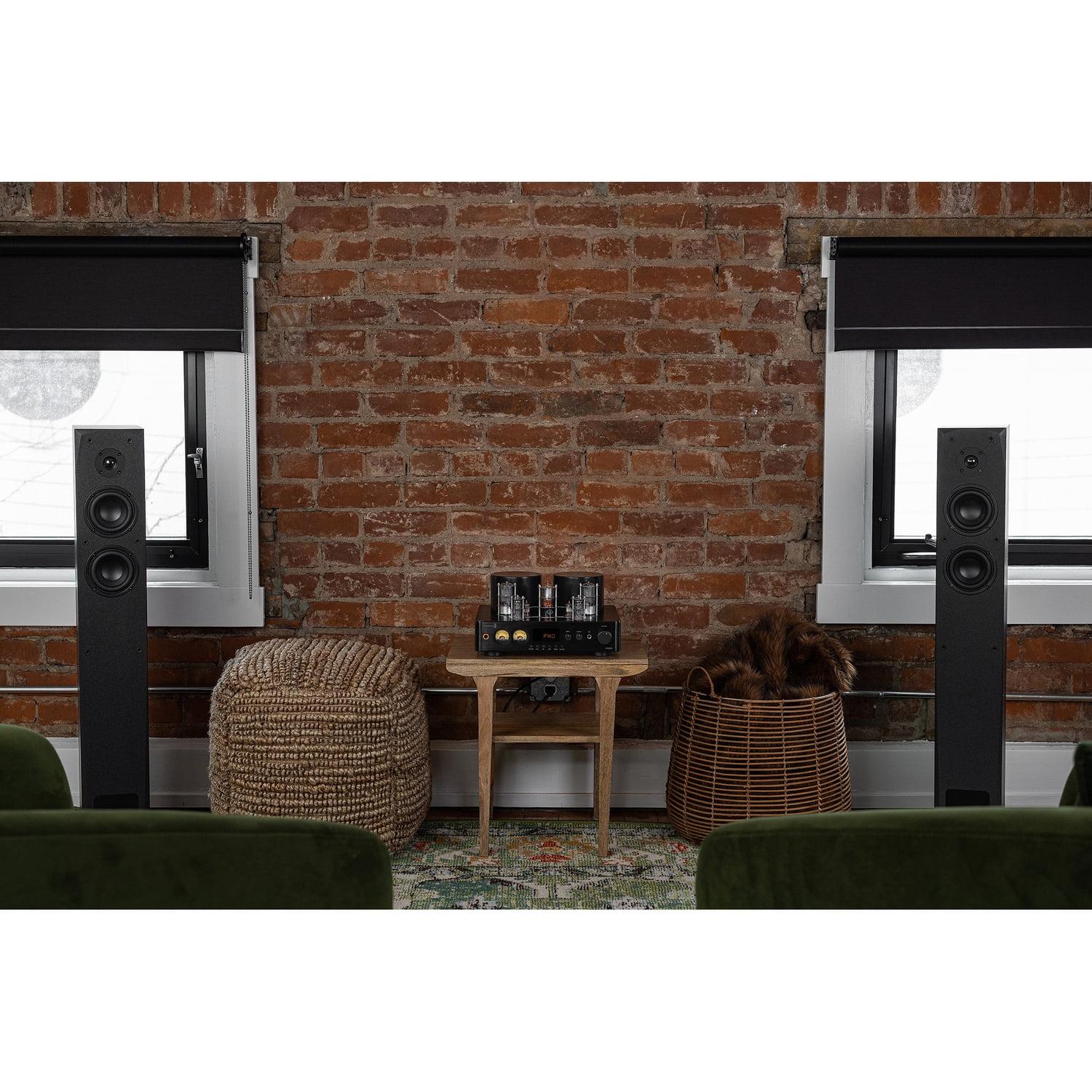
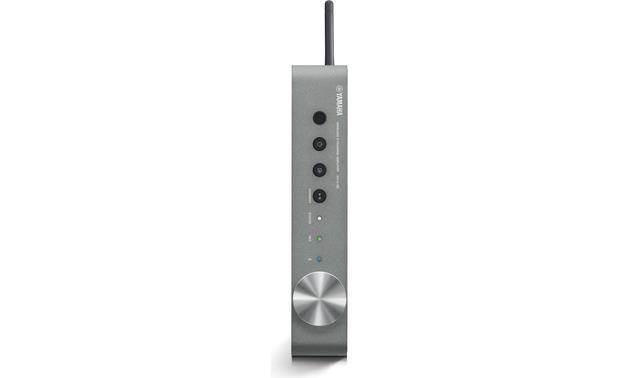
The Dayton Audio HTA200 requires more space due to its traditional hi-fi size and need for ventilation around the tubes. The Yamaha MusicCast WXA-50 is significantly more compact and can be placed horizontally, vertically, or rack-mounted, making it ideal for space-constrained setups.
Both offer excellent value but in different ways. The Dayton Audio HTA200 provides traditional hi-fi experience with tube sound at an accessible price, plus comprehensive connectivity that eliminates need for additional components. The Yamaha MusicCast WXA-50 delivers extensive streaming capabilities and multi-room functionality that would cost significantly more from other manufacturers.
We've done our best to create useful and informative comparisons to help you decide what product to buy. Our research uses advanced automated methods to create this comparison and perfection is not possible - please contact us for corrections or questions. These are the sites we've researched in the creation of this article: daytonaudio.com - audiosciencereview.com - daytonaudio.com - audioholics.com - soundstageaccess.com - youtube.com - avsforum.com - solen.ca - daytonaudio.com - soundstagenetwork.com - parts-express.com - homedepot.com - device.report - soundstagenetwork.com - petra.com - manualslib.com - audiophonics.fr - manualshelf.com - crutchfield.ca - usa.yamaha.com - avluxurygroup.com - crutchfield.com - crutchfield.com - teamiu.com - audiosciencereview.com - snapav.com - avsforum.com - youtube.com - hifiheaven.net - usa.yamaha.com - usa.yamaha.com - audiokarma.org - usa.yamaha.com - bestbuy.com - usa.yamaha.com - ooberpad.com - dugoutnorthbrook.com - parts-express.com

Privacy Policy
Terms and Conditions - Affiliate Policy
Home Security
© Copyright 2008-2026.
11816 Inwood Rd #1211, Dallas, TX 75244