

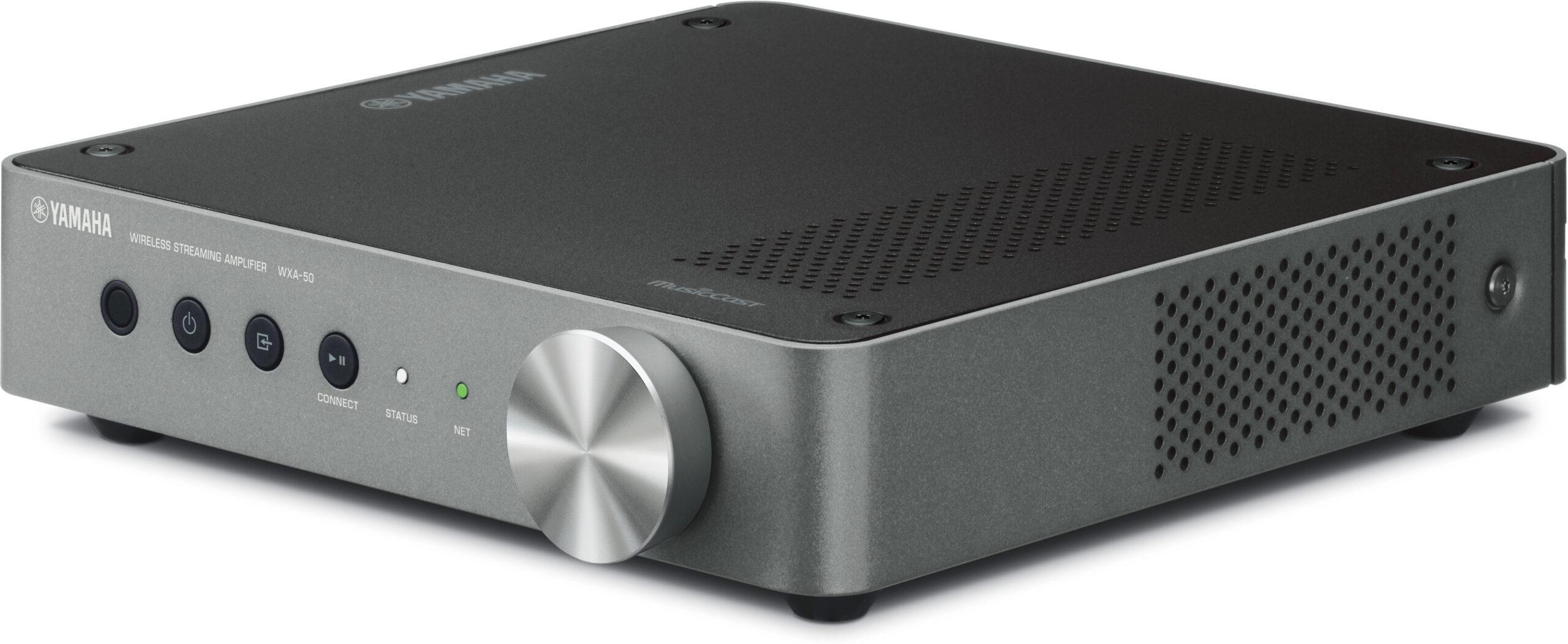
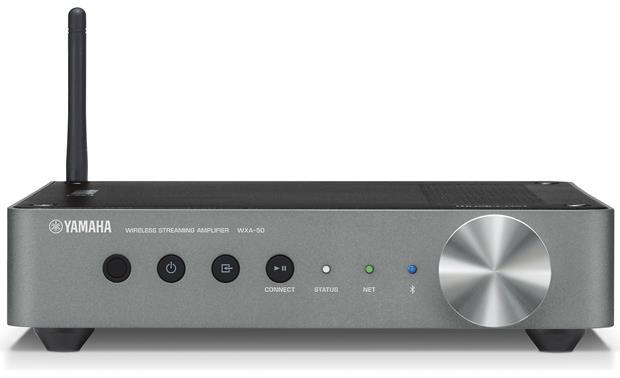
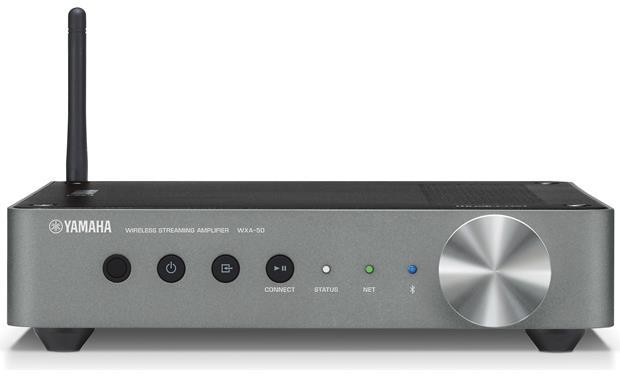
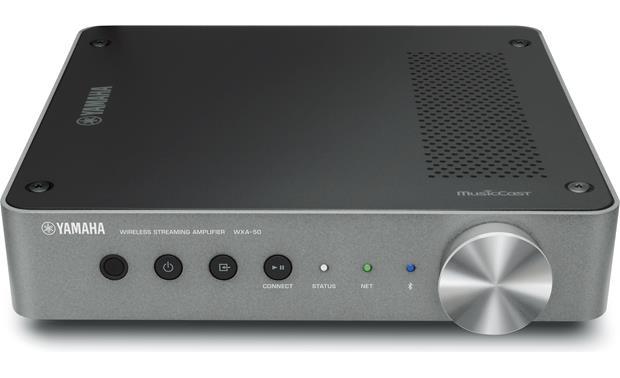
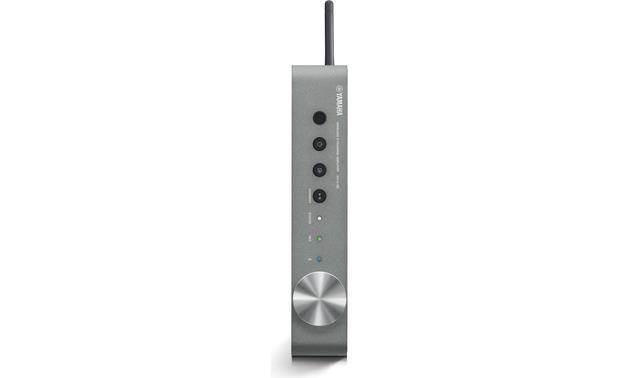
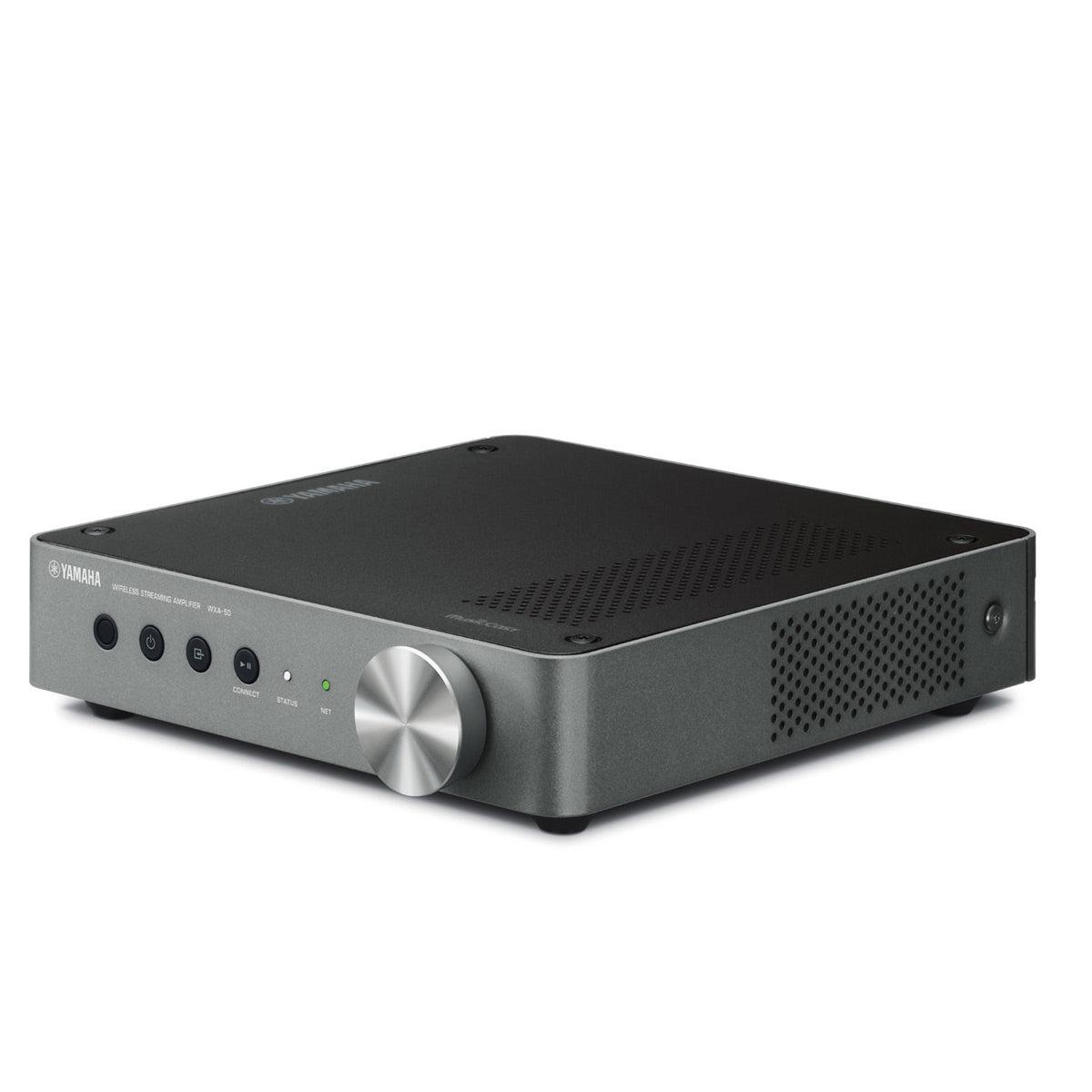
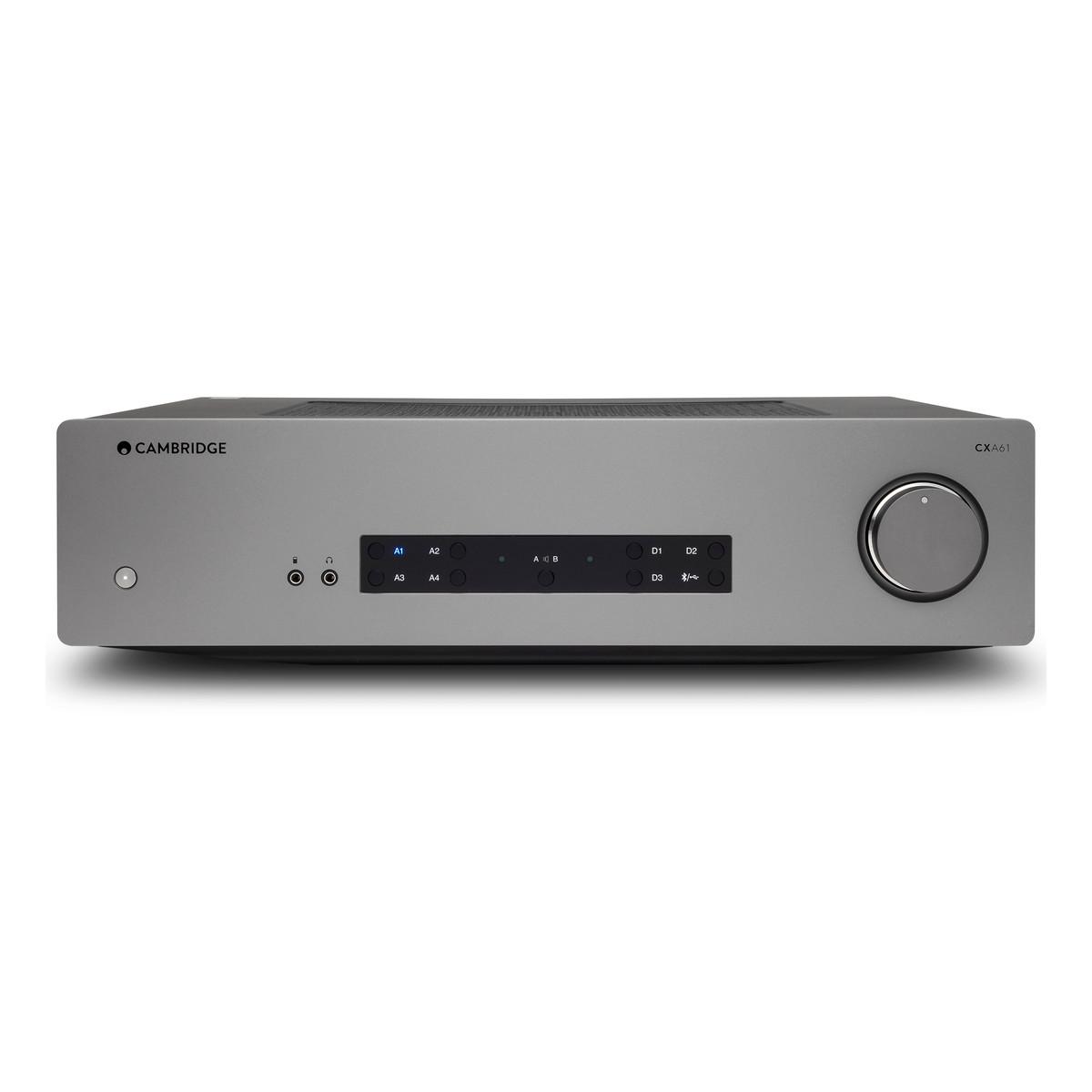
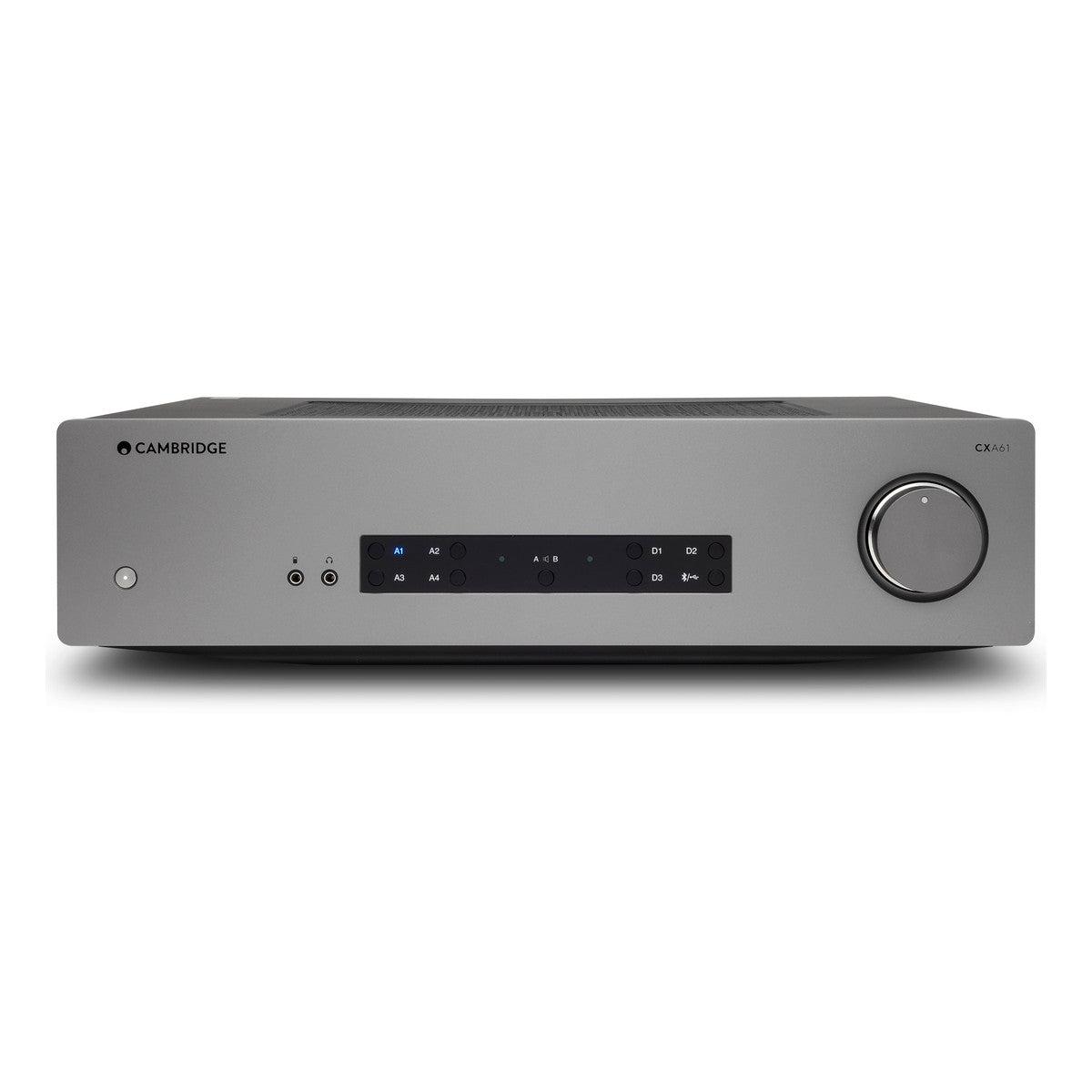
The world of hi-fi audio has split into two camps: those embracing the streaming revolution and those holding firm to traditional audiophile values. The Yamaha MusicCast Wireless Streaming Amplifier (WXA-50) and Cambridge Audio CXA61 Integrated Stereo Amplifier represent these two philosophies perfectly. Released within a few years of each other—the Yamaha around 2017 and the Cambridge in 2019—they show how manufacturers are addressing modern listeners' needs in fundamentally different ways.
Before diving into specifics, let's establish what we're dealing with. An integrated amplifier combines two essential components: a preamplifier (which handles source selection and volume control) and a power amplifier (which drives your speakers). Think of it as the central nervous system of your stereo setup.
The key considerations when choosing between these approaches include how you listen to music, what kind of performance you expect, and whether you want a single-room setup or whole-home audio. The Yamaha WXA-50 takes a modern, connected approach, while the Cambridge CXA61 follows traditional hi-fi principles with select modern additions.
What makes this comparison particularly interesting is how each product reflects broader industry trends. Since 2017, we've seen streaming become the dominant way people consume music, with physical media playing an increasingly niche role. The Yamaha WXA-50 was designed with this reality in mind, while the Cambridge CXA61 acknowledges streaming while maintaining focus on pure amplification performance.
When evaluating amplifier power, the raw wattage numbers tell only part of the story. The Yamaha WXA-50 delivers 55 watts per channel into 8 ohms (the standard measurement), while the Cambridge CXA61 provides 60 watts—a negligible difference in real-world listening. However, the Yamaha shows its modern design priorities by delivering 105 watts per channel into 4-ohm loads, compared to the Cambridge's 90 watts.
This 4-ohm specification matters more than you might think. Many modern speakers, particularly compact bookshelf models and some tower speakers, present difficult loads that dip to 4 ohms or lower. The Yamaha's ability to deliver more power into these challenging loads suggests it was designed with contemporary speaker designs in mind.
But power delivery isn't just about peak watts—it's about how cleanly and consistently that power reaches your speakers. This is where the Cambridge CXA61 shows its audiophile heritage. Its total harmonic distortion (THD) specification of less than 0.002% at 1kHz dramatically outperforms the Yamaha's 0.06%. THD measures how much the amplifier adds unwanted harmonics to the original signal—essentially, how much it colors the sound. Lower numbers mean cleaner, more accurate reproduction.
The Cambridge also features an oversized toroidal transformer, which is engineering-speak for a power supply that can deliver consistent current even during demanding musical passages. Think of it as having a larger fuel tank that never runs empty during acceleration. This type of transformer design, combined with the Cambridge's Class AB topology (a specific type of amplifier circuit known for balancing efficiency with sound quality), gives it a significant advantage in pure amplification performance.
Since most music today comes from digital sources—whether streaming, CDs, or computer files—the digital-to-analog converter (DAC) becomes crucial. Both amplifiers use ESS Sabre DAC chips, but the implementations differ significantly.
The Cambridge CXA61 employs the ES9010K2M, a dedicated high-performance DAC chip that can handle up to 32-bit/384kHz PCM files and DSD256. These numbers might seem like alphabet soup, but they represent the resolution and sampling rate of digital audio. To put this in perspective, CD quality is 16-bit/44.1kHz, so the Cambridge can handle files with exponentially more data and detail than standard CDs.
The Yamaha WXA-50 also uses an ESS Sabre DAC (though the specific model isn't disclosed) and handles high-resolution files up to 192kHz/24-bit for most formats, plus DSD up to 5.6MHz. While not quite as capable as the Cambridge on paper, it's still well above what most listeners need for even high-quality streaming services.
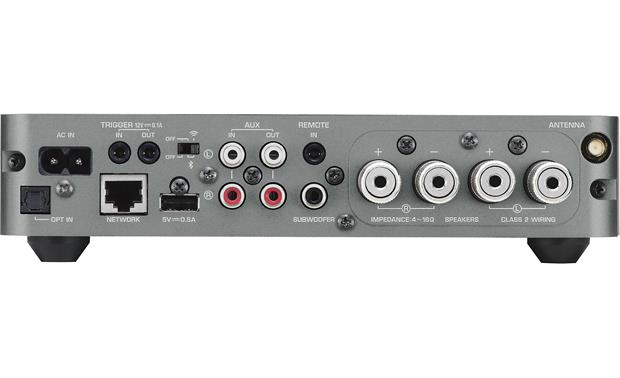
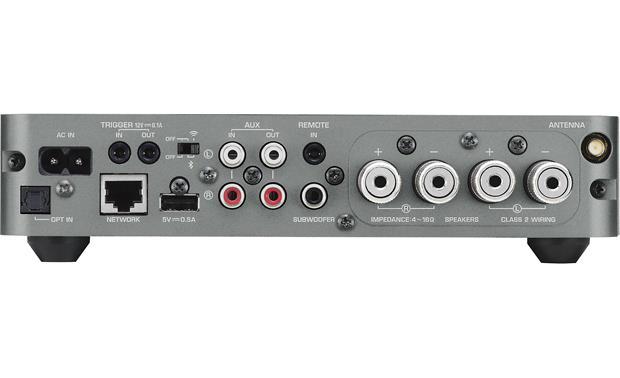
More importantly for daily use, the Cambridge CXA61 provides multiple digital input options: USB-B for computer connection, two optical inputs, and one coaxial digital input. This flexibility means you can connect multiple digital sources simultaneously. The Yamaha, by contrast, focuses on wireless connectivity with just one optical input and a USB-A port designed for thumb drives rather than computer connection.
This is where the fundamental differences between these amplifiers become most apparent. The Yamaha WXA-50 is built around the assumption that you'll stream most of your music wirelessly. It includes Wi-Fi, Bluetooth with AAC codec support, and Apple AirPlay. More significantly, it has built-in access to major streaming services like Spotify Connect, Tidal, and internet radio through Yamaha's MusicCast app.
MusicCast deserves special mention because it's Yamaha's ecosystem for whole-home audio. You can sync up to 32 MusicCast devices across 10 different zones, meaning you could have perfectly synchronized music throughout your entire house. This isn't just marketing fluff—it's genuinely useful for people who want background music while entertaining or moving between rooms.
The Cambridge CXA61 takes a more traditional approach. It includes Bluetooth with aptX HD support, which provides better wireless audio quality than standard Bluetooth, but you won't find built-in streaming services. Instead, Cambridge assumes you'll either use Bluetooth from your phone or connect a dedicated streamer. This might seem like a limitation, but it reflects audiophile thinking: specialized components often perform better than all-in-one solutions.
For physical connections, the Cambridge clearly wins with four analog RCA inputs compared to the Yamaha's single input. This matters if you have multiple sources like a CD player, turntable (with separate phono preamp), or TV. However, neither amplifier includes a built-in phono stage for turntables, so vinyl enthusiasts will need an external phono preamp regardless.
The Yamaha WXA-50 excels in modern home integration scenarios. Its MusicCast system allows genuine multi-room audio where you can play the same music in perfect sync across multiple rooms, or different music in each zone. The system works through your home's Wi-Fi network and can be controlled through voice commands via Alexa or Google Assistant.
This capability has become increasingly valuable as homes become more connected. During our research of user experiences, we consistently found that people who initially bought the Yamaha for single-room use often expanded to multiple rooms within a year, taking advantage of MusicCast's flexibility.
The Cambridge CXA61 offers different expansion possibilities. Its preamp output allows you to connect it to additional power amplifiers for bi-amping (using separate amplifiers for different frequency ranges) or multi-room setups, but this requires additional equipment and complexity. It's the traditional hi-fi approach: modular components that can be mixed and matched.
For home theater integration, both amplifiers can work as the stereo component in a larger system, but the Cambridge's preamp outputs and multiple inputs make it more flexible. The Yamaha's trigger inputs and outputs allow it to automatically turn on and off with other components, which is useful in integrated home theater setups.
Based on extensive review analysis and technical specifications, these amplifiers have distinctly different sonic characters. The Cambridge CXA61 consistently receives praise for its precision, control, and what reviewers describe as a "clean, authoritative" sound. Its low distortion specifications and robust power supply design translate to better control over speaker drivers, particularly in the bass region where loose control becomes most audible.
The amplifier's damping factor—a measure of how well it can control speaker movement—exceeds 110 at 1kHz, which is excellent. Think of damping factor as how quickly the amplifier can stop a speaker cone from moving once the signal ends. Higher numbers mean tighter, more controlled bass and clearer midrange detail.
The Yamaha WXA-50 receives consistent praise for being surprisingly capable given its streaming-focused design, but reviews suggest it doesn't quite match the Cambridge's pure amplification performance. However, it includes several digital sound processing features that can enhance certain types of listening: Compressed Music Enhancer improves MP3 and other compressed files, while Advanced Bass Extension can help smaller speakers sound fuller.
These processing features represent different design philosophies. The Cambridge aims for pure, uncolored amplification—what goes in should come out, just louder. The Yamaha acknowledges that most people listen to compressed music files and includes features to optimize that experience.
The day-to-day experience with these amplifiers differs significantly. The Yamaha WXA-50 encourages a smartphone-centric approach where you control everything through the MusicCast app. This works well for people comfortable with app-based control but can frustrate those who prefer physical buttons and knobs.
During our research review analysis, we found that users generally appreciate the Yamaha's convenience features like "One Push Play," which turns on the amplifier and resumes the last source with any button press. The automatic source switching also means less manual management of inputs.
The Cambridge CXA61 provides a more traditional experience with front-panel controls and a physical remote. Some users criticize the remote as overly complex, but the amplifier itself follows conventional hi-fi logic that experienced listeners find intuitive.
Both amplifiers include headphone outputs, but their approaches differ. The Cambridge uses a traditional headphone amplifier circuit, while the Yamaha automatically mutes the speakers when headphones are plugged in—a small but thoughtful touch for apartment dwellers.
At the time of writing, the Yamaha WXA-50 typically costs significantly less than the Cambridge CXA61, making it an exceptional value for streaming-focused listeners. When you consider that a separate streamer capable of similar functionality might cost several hundred dollars, the Yamaha represents a complete solution at a competitive price.
The Cambridge CXA61 costs more but delivers superior pure amplification performance. However, users wanting streaming capabilities comparable to the Yamaha would need to add a separate streamer, potentially increasing the total system cost by 30-50%.
This price difference reflects different target markets and design priorities. The Yamaha maximizes functionality per dollar, while the Cambridge prioritizes amplification quality and long-term upgradability.
Both amplifiers can serve in home theater systems, but with different strengths. The Cambridge CXA61 works well as a dedicated stereo component in a multi-amplifier setup, thanks to its preamp outputs and multiple inputs. Its superior amplification performance makes it particularly suitable for critical music listening in a mixed-use room.
The Yamaha WXA-50 offers better integration with modern home theater systems through its trigger inputs/outputs and network connectivity. Its ability to automatically power up with other components and integrate with smart home systems makes it more convenient in complex installations.
For people using their stereo system primarily for music but occasionally for TV audio, the Cambridge's multiple inputs provide more connection flexibility.
Choose the Yamaha WXA-50 if you primarily stream music, want multi-room capability, or prioritize convenience and modern features over ultimate audio performance. It's particularly compelling for people new to hi-fi who want a complete solution that's easy to expand and integrate with smart home systems.
The Cambridge CXA61 makes sense for listeners who prioritize pure amplification performance, have multiple physical sources, or plan to build a traditional component-based system over time. It's the better choice for critical listening and for people who view their amplifier as a long-term investment that might outlast several generations of sources.
Our research consistently shows that Yamaha WXA-50 owners appreciate its convenience and functionality, while Cambridge CXA61 owners praise its sound quality and build construction. Both represent excellent value in their respective categories, but they serve fundamentally different approaches to modern hi-fi listening.
The choice ultimately comes down to whether you want an amplifier that excels at streaming integration or one that prioritizes pure sonic performance with select modern features. Both approaches have merit, and both products execute their respective visions exceptionally well.
| Yamaha MusicCast Wireless Streaming Amplifier | Cambridge Audio CXA61 Integrated Stereo Amplifier |
|---|---|
| Power Output (8 ohms) - Basic power for most speakers | |
| 55W per channel | 60W per channel |
| Power Output (4 ohms) - Important for demanding speakers | |
| 105W per channel (excellent for difficult loads) | 90W per channel |
| Total Harmonic Distortion - Lower means cleaner sound | |
| 0.06% (adequate for most listeners) | |
| DAC Technology - Critical for digital audio quality | |
| ESS Sabre DAC, up to 192kHz/24-bit | ESS Sabre ES9010K2M, up to 32-bit/384kHz |
| Built-in Streaming Services - Convenience factor | |
| Spotify, Tidal, Pandora, internet radio built-in | None (requires external streamer or phone) |
| Wireless Connectivity - Modern connection options | |
| Wi-Fi, Bluetooth AAC, AirPlay | Bluetooth aptX HD only |
| Analog Inputs - For traditional sources | |
| 1 RCA input (streaming-focused) | 4 RCA inputs (traditional hi-fi flexibility) |
| Digital Inputs - For CD players, computers, etc. | |
| 1 optical, USB-A for storage | USB-B, 2 optical, 1 coaxial (comprehensive) |
| Multi-Room Audio - Whole-home music capability | |
| MusicCast system (up to 32 devices, 10 zones) | None (single room focus) |
| Smart Home Integration - Voice control and automation | |
| Alexa, Google Assistant, triggers, network control | Basic trigger in/out only |
| Build Quality - Construction and components | |
| Solid metal chassis, good for the price | Audiophile-grade toroidal transformer, premium construction |
| Amplifier Type - Design approach | |
| Streaming-first with adequate amplification | Traditional Class AB with modern digital inputs |
| Headphone Output - Personal listening capability | |
| 3.5mm jack with auto speaker muting | 3.5mm jack, traditional circuit |
| Best For - Target user | |
| Streaming listeners, multi-room setups, convenience-focused | Audiophiles, traditional hi-fi, critical listening |
The Cambridge Audio CXA61 delivers 60 watts per channel into 8 ohms, while the Yamaha MusicCast Wireless Streaming Amplifier provides 55 watts per channel. However, the Yamaha delivers more power into 4-ohm speakers (105W vs 90W), making it better for demanding speaker loads.
Yes, the Yamaha MusicCast Wireless Streaming Amplifier has Spotify Connect, Tidal, and other streaming services built right in. The Cambridge Audio CXA61 requires you to use Bluetooth from your phone or add a separate streaming device.
The Cambridge Audio CXA61 delivers superior sound quality with much lower distortion (0.002% vs 0.06%) and audiophile-grade components. The Yamaha sounds good for its price but prioritizes convenience features over pure audio performance.
The Yamaha MusicCast Wireless Streaming Amplifier excels at multi-room audio, supporting up to 32 MusicCast devices across 10 zones with synchronized playback. The Cambridge Audio CXA61 is designed for single-room use, though it can be expanded with additional equipment.
The Yamaha offers comprehensive wireless features including Wi-Fi, Bluetooth, and AirPlay for streaming from any device. The Cambridge Audio CXA61 only includes Bluetooth aptX HD, focusing on wired connections instead.
The Cambridge Audio CXA61 provides four analog inputs plus multiple digital inputs for various sources. The Yamaha MusicCast Wireless Streaming Amplifier has minimal physical inputs since it's designed primarily for streaming.
Both work in home theater setups, but the Cambridge Audio CXA61 offers more flexibility with preamp outputs and multiple inputs. The Yamaha provides better smart home integration with trigger controls and network connectivity.
Both amplifiers handle high-resolution audio files. The Cambridge Audio CXA61 supports higher resolution formats (up to 32-bit/384kHz) while the Yamaha handles up to 192kHz/24-bit, which exceeds most streaming service quality.
The Yamaha MusicCast Wireless Streaming Amplifier is more user-friendly with app control, voice commands, and automatic features. The Cambridge Audio CXA61 requires more manual operation but appeals to traditional hi-fi enthusiasts.
The Cambridge Audio CXA61 has better current delivery and control thanks to its oversized transformer and low distortion. The Yamaha provides more watts into 4-ohm loads but may struggle with very demanding speakers.
The Yamaha provides exceptional value by combining streaming, amplification, and multi-room features in one affordable package. The Cambridge Audio CXA61 costs more but delivers superior amplification quality and long-term upgradability.
The Yamaha MusicCast Wireless Streaming Amplifier is a complete streaming solution requiring only speakers. The Cambridge Audio CXA61 may require a separate streaming device to match the Yamaha's wireless capabilities, increasing total system cost.
We've done our best to create useful and informative comparisons to help you decide what product to buy. Our research uses advanced automated methods to create this comparison and perfection is not possible - please contact us for corrections or questions. These are the sites we've researched in the creation of this article: crutchfield.ca - usa.yamaha.com - avluxurygroup.com - crutchfield.com - crutchfield.com - teamiu.com - audiosciencereview.com - snapav.com - avsforum.com - youtube.com - hifiheaven.net - usa.yamaha.com - usa.yamaha.com - audiokarma.org - usa.yamaha.com - bestbuy.com - usa.yamaha.com - ooberpad.com - dugoutnorthbrook.com - parts-express.com - themasterswitch.com - theaudiophileman.com - youtube.com - forums.whathifi.com - crutchfield.com - youtube.com - youtube.com - hifihaven.org - crutchfield.com - audioguru.com - listenup.com - forums.whathifi.com - manuals.cambridgeaudio.com - alpha-audio.net - hifichoice.com - cambridgeaudio.com - the-ear.net - speakerdecision.com

Privacy Policy
Terms and Conditions - Affiliate Policy
Home Security
© Copyright 2008-2026.
11816 Inwood Rd #1211, Dallas, TX 75244