


The world of hi-fi audio has dramatically changed in the past decade. Gone are the days when you needed a stack of separate components—a streamer, DAC, preamp, and power amplifier—just to play music from your phone. Today's streaming amplifiers pack all that functionality into a single box, making high-quality audio more accessible than ever.
But with this convenience comes choices. Do you go with cutting-edge technology that pushes boundaries, or stick with proven designs from established brands? This comparison between the Eversolo Play and Yamaha MusicCast WXA-50 perfectly illustrates this modern dilemma.
A streaming amplifier is essentially three components merged into one: a network music player that connects to streaming services like Spotify or TIDAL, a DAC (digital-to-analog converter) that transforms digital music files into analog signals, and a power amplifier that drives your speakers. Think of it as the digital evolution of your grandfather's stereo receiver, but designed for the internet age.
The key considerations when evaluating these devices haven't changed much from traditional hi-fi: How much power do they deliver? How good do they sound? How easy are they to use? What sources can they connect to? And crucially in 2025, how well do they integrate with modern streaming services and smart home setups?
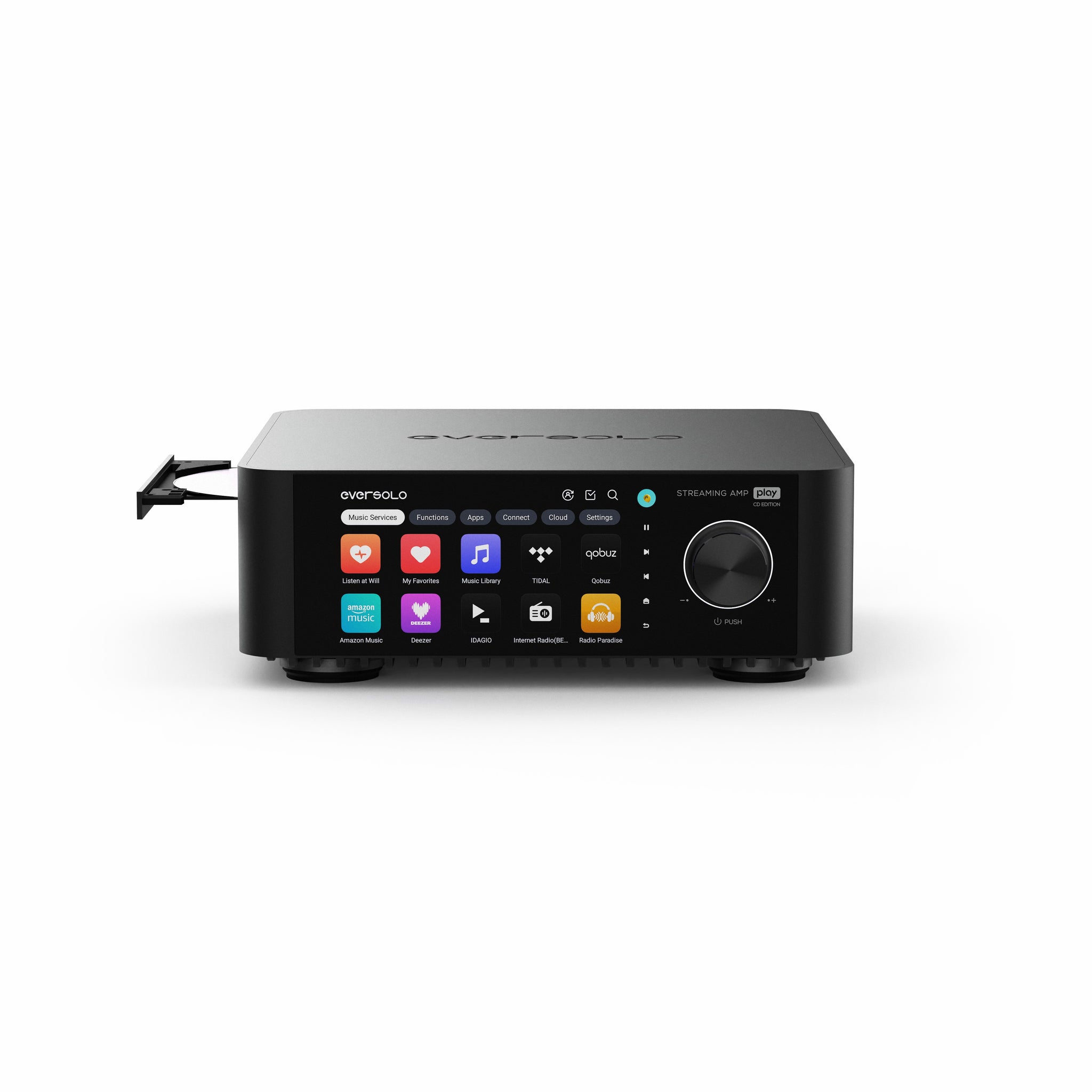
The Eversolo Play, released in 2025, represents the "maximum features for the money" approach. It's packed with cutting-edge technology, extensive connectivity options, and customization features that would have required multiple expensive components just a few years ago. Eversolo, a relatively new player in the audio world, is clearly trying to make a splash by offering more than anyone else at this price point.
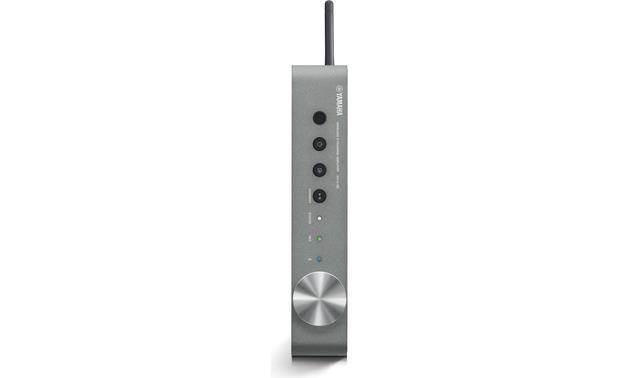
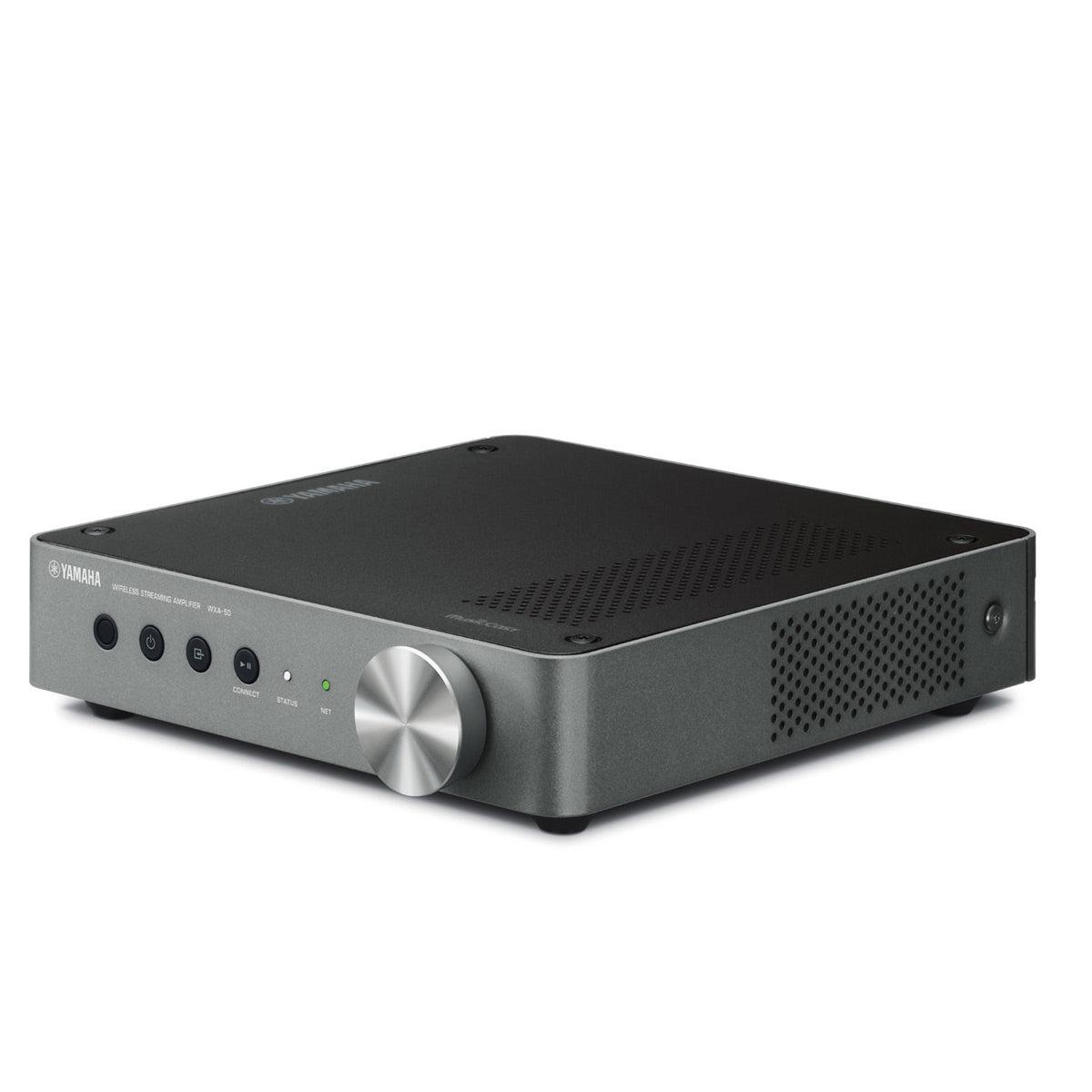
The Yamaha MusicCast WXA-50, which has been refined over several years since its initial release, takes the "mature ecosystem" approach. Yamaha has been making audio equipment for decades, and their philosophy shows: reliable operation, proven sound quality, and deep integration with their broader MusicCast multi-room system. It's less about flashy features and more about doing the essentials really well.
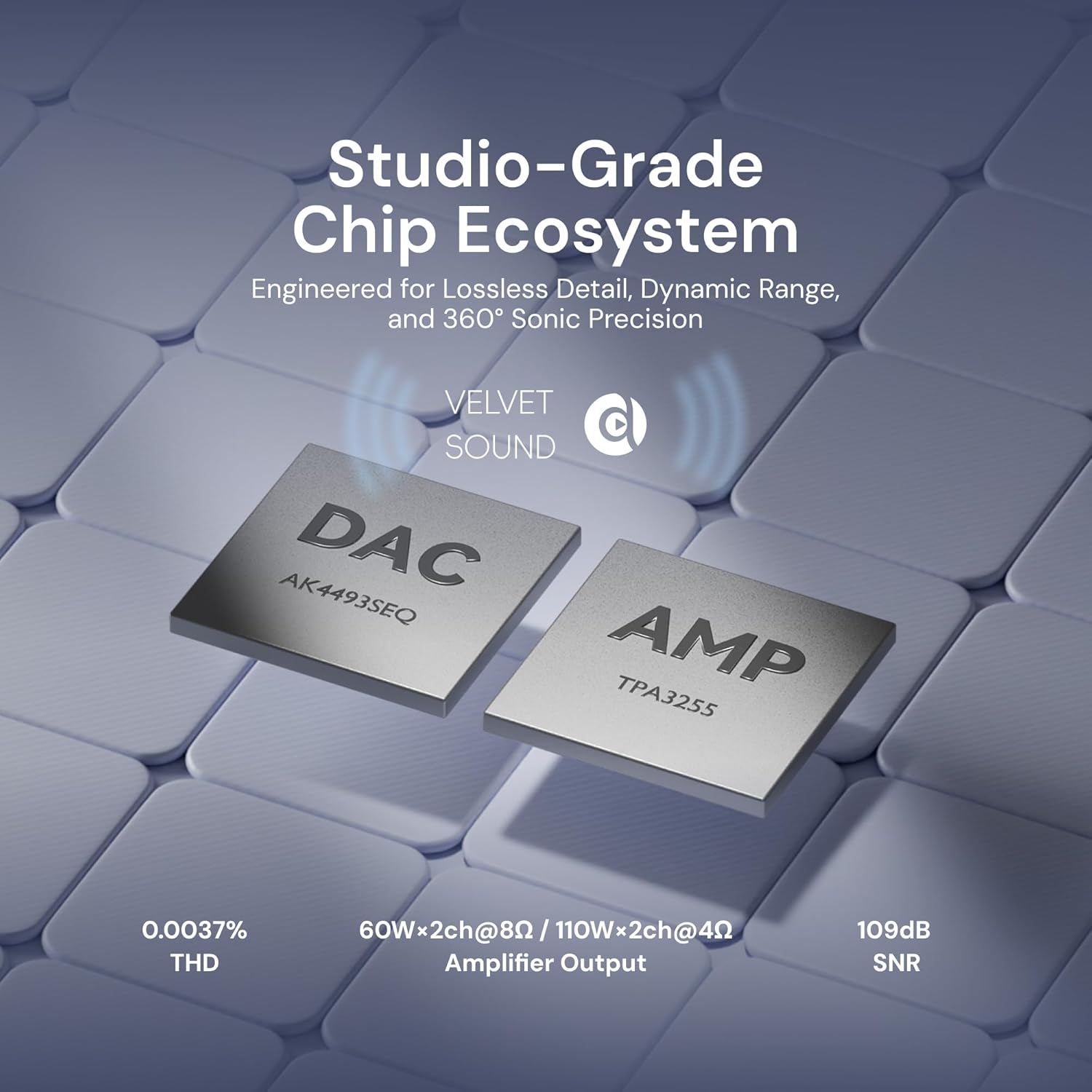
When it comes to driving your speakers, both units deliver respectable power outputs, but with slightly different characteristics. The Eversolo Play puts out 60 watts per channel into 8-ohm speakers (the most common type) and 110 watts into 4-ohm speakers (which are harder to drive). The Yamaha WXA-50 delivers 55 watts into 8 ohms and 105 watts into 4 ohms.
In practical terms, both have enough power for most home listening situations. They'll easily drive popular bookshelf speakers like KEF LS50s or Elac Debut models to satisfying volumes in medium-sized rooms. Where you might run into limitations is with very inefficient speakers—those that need lots of power to reach adequate volume levels—or if you're trying to fill a large space.
The more interesting story is in the amplification technology itself. Both use Class D amplification, which is far more efficient than traditional Class A/B designs. Class D amps generate less heat and waste less electricity, which is why they can be packed into such compact chassis. However, the Eversolo Play uses what they call PurePath Ultra HD technology with some impressive specifications: total harmonic distortion (THD) of just 0.0037% and a signal-to-noise ratio exceeding 109dB.
These numbers matter because they indicate how cleanly the amplifier reproduces music. Lower distortion means less added coloration, and better signal-to-noise ratio means you hear more music and less background hiss. The Yamaha posts respectable but less spectacular specs: 0.06% THD and 110dB SNR. In practice, both are well below audible thresholds, but the Eversolo's superior measurements suggest more sophisticated circuit design.
The DAC is arguably the most critical component in any digital audio system—it's what turns the ones and zeros of digital music into the analog waveforms your ears can hear. This is where the Eversolo Play really flexes its technical muscles.
The Play uses an AKM AK4493SEQ DAC chip with something called VELVETSOUND technology. Without getting too deep into the engineering weeds, this is a high-end DAC that can handle incredibly detailed audio files: DSD512 (a format used for ultra-high-quality recordings) and PCM audio up to 768kHz/32-bit. To put that in perspective, a CD plays at 44.1kHz/16-bit, so we're talking about roughly 17 times more data.
The Yamaha WXA-50 uses an ESS Sabre DAC, which is also well-regarded, but it tops out at 192kHz/24-bit for most formats and DSD up to 5.6MHz. Still excellent by any reasonable standard, but the Eversolo's capabilities are simply in a different league.
Now, here's the practical question: does this matter? For most music listeners, probably not dramatically. The vast majority of streaming content maxes out at 192kHz/24-bit anyway. But if you're the type who buys high-resolution downloads or wants future-proofing for whatever new formats emerge, the Eversolo has you covered.
Based on user and professional reviews, both units sound excellent but with slightly different characters. The Eversolo Play tends toward an energetic, detailed presentation with tight bass control and an airy, spacious soundstage. The Yamaha leans toward Yamaha's traditional house sound: warm, full-bodied, and musical, with excellent midrange reproduction.
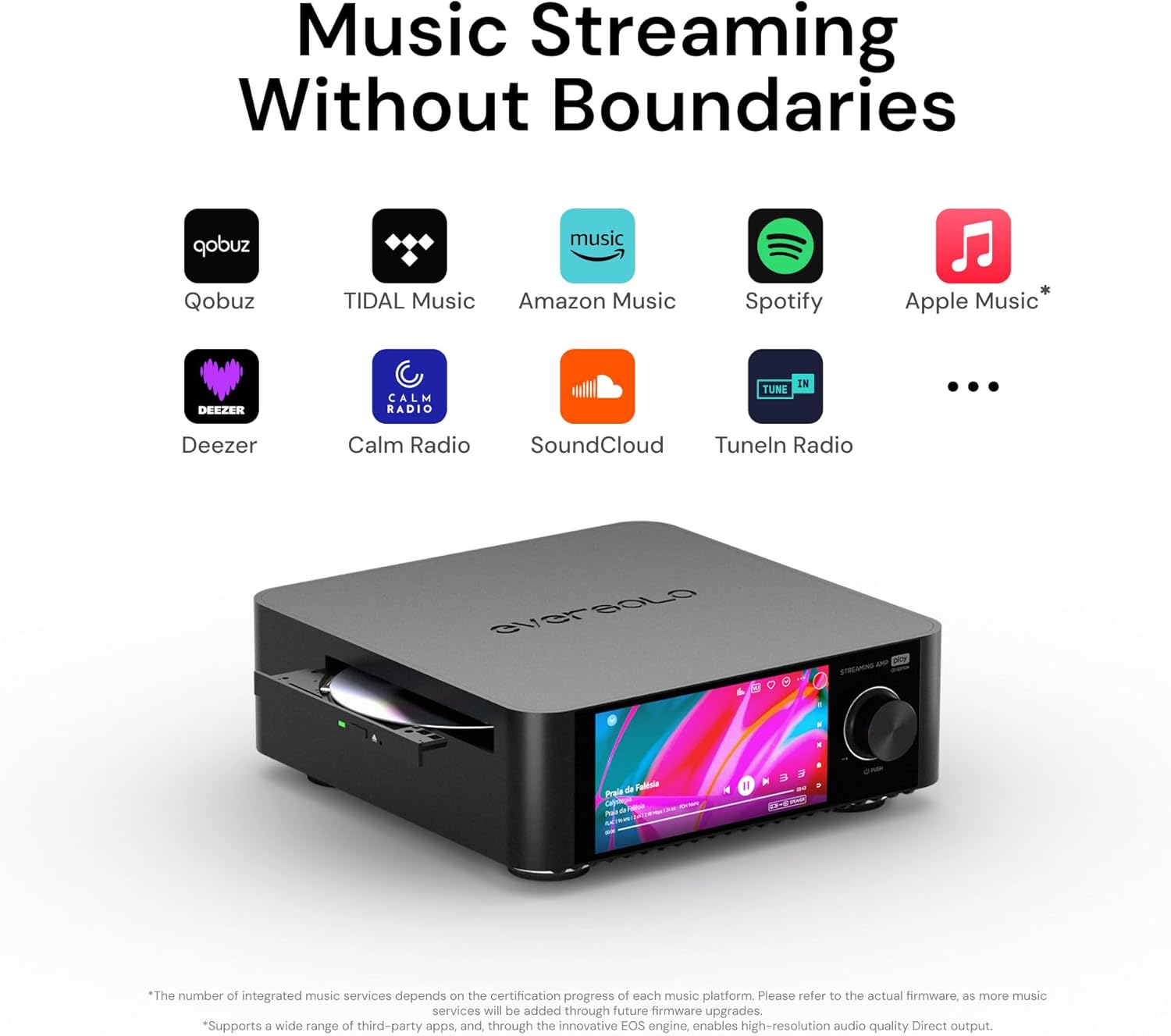
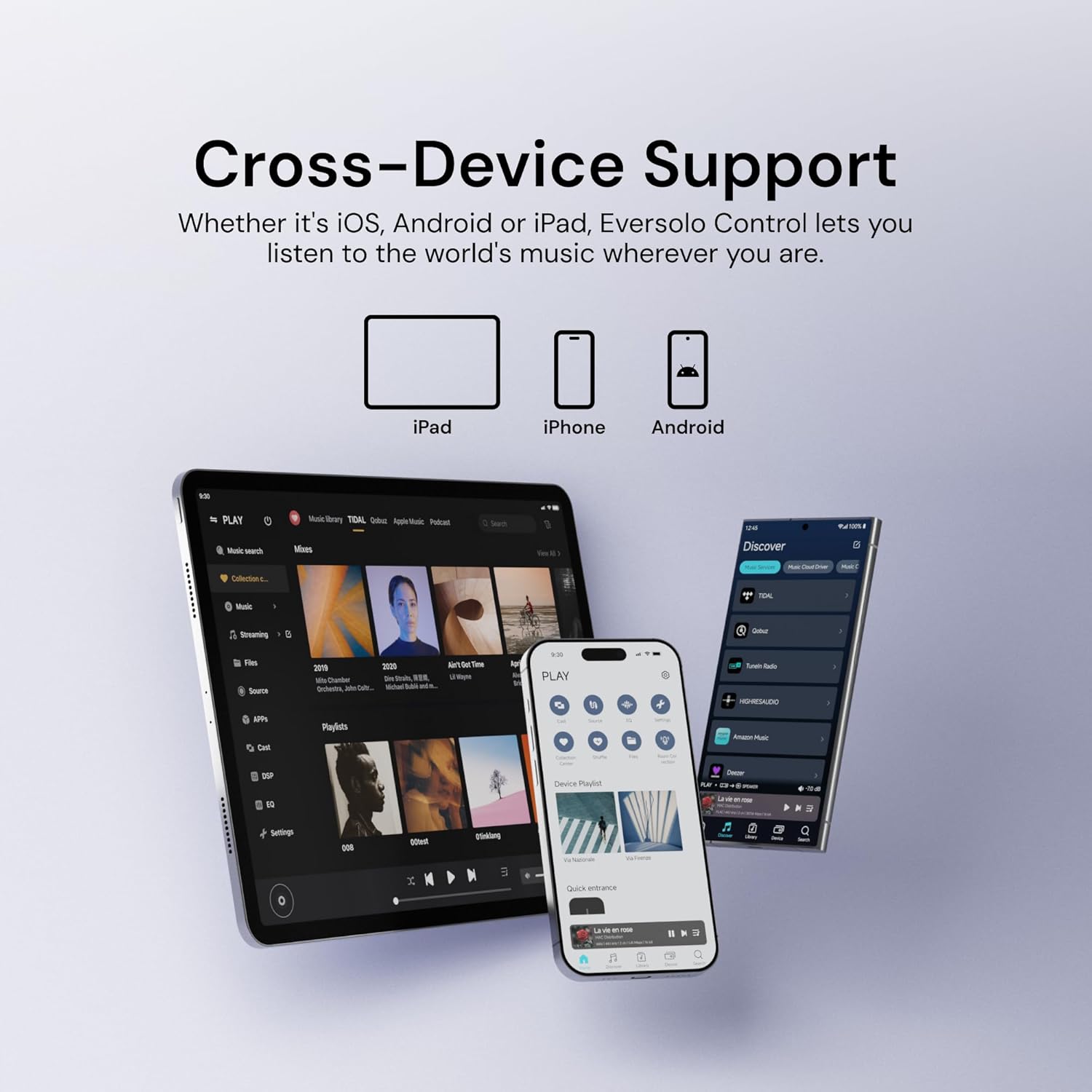
Both devices handle the streaming basics well—they'll connect to Spotify, TIDAL, Qobuz, Amazon Music, and most other major services you've heard of. They're both "Roon Ready," which means they integrate seamlessly with Roon, the audiophile-favorite music management software.
But the Eversolo Play goes further with what they call deeper service integration. It supports TIDAL Connect and Qobuz Connect, which means you can start playing music on your phone and then hand control over to the streamer for bit-perfect playback. It's a small thing, but these conveniences add up.
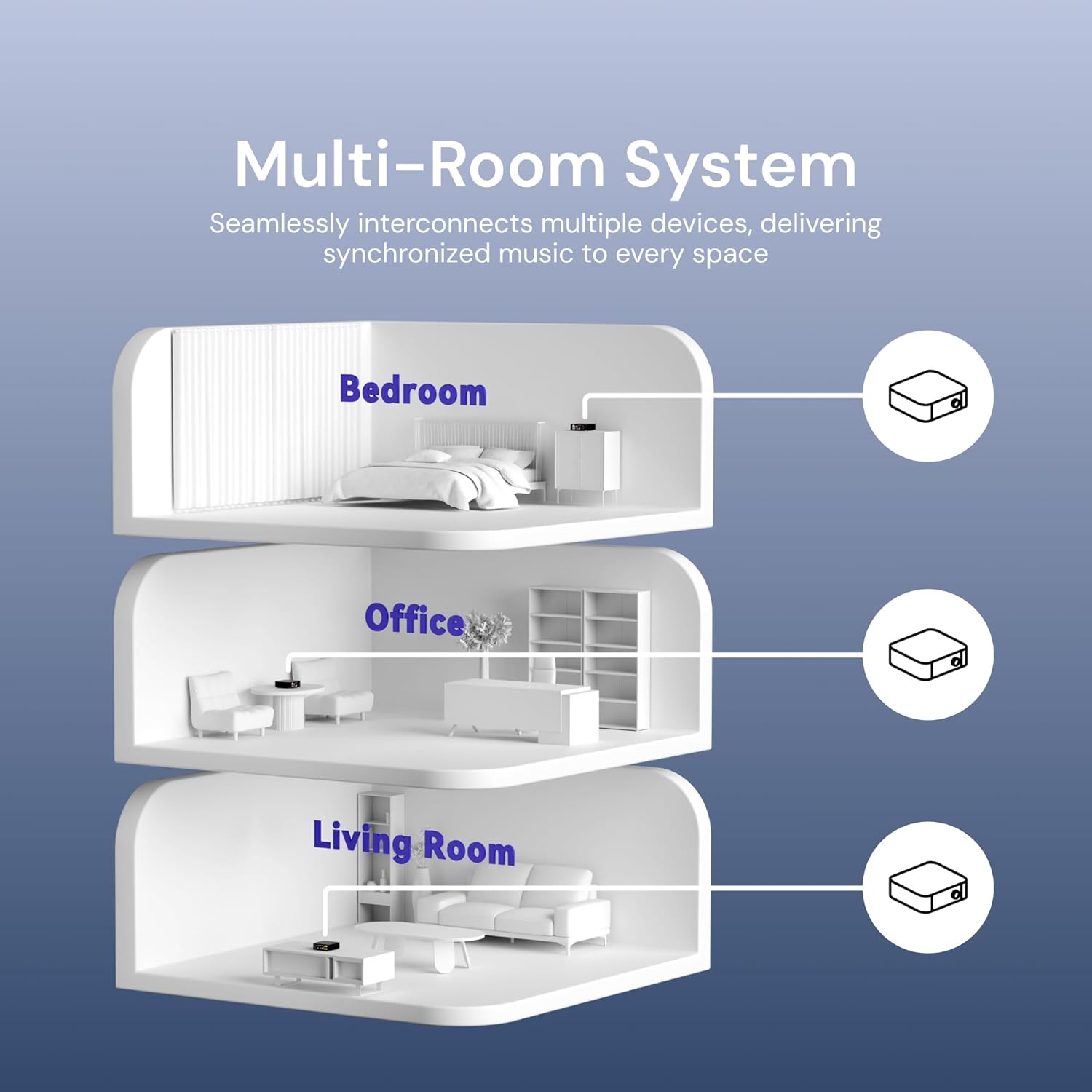
Where the Yamaha MusicCast WXA-50 shines is in multi-room audio. MusicCast is Yamaha's ecosystem for connecting multiple audio devices throughout your home, and it's genuinely mature and reliable. If you're planning to build out a whole-home audio system, starting with Yamaha gives you a clear upgrade path. You can add MusicCast speakers, soundbars, or other components later, and they'll all work together seamlessly.
The Eversolo supports multi-room functionality too, but it's more of a standalone feature rather than part of a broader ecosystem. Fine for basic multi-room needs, but not as comprehensive as what Yamaha offers.
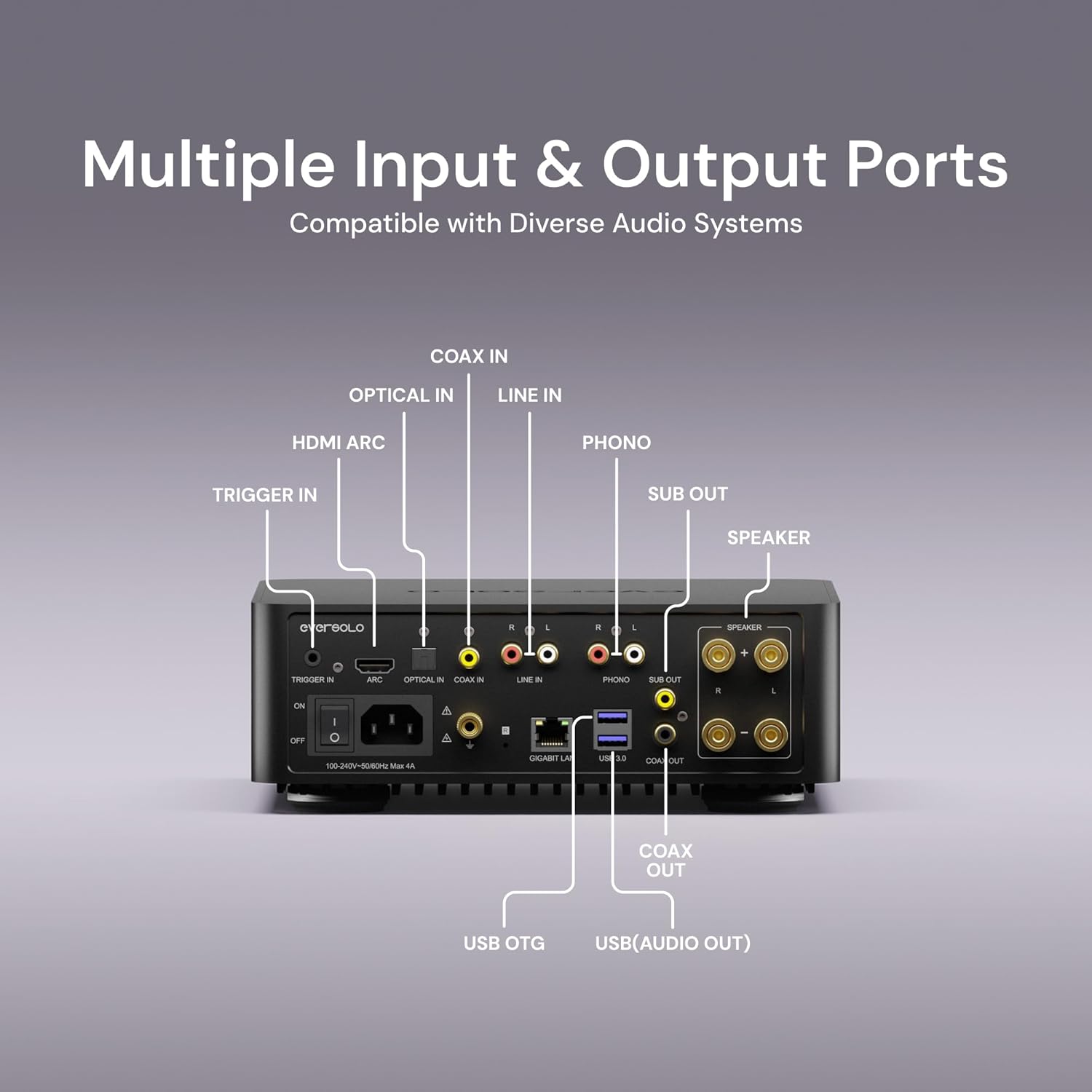
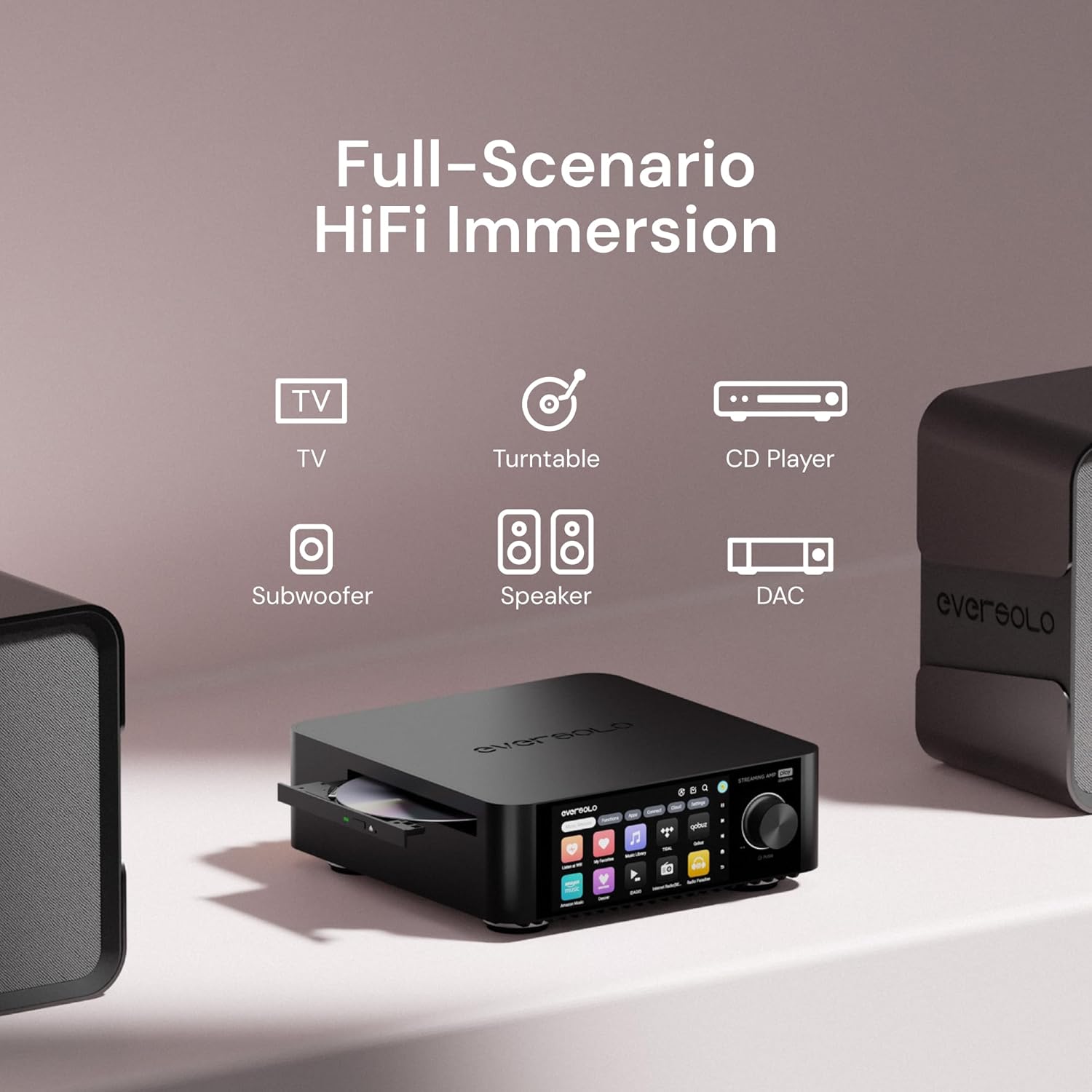
This is where the Eversolo Play really distinguishes itself. Beyond the standard digital and analog inputs you'd expect, it includes an MM/MC phono input for connecting turntables directly—complete with a proper phono preamp that can handle both moving magnet and moving coil cartridges. That's a $200-500 feature on its own.
Even more interesting is the HDMI ARC input, which lets you connect your TV directly and use the Play as your TV's sound system. Given how terrible most TV speakers are, this is genuinely useful for anyone who doesn't want a separate soundbar but wants better TV audio.
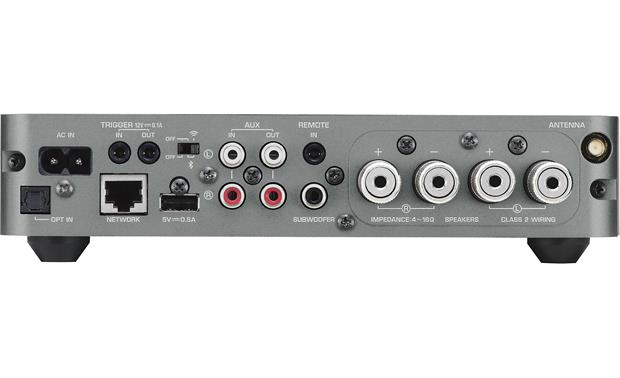
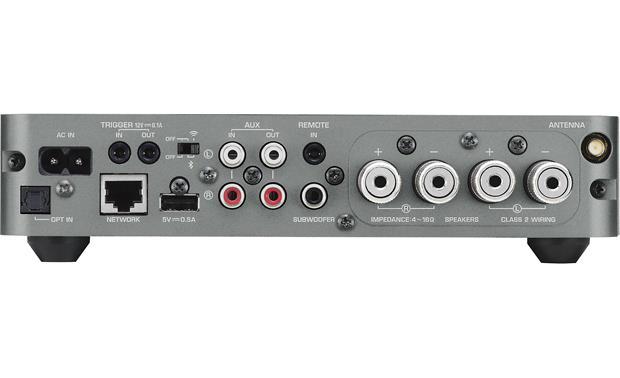
The Yamaha WXA-50 keeps things simpler with optical digital input, analog RCA input, and USB, plus all the wireless connectivity options. It's adequate for most users, but the Eversolo's expanded options give it more flexibility for complex setups.
Both units include subwoofer outputs, which is crucial if you want to add a powered subwoofer for deeper bass extension.
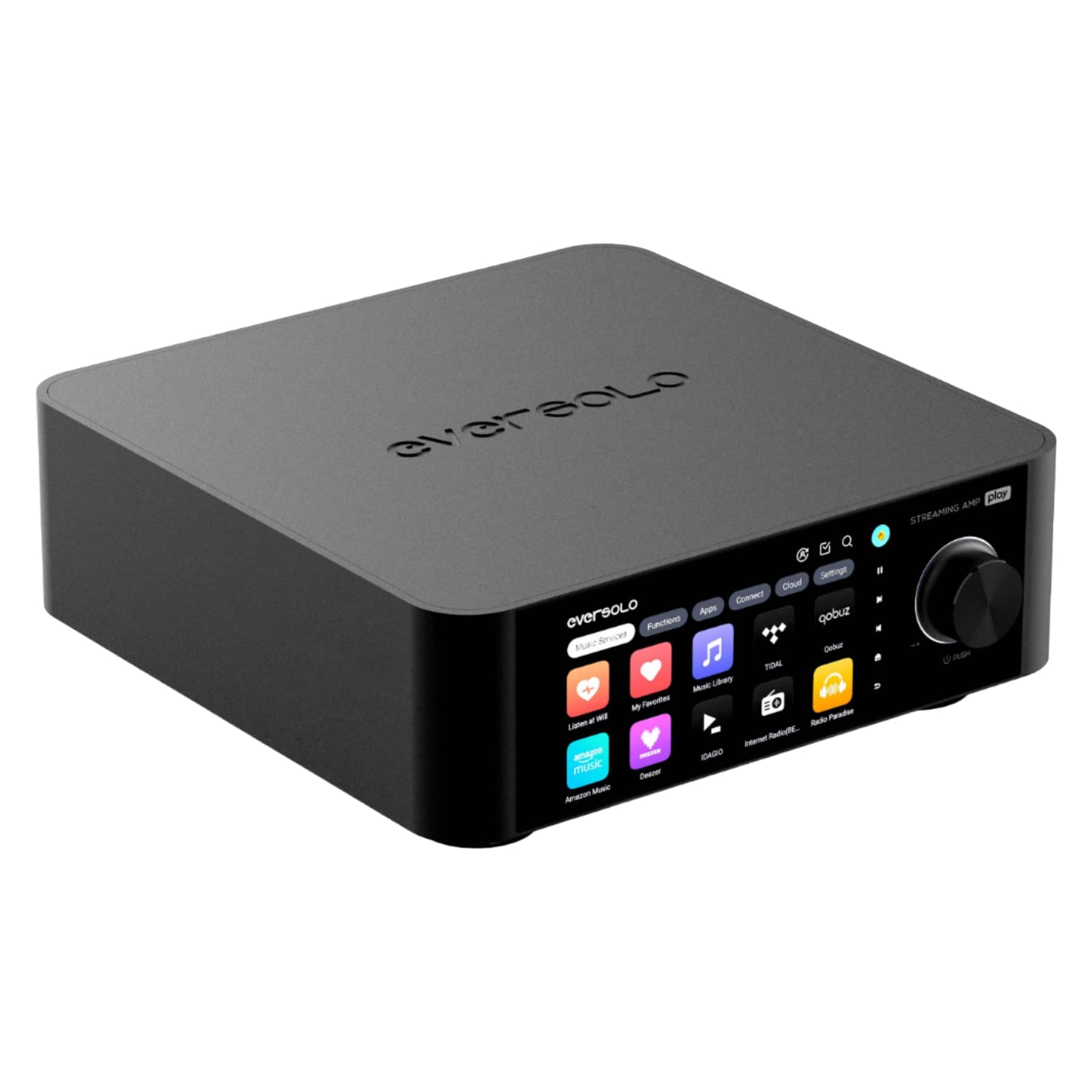
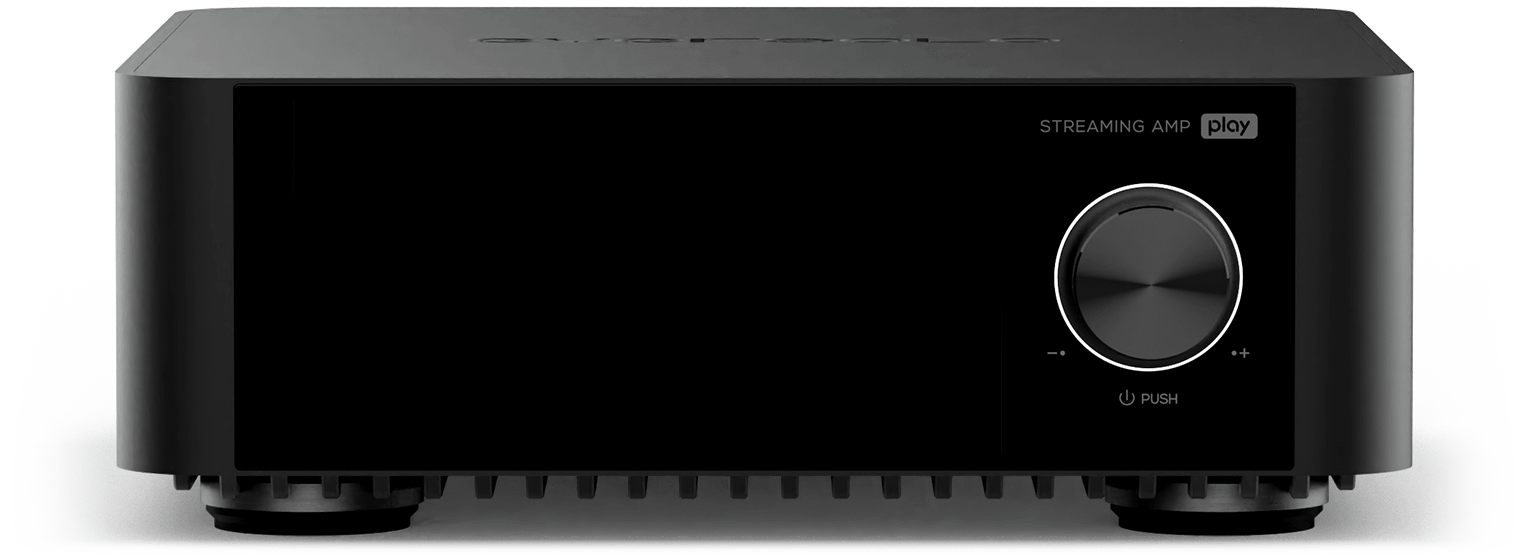
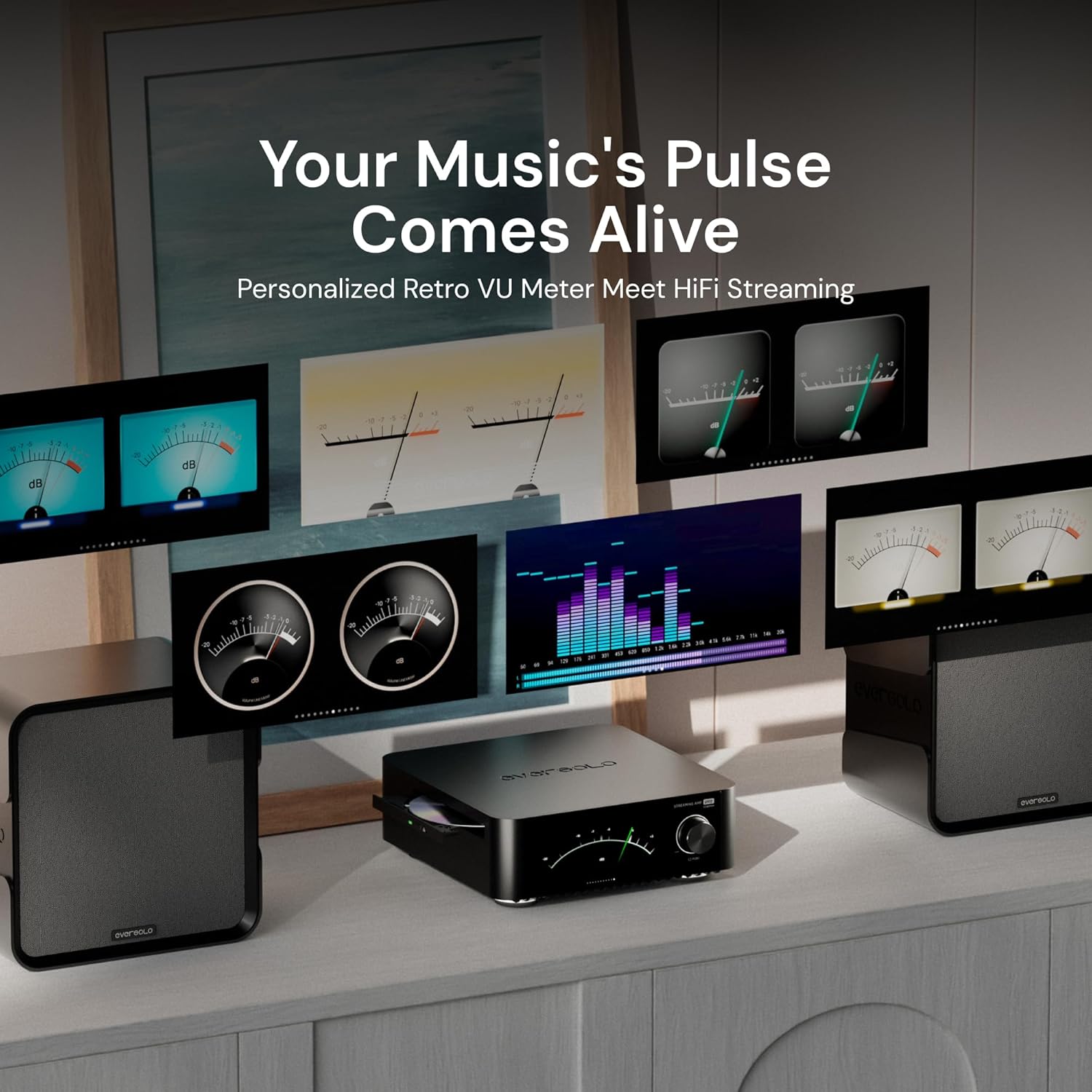
The Eversolo Play's 5.5-inch touchscreen is its most visible differentiator. Rather than relying entirely on smartphone apps, you can control everything directly from the unit itself. The interface includes visual feedback like VU meters and spectrum displays, plus it changes colors based on music genre—a fun touch that adds personality to the experience.
More practically, the touchscreen gives you comprehensive EQ controls: 15-band graphic EQ, 10-band parametric EQ, and over 20 genre-based presets. Parametric EQ is particularly powerful because it lets you adjust not just frequency levels but also the width of the frequency bands you're adjusting. This level of sound customization used to require dedicated room correction systems costing thousands of dollars.
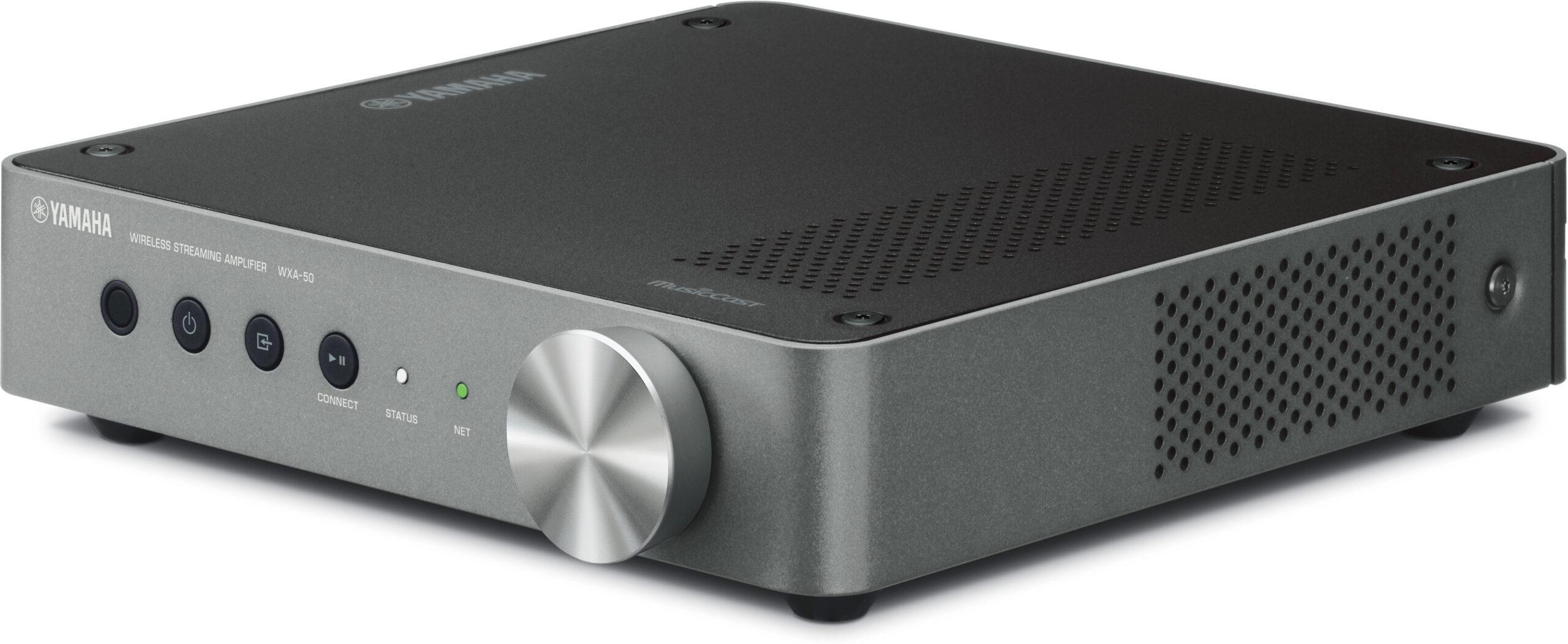
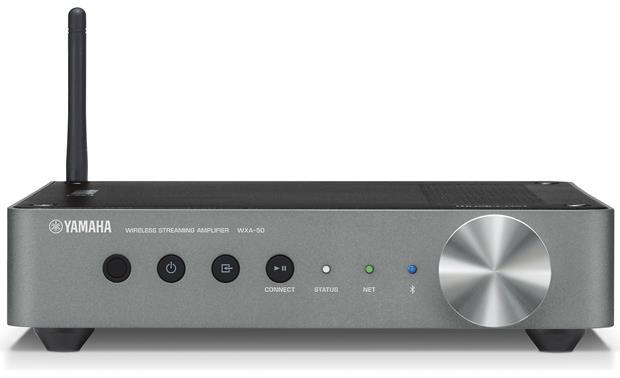
The Yamaha takes a more traditional approach with minimal front-panel controls and reliance on the MusicCast app. The app is mature and stable, though some users find it less visually appealing than newer competitors. Yamaha includes some useful processing features like Compressed Music Enhancer (which tries to restore detail to MP3-quality files) and Volume-Adaptive EQ (which adjusts the tonal balance as you change volume), but the control options are nowhere near as extensive as the Eversolo's.
For anyone considering these units as part of a home theater setup, the Eversolo Play has a clear advantage with its HDMI ARC input. You can connect your TV directly and use the Play to drive bookshelf speakers for significantly better TV audio than any built-in speakers can provide. The room correction features are particularly valuable here, as TV listening positions are often suboptimal acoustically.
The Yamaha WXA-50 can work in a home theater context through its optical input—most TVs have optical outputs—but it's a less elegant solution. Where Yamaha might win is if you're building a more complex home theater and plan to add other MusicCast components like a Yamaha AV receiver or soundbar later.
At the time of writing, both units compete in the same general price category, making the feature comparison particularly relevant. The Eversolo Play delivers an almost shocking amount of technology for the money. When you add up the high-end DAC, phono preamp, room correction, comprehensive EQ, HDMI ARC, and touchscreen interface, you're getting features that would cost significantly more if purchased separately.
The Yamaha WXA-50 costs somewhat less but offers more conservative feature set. What you're paying for is Yamaha's reputation for reliability, extensive dealer network, and the mature MusicCast ecosystem. These are real values, especially if you prioritize long-term support and simple operation.
From a future-proofing perspective, the Eversolo has advantages in its high-resolution audio capabilities and extensive connectivity options. However, Yamaha's established ecosystem and longer track record suggest better long-term software support and compatibility.
The Eversolo Play makes sense for audio enthusiasts who want maximum flexibility and aren't afraid of complexity. If you have a turntable, want to improve your TV's audio, and enjoy tweaking sound settings to get everything just right, the Play delivers exceptional value. It's also ideal for anyone who wants cutting-edge specifications and future-proofing for whatever high-resolution audio formats emerge.
The Yamaha MusicCast WXA-50 is better for users who prioritize simplicity and reliability over features. If you're planning a multi-room audio system, value proven technology over the latest specifications, or just want something that works consistently without fuss, the Yamaha approach makes more sense.
For home theater integration, the Eversolo is clearly superior thanks to HDMI ARC. For traditional two-channel music listening, both excel, but with different strengths: the Eversolo for customization and technical capabilities, the Yamaha for musical enjoyment and system integration.
These two products represent genuinely different approaches to streaming amplifiers, and both have merit. The Eversolo Play pushes boundaries and delivers impressive technology at an attractive price point. The Yamaha WXA-50 focuses on doing the essentials really well within a mature, reliable ecosystem.
Your choice should depend on your priorities: maximum features and customization capability versus proven reliability and ecosystem integration. Either way, you'll end up with a capable streaming amplifier that can serve as the heart of a quality audio system for years to come.
| Eversolo Play Streaming Amplifier | Yamaha MusicCast WXA-50 |
|---|---|
| Power Output - Determines how loud your speakers can play and what speakers you can drive | |
| 60W @ 8Ω, 110W @ 4Ω per channel | 55W @ 8Ω, 105W @ 4Ω per channel |
| DAC Technology - Controls audio quality and file format support | |
| AKM AK4493SEQ with VELVETSOUND, supports up to DSD512 and PCM 768kHz/32-bit | ESS Sabre DAC, supports up to 192kHz/24-bit and DSD 5.6MHz |
| Audio Distortion (THD) - Lower numbers mean cleaner sound reproduction | |
| 0.0037% (exceptional measurement indicating very clean amplification) | 0.06% (still excellent, well below audible thresholds) |
| User Interface - How you control the device daily | |
| 5.5" touchscreen with direct controls and visual feedback | Minimal front panel, primarily app-controlled via MusicCast app |
| Audio Customization - Sound tuning and room optimization capabilities | |
| 15-band graphic EQ, 10-band parametric EQ, room correction via mic | Basic EQ options, Compressed Music Enhancer, Volume-Adaptive EQ |
| Analog Inputs - Connecting non-digital sources like turntables | |
| MM/MC phono input with built-in preamp, RCA line input | RCA line input only (no phono preamp for turntables) |
| TV Integration - Connecting and improving your TV's audio | |
| HDMI ARC input for direct TV connection | Optical input only (most TVs have optical out) |
| Multi-Room Audio - Whole-home music system capabilities | |
| Basic multi-room support, newer ecosystem | Mature MusicCast platform with extensive device compatibility |
| Streaming Services - Music platform support and integration quality | |
| TIDAL Connect, Qobuz Connect, Spotify Connect, Roon Ready | Standard platform support, Roon Ready, deep MusicCast integration |
| Release Timeline - Product maturity and software support expectations | |
| Released 2025 (cutting-edge features, newer ecosystem) | Established product with years of refinement and proven reliability |
| Build and Design - Physical characteristics and installation flexibility | |
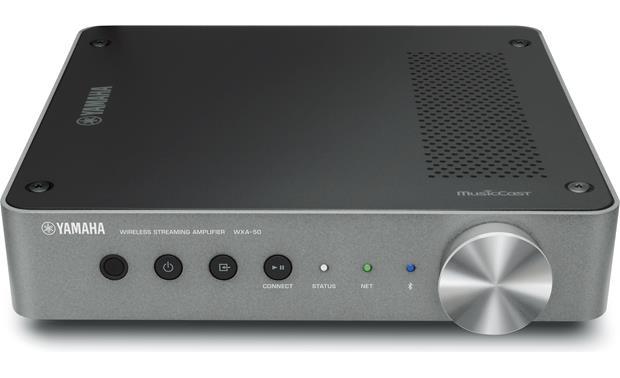
| Compact with aluminum chassis, touchscreen display | Slim profile, can be mounted horizontally or vertically |
Both the Eversolo Play and Yamaha MusicCast WXA-50 deliver excellent sound quality, but with different strengths. The Eversolo Play uses a more advanced AKM AK4493SEQ DAC with superior technical specifications (0.0037% THD vs 0.06% THD), resulting in exceptionally clean and detailed sound reproduction. The Yamaha WXA-50 offers Yamaha's signature warm, musical sound that many listeners prefer for long-term listening comfort.
Only the Eversolo Play includes a built-in MM/MC phono preamp, allowing direct connection of any turntable. The Yamaha MusicCast WXA-50 lacks a phono input, so you'd need a separate phono preamp or a turntable with built-in preamp to connect vinyl sources.
The Eversolo Play is significantly better for home theater integration thanks to its HDMI ARC input, which allows direct connection to your TV for improved audio quality. The Yamaha WXA-50 can connect to TVs via optical input, but this is less convenient and doesn't support advanced audio formats like Dolby Atmos passthrough.
Yes, but differently. The Yamaha MusicCast WXA-50 is part of Yamaha's mature MusicCast ecosystem, offering seamless multi-room audio with other Yamaha devices. The Eversolo Play supports basic multi-room functionality but lacks the extensive ecosystem integration that Yamaha provides.
The Eversolo Play delivers slightly more power with 60W at 8 ohms and 110W at 4 ohms per channel, compared to the Yamaha WXA-50's 55W at 8 ohms and 105W at 4 ohms. Both provide adequate power for most bookshelf and tower speakers in typical listening rooms.
The Eversolo Play offers extensive sound customization with 15-band graphic EQ, 10-band parametric EQ, room correction, and over 20 genre presets accessible via its touchscreen interface. The Yamaha WXA-50 provides basic sound enhancement features like Compressed Music Enhancer and Volume-Adaptive EQ but with much less granular control.
Both the Eversolo Play and Yamaha MusicCast WXA-50 support major streaming platforms including Spotify, TIDAL, Qobuz, Amazon Music, and Deezer. The Eversolo offers deeper integration with services like TIDAL Connect and Qobuz Connect for bit-perfect streaming.
The Eversolo Play features a 5.5-inch touchscreen for direct control plus smartphone app control. The Yamaha MusicCast WXA-50 relies primarily on the MusicCast smartphone app with minimal front-panel controls, though it includes a slim remote control.
The Eversolo Play supports significantly higher resolution audio, handling up to DSD512 and PCM 768kHz/32-bit files. The Yamaha WXA-50 supports up to 192kHz/24-bit and DSD 5.6MHz, which covers most high-resolution content but isn't as future-proof.
The Yamaha MusicCast WXA-50 typically offers easier setup due to its mature software and extensive dealer support network. The Eversolo Play provides more setup options and customization but may require more time to configure all its advanced features optimally.
The Eversolo Play offers exceptional value by packing high-end DAC technology, phono preamp, room correction, extensive EQ, and HDMI ARC into one unit. The Yamaha WXA-50 provides solid value through proven reliability, ecosystem integration, and Yamaha's reputation for long-term support.
Both the Eversolo Play and Yamaha MusicCast WXA-50 include dedicated subwoofer outputs. The Eversolo offers more advanced bass management with adjustable crossover settings, while the Yamaha provides standard subwoofer connectivity with basic level control.
We've done our best to create useful and informative comparisons to help you decide what product to buy. Our research uses advanced automated methods to create this comparison and perfection is not possible - please contact us for corrections or questions. These are the sites we've researched in the creation of this article: blog.son-video.com - audio46.com - upscaleaudio.com - audioadvice.com - musicdirect.com - audio46.com - whathifi.com - whathifi.com - bloomaudio.com - youtube.com - the-ear.net - whathifi.com - soundstagesimplifi.com - youtube.com - stevehuffphoto.com - darko.audio - youtube.com - eversolo.com - crutchfield.ca - usa.yamaha.com - avluxurygroup.com - crutchfield.com - crutchfield.com - teamiu.com - audiosciencereview.com - snapav.com - avsforum.com - youtube.com - hifiheaven.net - usa.yamaha.com - usa.yamaha.com - audiokarma.org - usa.yamaha.com - bestbuy.com - usa.yamaha.com - ooberpad.com - dugoutnorthbrook.com - parts-express.com

Privacy Policy
Terms and Conditions - Affiliate Policy
Home Security
© Copyright 2008-2026.
11816 Inwood Rd #1211, Dallas, TX 75244