

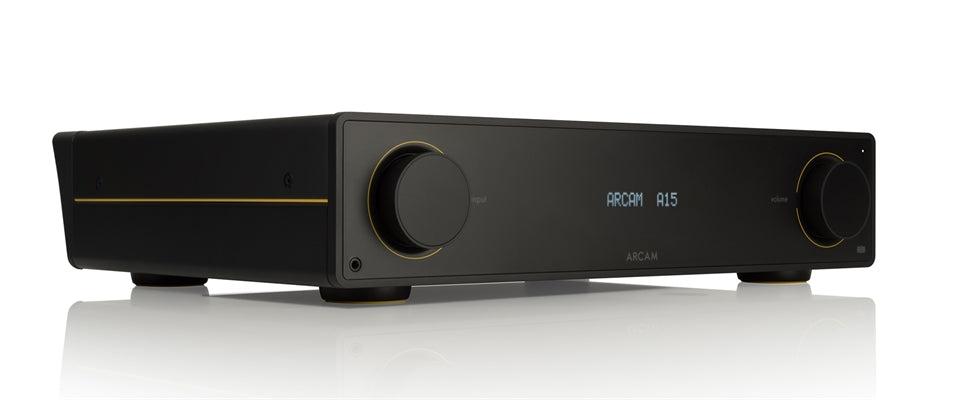
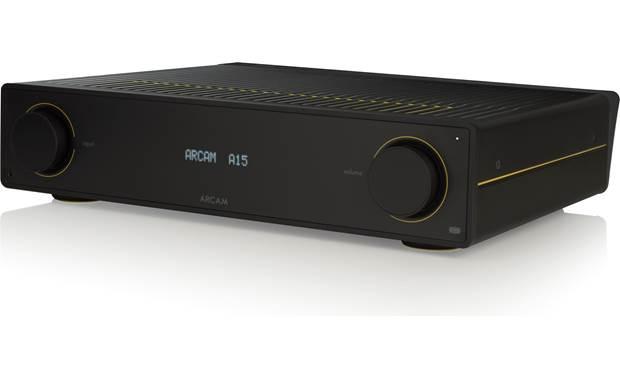
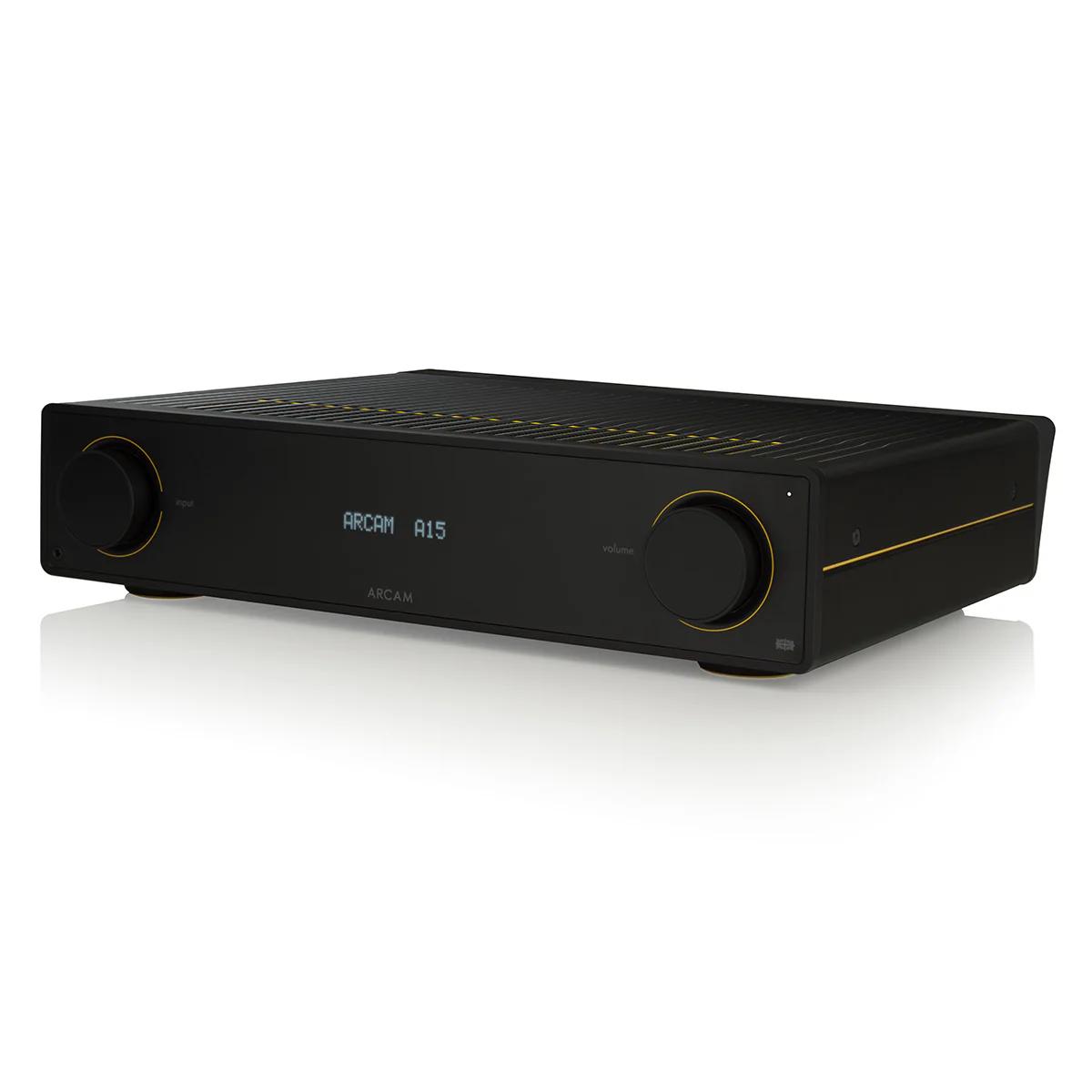
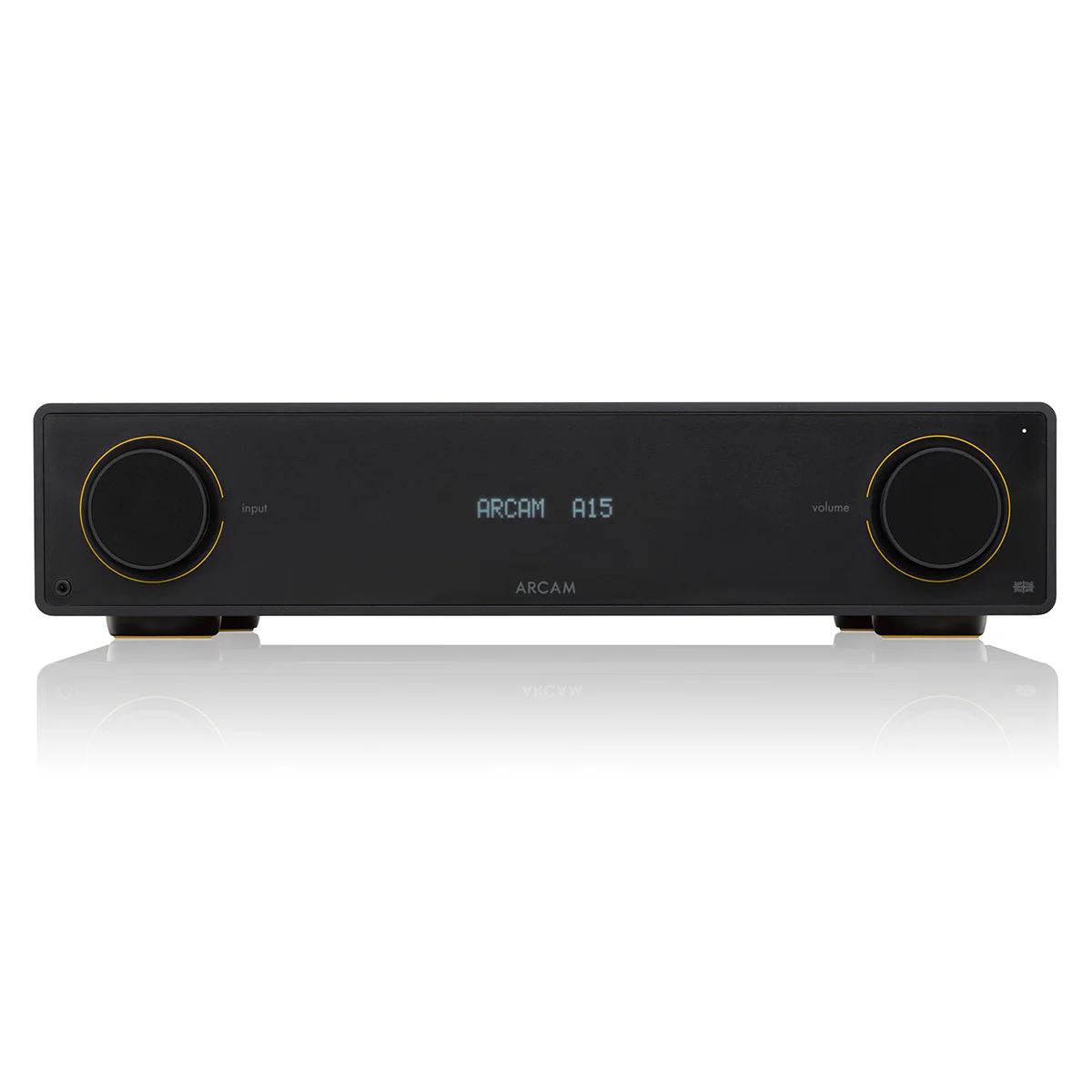
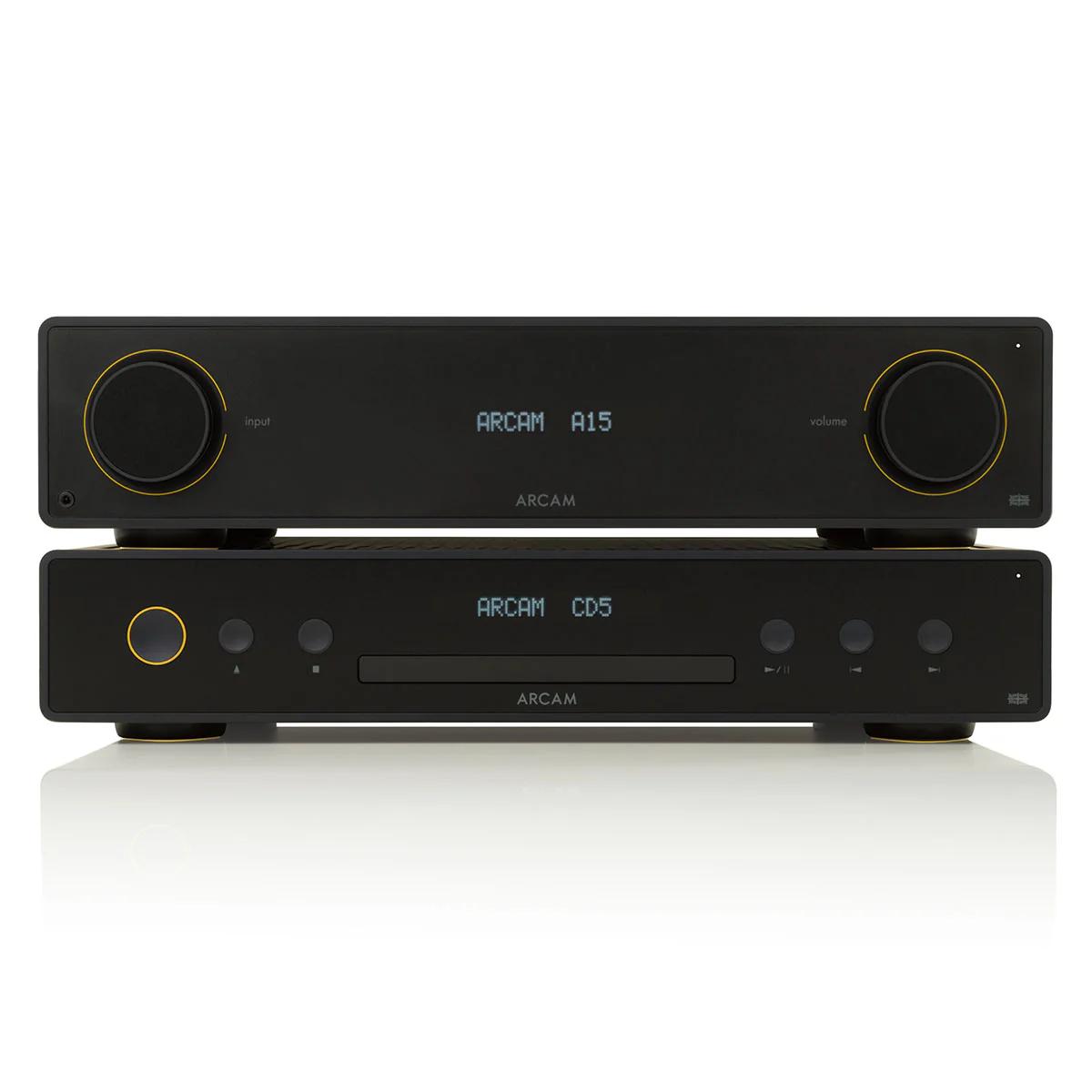
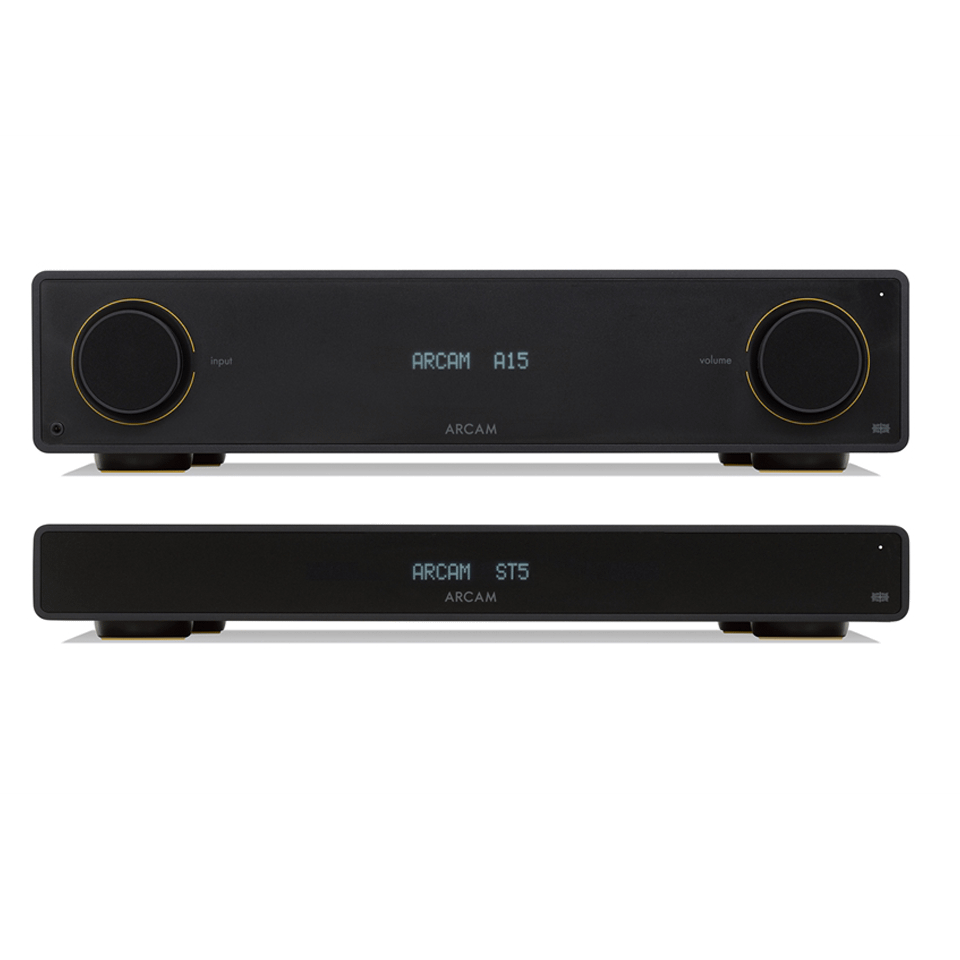
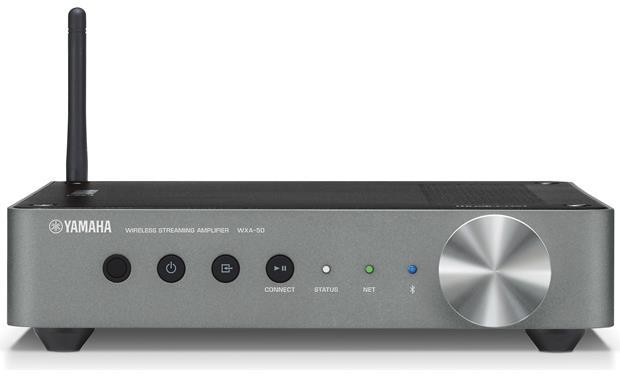
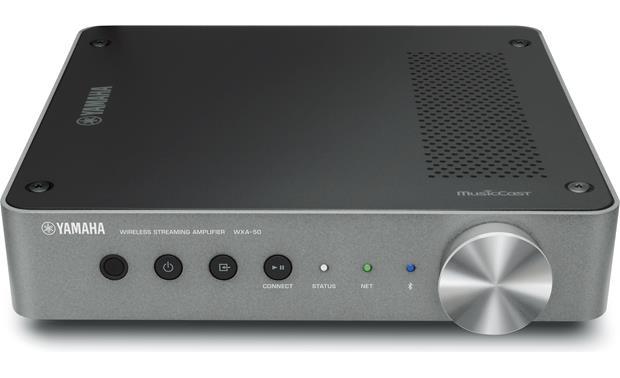
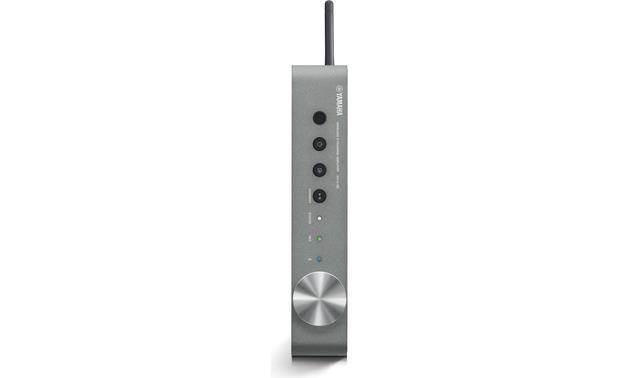
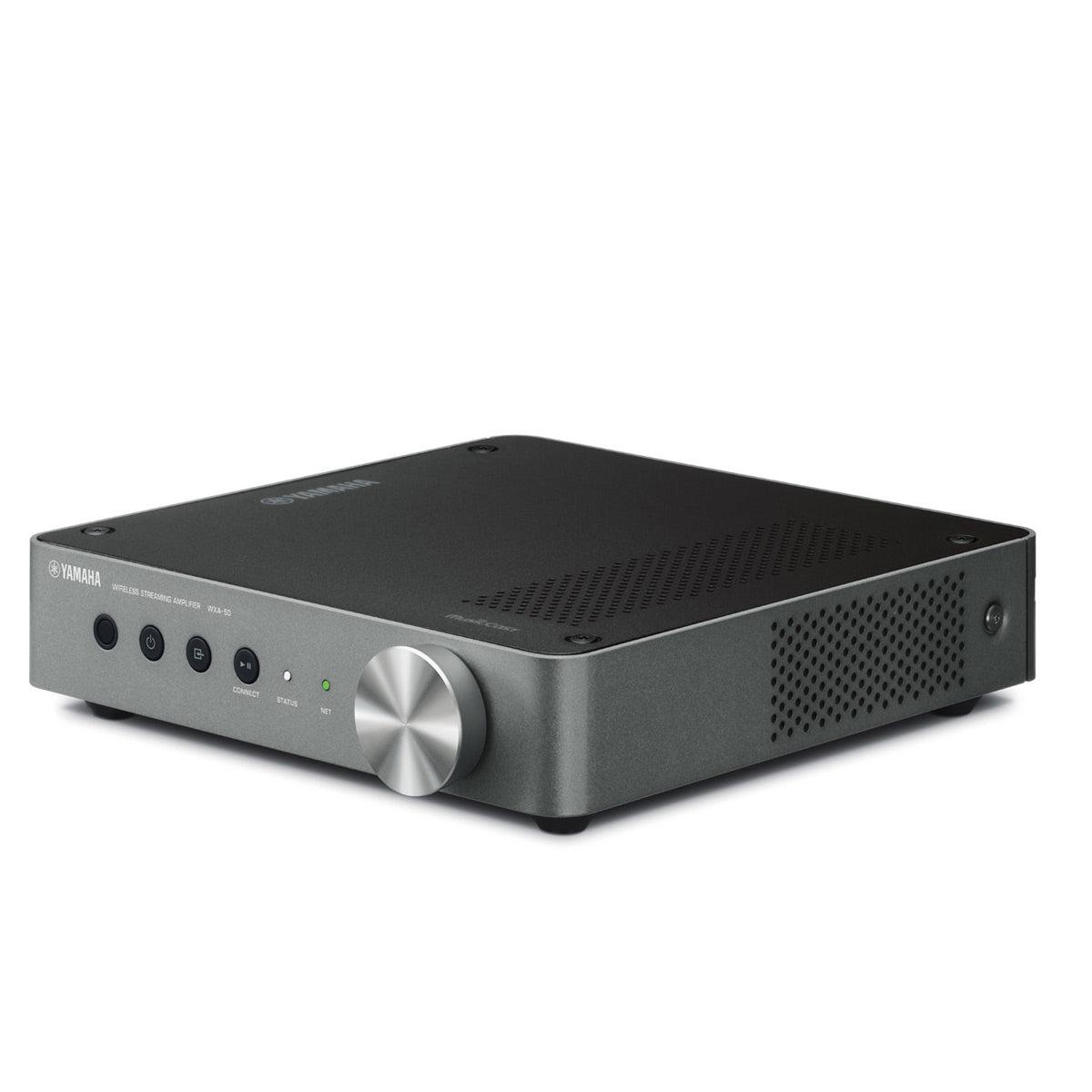
When you're building an audio system today, you're essentially choosing between two philosophies: the traditional audiophile approach that prioritizes pure sound quality, or the modern streaming-focused method that emphasizes convenience and connectivity. The Arcam A15 Integrated Amplifier and Yamaha MusicCast Wireless Streaming Amplifier represent these two approaches perfectly, and understanding their differences will help you make the right choice for your setup.
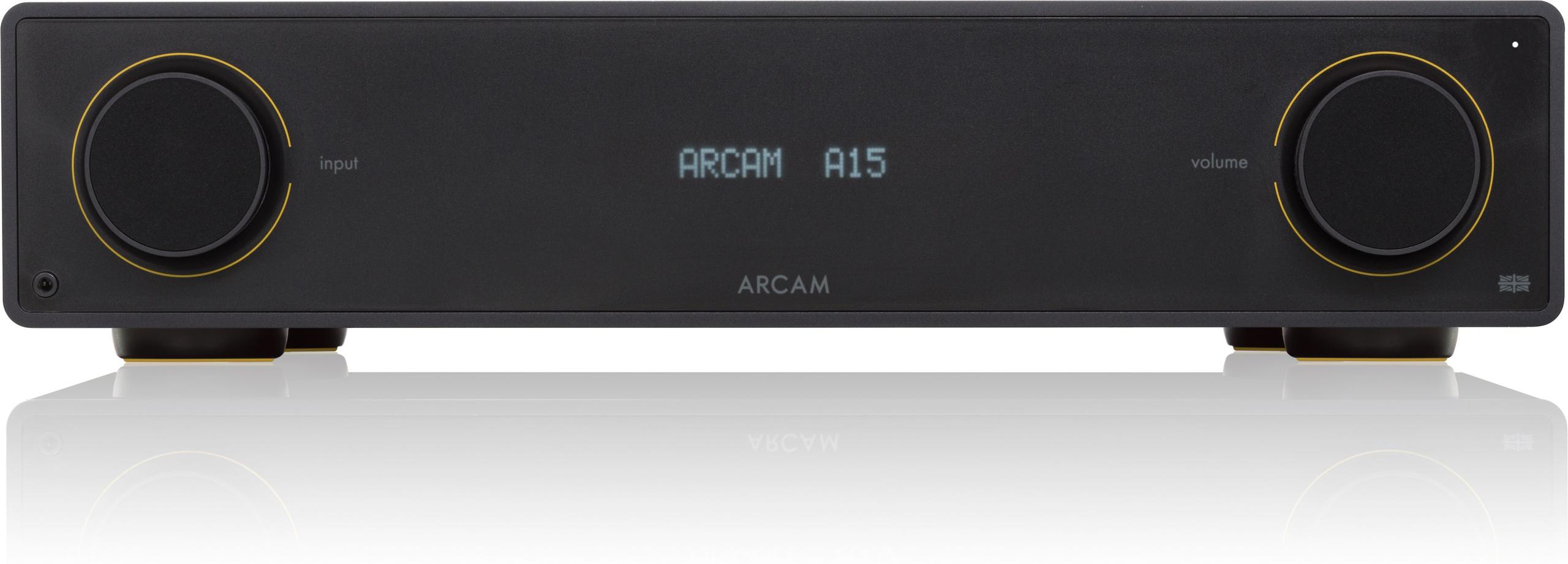
Before diving into specifics, let's clarify what we're comparing. An integrated amplifier combines a preamplifier (which controls volume and switches between sources) with a power amplifier (which drives your speakers) in one box. The Arcam A15 follows this traditional design but adds modern digital features like Bluetooth and a high-quality DAC (Digital-to-Analog Converter - the chip that converts digital music files into analog signals your speakers can reproduce).
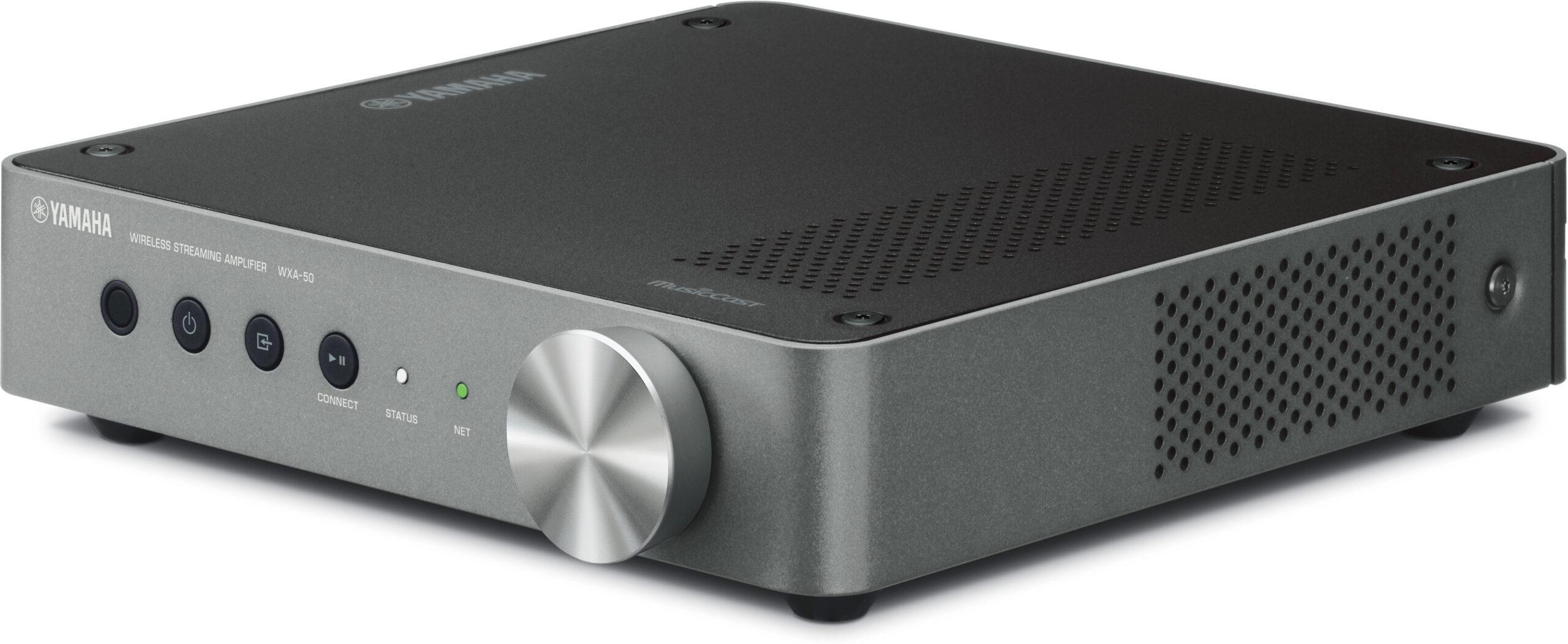
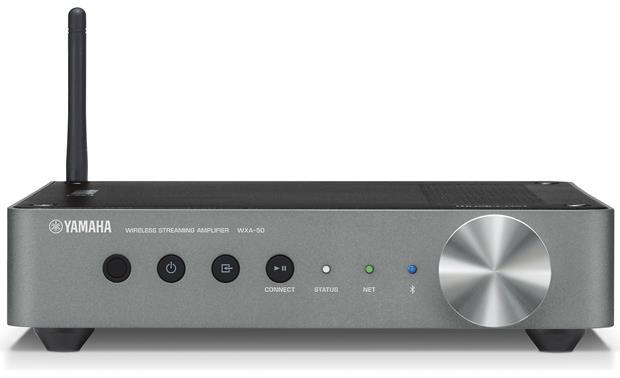
A streaming amplifier like the Yamaha MusicCast takes a different approach. It's designed primarily around wireless connectivity and streaming services, with amplification almost secondary to its networking capabilities. Think of it as a smart speaker brain with enough power to drive traditional passive speakers.
The key difference isn't just about features - it's about priorities. Traditional integrated amplifiers focus on getting the best possible sound from whatever you connect to them. Streaming amplifiers prioritize ease of use and modern connectivity, accepting some compromises in pure audio performance.
The Arcam A15 launched in 2023 as part of Arcam's Radia series, representing the British company's answer to modern audio needs while maintaining their audiophile heritage. Arcam has been building high-end audio components since 1976, and the A15 shows how they've adapted traditional hi-fi values for today's listeners who want both analog warmth and digital convenience.
The Yamaha MusicCast WXA-50 arrived earlier, around 2016, as part of Yamaha's broader push into wireless audio. Since then, the MusicCast ecosystem has expanded significantly, with regular software updates adding new streaming services and features. This highlights a key difference: streaming amplifiers evolve through software updates, while traditional amplifiers rely on hardware quality that should last decades.
The most fundamental difference between these amplifiers lies in their power delivery and amplification philosophy. The Arcam A15 produces 80 watts per channel into 8-ohm speakers and 120 watts into 4-ohm speakers using Class AB amplification. Class AB is a compromise design that combines the efficiency of Class B with the low distortion of Class A, resulting in amplifiers that sound great and don't waste excessive power as heat.
More importantly, the Arcam A15 achieves an incredibly low total harmonic distortion (THD) of just 0.002%. THD measures how much the amplifier changes your music signal - lower numbers mean cleaner, more accurate sound. The Arcam's distortion figure is exceptionally low, even by audiophile standards.
The Yamaha WXA-50 delivers 55 watts per channel into 8 ohms, scaling up to 105 watts into 4 ohms, with THD of 0.06%. While this distortion level is still quite good for most listeners, it's thirty times higher than the Arcam's - a significant difference that translates to audibly cleaner sound from the Arcam A15, especially at higher volumes.
This power difference matters more than the numbers suggest. The Arcam A15 can drive demanding speakers with complex impedance curves - speakers that dip below 4 ohms or have difficult phase angles that make amplifiers work harder. The Yamaha WXA-50 works best with efficient bookshelf speakers or smaller tower speakers that don't require massive power reserves.
For home theater use, the Arcam A15 makes an excellent foundation for a 2-channel music system that can double for TV audio, especially if you prefer stereo music listening over surround sound. Its preamp outputs let you add a separate power amplifier later or connect to a subwoofer. The Yamaha WXA-50 can work in home theater setups too, particularly for secondary zones or smaller rooms where you want synchronized audio throughout the house.
Both amplifiers include DACs, but they take different approaches to digital audio processing. The Arcam A15 uses the ESS Sabre ES9018, a flagship-grade DAC chip typically found in much more expensive separates. This chip supports high-resolution audio up to 24-bit/192kHz and features advanced digital filtering that reduces jitter (timing errors in digital signals) and provides exceptional dynamic range.
The signal-to-noise ratio tells the story clearly: the Arcam A15 achieves 109dB for digital inputs, meaning the music signal is 109 decibels louder than any background noise. The Yamaha WXA-50 manages 110dB, which looks better on paper, but real-world performance depends heavily on implementation quality, where Arcam's experience with high-end DACs shows.
What makes this difference meaningful is how it affects your music. High-resolution audio files contain more detail than standard CDs, and streaming services like Tidal and Apple Music now offer lossless and high-res options. The Arcam A15 was designed specifically to extract maximum quality from these sources, while the Yamaha WXA-50 handles them competently but prioritizes compatibility over ultimate fidelity.
Here's where these amplifiers reveal their fundamental philosophies. The Arcam A15 offers three analog RCA inputs plus a dedicated moving magnet phono stage for turntables, two coaxial digital inputs, and one optical input. This comprehensive connectivity lets you connect everything from a turntable to a CD player to a TV without external adapters or switching.
The built-in phono stage deserves special attention. Many modern amplifiers skip this feature, forcing vinyl enthusiasts to buy separate phono preamps that can cost hundreds of dollars. The Arcam A15's phono stage uses carefully selected components and RIAA equalization (the standard curve applied during vinyl mastering) to deliver the warmth and detail that makes vinyl special.
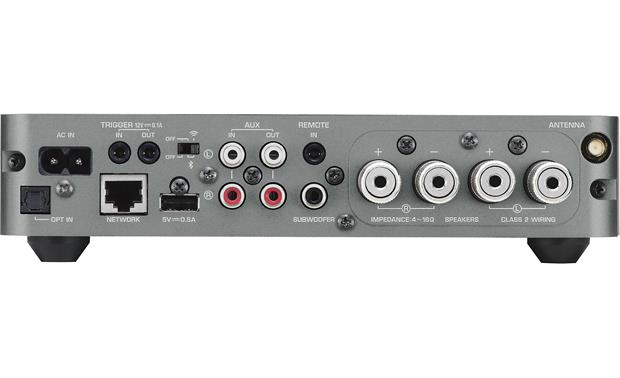
The Yamaha WXA-50 takes a minimalist approach with just one analog input, one optical digital input, and one USB input. Instead, it focuses on wireless connectivity with built-in Wi-Fi, Bluetooth with AAC and SBC codecs, Apple AirPlay, and DLNA network streaming. It directly supports major streaming services like Spotify Connect, Tidal, and various internet radio stations.
For Bluetooth, the Arcam A15 offers Bluetooth 5.2 with aptX Adaptive, which can deliver near-CD quality from compatible smartphones. Uniquely, it features two-way Bluetooth - you can stream music to the amplifier from your phone, or stream from the amplifier to Bluetooth headphones, making it more versatile for late-night listening.
The Yamaha WXA-50 excels in smart home integration through the MusicCast ecosystem. You can control multiple MusicCast devices throughout your house from a single app, synchronizing music playback or playing different content in each room. This multi-room capability transforms how you experience music at home - start a playlist in the kitchen while cooking, then have it follow you to the living room seamlessly.
The MusicCast app provides voice control compatibility with Amazon Alexa and Google Assistant, letting you control playback with voice commands. Professional installers appreciate features like Control4, Crestron, and other automation system integration options.
The Arcam A15 focuses more on audio purity than smart features. It includes 12V trigger inputs and outputs for turning connected components on and off together, plus IR input for custom remote control integration. These features matter more for serious listening rooms where you want equipment to work together seamlessly without the complexity of apps and wireless networks.
Choose the Arcam A15 if you're building a serious listening room. This amplifier shines when music quality matters most. If you own or plan to buy a turntable, the built-in phono stage alone justifies much of the price difference compared to the Yamaha WXA-50. Vinyl enthusiasts will appreciate the dedicated analog circuitry designed specifically for moving magnet cartridges.
The Arcam A15 also makes sense if you have multiple source components - a CD player, streaming DAC, TV, or other devices you switch between regularly. Its multiple inputs handle this naturally without requiring external switching or worrying about wireless connectivity issues.
For demanding speakers, the Arcam A15's superior power delivery matters. If your speakers dip below 6 ohms impedance or you listen at higher volumes, the extra power reserves and current capability prevent the strain and distortion that can occur with less powerful amplifiers.
Choose the Yamaha WXA-50 for modern convenience and multi-room audio. If streaming services provide 90% of your music and you value the ability to control everything from your phone, this approach makes more sense. The compact form factor works well in tight spaces or when you want the amplifier hidden away.
Multi-room synchronization is the Yamaha WXA-50's standout feature. Planning a party where you want the same music throughout the house? The MusicCast system handles this effortlessly. Want background music in the kitchen while cooking that doesn't disturb someone watching TV in the living room? Different zones can play different content simultaneously.
The Yamaha WXA-50 also makes sense for renters or anyone who moves frequently. Setup requires no physical connections beyond power and speaker wires - everything else happens wirelessly through your home network.
At the time of writing, the Arcam A15 costs significantly more than the Yamaha WXA-50, but value calculations depend heavily on your specific needs and listening habits. The Arcam A15 includes features that would cost hundreds of dollars separately: the high-end DAC, multiple digital inputs, and especially the moving magnet phono stage.
The Yamaha WXA-50 eliminates the need for a separate network streamer, which could cost several hundred dollars for equivalent functionality. If multi-room audio is important, comparable systems from companies like Sonos require multiple components to match the Yamaha WXA-50's capabilities.
Long-term value considerations favor the Arcam A15 for traditional hi-fi longevity. Quality integrated amplifiers often last decades with minimal maintenance, and the Arcam A15's five-year warranty reflects confidence in build quality. Streaming amplifiers like the Yamaha WXA-50 depend more heavily on software support and network compatibility, which may require updates or eventual replacement as technology evolves.
When evaluating these amplifiers, focus on the specifications that affect real-world performance. Power output matters, but how that power is delivered matters more. The Arcam A15's superior current delivery and lower distortion translate directly to better sound with challenging speakers.
Signal-to-noise ratio affects how quiet your system sounds between tracks and how much detail you hear in quiet passages. Both amplifiers perform well here, but the Arcam A15 maintains its low noise floor across all inputs, while streaming amplifiers can introduce network-related interference.
For streaming quality, supported codecs and network stability matter more than maximum resolution specifications. Both amplifiers handle high-resolution audio well, but the Yamaha WXA-50's success depends heavily on your home network quality and streaming service reliability.
The choice between the Arcam A15 and Yamaha MusicCast WXA-50 ultimately comes down to your priorities and listening habits. If you're building a dedicated listening room where sound quality takes priority, the Arcam A15 provides superior performance and traditional hi-fi flexibility. Its comprehensive connectivity, built-in phono stage, and exceptional power delivery make it a worthy centerpiece for a serious audio system.
If convenience, modern connectivity, and multi-room capabilities matter more than ultimate sound quality, the Yamaha MusicCast WXA-50 offers compelling value. Its wireless integration, compact size, and smart home compatibility make it ideal for contemporary lifestyles where music follows you throughout your living space.
Consider your current listening habits honestly. Do you primarily stream music from your phone, or do you own physical media and multiple source components? Will you listen primarily in one room, or do you want synchronized audio throughout your home? Your answers to these questions should guide your decision more than technical specifications alone.
Both amplifiers represent thoughtful approaches to modern audio, but they serve different masters. The Arcam A15 serves the music first, while the Yamaha MusicCast WXA-50 serves convenience and connectivity. Choose based on which philosophy aligns better with how you actually listen to music, and you'll be happy with either decision.
| Arcam A15 Integrated Amplifier | Yamaha MusicCast Wireless Streaming Amplifier |
|---|---|
| Power Output - Critical for driving speakers effectively and achieving good volume | |
| 80W/8Ω, 120W/4Ω (excellent for demanding speakers) | 55W/8Ω, 105W/4Ω (sufficient for efficient bookshelf speakers) |
| Total Harmonic Distortion - Lower numbers mean cleaner, more accurate sound | |
| 0.002% (exceptionally clean, audiophile-grade) | 0.06% (good but audibly higher distortion at volume) |
| DAC Quality - Determines digital audio performance and high-res file playback | |
| ESS Sabre ES9018 flagship chip (superior detail retrieval) | ESS Sabre DAC unspecified model (capable but less refined) |
| Analog Inputs - Essential for connecting traditional sources like CD players | |
| 3x RCA line inputs + dedicated MM phono stage | 1x RCA input only (limited traditional connectivity) |
| Digital Inputs - For connecting modern sources like TVs and streamers | |
| 2x coaxial + 1x optical (comprehensive digital connectivity) | 1x optical + 1x USB (minimal but adequate) |
| Wireless Connectivity - Modern streaming and smartphone integration | |
| Bluetooth 5.2 with aptX Adaptive, two-way capable | Wi-Fi, Bluetooth, AirPlay, extensive streaming service support |
| Multi-Room Audio - Ability to sync music throughout your home | |
| None (single-room focused) | Full MusicCast ecosystem with app control and synchronization |
| Phono Stage - Essential for turntable users, saves buying separate preamp | |
| Built-in moving magnet phono stage with RIAA equalization | None (requires external phono preamp for turntables) |
| Form Factor - Size considerations for placement and installation | |
| Traditional full-size component (17" x 14" x 4") | Compact streaming design (8.4" x 9.6" x 2") |
| Smart Home Integration - Voice control and automation compatibility | |
| Basic IR and trigger connections for custom installs | Alexa/Google Assistant support, professional control system integration |
| Preamp Output - Allows system expansion with external power amps or subwoofers | |
| Yes (enables future system growth) | Subwoofer output only (limited expansion options) |
| Signal-to-Noise Ratio - Affects background noise levels and detail resolution | |
| 106dB analog, 109dB digital (very quiet operation) | 98dB analog, 110dB digital (good performance, network dependent) |
The Yamaha MusicCast Wireless Streaming Amplifier is more beginner-friendly due to its simple app-based setup and wireless connectivity. You can start streaming music immediately without needing multiple source components. The Arcam A15 Integrated Amplifier requires more knowledge about audio components and connections but offers superior sound quality for those willing to learn.
The Arcam A15 Integrated Amplifier focuses on pure audio quality with traditional hi-fi features like multiple analog inputs and a built-in phono stage for turntables. The Yamaha MusicCast Wireless Streaming Amplifier prioritizes modern convenience with wireless streaming, multi-room audio, and smart home integration over ultimate sound quality.
The Arcam A15 Integrated Amplifier delivers more clean power with 80 watts per channel into 8 ohms and significantly lower distortion (0.002% vs 0.06%). This makes it better for demanding speakers and larger rooms, while the Yamaha MusicCast works well with efficient bookshelf speakers in smaller spaces.
The Arcam A15 Integrated Amplifier includes a built-in moving magnet phono stage, so you can connect most turntables directly. The Yamaha MusicCast Wireless Streaming Amplifier requires a separate phono preamp to work with turntables, adding extra cost and complexity for vinyl listeners.
The Yamaha MusicCast Wireless Streaming Amplifier excels at streaming with built-in Wi-Fi, native support for Spotify, Tidal, and other services, plus comprehensive wireless connectivity. The Arcam A15 only offers Bluetooth streaming, requiring a separate network streamer for full streaming capabilities.
Both can work in home theater setups, but differently. The Arcam A15 Integrated Amplifier makes an excellent 2-channel music system that can also handle TV audio through its digital inputs. The Yamaha MusicCast works better for secondary zones or smaller home theater rooms where you want wireless convenience.
Value depends on your needs. The Yamaha MusicCast Wireless Streaming Amplifier costs less and eliminates the need for separate streaming components. The Arcam A15 Integrated Amplifier costs more but includes premium features like the high-end DAC and phono stage that would cost hundreds separately.
The Yamaha MusicCast Wireless Streaming Amplifier offers full smartphone control through the MusicCast app, including source selection, volume, and multi-room features. The Arcam A15 Integrated Amplifier has basic Bluetooth control but primarily uses traditional remote control or front panel operation.
The Yamaha MusicCast Wireless Streaming Amplifier is designed specifically for multi-room audio, allowing you to sync music throughout your home or play different content in each room. The Arcam A15 is designed for single-room use and doesn't offer multi-room capabilities.
The Arcam A15 Integrated Amplifier delivers superior sound quality with its flagship ESS Sabre DAC, lower distortion, and audiophile-grade components. The Yamaha MusicCast Wireless Streaming Amplifier sounds good for most listeners but prioritizes convenience over ultimate audio performance.
The Arcam A15 Integrated Amplifier follows traditional hi-fi design principles with quality components built to last decades, backed by a 5-year warranty. The Yamaha MusicCast depends more on software updates and network compatibility, which may require eventual replacement as technology evolves.
Choose the Arcam A15 Integrated Amplifier if you prioritize sound quality, own a turntable, have multiple audio sources, or want a traditional hi-fi experience. Pick the Yamaha MusicCast Wireless Streaming Amplifier if you primarily stream music, want multi-room audio, prefer smartphone control, or need a compact solution for modern living spaces.
We've done our best to create useful and informative comparisons to help you decide what product to buy. Our research uses advanced automated methods to create this comparison and perfection is not possible - please contact us for corrections or questions. These are the sites we've researched in the creation of this article: theaudiotailor.com.au - skybygramophone.com - crutchfield.com - arcam.co.uk - youtube.com - listenup.com - upscaleaudio.com - arcam.co.uk - whathifi.com - sweetwater.com - musicdirect.com - device.report - hifidaydreaming.com - listenup.com - crutchfield.ca - usa.yamaha.com - avluxurygroup.com - crutchfield.com - crutchfield.com - teamiu.com - audiosciencereview.com - snapav.com - avsforum.com - youtube.com - hifiheaven.net - usa.yamaha.com - usa.yamaha.com - audiokarma.org - usa.yamaha.com - bestbuy.com - usa.yamaha.com - ooberpad.com - dugoutnorthbrook.com - parts-express.com

Privacy Policy
Terms and Conditions - Affiliate Policy
Home Security
© Copyright 2008-2026.
11816 Inwood Rd #1211, Dallas, TX 75244