

When you want to bring your traditional passive speakers into the modern streaming era, wireless streaming amplifiers offer an elegant solution. These compact powerhouses combine stereo amplification with Wi-Fi connectivity, essentially turning any pair of bookshelf or floorstanding speakers into smart, connected audio devices. It's like giving your old speakers a brain and an internet connection.
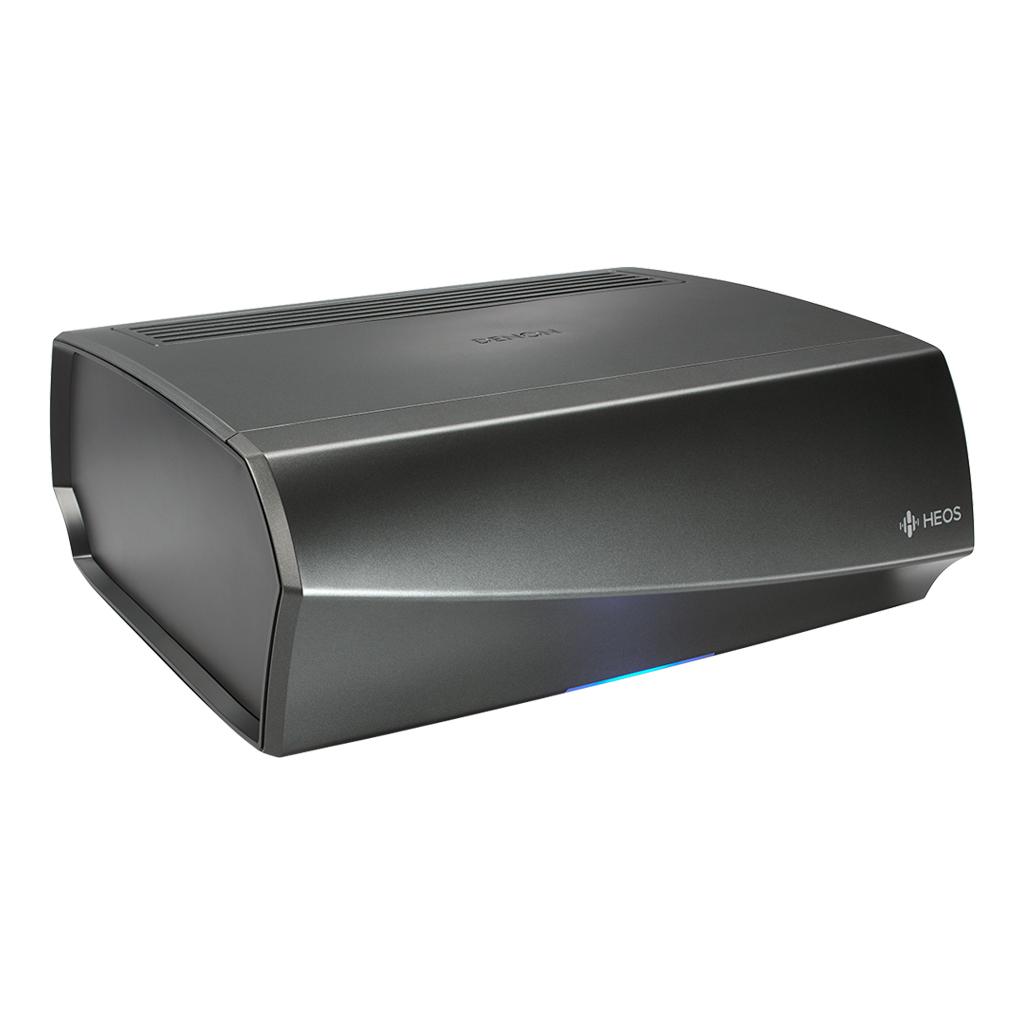
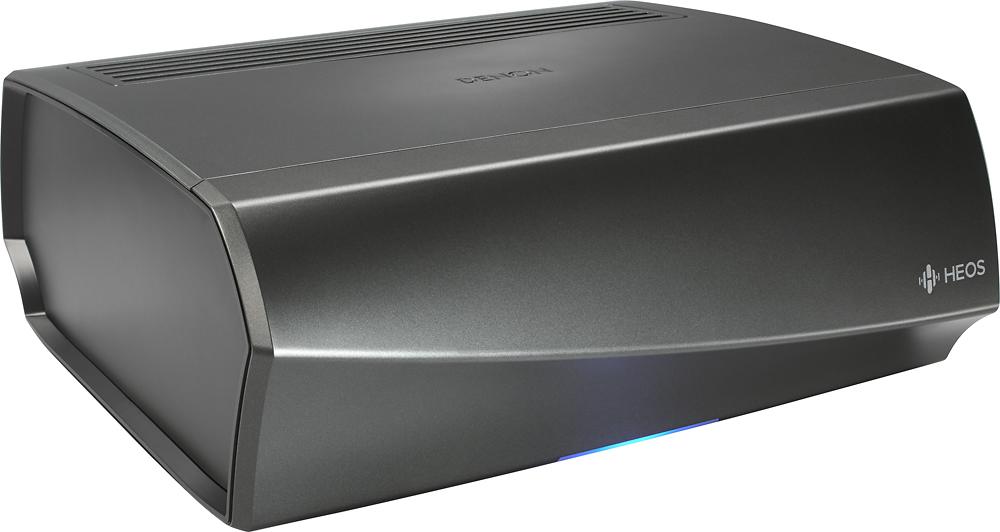
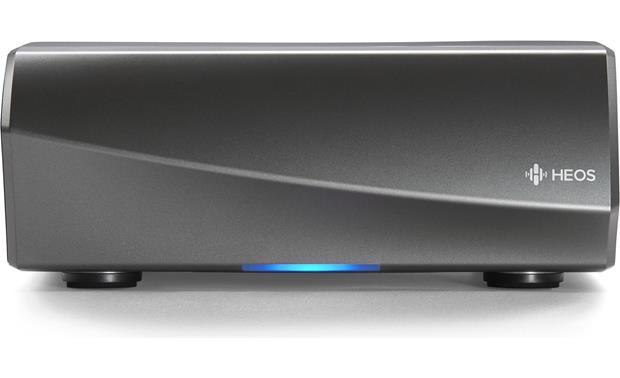
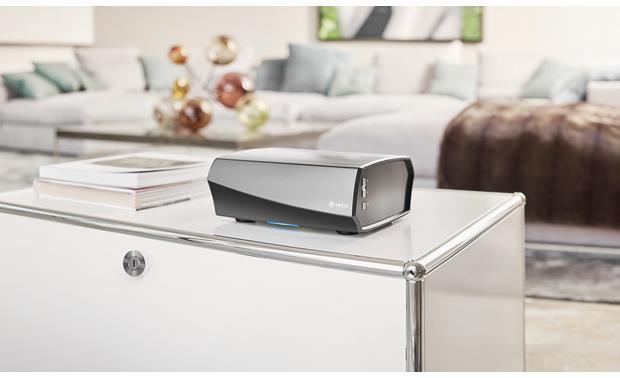
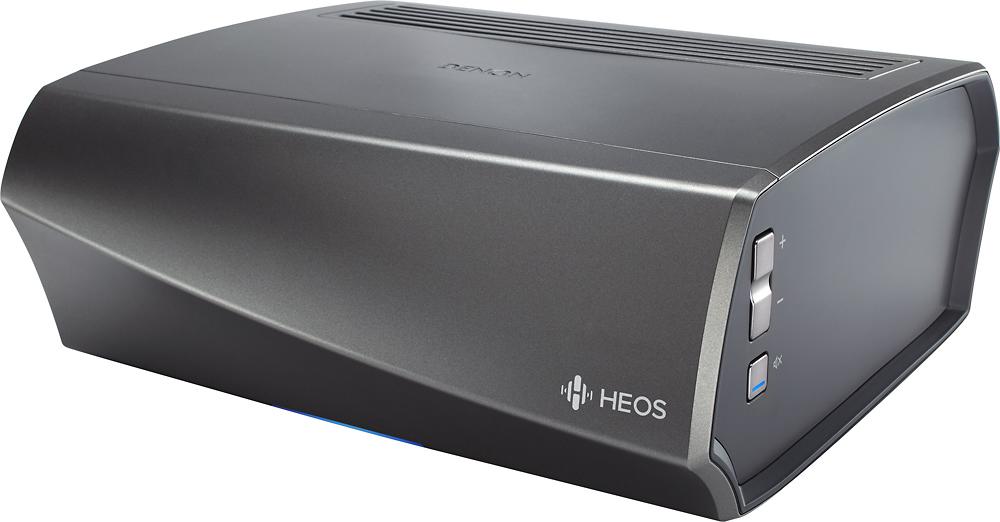
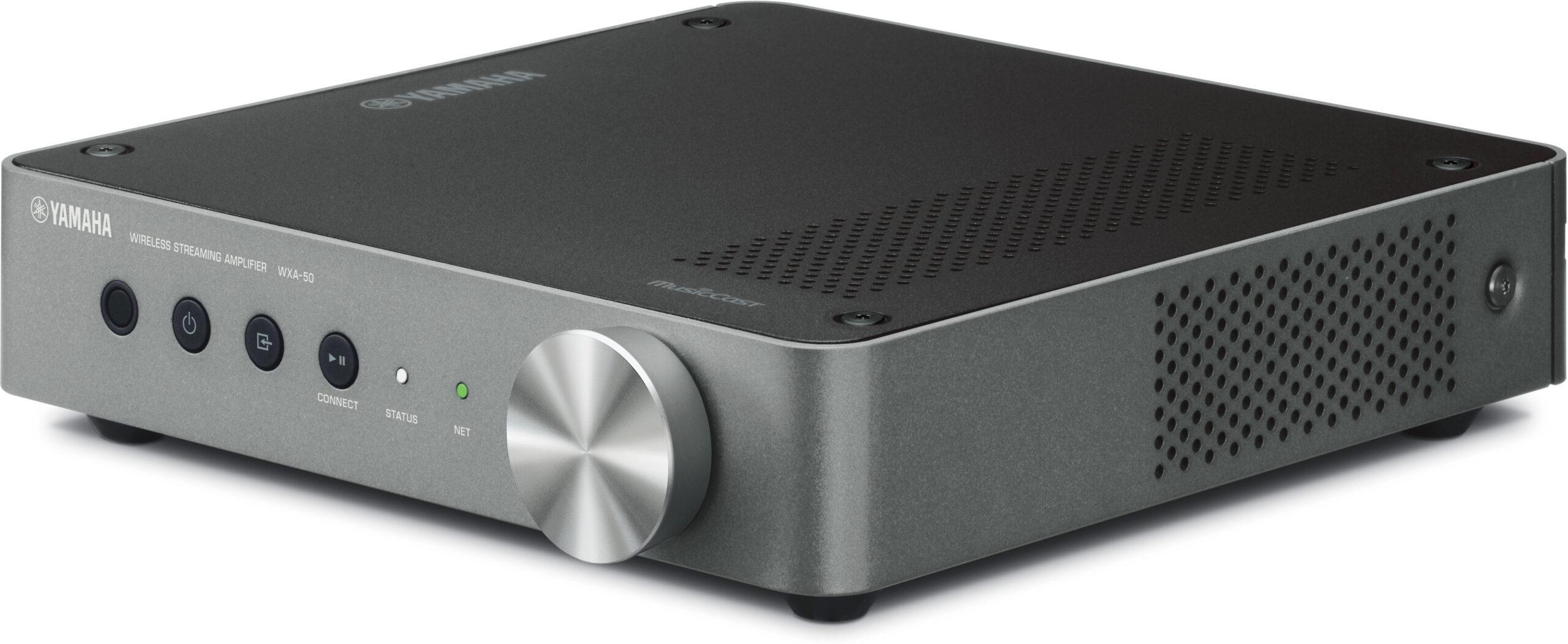
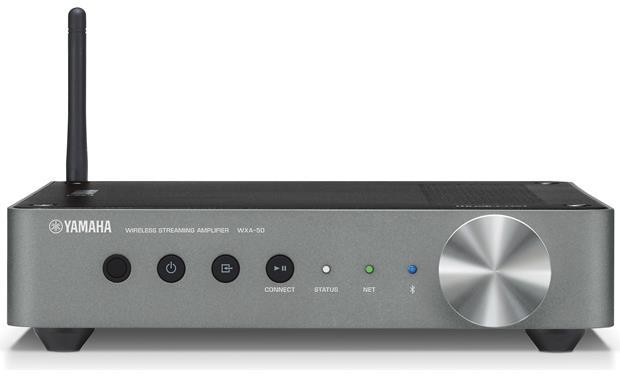
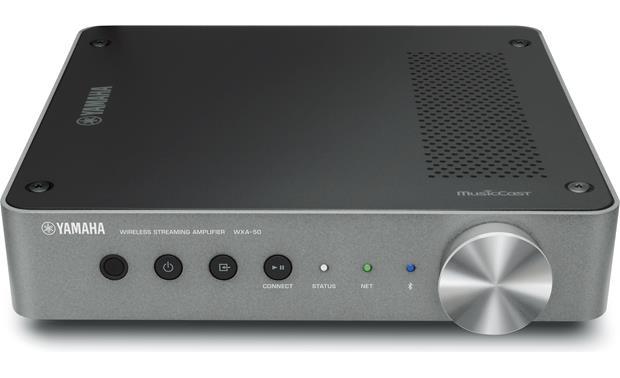
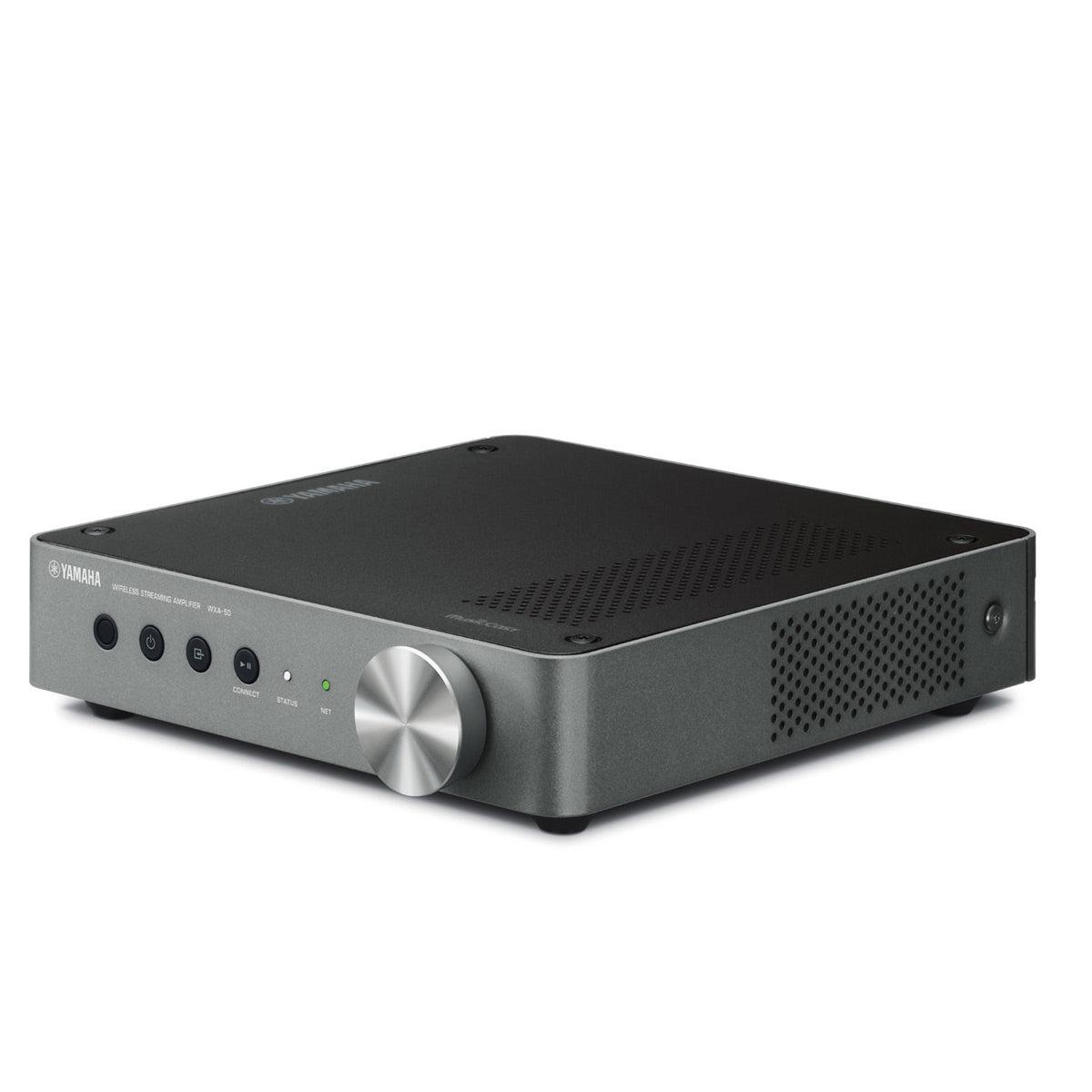
The two standout options in this category come from audio giants Denon and Yamaha. The Denon HEOS Amp HS2, launched in 2016, focuses heavily on multi-room integration within Denon's broader ecosystem. Meanwhile, Yamaha's MusicCast WXA-50 takes a more audiophile-focused approach, emphasizing sound quality and professional installation features. At the time of writing, these products are separated by roughly $100, with the Yamaha commanding a premium that reflects its enhanced specifications.
Before diving into the comparison, it's worth understanding what these devices actually do. A traditional stereo setup requires separate components: a source (like a CD player), a preamp to control volume and switch inputs, and a power amplifier to drive the speakers. Wireless streaming amplifiers combine all these functions into one compact box, while adding modern conveniences like smartphone control and internet streaming.
The key considerations when choosing between these products center on four main areas: power output and audio quality, streaming capabilities and format support, multi-room functionality, and overall user experience. Each of these factors can significantly impact your long-term satisfaction with the purchase.
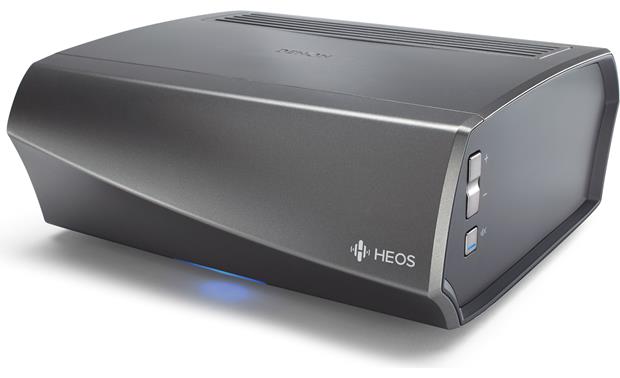
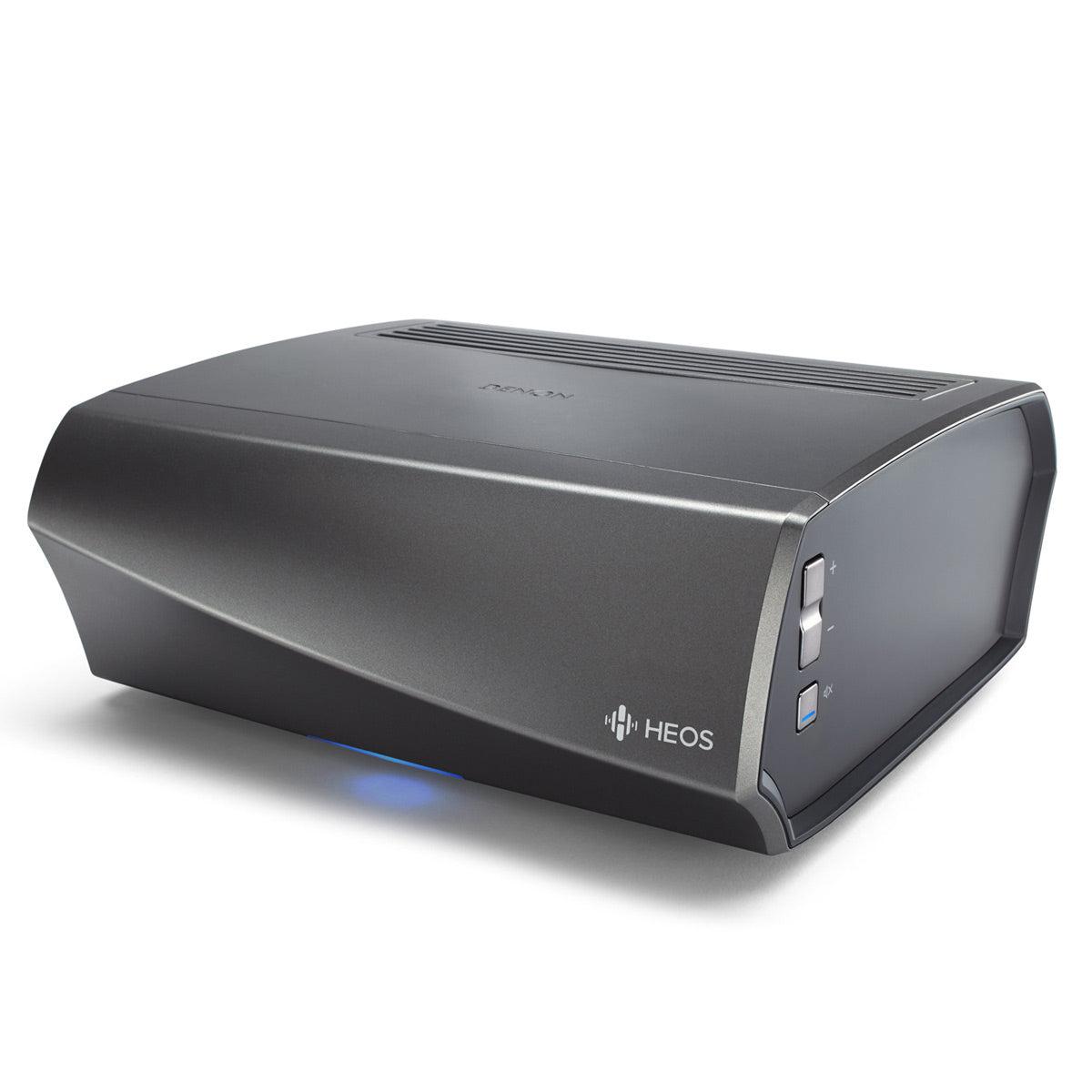
The Denon HEOS Amp HS2 delivers 100 watts per channel into 4-ohm speakers and 70 watts into 8-ohm speakers. That's solid power for most home applications, whether you're driving bookshelf speakers in a living room or outdoor speakers on a patio. The amplifier uses Class D technology, which is essentially a digital switching amplifier that's more efficient and runs cooler than traditional analog designs.
In contrast, the Yamaha MusicCast WXA-50 edges out the Denon slightly with 105 watts into 4 ohms and similar power ratings across different impedances. More importantly, Yamaha achieves this with lower total harmonic distortion (THD) – that's the unwanted noise that gets added to your music signal. At 0.06% THD, the Yamaha is technically cleaner than many competitors.
But raw power numbers only tell part of the story. The Yamaha incorporates an ESS Sabre DAC (digital-to-analog converter), which is the component responsible for turning digital music files into analog signals your speakers can reproduce. ESS Sabre chips are widely regarded as among the best available, contributing to the Yamaha's reputation for detailed, accurate sound reproduction.
Based on user feedback and professional reviews, the Yamaha MusicCast WXA-50 tends to maintain better composure at higher volume levels. While the Denon HEOS Amp HS2 can sound compressed when pushed hard, the Yamaha delivers cleaner dynamics when you really want to crank up your music. This difference becomes most apparent in larger rooms or when using less efficient speakers that require more power to reach satisfying volume levels.
However, the Denon shouldn't be dismissed on sound quality. Users consistently praise its ability to deliver punchy bass, clear midrange, and a spacious soundstage. It's particularly well-regarded for outdoor applications, where its robust amplification section proves reliable even when driving multiple speaker pairs in challenging conditions.
Both amplifiers support high-resolution audio formats, but with some important distinctions. High-resolution audio refers to digital music files with higher sampling rates and bit depths than standard CD quality (16-bit/44.1kHz). Think of it like the difference between standard definition and 4K video – more information means more accurate reproduction of the original recording.
The Denon HEOS Amp HS2 handles the most common hi-res formats including FLAC, WAV, and Apple Lossless (ALAC) files up to 24-bit/192kHz. It also supports DSD (Direct Stream Digital), the format used for Super Audio CDs, up to 5.6MHz. For most users, this covers every high-quality format they're likely to encounter.
The Yamaha MusicCast WXA-50 matches these specifications while adding several proprietary audio processing technologies. Its Compressed Music Enhancer attempts to restore some of the detail lost when music is converted to MP3 or other compressed formats. While this won't magically transform a low-quality MP3 into a hi-res file, it can make streaming services sound more detailed and engaging.
Yamaha also includes volume-adaptive EQ, which automatically adjusts the tonal balance based on your listening volume. At low volumes, our ears naturally perceive less bass and treble, so this feature compensates by boosting these frequencies. It's subtle but effective, especially for late-night listening sessions.
The Pure Direct mode on the Yamaha bypasses all processing and digital volume control, providing the most direct path from source to amplifier. Audiophiles appreciate this feature because it eliminates any potential digital processing artifacts, though the difference is often subtle with modern high-quality converters.
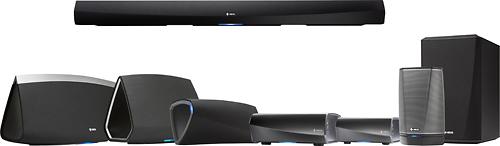
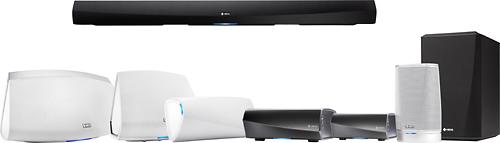
This is where the philosophical differences between these products become most apparent. The Denon HEOS Amp HS2 was designed from the ground up as part of Denon's HEOS multi-room ecosystem. When you control it through the HEOS app, you can group it with other HEOS devices, play synchronized music throughout your home, or have different music playing in each room.
The HEOS platform's strength lies in its maturity and broad device compatibility. Since launching in 2014, it has expanded to include not just Denon products but also Marantz components (Denon owns Marantz). This means your streaming amplifier can seamlessly integrate with HEOS-enabled receivers, wireless speakers, and soundbars from both brands.
However, the HEOS app receives mixed reviews. While functional, users often describe it as somewhat clunky compared to more polished competitors. One particularly frustrating limitation is that you must be connected to the same Wi-Fi network to control the system – you can't adjust your music remotely when away from home. The app also can't remotely power off the Denon HEOS Amp HS2, requiring you to physically press the standby button.
The Yamaha MusicCast WXA-50 takes a different approach with Yamaha's MusicCast platform. While newer than HEOS (launched in 2015), MusicCast has earned praise for its more intuitive app interface and more reliable performance. The system supports the same multi-room functionality, but integration is primarily limited to Yamaha products.
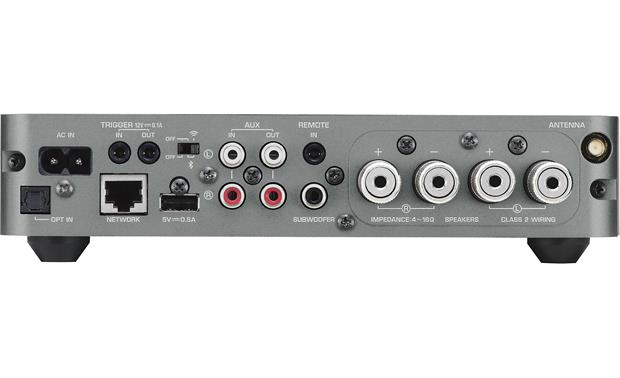
Where MusicCast shines is in professional installation scenarios. The Yamaha MusicCast WXA-50 includes 12-volt trigger inputs and outputs, which allow it to automatically turn other components on or off. It also supports integration with professional control systems like Control4 and Crestron – features that matter if you're building a comprehensive smart home system or working with a custom installer.
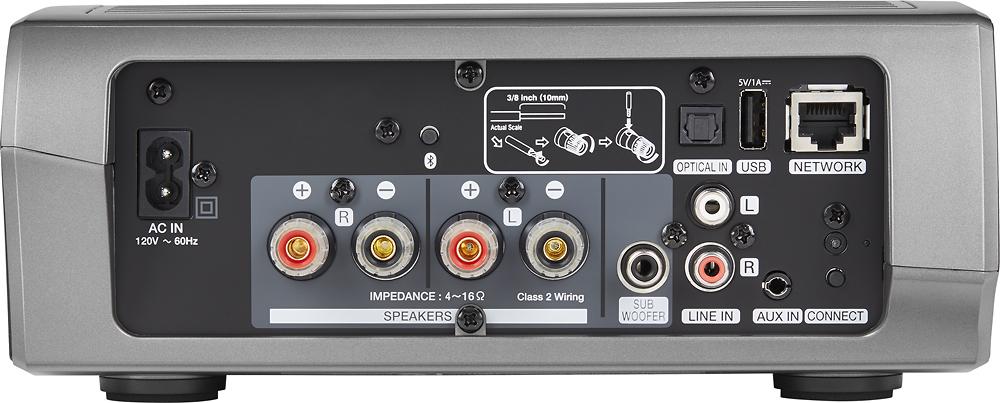
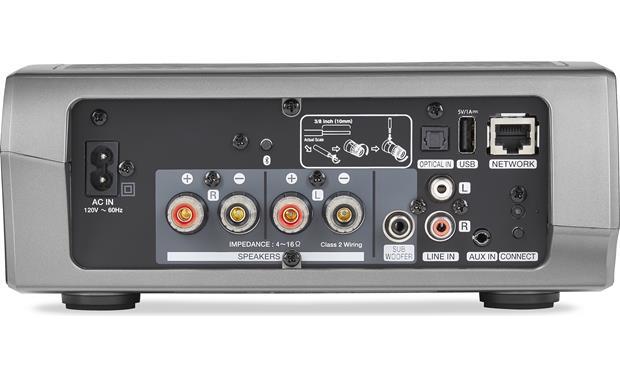
Both amplifiers excel at bridging the gap between traditional audio sources and modern streaming. The Denon HEOS Amp HS2 provides a particularly comprehensive array of inputs: USB for connecting storage devices, optical digital for CD players or TVs, traditional RCA analog inputs, and even a 3.5mm auxiliary input for older devices. This versatility makes it easy to integrate existing equipment while adding streaming capabilities.
The Denon also includes a subwoofer output, enabling 2.1 systems for users who want to add powered bass extension. This feature is particularly valuable in home theater applications, where dialogue clarity and music reproduction can benefit from dedicated subwoofer support.
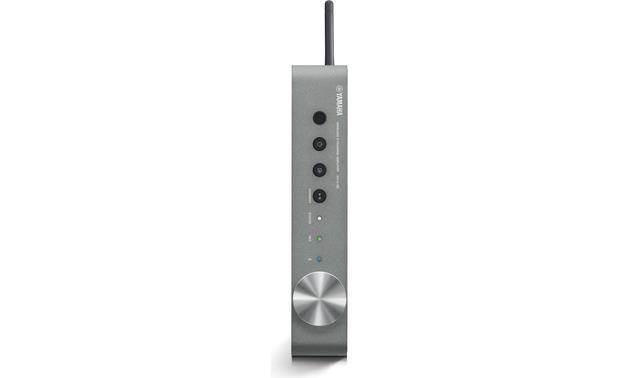
The Yamaha MusicCast WXA-50 offers similar connectivity but adds some professional-grade features. Beyond the standard inputs, it includes those 12V triggers for automation and can be mounted vertically or horizontally to fit various installation scenarios. The included remote control with six preset buttons provides quick access to favorite sources or internet radio stations – a convenience the Denon lacks.
Both units support modern wireless protocols including Wi-Fi, Bluetooth, and (on the Yamaha) Apple AirPlay. They're also compatible with DLNA, which allows streaming from computers and network-attached storage devices on your home network.
In researching user experiences and professional reviews, some clear patterns emerge. The Denon HEOS Amp HS2 excels in multi-room scenarios and outdoor installations. Users frequently mention successful deployments driving patio speakers, pool areas, and multiple zones throughout large homes. The amplifier's robust output stage handles demanding loads well, and its integration with the broader HEOS ecosystem makes whole-home audio management straightforward.
However, the Denon's limitations become apparent in single-room, high-quality listening scenarios. While it sounds good, users seeking the ultimate in audio fidelity often find it lacking compared to dedicated audiophile components. The HEOS app's limitations also frustrate users who want more sophisticated control options.
The Yamaha MusicCast WXA-50 receives consistently higher marks for pure audio quality. Users report cleaner sound at higher volumes, more detailed midrange reproduction, and better overall dynamics. The MusicCast app is generally praised as more responsive and intuitive than HEOS, though it lacks some of the broader ecosystem integration that makes HEOS appealing for multi-brand installations.
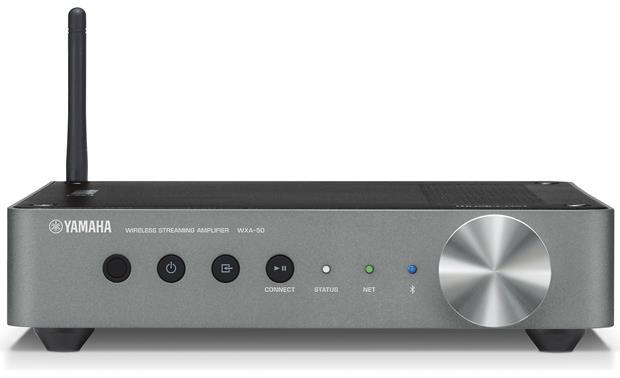
Professional reviewers consistently note the Yamaha's superior technical specifications and build quality. The unit's compact aluminum chassis feels more premium than the Denon's plastic construction, and the inclusion of front-panel controls provides backup options when smartphone control isn't convenient.
While neither product is designed primarily for home theater use, both can serve as stereo amplifiers in larger AV systems. The Denon HEOS Amp HS2's subwoofer output makes it more suitable for 2.1 configurations, which can work well for music-focused home theater setups or as part of a larger surround system.
The optical digital input on both units allows connection to TV audio outputs, though this limits you to stereo sound. For serious home theater applications, you'd typically want these amplifiers to handle front left and right speakers while a separate AV receiver manages surround channels and video switching.
The Yamaha MusicCast WXA-50's trigger inputs and outputs make it easier to integrate into complex home theater systems, automatically powering on when your TV or AV receiver starts up. This automation capability is particularly valuable in custom installation scenarios where seamless operation is essential.
After extensive research into user experiences and professional evaluations, the choice between these products depends heavily on your priorities and use case.
Choose the Denon HEOS Amp HS2 if you're building or expanding a multi-room audio system, especially if you already own other Denon or Marantz components. Its lower price point (at the time of writing) makes it attractive for multi-zone installations where you need several units. The comprehensive input selection and subwoofer output add versatility, while its proven reliability in outdoor applications makes it ideal for patio and pool installations.
The Denon is also the better choice if you prioritize ecosystem integration over ultimate sound quality. While it may not match the Yamaha's technical specifications, it delivers satisfying performance for most users while offering superior compatibility with other brands' HEOS-enabled products.
Opt for the Yamaha MusicCast WXA-50 when audio quality is your primary concern. Its superior specifications translate to noticeably better performance at higher volumes and more detailed sound reproduction overall. The more polished app experience and better build quality justify the premium pricing for users who will appreciate these refinements.
The Yamaha is particularly well-suited for single-room high-quality installations, professional custom installations requiring automation features, and users who frequently listen to high-resolution audio sources. If you're the type of person who notices subtle differences in audio quality and appreciates well-designed user interfaces, the extra investment is worthwhile.
Both products represent solid values in their respective niches, but they serve different types of users. The Denon prioritizes integration and value, while the Yamaha focuses on quality and refinement. Understanding which approach better matches your needs and budget will guide you to the right choice for your home audio system.
Since both products launched several years ago, it's worth noting that newer firmware updates have addressed some early limitations, and the streaming service landscape has evolved significantly. Both platforms now support most major streaming services, though integration quality can vary. The fundamental strengths and weaknesses of each approach remain largely unchanged, making this comparison relevant for anyone considering these specific models or their successors.
| Denon HEOS Amp HS2 | Yamaha MusicCast WXA-50 |
|---|---|
| Power Output - Critical for driving speakers effectively | |
| 100W per channel (4Ω), 70W per channel (8Ω) | 105W per channel (4Ω), 70W per channel (6Ω), 55W per channel (8Ω) |
| Total Harmonic Distortion - Lower numbers mean cleaner sound | |
| 0.1% at 1 kHz | 0.06% (20 Hz–20 kHz) - noticeably cleaner |
| Signal-to-Noise Ratio - Higher is better for quiet background | |
| 83 dB (IHF-A weighted) | 110 dB (digital inputs) - significantly quieter noise floor |
| High-Resolution Audio Support - For audiophile-quality playback | |
| FLAC/WAV/ALAC up to 24-bit/192kHz, DSD up to 5.6MHz | Same formats plus proprietary sound enhancement technologies |
| Digital-to-Analog Converter - The heart of sound quality | |
| Standard DAC (unspecified) | ESS Sabre DAC - premium audiophile-grade converter |
| Multi-Room Platform - For whole-home audio systems | |
| HEOS ecosystem (works with Denon/Marantz products) | MusicCast ecosystem (Yamaha products only) |
| Connectivity Options - Flexibility for various sources | |
| Wi-Fi, Bluetooth, Ethernet, USB, optical, RCA, 3.5mm aux | Wi-Fi, Bluetooth, AirPlay, Ethernet, USB, optical, RCA |
| Professional Installation Features - For custom integrators | |
| Basic connectivity only | 12V trigger in/out, rack mounting, Control4/Crestron compatibility |
| Physical Controls - Backup when app isn't available | |
| Minimal front panel controls | Front panel volume/controls plus 6-preset remote included |
| Subwoofer Output - For adding bass extension | |
| Yes - enables 2.1 systems | Yes - mono RCA output |
| App Experience - Daily usability factor | |
| HEOS app (mixed reviews, WiFi network limitation) | MusicCast app (generally better-received interface) |
| Build Quality - Long-term durability and feel | |
| Solid but basic construction | Premium aluminum chassis, more refined build |
| Audio Processing Features - Sound customization options | |
| Basic processing only | Compressed Music Enhancer, volume-adaptive EQ, Pure Direct mode |
| Ideal Use Cases - Best applications for each | |
| Multi-room systems, outdoor installations, budget-conscious setups | Single-room hi-fi, professional installations, audiophile applications |
The Yamaha MusicCast WXA-50 generally delivers superior sound quality with its ESS Sabre DAC, lower distortion (0.06% vs 0.1%), and better performance at high volumes. The Denon HEOS Amp HS2 still sounds good but can compress slightly when pushed hard. For audiophile listening, the Yamaha is the clear winner.
Both amplifiers deliver similar power output, with the Yamaha MusicCast WXA-50 slightly edging out at 105W per channel into 4 ohms versus 100W for the Denon HEOS Amp HS2. In real-world use, this 5W difference is negligible - both have enough power for most home speakers and room sizes.
The Denon HEOS Amp HS2 excels at multi-room setups through its mature HEOS ecosystem, which works with both Denon and Marantz products. The Yamaha MusicCast WXA-50 also supports multi-room but is limited to Yamaha devices only. For broader compatibility, choose Denon.
Both can integrate into home theater setups as stereo amplifiers for front speakers. The Denon HEOS Amp HS2 includes a subwoofer output for 2.1 configurations, while the Yamaha MusicCast WXA-50 offers 12V triggers for automation with AV receivers. Neither replaces a full surround sound receiver.
The Yamaha MusicCast WXA-50 generally receives better reviews for its app interface and reliability. The Denon HEOS Amp HS2 app is functional but considered less polished, with limitations like requiring the same WiFi network for control and inability to remotely power off the unit.
Both the Denon HEOS Amp HS2 and Yamaha MusicCast WXA-50 support FLAC, WAV, and ALAC files up to 24-bit/192kHz, plus DSD up to 5.6MHz. The Yamaha adds proprietary sound enhancement features like Compressed Music Enhancer and volume-adaptive EQ for additional audio processing options.
The Denon HEOS Amp HS2 provides more diverse inputs including USB, optical, RCA, and 3.5mm auxiliary connections. The Yamaha MusicCast WXA-50 matches most of these but adds Apple AirPlay support and professional features like 12V triggers. Both offer WiFi, Bluetooth, and Ethernet connectivity.
The Denon HEOS Amp HS2 is particularly well-regarded for outdoor installations, with users frequently reporting successful patio and pool speaker setups. The Yamaha MusicCast WXA-50 can also drive outdoor speakers effectively, but the Denon has a stronger track record in demanding outdoor applications.
The Denon HEOS Amp HS2 offers simpler setup and broader input compatibility, making it beginner-friendly despite app limitations. The Yamaha MusicCast WXA-50 has a more intuitive app but fewer physical controls. Both are relatively easy to set up, though the Denon's extra input options provide more flexibility for various sources.
The Yamaha MusicCast WXA-50 features a premium aluminum chassis and more refined construction compared to the Denon HEOS Amp HS2's solid but basic plastic housing. The Yamaha also includes front-panel controls and a remote, while the Denon relies primarily on app control for operation.
Both the Denon HEOS Amp HS2 and Yamaha MusicCast WXA-50 support major streaming services like Spotify, Tidal, and Pandora through their respective apps. However, integration quality varies by service, and some platforms like Apple Music may require workarounds for full multi-room functionality on either system.
The Denon HEOS Amp HS2 typically costs less and offers excellent value for multi-room systems and outdoor installations. The Yamaha MusicCast WXA-50 commands a premium but justifies it with superior audio specifications, better build quality, and professional installation features. Choose based on whether you prioritize price or performance.
We've done our best to create useful and informative comparisons to help you decide what product to buy. Our research uses advanced automated methods to create this comparison and perfection is not possible - please contact us for corrections or questions. These are the sites we've researched in the creation of this article: bestbuy.com - consumerreports.org - audiosciencereview.com - youtube.com - crutchfield.com - avsforum.com - whathifi.com - audiosciencereview.com - youtube.com - versus.com - easylounge.com - snapav.com - crutchfield.com - accessories4less.com - richersounds.com - wave-electronics.com - bestbuy.com - safeandsoundhq.com - theaudiotailor.com.au - retailspecs.com - crutchfield.ca - usa.yamaha.com - avluxurygroup.com - crutchfield.com - crutchfield.com - teamiu.com - audiosciencereview.com - snapav.com - avsforum.com - youtube.com - hifiheaven.net - usa.yamaha.com - usa.yamaha.com - audiokarma.org - usa.yamaha.com - bestbuy.com - usa.yamaha.com - ooberpad.com - dugoutnorthbrook.com - parts-express.com

Privacy Policy
Terms and Conditions - Affiliate Policy
Home Security
© Copyright 2008-2026.
11816 Inwood Rd #1211, Dallas, TX 75244